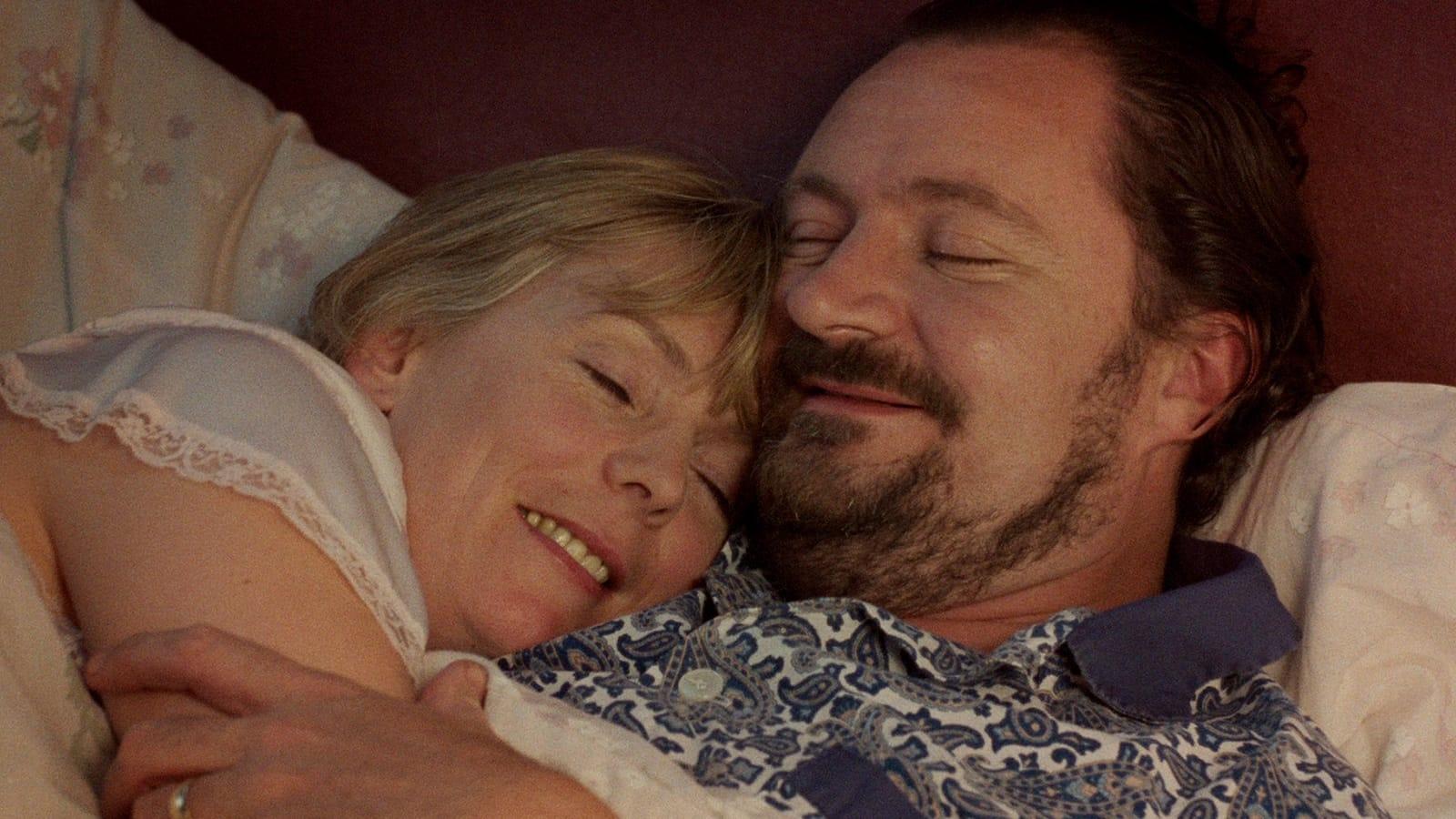
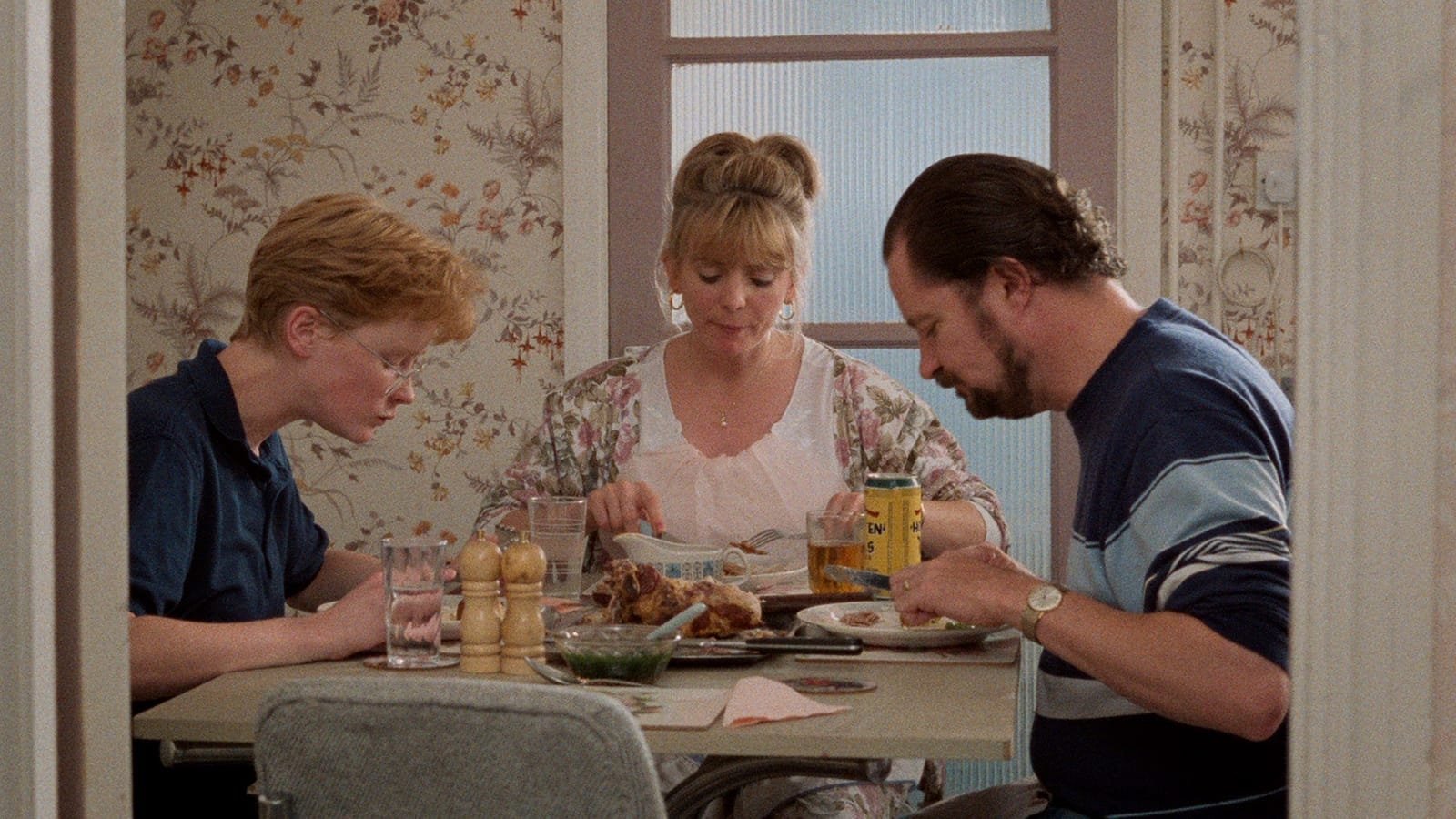
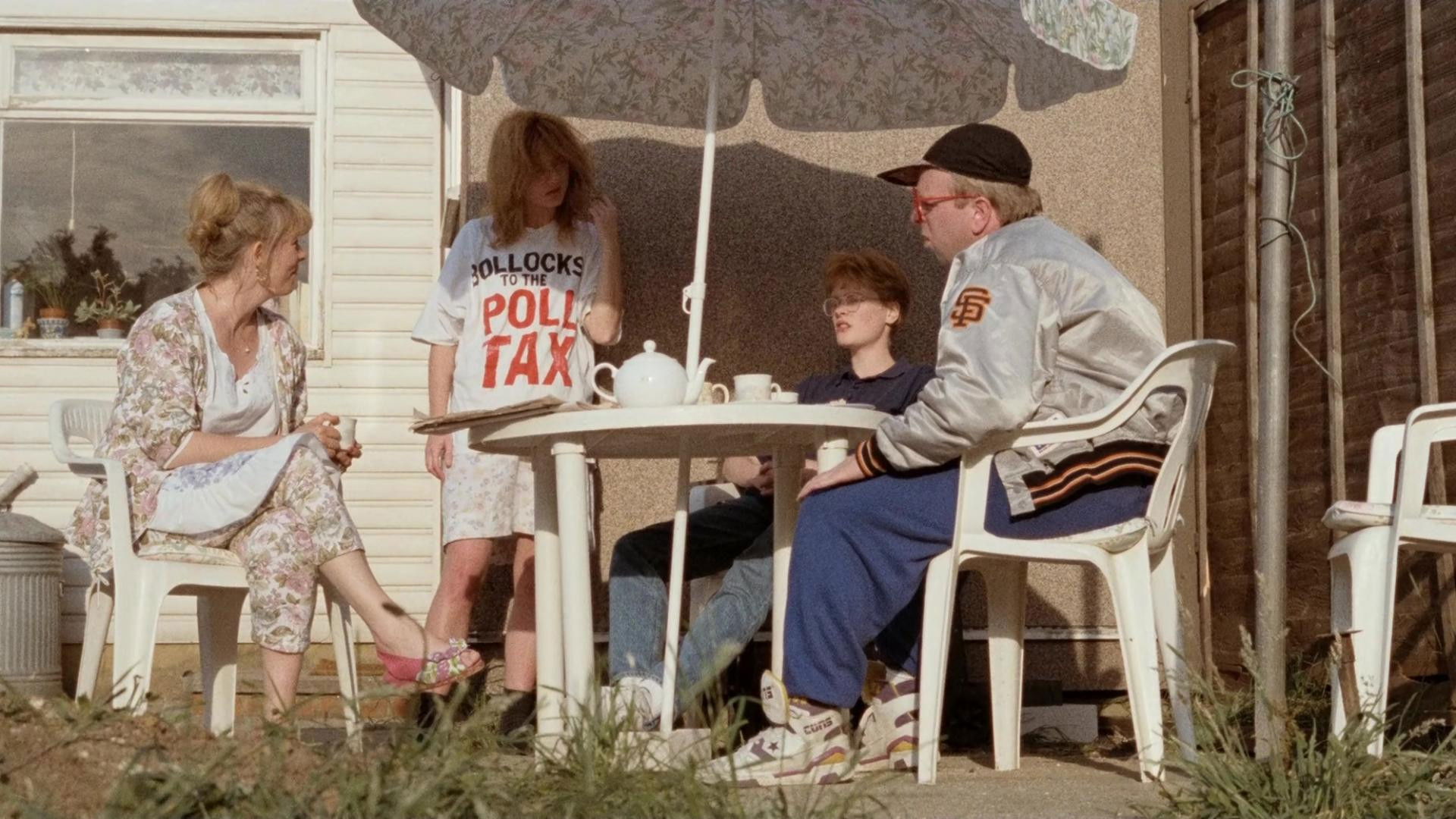
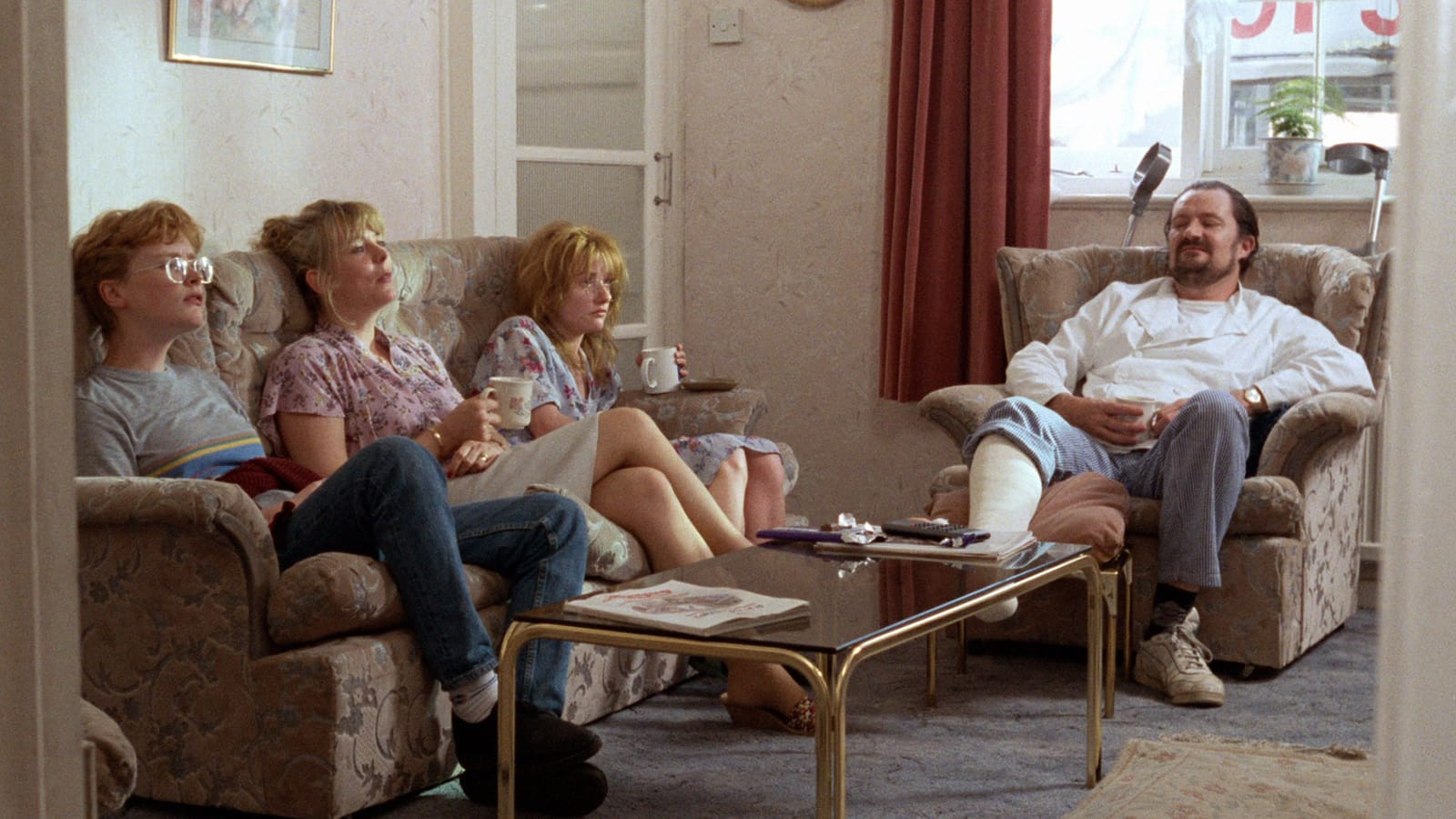
Life Is Sweet presents a version of everyday life that feels less like a constructed narrative and more like something quietly observed. Mike Leigh focuses on the small, often overlooked rhythms of a lower-class family in early 90s England, where life is shaped not by major events but by a constant sense of emotional fatigue.The film finds meaning in ordinary moments, the pub with your mates acting as a brief escape from reality, or the way small, often unrealistic ideas are entertained with complete sincerity. These aren’t expressions of ambition so much as they are attempts to momentarily believe in something different. Beneath that, there’s an unspoken understanding that life will continue much the same regardless.At home, the quiet moments carry a different kind of weight. Conversations rarely go where they need to, not because of a lack of empathy, but because everyone feels too consumed by their own internal pressures to properly articulate them. The result is a kind of emotional distance where people coexist rather than fully connect, each moving within their own psychological space.What makes Life Is Sweet so striking is how it captures the way people commit to things that might seem trivial or even absurd on the surface. That commitment isn’t naive it’s necessary. Belief becomes a way of coping with the monotony and strain of daily life. Without it, there’s very little to hold onto.There’s no dramatic release or resolution. Even moments that hint at change feel fragile, as though they could collapse at any point. The film resists offering catharsis, instead maintaining a steady, unfiltered view of lives that continue forward without significant transformation.In doing so, Life Is Sweet becomes less about plot and more about a state of being where the routines of everyday life are so consuming that reflection itself becomes a luxury.
Life Is Sweet presents a version of everyday life that feels less like a constructed narrative and more like something quietly observed. Mike Leigh focuses on the small, often overlooked rhythms of a lower-class family in early 90s England, where life is shaped not by major events but by a constant sense of emotional fatigue.The film finds meaning in ordinary moments, the pub with your mates acting as a brief escape from reality, or the way small, often unrealistic ideas are entertained with complete sincerity. These aren’t expressions of ambition so much as they are attempts to momentarily believe in something different. Beneath that, there’s an unspoken understanding that life will continue much the same regardless.At home, the quiet moments carry a different kind of weight. Conversations rarely go where they need to, not because of a lack of empathy, but because everyone feels too consumed by their own internal pressures to properly articulate them. The result is a kind of emotional distance where people coexist rather than fully connect, each moving within their own psychological space.What makes Life Is Sweet so striking is how it captures the way people commit to things that might seem trivial or even absurd on the surface. That commitment isn’t naive it’s necessary. Belief becomes a way of coping with the monotony and strain of daily life. Without it, there’s very little to hold onto.There’s no dramatic release or resolution. Even moments that hint at change feel fragile, as though they could collapse at any point. The film resists offering catharsis, instead maintaining a steady, unfiltered view of lives that continue forward without significant transformation.In doing so, Life Is Sweet becomes less about plot and more about a state of being where the routines of everyday life are so consuming that reflection itself becomes a luxury.