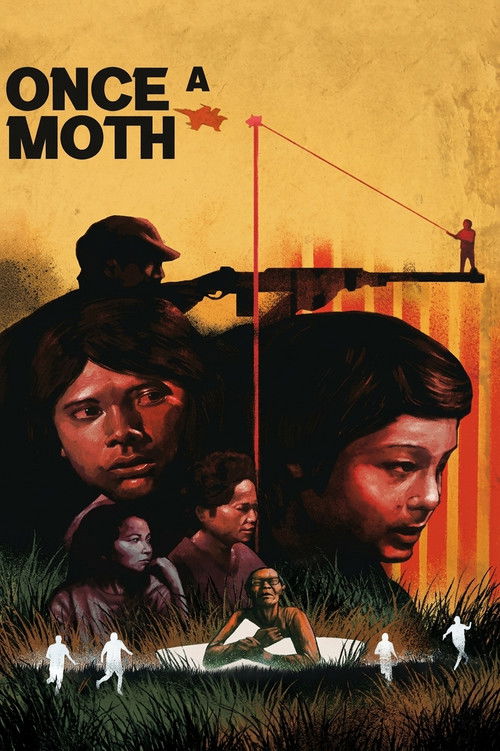
The power of Once A Month cannot be understated. When the film was made, American bases were commonplace on Filipino soil. America had intended to use the Philippines as a way to establish a foothold in Asia and the various military bases were a part of that. With the presence of the United States in the Philippines came an influx of wealth, wealth that tended to circulate primarily within these cultural pockets near the bases. The ones who benefitted the most belonged to a class that tended to hold power already and therefore had the ability to better “negotiate” with the Americans. The poor, however, were left to pick up the scraps. This has had a profound effect on the way the country has developed to the point where some of the country’s biggest scandals since have almost always centered around the appropriation of funds from (mostly American) foreigners or a means of saving face in front of (mostly American) foreigners.
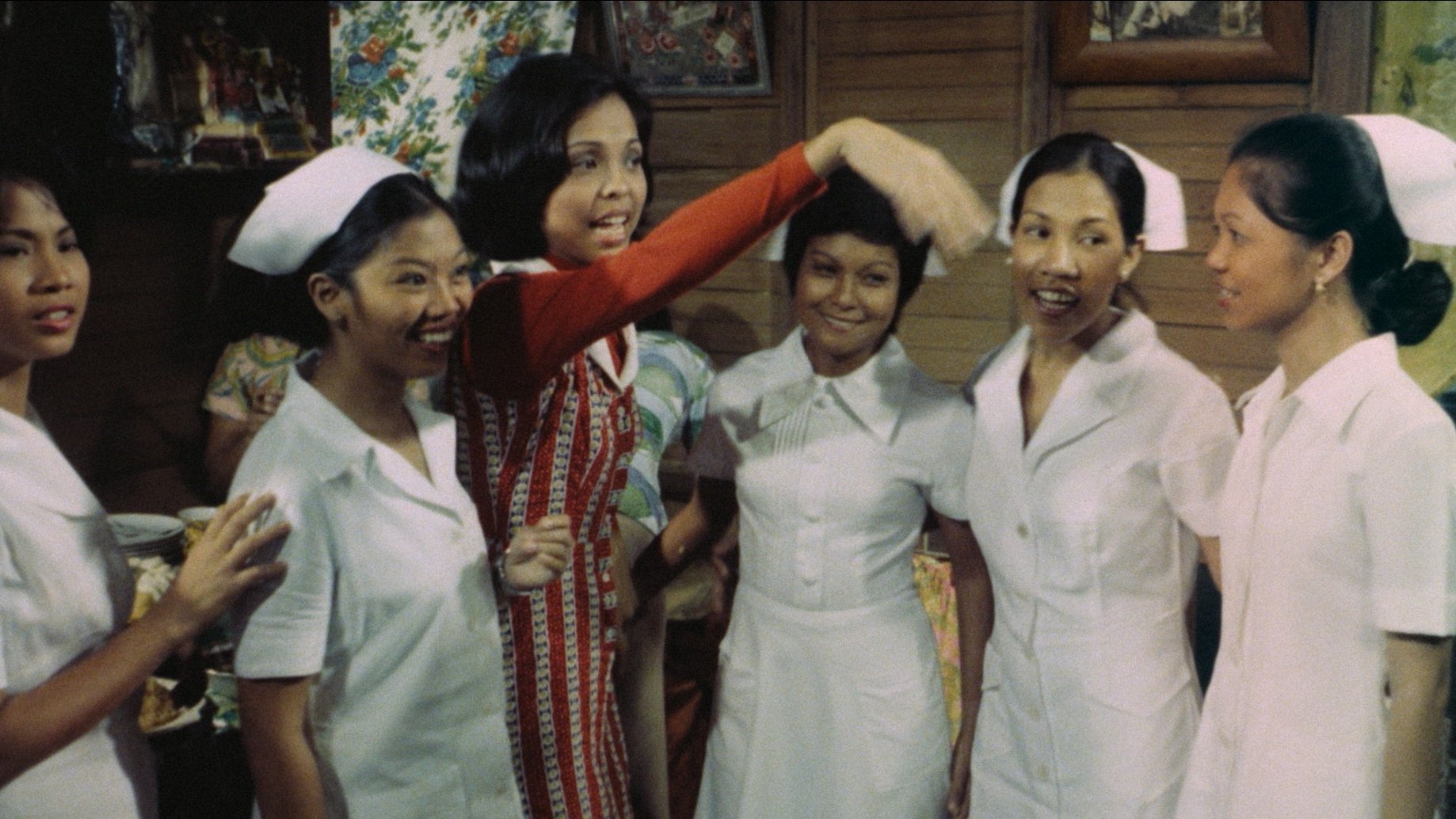
Under this context, Once A Month explores the contradictions of this relationship between the Philippines and America. America presents itself as a bastion of well-being and a better life to where a lot of Filipinos wanted to go to the United States, jumping through many hoops just to get approved for a passport and a visa. The two most common pathways for this were to either study as a nurse or join the US navy. On the surface, this relationship looks mutually beneficial. The Philippines gets to benefit from American wealth and the United States gets a new way to enforce its presence as a global power, but that enforcement of power is exactly what makes the relationship unequal. The Philippines supplies the US with a fresh new batch of laborers for their bases and back home and a small group of Filipinos who align themselves with the US government get power.
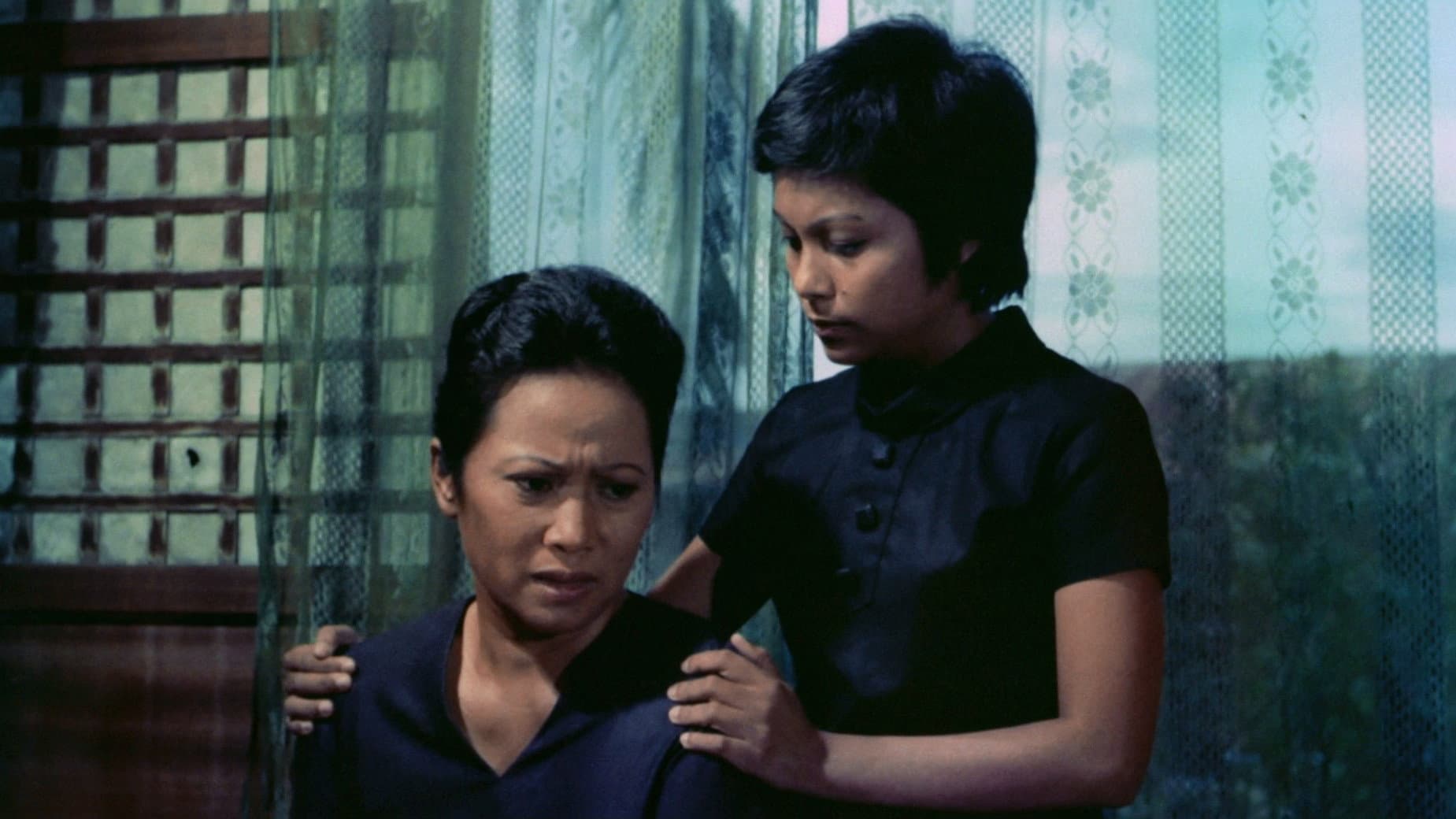
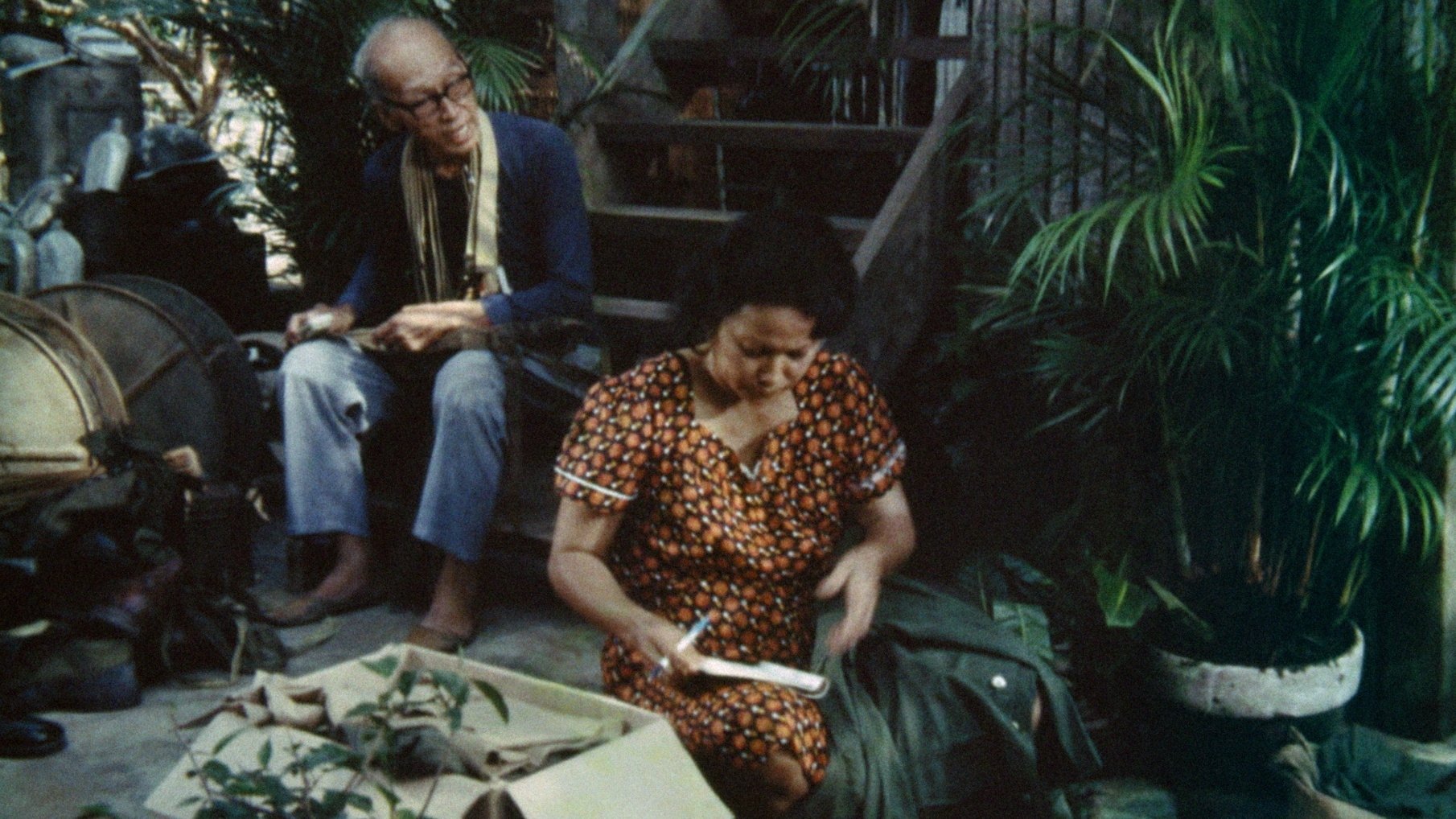
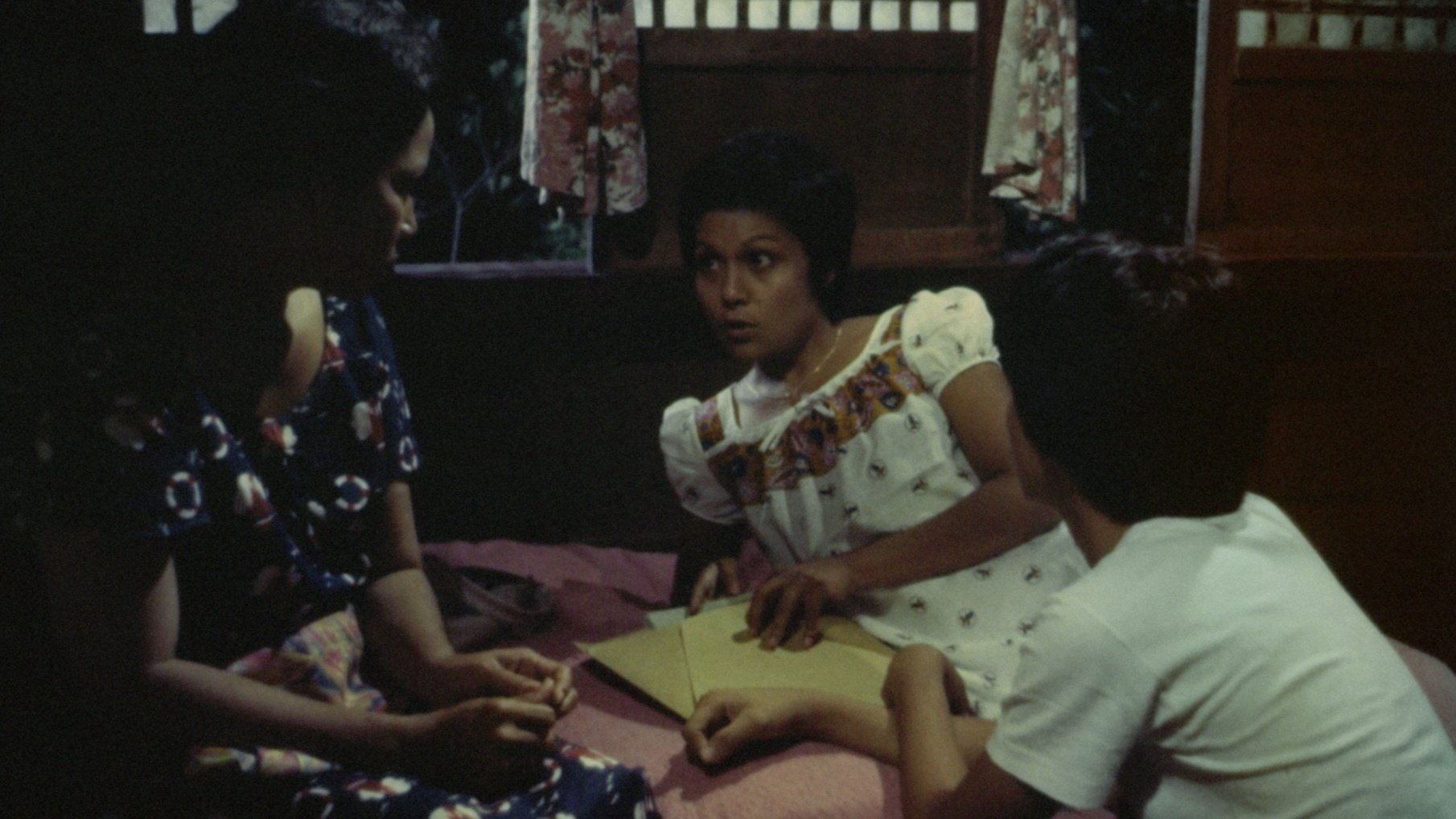
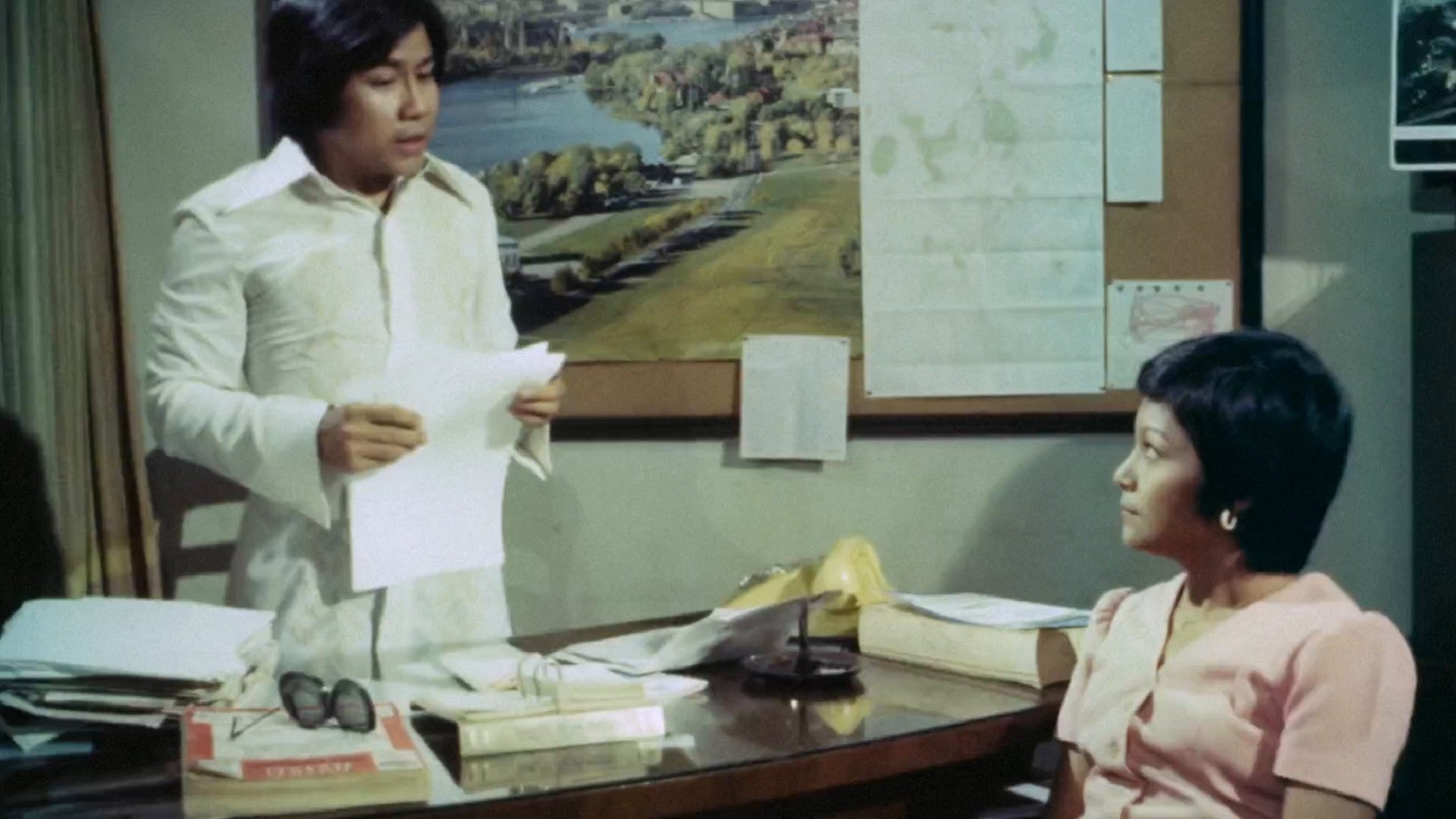
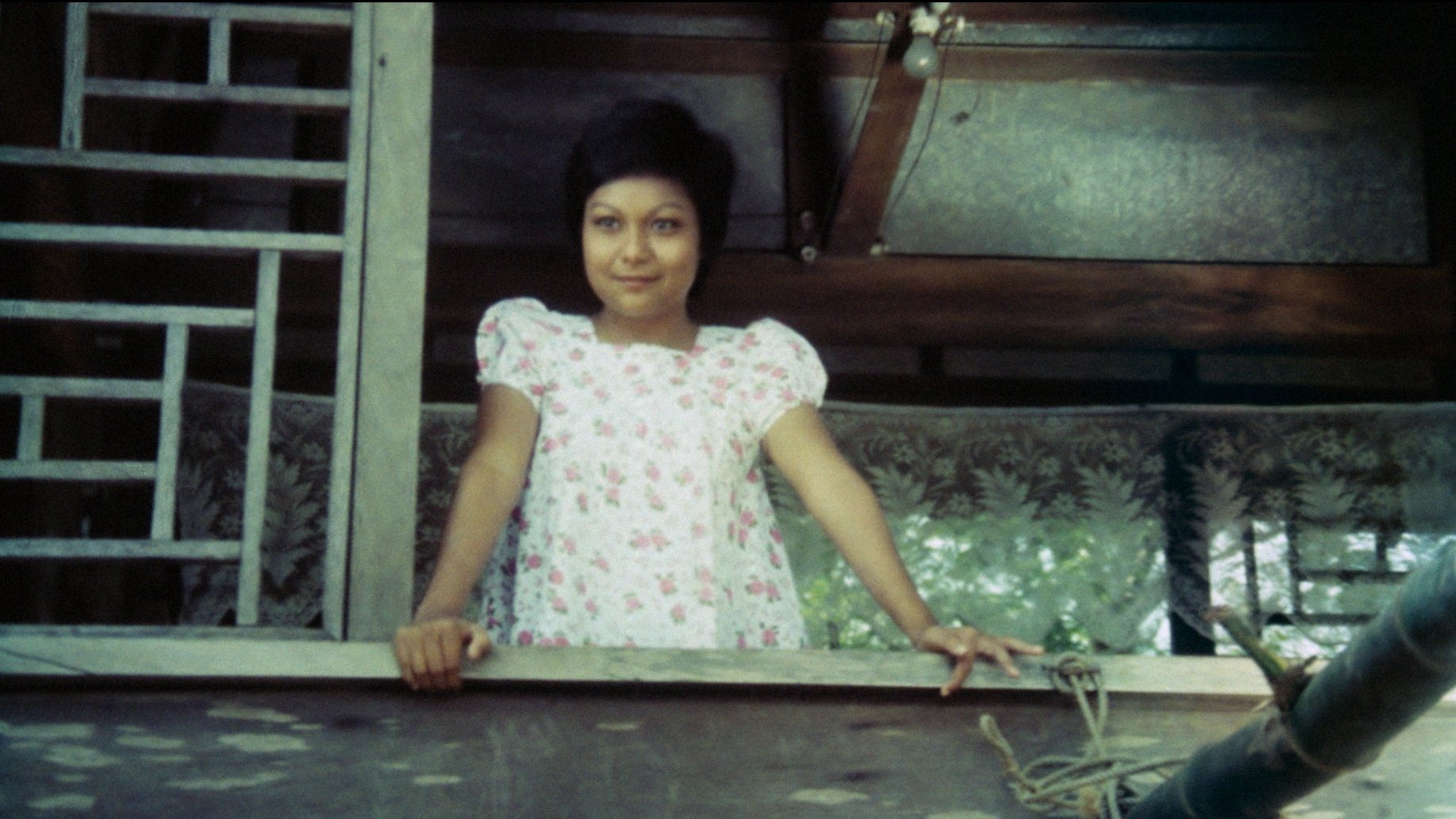
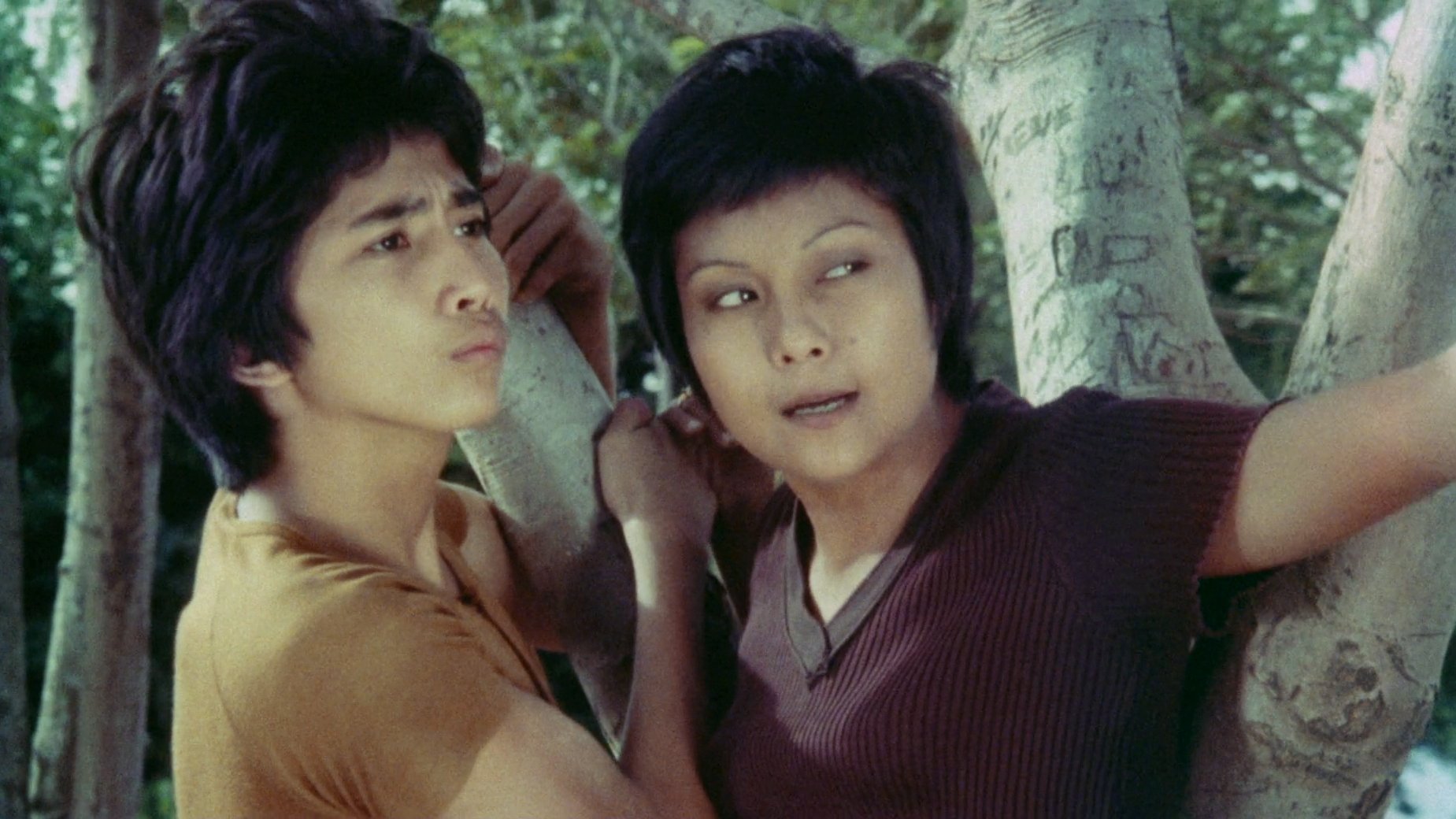
These inequalities are discussed in depth by the characters, most notably in how Cora and Boni’s family navigate through life during American occupation. Cora’s grandfather was involved in the war and has a strong nationalist spirit. He is proud to have helped the Americans during the war but is saddened by their continued presence, wondering exactly how freedom was achieved if they are still here. Boni’s mother runs her own store while also working on base, able to leverage her work in order to secure more goods for her general store. The younger generations are more excited about the promise of a future handed to them by America, whereas the older generation needs some convincing.
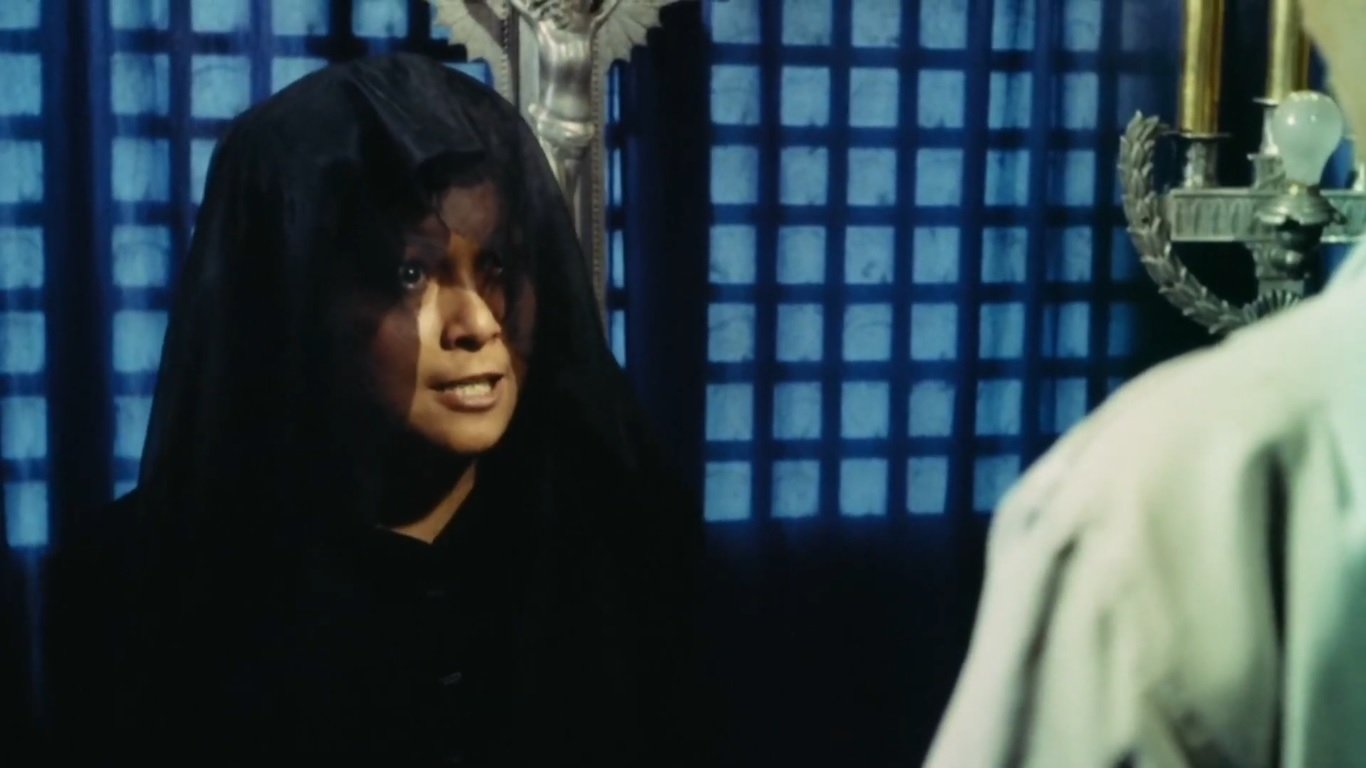
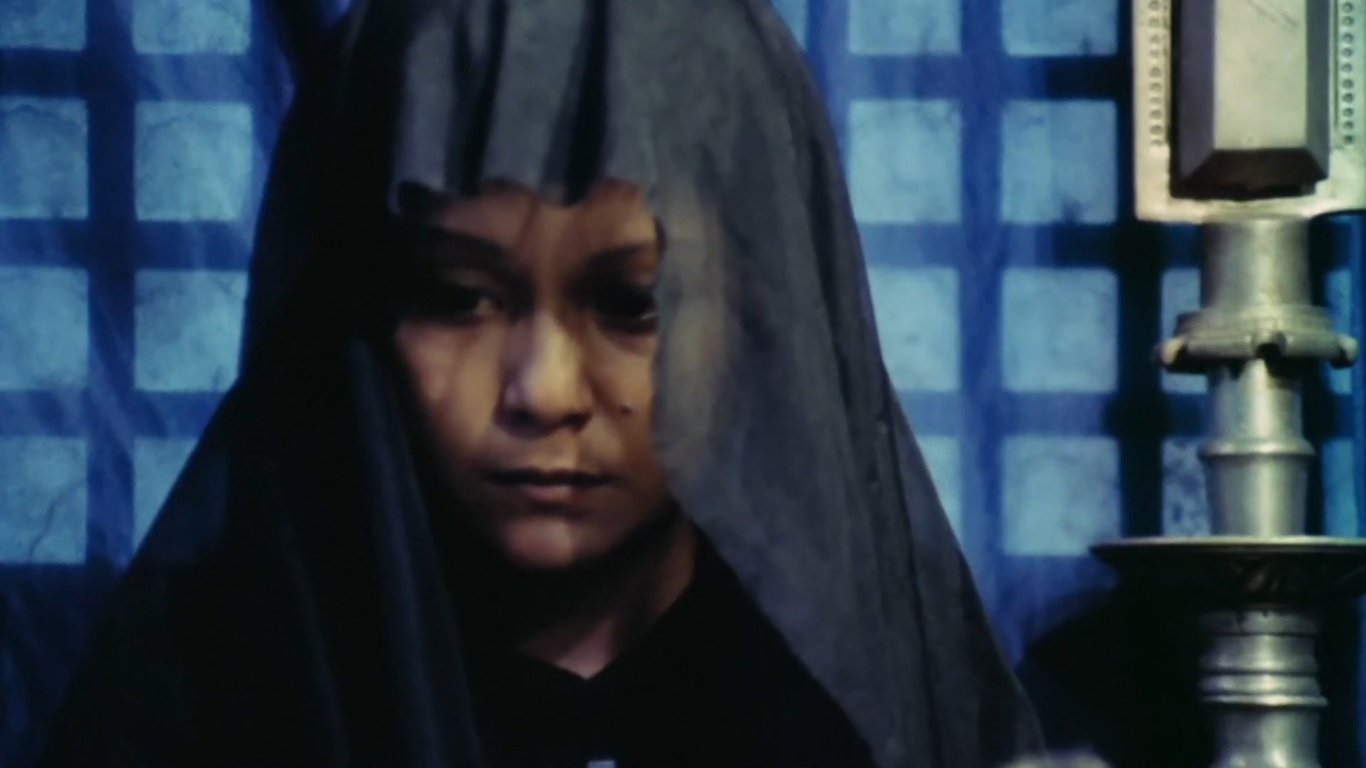
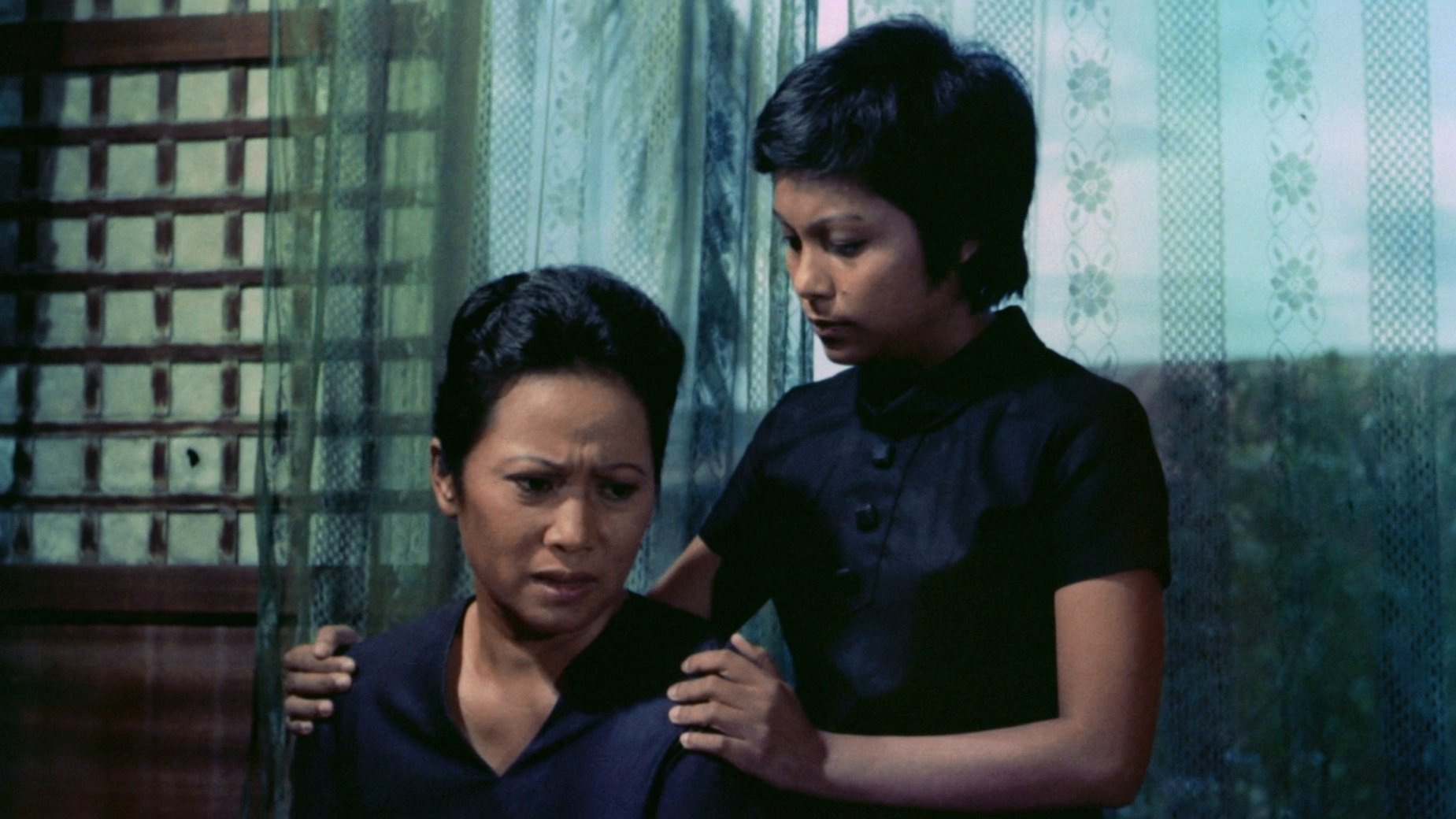
And this is where Once A Month stands powerful as a form of protest film. Should progress come at the cost of independence and freedom? The harsh dehumanization that characters deal with is everpresent in how various forms of cruelty are able to persist from shootings to abuses of power, all with the threat to peoples’ livelihoods hanging over everyone’s heads whether they resale goods or they collect scrap metal. The editing of the film likes to draw parallels between abuses and injustices and the horrors of the past. A funeral march is cut together with footage of the death march on the Bataan Peninsula, children being gunned down are cut together with traditional Filipino dance. It’s a strong declaration of Filipino identity during a time when it is being upheaved.
The power of Once A Month cannot be understated. When the film was made, American bases were commonplace on Filipino soil. America had intended to use the Philippines as a way to establish a foothold in Asia and the various military bases were a part of that. With the presence of the United States in the Philippines came an influx of wealth, wealth that tended to circulate primarily within these cultural pockets near the bases. The ones who benefitted the most belonged to a class that tended to hold power already and therefore had the ability to better “negotiate” with the Americans. The poor, however, were left to pick up the scraps. This has had a profound effect on the way the country has developed to the point where some of the country’s biggest scandals since have almost always centered around the appropriation of funds from (mostly American) foreigners or a means of saving face in front of (mostly American) foreigners.
Under this context, Once A Month explores the contradictions of this relationship between the Philippines and America. America presents itself as a bastion of well-being and a better life to where a lot of Filipinos wanted to go to the United States, jumping through many hoops just to get approved for a passport and a visa. The two most common pathways for this were to either study as a nurse or join the US navy. On the surface, this relationship looks mutually beneficial. The Philippines gets to benefit from American wealth and the United States gets a new way to enforce its presence as a global power, but that enforcement of power is exactly what makes the relationship unequal. The Philippines supplies the US with a fresh new batch of laborers for their bases and back home and a small group of Filipinos who align themselves with the US government get power.
These inequalities are discussed in depth by the characters, most notably in how Cora and Boni’s family navigate through life during American occupation. Cora’s grandfather was involved in the war and has a strong nationalist spirit. He is proud to have helped the Americans during the war but is saddened by their continued presence, wondering exactly how freedom was achieved if they are still here. Boni’s mother runs her own store while also working on base, able to leverage her work in order to secure more goods for her general store. The younger generations are more excited about the promise of a future handed to them by America, whereas the older generation needs some convincing.
And this is where Once A Month stands powerful as a form of protest film. Should progress come at the cost of independence and freedom? The harsh dehumanization that characters deal with is everpresent in how various forms of cruelty are able to persist from shootings to abuses of power, all with the threat to peoples’ livelihoods hanging over everyone’s heads whether they resale goods or they collect scrap metal. The editing of the film likes to draw parallels between abuses and injustices and the horrors of the past. A funeral march is cut together with footage of the death march on the Bataan Peninsula, children being gunned down are cut together with traditional Filipino dance. It’s a strong declaration of Filipino identity during a time when it is being upheaved.