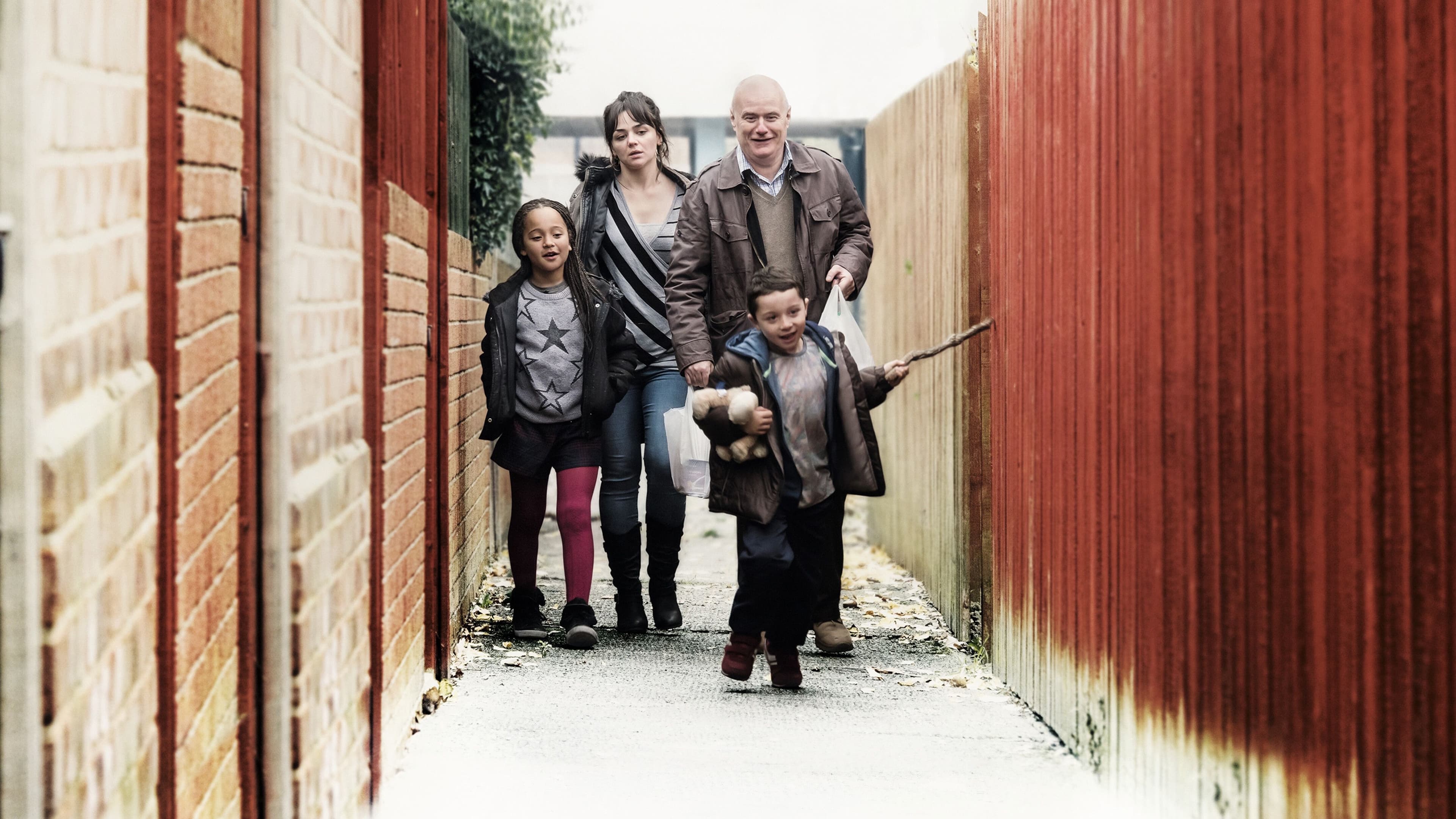
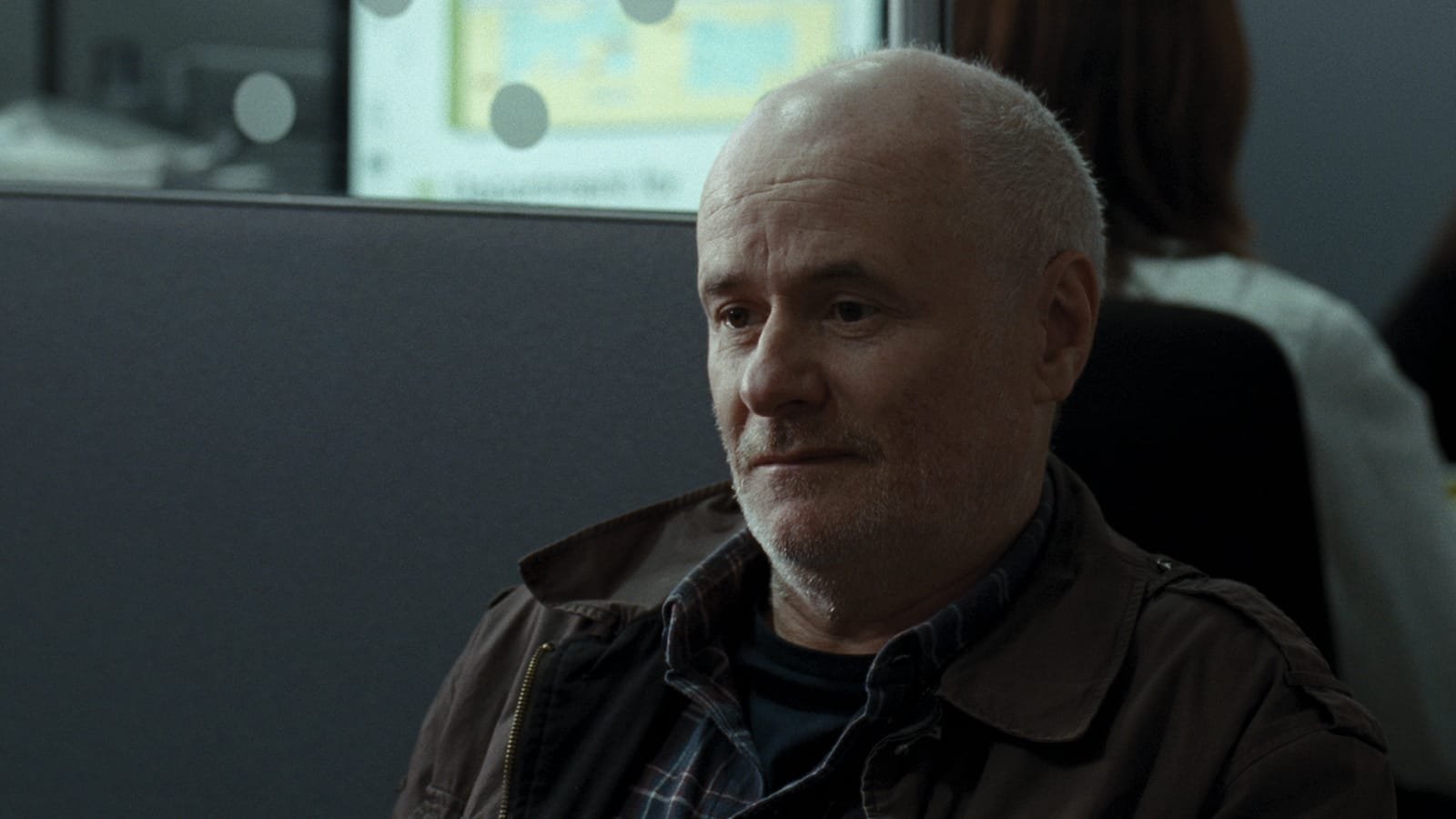
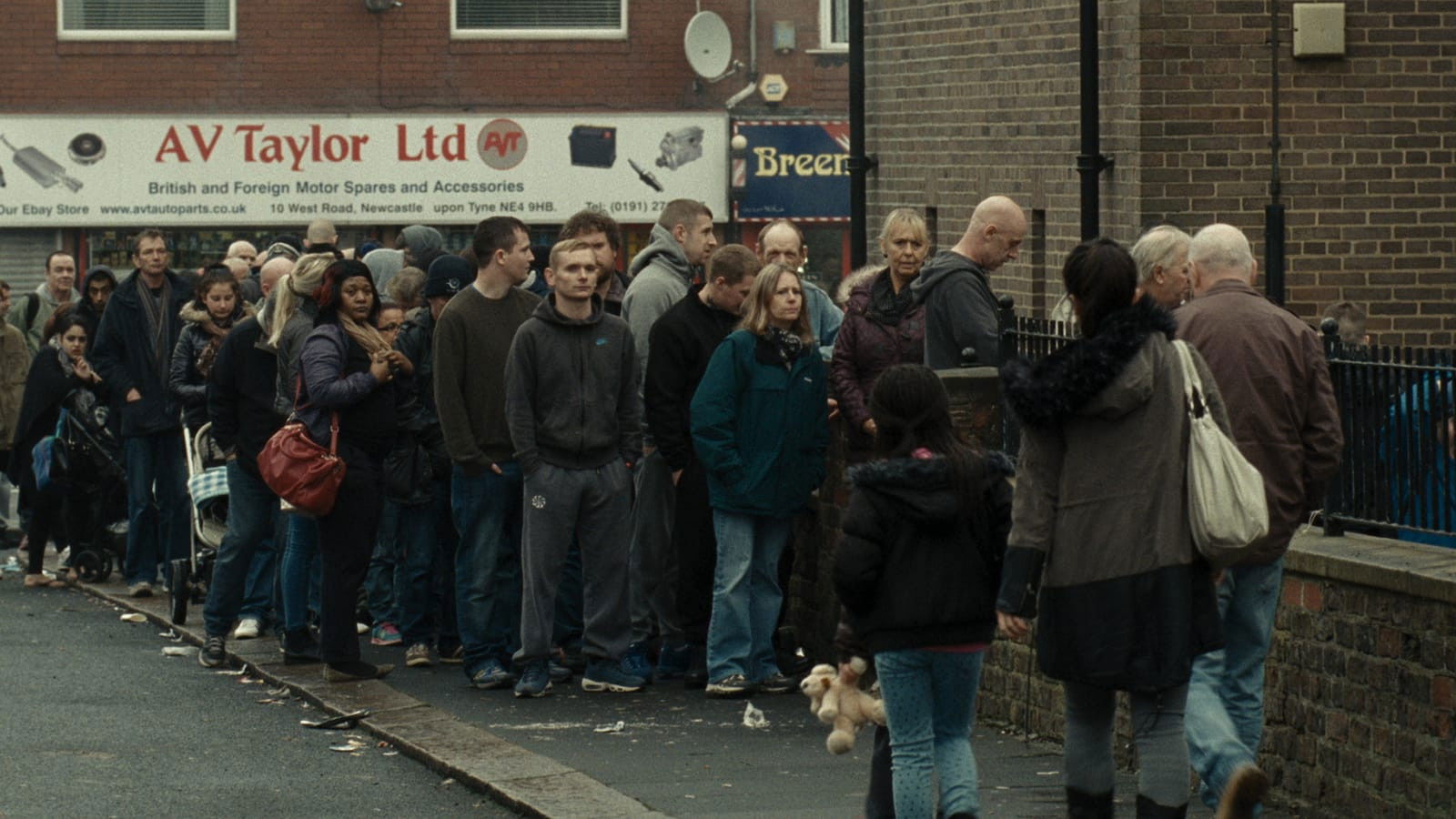
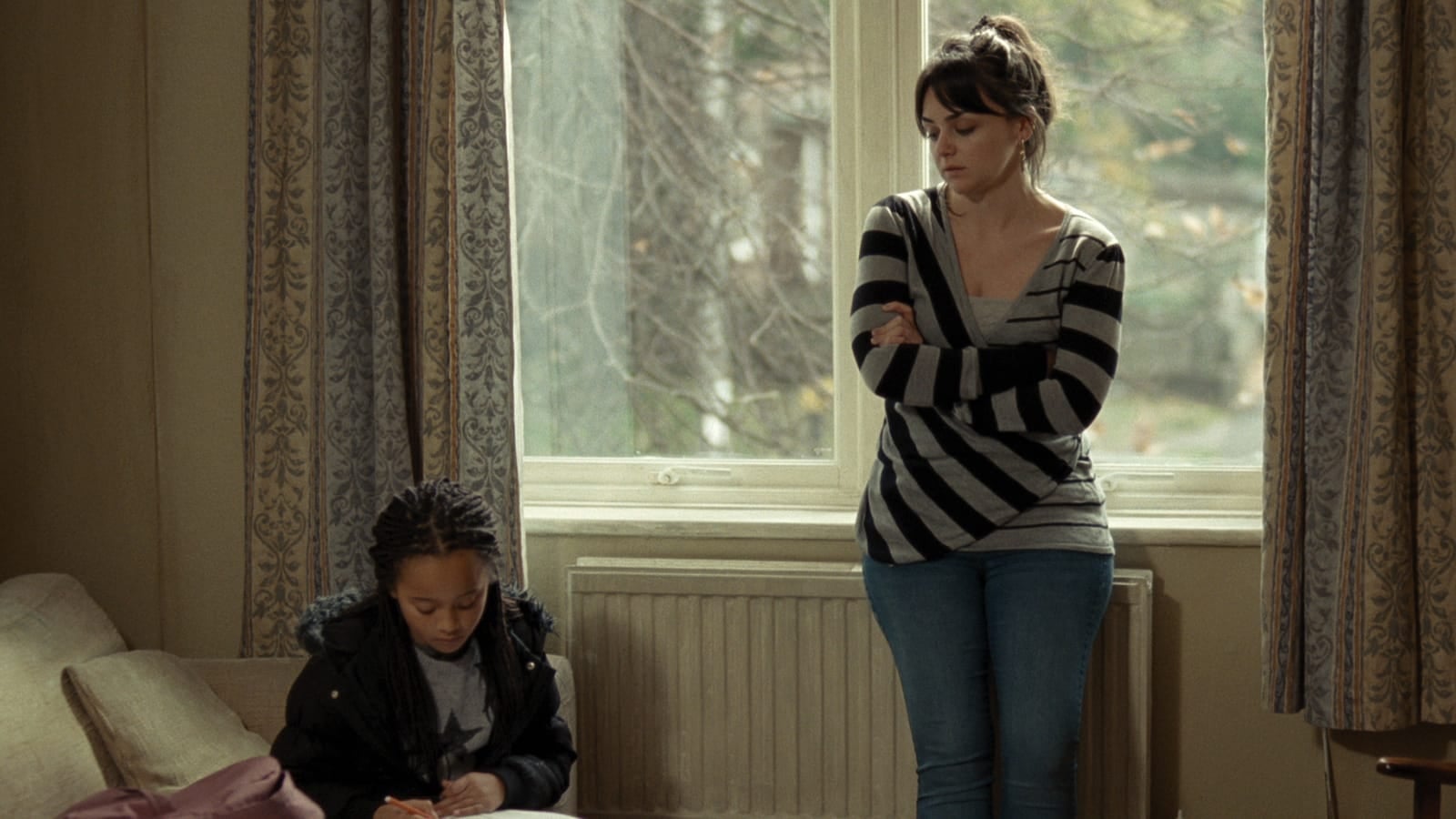
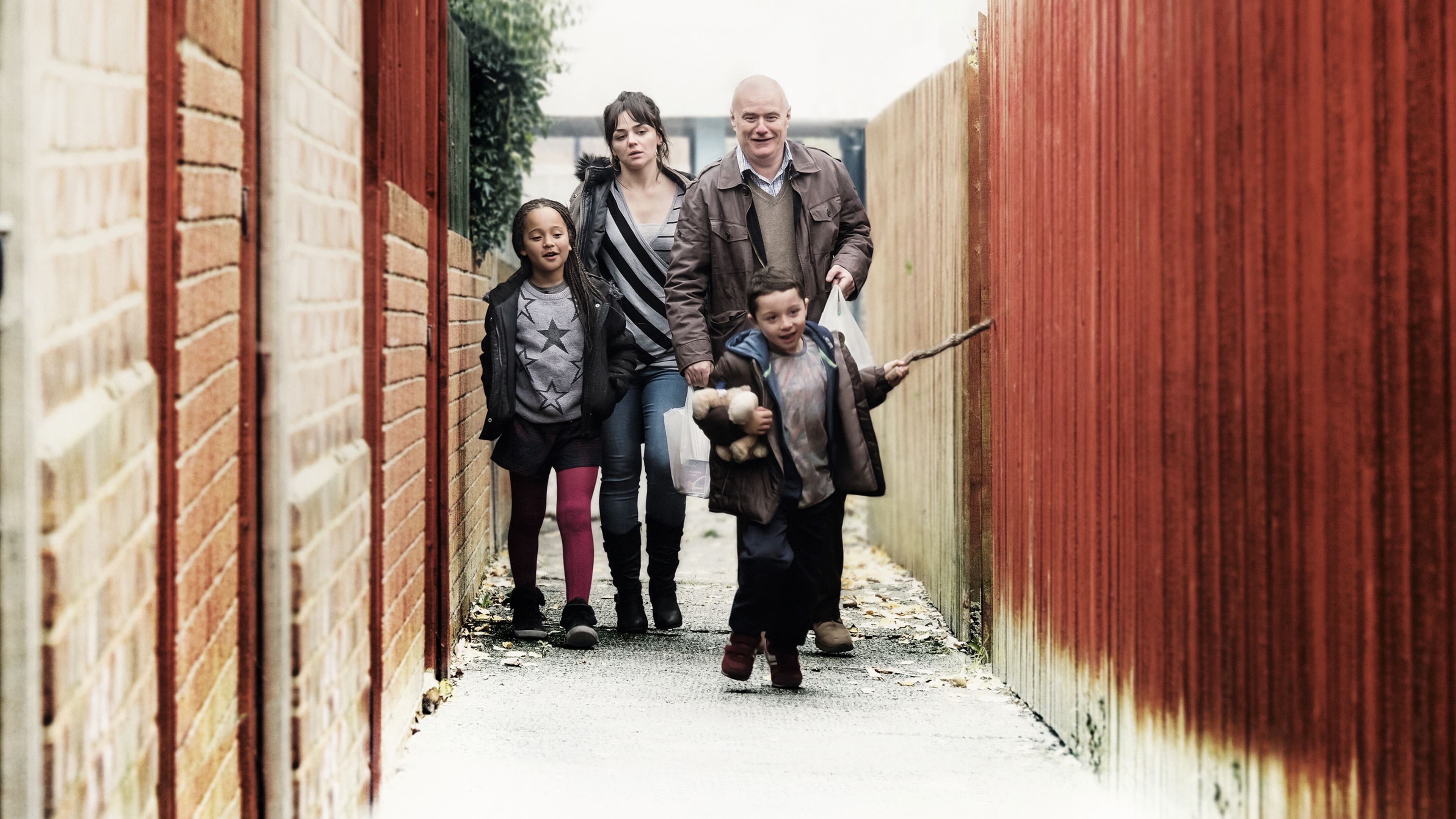
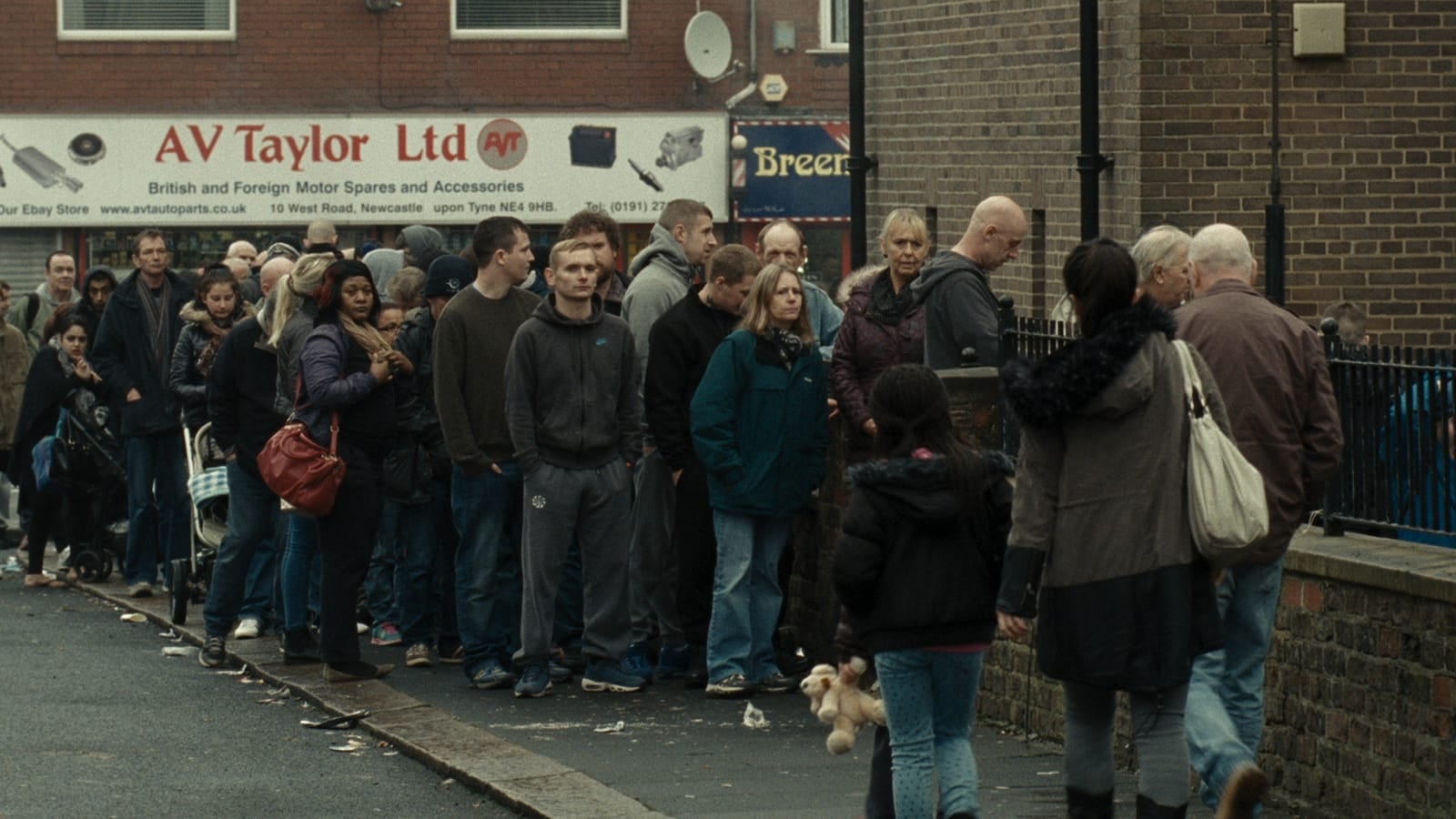
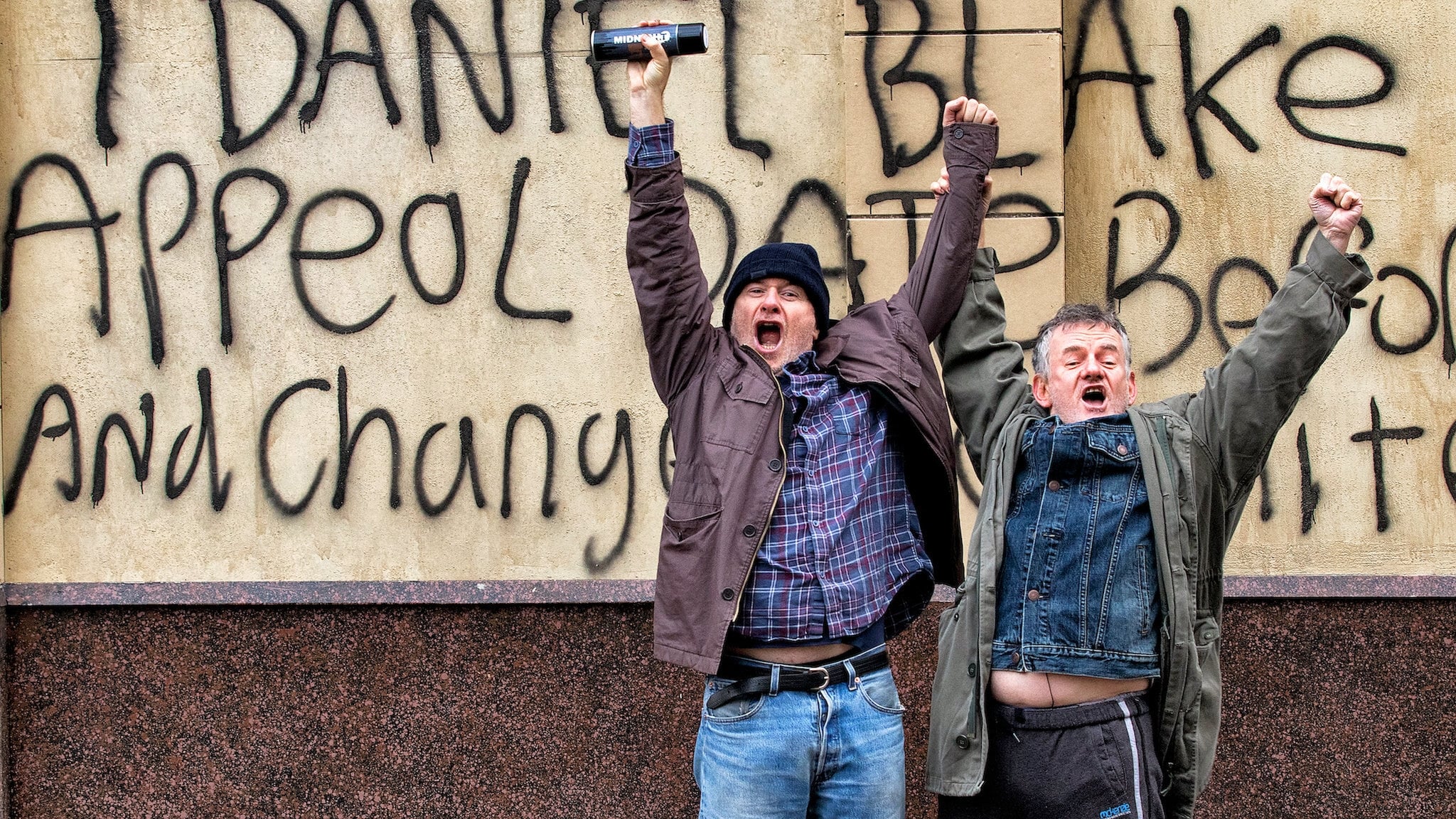
One major aspect helping this succeed where many films of a similar style fall into becoming shallow misery-porn is that whilst "I, Daniel Blake" portrays England's modern systems as inadequate, nonsensical, even horrific to the point of Kafkaesque, it rarely portrays those living and working within the systems as malicious. Many are incompetent, many confused, a few of them horribly aggravating, but not from a place of conscious malice. This alone makes the film more mature and nuanced than much similar fare where the down-on-their-luck, working class protagonist is befallen with one horrible event after another (Joker, Drifting Clouds, etc.). The film is therefore not promoting a cynical view of humanity altogether, but rather criticizing our current societal structures (or at least England's).
Human beings in general are actually portrayed quite favorably throughout the film. Most want to seem to do good, or are at least very adverse to doing bad, and being viewed as doing bad. Again, comparing this to similar fare, or even just films that lean towards the depressive generally, that in my eyes is enough to make the film strikingly hopeful. Considering the current social climate, that hope might be reason well enough for most anyone to get something out of watching this.
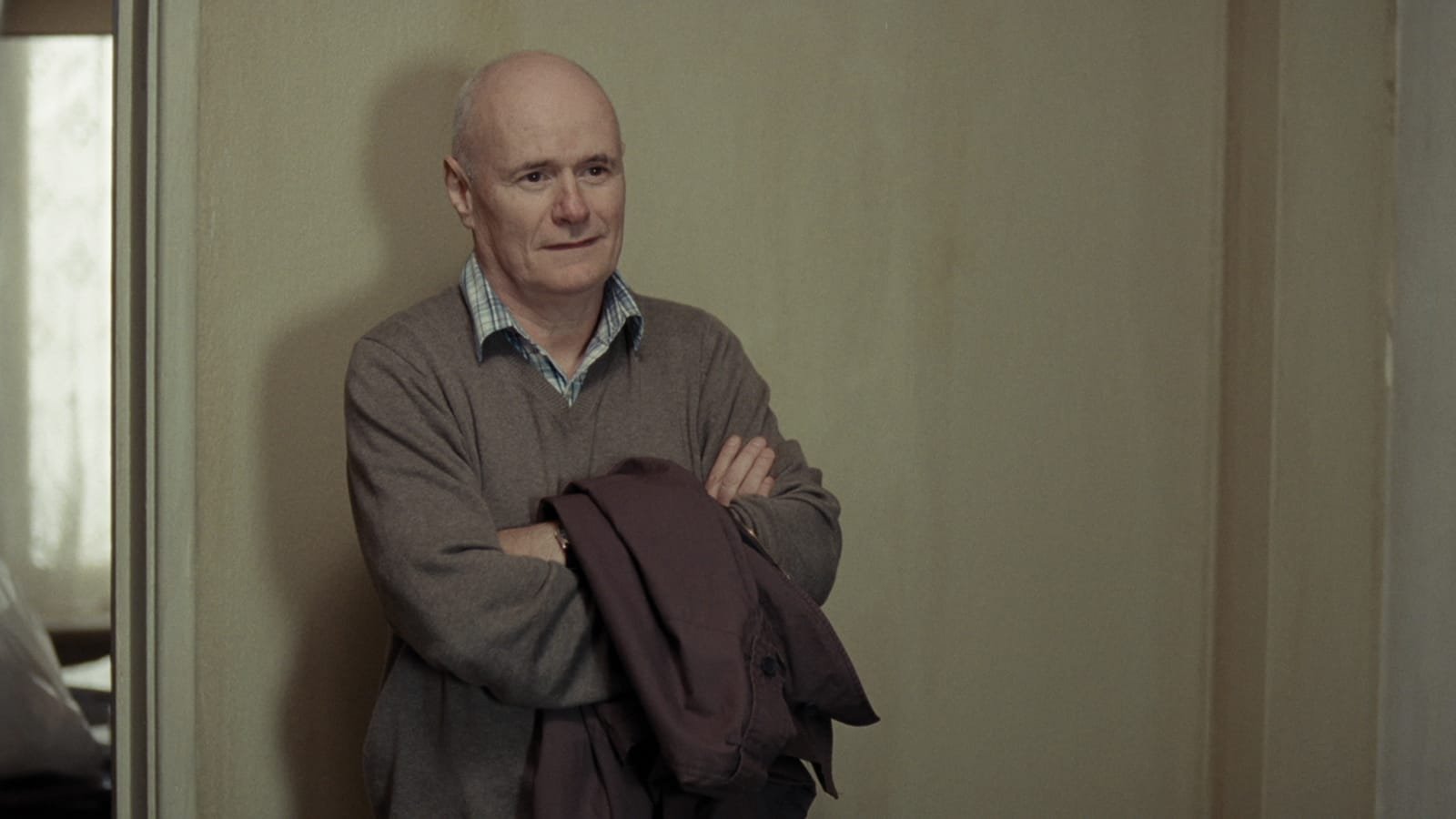
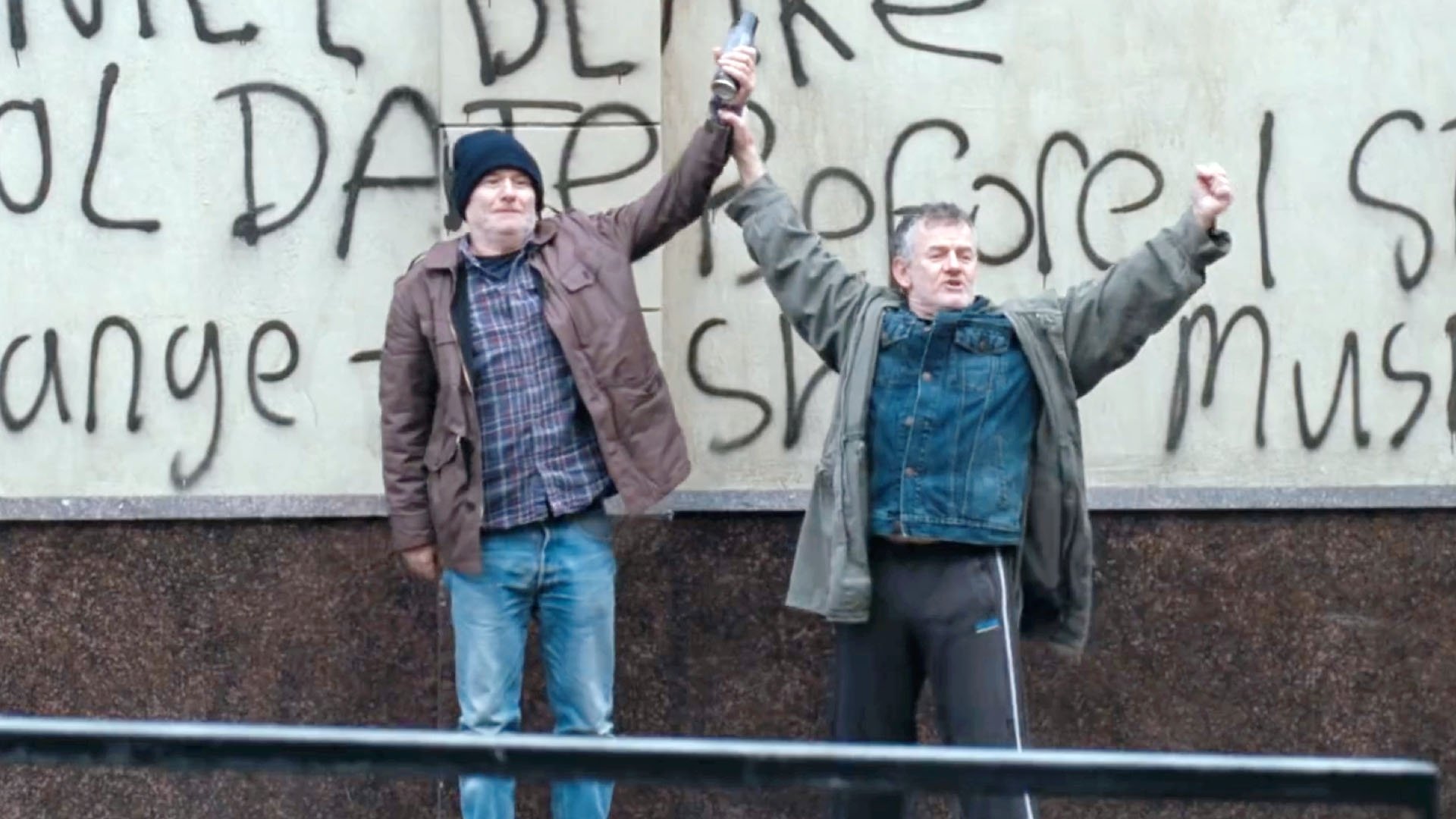
There's a lot more stuff here to analyze, including the film's empathy and love for the elderly, proposing that not only do we abandon them in our relentless pursuit of progress, but that we fail to see that they still have a place in our community and purposes to serve, such that younger people often can't. The film also plays around with moral questions: "When the system fails to serve its purpose, is there anything wrong with bending and breaking its rules?"
I could go on, but that's for someone smarter (and probably more British lol) than me to do.
One major aspect helping this succeed where many films of a similar style fall into becoming shallow misery-porn is that whilst "I, Daniel Blake" portrays England's modern systems as inadequate, nonsensical, even horrific to the point of Kafkaesque, it rarely portrays those living and working within the systems as malicious. Many are incompetent, many confused, a few of them horribly aggravating, but not from a place of conscious malice. This alone makes the film more mature and nuanced than much similar fare where the down-on-their-luck, working class protagonist is befallen with one horrible event after another (Joker, Drifting Clouds, etc.). The film is therefore not promoting a cynical view of humanity altogether, but rather criticizing our current societal structures (or at least England's).
Human beings in general are actually portrayed quite favorably throughout the film. Most want to seem to do good, or are at least very adverse to doing bad, and being viewed as doing bad. Again, comparing this to similar fare, or even just films that lean towards the depressive generally, that in my eyes is enough to make the film strikingly hopeful. Considering the current social climate, that hope might be reason well enough for most anyone to get something out of watching this.
There's a lot more stuff here to analyze, including the film's empathy and love for the elderly, proposing that not only do we abandon them in our relentless pursuit of progress, but that we fail to see that they still have a place in our community and purposes to serve, such that younger people often can't. The film also plays around with moral questions: "When the system fails to serve its purpose, is there anything wrong with bending and breaking its rules?"
I could go on, but that's for someone smarter (and probably more British lol) than me to do.