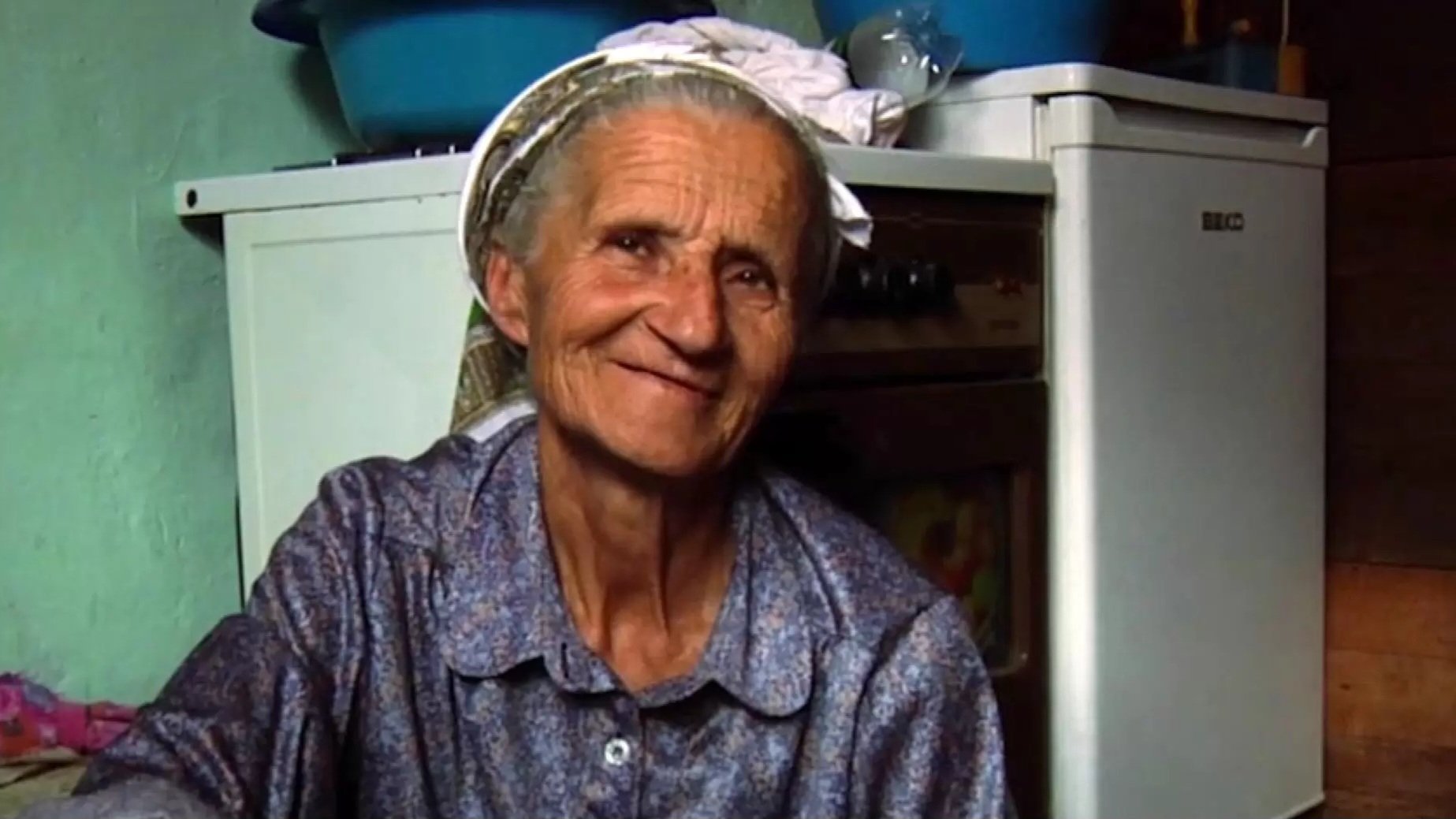
You're making me cry even though I don't understand the language.
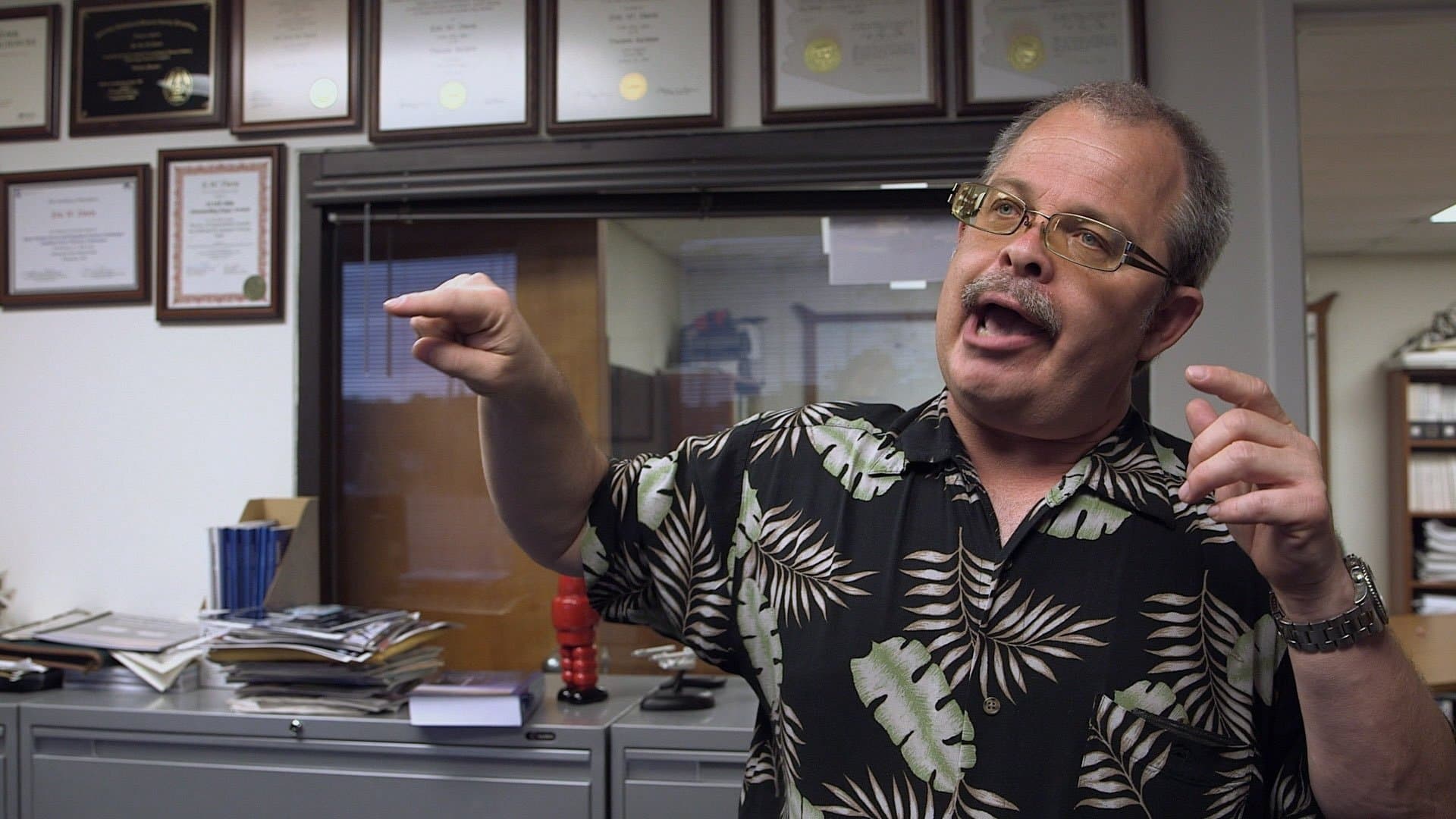
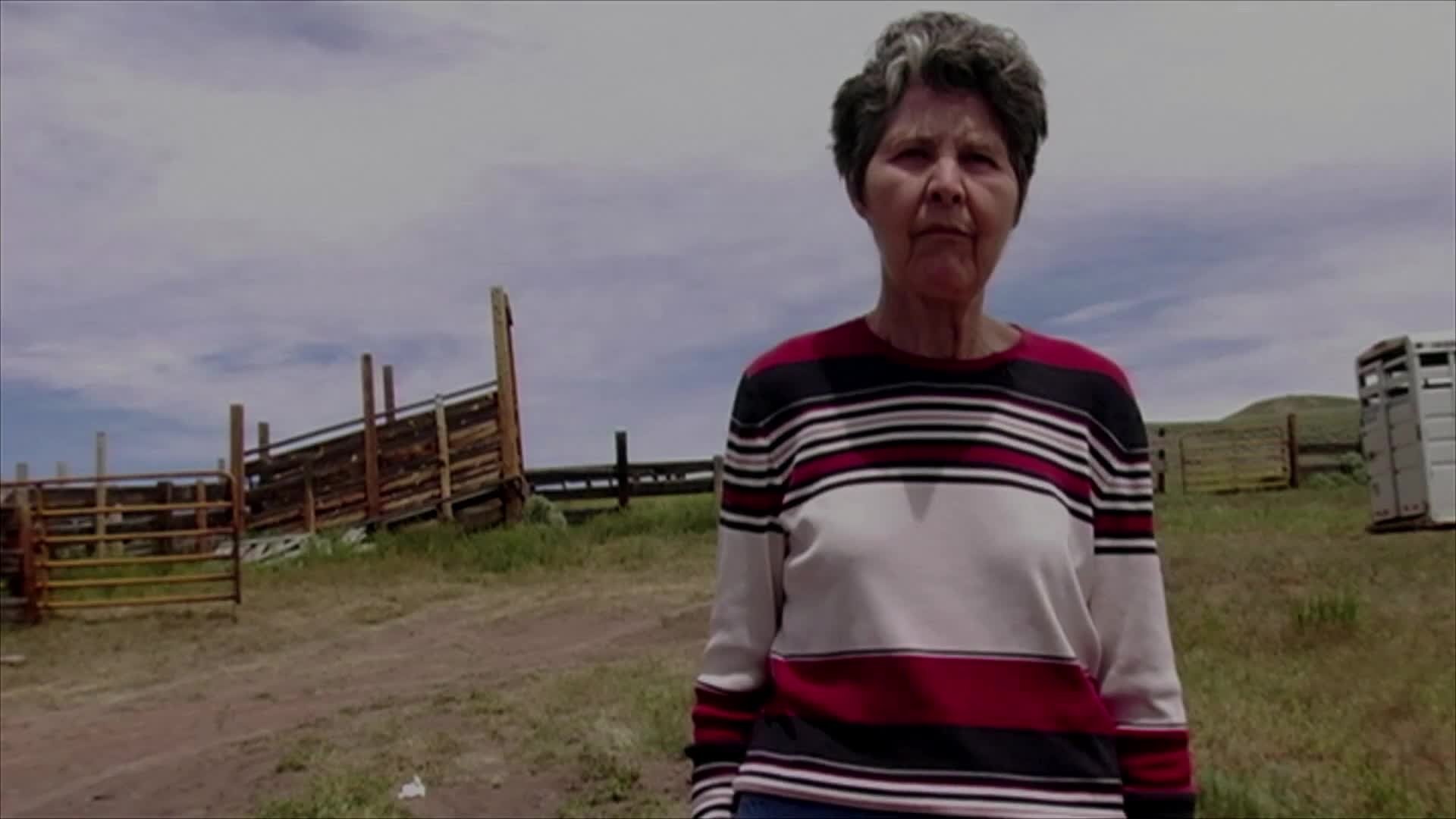
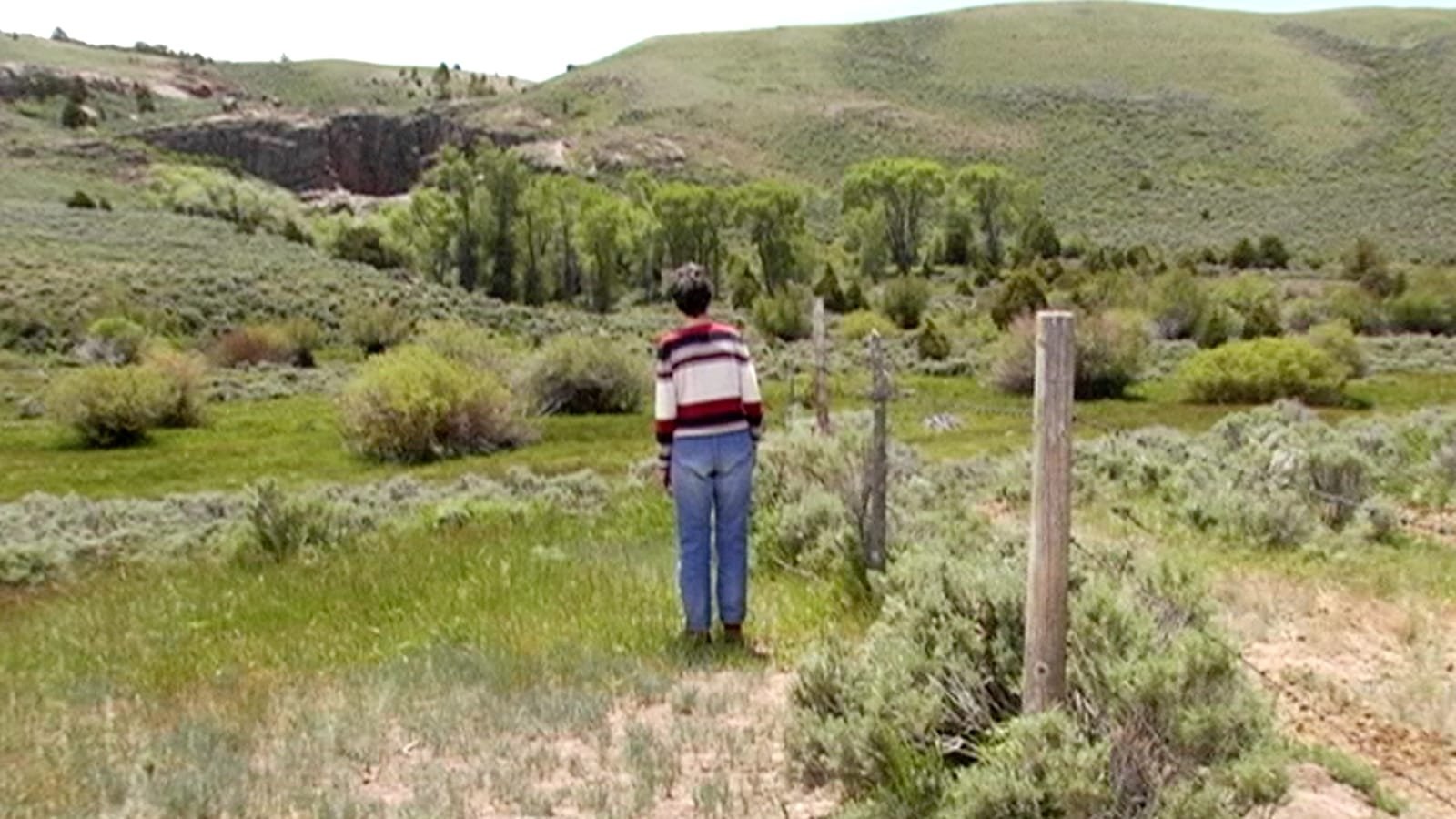
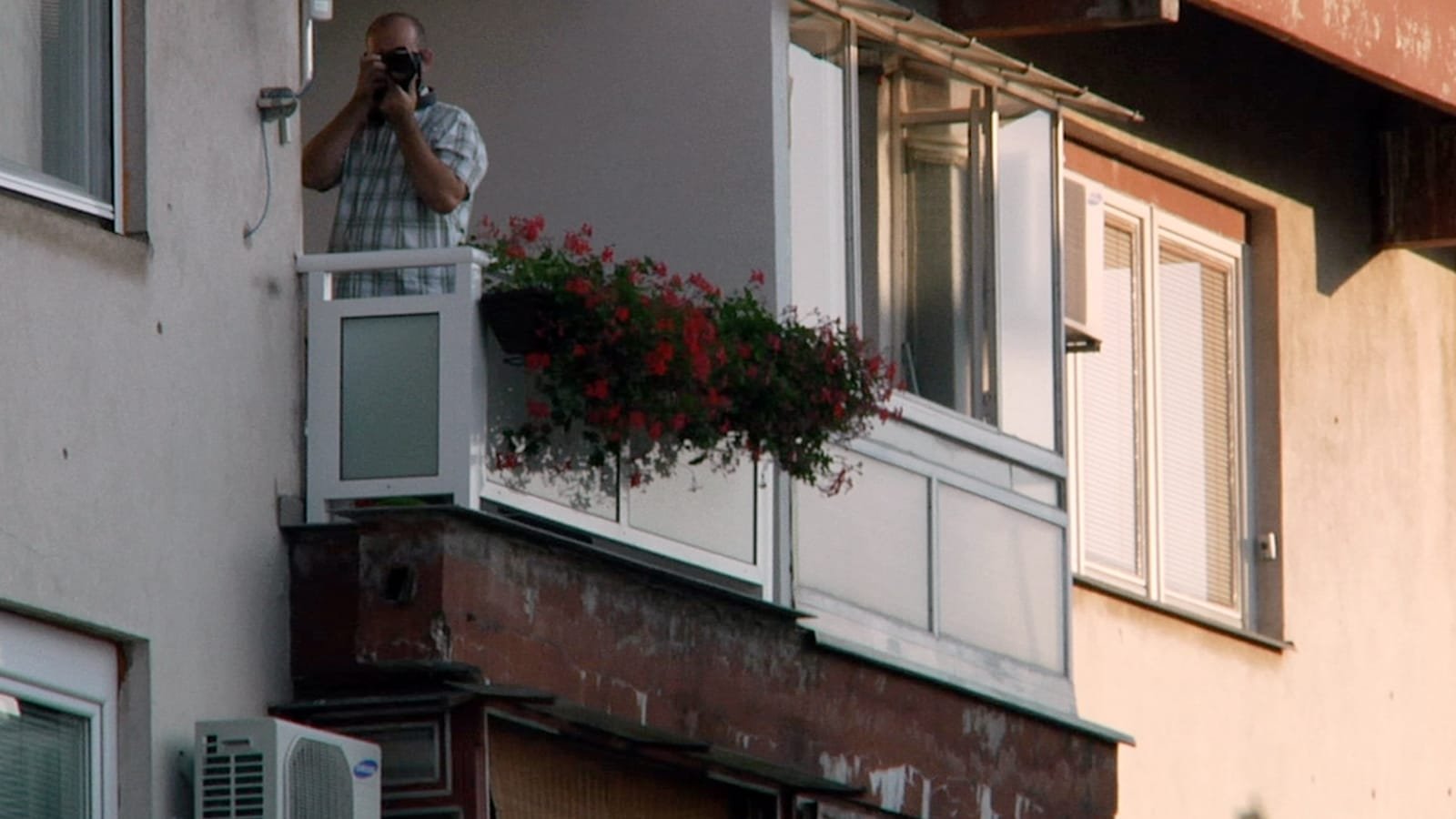
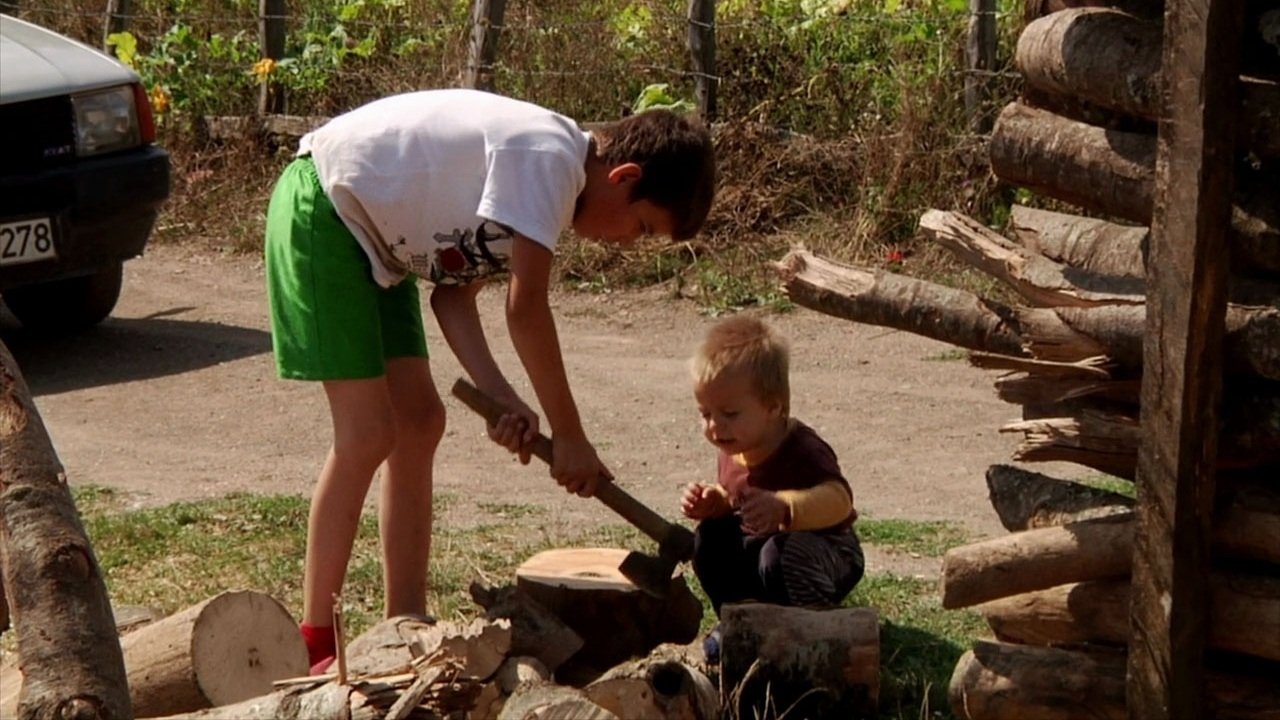
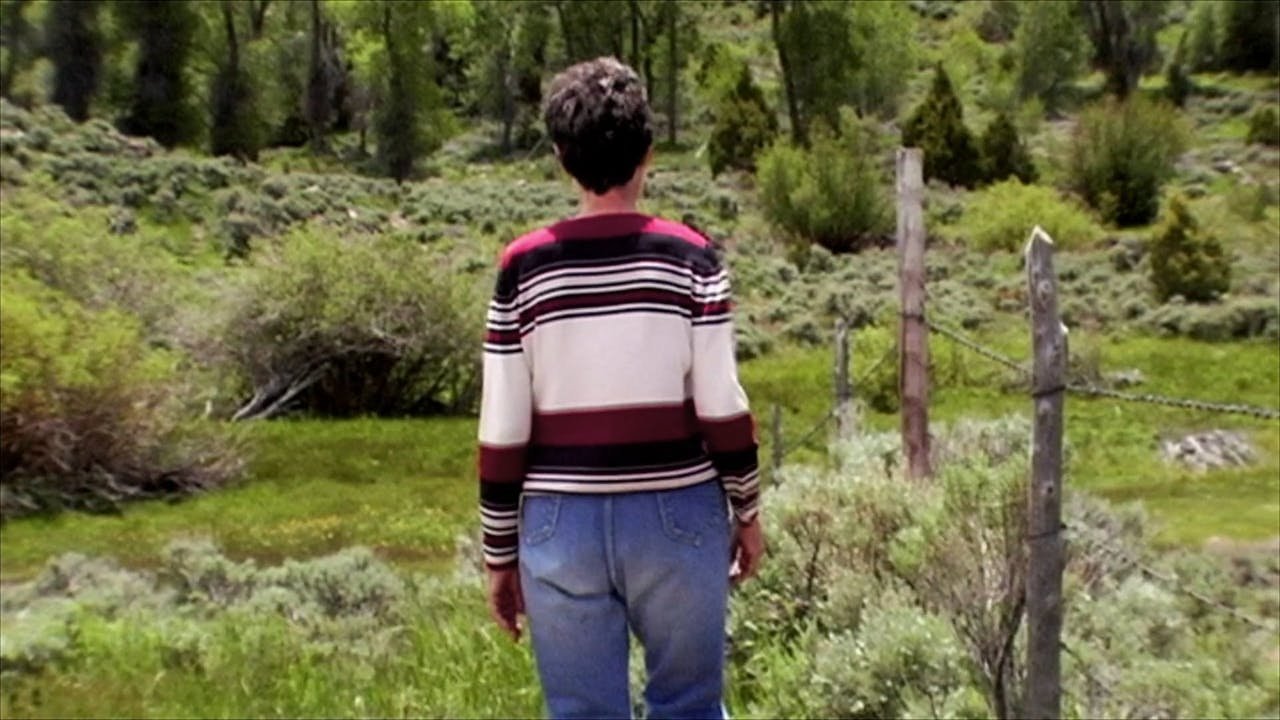
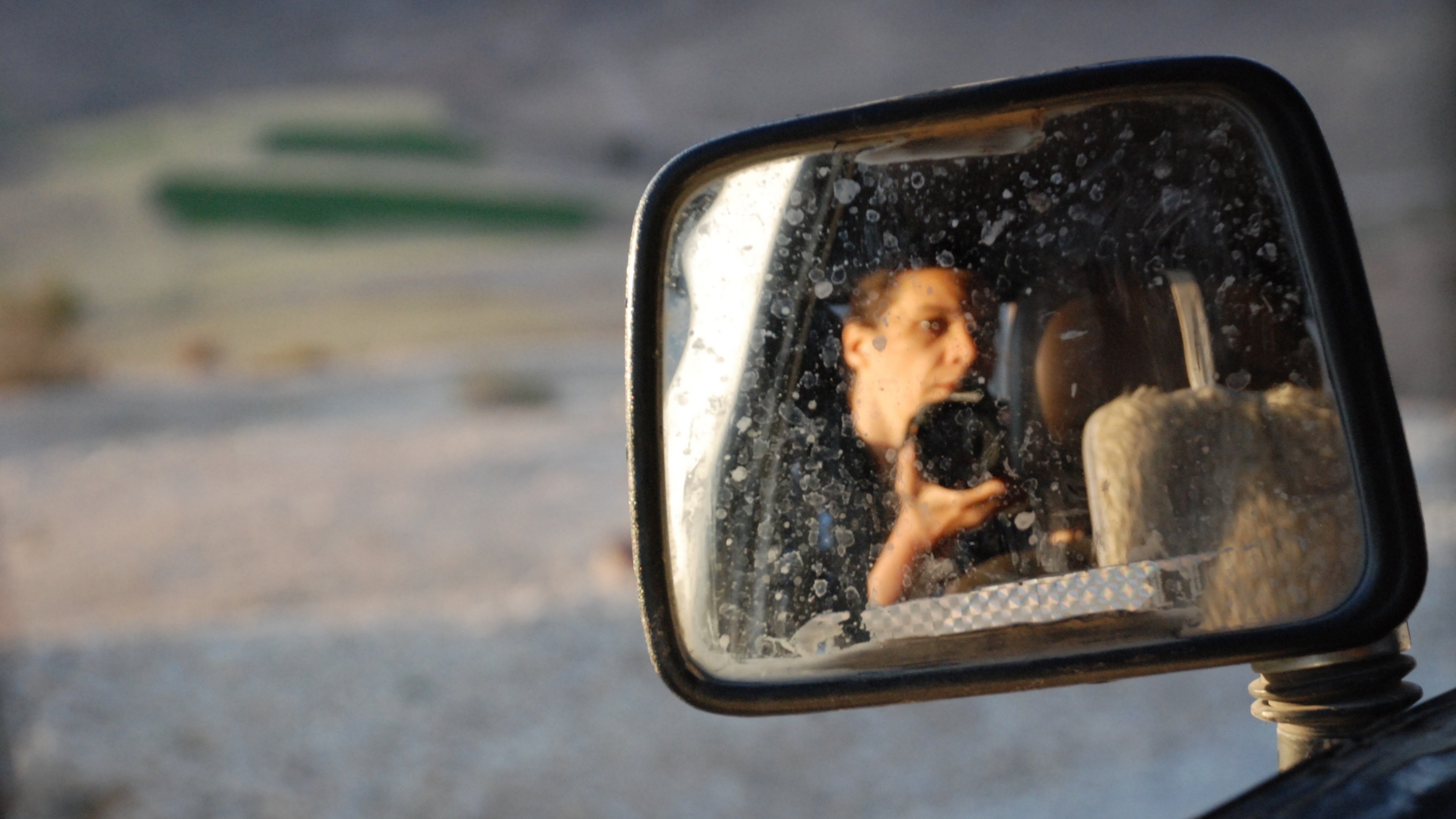
The camera adjusts and shakes before focusing on a patch of wildflowers beside a barbed wire fence. Johnson remarks on how amazing the flowers are before we rapidly cut to our next sequence of a herd of sheep being driven down a road by an old man on a horse. The shepherd smiles and nods at the camera and immediately an unspoken contract is formed between the lens and its subject, a new dynamic that Johnson spends the rest of the film exploring and folding in on itself. This is the great beauty of Cameraperson, a deceptively simple collage of scenes from dozens of documentary projects Johnson worked on as cinematographer. Being a member of the crew and not the director of these projects, it's hard to ascribe some broad auteur-style vision to these works other than some recurring themes of genocide and memory and fame. Those individual documentaries, in the most basic film studies sense, aren't HER movies but this is. This is Johnson reclaiming the spots in between what we are shown, the takes and pans that are left on the cutting room floor that to Johnson hold entire narratives unto themselves. Through this film, the act of filming becomes a sort of negotiation between ourselves and memory, how we are represented and what the camera's unblinking eye chooses to see. The knowledge that these are largely comprised of scenes deemed not essential enough for final cut is striking, a peek behind the curtain of filmmaking that isn't self-conscious about its inherent artifice but fiercely passionate about the real, breathing human beings she encounters and have consented to be the focus of her art. A few months ago I watched a somewhat similar film, Flipside, which was a collage of unfinished projects that celebrated the creative spirit. Cameraperson in turn is a celebration of the power of imagery, of the translation process that a person and their story undergo when made into film, and what the role is of the titular cameraperson in doing right by that.
You're making me cry even though I don't understand the language.
The camera adjusts and shakes before focusing on a patch of wildflowers beside a barbed wire fence. Johnson remarks on how amazing the flowers are before we rapidly cut to our next sequence of a herd of sheep being driven down a road by an old man on a horse. The shepherd smiles and nods at the camera and immediately an unspoken contract is formed between the lens and its subject, a new dynamic that Johnson spends the rest of the film exploring and folding in on itself. This is the great beauty of Cameraperson, a deceptively simple collage of scenes from dozens of documentary projects Johnson worked on as cinematographer. Being a member of the crew and not the director of these projects, it's hard to ascribe some broad auteur-style vision to these works other than some recurring themes of genocide and memory and fame. Those individual documentaries, in the most basic film studies sense, aren't HER movies but this is. This is Johnson reclaiming the spots in between what we are shown, the takes and pans that are left on the cutting room floor that to Johnson hold entire narratives unto themselves. Through this film, the act of filming becomes a sort of negotiation between ourselves and memory, how we are represented and what the camera's unblinking eye chooses to see. The knowledge that these are largely comprised of scenes deemed not essential enough for final cut is striking, a peek behind the curtain of filmmaking that isn't self-conscious about its inherent artifice but fiercely passionate about the real, breathing human beings she encounters and have consented to be the focus of her art. A few months ago I watched a somewhat similar film, Flipside, which was a collage of unfinished projects that celebrated the creative spirit. Cameraperson in turn is a celebration of the power of imagery, of the translation process that a person and their story undergo when made into film, and what the role is of the titular cameraperson in doing right by that.