**Guys I genuinely cried from both this peak cinematic work and its personal impact on me.
I expected it be ur average Angelopoulos film, then i was obliged to make it my top 6 film oat !!**
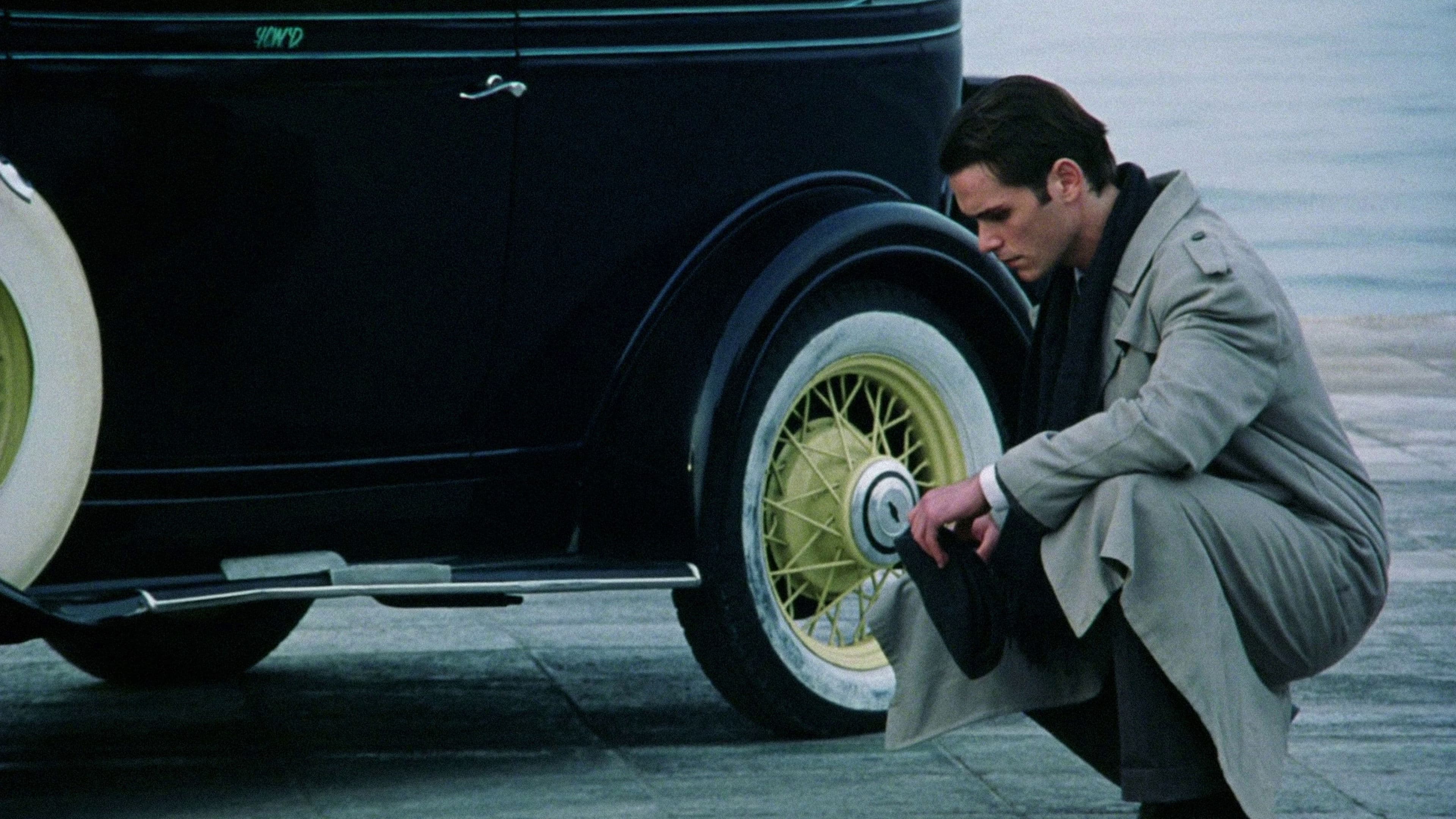
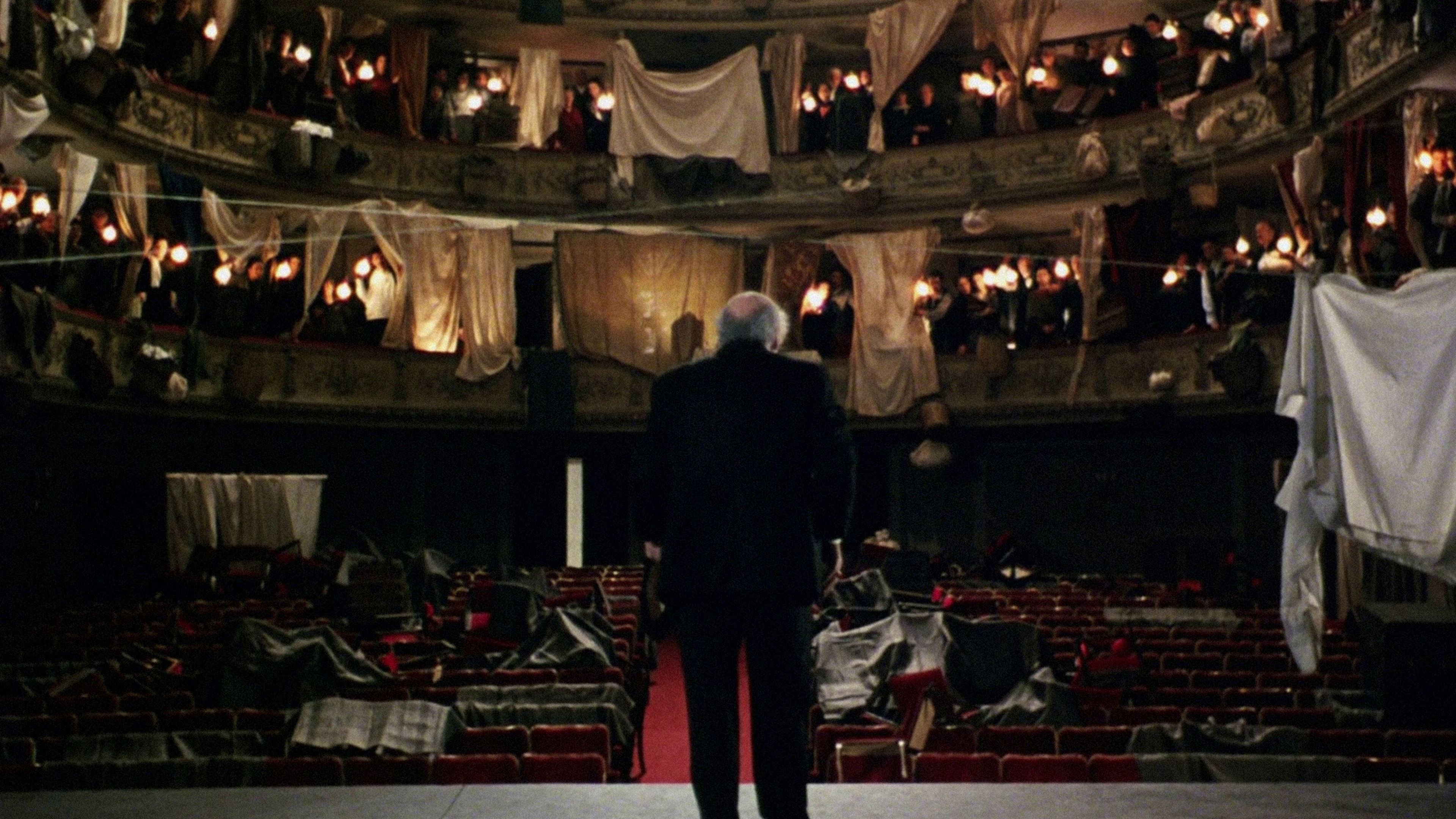
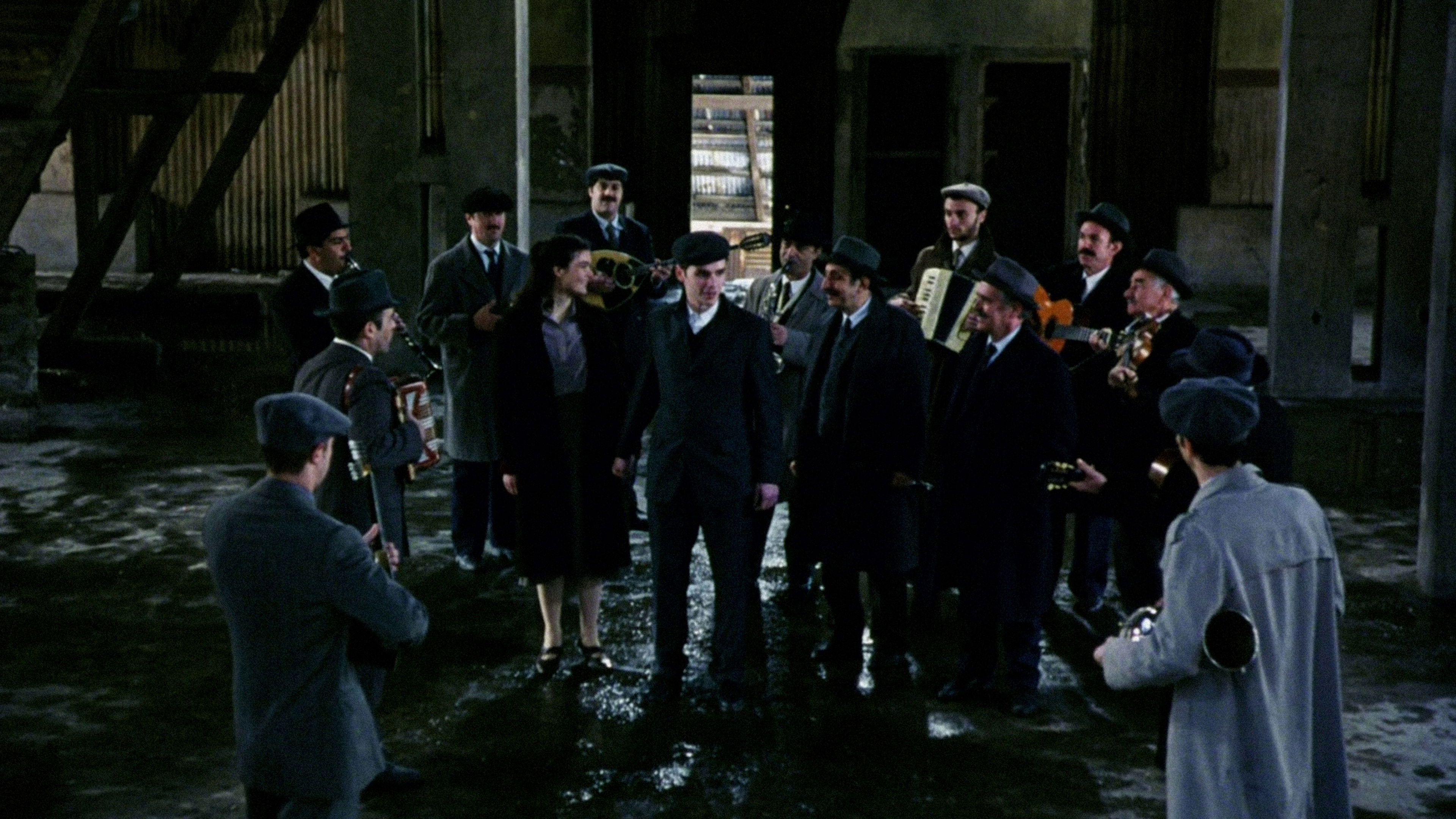
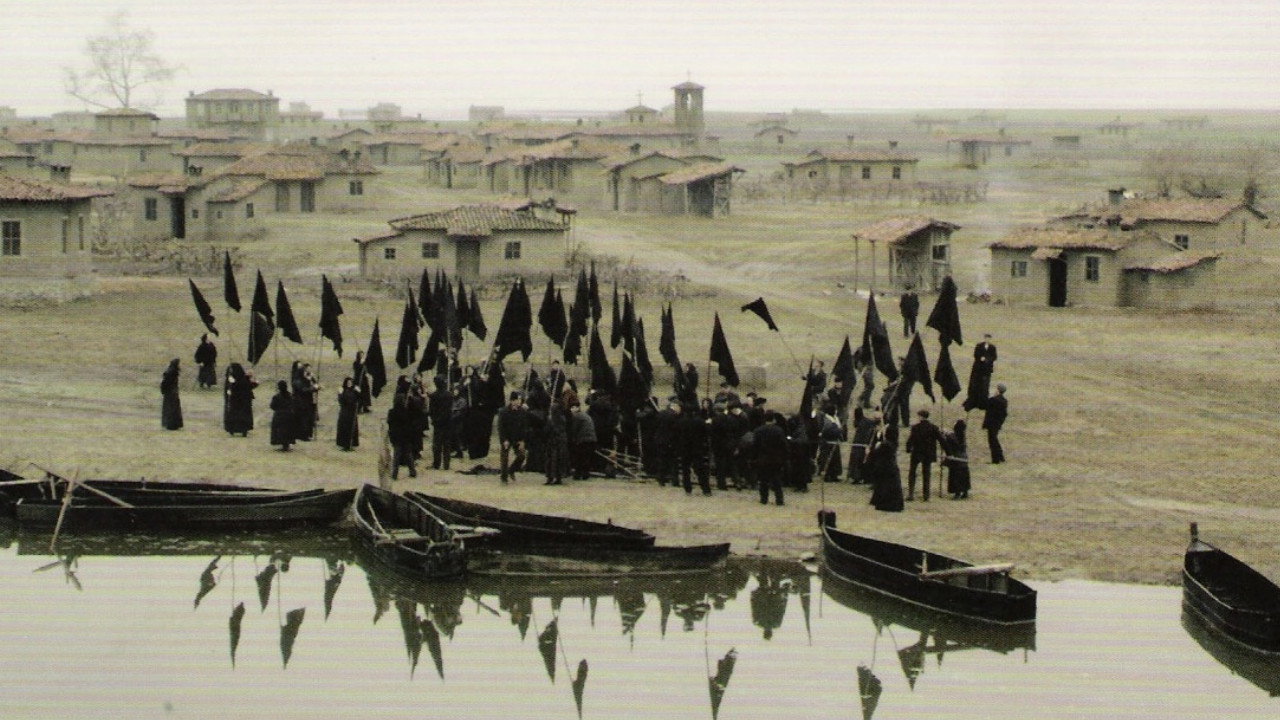
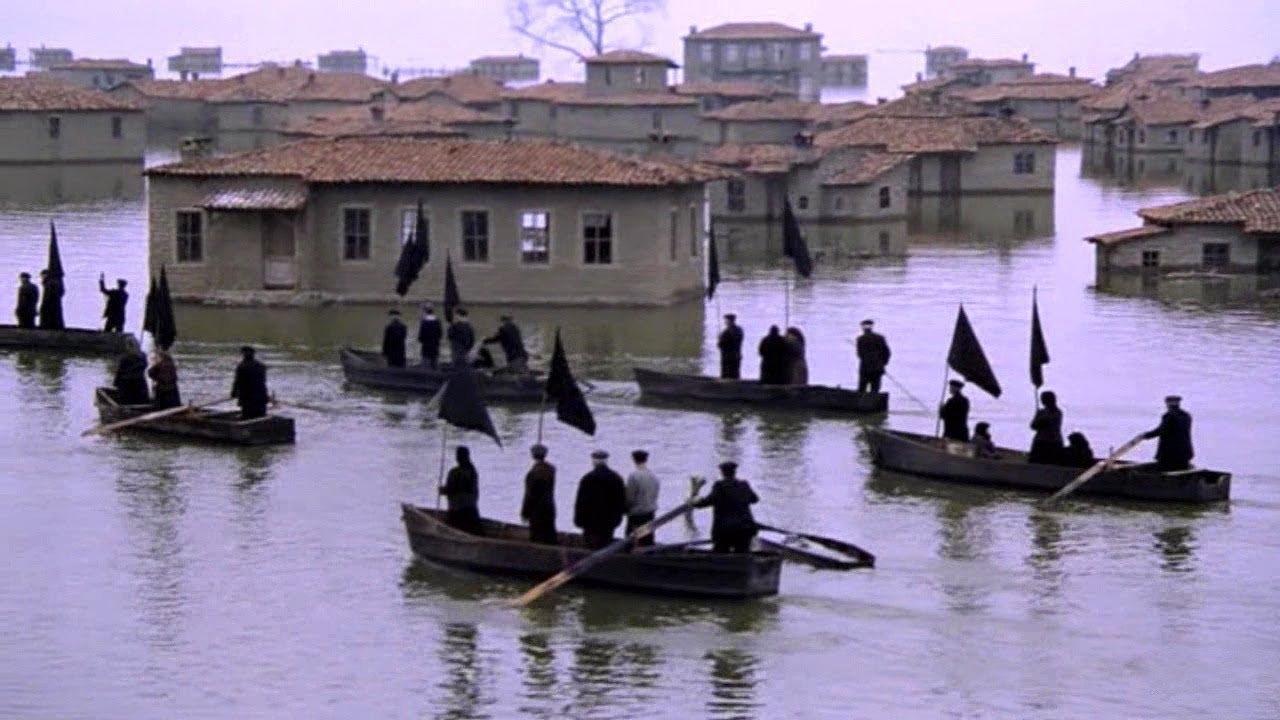
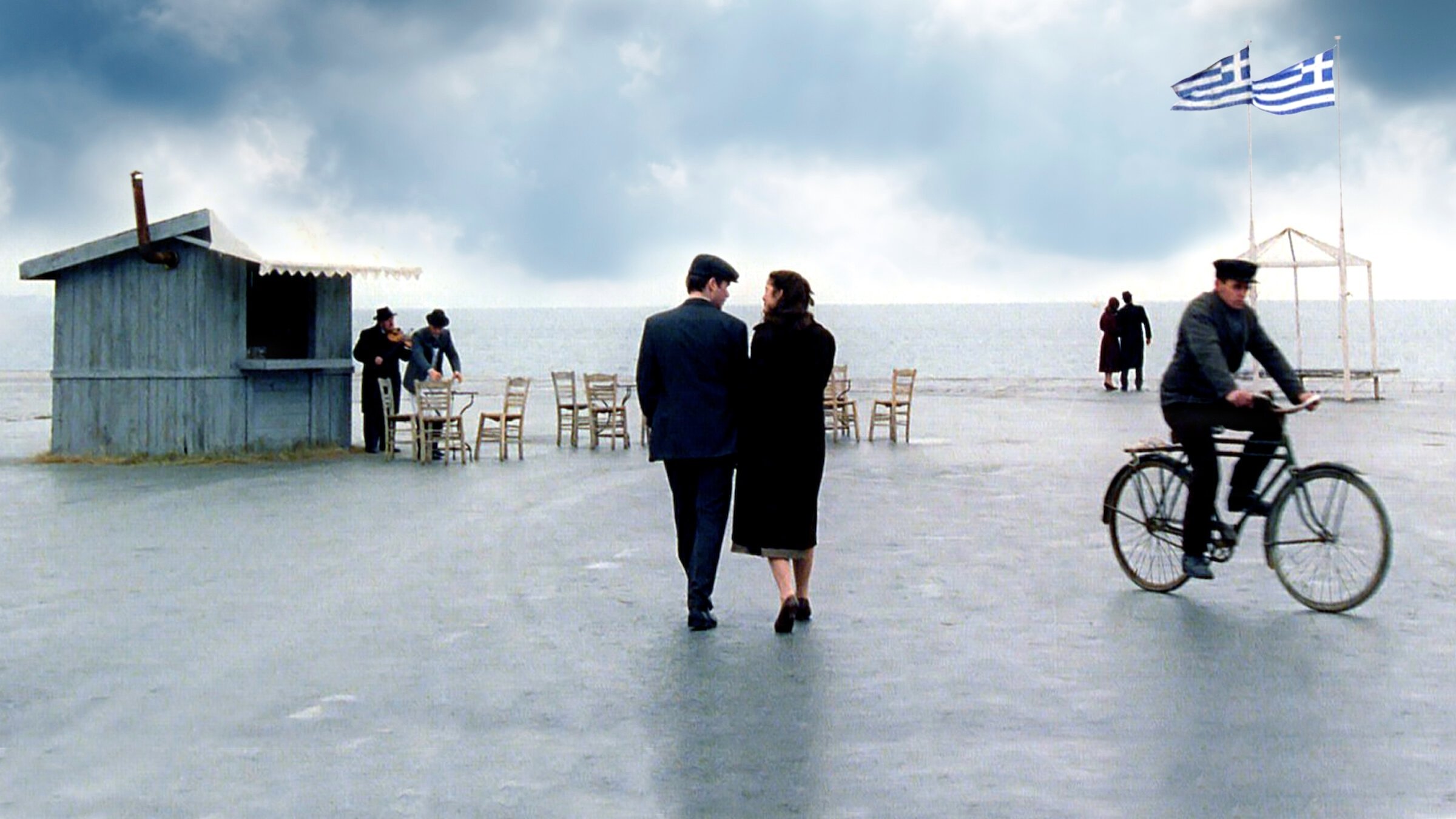
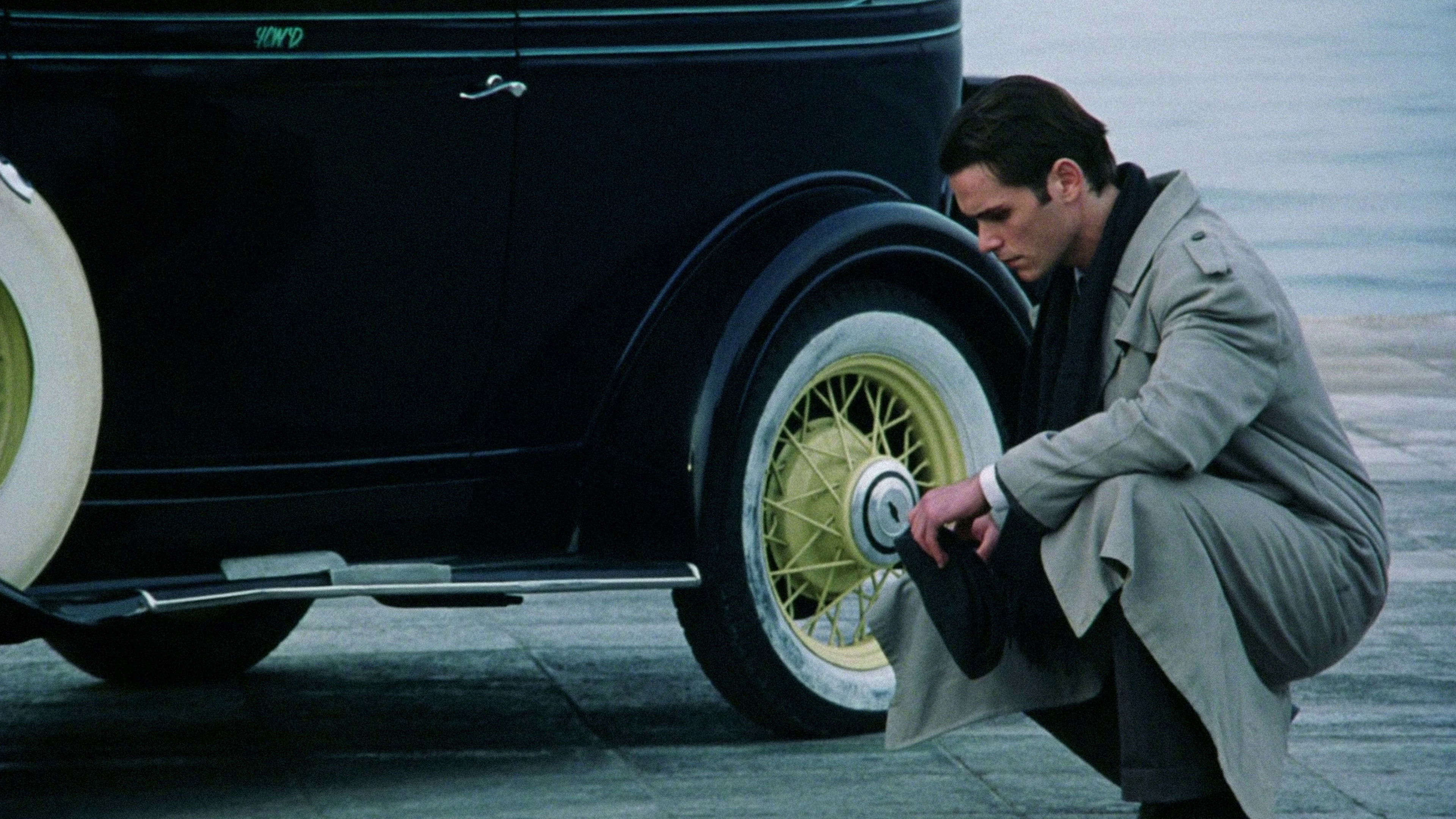
The Weeping Meadow left me speechless. At this point, Angelopoulos no longer feels like a director to me, he feels like someone who discovered a different language for cinema. Every frame is so carefully composed that it could stand on its own as a painting, yet nothing ever feels static. The camera moves with extraordinary patience, allowing history and emotion to unfold naturally instead of being forced upon the viewer.
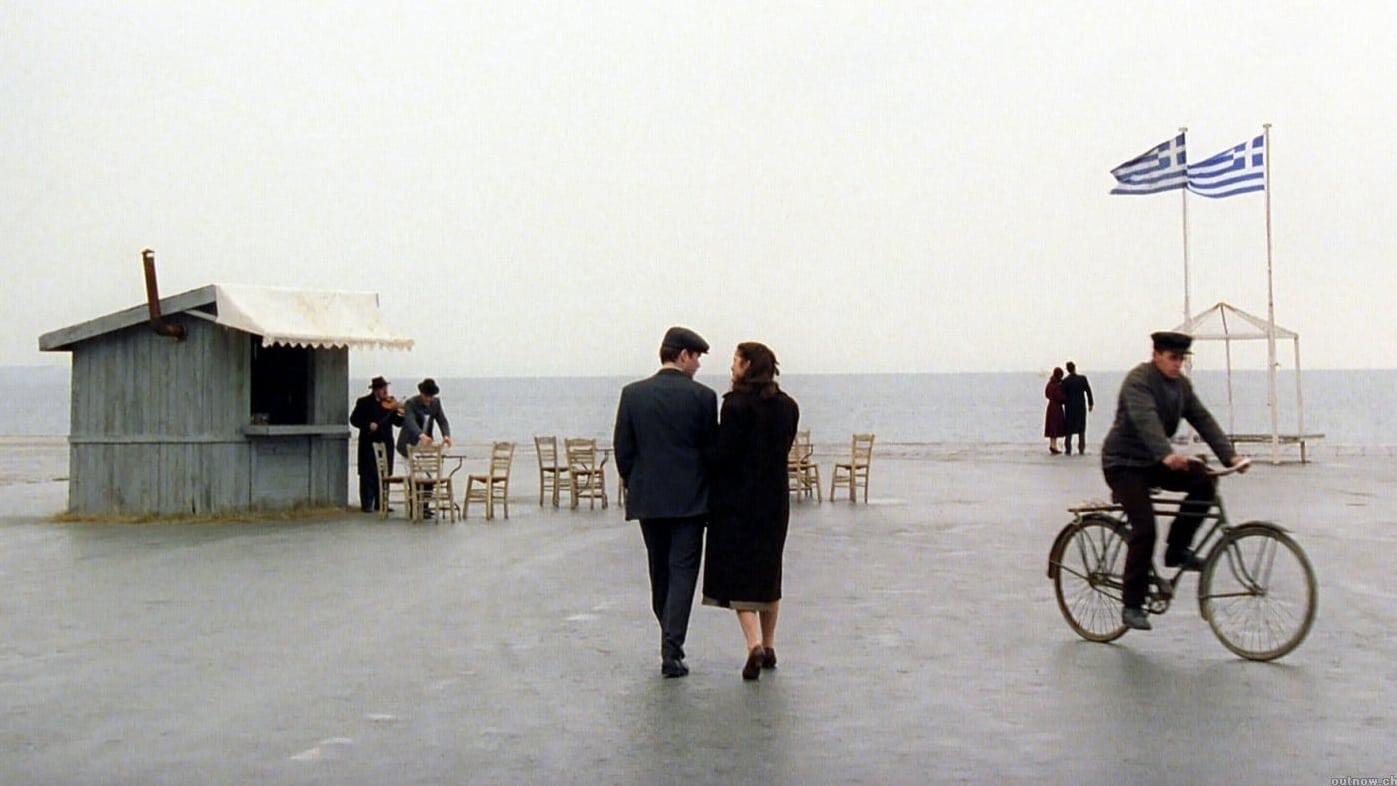
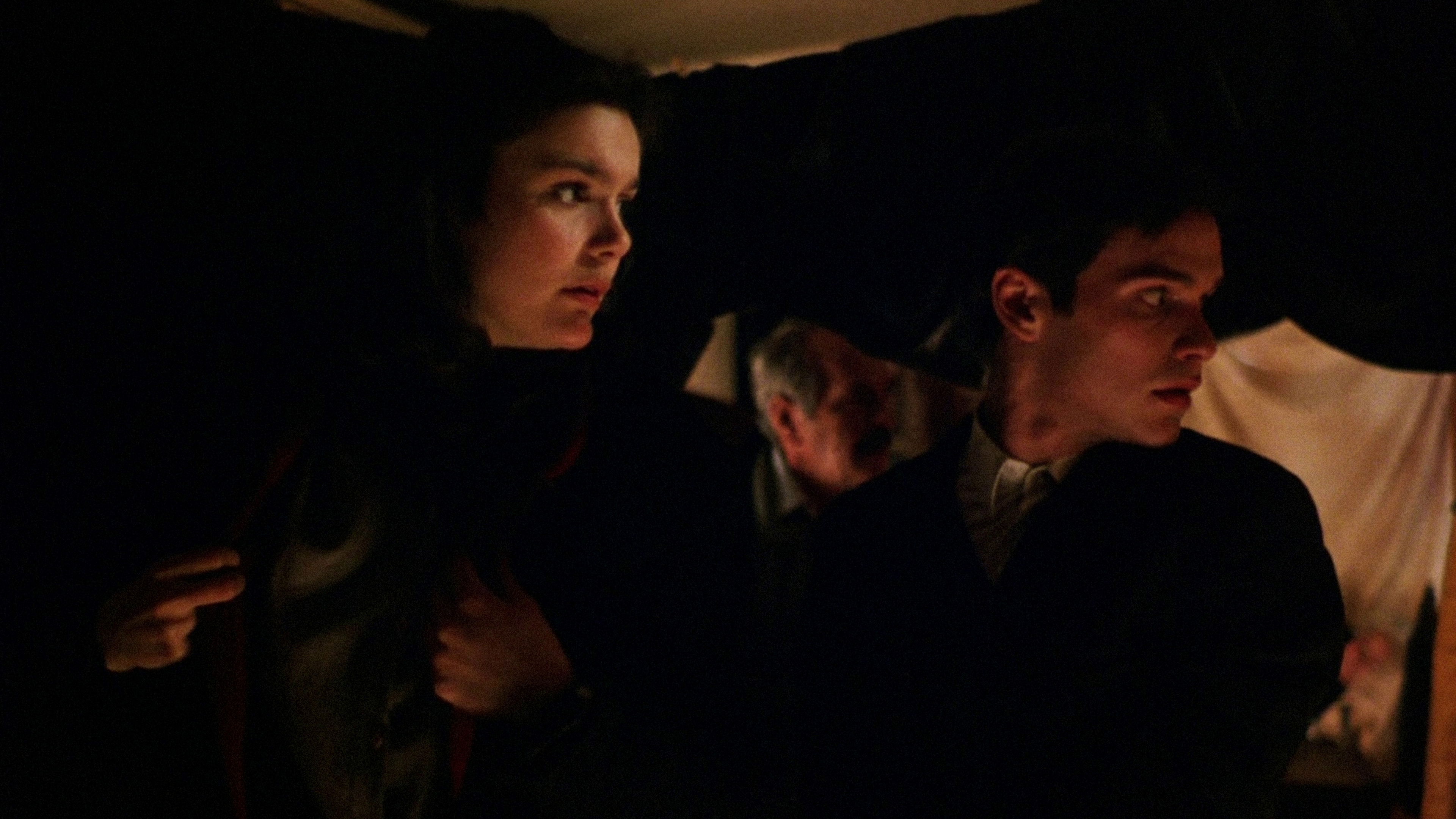
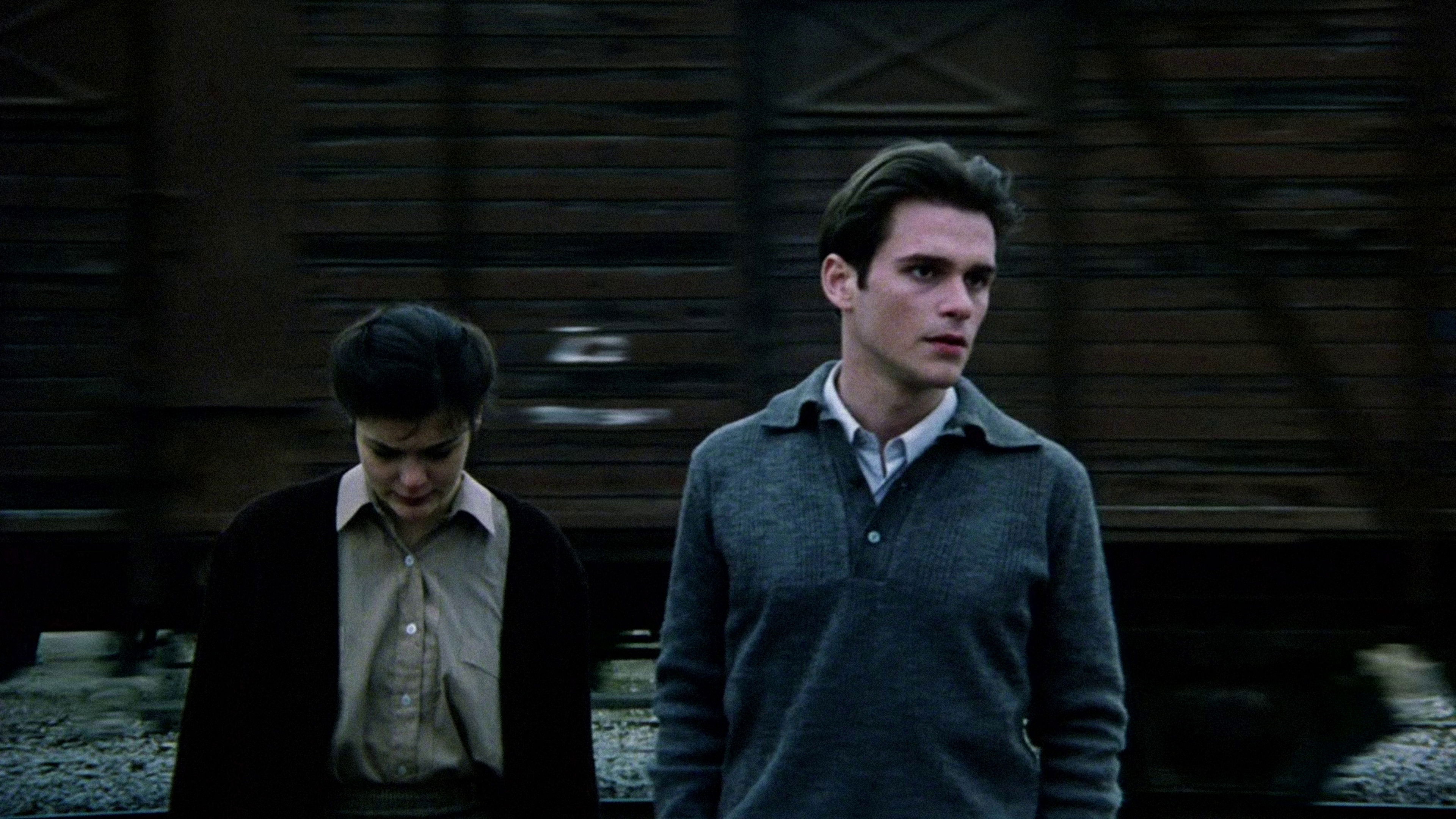
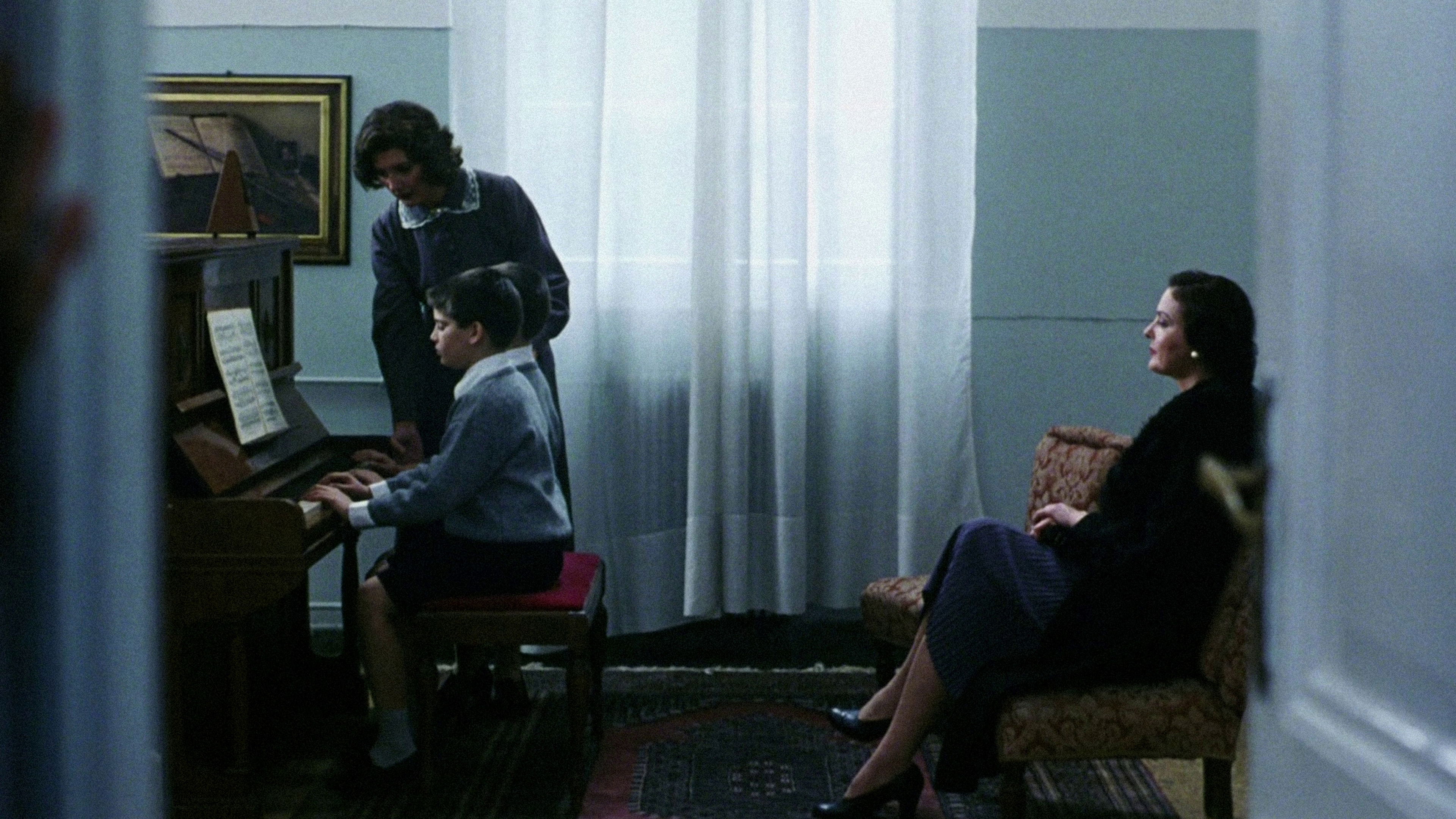
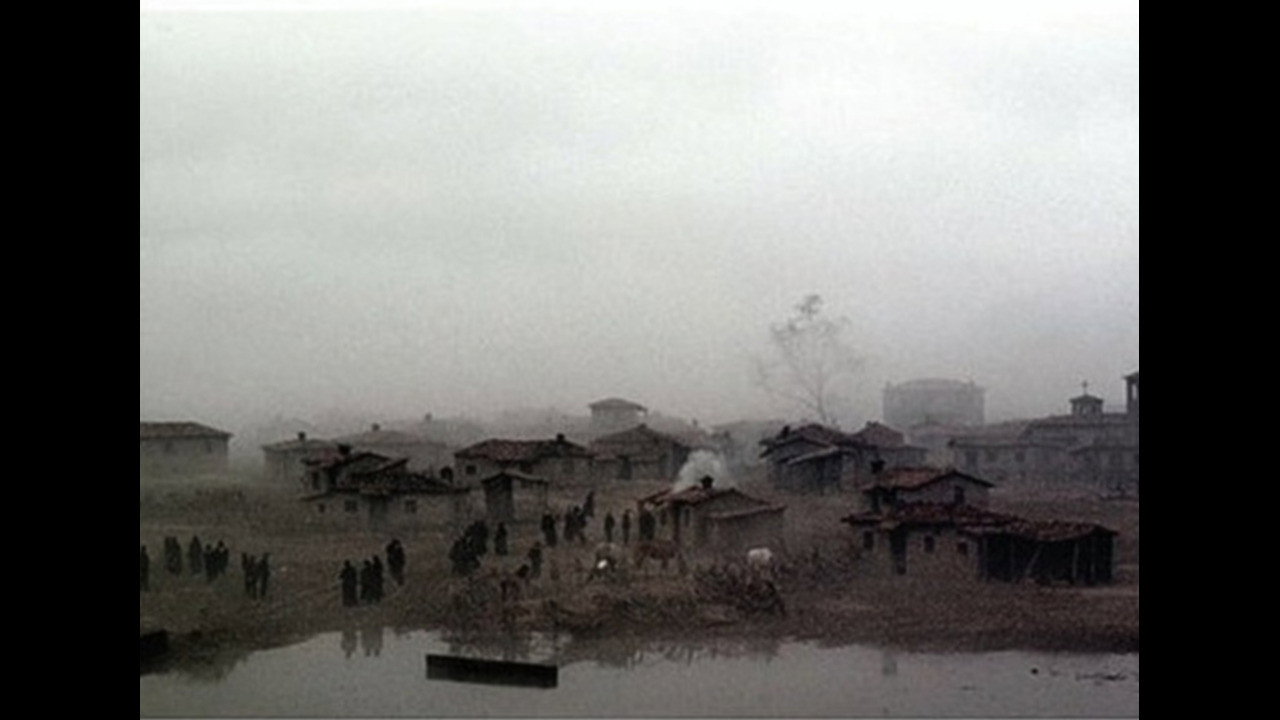
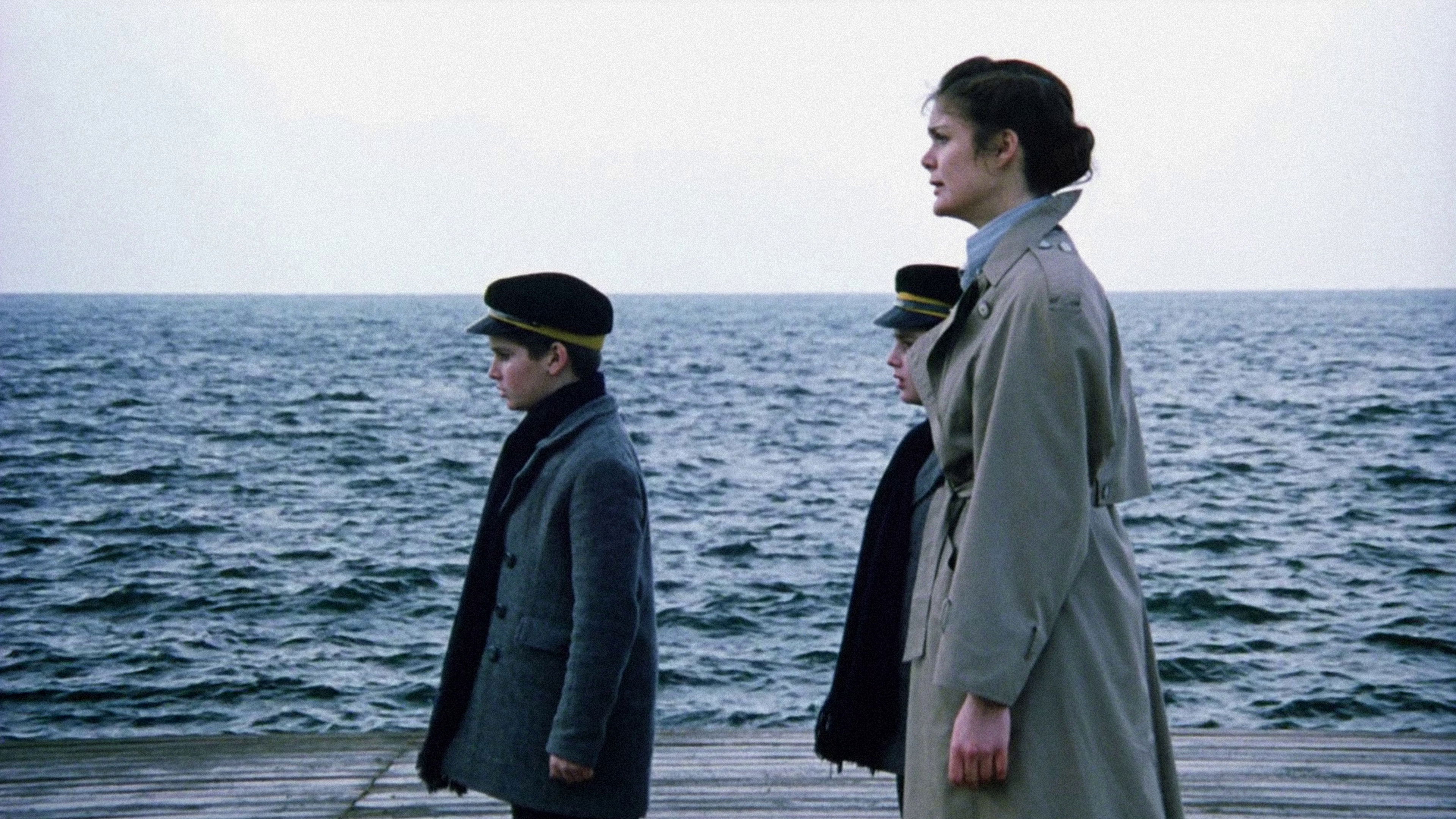
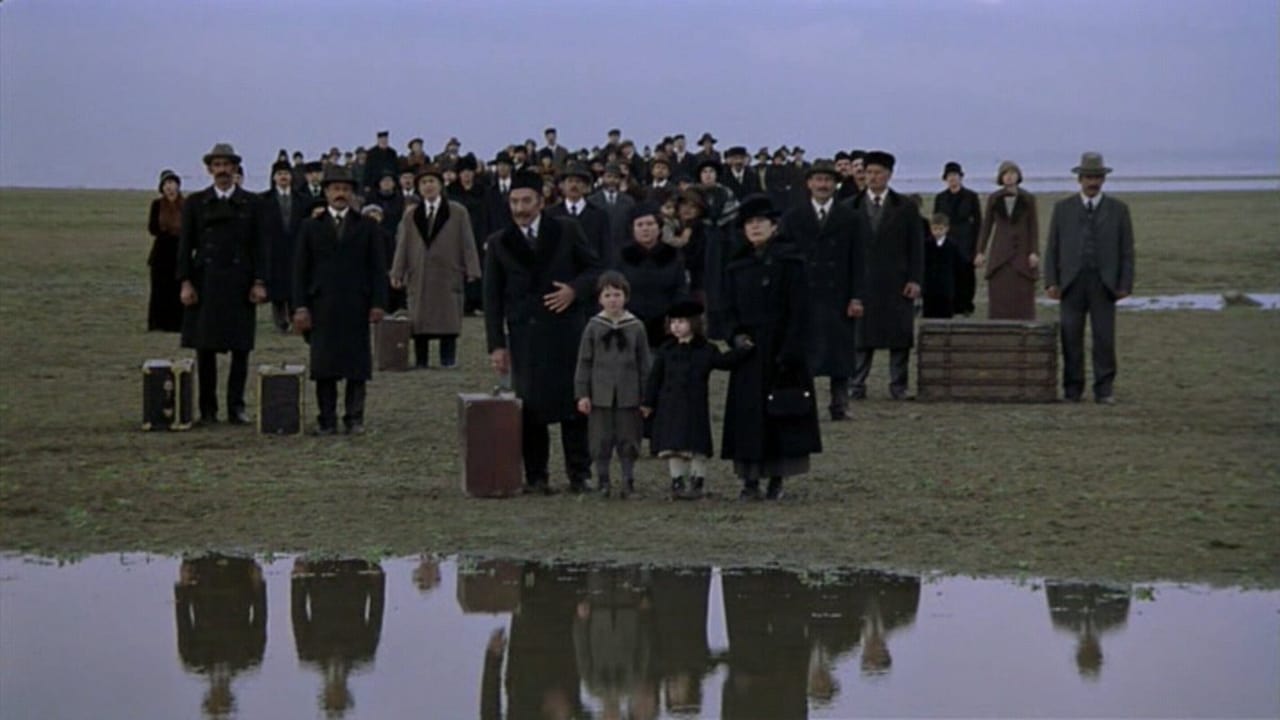
The color palette is astonishing. The muted grays, blues, and earth tones drain the world of spectacle without draining it of beauty. They create a landscape where memory, loss, and exile seem to exist in the air itself. When color finally breaks through, it carries enormous emotional weight because Angelopoulos has taught us to notice every subtle shift.
The cinematography is almost impossible to describe without underselling it. The long takes aren’t technical exercises; they’re moral choices. They refuse to manipulate time. They ask us to witness lives as they are lived, where joy and tragedy exist in the same uninterrupted flow. Every movement of the camera feels inevitable, as though it has been waiting for history to catch up with it.
What amazes me even more is the writing. Against the backdrop of wars, borders, and political upheaval, Angelopoulos never loses sight of the people living through them. History is never reduced to dates or speeches. It exists in separation, silence, waiting, and the impossible desire to find a place that can still be called home. Every character carries history without ever having to explain it.
Very few filmmakers understand that cinema can express ideas without speaking them aloud. Angelopoulos trusts the image, the landscape, the silence, and the rhythm of time itself. The Weeping Meadow isn’t simply one of the most beautiful films I’ve ever seen, it’s one of the clearest demonstrations that cinema can become poetry without sacrificing truth.
**Guys I genuinely cried from both this peak cinematic work and its personal impact on me.
I expected it be ur average Angelopoulos film, then i was obliged to make it my top 6 film oat !!**
The Weeping Meadow left me speechless. At this point, Angelopoulos no longer feels like a director to me, he feels like someone who discovered a different language for cinema. Every frame is so carefully composed that it could stand on its own as a painting, yet nothing ever feels static. The camera moves with extraordinary patience, allowing history and emotion to unfold naturally instead of being forced upon the viewer.
The color palette is astonishing. The muted grays, blues, and earth tones drain the world of spectacle without draining it of beauty. They create a landscape where memory, loss, and exile seem to exist in the air itself. When color finally breaks through, it carries enormous emotional weight because Angelopoulos has taught us to notice every subtle shift.
The cinematography is almost impossible to describe without underselling it. The long takes aren’t technical exercises; they’re moral choices. They refuse to manipulate time. They ask us to witness lives as they are lived, where joy and tragedy exist in the same uninterrupted flow. Every movement of the camera feels inevitable, as though it has been waiting for history to catch up with it.
What amazes me even more is the writing. Against the backdrop of wars, borders, and political upheaval, Angelopoulos never loses sight of the people living through them. History is never reduced to dates or speeches. It exists in separation, silence, waiting, and the impossible desire to find a place that can still be called home. Every character carries history without ever having to explain it.
Very few filmmakers understand that cinema can express ideas without speaking them aloud. Angelopoulos trusts the image, the landscape, the silence, and the rhythm of time itself. The Weeping Meadow isn’t simply one of the most beautiful films I’ve ever seen, it’s one of the clearest demonstrations that cinema can become poetry without sacrificing truth.