
TLDR: This is the rare instance where if they had made this film an hour longer, it would've been a bona fide classic and set the standard for Greek Mythology movies. But it simply tries to pack a Lord of the Rings-sized square peg into a 110 minute round hole.
SPOILERS AHEAD
It’s important to note up top that while Tarsem isn’t one of my overall favorite or most celebrated directors, he is the filmmaker behind my favorite movie of all time: The Fall. But everything I’ve seen from him outside of The Fall has been, frankly, a major letdown—and Immortals is the latest entry in that pattern.
What strikes me most about Immortals is the immense potential it carries. It feels like a movie I wish I could see reimagined into the widely celebrated version that seems possible beneath the surface.
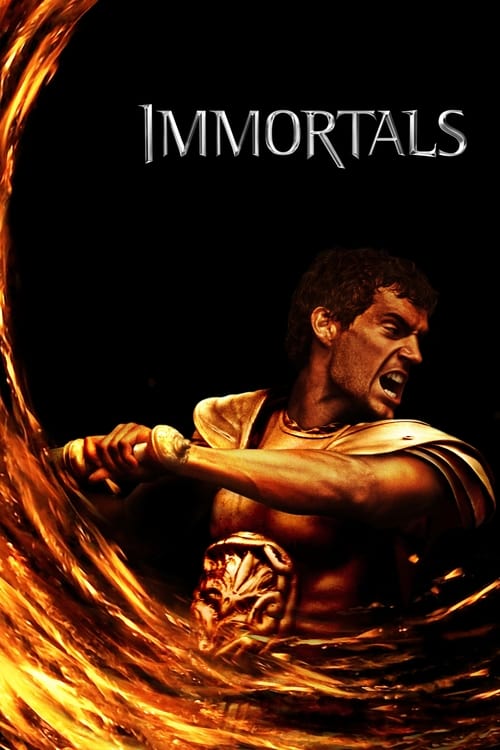
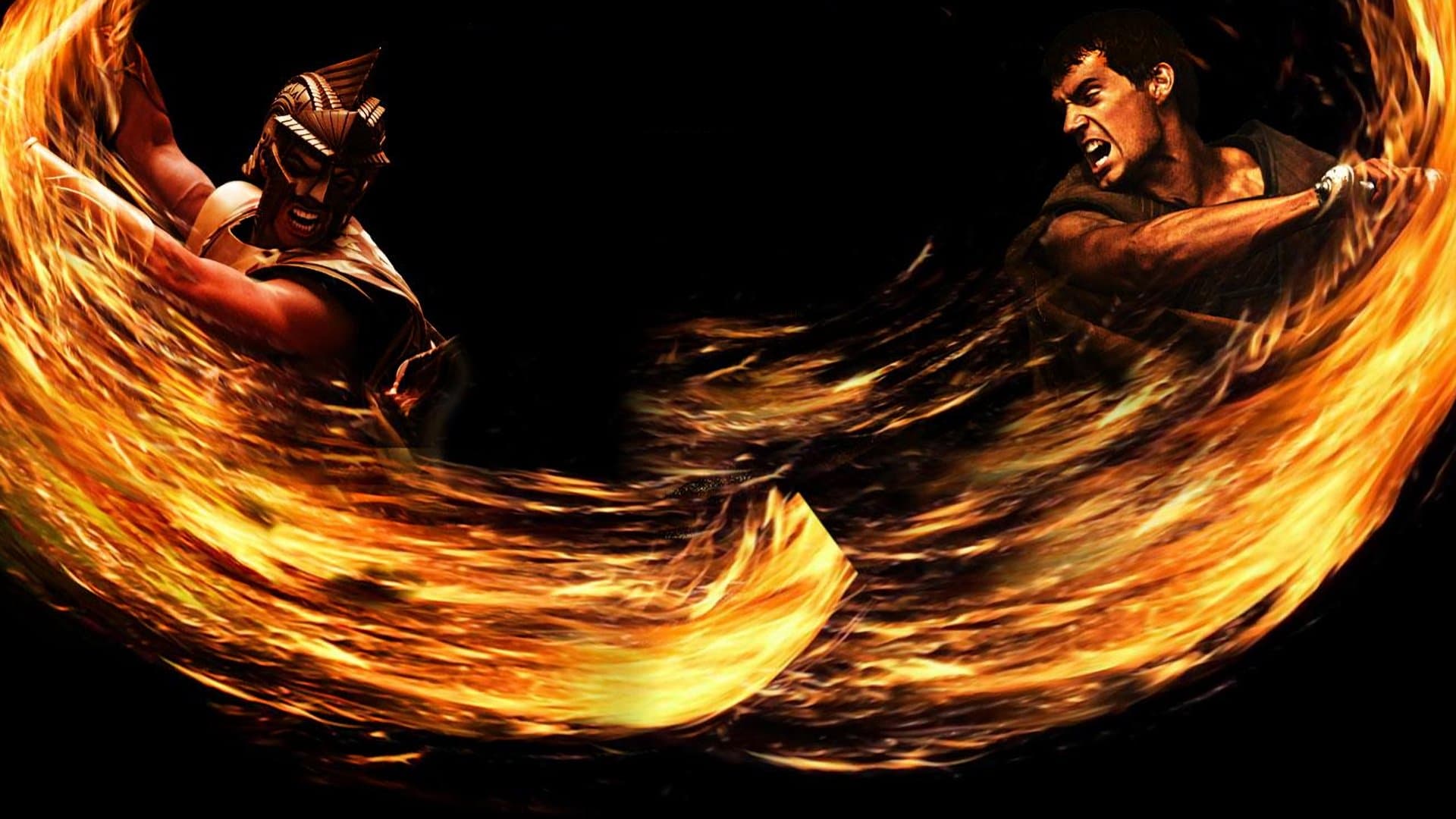
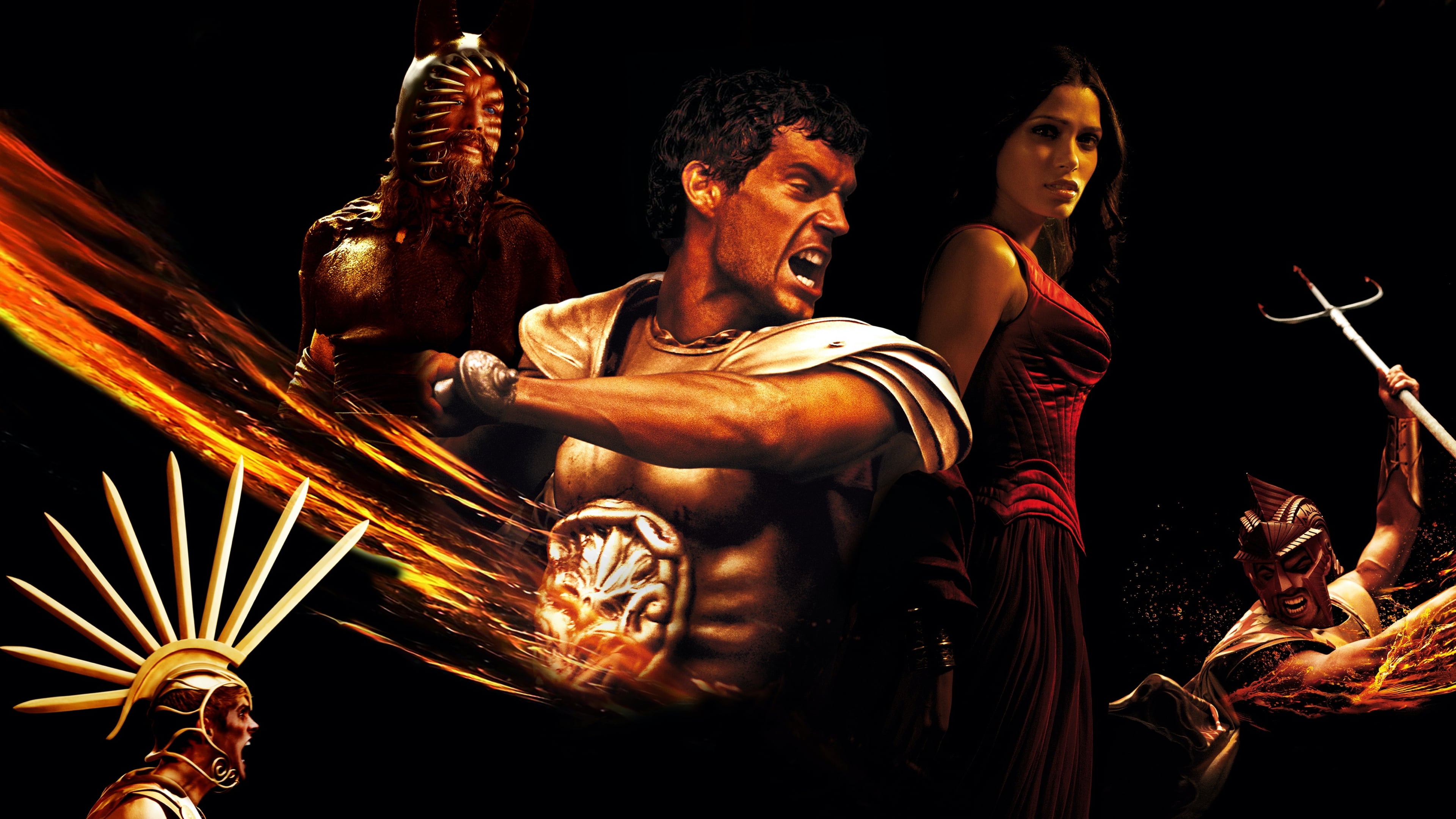
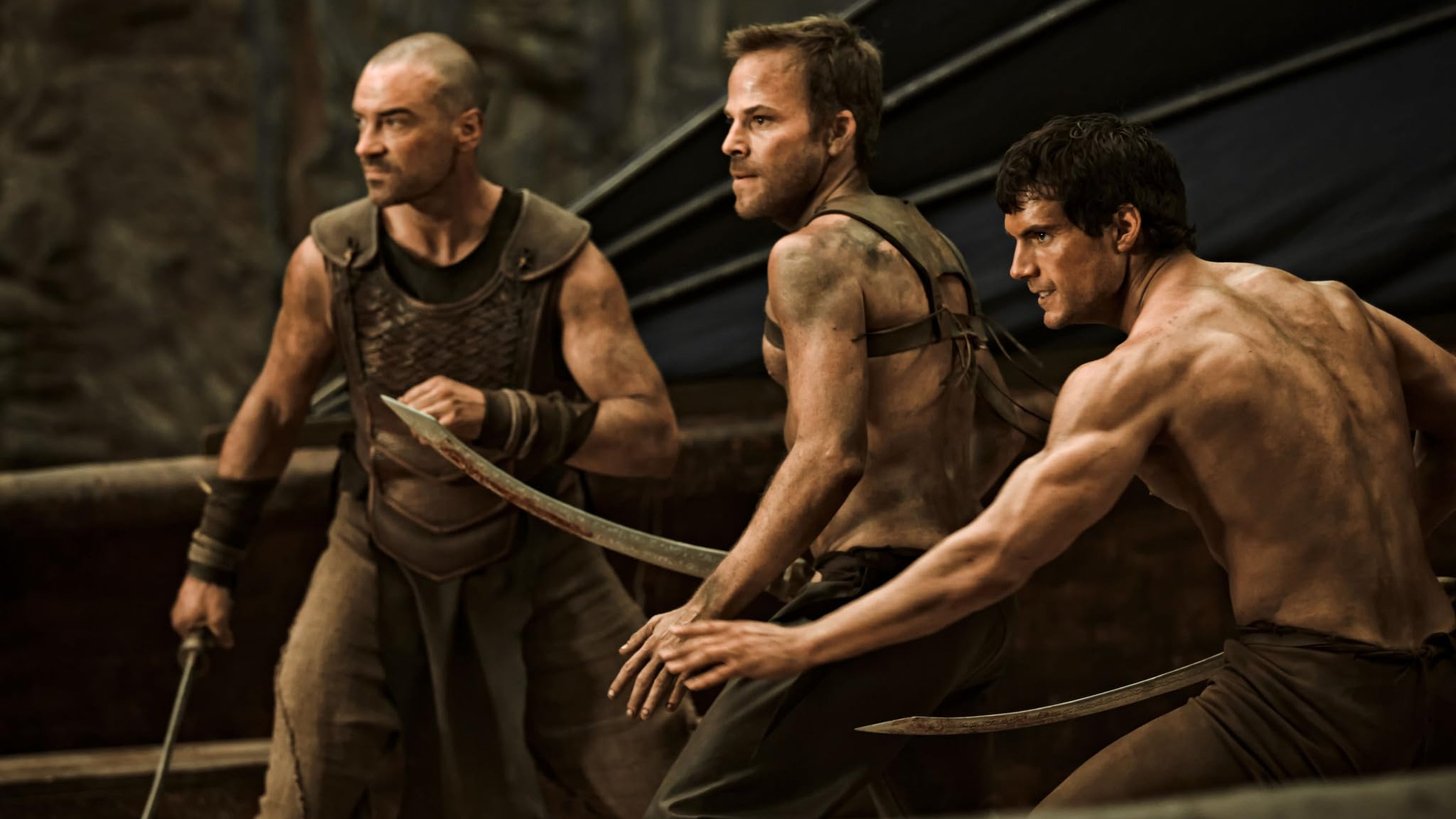
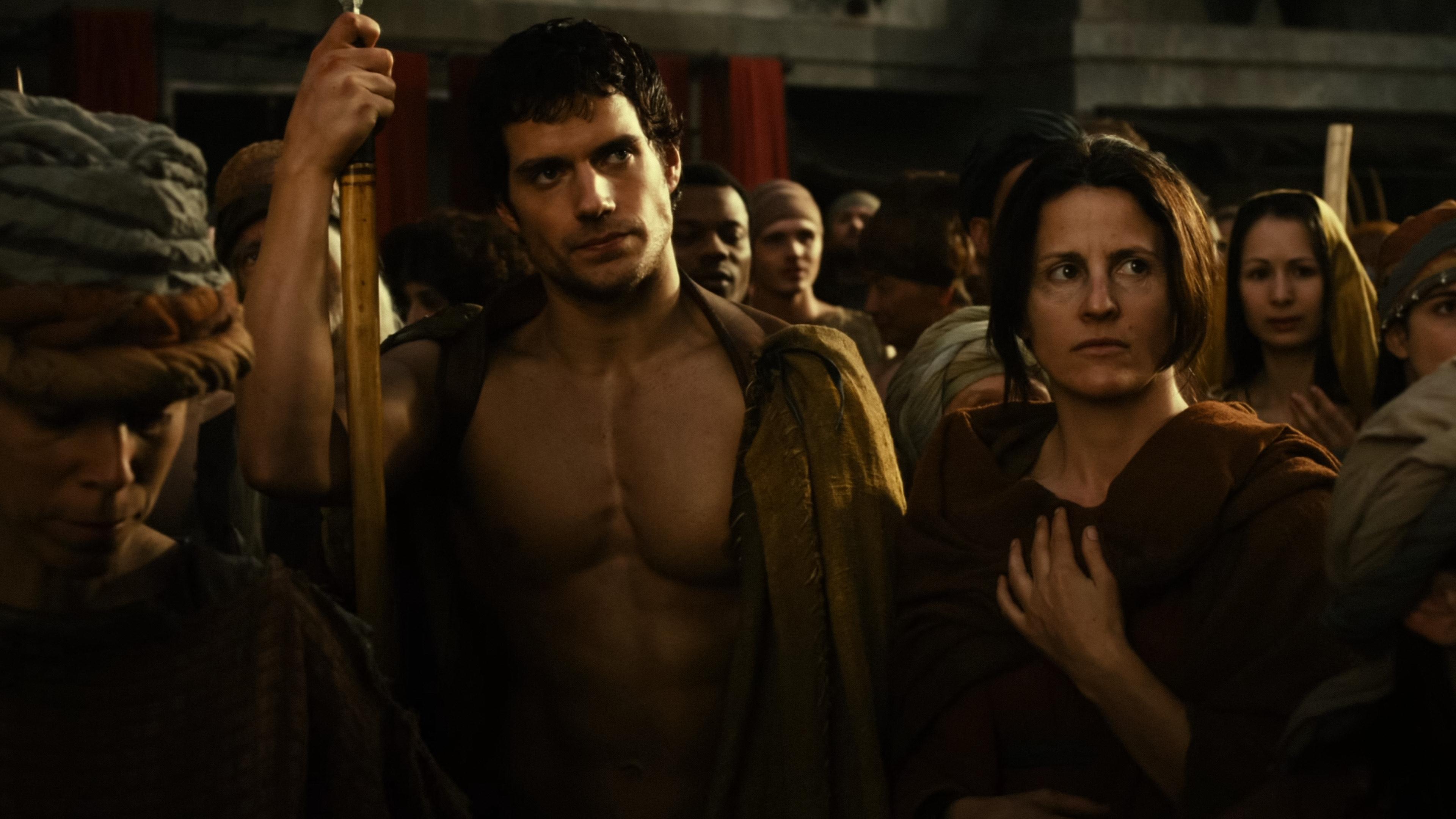
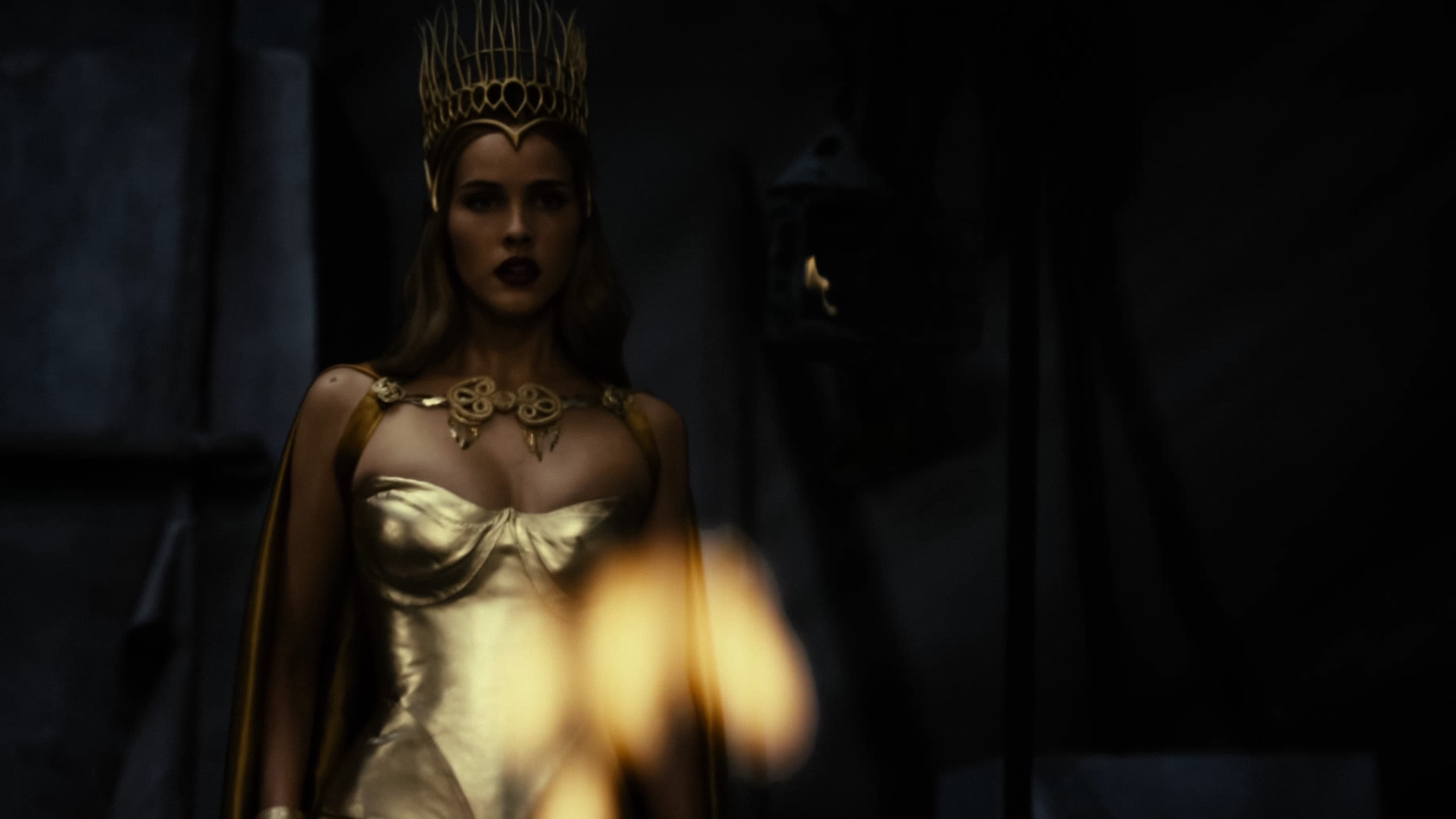
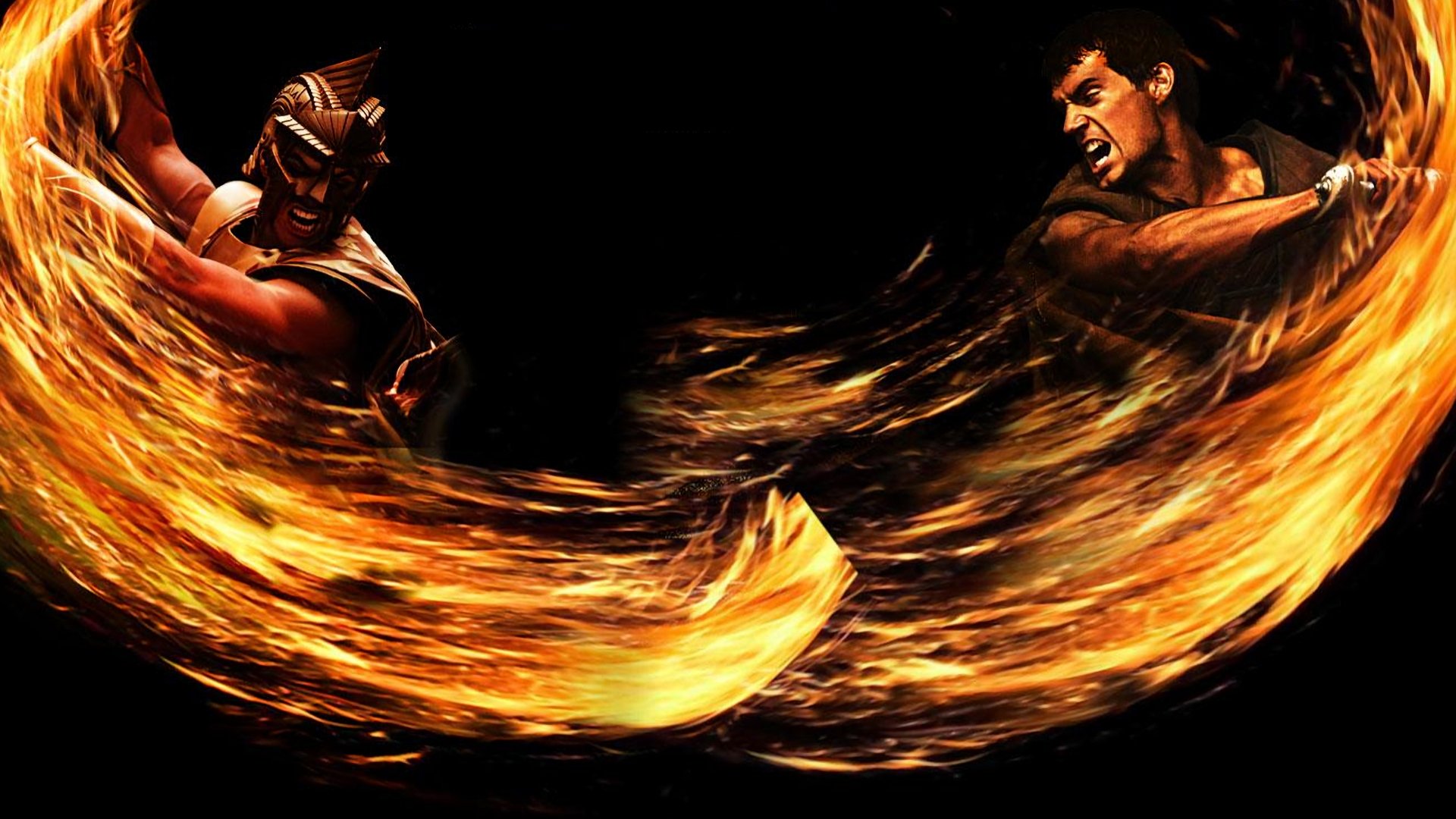
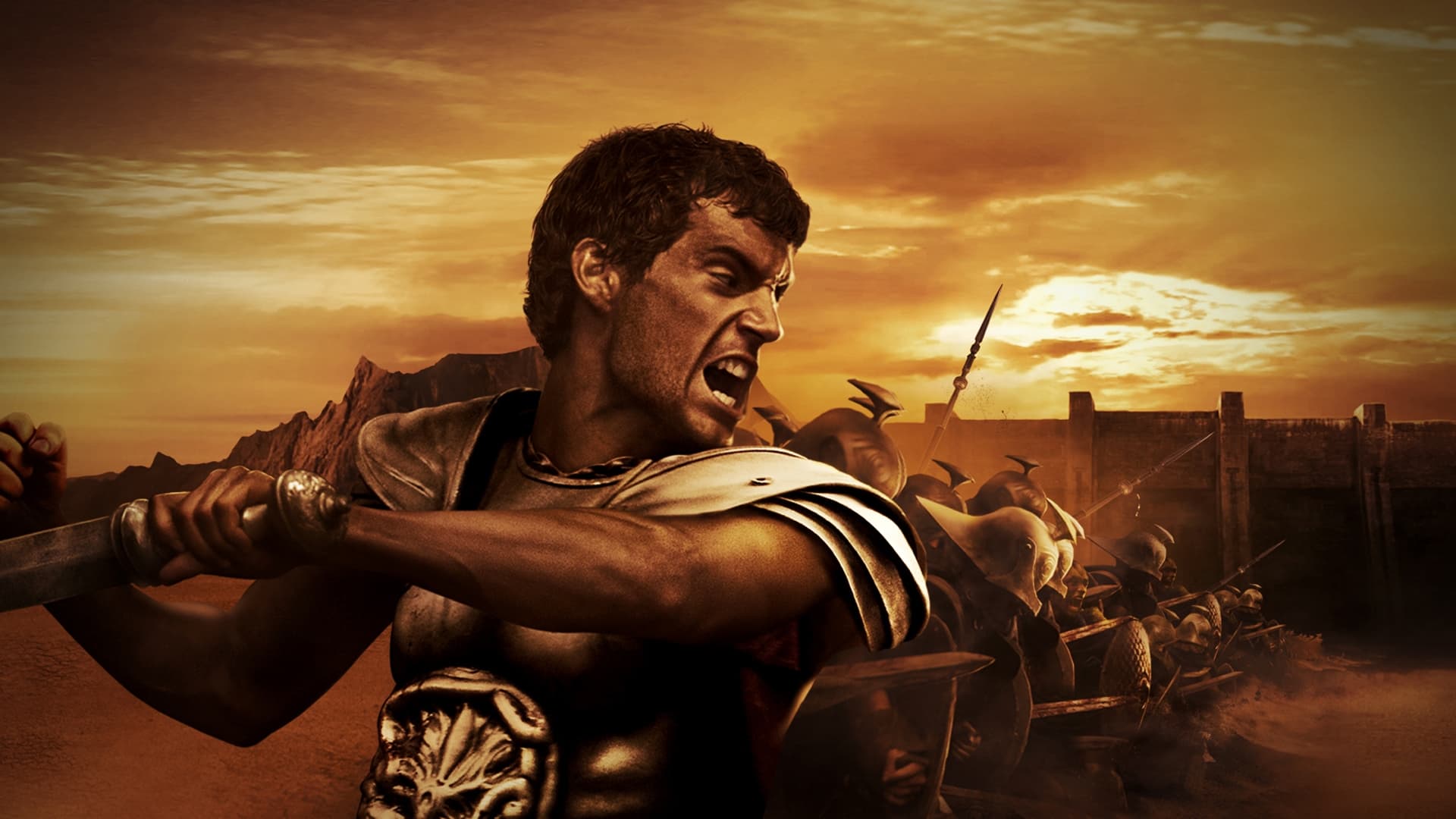
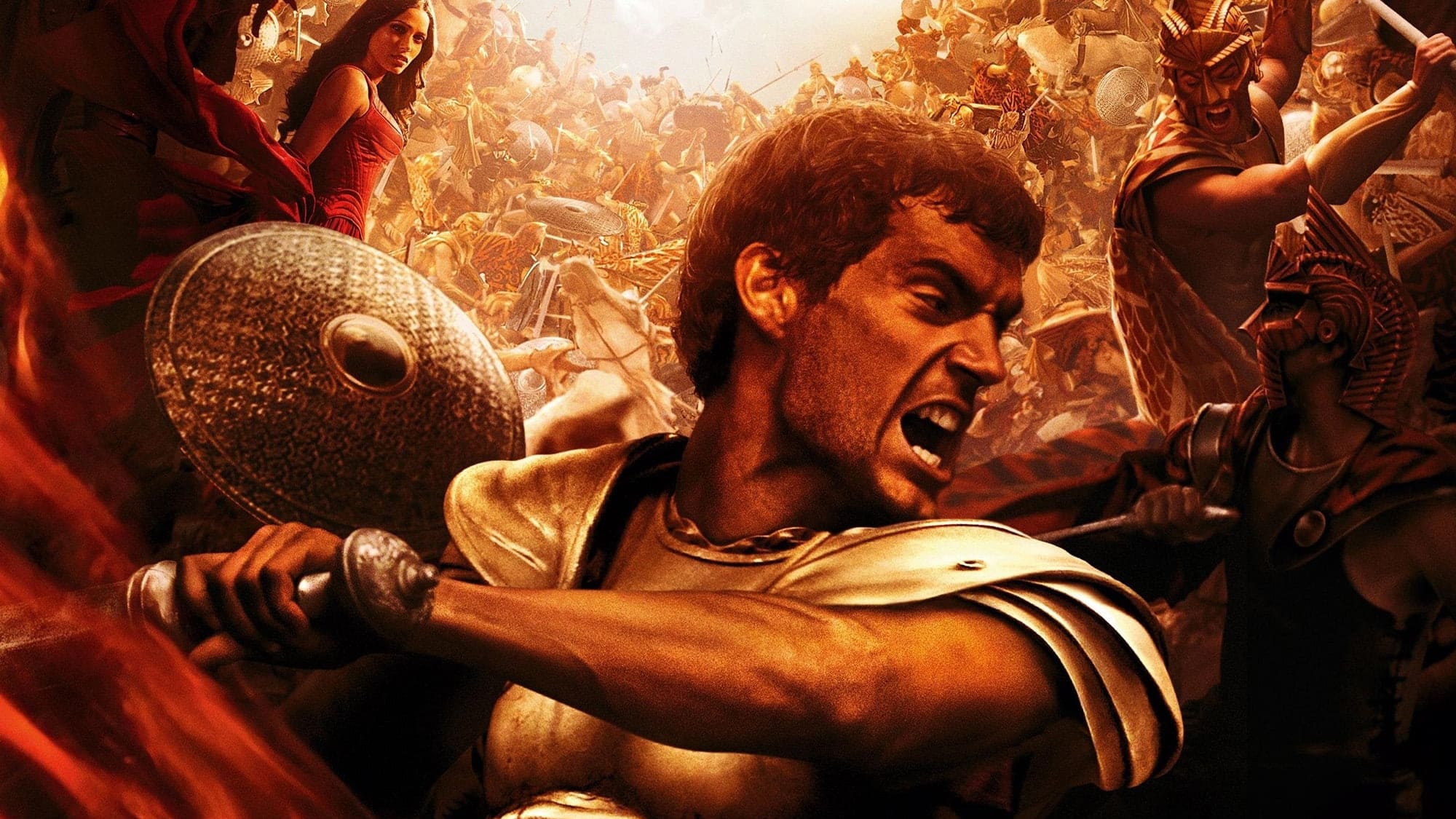
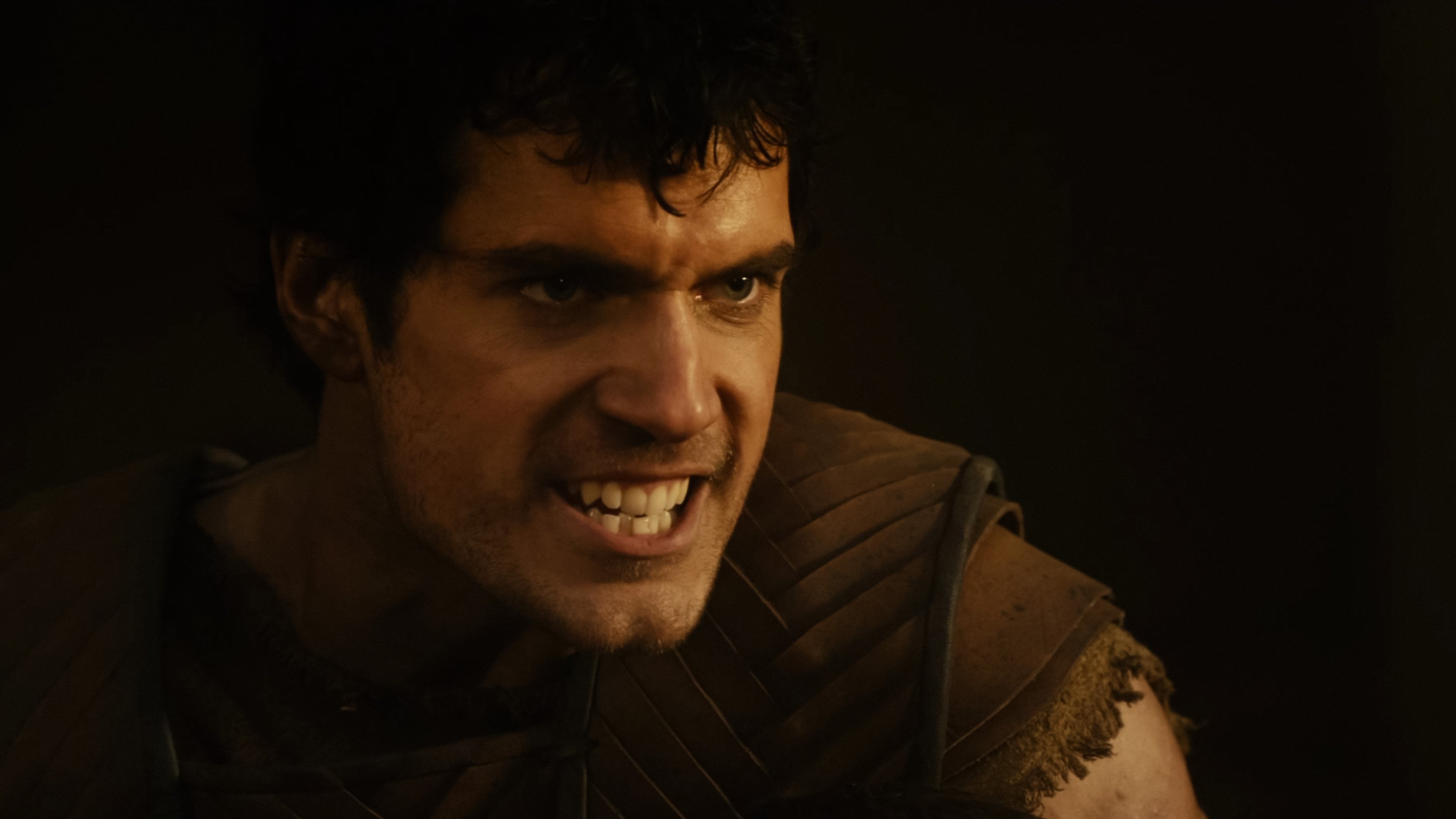
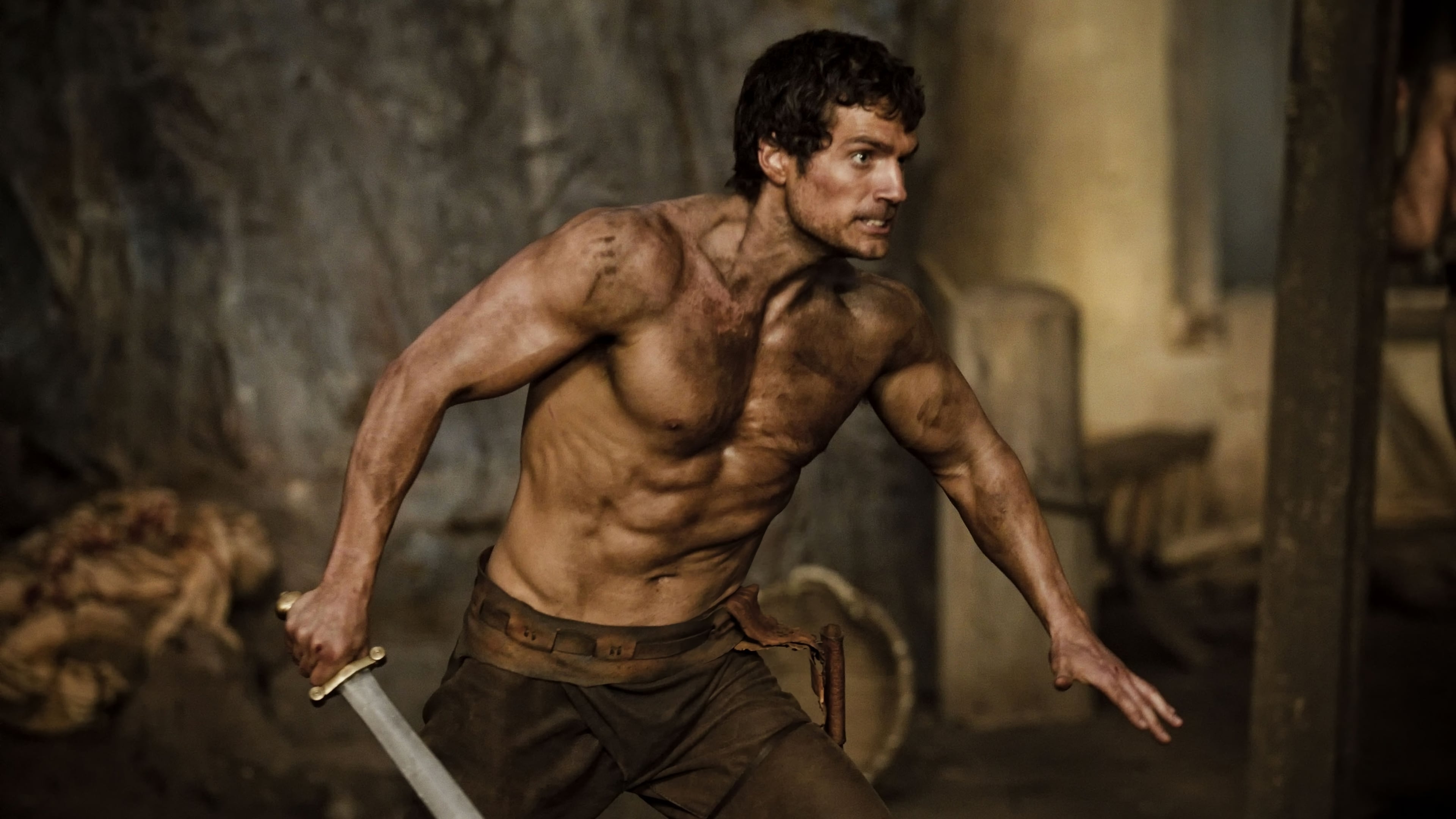
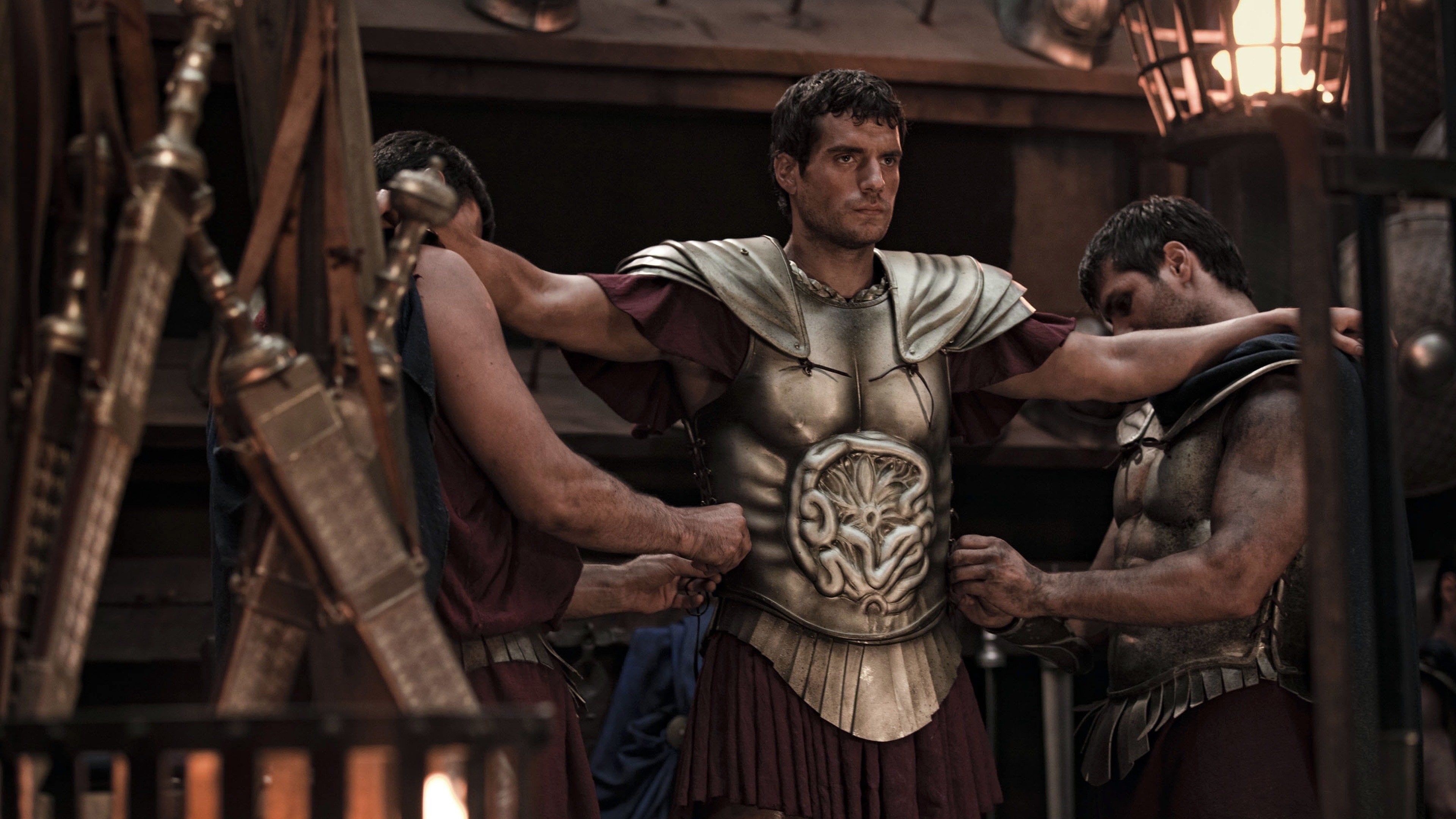
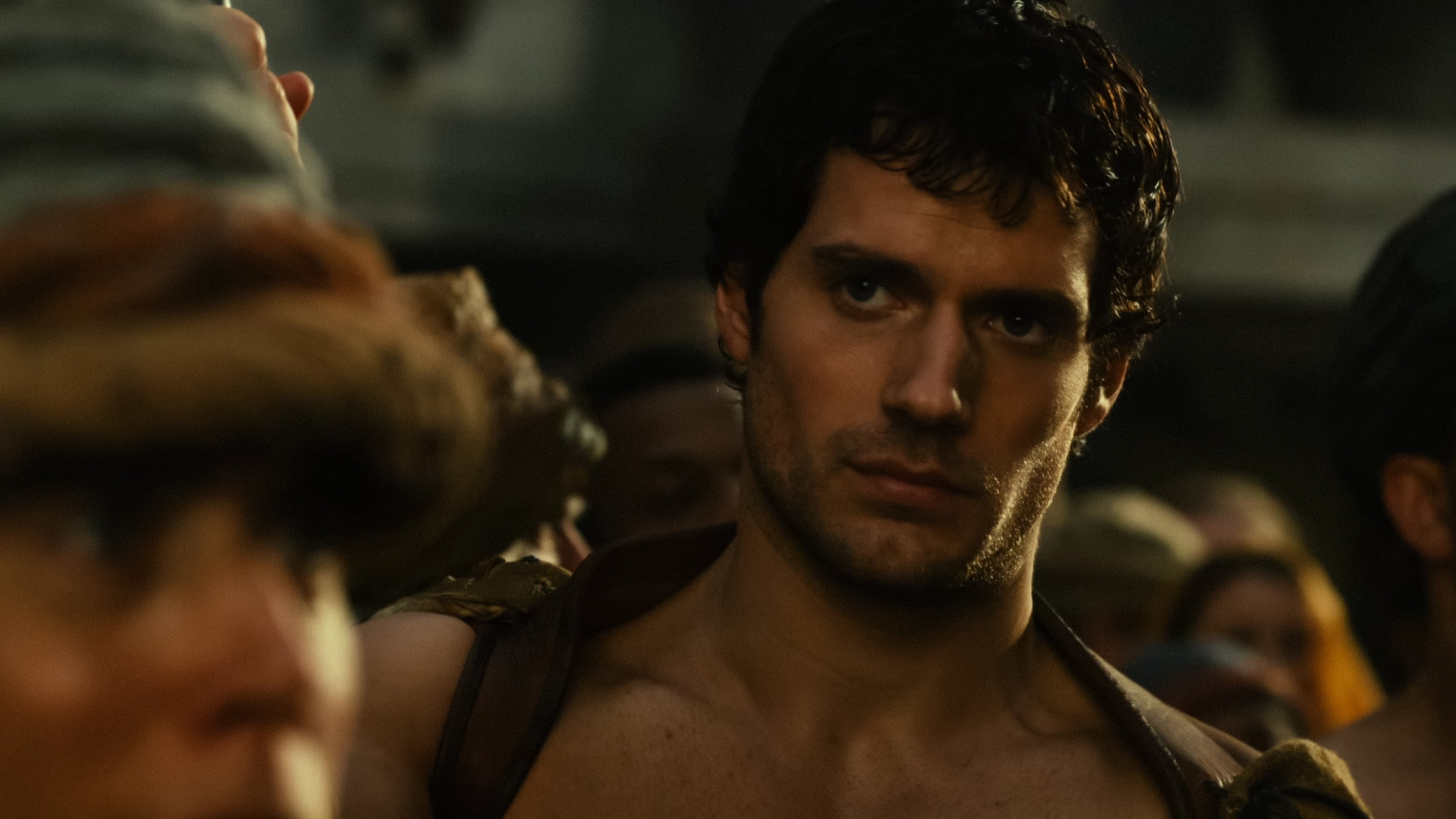
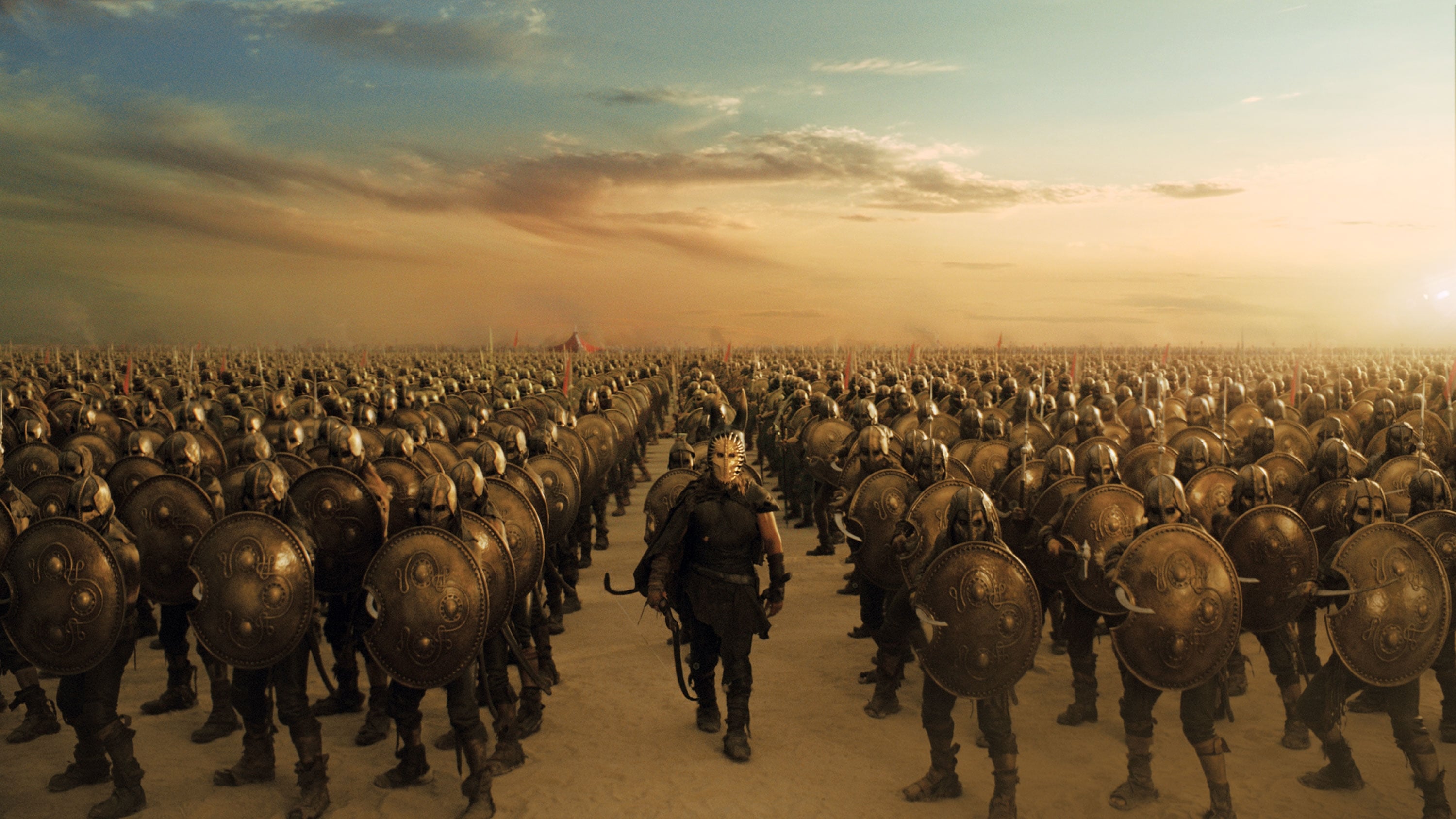
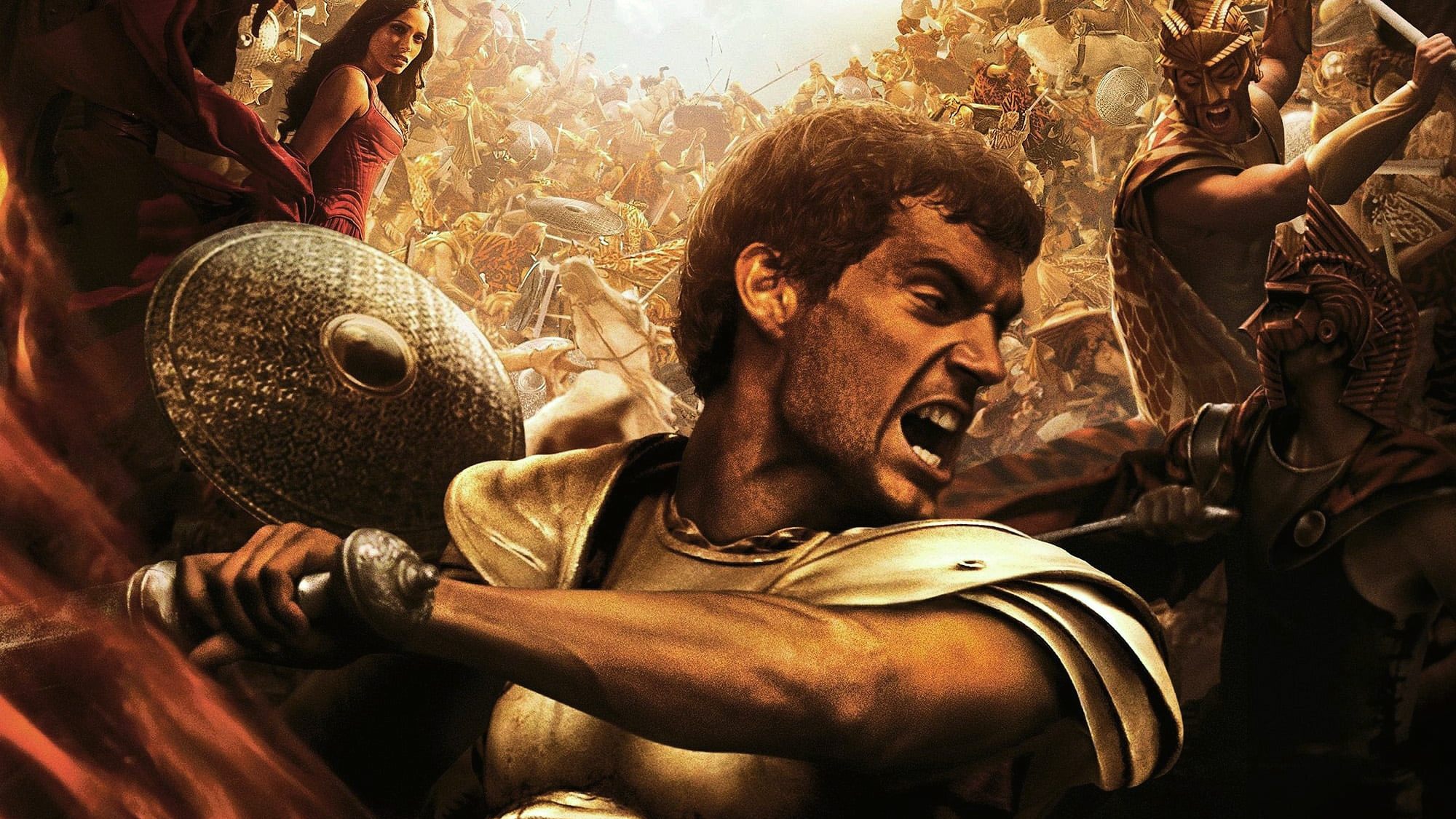
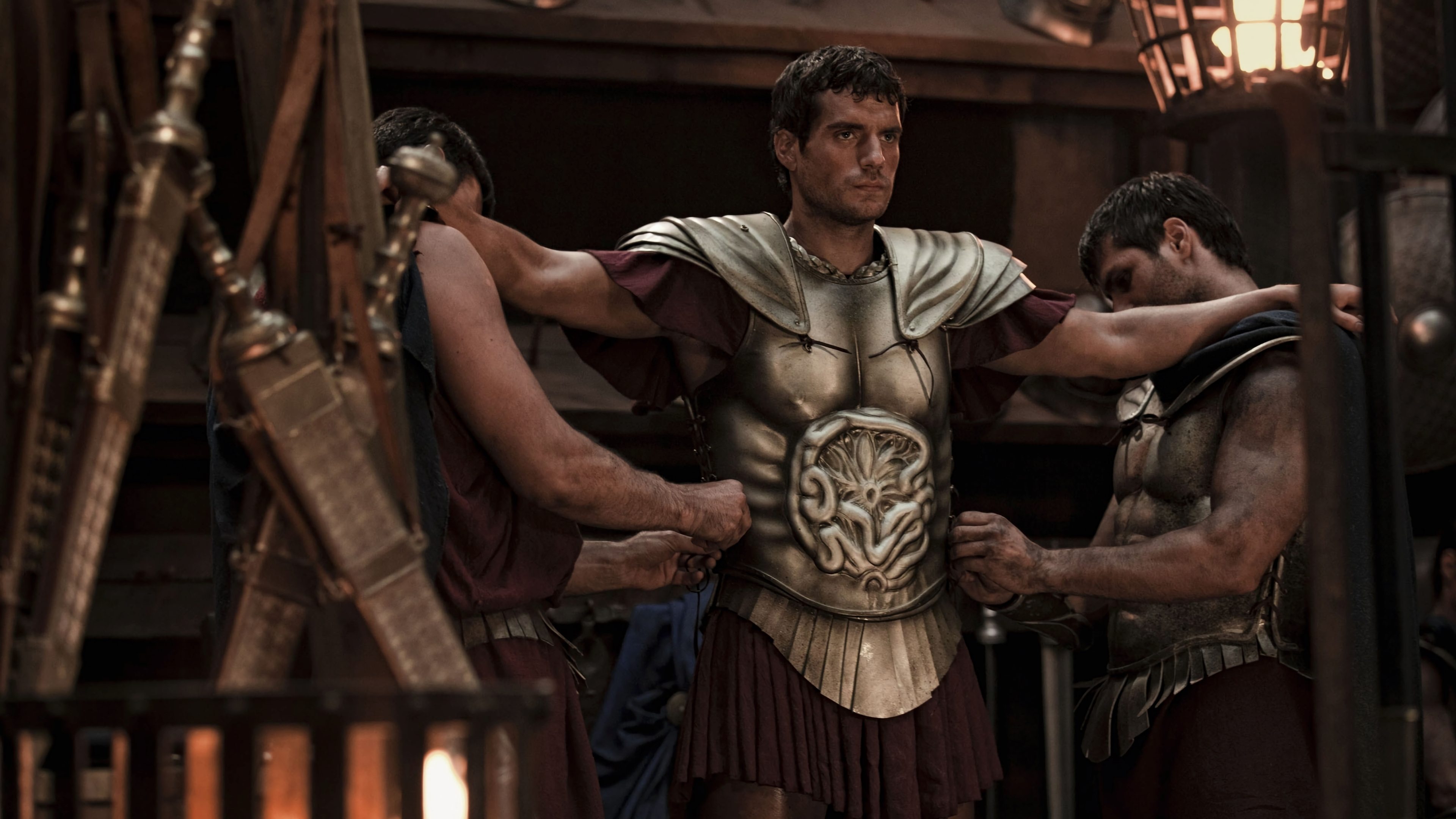
Tarsem is known for many things, but above all, he’s a visually striking director—someone with a distinct flair for imagery. And Immortals absolutely cements that reputation. The film is fascinating to look at without being a 300 ripoff, and in many ways, it’s an intriguing attempt at a modernized take on Greek mythology—specifically, the myth of Theseus.
Interest in Greek mythology is about to be at an all-time high again, with Christopher Nolan’s Odyssey adaptation coming next year. That anticipation has reignited the long-standing question: Why aren’t there great Hollywood films about Greek myths? And inevitably, Immortals gets brought up in that conversation—often described as a hidden gem or an underrated film that deserves reevaluation.
This was my first time seeing it, and while I can’t fully agree with that sentiment, I can agree that this movie should have worked. It has all the ingredients—and a handful of glaring flaws holding it back.
For starters, the film clocks in at about an hour and fifty minutes, and I don’t say this about many movies, but this one absolutely NEEDED to be at least an hour longer. It needed to be epic in every sense of the word. Instead, it feels almost quaint—small, rushed, like a brief blip on the radar when it should feel like a cinematic force.
The core problem is the lack of breathing room. Scenes, characters, and moments are offered almost none. The film darts from set piece to set piece in what often feels like thirty to sixty-second increments. It’s as if every scene in the script occupied only one page, and the film is trying to cram an epic story into a runtime that simply can’t sustain it.
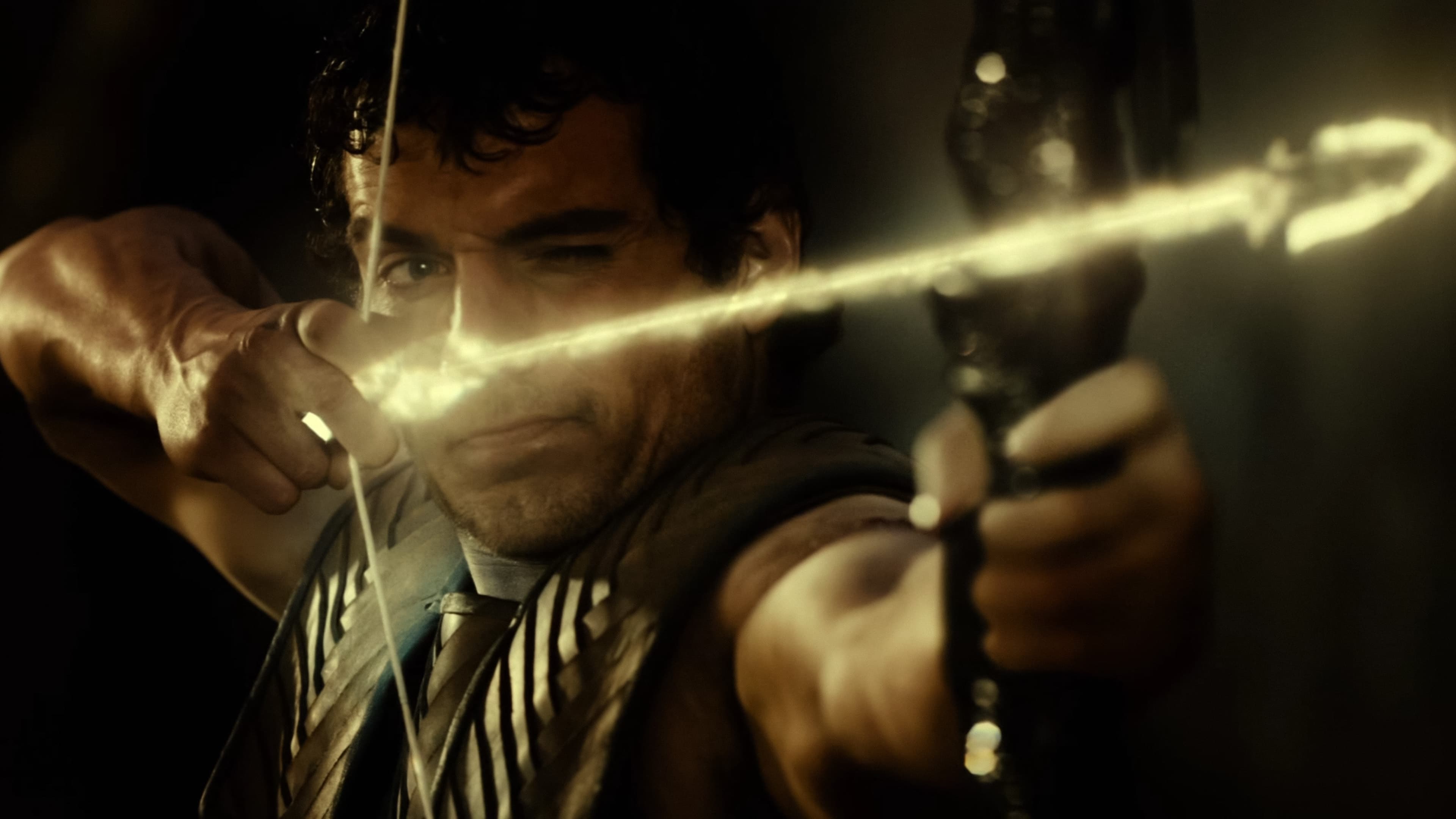
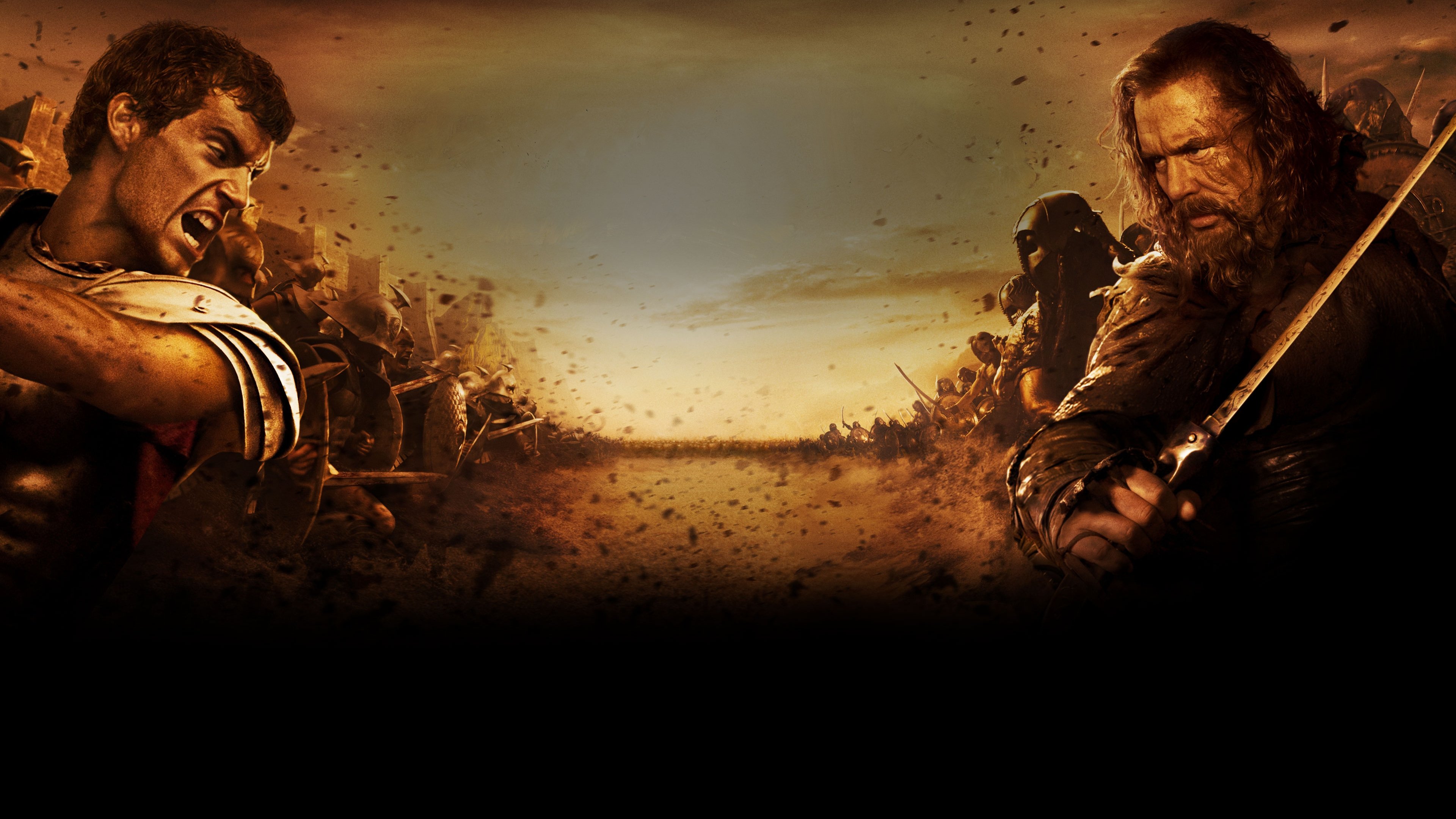
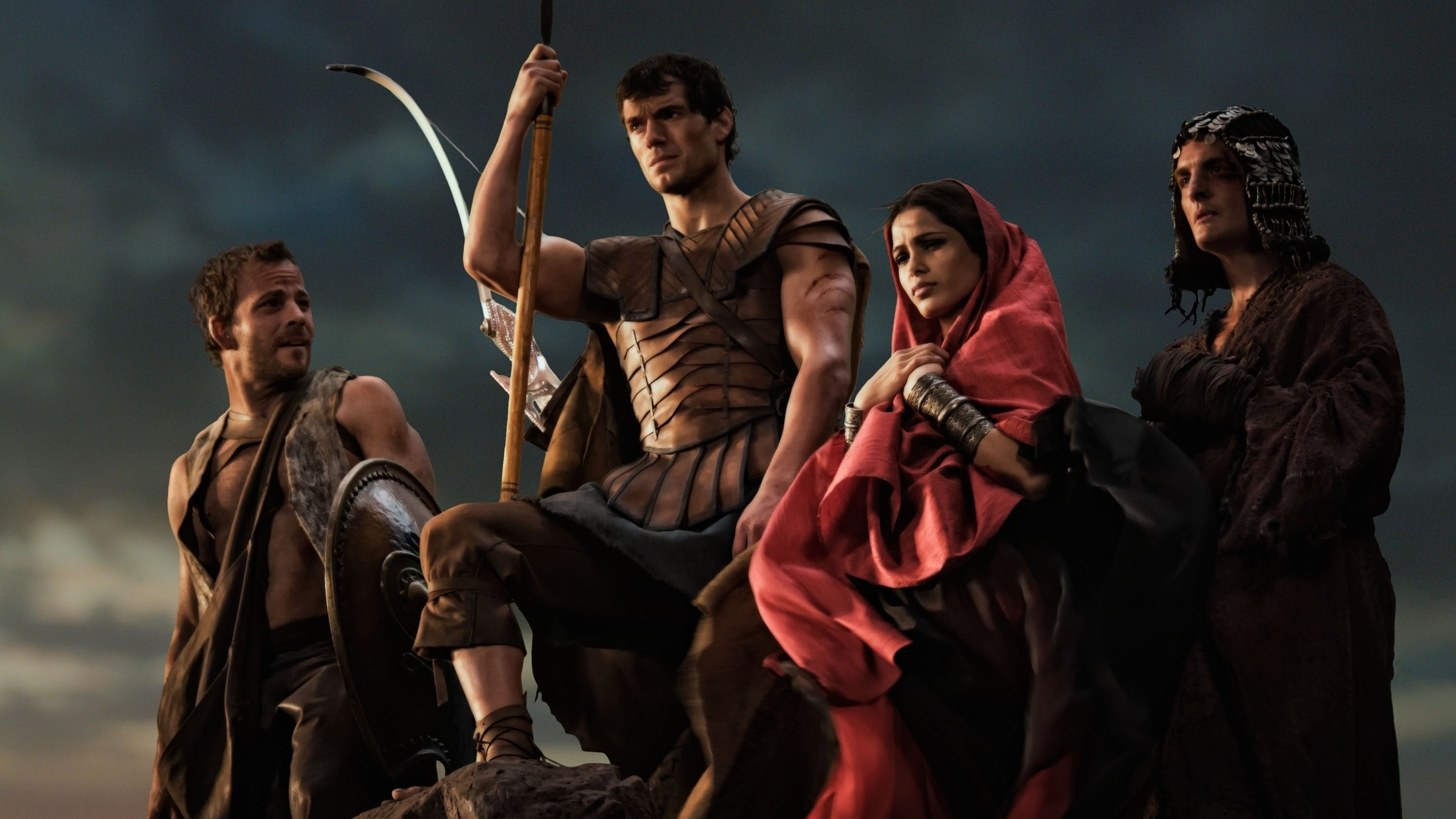
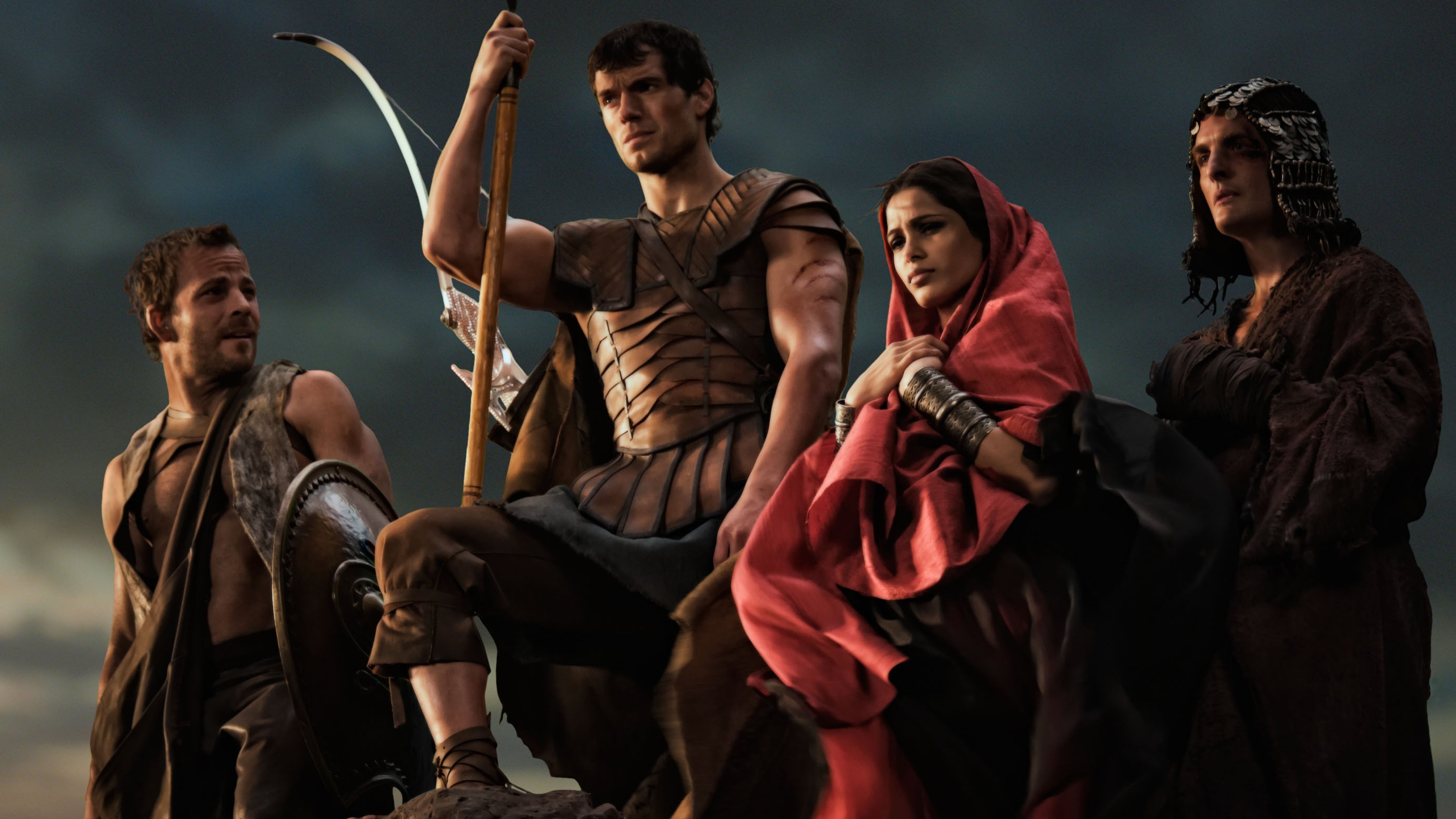
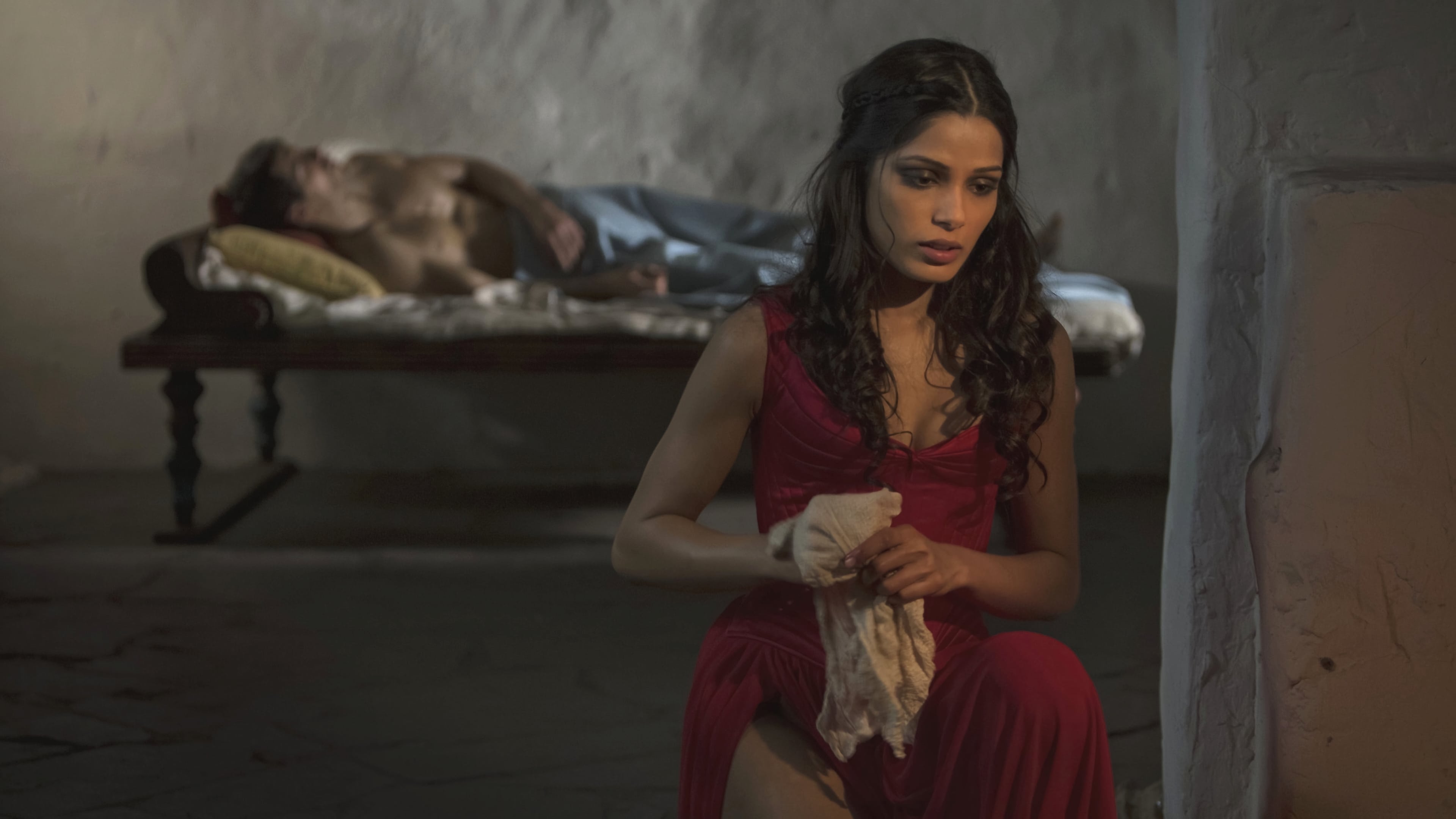
At what feels like the midpoint—when Hyperion, played by Mickey Rourke, comes into possession of the Epirus Bow, and Theseus, Phaedra, and Stavros reach Mount Tartarus—I found myself checking the runtime on my Blu-ray player. There were only about thirty minutes left. I wondered how the movie could possibly wrap everything up in the time remaining.
The answer is: it does so very quickly, and with very little fanfare.
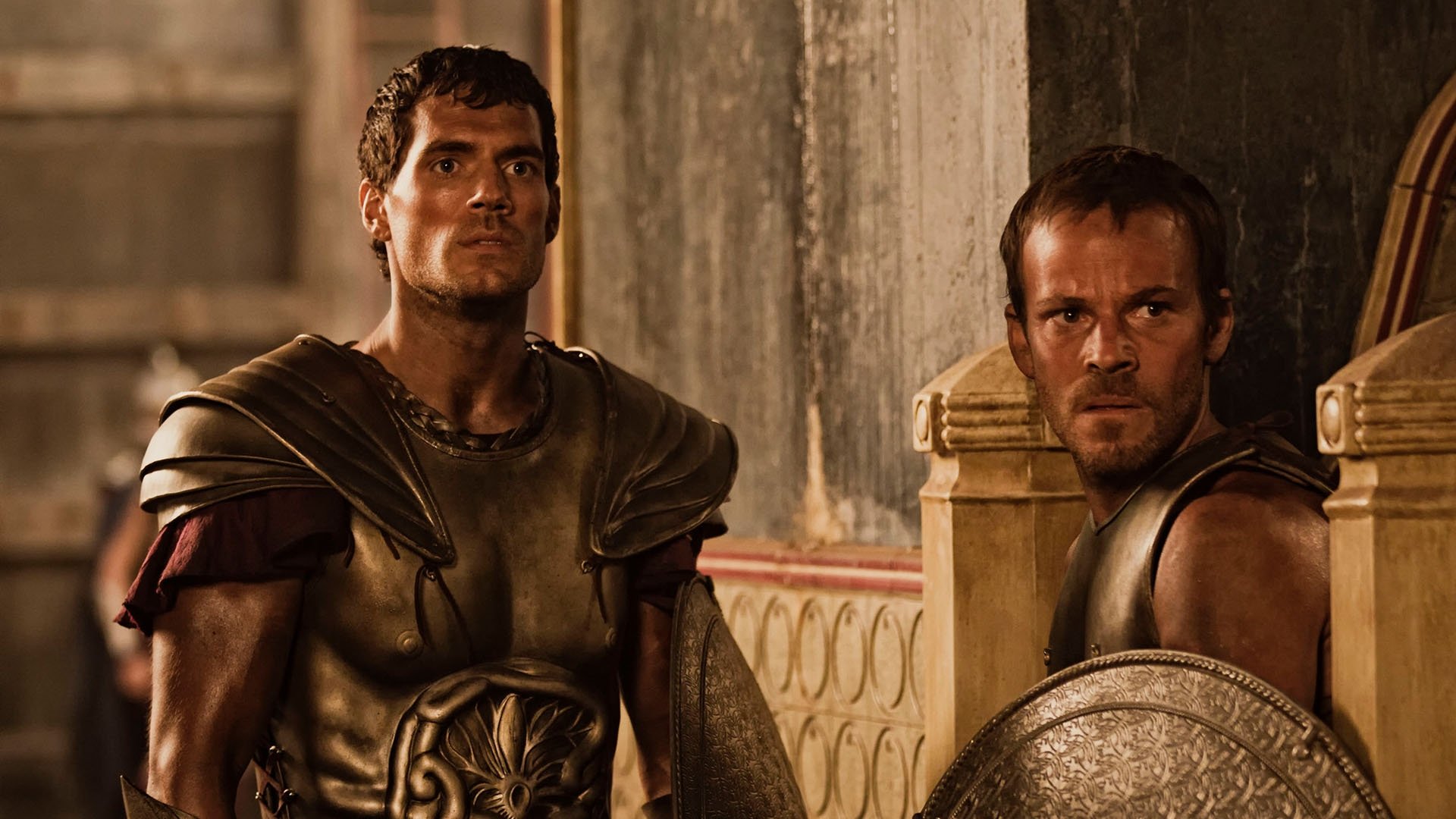
Throughout the film, characters are barely introduced before they’re expected to matter. Stephen Dorff’s character, Stavros, is a perfect example. He should be the movie’s comic-relief figure—a sort of Merry and Pippin hybrid from Lord of the Rings—but instead he remains faceless, nameless, and almost completely lacking in defining traits. We’re told early on that he’s a thief, yet nothing he does afterward reflects that. It never comes up again. Why mention he's a thief if he isn't gonna steal some shit later in the movie?!?
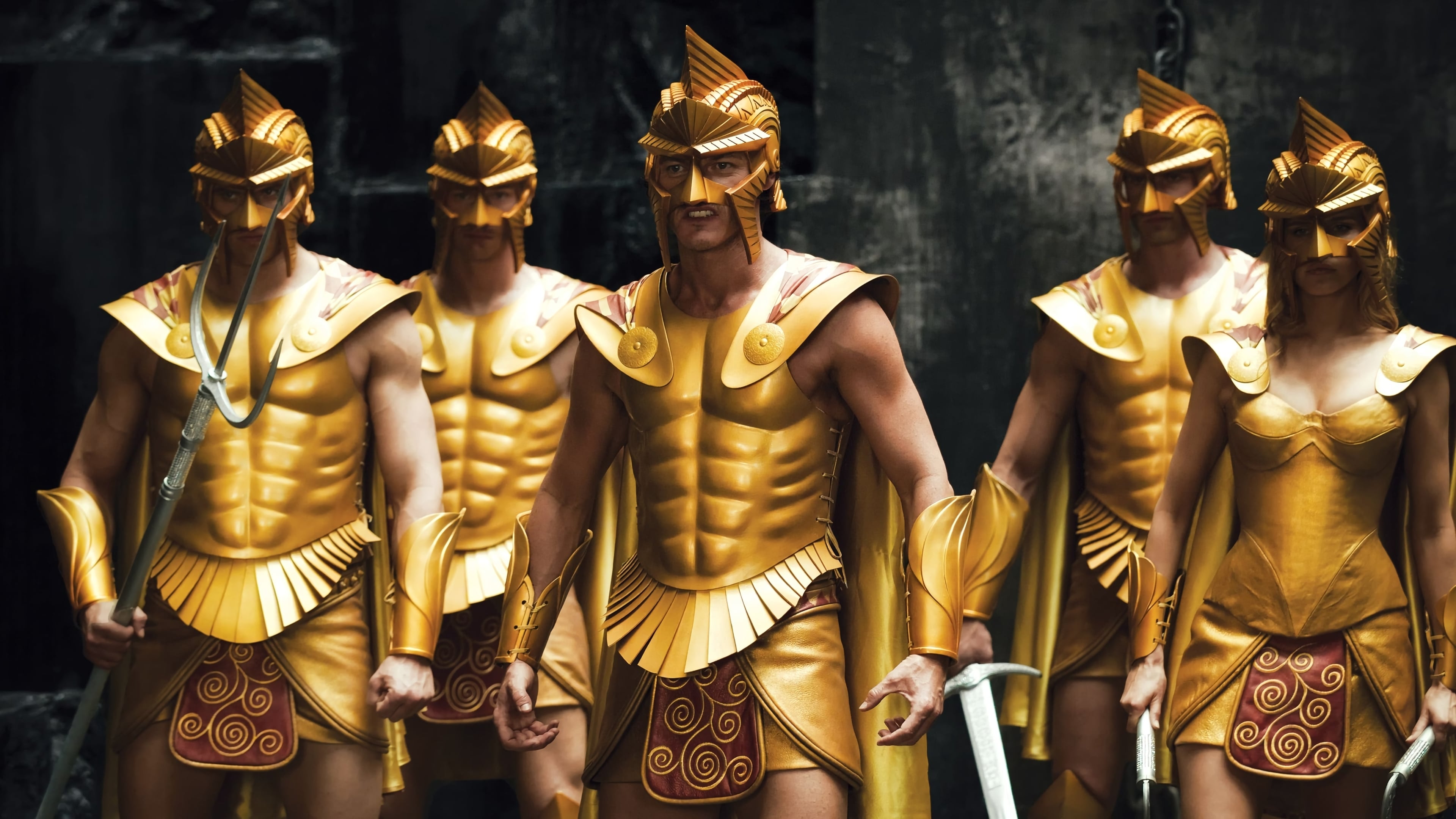
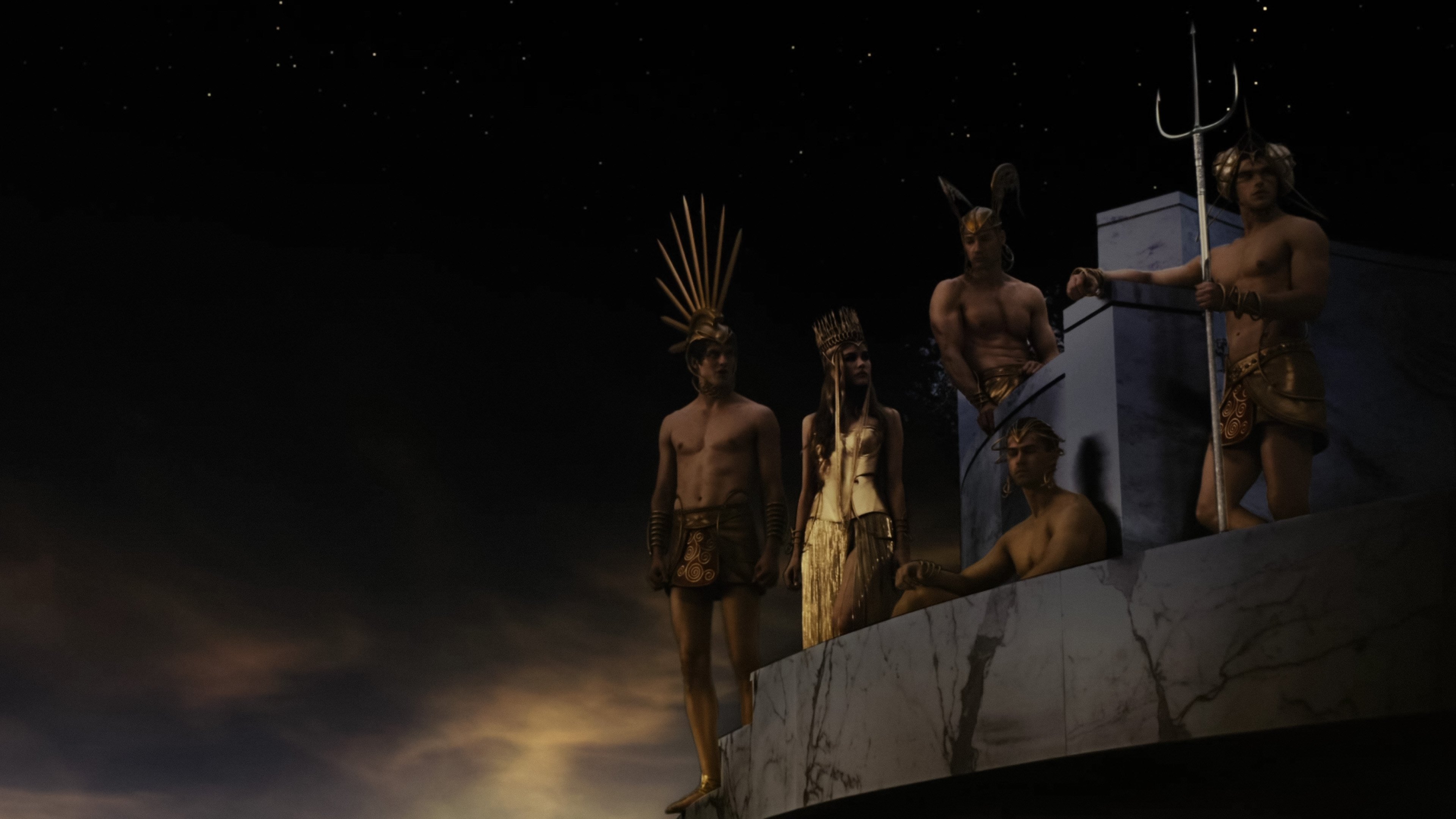
This issue repeats constantly. Characters appear without arcs or distinguishing characteristics: Helios, King Cassander, several unnamed figures in the supporting cast. Even among the gods, only Poseidon, Athena, and Zeus receive any meaningful attention—and even then, it’s fairly limited. Many of the gods aren’t even given names, and we’re still expected to care about them later. I genuinely don’t understand that decision.
The whole film feels like a three-hour epic that’s been whittled down to under two hours. If everything had been left in—or expanded—this could have been a significantly better movie. I watched all of the deleted scenes on the Blu-ray and this movie gets at least 10% better with them included.
And I haven’t even touched on Theseus.
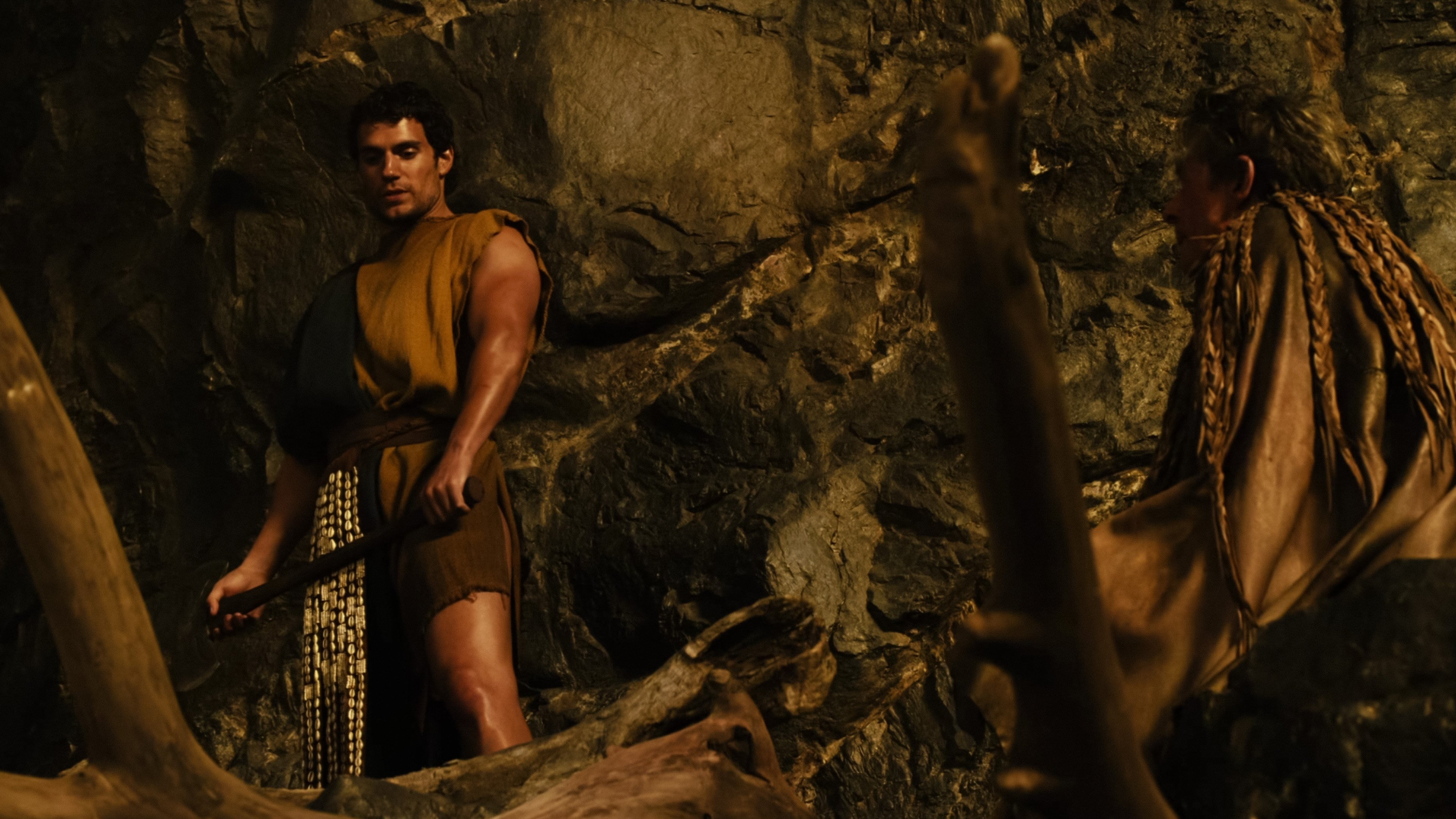
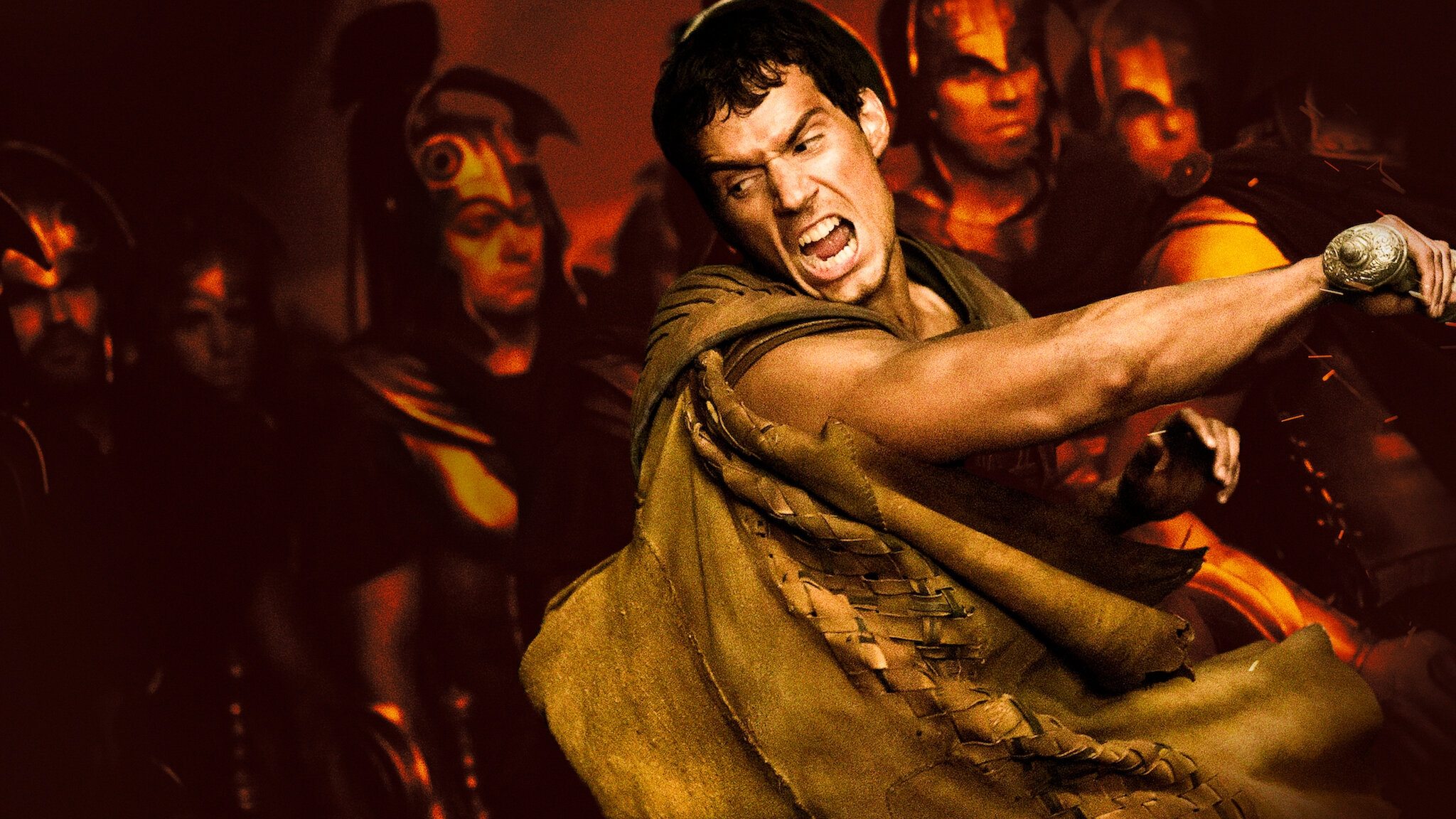
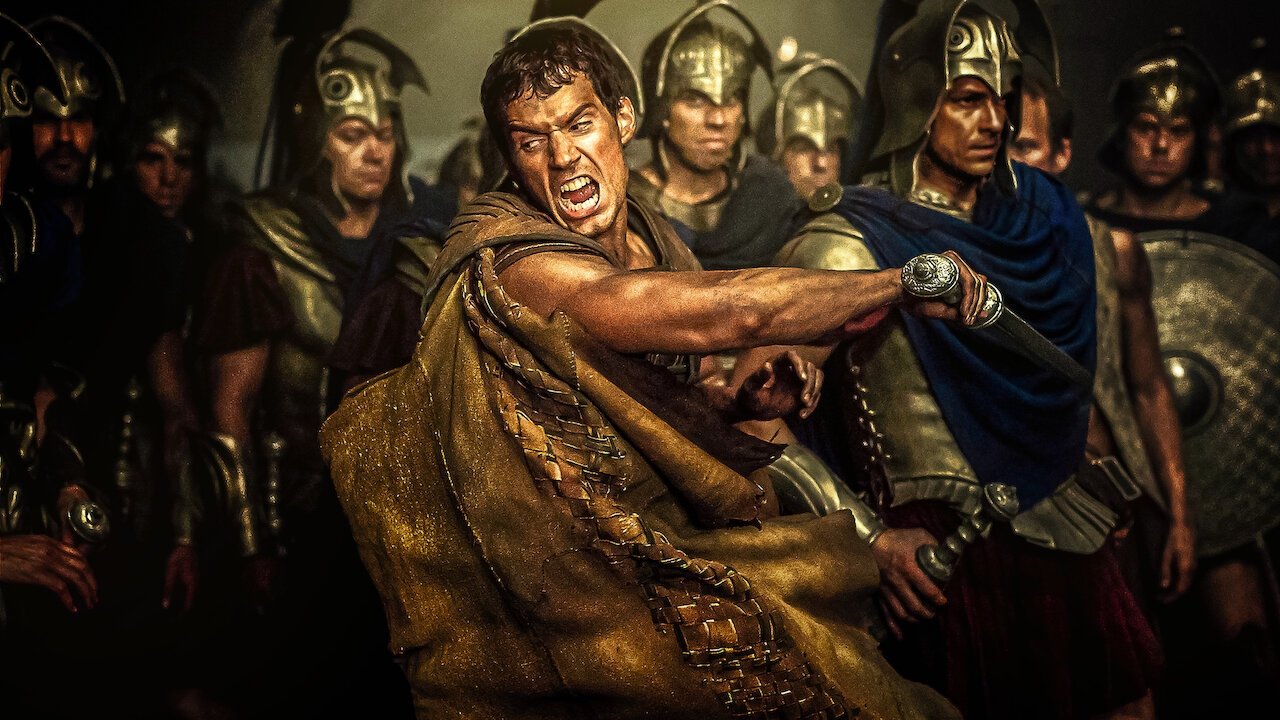
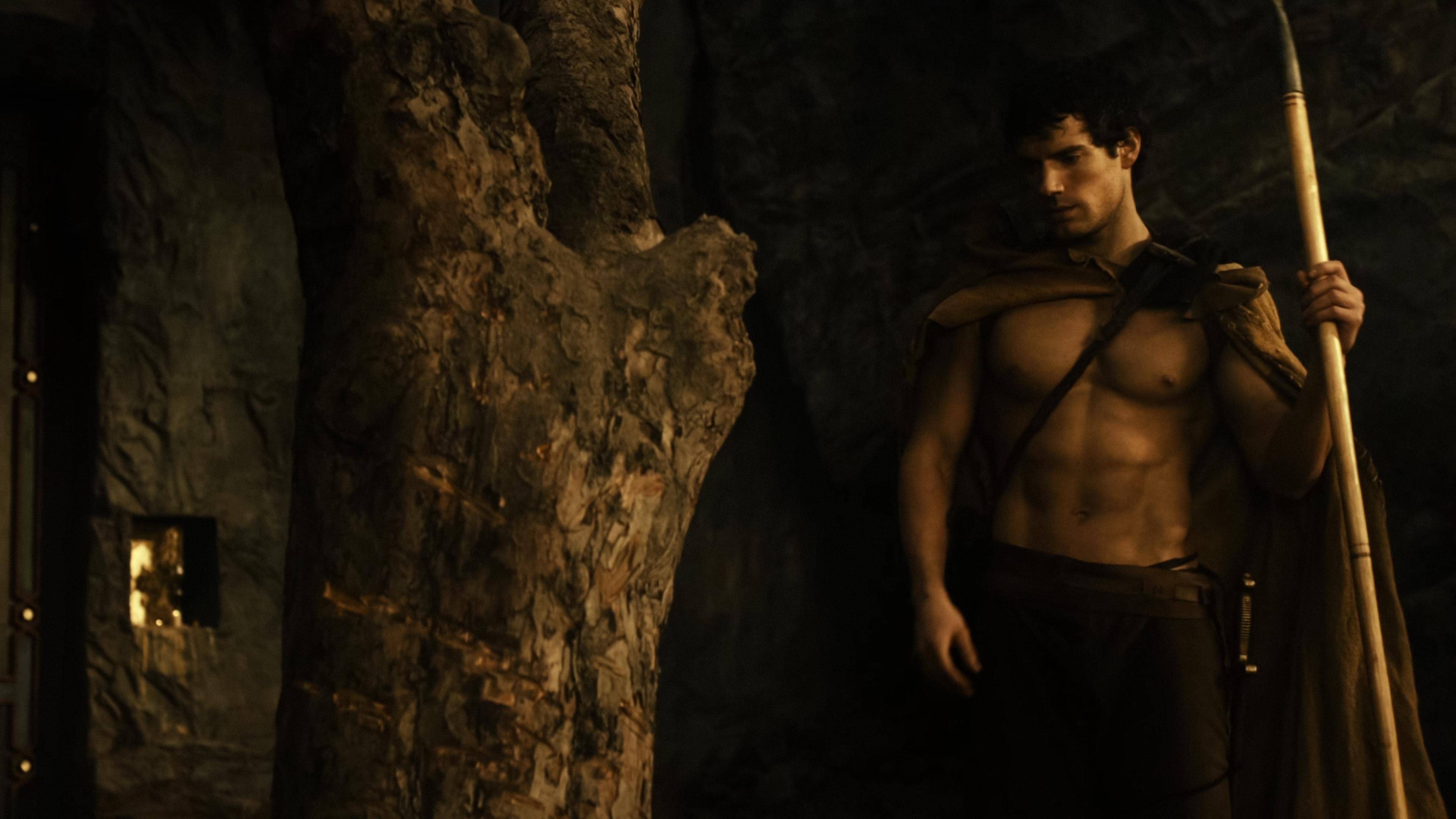
In the theatrical cut, Theseus is introduced as an adult hacking away at a tree with an axe. But on the Blu-ray, there’s a deleted alternate opening showing him as a child meeting John Hurt’s character—Zeus in disguise. That extended introduction gives Theseus a much stronger foundation and even establishes his rivalry with Lysander.
And that lack of development carries straight through to the end. Near the climax, just before Hyperion’s army lays siege to Mount Tartarus, Theseus gives a rousing speech to the Athenian soldiers. At one point, a soldier calls out, “Who are you to be giving a speech to any of us?” and honestly, I found myself agreeing. Theseus hasn’t done anything within the narrative to prove he’s earned the right to lead anyone, much less an entire ARMY. I don’t know why the soldiers would listen to him, or why the film believes he’s reached that point in his arc. Also, his speech itself isn’t especially compelling—it basically amounts to “Let’s do this for our children”—yet the soldiers respond with instant enthusiasm, suddenly ready to fight Hyperion’s forces with renewed vigor. The seemingly intended transformation from "peasant outcast" to "inspirational leader" simply isn’t earned and it's a shame.
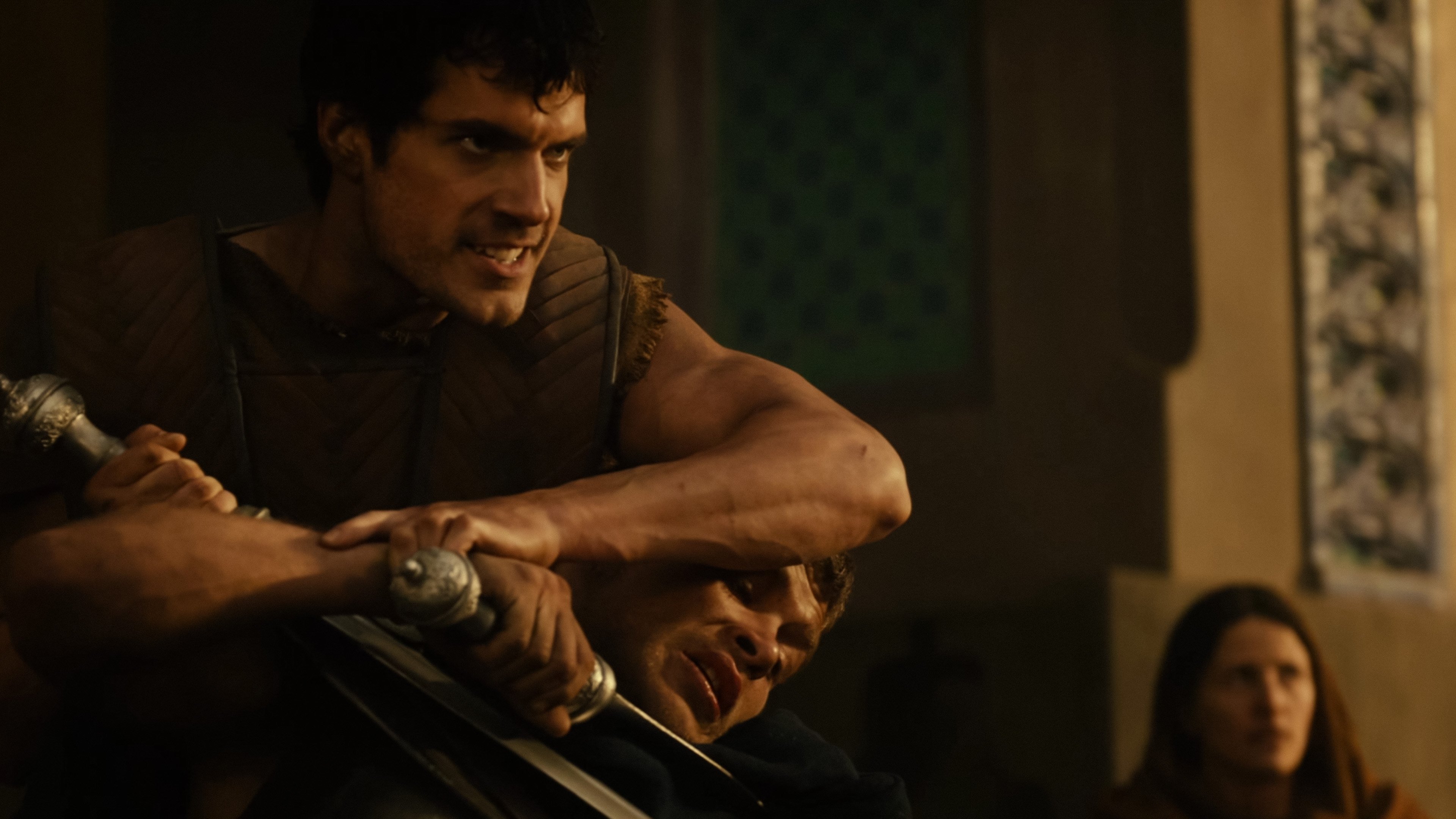
Even the major action sequences feel too short: Theseus’s fight with the Minotaur, Ares intervening to save Theseus, or Poseidon creating a tidal wave to save the travelers. Each moment arrives and disappears within a minute or so. I kept wishing these sequences had more time to breathe, because the foundations for something great are clearly there.
That said, the final stretch—Hyperion releasing the Titans, the gods descending, the battle that ensues—is some of the most visually compelling material in the entire film. It finally allows the imagery and choreography some much-needed room.
So yes, I’m beating a dead horse here. It’s visually inventive, and the worldbuilding hints are rich enough that I wanted more—much more. I would have loved to see this on a Lord of the Rings scale, even if it meant multiple films.
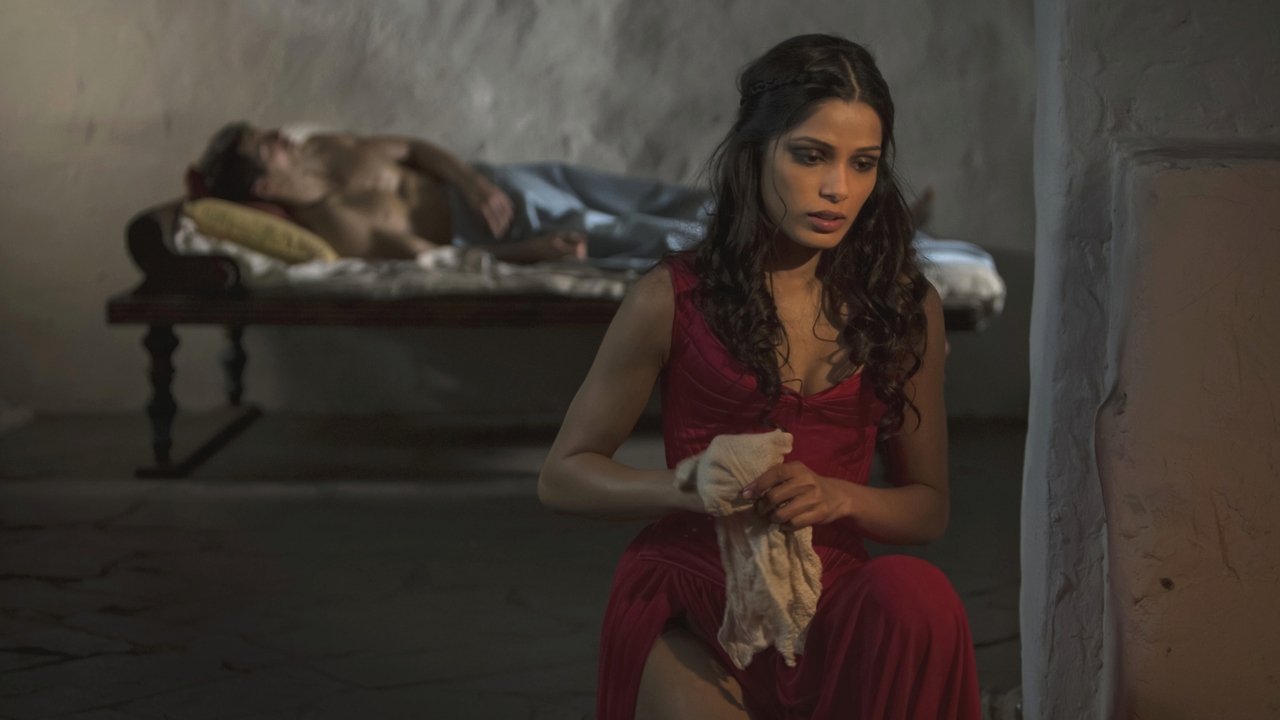
On the note of epic scale: much of the movie was shot on green screens and on soundstages, and you feel that. It has a theatrical, almost stage-bound quality. Characters often seem like performers in front of backdrops rather than people inhabiting real, lived-in environments.
So would I call Immortals a hidden gem? Probably not. Its flaws are too significant and too difficult to ignore. But the one thing in its favor is that it offers a world I didn’t want to leave—a world I wanted more time in. The fact that I kept glancing at the runtime not to see how much was left, but to lament how little remained, says something positive about the film, despite everything.
I just really wish it had been longer. (If you didn't get that by now)
6.5/10
TLDR: This is the rare instance where if they had made this film an hour longer, it would've been a bona fide classic and set the standard for Greek Mythology movies. But it simply tries to pack a Lord of the Rings-sized square peg into a 110 minute round hole.
SPOILERS AHEAD
It’s important to note up top that while Tarsem isn’t one of my overall favorite or most celebrated directors, he is the filmmaker behind my favorite movie of all time: The Fall. But everything I’ve seen from him outside of The Fall has been, frankly, a major letdown—and Immortals is the latest entry in that pattern.
What strikes me most about Immortals is the immense potential it carries. It feels like a movie I wish I could see reimagined into the widely celebrated version that seems possible beneath the surface.
Tarsem is known for many things, but above all, he’s a visually striking director—someone with a distinct flair for imagery. And Immortals absolutely cements that reputation. The film is fascinating to look at without being a 300 ripoff, and in many ways, it’s an intriguing attempt at a modernized take on Greek mythology—specifically, the myth of Theseus.
Interest in Greek mythology is about to be at an all-time high again, with Christopher Nolan’s Odyssey adaptation coming next year. That anticipation has reignited the long-standing question: Why aren’t there great Hollywood films about Greek myths? And inevitably, Immortals gets brought up in that conversation—often described as a hidden gem or an underrated film that deserves reevaluation.
This was my first time seeing it, and while I can’t fully agree with that sentiment, I can agree that this movie should have worked. It has all the ingredients—and a handful of glaring flaws holding it back.
For starters, the film clocks in at about an hour and fifty minutes, and I don’t say this about many movies, but this one absolutely NEEDED to be at least an hour longer. It needed to be epic in every sense of the word. Instead, it feels almost quaint—small, rushed, like a brief blip on the radar when it should feel like a cinematic force.
The core problem is the lack of breathing room. Scenes, characters, and moments are offered almost none. The film darts from set piece to set piece in what often feels like thirty to sixty-second increments. It’s as if every scene in the script occupied only one page, and the film is trying to cram an epic story into a runtime that simply can’t sustain it.
At what feels like the midpoint—when Hyperion, played by Mickey Rourke, comes into possession of the Epirus Bow, and Theseus, Phaedra, and Stavros reach Mount Tartarus—I found myself checking the runtime on my Blu-ray player. There were only about thirty minutes left. I wondered how the movie could possibly wrap everything up in the time remaining.
The answer is: it does so very quickly, and with very little fanfare.
Throughout the film, characters are barely introduced before they’re expected to matter. Stephen Dorff’s character, Stavros, is a perfect example. He should be the movie’s comic-relief figure—a sort of Merry and Pippin hybrid from Lord of the Rings—but instead he remains faceless, nameless, and almost completely lacking in defining traits. We’re told early on that he’s a thief, yet nothing he does afterward reflects that. It never comes up again. Why mention he's a thief if he isn't gonna steal some shit later in the movie?!?
This issue repeats constantly. Characters appear without arcs or distinguishing characteristics: Helios, King Cassander, several unnamed figures in the supporting cast. Even among the gods, only Poseidon, Athena, and Zeus receive any meaningful attention—and even then, it’s fairly limited. Many of the gods aren’t even given names, and we’re still expected to care about them later. I genuinely don’t understand that decision.
The whole film feels like a three-hour epic that’s been whittled down to under two hours. If everything had been left in—or expanded—this could have been a significantly better movie. I watched all of the deleted scenes on the Blu-ray and this movie gets at least 10% better with them included.
And I haven’t even touched on Theseus.
In the theatrical cut, Theseus is introduced as an adult hacking away at a tree with an axe. But on the Blu-ray, there’s a deleted alternate opening showing him as a child meeting John Hurt’s character—Zeus in disguise. That extended introduction gives Theseus a much stronger foundation and even establishes his rivalry with Lysander.
And that lack of development carries straight through to the end. Near the climax, just before Hyperion’s army lays siege to Mount Tartarus, Theseus gives a rousing speech to the Athenian soldiers. At one point, a soldier calls out, “Who are you to be giving a speech to any of us?” and honestly, I found myself agreeing. Theseus hasn’t done anything within the narrative to prove he’s earned the right to lead anyone, much less an entire ARMY. I don’t know why the soldiers would listen to him, or why the film believes he’s reached that point in his arc. Also, his speech itself isn’t especially compelling—it basically amounts to “Let’s do this for our children”—yet the soldiers respond with instant enthusiasm, suddenly ready to fight Hyperion’s forces with renewed vigor. The seemingly intended transformation from "peasant outcast" to "inspirational leader" simply isn’t earned and it's a shame.
Even the major action sequences feel too short: Theseus’s fight with the Minotaur, Ares intervening to save Theseus, or Poseidon creating a tidal wave to save the travelers. Each moment arrives and disappears within a minute or so. I kept wishing these sequences had more time to breathe, because the foundations for something great are clearly there.
That said, the final stretch—Hyperion releasing the Titans, the gods descending, the battle that ensues—is some of the most visually compelling material in the entire film. It finally allows the imagery and choreography some much-needed room.
So yes, I’m beating a dead horse here. It’s visually inventive, and the worldbuilding hints are rich enough that I wanted more—much more. I would have loved to see this on a Lord of the Rings scale, even if it meant multiple films.
On the note of epic scale: much of the movie was shot on green screens and on soundstages, and you feel that. It has a theatrical, almost stage-bound quality. Characters often seem like performers in front of backdrops rather than people inhabiting real, lived-in environments.
So would I call Immortals a hidden gem? Probably not. Its flaws are too significant and too difficult to ignore. But the one thing in its favor is that it offers a world I didn’t want to leave—a world I wanted more time in. The fact that I kept glancing at the runtime not to see how much was left, but to lament how little remained, says something positive about the film, despite everything.
I just really wish it had been longer. (If you didn't get that by now)
6.5/10