
2005·Drama·1h 54m
7.1
★
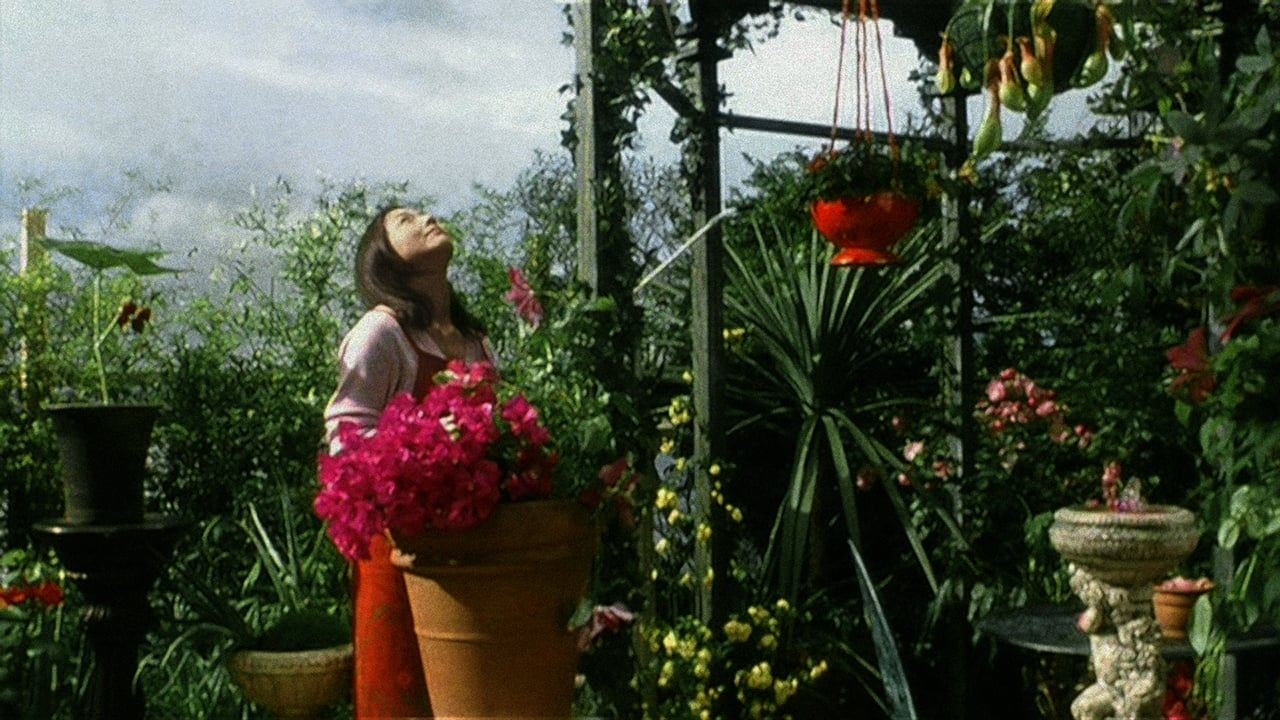
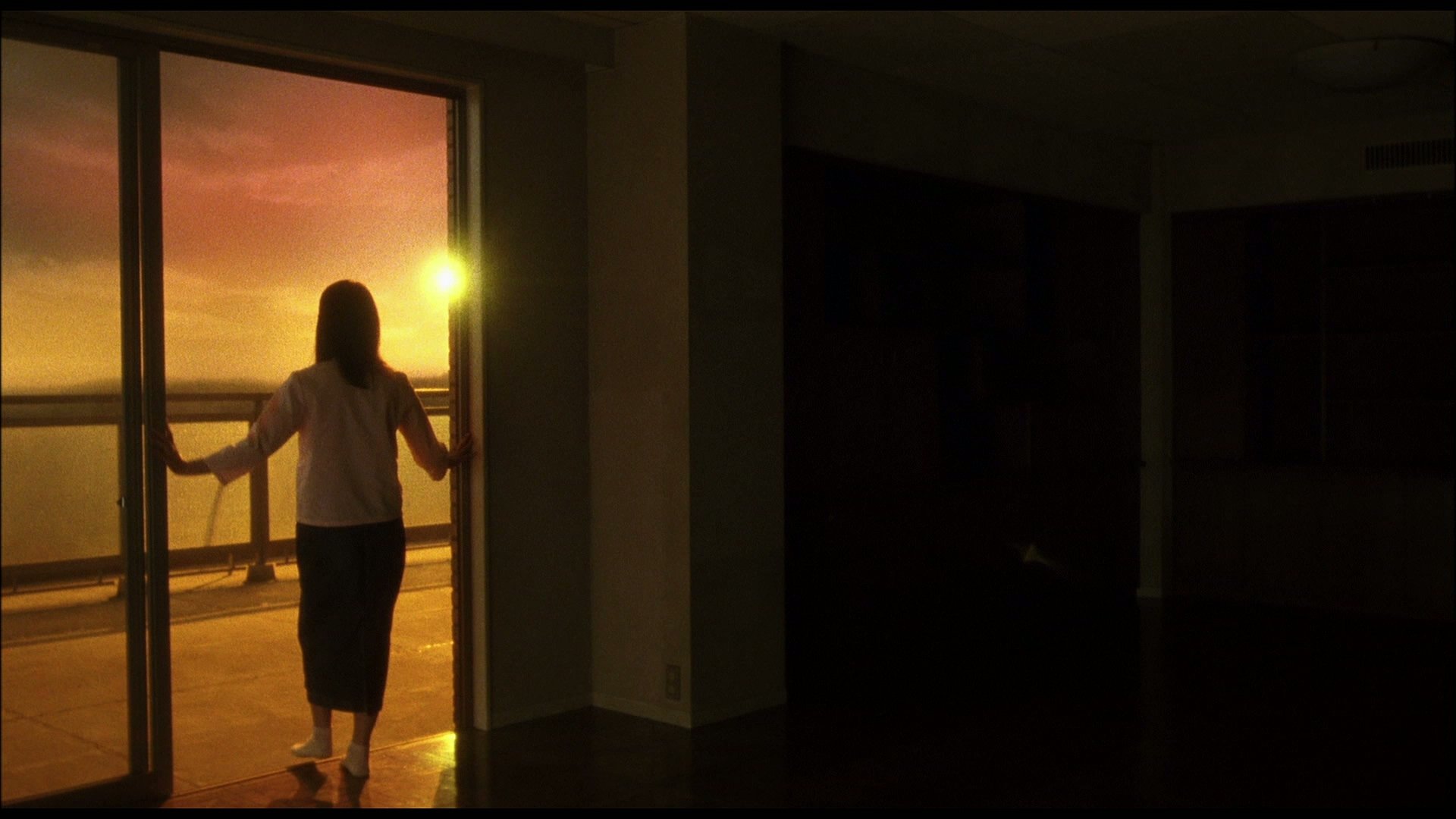
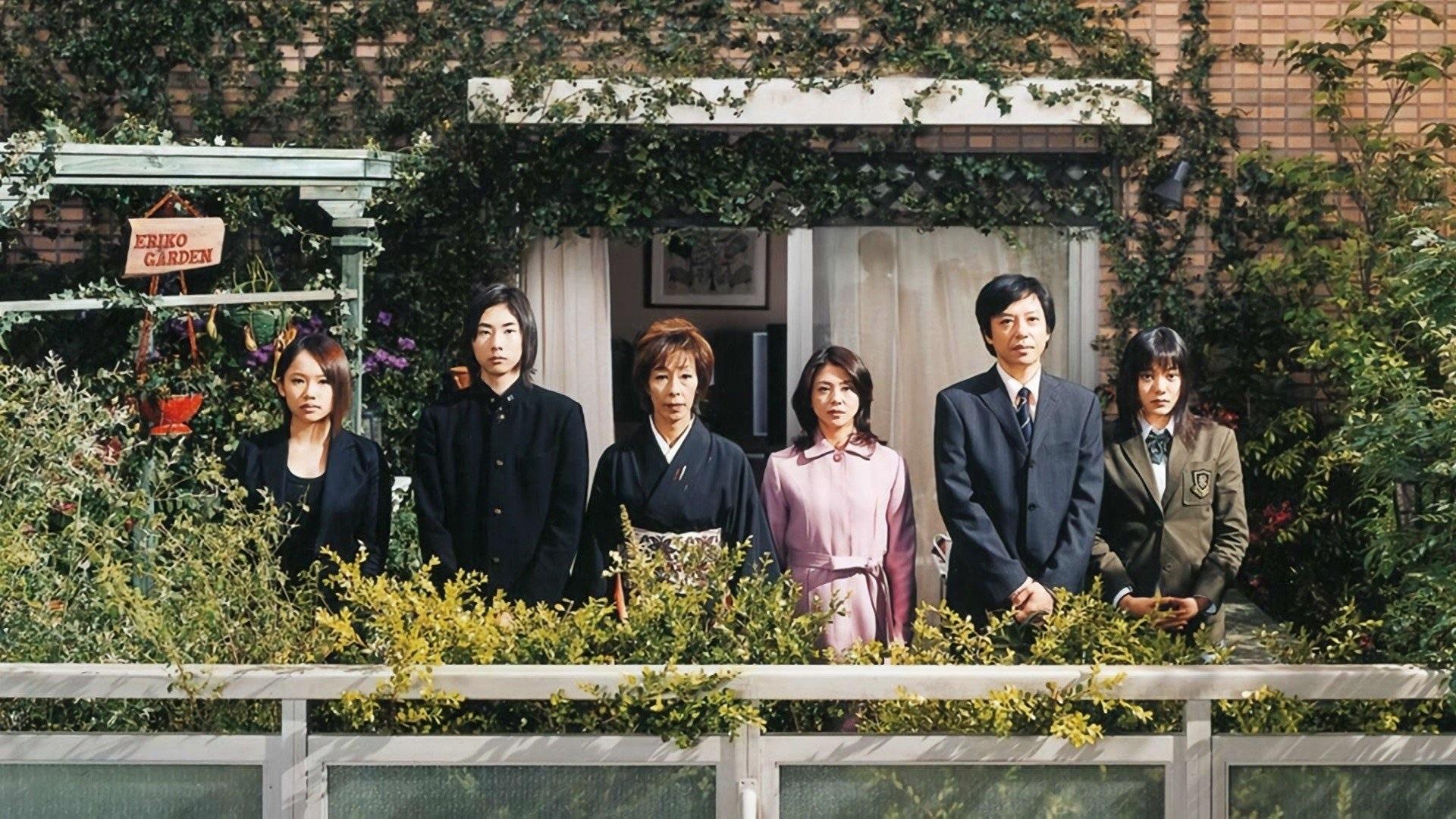
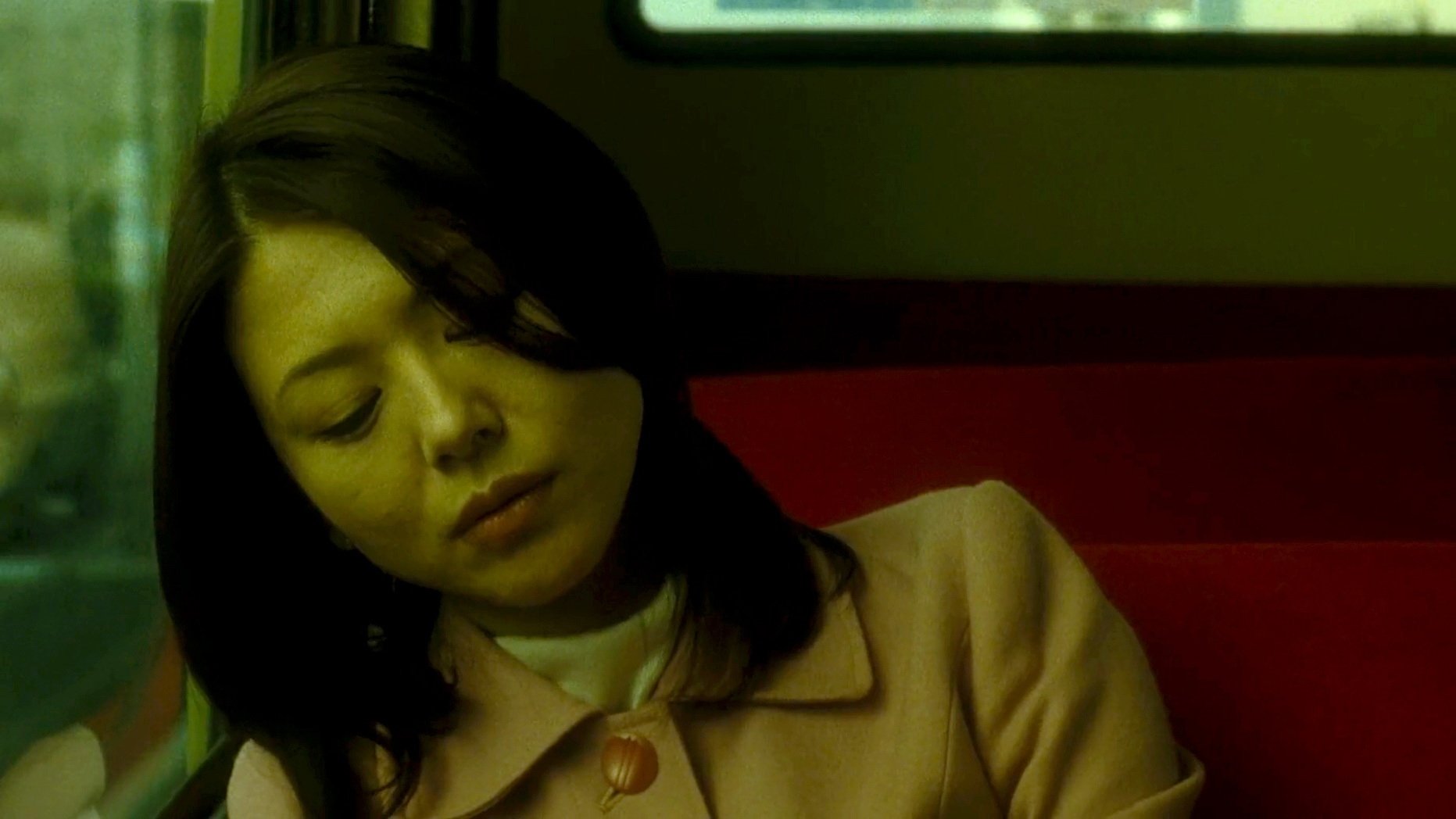
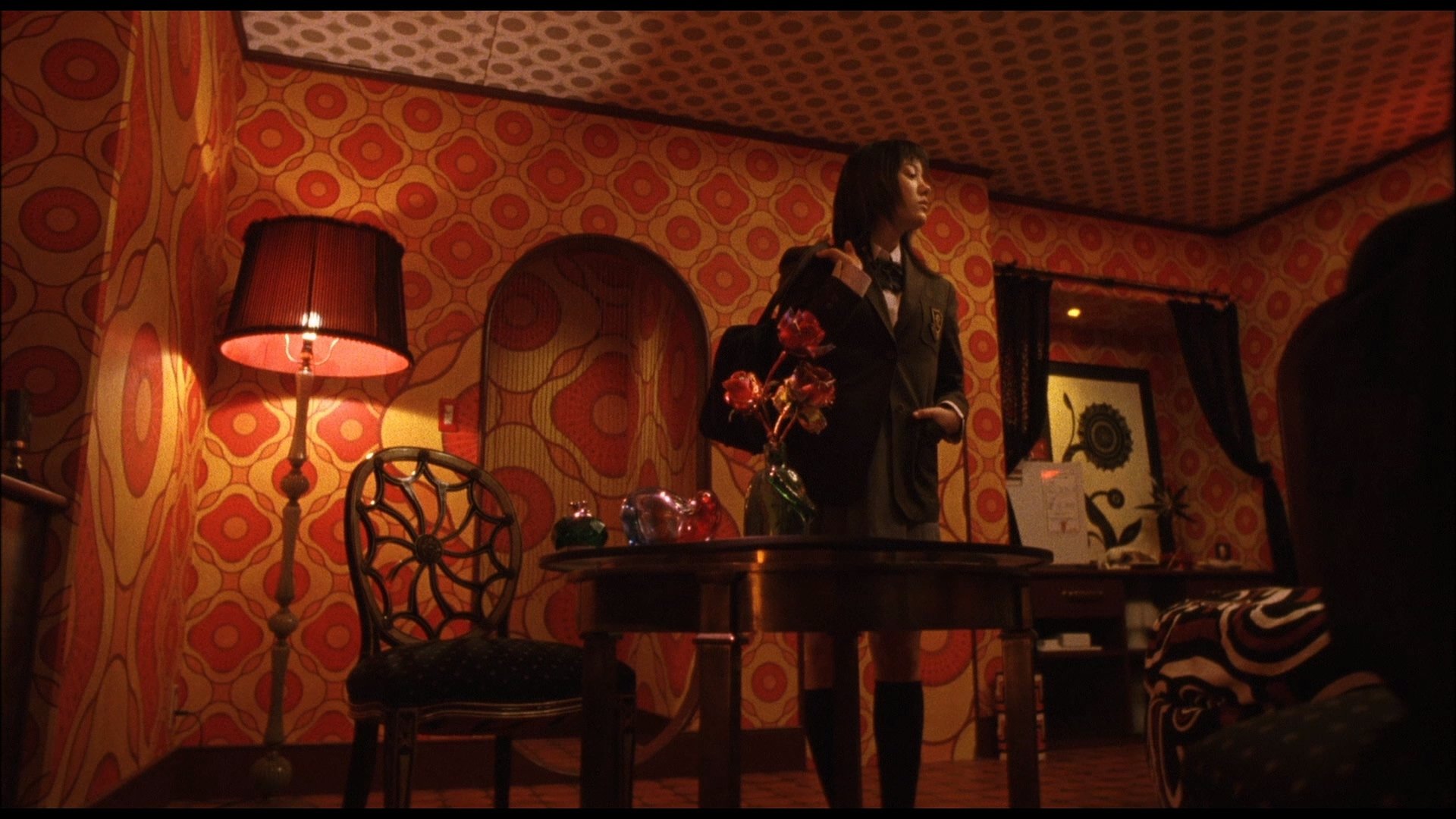
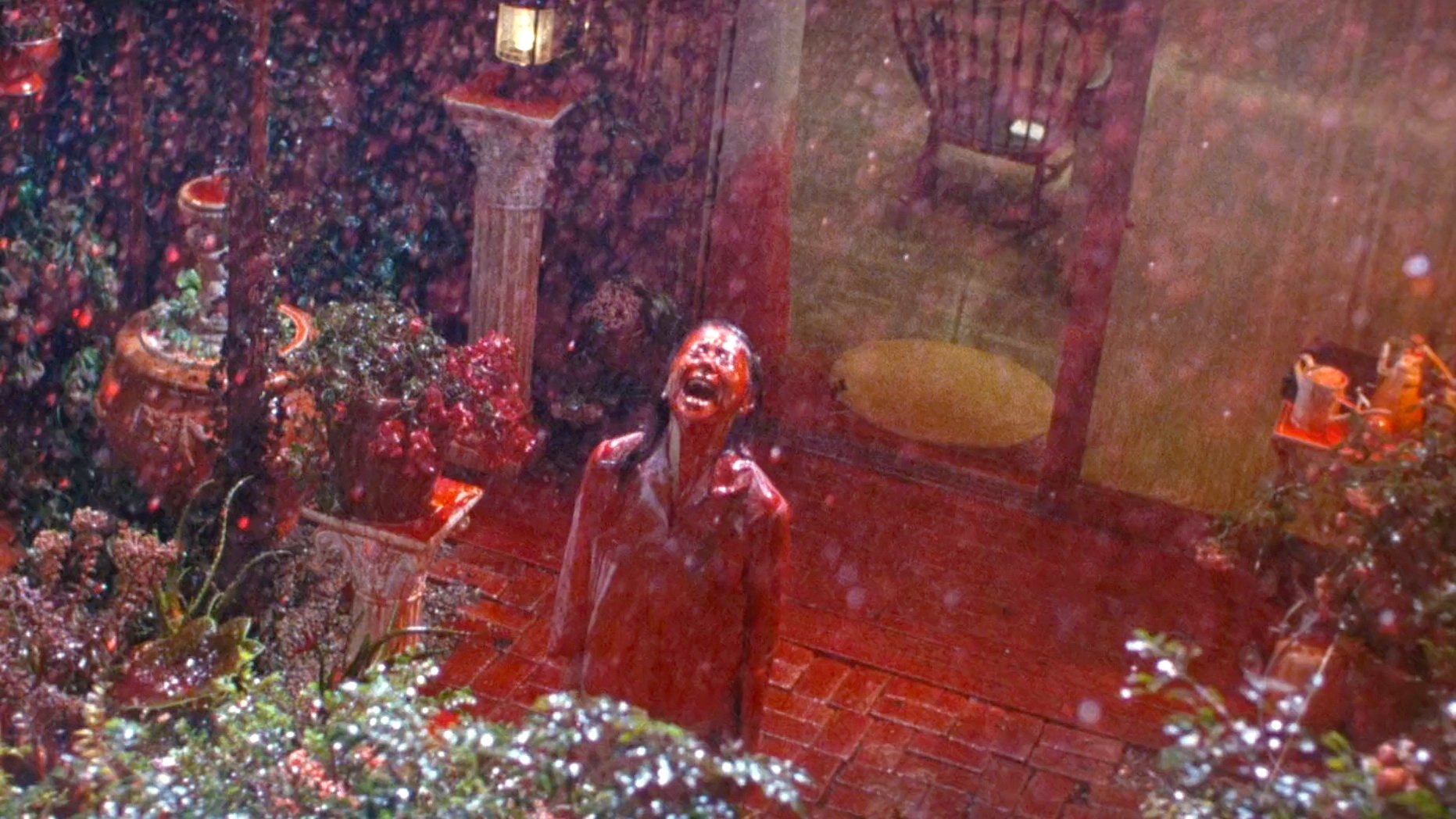
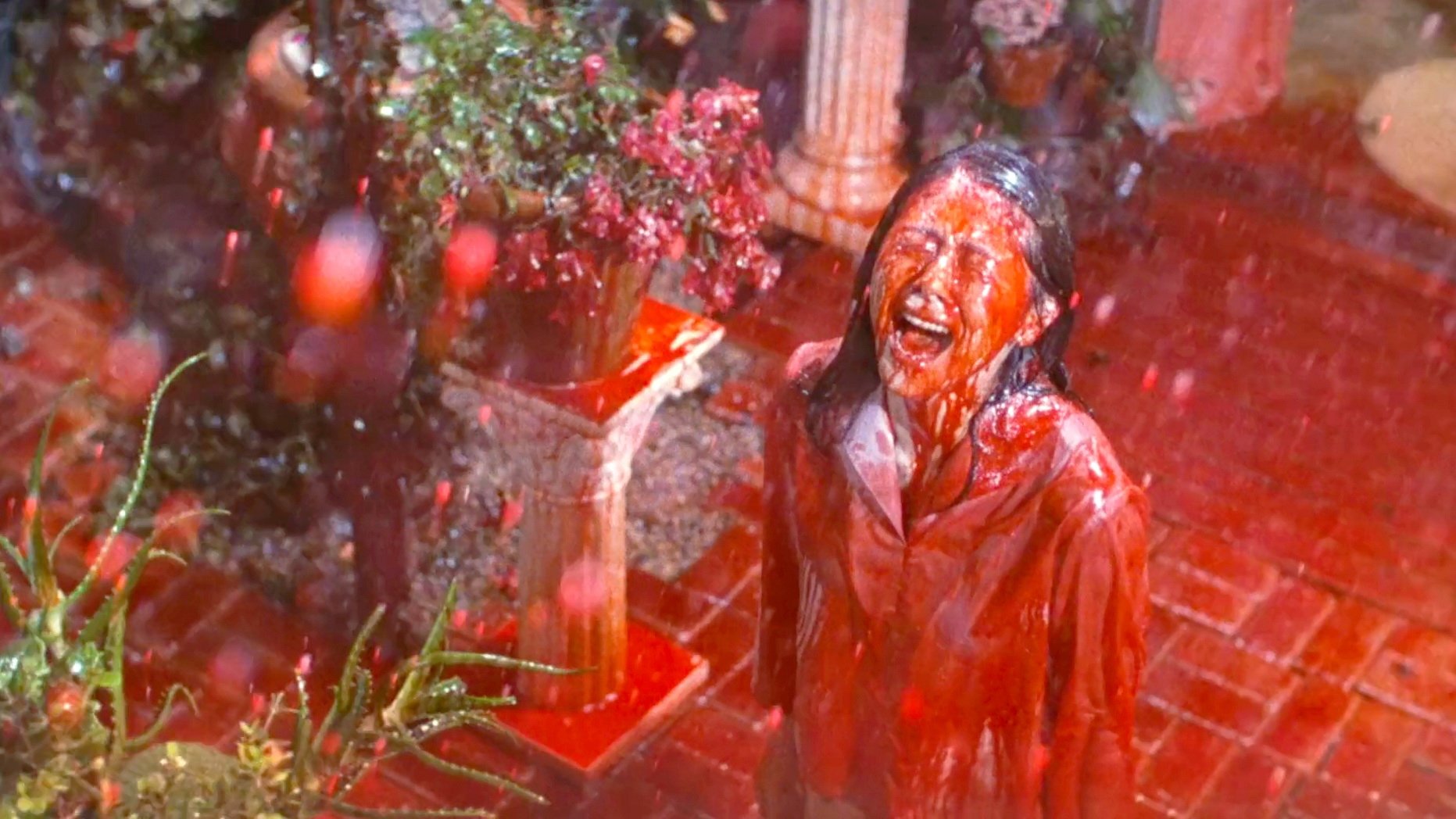
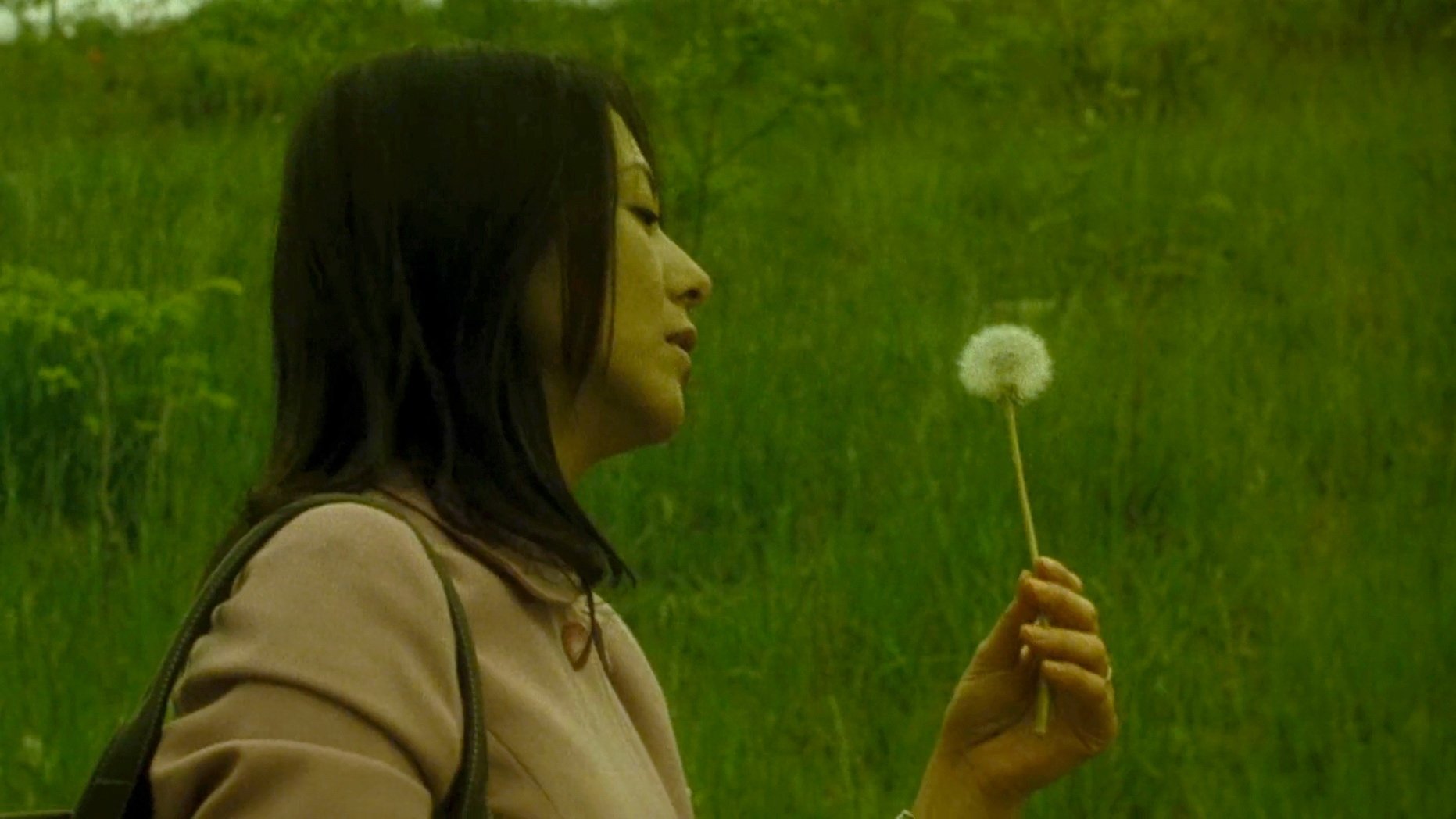


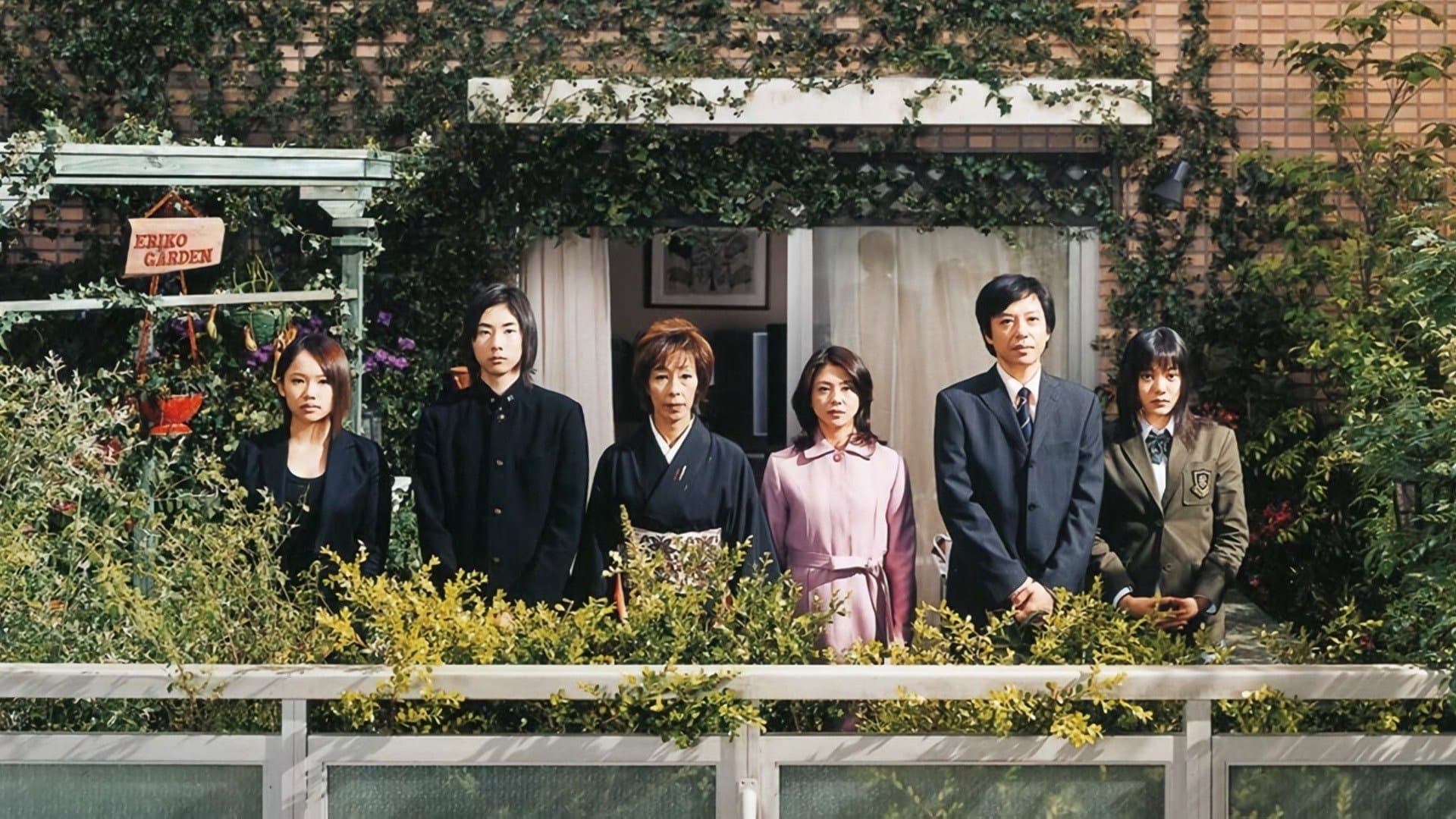
On the surface, the Kyobashis appear to be a happy family. Despite a family agreement that they are all open with each other, the entire household knows the opposite is true.
Directed by Toshiaki Toyoda
adultery
based on novel or book
obsession
housewife
family relationships
apartment building
housing project
japanese family
love hotel
danchi
heisei

IMDB
N/A
Cast

Kyoko Koizumi
Eriko Kyobashi
Anne Suzuki
Mana Kyobashi
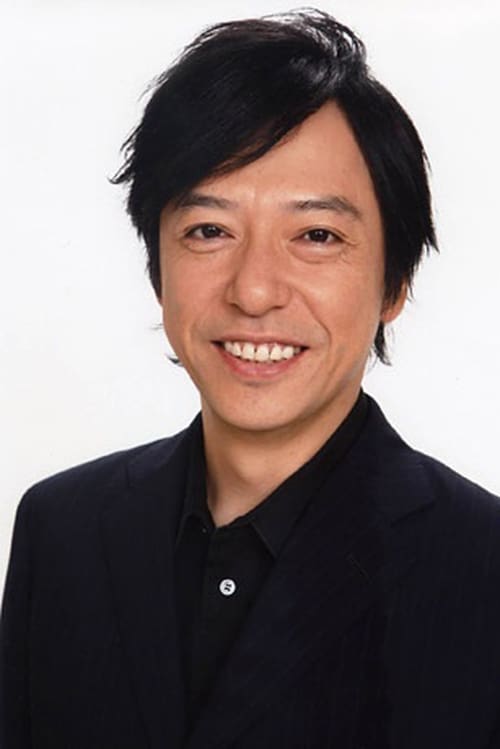
Itsuji Itao
Takashi Kyobashi
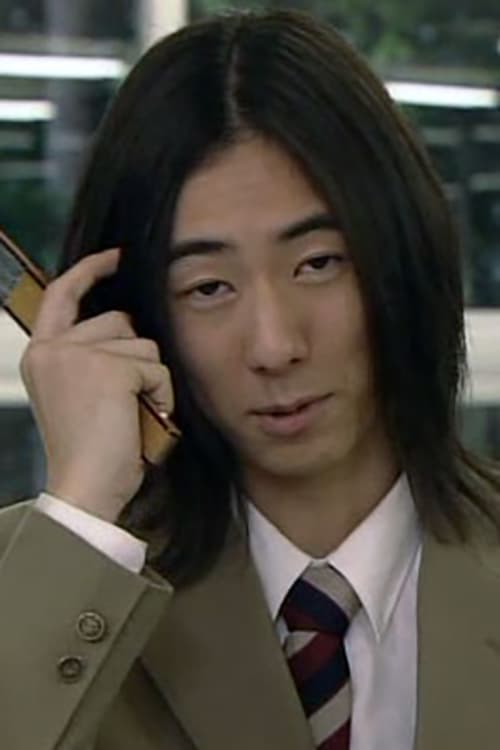
Masahiro Hirota
Kou Kyobashi
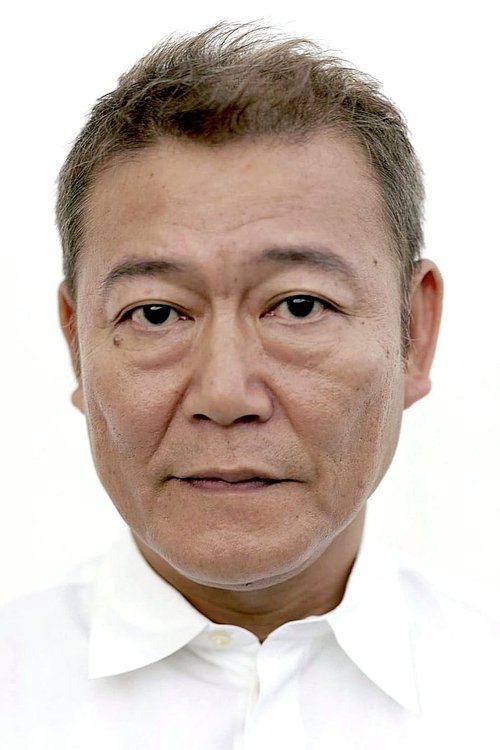
Jun Kunimura
Eriko's Brother
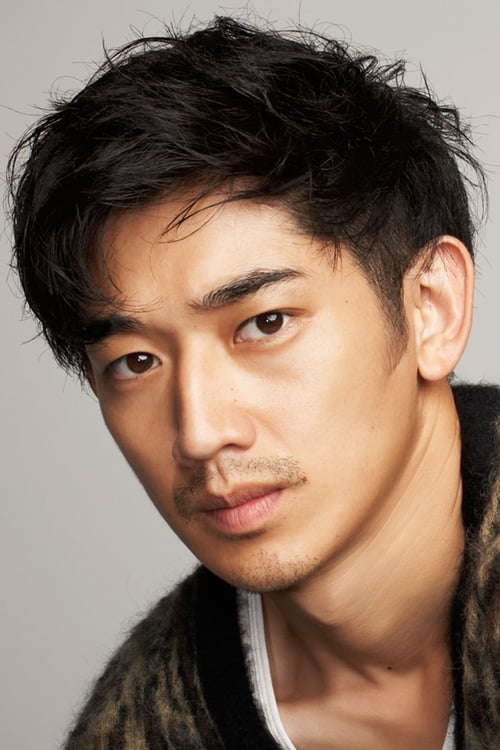
Eita Nagayama
Tezuka
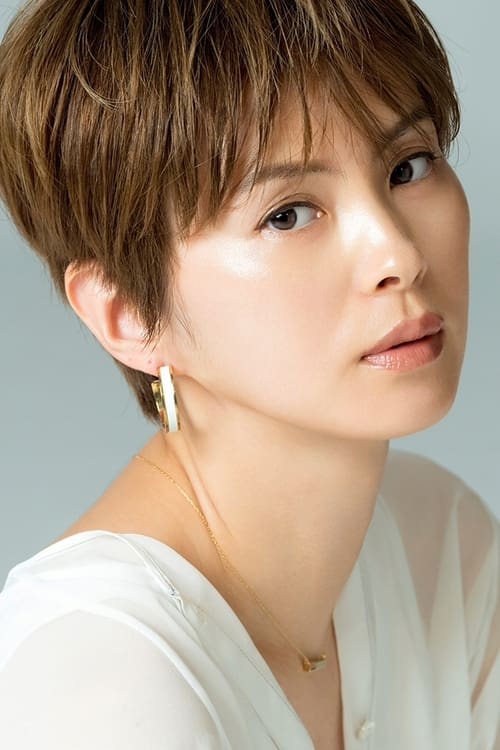
Asami Imajuku
Sachin
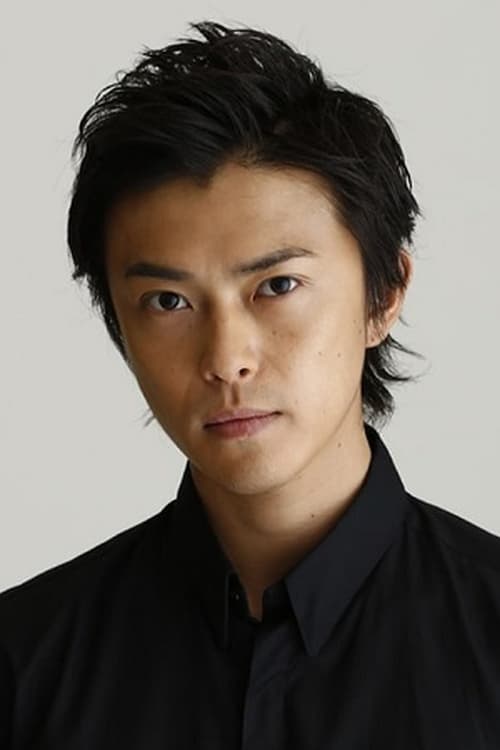
Ryo Katsuji
Morisaki

Sonim
Mina

Hiromi Nagasaku
Asako Iizuka

Michiyo Yasuda
Satoko Kinosaki

Kiyohiko Shibukawa
Bus Driver
Crew
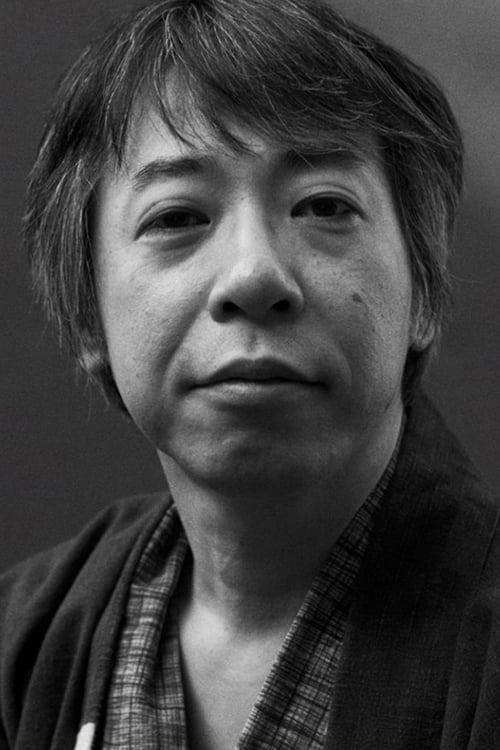
Toshiaki Toyoda
Director
Toshiaki Toyoda
Screenplay

Mototaka Kusakabe
Editor

Mitsuyo Kakuta
Novel
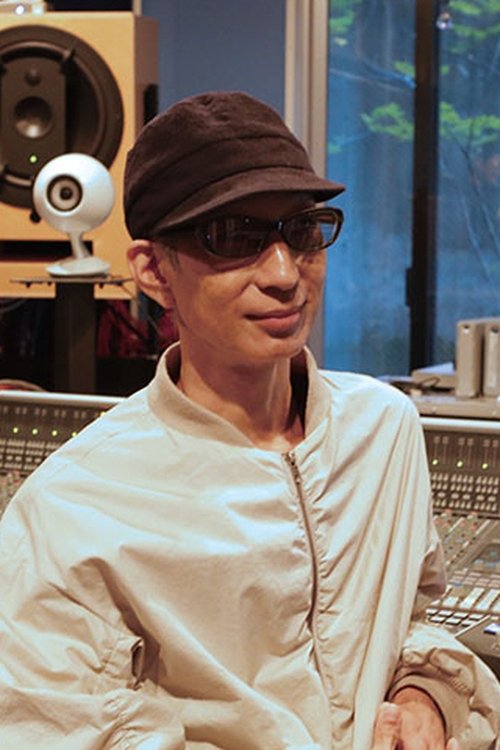
ZAK
Music Director
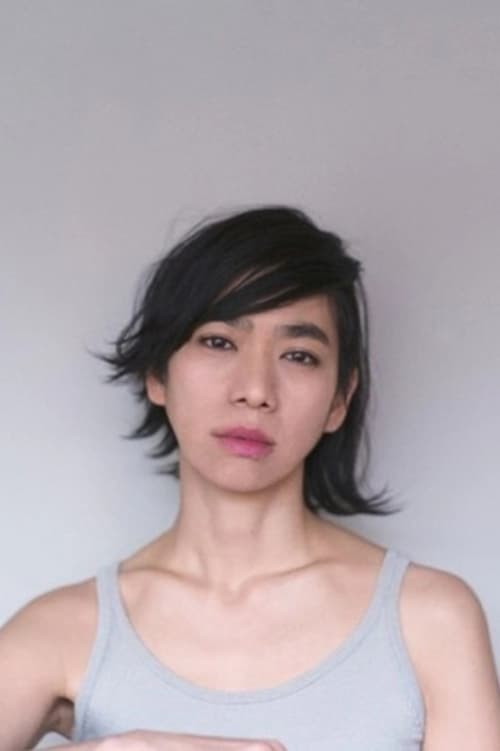
UA
Theme Song Performance
Popular Reviews
12 reviews
Pau
9.0★ · 01/03/26
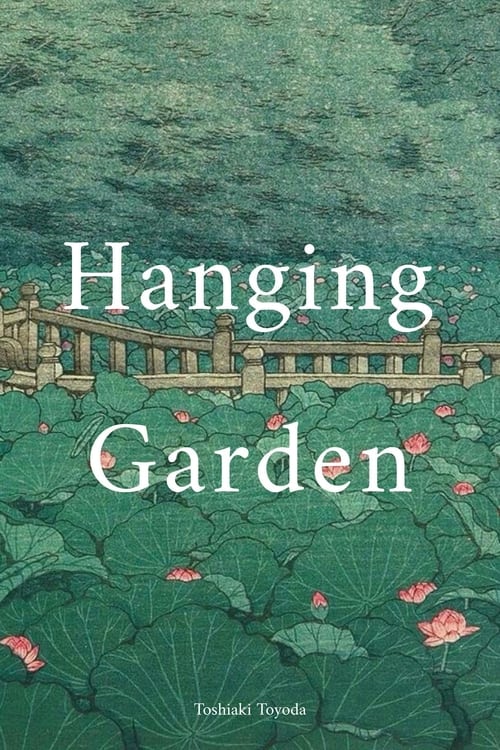
That's what I mean by obsessed. When you get obsessed, you shut out reality.
Es extrañamente reconfortante
Es extrañamente reconfortante
That's what I mean by obsessed. When you get obsessed, you shut out reality.
Es extrañamente reconfortante
Es extrañamente reconfortante


Medhansh
9.3★ · 10/13/25
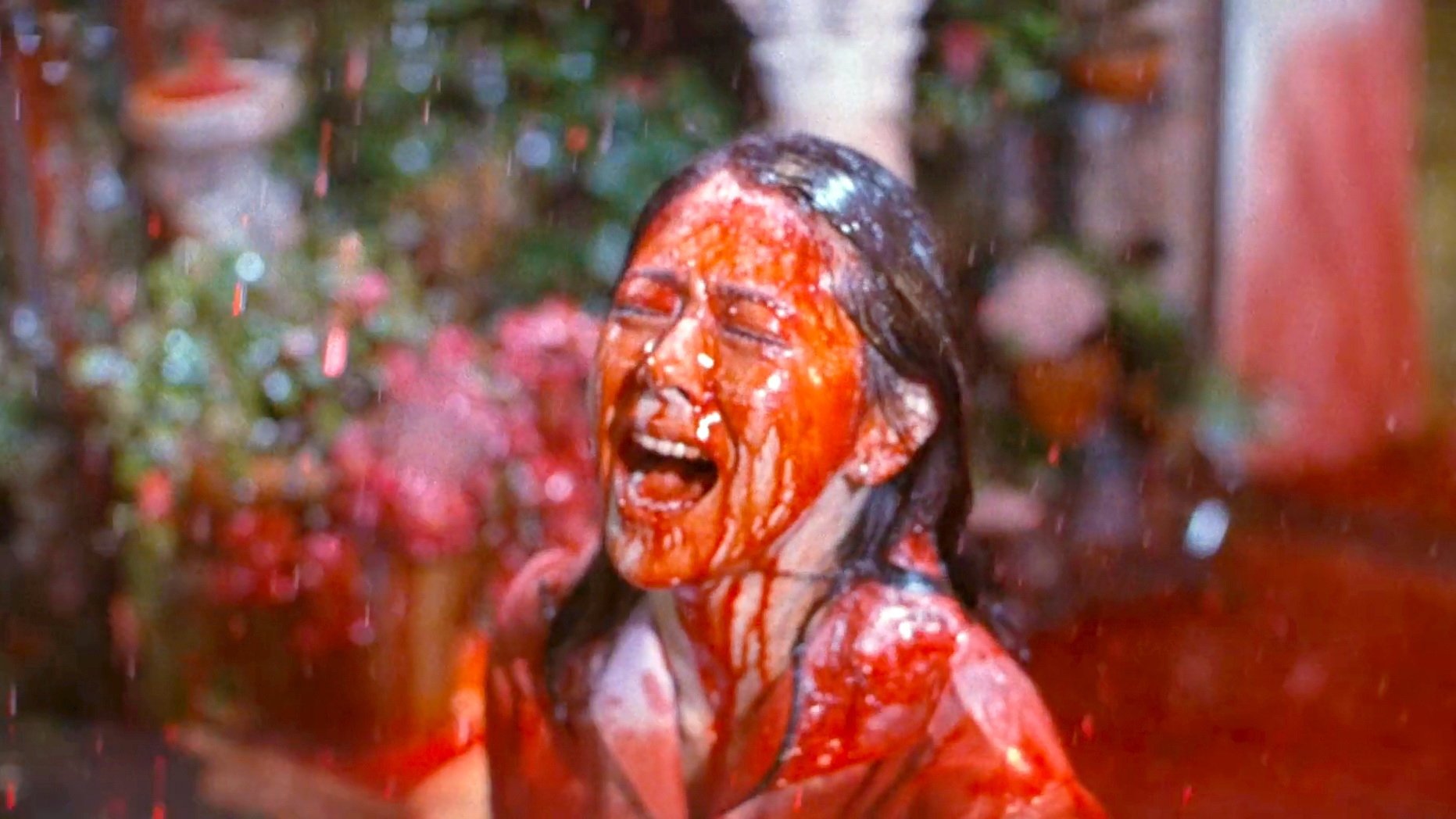
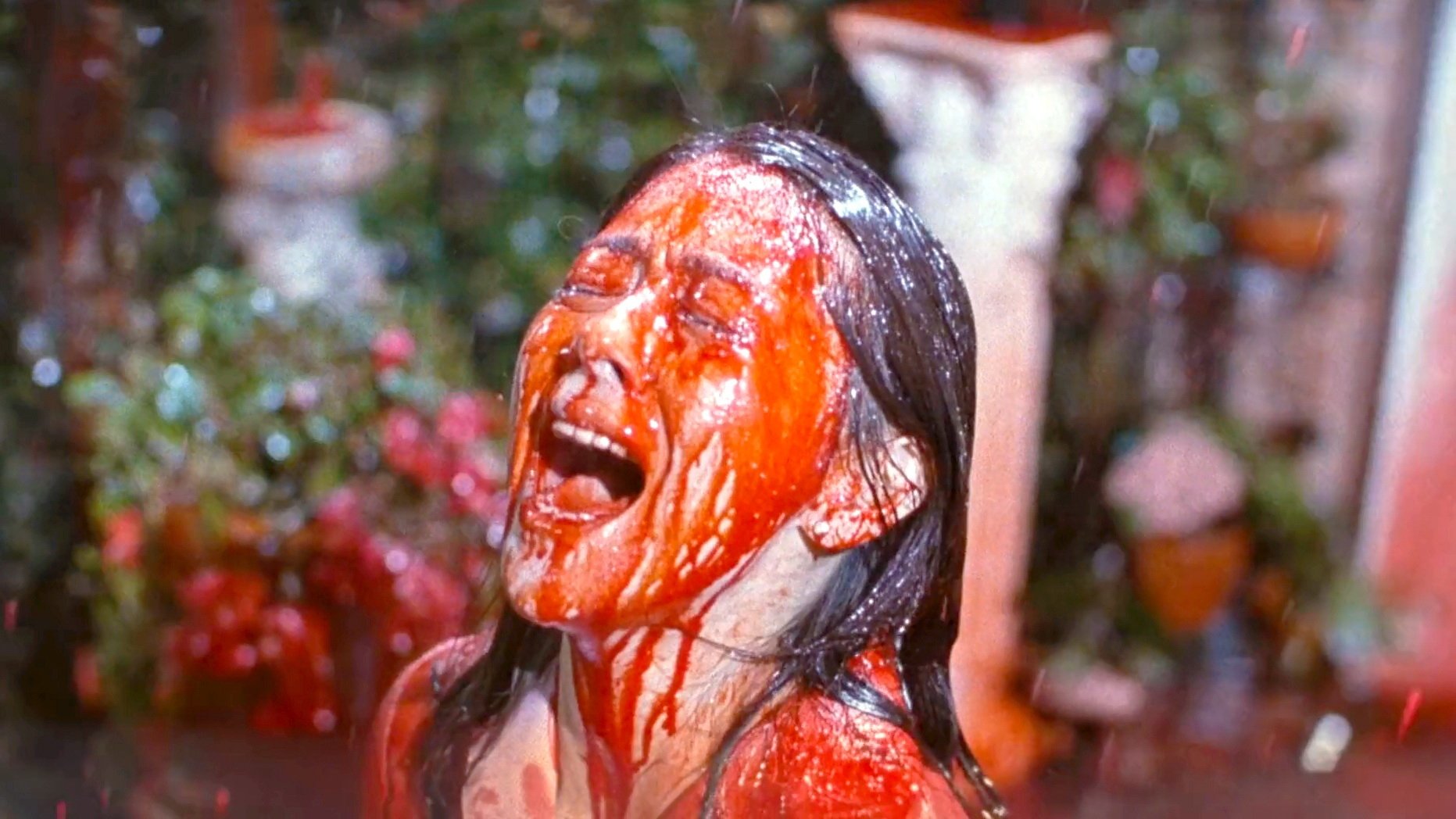
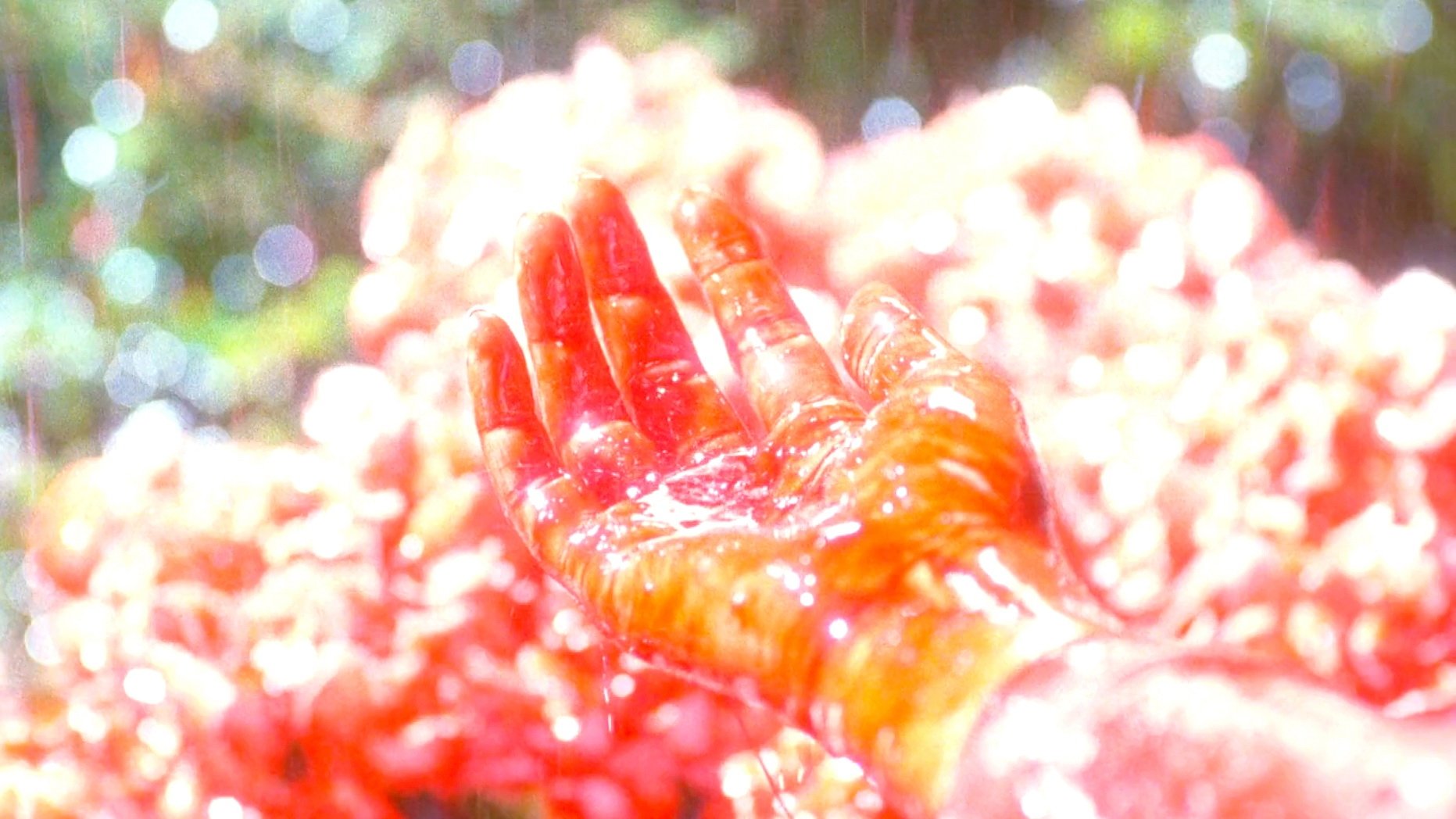
Director- Toyoda Toshiaki.This is the third film I have seen of his.This film can be considered to be Toyoda's attempt at making a film revolving wholly on familial dynamics and how strong the structure stands through the waves of modernisation and changing times. It has led the next generation to become more independent due to changing sensibilities caused by a change in their values. For these reasons, I was reminded of an Autumn Afternoon by Ozu Yasujiro. From what I have seen and heard of themes in Toyoda's films, he is more youth-oriented, specifically male youth and thus this film is a novelty from him.The main storyline revolves around a mother who is trying her best to protect her children and to shape their future for the better. The film explores how her behaviour is causing ill effects not only for others but for herself as well.The film employs some quite interesting shot styles, including several upside-down ones, which makes it appear a lot more experimental, but serves no purpose otherwise, except maybe acting as a visual representation of the protagonist's psyche.The opening conversation sets the tone of this film quite well through the use of talk about intercourse. This shows us that the mother really means that they should not hold any secrets. A major issue that arises from it is that the members become conscious about themselves and start to hide information, which could make them appear in a distasteful light.Through her efforts towards transparency, instead of breaking down old barriers, she erected new ones in their place, which are even tougher to crack.The film is filled with adult content, but it is not shown voyeuristically. Rather, it is shown as oddly mundane, like it's but a simple part of one's life. This works well with the theme the mother is going for.The character of the protagonist, the mother, too, reminded me of Ozu's works, as she displays the quality of going with the flow and general apathy coupled with bottling everything up inside. This makes her appear to be a hypocrite.Due to her bottling everything up inside, her acid of ill thoughts keeps coursing more and more in her, leading her to violent lucid dreams. She is unable to call people out for their behaviour in real life. Thus, she has such gore-filled lucid dreams, as it is the only place she has control over and thus the only place where she can let go of her rage by acting through with what she so dearly wishes to do.As the film goes on, we learn that the protagonist despises her mother from her very core and wishes death upon her. She believes her mother to have been an unfit parent, and thus she does everything she can to not become someone like her. Thus, the film explores generational trauma shaping individuals' outlook.Ultimately, through a photo of the protagonist and her daughter, we learn that in the end, she followed the same path, just in a different way.The film, towards the end, shows an intriguing duality through the protagonist, sitting alone at home at her wits' end and suffering a nervous breakdown, while her husband and children are travelling together, cheerfully.The scene where she is drenched in blood in the rain could mean many things. It could be that the rain is washing away her sins after the lucid dream she had killing her mother, or it could be that she is washing away her rage itself, leading her to normalcy again.Throughout the film, we always see her working hard while the others do nothing around the house. Thus, the ending could mean that she is dealing with a thankless family, and their one act of gratitude brought her back the joy she had. The only major gripe I have with the film is that it doesn't explore the rest of the characters' arcs that well. I was interested in watching more about the daughter, son and her husband.It is made in a way that it appears to be a part of the story, and that the film still has major events left to tackle. Such as the protagonist dealing with her husband's confirmed infidelity with the tutor.Their behaviour with the tutor, celebrating her birthday, and their way of conversing with her in general had the qualities of a cult. If the ending had taken that route, I wouldn't have been surprised. In hindsight, it could have been a less distinct but more rounded ending with all their acts leading up to the indoctrination of the tutor.Another major event yet to come is how the protagonist will deal with her children getting older and thus leaving the nest for their lives ahead. Overall, this is another banger by Toyoda and makes me want to watch 9 Souls and Pornstar next.
Director- Toyoda Toshiaki.This is the third film I have seen of his.This film can be considered to be Toyoda's attempt at making a film revolving wholly on familial dynamics and how strong the structure stands through the waves of modernisation and changing times. It has led the next generation to become more independent due to changing sensibilities caused by a change in their values. For these reasons, I was reminded of an Autumn Afternoon by Ozu Yasujiro. From what I have seen and heard of themes in Toyoda's films, he is more youth-oriented, specifically male youth and thus this film is a novelty from him.The main storyline revolves around a mother who is trying her best to protect her children and to shape their future for the better. The film explores how her behaviour is causing ill effects not only for others but for herself as well.The film employs some quite interesting shot styles, including several upside-down ones, which makes it appear a lot more experimental, but serves no purpose otherwise, except maybe acting as a visual representation of the protagonist's psyche.The opening conversation sets the tone of this film quite well through the use of talk about intercourse. This shows us that the mother really means that they should not hold any secrets. A major issue that arises from it is that the members become conscious about themselves and start to hide information, which could make them appear in a distasteful light.Through her efforts towards transparency, instead of breaking down old barriers, she erected new ones in their place, which are even tougher to crack.The film is filled with adult content, but it is not shown voyeuristically. Rather, it is shown as oddly mundane, like it's but a simple part of one's life. This works well with the theme the mother is going for.The character of the protagonist, the mother, too, reminded me of Ozu's works, as she displays the quality of going with the flow and general apathy coupled with bottling everything up inside. This makes her appear to be a hypocrite.Due to her bottling everything up inside, her acid of ill thoughts keeps coursing more and more in her, leading her to violent lucid dreams. She is unable to call people out for their behaviour in real life. Thus, she has such gore-filled lucid dreams, as it is the only place she has control over and thus the only place where she can let go of her rage by acting through with what she so dearly wishes to do.As the film goes on, we learn that the protagonist despises her mother from her very core and wishes death upon her. She believes her mother to have been an unfit parent, and thus she does everything she can to not become someone like her. Thus, the film explores generational trauma shaping individuals' outlook.Ultimately, through a photo of the protagonist and her daughter, we learn that in the end, she followed the same path, just in a different way.The film, towards the end, shows an intriguing duality through the protagonist, sitting alone at home at her wits' end and suffering a nervous breakdown, while her husband and children are travelling together, cheerfully.The scene where she is drenched in blood in the rain could mean many things. It could be that the rain is washing away her sins after the lucid dream she had killing her mother, or it could be that she is washing away her rage itself, leading her to normalcy again.Throughout the film, we always see her working hard while the others do nothing around the house. Thus, the ending could mean that she is dealing with a thankless family, and their one act of gratitude brought her back the joy she had. The only major gripe I have with the film is that it doesn't explore the rest of the characters' arcs that well. I was interested in watching more about the daughter, son and her husband.It is made in a way that it appears to be a part of the story, and that the film still has major events left to tackle. Such as the protagonist dealing with her husband's confirmed infidelity with the tutor.Their behaviour with the tutor, celebrating her birthday, and their way of conversing with her in general had the qualities of a cult. If the ending had taken that route, I wouldn't have been surprised. In hindsight, it could have been a less distinct but more rounded ending with all their acts leading up to the indoctrination of the tutor.Another major event yet to come is how the protagonist will deal with her children getting older and thus leaving the nest for their lives ahead. Overall, this is another banger by Toyoda and makes me want to watch 9 Souls and Pornstar next.
re
10.0★ · 01/19/25
decided to watch it again cuz my wifi is down and i still have this saved in my laptop lol yeah still cried the "happy birthday" will always pierced me, somehow all it takes is just one word from ur mother to make peace and forgive her for what she did in ur life but somehow even when it's just a simple word, a sentence, yet it could took ur whole life until it's said.
decided to watch it again cuz my wifi is down and i still have this saved in my laptop lol yeah still cried the "happy birthday" will always pierced me, somehow all it takes is just one word from ur mother to make peace and forgive her for what she did in ur life but somehow even when it's just a simple word, a sentence, yet it could took ur whole life until it's said.
re
10.0★ · 01/09/25
japanuary2025 #13
「聞こえた。
お誕生日おめでとう」
the whole talk between Eriko and Sachan with the birthday cake as the camera keeps panning, the whole title credit sequence along with the scoring, this already made it to my top movie i watched this year
「聞こえた。
お誕生日おめでとう」
the whole talk between Eriko and Sachan with the birthday cake as the camera keeps panning, the whole title credit sequence along with the scoring, this already made it to my top movie i watched this year
japanuary2025 #13
「聞こえた。
お誕生日おめでとう」
the whole talk between Eriko and Sachan with the birthday cake as the camera keeps panning, the whole title credit sequence along with the scoring, this already made it to my top movie i watched this year
「聞こえた。
お誕生日おめでとう」
the whole talk between Eriko and Sachan with the birthday cake as the camera keeps panning, the whole title credit sequence along with the scoring, this already made it to my top movie i watched this year
Arellys
5.4★ · 06/14/24
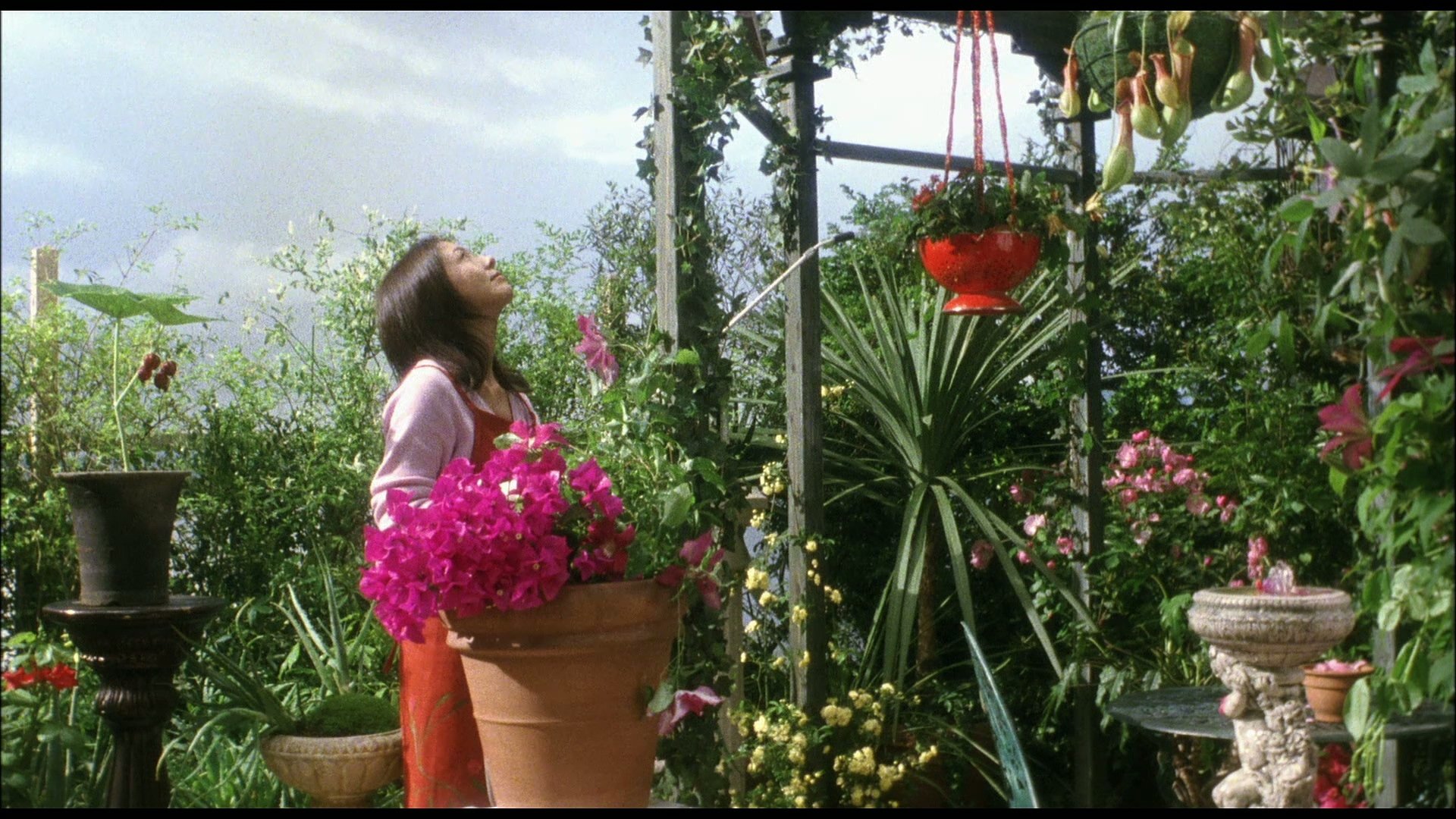
“We never conceal the truth, no subject is taboo.We try to share everything with each other.This is our family rule.”Wao, nunca más juzgaré un libro por su portada, esta película es enfermiza y escalofriante, me dio mucho dolor de estómago y, las actuaciones en verdad son muy incomodas y extrañas jfksjdkd pero sin duda es de reconocer el compromiso de todos los actores para hacerte sentir incomodidad La fotografía me parece muy peculiar, me llegó a marear bastante, se siente cruda (? de alguna manerame gustó aunque, esperaba relajarme al verla pero, qué verga, neta, qué verga.Eriko Garden is gorgeous tho
“We never conceal the truth, no subject is taboo.We try to share everything with each other.This is our family rule.”Wao, nunca más juzgaré un libro por su portada, esta película es enfermiza y escalofriante, me dio mucho dolor de estómago y, las actuaciones en verdad son muy incomodas y extrañas jfksjdkd pero sin duda es de reconocer el compromiso de todos los actores para hacerte sentir incomodidad La fotografía me parece muy peculiar, me llegó a marear bastante, se siente cruda (? de alguna manerame gustó aunque, esperaba relajarme al verla pero, qué verga, neta, qué verga.Eriko Garden is gorgeous tho