"To plunge headfirst through impenetrable darkness, with little chance of spotting even a sole atom of hydrogen, wholeheartedly believing you'll come closer to discovering the secrets of the universe within the unfathomable abyss of space. I wonder how far we would go; how far can we go?"
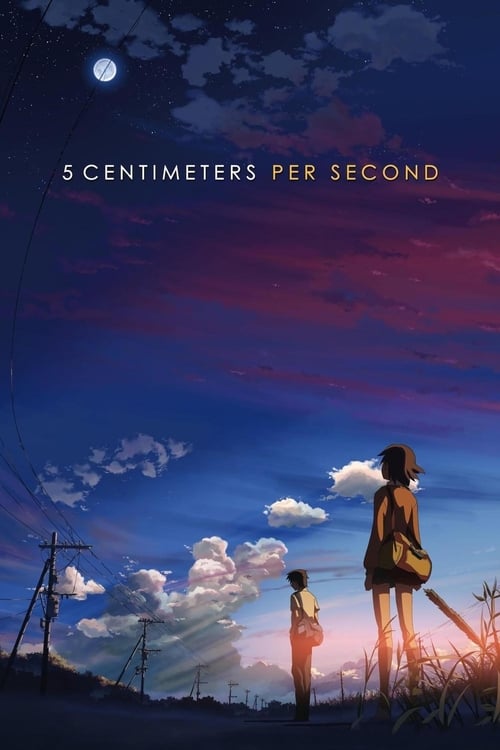
Yet another Shinkai masterpiece; and who would have guessed that this short film of only an hour's runtime would be his greatest. 5 Centimeters Per Second teaches us of the consequences of time, and how it's relentlessness drifts us away from those around us; from each other; from our ever-changing world and ever-changing lives. Yet we are implored not to fear such change, nor resist it, and it is only through this acceptance — of time, change and of disappointment — that we learn to grow as individuals.
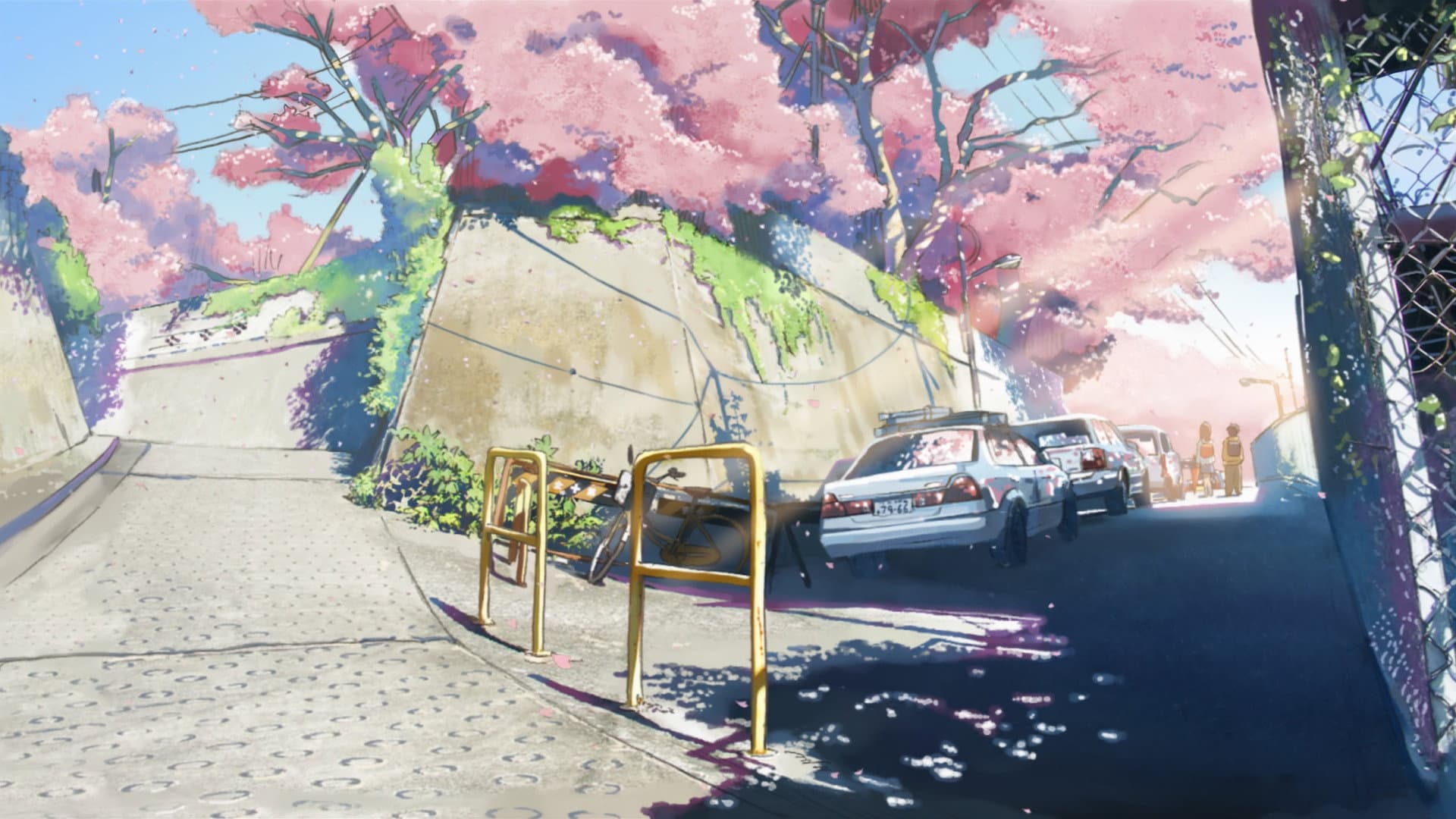
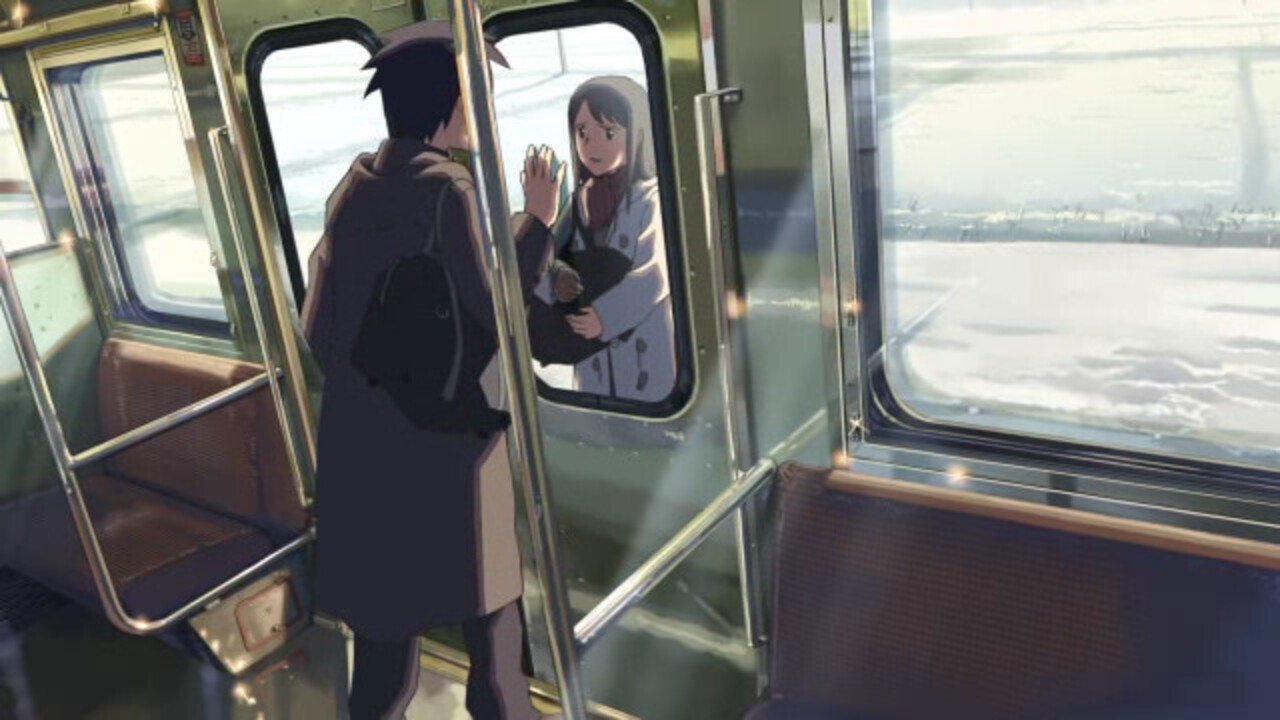
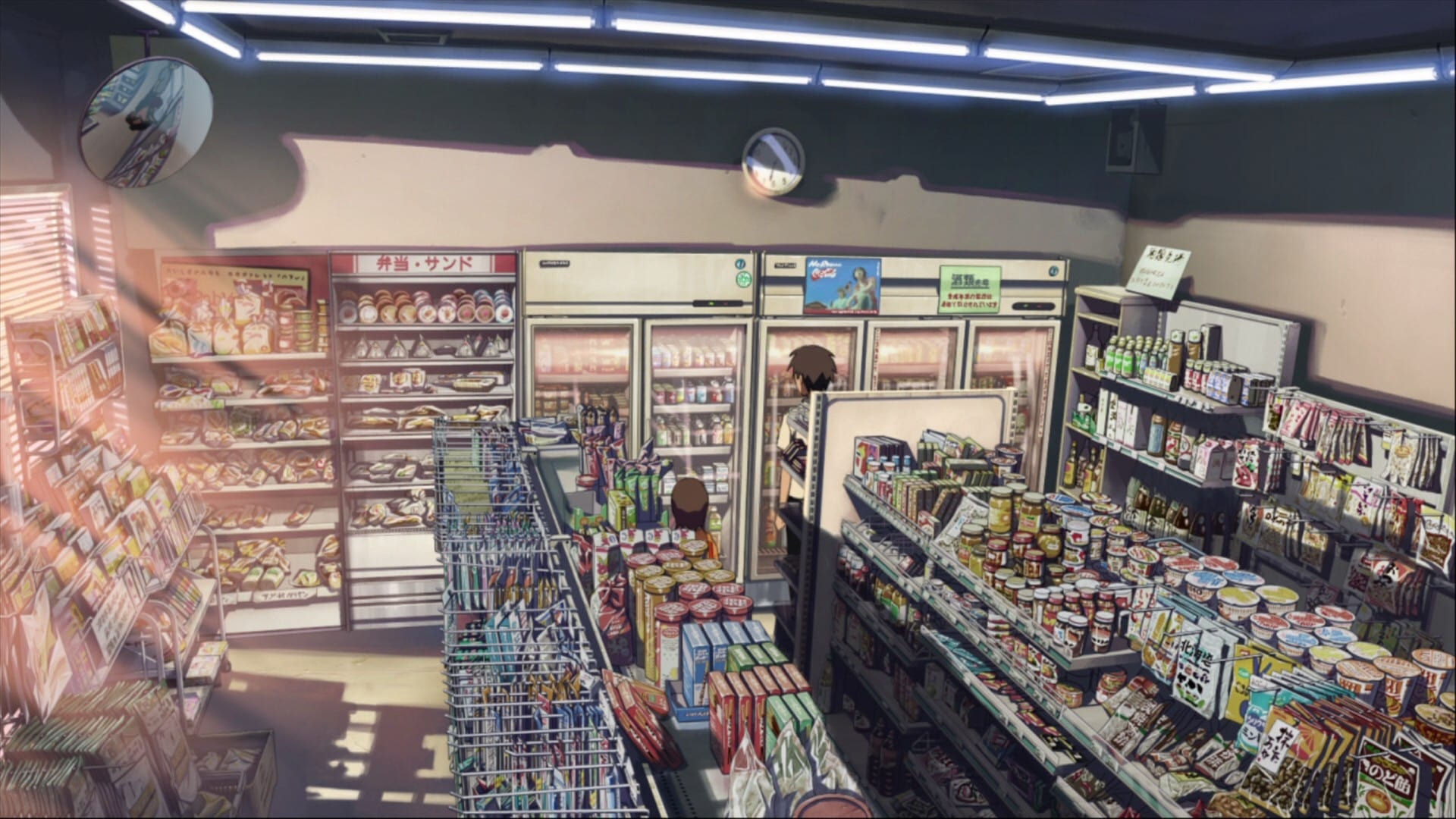
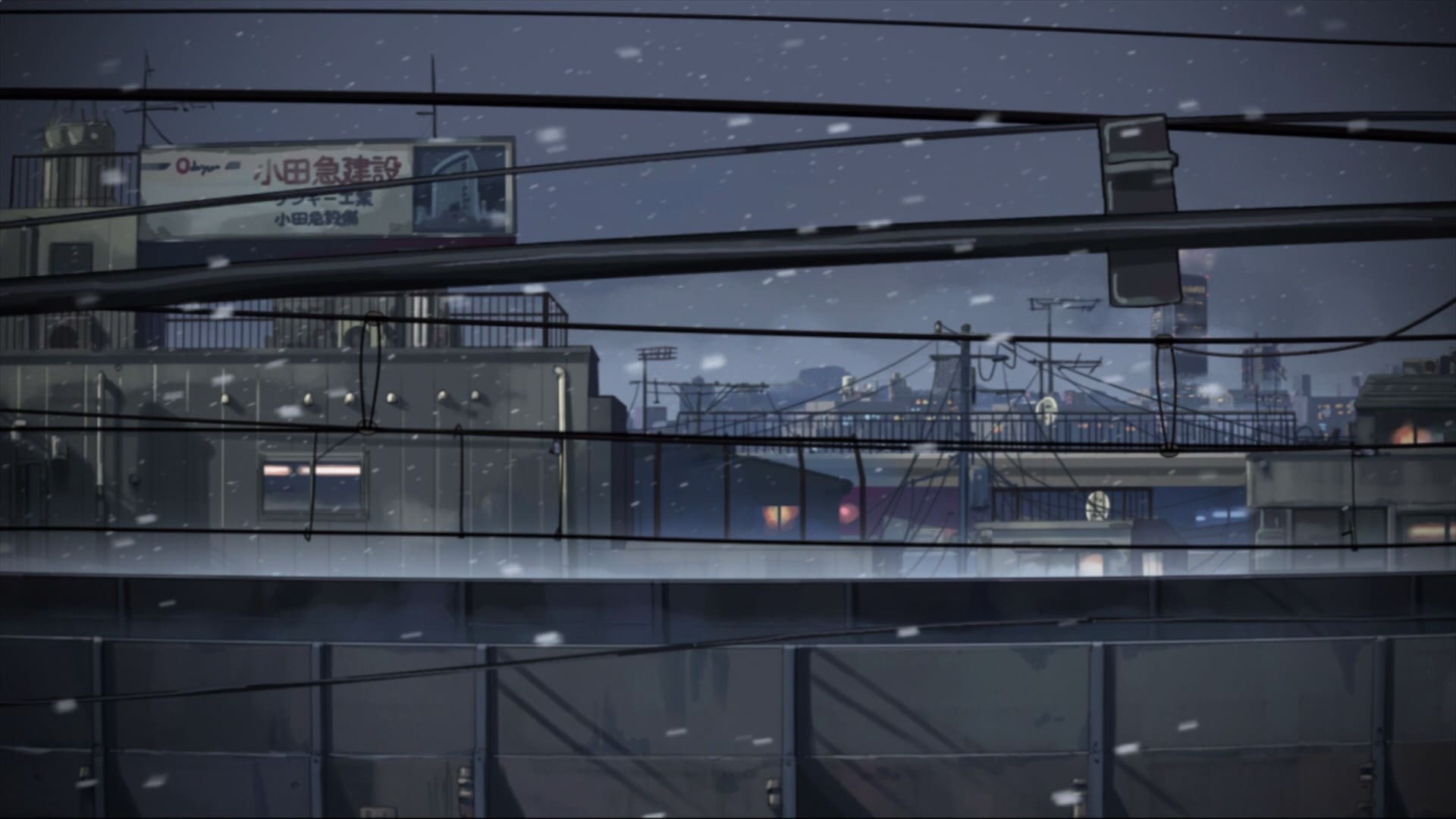
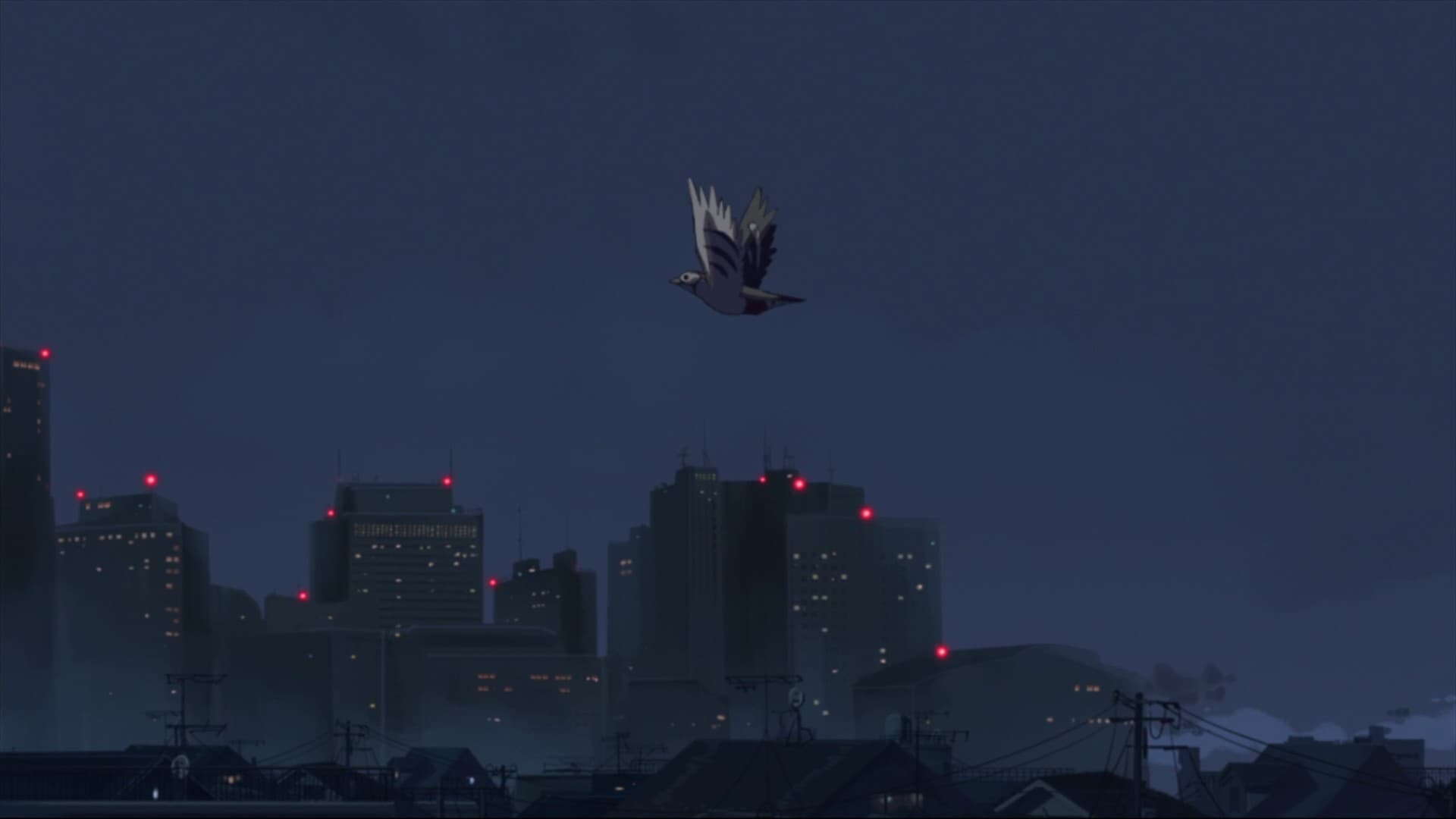
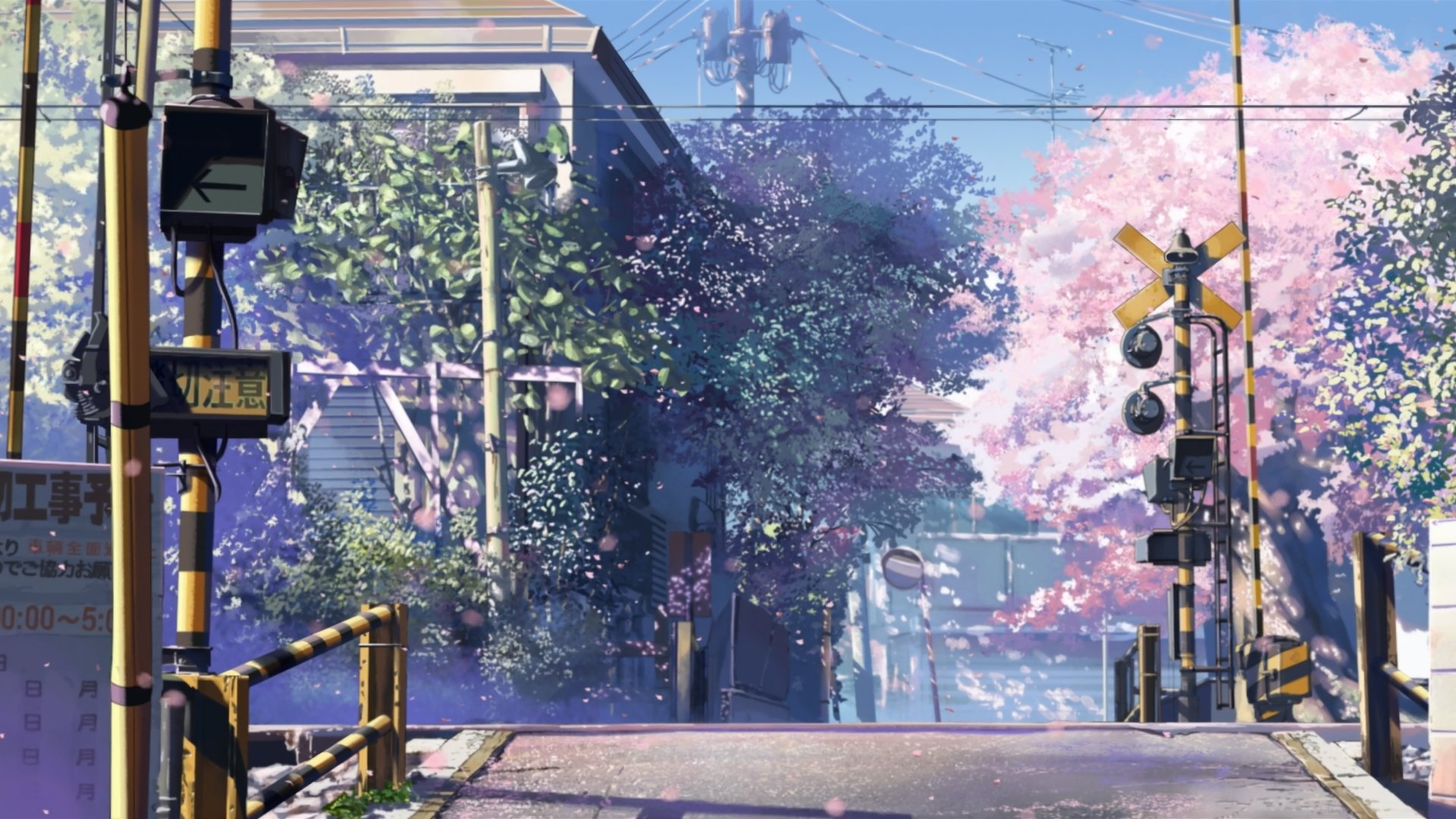
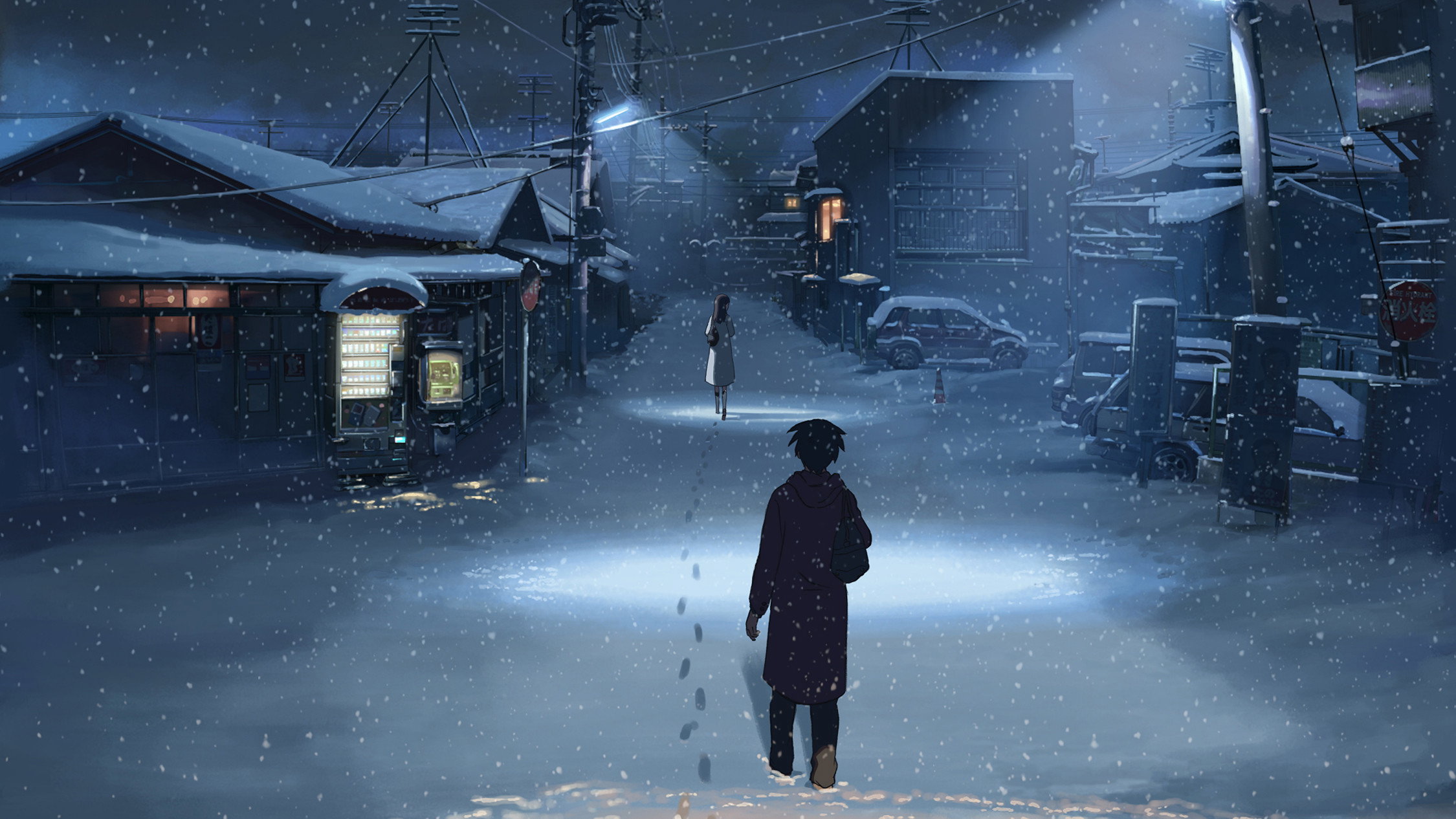
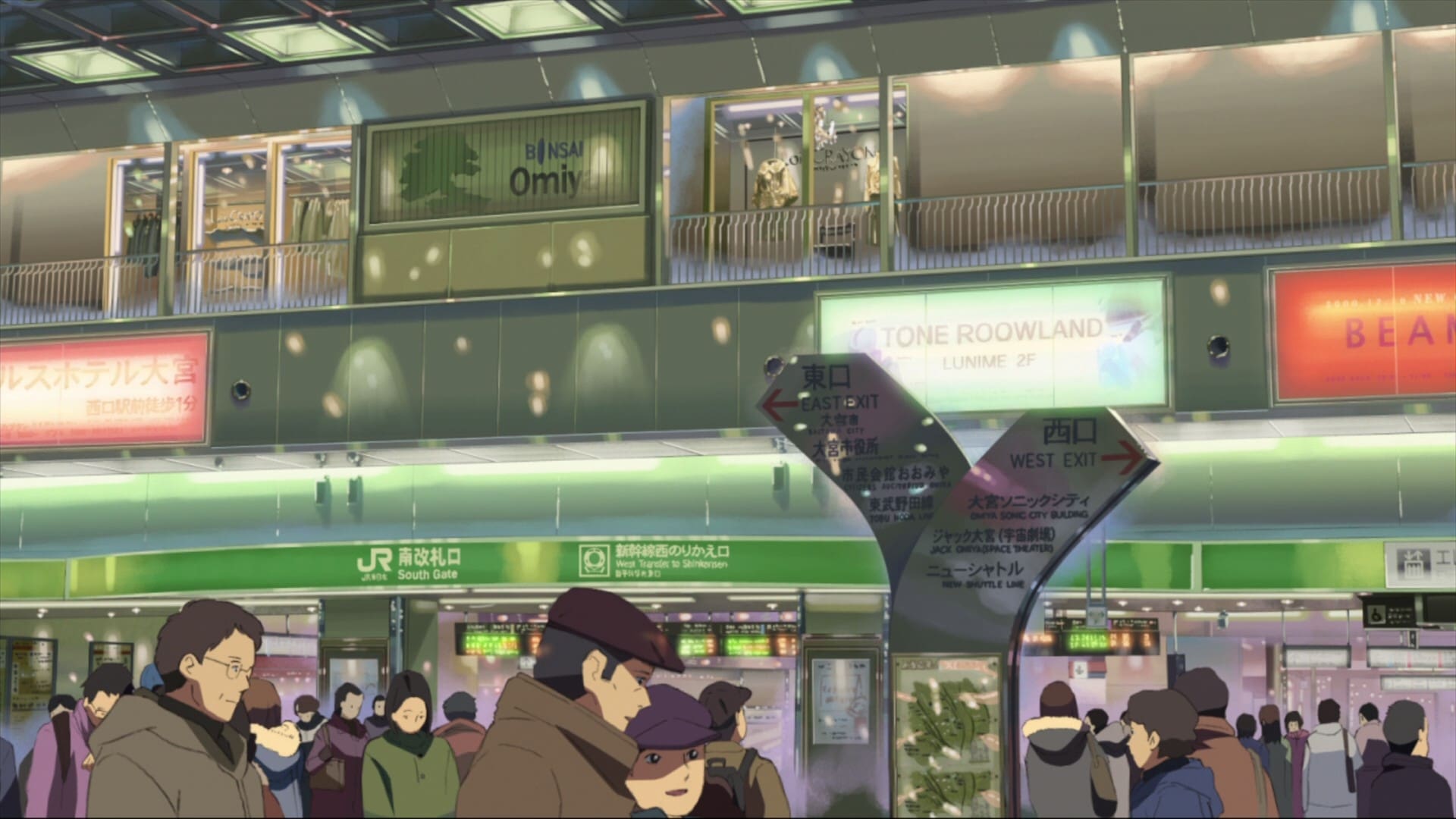
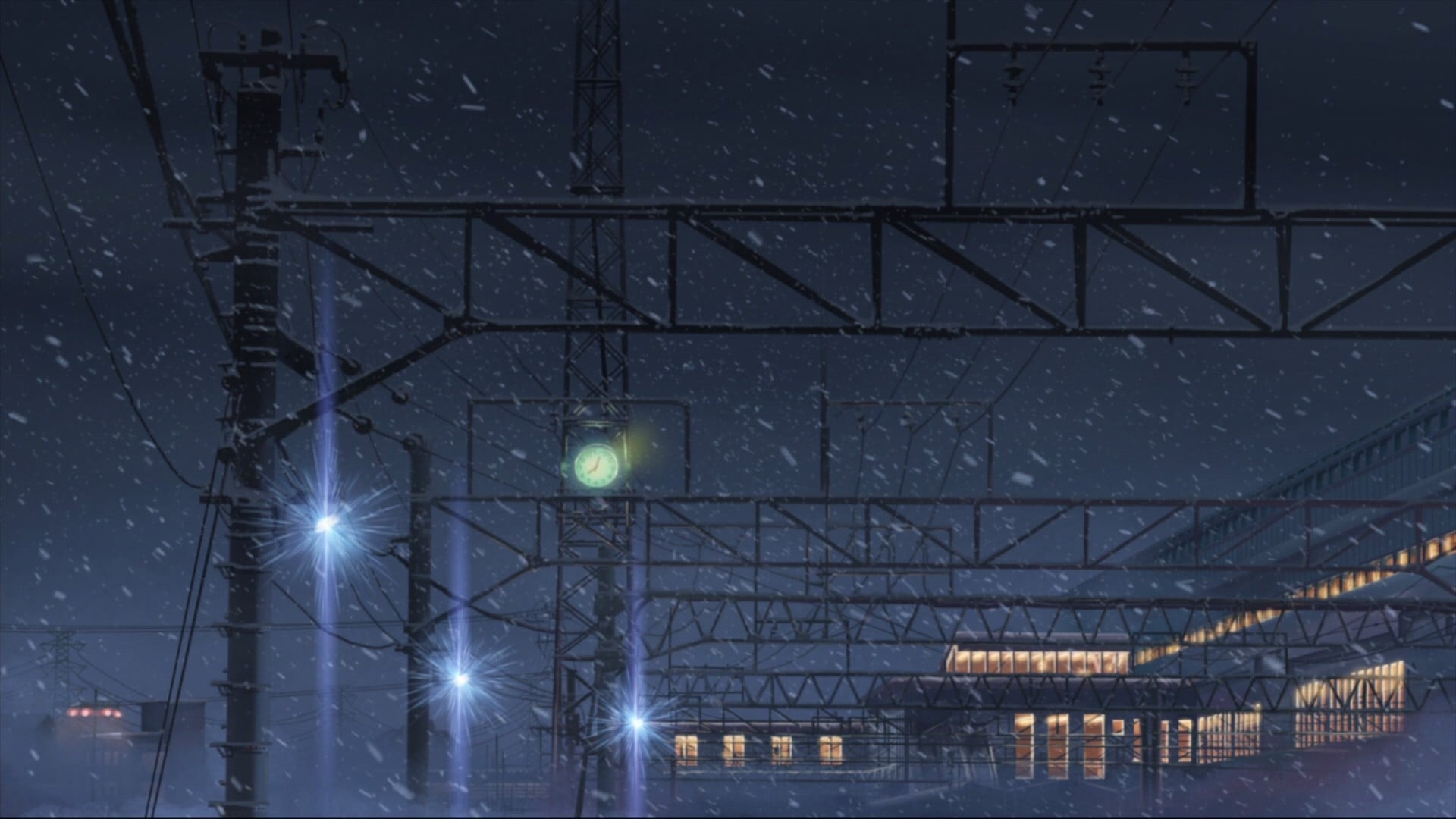
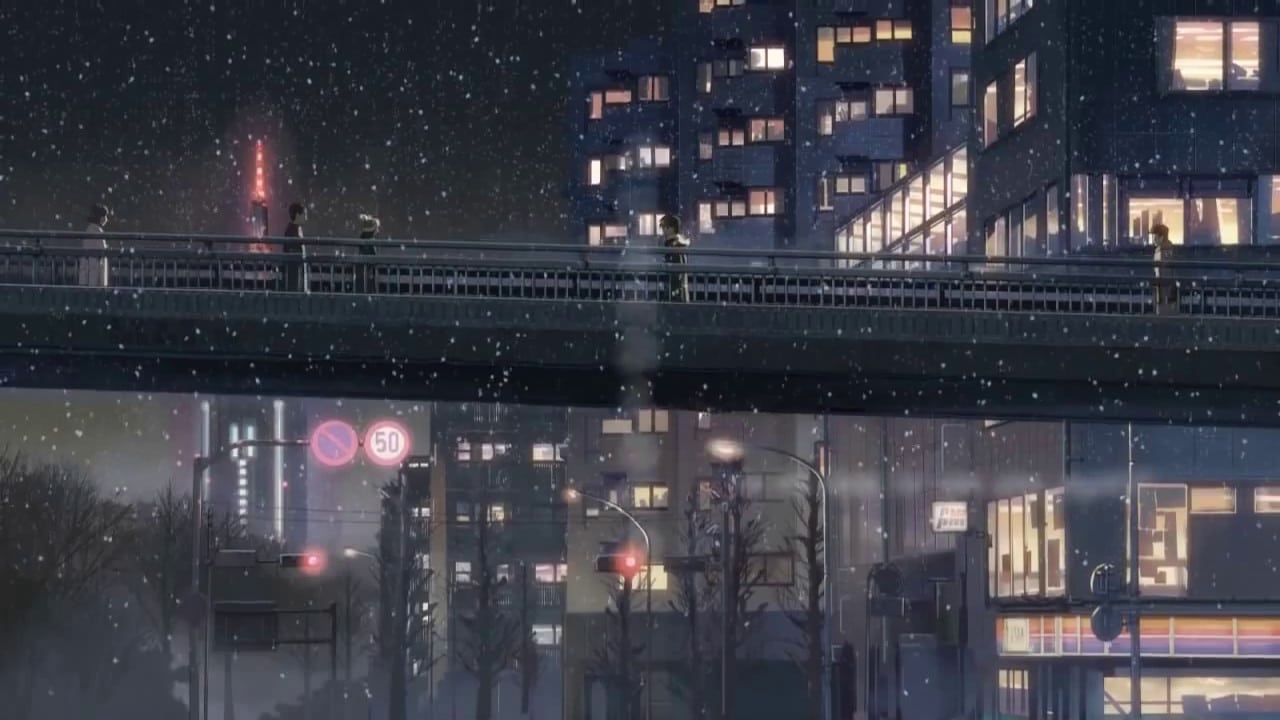
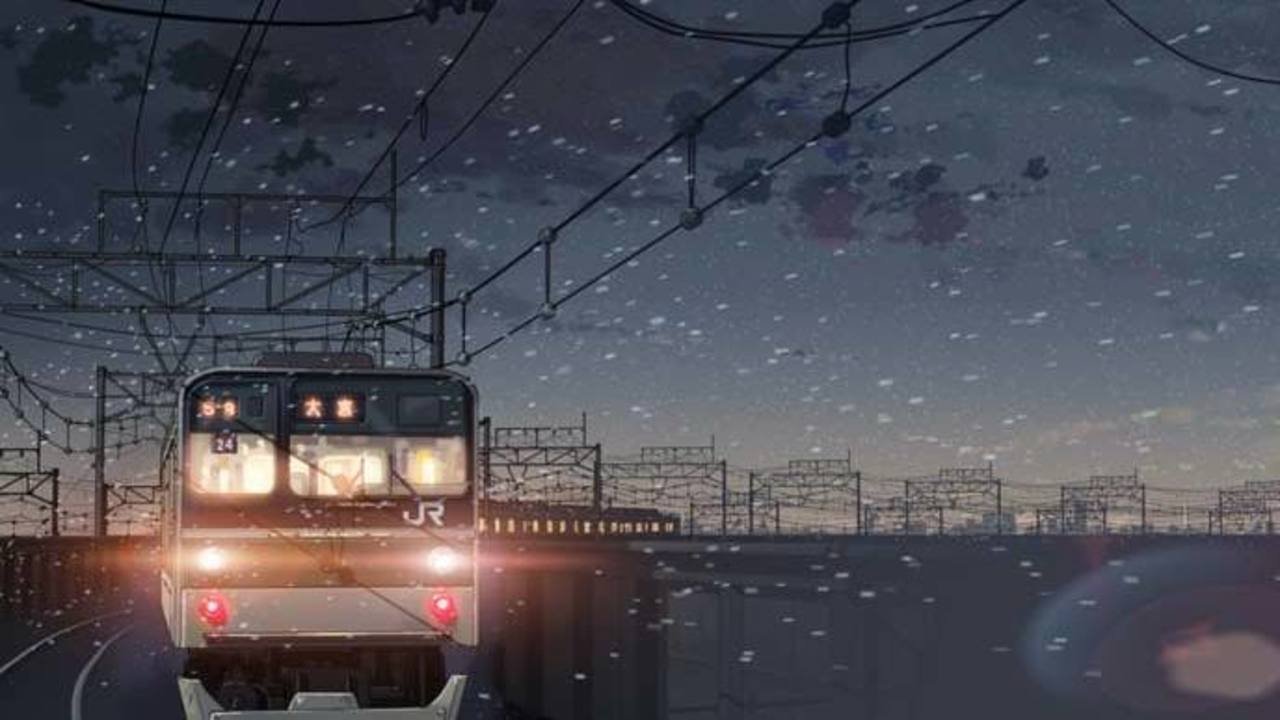
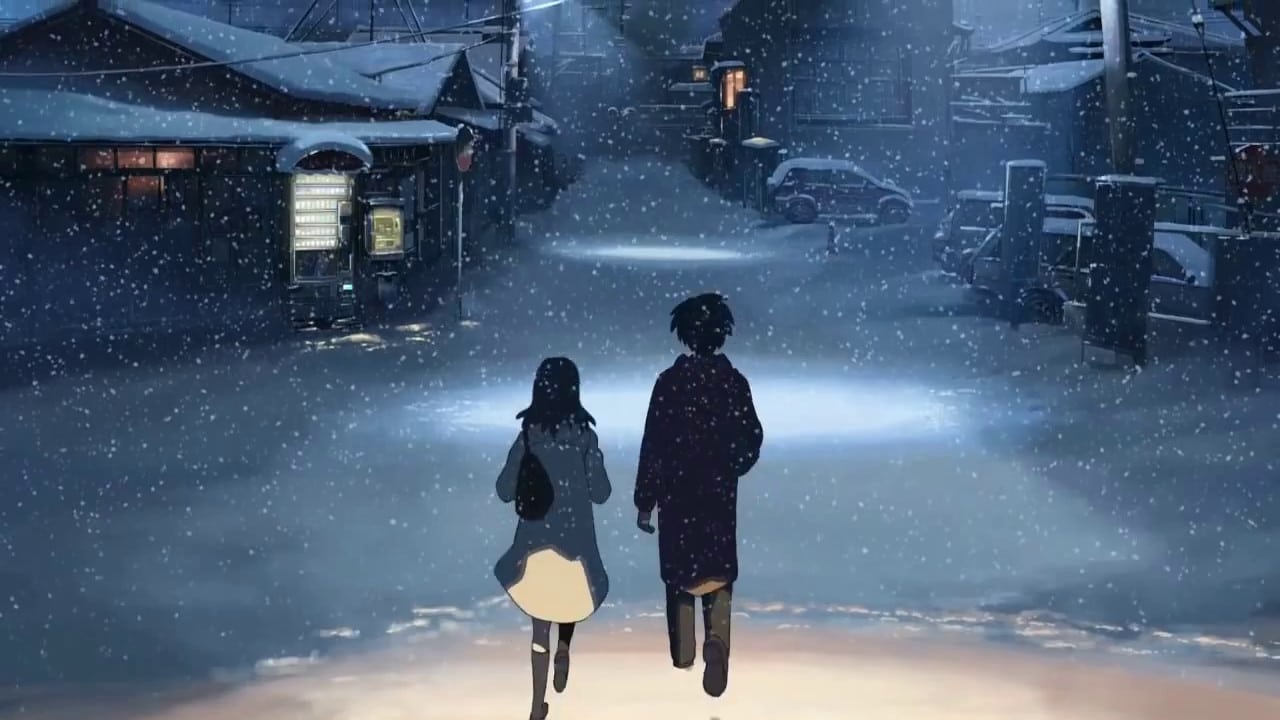
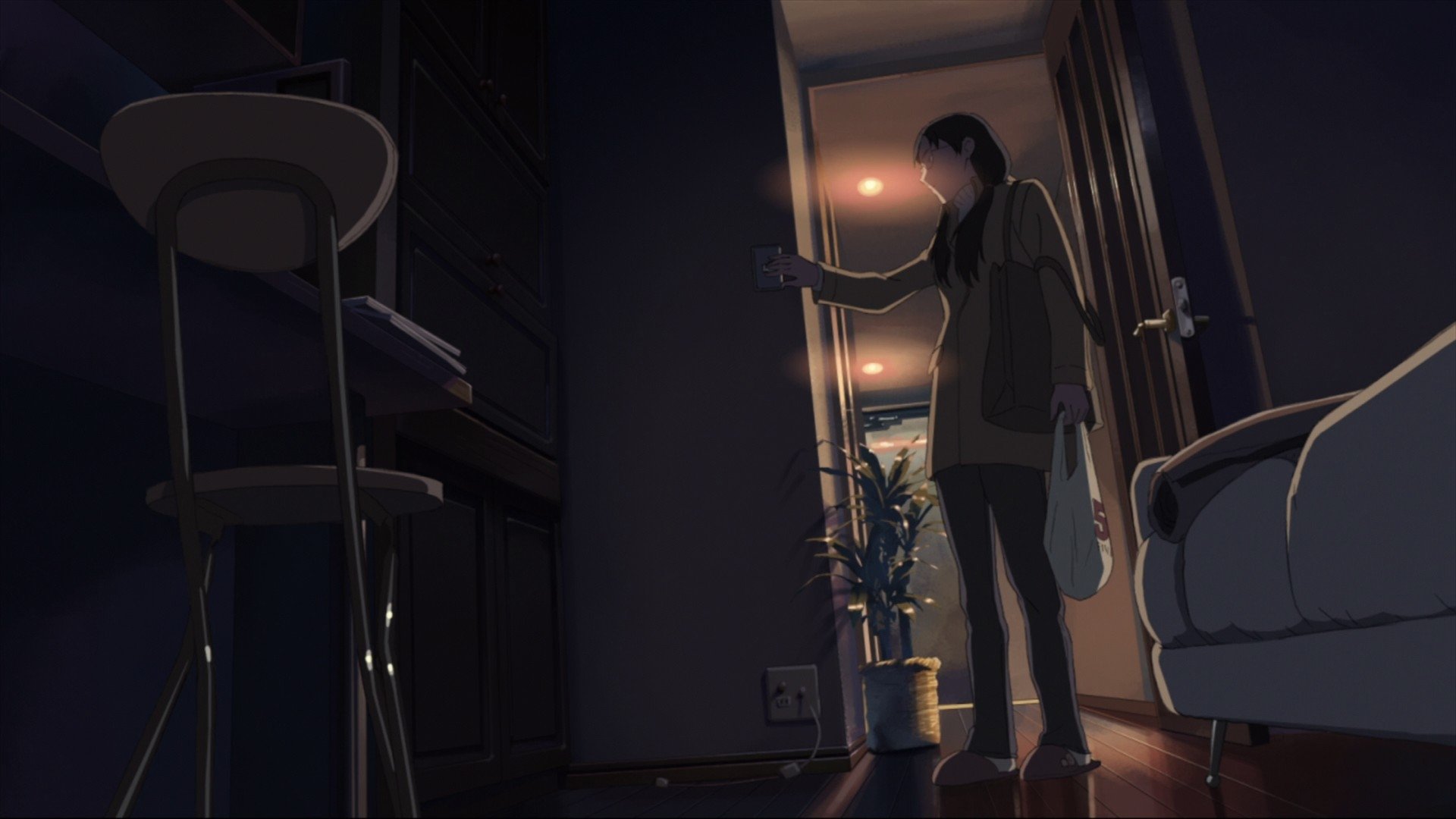
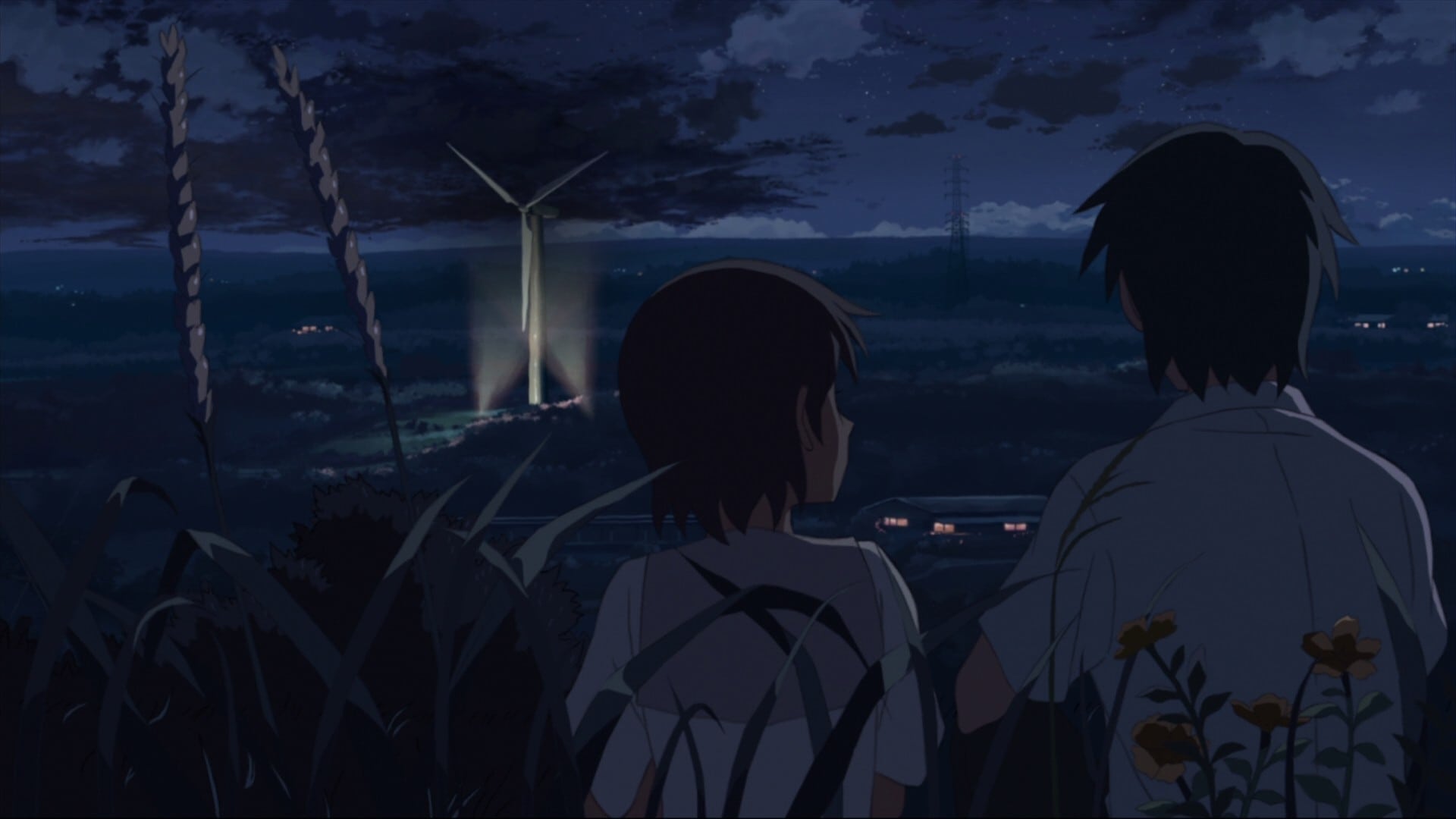
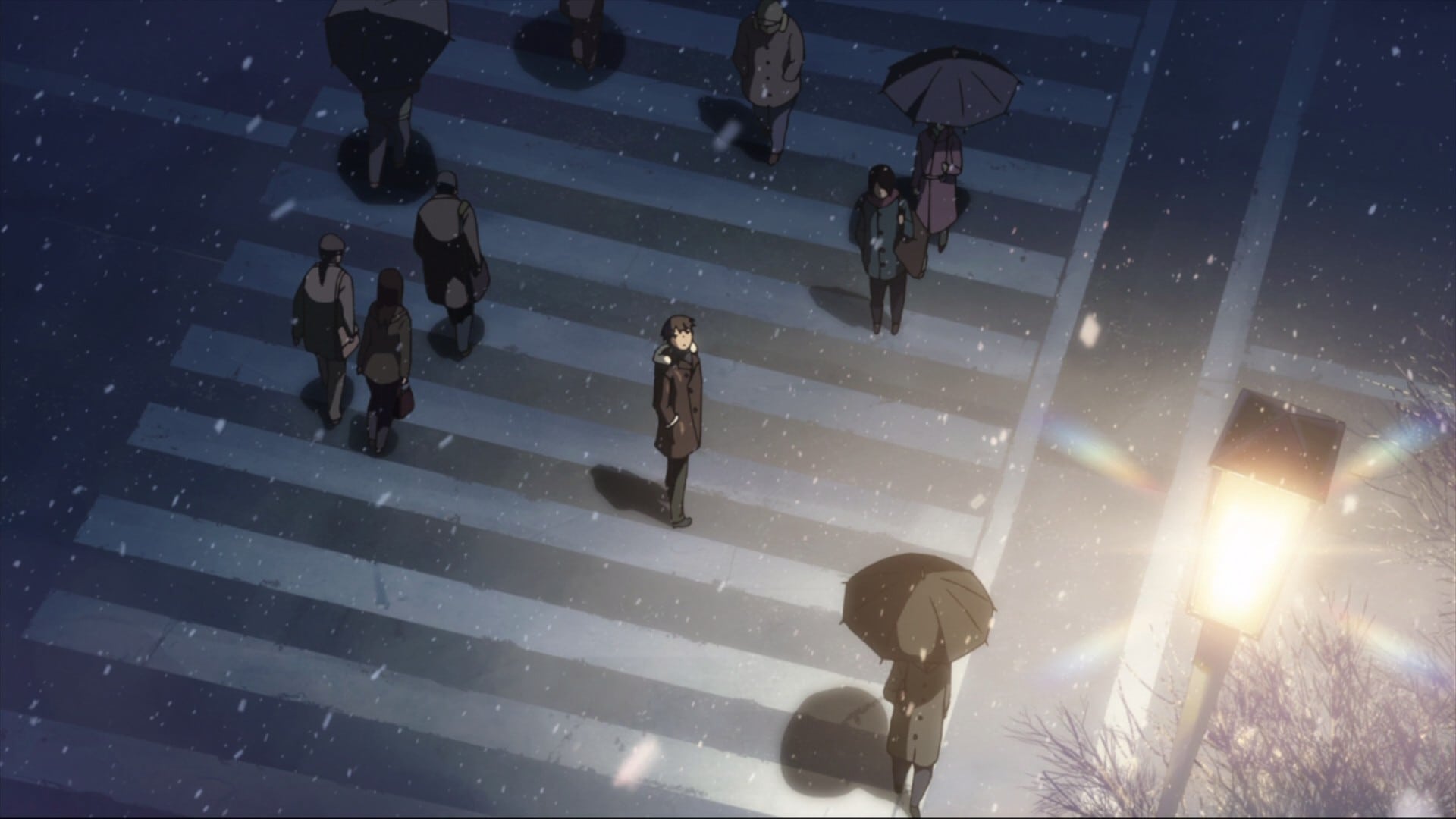
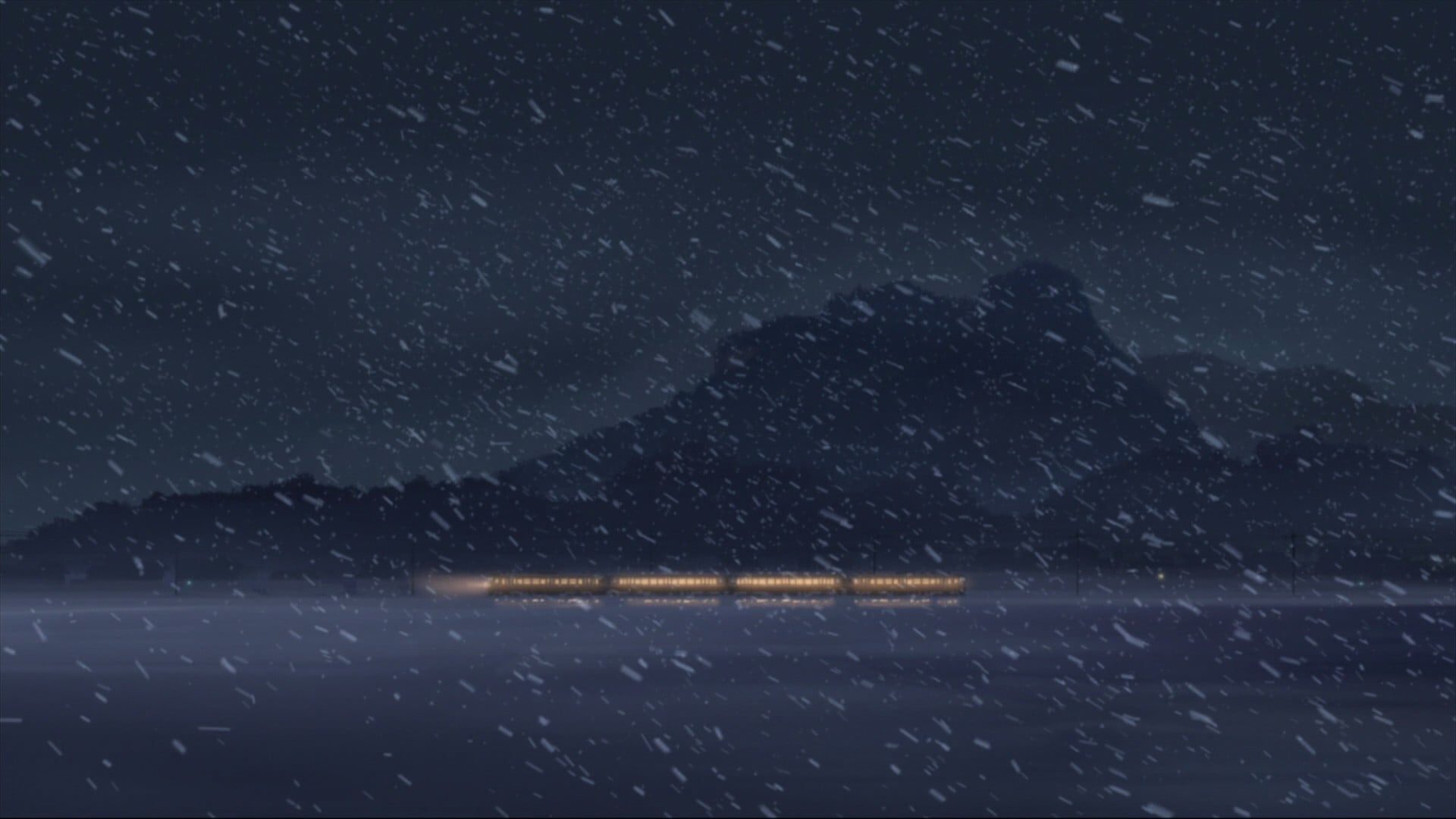
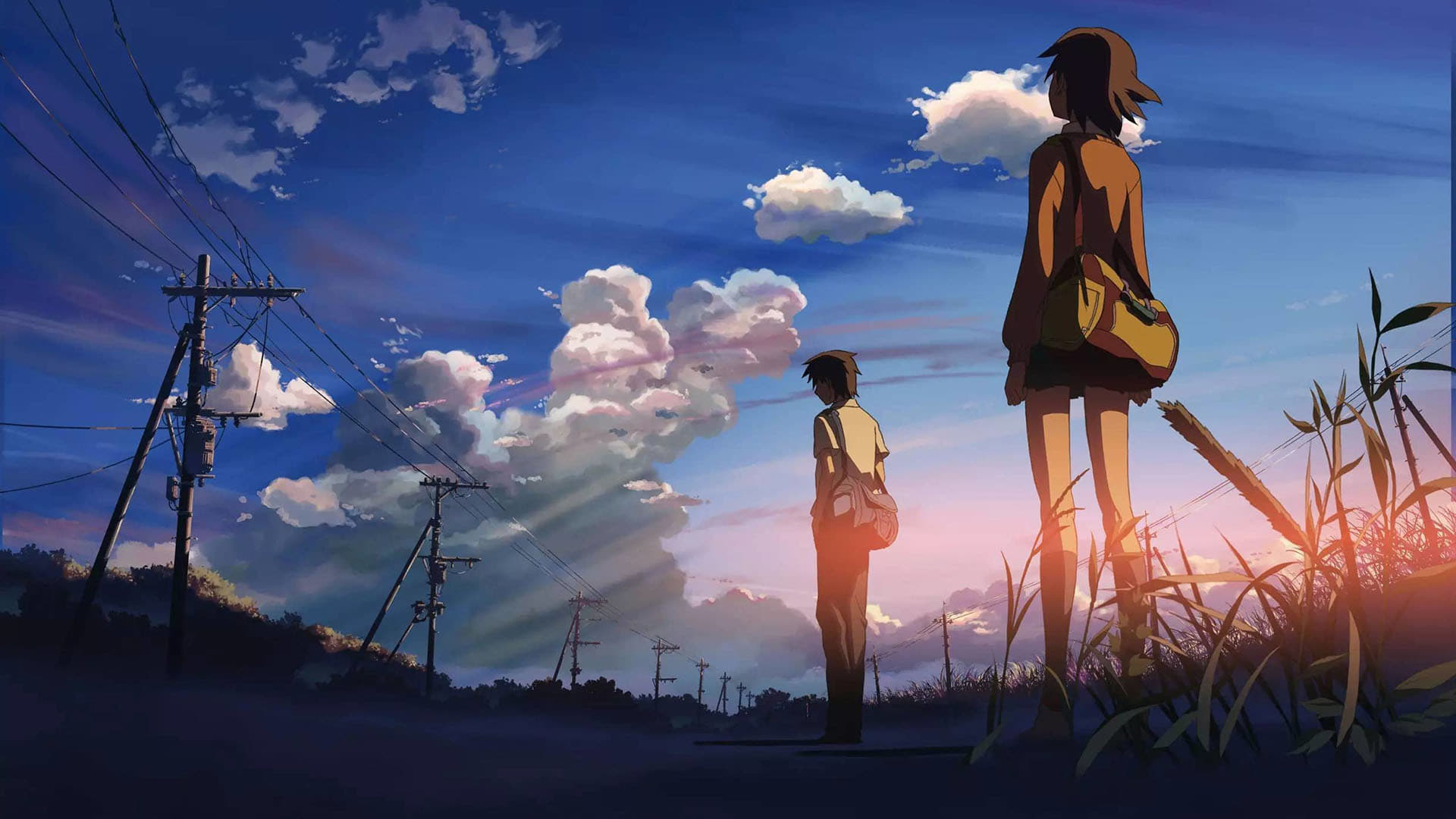
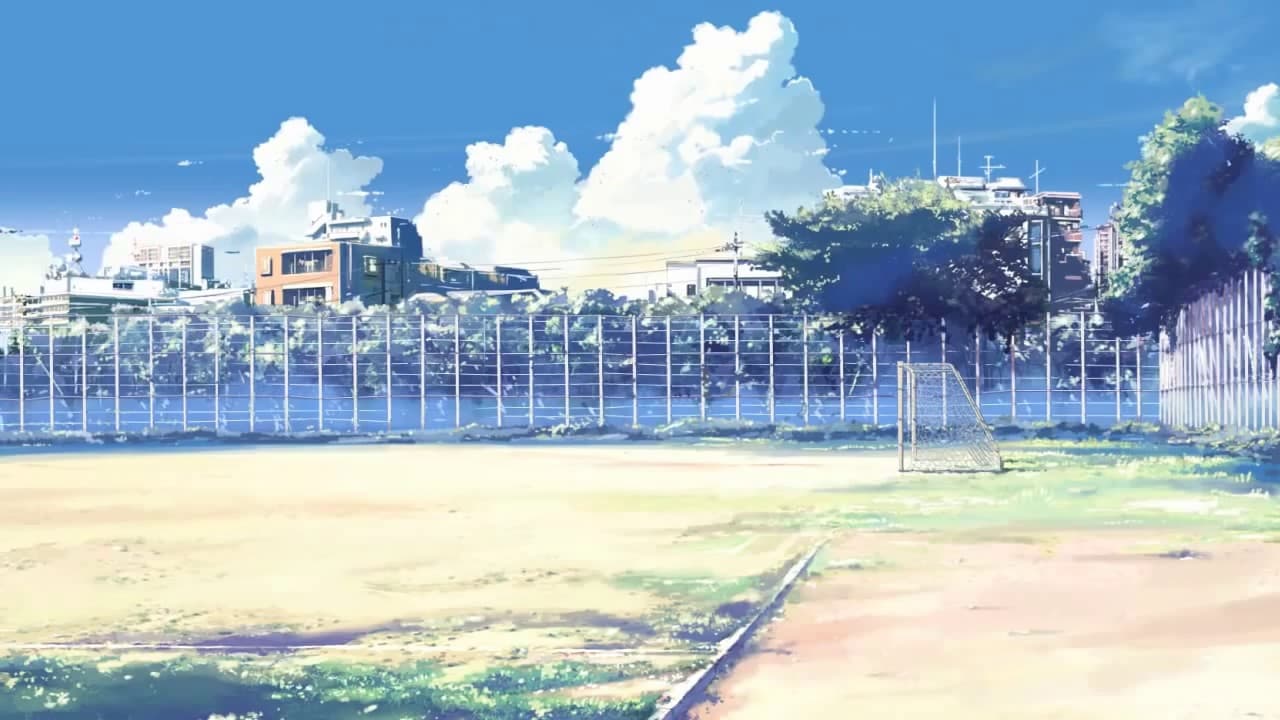
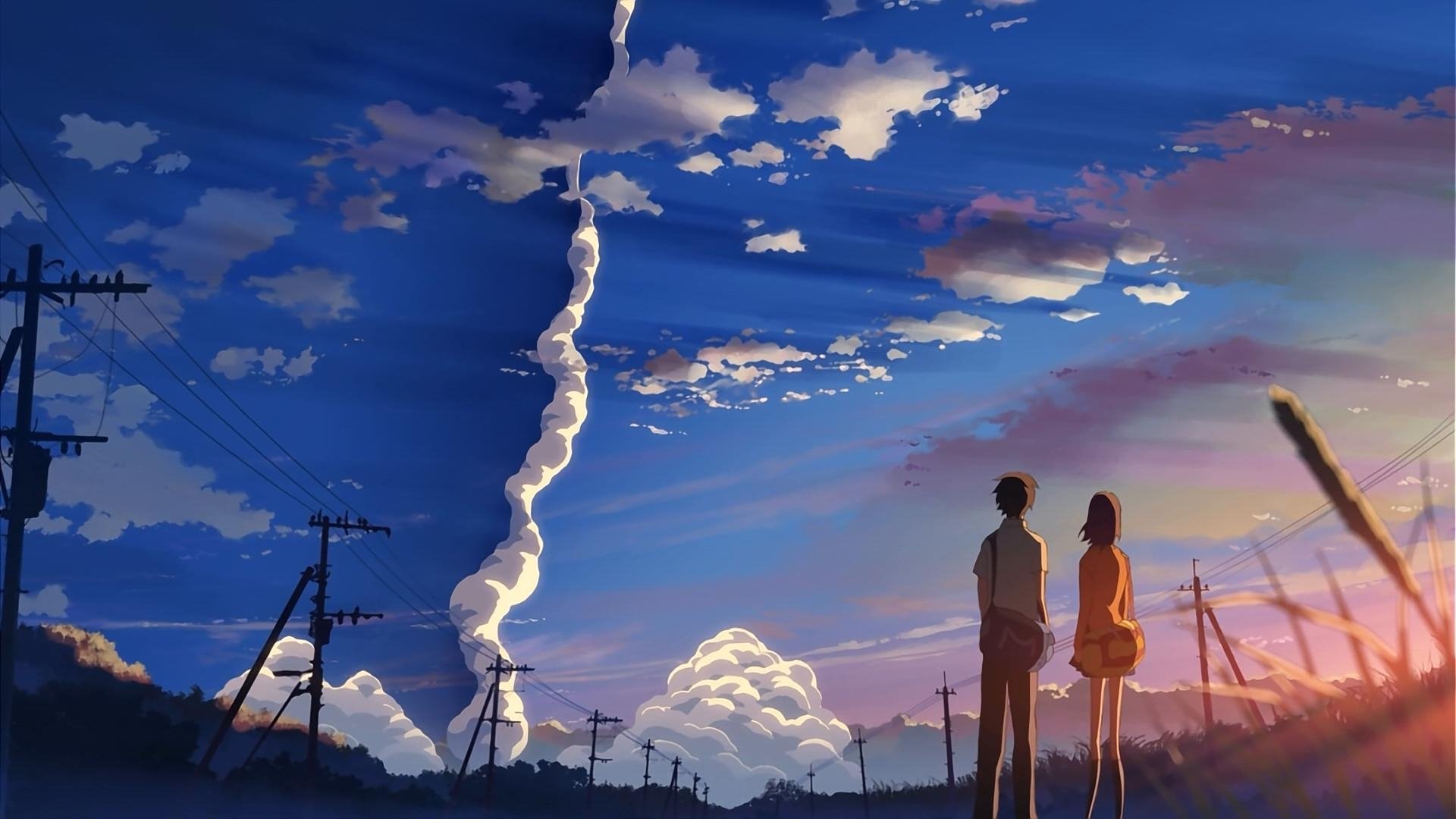
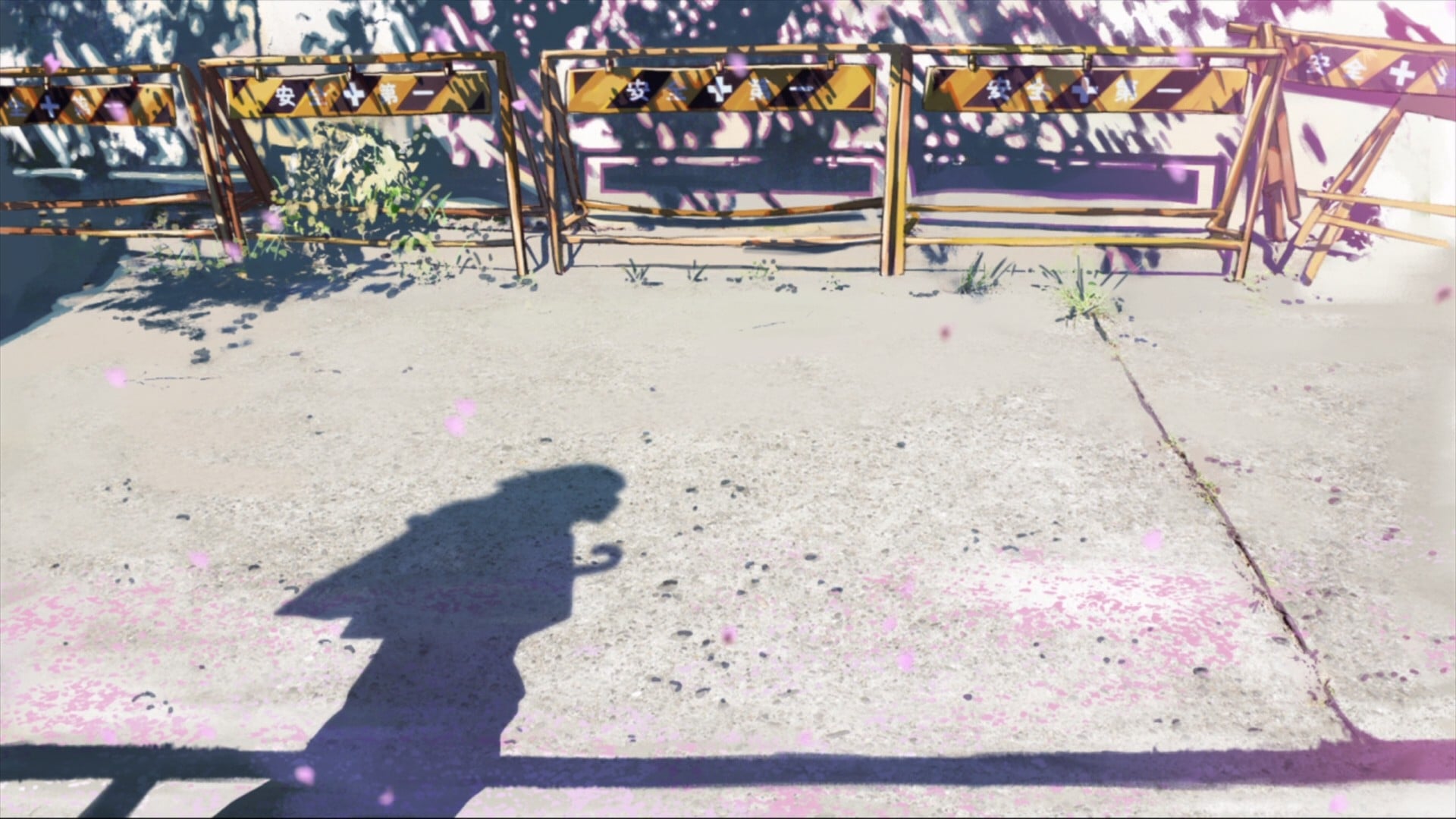
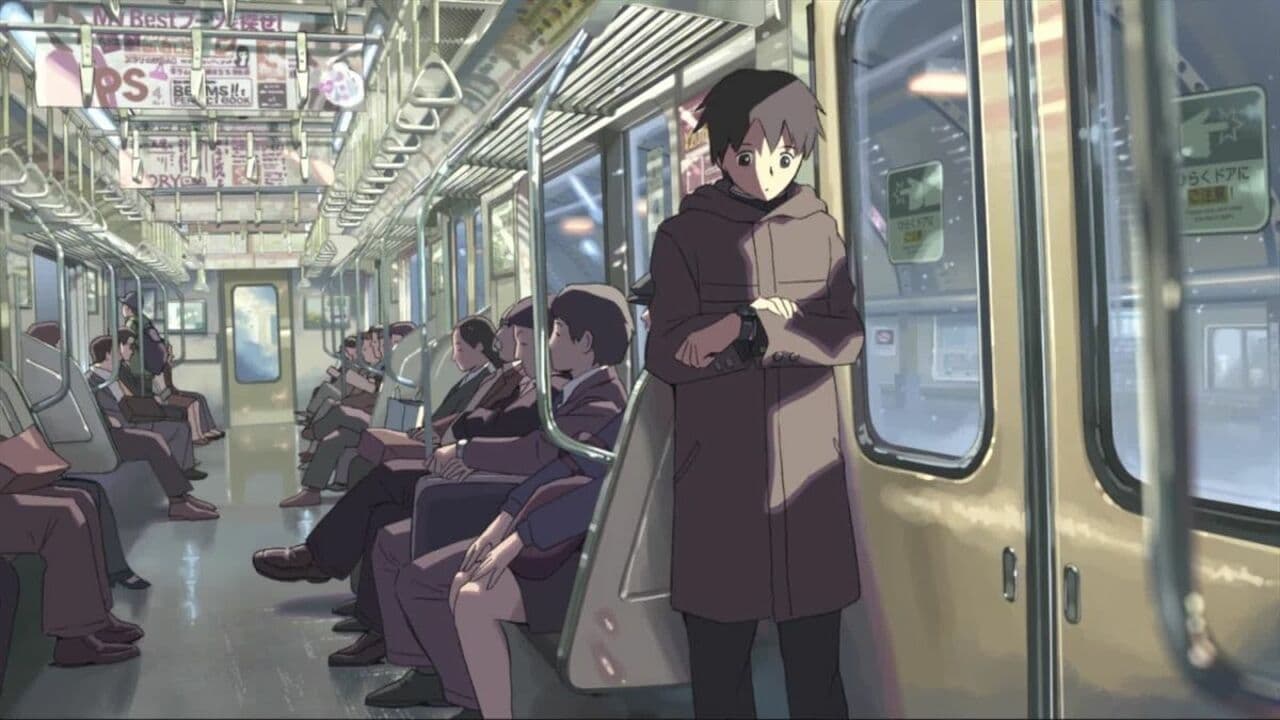
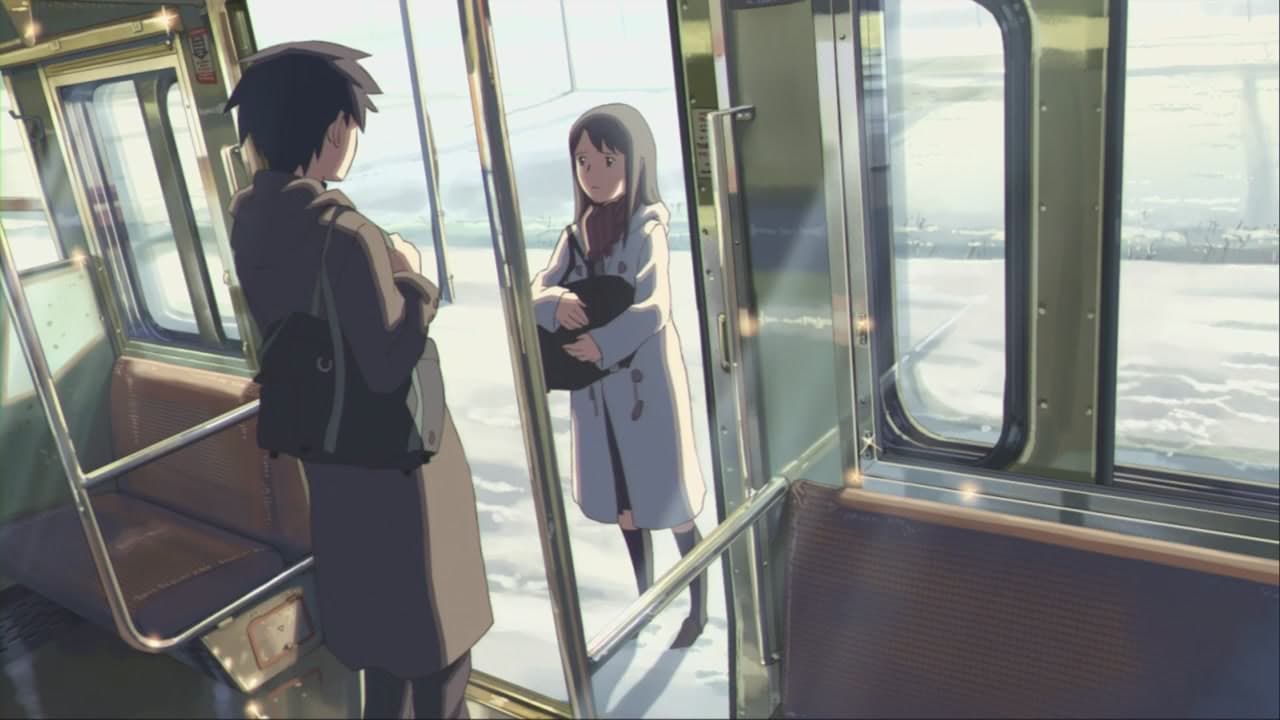
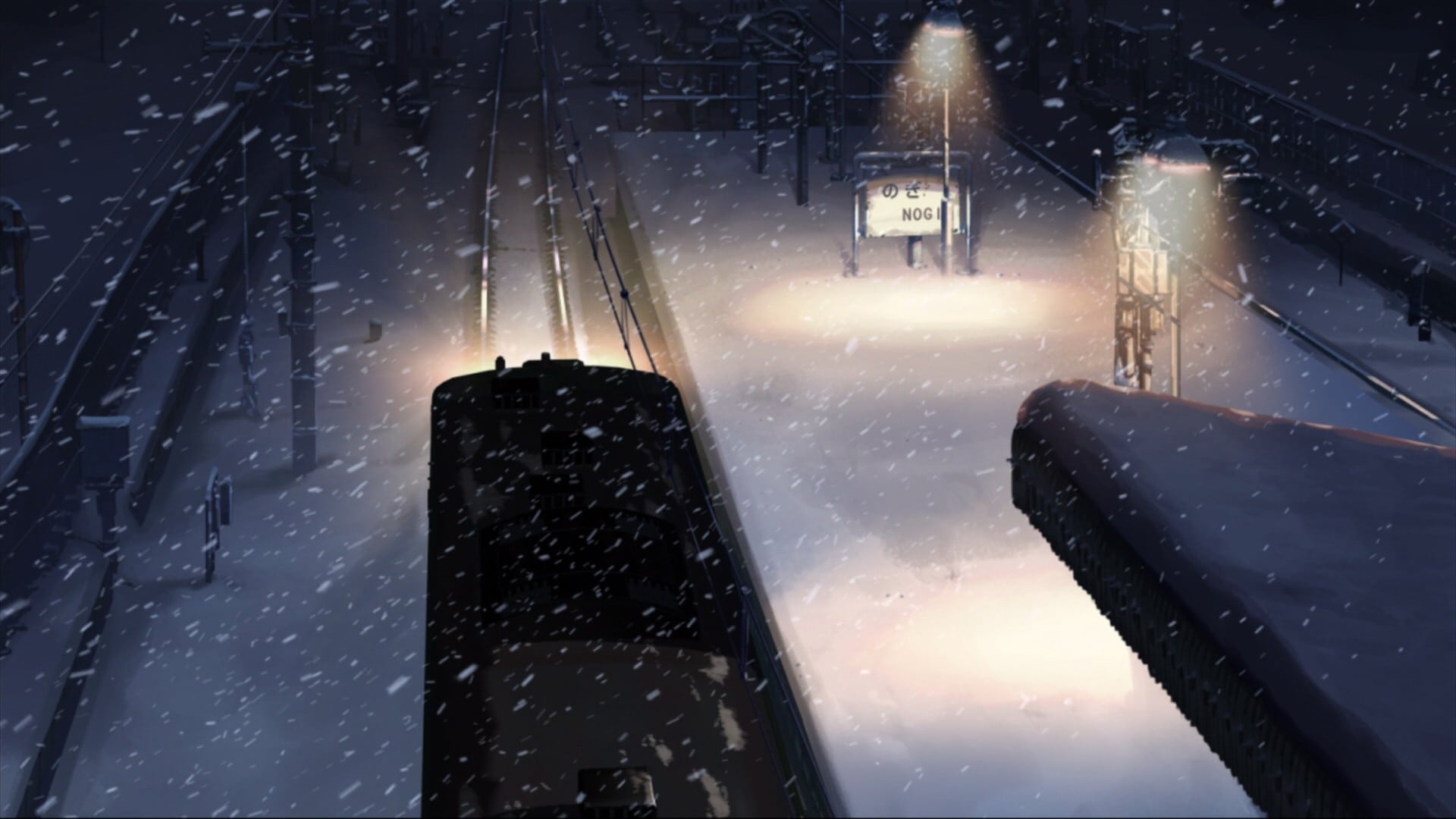
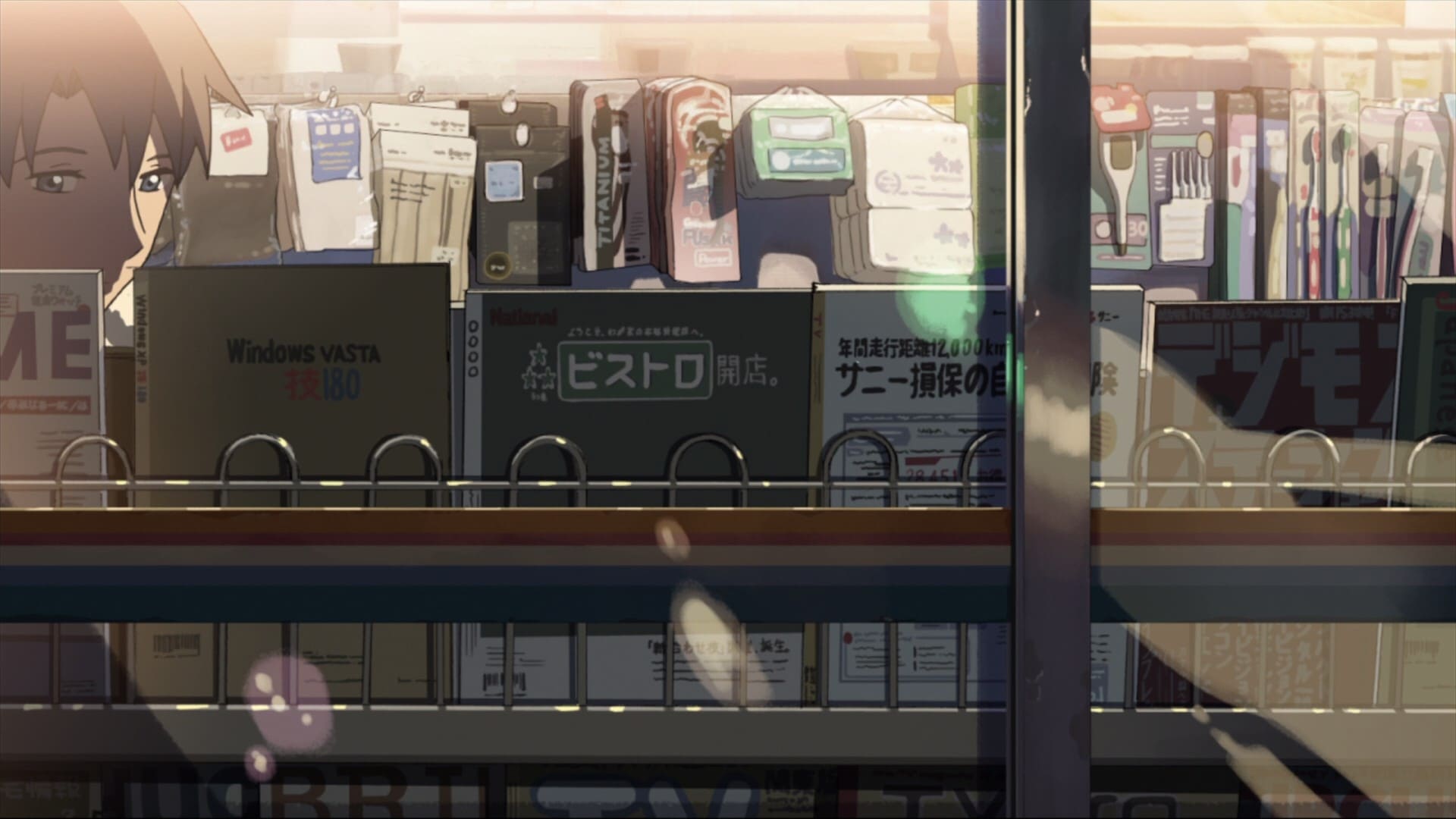
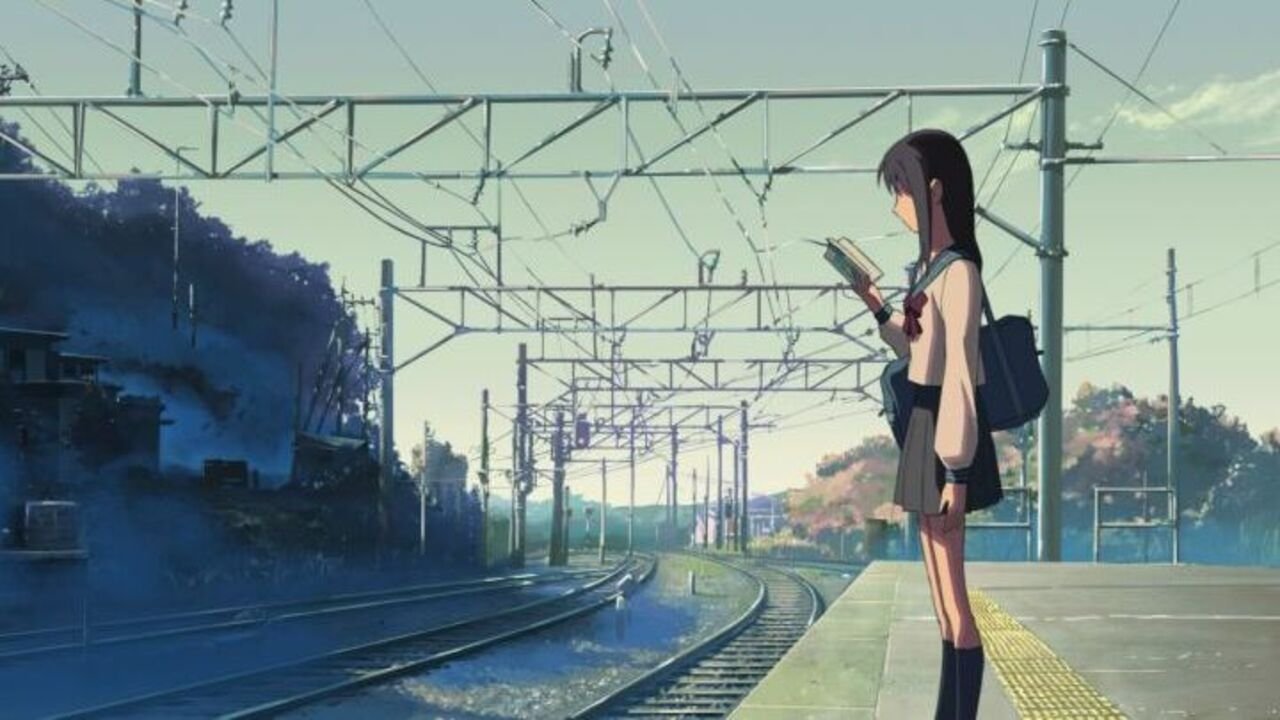
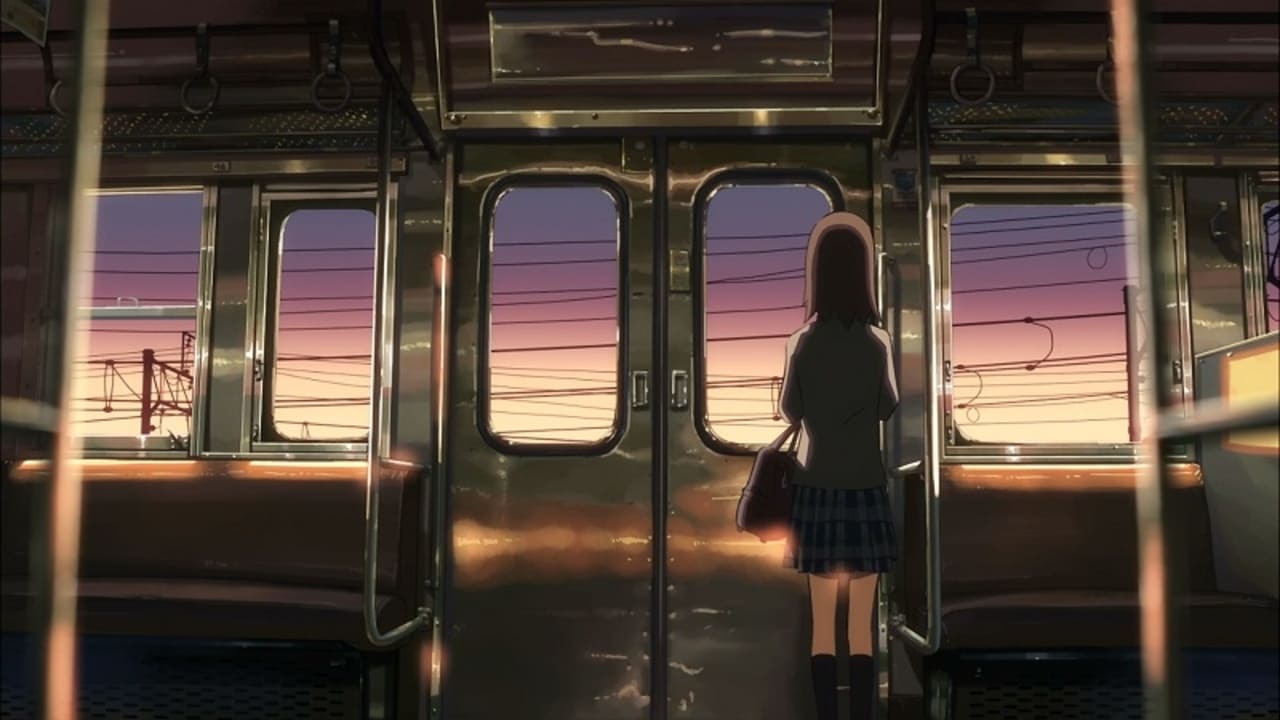
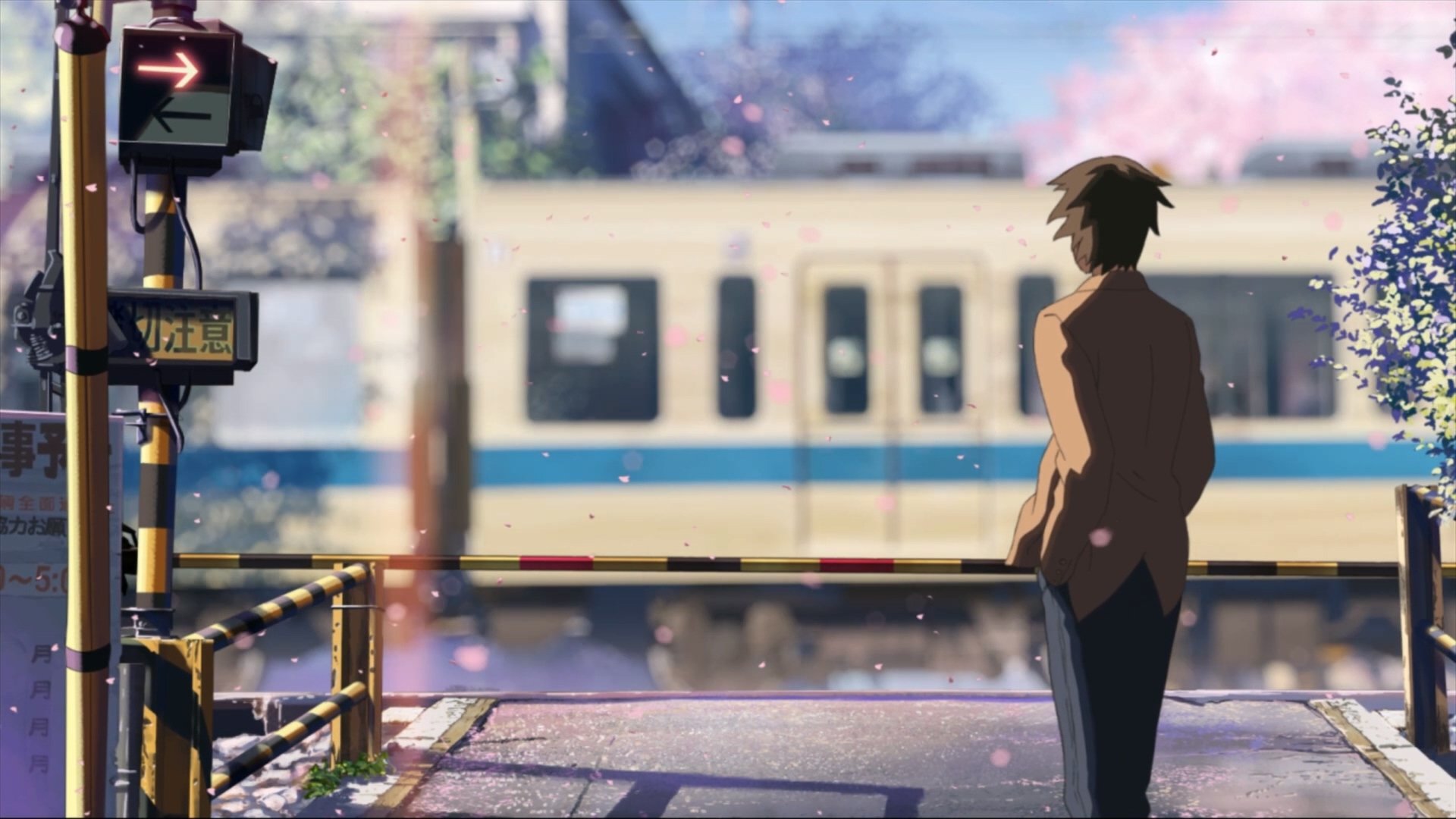
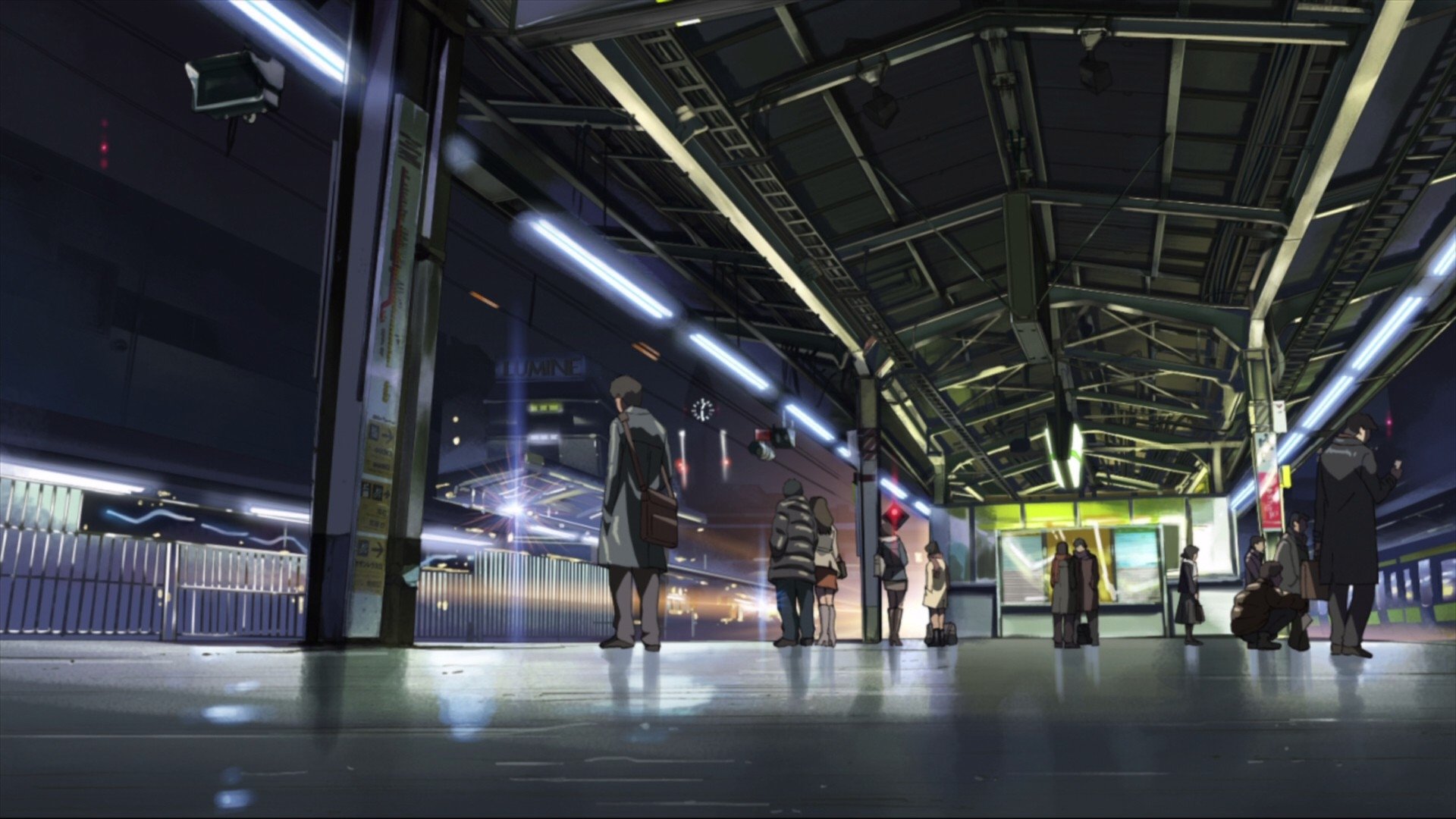
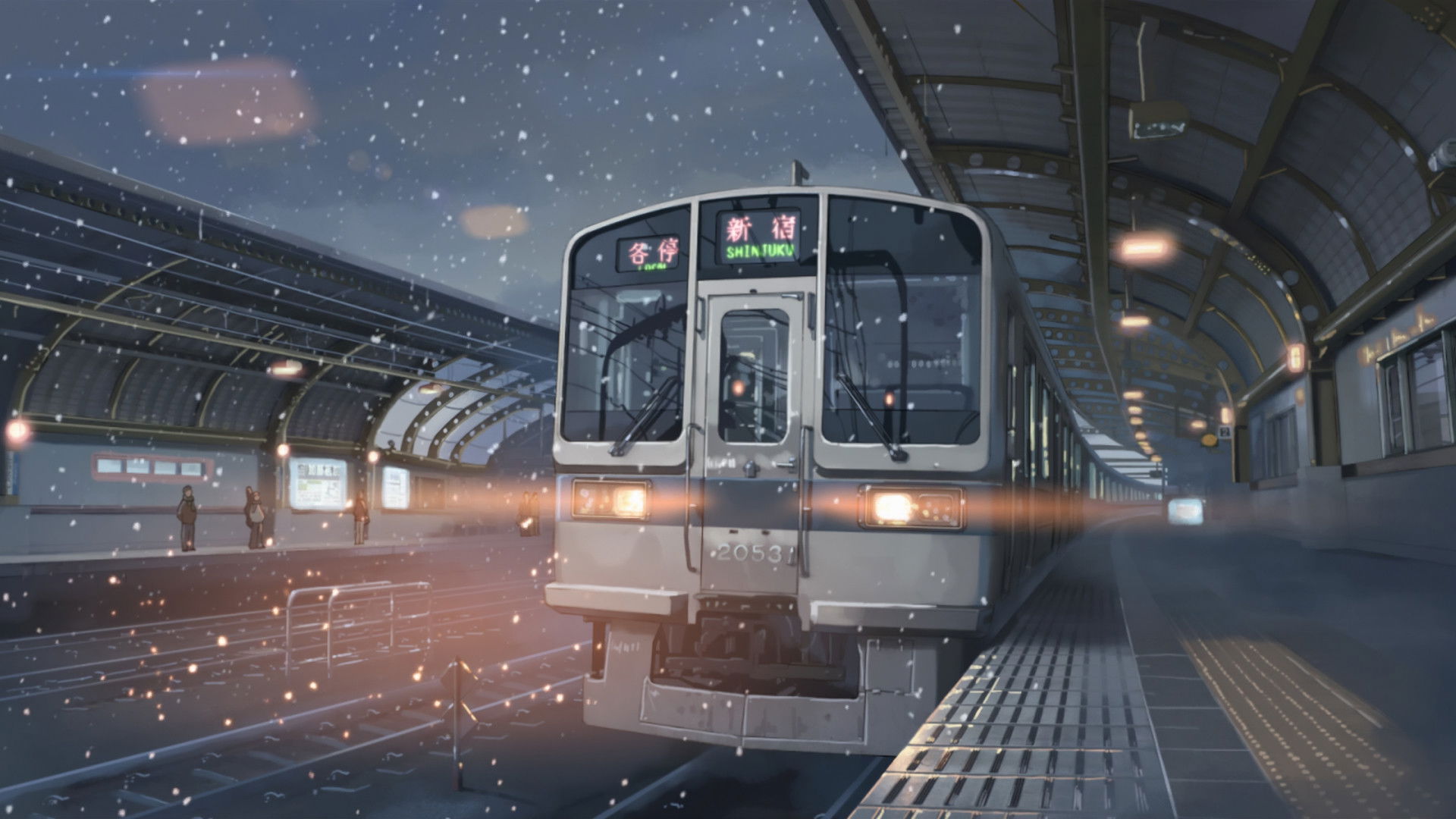
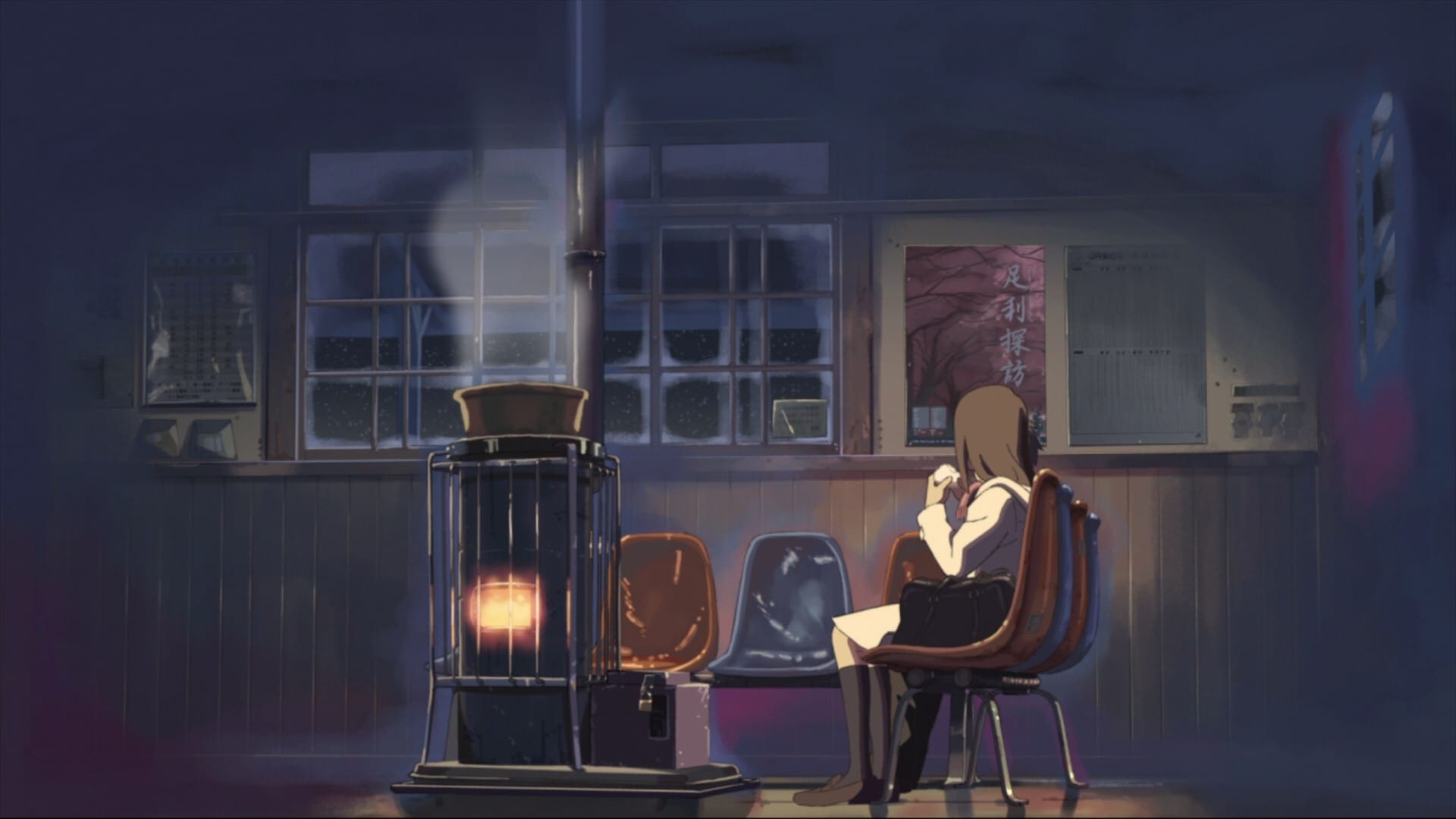
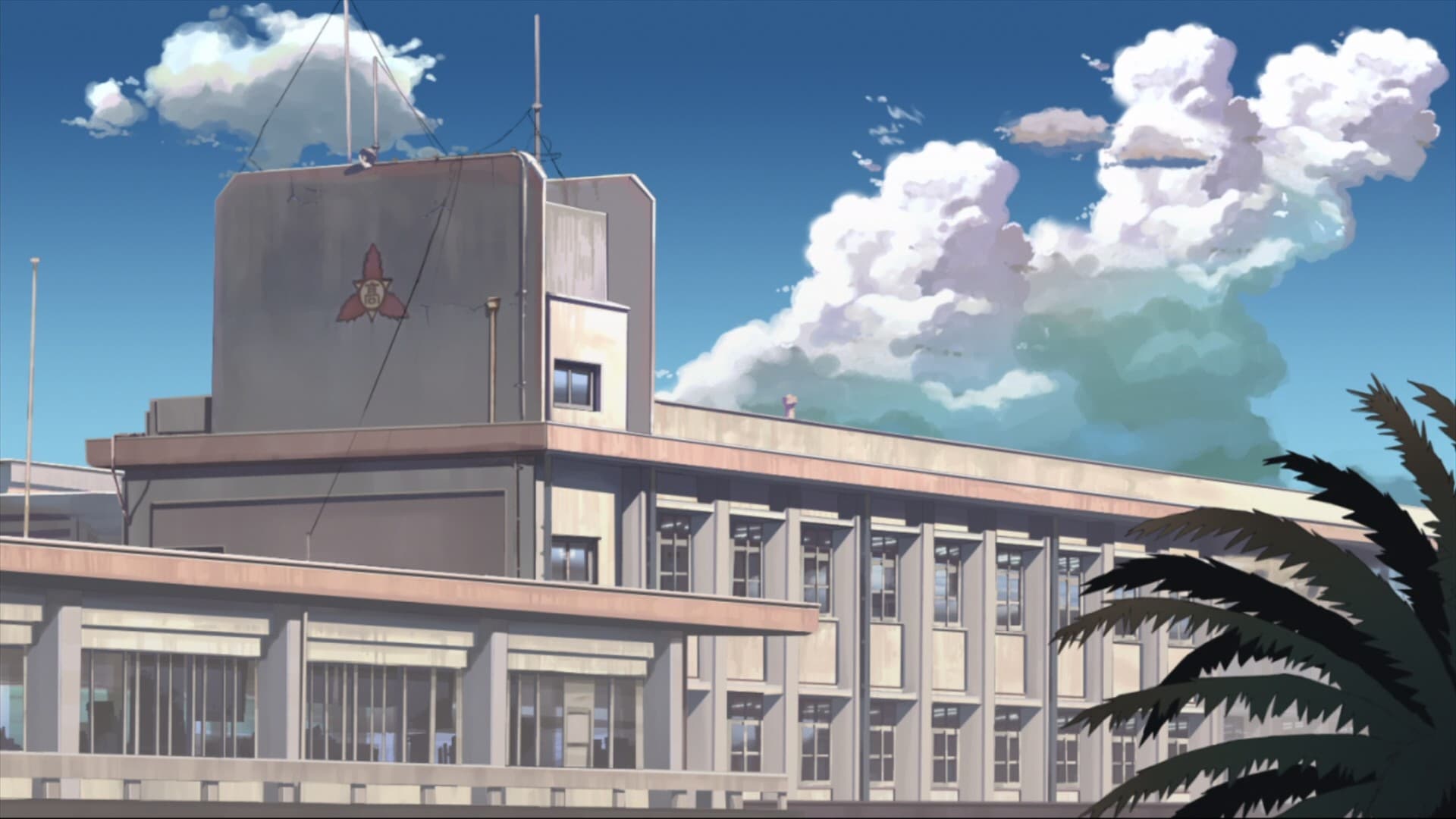
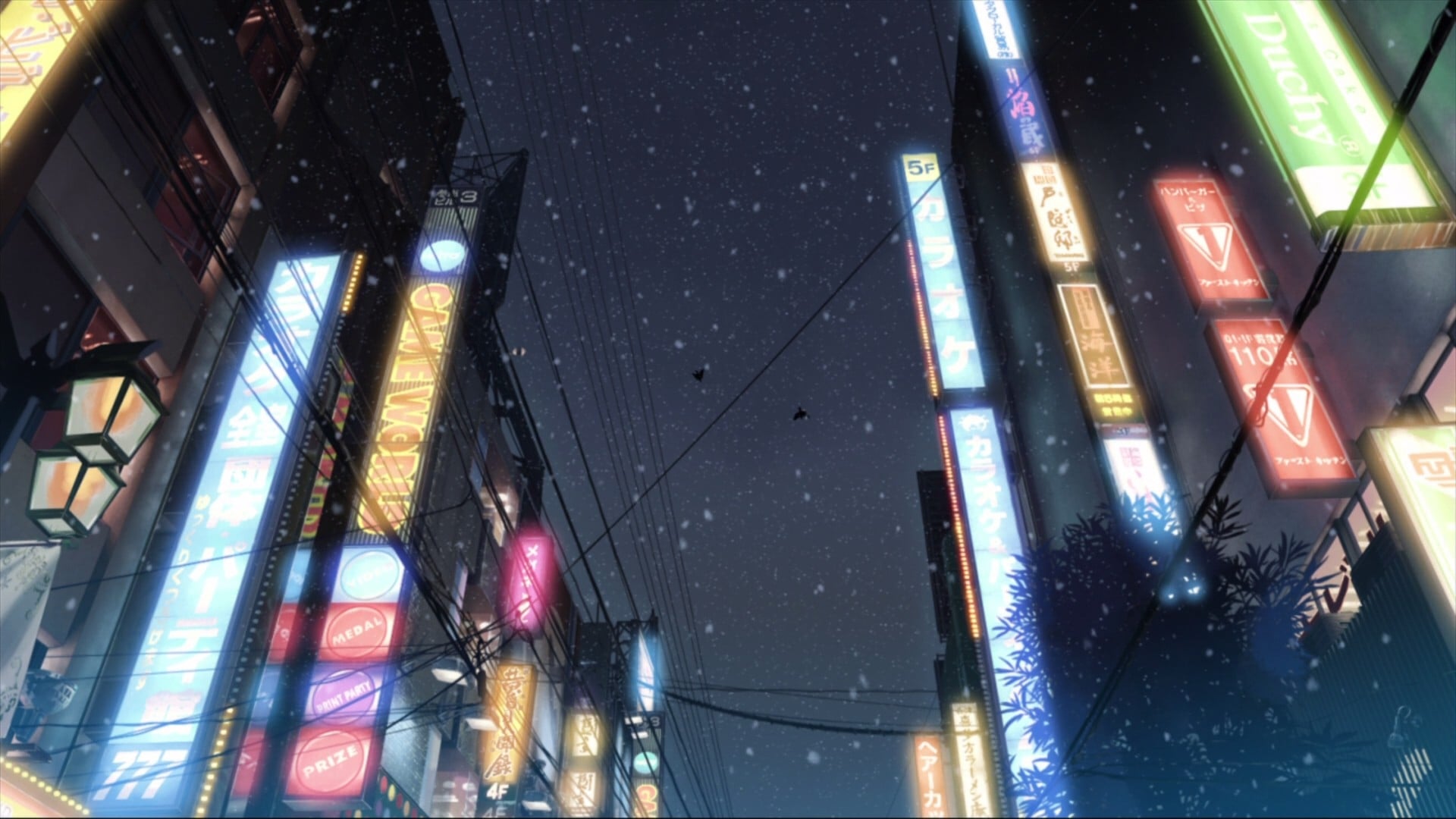
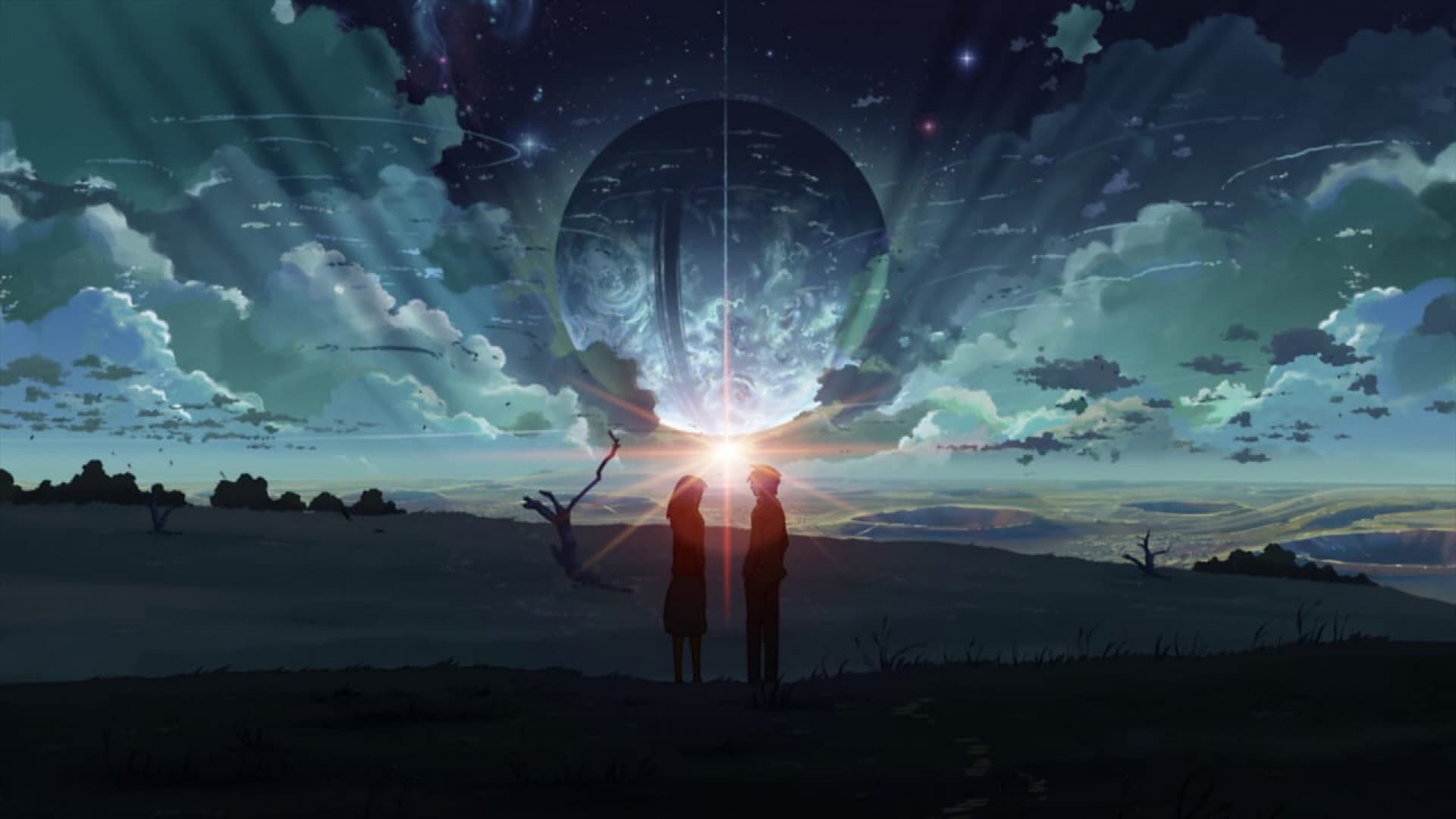
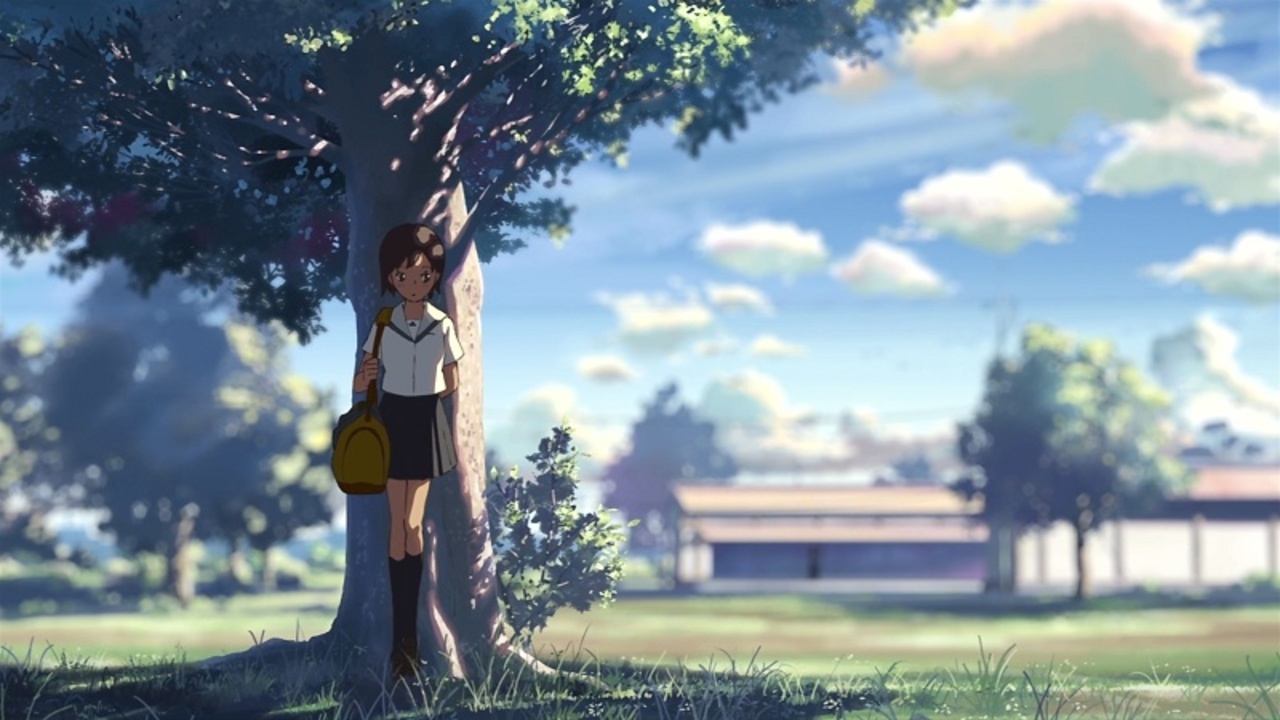
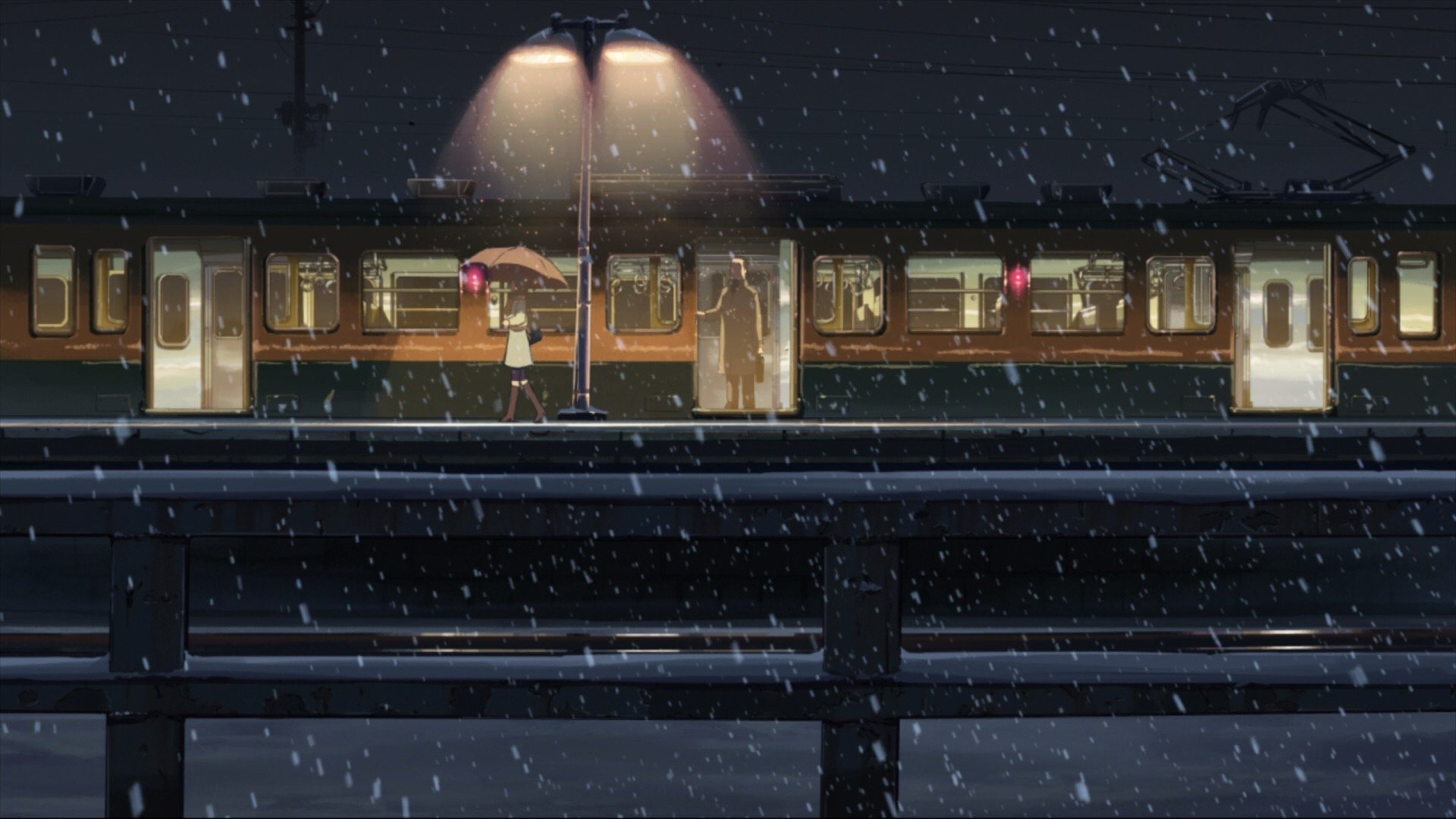
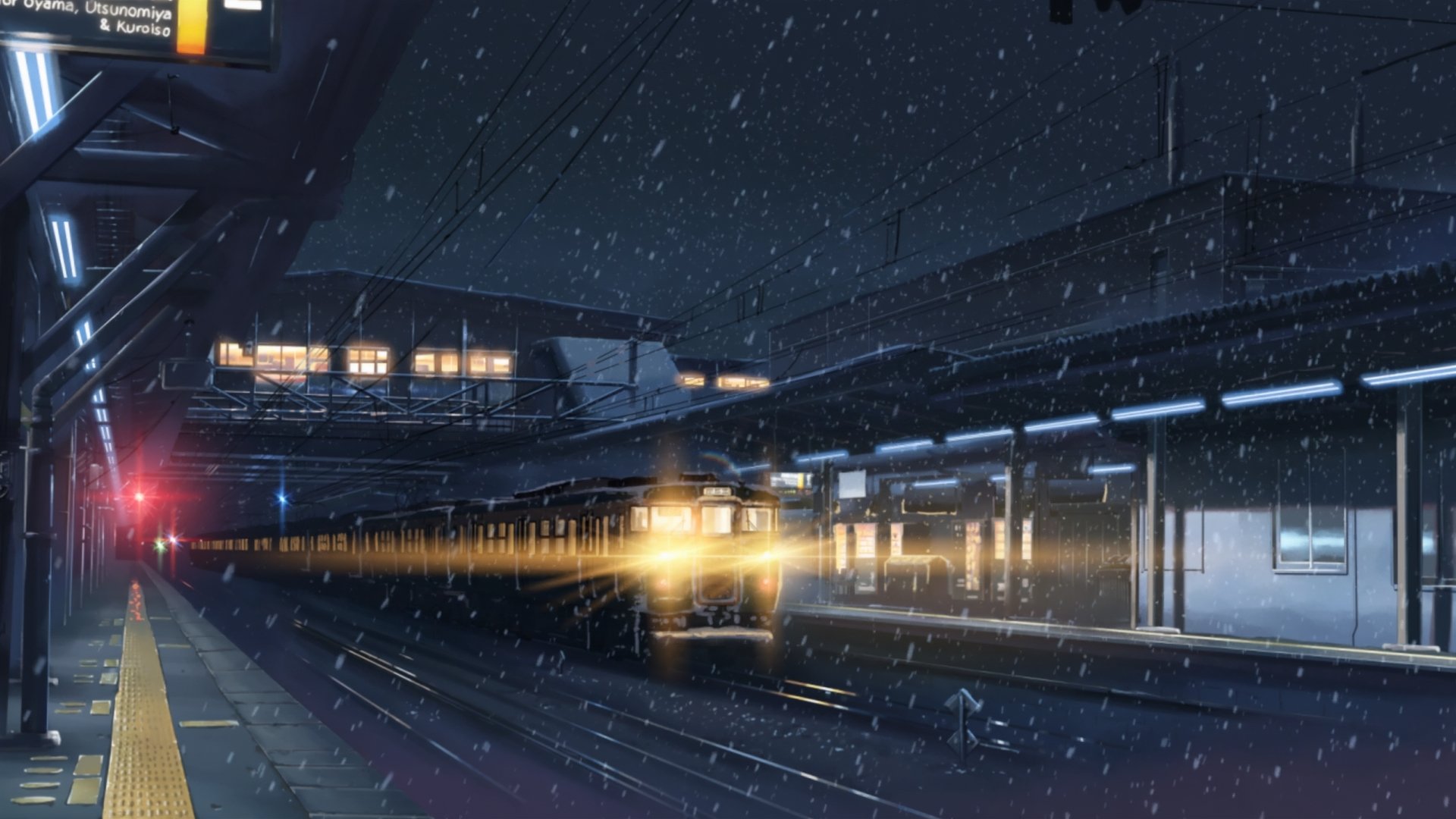
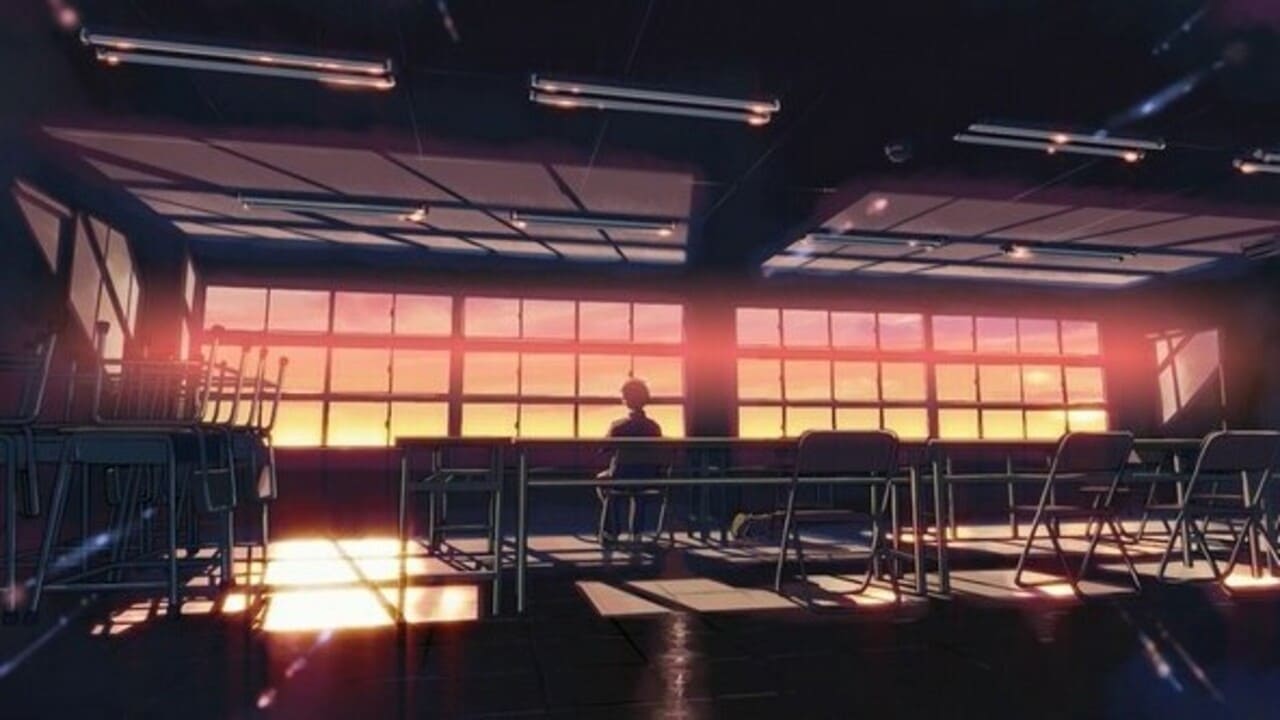
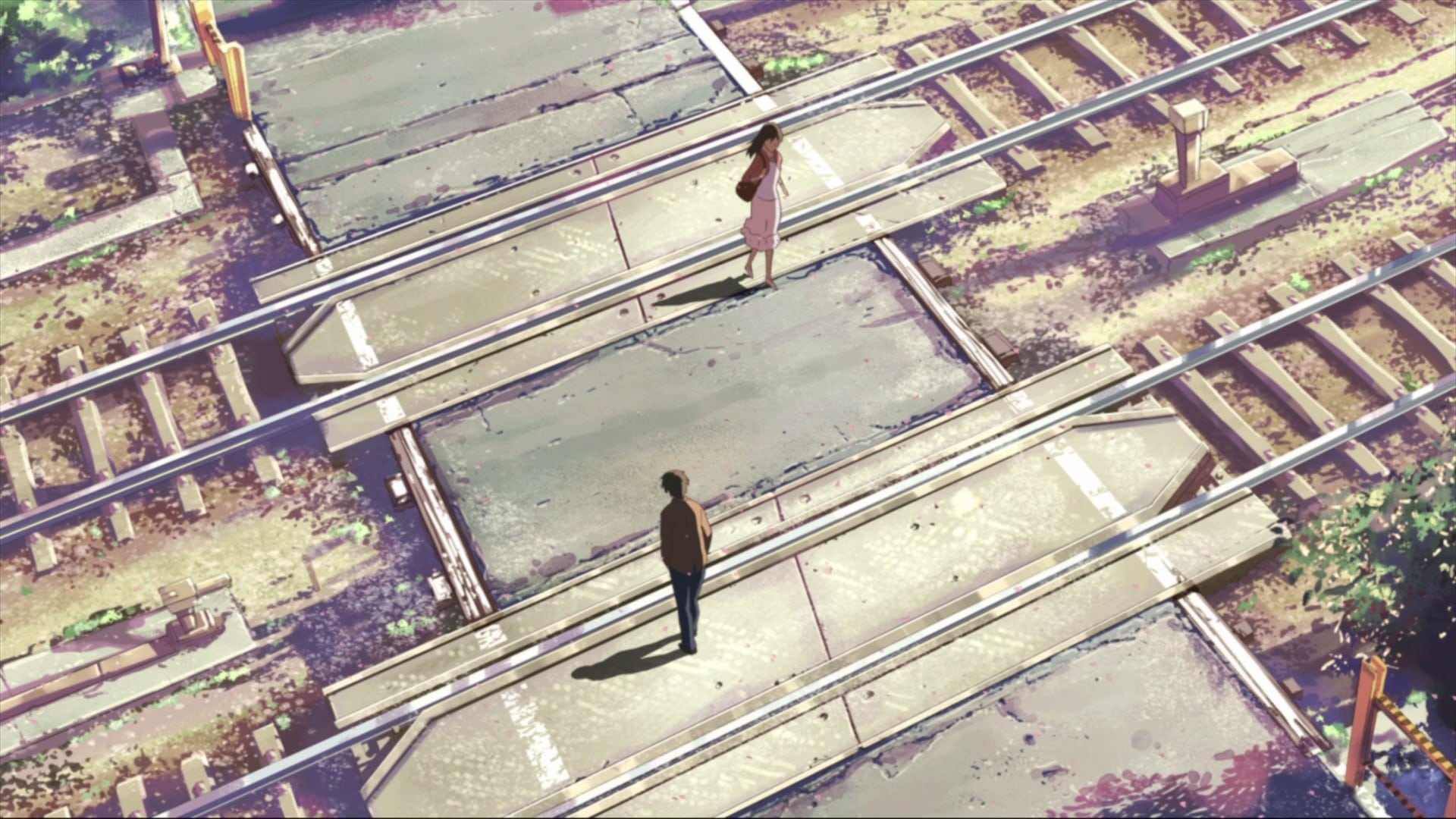
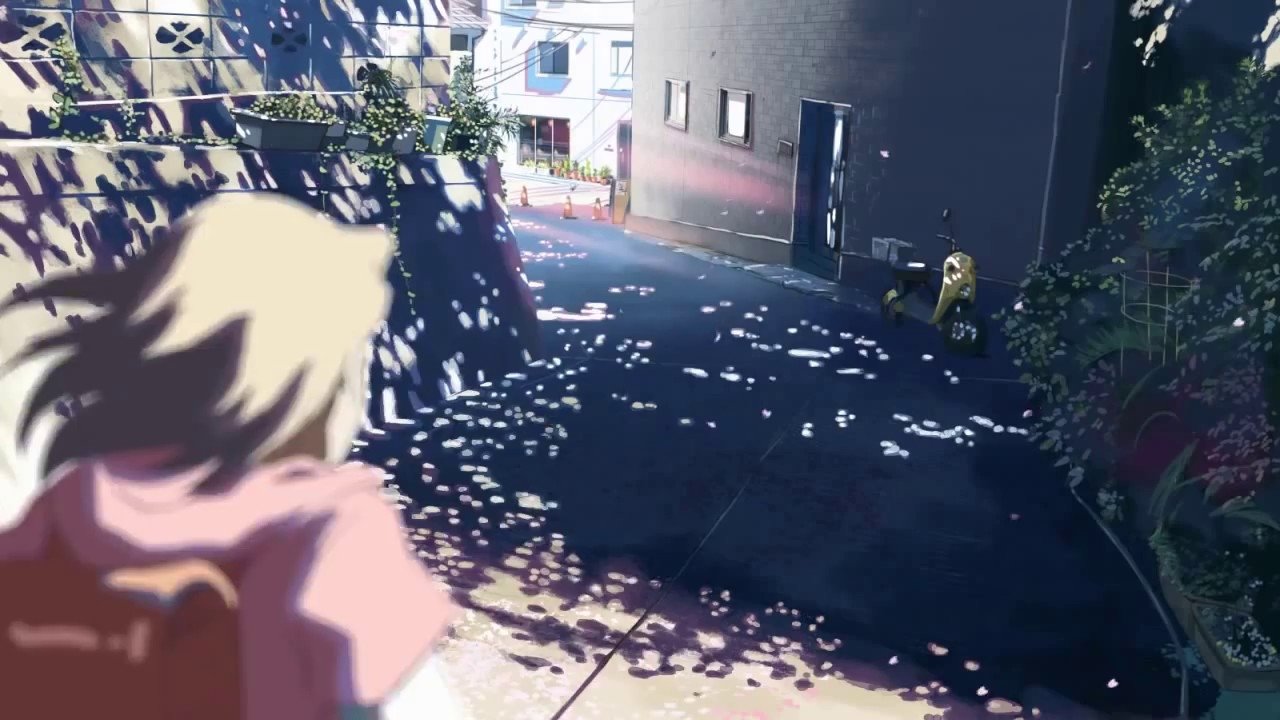
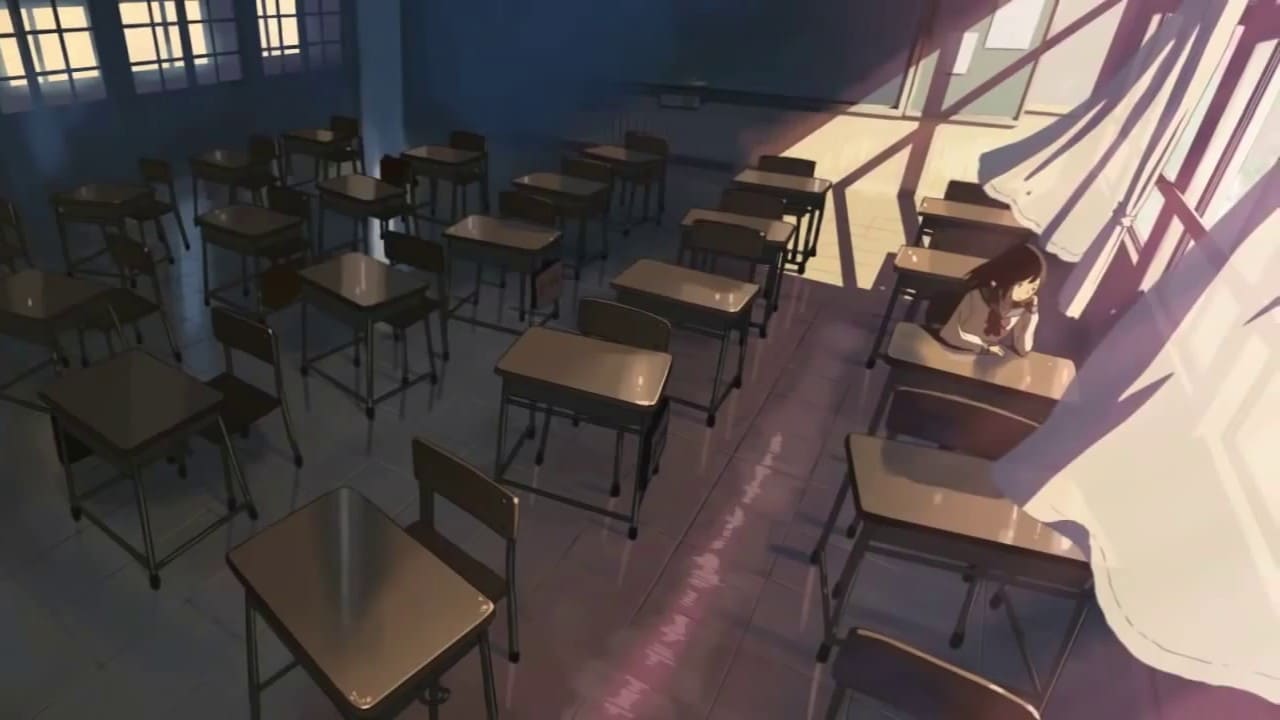
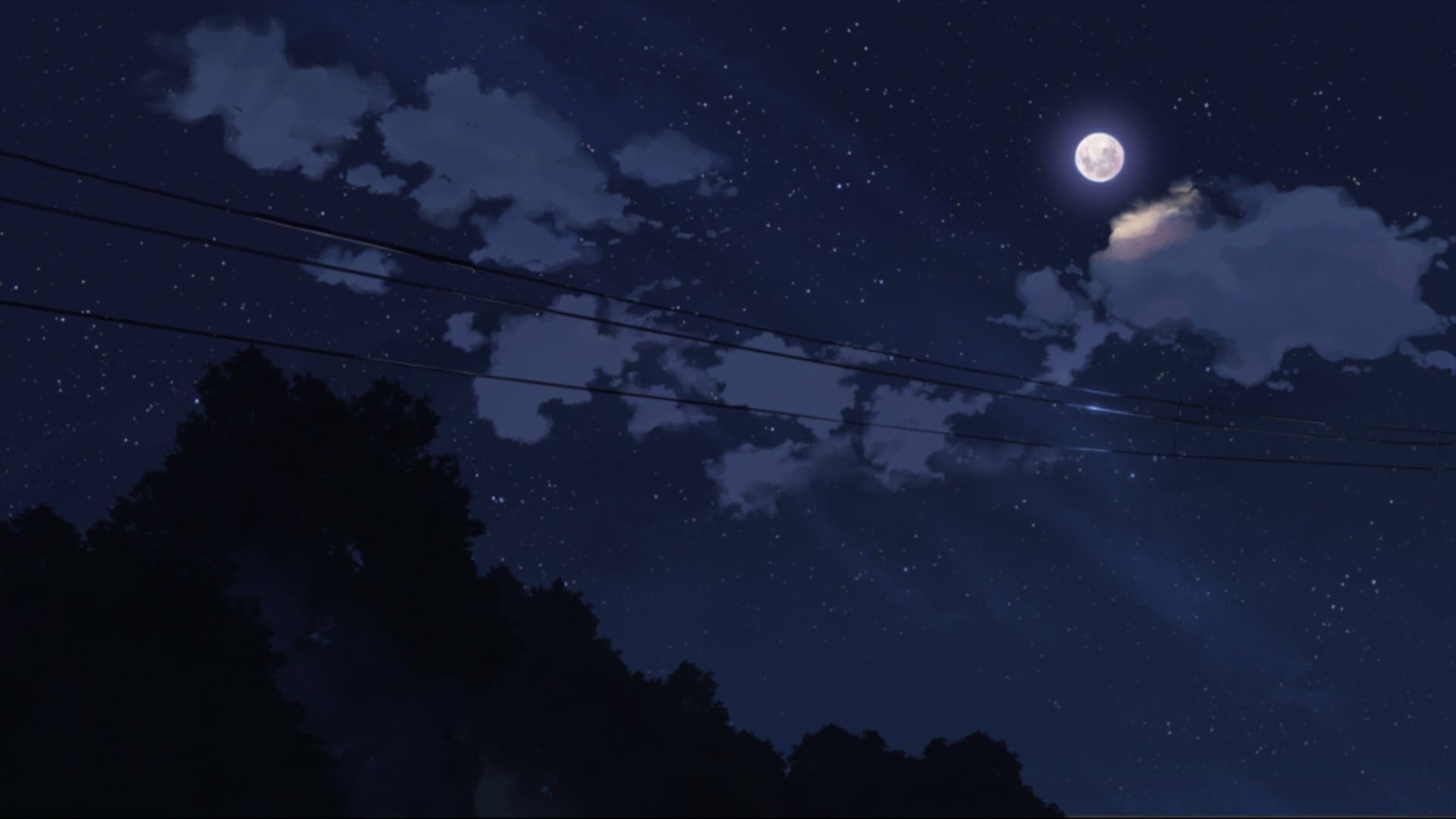
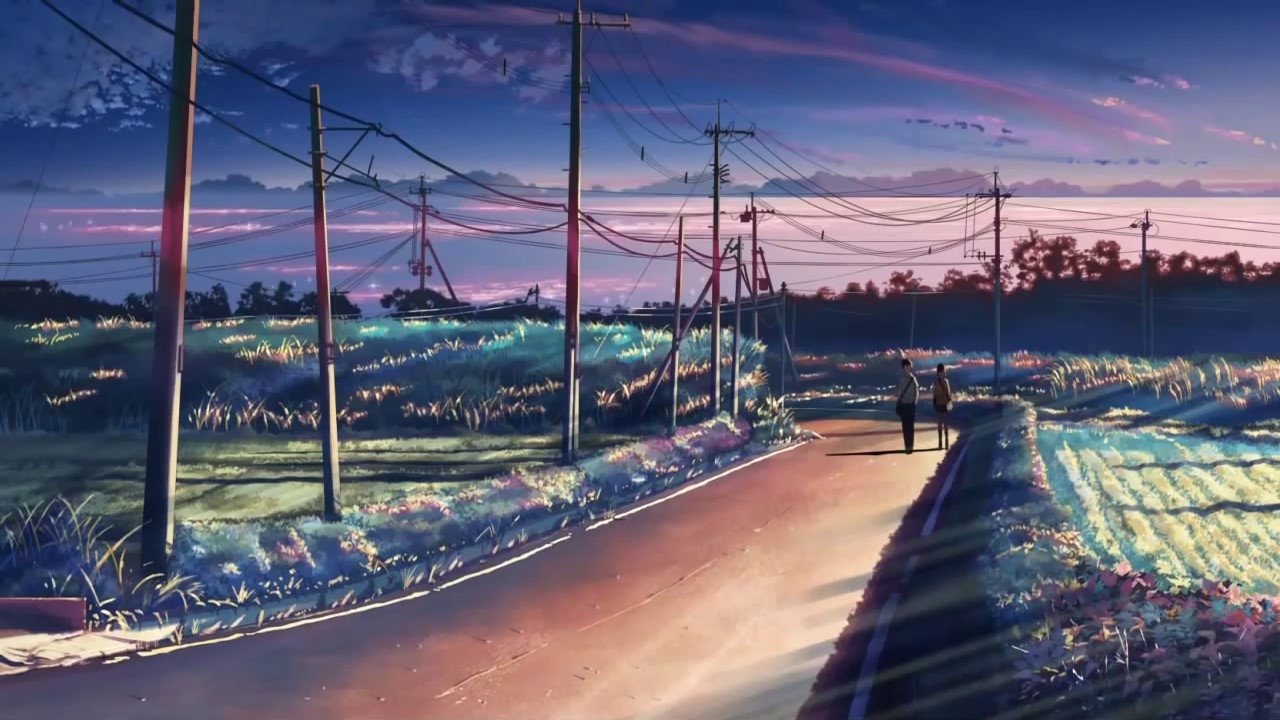
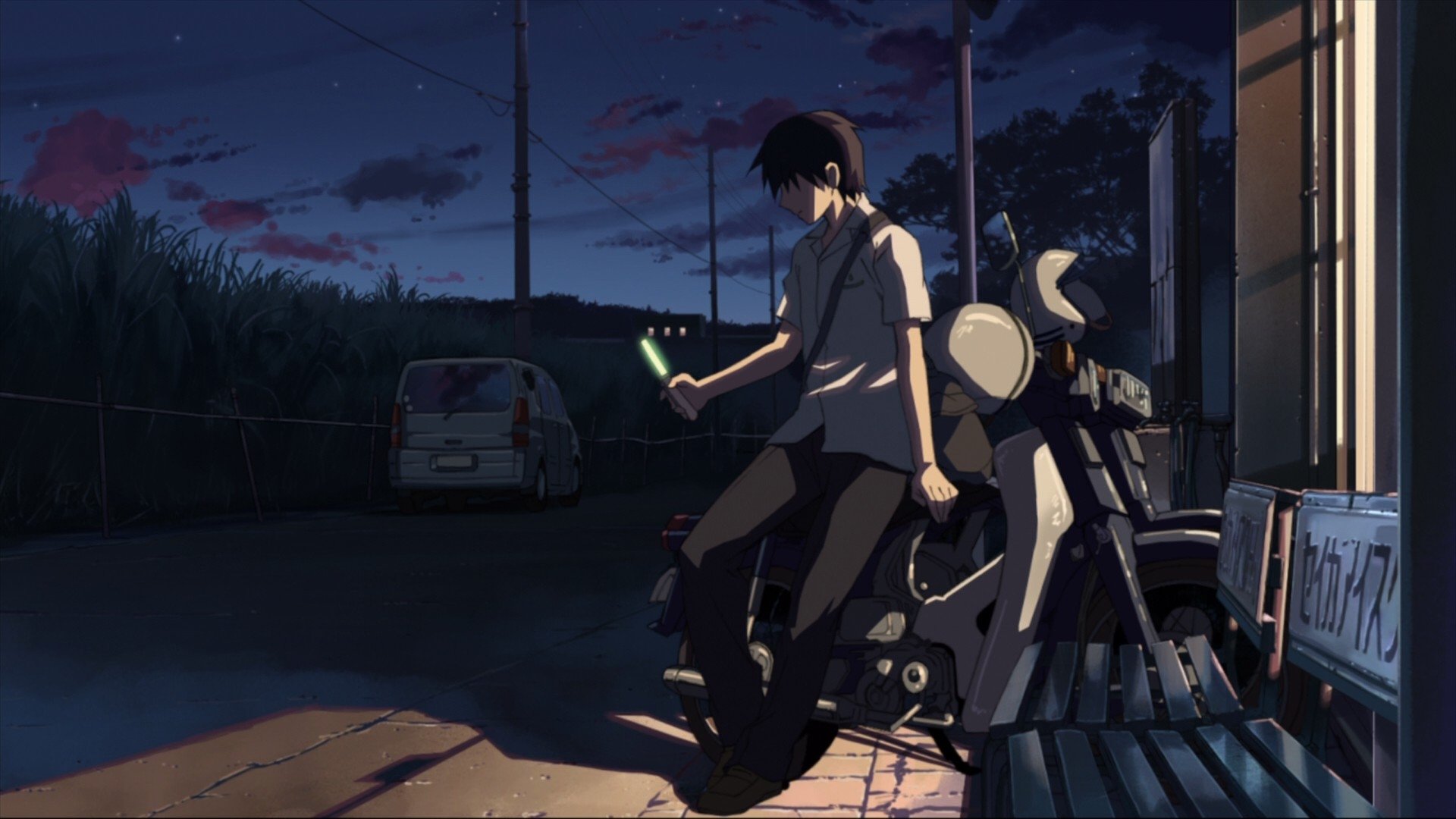
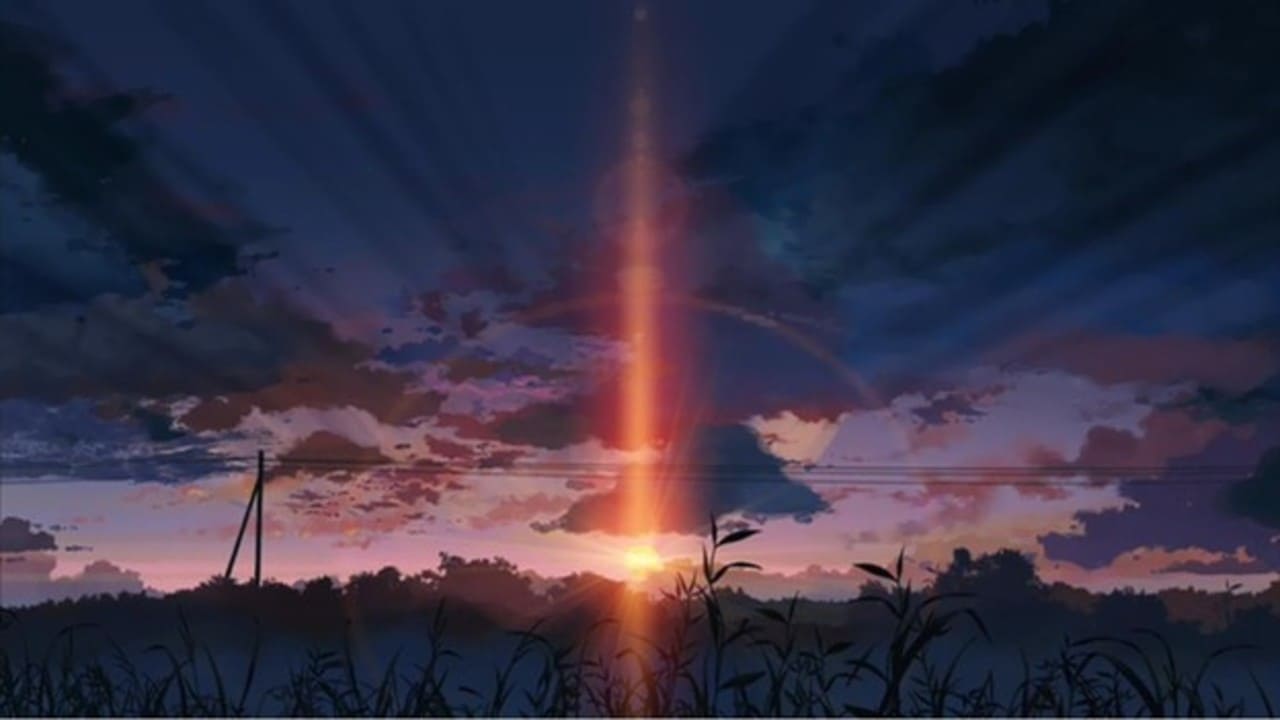
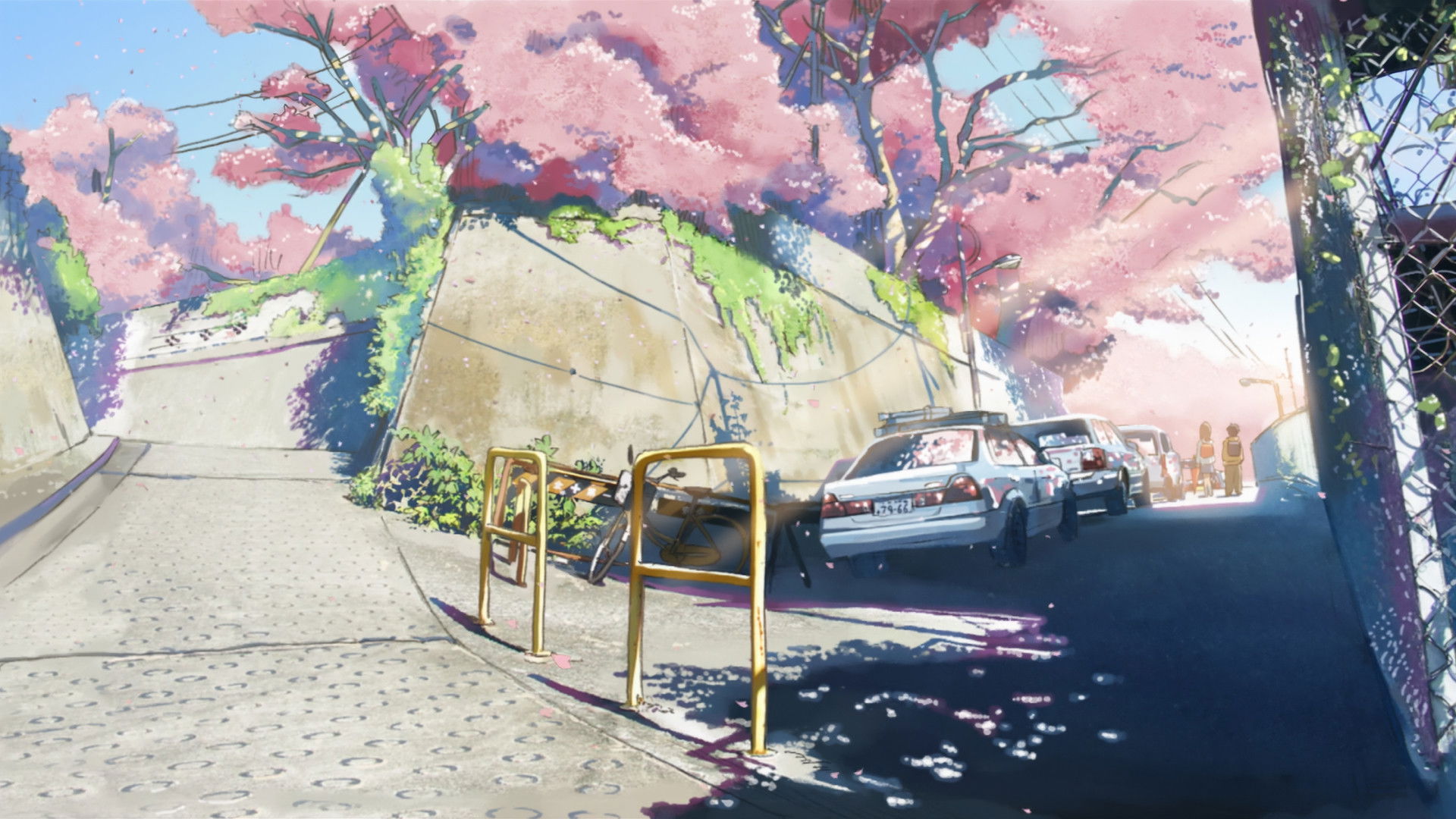
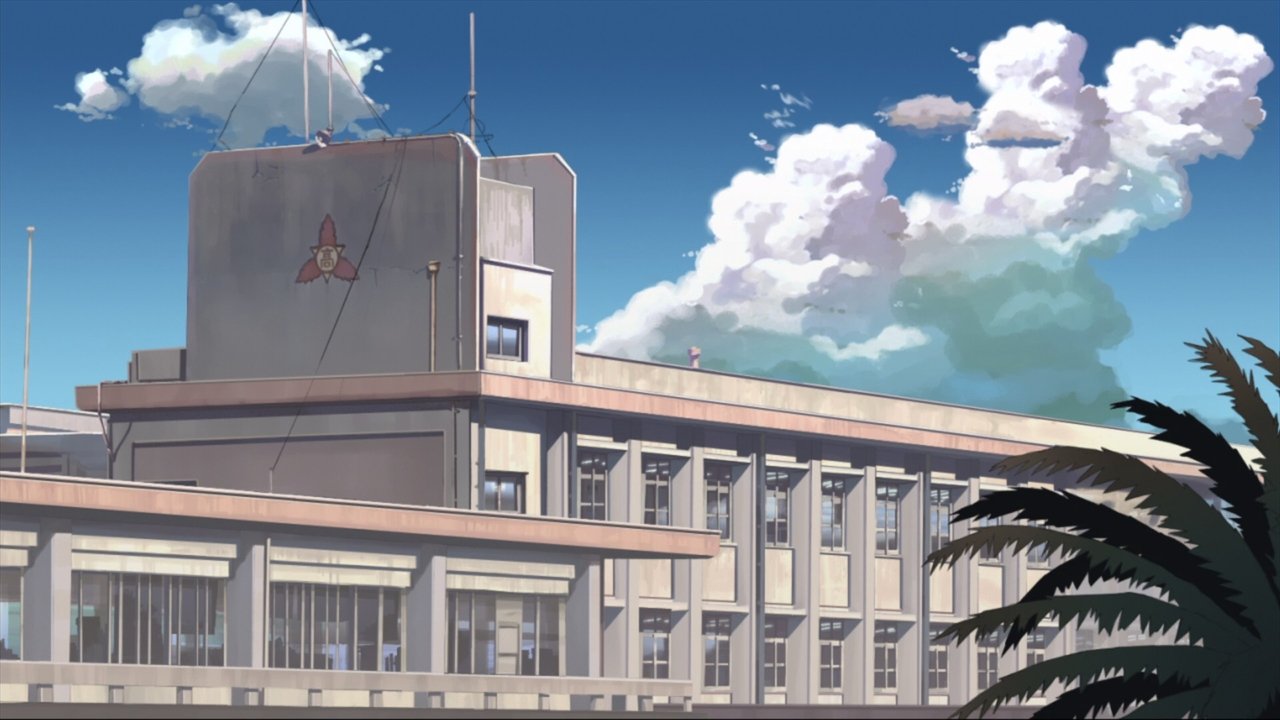
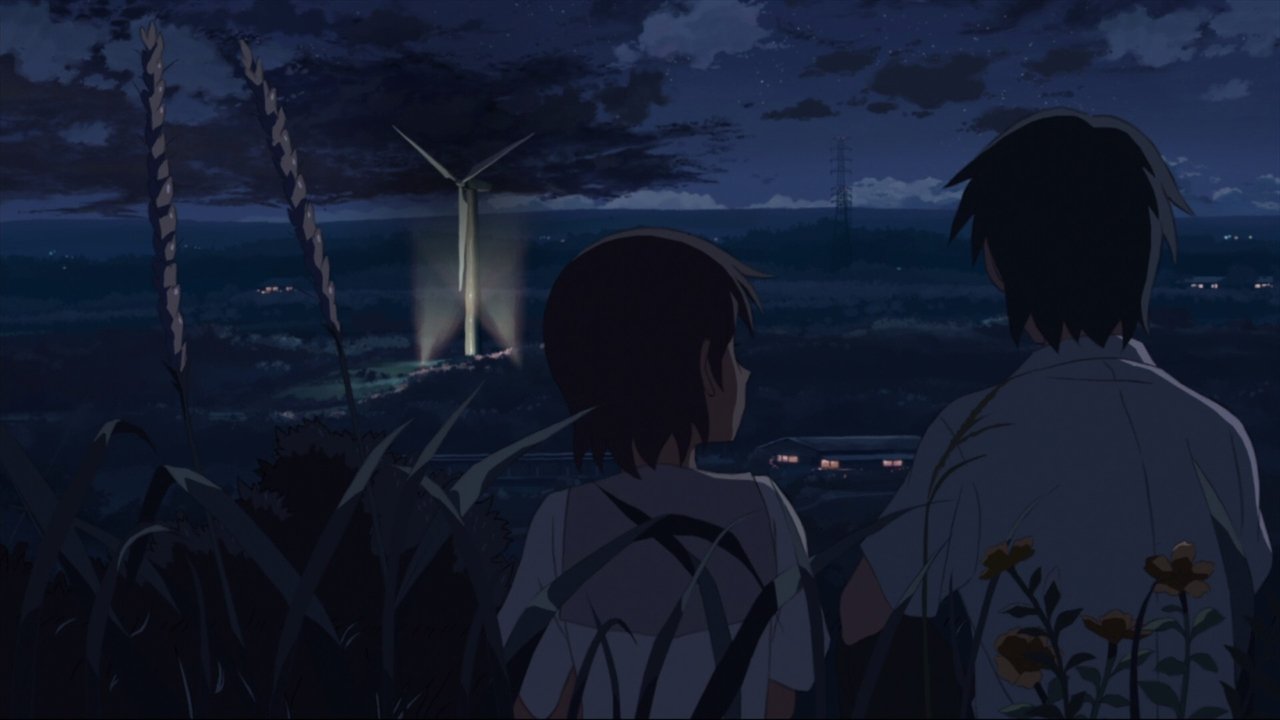
Unlike many shoujos, or your typical romance anime, 5 Centimeters Per Second resists the cliche depiction of love overcoming all obstacles, and it is this where the film shines. It also avoids the often badly written dialogue, which even the best romances have, by instead opting for a more narrative/monologue driven story, rather than a dialogue driven one, which worked phenomenally. The beauty of the way the words strung together crafted such a poetic feel in the writing, line after line after line. There's a certain awe felt when watching a Shinkai film, and here the writing is no doubt a driver for it; accompanied by the simplistic, but brilliant score. The animation, and the setting (particularly in the second story) was beautiful beyond words — golden hour, or "twilight" strikes a profound feeling of nostalgia that compliments the film's thesis masterfully: clinging to nostalgia, to the past, only prevents individuals from embracing the present; it may be that the "awe" is from the revelation of this fact.
It takes true acceptance and courage to embrace the passage of time, and to let go of the past. Perhaps we will always, relentlessly, continue to drift away from one another through our fleeting lives — at 5 centimetres per second.
"To plunge headfirst through impenetrable darkness, with little chance of spotting even a sole atom of hydrogen, wholeheartedly believing you'll come closer to discovering the secrets of the universe within the unfathomable abyss of space. I wonder how far we would go; how far can we go?"
Yet another Shinkai masterpiece; and who would have guessed that this short film of only an hour's runtime would be his greatest. 5 Centimeters Per Second teaches us of the consequences of time, and how it's relentlessness drifts us away from those around us; from each other; from our ever-changing world and ever-changing lives. Yet we are implored not to fear such change, nor resist it, and it is only through this acceptance — of time, change and of disappointment — that we learn to grow as individuals.
Unlike many shoujos, or your typical romance anime, 5 Centimeters Per Second resists the cliche depiction of love overcoming all obstacles, and it is this where the film shines. It also avoids the often badly written dialogue, which even the best romances have, by instead opting for a more narrative/monologue driven story, rather than a dialogue driven one, which worked phenomenally. The beauty of the way the words strung together crafted such a poetic feel in the writing, line after line after line. There's a certain awe felt when watching a Shinkai film, and here the writing is no doubt a driver for it; accompanied by the simplistic, but brilliant score. The animation, and the setting (particularly in the second story) was beautiful beyond words — golden hour, or "twilight" strikes a profound feeling of nostalgia that compliments the film's thesis masterfully: clinging to nostalgia, to the past, only prevents individuals from embracing the present; it may be that the "awe" is from the revelation of this fact.
It takes true acceptance and courage to embrace the passage of time, and to let go of the past. Perhaps we will always, relentlessly, continue to drift away from one another through our fleeting lives — at 5 centimetres per second.