

1956·Drama·1h 45m
7.1
★
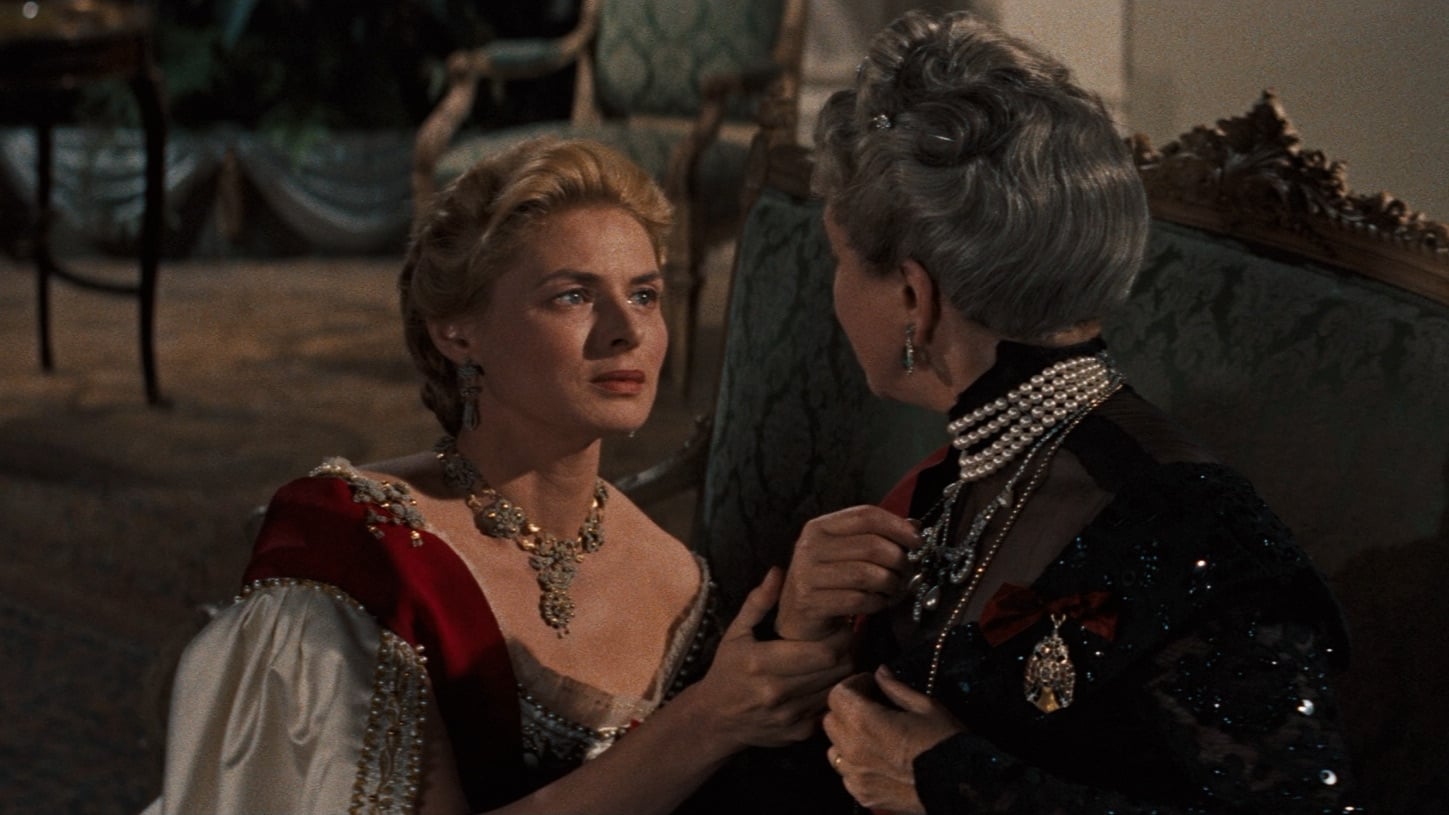
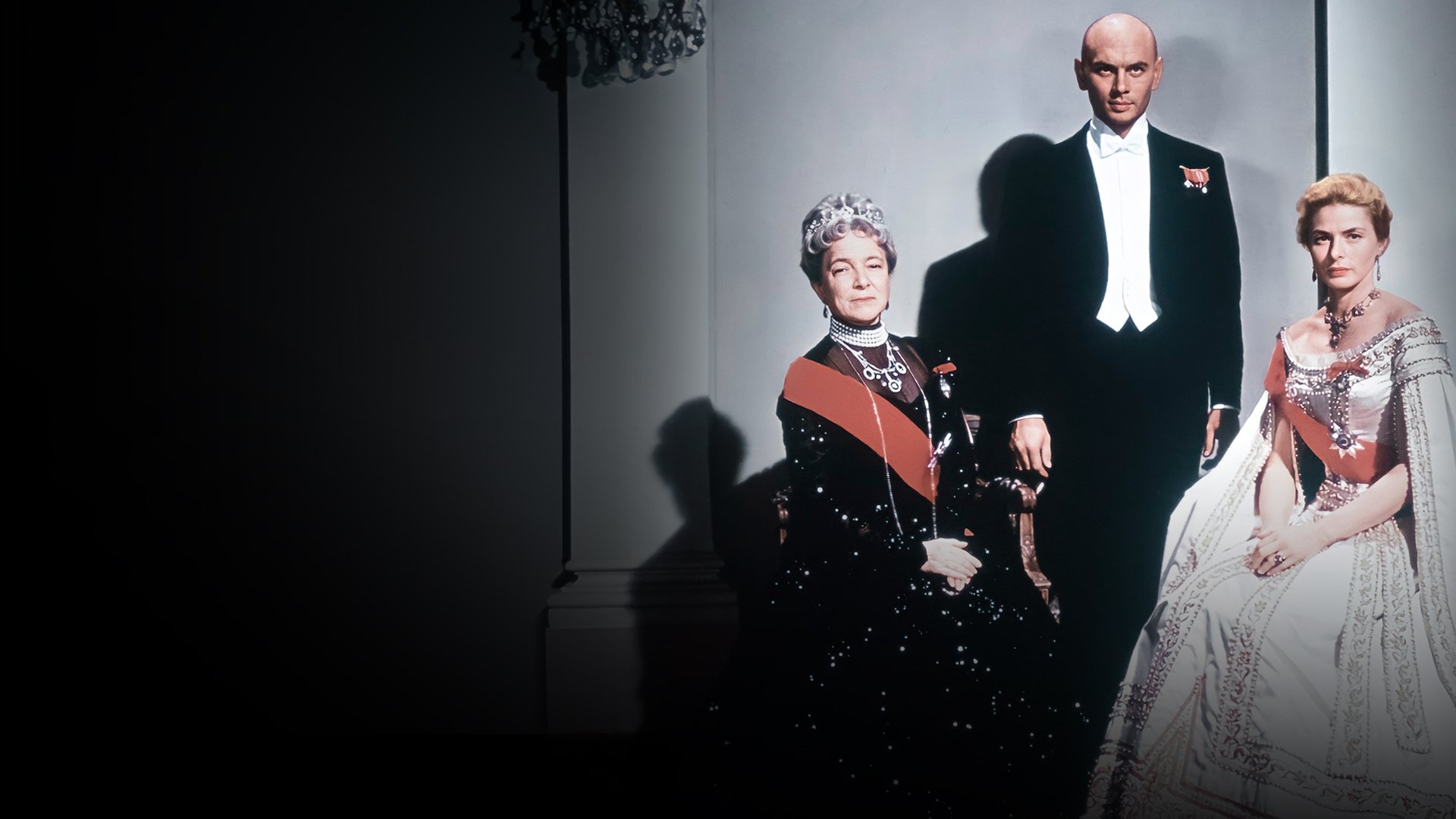
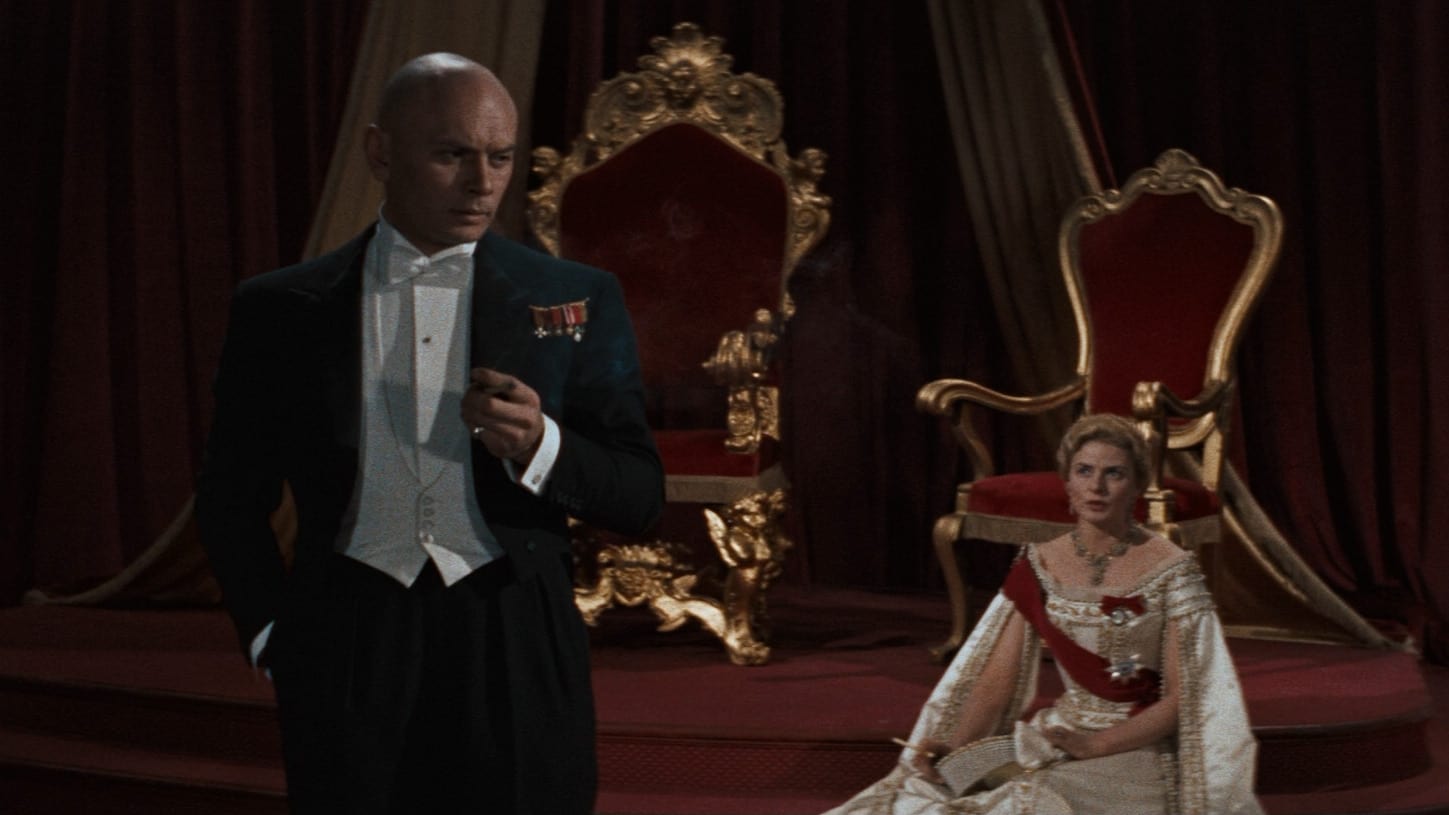
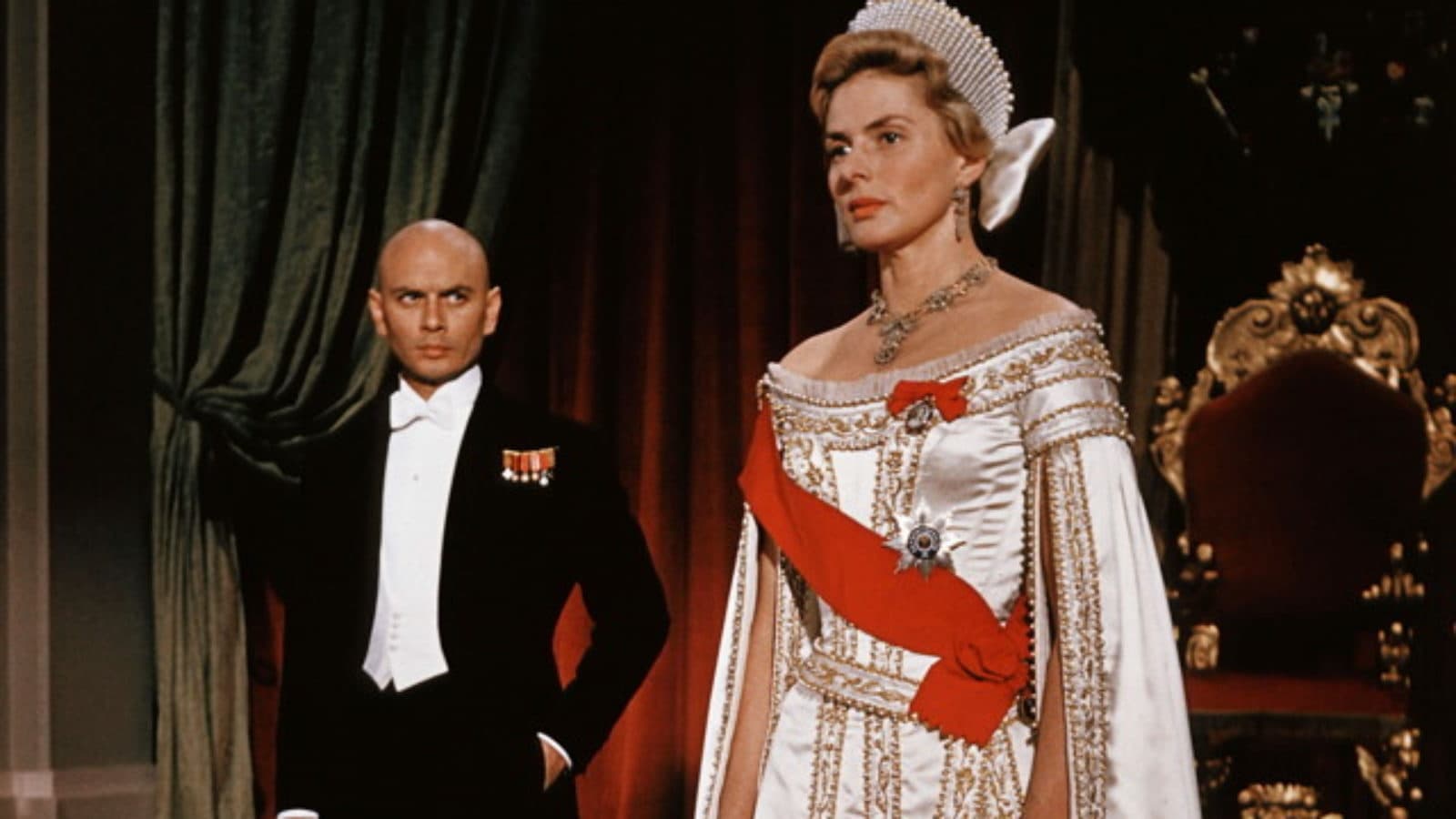
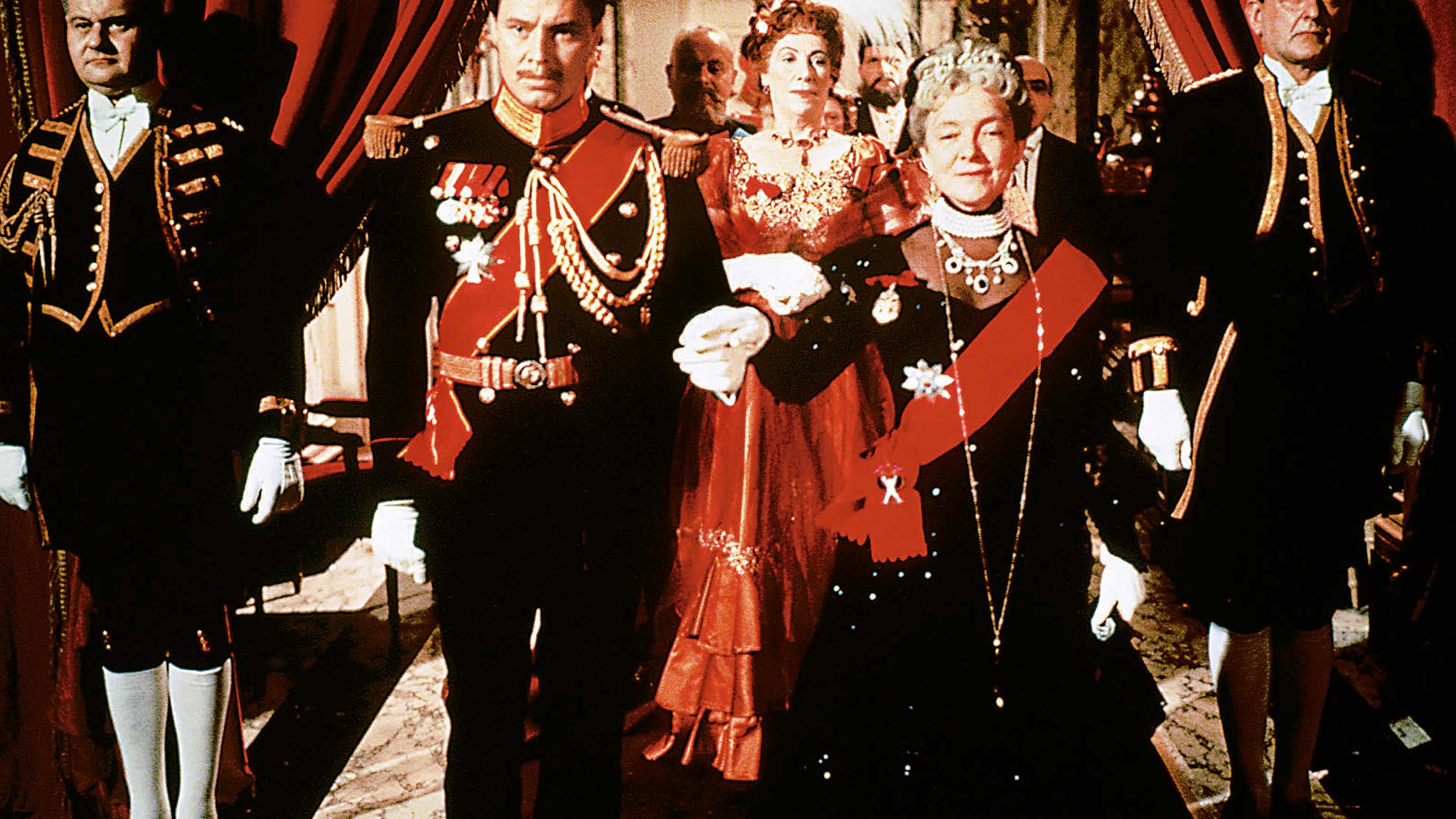



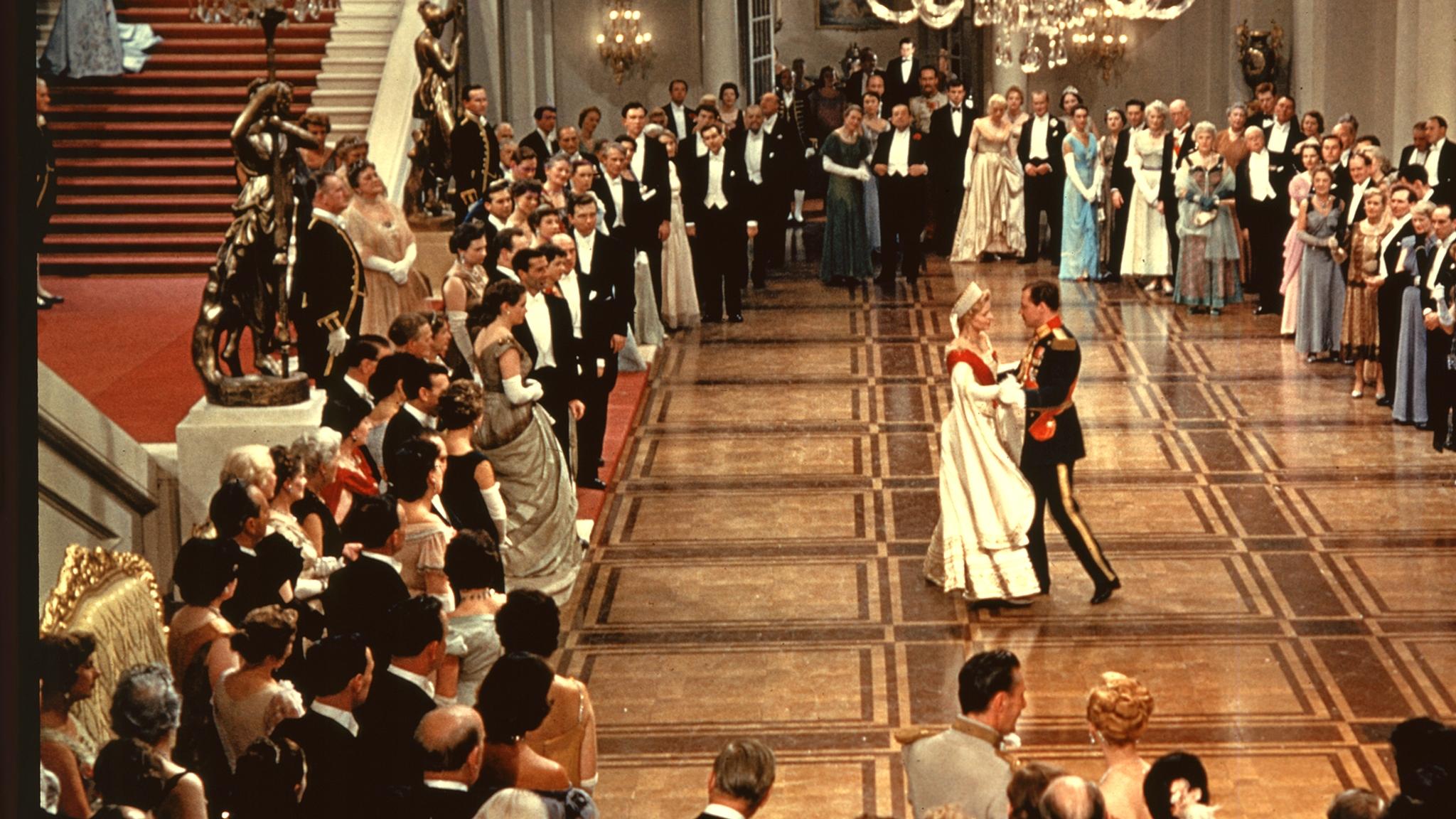
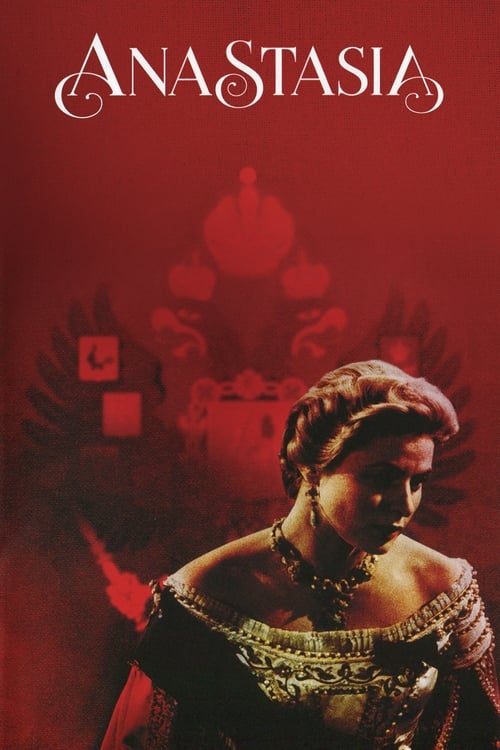
Russian exiles in Paris plot to collect ten million pounds from the Bank of England by grooming a destitute, suicidal girl to pose as heir to the Russian throne. While Bounin is coaching her, he comes to believe that she is really Anastasia. In the end, the Empress must decide her claim.
Directed by Anatole Litvak
princess
amnesia
identity
exile
biography
assumed identity
1920s
anastasia romanowa

Trailer

IMDB
N/A
Where to Watch



Cast
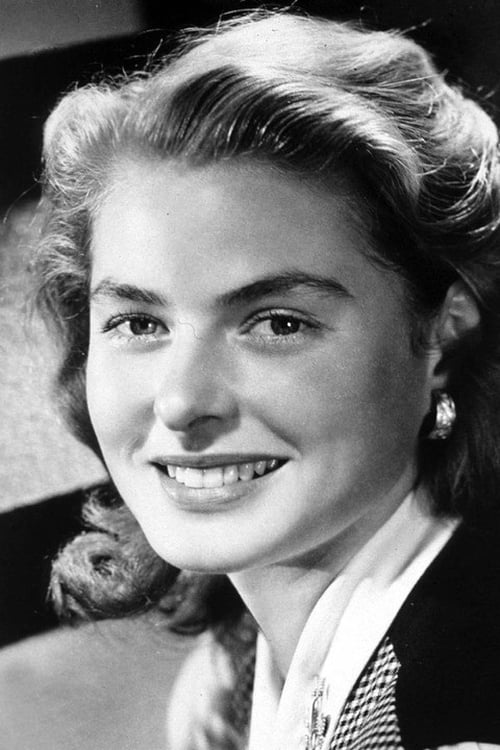
Ingrid Bergman
Anna Koreff / Anastasia

Yul Brynner
General Sergei Pavlovich Bounine
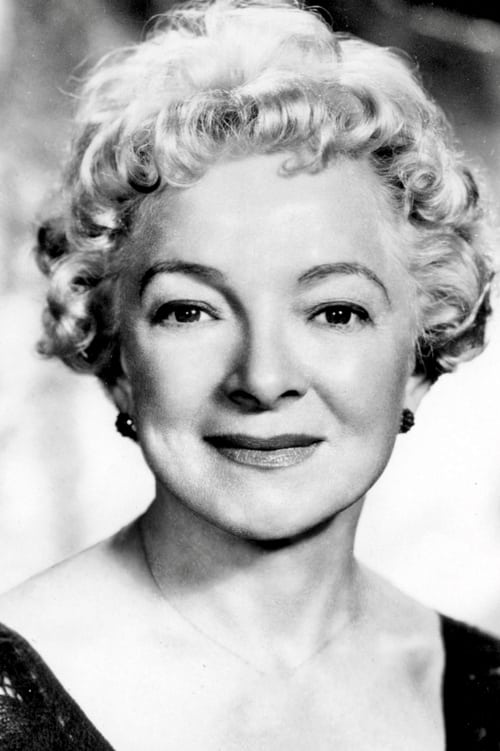
Helen Hayes
Dowager Empress Maria Feodorovna
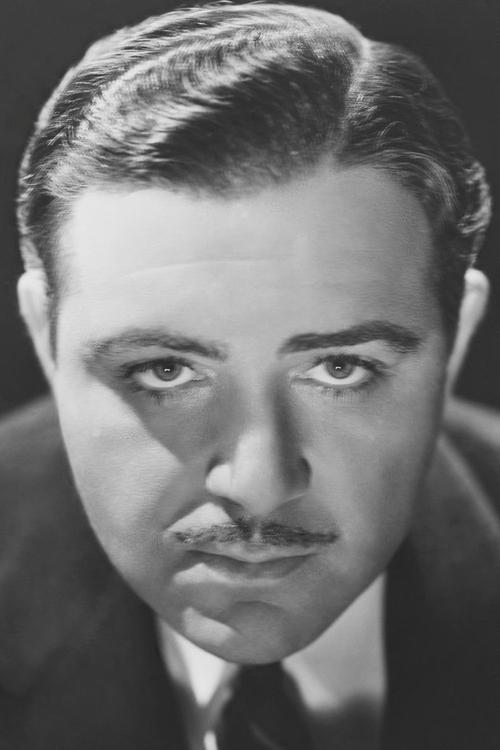
Akim Tamiroff
Boris Adreivich Chernov
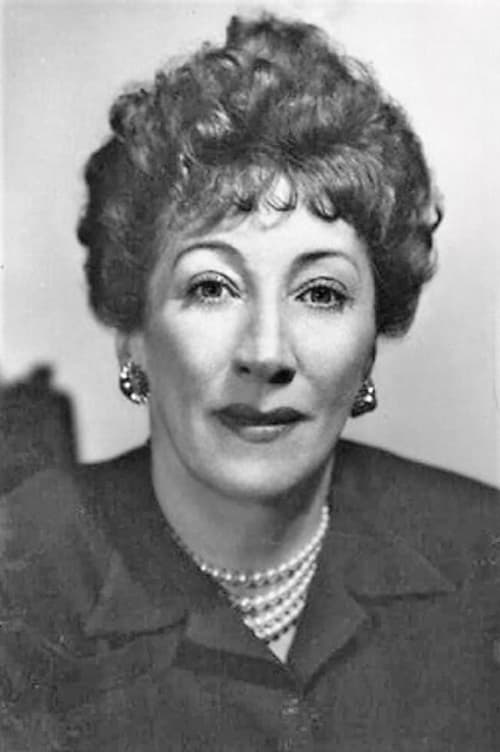
Martita Hunt
Baroness Elena von Livenbaum
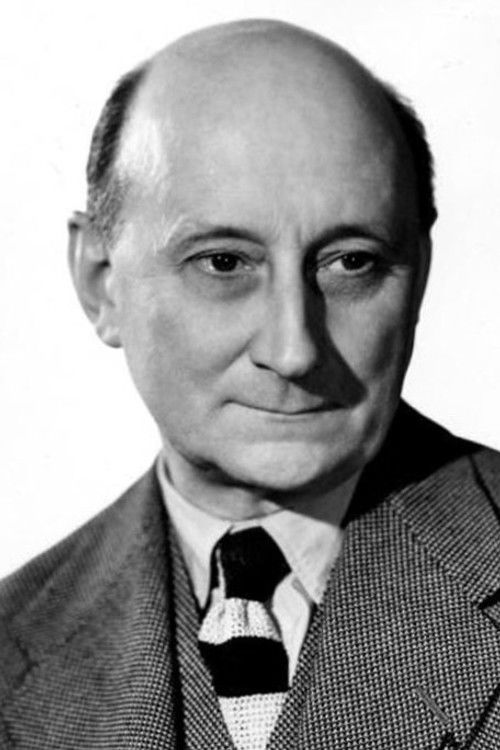
Felix Aylmer
Chamberlain
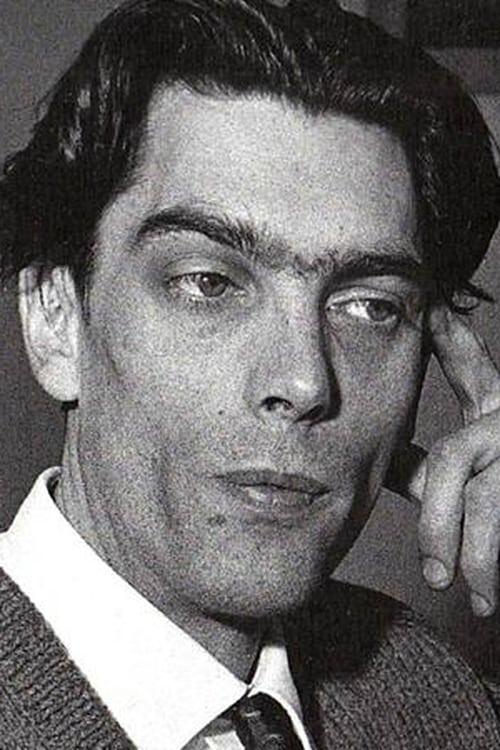
Sacha Pitoëff
Piotr Ivanovich Petrovin
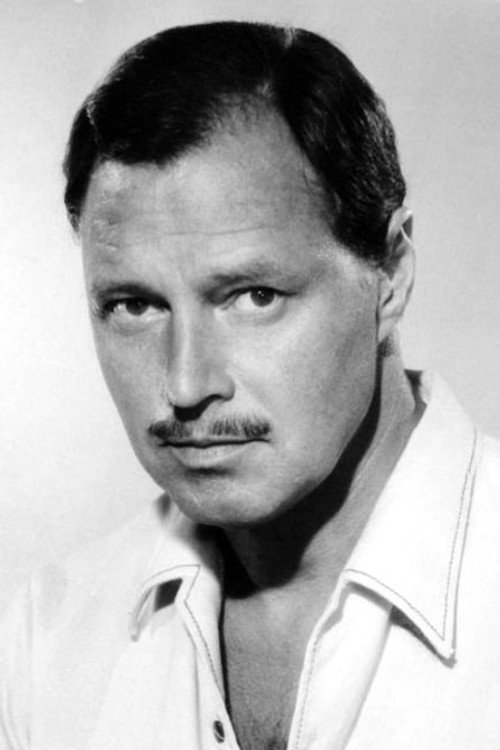
Ivan Desny
Prince Paul von Haraldberg
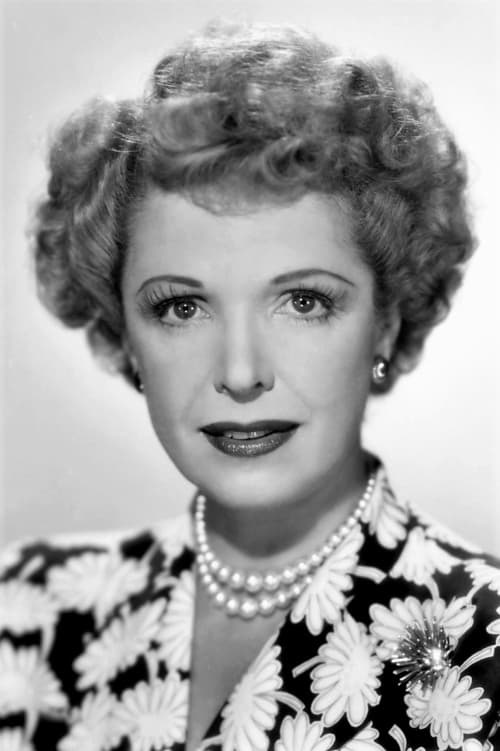
Natalie Schafer
Irina Lissemskaia / Nini
Grégoire Gromoff
Stepan
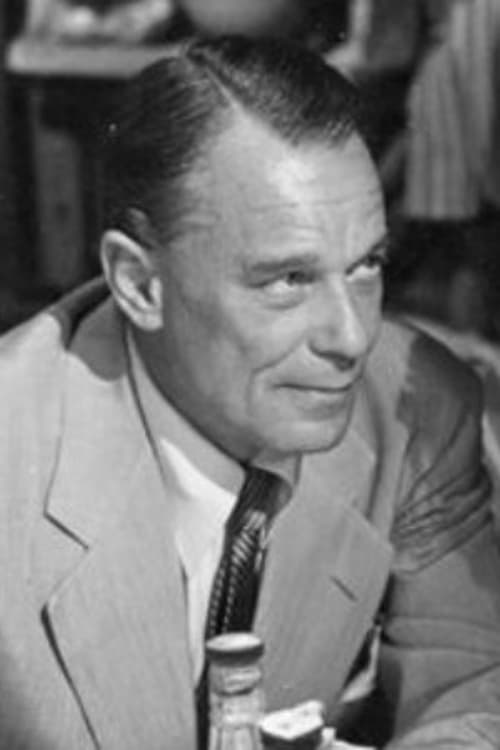
Karl Stepanek
Mikhail Vlados
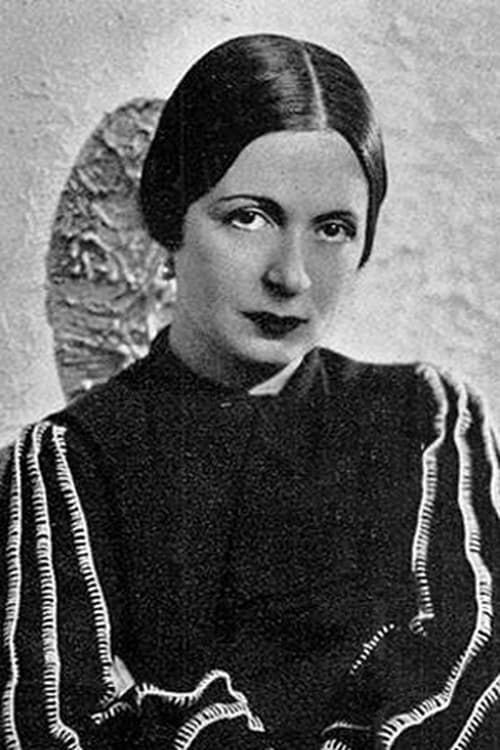
Ina De La Haye
Marusia
Crew
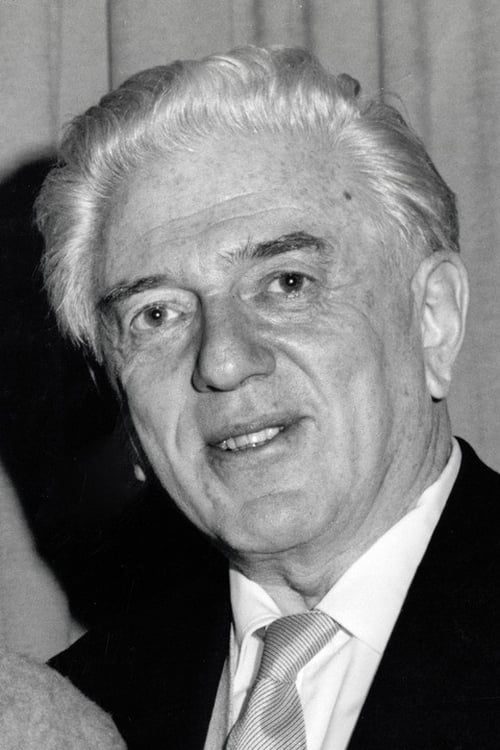
Anatole Litvak
Director
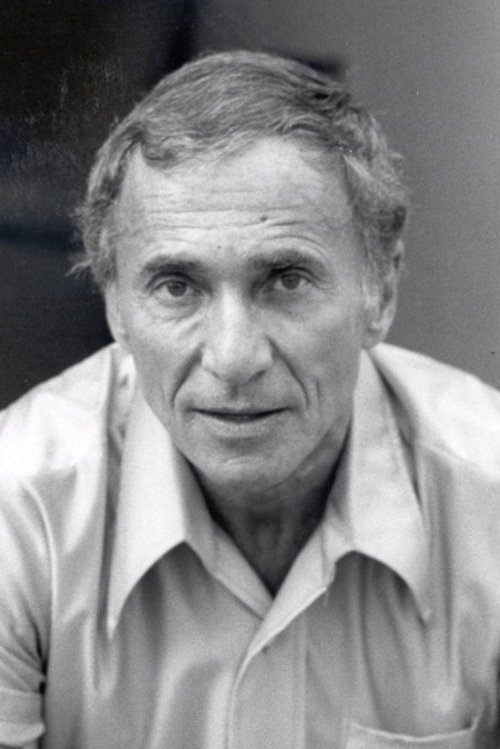
Arthur Laurents
Screenplay
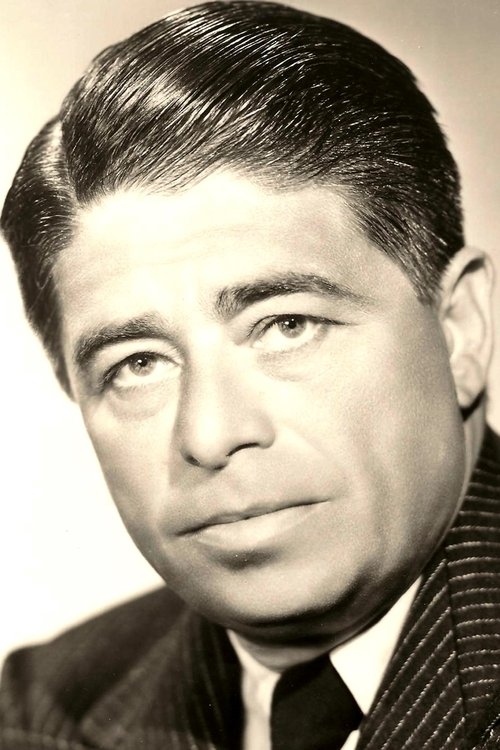
Alfred Newman
Original Music Composer
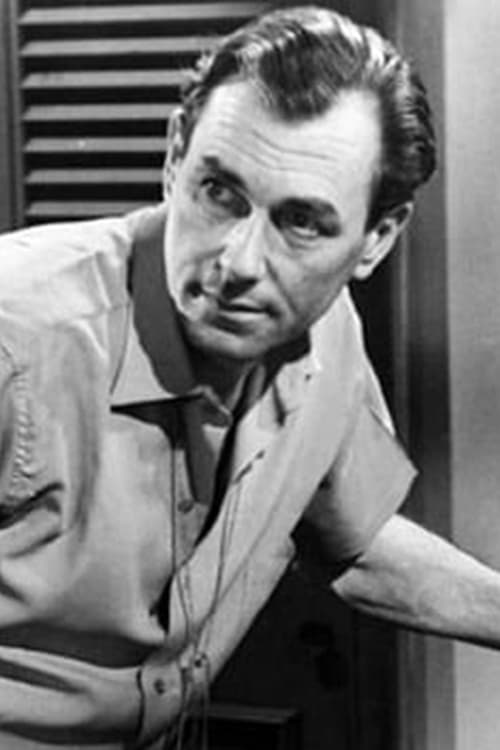
Jack Hildyard
Director of Photography
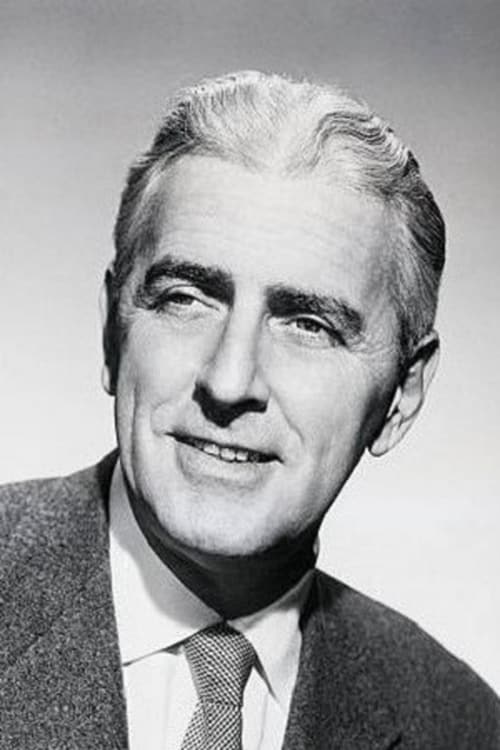
Buddy Adler
Producer
Gerry O'Hara
Assistant Director

Guy Bolton
Adaptation
Popular Reviews
38 reviews
bre
6.0★ · 04/27/26
Anastasia has amnesia
Anastasia has amnesia


Freedom
9.0★ · 02/22/26
"The poor have only one advantage, they know when they are loved for themselves."
I have been wanting to watch this for so long...
The last Romanov family has been one of my biggest obsessions for many years now (especially OTMA) so I have been very hesitant to watch anything new that has to do with them. Well, I shouldn't have worried about this movie because it is clearly the one that inspired in many ways both the animated film and the musical (both of which I adore)!
I really like Ingrid Bergman, even though I haven't watched many of her movies yet, and this was my first time seeing the famous Yul Brynner on screen (a very talented and intriguing figure but I'm not sure how I feel about his character here...he is definitely not Dmitry 😅).
I also really liked the way the Dowager was portrayed, she is usually a character hard to like, for most of the story.
The ending felt a little rushed and the beginning was somehow confusing but I have to admit that, all in all, I enjoyed it a lot and thought it was a very good film regardless. It still doesn't top Nicholas and Alexadra (1971) but it comes in second place when it comes to live action films about them!
"The poor have only one advantage, they know when they are loved for themselves."
I have been wanting to watch this for so long...
The last Romanov family has been one of my biggest obsessions for many years now (especially OTMA) so I have been very hesitant to watch anything new that has to do with them. Well, I shouldn't have worried about this movie because it is clearly the one that inspired in many ways both the animated film and the musical (both of which I adore)!
I really like Ingrid Bergman, even though I haven't watched many of her movies yet, and this was my first time seeing the famous Yul Brynner on screen (a very talented and intriguing figure but I'm not sure how I feel about his character here...he is definitely not Dmitry 😅).
I also really liked the way the Dowager was portrayed, she is usually a character hard to like, for most of the story.
The ending felt a little rushed and the beginning was somehow confusing but I have to admit that, all in all, I enjoyed it a lot and thought it was a very good film regardless. It still doesn't top Nicholas and Alexadra (1971) but it comes in second place when it comes to live action films about them!
𝓂𝒶𝓇𝓉𝒽𝒶
6.0★ · 12/25/25
Film 4 really just be putting anything on for Christmas Day now </3
Film 4 really just be putting anything on for Christmas Day now </3
Danilo
8.0★ · 12/20/25
fofo
fofo
Pretentious
8.0★ · 08/01/25
If Anastasia is remembered at all today, it’s because of what it did for Bergman. After seven years of exile for having an affair with Roberto Rossellini, she staged a comeback. In that sense, Anastasia operates as a public spectacle of re-acceptance. Her Oscar win for this performance was less about its quality and more about the narrative: redemption sells. In essence, a textbook example of Oscar-bait; a prestige vehicle designed not purely for storytelling, but for image rehabilitation and institutional approval. Still, that doesn’t mean the film has no value.
The real historical importance of Anastasia lies in its elitist fantasy. The film doesn’t interrogate the complexities of Russian history. It's showing a world starting to lose its traditions. The film’s nostalgic gaze is as much about the anxieties of the 1950s West as it is about the ghosts of 1918 Russia. In a world of ideological uncertainty, it finds comfort in the myth of aristocratic civility. During the Cold War, many films idealized noble aristocracy as a symbol of moral order. That romanticism registers differently to modern viewers. To contemporary eyes, the film’s tragedy doesn’t strike as universal, but rather as a kind of elitist lament. A yearning for a social order predicated on birthright and power. What remains compelling is not the question of identity, but how that question was one about Western longing for lost grandeur and moral certainties.
That said, Anastasia does not reach the emotional or narrative heights of its more dynamic cousins, such as My Fair Lady or Pygmalion, to which it owes an obvious debt. But it's Bergman, with her blend of wounded pride and tentative hope, who keeps the story emotionally grounded. The cinematography uses restrained camera movements that echo the themes of identity concealment and performance. Wide interior shots reinforce the distance between Anna and her past.
The real historical importance of Anastasia lies in its elitist fantasy. The film doesn’t interrogate the complexities of Russian history. It's showing a world starting to lose its traditions. The film’s nostalgic gaze is as much about the anxieties of the 1950s West as it is about the ghosts of 1918 Russia. In a world of ideological uncertainty, it finds comfort in the myth of aristocratic civility. During the Cold War, many films idealized noble aristocracy as a symbol of moral order. That romanticism registers differently to modern viewers. To contemporary eyes, the film’s tragedy doesn’t strike as universal, but rather as a kind of elitist lament. A yearning for a social order predicated on birthright and power. What remains compelling is not the question of identity, but how that question was one about Western longing for lost grandeur and moral certainties.
That said, Anastasia does not reach the emotional or narrative heights of its more dynamic cousins, such as My Fair Lady or Pygmalion, to which it owes an obvious debt. But it's Bergman, with her blend of wounded pride and tentative hope, who keeps the story emotionally grounded. The cinematography uses restrained camera movements that echo the themes of identity concealment and performance. Wide interior shots reinforce the distance between Anna and her past.
If Anastasia is remembered at all today, it’s because of what it did for Bergman. After seven years of exile for having an affair with Roberto Rossellini, she staged a comeback. In that sense, Anastasia operates as a public spectacle of re-acceptance. Her Oscar win for this performance was less about its quality and more about the narrative: redemption sells. In essence, a textbook example of Oscar-bait; a prestige vehicle designed not purely for storytelling, but for image rehabilitation and institutional approval. Still, that doesn’t mean the film has no value.
The real historical importance of Anastasia lies in its elitist fantasy. The film doesn’t interrogate the complexities of Russian history. It's showing a world starting to lose its traditions. The film’s nostalgic gaze is as much about the anxieties of the 1950s West as it is about the ghosts of 1918 Russia. In a world of ideological uncertainty, it finds comfort in the myth of aristocratic civility. During the Cold War, many films idealized noble aristocracy as a symbol of moral order. That romanticism registers differently to modern viewers. To contemporary eyes, the film’s tragedy doesn’t strike as universal, but rather as a kind of elitist lament. A yearning for a social order predicated on birthright and power. What remains compelling is not the question of identity, but how that question was one about Western longing for lost grandeur and moral certainties.
That said, Anastasia does not reach the emotional or narrative heights of its more dynamic cousins, such as My Fair Lady or Pygmalion, to which it owes an obvious debt. But it's Bergman, with her blend of wounded pride and tentative hope, who keeps the story emotionally grounded. The cinematography uses restrained camera movements that echo the themes of identity concealment and performance. Wide interior shots reinforce the distance between Anna and her past.
The real historical importance of Anastasia lies in its elitist fantasy. The film doesn’t interrogate the complexities of Russian history. It's showing a world starting to lose its traditions. The film’s nostalgic gaze is as much about the anxieties of the 1950s West as it is about the ghosts of 1918 Russia. In a world of ideological uncertainty, it finds comfort in the myth of aristocratic civility. During the Cold War, many films idealized noble aristocracy as a symbol of moral order. That romanticism registers differently to modern viewers. To contemporary eyes, the film’s tragedy doesn’t strike as universal, but rather as a kind of elitist lament. A yearning for a social order predicated on birthright and power. What remains compelling is not the question of identity, but how that question was one about Western longing for lost grandeur and moral certainties.
That said, Anastasia does not reach the emotional or narrative heights of its more dynamic cousins, such as My Fair Lady or Pygmalion, to which it owes an obvious debt. But it's Bergman, with her blend of wounded pride and tentative hope, who keeps the story emotionally grounded. The cinematography uses restrained camera movements that echo the themes of identity concealment and performance. Wide interior shots reinforce the distance between Anna and her past.