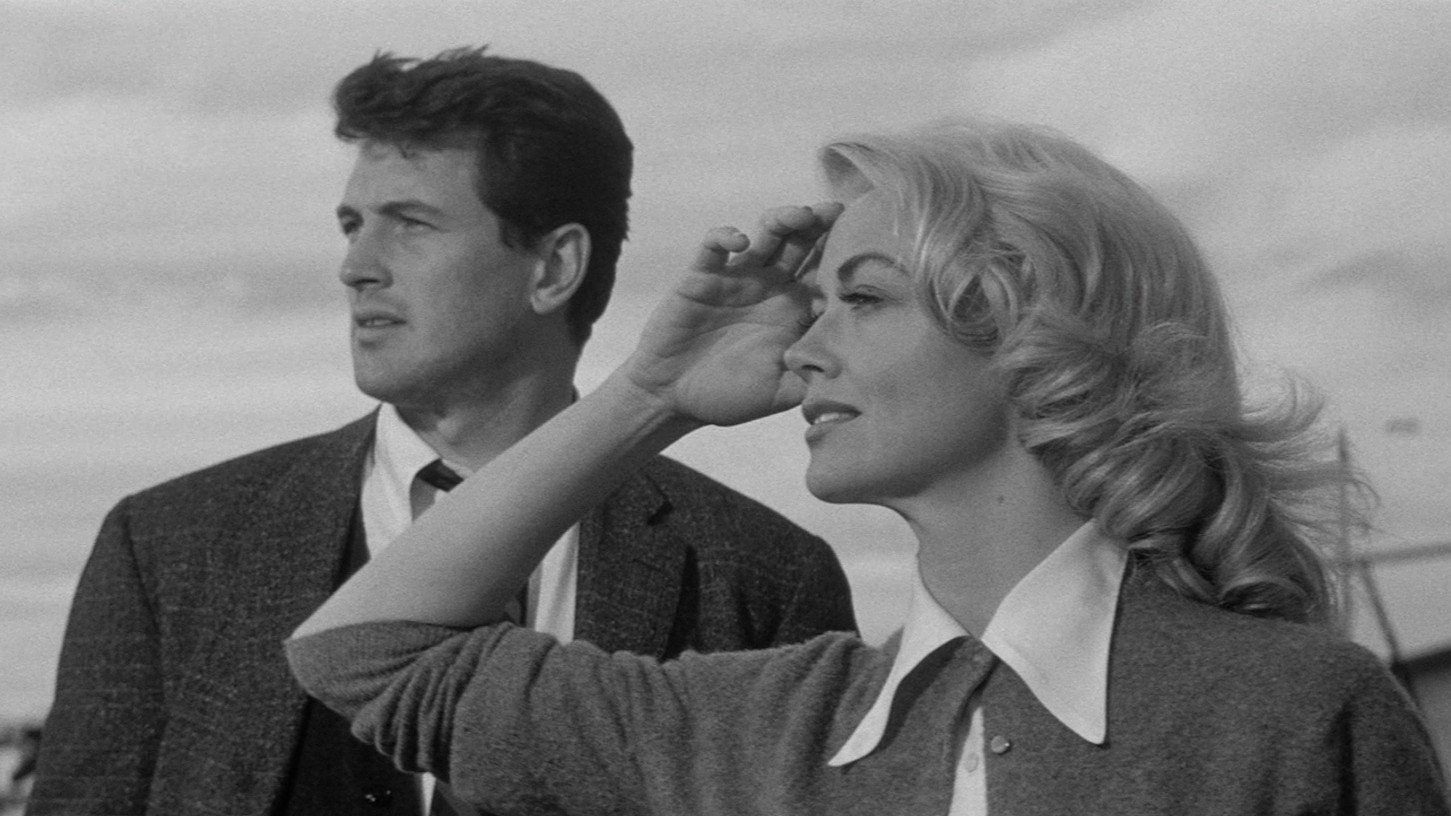
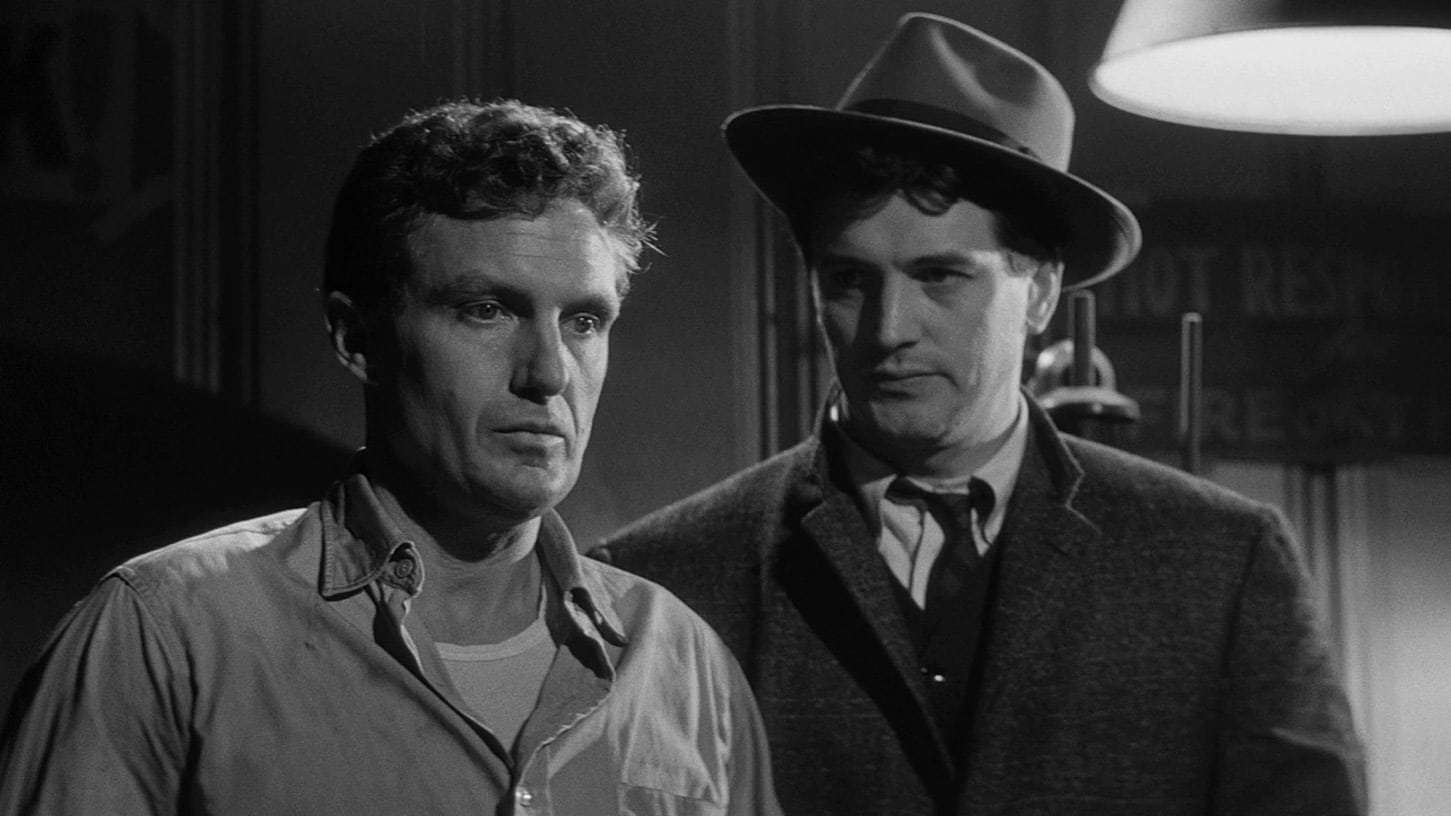
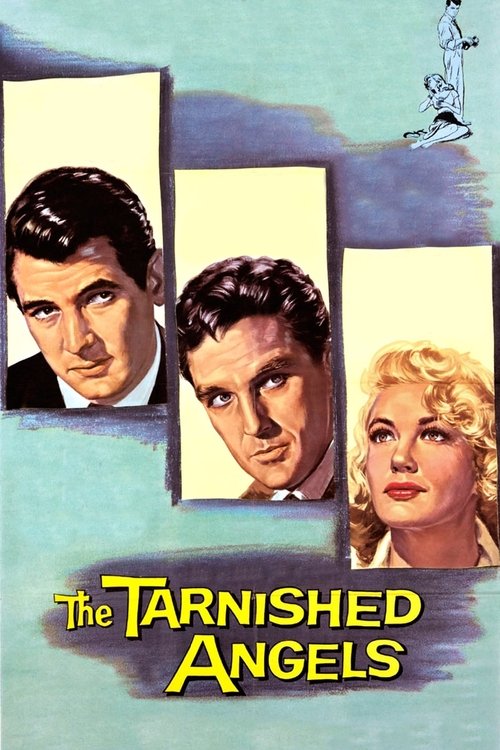
ChatGPT: "'Tarnished Angels' is a 1957 film directed by German-born filmmaker Douglas Sirk, based on a 1935 novel 'Pylon' by William Faulkner. The film, set in the 1930s, is a character study of a group of people who are part of the traveling carnival circuit in the United States. While the film may not have been a commercial success at the time of its release, it has since been recognized for its thematic and artistic achievements. In this essay, I will explore the cultural significance and aesthetic appeal of the film, as well as the historical context in which it was made.
Culturally Significant:
'Tarnished Angels' is culturally significant for its exploration of American society in the 1950s. The film's portrayal of a group of outcasts and misfits traveling around the country and trying to make a living captures the cultural anxieties and social divisions of the era. The film reflects the growing sense of alienation and displacement felt by many Americans during the post-World War II period, as the country underwent rapid social, economic, and cultural changes.
The film also explores the relationship between individuality and conformity, another important theme of the 1950s. The characters in the film are all struggling to find their place in the world, and their attempts to assert their individuality are constantly being challenged by social norms and conventions. The film's exploration of the tension between the desire for individual expression and the pressures of conformity and social control is a key theme of the era.
The film's depiction of gender roles and relationships is also culturally significant. The central female character, LaVerne, is a strong and independent woman who is unwilling to conform to traditional gender roles. Her relationship with the male protagonist, Burke, is complex and fraught with tension, reflecting the changing nature of gender relations in the 1950s.
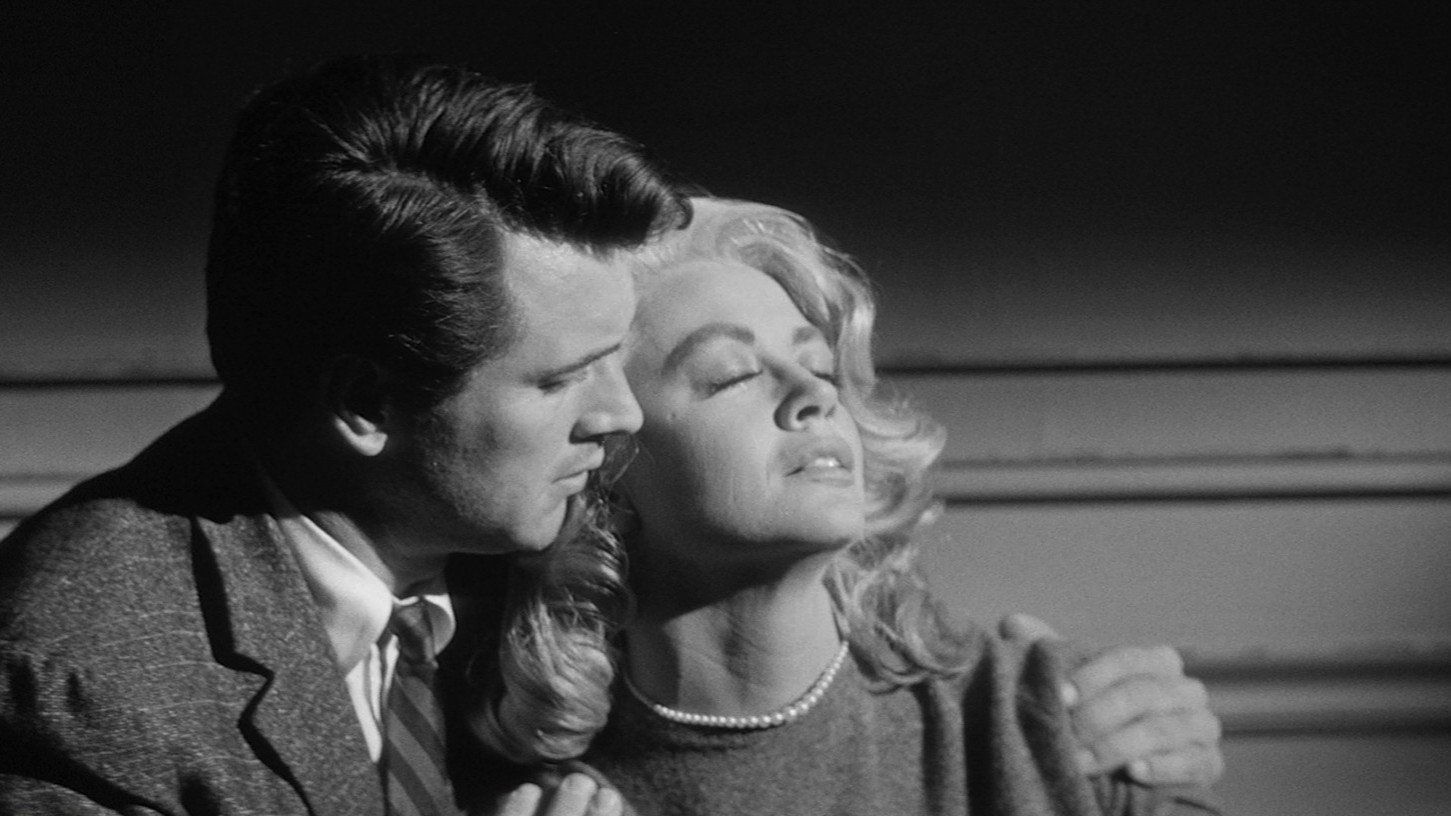
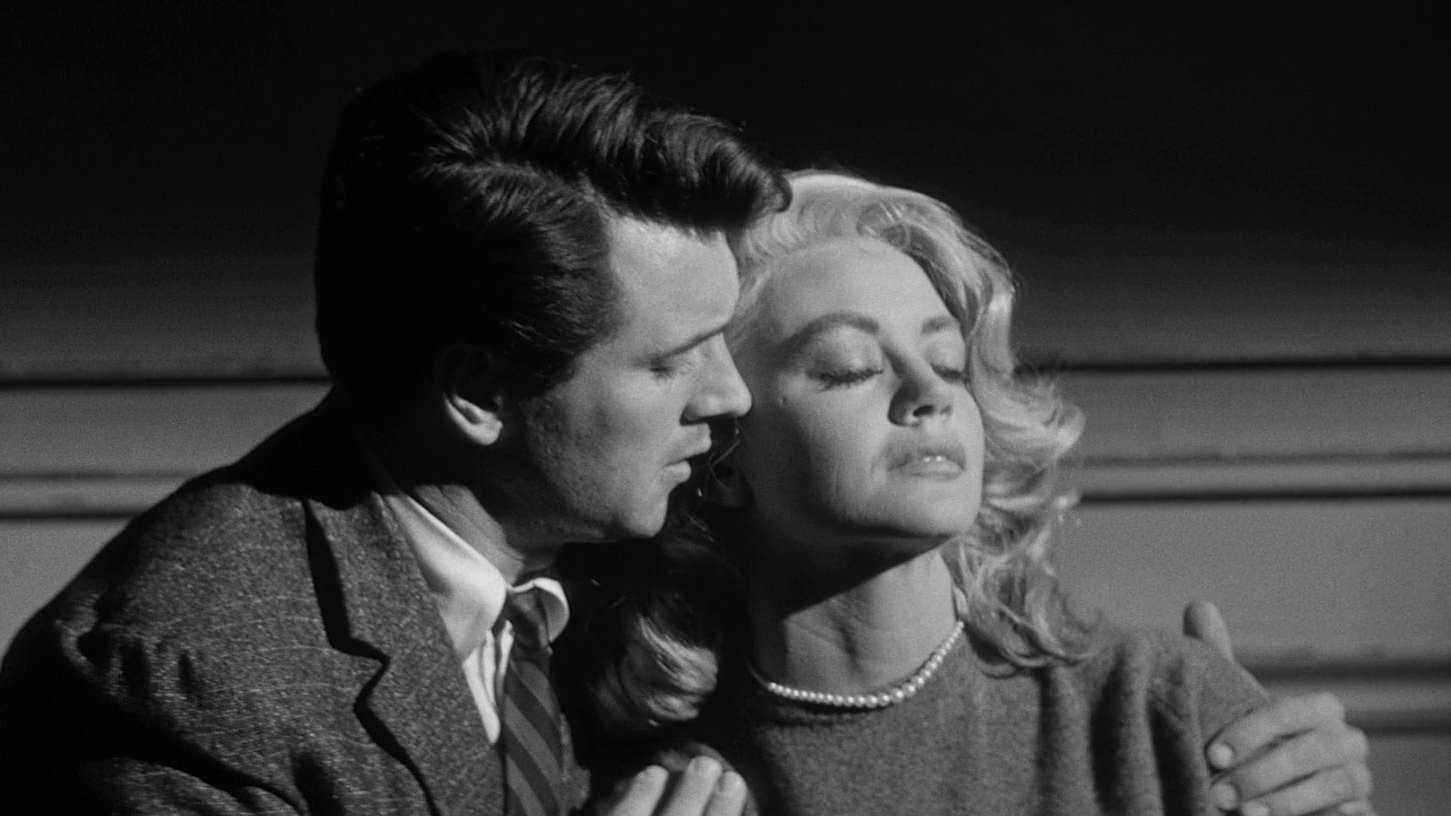
Gender roles and relationships are central themes in the film. The love triangle between Burke, LaVerne, and Shumann highlights the difficulties faced by men and women in the 1950s as they struggled to adapt to changing societal norms. Women were expected to be submissive and obedient, while men were supposed to be strong and independent. The film subverts these expectations, with LaVerne actively pursuing her own desires and Burke challenging the traditional male role of provider and protector.
Moreover, the film reflects the era's cultural fascination with aviation and technology, as well as the fear and anxiety surrounding the Cold War. Sirk uses aerial photography to capture the beauty and majesty of planes, but also to emphasize the inherent danger and mortality associated with flying. This emphasis on the fear of death and destruction reflects the anxieties of the Cold War era.
Historically Important:
In addition to its cultural significance, 'Tarnished Angels' also has historical importance. The film portrays a period of American history characterized by the disillusionment of the post-war period and the conservatism of the 1950s. The characters are all deeply flawed and struggling to find meaning in their lives. Their search for redemption and happiness is a reflection of the American search for identity in the aftermath of World War II.
Furthermore, the film is set in New Orleans, a city that was a hub of the aviation industry during the 1950s. The film captures the spirit of this city, including its rich cultural heritage, its relationship with the Mississippi River, and its unique architecture. The film is a snapshot of the time period, capturing the tensions and challenges of the era.
The film is also historically important for its exploration of the social and political divisions of the 1950s. The film was made during the height of the Cold War, when fears of communism and political subversion were rampant in American society. The film's exploration of themes of alienation, conformity, and individuality can be read as a commentary on the social and political climate of the era.
In addition to its historical significance, 'Tarnished Angels' is also noteworthy for its place in the career of Douglas Sirk. Sirk was a highly influential filmmaker who is often credited with pioneering the melodrama genre. His films, which were often criticized for being overly sentimental, have since come to be recognized as important works of art that reflect the social and cultural attitudes of their time. "Tarnished Angels" is one of Sirk's most accomplished works and is a testament to his skill as a director.
Aesthetically pleasing:
'Tarnished Angels' is a visually stunning film that is filled with Sirk's signature style and artistic vision. The film's cinematography, lighting, and use of color are all beautifully crafted and contribute to the film's overall aesthetic appeal. The film is shot in CinemaScope, a widescreen format that was relatively new at the time, and Sirk uses the format to its full potential, creating dynamic and expansive compositions that add to the film's visual splendor.
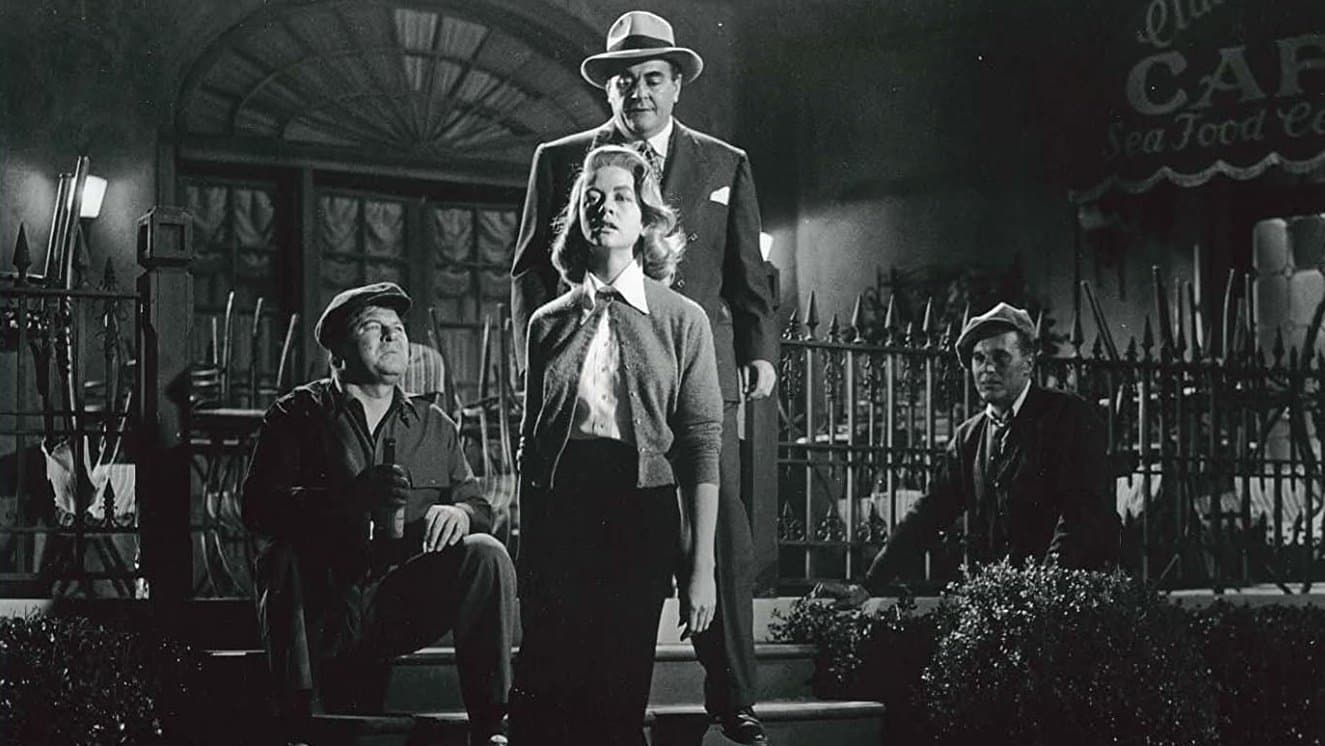
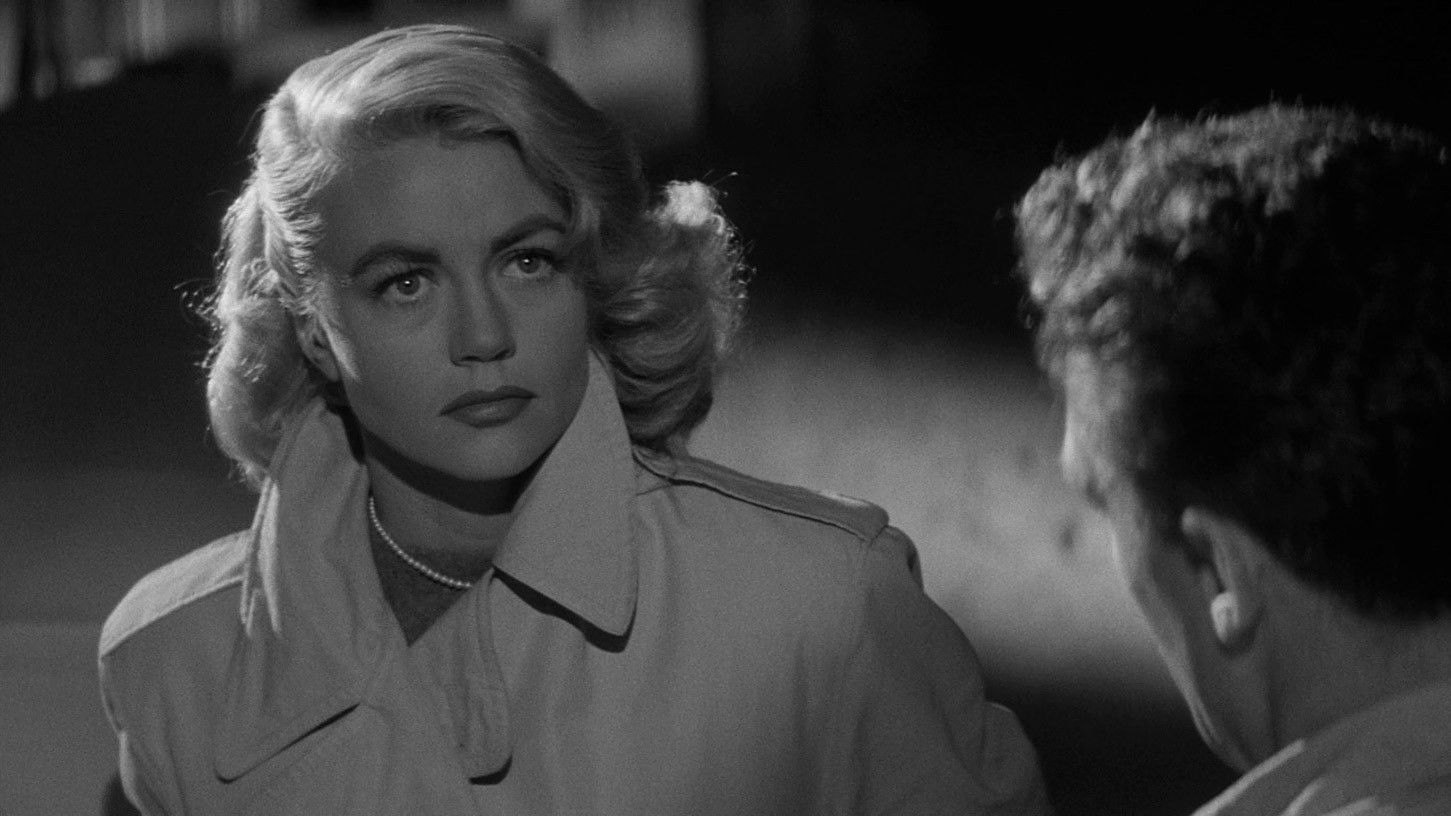
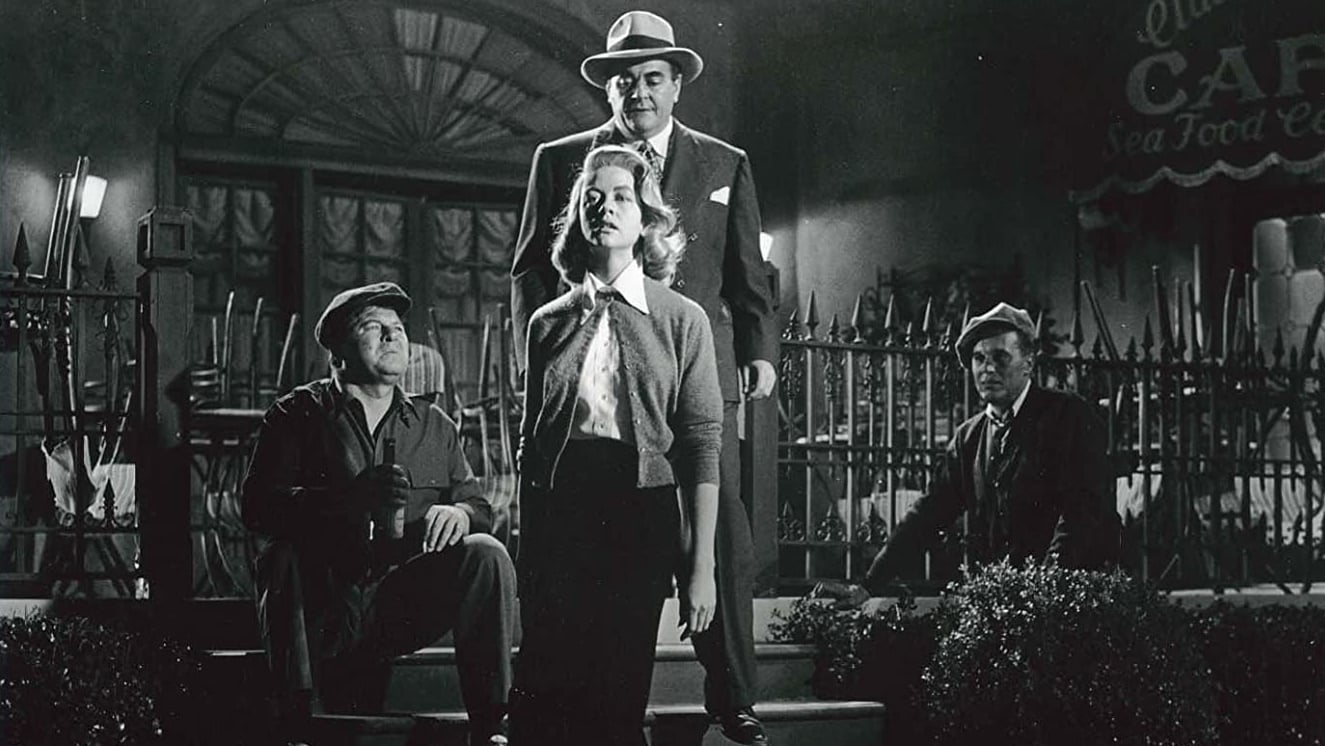
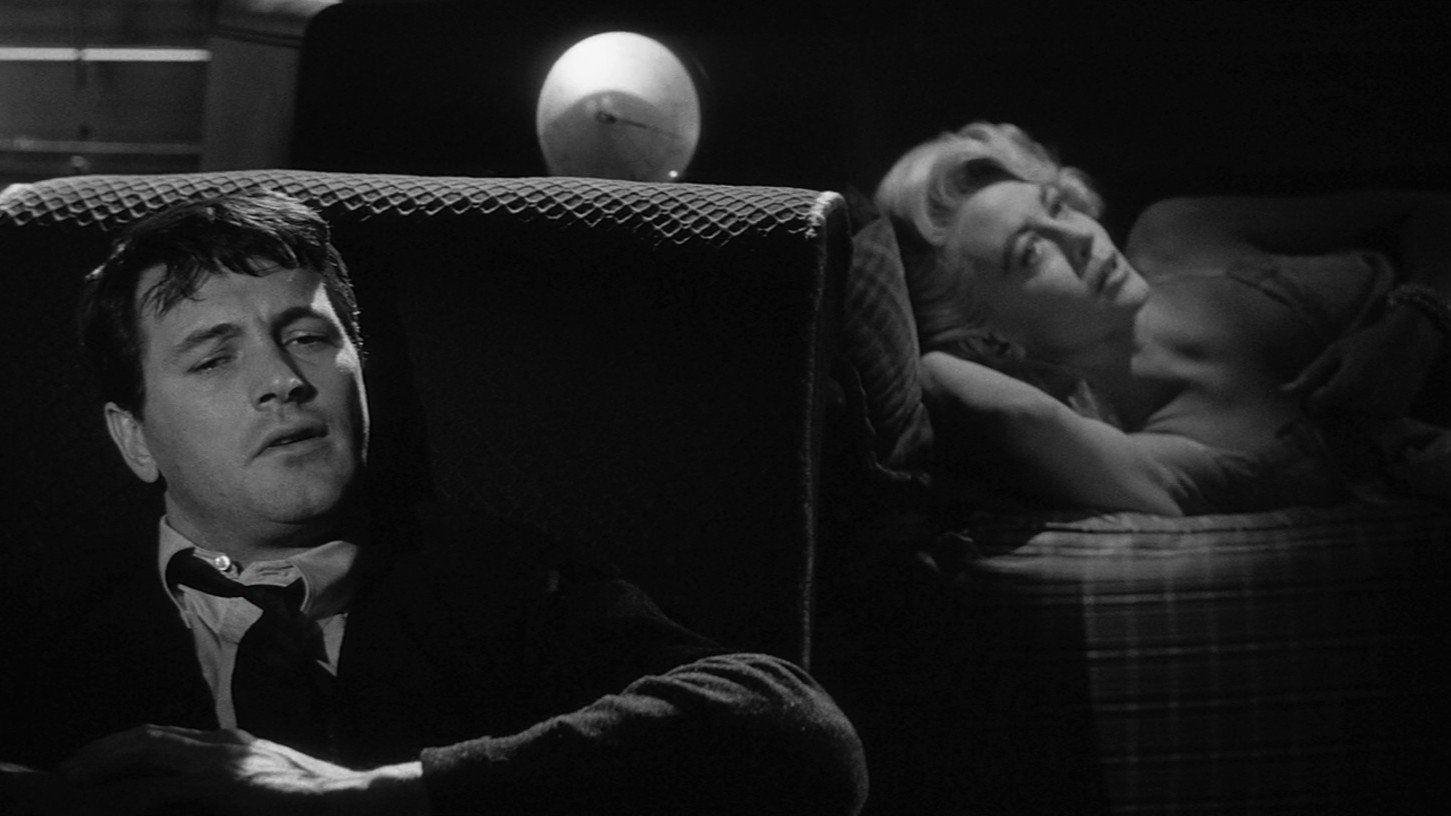
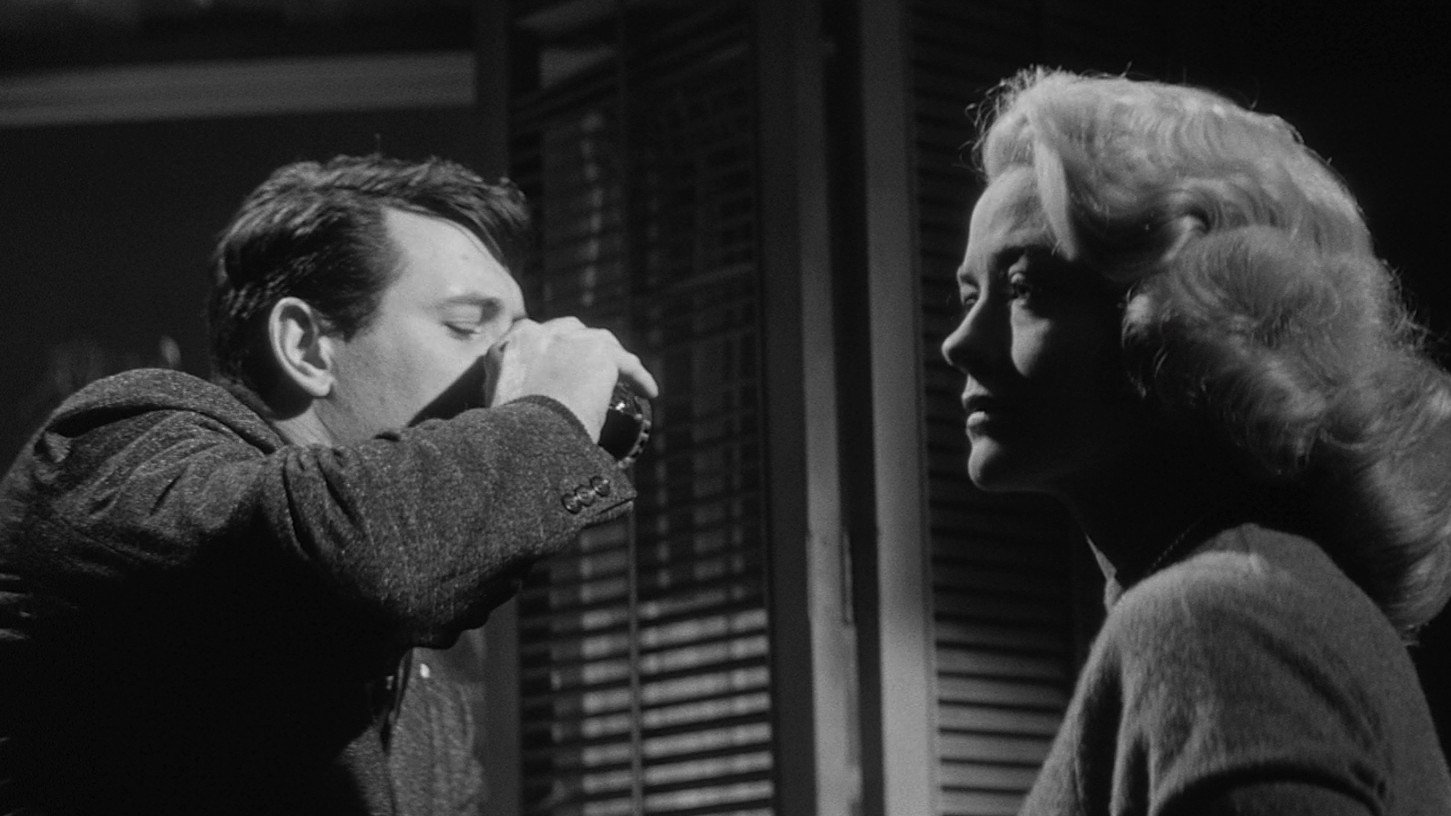
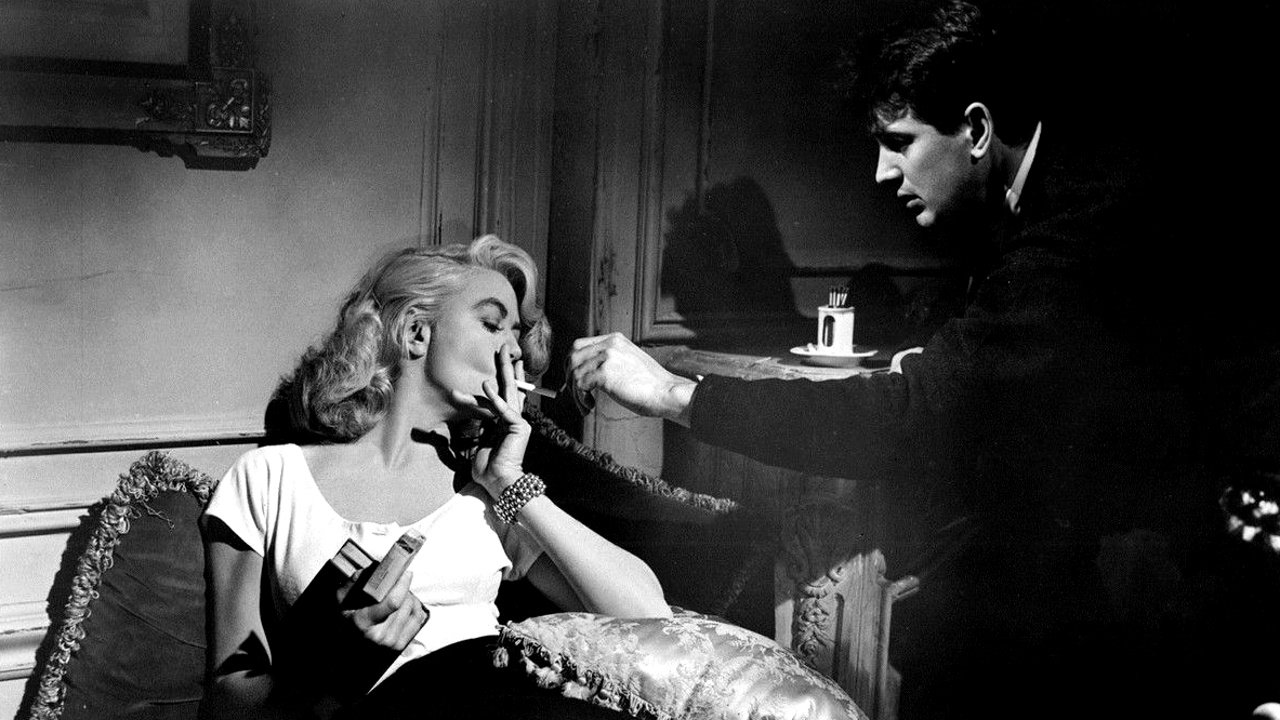
The film's use of light and shadow is particularly noteworthy. Sirk employs high-contrast lighting and deep shadows to create a moody, noir-like atmosphere that enhances the film's themes of danger and intrigue. The film's use of color is also masterful, with Sirk employing bold and expressive color schemes that heighten the film's emotional impact.
In addition to its visual style, 'Tarnished Angels' is also notable for its musical score. The film's score was composed by Frank Skinner, who was a frequent collaborator with Sirk. Skinner's score is a beautiful and haunting work that perfectly complements the film's themes and style. The film's use of music and sound, combined with its striking visual style, make it a memorable and powerful work of art.
Overall, 'Tarnished Angels' is a culturally significant and historically important film that deals with complex moral and ethical issues. The film highlights some of the challenges facing America in the 1950s. It also offers a powerful commentary on the human condition and the struggle for meaning and purpose in a rapidly changing world. As such, it remains a valuable work of art and a significant contribution to the history of American cinema."
ChatGPT: "'Tarnished Angels' is a 1957 film directed by German-born filmmaker Douglas Sirk, based on a 1935 novel 'Pylon' by William Faulkner. The film, set in the 1930s, is a character study of a group of people who are part of the traveling carnival circuit in the United States. While the film may not have been a commercial success at the time of its release, it has since been recognized for its thematic and artistic achievements. In this essay, I will explore the cultural significance and aesthetic appeal of the film, as well as the historical context in which it was made.
Culturally Significant:
'Tarnished Angels' is culturally significant for its exploration of American society in the 1950s. The film's portrayal of a group of outcasts and misfits traveling around the country and trying to make a living captures the cultural anxieties and social divisions of the era. The film reflects the growing sense of alienation and displacement felt by many Americans during the post-World War II period, as the country underwent rapid social, economic, and cultural changes.
The film also explores the relationship between individuality and conformity, another important theme of the 1950s. The characters in the film are all struggling to find their place in the world, and their attempts to assert their individuality are constantly being challenged by social norms and conventions. The film's exploration of the tension between the desire for individual expression and the pressures of conformity and social control is a key theme of the era.
The film's depiction of gender roles and relationships is also culturally significant. The central female character, LaVerne, is a strong and independent woman who is unwilling to conform to traditional gender roles. Her relationship with the male protagonist, Burke, is complex and fraught with tension, reflecting the changing nature of gender relations in the 1950s.
Gender roles and relationships are central themes in the film. The love triangle between Burke, LaVerne, and Shumann highlights the difficulties faced by men and women in the 1950s as they struggled to adapt to changing societal norms. Women were expected to be submissive and obedient, while men were supposed to be strong and independent. The film subverts these expectations, with LaVerne actively pursuing her own desires and Burke challenging the traditional male role of provider and protector.
Moreover, the film reflects the era's cultural fascination with aviation and technology, as well as the fear and anxiety surrounding the Cold War. Sirk uses aerial photography to capture the beauty and majesty of planes, but also to emphasize the inherent danger and mortality associated with flying. This emphasis on the fear of death and destruction reflects the anxieties of the Cold War era.
Historically Important:
In addition to its cultural significance, 'Tarnished Angels' also has historical importance. The film portrays a period of American history characterized by the disillusionment of the post-war period and the conservatism of the 1950s. The characters are all deeply flawed and struggling to find meaning in their lives. Their search for redemption and happiness is a reflection of the American search for identity in the aftermath of World War II.
Furthermore, the film is set in New Orleans, a city that was a hub of the aviation industry during the 1950s. The film captures the spirit of this city, including its rich cultural heritage, its relationship with the Mississippi River, and its unique architecture. The film is a snapshot of the time period, capturing the tensions and challenges of the era.
The film is also historically important for its exploration of the social and political divisions of the 1950s. The film was made during the height of the Cold War, when fears of communism and political subversion were rampant in American society. The film's exploration of themes of alienation, conformity, and individuality can be read as a commentary on the social and political climate of the era.
In addition to its historical significance, 'Tarnished Angels' is also noteworthy for its place in the career of Douglas Sirk. Sirk was a highly influential filmmaker who is often credited with pioneering the melodrama genre. His films, which were often criticized for being overly sentimental, have since come to be recognized as important works of art that reflect the social and cultural attitudes of their time. "Tarnished Angels" is one of Sirk's most accomplished works and is a testament to his skill as a director.
Aesthetically pleasing:
'Tarnished Angels' is a visually stunning film that is filled with Sirk's signature style and artistic vision. The film's cinematography, lighting, and use of color are all beautifully crafted and contribute to the film's overall aesthetic appeal. The film is shot in CinemaScope, a widescreen format that was relatively new at the time, and Sirk uses the format to its full potential, creating dynamic and expansive compositions that add to the film's visual splendor.
The film's use of light and shadow is particularly noteworthy. Sirk employs high-contrast lighting and deep shadows to create a moody, noir-like atmosphere that enhances the film's themes of danger and intrigue. The film's use of color is also masterful, with Sirk employing bold and expressive color schemes that heighten the film's emotional impact.
In addition to its visual style, 'Tarnished Angels' is also notable for its musical score. The film's score was composed by Frank Skinner, who was a frequent collaborator with Sirk. Skinner's score is a beautiful and haunting work that perfectly complements the film's themes and style. The film's use of music and sound, combined with its striking visual style, make it a memorable and powerful work of art.
Overall, 'Tarnished Angels' is a culturally significant and historically important film that deals with complex moral and ethical issues. The film highlights some of the challenges facing America in the 1950s. It also offers a powerful commentary on the human condition and the struggle for meaning and purpose in a rapidly changing world. As such, it remains a valuable work of art and a significant contribution to the history of American cinema."