
2010·Drama·1h 24m
7.0
★
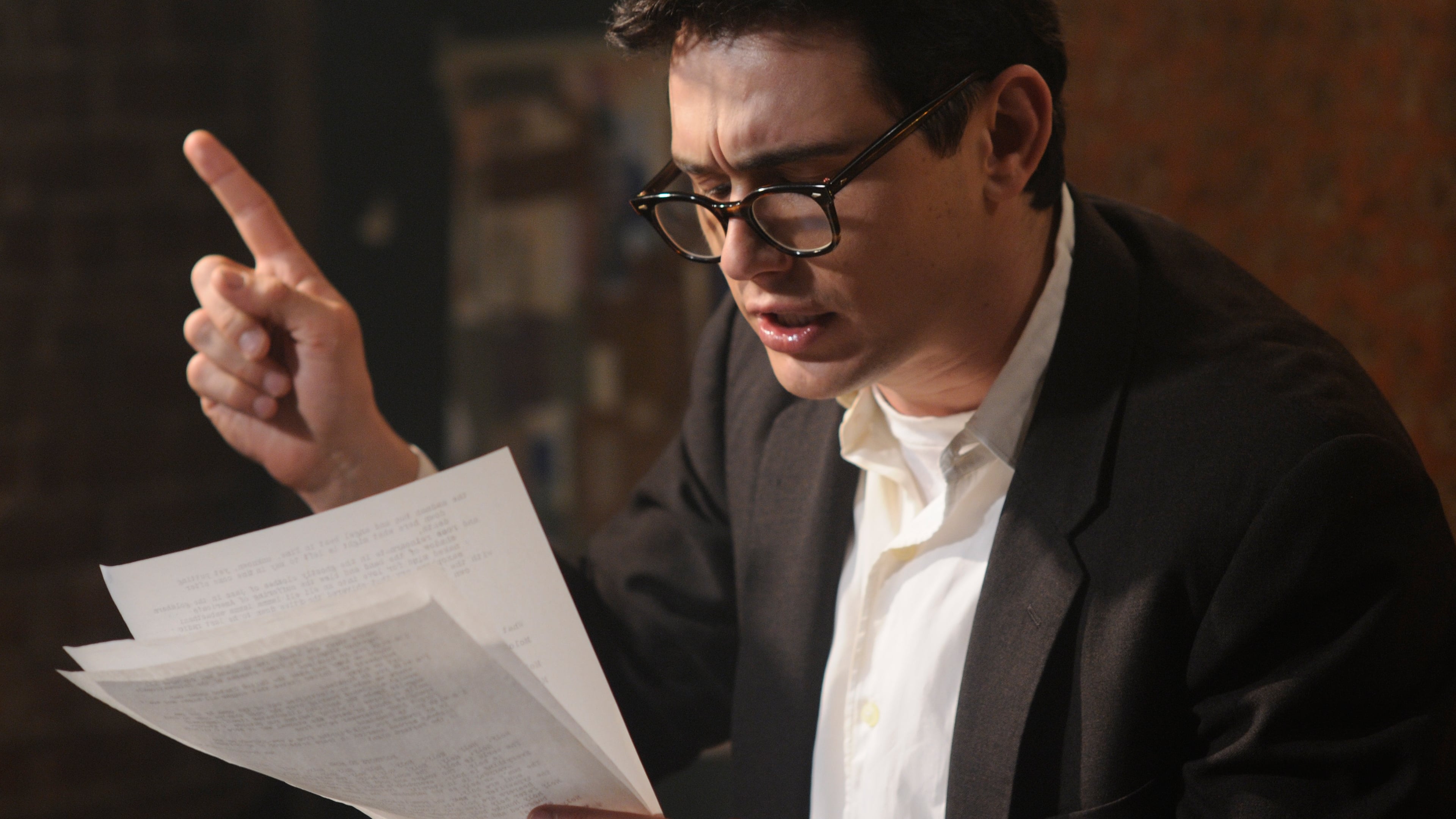


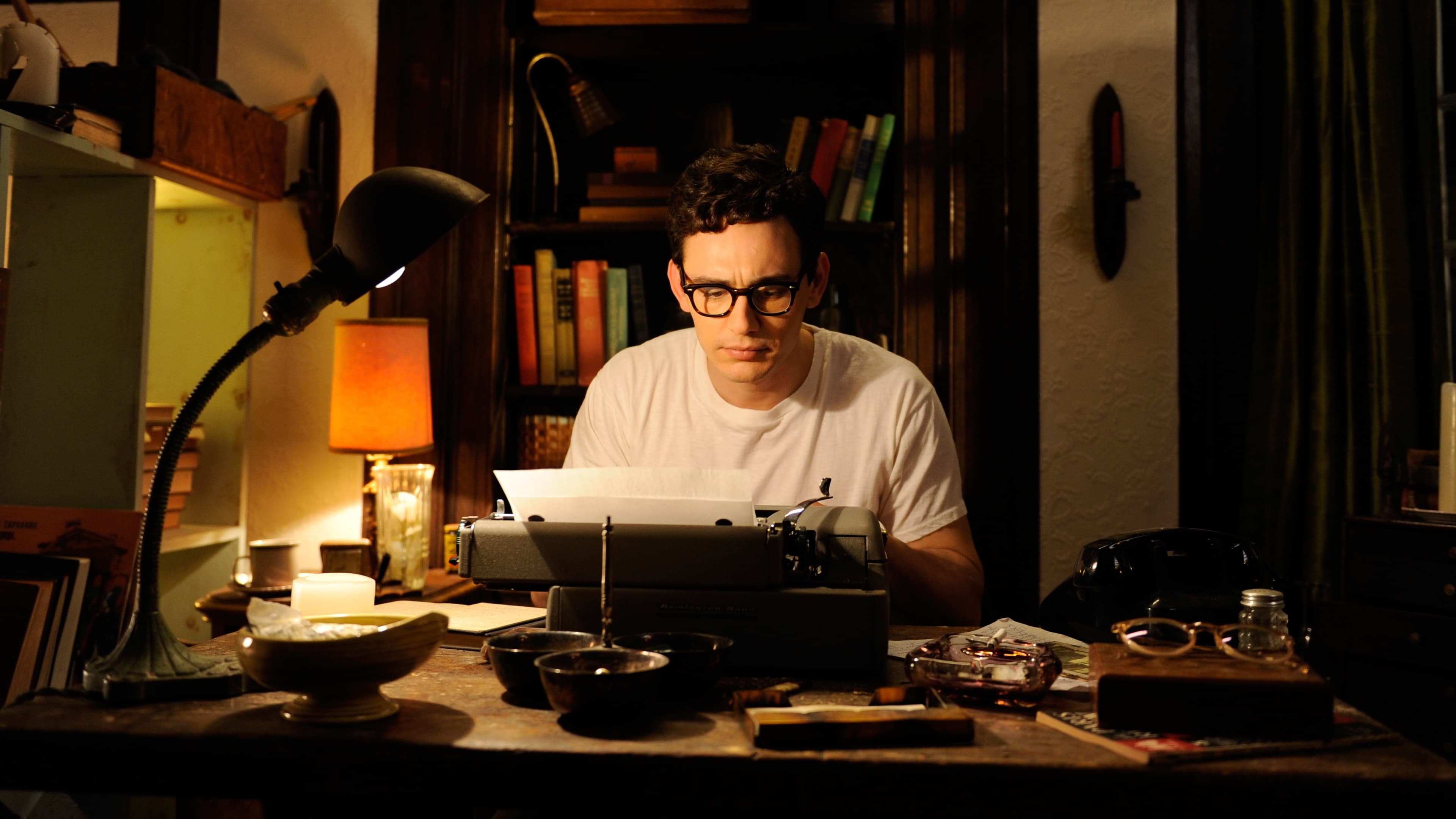

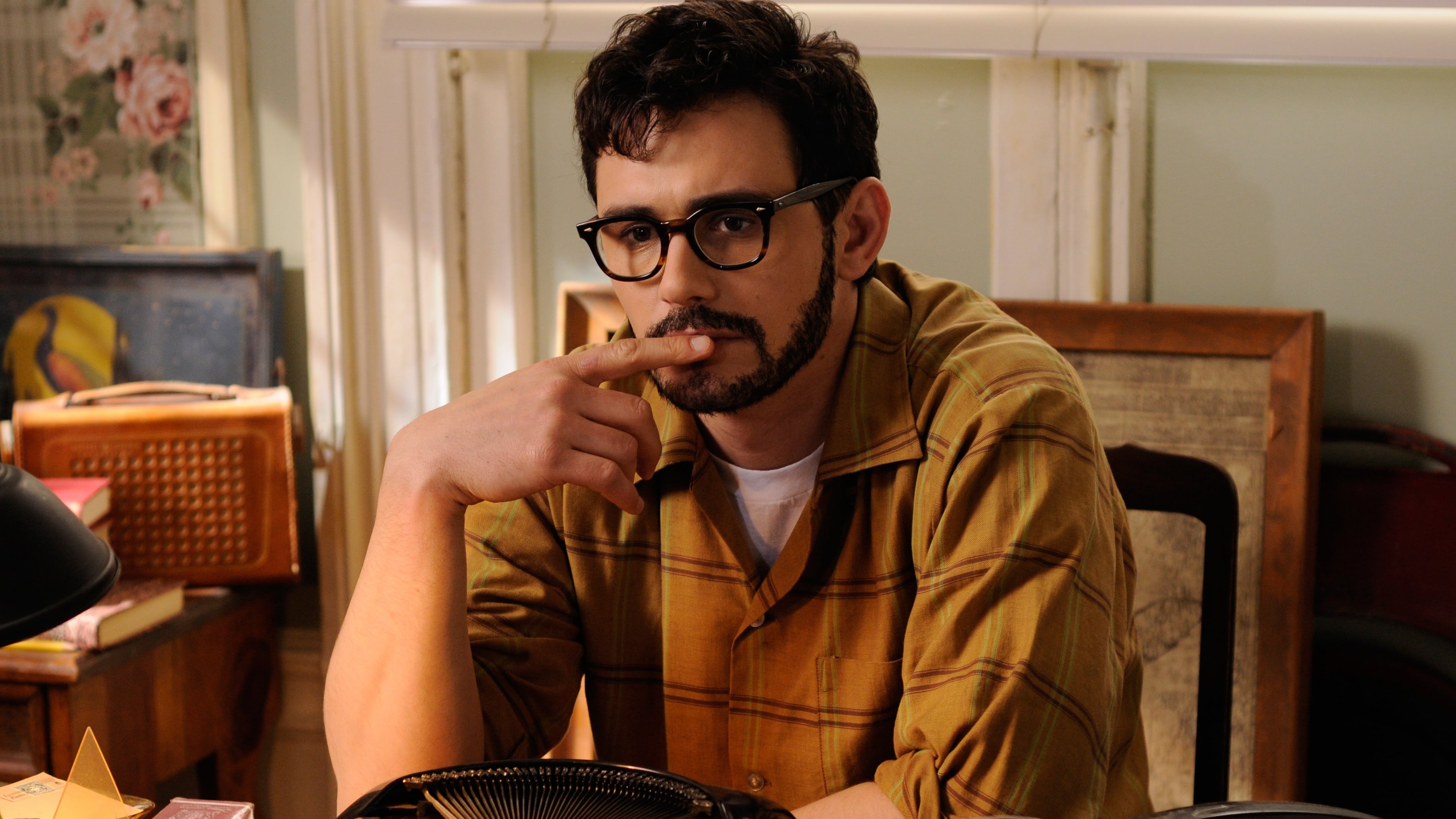
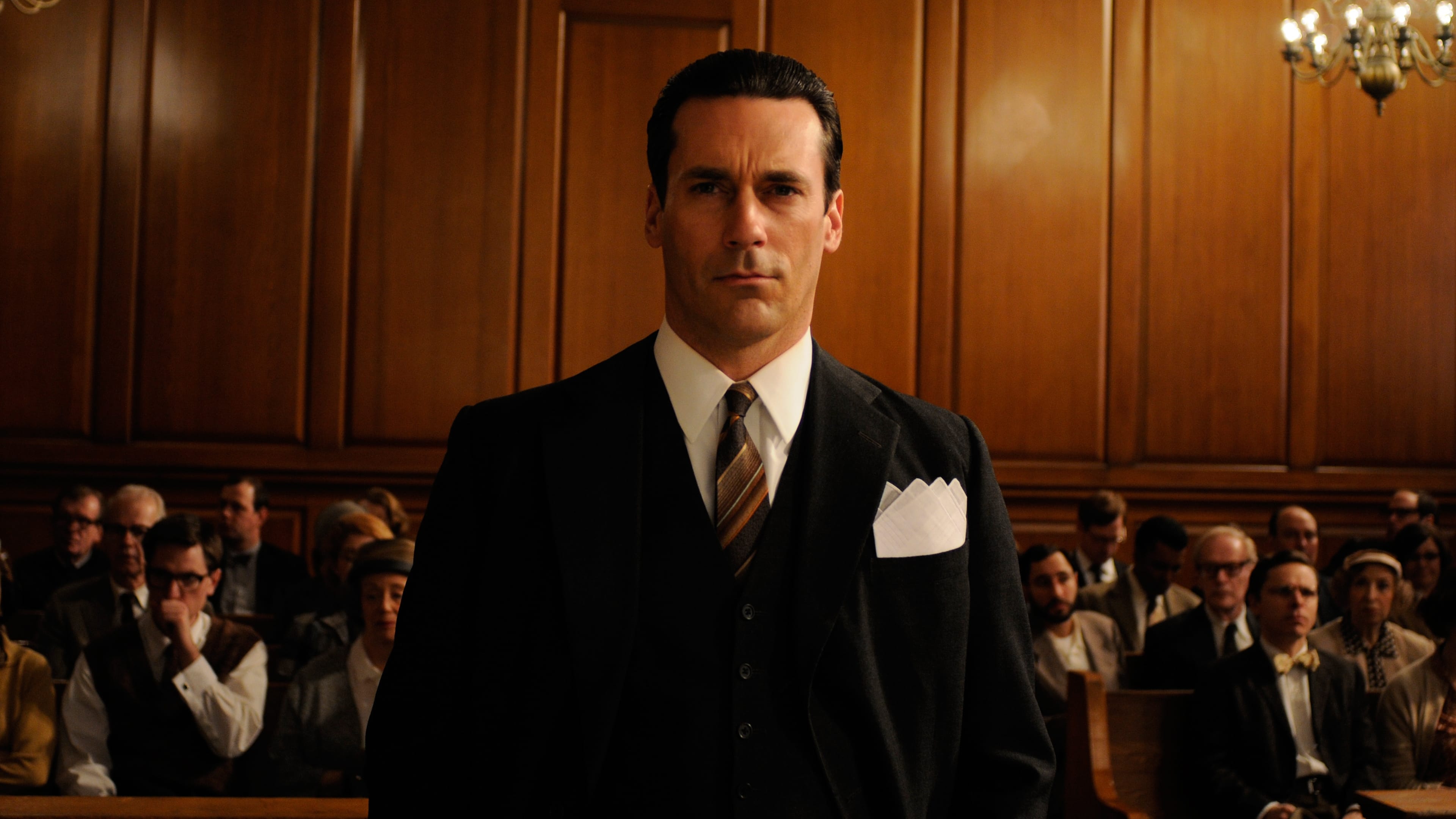
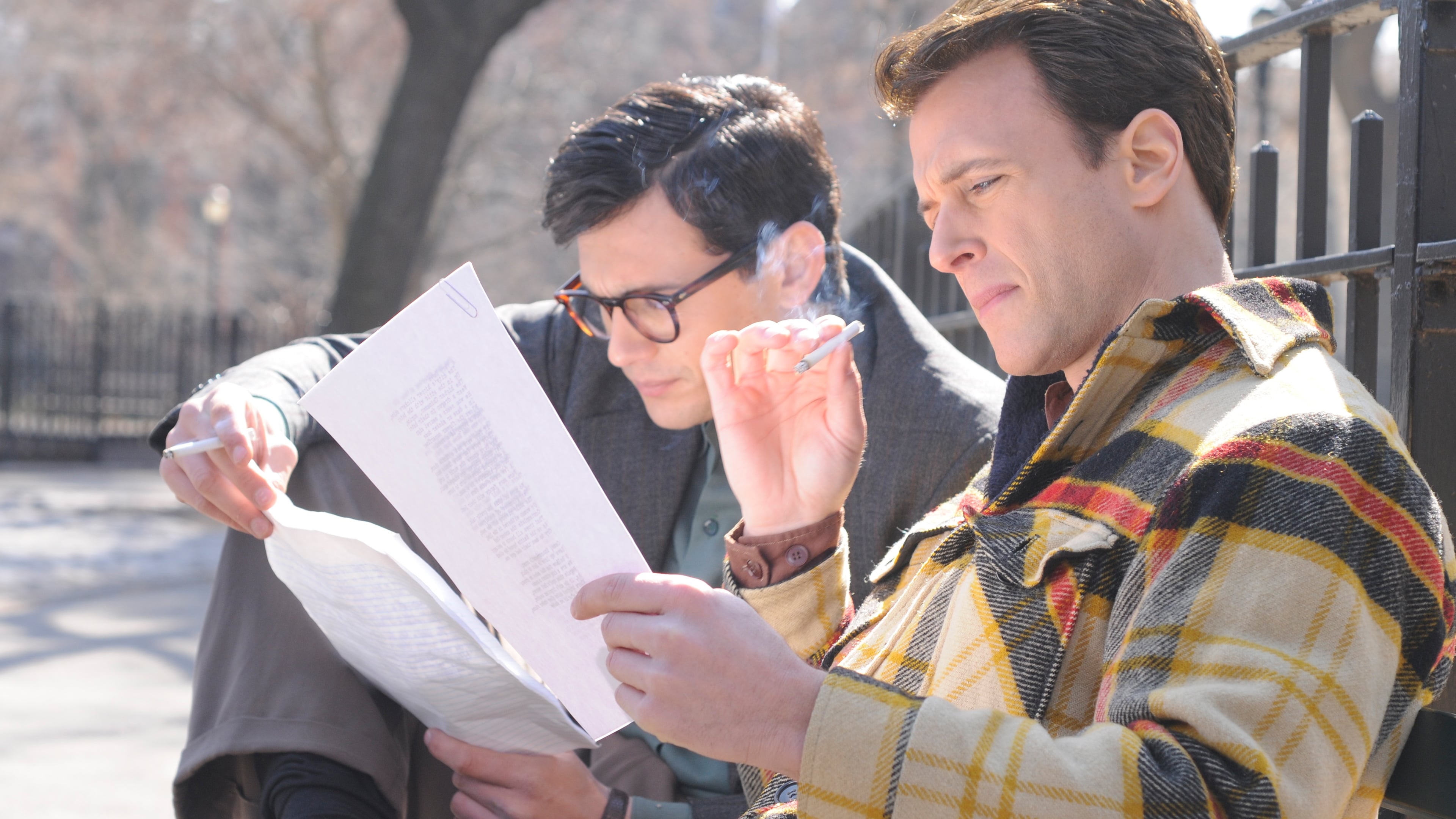
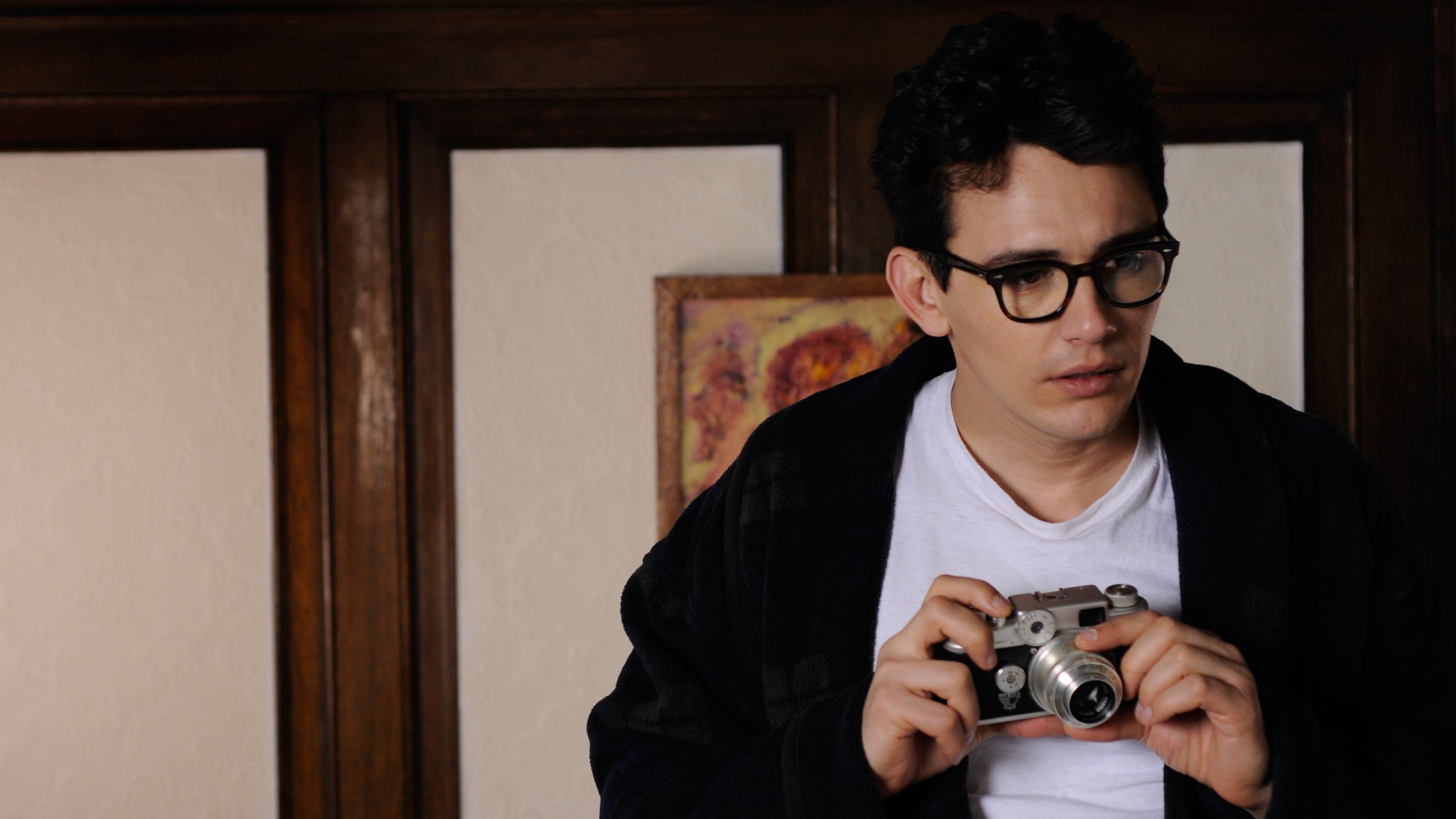
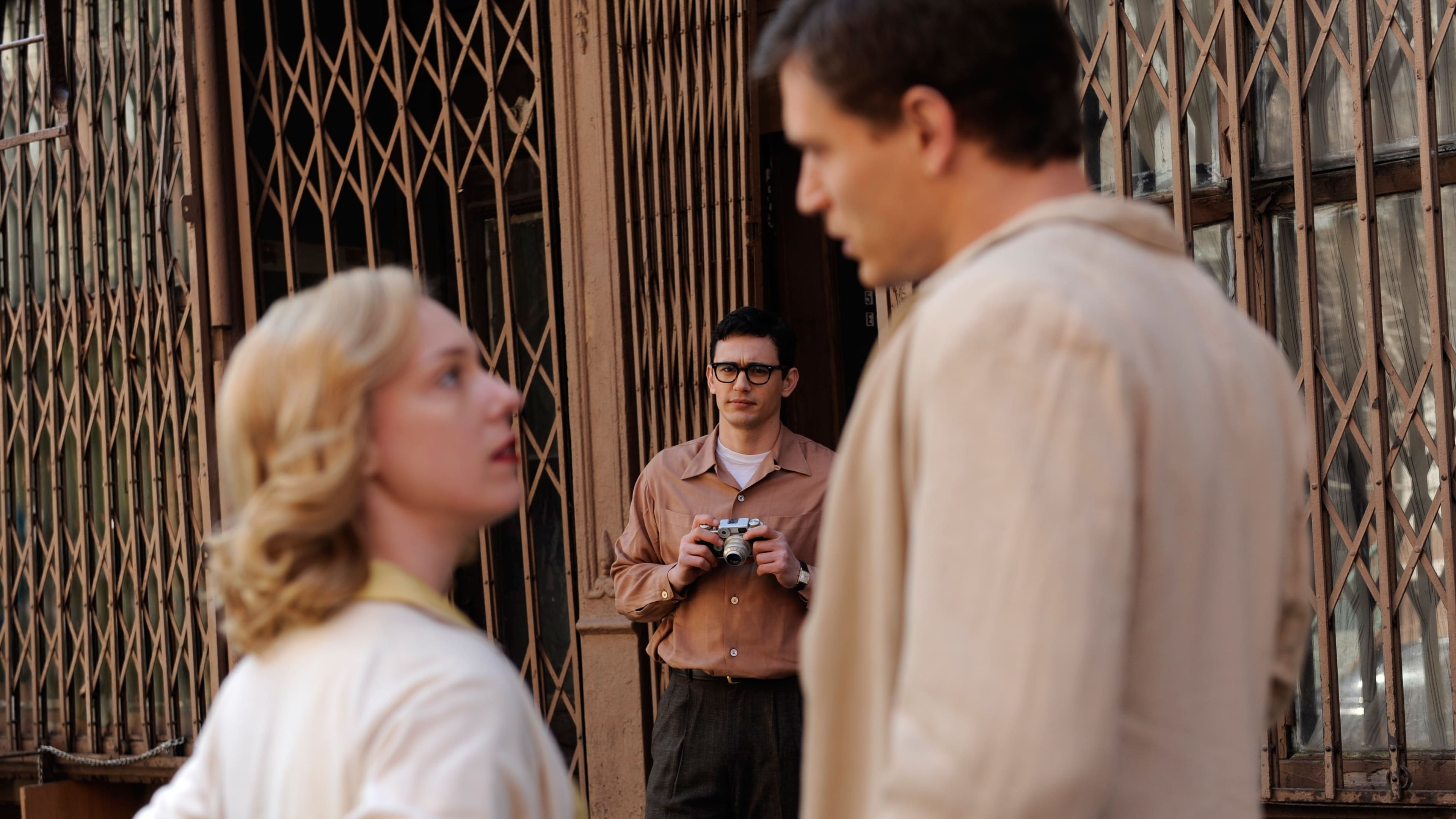
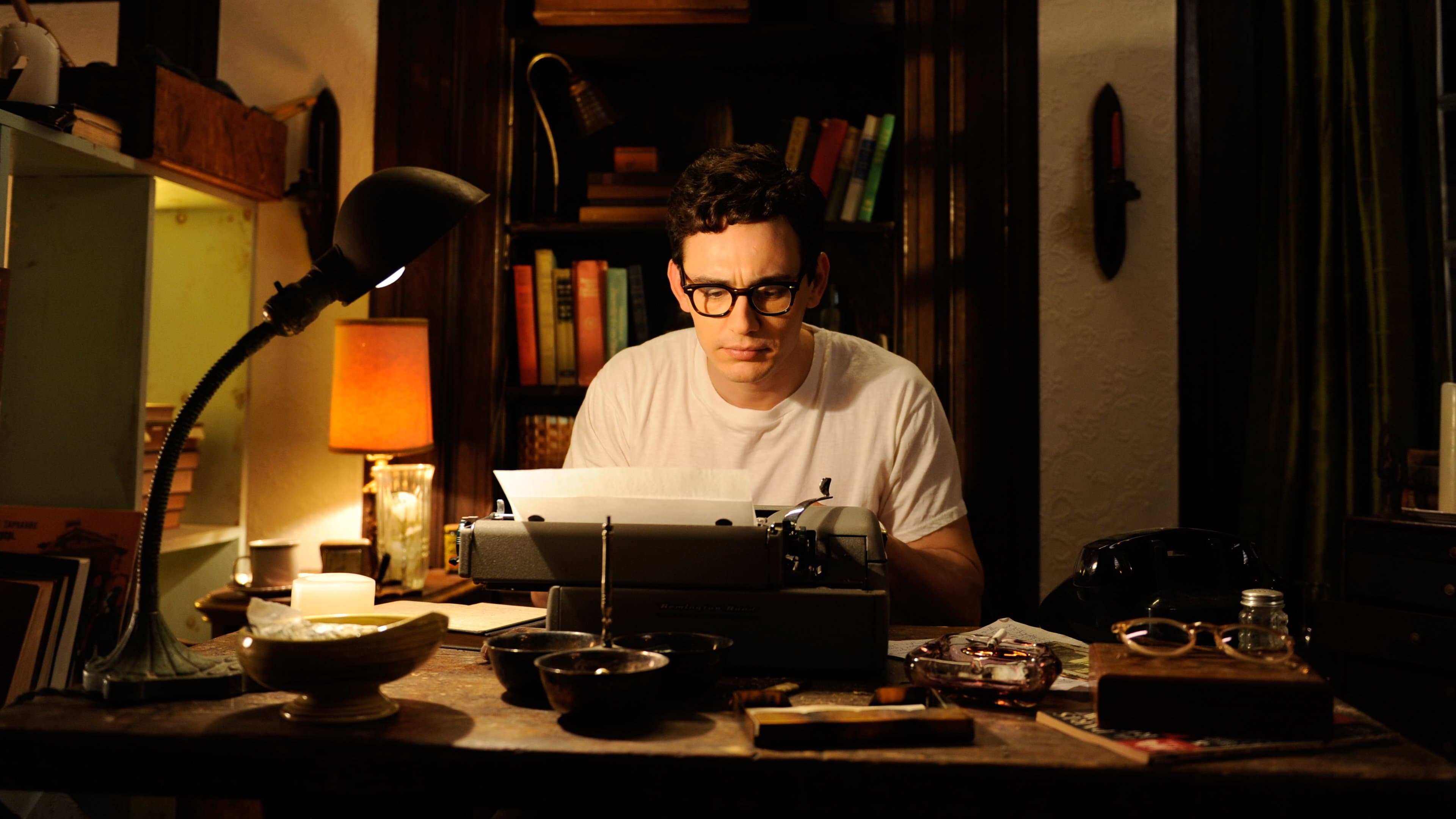
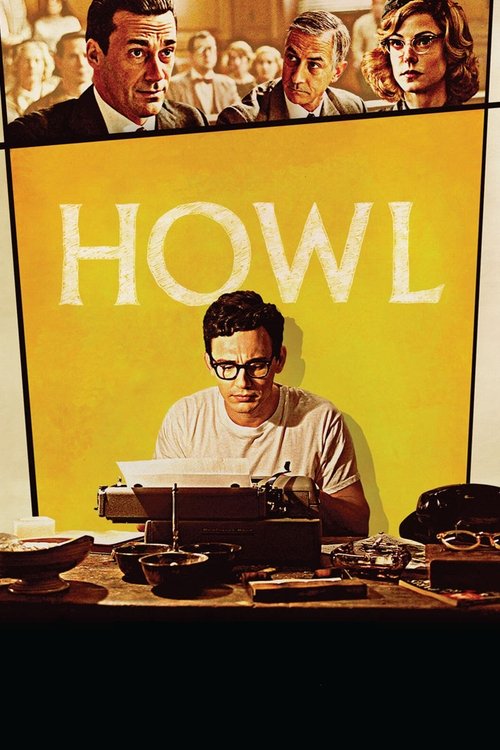
It's San Francisco in 1957, and an American masterpiece is put on trial. Howl, the film, recounts this dark moment using three interwoven threads: the tumultuous life events that led a young Allen Ginsberg to find his true voice as an artist, society's reaction (the obscenity trial), and mind-expanding animation that echoes the startling originality of the poem itself. All three coalesce in a genre-bending hybrid that brilliantly captures a pivotal moment-the birth of a counterculture.
Directed by Jeffrey Friedman and Rob Epstein
freedom
poetry
literature
psychiatric hospital
male homosexuality
counter-culture
1950s
gay theme

Trailer

IMDB
N/A
Where to Watch



Cast
James Franco
Allen Ginsberg
Jon Prescott
Neal Cassady

Aaron Tveit
Peter Orlovsky

David Strathairn
Ralph McIntosh

Jon Hamm
Jake Ehrlich

Andrew Rogers
Lawrence Ferlinghetti
Bob Balaban
Judge Clayton Horn

Mary-Louise Parker
Gail Potter
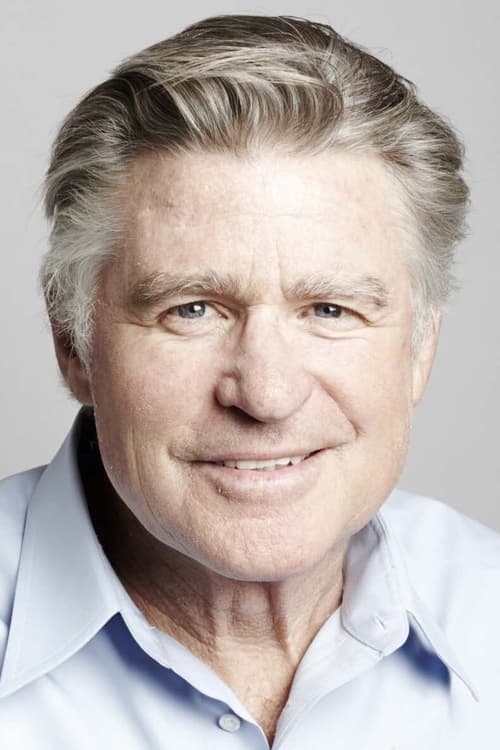
Treat Williams
Mark Schorer

Jeff Daniels
Professor David Kirk
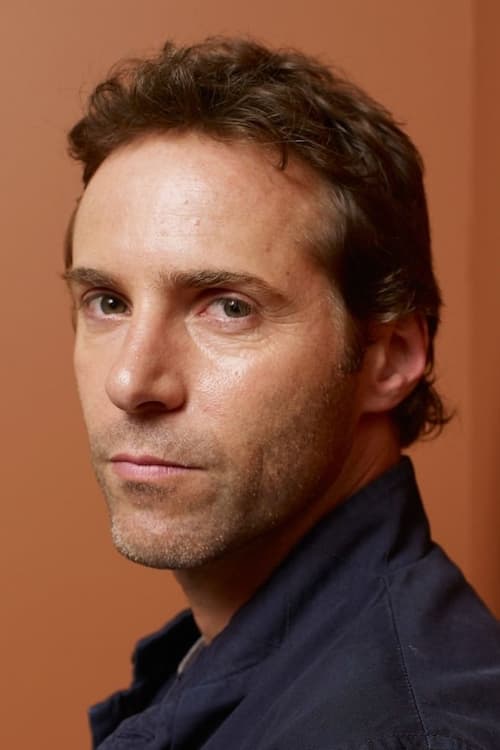
Alessandro Nivola
Luther Nichols
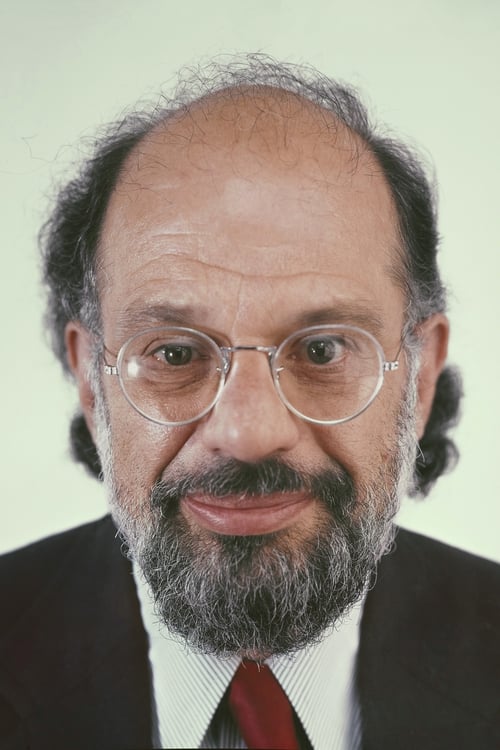
Allen Ginsberg
Self
Crew

Jeffrey Friedman
Director
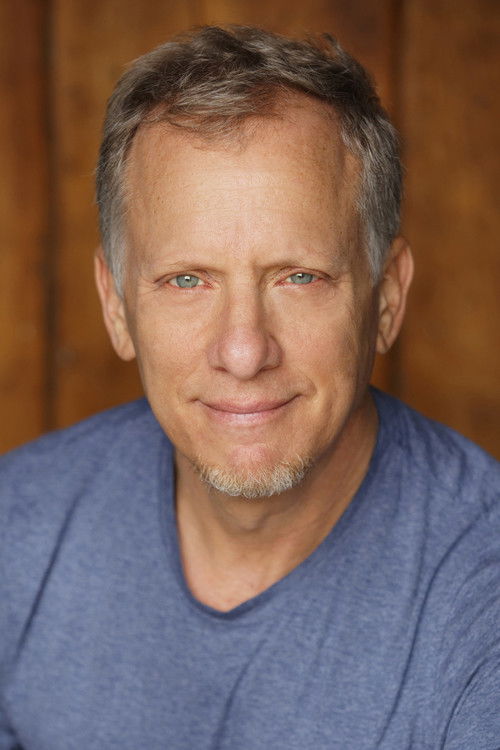
Rob Epstein
Director
Jeffrey Friedman
Writer
Rob Epstein
Writer

Carter Burwell
Original Music Composer
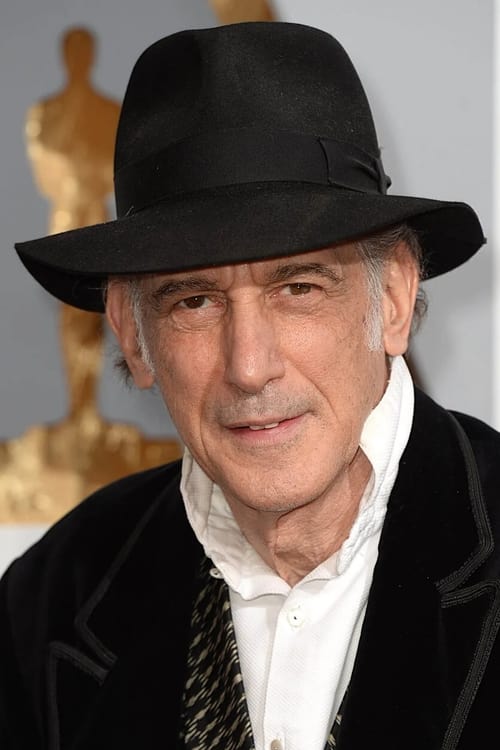
Edward Lachman
Director of Photography
Rob Epstein
Producer
Jeffrey Friedman
Producer
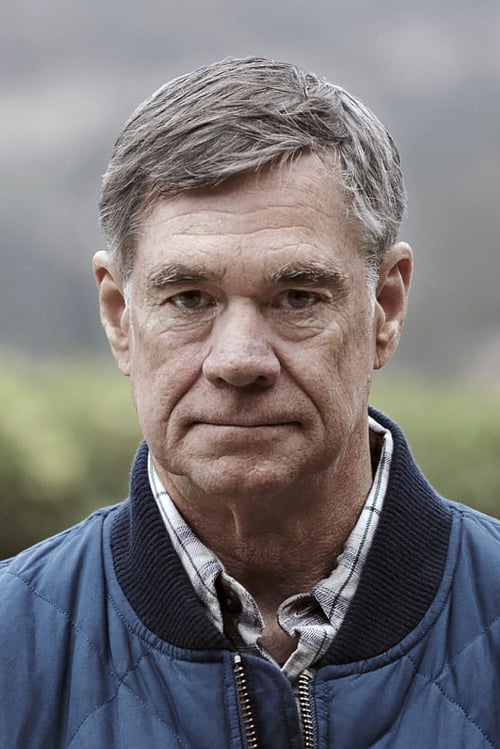
Gus Van Sant
Executive Producer

Tiffany Little Canfield
Casting

Bernard Telsey
Casting

Lora Hirschberg
Sound Re-Recording Mixer
Popular Reviews
51 reviews
Lin
3.0★ · 05/05/26
“Endless balls” okay buddy
“Endless balls” okay buddy


Nawaf
7.0★ · 10/30/25
His poetry was very bold; I don't expect it received the recognition it deserved. It was a fair trial.
His poetry was very bold; I don't expect it received the recognition it deserved. It was a fair trial.
olivia
6.0★ · 03/10/25
moloch……MOLOCH!!!!!
moloch……MOLOCH!!!!!
mo
4.0★ · 01/27/25
part allen ginsberg biopic, part animated supplement to howl, part courtroom proceeding visualizations. taken as a whole: its kind of...nothing?
if not for the cock and endless balls (teehee) this really feels like something that would be packaged in with a high school english textbook. this film is the equivalent of reading a sparknotes page that gives you some precursory context for a unit on obscenity trials - and that's basically the situation i was watching it in, but as a movie, i would have loved some more insight on ginsberg, the time period/situational aspects that made howl so controversial, or the beats that inspired him. we gloss over some of this a bit in the biopic-y sections but never at more than a surface level. this is probably one of my favorite eras of literature so i don't personally need the addition of that content, but man, knowing the background going into this makes the movie all the more disappointing. i wish it would have picked one thing to be instead of three half-assed bits and bobs.
ALSO. the animated portions, to me, feel like very banal interpretations of the poem itself. for an era so evocative of filth and sex and drugs, everything being so clean and LITERAL makes howl appear lame. how are you going to make ginsberg's work lame!!!!
if not for the cock and endless balls (teehee) this really feels like something that would be packaged in with a high school english textbook. this film is the equivalent of reading a sparknotes page that gives you some precursory context for a unit on obscenity trials - and that's basically the situation i was watching it in, but as a movie, i would have loved some more insight on ginsberg, the time period/situational aspects that made howl so controversial, or the beats that inspired him. we gloss over some of this a bit in the biopic-y sections but never at more than a surface level. this is probably one of my favorite eras of literature so i don't personally need the addition of that content, but man, knowing the background going into this makes the movie all the more disappointing. i wish it would have picked one thing to be instead of three half-assed bits and bobs.
ALSO. the animated portions, to me, feel like very banal interpretations of the poem itself. for an era so evocative of filth and sex and drugs, everything being so clean and LITERAL makes howl appear lame. how are you going to make ginsberg's work lame!!!!
part allen ginsberg biopic, part animated supplement to howl, part courtroom proceeding visualizations. taken as a whole: its kind of...nothing?
if not for the cock and endless balls (teehee) this really feels like something that would be packaged in with a high school english textbook. this film is the equivalent of reading a sparknotes page that gives you some precursory context for a unit on obscenity trials - and that's basically the situation i was watching it in, but as a movie, i would have loved some more insight on ginsberg, the time period/situational aspects that made howl so controversial, or the beats that inspired him. we gloss over some of this a bit in the biopic-y sections but never at more than a surface level. this is probably one of my favorite eras of literature so i don't personally need the addition of that content, but man, knowing the background going into this makes the movie all the more disappointing. i wish it would have picked one thing to be instead of three half-assed bits and bobs.
ALSO. the animated portions, to me, feel like very banal interpretations of the poem itself. for an era so evocative of filth and sex and drugs, everything being so clean and LITERAL makes howl appear lame. how are you going to make ginsberg's work lame!!!!
if not for the cock and endless balls (teehee) this really feels like something that would be packaged in with a high school english textbook. this film is the equivalent of reading a sparknotes page that gives you some precursory context for a unit on obscenity trials - and that's basically the situation i was watching it in, but as a movie, i would have loved some more insight on ginsberg, the time period/situational aspects that made howl so controversial, or the beats that inspired him. we gloss over some of this a bit in the biopic-y sections but never at more than a surface level. this is probably one of my favorite eras of literature so i don't personally need the addition of that content, but man, knowing the background going into this makes the movie all the more disappointing. i wish it would have picked one thing to be instead of three half-assed bits and bobs.
ALSO. the animated portions, to me, feel like very banal interpretations of the poem itself. for an era so evocative of filth and sex and drugs, everything being so clean and LITERAL makes howl appear lame. how are you going to make ginsberg's work lame!!!!
Braeden
6.0★ · 11/04/24
Decent. Good performance from Franco, some fun cameos. An interesting period in history to watch, but it’s kinda flat. A little all over the place, not a lot to grasp onto as a viewer. Rating it higher than I probably should because I find the beat generation to be fascinating.
3/5 stars.
3/5 stars.
Decent. Good performance from Franco, some fun cameos. An interesting period in history to watch, but it’s kinda flat. A little all over the place, not a lot to grasp onto as a viewer. Rating it higher than I probably should because I find the beat generation to be fascinating.
3/5 stars.
3/5 stars.