

1993·Documentary·52m
7.1
★
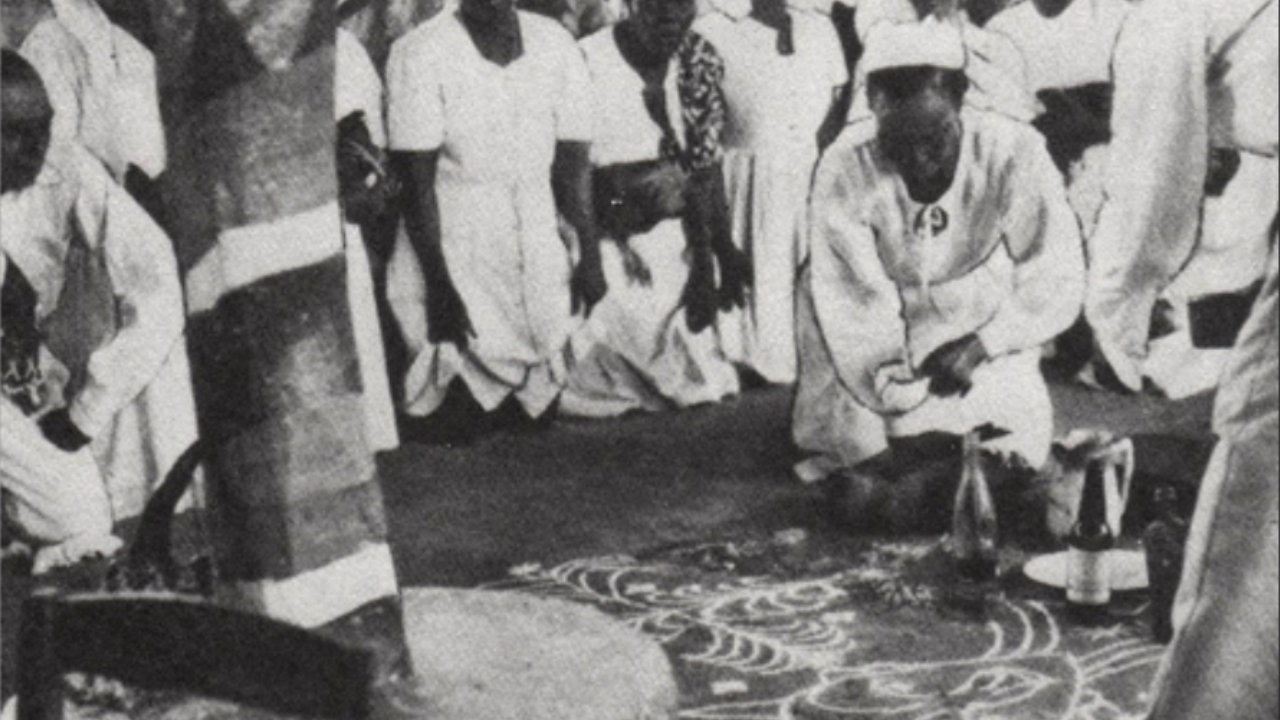
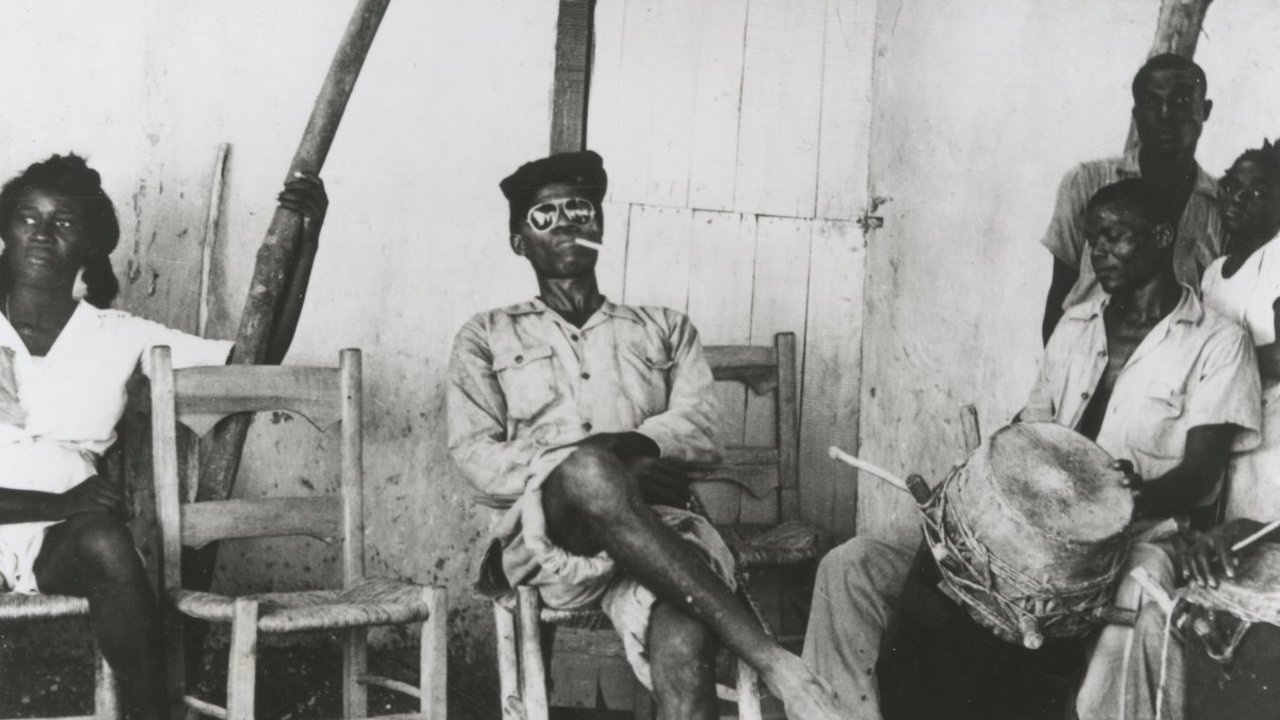
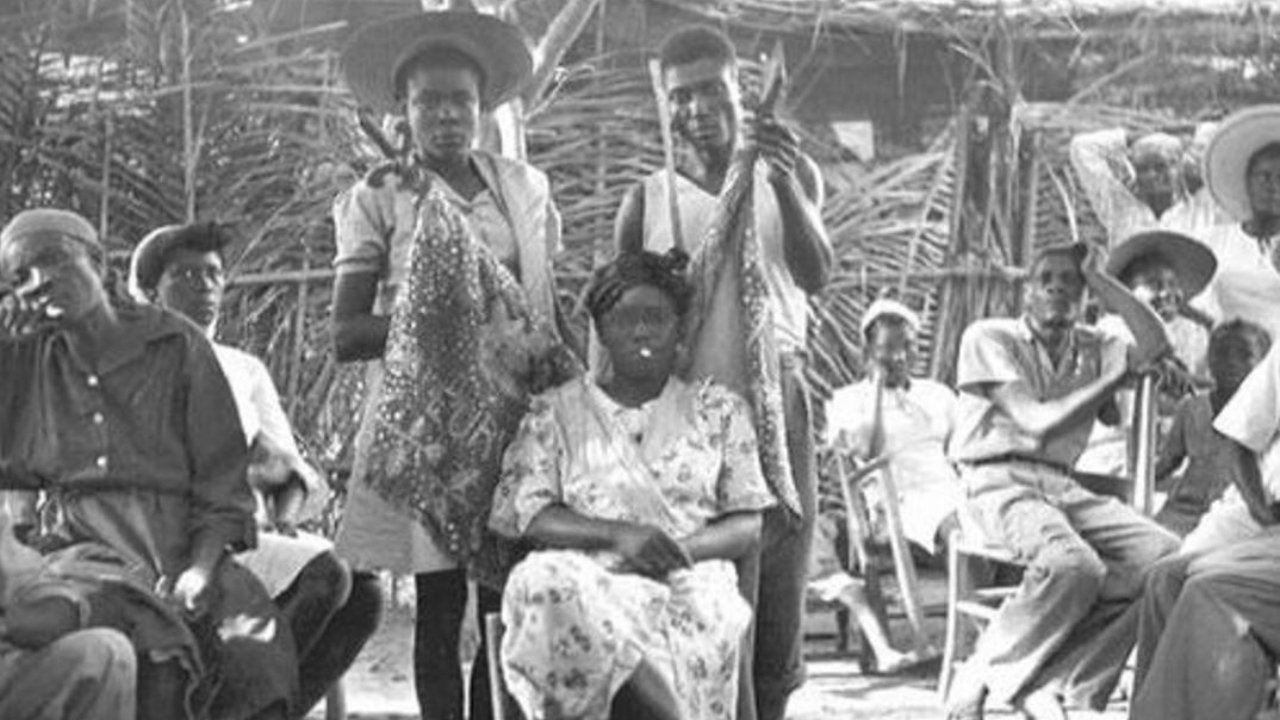
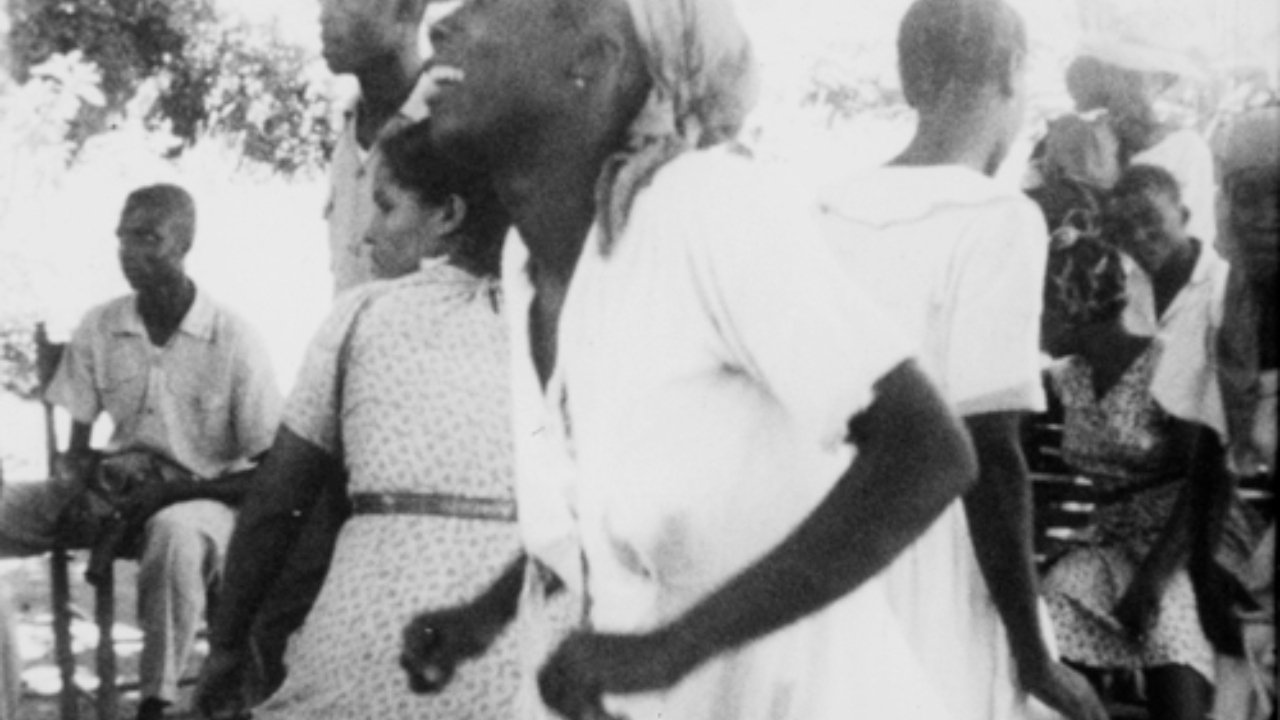
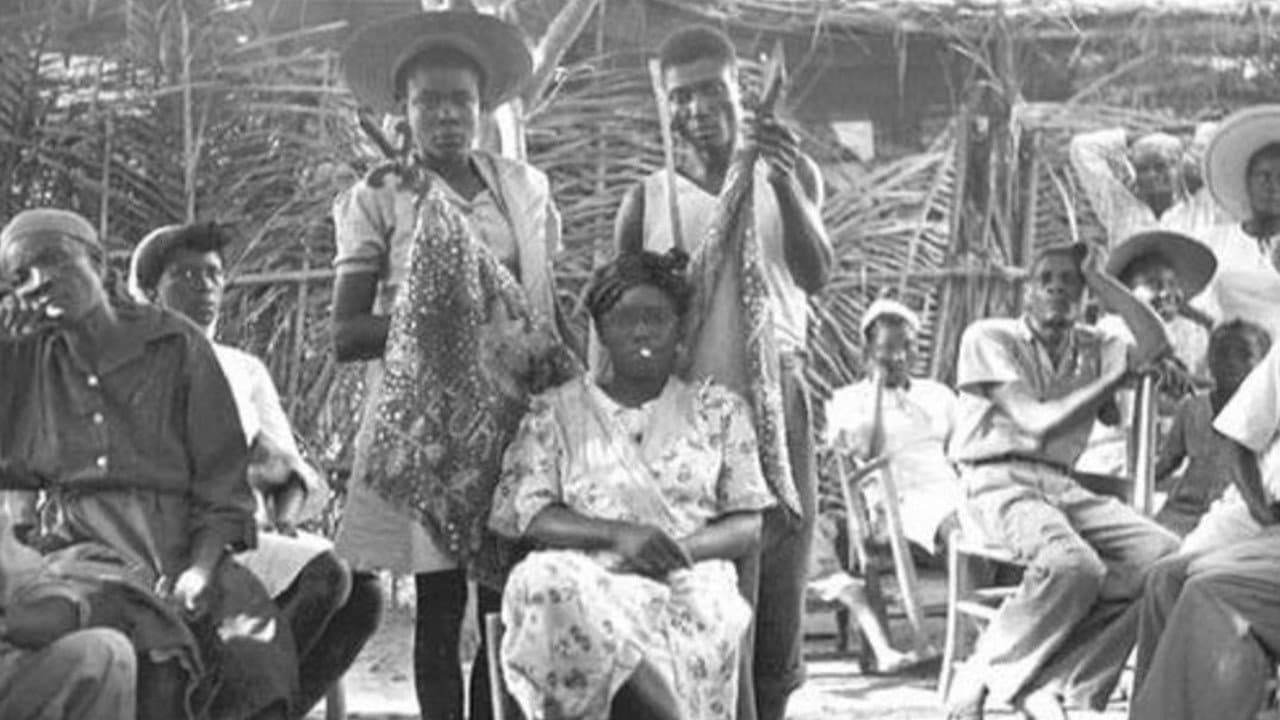
This intimate ethnographic study of Voudoun dances and rituals was shot by Maya Deren during her years in Haiti (1947-1951); she never edited the footage, so this “finished” version was made by Teiji Ito and Cherel Ito after Deren’s death.
Directed by Cherel Ito and Maya Deren and Teiji Ito
dance
voodoo
religion
ethnographic film

IMDB
N/A
Crew
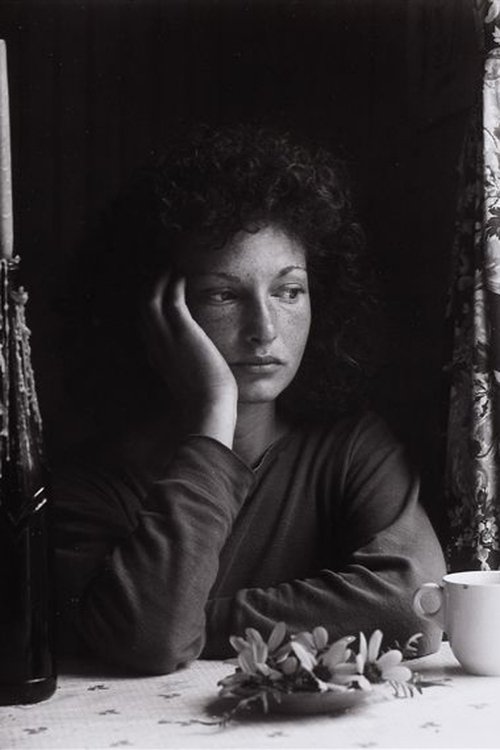
Maya Deren
Director
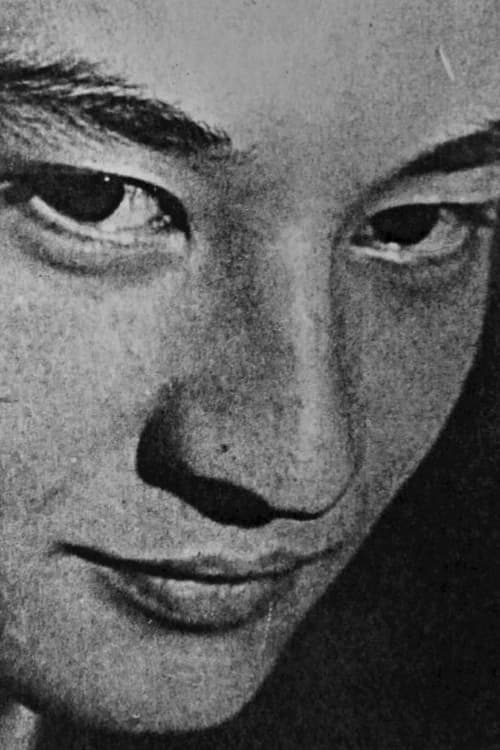
Teiji Ito
Director
Teiji Ito
Writer
Maya Deren
Director of Photography
Teiji Ito
Sound Editor
Teiji Ito
Music
Maya Deren
Book
Popular Reviews
6 reviews
Milan
I'm so locked into Haiti man it's crazy
I'm so locked into Haiti man it's crazy


Sergio
7.2★ · 05/27/25
amazing shots. the missed editing by Daren is so clear tho. it completely misses her flair. still informative.
amazing shots. the missed editing by Daren is so clear tho. it completely misses her flair. still informative.
LUKE
9.0★ · 05/24/25
No narration. No analysis. Just rhythm, possession, earth, sweat, trance. I love that Maya Deren handled this with respect—there’s no dehumanisation, no “look at these strange people” lens. Vodou isn’t framed as myth or spectacle; it’s treated as lived religion, ancestral force, memory in motion. It refuses the Westernised lens that so often tries to sanitise, exoticise, or explain away. The camera doesn’t interpret—it just watches. And by watching, it honours. The bodies, the chants, the rituals—they speak for themselves. You feel it more than you understand it, and that’s the point.
If you watch it, make sure it’s the remastered version without the added narration. That voiceover ruins the atmosphere—talking over the chants, the drums, the trance, like it needs to be decoded for a Western ear. The original audio holds all the weight. It’s simple, but it changes everything.
If you watch it, make sure it’s the remastered version without the added narration. That voiceover ruins the atmosphere—talking over the chants, the drums, the trance, like it needs to be decoded for a Western ear. The original audio holds all the weight. It’s simple, but it changes everything.
No narration. No analysis. Just rhythm, possession, earth, sweat, trance. I love that Maya Deren handled this with respect—there’s no dehumanisation, no “look at these strange people” lens. Vodou isn’t framed as myth or spectacle; it’s treated as lived religion, ancestral force, memory in motion. It refuses the Westernised lens that so often tries to sanitise, exoticise, or explain away. The camera doesn’t interpret—it just watches. And by watching, it honours. The bodies, the chants, the rituals—they speak for themselves. You feel it more than you understand it, and that’s the point.
If you watch it, make sure it’s the remastered version without the added narration. That voiceover ruins the atmosphere—talking over the chants, the drums, the trance, like it needs to be decoded for a Western ear. The original audio holds all the weight. It’s simple, but it changes everything.
If you watch it, make sure it’s the remastered version without the added narration. That voiceover ruins the atmosphere—talking over the chants, the drums, the trance, like it needs to be decoded for a Western ear. The original audio holds all the weight. It’s simple, but it changes everything.
vilaney
9.0★ · 02/28/25
ofc i love maya deren. and ofc i love dance. and ofc i love mondo/ethnographic film. and ofc i love religion. and ofc, then, i loved this. without having read her book, commenting on deren's film is difficult here, though i find the concept of these living gods truly fascinating. i will be reading her book, but i really want a physical copy so i am procrastinating a little bit on that. i love all the dance, ofc, but more than that i love the symbology. really cool geometries and constructs everywhere...
AS IT RELATES TO SEMANTIC CASTRATION, my darling baby, im leaving myself this quote from the film for later reference... "the chicken is passed over the head and shoulders of the devotee, as if it was a large feather cloth, to wipe away any impurity or evil. when everyone has been cleansed, the chicken is oriented to the cardinal points, after which it eats food which lies on the cornmeal drawing. when it eats that food, it becomes identified with the loa - this is signal it may be sacrificed and accepted by the loa. the wings and legs are broken so that any impurity that it have symbolically may have collected may not fly free. the attitude of the haitian towards the death and blood of these sacrificial beasts is never morbid - the intent and emphasis of sacrifice is never upon the death of the animal, it is upon the transfusion of its life to the loa, for he understanding is that flesh and blood are of the essence of life-vigour and these will restore the divine energy of the god."
AS IT RELATES TO SEMANTIC CASTRATION, my darling baby, im leaving myself this quote from the film for later reference... "the chicken is passed over the head and shoulders of the devotee, as if it was a large feather cloth, to wipe away any impurity or evil. when everyone has been cleansed, the chicken is oriented to the cardinal points, after which it eats food which lies on the cornmeal drawing. when it eats that food, it becomes identified with the loa - this is signal it may be sacrificed and accepted by the loa. the wings and legs are broken so that any impurity that it have symbolically may have collected may not fly free. the attitude of the haitian towards the death and blood of these sacrificial beasts is never morbid - the intent and emphasis of sacrifice is never upon the death of the animal, it is upon the transfusion of its life to the loa, for he understanding is that flesh and blood are of the essence of life-vigour and these will restore the divine energy of the god."
ofc i love maya deren. and ofc i love dance. and ofc i love mondo/ethnographic film. and ofc i love religion. and ofc, then, i loved this. without having read her book, commenting on deren's film is difficult here, though i find the concept of these living gods truly fascinating. i will be reading her book, but i really want a physical copy so i am procrastinating a little bit on that. i love all the dance, ofc, but more than that i love the symbology. really cool geometries and constructs everywhere...
AS IT RELATES TO SEMANTIC CASTRATION, my darling baby, im leaving myself this quote from the film for later reference... "the chicken is passed over the head and shoulders of the devotee, as if it was a large feather cloth, to wipe away any impurity or evil. when everyone has been cleansed, the chicken is oriented to the cardinal points, after which it eats food which lies on the cornmeal drawing. when it eats that food, it becomes identified with the loa - this is signal it may be sacrificed and accepted by the loa. the wings and legs are broken so that any impurity that it have symbolically may have collected may not fly free. the attitude of the haitian towards the death and blood of these sacrificial beasts is never morbid - the intent and emphasis of sacrifice is never upon the death of the animal, it is upon the transfusion of its life to the loa, for he understanding is that flesh and blood are of the essence of life-vigour and these will restore the divine energy of the god."
AS IT RELATES TO SEMANTIC CASTRATION, my darling baby, im leaving myself this quote from the film for later reference... "the chicken is passed over the head and shoulders of the devotee, as if it was a large feather cloth, to wipe away any impurity or evil. when everyone has been cleansed, the chicken is oriented to the cardinal points, after which it eats food which lies on the cornmeal drawing. when it eats that food, it becomes identified with the loa - this is signal it may be sacrificed and accepted by the loa. the wings and legs are broken so that any impurity that it have symbolically may have collected may not fly free. the attitude of the haitian towards the death and blood of these sacrificial beasts is never morbid - the intent and emphasis of sacrifice is never upon the death of the animal, it is upon the transfusion of its life to the loa, for he understanding is that flesh and blood are of the essence of life-vigour and these will restore the divine energy of the god."
Eclectic Sorcerer
2.0★ · 01/06/25
Ethnographic film making has a lot of implications, many negatives being present. I like to study other ethnic cultures, however to comodify it is to put it lightly lame. I don't care for this one at all, but not because of Deren, but how they took an unfinished product and ran with it without her collaboration or anyone who really should've really made me not like this one at all.
Furthermore, I still love Maya Deren and I don't blame her for trying to understand a culture in great contrast to hers. However, I still think this should have never released and never be released commercially.
Furthermore, I still love Maya Deren and I don't blame her for trying to understand a culture in great contrast to hers. However, I still think this should have never released and never be released commercially.
Ethnographic film making has a lot of implications, many negatives being present. I like to study other ethnic cultures, however to comodify it is to put it lightly lame. I don't care for this one at all, but not because of Deren, but how they took an unfinished product and ran with it without her collaboration or anyone who really should've really made me not like this one at all.
Furthermore, I still love Maya Deren and I don't blame her for trying to understand a culture in great contrast to hers. However, I still think this should have never released and never be released commercially.
Furthermore, I still love Maya Deren and I don't blame her for trying to understand a culture in great contrast to hers. However, I still think this should have never released and never be released commercially.