
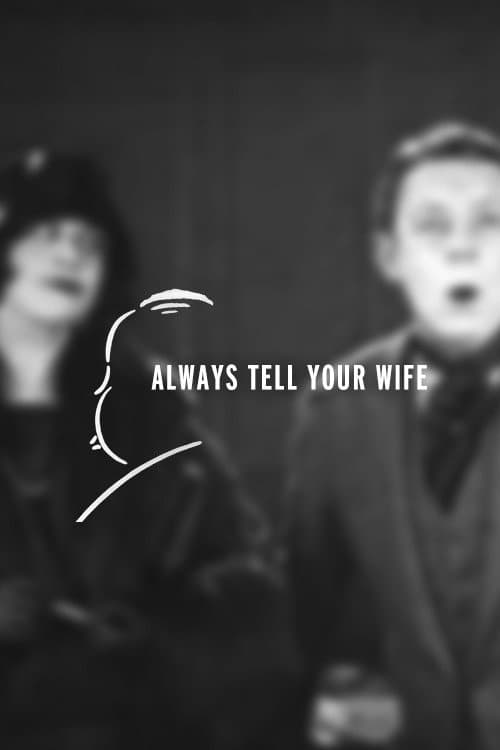
Always Tell Your Wife
1923·Comedy·20m
7.0
★
A British short comedy about two married couples whose romantic entanglements lead to farcical complications. When the original director Hugh Croise fell ill, Alfred Hitchcock and Seymour Hicks completed the film. Released in 1923 as a remake of the 1914 Leedham Bantock version, only one of its two reels is known to survive.
Directed by Hugh Croise and Alfred Hitchcock and Seymour Hicks
love affair
short film

IMDB
N/A
Cast
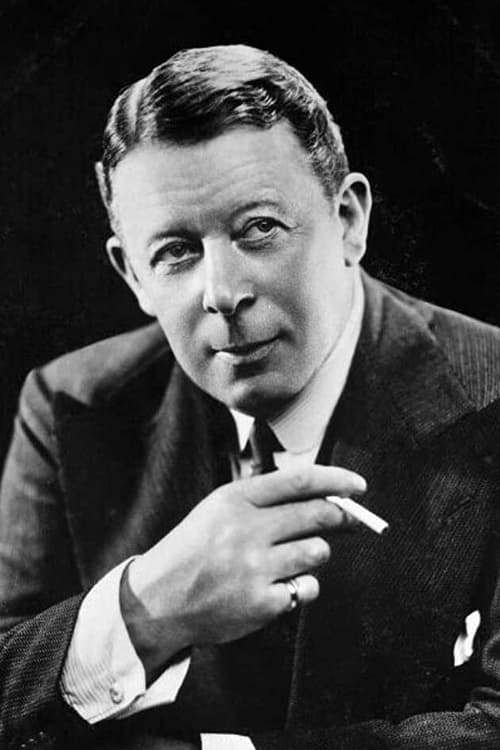
Seymour Hicks
The Husband - Jim Chesson

Ellaline Terriss
The Wife - Mrs. Chesson
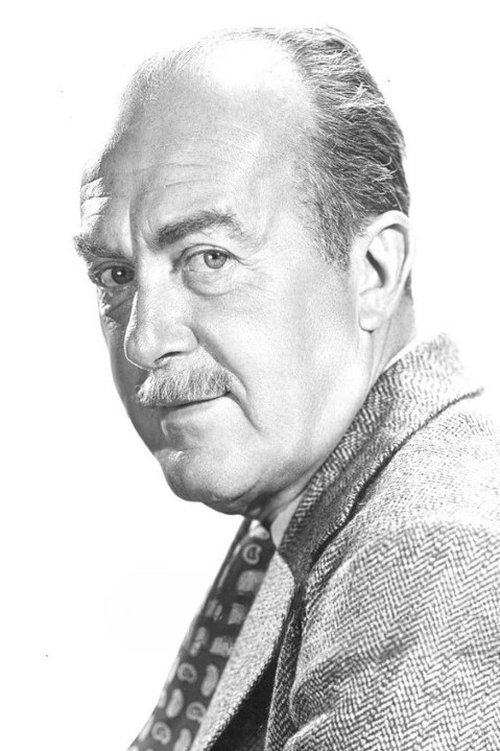
Stanley Logan
Jerry Hawkes
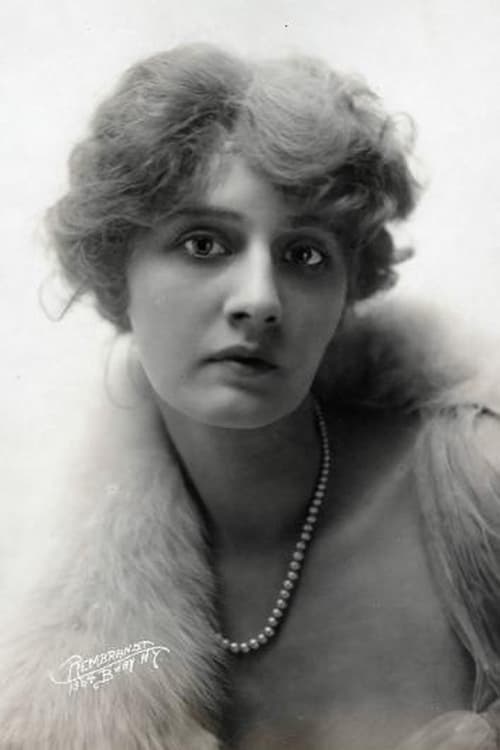
Gertrude McCoy
Mrs. Hawkes
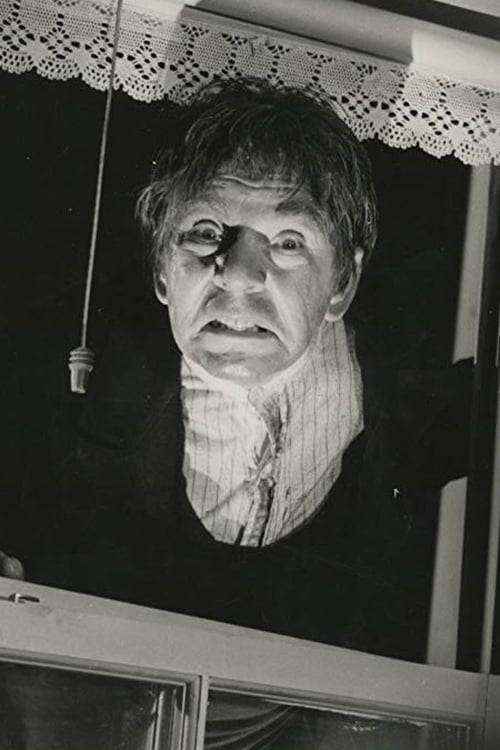
Ian Wilson
Office boy
Crew
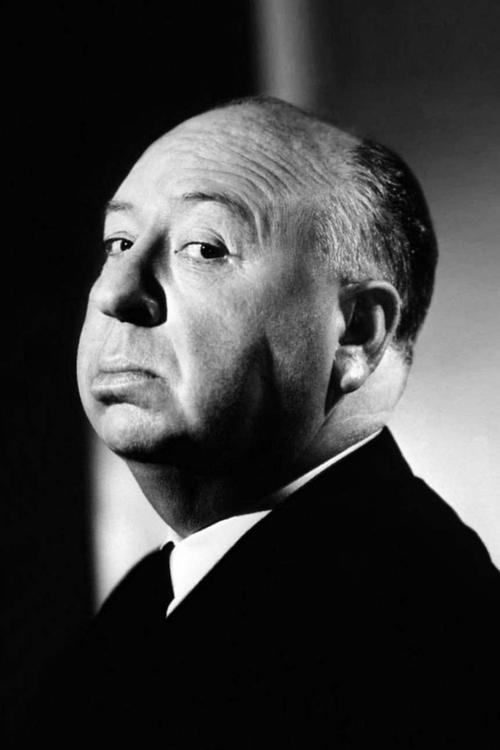
Alfred Hitchcock
Director
Seymour Hicks
Director
Popular Reviews
4 reviews
peraviae
8.0★ · 02/19/26

Hitchcock didn't direct this so much as rescue it.
The story is almost better than the film, the original director fell ill mid-production, the leading man was a well-known stage actor named Seymour Hicks who apparently decided the solution was to simply finish it himself, and then somewhere in that chaos a twenty-three year old Alfred Hitchcock stepped in to help. What survives is less a coherent vision than a palimpsest, multiple hands visible in the seams, which gives it an accidental documentary quality alongside whatever it was trying to be.
And yet it works, in the loose delightful way that early comedy often works, through charm and timing and the specific pleasure of watching people who know what they're doing even when the material is slight. Hicks is a natural screen presence in the way that stage actors occasionally are when the camera happens to agree with them. The domestic farce mechanics creak pleasantly, like a door that sticks but always opens.
What you're really watching, of course, is an origin. The same eye that would eventually find the wrong man on a train, the shower curtain, the birds on the climbing frame, that eye is somewhere in here, learning. You can't quite locate it, which is appropriate. Hitchcock spent his whole career hiding in plain sight.
Thirty minutes of cinema history wearing a comedy's clothes.
Worth every second for the footnote alone.
The story is almost better than the film, the original director fell ill mid-production, the leading man was a well-known stage actor named Seymour Hicks who apparently decided the solution was to simply finish it himself, and then somewhere in that chaos a twenty-three year old Alfred Hitchcock stepped in to help. What survives is less a coherent vision than a palimpsest, multiple hands visible in the seams, which gives it an accidental documentary quality alongside whatever it was trying to be.
And yet it works, in the loose delightful way that early comedy often works, through charm and timing and the specific pleasure of watching people who know what they're doing even when the material is slight. Hicks is a natural screen presence in the way that stage actors occasionally are when the camera happens to agree with them. The domestic farce mechanics creak pleasantly, like a door that sticks but always opens.
What you're really watching, of course, is an origin. The same eye that would eventually find the wrong man on a train, the shower curtain, the birds on the climbing frame, that eye is somewhere in here, learning. You can't quite locate it, which is appropriate. Hitchcock spent his whole career hiding in plain sight.
Thirty minutes of cinema history wearing a comedy's clothes.
Worth every second for the footnote alone.
Hitchcock didn't direct this so much as rescue it.
The story is almost better than the film, the original director fell ill mid-production, the leading man was a well-known stage actor named Seymour Hicks who apparently decided the solution was to simply finish it himself, and then somewhere in that chaos a twenty-three year old Alfred Hitchcock stepped in to help. What survives is less a coherent vision than a palimpsest, multiple hands visible in the seams, which gives it an accidental documentary quality alongside whatever it was trying to be.
And yet it works, in the loose delightful way that early comedy often works, through charm and timing and the specific pleasure of watching people who know what they're doing even when the material is slight. Hicks is a natural screen presence in the way that stage actors occasionally are when the camera happens to agree with them. The domestic farce mechanics creak pleasantly, like a door that sticks but always opens.
What you're really watching, of course, is an origin. The same eye that would eventually find the wrong man on a train, the shower curtain, the birds on the climbing frame, that eye is somewhere in here, learning. You can't quite locate it, which is appropriate. Hitchcock spent his whole career hiding in plain sight.
Thirty minutes of cinema history wearing a comedy's clothes.
Worth every second for the footnote alone.
The story is almost better than the film, the original director fell ill mid-production, the leading man was a well-known stage actor named Seymour Hicks who apparently decided the solution was to simply finish it himself, and then somewhere in that chaos a twenty-three year old Alfred Hitchcock stepped in to help. What survives is less a coherent vision than a palimpsest, multiple hands visible in the seams, which gives it an accidental documentary quality alongside whatever it was trying to be.
And yet it works, in the loose delightful way that early comedy often works, through charm and timing and the specific pleasure of watching people who know what they're doing even when the material is slight. Hicks is a natural screen presence in the way that stage actors occasionally are when the camera happens to agree with them. The domestic farce mechanics creak pleasantly, like a door that sticks but always opens.
What you're really watching, of course, is an origin. The same eye that would eventually find the wrong man on a train, the shower curtain, the birds on the climbing frame, that eye is somewhere in here, learning. You can't quite locate it, which is appropriate. Hitchcock spent his whole career hiding in plain sight.
Thirty minutes of cinema history wearing a comedy's clothes.
Worth every second for the footnote alone.


Missmisf
Masterpiece
Masterpiece
Julie Andrews
0.5★ · 02/11/24
This is so good, too bad seem of you mfs can't time travel
This is so good, too bad seem of you mfs can't time travel
ZZAP
6.0★ · 02/24/25
Tinatin Asatiani
6.0★ · 08/27/24