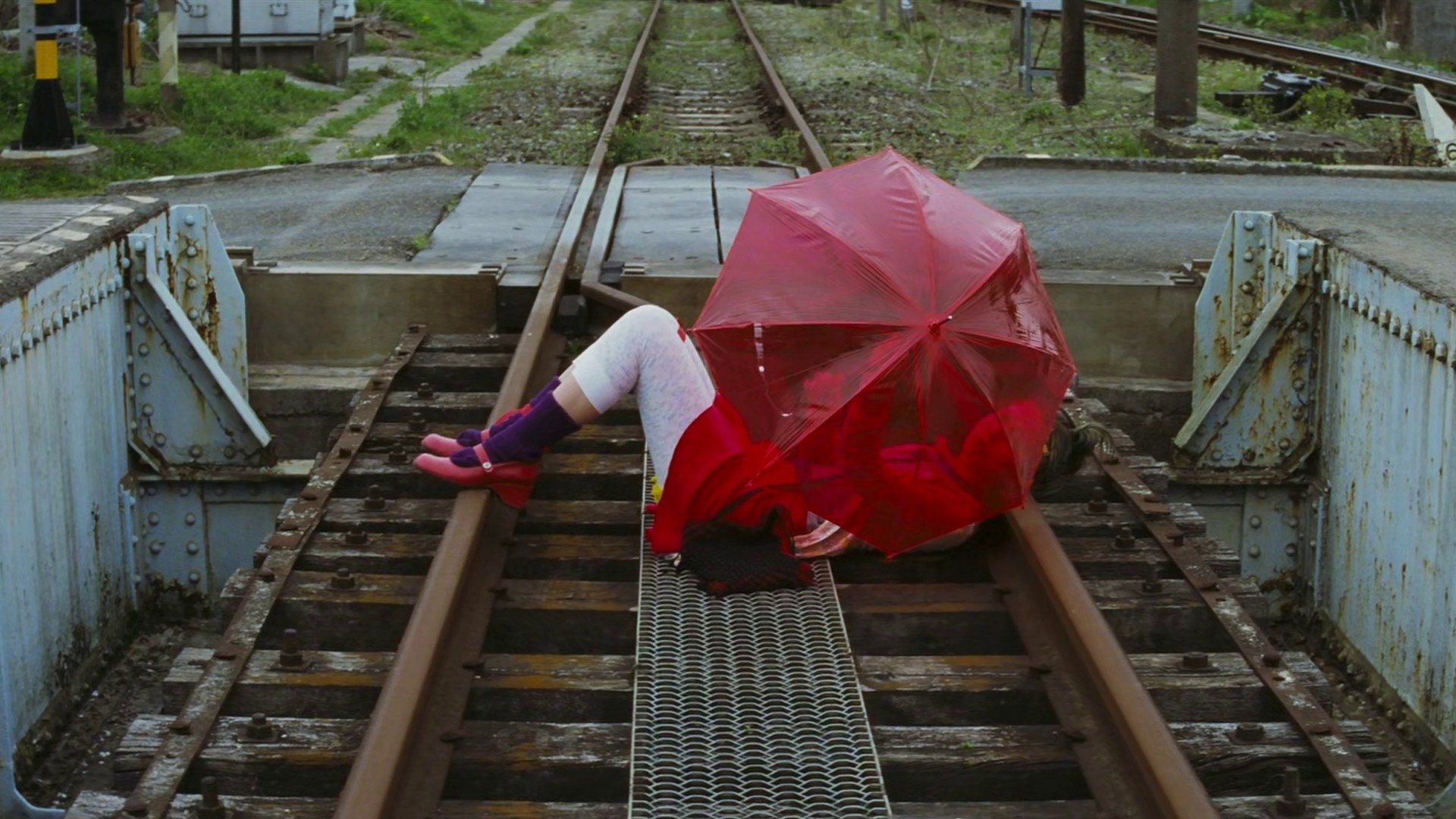
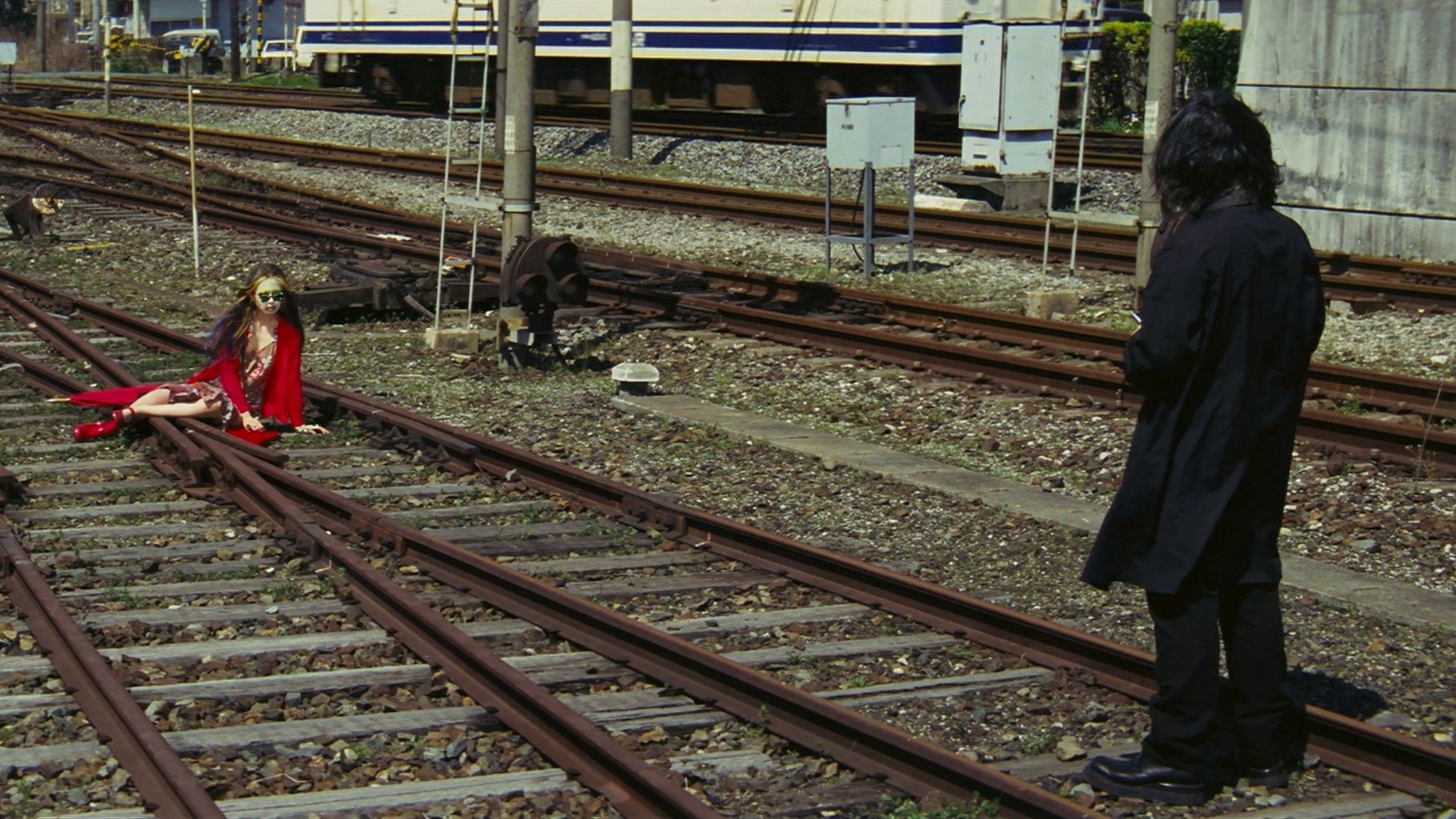
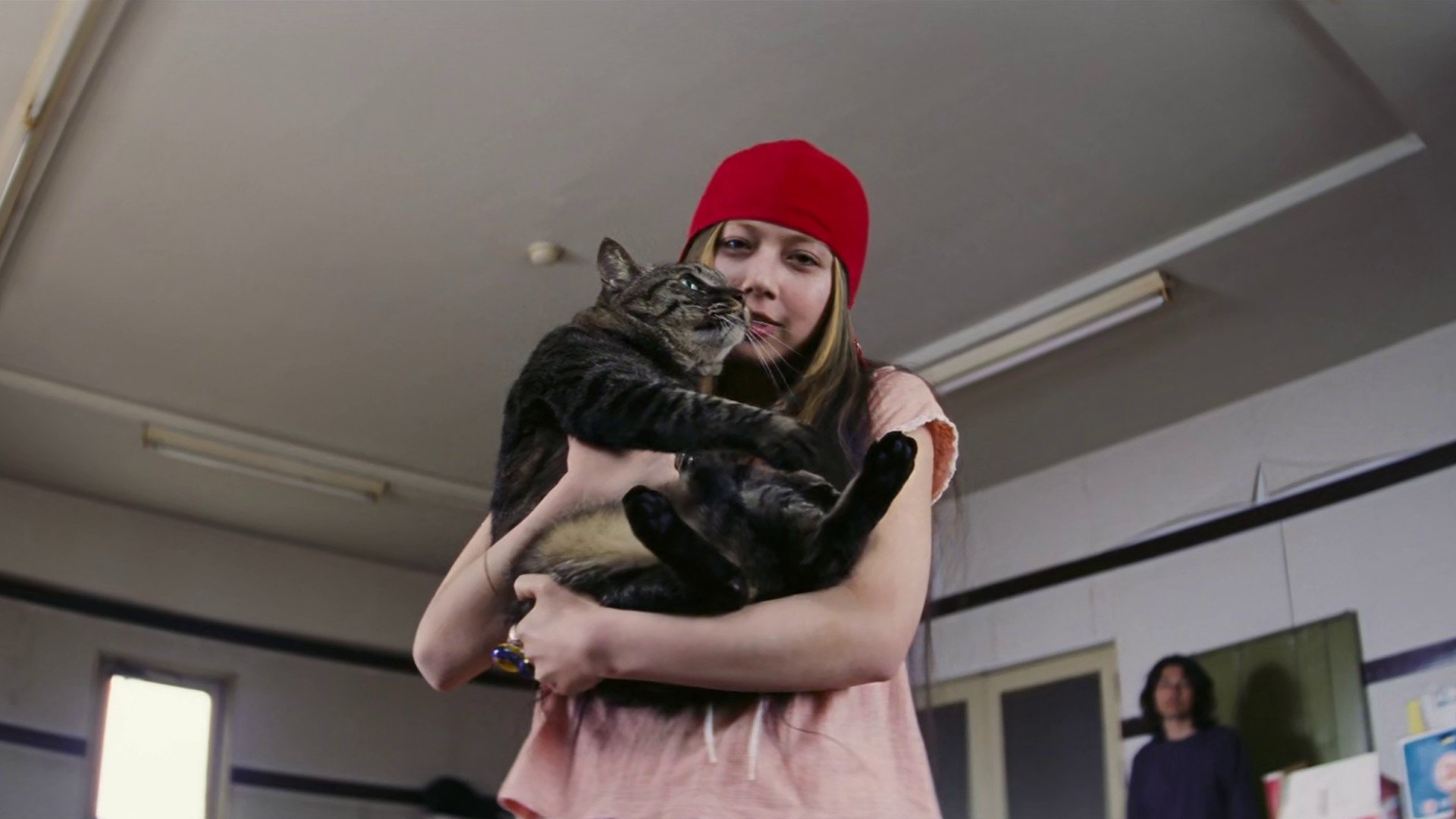
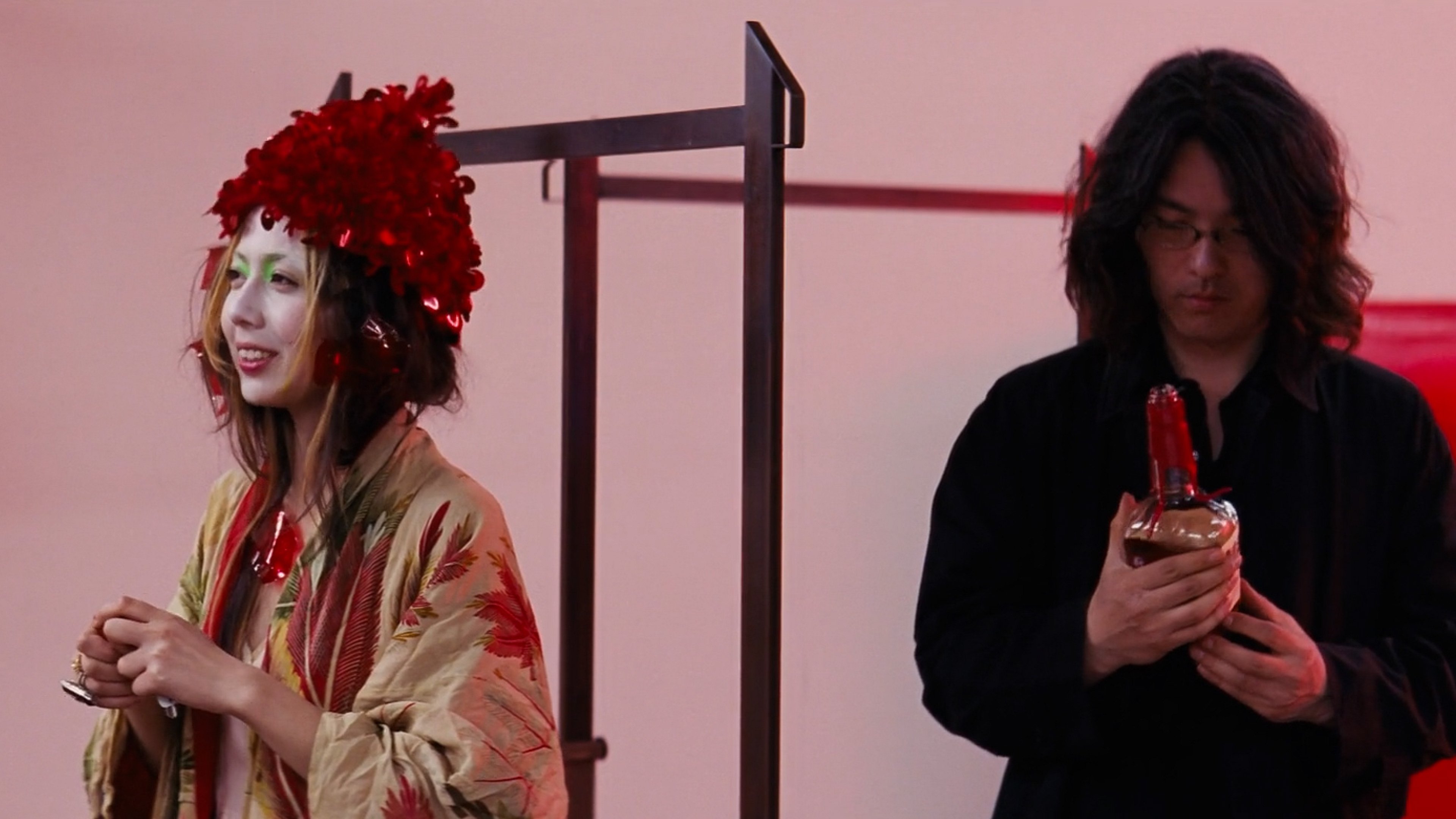
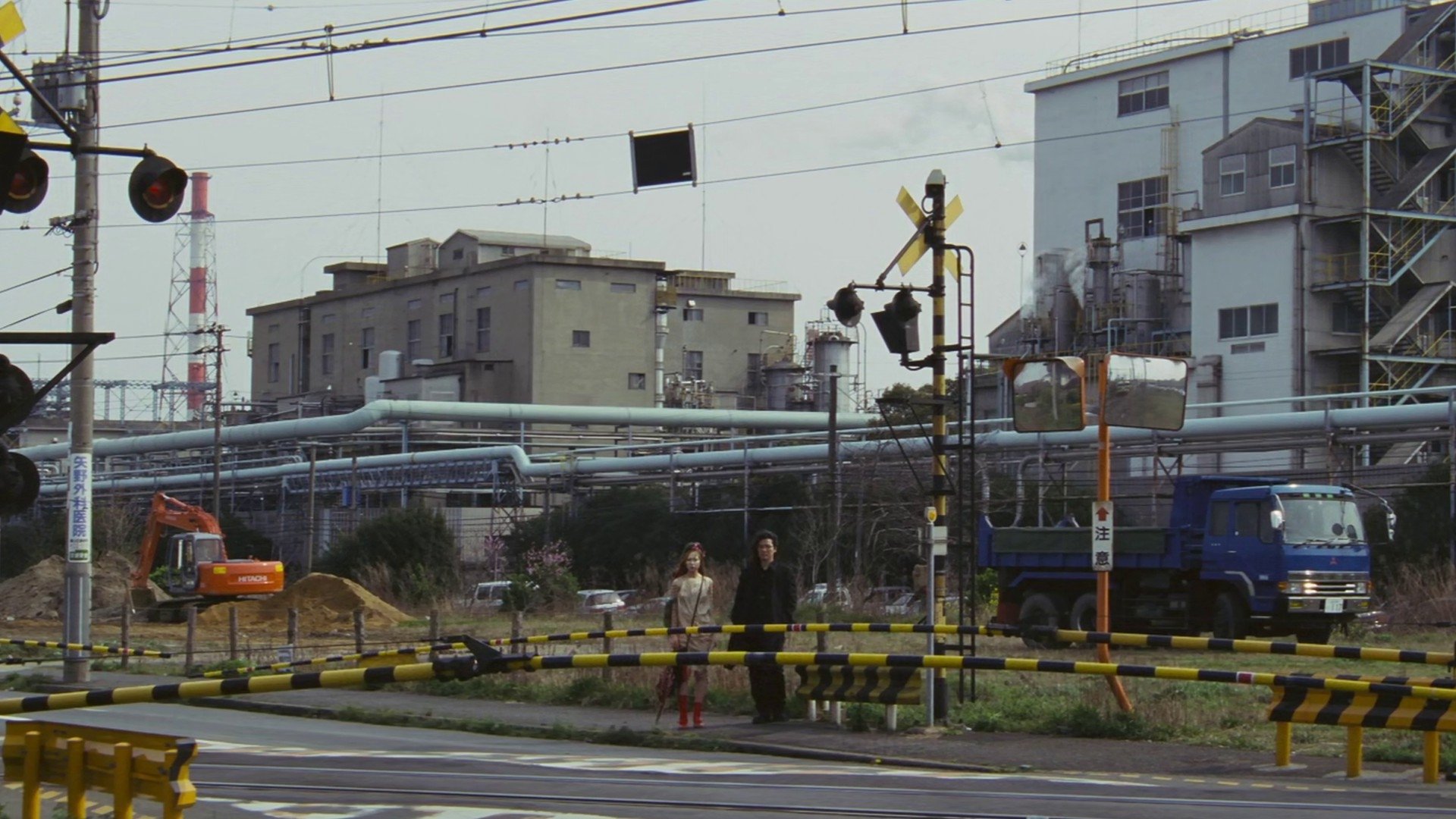
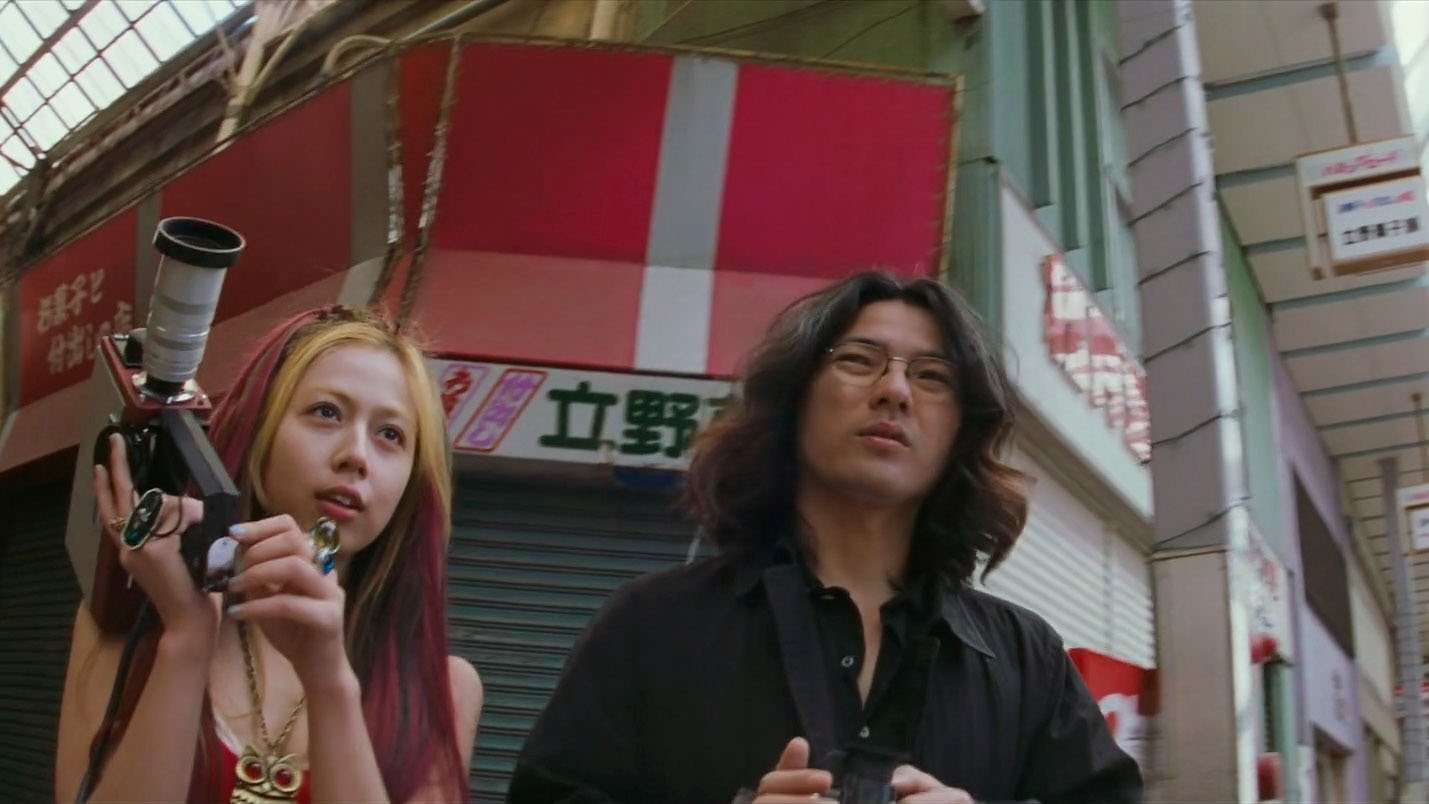
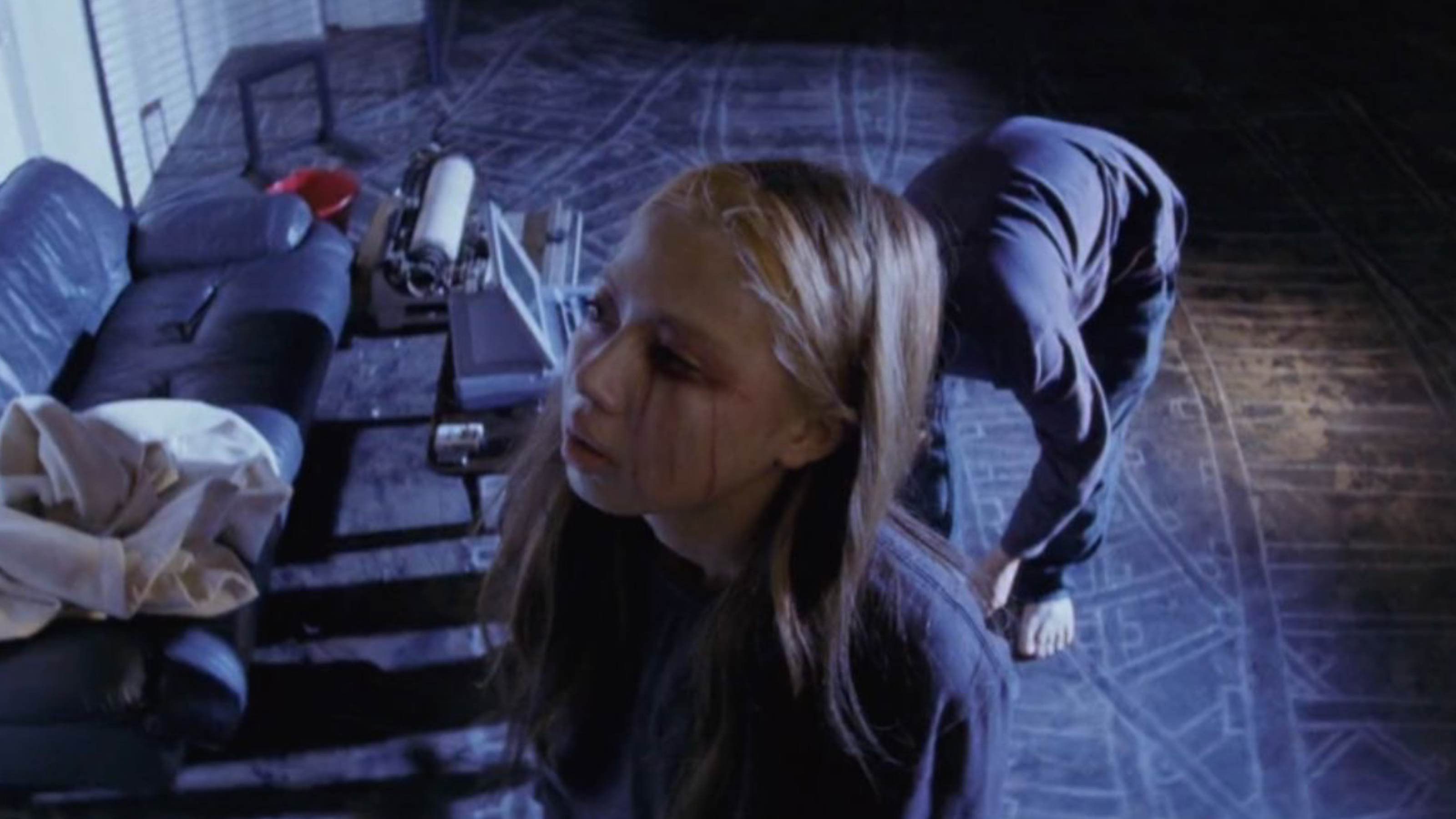
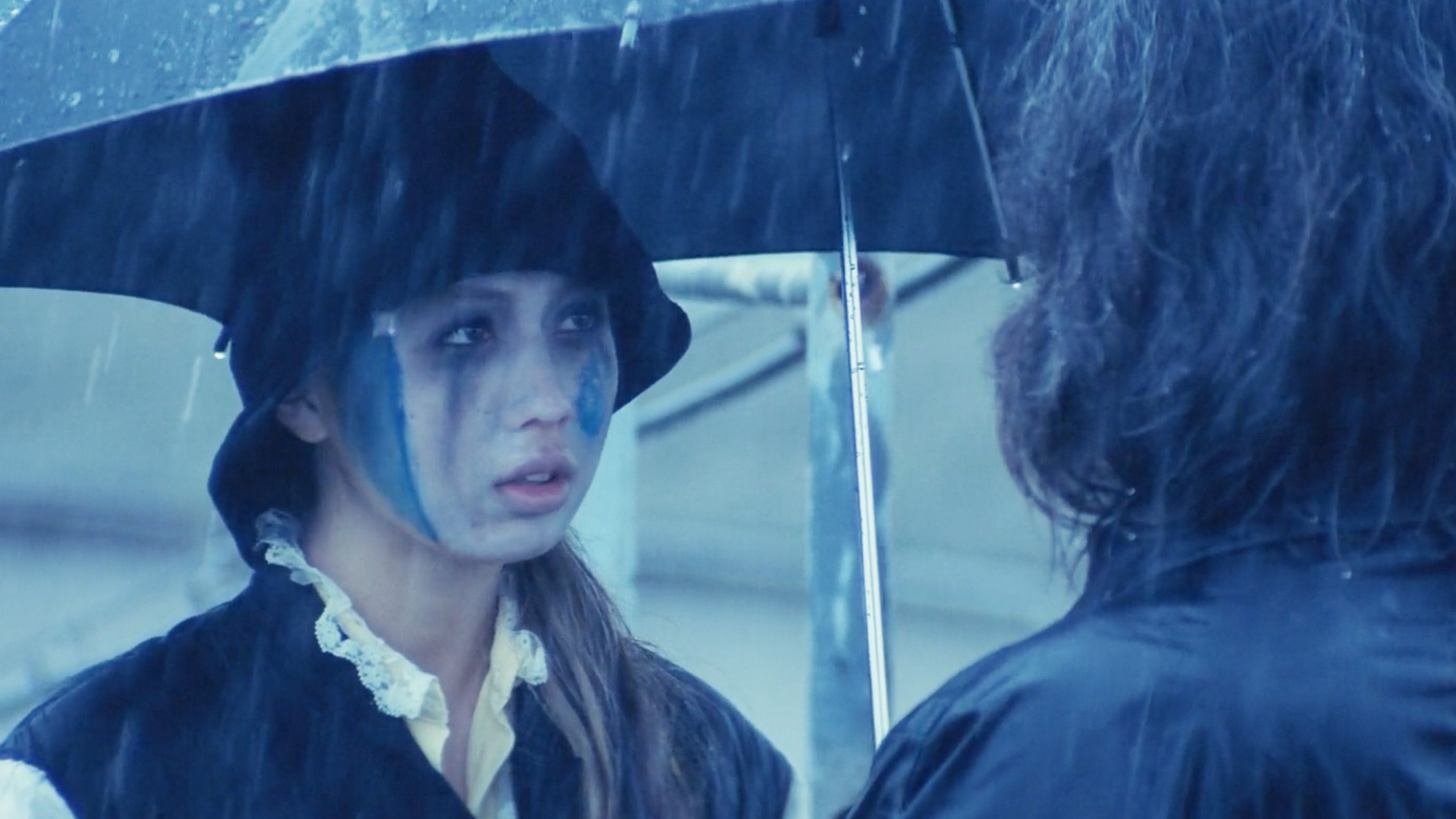
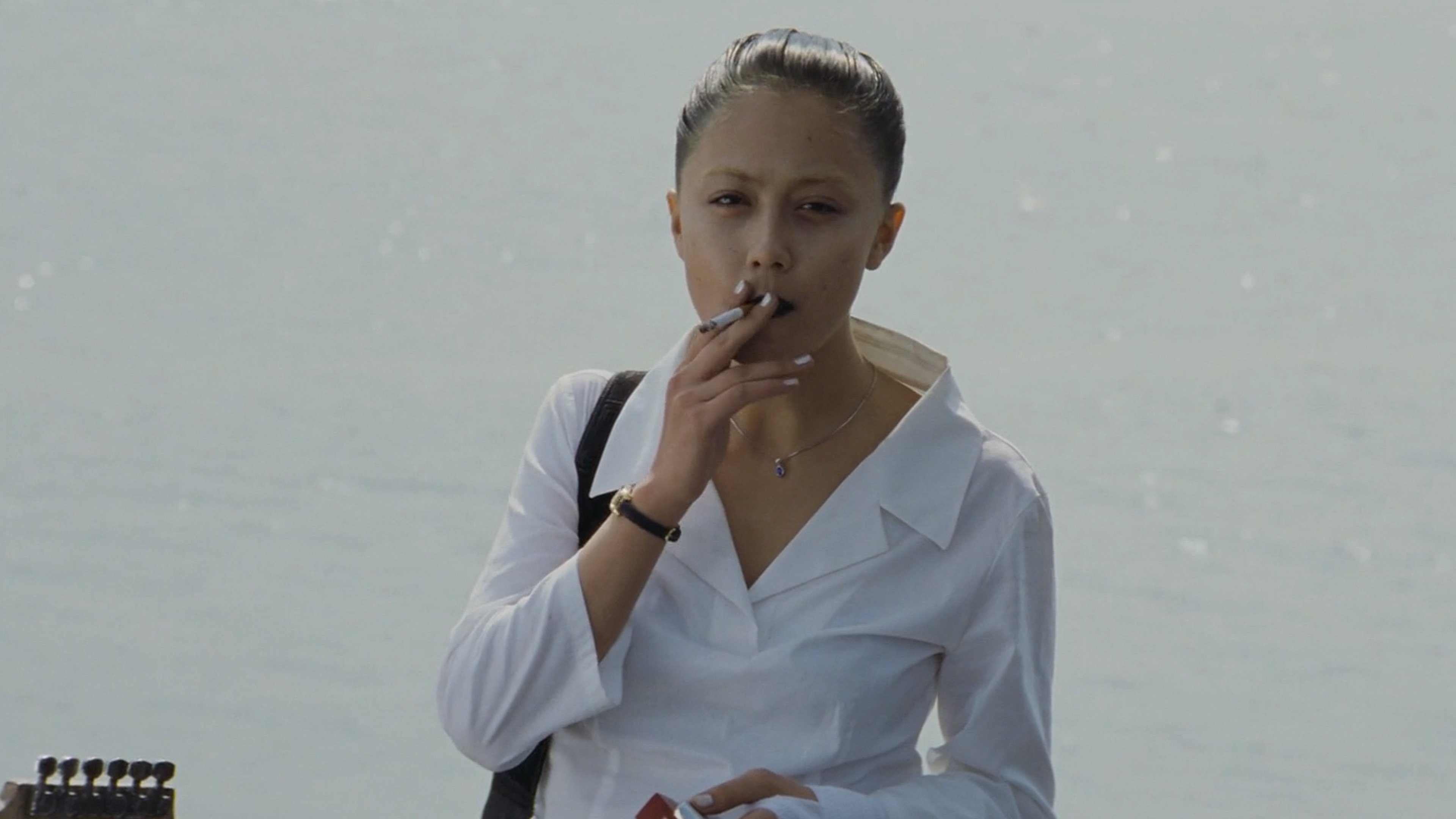
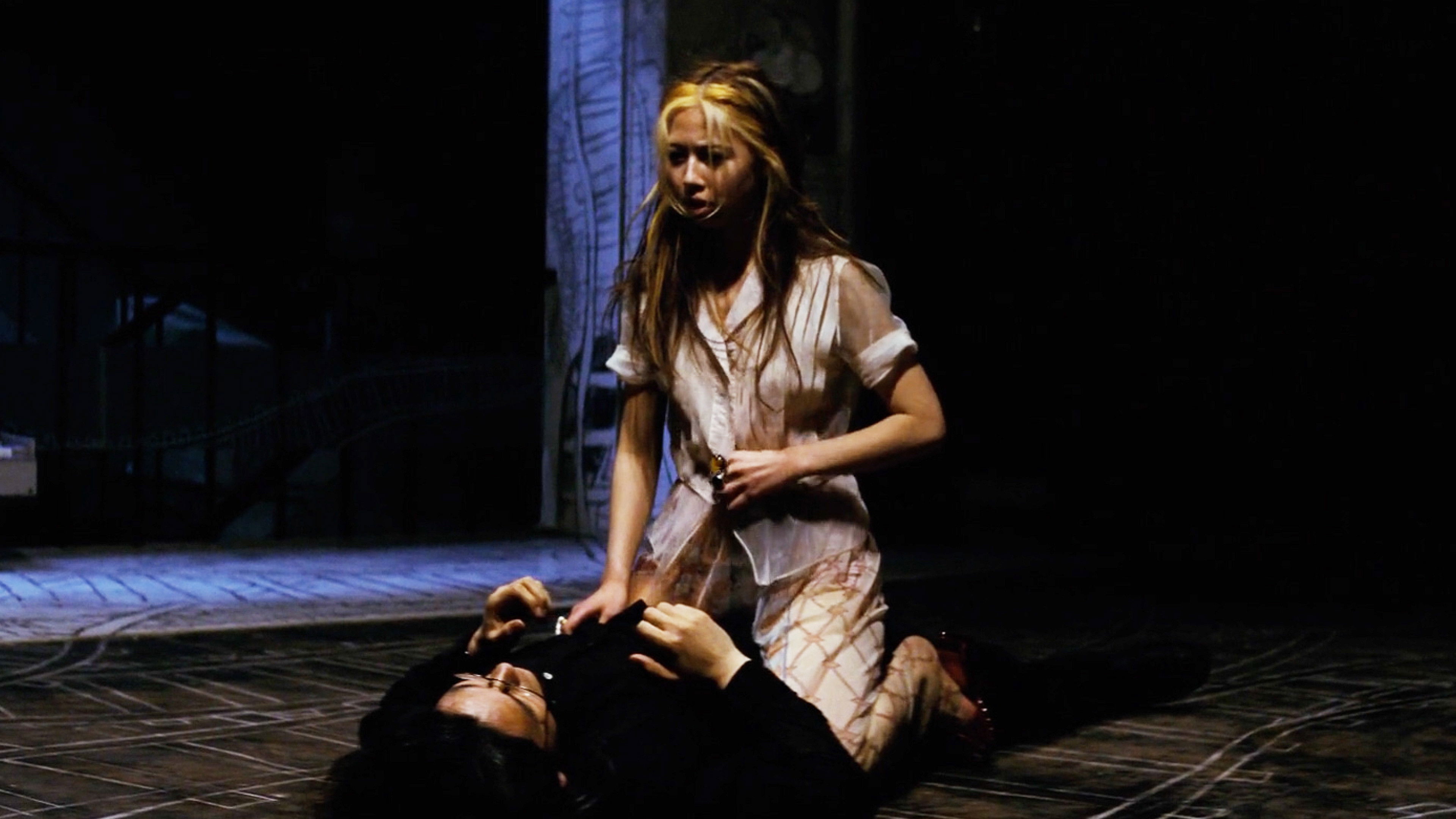
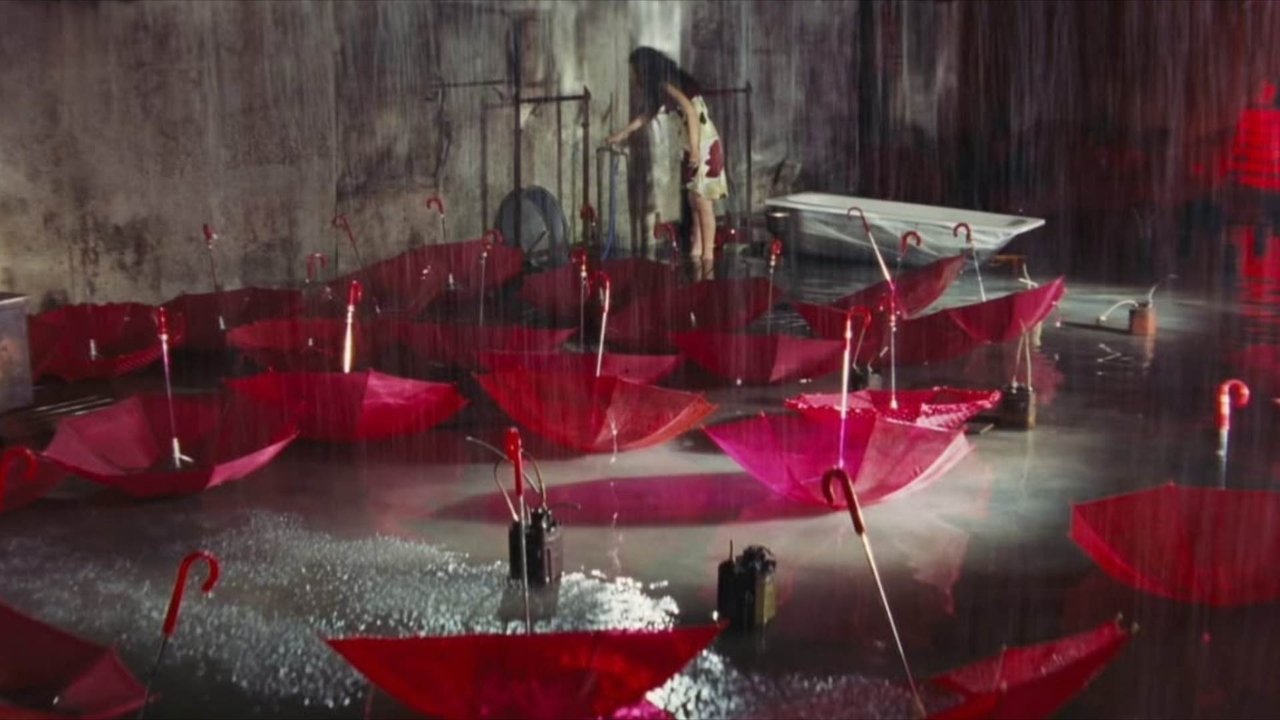
Someone told me this movie reminded them of me. I’m still not sure how to feel about that.
Watching
Ritual was difficult. At times, it felt invasive and yet, it was also deeply therapeutic. There is something cathartic about seeing emotions you struggle to articulate reflected so clearly on screen. It doesn’t fix anything but it makes you feel seen.
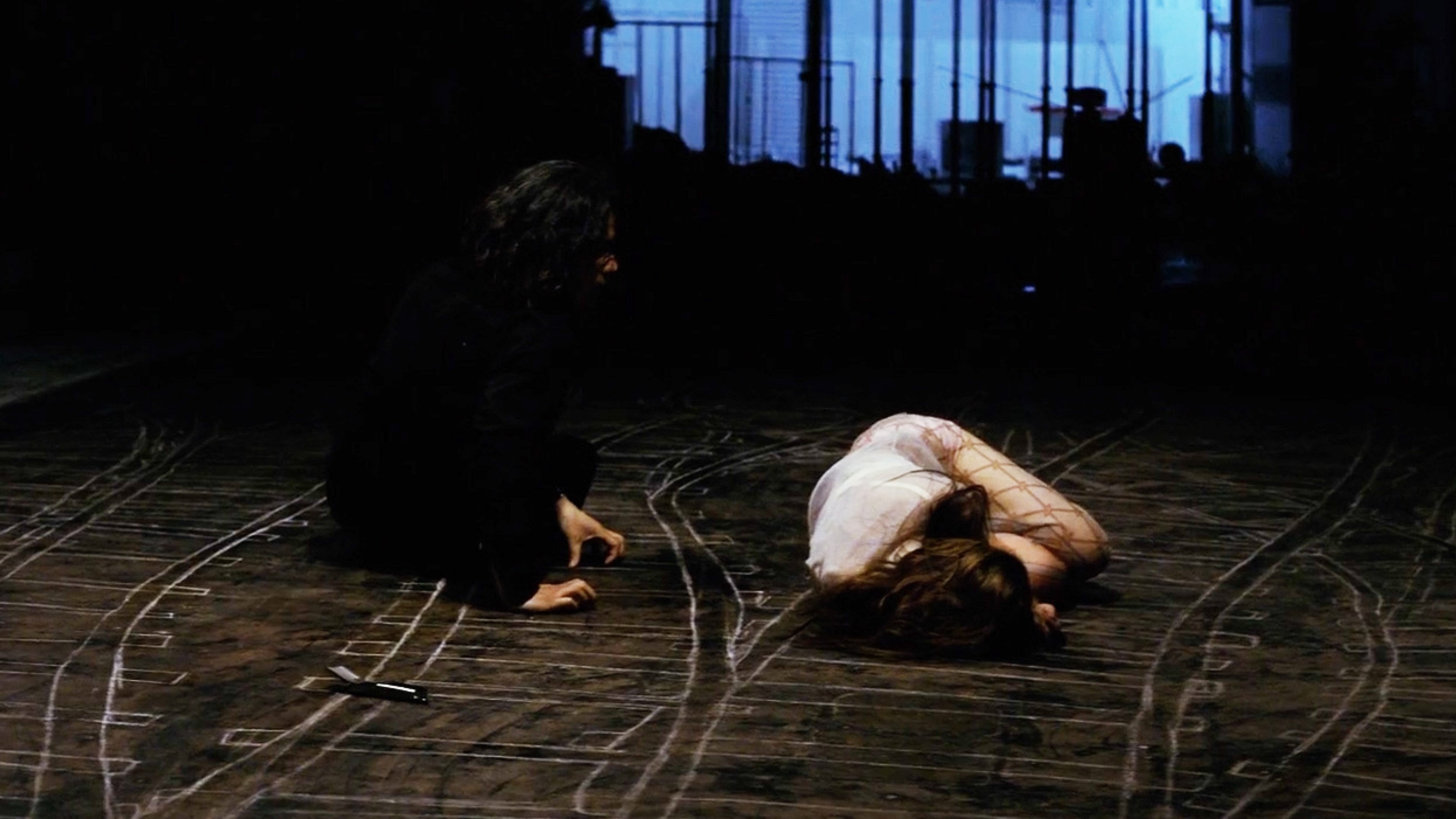
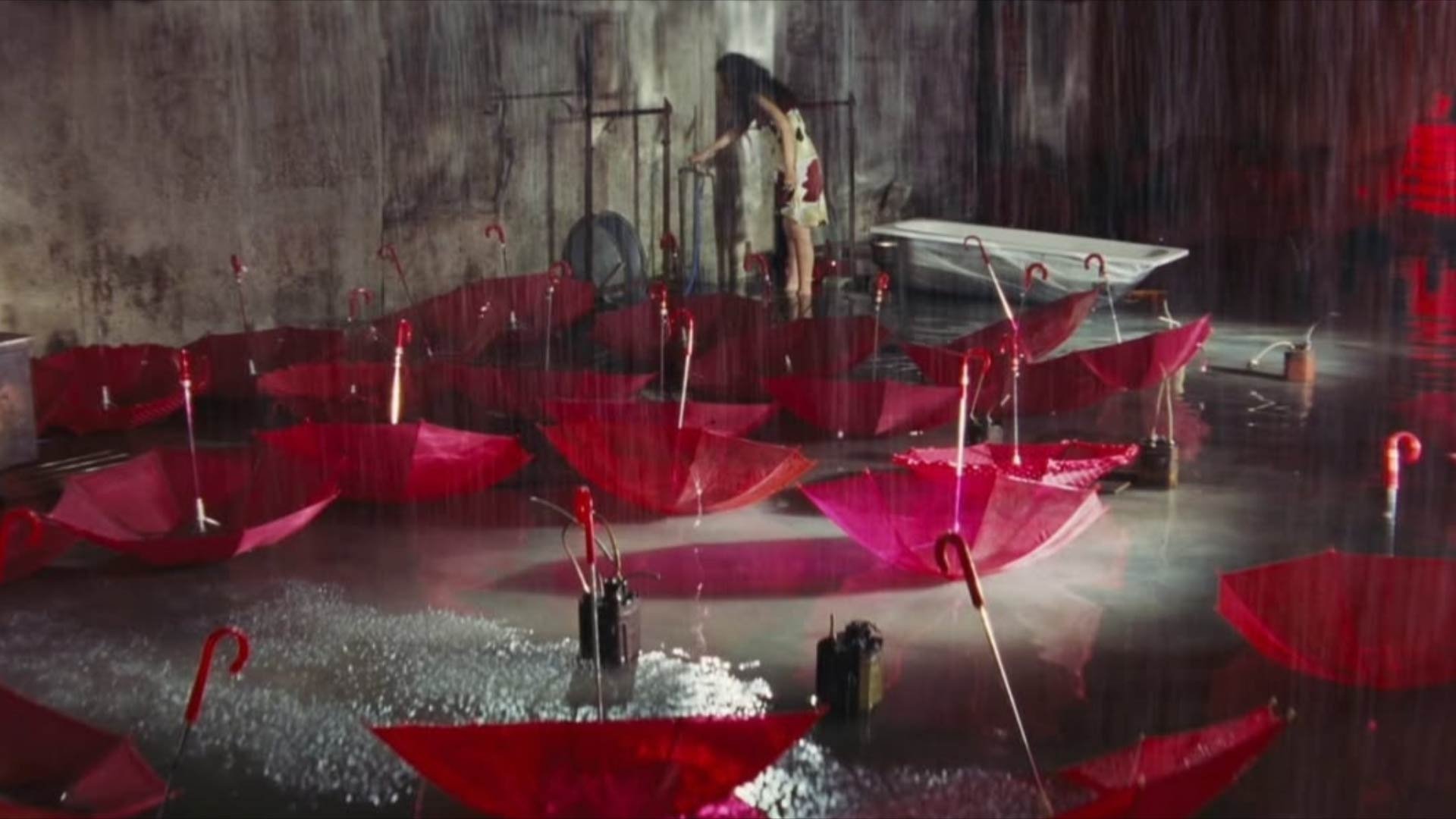
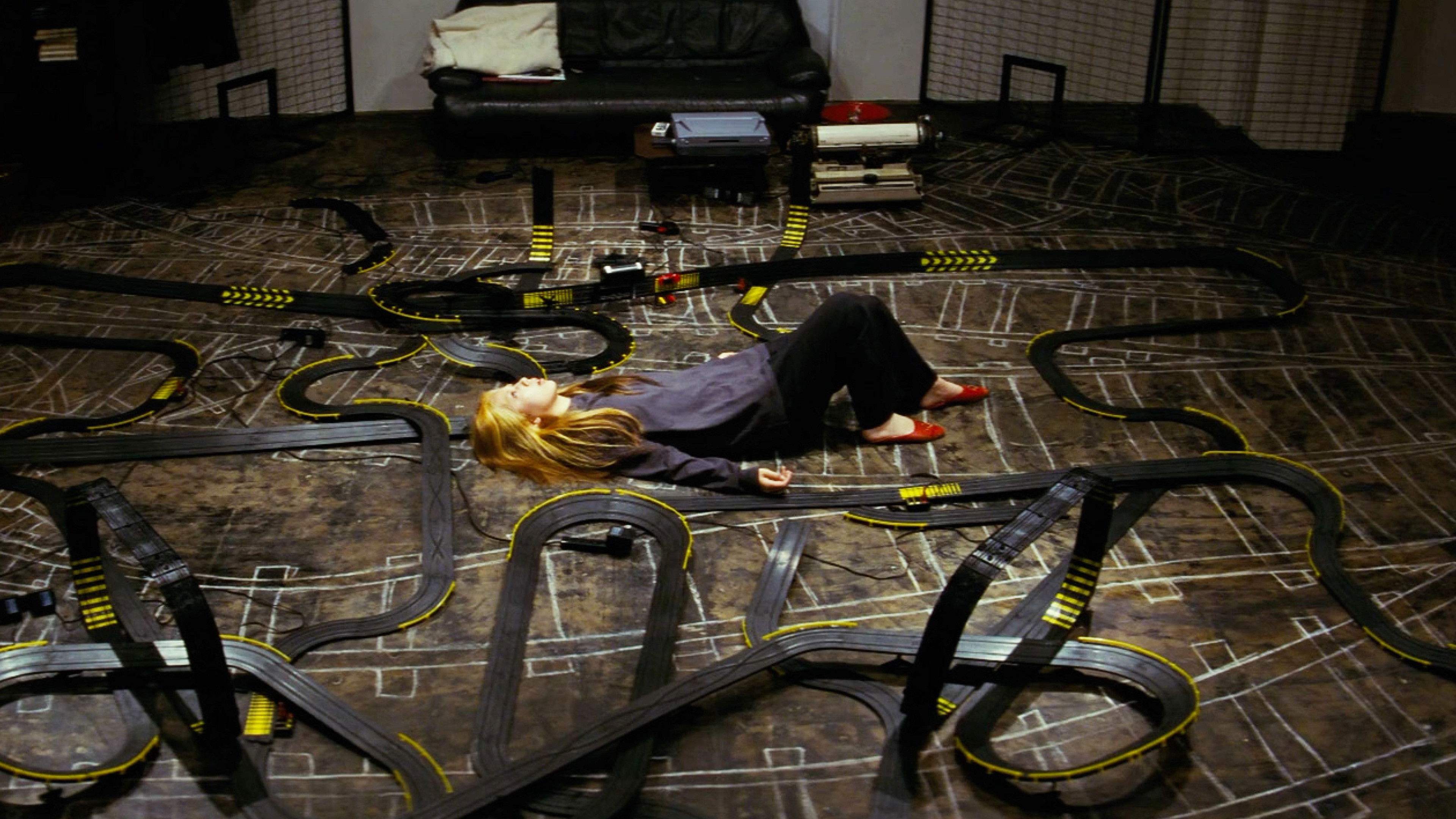
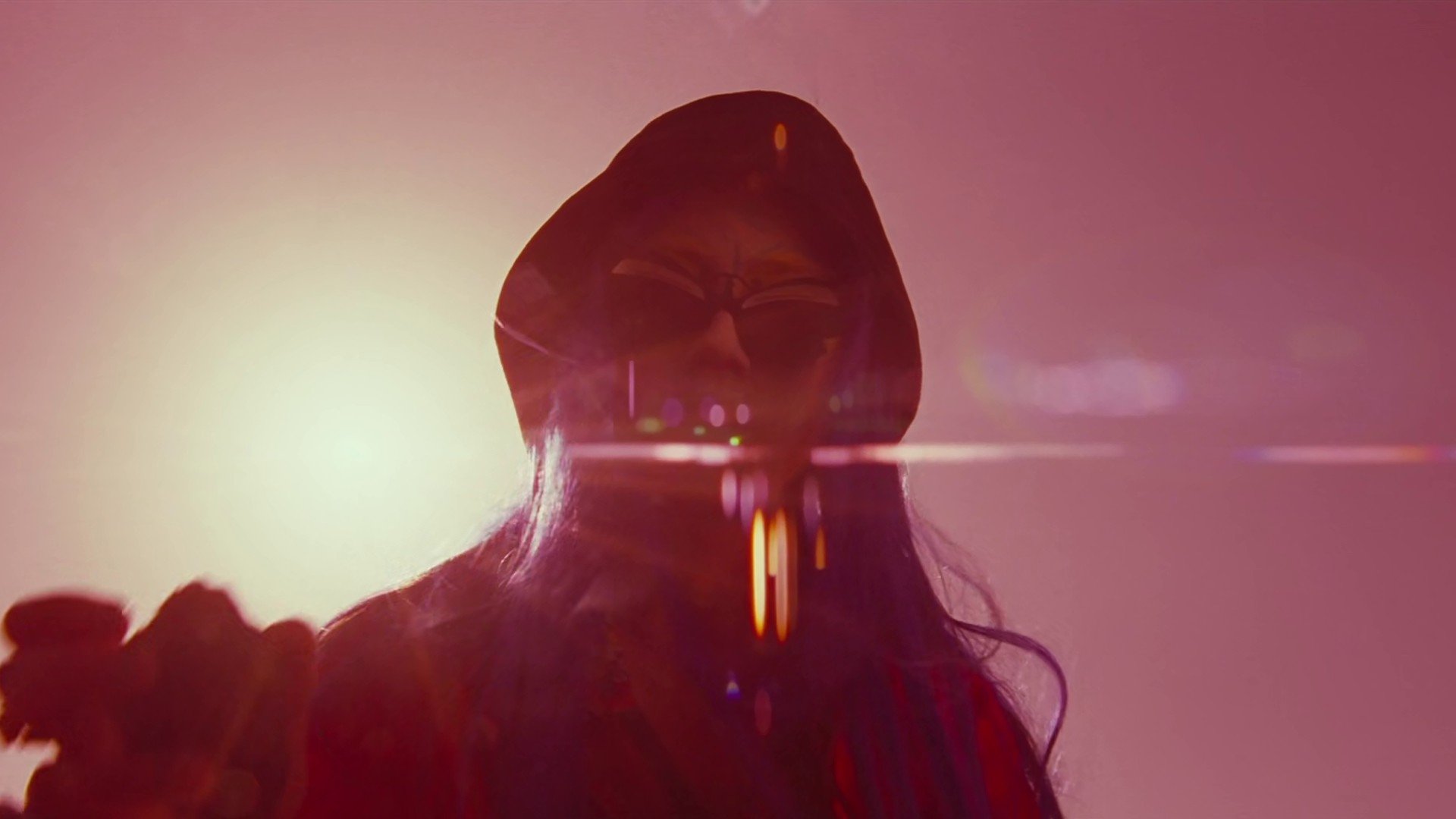
Hideaki Anno doesn’t just depict mental illness; he exposes how it looks from the outside and how it feels from within. The film captures that exhausting in-between space where depression and instability distort reality where even the most mundane things feel heavy and where the future becomes a blur of endless uncertainty. It is, in many ways, an uncomfortably accurate portrayal of what it means to live inside that kind of mind.
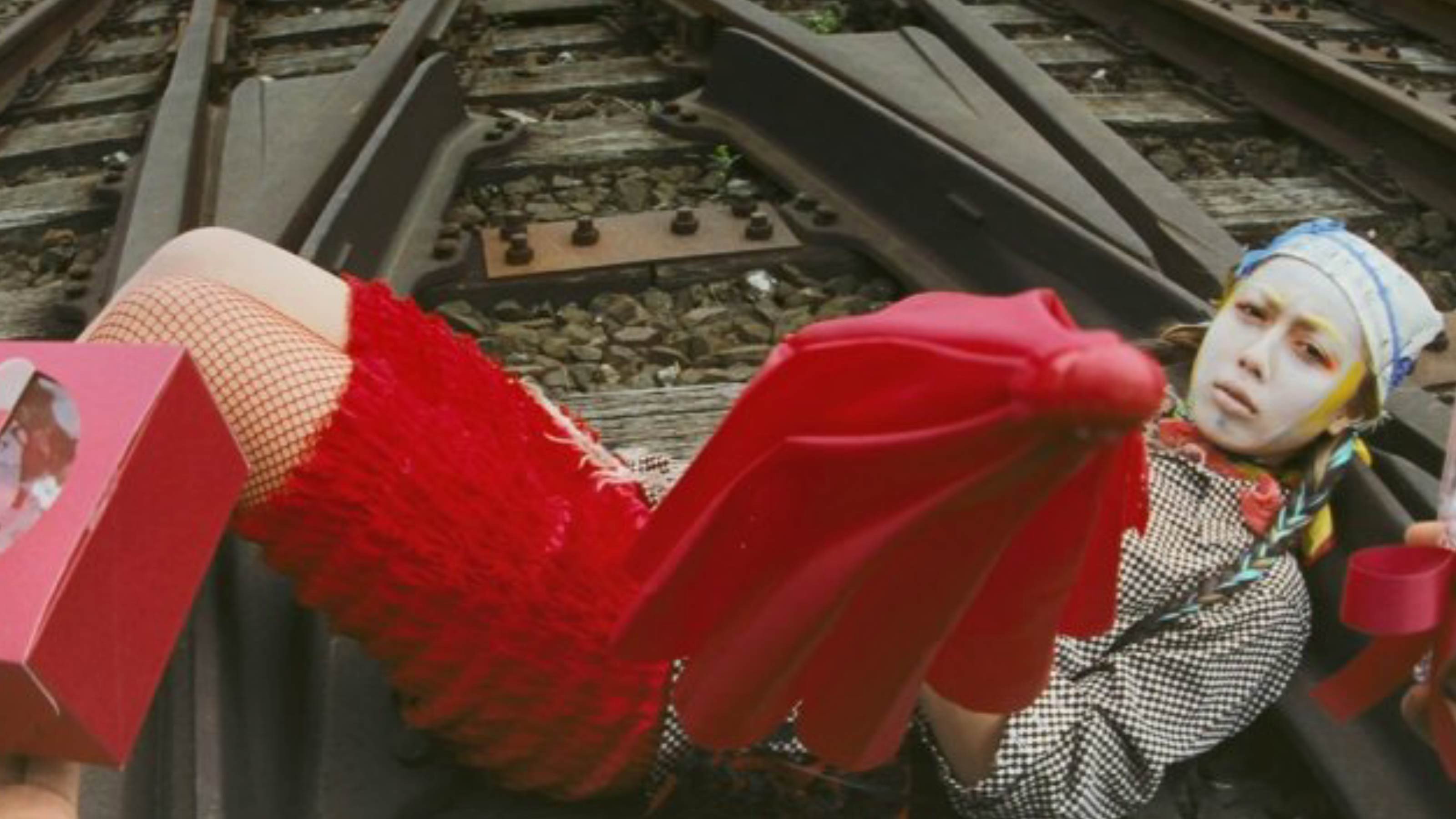
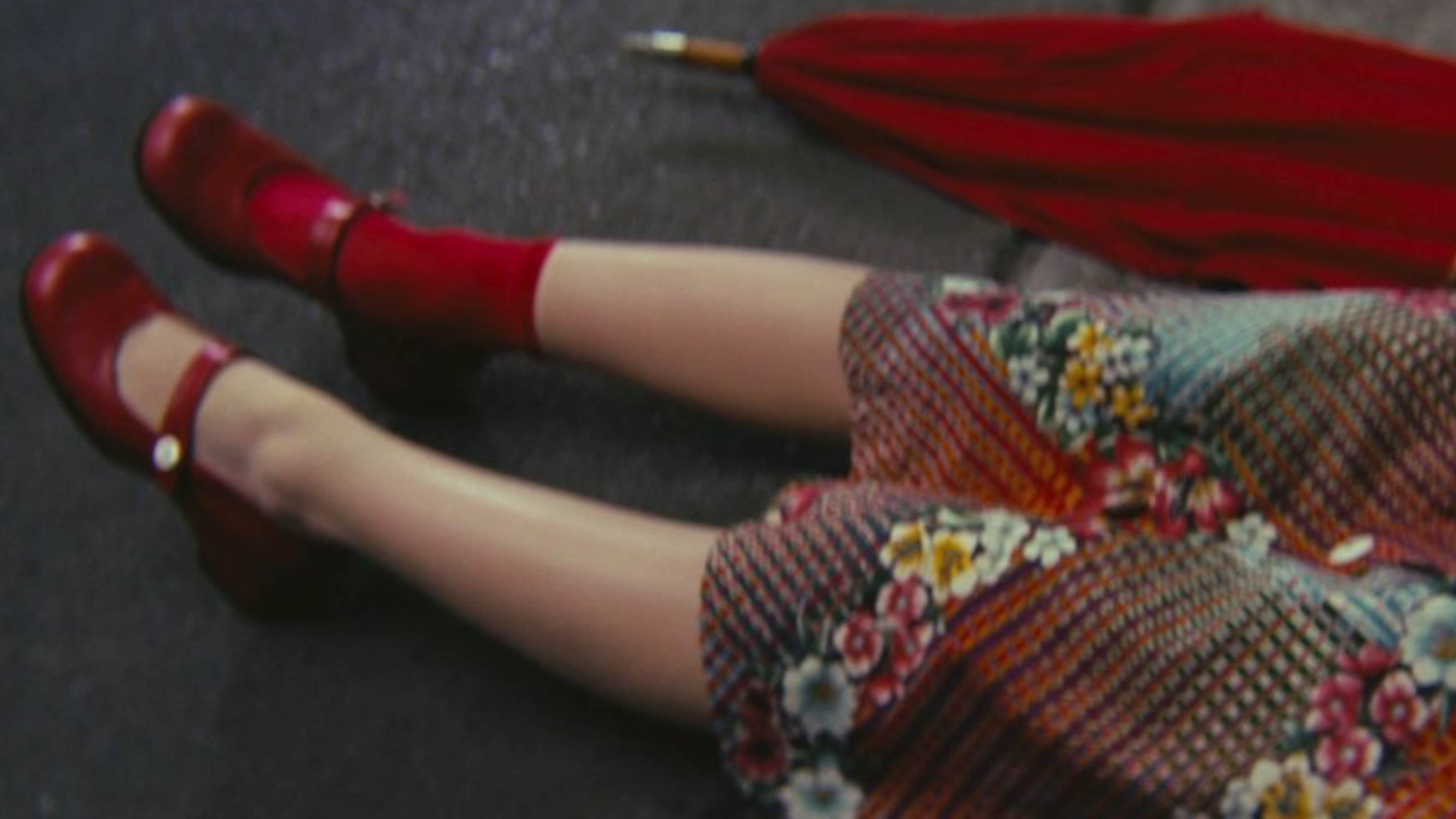
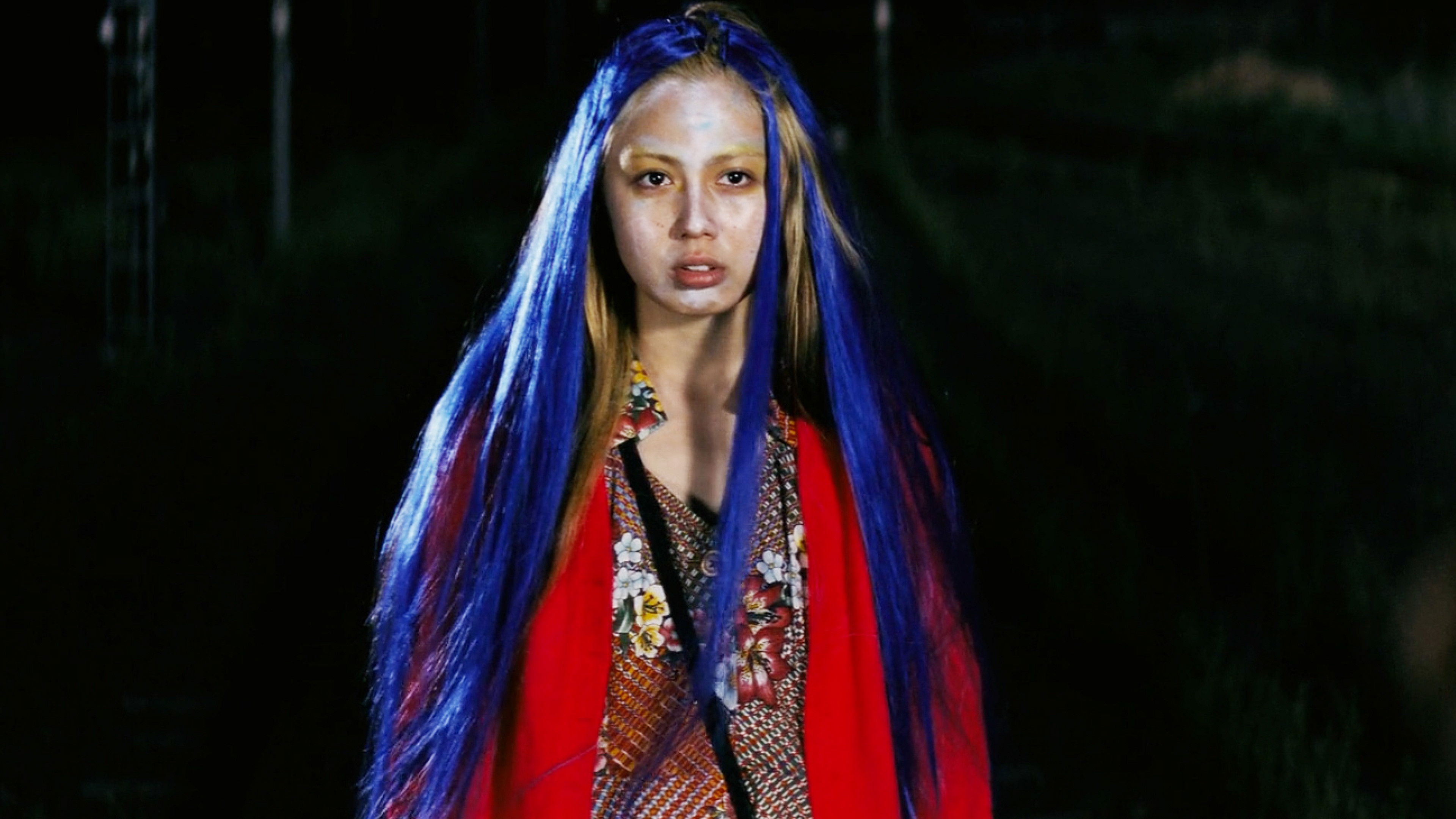
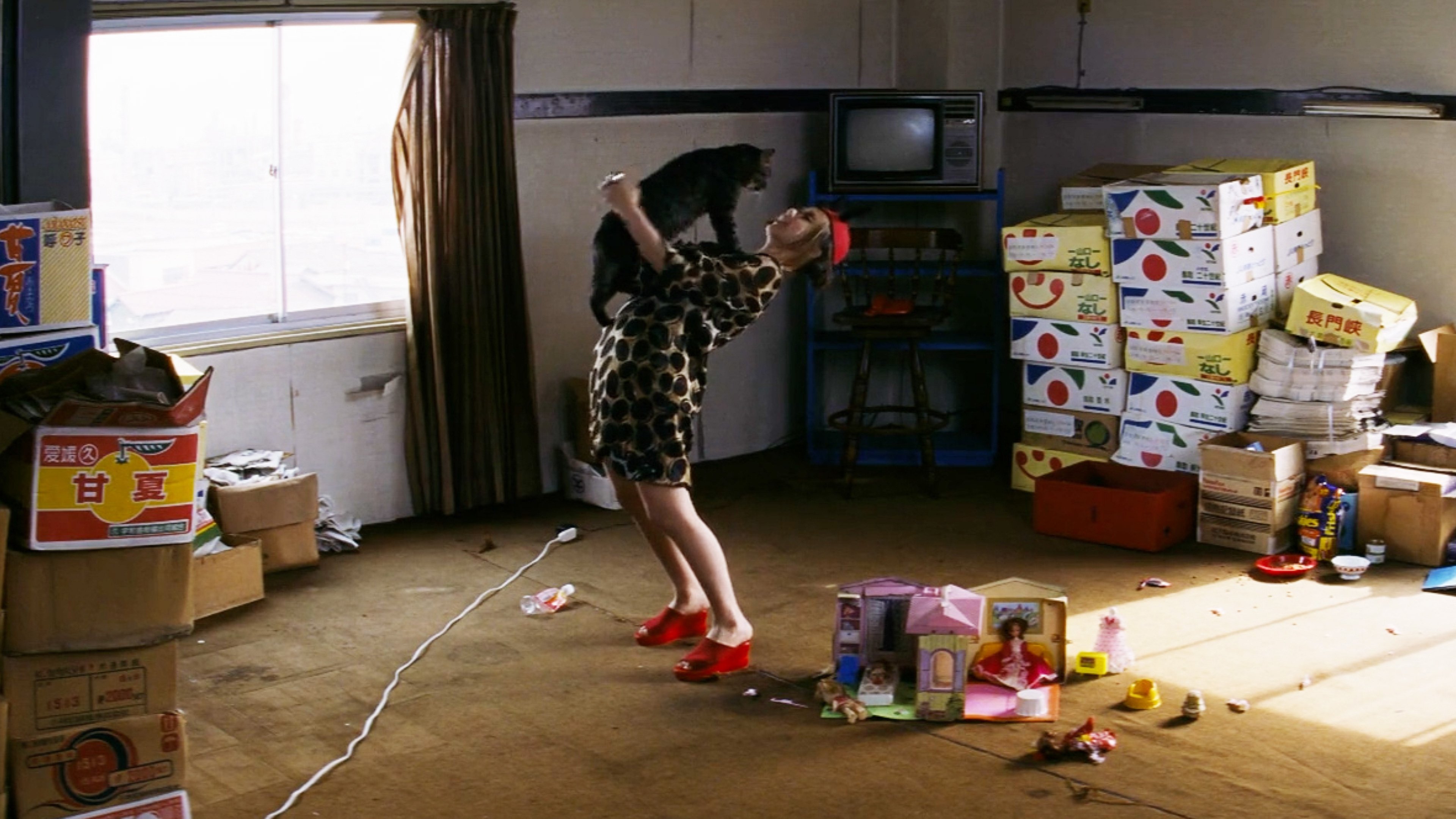
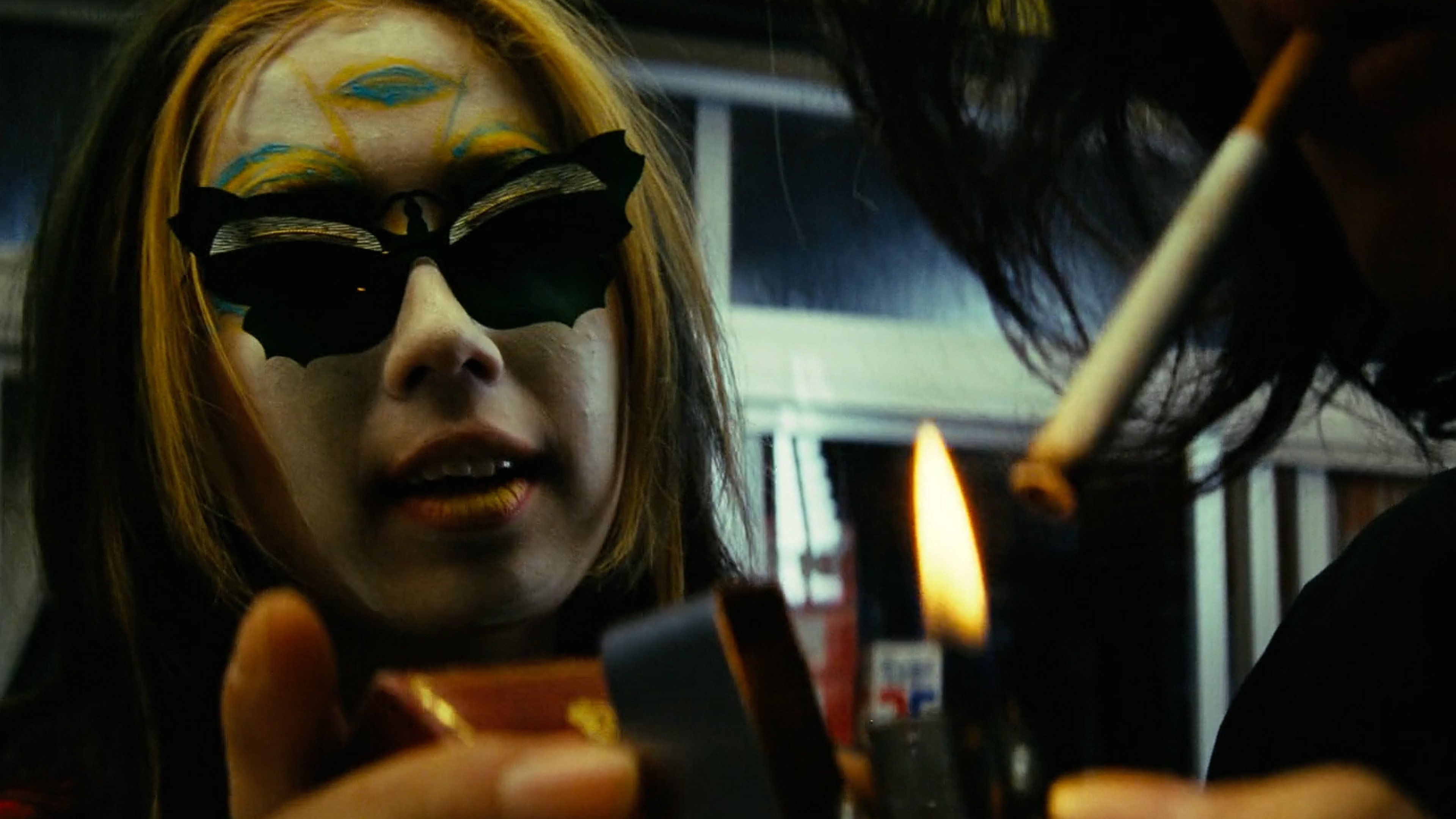
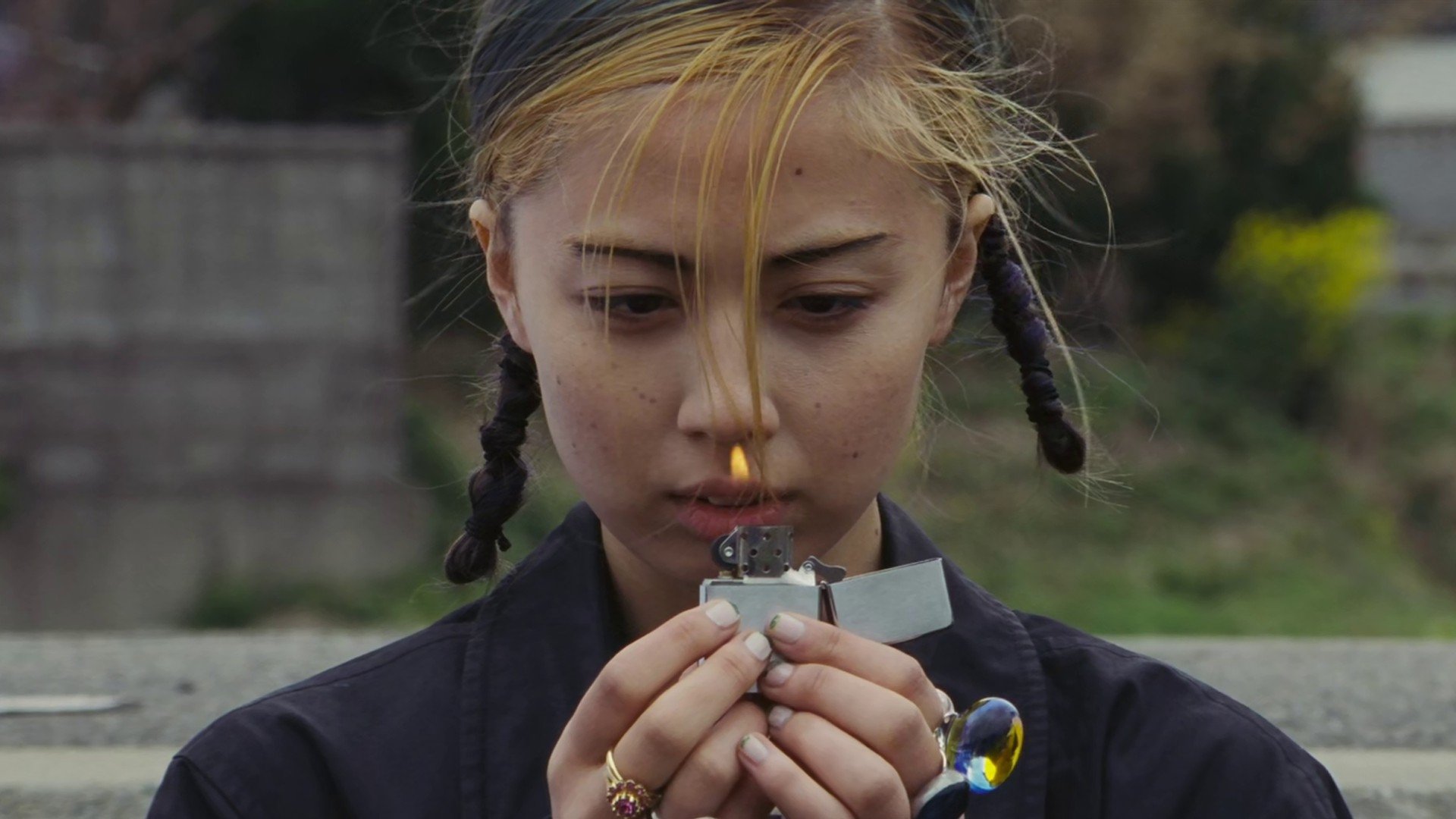
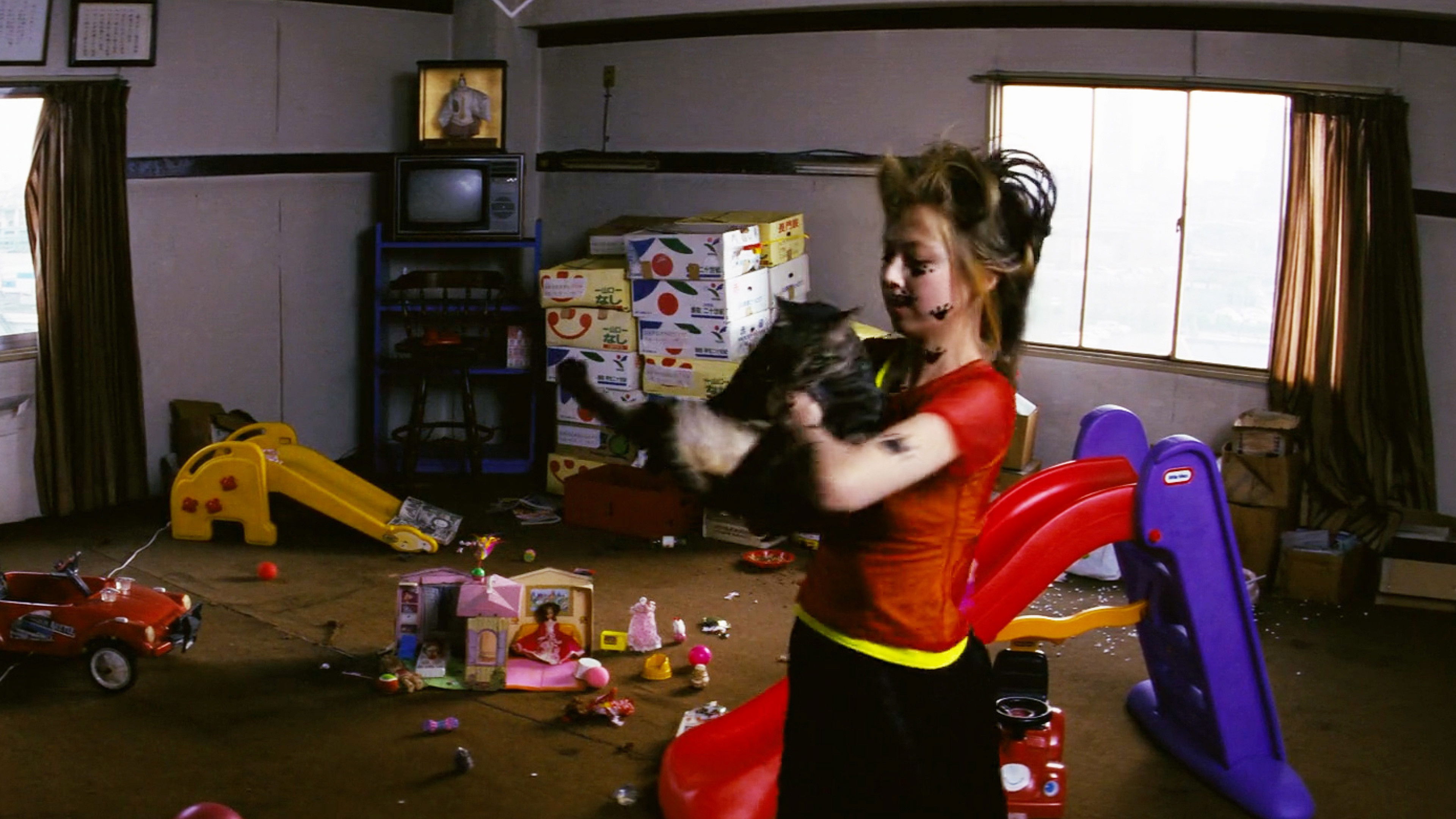
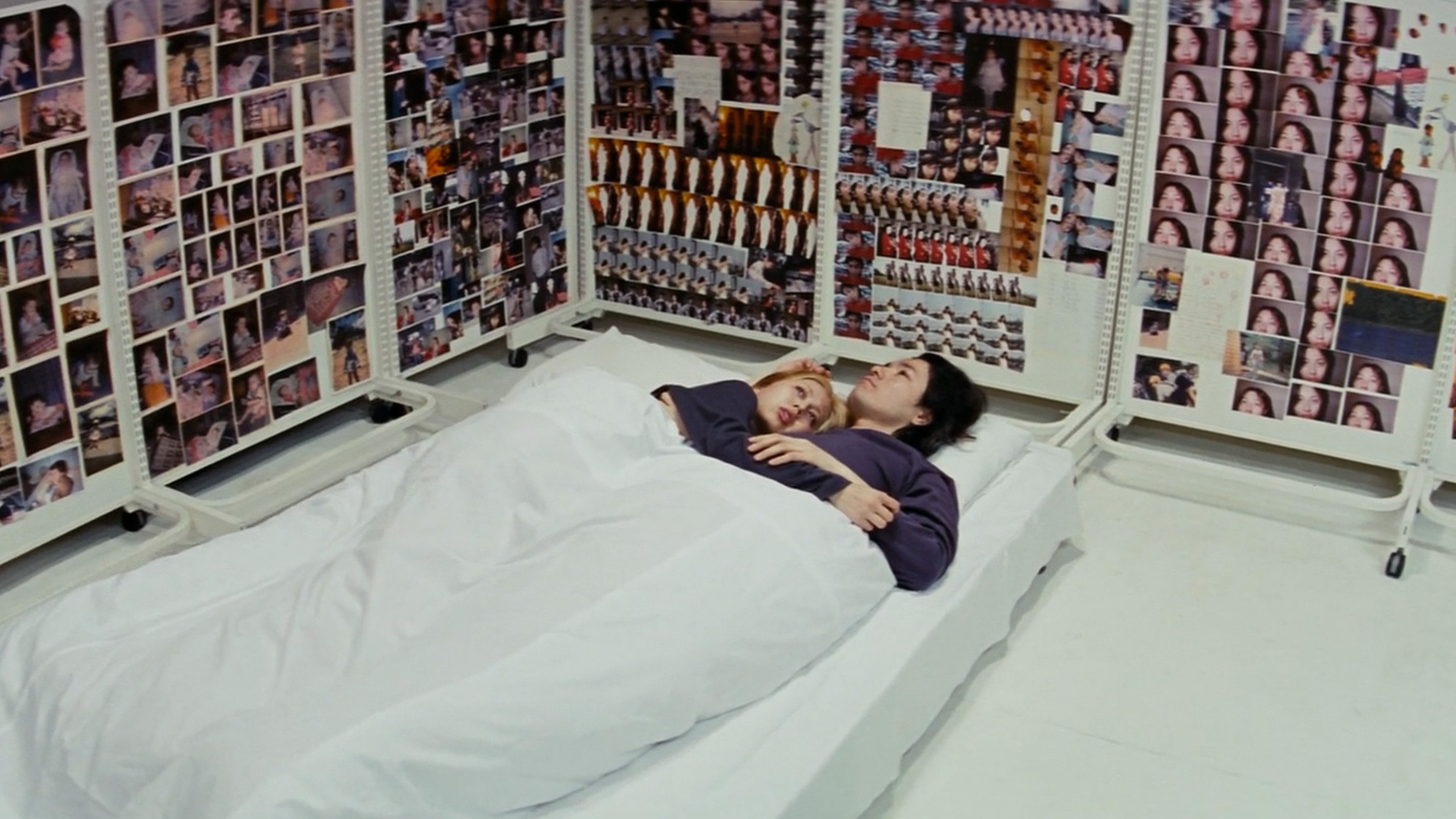
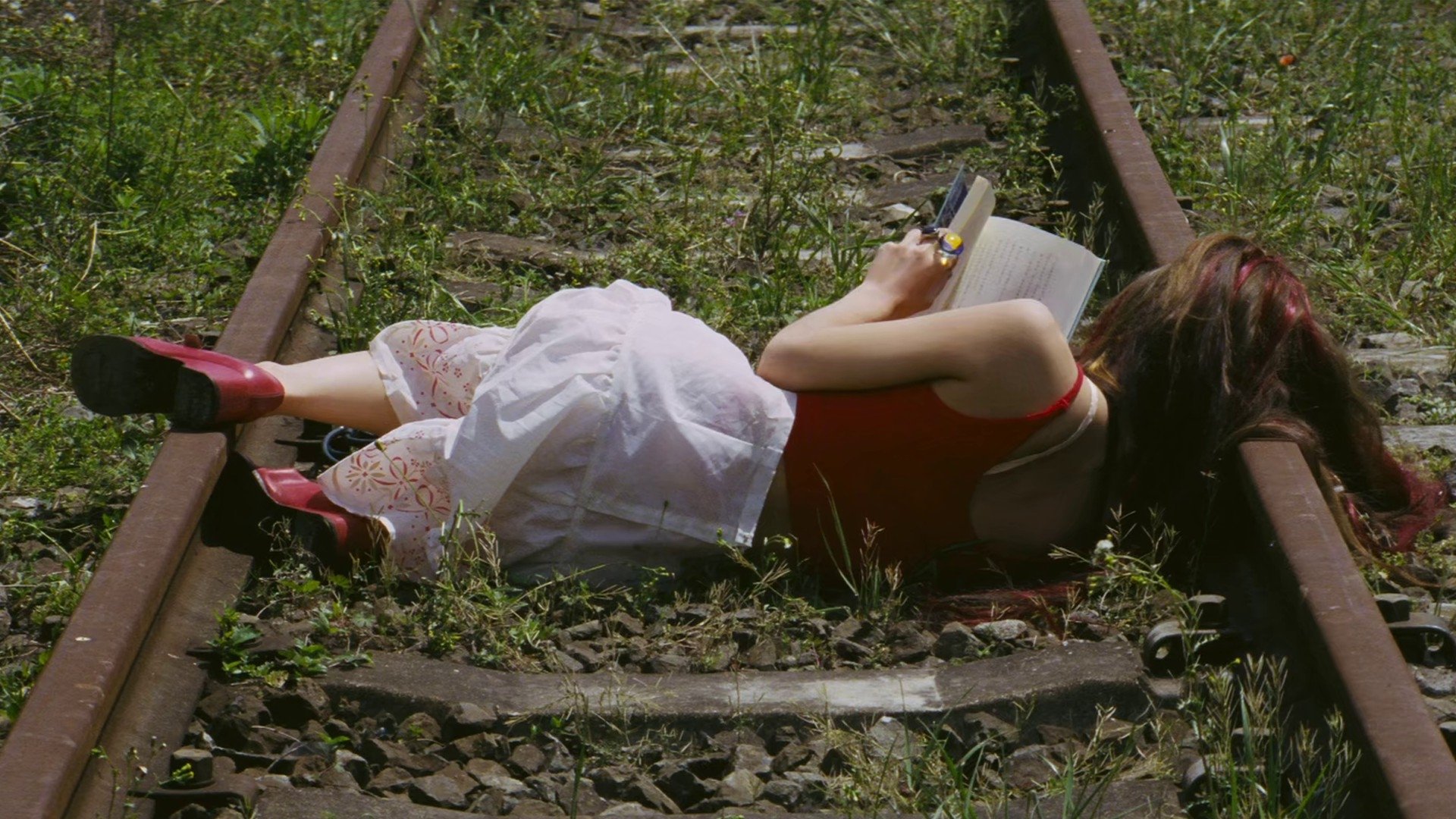
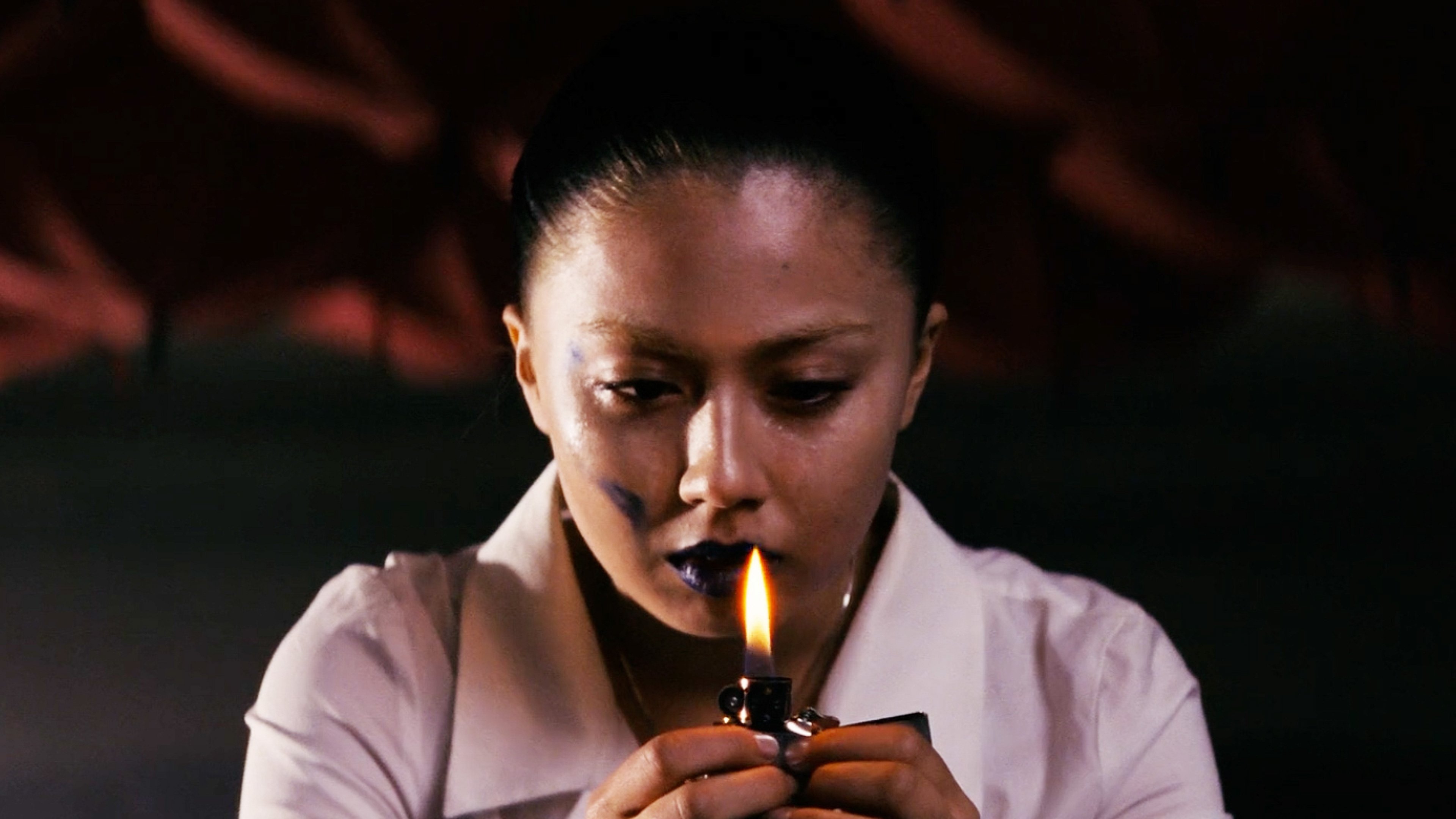
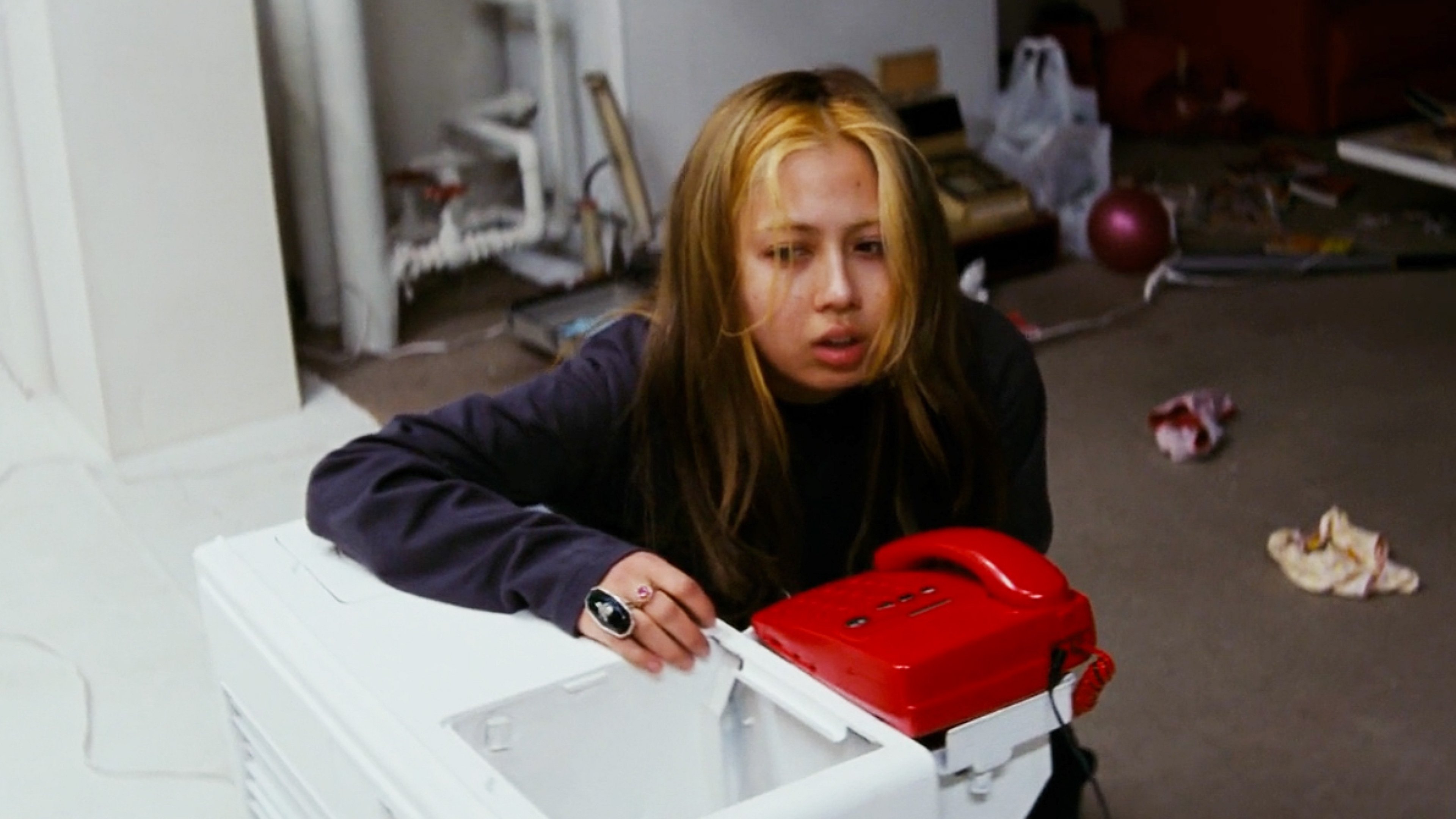
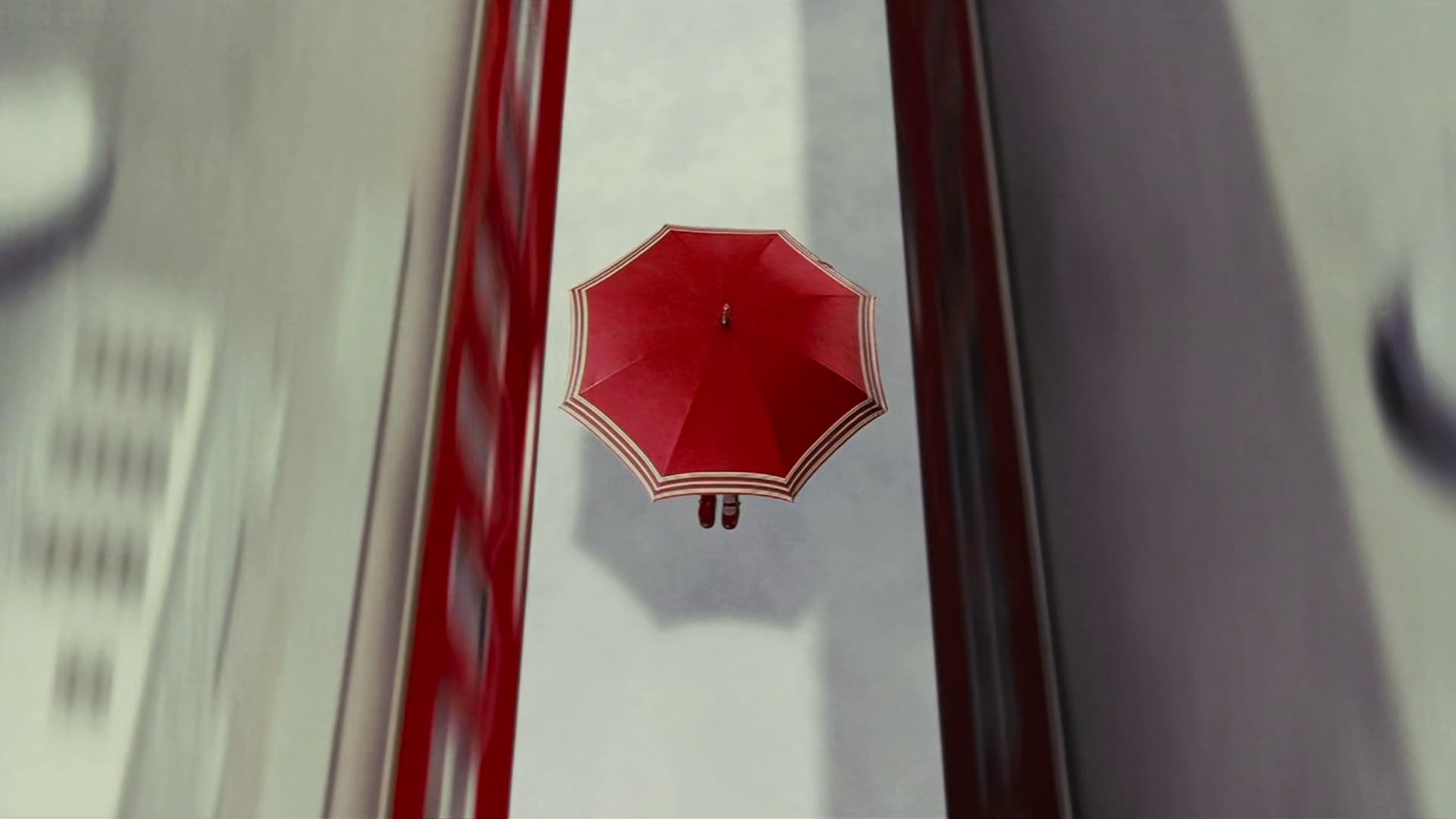
Ayano’s insistence that every day is her birthday is one of the film’s most unsettling ideas. Birthdays are supposed to mark growth, change, and the passage of time—but here, they become a denial of it. If every day is a beginning, then nothing ever truly progresses. It’s a coping mechanism but also a trap: a self-constructed reality that feels safer than confronting the messiness of the real one. The idea of creating a personal fantasy to survive runs throughout the film.
“Actually, all she wanted was to hear someone’s voice. Actually, all she wanted was to stop feeling lonely.”
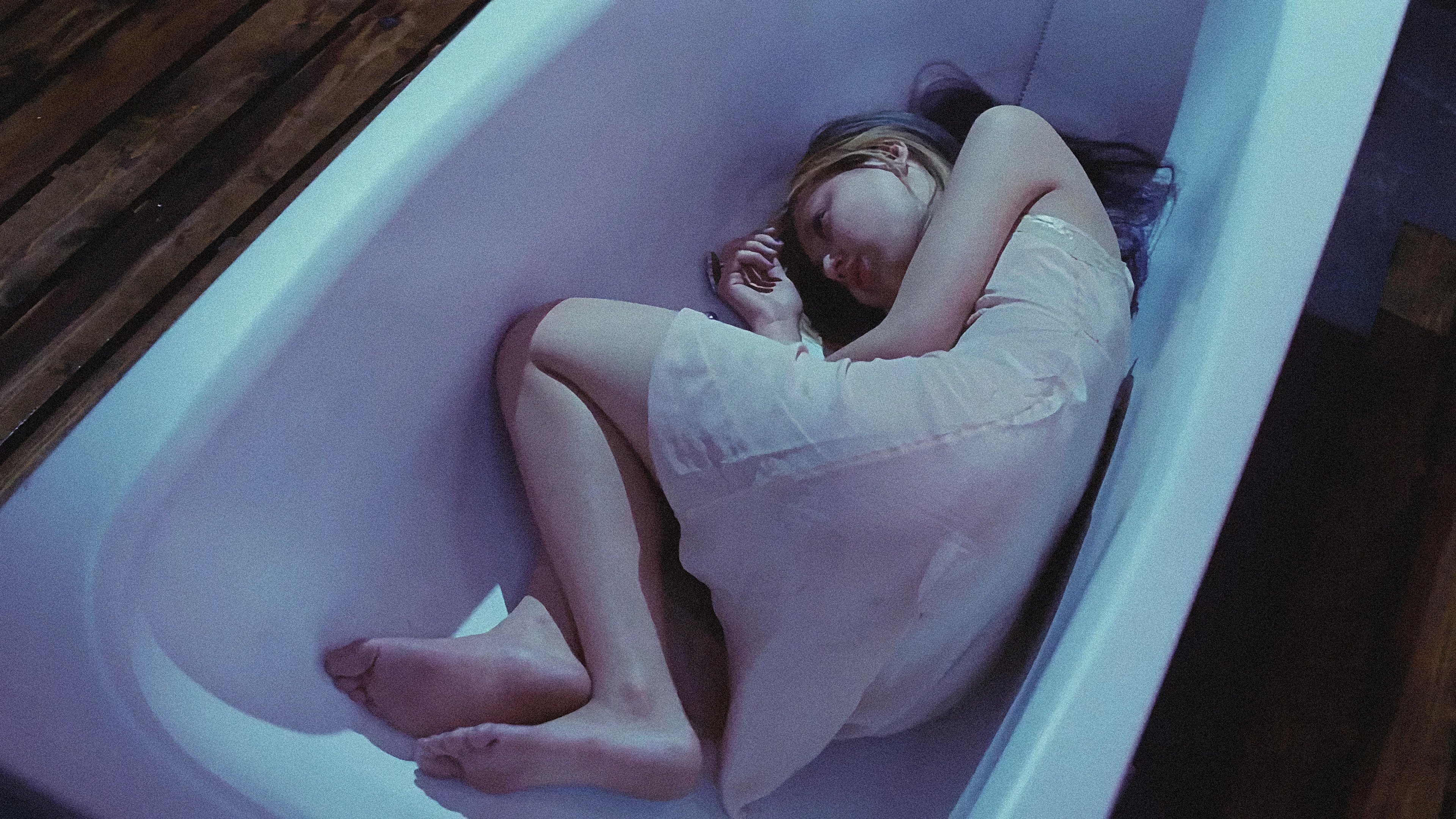
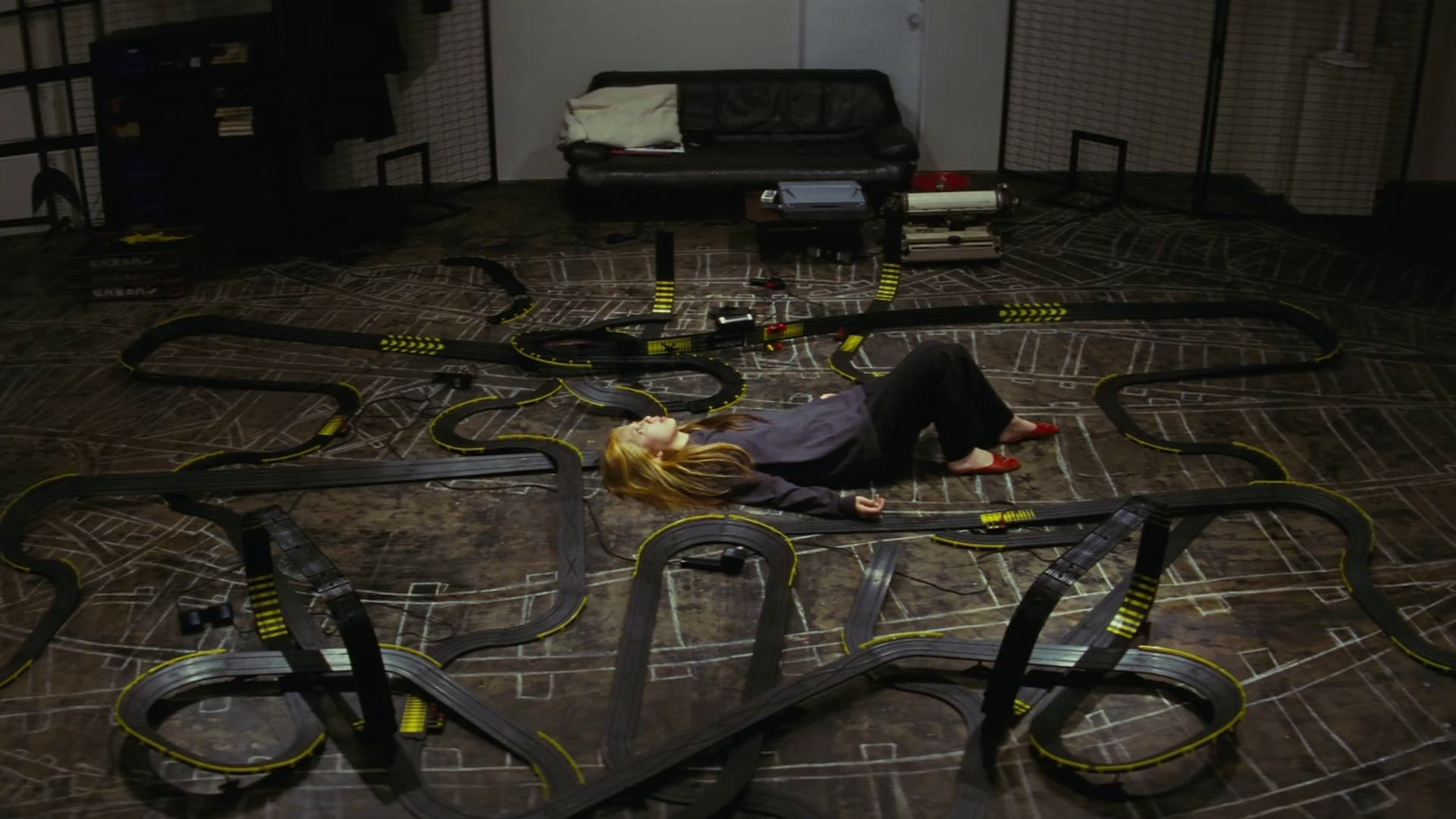
I kept thinking about loneliness while watching it. The kind that doesn’t disappear even when you’re with other people. The kind that follows you into every moment even the ones that are supposed to feel warm or happy. It grows around everything else in your mind, feeding off your thoughts until it becomes impossible to ignore. There’s this hollow feeling like something is missing and you don’t even know what it is.
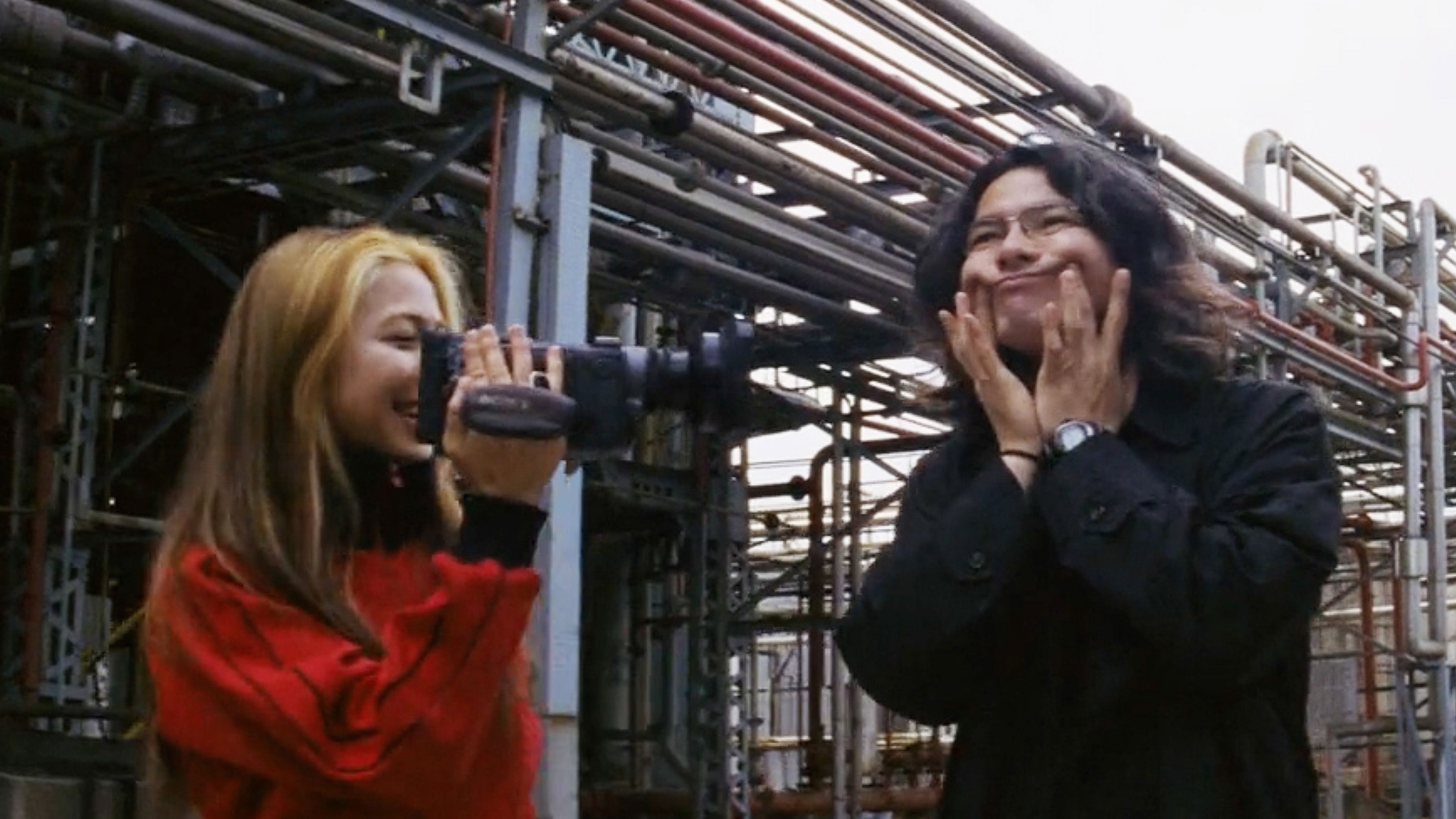
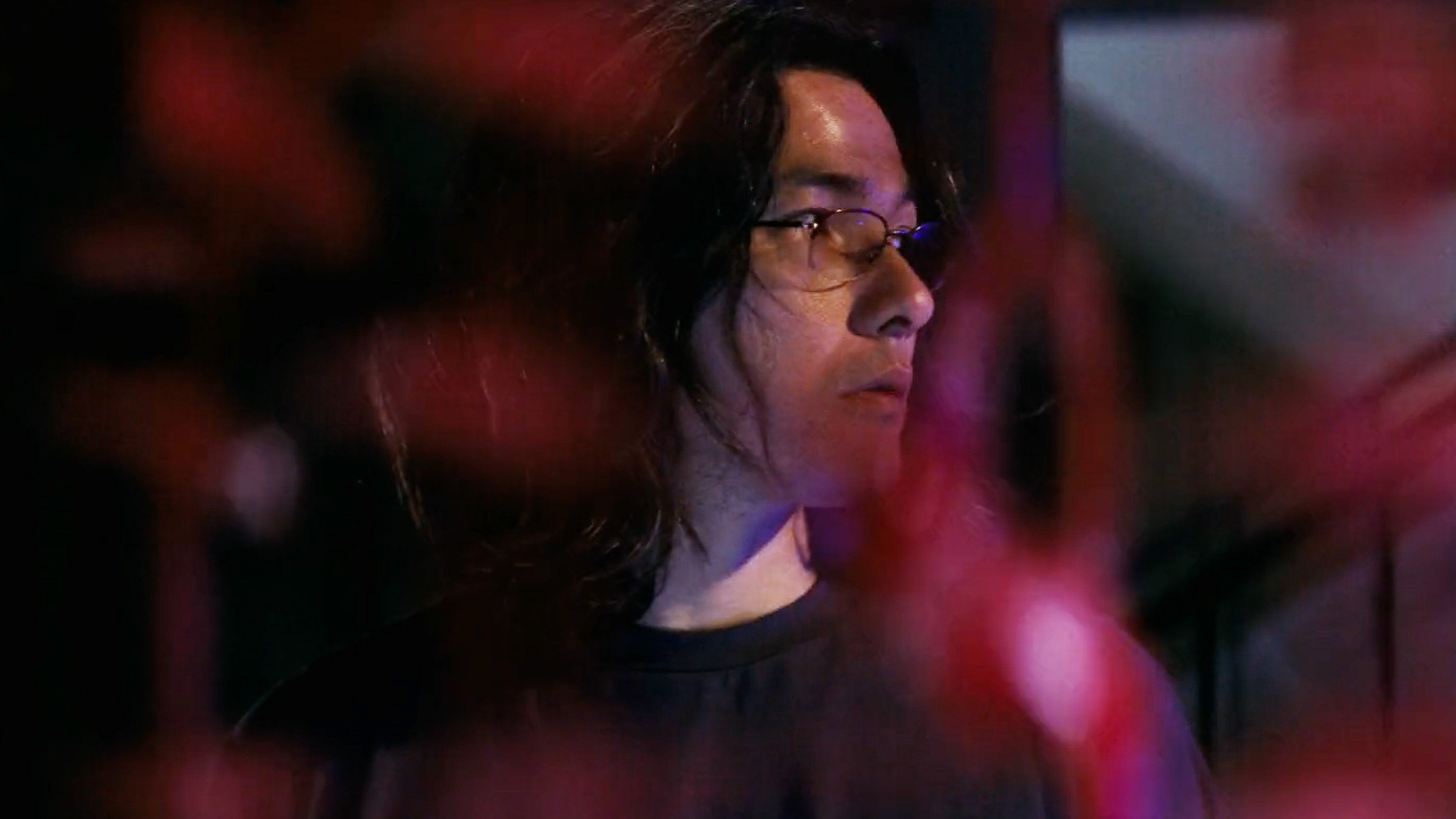
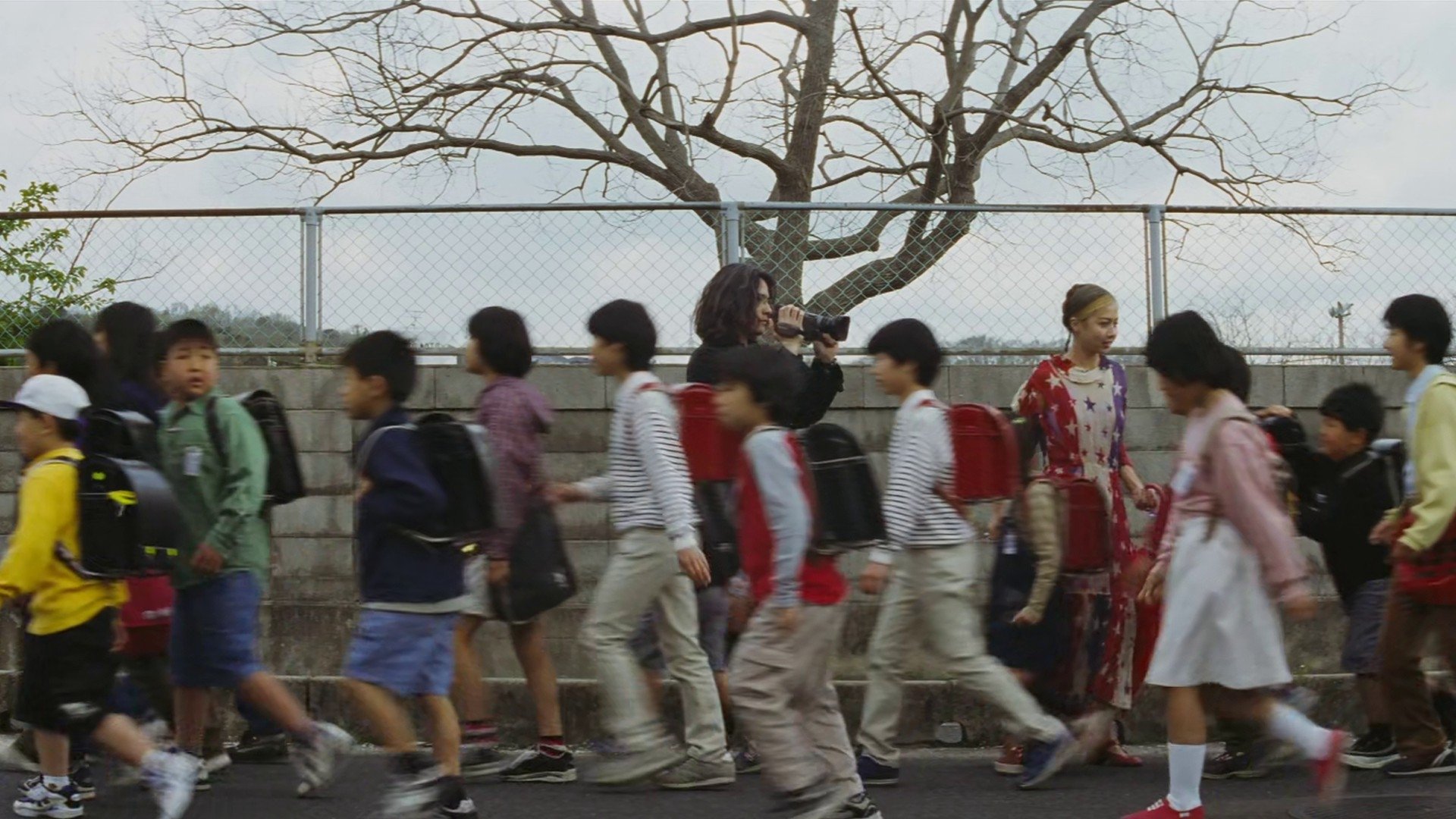
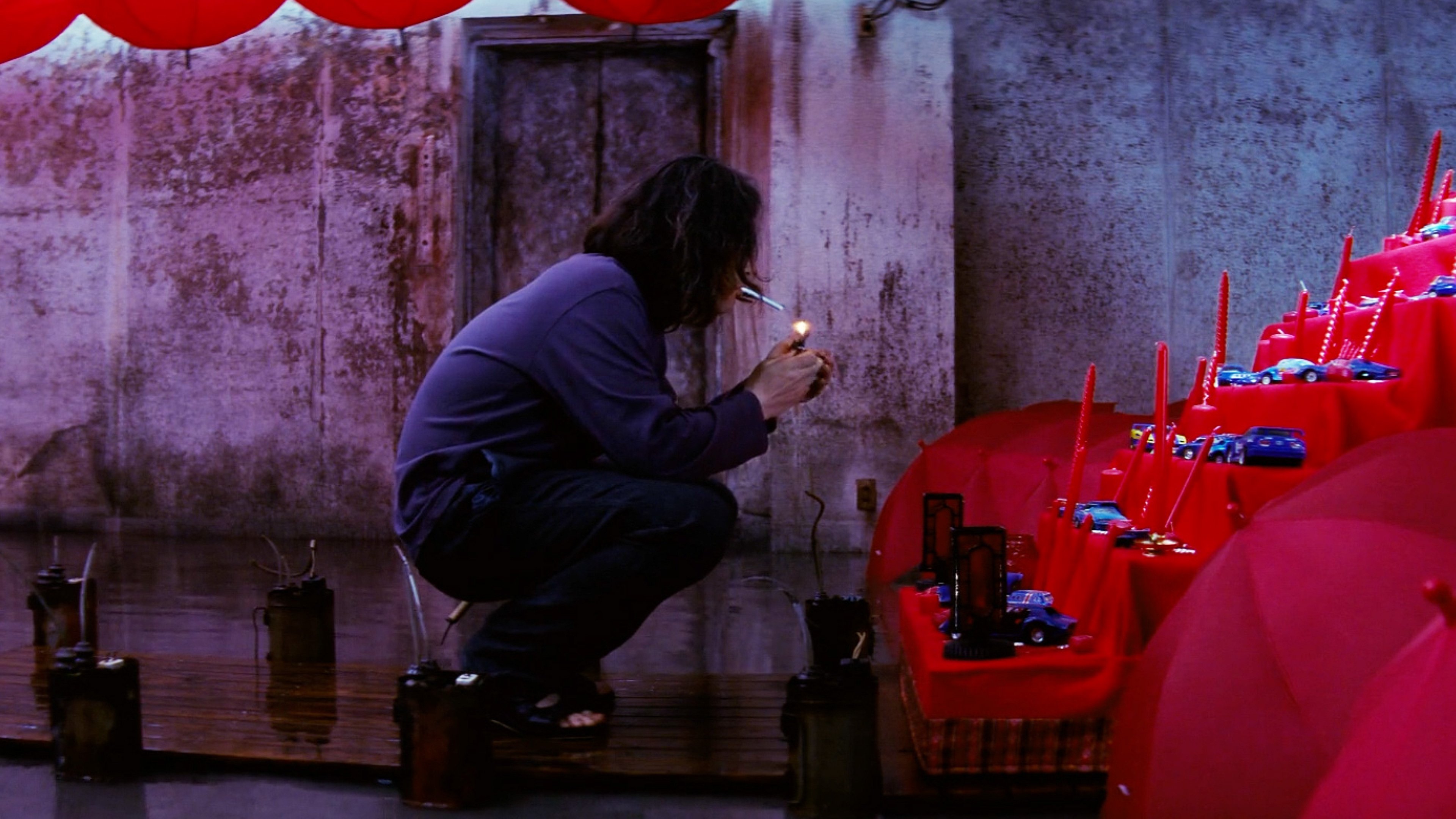
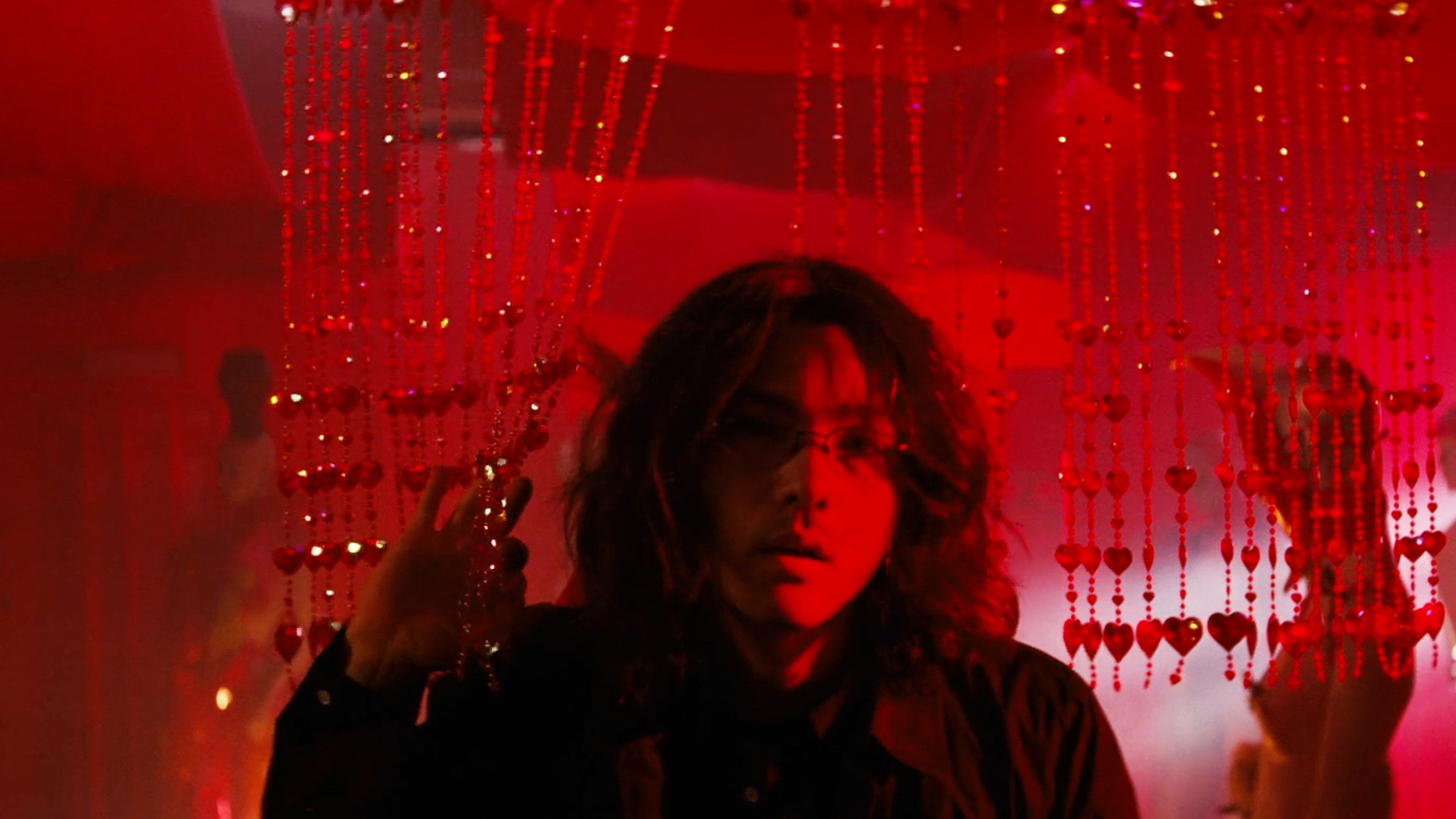
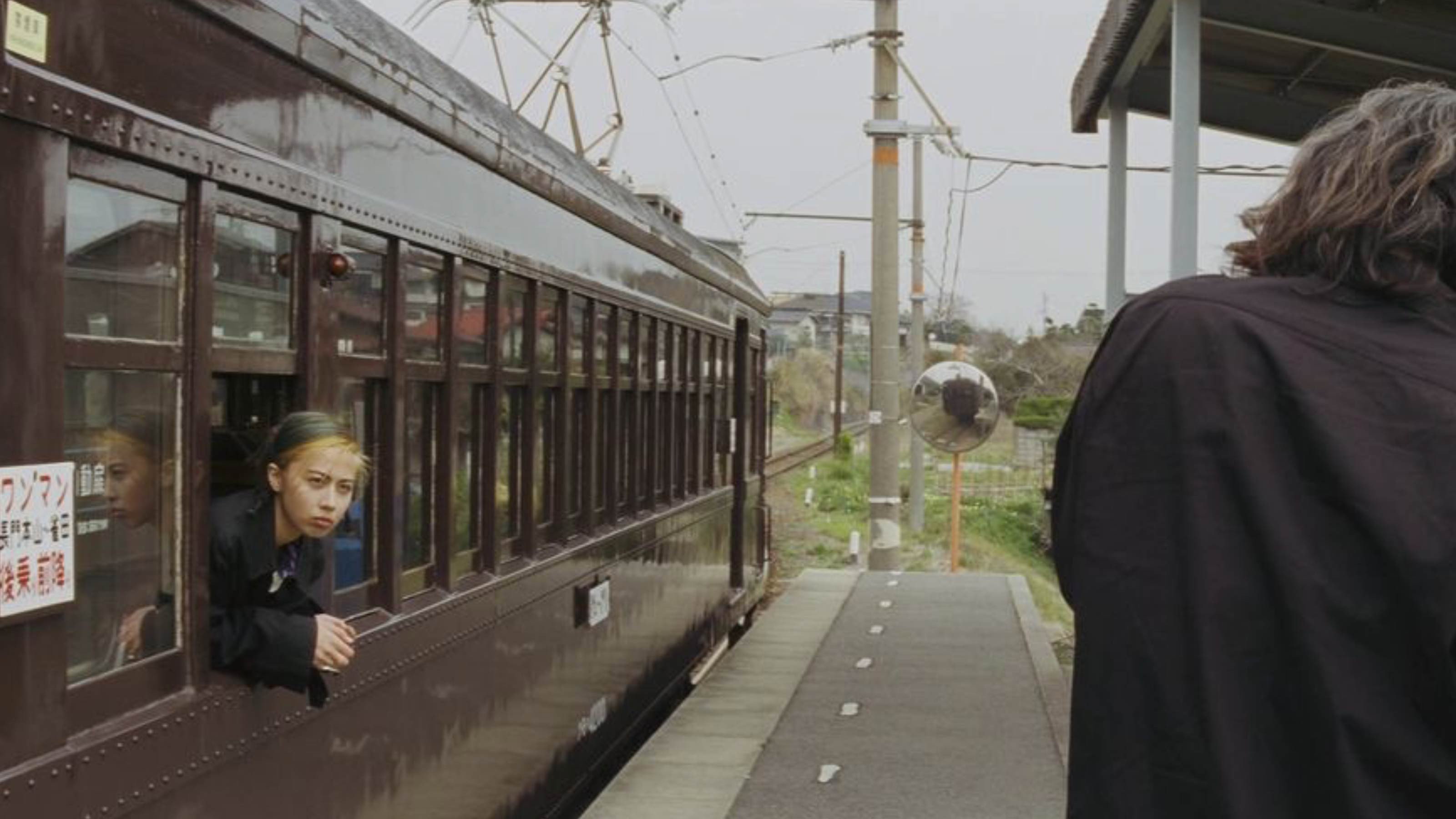
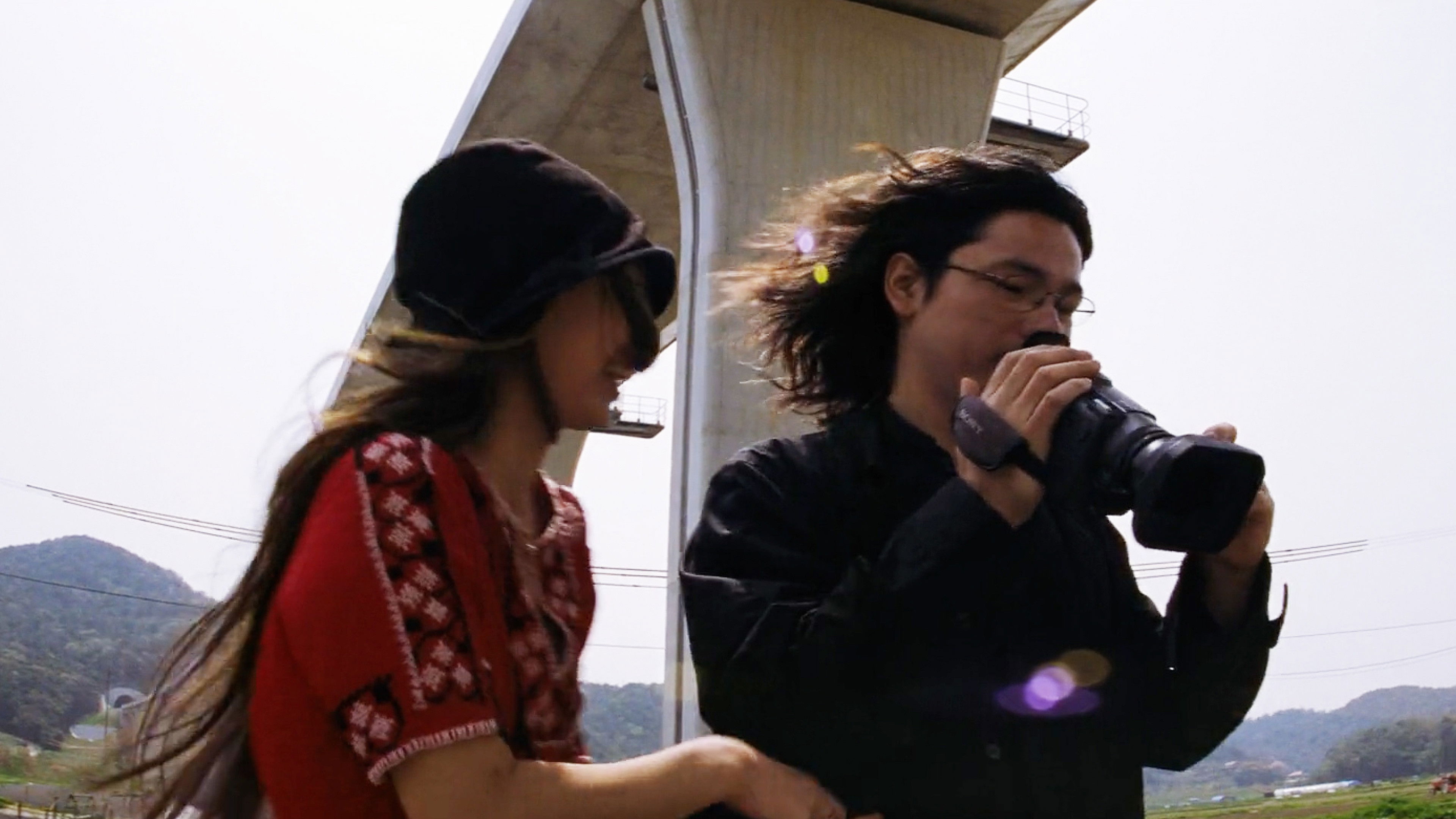
One scene that really hit me was when the director sat with his old friends. Everyone else was laughing, talking, enjoying themselves. He just sat there, watching, aware that he didn’t belong in that moment the same way they did. He smiled in the end but it didn’t feel real. I don’t know why but that moment felt personal. It felt like something inside me was being pulled out and shown in front of me.
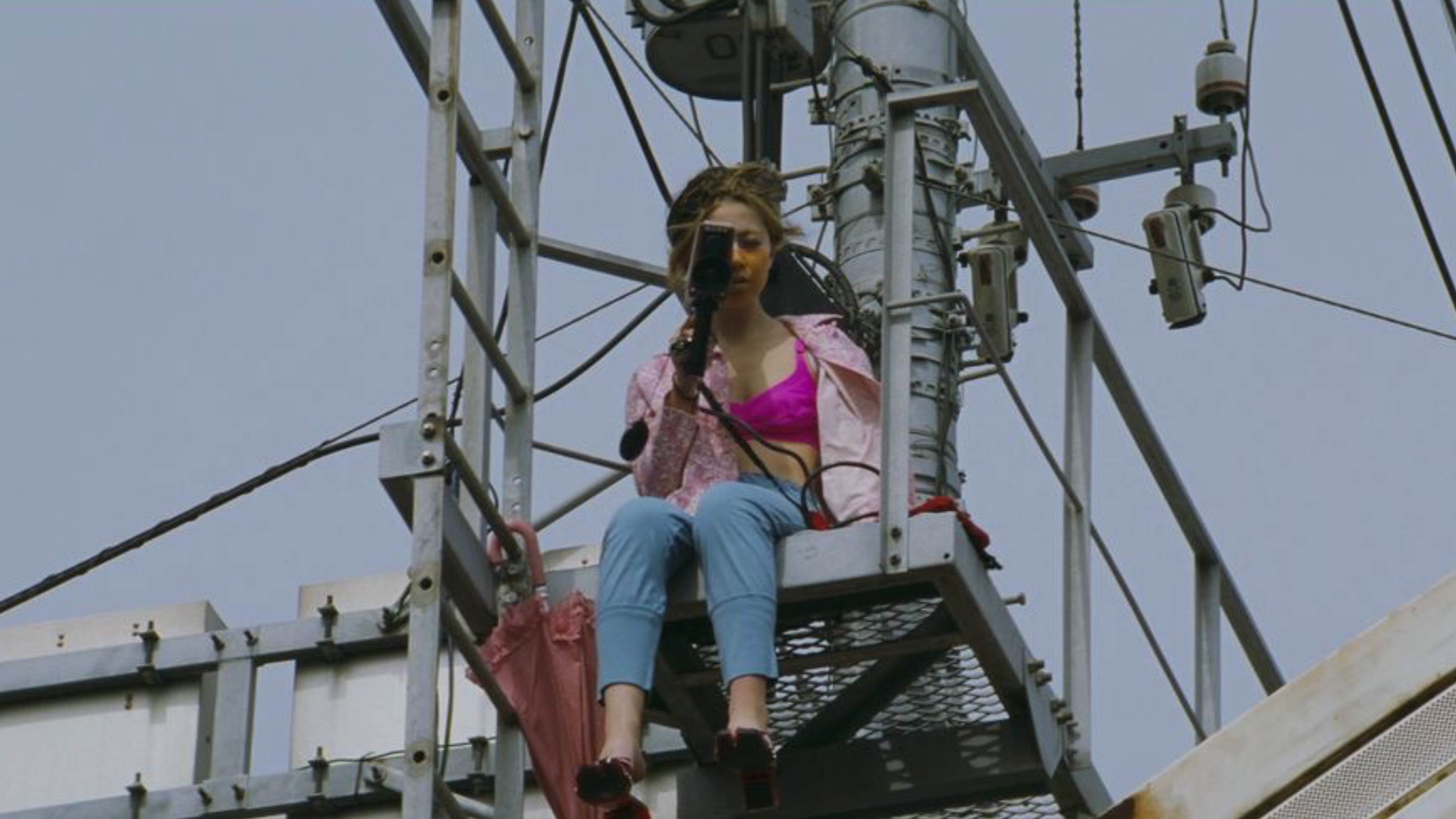
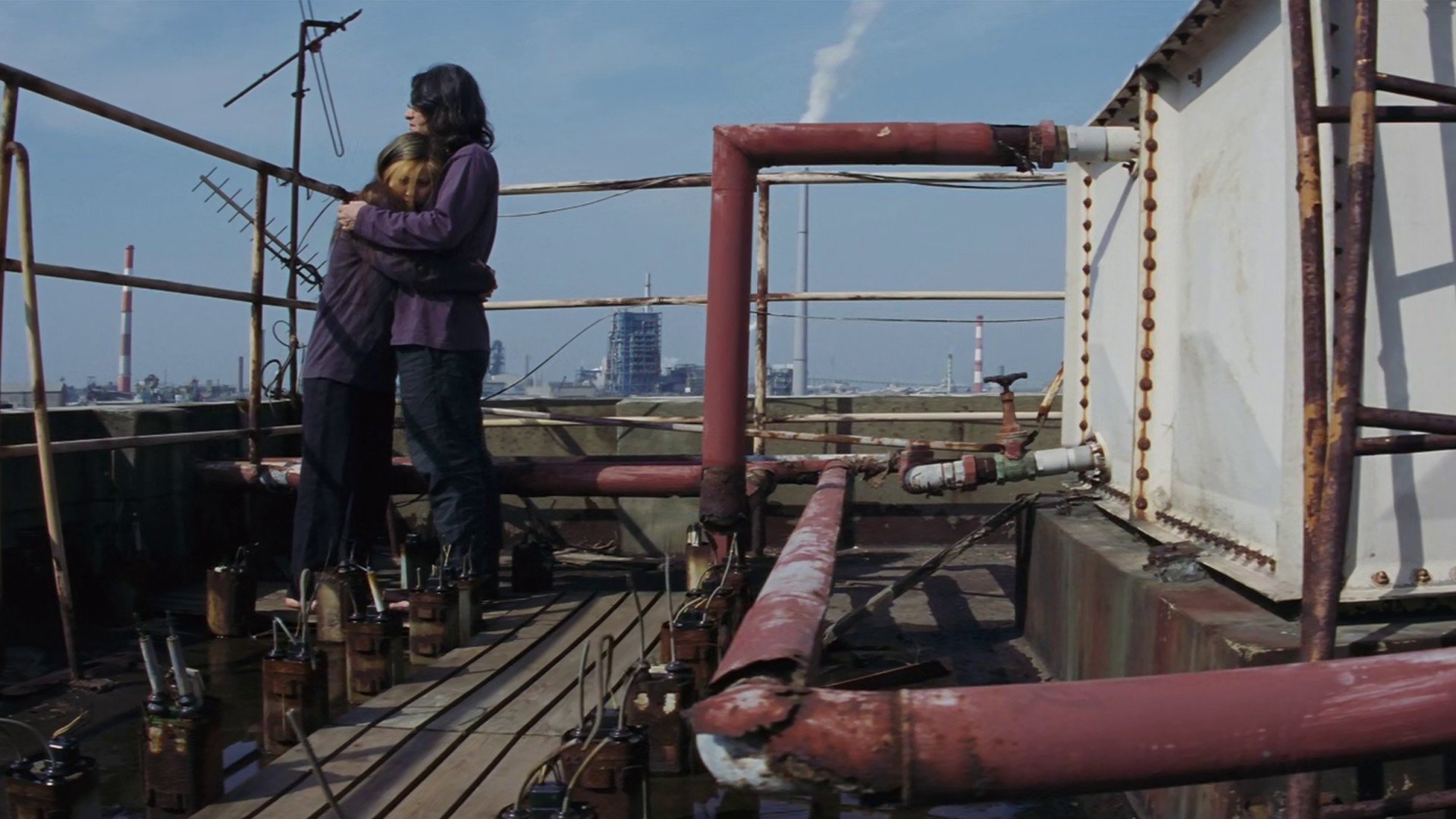
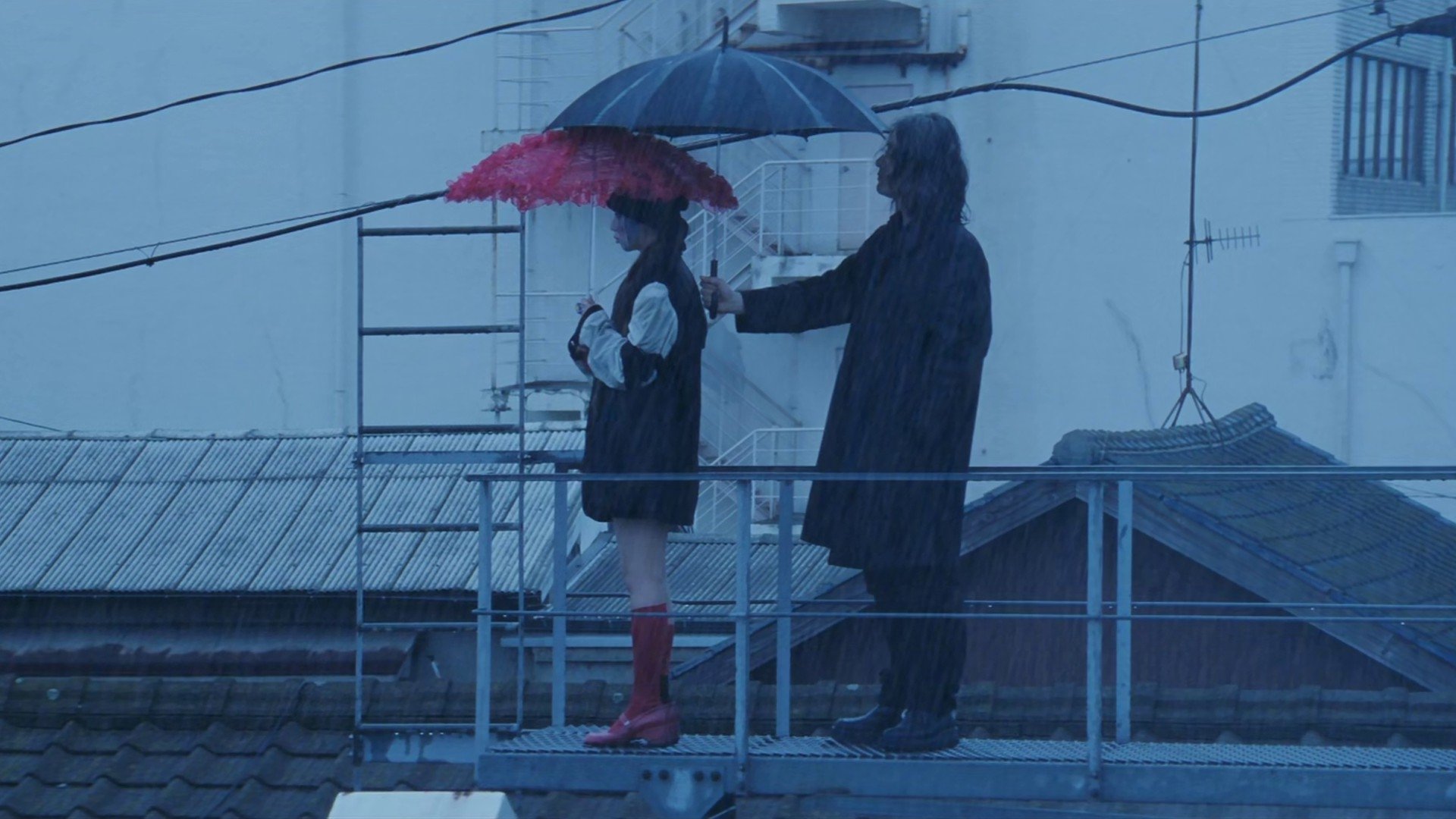
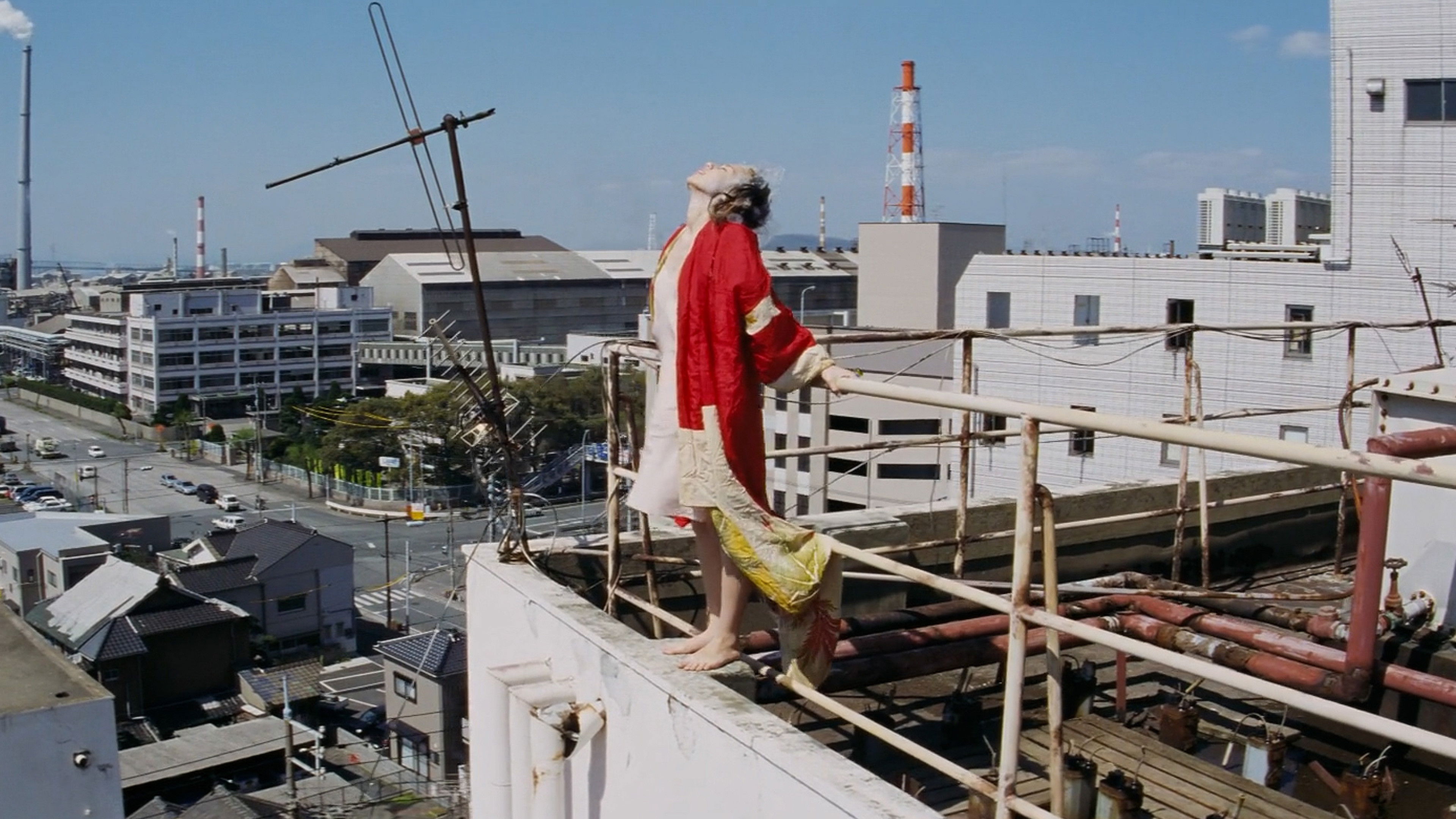
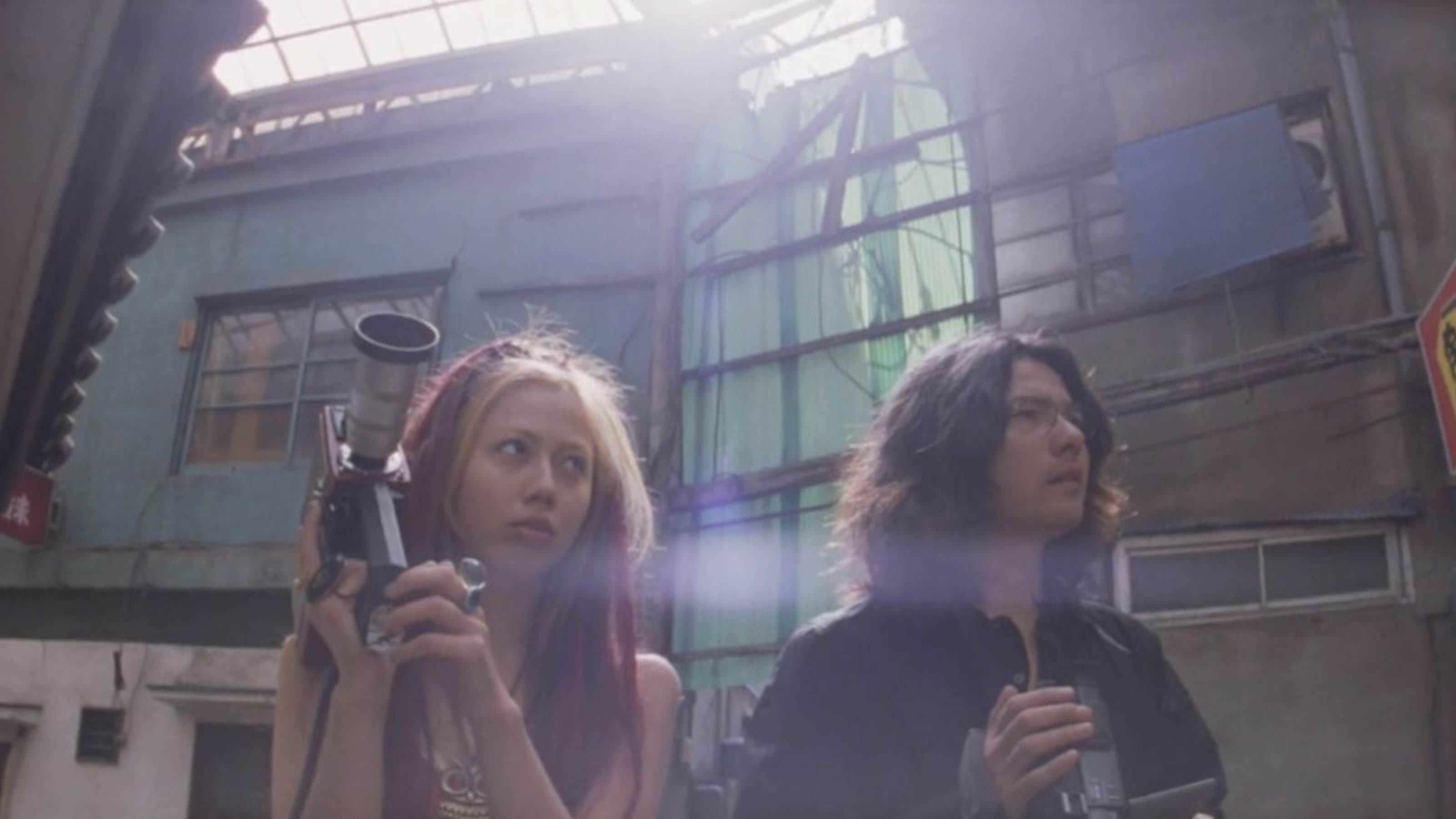
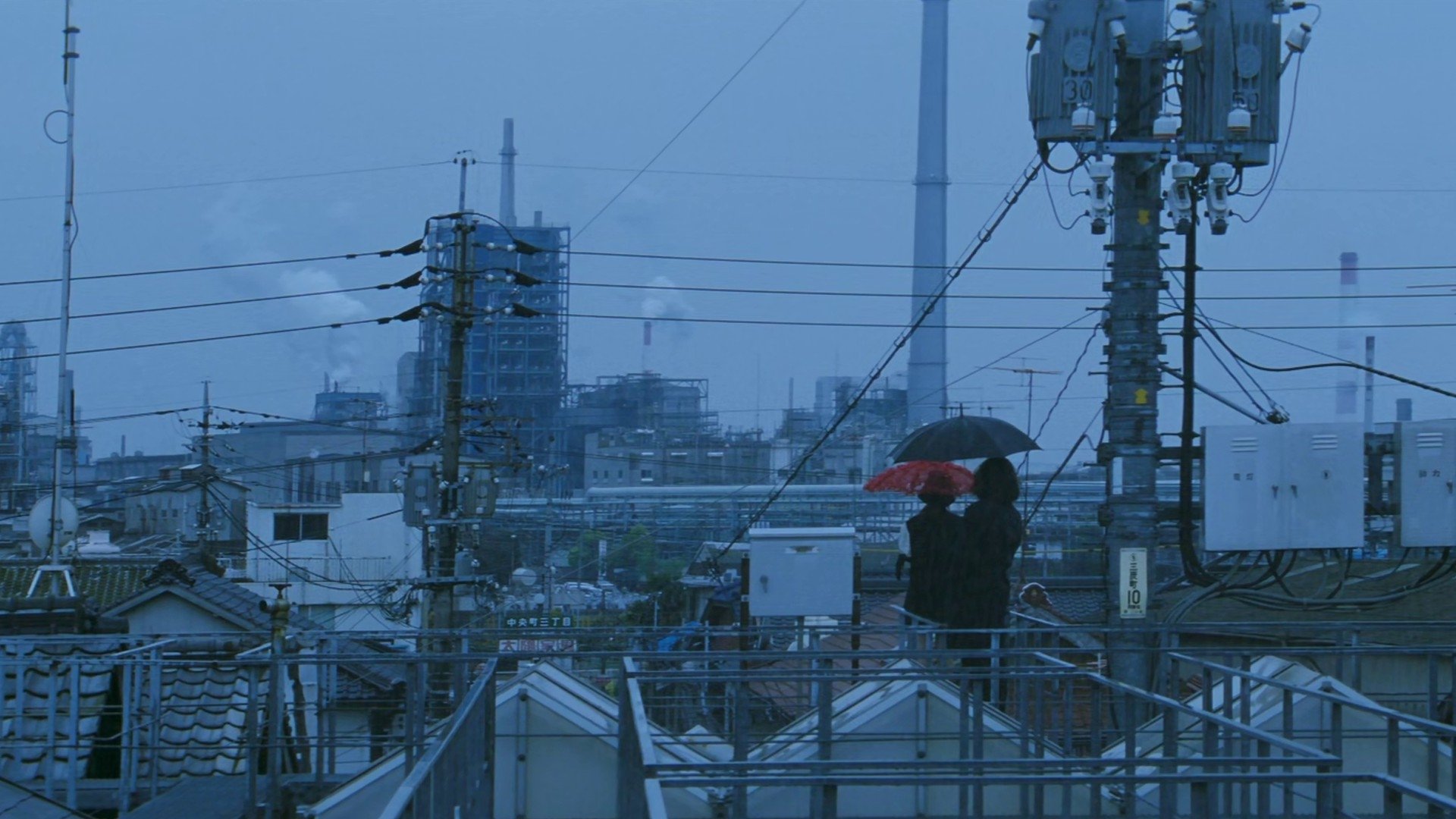
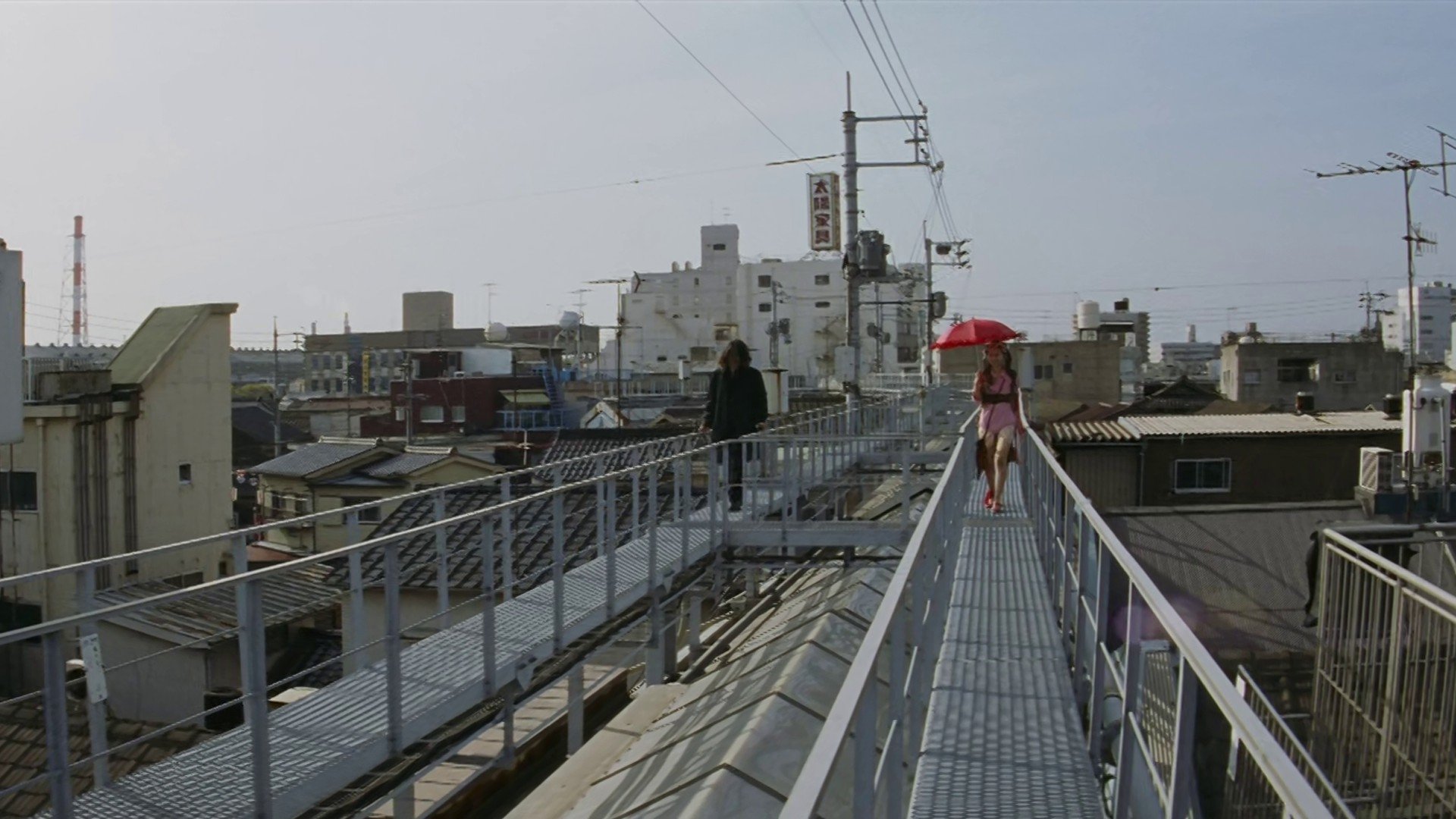
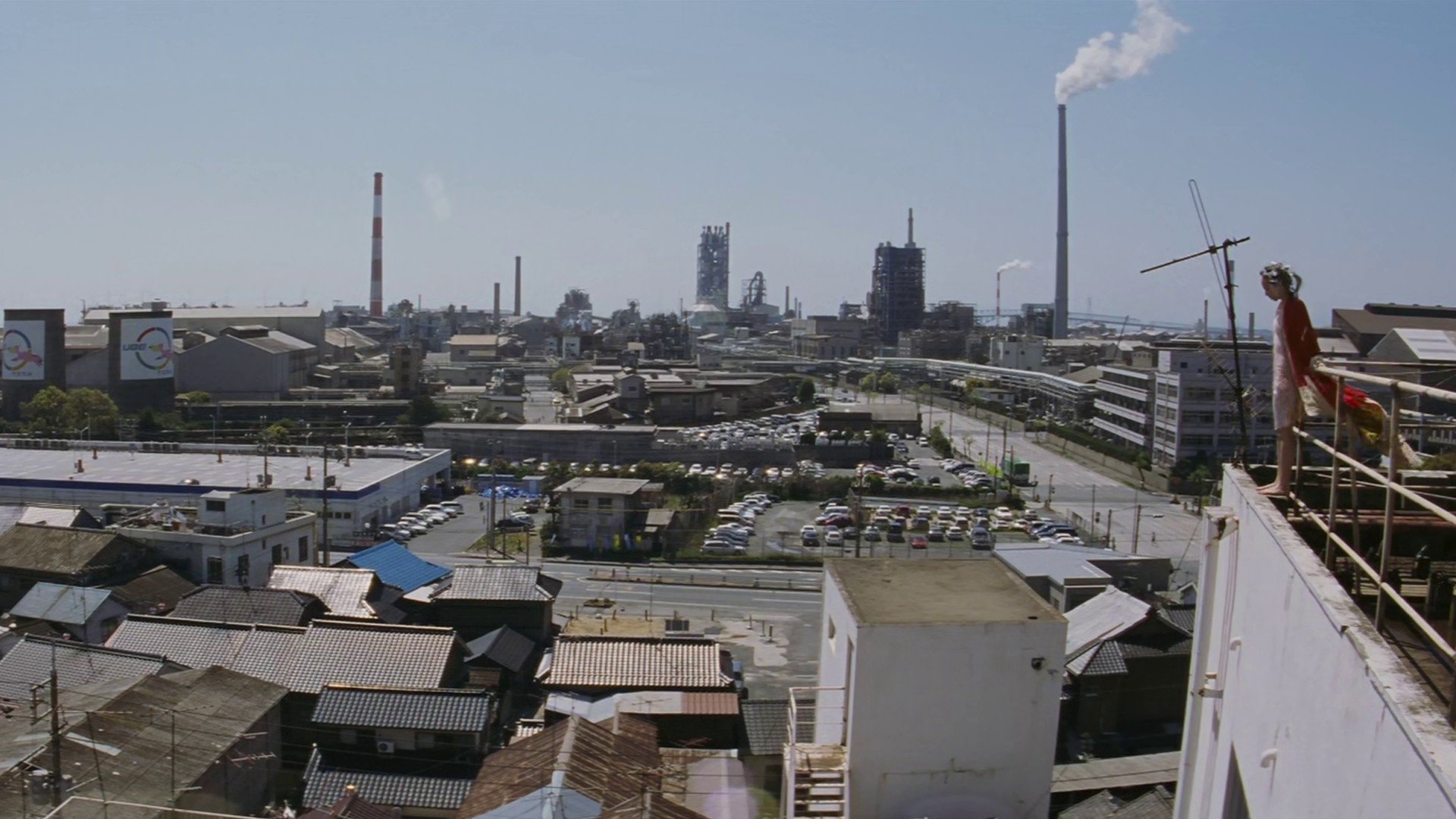
The rooftop scene stayed with me too. She asked him to talk about himself and he talked about something random, something she didn’t care about. The conversation went nowhere. It felt awkward and empty but also very familiar. That feeling of wanting to connect with someone and not knowing how. That panic when you don’t know what to say or how to say something. And then the silence that follows.
I found myself relating to both of them at the same time. Wanting to be known but not knowing how to open up. Wanting to understand someone else but not knowing what to do with what they give you.
As the director reflects,
“I’ve always been fascinated by the idea of being hopelessly in love… but it was an exhausting and terrifying burden. Could I really bear it?”
That question really stood out to me throughout the film. What does it mean to care for someone who is struggling when you yourself are struggling just as much? Where does empathy end and self-destruction begin?
I really love how it portrays relationships. The connection between the two leads are codependent, fragile, and cyclical. They stayed with each other because they understood the same kind of emptiness. There was comfort in that.
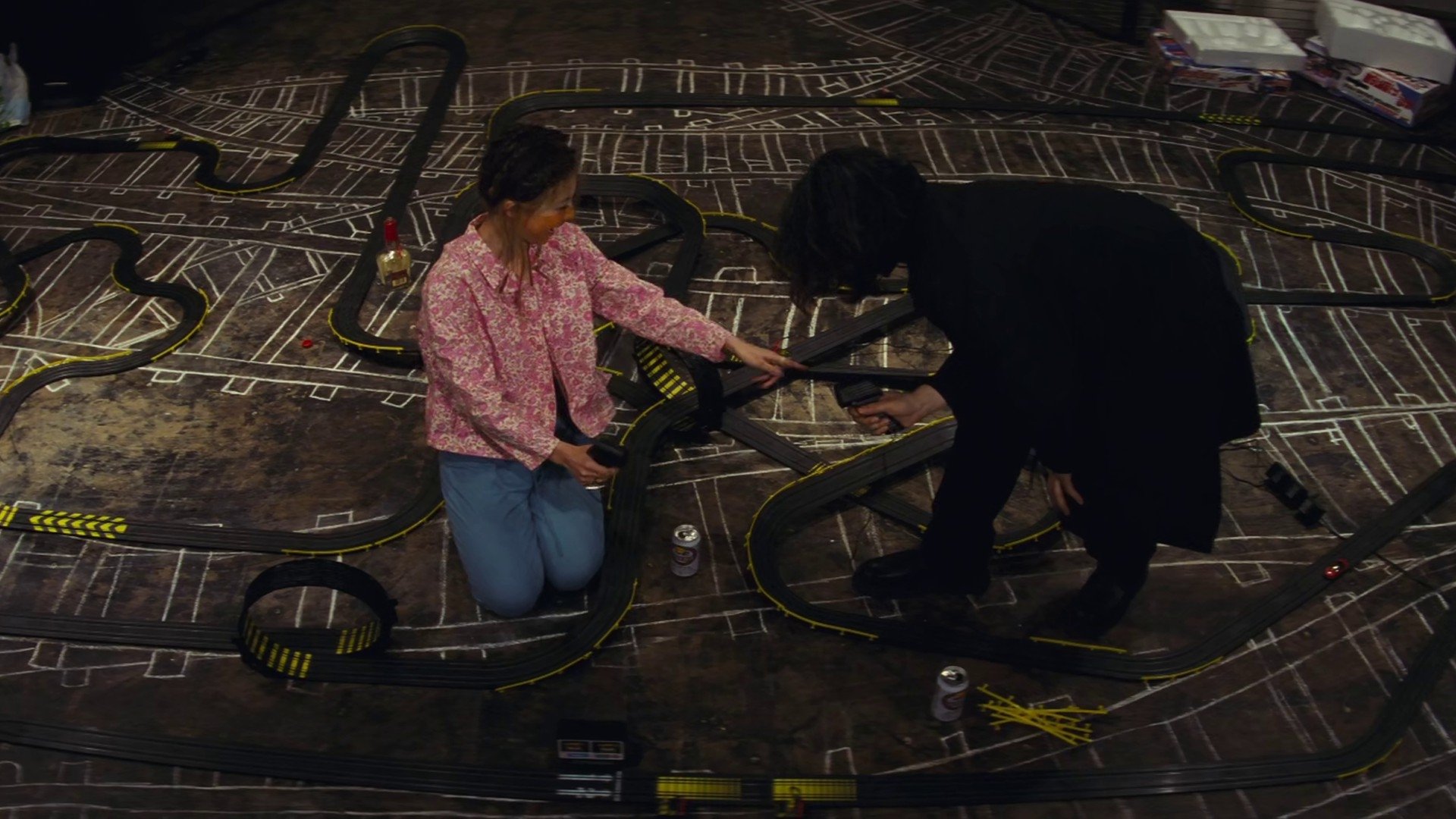
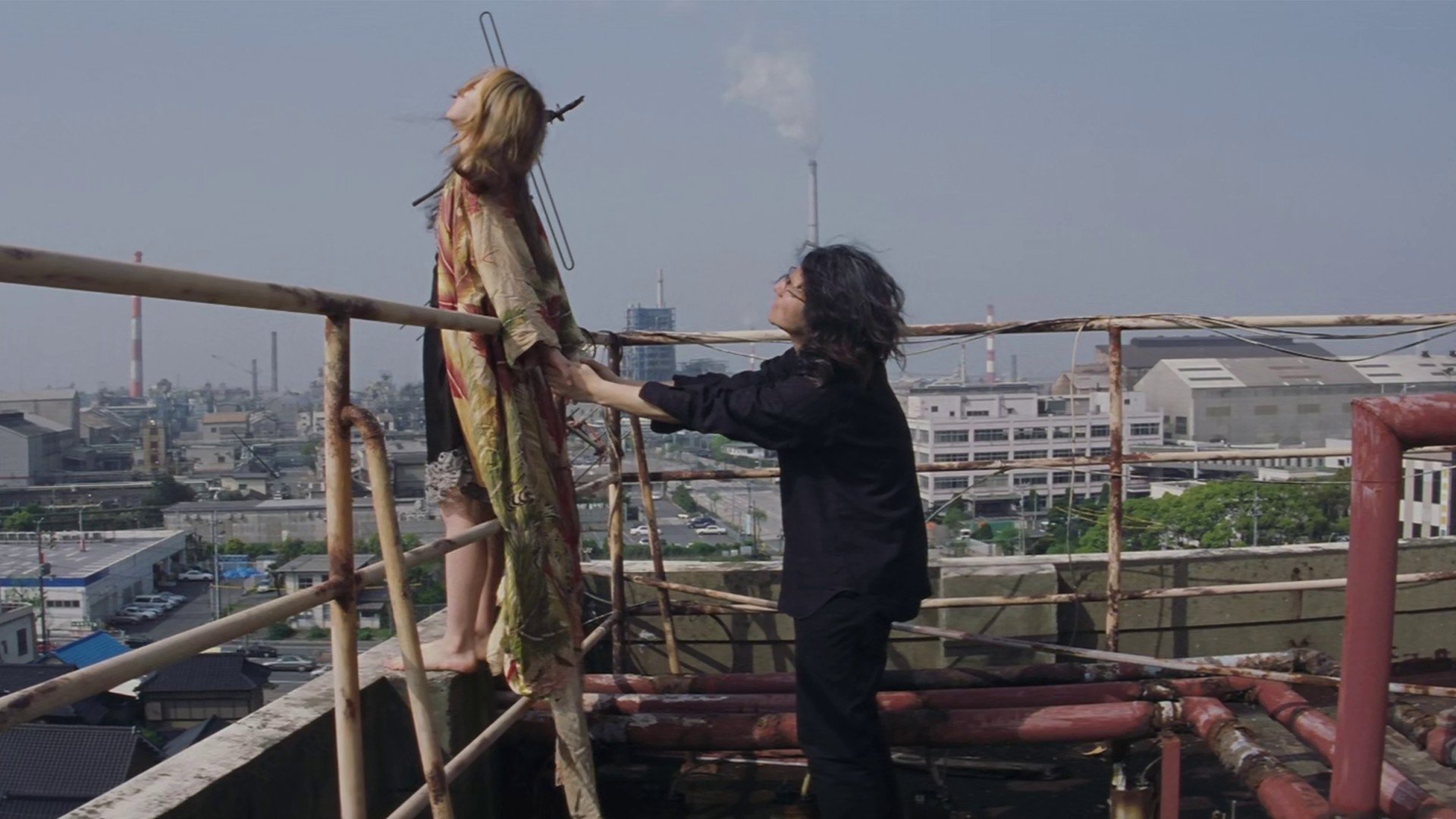
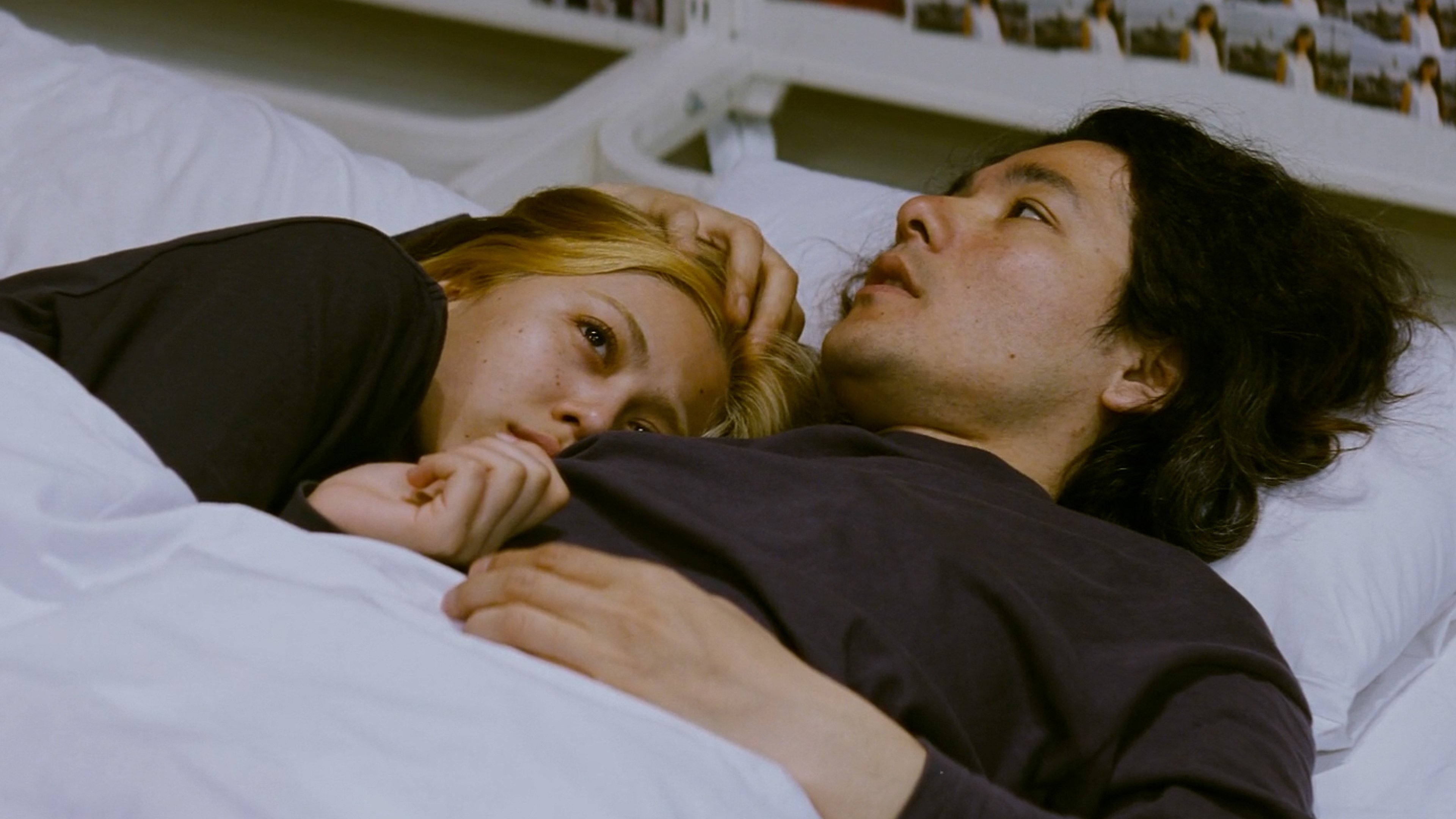
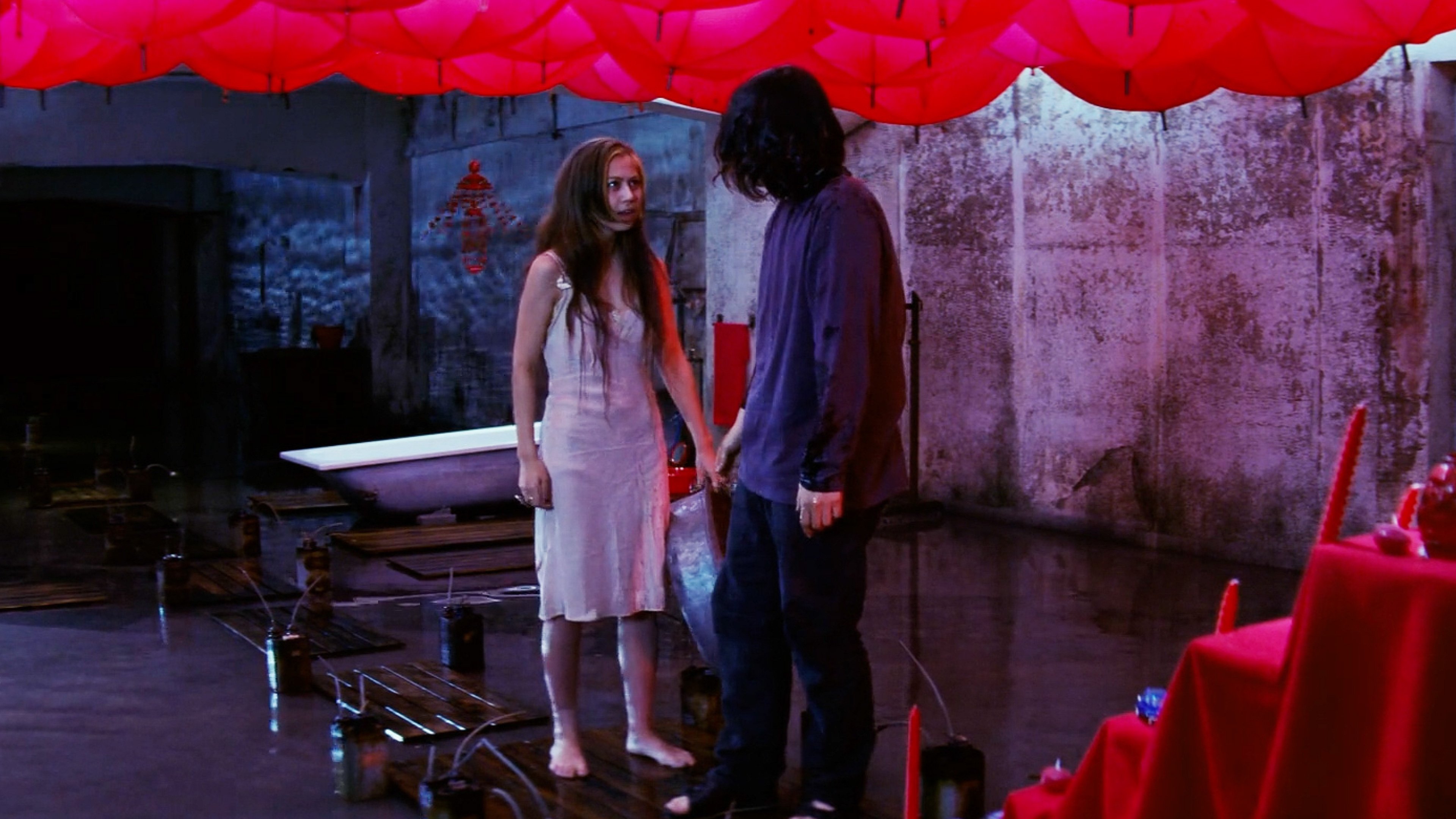
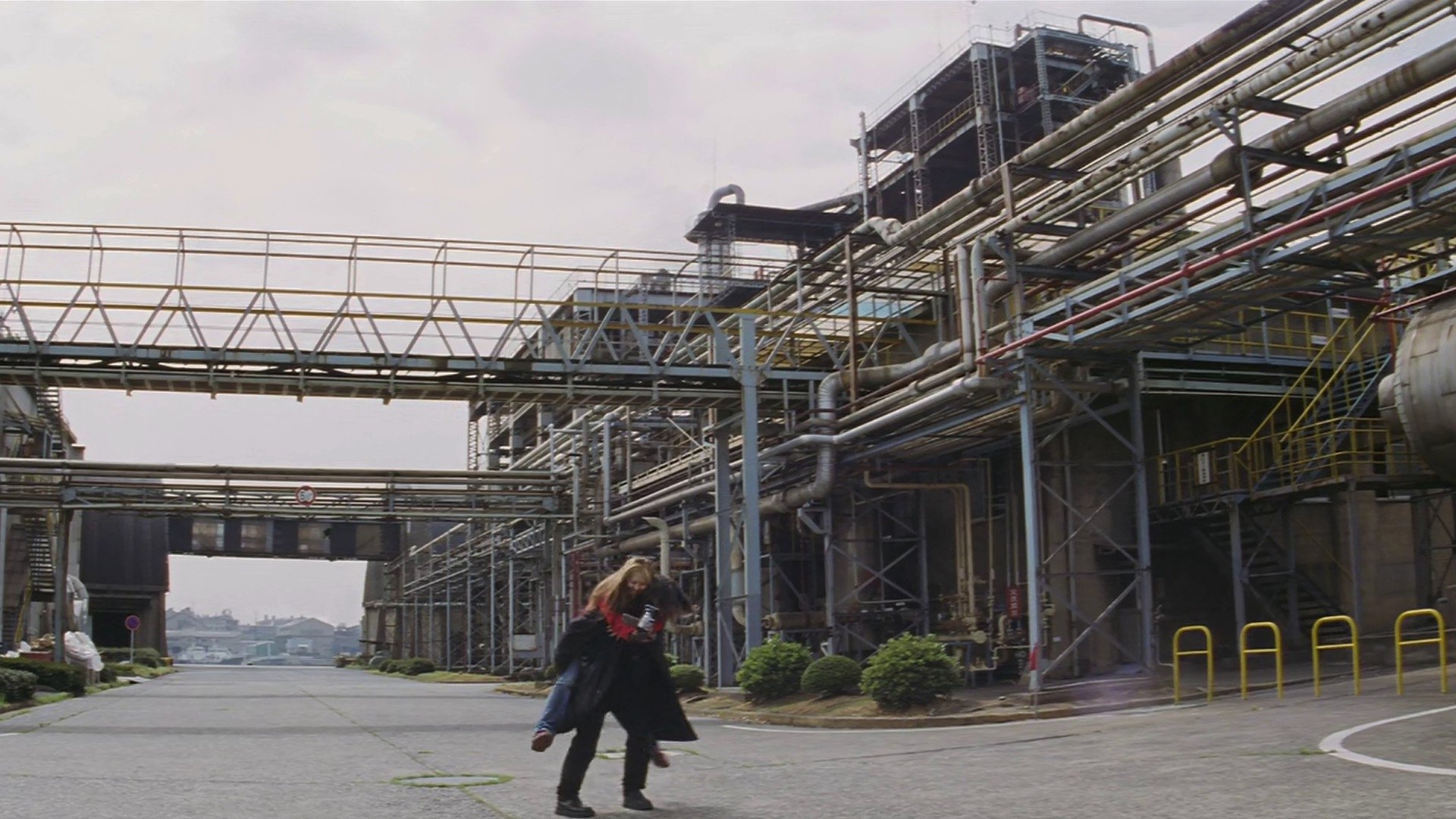
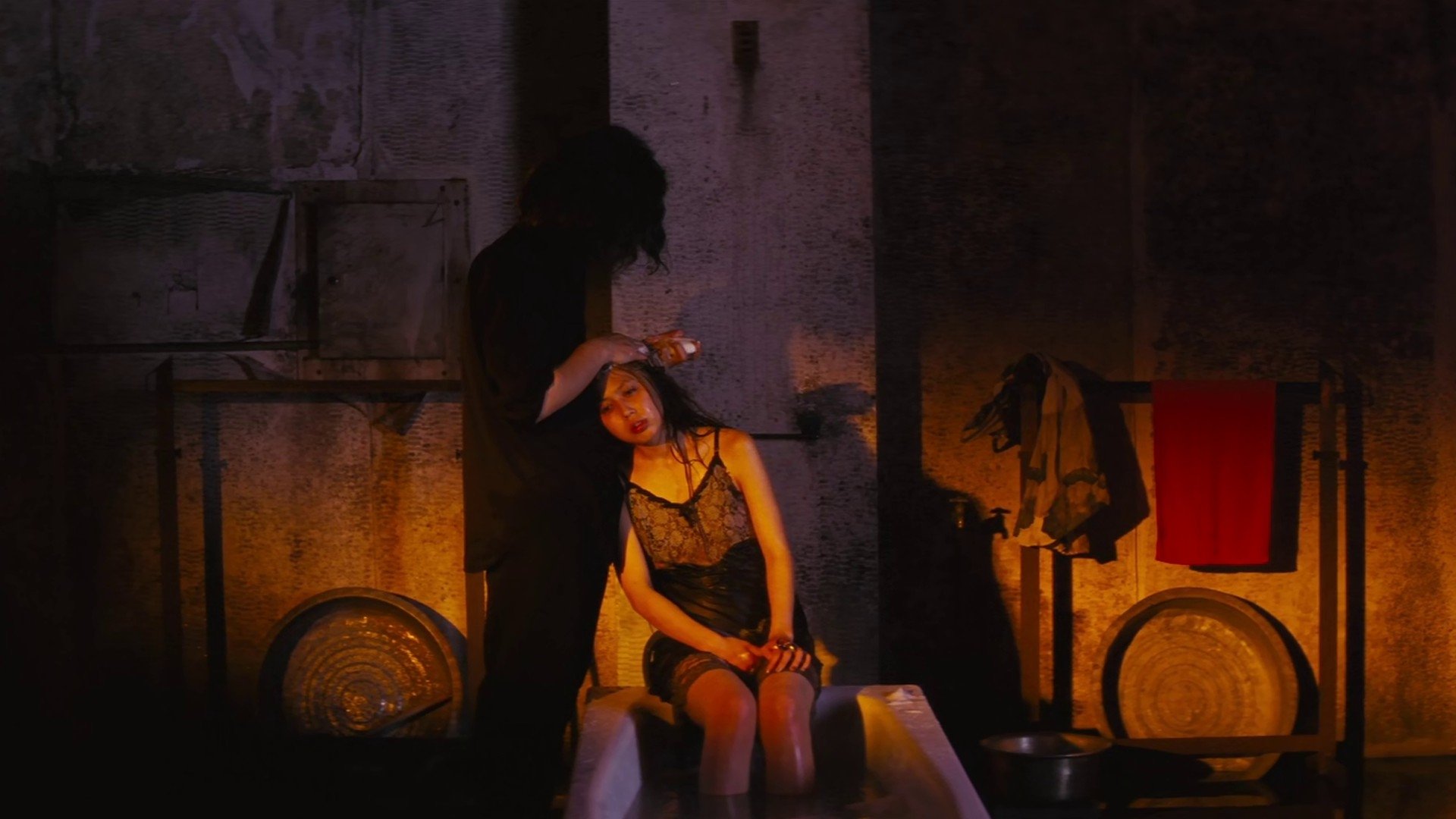
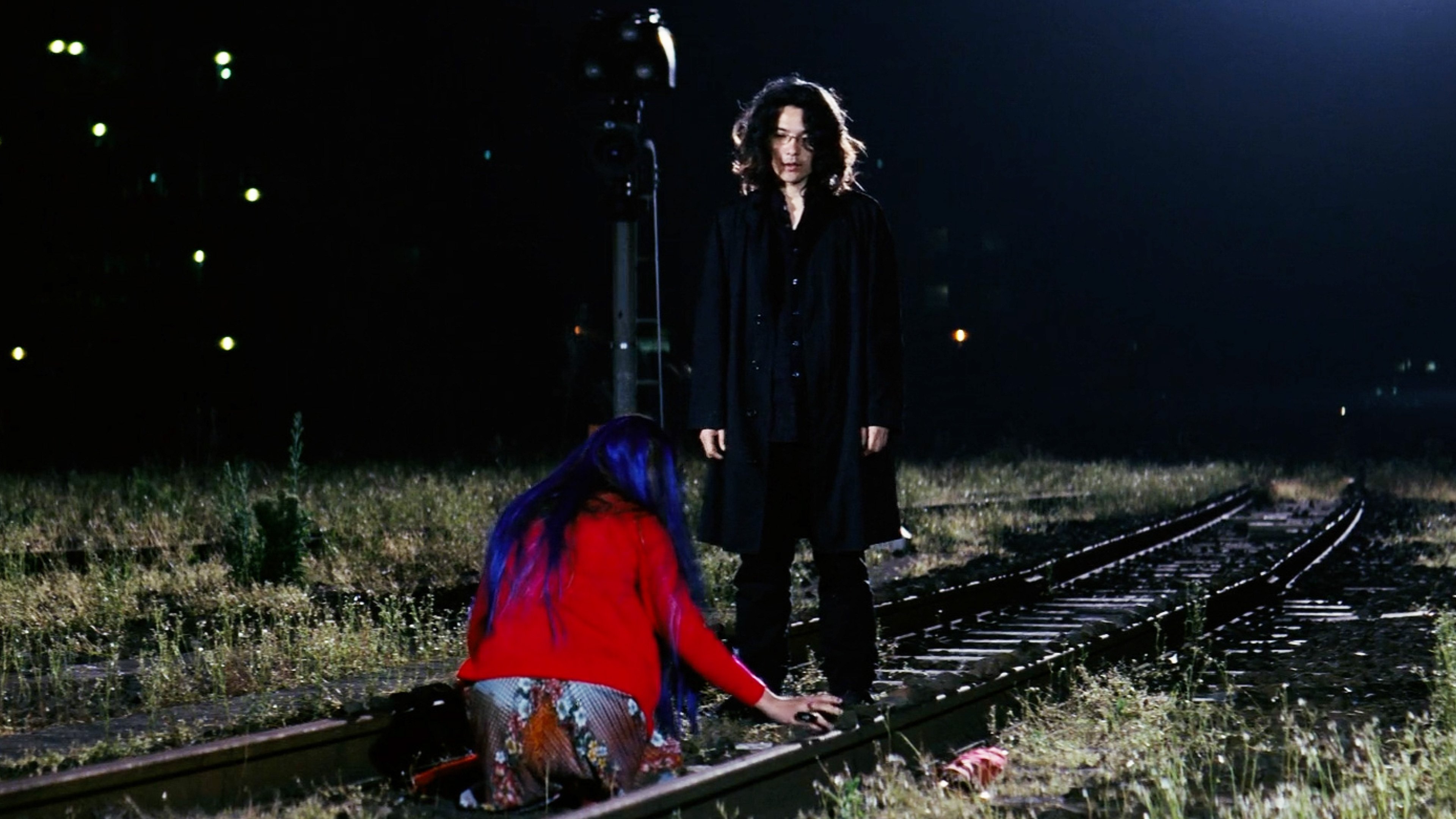
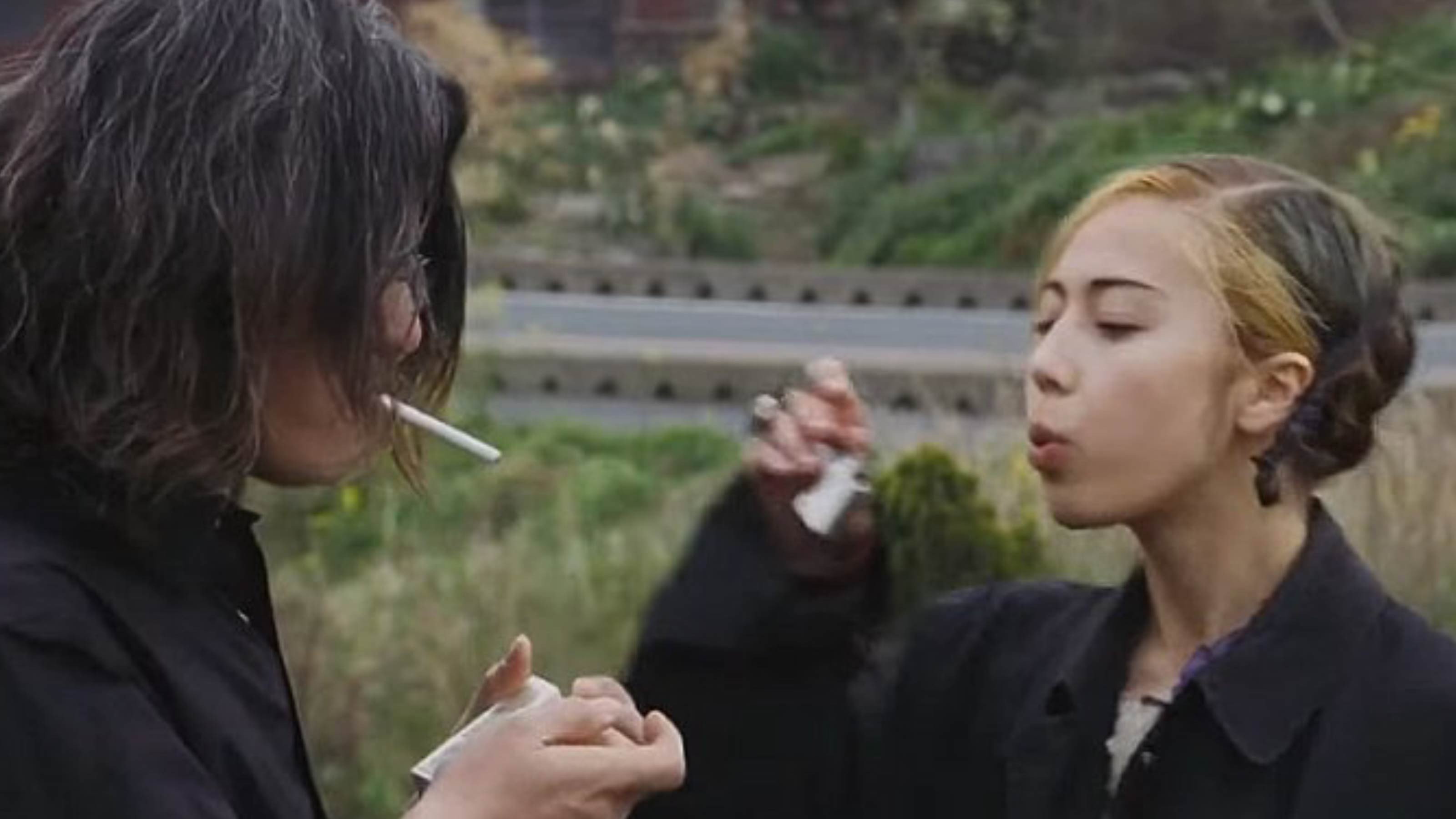
There’s something about the way they touch each other that stayed with me. The way she reaches for his hand instead of the railing. The way her grip tightens like she’s holding on to something more than just him. The way he holds her gently like he’s afraid of hurting her. The way he keeps telling her he likes her even when she can’t understand why anyone would.
The film made me think about how people try to help each other. Sometimes, the only hope you have is another person. Someone who sits beside you, someone who listens, someone who stays. That kind of presence matters. It doesn’t fix anything but it makes things feel a little less heavy.
At the same time, you’re aware that no one else can carry everything for you. People can stay, they can understand, they can share the weight for a while. The rest still belongs to you. That thought feels both comforting and overwhelming.
In the end, I keep thinking about how, even with everything—the loneliness, the repetition, the weight of it all—I’m still here.
I keep living.
I live for the rare moments where everything feels light even for a little while. I live for my babies—Thalia and Chico. I live for the laughter I share with my friends. I live for something small as a passing moment of kindness. I live for the people who let me rest my head on their shoulders even when I don’t feel like myself. I live for the ones who listen and stay even when I don’t know how to explain what I’m feeling.
Those moments don’t fix everything. They don’t make the loneliness disappear.
They just make it easier to carry.
And maybe that’s enough for now. Or maybe it’s just the hope that tomorrow, somehow, I won’t have to carry it alone.