
1933·Crime·1h 2m
7.0
★
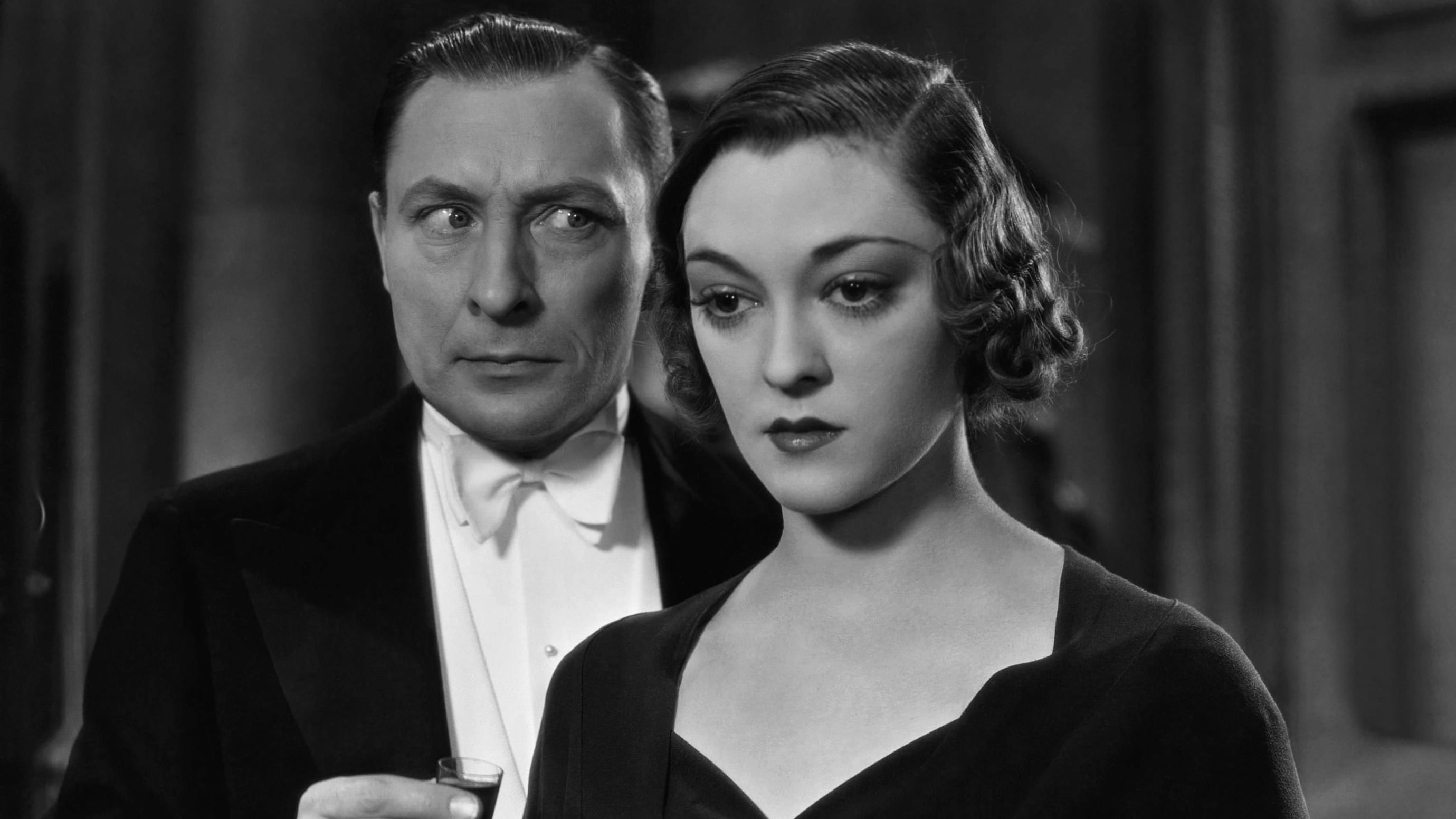
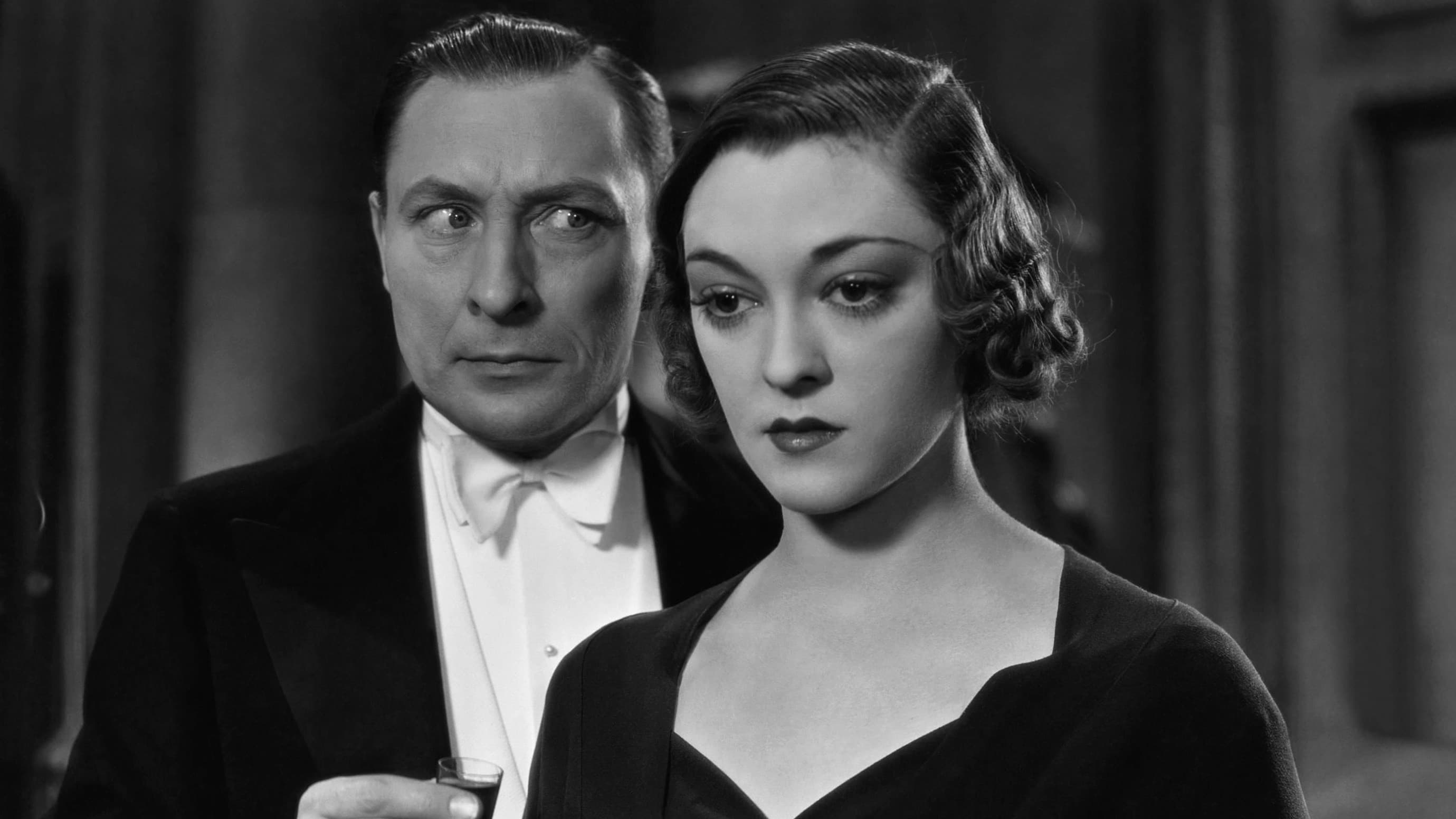
Dr. Gorman is a millionaire adventurer, traveling the world in search of dangerous game. His bored, beautiful, much younger wife entertains herself in the arms of other men. In turn, Gorman uses his animals to kill these men. When a New York City zoo suggests a fundraising gala, Gorman sees a prime opportunity to dispatch the dashing Roger and anyone else who might cross him.
Directed by A. Edward Sutherland
tiger
lion
zoo
alligator
cage
murder
wild animal
snake bite
pre-code
adventurer
jealous husband
publicist

IMDB
N/A
Where to Watch



Cast
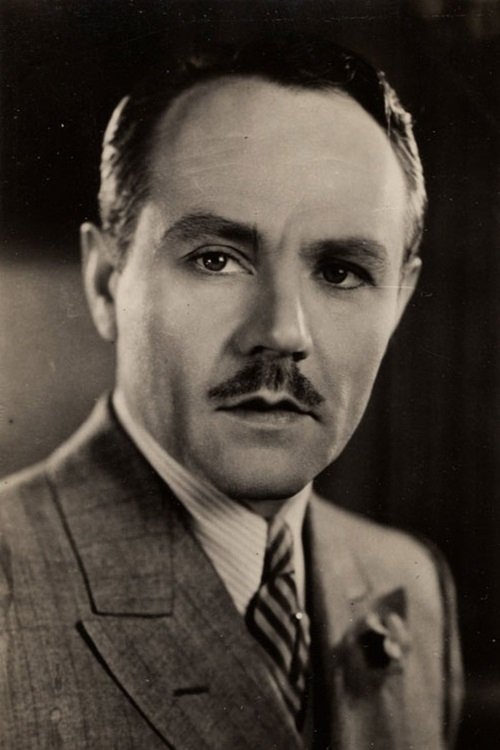
Charles Ruggles
Peter Yates
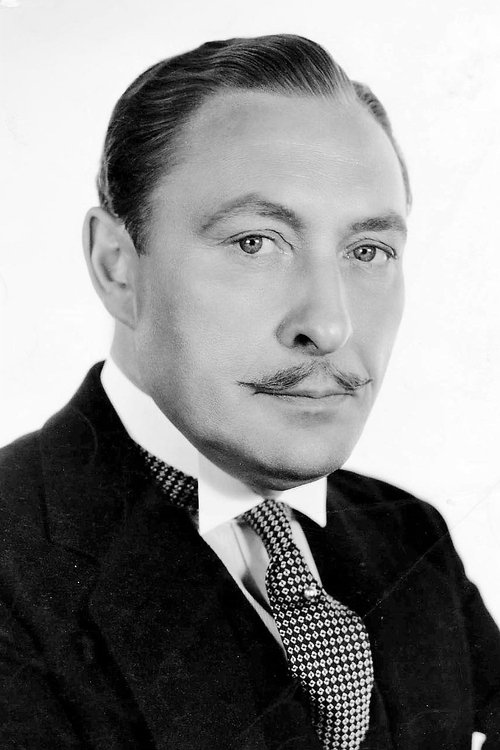
Lionel Atwill
Eric Gorman
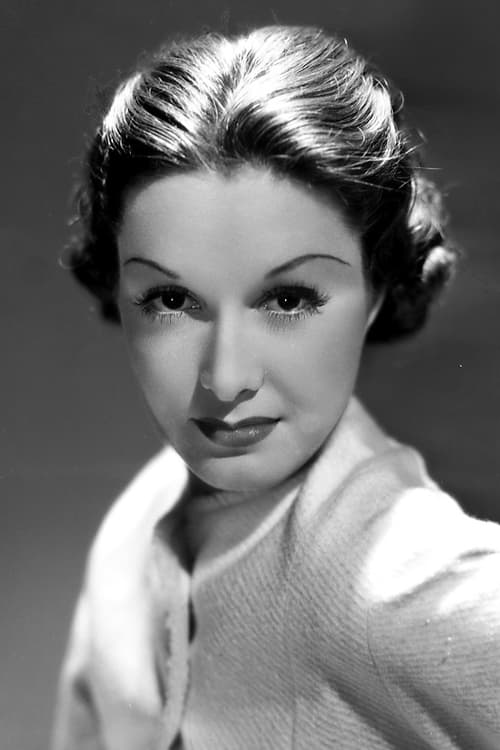
Gail Patrick
Jerry Evans
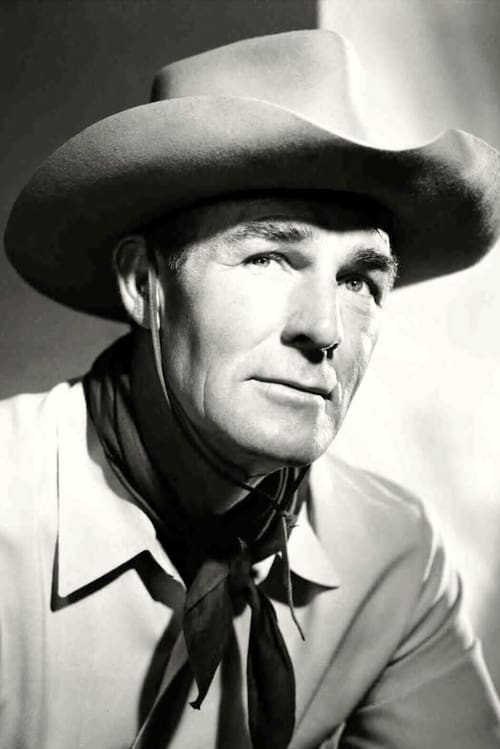
Randolph Scott
Jack Woodford

John Lodge
Roger Hewitt

Kathleen Burke
Evelyn Gorman
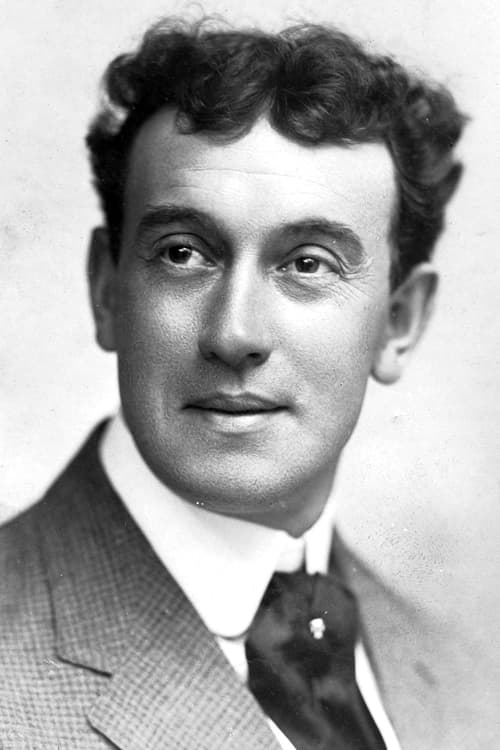
Harry Beresford
G.A. Evans
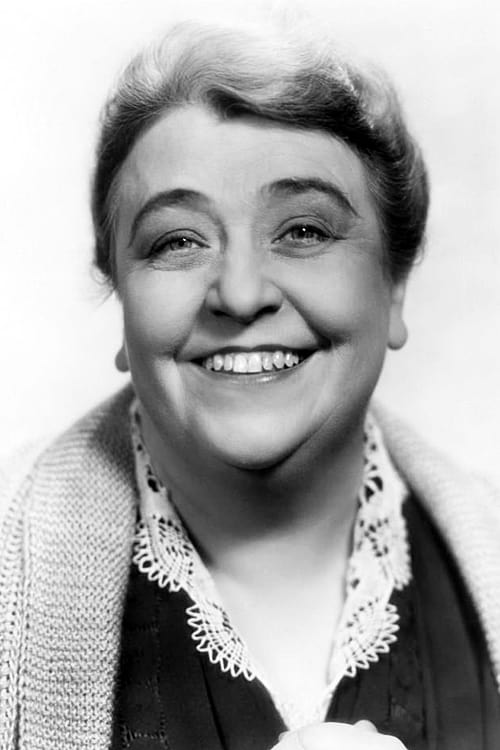
Jane Darwell
Banquet Guest (uncredited)
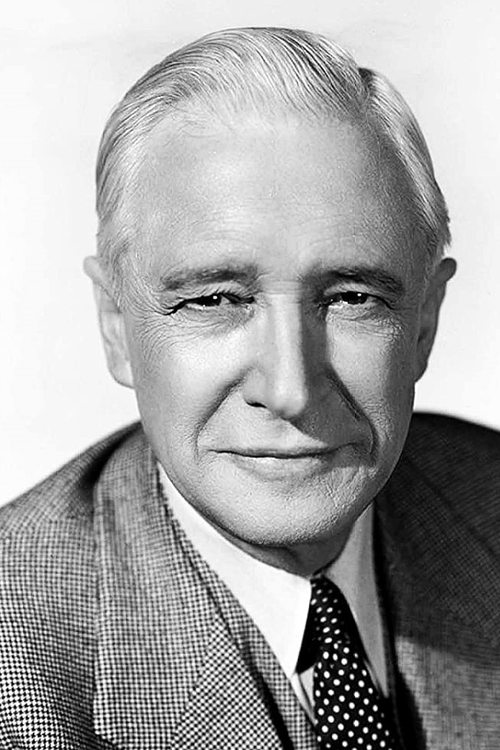
Samuel S. Hinds
Banquet Guest (Uncredited)
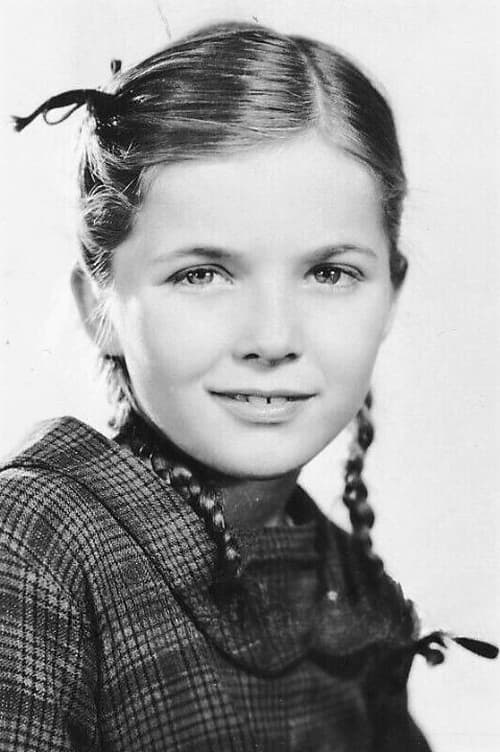
Carmencita Johnson
Little Girl at the Zoo (Uncredited)
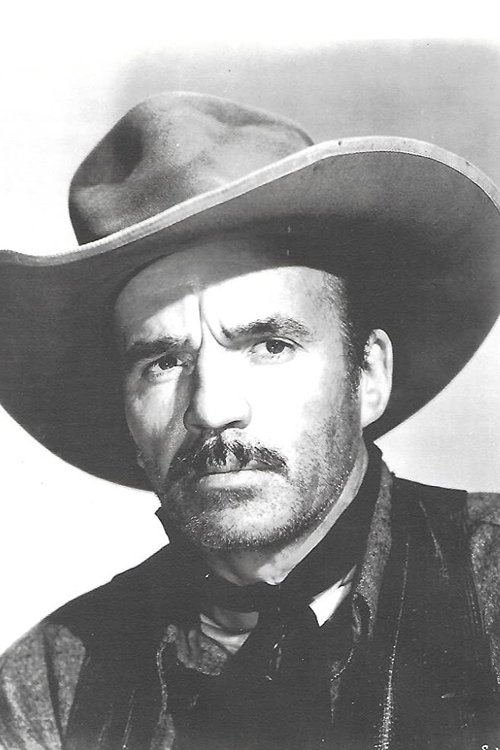
Ethan Laidlaw
Policeman Reardon (Uncredited)
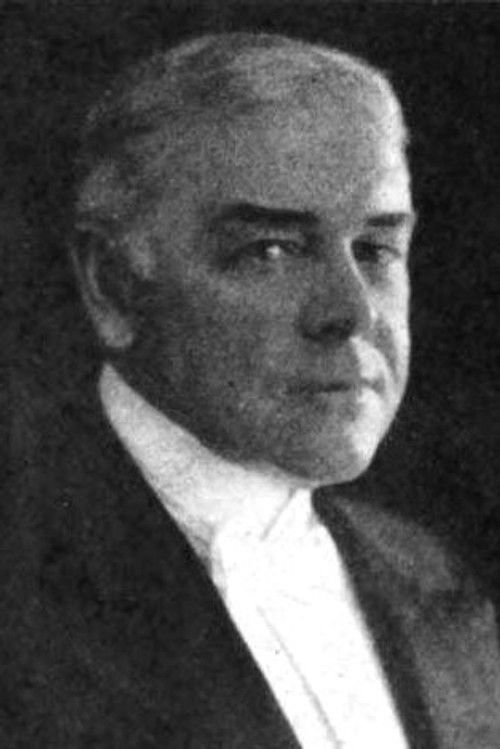
Edward McWade
Dan Baker (Uncredited)
Crew
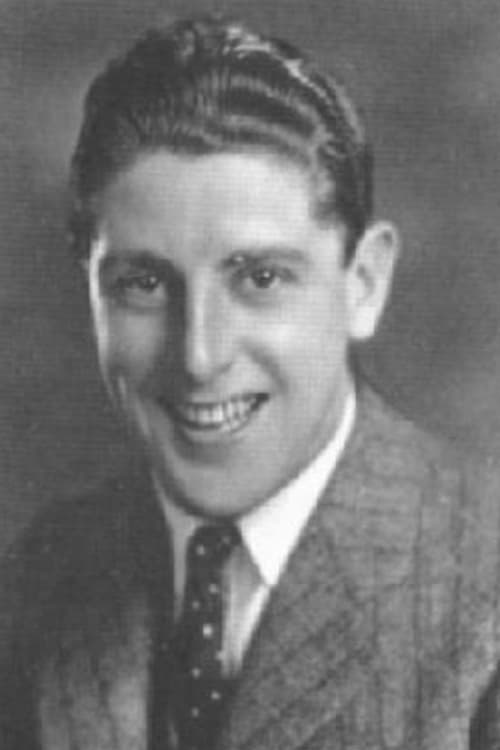
A. Edward Sutherland
Director
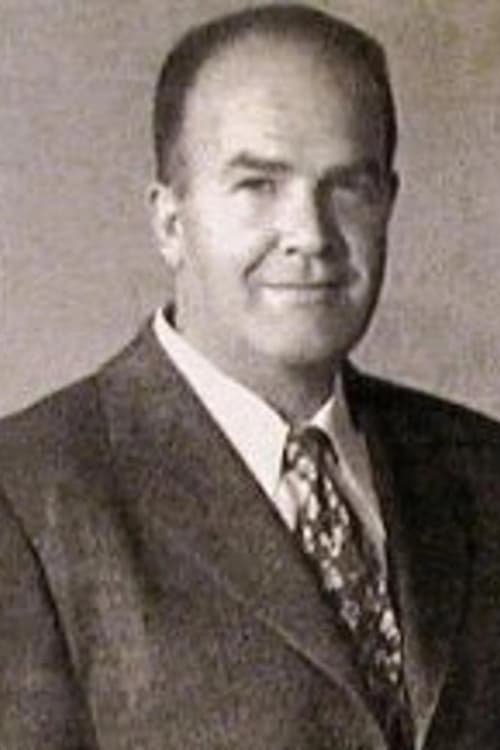
Seton I. Miller
Writer
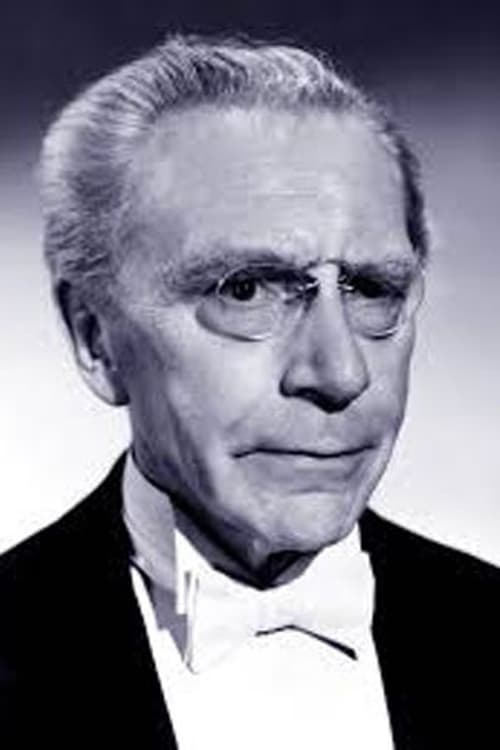
John Leipold
Original Music Composer
Ernest Haller
Director of Photography
Popular Reviews
12 reviews
viv
7.0★ · 11/10/25

Those poor bears :(
Those poor bears :(


Viv
7.0★ · 11/10/25
Those poor bears :(
Those poor bears :(
Nick
6.0★ · 06/04/24
Introduces a level of methodical sadism previously introduced to audiences who had seen Murders in the Rue Morgue a year earlier. This iteration is much more thorough. The killer is of “high status” and the methodology of murder is on par with a batman villain. Similar to the sexual violence channeled in the aforementioned Murder movie, this one evolves that concept with a more explicit sentiment of “ownership” of women. The diabolical drives of the killer propelled by his maniacal concepts of love belie a perverted power structure. Even the man who would purportedly rescue Evelyn has a line assuring her he will run the new relationship. Evelyn’s status, no matter which man she’s with, positions her not so dissimilarly to the status of the caged animals which surround them all.
There is some wooden dialogue and excessive silliness. The reporter character, Peter Yates, is quirky and is introduced with an element of past alcoholism. This isn’t addressed aside from a throwaway ending meant for comedic effect. It falls flat among an otherwise terrifying story. I give it a semi-pass because of just how dark this movie is. I can imagine it being all the more terrifying as the setting would be present-day at the time, in a place accessible to normal audiences. I also appreciate how the animals are not used in a terrifying way for the majority of the film, instead it chooses to place the sole emphasis of horror on our human villain. The horrors of the animal kingdom don’t get played up until the climax. The villain meets his demise in a poetic way and is paired with a memorable image. It’s satisfying.
This is a nice treat in the pantheon of Universal horror. This website says Paramount released this, while I watched this from my Universal Horror set from Shout Factory. So I’m unsure of just who to give credit for this release. Regardless, this would likely have been on the radar of anyone watching these types of films and I would guess this would be one of the more disturbing early entries into American horror.
There is some wooden dialogue and excessive silliness. The reporter character, Peter Yates, is quirky and is introduced with an element of past alcoholism. This isn’t addressed aside from a throwaway ending meant for comedic effect. It falls flat among an otherwise terrifying story. I give it a semi-pass because of just how dark this movie is. I can imagine it being all the more terrifying as the setting would be present-day at the time, in a place accessible to normal audiences. I also appreciate how the animals are not used in a terrifying way for the majority of the film, instead it chooses to place the sole emphasis of horror on our human villain. The horrors of the animal kingdom don’t get played up until the climax. The villain meets his demise in a poetic way and is paired with a memorable image. It’s satisfying.
This is a nice treat in the pantheon of Universal horror. This website says Paramount released this, while I watched this from my Universal Horror set from Shout Factory. So I’m unsure of just who to give credit for this release. Regardless, this would likely have been on the radar of anyone watching these types of films and I would guess this would be one of the more disturbing early entries into American horror.
Introduces a level of methodical sadism previously introduced to audiences who had seen Murders in the Rue Morgue a year earlier. This iteration is much more thorough. The killer is of “high status” and the methodology of murder is on par with a batman villain. Similar to the sexual violence channeled in the aforementioned Murder movie, this one evolves that concept with a more explicit sentiment of “ownership” of women. The diabolical drives of the killer propelled by his maniacal concepts of love belie a perverted power structure. Even the man who would purportedly rescue Evelyn has a line assuring her he will run the new relationship. Evelyn’s status, no matter which man she’s with, positions her not so dissimilarly to the status of the caged animals which surround them all.
There is some wooden dialogue and excessive silliness. The reporter character, Peter Yates, is quirky and is introduced with an element of past alcoholism. This isn’t addressed aside from a throwaway ending meant for comedic effect. It falls flat among an otherwise terrifying story. I give it a semi-pass because of just how dark this movie is. I can imagine it being all the more terrifying as the setting would be present-day at the time, in a place accessible to normal audiences. I also appreciate how the animals are not used in a terrifying way for the majority of the film, instead it chooses to place the sole emphasis of horror on our human villain. The horrors of the animal kingdom don’t get played up until the climax. The villain meets his demise in a poetic way and is paired with a memorable image. It’s satisfying.
This is a nice treat in the pantheon of Universal horror. This website says Paramount released this, while I watched this from my Universal Horror set from Shout Factory. So I’m unsure of just who to give credit for this release. Regardless, this would likely have been on the radar of anyone watching these types of films and I would guess this would be one of the more disturbing early entries into American horror.
There is some wooden dialogue and excessive silliness. The reporter character, Peter Yates, is quirky and is introduced with an element of past alcoholism. This isn’t addressed aside from a throwaway ending meant for comedic effect. It falls flat among an otherwise terrifying story. I give it a semi-pass because of just how dark this movie is. I can imagine it being all the more terrifying as the setting would be present-day at the time, in a place accessible to normal audiences. I also appreciate how the animals are not used in a terrifying way for the majority of the film, instead it chooses to place the sole emphasis of horror on our human villain. The horrors of the animal kingdom don’t get played up until the climax. The villain meets his demise in a poetic way and is paired with a memorable image. It’s satisfying.
This is a nice treat in the pantheon of Universal horror. This website says Paramount released this, while I watched this from my Universal Horror set from Shout Factory. So I’m unsure of just who to give credit for this release. Regardless, this would likely have been on the radar of anyone watching these types of films and I would guess this would be one of the more disturbing early entries into American horror.
Aaron Townsend
6.0★ · 10/23/23
The fucking snake was genuinely so scary 😭
The fucking snake was genuinely so scary 😭
Tom
7.0★ · 04/25/23
I was surprised at how good this was! Would highly recommend since its only an hour long.
I was surprised at how good this was! Would highly recommend since its only an hour long.