

2016·Documentary·1h 49m
7.1
★
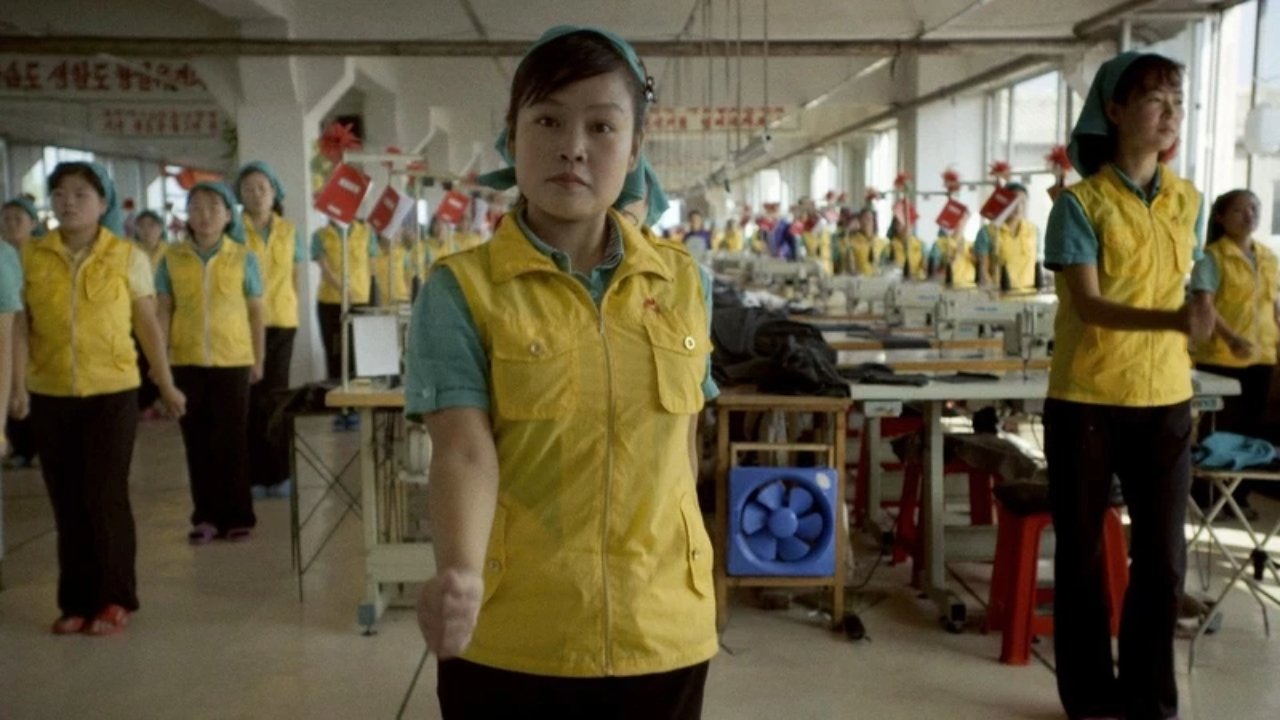
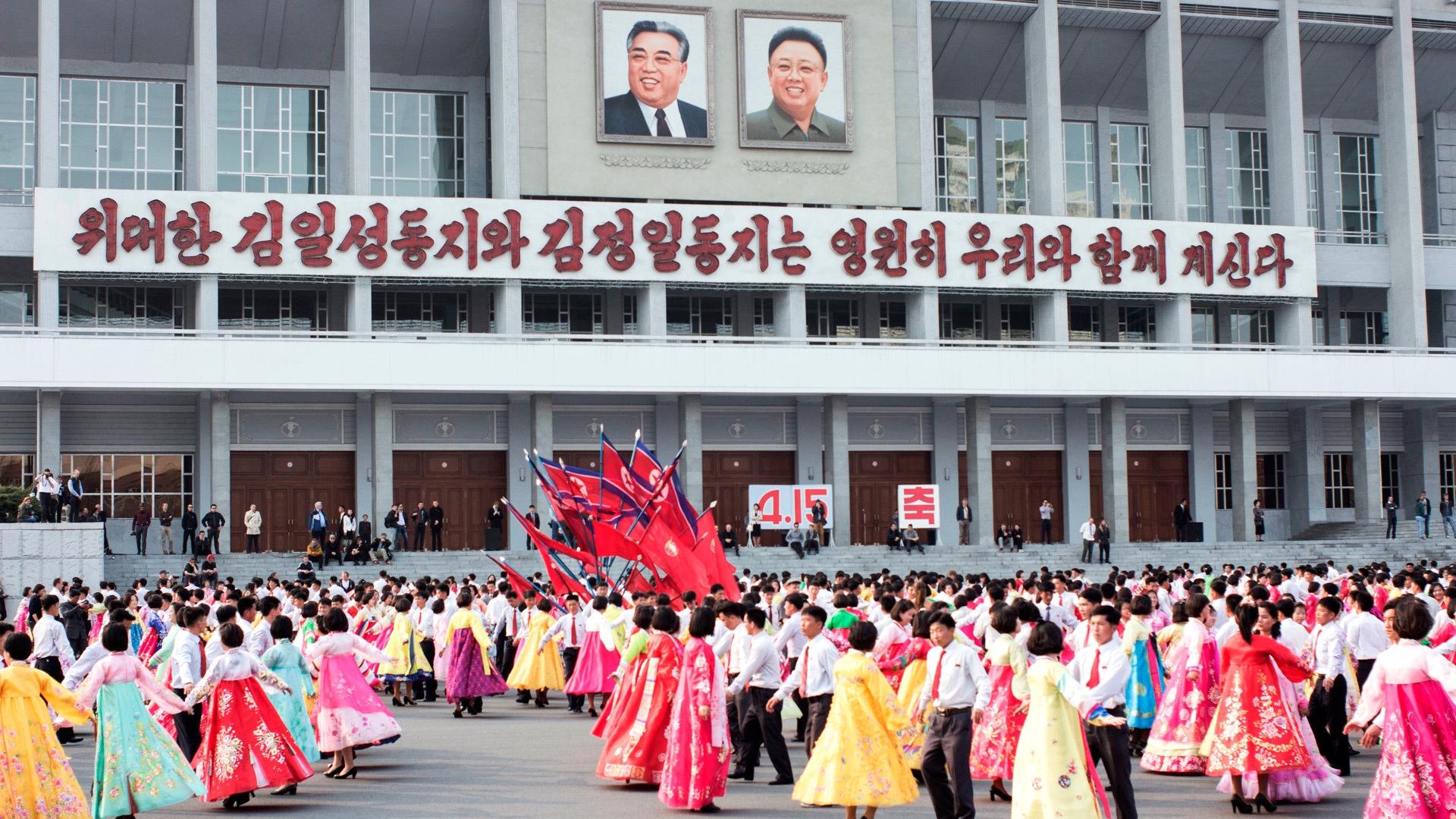
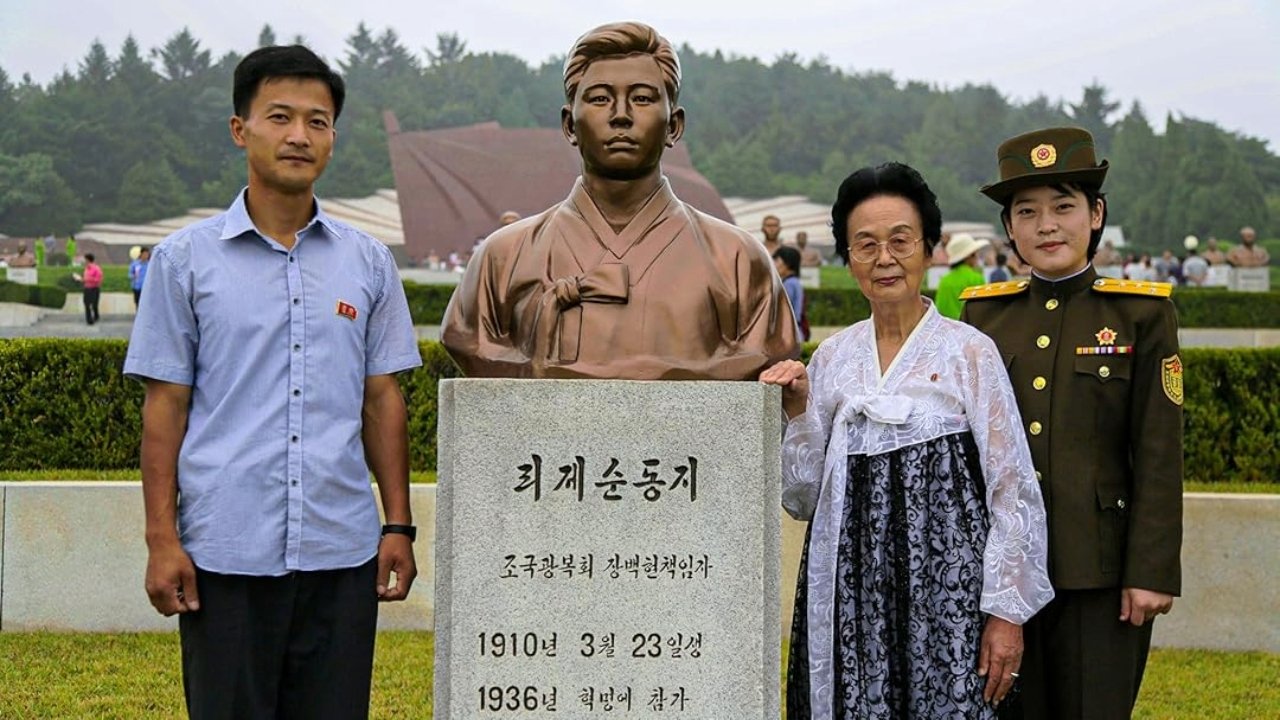
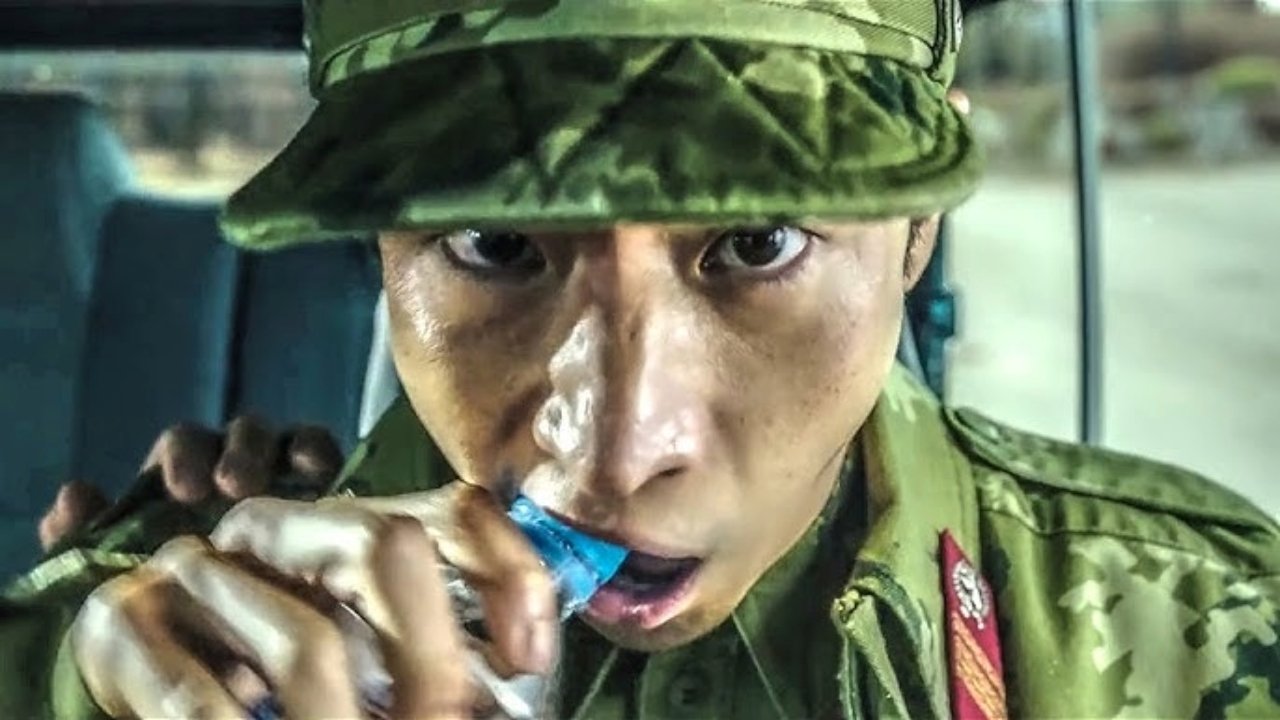
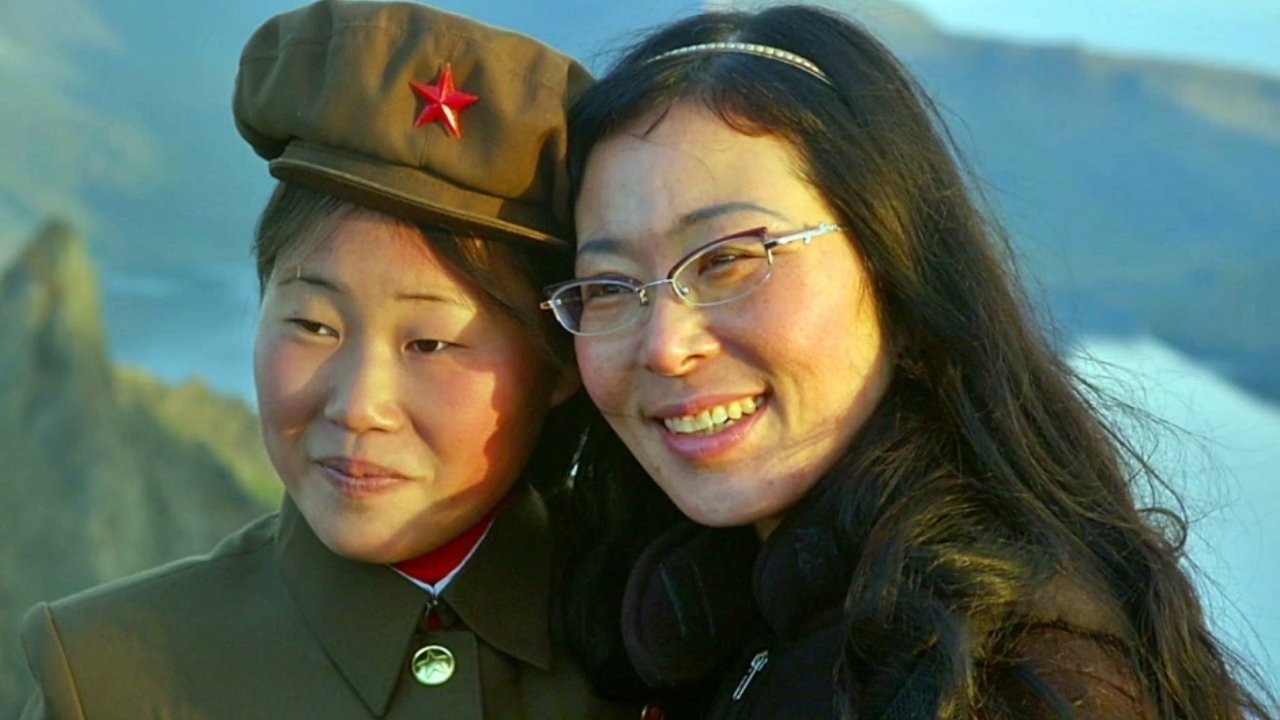
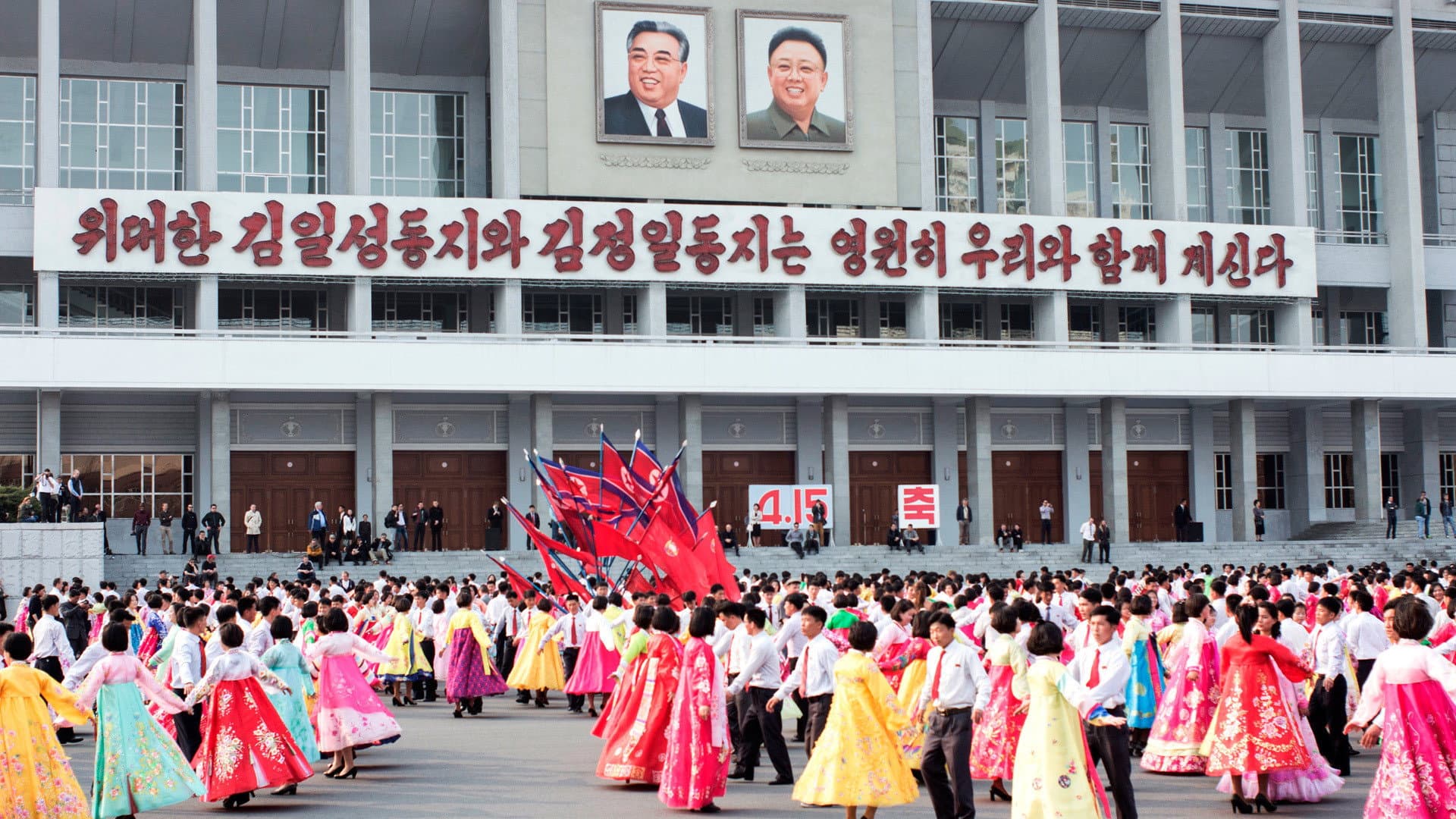
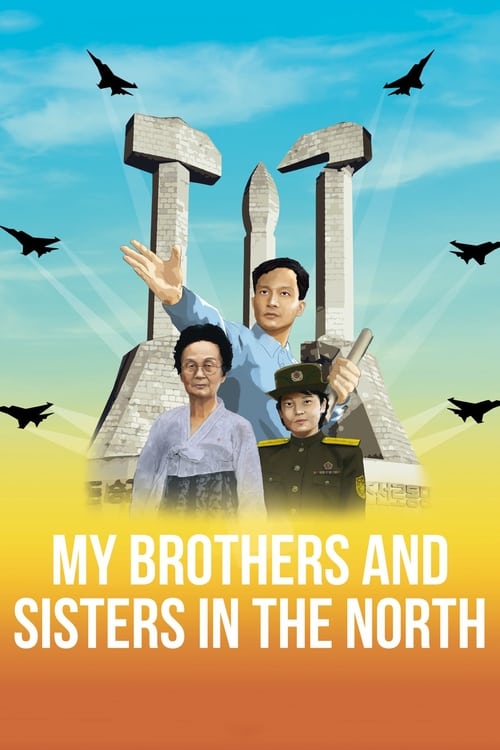
The Democratic People's Republic of Korea is a country with a very strong social cohesion and the unprecedented admiration of the people for their leader, which is absolutely unique and incomprehensible especially from a Western point of view. The native Korean director Sung-Hyung Cho tries to understand this by accompanying several Koreans from different backgrounds in their daily lives. The film shows the country and its people in a way, as it is rarely done in Western media, non-judgmental and respectful towards the people.
Directed by Sung Hyung Cho
woman director
north korea

Trailer

IMDB
N/A
Where to Watch


Popular Reviews
7 reviews
Em
I have never seen a documentary like this. The maker gave up her SK citizenship to make it as the first SK filmmaker allowed in the DPRK. She contended with the fear of stepping over lines that might ignite international conflict or potentially endanger her freedom or life.
It tells the viewer in the first scene that her story is a collaboration with DPRK propagandists by nature, and then puts complete trust in the viewer to draw their own conclusions. There is no fact checking, voiceover narration, or overt message to the movie at all. It simply shows a series of people and gently probes their mindsets with no attempts at challenging political conversations at all. It is up to us as viewers to decide: how much of this is real? Can all these stories be an elaborate production of the regime? Can people truly love their country and leader this much? Is there a man behind the curtain, or a starving village beyond the bend in the road?
I think this much trust in film viewers is extremely rare, over explaining and handholding is a pandemic in the film landscape if you ask me. However, as the responses to this film show, it is also very risky to trust your viewers in a world that does not teach us critical thinking.
I see two dominant responses to this film: the first is overwhelmingly an idea that this film shows unique truth about the goodness and regularity of the DPRK. It dispels western propaganda and beautifully highlights the shared humanity of all Koreans, and ultimately, all people. The other response is a complete deriding of this movie as purely propagandistic, and therefore, useless and cowardly.
To me, both of these narratives show a failure to critically consume this film. They show the flavor of propaganda that we westerns are victims of. Our critical thinking skills stripped from us, our desire to be spoon fed simple moralistic stories of good and evil. Whether it’s DPRK good or DPRK bad, many responses to this movie ironically perfectly mirror what I think this movie shows.
The people of the DPRK, just like those everywhere, live normal lives shaped by their material reality and the powerful cultural narratives that structure our existence. Nationalism, Individualism, Socialism, Capitalism, Sexism, Family, Safety, the meaning of life.
I don’t know how accurately this documentary represents life in the DPRK, but what I do know is that imperialism, capitalism, and the wielding of power for domination in all forms need to be resisted. The DPRK is no different than anywhere else in that regard. I believe that is many ways, i have been a victim of anti-DPRK propaganda, which attempts to convince me that an insular country resisting capitalism is a larger evil than the Nuclear Hydra that is western supremacy and capitalism. I hope to continue the efforts to end and mend the damage that the West has done to the DPRK, and support its people’s self determination. I don’t pretend to know what that looks like, but I hope to have the opportunity to learn more about a place that has been silenced for so long (regardless of whether you blame external or internal forces for that silence).
Thank you to this film for making me think and feel so much.
It tells the viewer in the first scene that her story is a collaboration with DPRK propagandists by nature, and then puts complete trust in the viewer to draw their own conclusions. There is no fact checking, voiceover narration, or overt message to the movie at all. It simply shows a series of people and gently probes their mindsets with no attempts at challenging political conversations at all. It is up to us as viewers to decide: how much of this is real? Can all these stories be an elaborate production of the regime? Can people truly love their country and leader this much? Is there a man behind the curtain, or a starving village beyond the bend in the road?
I think this much trust in film viewers is extremely rare, over explaining and handholding is a pandemic in the film landscape if you ask me. However, as the responses to this film show, it is also very risky to trust your viewers in a world that does not teach us critical thinking.
I see two dominant responses to this film: the first is overwhelmingly an idea that this film shows unique truth about the goodness and regularity of the DPRK. It dispels western propaganda and beautifully highlights the shared humanity of all Koreans, and ultimately, all people. The other response is a complete deriding of this movie as purely propagandistic, and therefore, useless and cowardly.
To me, both of these narratives show a failure to critically consume this film. They show the flavor of propaganda that we westerns are victims of. Our critical thinking skills stripped from us, our desire to be spoon fed simple moralistic stories of good and evil. Whether it’s DPRK good or DPRK bad, many responses to this movie ironically perfectly mirror what I think this movie shows.
The people of the DPRK, just like those everywhere, live normal lives shaped by their material reality and the powerful cultural narratives that structure our existence. Nationalism, Individualism, Socialism, Capitalism, Sexism, Family, Safety, the meaning of life.
I don’t know how accurately this documentary represents life in the DPRK, but what I do know is that imperialism, capitalism, and the wielding of power for domination in all forms need to be resisted. The DPRK is no different than anywhere else in that regard. I believe that is many ways, i have been a victim of anti-DPRK propaganda, which attempts to convince me that an insular country resisting capitalism is a larger evil than the Nuclear Hydra that is western supremacy and capitalism. I hope to continue the efforts to end and mend the damage that the West has done to the DPRK, and support its people’s self determination. I don’t pretend to know what that looks like, but I hope to have the opportunity to learn more about a place that has been silenced for so long (regardless of whether you blame external or internal forces for that silence).
Thank you to this film for making me think and feel so much.
I have never seen a documentary like this. The maker gave up her SK citizenship to make it as the first SK filmmaker allowed in the DPRK. She contended with the fear of stepping over lines that might ignite international conflict or potentially endanger her freedom or life.
It tells the viewer in the first scene that her story is a collaboration with DPRK propagandists by nature, and then puts complete trust in the viewer to draw their own conclusions. There is no fact checking, voiceover narration, or overt message to the movie at all. It simply shows a series of people and gently probes their mindsets with no attempts at challenging political conversations at all. It is up to us as viewers to decide: how much of this is real? Can all these stories be an elaborate production of the regime? Can people truly love their country and leader this much? Is there a man behind the curtain, or a starving village beyond the bend in the road?
I think this much trust in film viewers is extremely rare, over explaining and handholding is a pandemic in the film landscape if you ask me. However, as the responses to this film show, it is also very risky to trust your viewers in a world that does not teach us critical thinking.
I see two dominant responses to this film: the first is overwhelmingly an idea that this film shows unique truth about the goodness and regularity of the DPRK. It dispels western propaganda and beautifully highlights the shared humanity of all Koreans, and ultimately, all people. The other response is a complete deriding of this movie as purely propagandistic, and therefore, useless and cowardly.
To me, both of these narratives show a failure to critically consume this film. They show the flavor of propaganda that we westerns are victims of. Our critical thinking skills stripped from us, our desire to be spoon fed simple moralistic stories of good and evil. Whether it’s DPRK good or DPRK bad, many responses to this movie ironically perfectly mirror what I think this movie shows.
The people of the DPRK, just like those everywhere, live normal lives shaped by their material reality and the powerful cultural narratives that structure our existence. Nationalism, Individualism, Socialism, Capitalism, Sexism, Family, Safety, the meaning of life.
I don’t know how accurately this documentary represents life in the DPRK, but what I do know is that imperialism, capitalism, and the wielding of power for domination in all forms need to be resisted. The DPRK is no different than anywhere else in that regard. I believe that is many ways, i have been a victim of anti-DPRK propaganda, which attempts to convince me that an insular country resisting capitalism is a larger evil than the Nuclear Hydra that is western supremacy and capitalism. I hope to continue the efforts to end and mend the damage that the West has done to the DPRK, and support its people’s self determination. I don’t pretend to know what that looks like, but I hope to have the opportunity to learn more about a place that has been silenced for so long (regardless of whether you blame external or internal forces for that silence).
Thank you to this film for making me think and feel so much.
It tells the viewer in the first scene that her story is a collaboration with DPRK propagandists by nature, and then puts complete trust in the viewer to draw their own conclusions. There is no fact checking, voiceover narration, or overt message to the movie at all. It simply shows a series of people and gently probes their mindsets with no attempts at challenging political conversations at all. It is up to us as viewers to decide: how much of this is real? Can all these stories be an elaborate production of the regime? Can people truly love their country and leader this much? Is there a man behind the curtain, or a starving village beyond the bend in the road?
I think this much trust in film viewers is extremely rare, over explaining and handholding is a pandemic in the film landscape if you ask me. However, as the responses to this film show, it is also very risky to trust your viewers in a world that does not teach us critical thinking.
I see two dominant responses to this film: the first is overwhelmingly an idea that this film shows unique truth about the goodness and regularity of the DPRK. It dispels western propaganda and beautifully highlights the shared humanity of all Koreans, and ultimately, all people. The other response is a complete deriding of this movie as purely propagandistic, and therefore, useless and cowardly.
To me, both of these narratives show a failure to critically consume this film. They show the flavor of propaganda that we westerns are victims of. Our critical thinking skills stripped from us, our desire to be spoon fed simple moralistic stories of good and evil. Whether it’s DPRK good or DPRK bad, many responses to this movie ironically perfectly mirror what I think this movie shows.
The people of the DPRK, just like those everywhere, live normal lives shaped by their material reality and the powerful cultural narratives that structure our existence. Nationalism, Individualism, Socialism, Capitalism, Sexism, Family, Safety, the meaning of life.
I don’t know how accurately this documentary represents life in the DPRK, but what I do know is that imperialism, capitalism, and the wielding of power for domination in all forms need to be resisted. The DPRK is no different than anywhere else in that regard. I believe that is many ways, i have been a victim of anti-DPRK propaganda, which attempts to convince me that an insular country resisting capitalism is a larger evil than the Nuclear Hydra that is western supremacy and capitalism. I hope to continue the efforts to end and mend the damage that the West has done to the DPRK, and support its people’s self determination. I don’t pretend to know what that looks like, but I hope to have the opportunity to learn more about a place that has been silenced for so long (regardless of whether you blame external or internal forces for that silence).
Thank you to this film for making me think and feel so much.


endo
8.0★ · 12/27/24
je réécris en 2026 ma review était nulle mais pitié c’est tellement intéressant comme documentaire je trouve et les « communistes » qui disent que c’est un super état et qu’il fait de son mieux avec tous les barrages fait à son pays et tout niquez vos races vous auriez été les premiers morts la bas
je réécris en 2026 ma review était nulle mais pitié c’est tellement intéressant comme documentaire je trouve et les « communistes » qui disent que c’est un super état et qu’il fait de son mieux avec tous les barrages fait à son pays et tout niquez vos races vous auriez été les premiers morts la bas
emma
8.0★ · 06/05/25
Markus
7.0★ · 03/31/25
S765431
7.1★ · 01/09/24