Criterion Challenge 2026Category #18: 1980s
Sometimes I get caught between the content and form of a film: what the film is about and how it chooses to convey that visually, aurally, etc. A film is often leaning toward either pole. Some films are flashy and visually inventive, but offer little emotional excavation. Some films are very earnest and thought-provoking, but told in a subdued, wide-shot, over-the-shoulder type of manner. But often a film will find the sweet spot, the meeting point between the two. I find these are the films we hold in high regard—the ones where we can’t look away from the screen, and we may have become changed as a result of doing so.
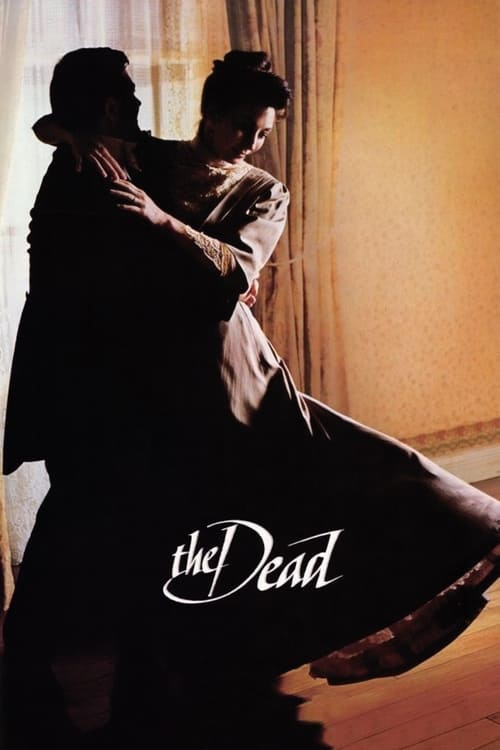
That’s the framework I generally go into films with. Which is why my experience of The Dead, the final film by John Huston, is a bit of a tricky one for me.
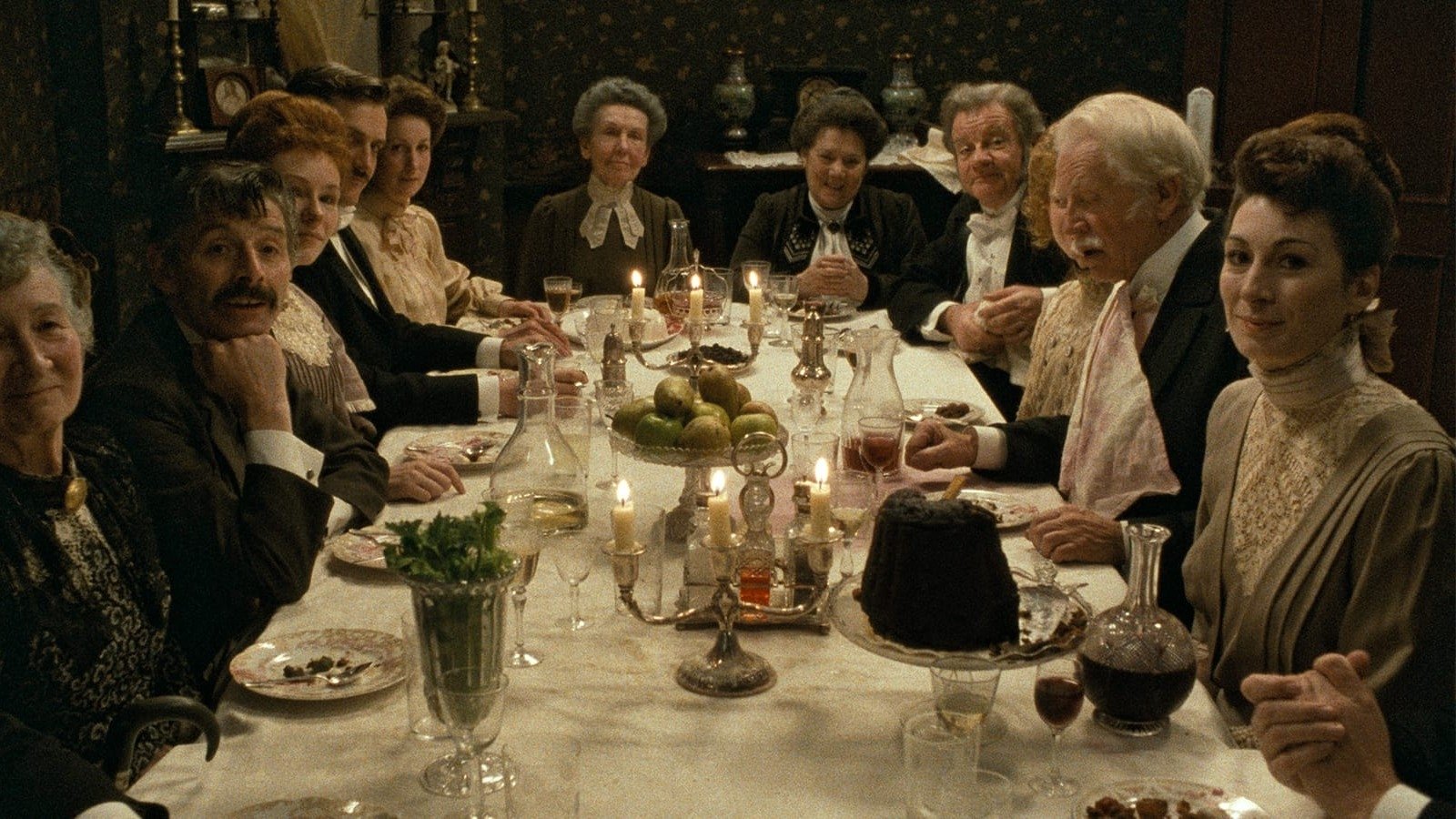
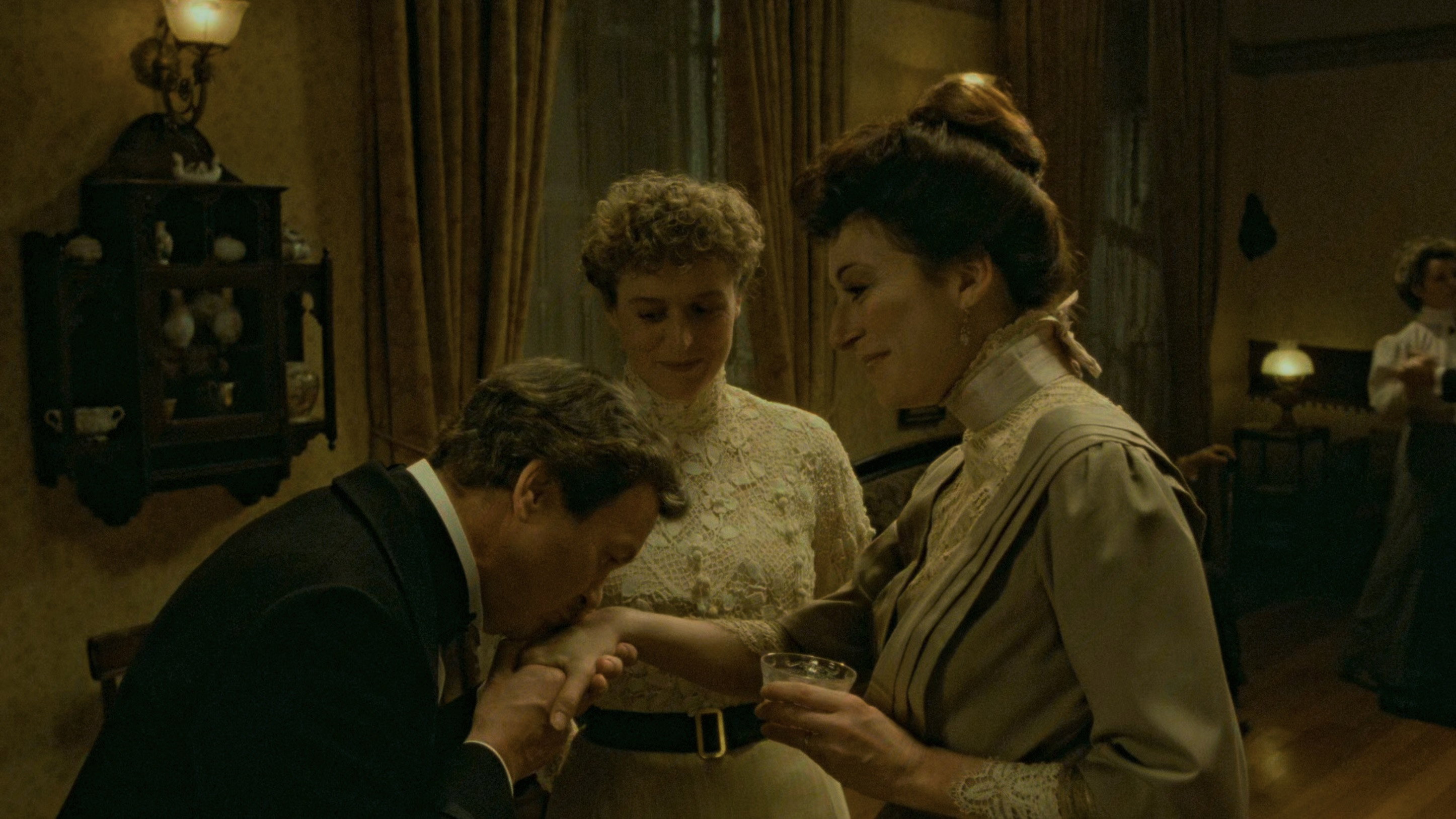
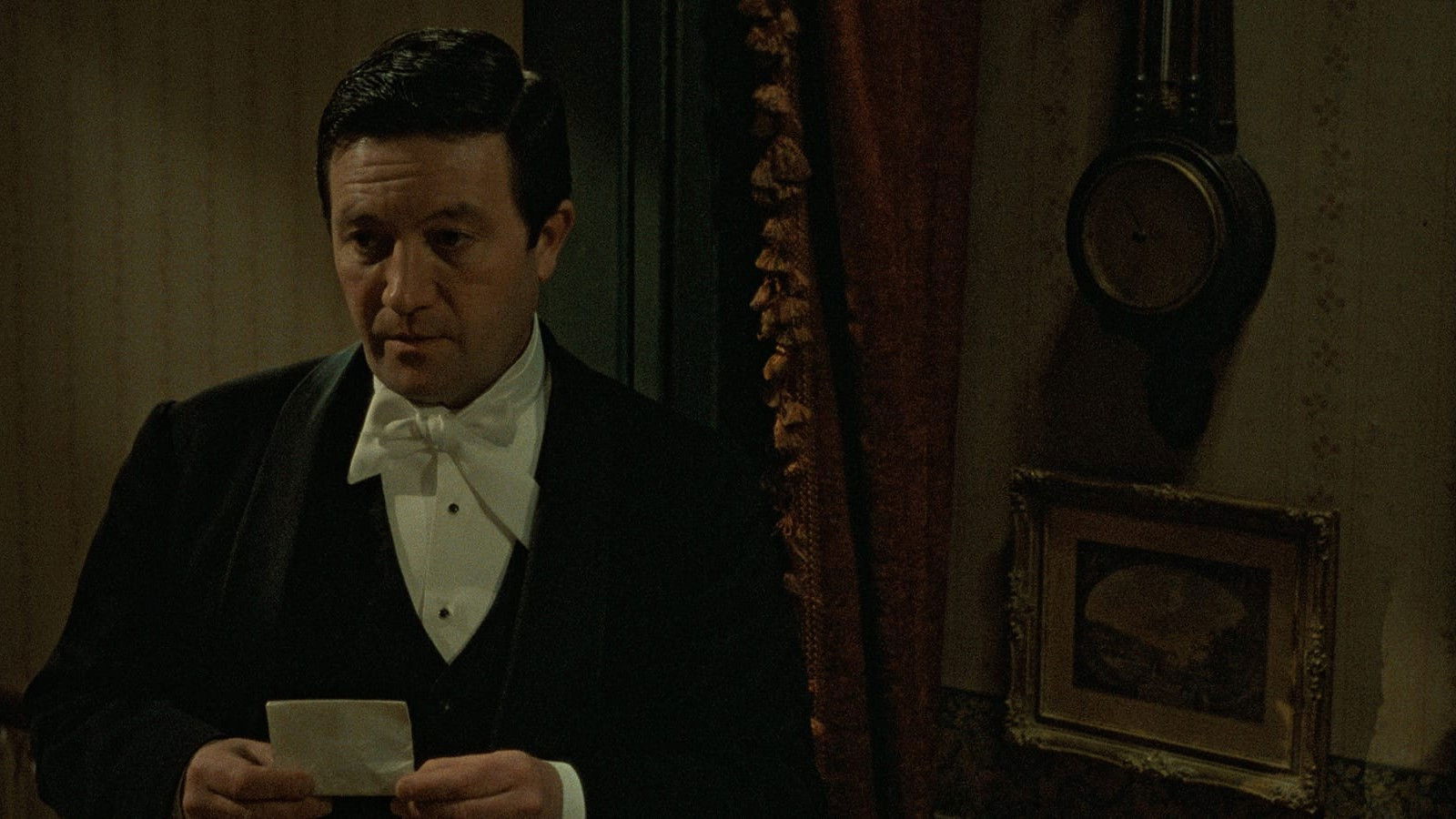
I would describe my viewing of this film as “bored, yet captivated.” If you asked me to plot out what happens in this film, I’d be able to give you the broad strokes of it; there’s a Christmas party in 1904 Dublin where some friends and family gather to dance, recite literature, listen to some piano, listen to a song being sung, and then go downstairs to enjoy dinner before going home. There’s the literal of what happens, and then there is that excavating beyond the surface.
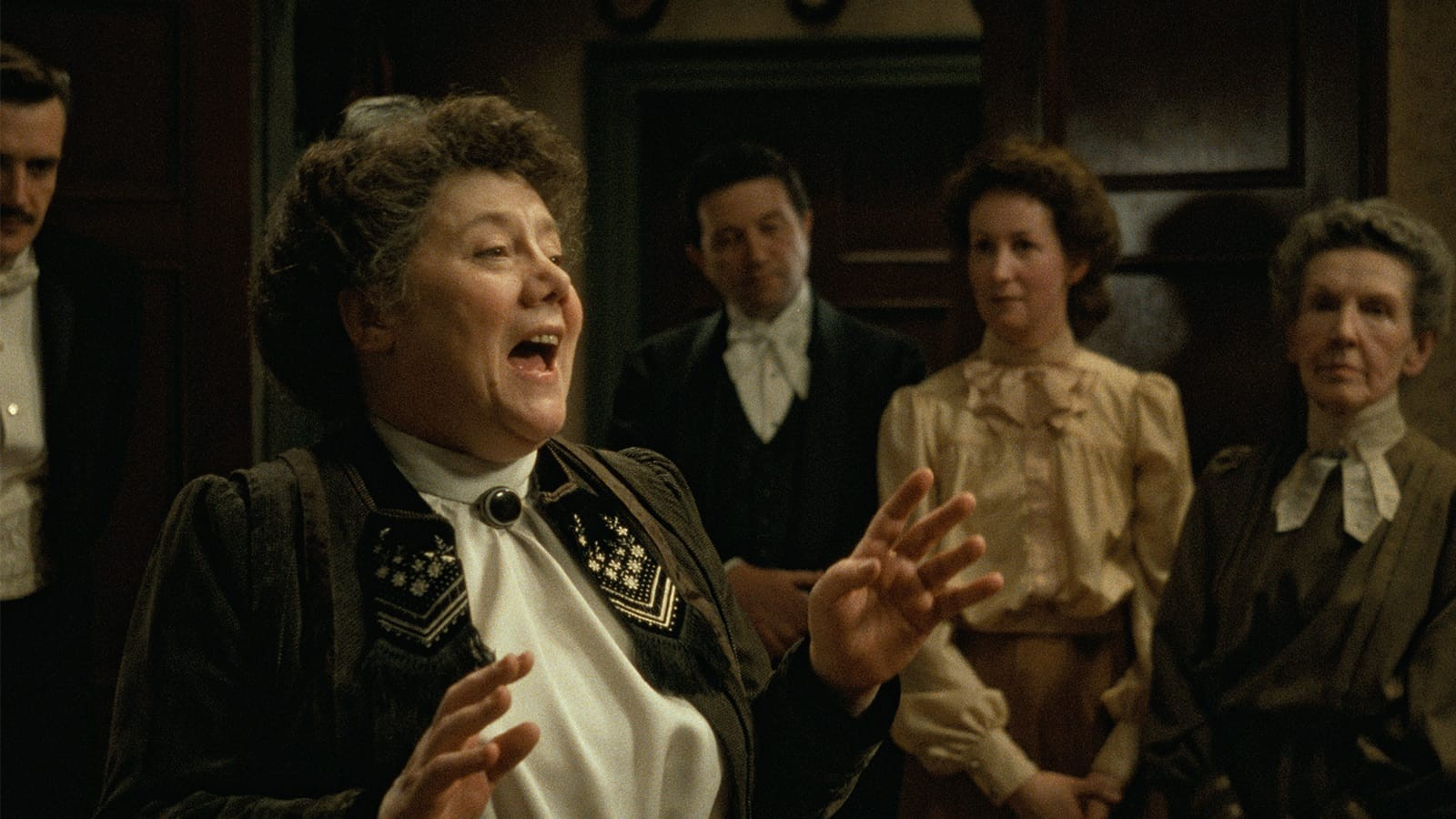
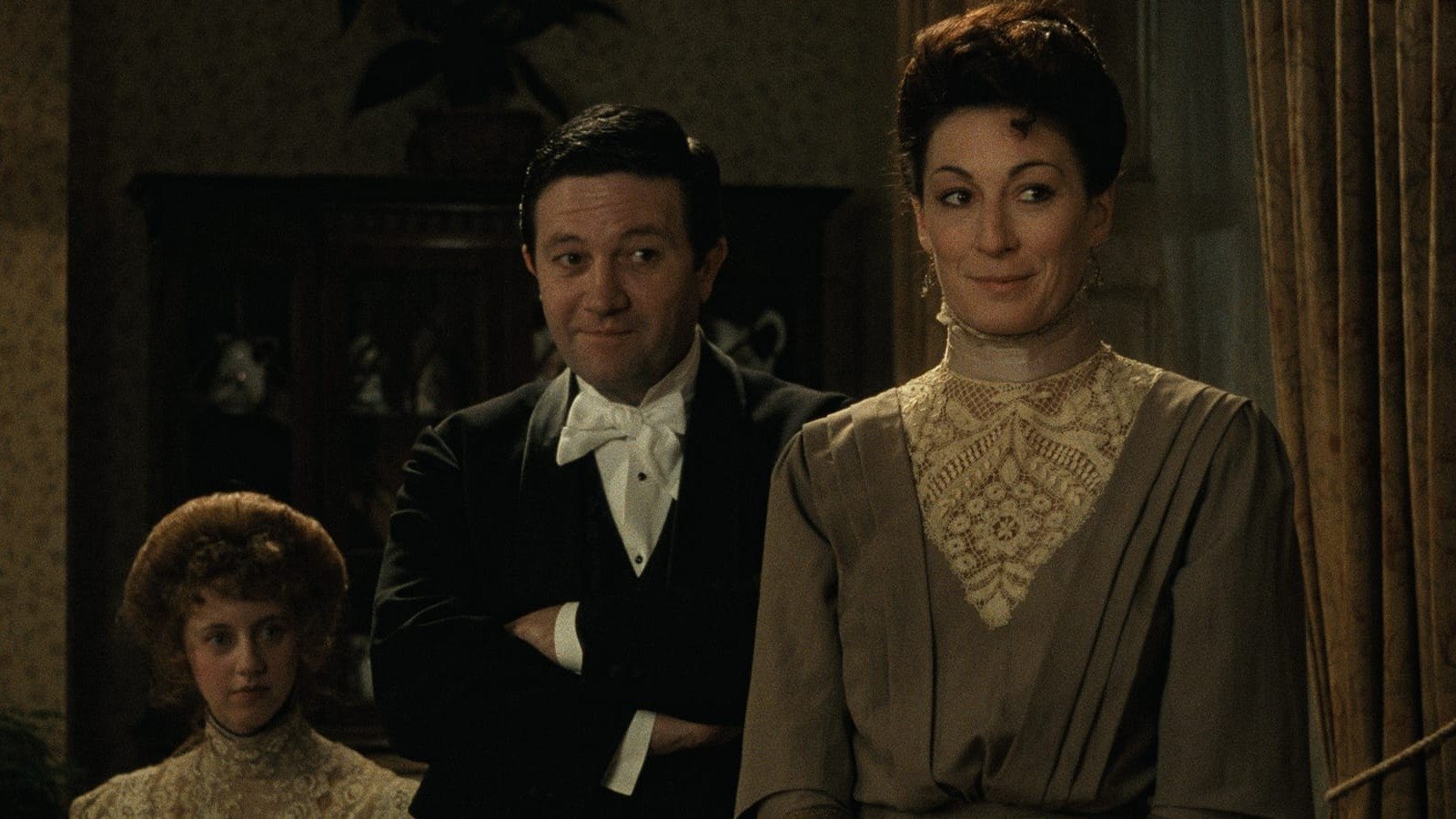
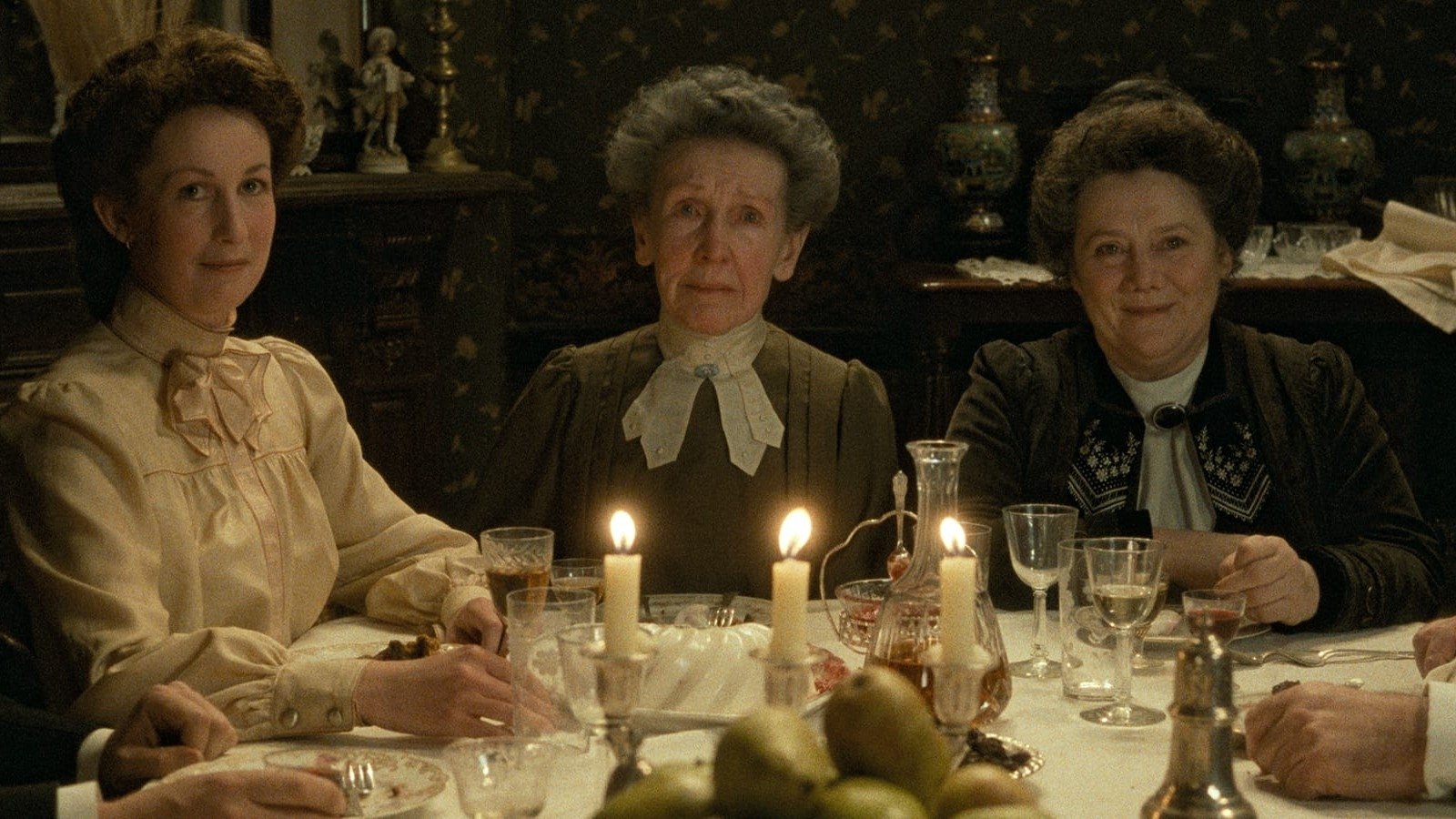
The film is generally presented with this hoity-toity, prim-and-proper air that these seemingly wealthy party guests adhere to the conventions of the time. They are all polite, though occasionally too drunk, talking about art and culture with astuteness, avoiding politics, and generally speaking very openly and plainly about their lives and fears and sorrows.
What you get by the end of the film is a mood more than a moral lesson. It’s a bit puzzling to articulate it in any meaningful way, but the feelings I felt by the end were that this is a film capturing the feeling of “one last hurrah” or revelry before the inevitable conclusion.
I realize I’m being pretty vague about all of this, and that’s because this is a hard film to talk about concretely. And I haven’t even gotten to the name James Joyce yet.
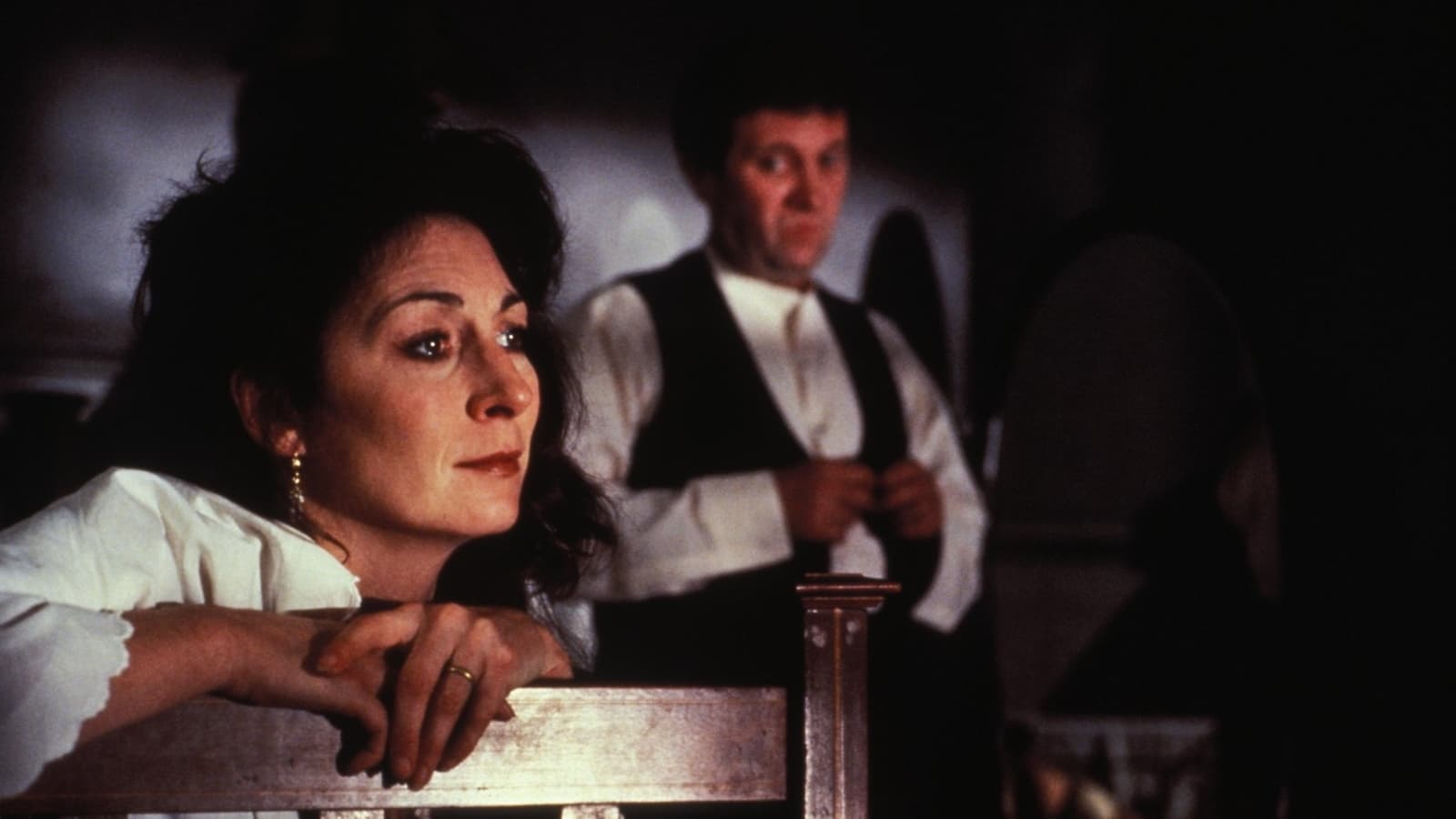
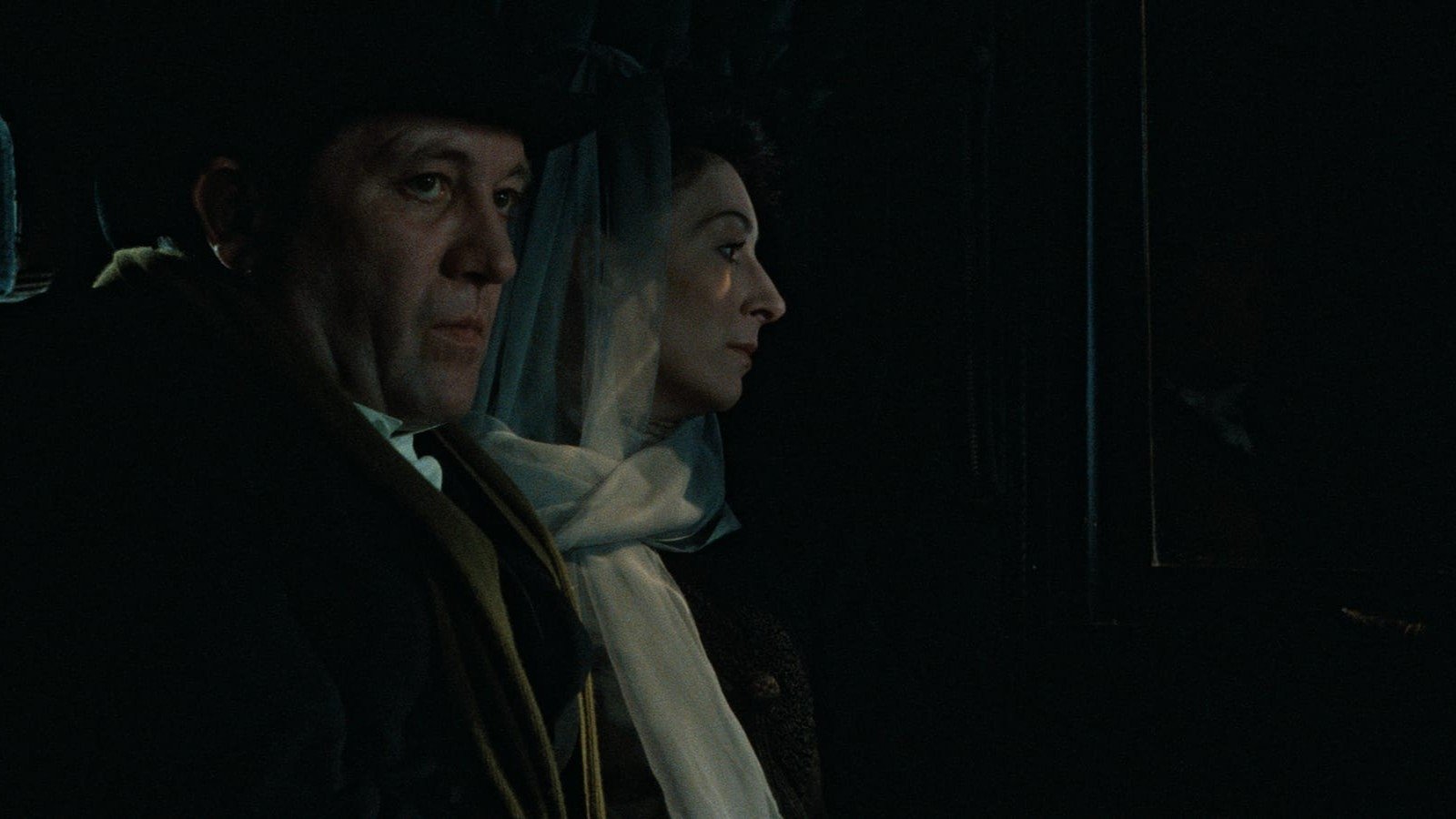
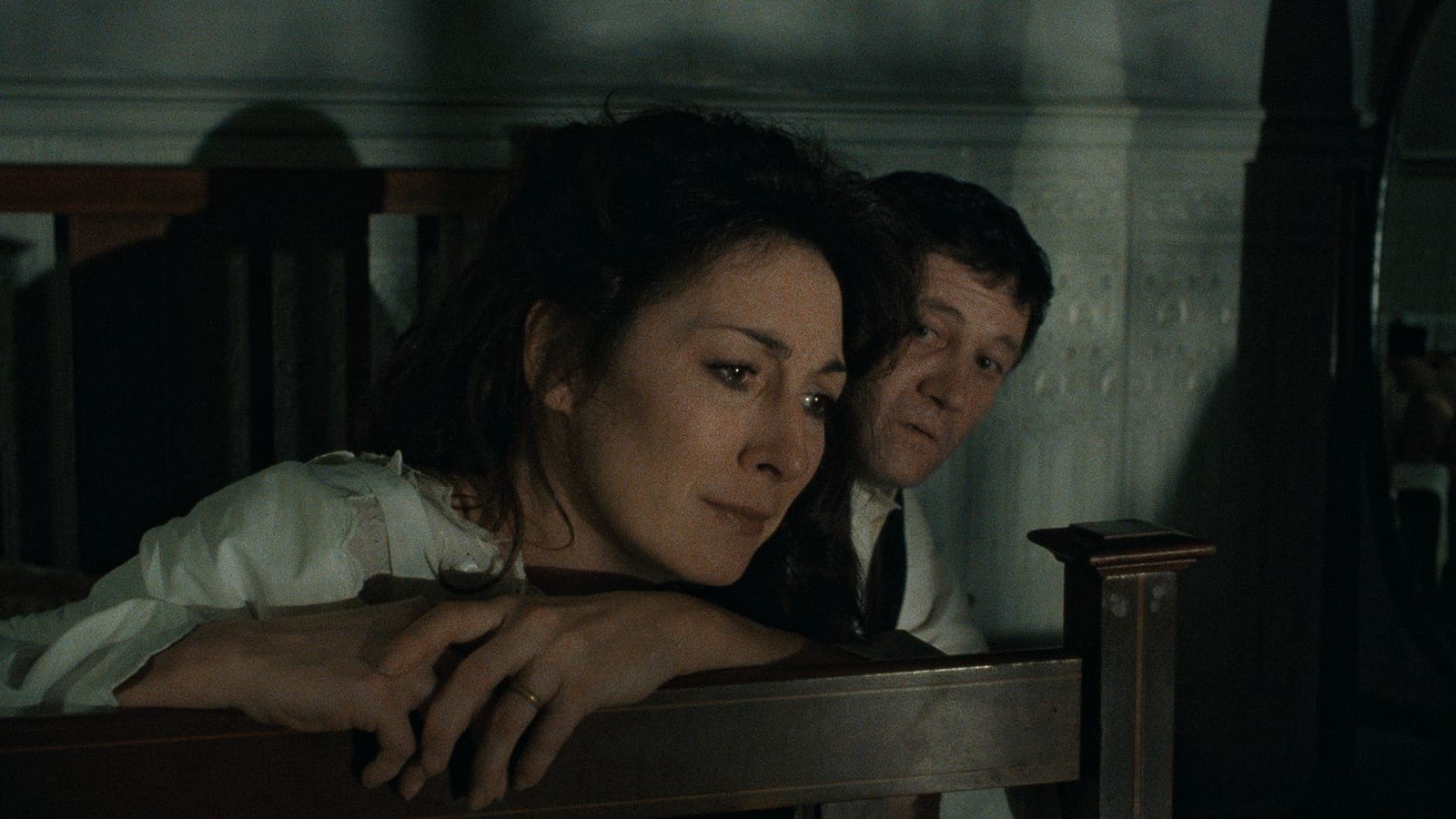
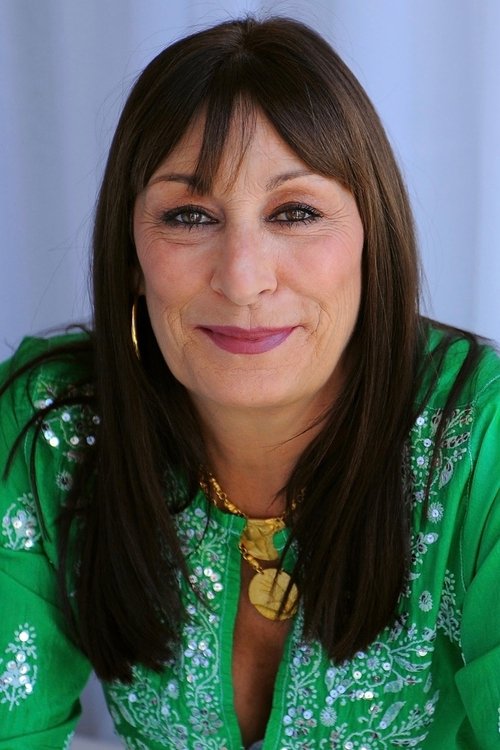
So, let me just start off with what I enjoyed, starting with the end. I found the film, again, “boring yet captivating,” and then by the end I found myself melancholic. Unknowingly, it seems, I was being enveloped in an atmosphere of culture and loving and merriment, only to see Donal McCann and Anjelica Huston go home and be met with the subject of mortality. Anjelica Huston’s story about the young boy who died of pneumonia in her youth, followed by Gabriel gazing out the window, his voice-over drawing the film to a close, was very powerful stuff, led mostly by the truly astounding beauty of James Joyce’s words. I have to paste them here, just because:
“Think of all those who ever were, back to the start of time. And me, transient as they, flickering out as well into their grey world. Like everything around me, this solid world itself, which they reared and lived in, is dwindling and dissolving. Snow is falling. Falling in that lonely churchyard where Michael Furey lies buried. Falling faintly through the universe and faintly falling, like the descent of their last end, upon all the living, and the dead.”
Having never read anything by James Joyce, I was equally connected to the language of the film. I’m not sure how much of Joyce’s original text is used by Tony Huston (John’s eldest son), but there was an element of me feeling like I could listen to these partygoers speak to each other for hours.
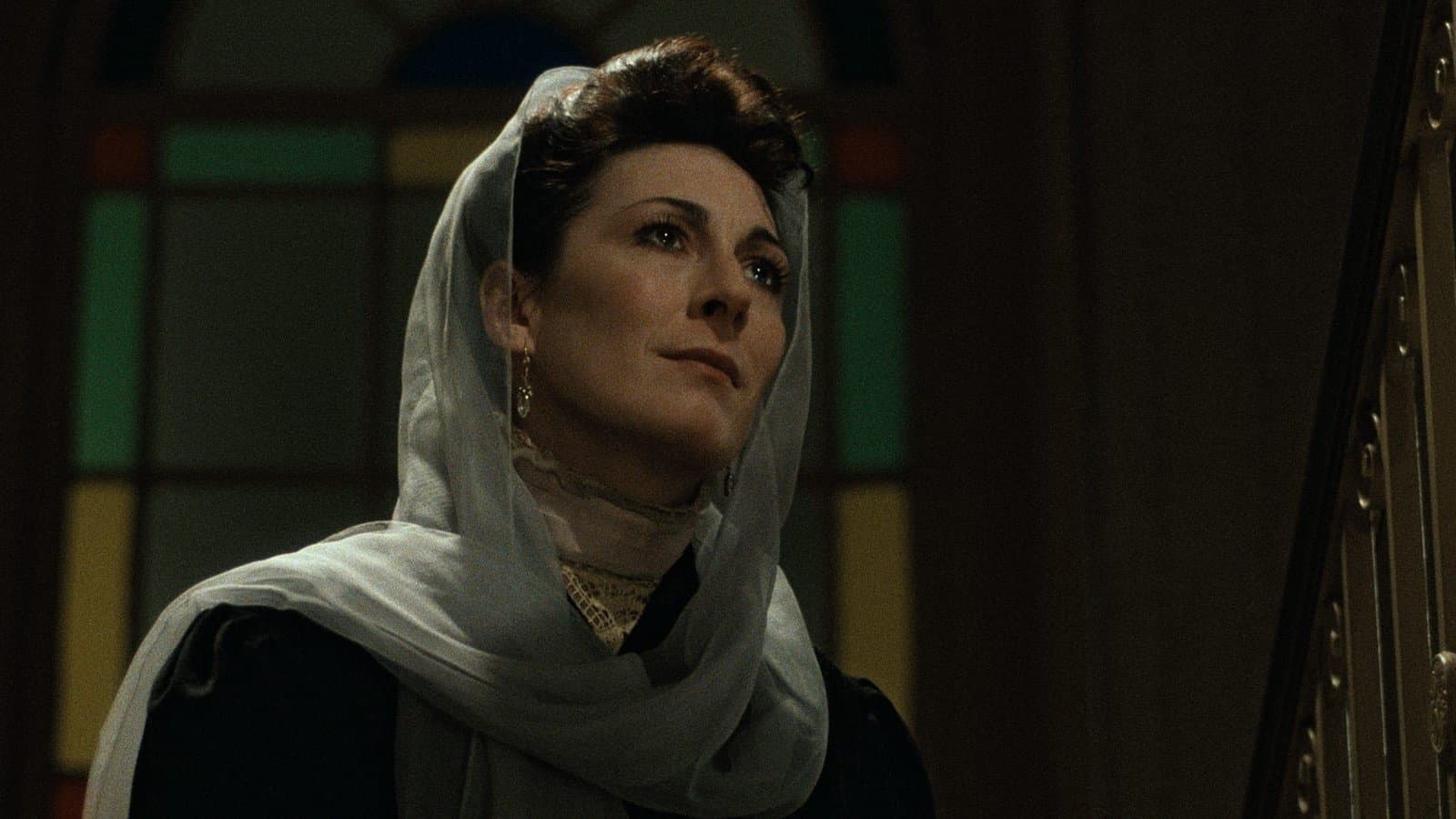
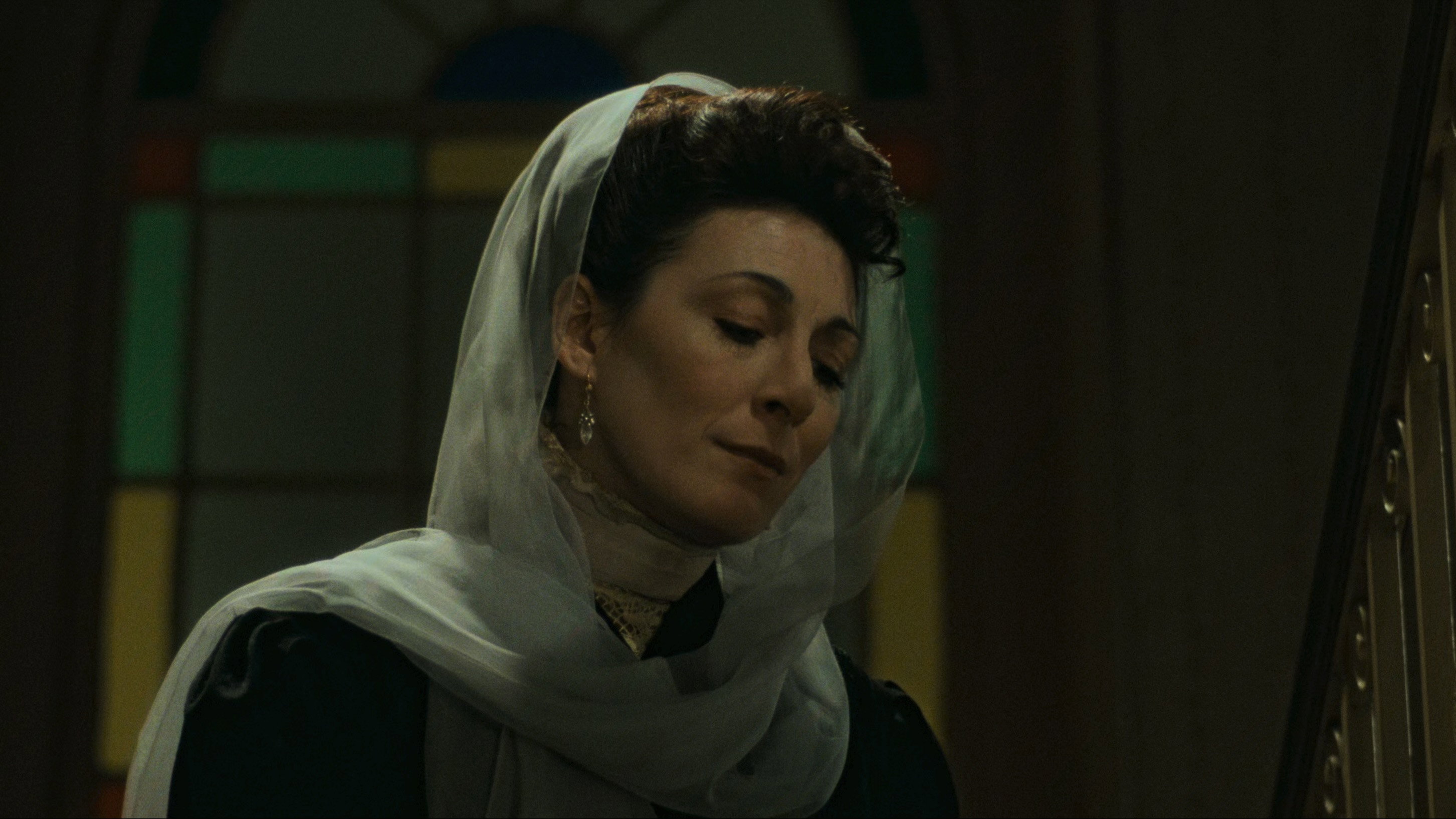
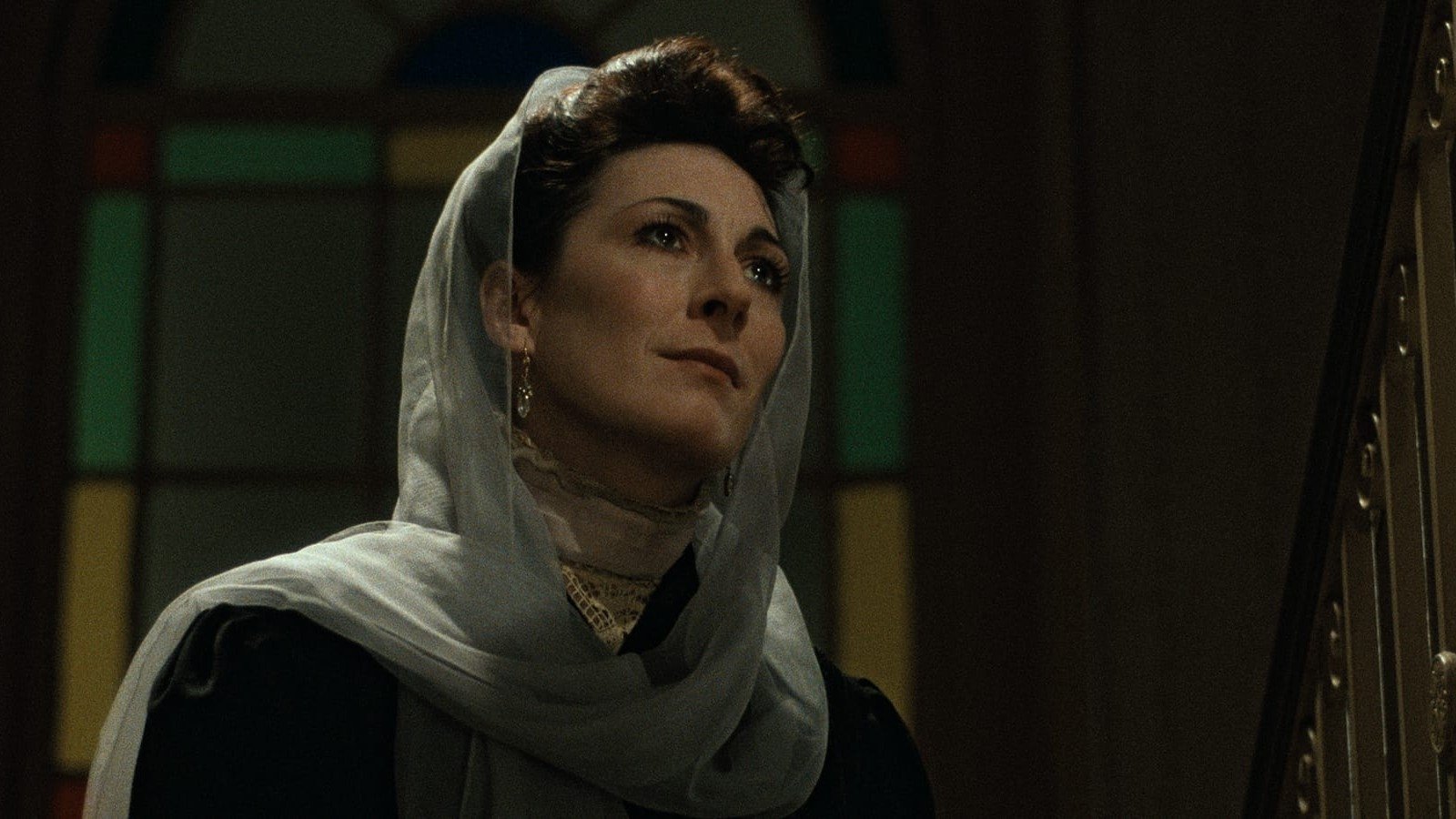
Another positive goes back to that topic of form vs. content. While I wasn’t always certain what I was gaining from the content, I was stunned by the power of the form. John Huston is a legend (whom I haven’t seen any other work, unfortunately), and knowing this was his last film adds another meta layer to the content. But above all else, I was enamored by the camera movement and the cinematography in general. There’s real warmth and real purpose to the movement. The camera will often glide across a room on a dolly or linger on Anjelica Huston listening to an opera singer sing a song in the upstairs room (one of the most striking images and scenes in the whole film). Knowing that Huston (John) was on his last leg during the production of this makes the beauty of it all the more staggering.
There is a playfulness here as well. The shot of the plate being passed down the table as it’s loaded up with food made me cock my head in delight. And this film needs that playfulness somewhere, when so often the things the patrons are saying can go in one ear and out the other.
Again, the mood is the message here. It’s interesting watching this just days before I’m going home to see family and celebrate Easter (we’re Orthodox, so we do it on a different day). You get older, and it can be more and more difficult to suppress the melancholy of seeing your loved ones age, of knowing these good times won’t last forever, and reminding yourself to soak it all in when you can.
I’m certainly not always capable of doing that, I know that, but I do believe that’s the core of what Joyce and Huston are conveying with this story.
And, you know, maybe it was the period piece of it all that made it difficult to connect fully for me. Maybe it was the seeming introduction of conflict and then stripping it away or ignoring it, like the woman who winks at Gabriel, the note in his pocket that he keeps looking at, the money he gives to the maid, the drunkenness of Freddy and Mr. Brown. There are threads introduced that all indicate the story will go in a certain direction, and then they get tossed aside. At one point, someone brings up politics at the dinner table, and you think for a moment, “Okay, they’re gonna tear into each other,” and yet it gets squashed when one of the Aunts says, “No politics at the table tonight,” and then that’s that.
I actually think this is the type of film that would be more rewarding on a rewatch due to not being burdened with the element of expectation. But as a first-time viewer, I found myself craving stakes and tension, but being whisked away by the form so much that I was then T-boned by the content at the end.
It really does have one of those “where is going” qualities that’s followed by an, “ohhhh so that’s what was going on!”
So, yes my rating of this is probably more representative of the immediate out of “theater” experience (that “bored yet captivated” feeling), but after sitting with it for 12 hours or so, I can extra-appreciate the beauty of this film from the inside out; from the camera work, the performances, the language and dialogue, and the message beneath it all.
Perhaps that is the greatest gift this film offers — not the resolution of its many threads, but the acceptance that threads need not resolve. Huston, in his final act of filmmaking, and Joyce, in what is apparently considered his most tender piece of prose, are telling us the same thing: that the living and the dead are not so far apart as we might imagine, that the warmth of a room full of people laughing and singing and arguing about tenors is itself a kind of grace. And that it will pass, as all things pass, into the grey world beyond the window.
I walked away from The Dead not quite able to name what had been done to me. Only that something had. Something had gotten through the cracks in the boredom, through the gaps in my expectation, and settled in me the way beautiful things tend to do.
7.0/10