I want to start off by saying this: I genuinely believe Jeremy Saulnier has the potential to become an Academy Award–winning filmmaker someday. Films like Blue Ruin, Green Room, and Rebel Ridge are straight-up exemplary pieces of filmmaking—especially Rebel Ridge, which might actually be my favorite thing he’s made so far.
That said, I’d kind of avoided watching Hold the Dark when it first came out. I remember the reception being pretty muted, and after finally watching it, I honestly get why. This is a film that is way more interested in mood and atmosphere than it is in plot or character. And that’s a bummer because ideally you want a filmmaker like Saulnier—who is clearly capable of balancing tone, tension, violence, character, and story—to give equal love to all of those elements. Here, it feels lopsided.
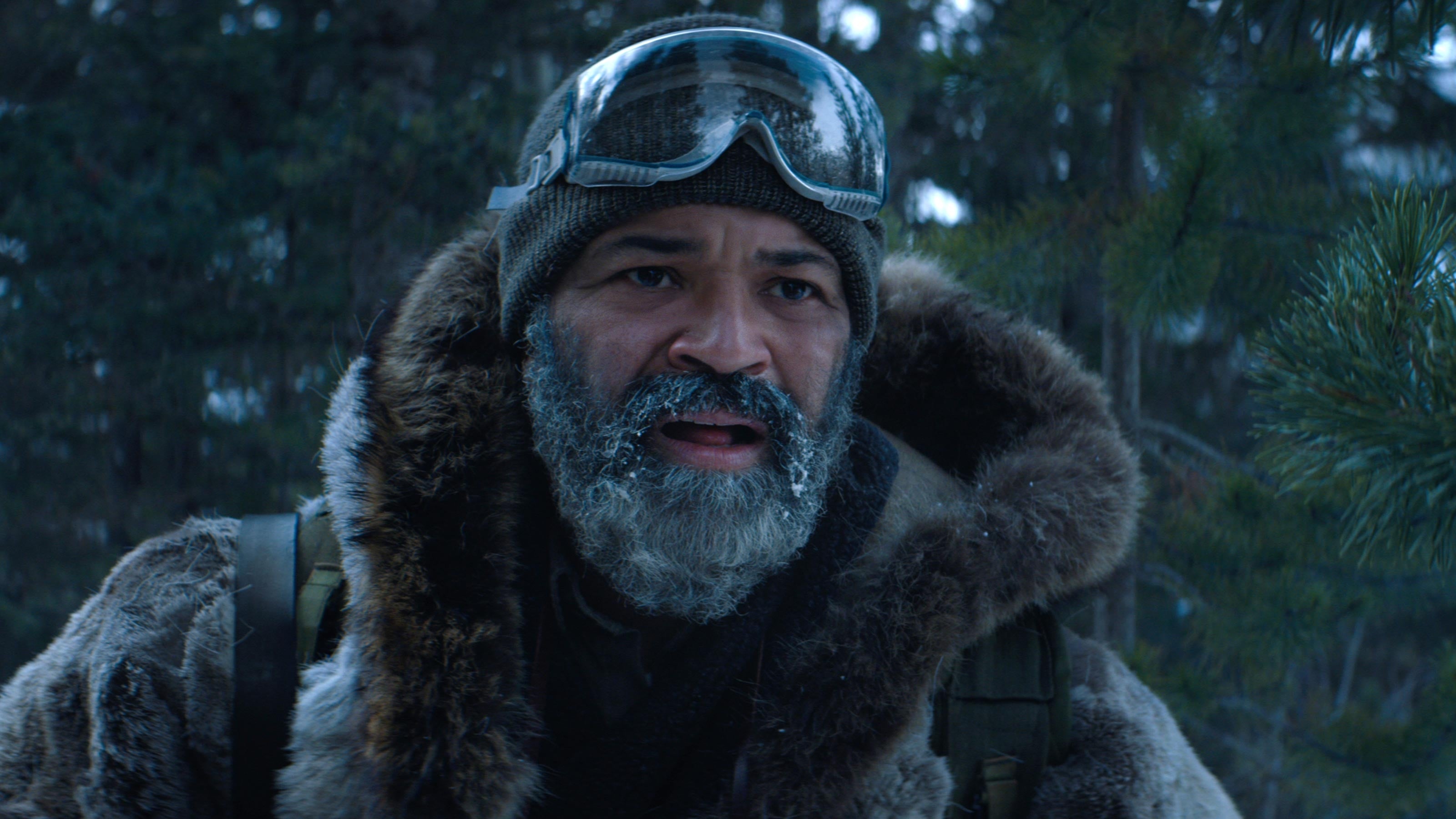
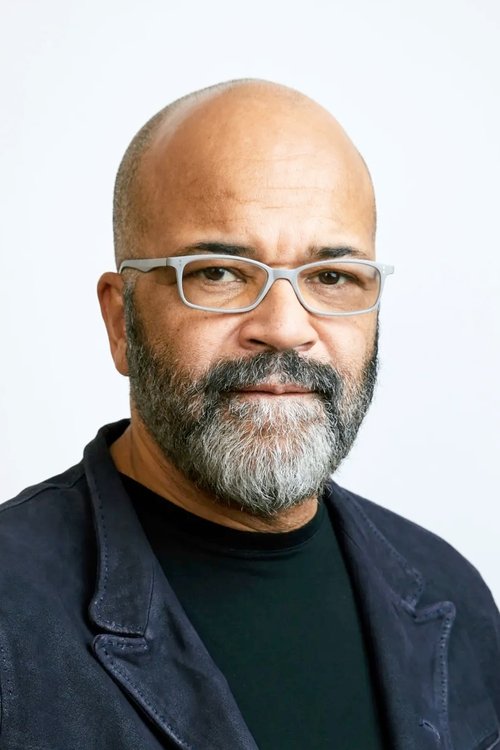
There’s a long stretch at the start of the film where I was just waiting for something to happen. Jeffrey Wright plays a writer and wolf expert who is summoned to a remote Alaskan village by a woman who claims that her child was taken by wolves. She wants him to track the wolves down and kill them. Pretty quickly, Wright uncovers that there’s a much darker web of mystery pulsing through this little frozen town.
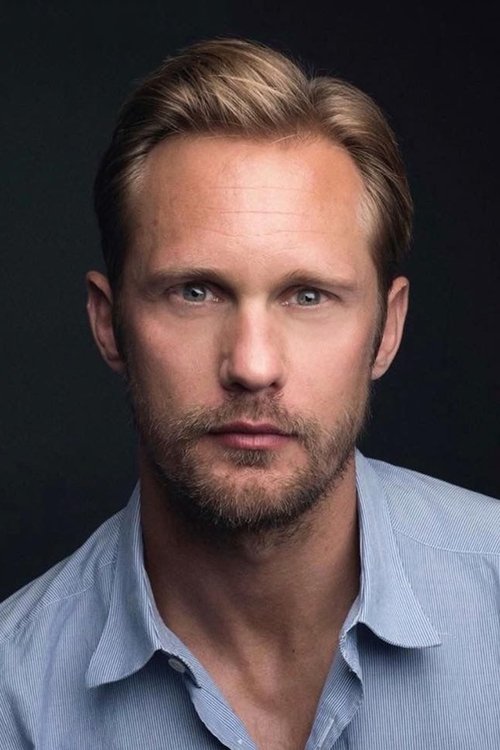
And on paper, that sounds like the setup for a really compelling thriller-mystery hybrid. But the plot keeps getting swallowed up by atmosphere and these bursts of brutal, almost nihilistic violence. Alexander Skarsgård plays the boy’s father, returning from service in the Middle East, and once he learns that his wife is actually the one who killed their son, he goes on this cold, relentless kill mission. He basically becomes this Anton Chigurh–type figure—just a silent force of violence moving through the film, murdering anyone in his path.
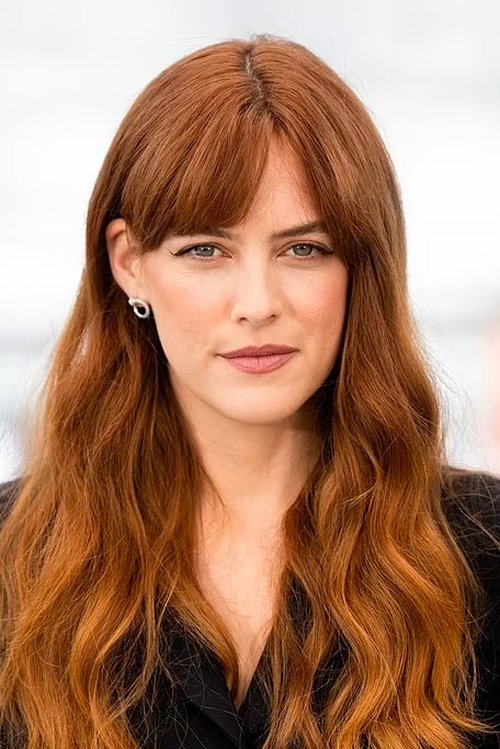
The film kind of drifts along, moving from set piece to set piece—gruesome murder to gruesome murder—with not a lot in between to anchor it emotionally. There’s also this thread about Riley Keough’s character being possibly possessed by some kind of wolf spirit, according to elders in the village, but that idea never gets followed through on. I found myself wanting more explanation about what’s going on with this family. Why are Riley Keough and Alexander Skarsgård’s characters seemingly okay with their son being “salvaged,” in the same way wolves will salvage a pup if resources are low? There’s something interesting there, but the film never digs into it.
I like to think this is the kind of movie that might reward repeat viewings—that maybe there are symbolic or mythological layers that click into place the second time. But honestly, after the first watch, I can't say I feel compelled to revisit it anytime soon.
Now, to give credit where it’s due: Jeremy Saulnier’s direction is sharp. The violence, as bleak and punishing as it is, is filmed in a way that feels uniquely his. Not a lot of filmmakers can stage action that feels this visceral, this uncomfortable. There’s a real talent in creating a world where you truly don’t know who’s safe, where cinematic language doesn’t guide you or hold your hand. You think a character is safe because of how they’ve been framed so far—only for them to be killed in a blink, with the camera almost treating their death like a passing detail.
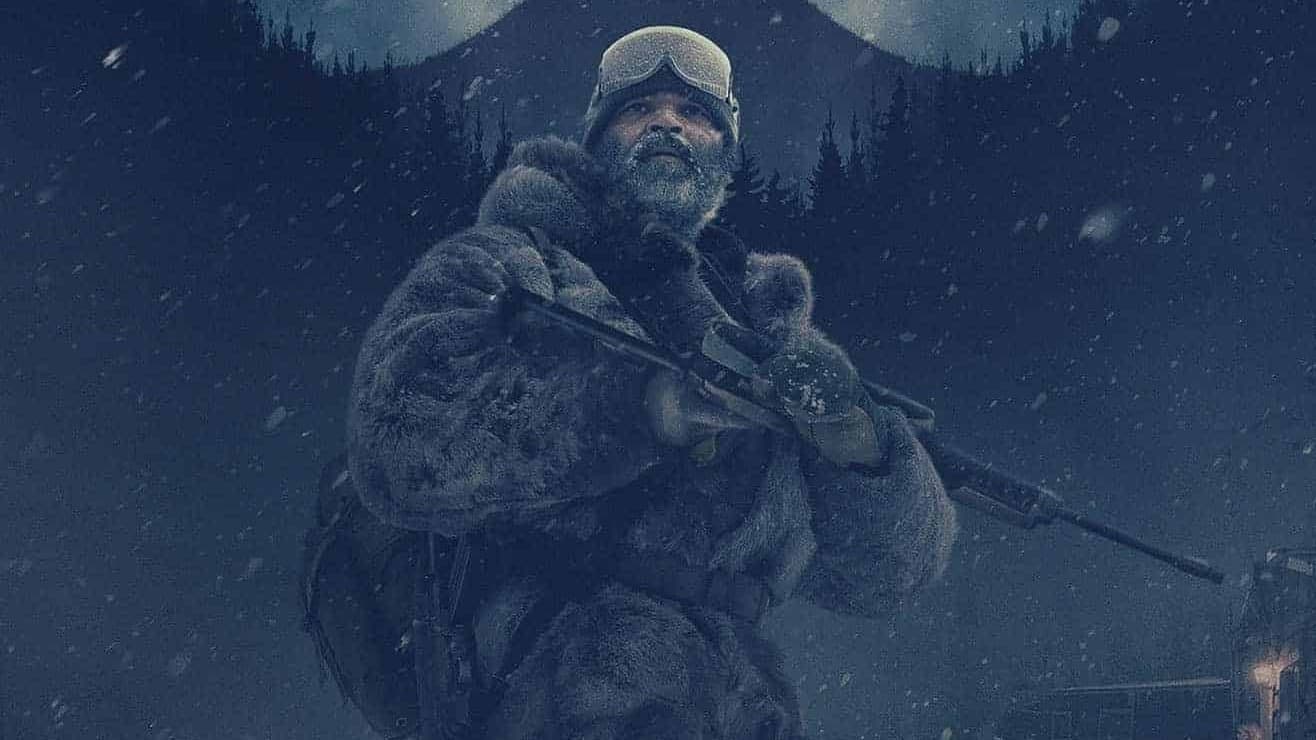
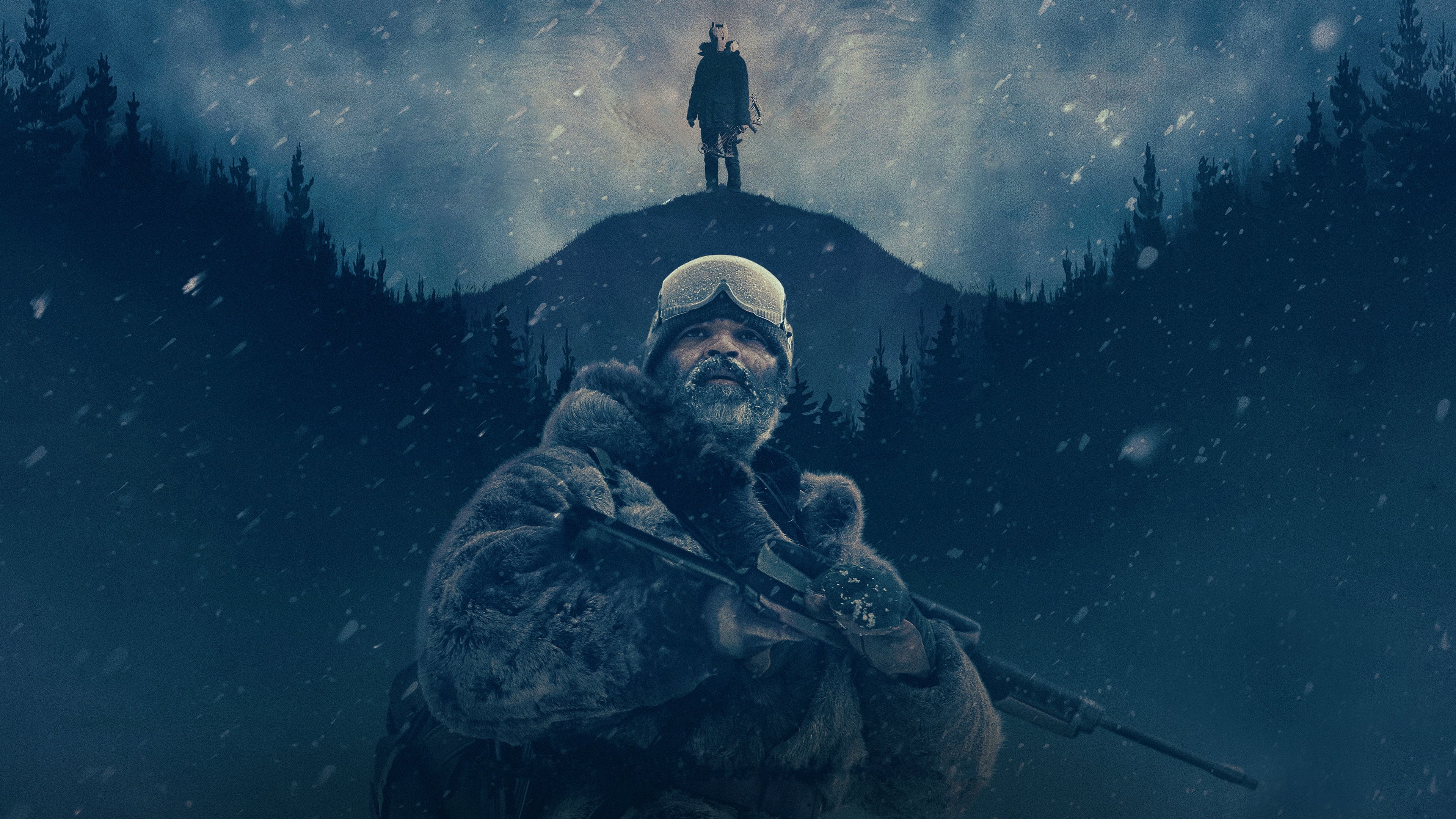
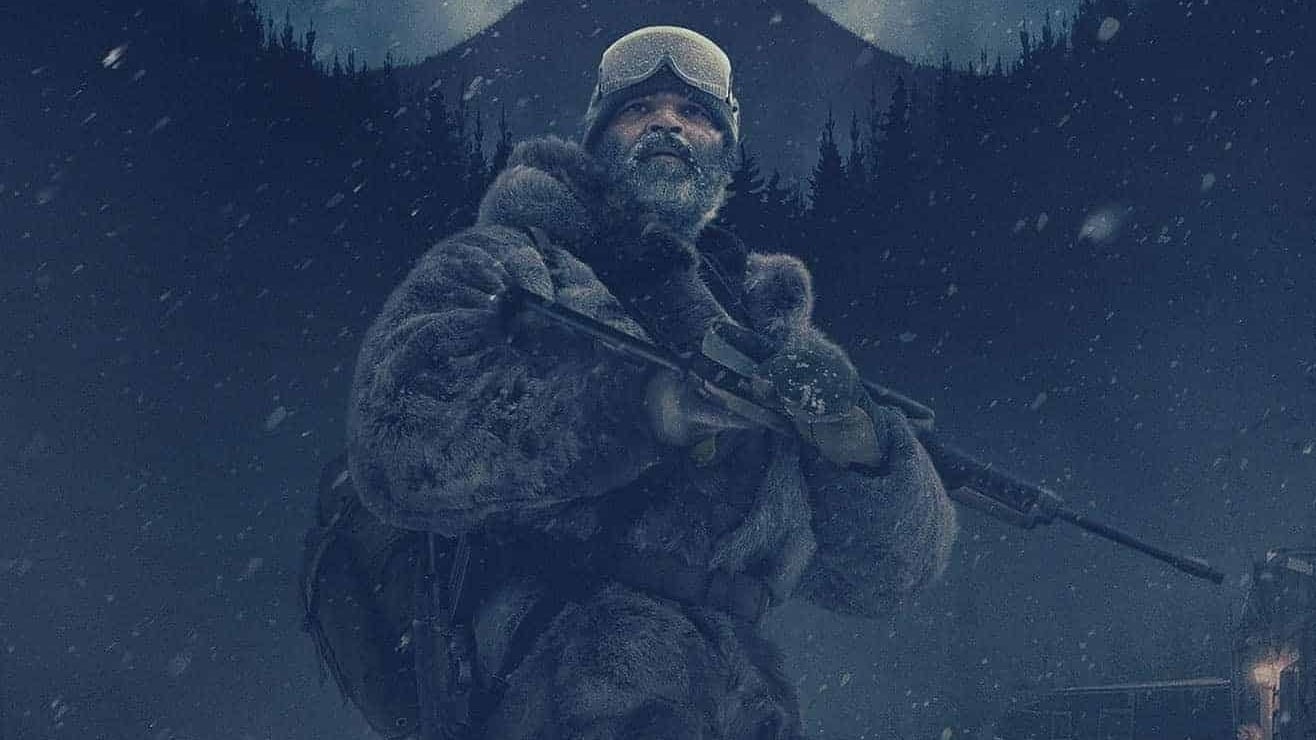
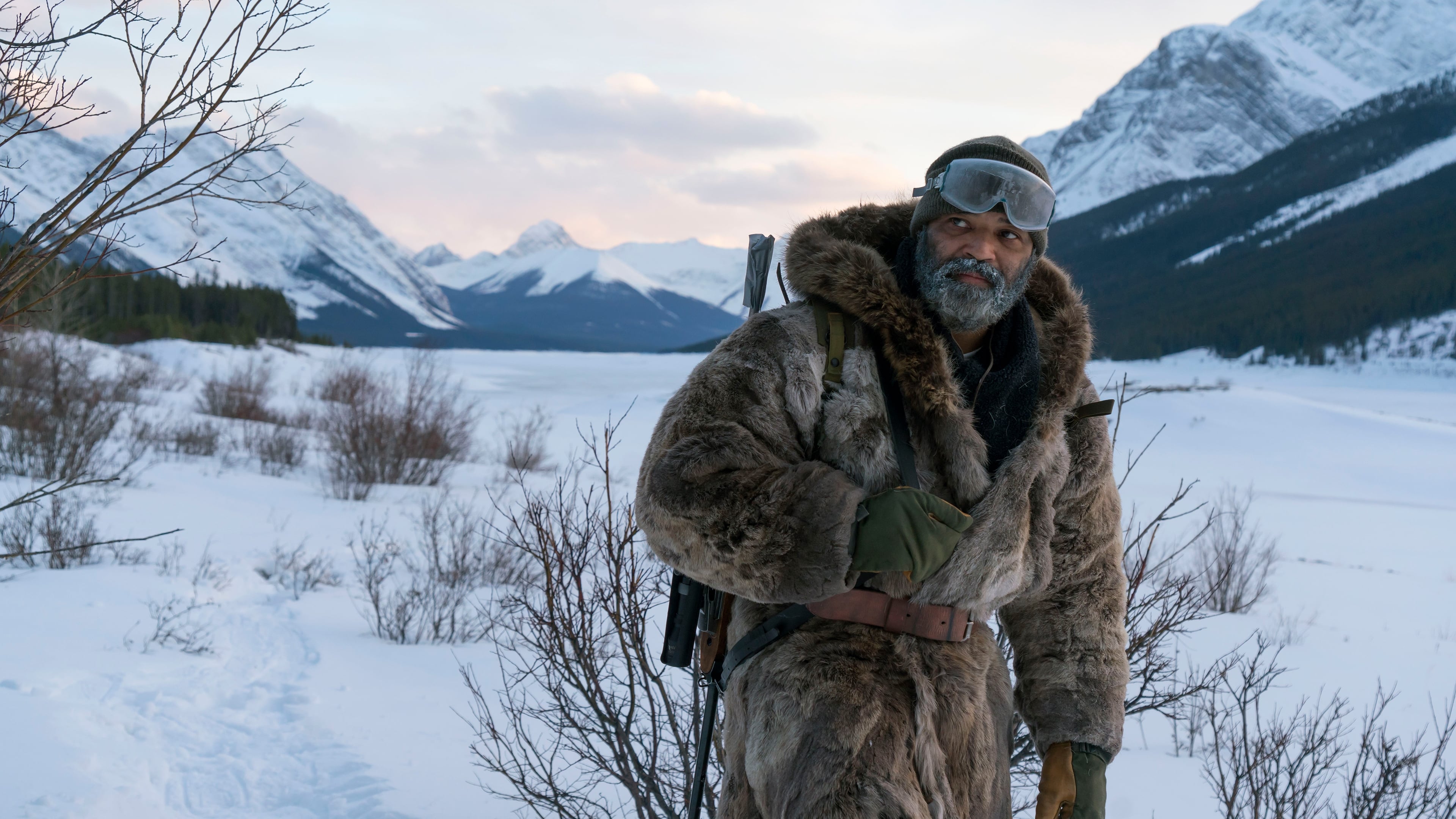
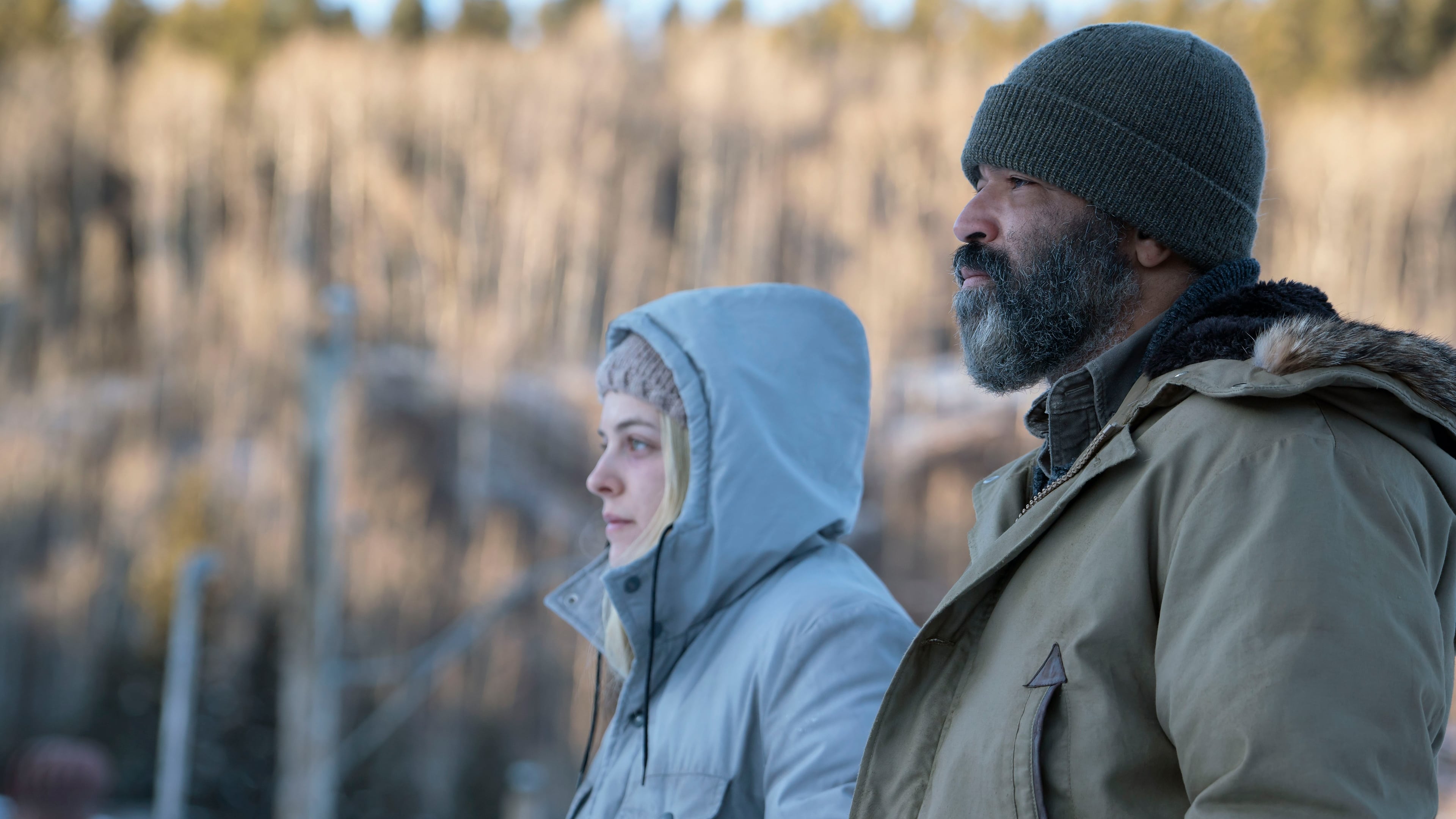
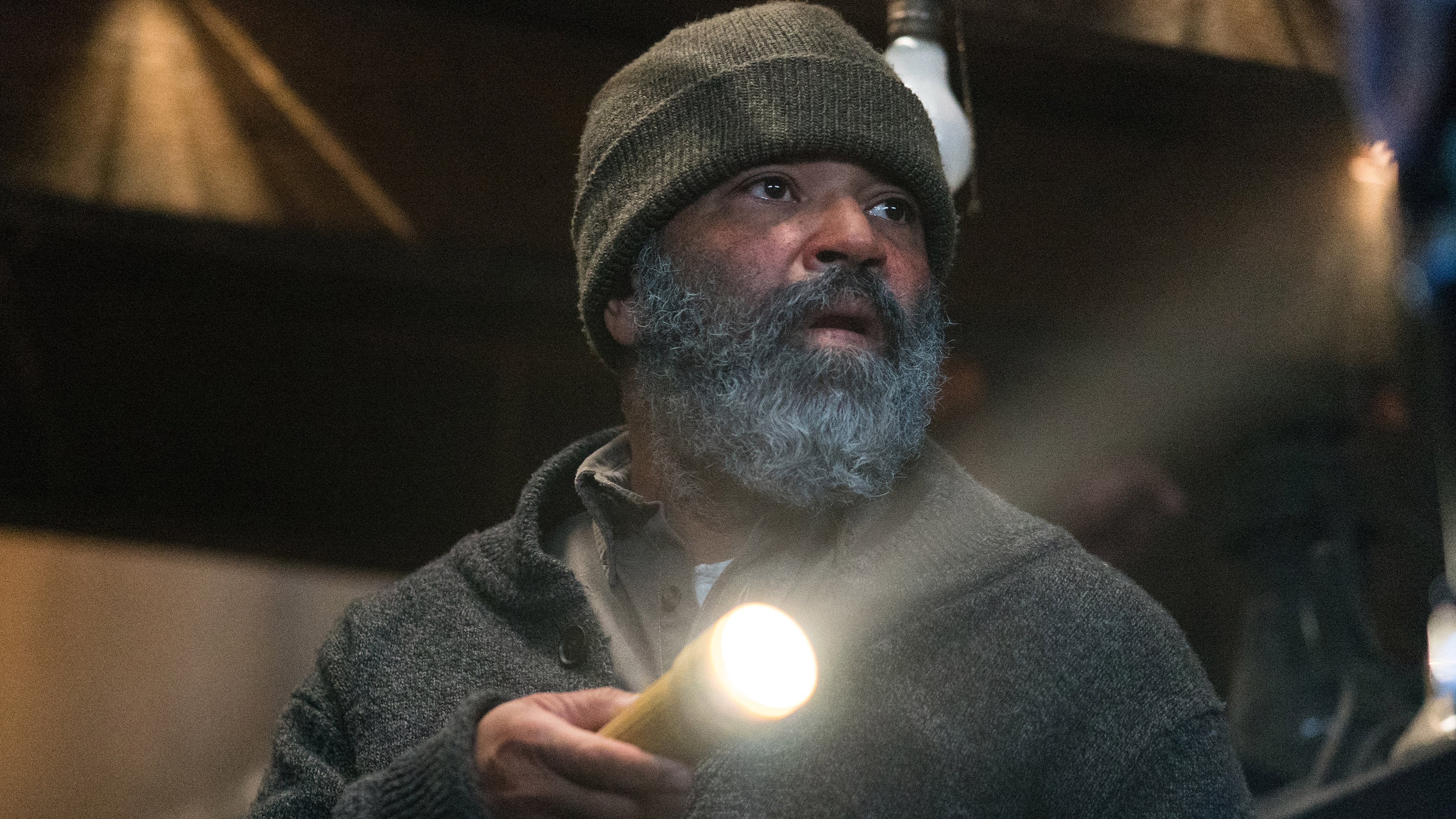
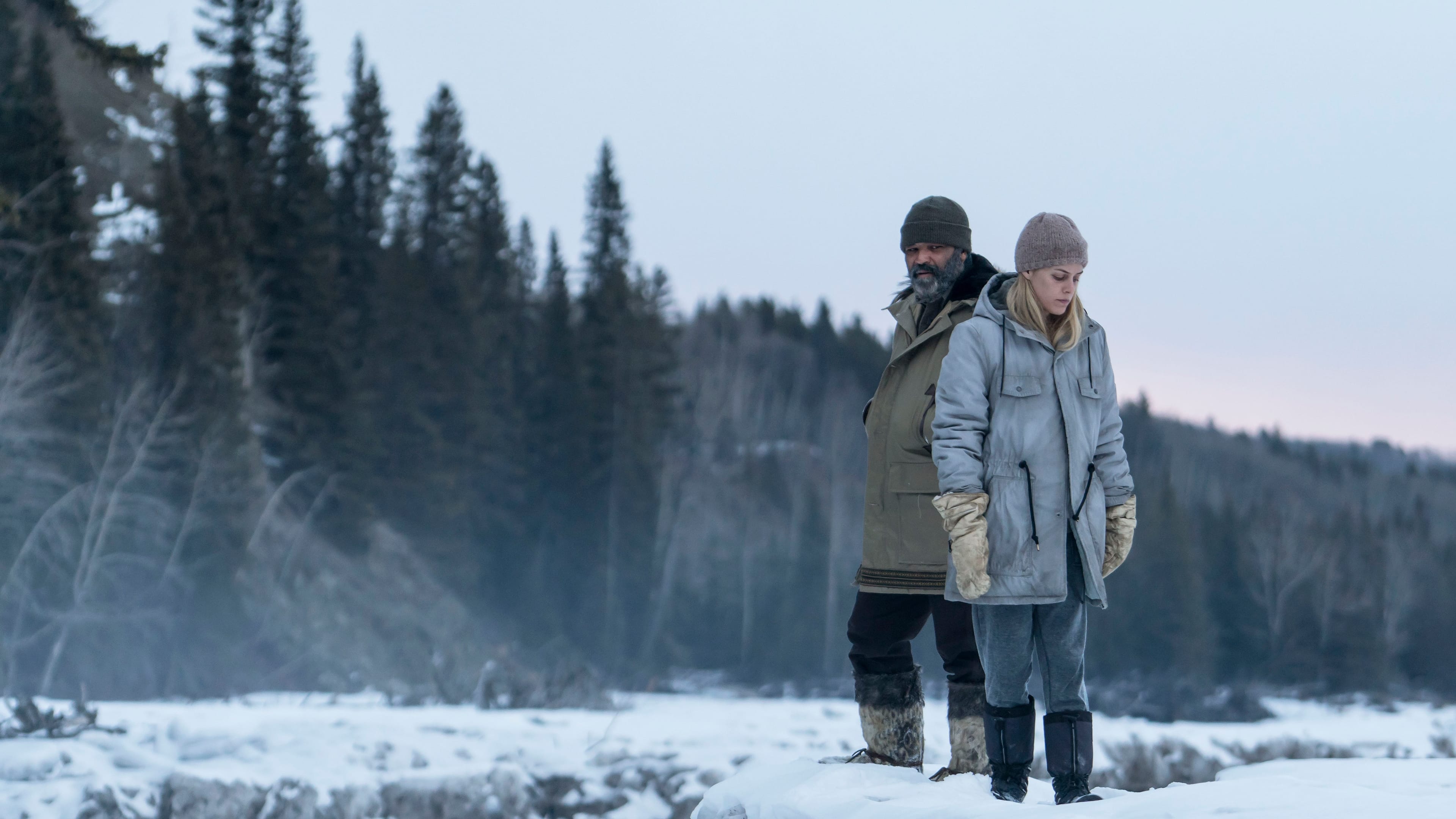
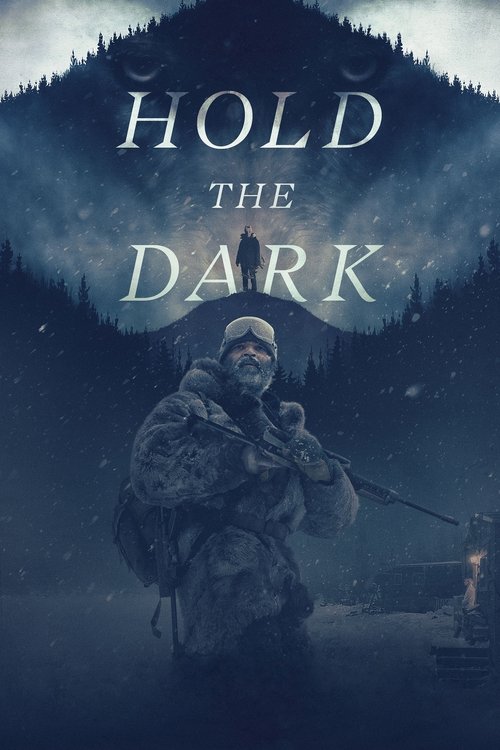
The cinematography by Magnus Nordenhof Jønck is outright stunning. I think we have this tendency to only celebrate beautiful cinematography when the film around it is critically beloved. Hold the Dark didn’t get that level of love, so I feel like a lot of viewers might overlook how gorgeous this movie actually is. So, I want to point that out clearly: the film looks incredible.
There’s a major set piece where a man from the village opens fire on a line of police officers with a machine gun, and it turns into this extended massacre. It’s harsh, it’s punishing, it’s deeply uncomfortable—and it’s also incredibly well-staged in that specific Jeremy Saulnier way. That tension he brings, that stuff works here.
So, it’s not a film without its strengths. On a technical level, there’s a lot of mastery. But when it comes to the story—this thing just falls apart. It feels muddy, like two different movies are happening at once and they barely connect. On one side, you have Jeffrey Wright’s character as the outsider being pulled into this insular community’s secrets. On the other, you have Skarsgård on this brutal revenge mission against his wife. It’s like Macon Blair had maybe watched No Country for Old Men and was trying to channel that template of an unstoppable force hunting someone across a bleak landscape, but it just doesn’t gel the same way.
By the end, I genuinely wasn’t sure what I was supposed to feel. It’s just kind of emotionally numbing.
So yeah, I’d call this a rare miss for Jeremy Saulnier. Not without merit, but not something I’m in a rush to revisit or evangelize. That being said, circling back to what I said at the top: I still think Saulnier has real potential, and I do think he qualifies as some kind of modern auteur—whether he wants that label or not. His films feel like they’re authored by one specific sensibility. Rebel Ridge felt like a culmination of everything he’s done—just without the excessively gory violence. Some people complained that Rebel Ridge wasn’t violent enough, but I’d argue that that restraint made it stronger and showed growth in his storytelling.
And honestly, I hope whatever he makes next leans more in the direction of Rebel Ridge than Hold the Dark.
6.5/10
I want to start off by saying this: I genuinely believe Jeremy Saulnier has the potential to become an Academy Award–winning filmmaker someday. Films like Blue Ruin, Green Room, and Rebel Ridge are straight-up exemplary pieces of filmmaking—especially Rebel Ridge, which might actually be my favorite thing he’s made so far.
That said, I’d kind of avoided watching Hold the Dark when it first came out. I remember the reception being pretty muted, and after finally watching it, I honestly get why. This is a film that is way more interested in mood and atmosphere than it is in plot or character. And that’s a bummer because ideally you want a filmmaker like Saulnier—who is clearly capable of balancing tone, tension, violence, character, and story—to give equal love to all of those elements. Here, it feels lopsided.
There’s a long stretch at the start of the film where I was just waiting for something to happen. Jeffrey Wright plays a writer and wolf expert who is summoned to a remote Alaskan village by a woman who claims that her child was taken by wolves. She wants him to track the wolves down and kill them. Pretty quickly, Wright uncovers that there’s a much darker web of mystery pulsing through this little frozen town.
And on paper, that sounds like the setup for a really compelling thriller-mystery hybrid. But the plot keeps getting swallowed up by atmosphere and these bursts of brutal, almost nihilistic violence. Alexander Skarsgård plays the boy’s father, returning from service in the Middle East, and once he learns that his wife is actually the one who killed their son, he goes on this cold, relentless kill mission. He basically becomes this Anton Chigurh–type figure—just a silent force of violence moving through the film, murdering anyone in his path.
The film kind of drifts along, moving from set piece to set piece—gruesome murder to gruesome murder—with not a lot in between to anchor it emotionally. There’s also this thread about Riley Keough’s character being possibly possessed by some kind of wolf spirit, according to elders in the village, but that idea never gets followed through on. I found myself wanting more explanation about what’s going on with this family. Why are Riley Keough and Alexander Skarsgård’s characters seemingly okay with their son being “salvaged,” in the same way wolves will salvage a pup if resources are low? There’s something interesting there, but the film never digs into it.
I like to think this is the kind of movie that might reward repeat viewings—that maybe there are symbolic or mythological layers that click into place the second time. But honestly, after the first watch, I can't say I feel compelled to revisit it anytime soon.
Now, to give credit where it’s due: Jeremy Saulnier’s direction is sharp. The violence, as bleak and punishing as it is, is filmed in a way that feels uniquely his. Not a lot of filmmakers can stage action that feels this visceral, this uncomfortable. There’s a real talent in creating a world where you truly don’t know who’s safe, where cinematic language doesn’t guide you or hold your hand. You think a character is safe because of how they’ve been framed so far—only for them to be killed in a blink, with the camera almost treating their death like a passing detail.
The cinematography by Magnus Nordenhof Jønck is outright stunning. I think we have this tendency to only celebrate beautiful cinematography when the film around it is critically beloved. Hold the Dark didn’t get that level of love, so I feel like a lot of viewers might overlook how gorgeous this movie actually is. So, I want to point that out clearly: the film looks incredible.
There’s a major set piece where a man from the village opens fire on a line of police officers with a machine gun, and it turns into this extended massacre. It’s harsh, it’s punishing, it’s deeply uncomfortable—and it’s also incredibly well-staged in that specific Jeremy Saulnier way. That tension he brings, that stuff works here.
So, it’s not a film without its strengths. On a technical level, there’s a lot of mastery. But when it comes to the story—this thing just falls apart. It feels muddy, like two different movies are happening at once and they barely connect. On one side, you have Jeffrey Wright’s character as the outsider being pulled into this insular community’s secrets. On the other, you have Skarsgård on this brutal revenge mission against his wife. It’s like Macon Blair had maybe watched No Country for Old Men and was trying to channel that template of an unstoppable force hunting someone across a bleak landscape, but it just doesn’t gel the same way.
By the end, I genuinely wasn’t sure what I was supposed to feel. It’s just kind of emotionally numbing.
So yeah, I’d call this a rare miss for Jeremy Saulnier. Not without merit, but not something I’m in a rush to revisit or evangelize. That being said, circling back to what I said at the top: I still think Saulnier has real potential, and I do think he qualifies as some kind of modern auteur—whether he wants that label or not. His films feel like they’re authored by one specific sensibility. Rebel Ridge felt like a culmination of everything he’s done—just without the excessively gory violence. Some people complained that Rebel Ridge wasn’t violent enough, but I’d argue that that restraint made it stronger and showed growth in his storytelling.
And honestly, I hope whatever he makes next leans more in the direction of Rebel Ridge than Hold the Dark.
6.5/10