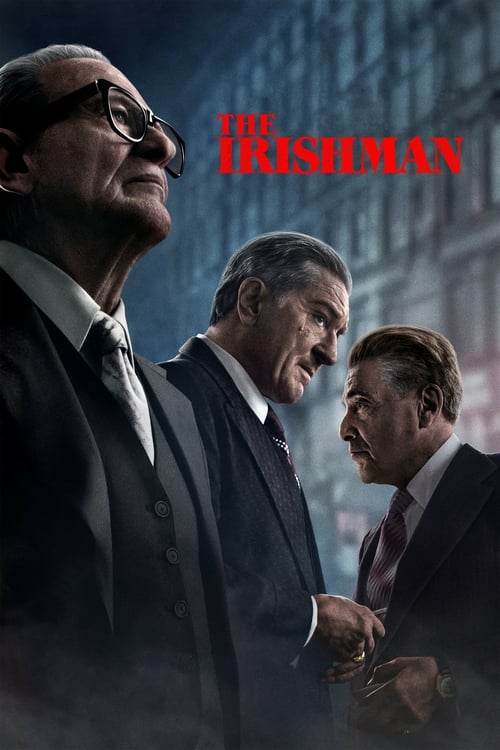
Three and a half hours of De-aging CGI, no big set pieces, no zooming Scorsese tracking shots through nightclub kitchens. This isn't Goodfellas. It's not supposed to be.
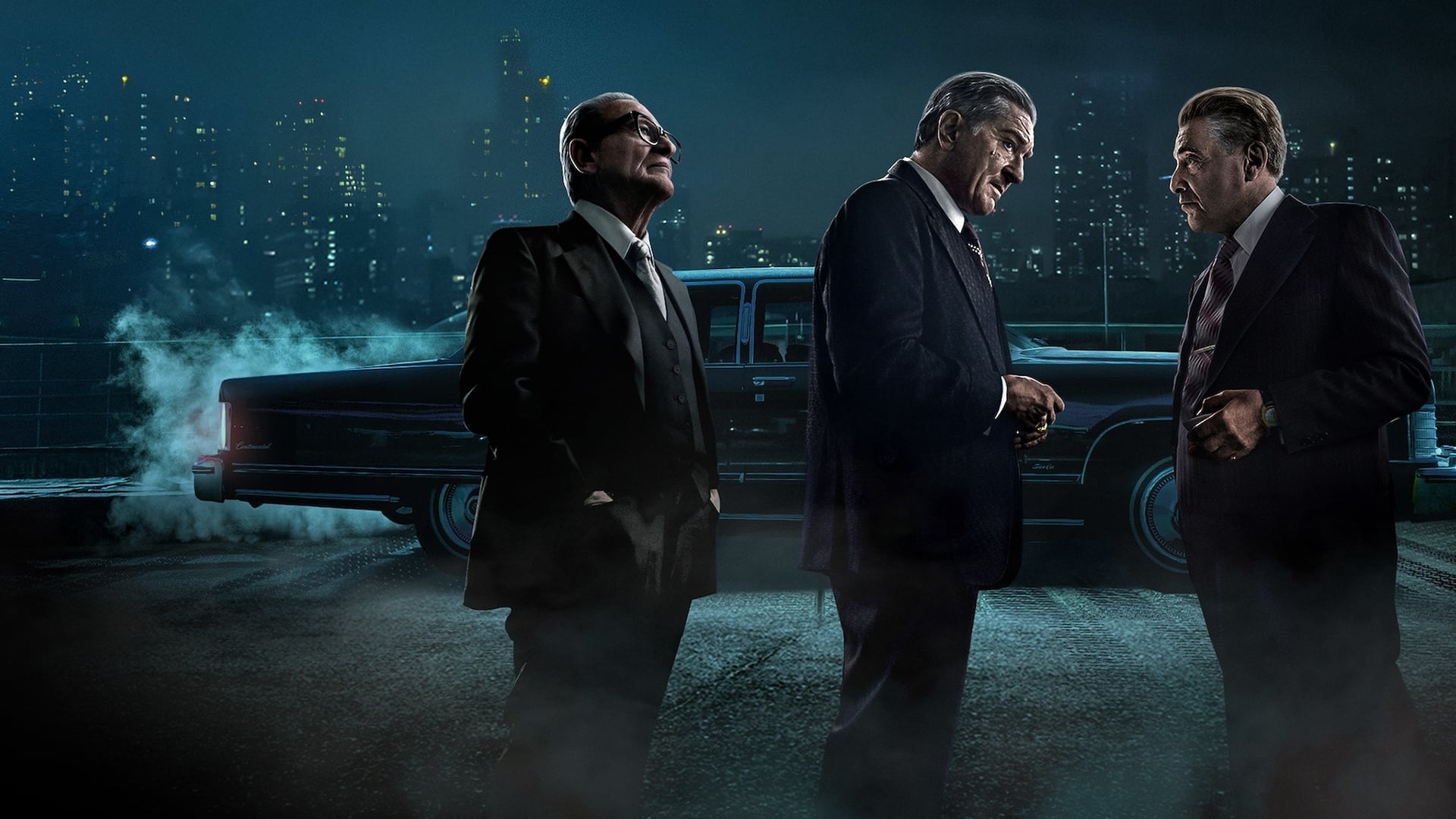
The Irishman is a film about age and regret, about the crushing emptiness at the conclusion of a life lived servicing other people's egos. It’s Scorsese looking back at his own filmography, all those charismatic, dazzling crooks, and saying, “You know what? They all die by themselves.
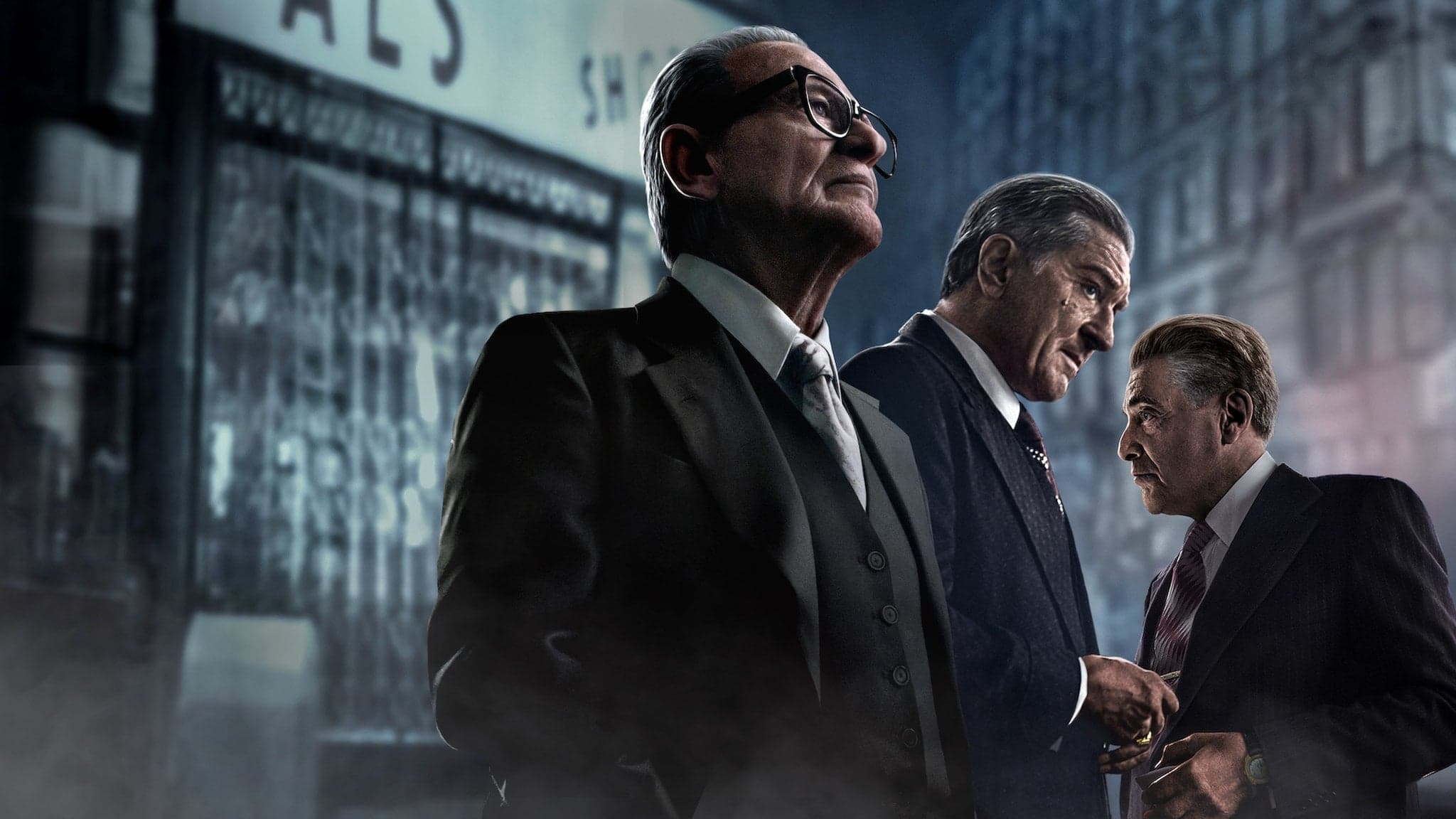
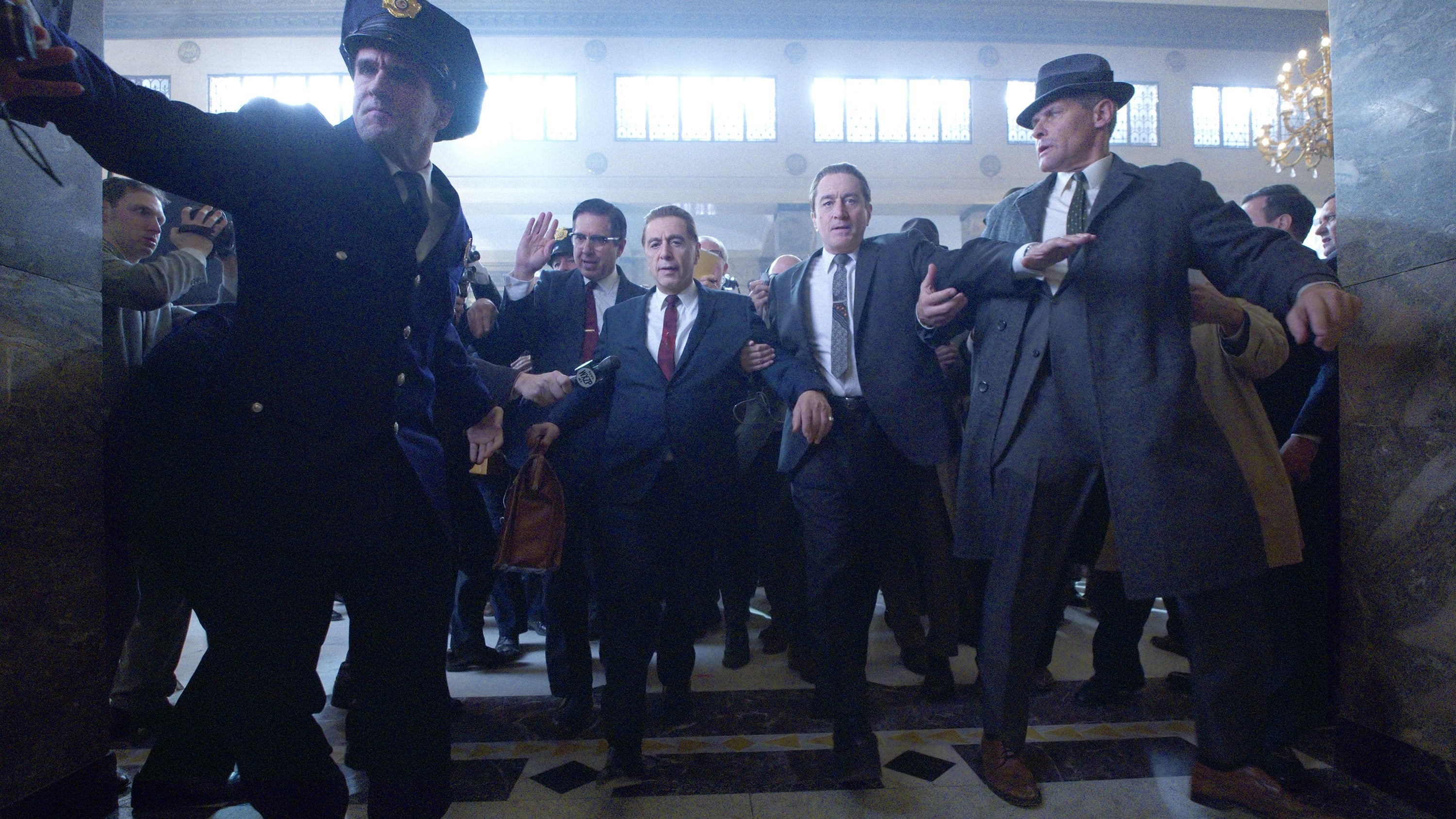
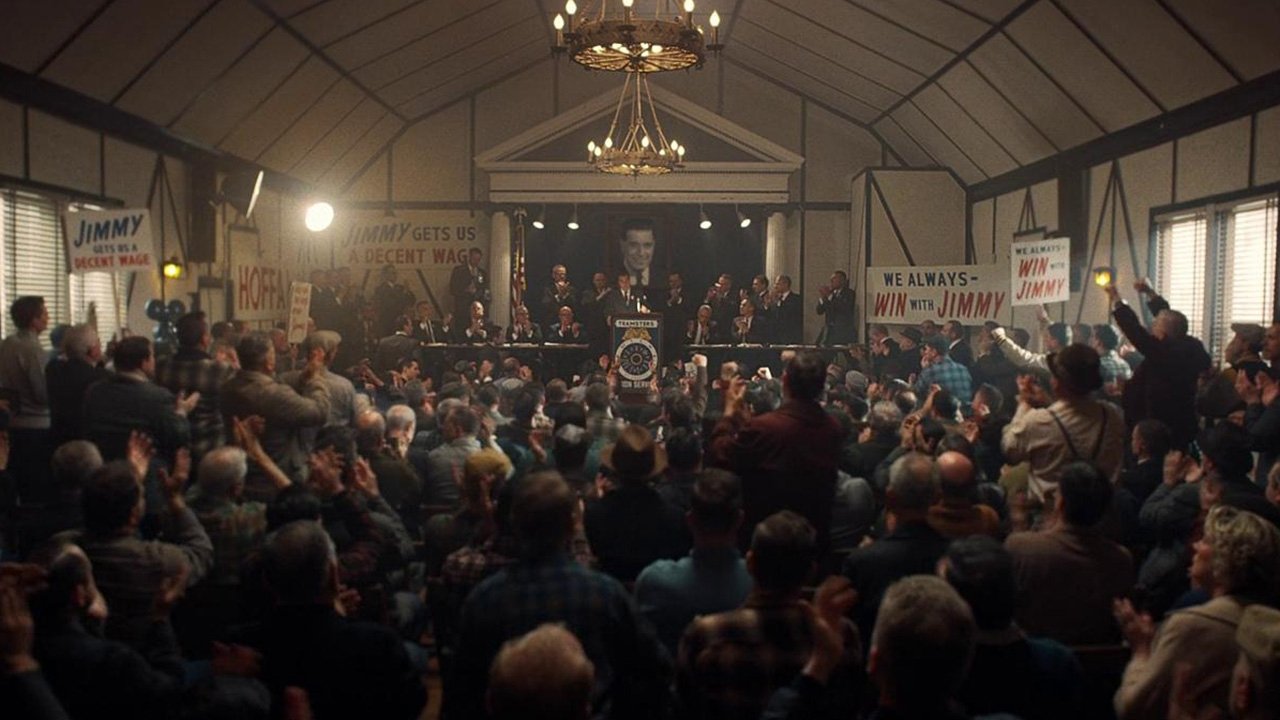
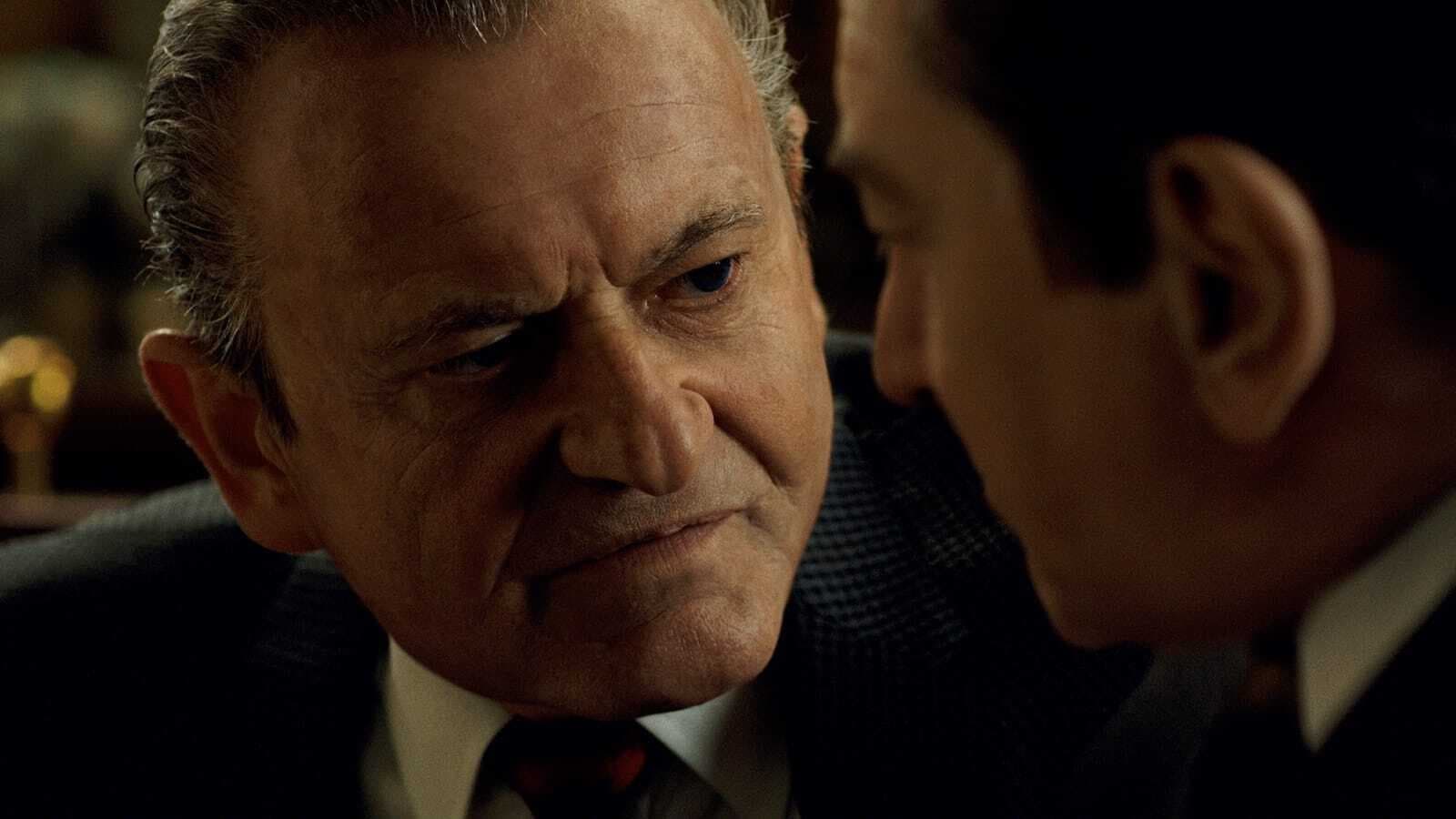
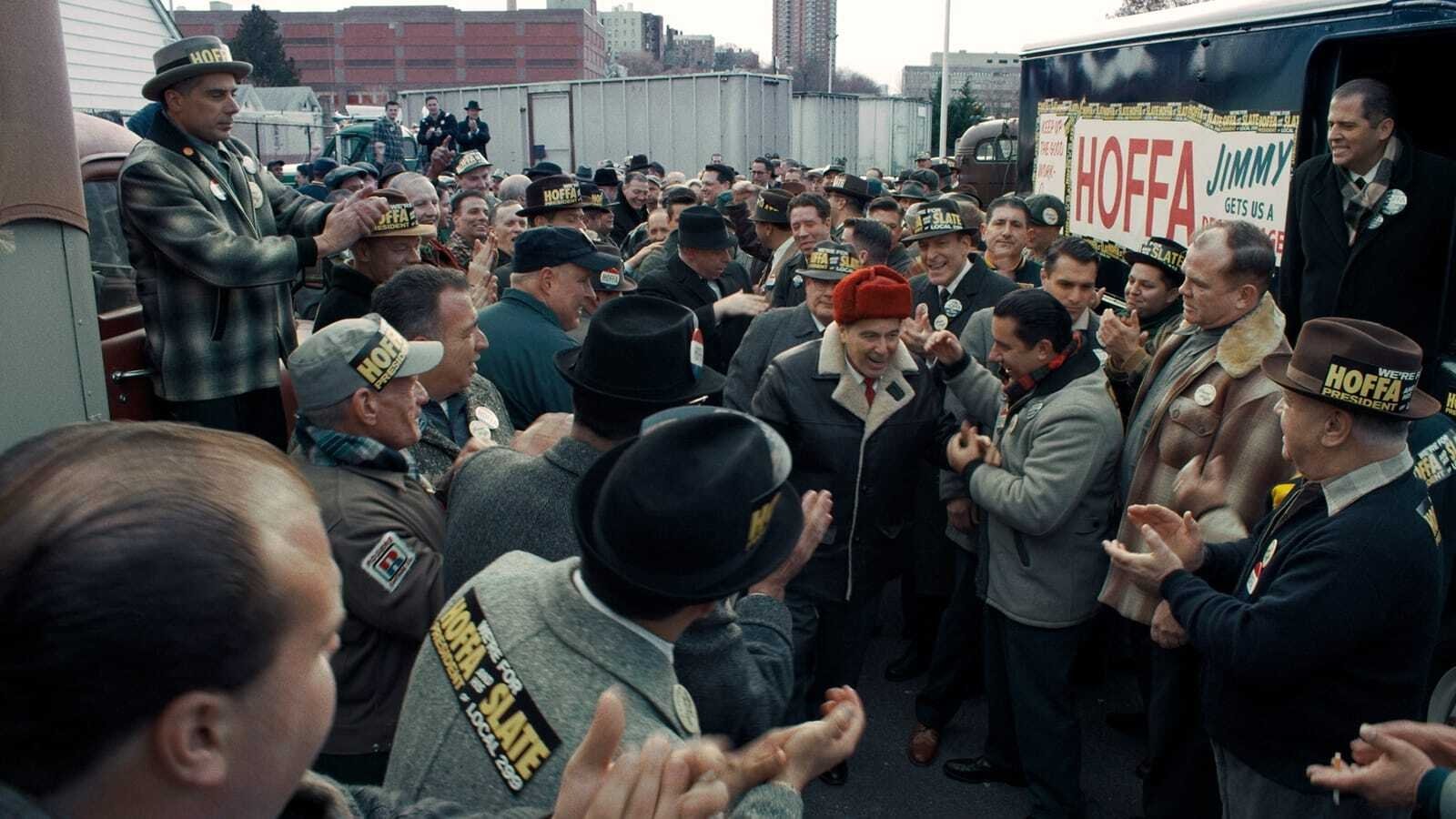
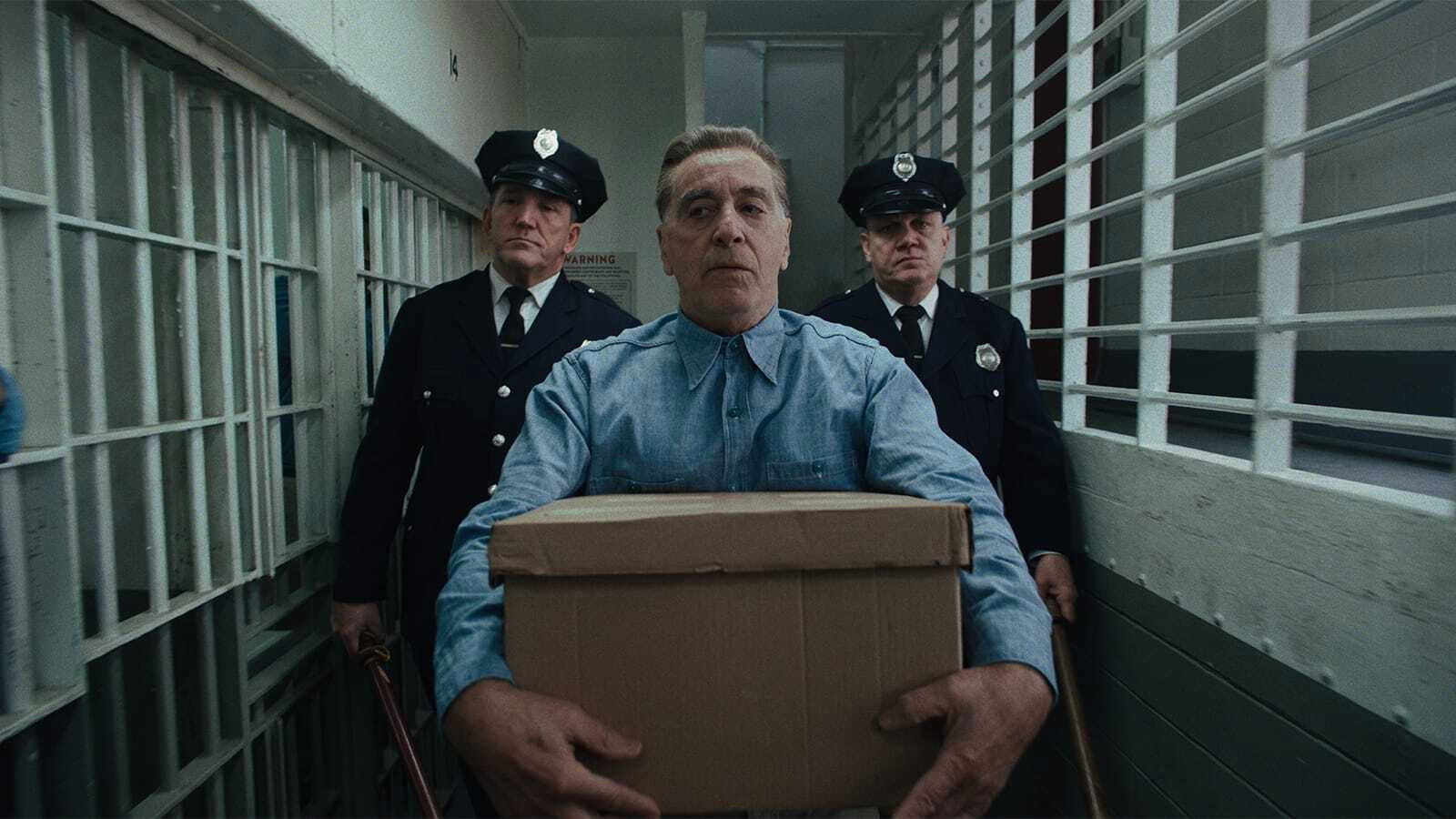
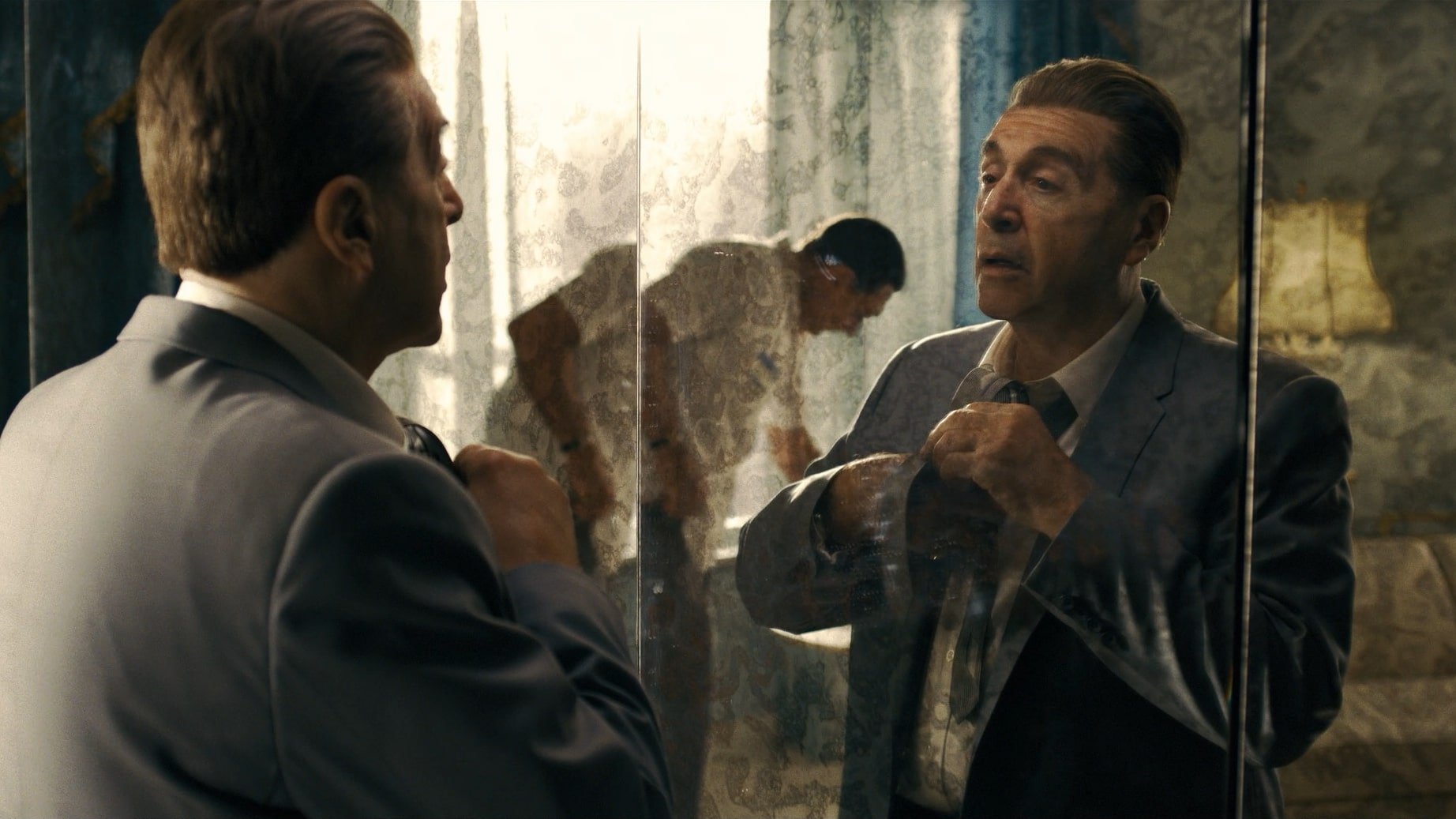
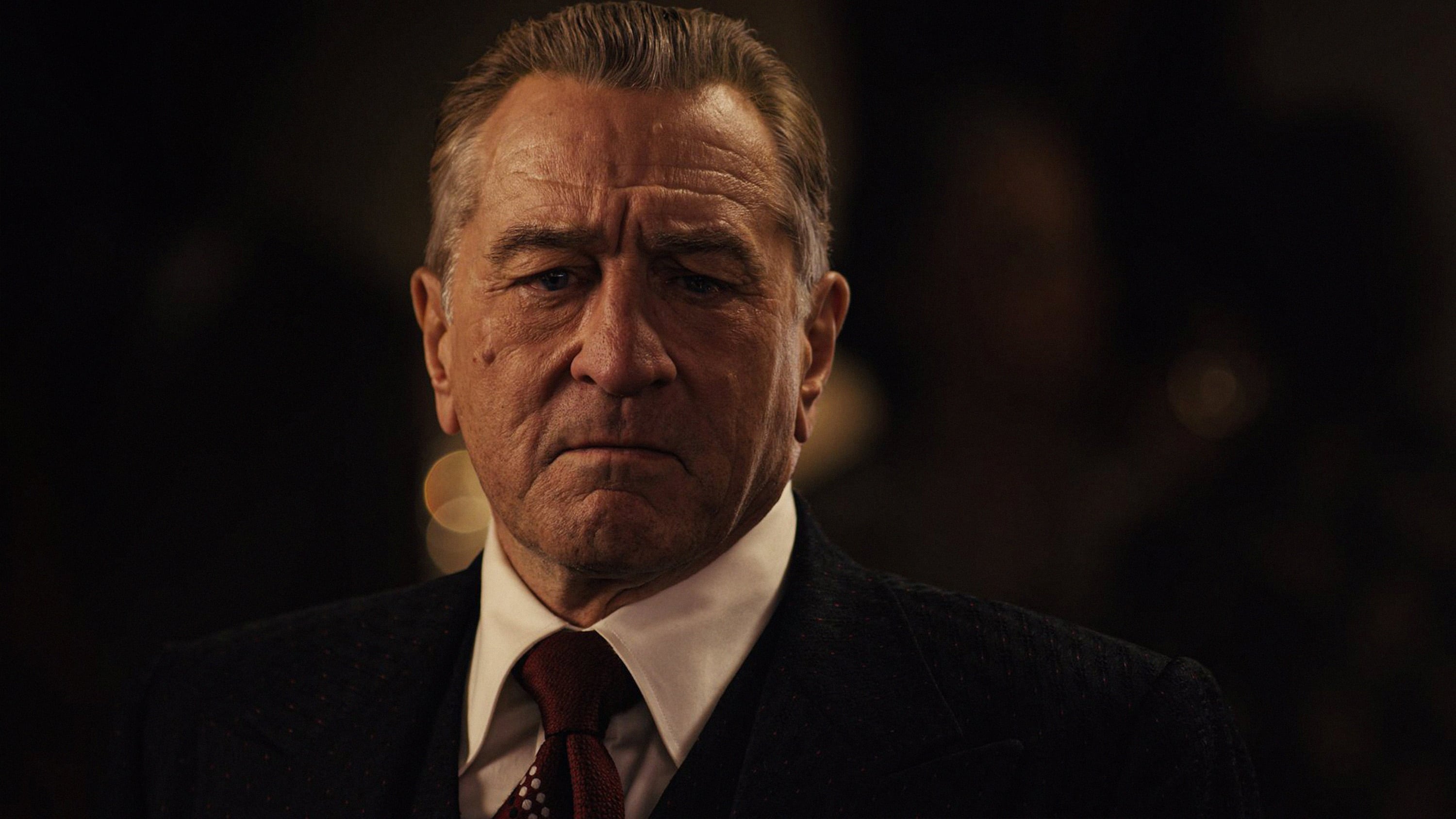
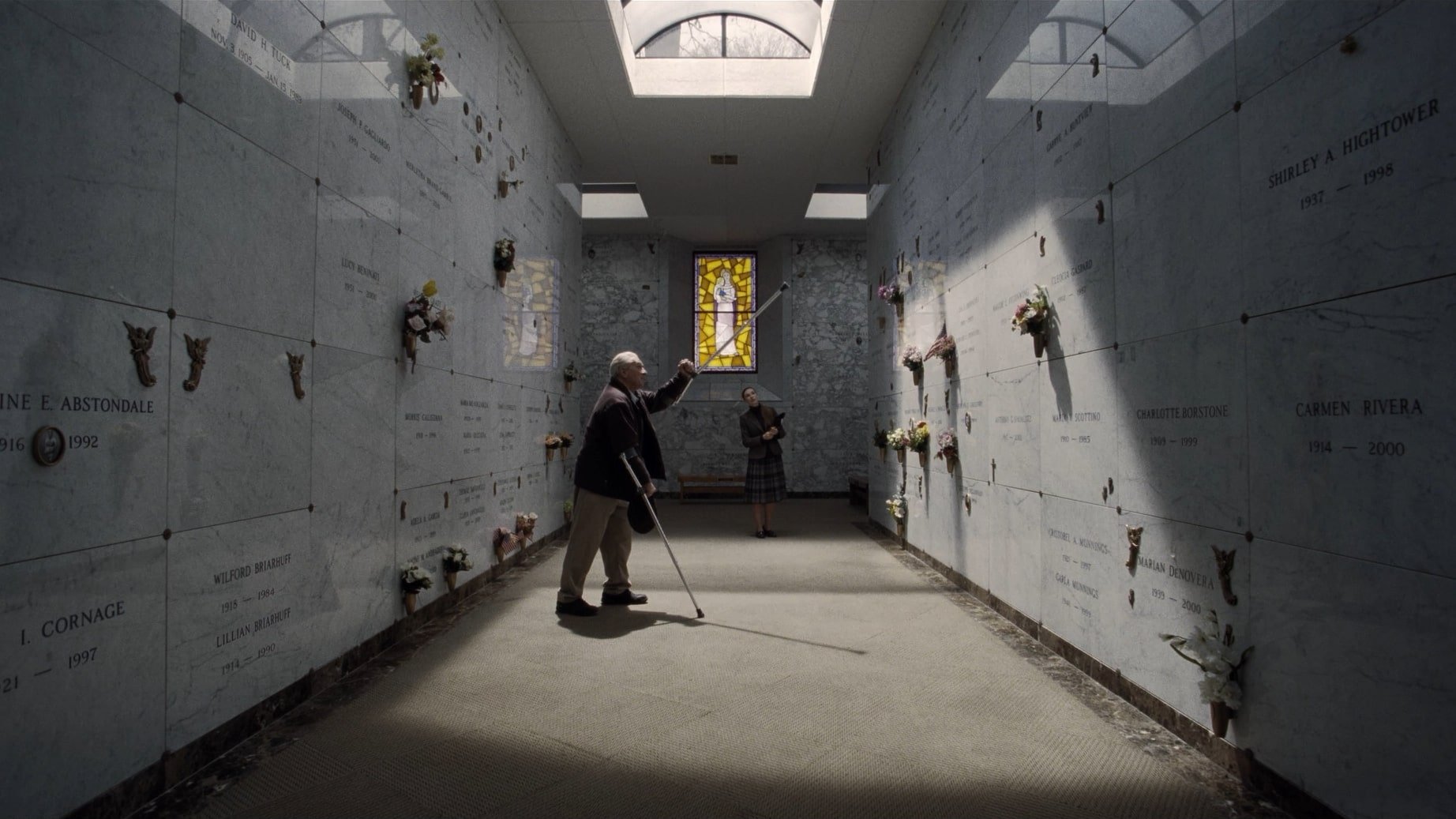
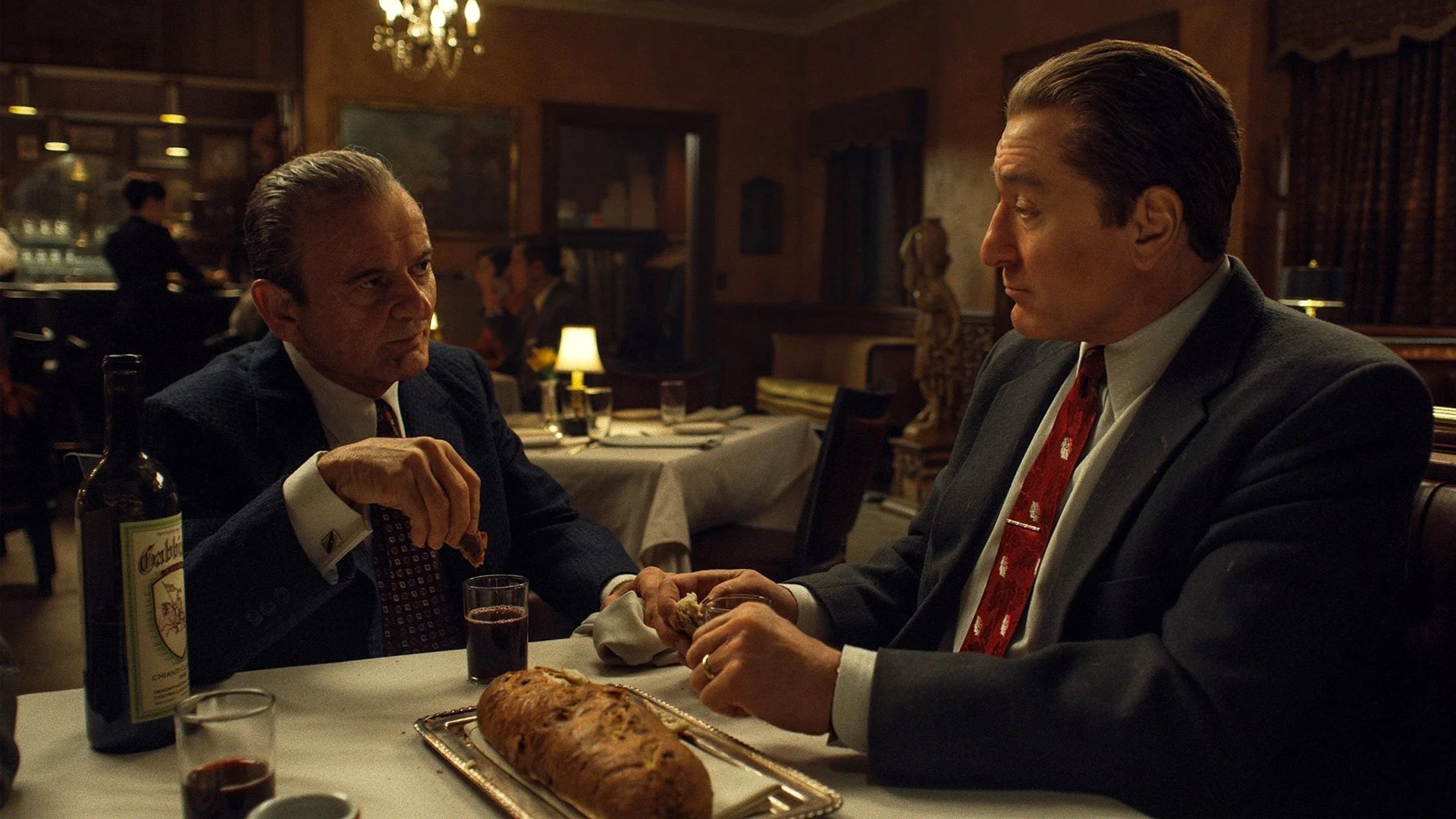
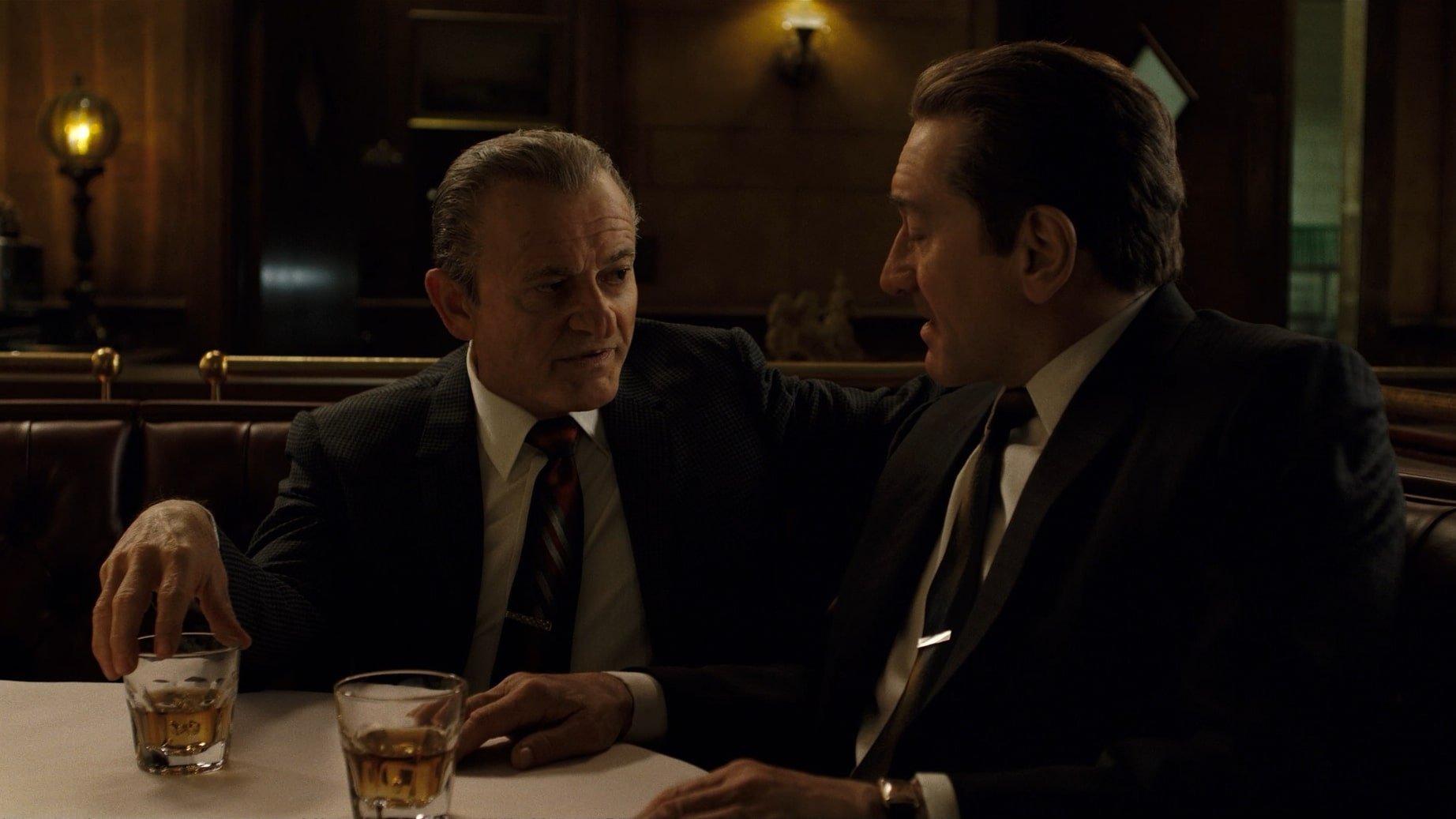
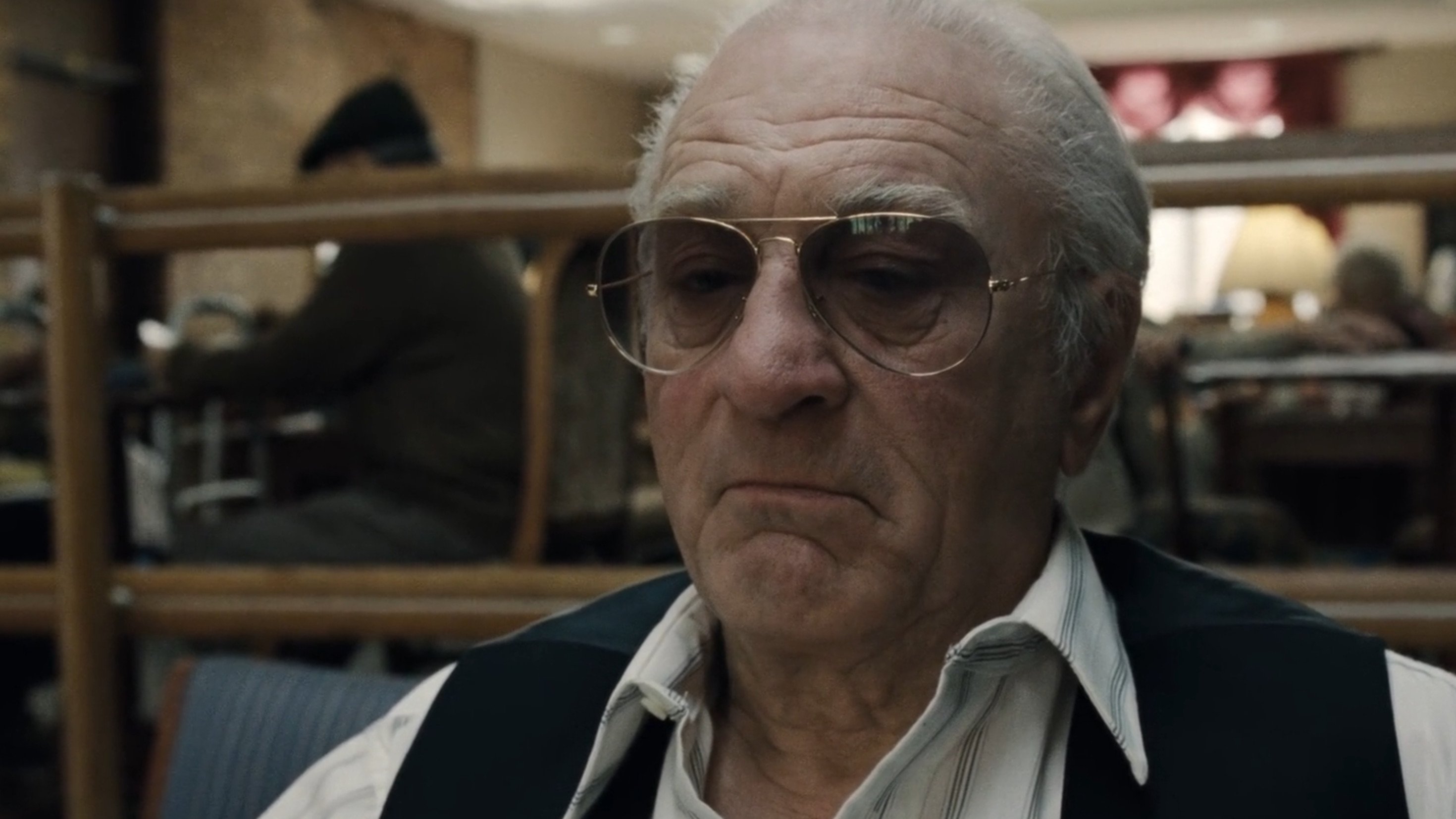
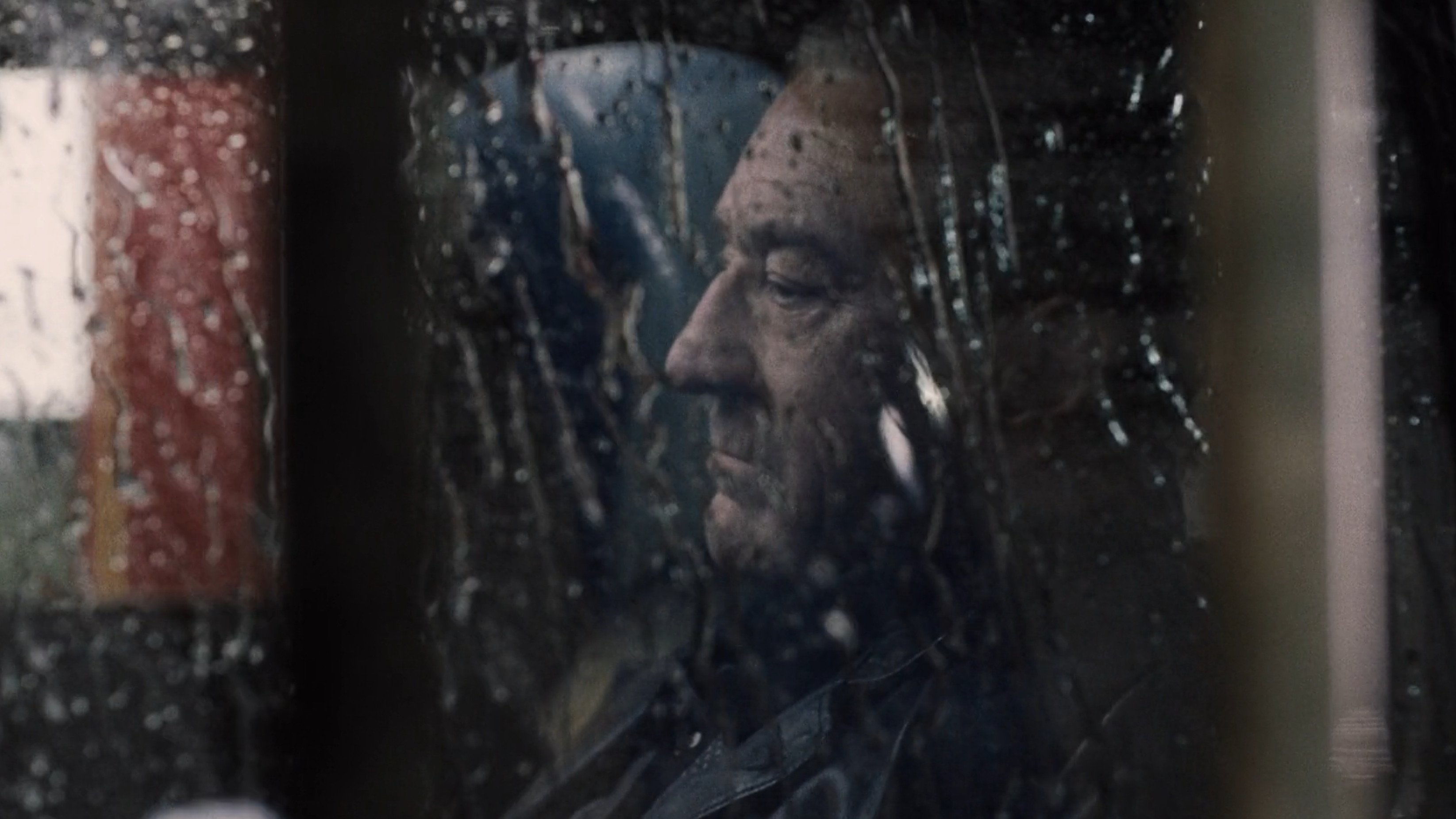
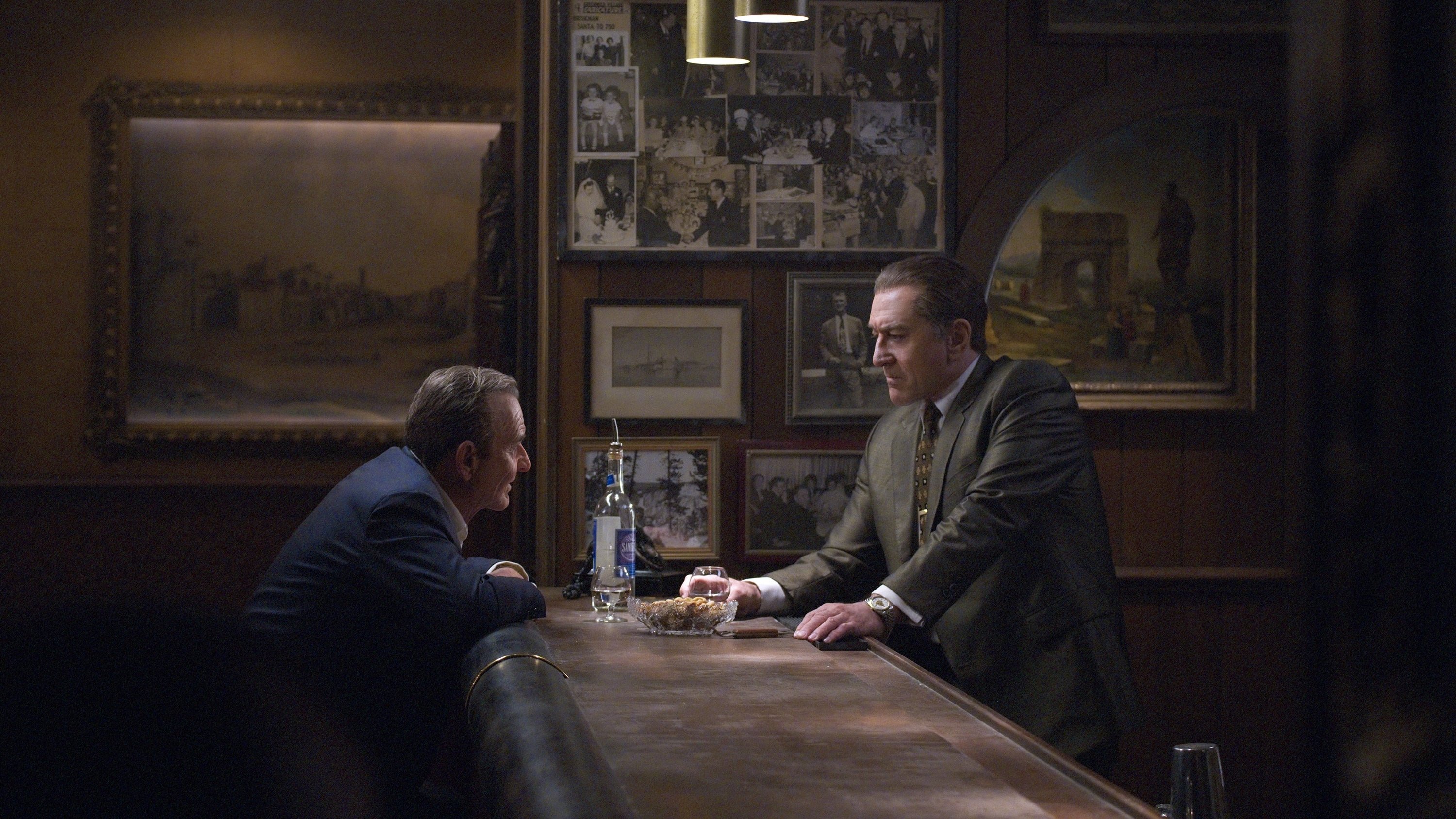
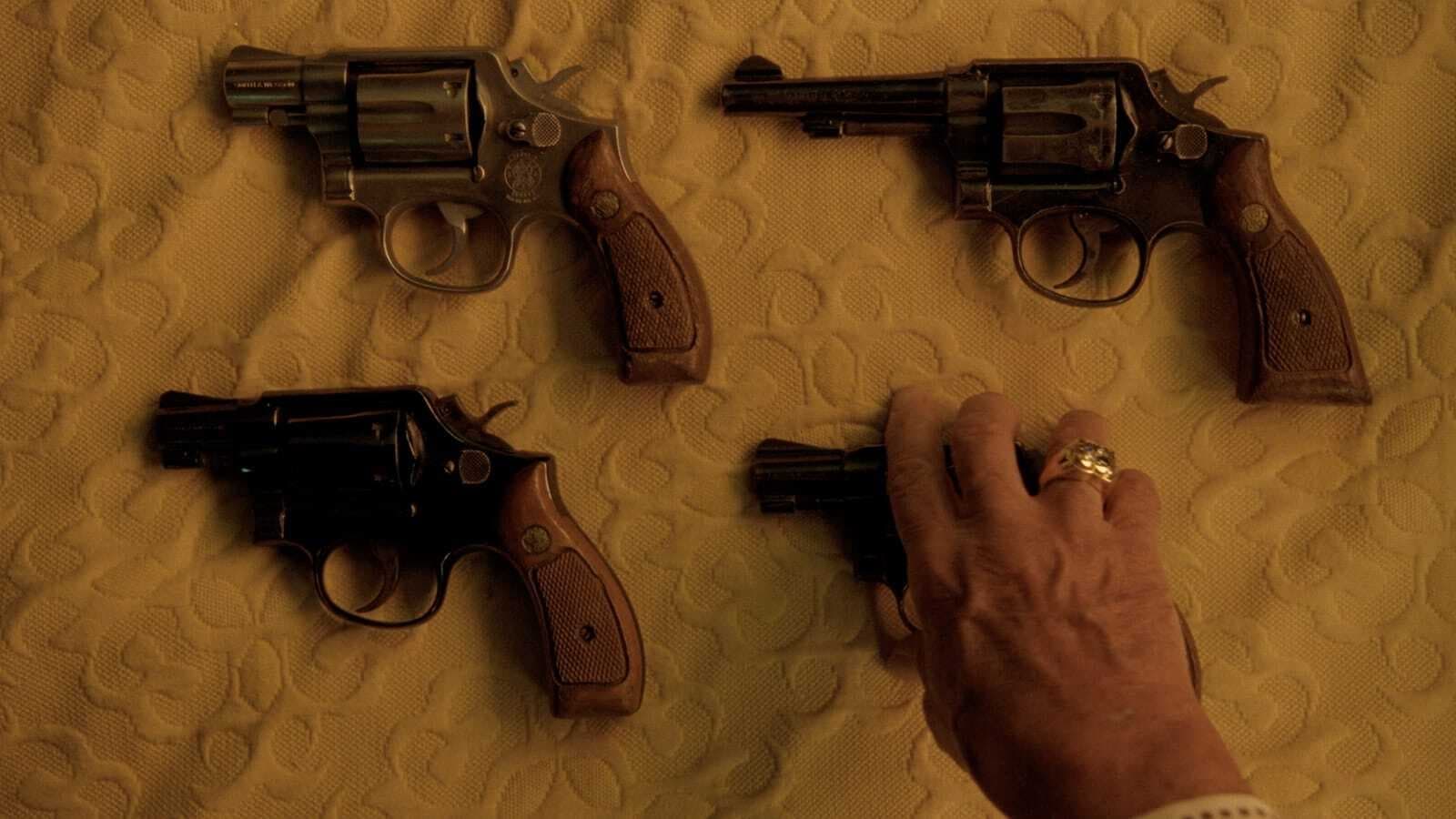
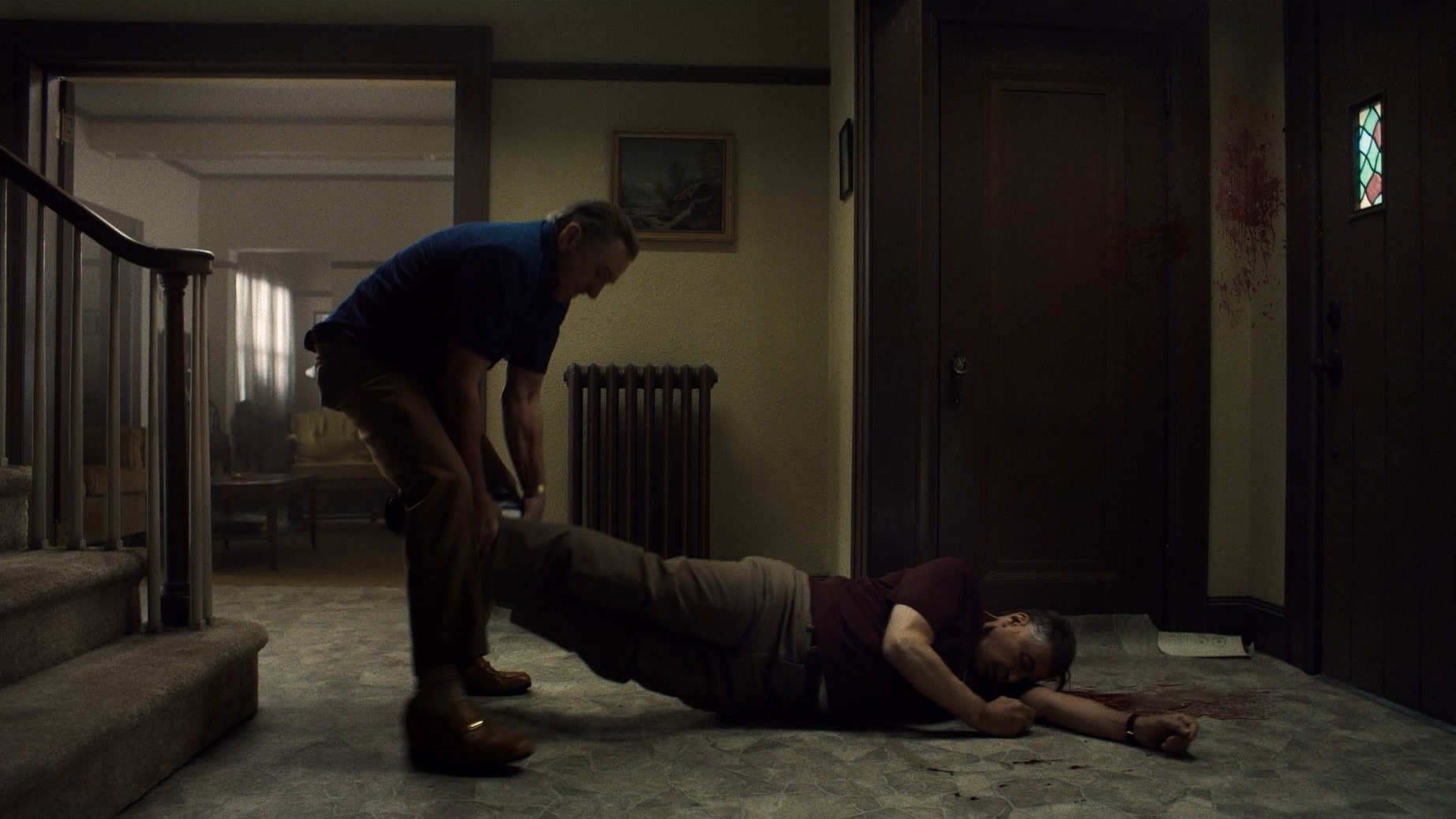
I love how the film plays with light, or the lack of it. Early scenes are warm. Golden hour light coming through diner windows. But as the years go on and the bodies pile up, the palette changes. Blues. Grays. Dull browns. The world is becoming smaller. The interiors grow darker. By the last act Frank is in half-lit rooms and desolate hallways, shadows eating half his face. He's a ghost already. The camera knows.
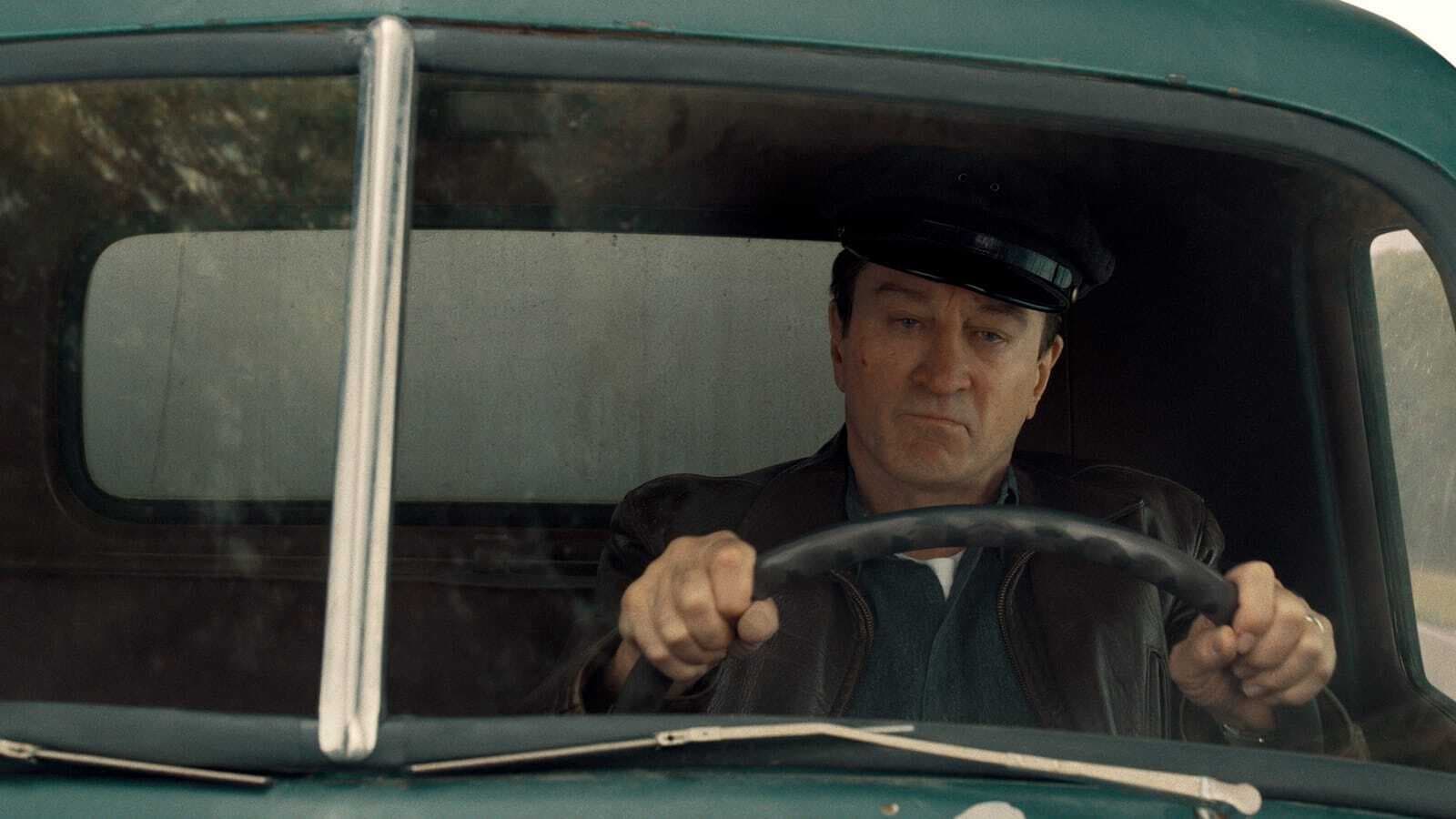
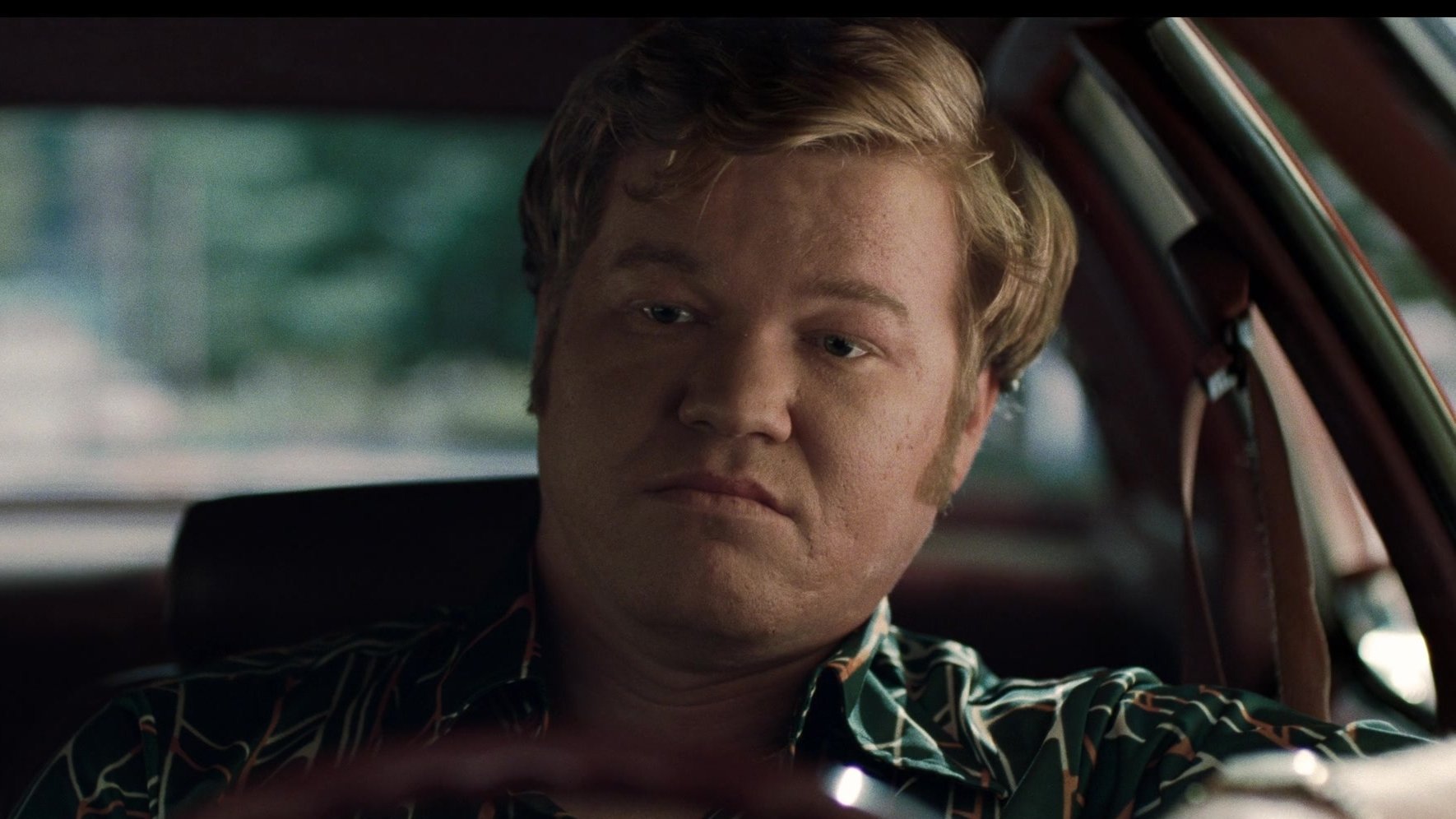
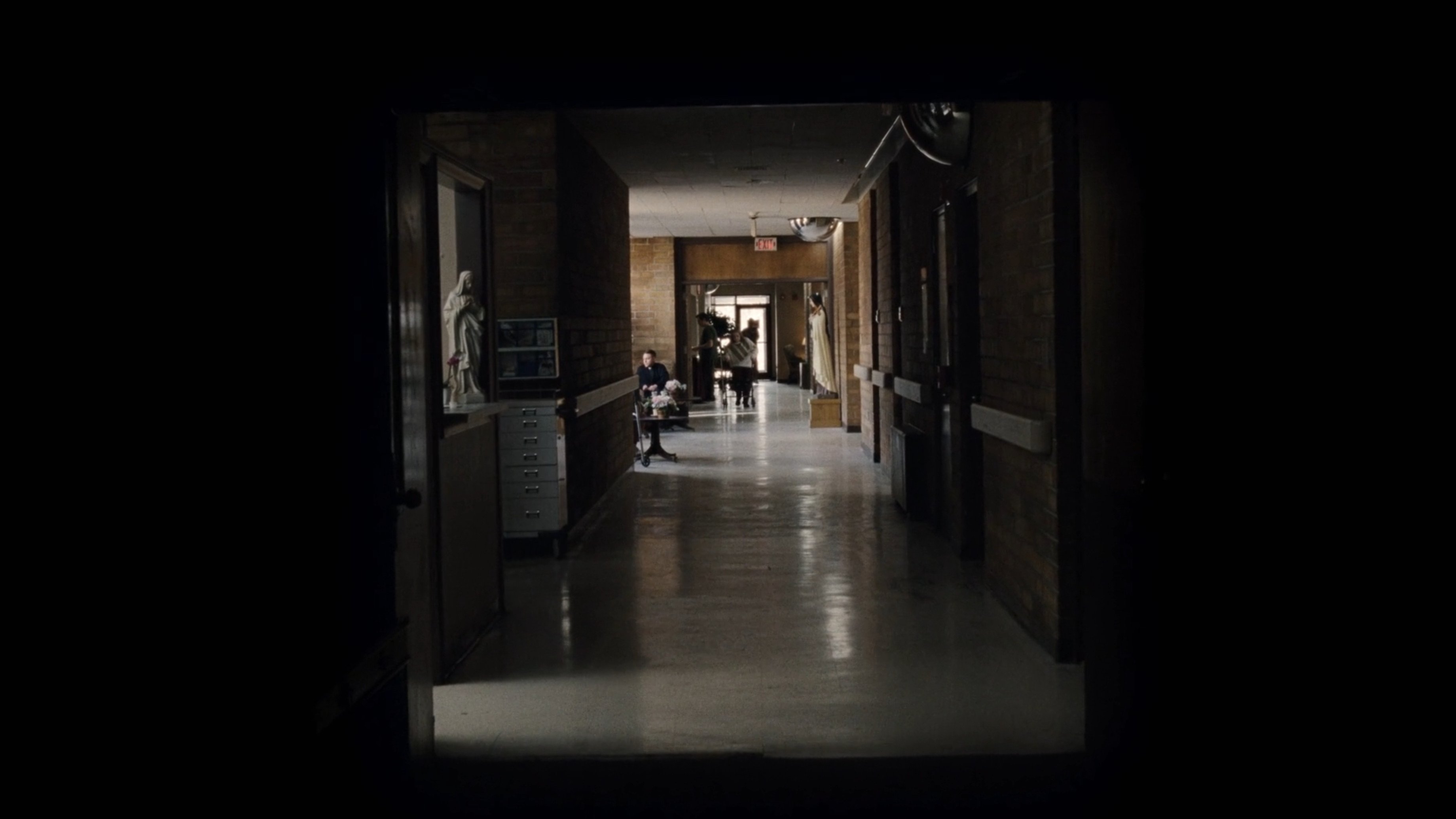
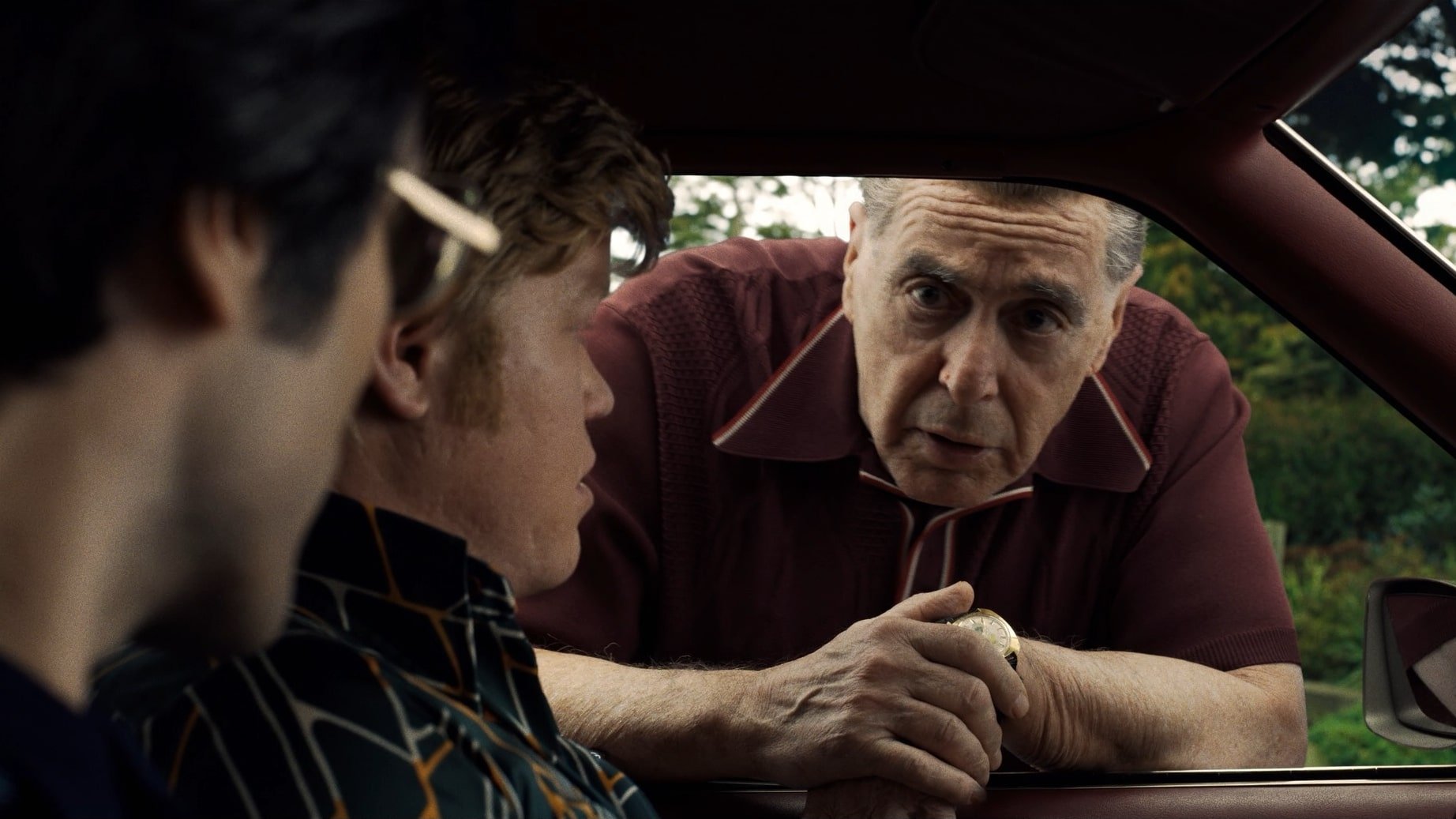
Prieto is also lingering. Uncomfortably long. A conversation in a car. Frank looking at a fish. A long, never-ending corridor. These aren't action beats, these are death rattles. The film asks that you sit with the weight of stillness, the gap between words, the loneliness of a guy who has outlived all he ever knew.
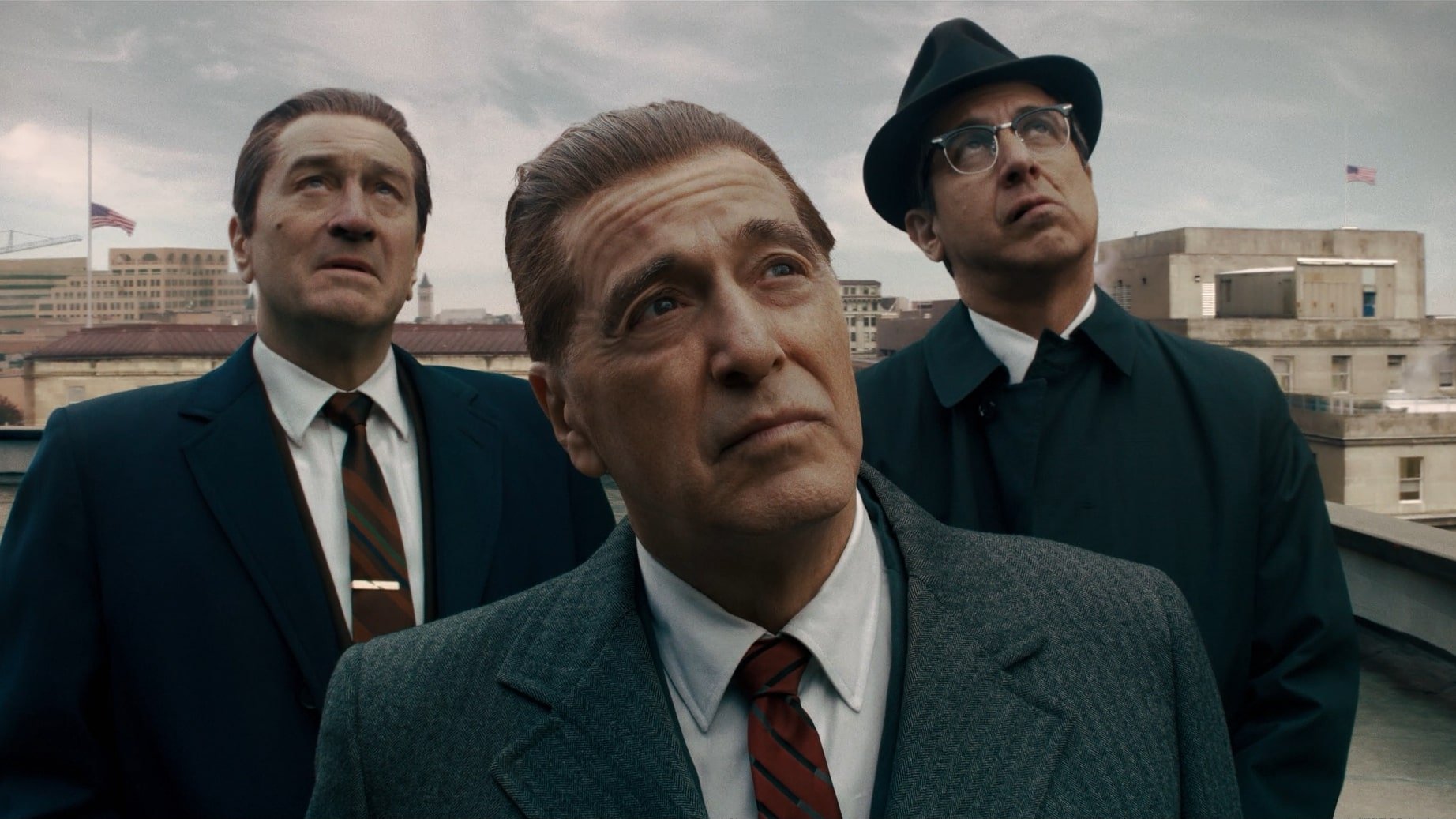
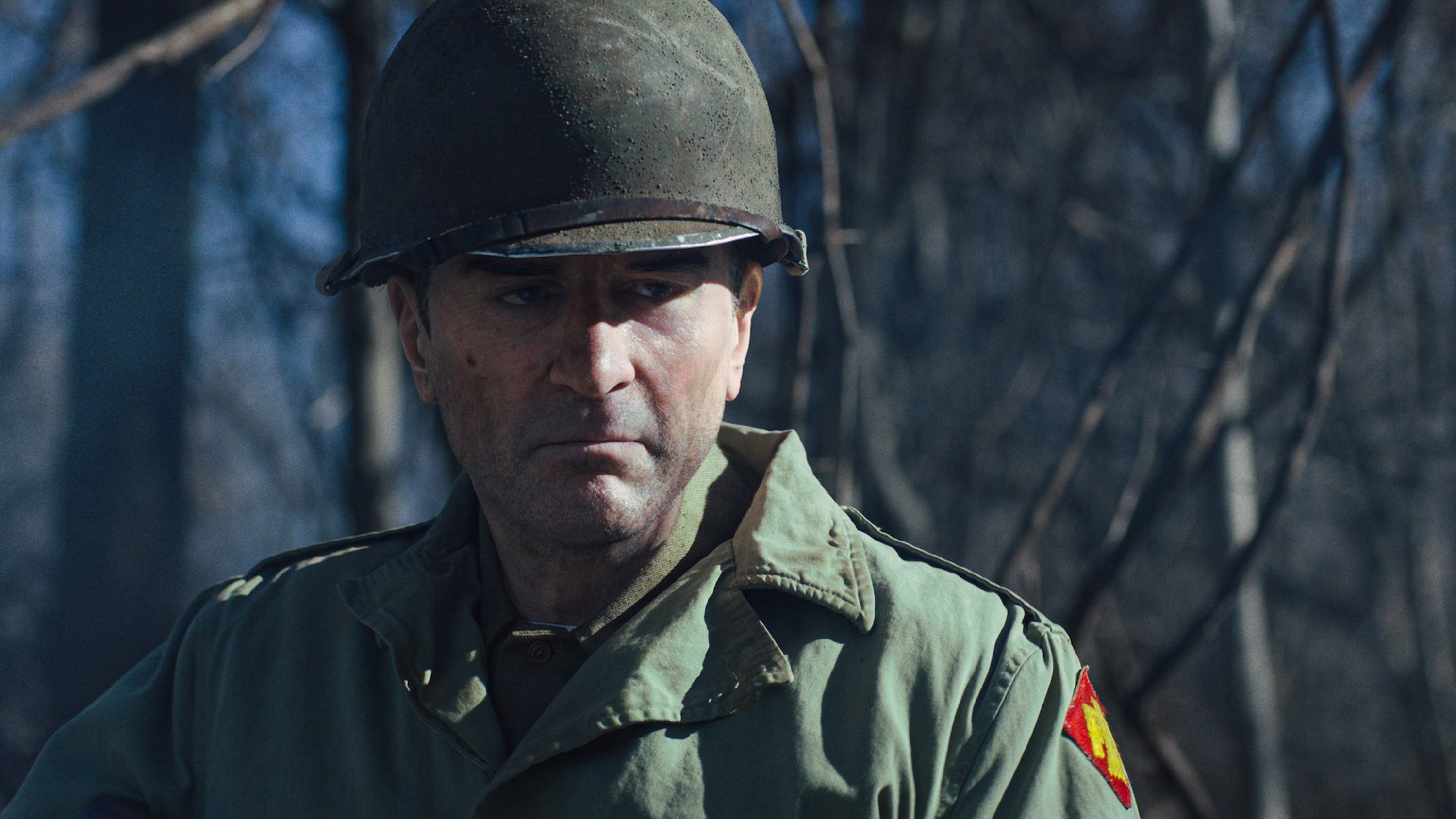
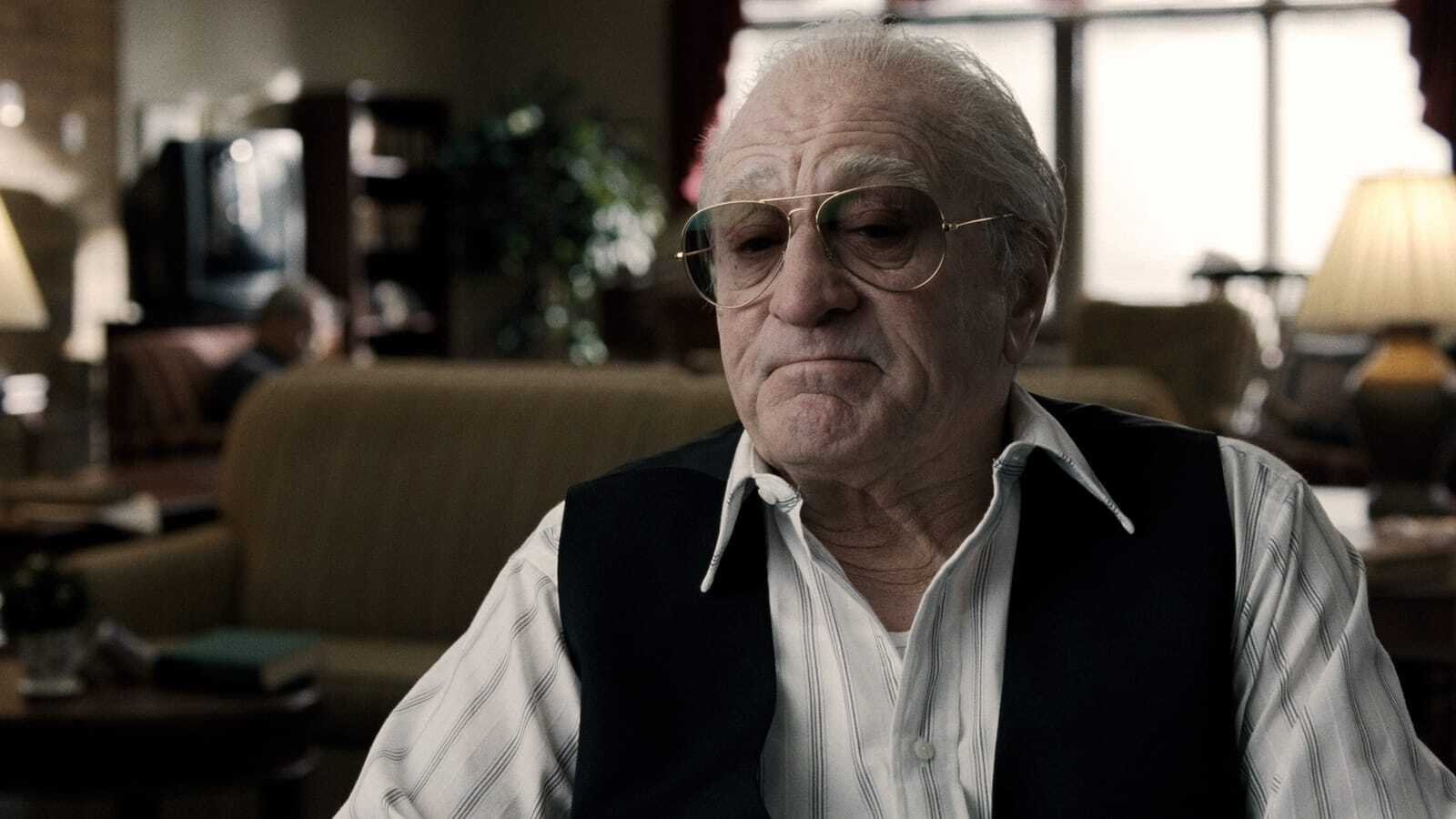
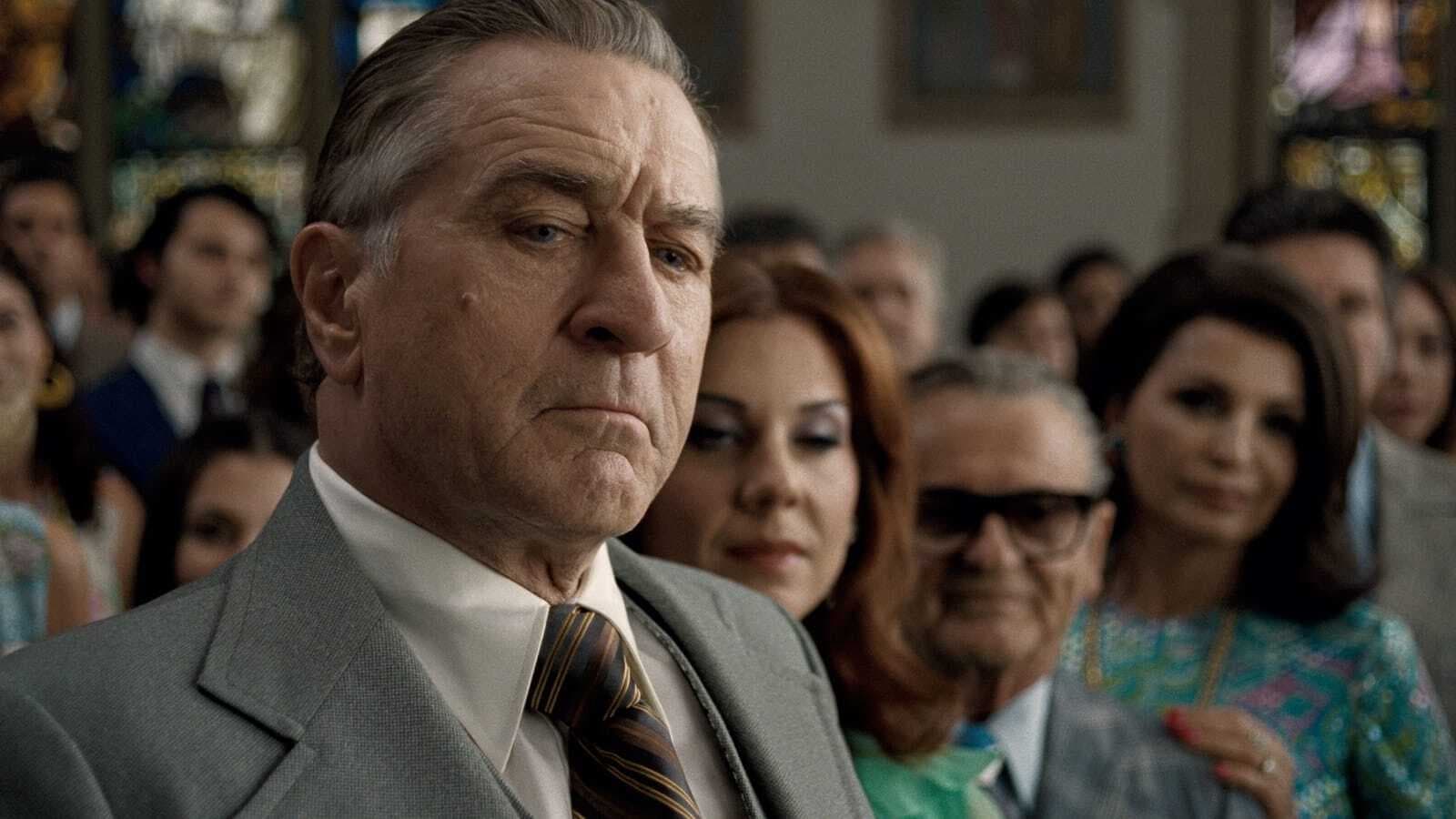
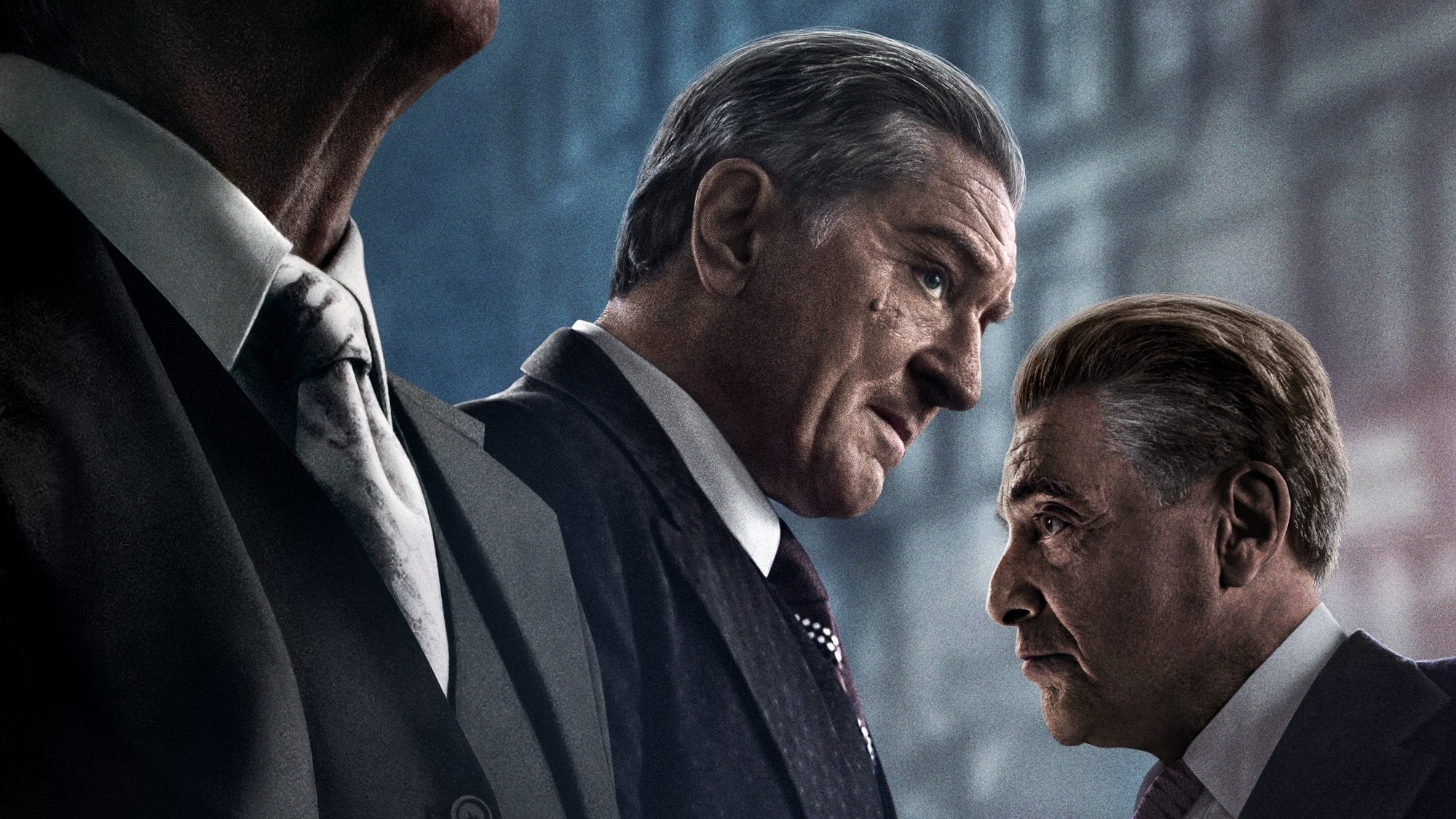
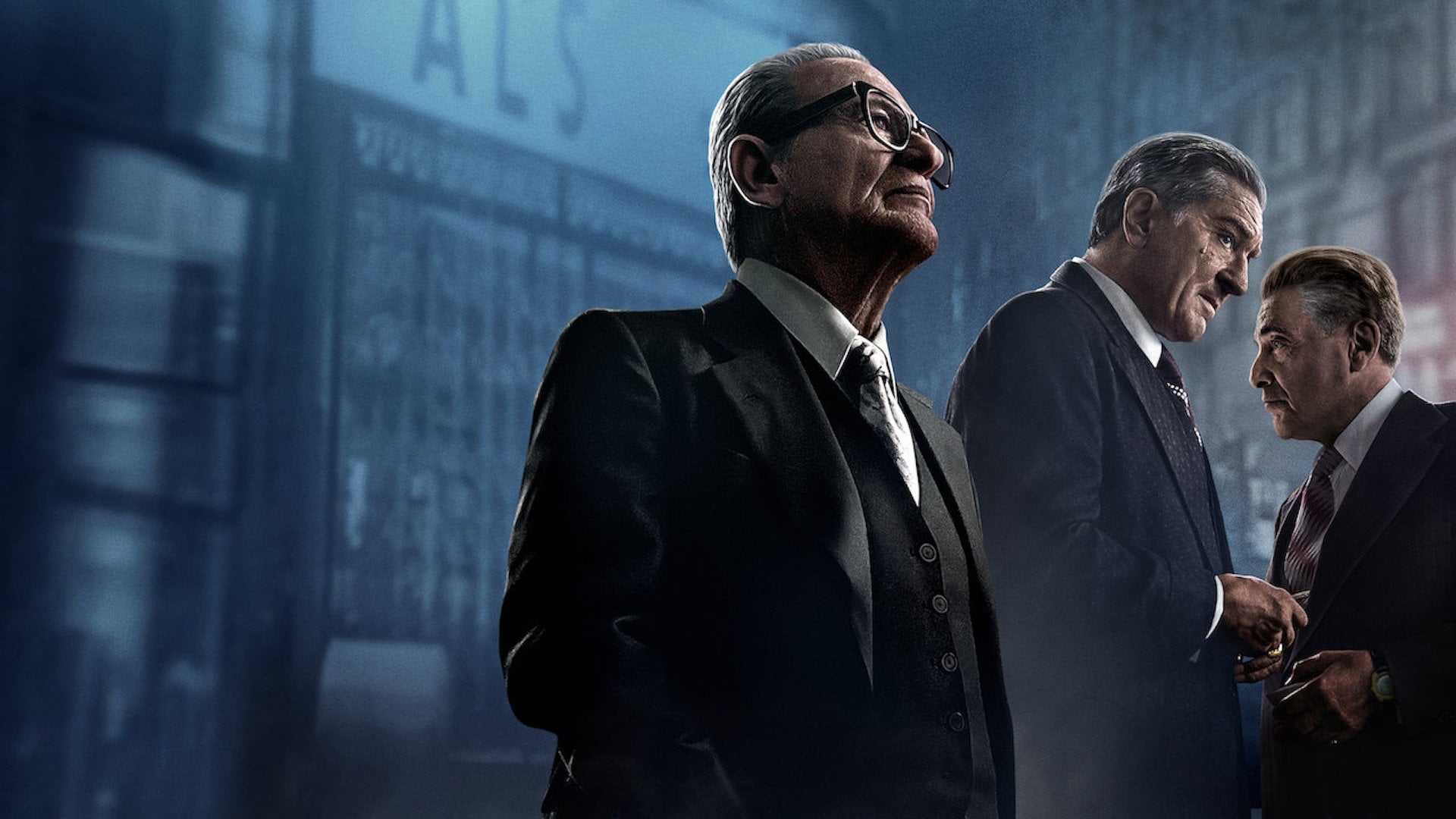
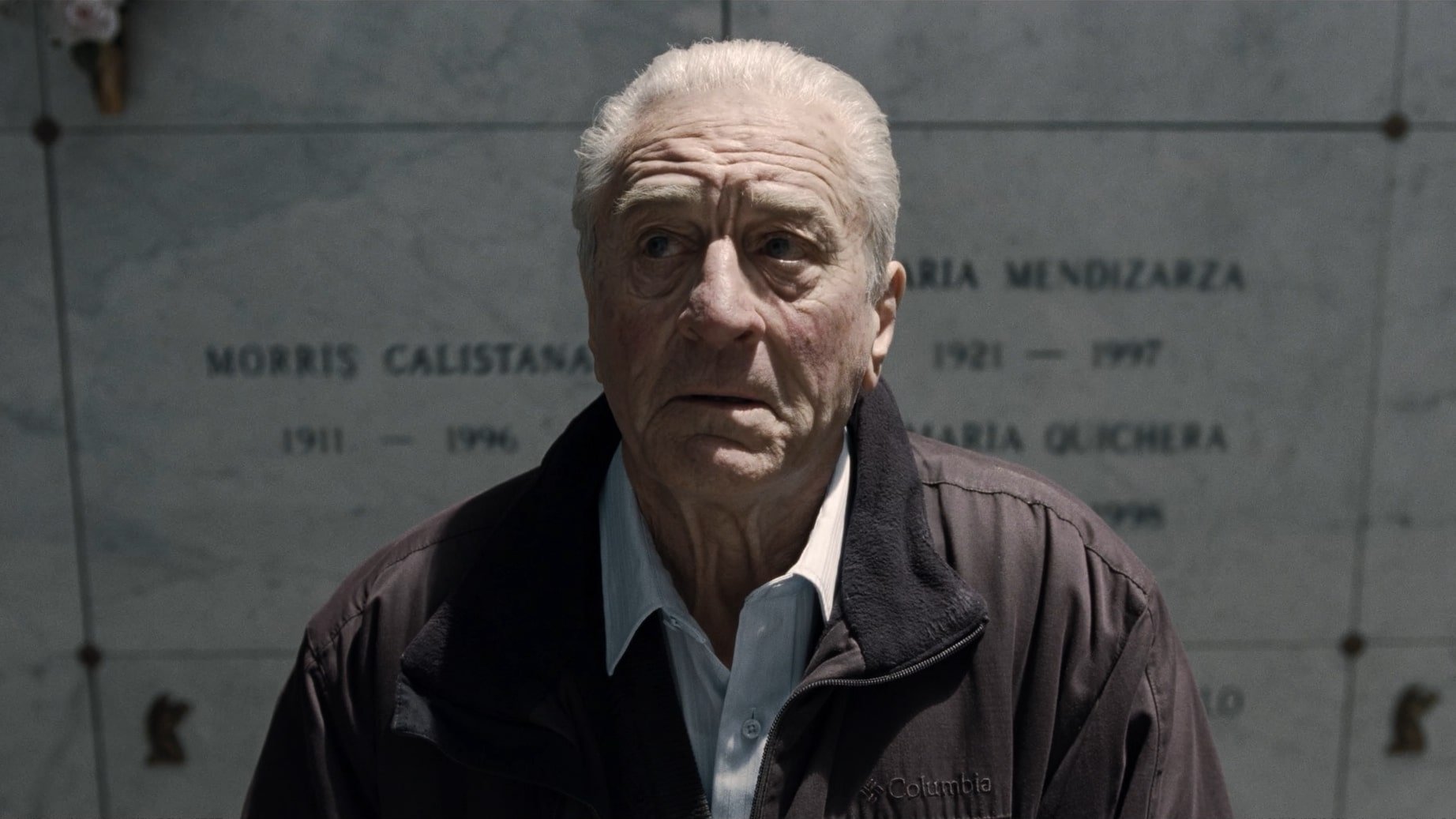
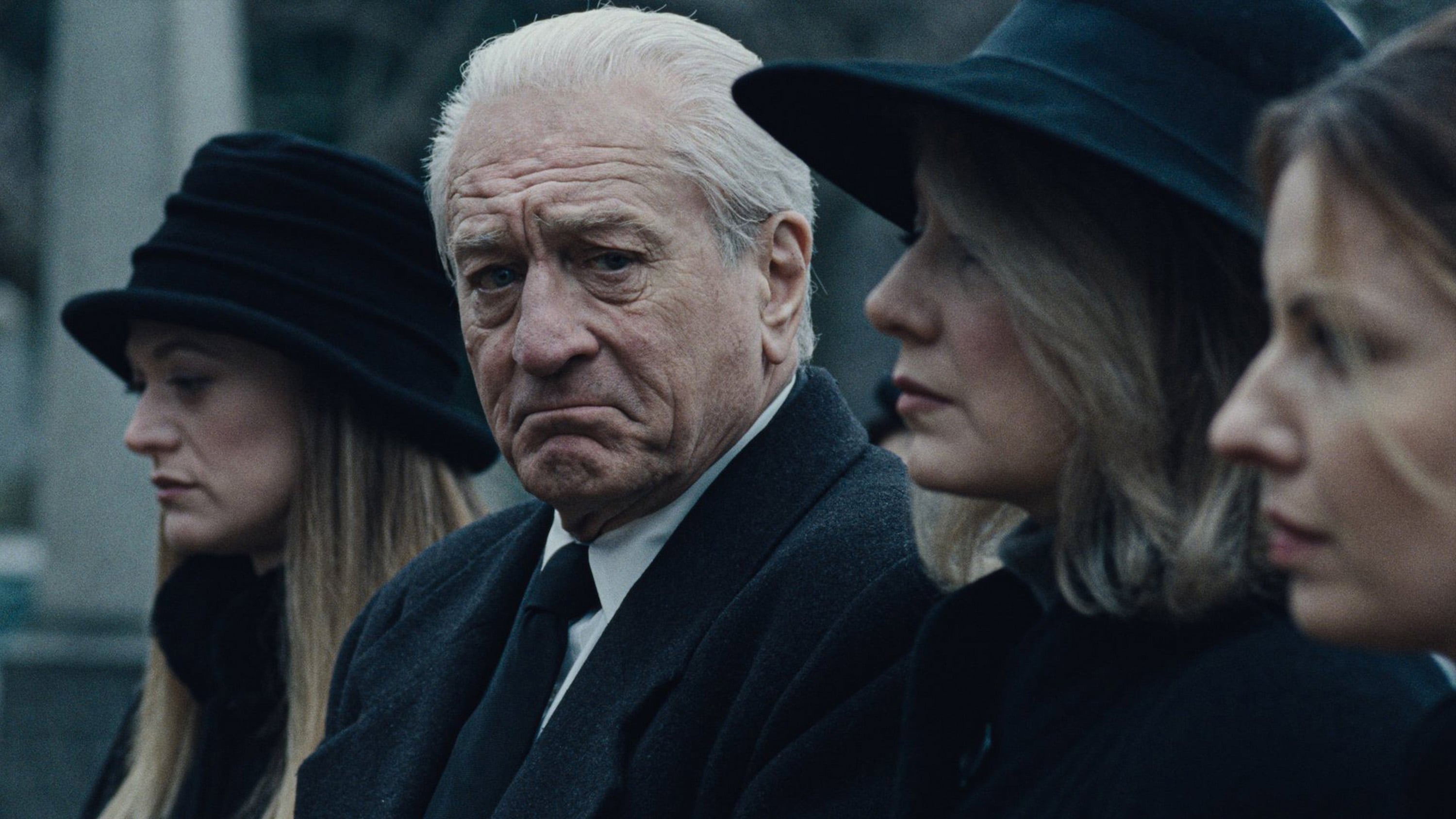
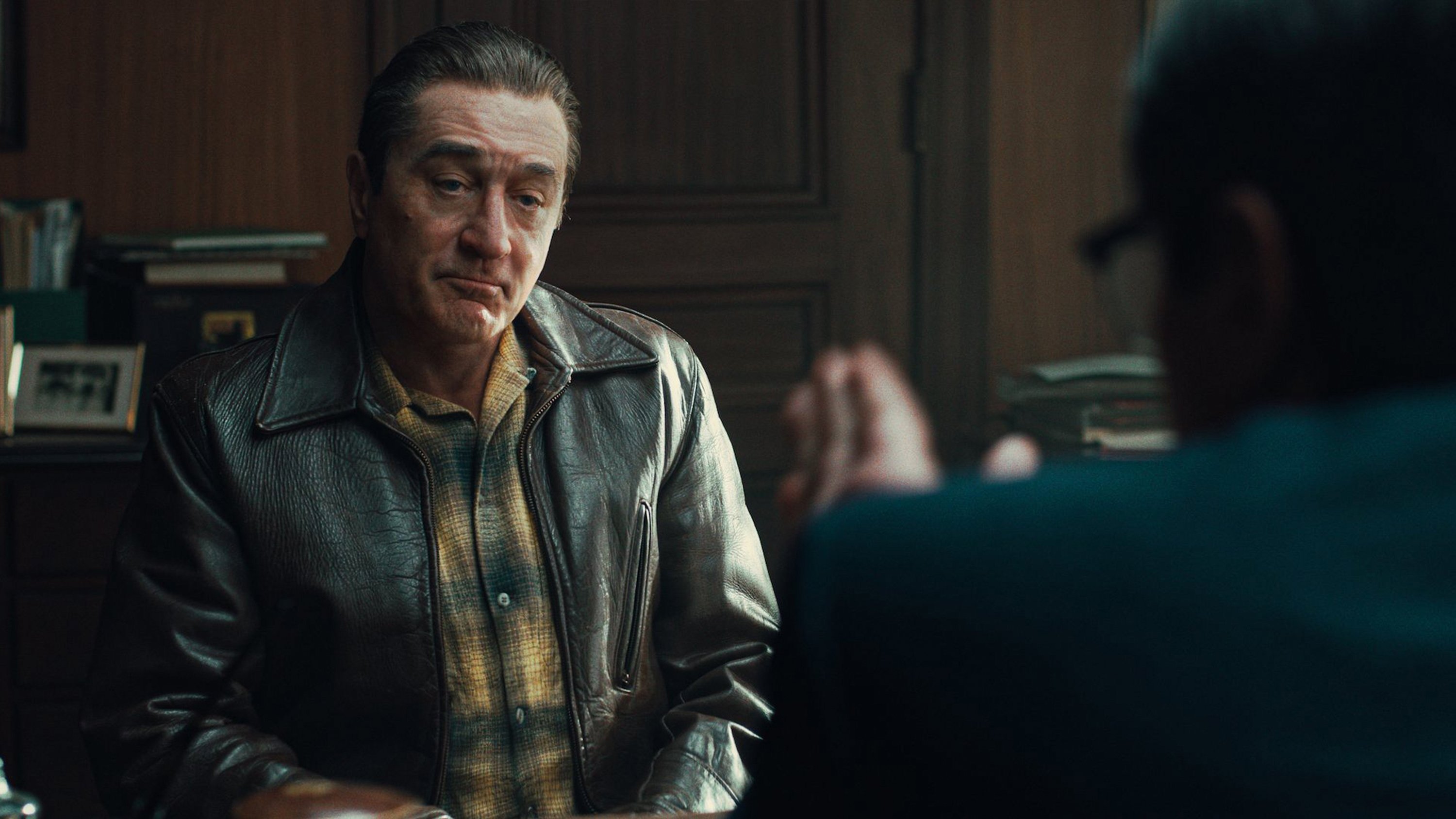
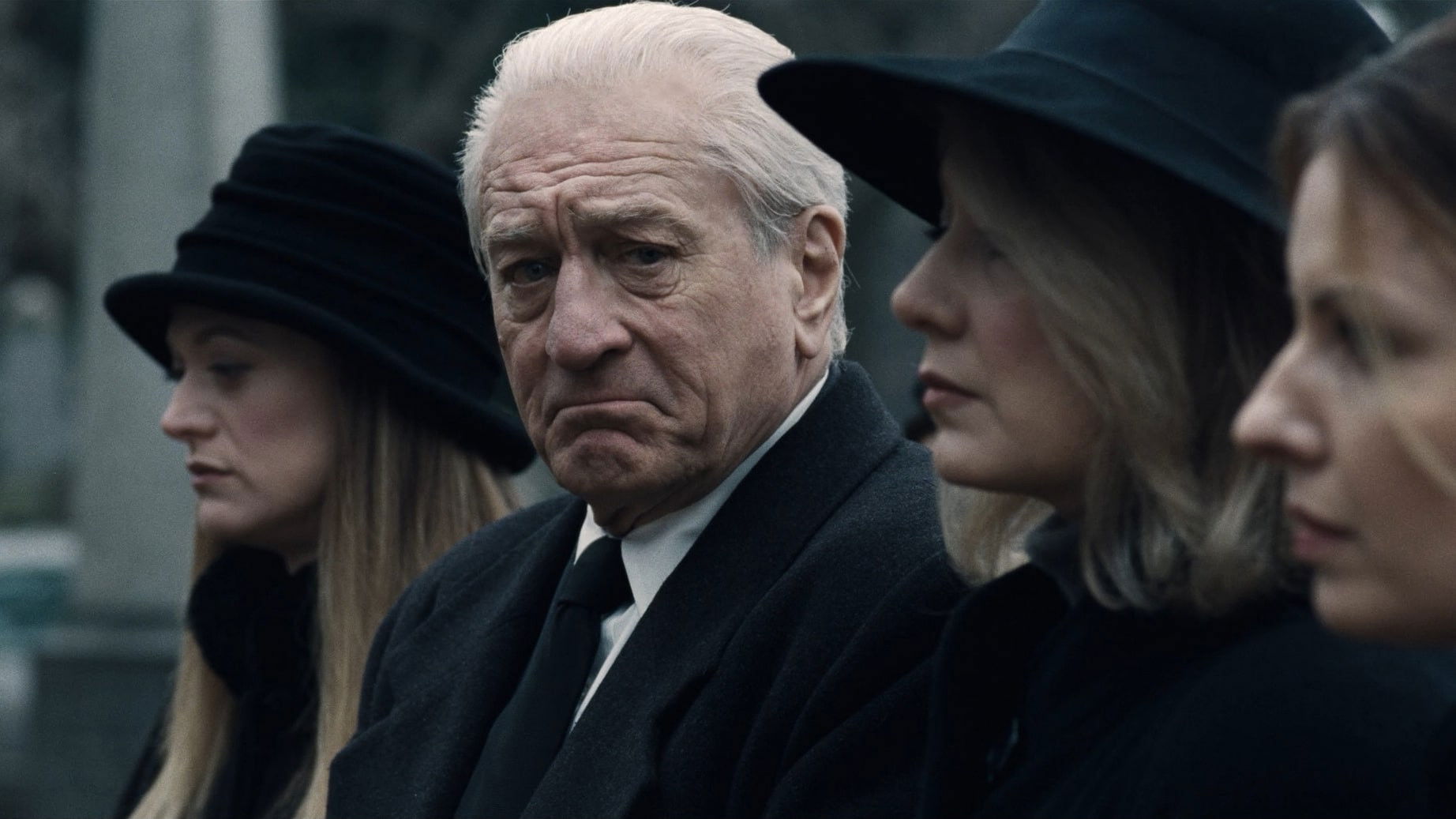
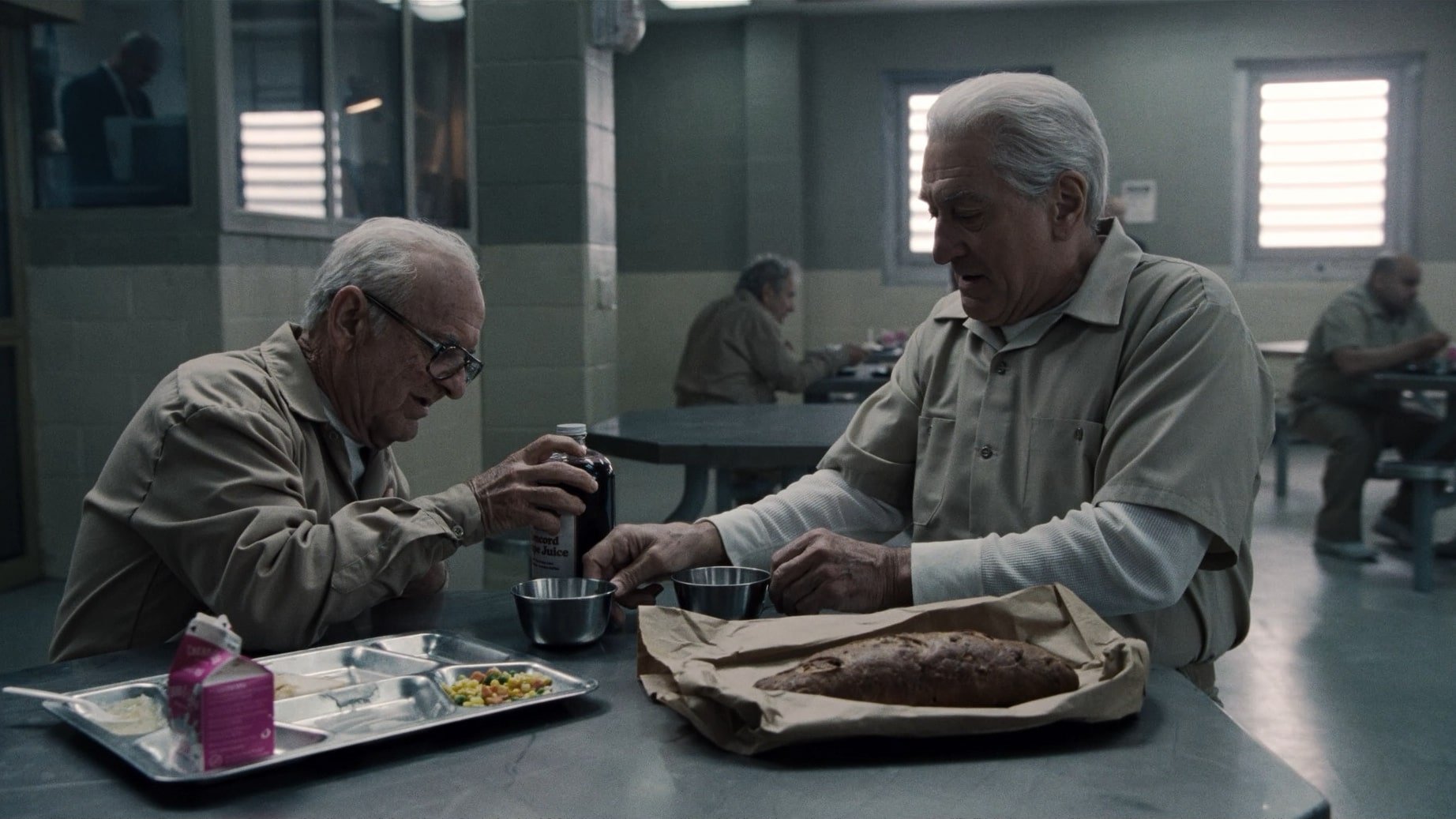
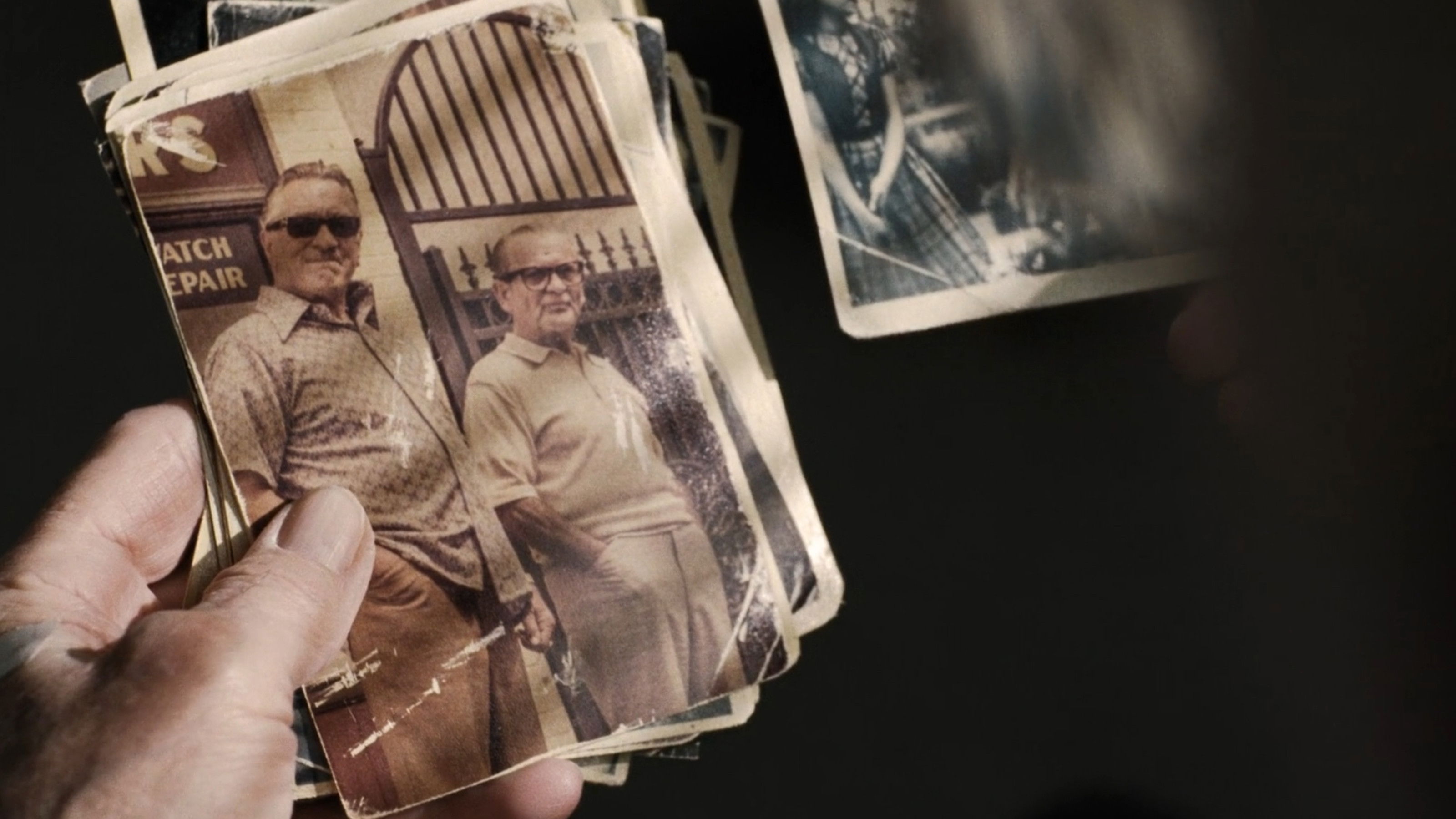
And the de-aging? Everyone gripes about it. But take a deeper look. The performers move like ancient guys . Their eyes were fatigued. Their hands give them away. The technology isn't trying to make them look young, it's trying to show how time erases you even when you're still standing. That disconnect is the point.
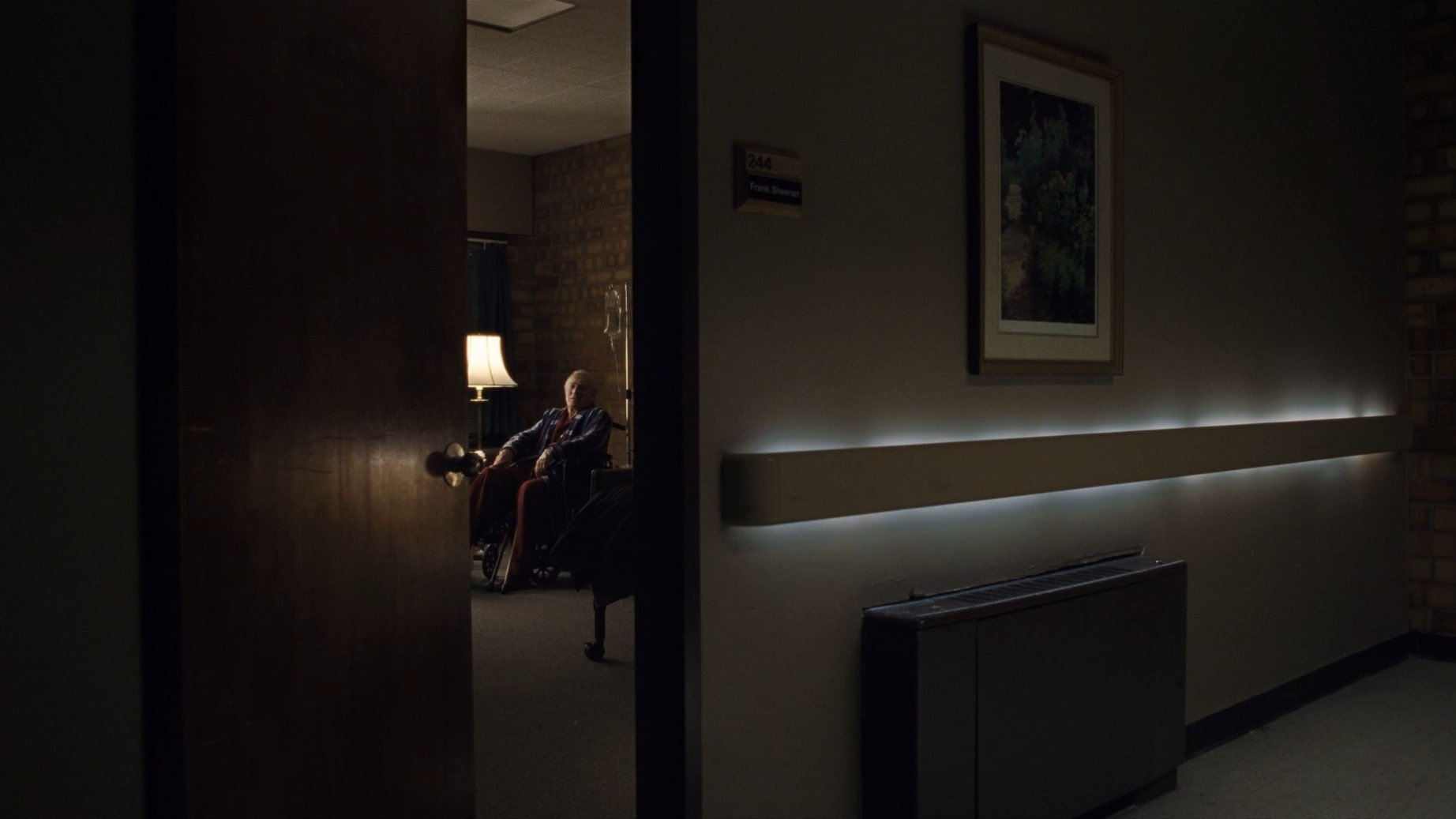
The last shot is heart-breaking. An open door. The smallest crack of light in an empty corridor. Frank won't close it. And the camera just... waits. Like bidding goodbye to an entire era of movies.
Yeah, it's lengthy. Yes, the de-aging can be distracting at times. But the latter act, from road trip to wedding to nursing home, might be the best thing Scorsese has ever filmed. No flash. No freeze frames. Nothing save the silence. Just a dude, waiting to pass.
Three and a half hours of De-aging CGI, no big set pieces, no zooming Scorsese tracking shots through nightclub kitchens. This isn't Goodfellas. It's not supposed to be.
The Irishman is a film about age and regret, about the crushing emptiness at the conclusion of a life lived servicing other people's egos. It’s Scorsese looking back at his own filmography, all those charismatic, dazzling crooks, and saying, “You know what? They all die by themselves.
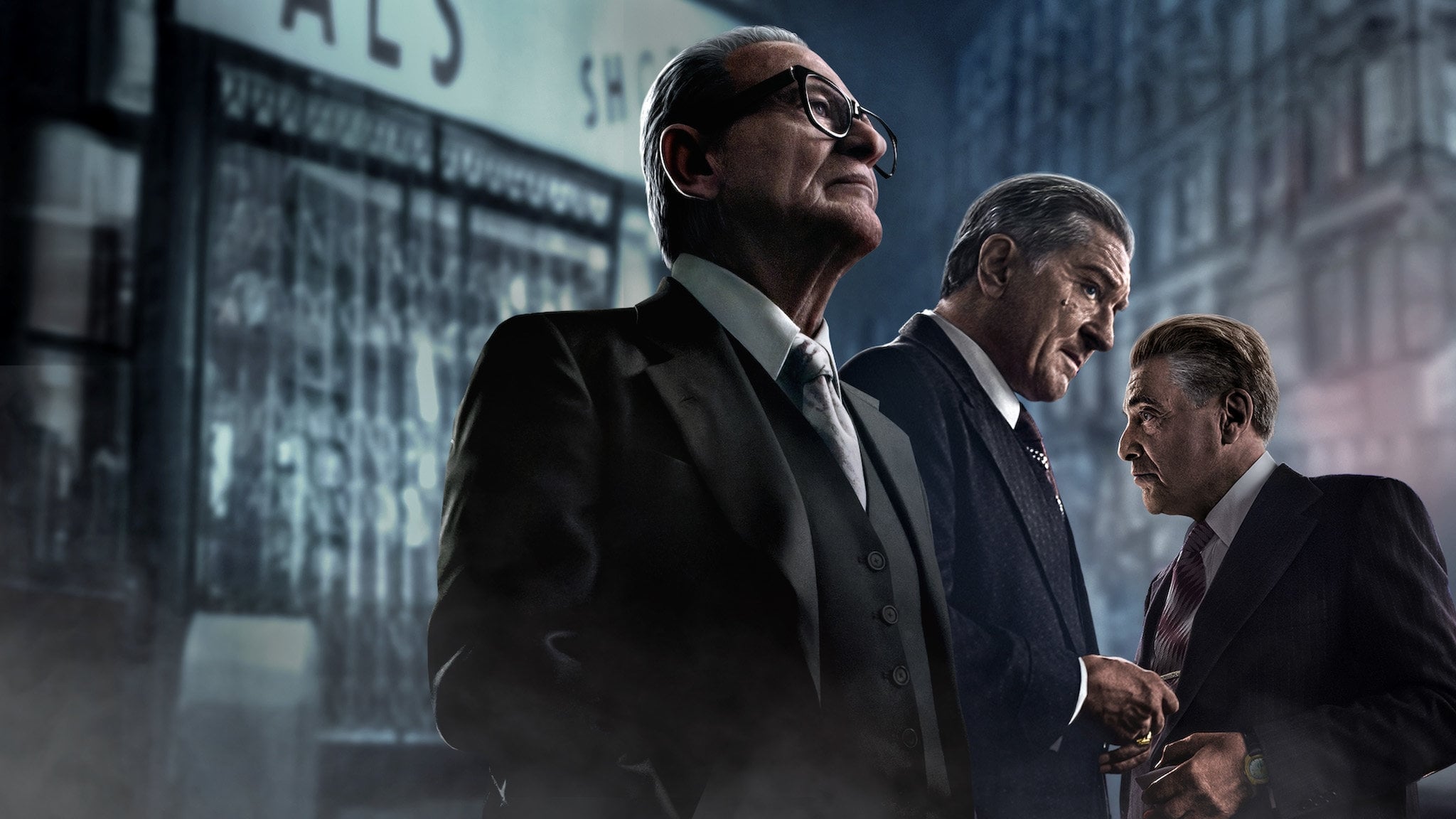
I love how the film plays with light, or the lack of it. Early scenes are warm. Golden hour light coming through diner windows. But as the years go on and the bodies pile up, the palette changes. Blues. Grays. Dull browns. The world is becoming smaller. The interiors grow darker. By the last act Frank is in half-lit rooms and desolate hallways, shadows eating half his face. He's a ghost already. The camera knows.
Prieto is also lingering. Uncomfortably long. A conversation in a car. Frank looking at a fish. A long, never-ending corridor. These aren't action beats, these are death rattles. The film asks that you sit with the weight of stillness, the gap between words, the loneliness of a guy who has outlived all he ever knew.
And the de-aging? Everyone gripes about it. But take a deeper look. The performers move like ancient guys . Their eyes were fatigued. Their hands give them away. The technology isn't trying to make them look young, it's trying to show how time erases you even when you're still standing. That disconnect is the point.
The last shot is heart-breaking. An open door. The smallest crack of light in an empty corridor. Frank won't close it. And the camera just... waits. Like bidding goodbye to an entire era of movies.
Yeah, it's lengthy. Yes, the de-aging can be distracting at times. But the latter act, from road trip to wedding to nursing home, might be the best thing Scorsese has ever filmed. No flash. No freeze frames. Nothing save the silence. Just a dude, waiting to pass.