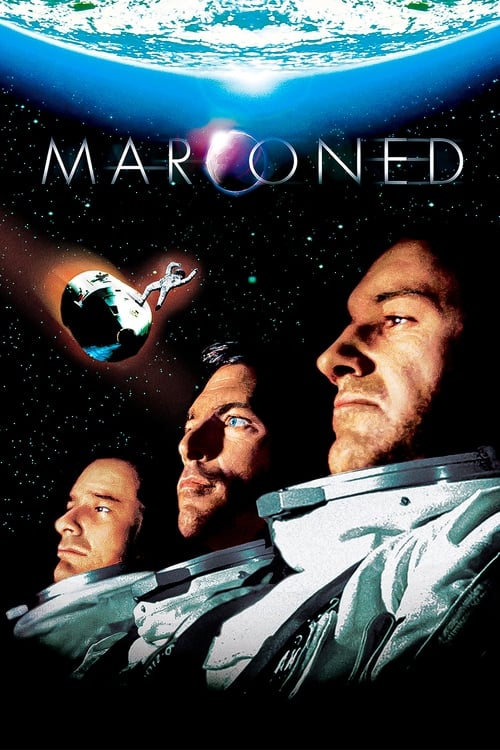
When I was a kid, I used to hang out in book stores looking for science fiction, horror, and whatever else had especially lurid or tech-y covers. At some point I bought copies of Martin Cadin's books 'Cyborg' and 'Marooned.' The first I was way into as it was the basis for 'The Six Million Dollar Man' tv show of which I was a big fan, but the second took me more than a few tries to get into as it was chock full of technical jargon of which I only had the vaguest understanding and none of punching that the leavened the 'science' in 'Cyborg.' Anyway, I did eventually read it and, as I recall, quite liked it, but could really only remember one particular sequence (which is kind of spoiler). And I never got around to watching John Sturges' movie version until now.
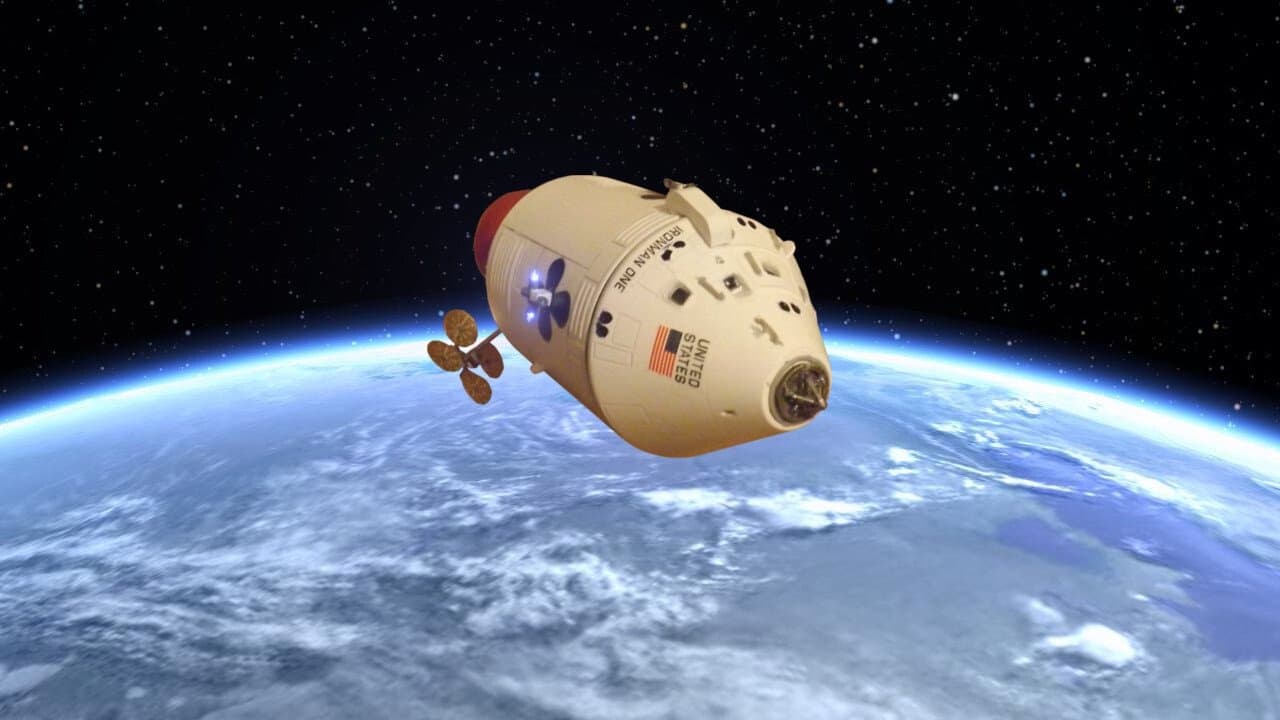
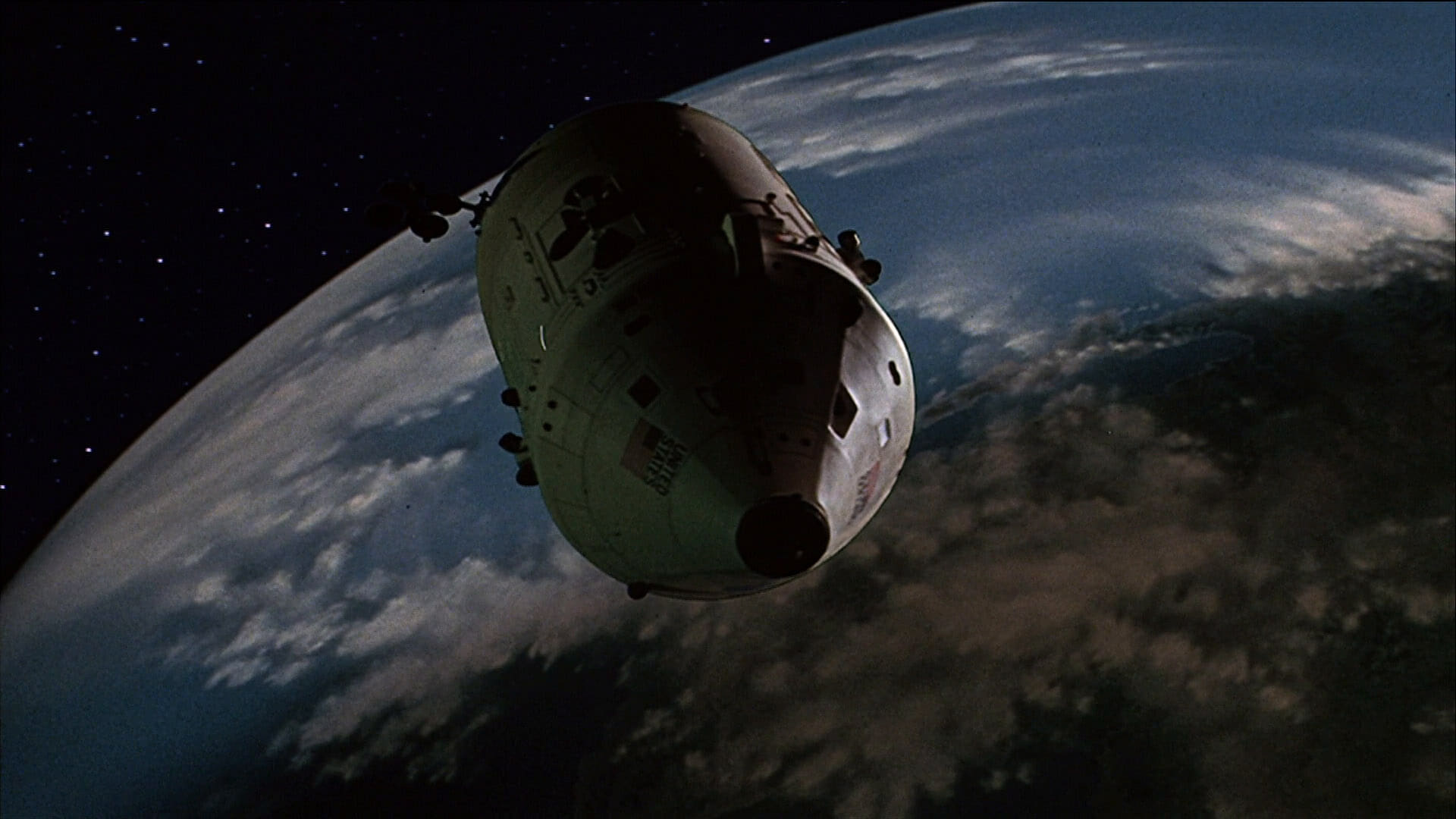
To stay that the film is lethargically paced would be something of an understatement, it's definitely got a vibe, but it is not action-packed by any means and, at 2 plus hours, it really stretches out and rolls around in extended launch sequences (with multiple system checks), classic 60s 'men talking about things' scenes, and tracking shots showing off the majesty of human scientific achievements (mainly rockets and space ships).
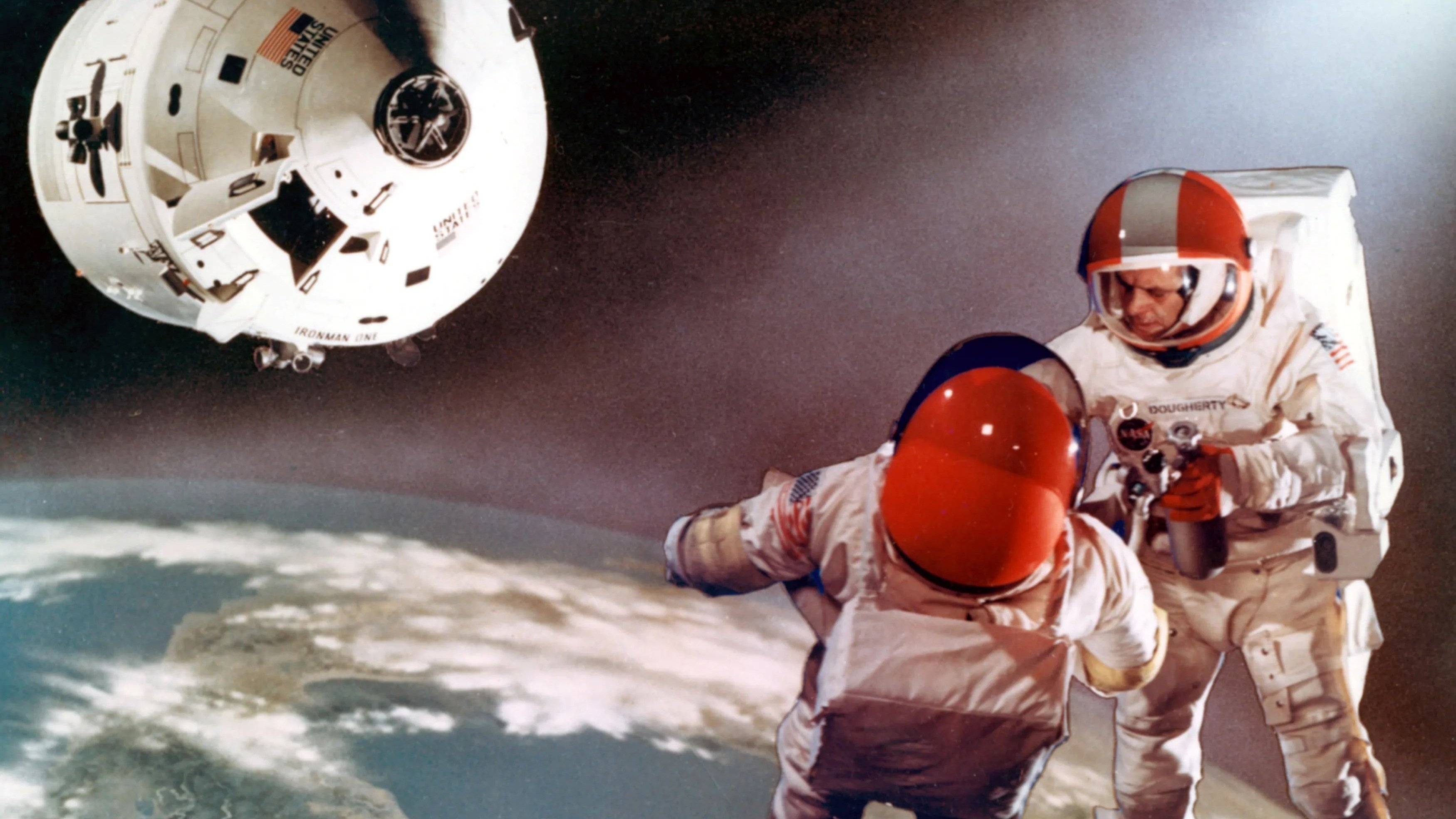
That said, story-wise, it's pretty compact: three astronauts are sent into space to live, for 7 months, on an orbital station to study human adaptability to space travel. After 5 months, there is evidence that these particular astronauts are starting to crack so they are recalled, only to find that, once they are back onboard their entry vehicle, its engines aren't working and so they are forced to sit in a cramped cockpit while Mission Control back on Earth tries to figure out what to do.
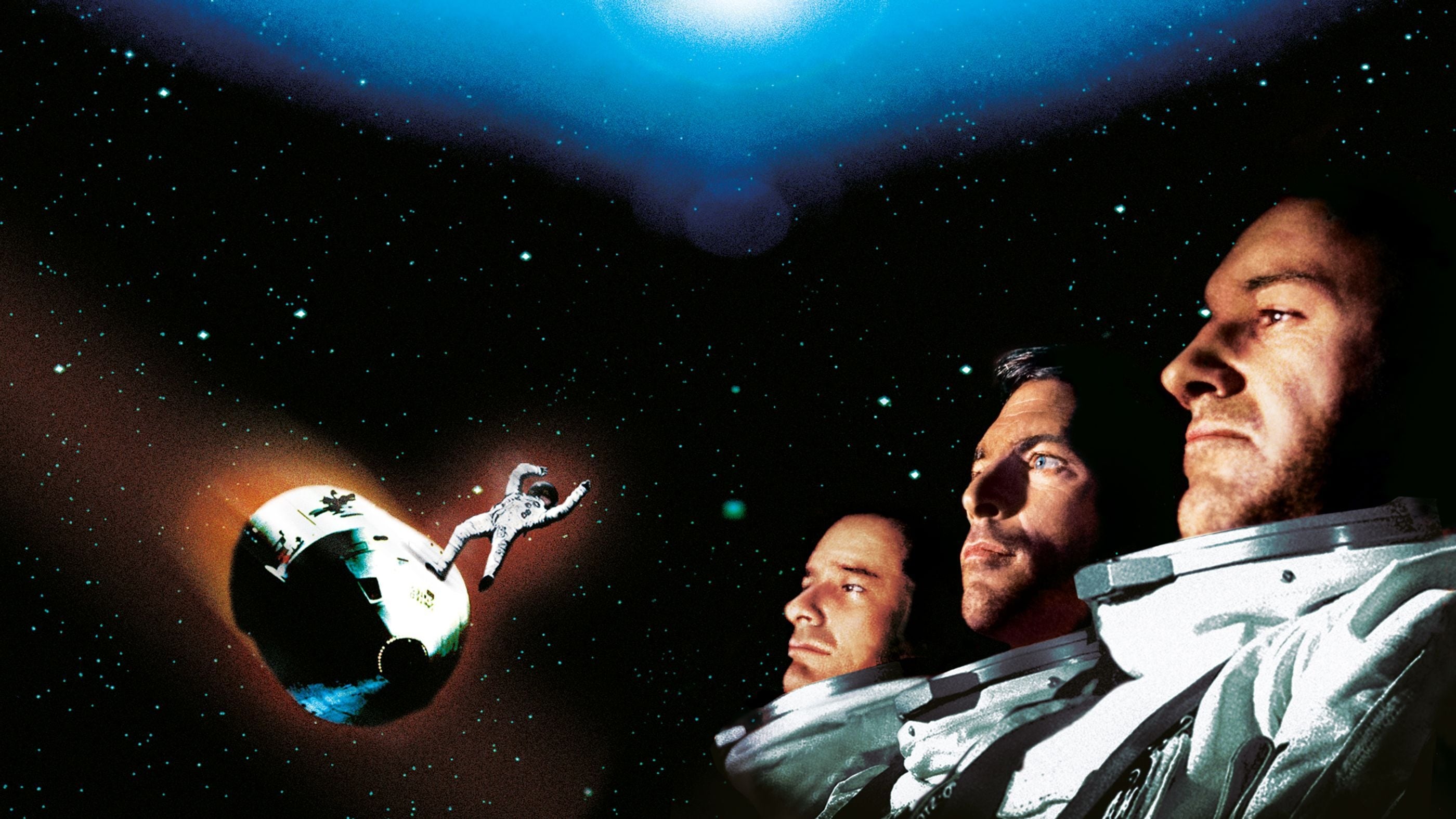
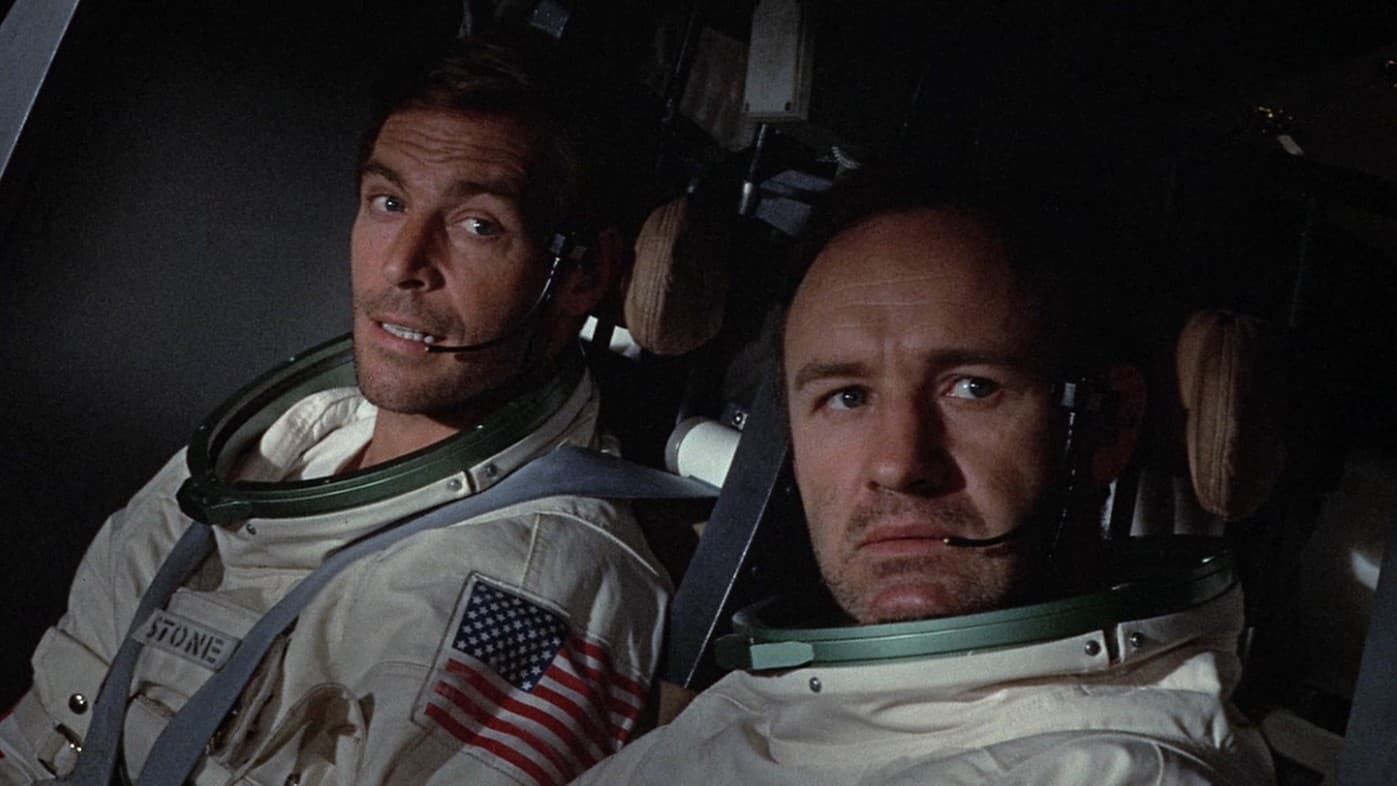
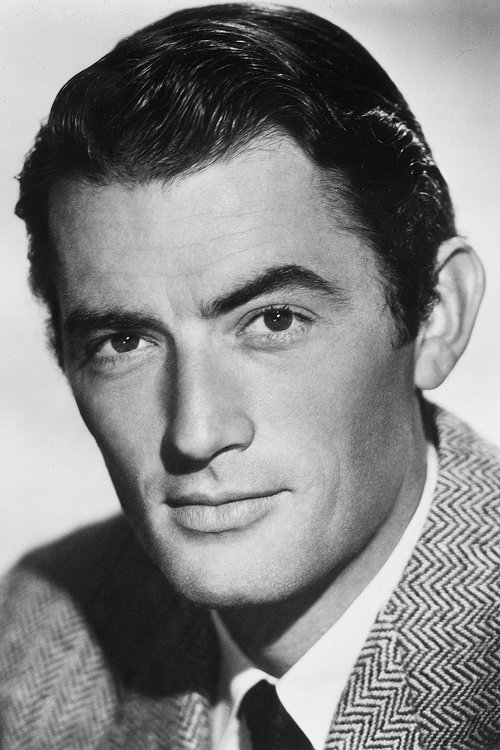
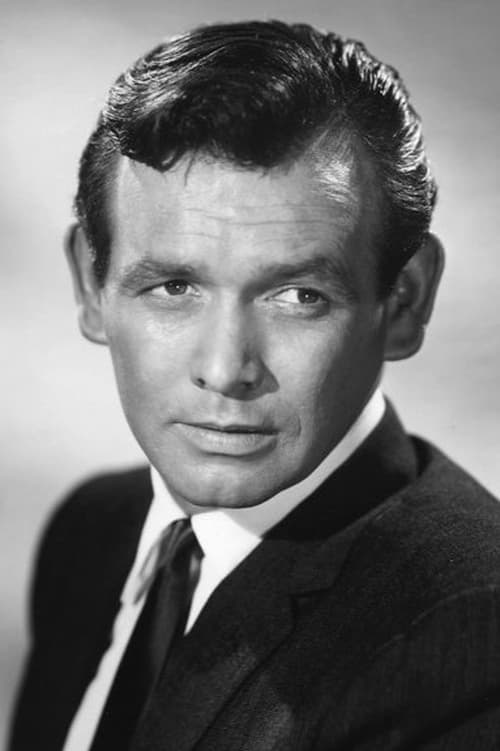
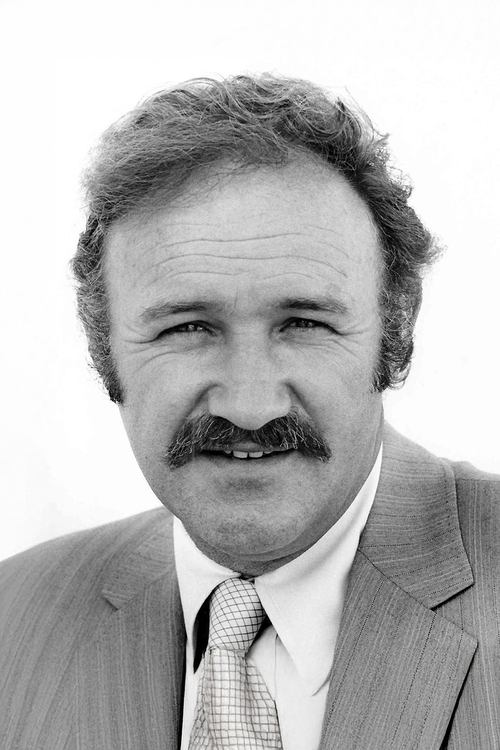
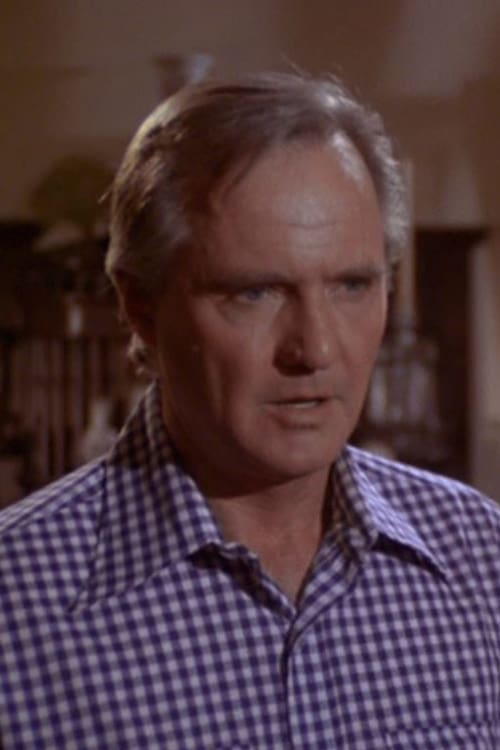
The astronauts, played by Crenna, Franciscus, and Hackman, essentially spend the next hour and half having to act with mostly only their faces ('cause they're in full-body spaces suits and strapped into seats) which is cleverly effective for the plot's claustrophobic nature, and certainly a challenge for the actors, but not, um, visually all that compelling. Meanwhile, Gregory Peck, as the mission lead, spends most of the movie traversing endlessly echoing mint green corridors and talking on telephones. The three astronaut's wives, Grant, Kovack, and Hartley, are almost entirely ignored--much, I suspect, like actual astronaut's wives; there's actually a scene where one of them says, approximately, 'We women should hold on to our feelings and let the men do their jobs,' before they all exit stage left--though each one does later get a close-up, Oscar-reel scene of them talking to their respective husbands.
The film's conclusion, not going quite, perhaps, where you think it's going to go, is pretty rushed, especially given the pace of the rest of the film. And, while it does abandon a couple of intriguing topics that were introduced but never fully explored (such as, and I'm treading around spoilers here, international cooperation and the 'short straw' problem), it does actually wrap the story up, though in that peculiarly 1960s way of, 'well, boys, we've reached the end. Anyone want a coda? No? Ok just slap a 'The End' on it and I see you at the bar.'
Interesting as a formal exercise, with some good performances, but otherwise a bit too clunky in delivery and too slowly paced to really maintain intensity (though perhaps my brain might be too warped by dopamine rushes and clickbait at this point).
When I was a kid, I used to hang out in book stores looking for science fiction, horror, and whatever else had especially lurid or tech-y covers. At some point I bought copies of Martin Cadin's books 'Cyborg' and 'Marooned.' The first I was way into as it was the basis for 'The Six Million Dollar Man' tv show of which I was a big fan, but the second took me more than a few tries to get into as it was chock full of technical jargon of which I only had the vaguest understanding and none of punching that the leavened the 'science' in 'Cyborg.' Anyway, I did eventually read it and, as I recall, quite liked it, but could really only remember one particular sequence (which is kind of spoiler). And I never got around to watching John Sturges' movie version until now.
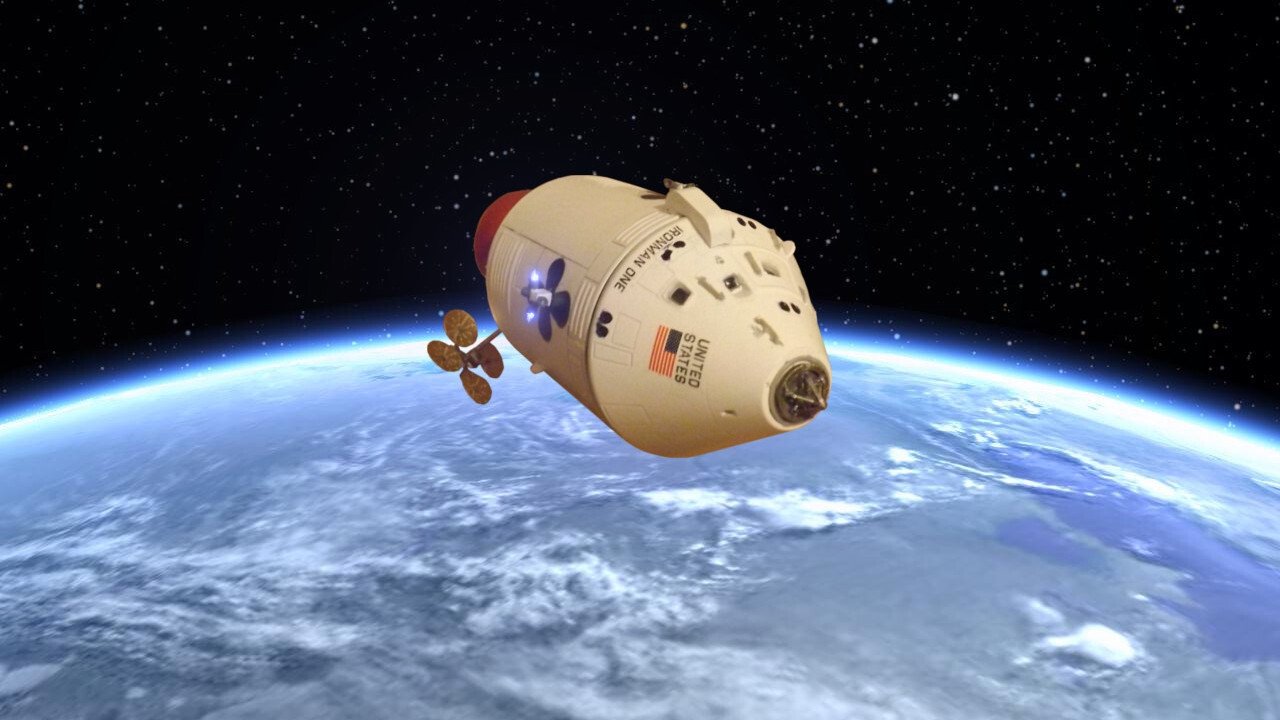
To stay that the film is lethargically paced would be something of an understatement, it's definitely got a vibe, but it is not action-packed by any means and, at 2 plus hours, it really stretches out and rolls around in extended launch sequences (with multiple system checks), classic 60s 'men talking about things' scenes, and tracking shots showing off the majesty of human scientific achievements (mainly rockets and space ships).
That said, story-wise, it's pretty compact: three astronauts are sent into space to live, for 7 months, on an orbital station to study human adaptability to space travel. After 5 months, there is evidence that these particular astronauts are starting to crack so they are recalled, only to find that, once they are back onboard their entry vehicle, its engines aren't working and so they are forced to sit in a cramped cockpit while Mission Control back on Earth tries to figure out what to do.
The astronauts, played by Crenna, Franciscus, and Hackman, essentially spend the next hour and half having to act with mostly only their faces ('cause they're in full-body spaces suits and strapped into seats) which is cleverly effective for the plot's claustrophobic nature, and certainly a challenge for the actors, but not, um, visually all that compelling. Meanwhile, Gregory Peck, as the mission lead, spends most of the movie traversing endlessly echoing mint green corridors and talking on telephones. The three astronaut's wives, Grant, Kovack, and Hartley, are almost entirely ignored--much, I suspect, like actual astronaut's wives; there's actually a scene where one of them says, approximately, 'We women should hold on to our feelings and let the men do their jobs,' before they all exit stage left--though each one does later get a close-up, Oscar-reel scene of them talking to their respective husbands.
The film's conclusion, not going quite, perhaps, where you think it's going to go, is pretty rushed, especially given the pace of the rest of the film. And, while it does abandon a couple of intriguing topics that were introduced but never fully explored (such as, and I'm treading around spoilers here, international cooperation and the 'short straw' problem), it does actually wrap the story up, though in that peculiarly 1960s way of, 'well, boys, we've reached the end. Anyone want a coda? No? Ok just slap a 'The End' on it and I see you at the bar.'
Interesting as a formal exercise, with some good performances, but otherwise a bit too clunky in delivery and too slowly paced to really maintain intensity (though perhaps my brain might be too warped by dopamine rushes and clickbait at this point).