“they’ll come back. they cannot die”
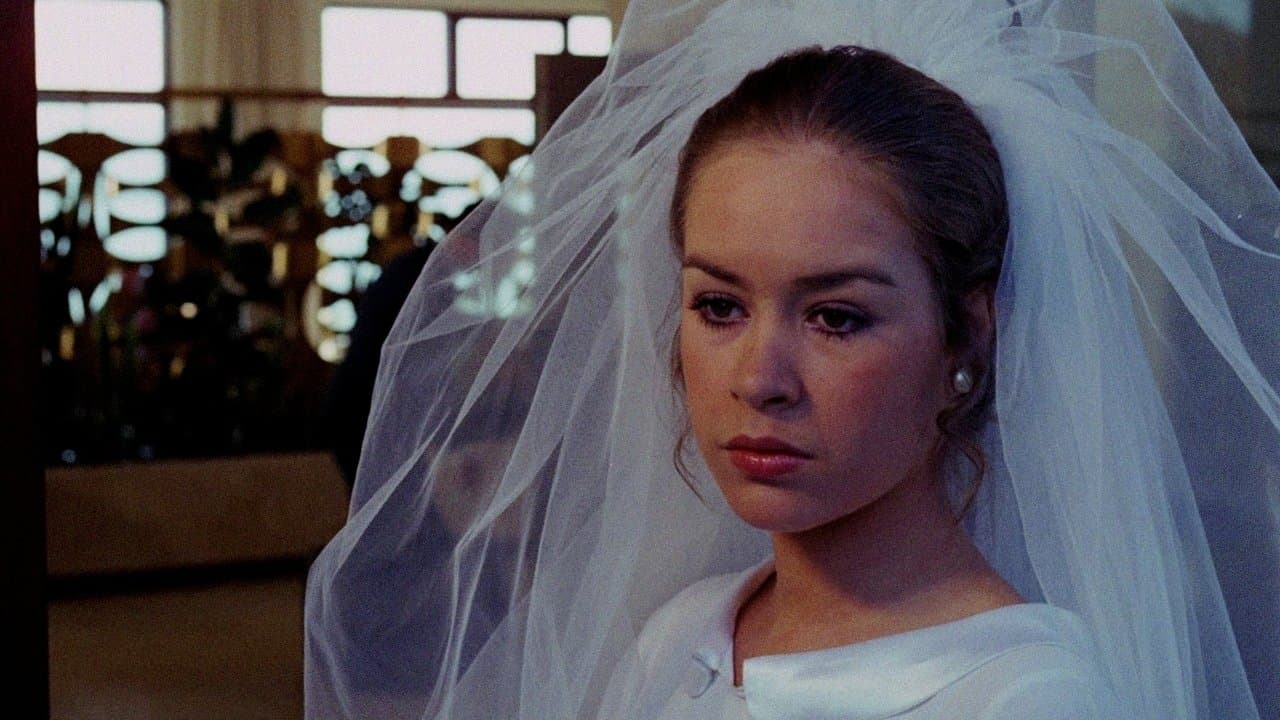
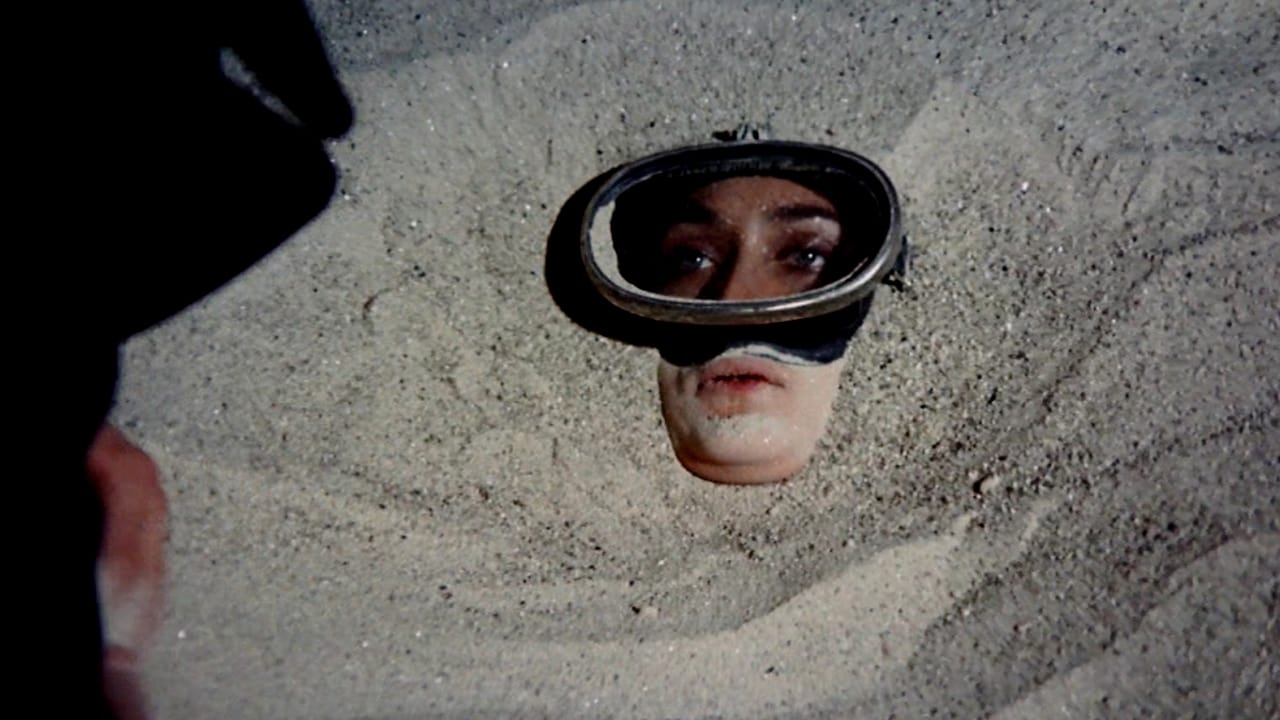
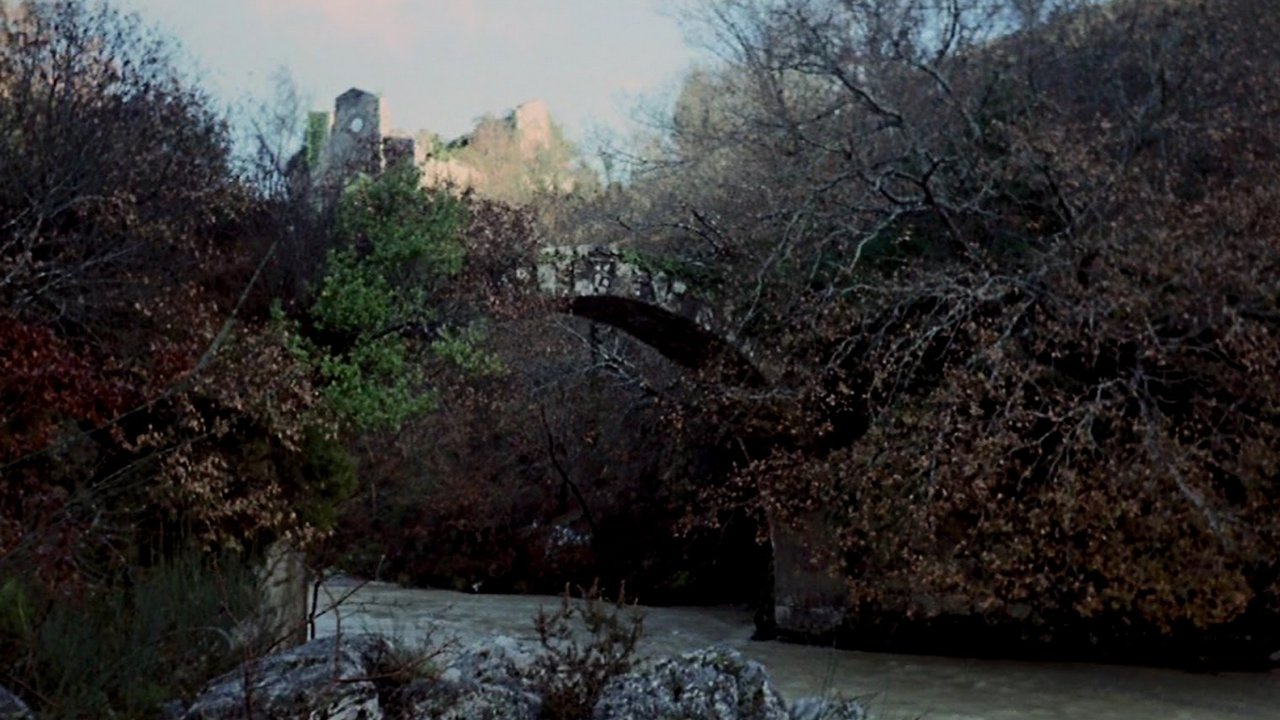
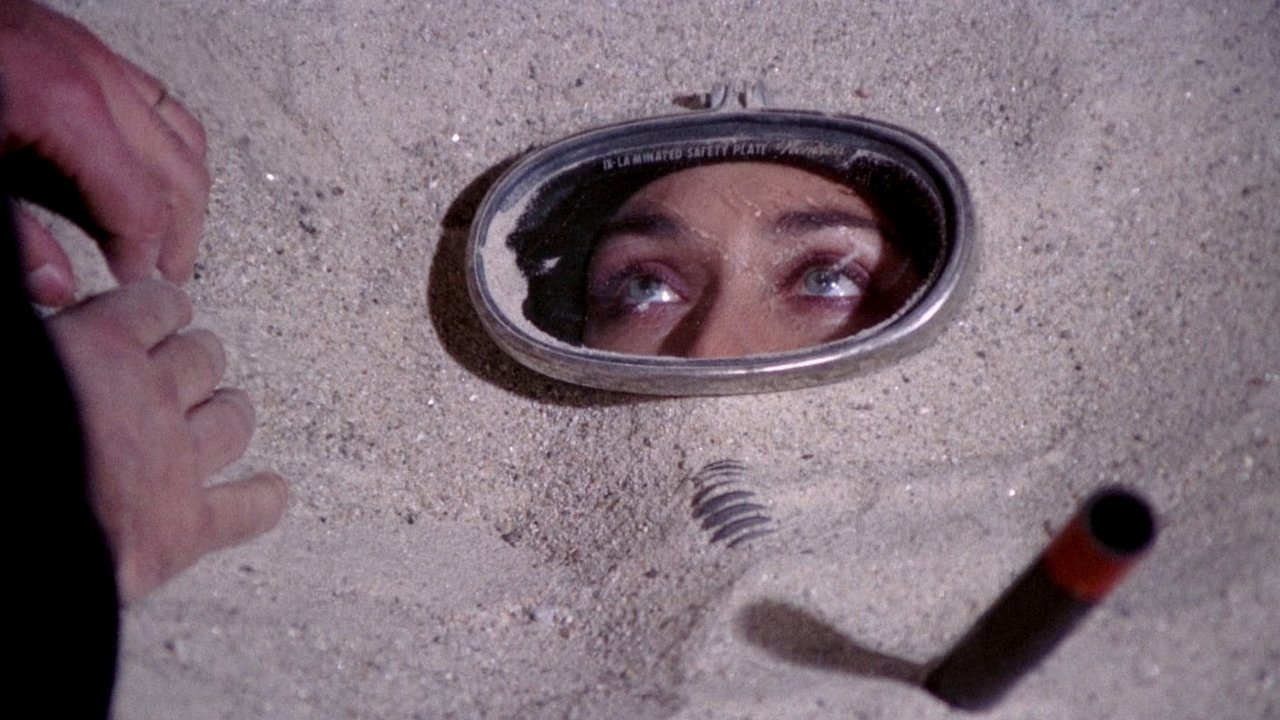
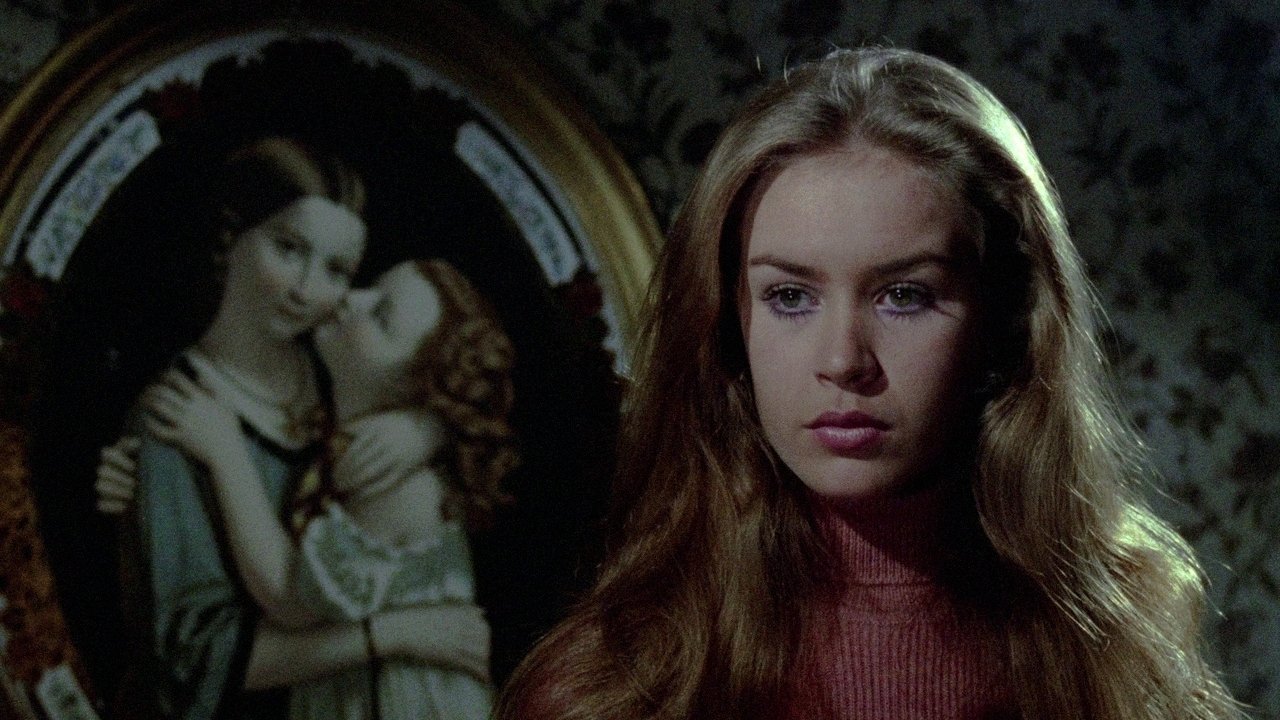
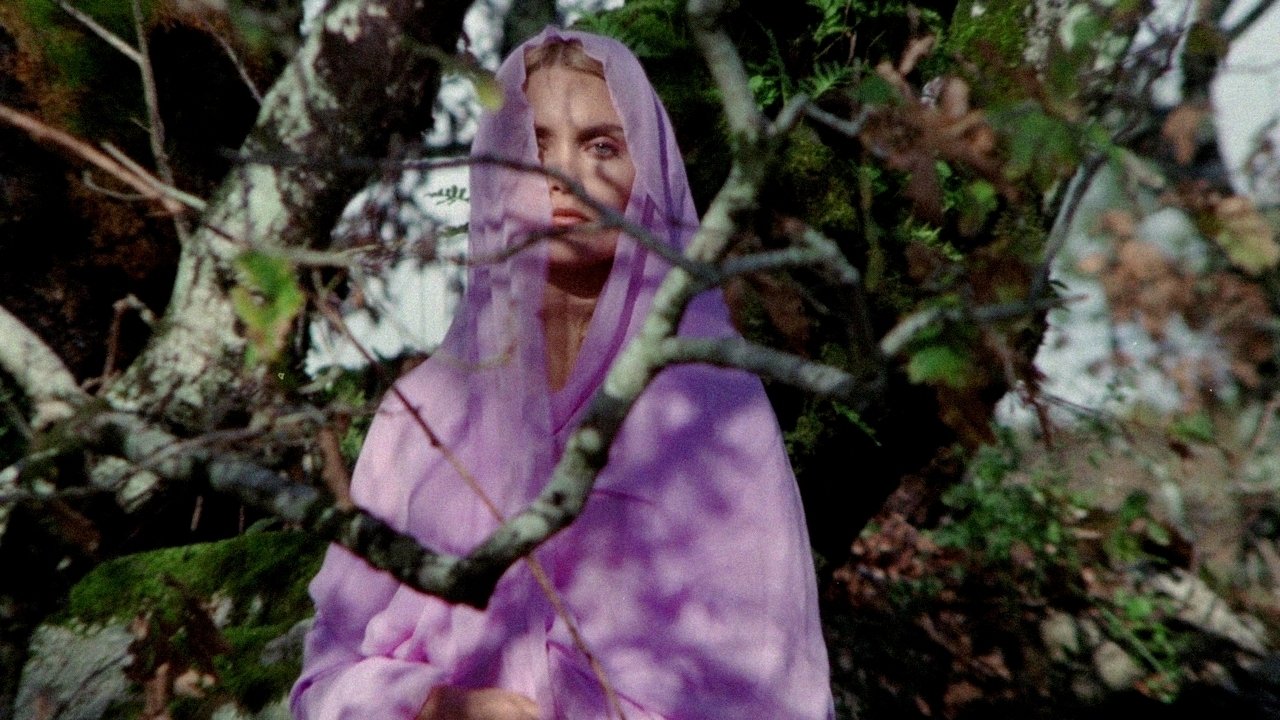
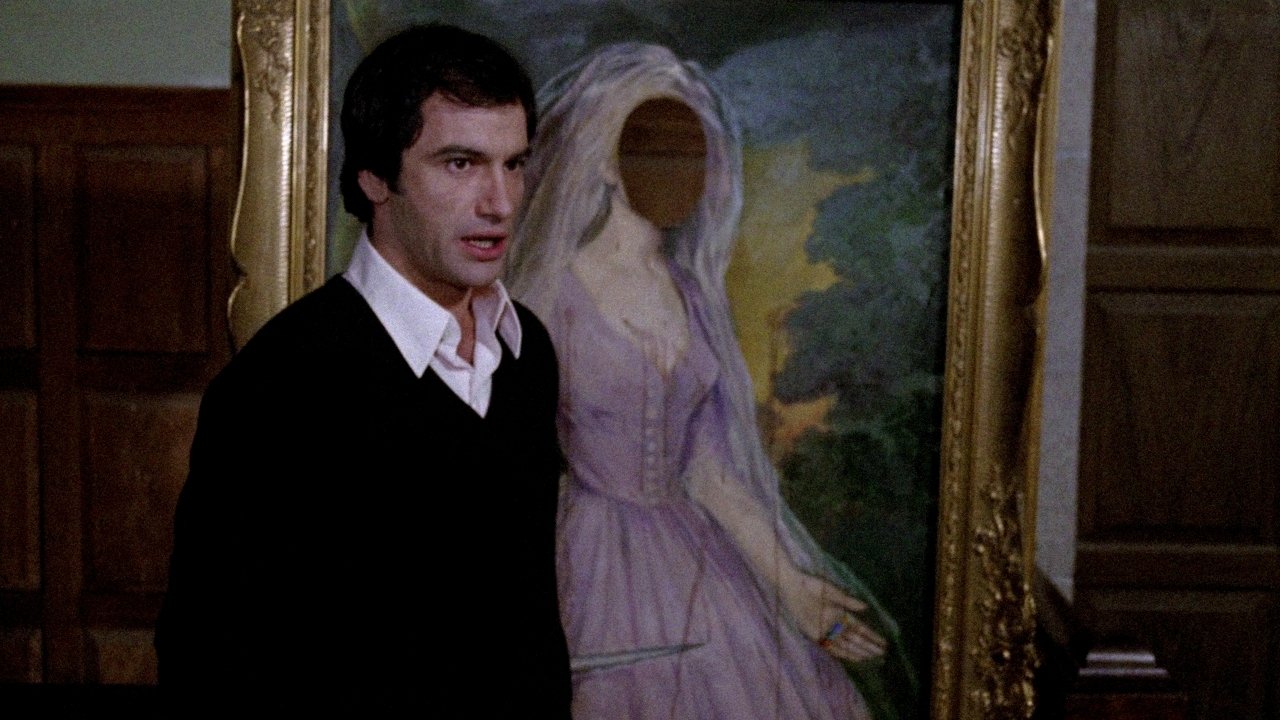
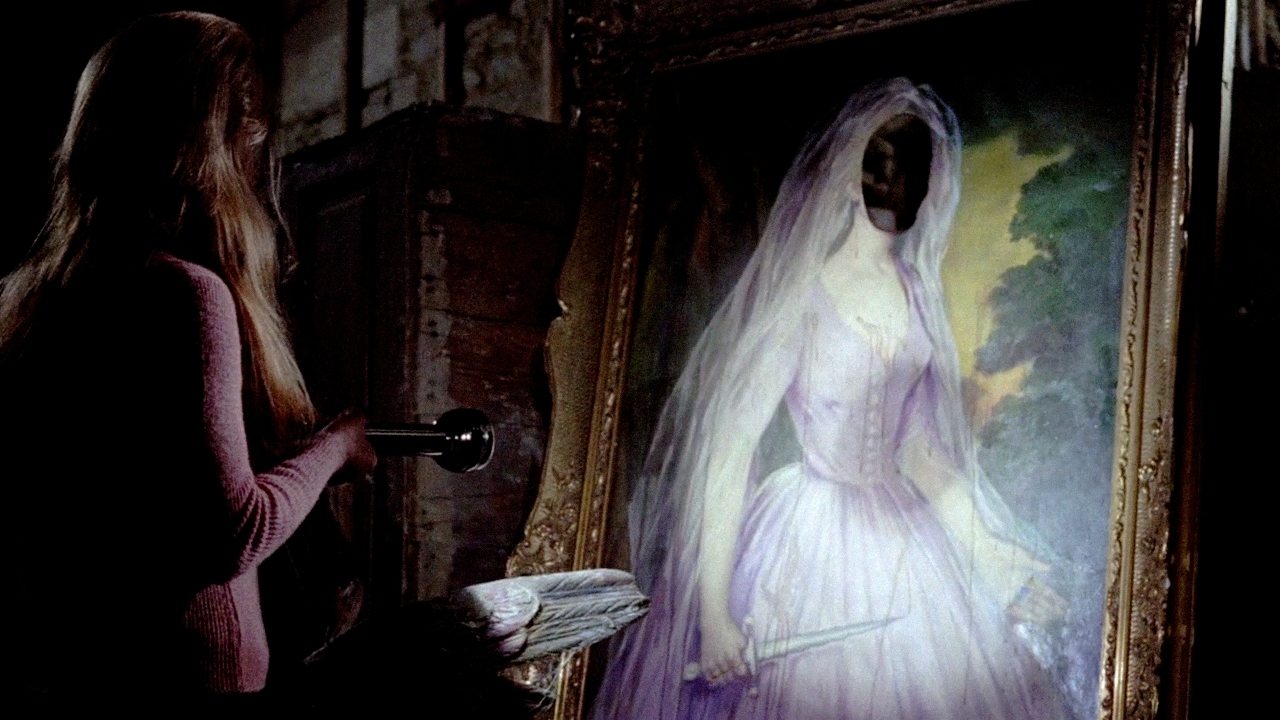
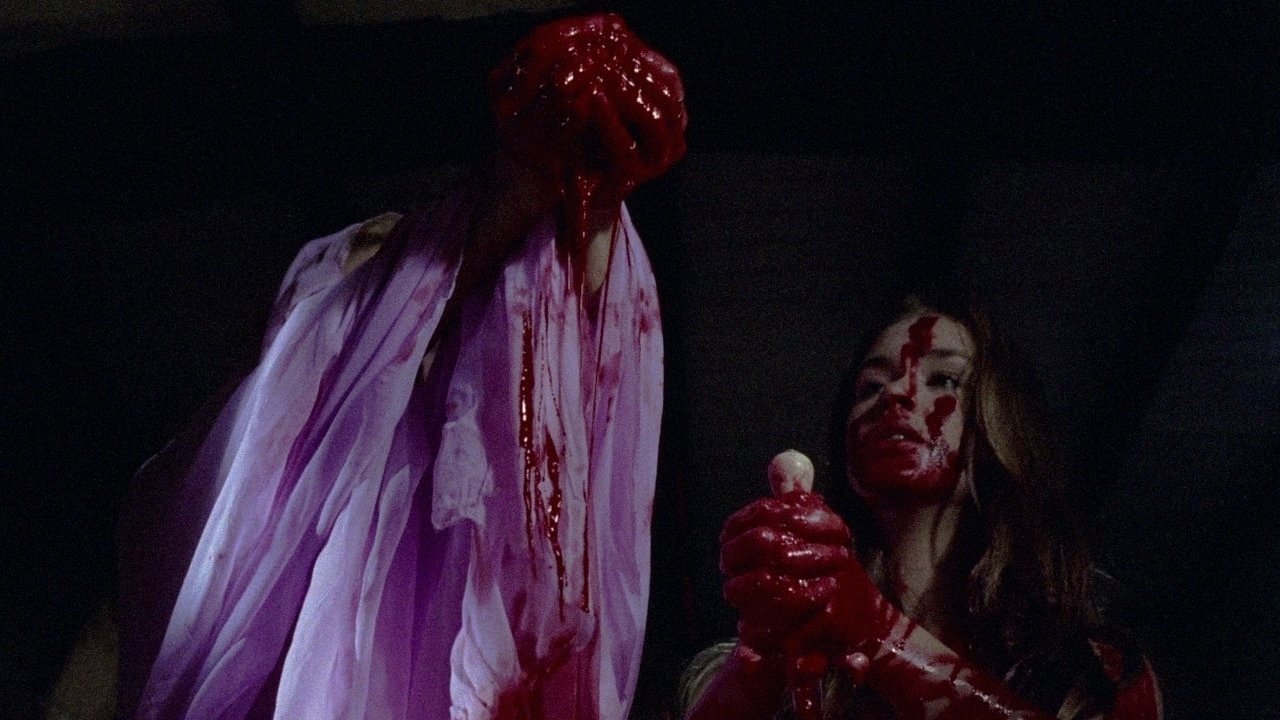
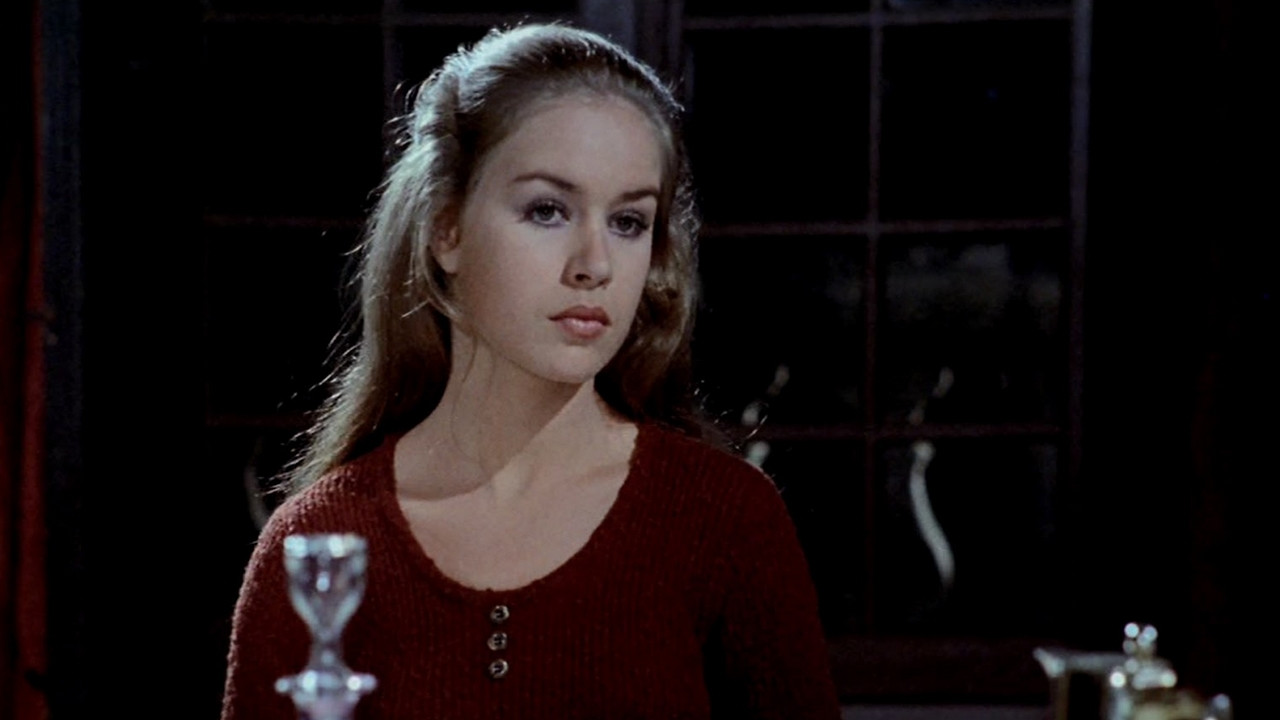
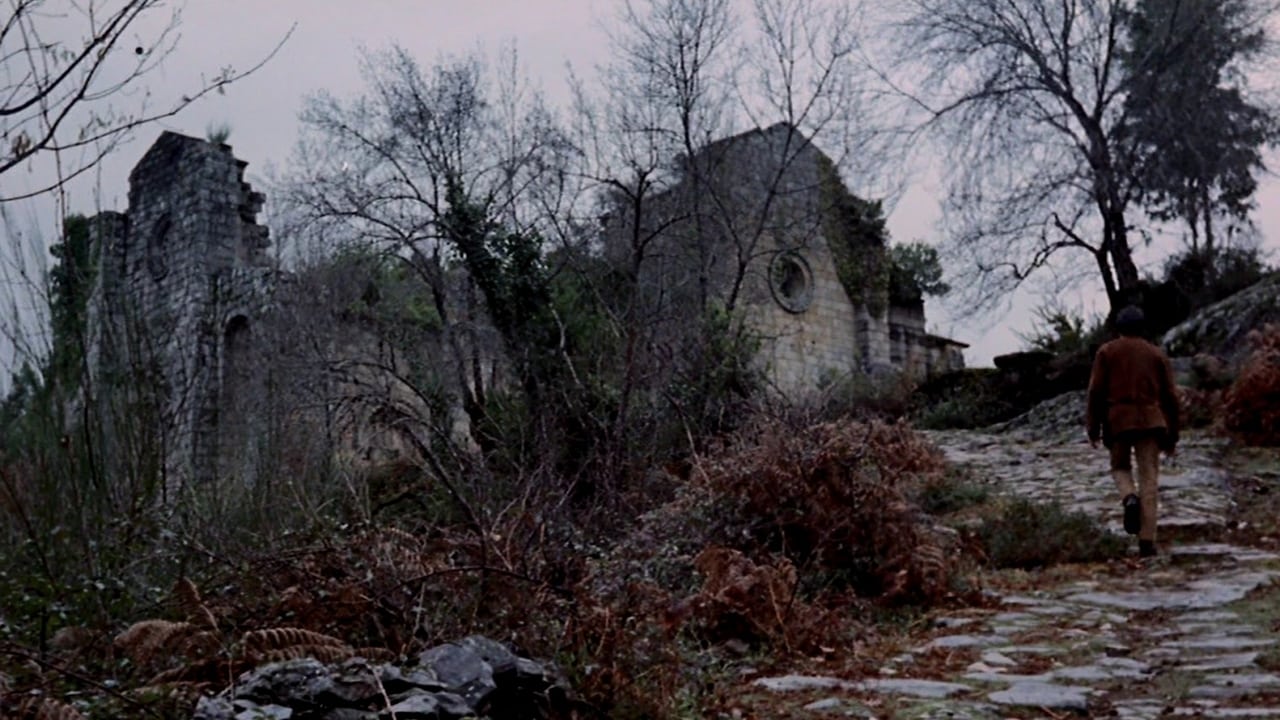
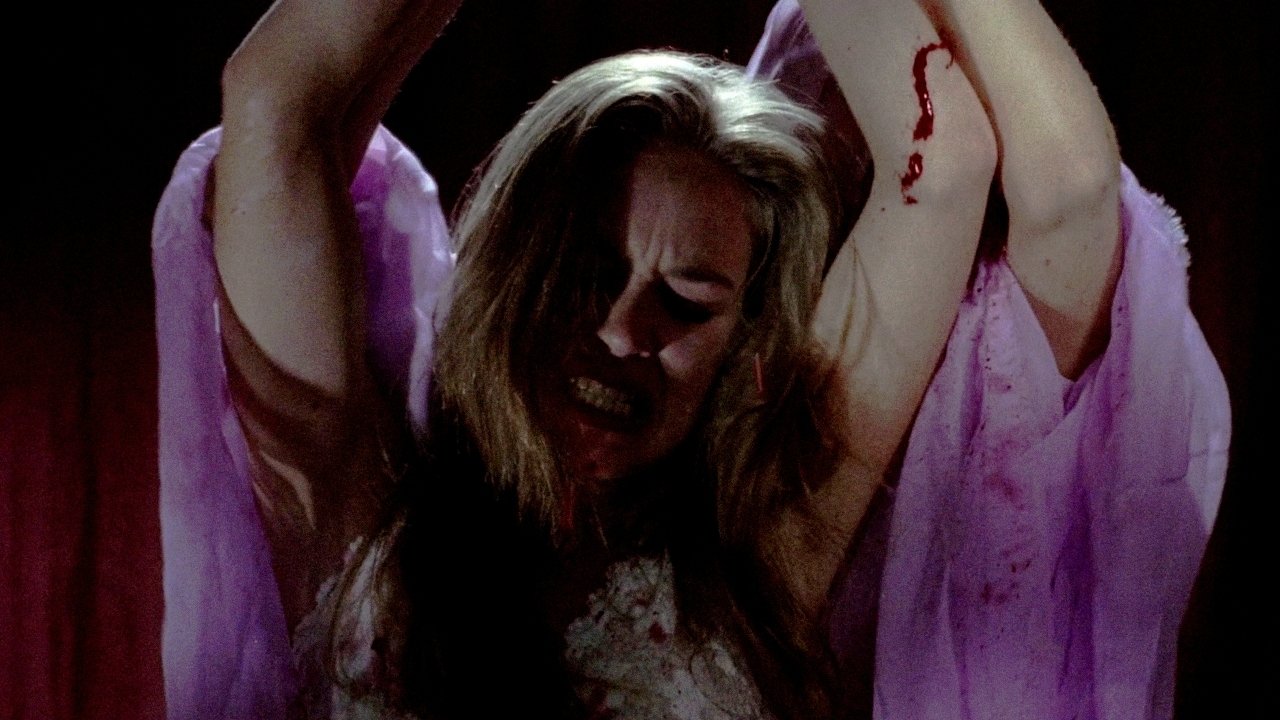
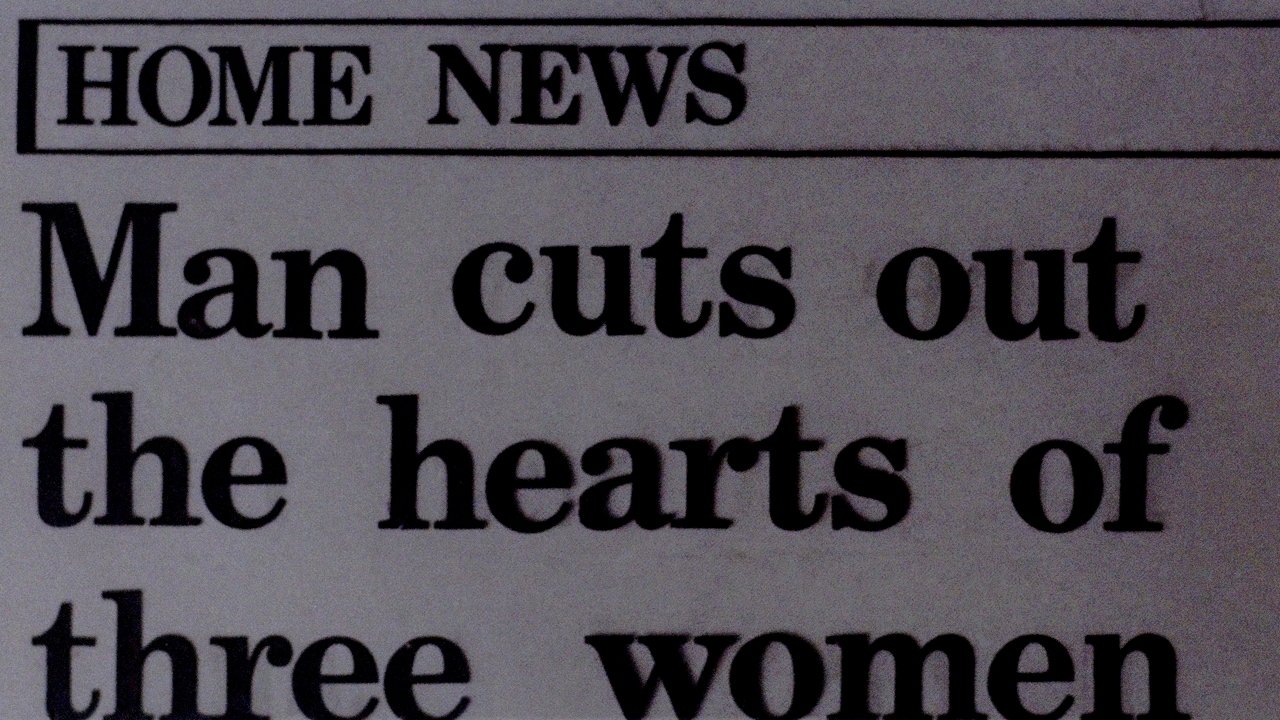
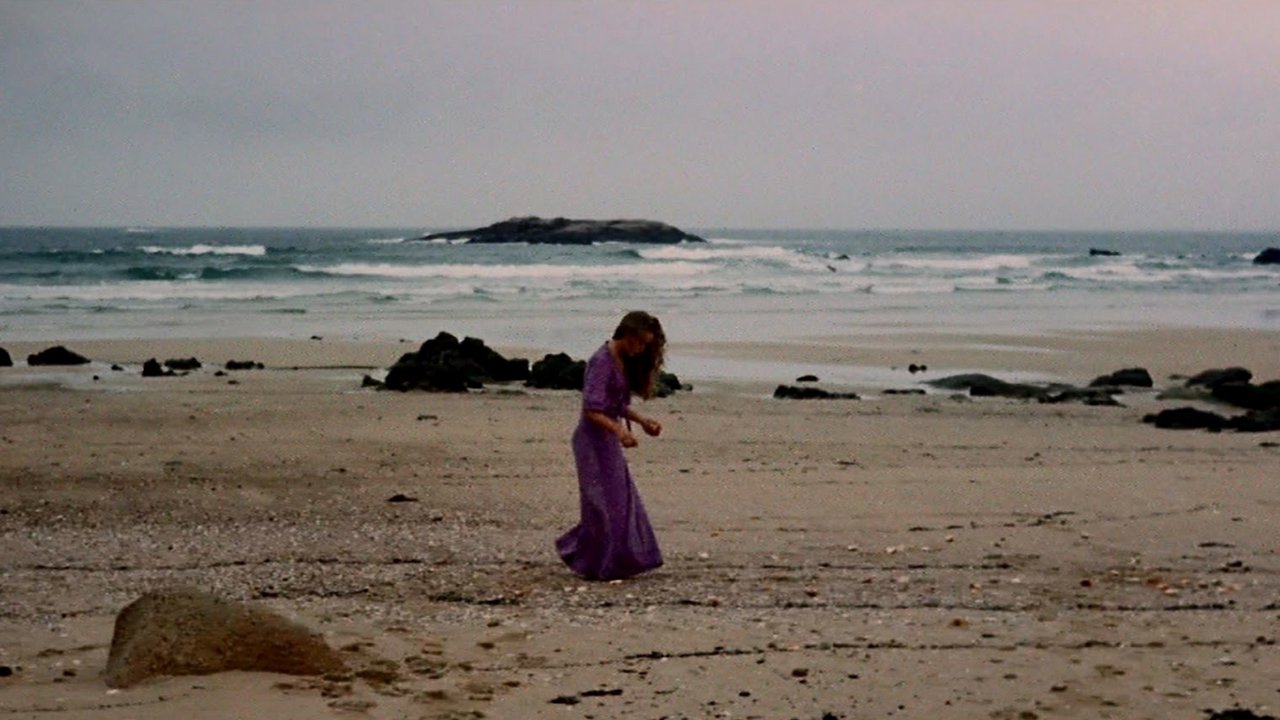
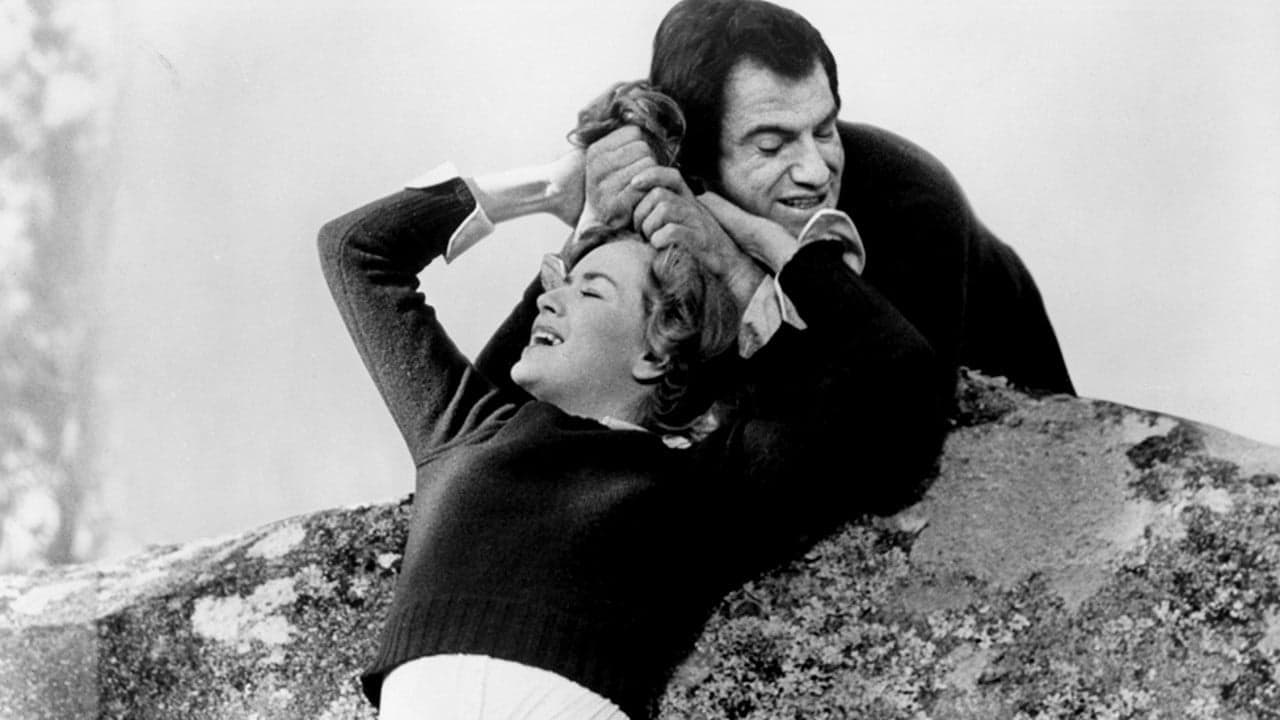
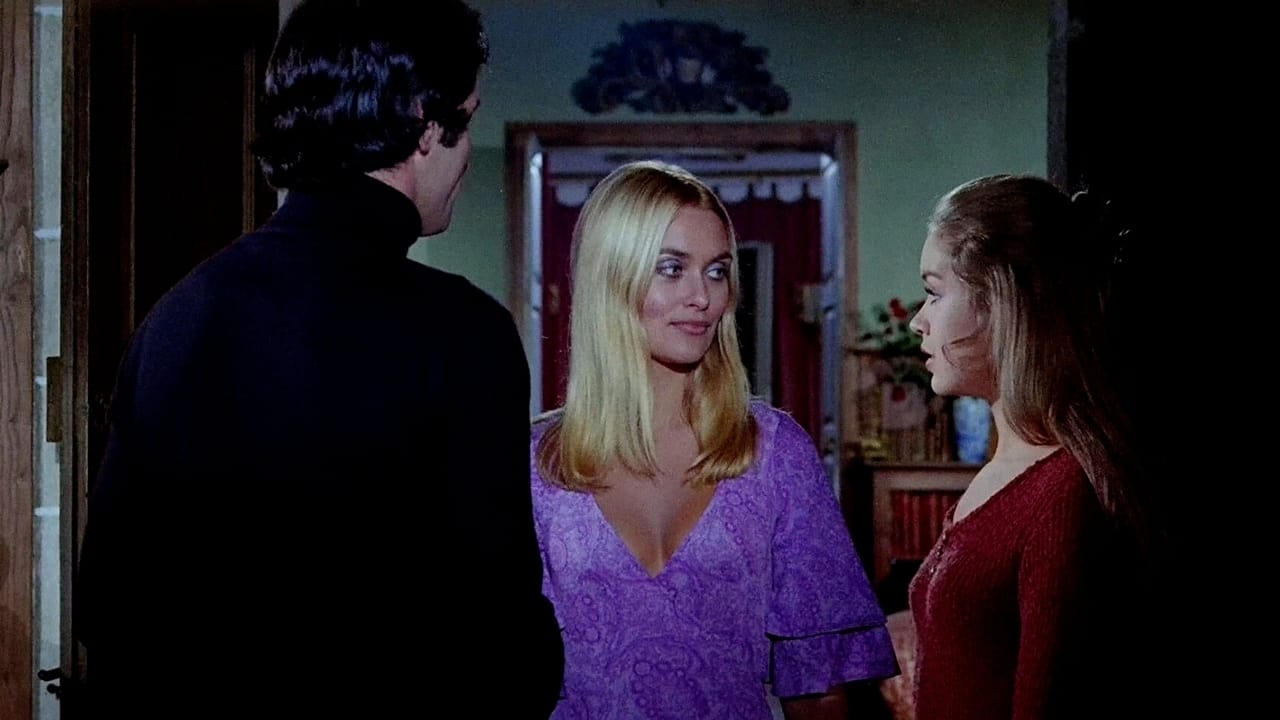
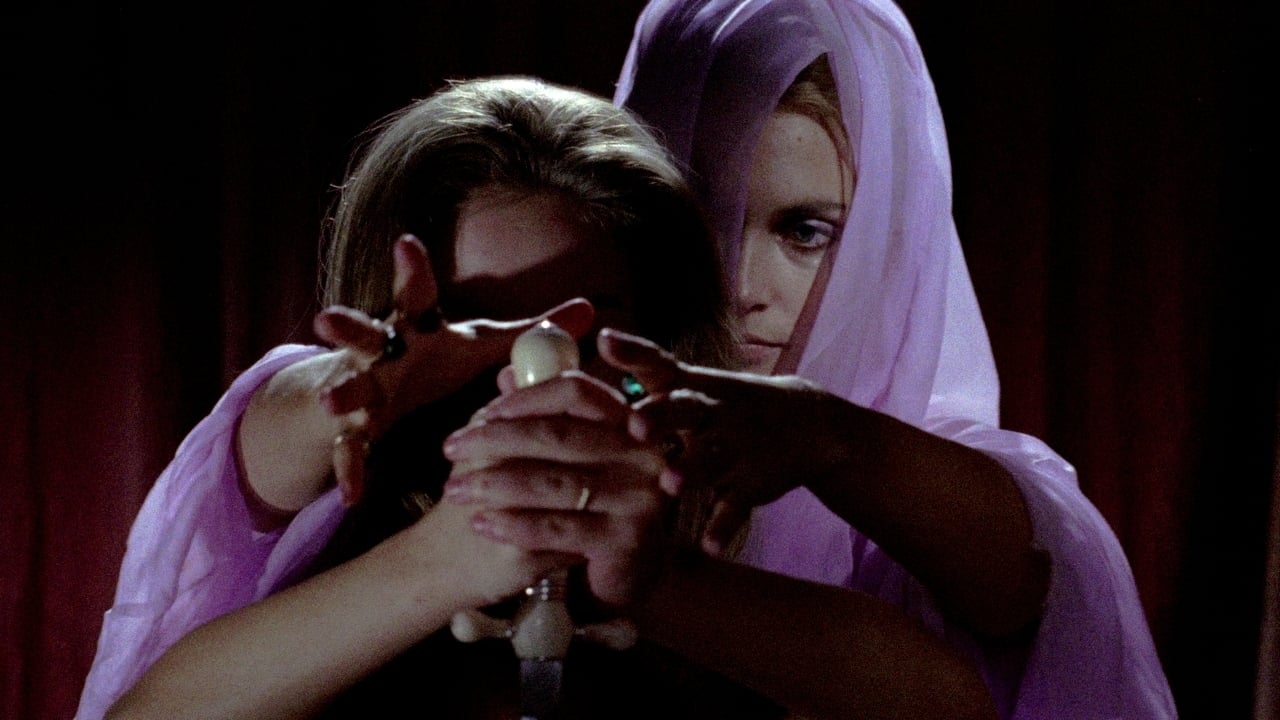
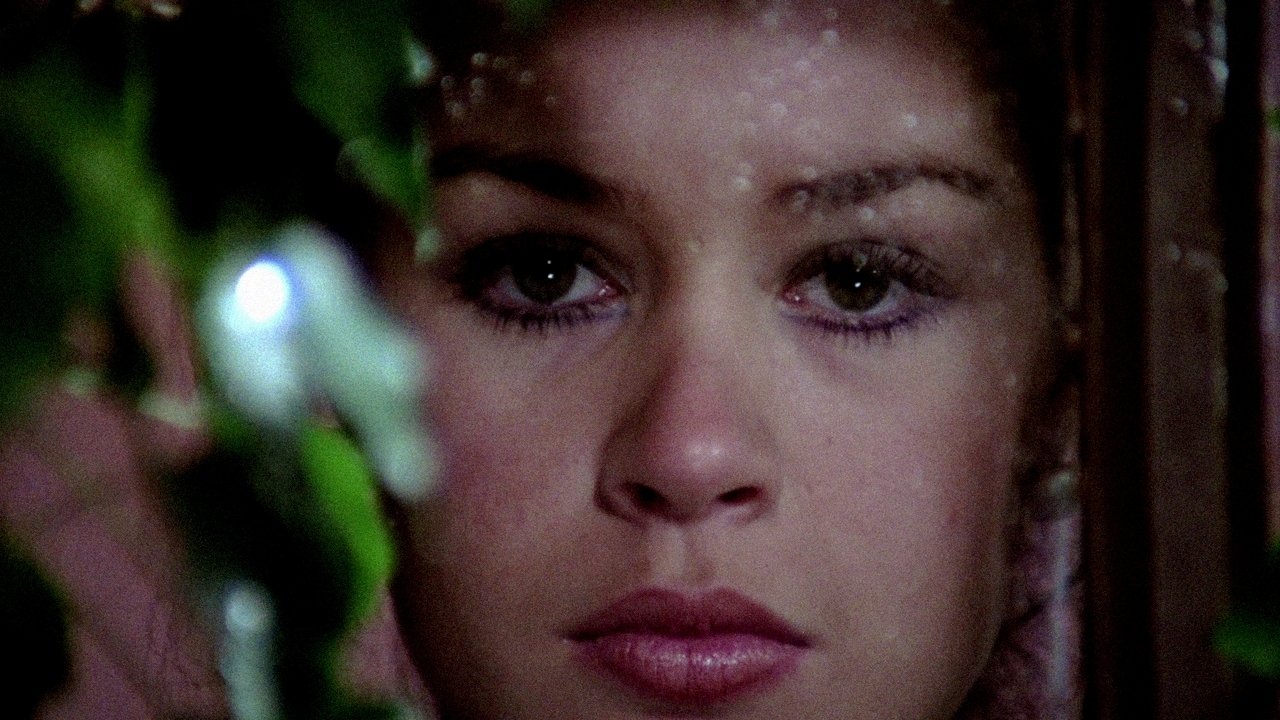
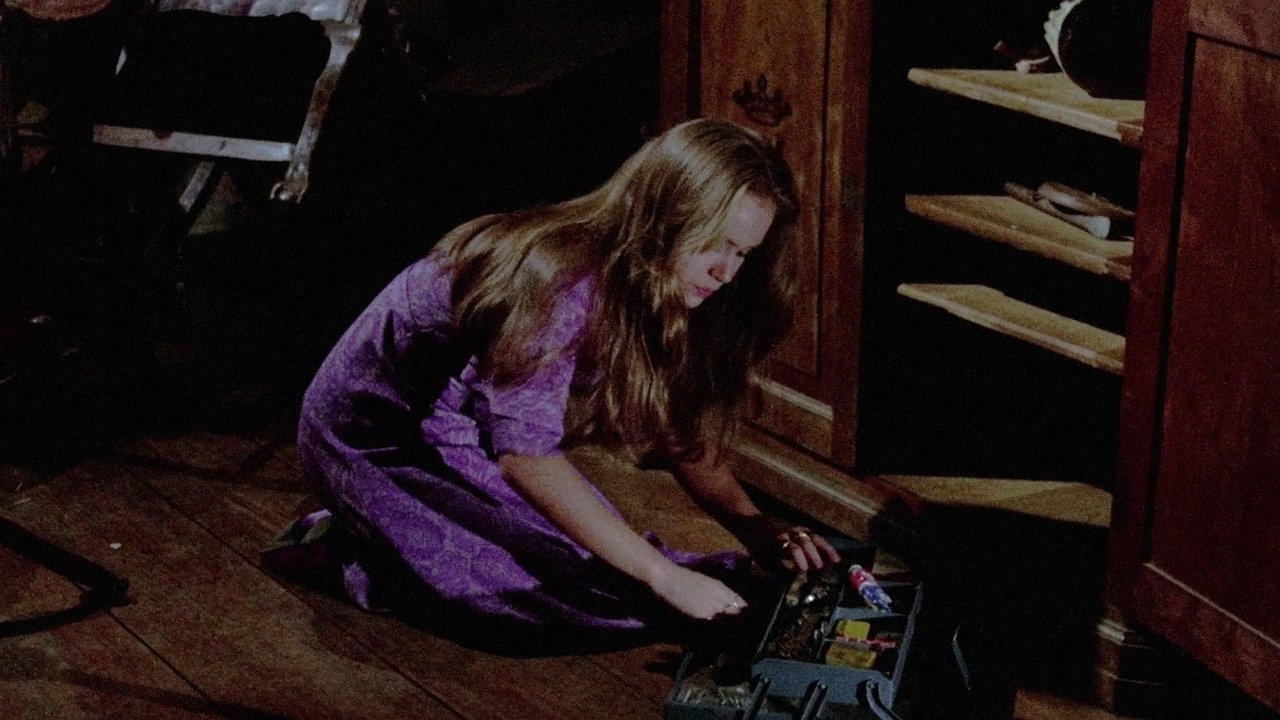
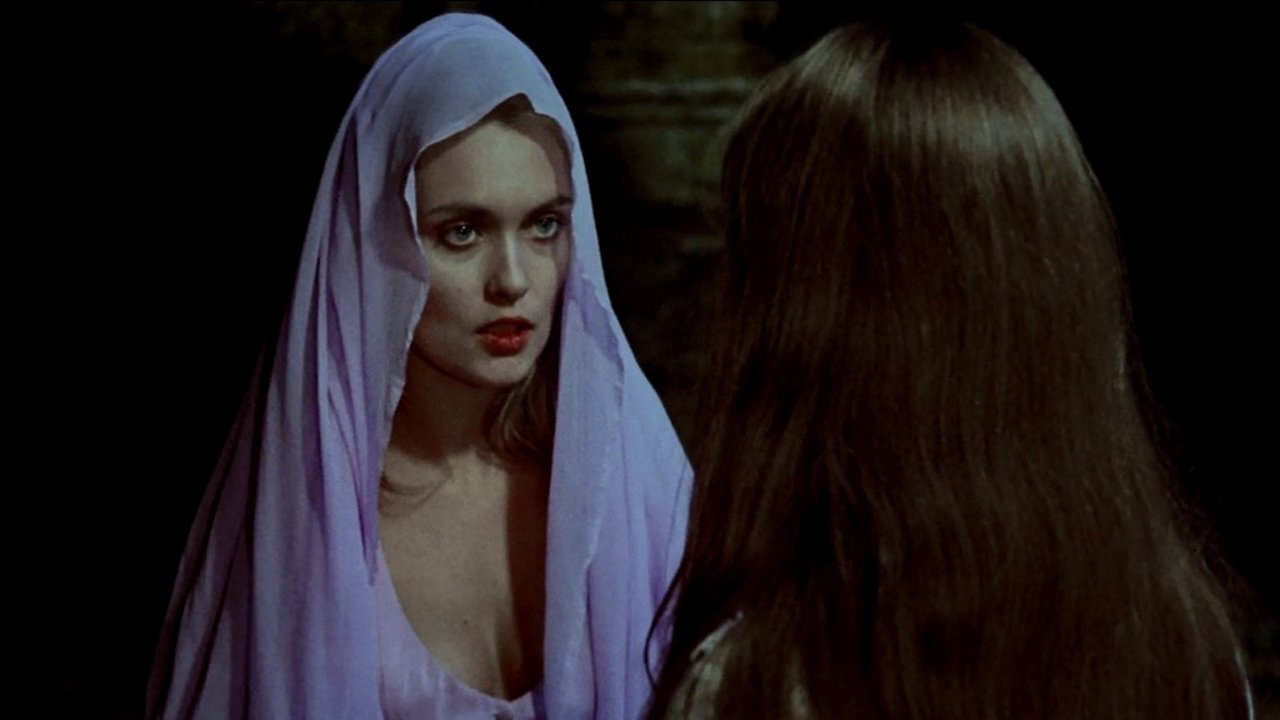
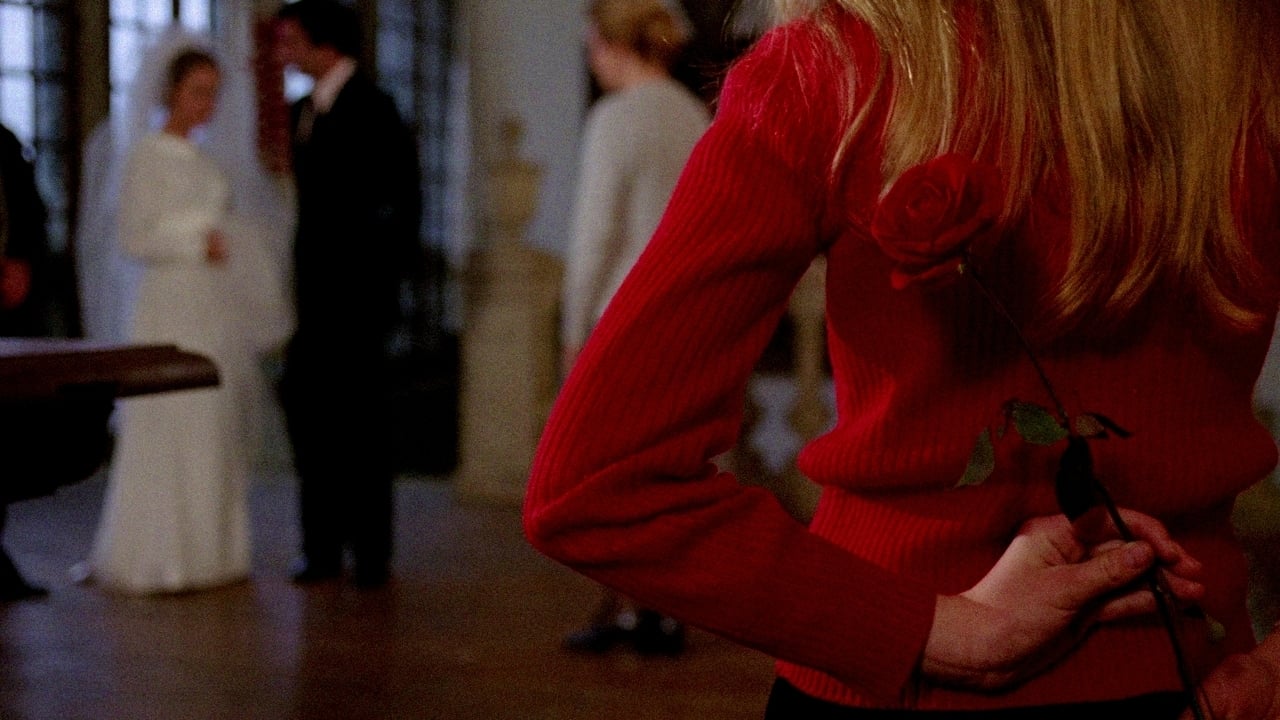
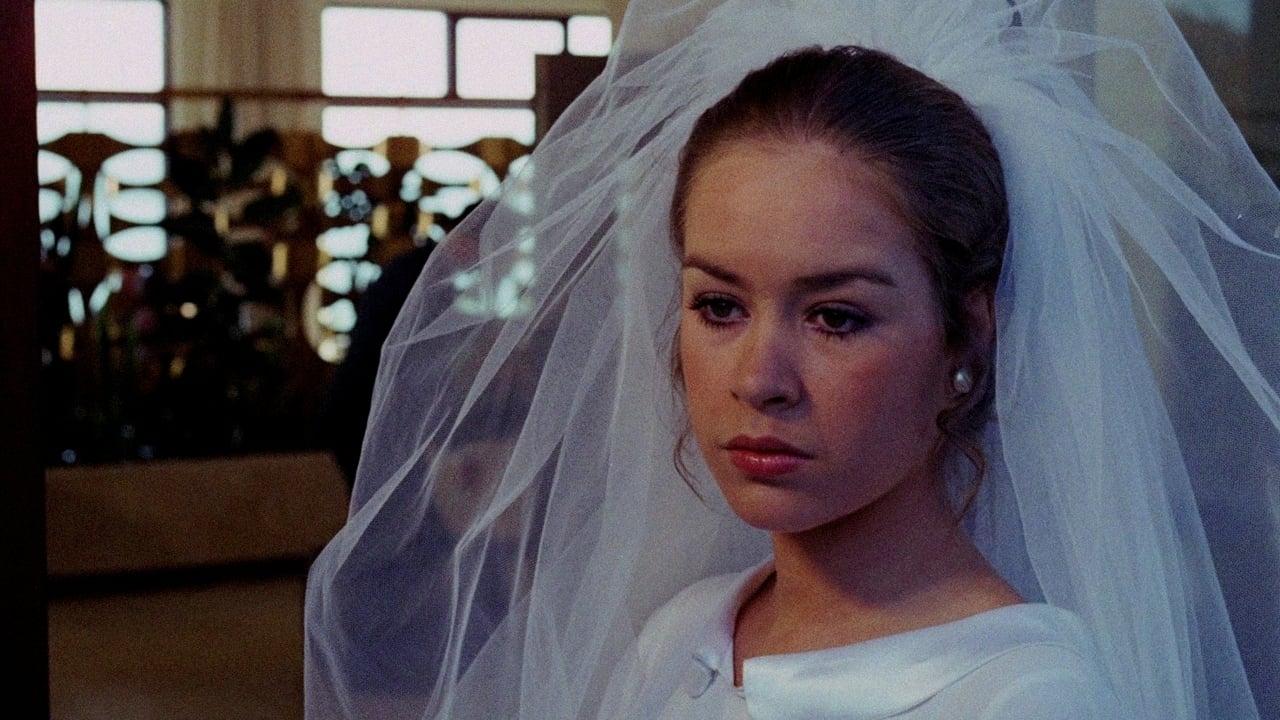
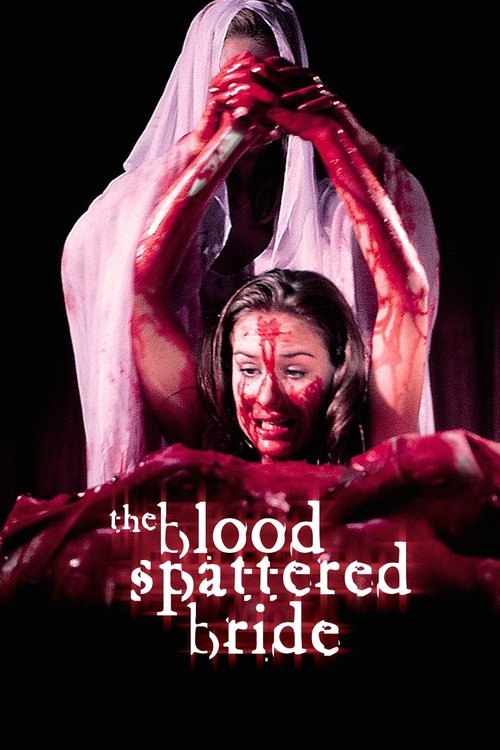
i’ve had a weird spike of interest in exploitation films - specifically the lesbian vampire subgenre, watching about 3 back to back. out of all those, this is definitely the weird outlier and the one that stuck out to me the most for all the right reasons. when you think of exploitation cinema, you would expect something that lacks taste, is deeply cynical and is simply capitalising of a trend using shock content to gain tickets, rather than any real depth - while this is definitely a exploitation film, it feels like it has a purpose, and isn’t such full shock (which there definitely is high levels of gore, plus likely real animal death). the reason this feels so different to any other ‘lesbian vampire’ film is that is just feels so slow, so surreal, so bizarre, maybe even slighly pretentious, with a deeply interesting allegory that makes me respect the film a whole lot more. a major criticism i see frequently is that ‘the blood splattered bride’ is deeply dragged out - and certain scenes feel like they last unnecessarily long. while i definitely agree partially, it purposefully uses slow shots to successfully create a fever-dream like film, something that feels off in one way or another. exploitation films usually have claims of misogyny - but i feel like this movie is completely feminist (which could be seen in other movies within the subgenre also). at its core, this movie is a horror story on the dangers of marriage upon women - as they are confined and even trapped - which could link to how women were seen as property to men in past eras. things such as the defacing of the portrait suggest how women who go against the patriarchy are punished. the greatest feminist subtext comes from the marital-rape scene, which is a key moment making the protagonist get surreal dreams on castrating her husband - and she conjures vampirism almost as a defense mechanism of her husbands cruel use of power against her. her relationship with camilla could see as subversion of the male gaze - the protagonist becomes liberated when she escapes the demands of men. camilla, unlike her husband, doesn’t push herself onto her and instead provides her with social intimacy and helps her reclaim her autonomy from the patriarchy. i know i went on a complete tangent there, but this film is really rich in its feminist subtext - which may be the reason why i gave this such a high score. i was thinking of how to possibly justify such a high score, but this film is everything i could possibly want. from the tasteful allegory which has aged extremely well, the vampirism, the extremely slow pace which is refreshing in comparison to other vampire film which feels action packed and soulless, and it’s just so surreal - the constant dreams, the sand scene. this film definitely has flaws - it’s low-budget, and could be seen as a schlocky exploitation flick - but to me it’s just so much more than that, extremely underrated.
“they’ll come back. they cannot die”
i’ve had a weird spike of interest in exploitation films - specifically the lesbian vampire subgenre, watching about 3 back to back. out of all those, this is definitely the weird outlier and the one that stuck out to me the most for all the right reasons. when you think of exploitation cinema, you would expect something that lacks taste, is deeply cynical and is simply capitalising of a trend using shock content to gain tickets, rather than any real depth - while this is definitely a exploitation film, it feels like it has a purpose, and isn’t such full shock (which there definitely is high levels of gore, plus likely real animal death). the reason this feels so different to any other ‘lesbian vampire’ film is that is just feels so slow, so surreal, so bizarre, maybe even slighly pretentious, with a deeply interesting allegory that makes me respect the film a whole lot more. a major criticism i see frequently is that ‘the blood splattered bride’ is deeply dragged out - and certain scenes feel like they last unnecessarily long. while i definitely agree partially, it purposefully uses slow shots to successfully create a fever-dream like film, something that feels off in one way or another. exploitation films usually have claims of misogyny - but i feel like this movie is completely feminist (which could be seen in other movies within the subgenre also). at its core, this movie is a horror story on the dangers of marriage upon women - as they are confined and even trapped - which could link to how women were seen as property to men in past eras. things such as the defacing of the portrait suggest how women who go against the patriarchy are punished. the greatest feminist subtext comes from the marital-rape scene, which is a key moment making the protagonist get surreal dreams on castrating her husband - and she conjures vampirism almost as a defense mechanism of her husbands cruel use of power against her. her relationship with camilla could see as subversion of the male gaze - the protagonist becomes liberated when she escapes the demands of men. camilla, unlike her husband, doesn’t push herself onto her and instead provides her with social intimacy and helps her reclaim her autonomy from the patriarchy. i know i went on a complete tangent there, but this film is really rich in its feminist subtext - which may be the reason why i gave this such a high score. i was thinking of how to possibly justify such a high score, but this film is everything i could possibly want. from the tasteful allegory which has aged extremely well, the vampirism, the extremely slow pace which is refreshing in comparison to other vampire film which feels action packed and soulless, and it’s just so surreal - the constant dreams, the sand scene. this film definitely has flaws - it’s low-budget, and could be seen as a schlocky exploitation flick - but to me it’s just so much more than that, extremely underrated.