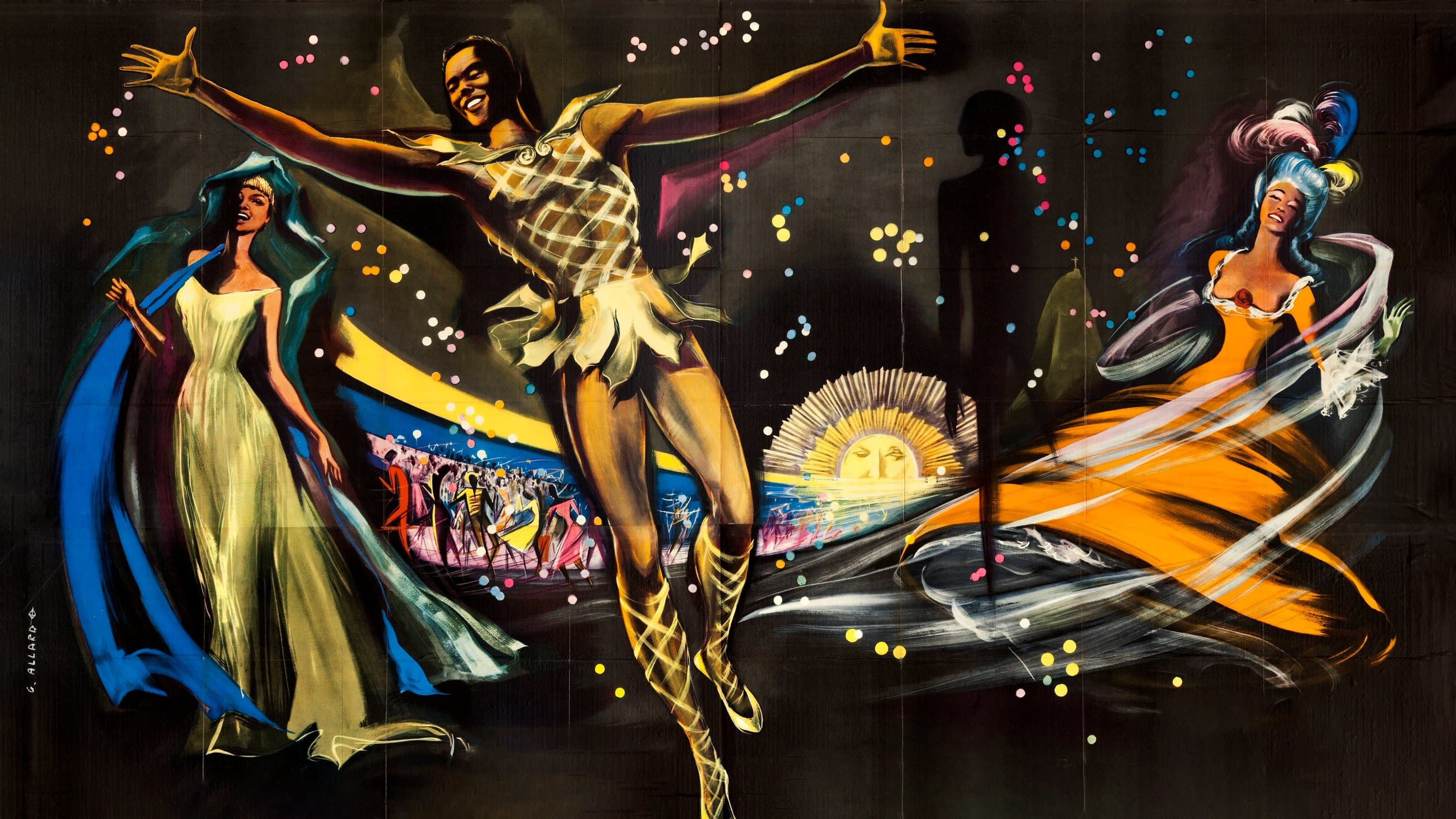
The music, the visuals and the acting were all phenomenal. I also really enjoyed this take on an adaption of a classic Greek myth (even if there was a distinct lack of snakes as pointed out by Inka).
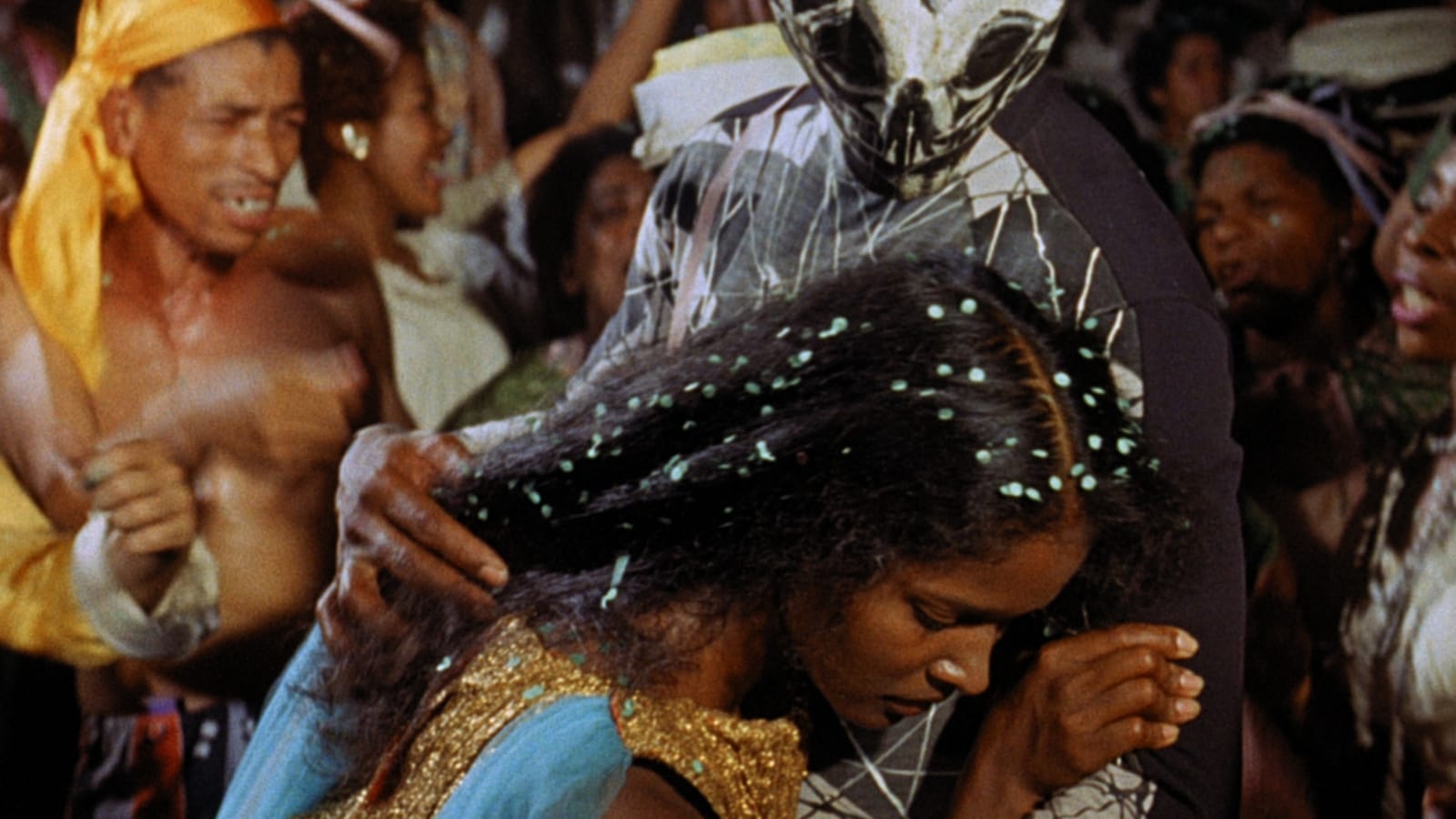
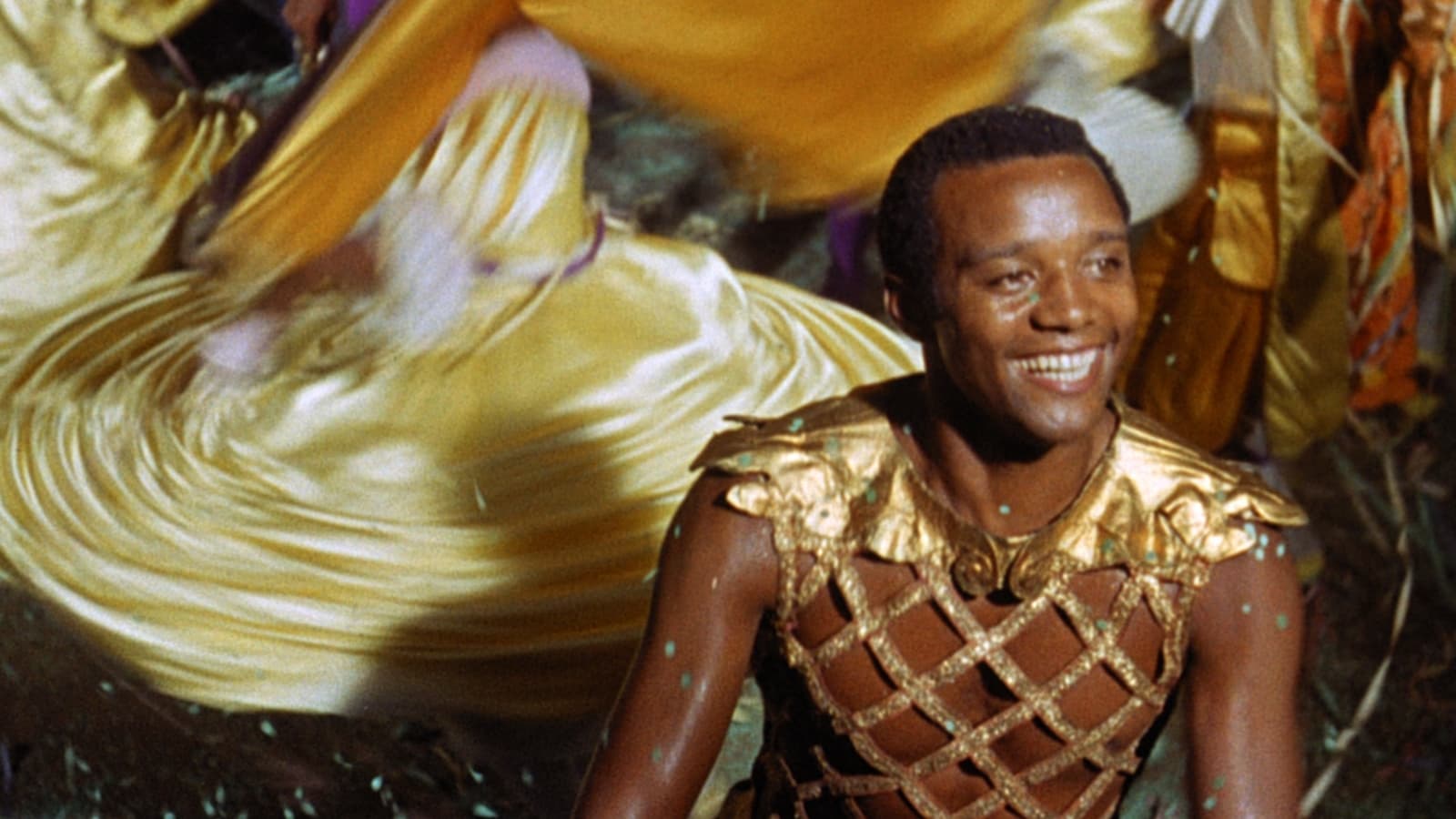
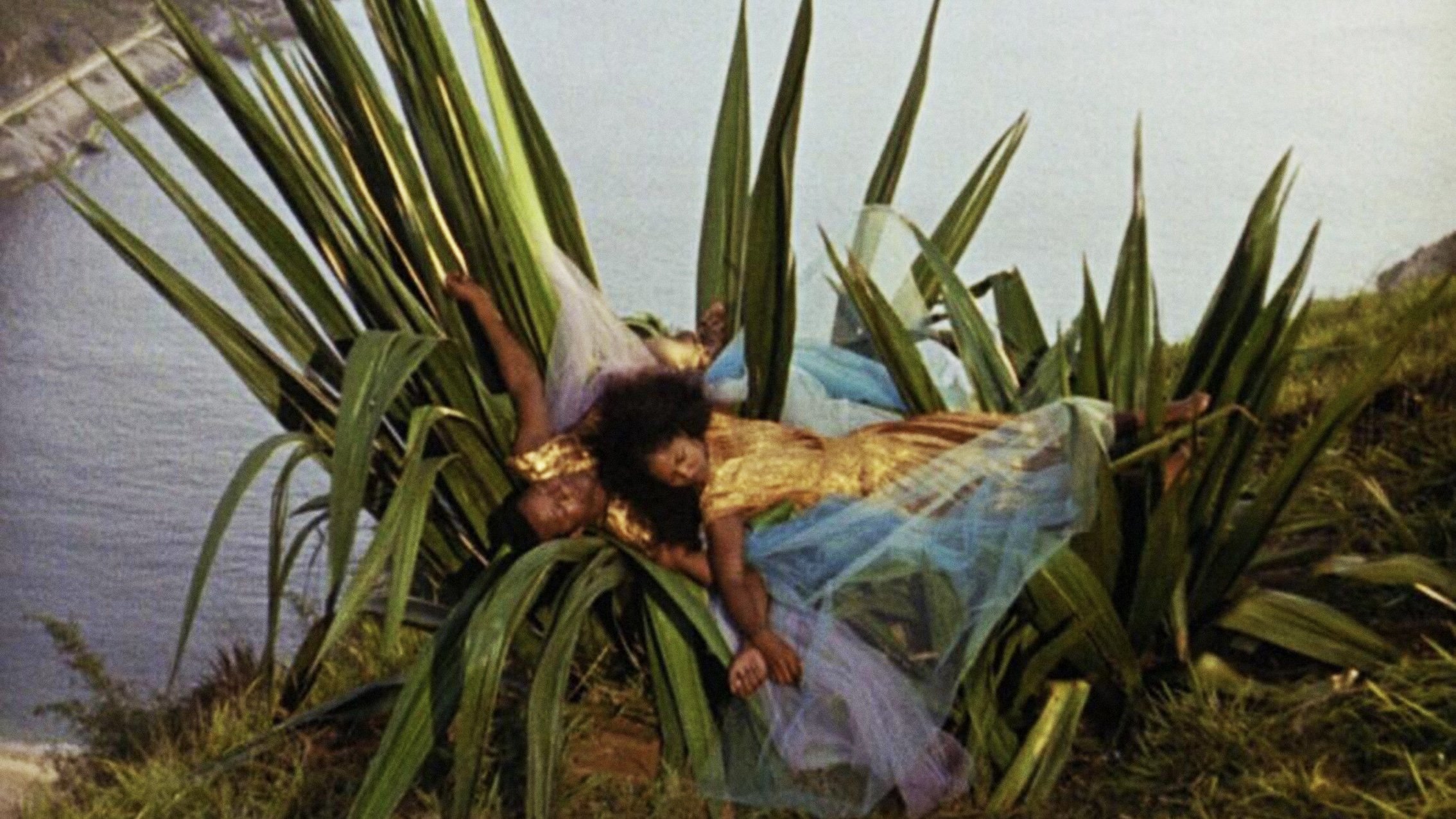
A few scenes stood out to me; Eurydice and Orpheus holding hands and leaning into eachother with the sunset at the backdrop; the entire sequence where Death chases Eurydice and in his quest to help her, Orpheus ends up killing her; the final shot of the two of them entangled together on the cliff side even in death, and the ending especially with the three children singing and dancing and welcoming a new day (this last one had me cry, I don’t know why, something about childhood innocence and the strive for hope and joy).
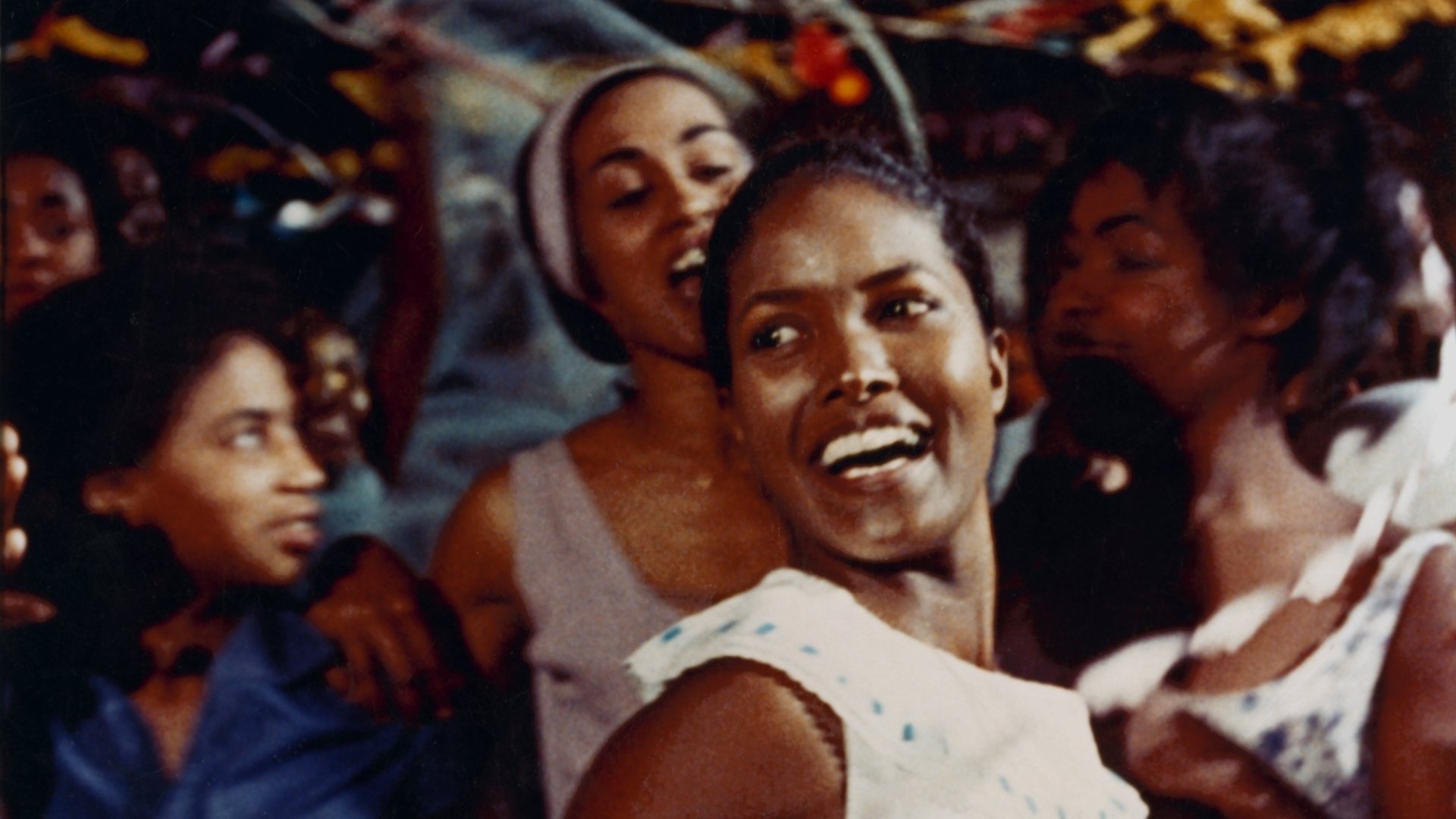
However, I cannot erase from my mind that both the poem the film is based off, and the film itself, takes on an lens of exoticism and infantilisation when it came to the portrayal of the favelas of Rio and the Afro-Indigenous population that predominately inhabits it. In this incredibly Dionystic portrayal (and listen I get that it’s Carnival, but it gets to a point) of life in the favelas it turns a blind eye to the historical power structures that led to them being there in the first place. And listen, everyone is allowed to enjoy and celebrate life irrespective of their socio economic backgrounds, but having a very exotic and one lens portrayal of Brazilian favelas and the Afro-Indigenous community by a white French man and a predominately white, European upper class crew does leave a bad taste in my mouth. I think if the crew or even just the director was from this background and then portrayed it as such it would’ve had been okay but for lack of better term it felt very orientalist at points.
But big bonus points for an all black/latino/indigenous cast. One can only hope the actors hired from the favelas were paid well, though.
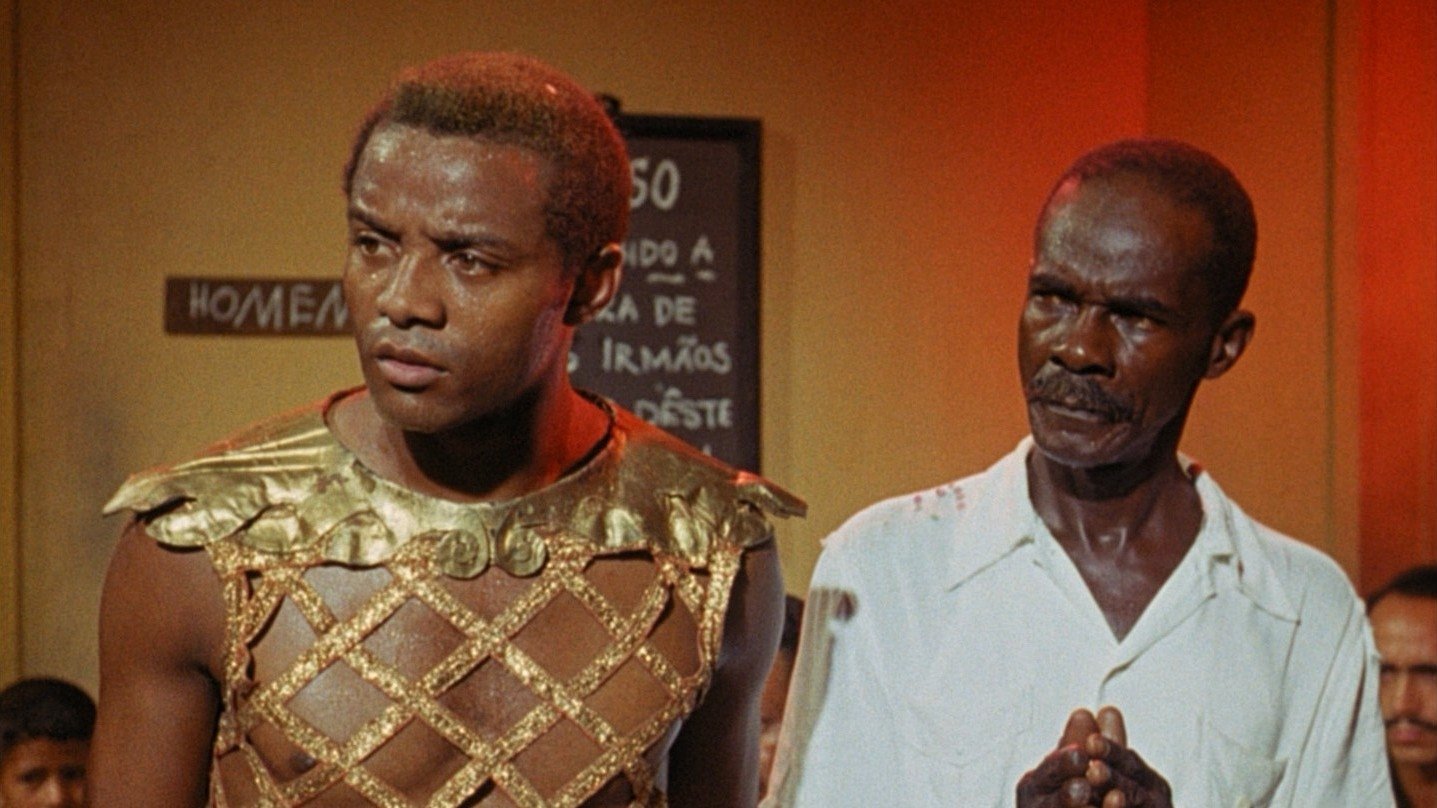
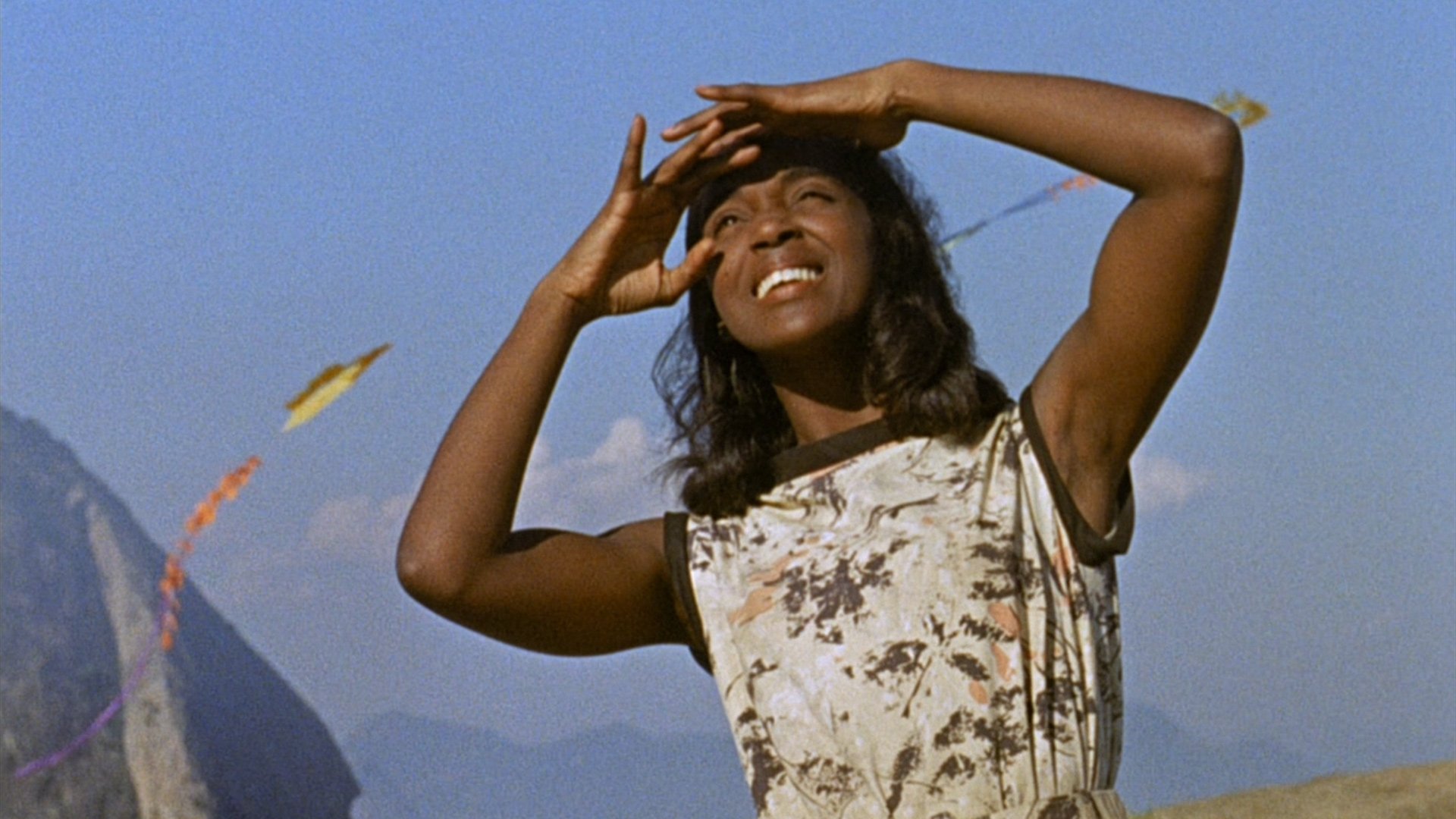
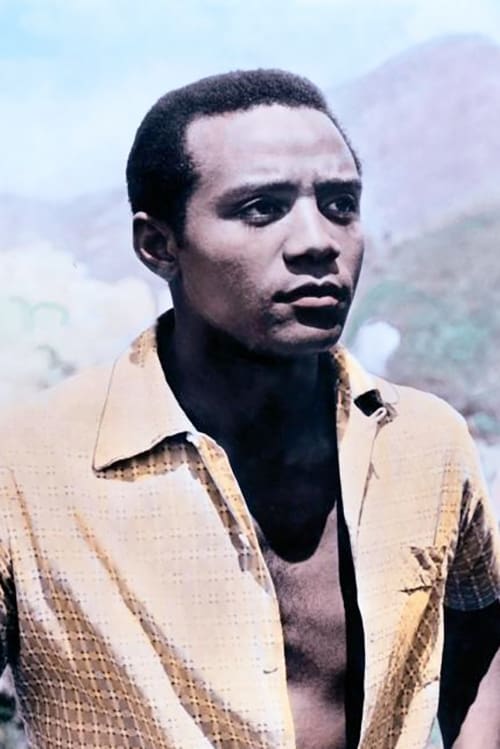
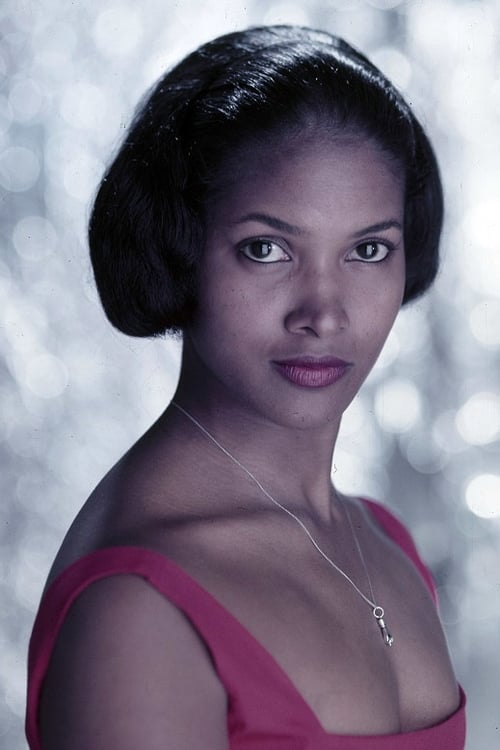
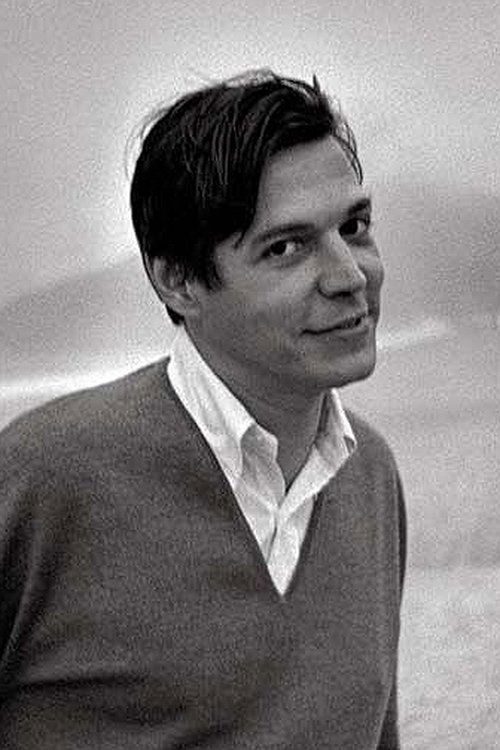
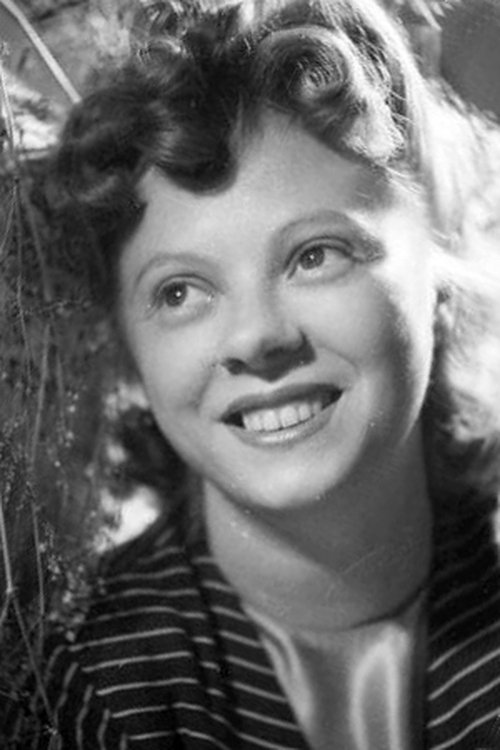
Side note: Marpessa Dawn is absolutely beautiful and Breno Mello very handsome. My eyes were delighted the entire time.
The music, the visuals and the acting were all phenomenal. I also really enjoyed this take on an adaption of a classic Greek myth (even if there was a distinct lack of snakes as pointed out by Inka).
A few scenes stood out to me; Eurydice and Orpheus holding hands and leaning into eachother with the sunset at the backdrop; the entire sequence where Death chases Eurydice and in his quest to help her, Orpheus ends up killing her; the final shot of the two of them entangled together on the cliff side even in death, and the ending especially with the three children singing and dancing and welcoming a new day (this last one had me cry, I don’t know why, something about childhood innocence and the strive for hope and joy).
However, I cannot erase from my mind that both the poem the film is based off, and the film itself, takes on an lens of exoticism and infantilisation when it came to the portrayal of the favelas of Rio and the Afro-Indigenous population that predominately inhabits it. In this incredibly Dionystic portrayal (and listen I get that it’s Carnival, but it gets to a point) of life in the favelas it turns a blind eye to the historical power structures that led to them being there in the first place. And listen, everyone is allowed to enjoy and celebrate life irrespective of their socio economic backgrounds, but having a very exotic and one lens portrayal of Brazilian favelas and the Afro-Indigenous community by a white French man and a predominately white, European upper class crew does leave a bad taste in my mouth. I think if the crew or even just the director was from this background and then portrayed it as such it would’ve had been okay but for lack of better term it felt very orientalist at points.
But big bonus points for an all black/latino/indigenous cast. One can only hope the actors hired from the favelas were paid well, though.
Side note: Marpessa Dawn is absolutely beautiful and Breno Mello very handsome. My eyes were delighted the entire time.