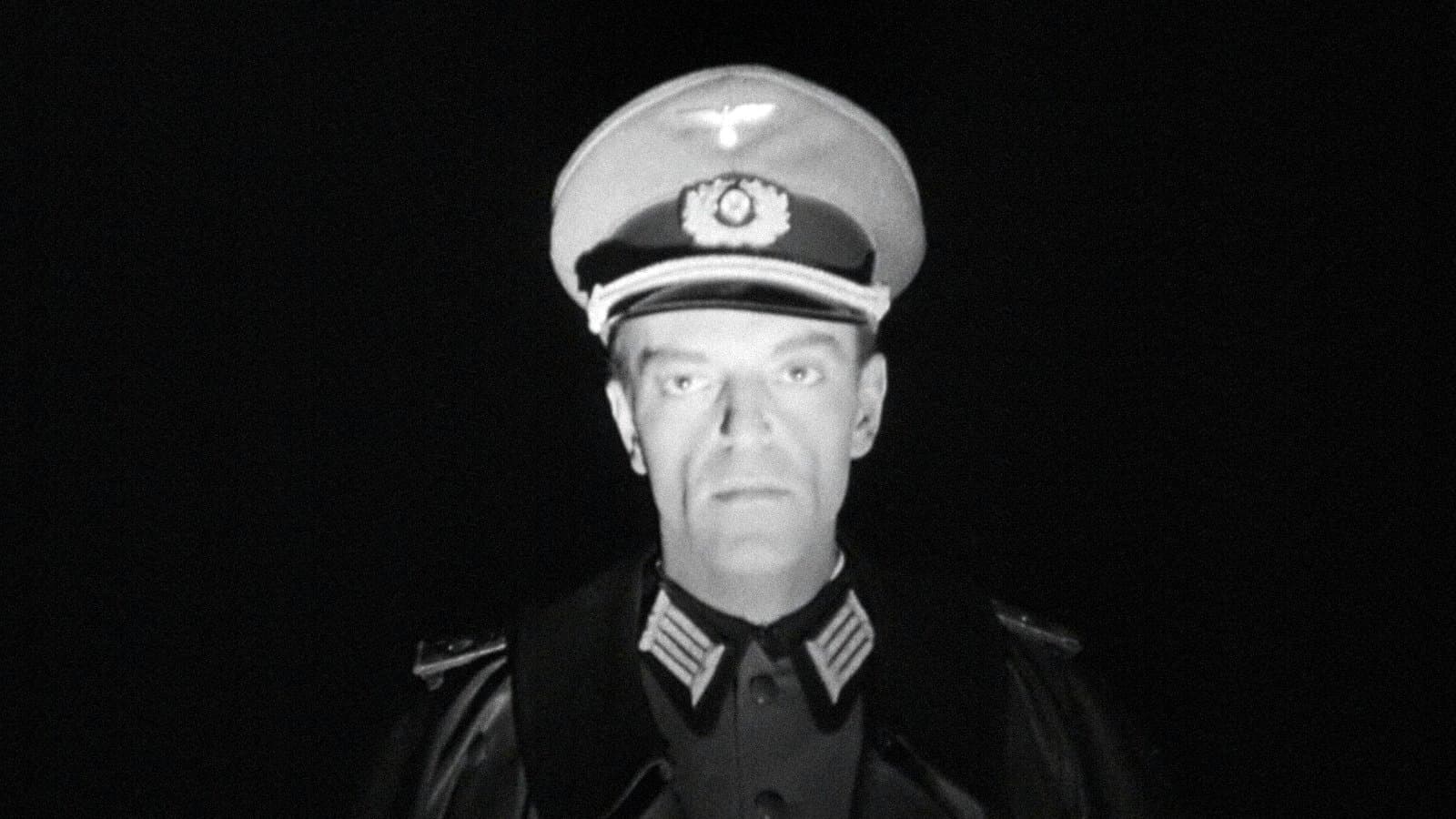
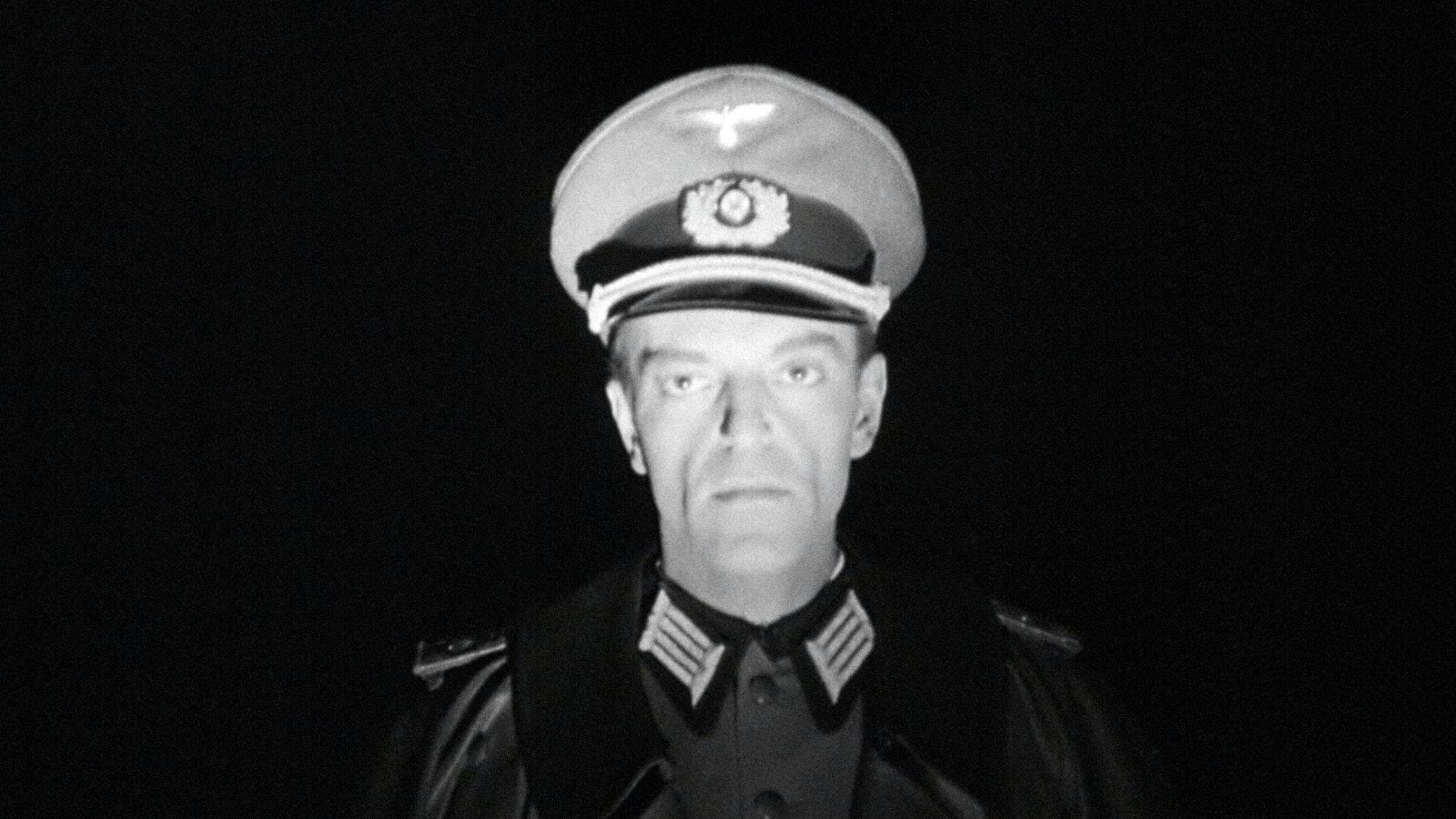
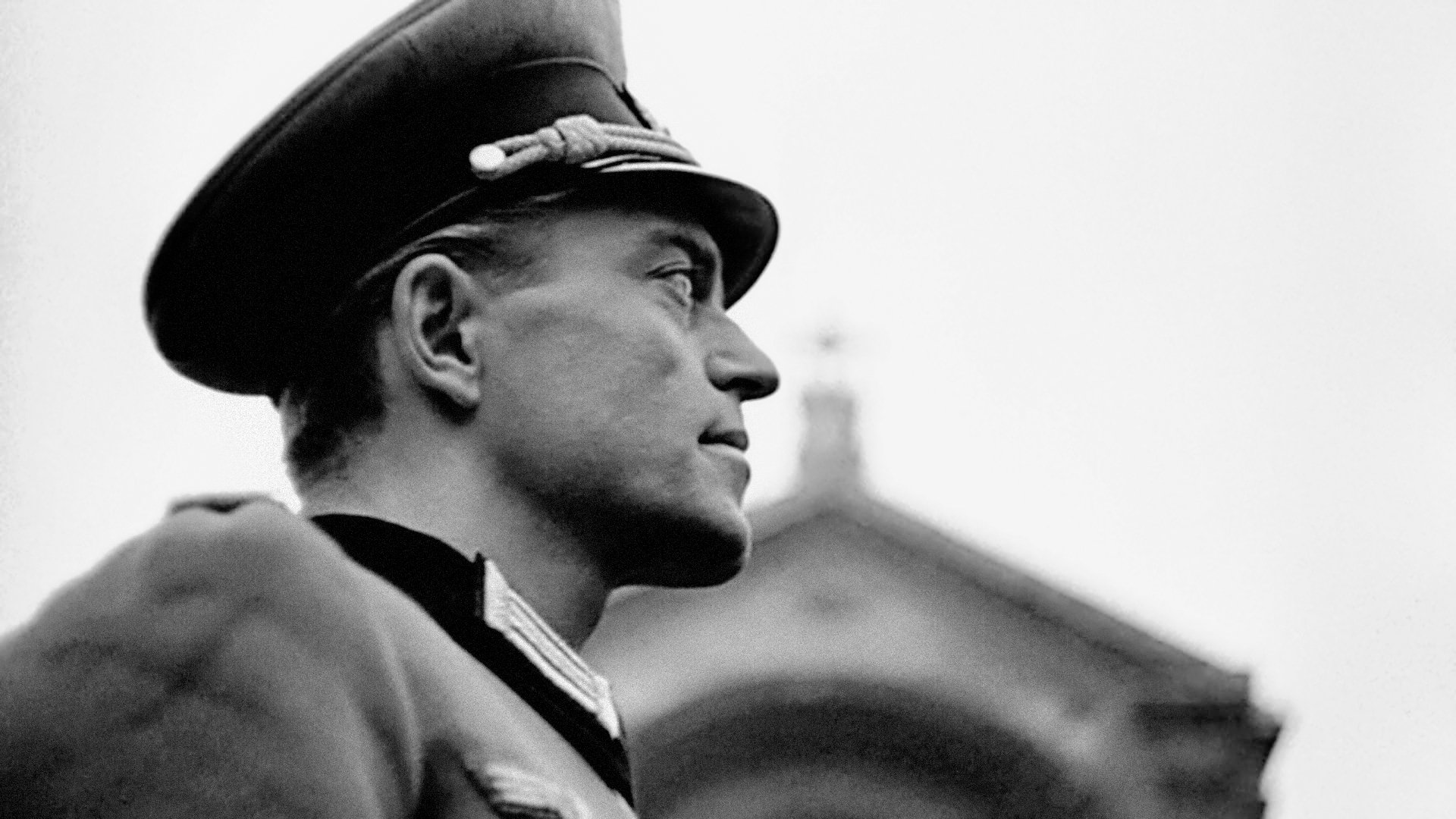
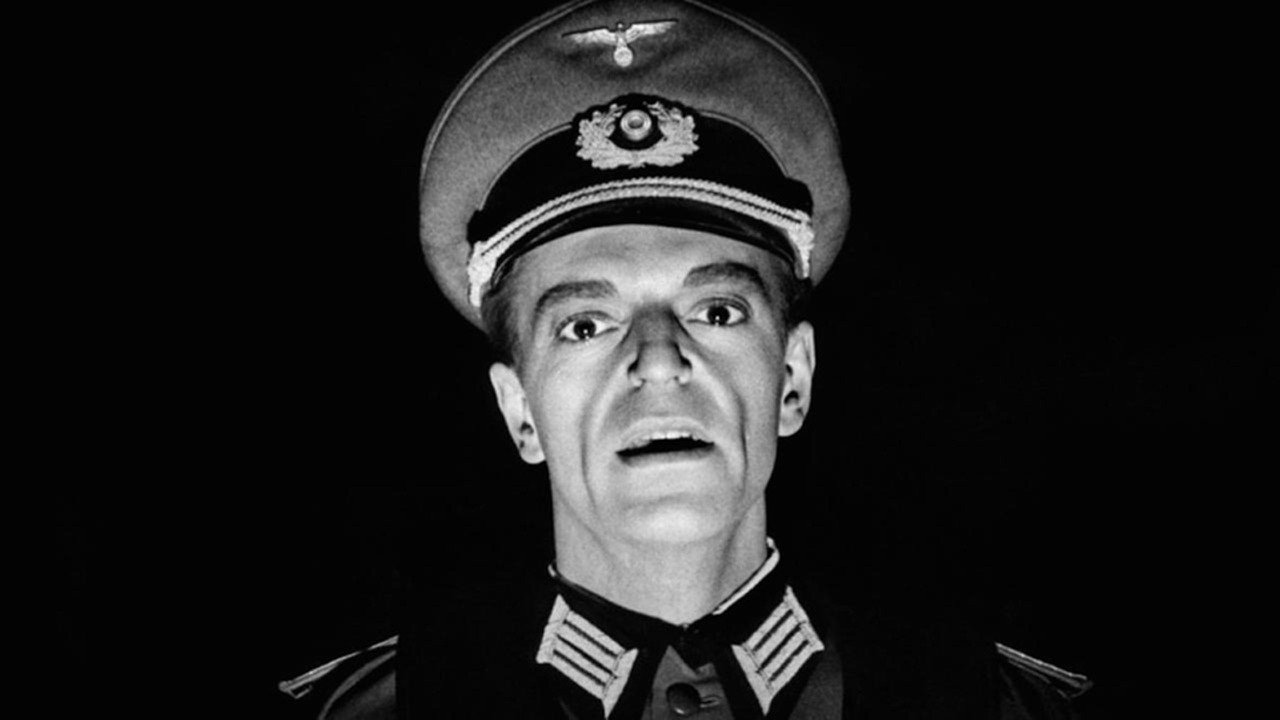
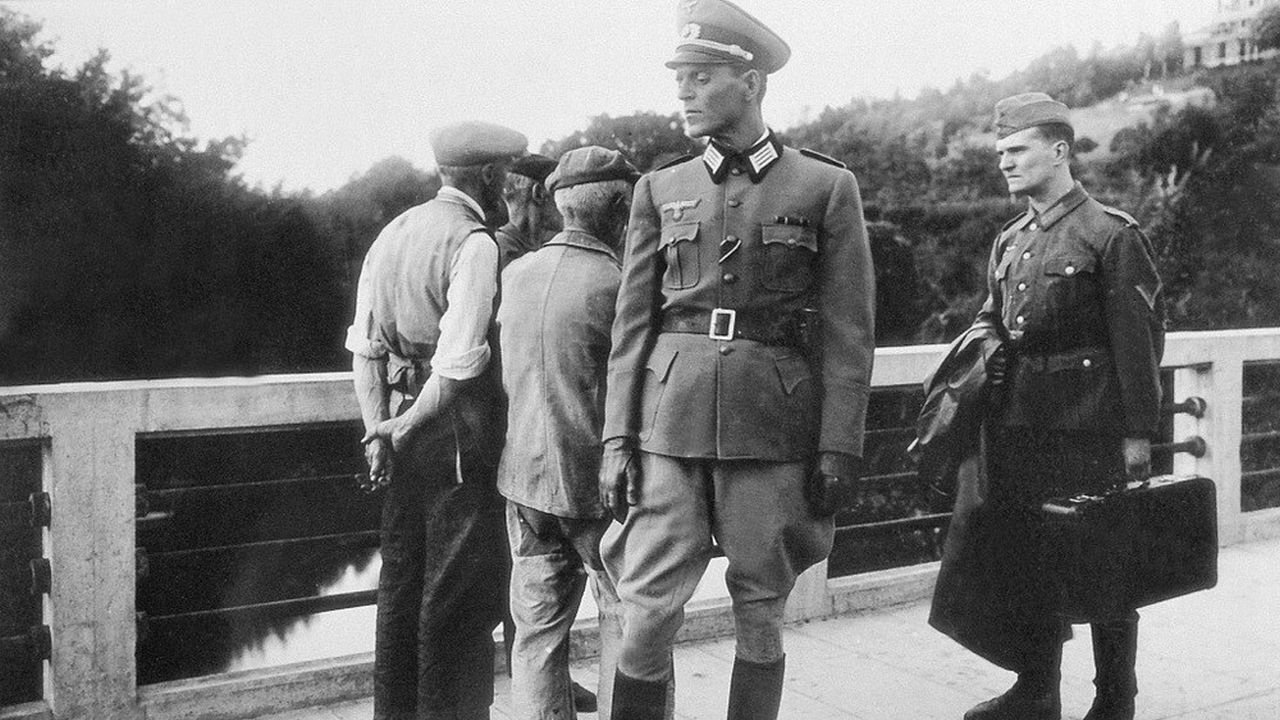
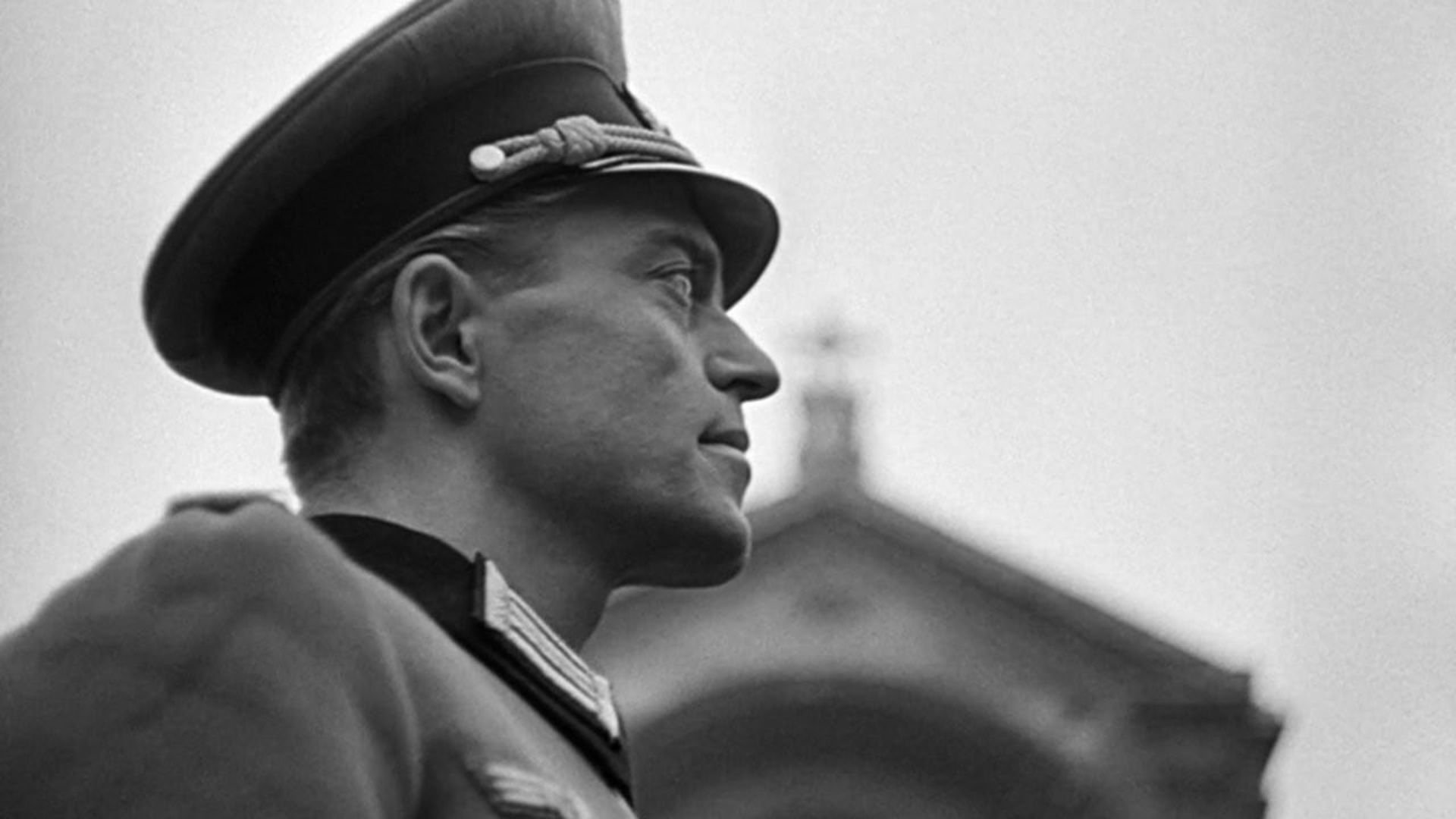
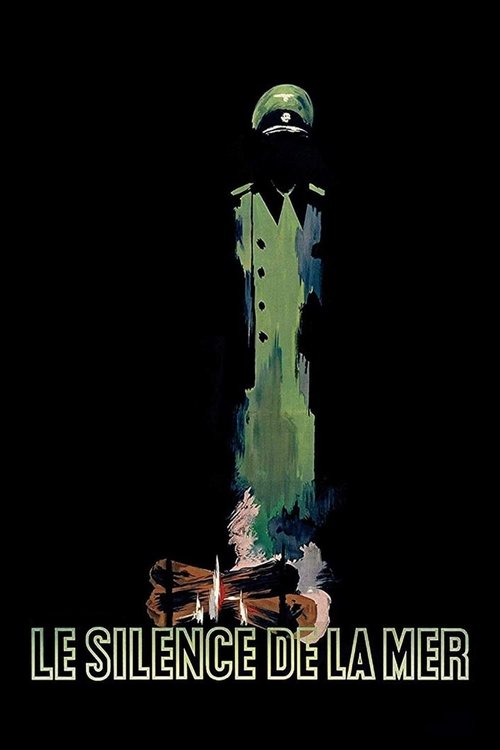
Having seen Le Samouraï and Army of Shadows, I figured Melville was not for me. Very hard to connect or care about anything in those. But here, Melville evokes a suffocating austerity acutely reminiscent of Dreyer. Melville transposes that feeling of a cold and absent god with the specter of Nazism. Instead of feeling a theological emptiness, we feel a politically existential behemoth. The sympathies conjured for our Nazi occupant through his exclusive diatribes are injected with perverse sentimentality.
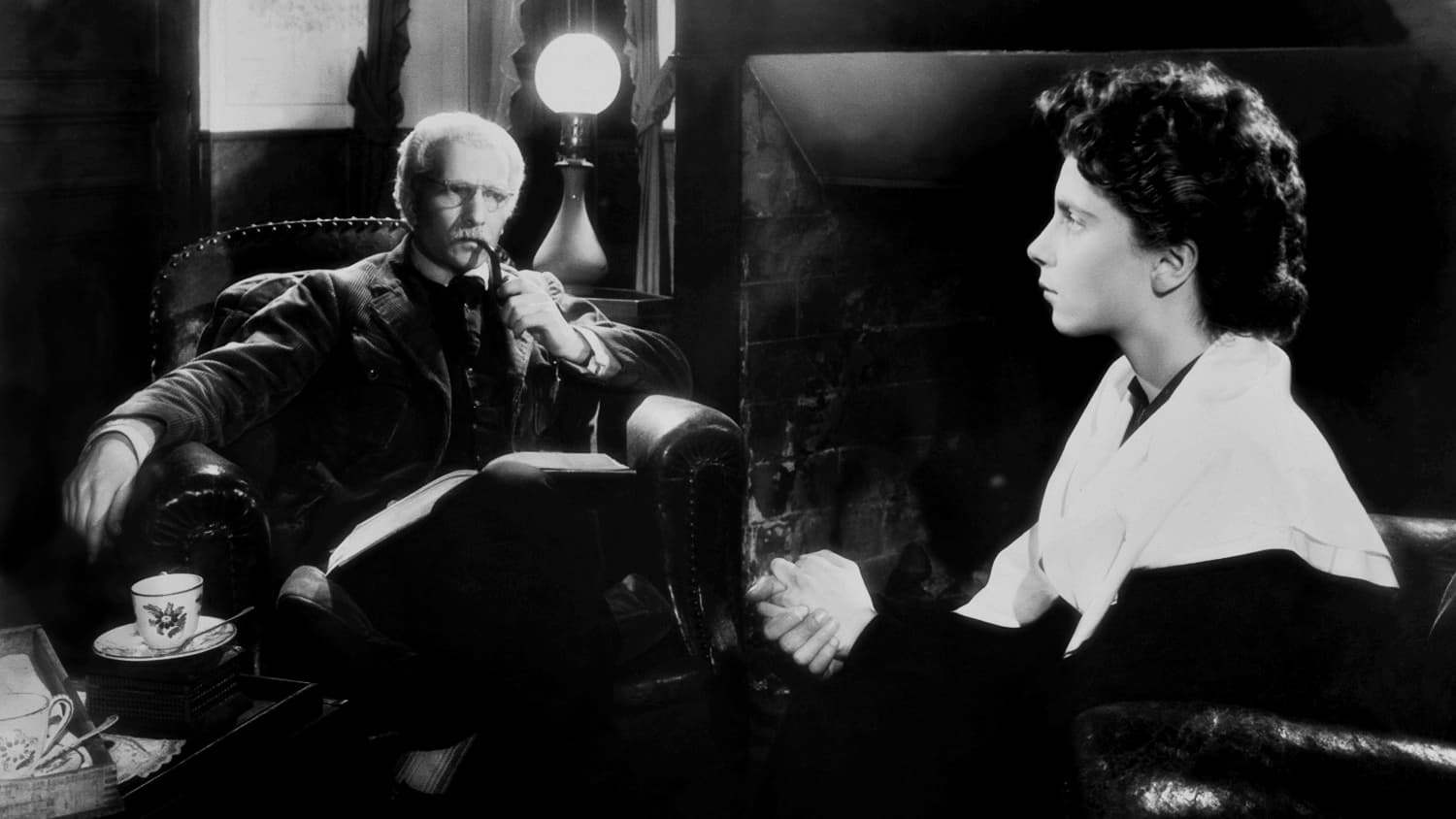
The multitudinal interior is voluminous through layered construction of thematics, narrative, dialogue, and setting. The editing and framing elevate the characters’ interior, mirroring the palpability of the confines of this small room. While Ebrennac does most of the talking, the characters who sit in silence are no less eminent, if not more so. The camera’s focus from face to face and angle to angle creates cohesive momentum and implicit conflict. An extreme close-up of the niece’s eyes strikes with angelic power.
The uncle’s narration compliments the interior of our silent characters and amplifies the drama. The close-up shot of the niece’s hands knitting feels more powerful with the paired observations of the uncle (not to mention the pay-off of that shot). There is a heavier-handed sentimentality infused toward the end which I could see as being a little much, but it had no diminutive effect on me. I can also understand a few other criticisms, like what’s up with dressing this young guy (Robain) up as an old man? It’s like the original Guy Pearce-Prometheus debacle. For whatever reason (I’ll chalk it up to the Dreyerism of it all) I quickly let it pass and was unbothered by it.
Thinking about the bigger picture, how this film relates to the real world, including the present day, it feels no less prescient or powerful. The parallels between someone like Ebrannac and a modern relative you’d like to think better of who has somehow fallen full stop for the poisonous rhetoric of the modern right is too uncomfortable to bear. It’s tragically comic to see Ebrannac’s reality crumble after his visit to Paris. There’s an implicit rhetorical exercise Melville (or the original novella’s author, Bruller) employs to expose just how much of an idiot he is, no matter how eloquent or refined he likes present himself as. Even in his own words, like with his recollection of his fiancé and the mosquito, we hear the obviousness of evil in front of his eyes. And yet, he always finds a way to apologize for it.
My interest in Melville has been completely rekindled.
Having seen Le Samouraï and Army of Shadows, I figured Melville was not for me. Very hard to connect or care about anything in those. But here, Melville evokes a suffocating austerity acutely reminiscent of Dreyer. Melville transposes that feeling of a cold and absent god with the specter of Nazism. Instead of feeling a theological emptiness, we feel a politically existential behemoth. The sympathies conjured for our Nazi occupant through his exclusive diatribes are injected with perverse sentimentality.
The multitudinal interior is voluminous through layered construction of thematics, narrative, dialogue, and setting. The editing and framing elevate the characters’ interior, mirroring the palpability of the confines of this small room. While Ebrennac does most of the talking, the characters who sit in silence are no less eminent, if not more so. The camera’s focus from face to face and angle to angle creates cohesive momentum and implicit conflict. An extreme close-up of the niece’s eyes strikes with angelic power.
The uncle’s narration compliments the interior of our silent characters and amplifies the drama. The close-up shot of the niece’s hands knitting feels more powerful with the paired observations of the uncle (not to mention the pay-off of that shot). There is a heavier-handed sentimentality infused toward the end which I could see as being a little much, but it had no diminutive effect on me. I can also understand a few other criticisms, like what’s up with dressing this young guy (Robain) up as an old man? It’s like the original Guy Pearce-Prometheus debacle. For whatever reason (I’ll chalk it up to the Dreyerism of it all) I quickly let it pass and was unbothered by it.
Thinking about the bigger picture, how this film relates to the real world, including the present day, it feels no less prescient or powerful. The parallels between someone like Ebrannac and a modern relative you’d like to think better of who has somehow fallen full stop for the poisonous rhetoric of the modern right is too uncomfortable to bear. It’s tragically comic to see Ebrannac’s reality crumble after his visit to Paris. There’s an implicit rhetorical exercise Melville (or the original novella’s author, Bruller) employs to expose just how much of an idiot he is, no matter how eloquent or refined he likes present himself as. Even in his own words, like with his recollection of his fiancé and the mosquito, we hear the obviousness of evil in front of his eyes. And yet, he always finds a way to apologize for it.
My interest in Melville has been completely rekindled.