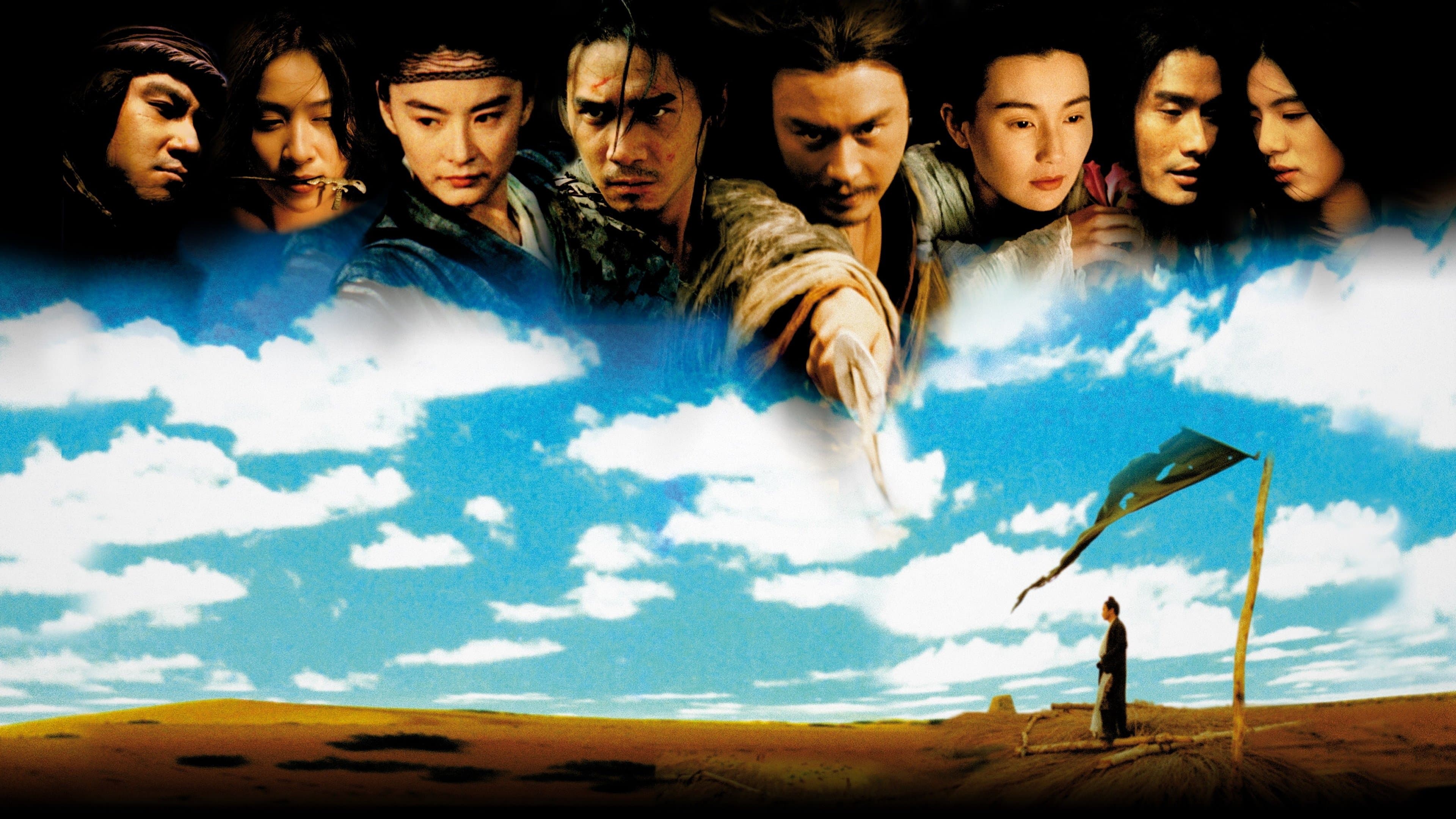
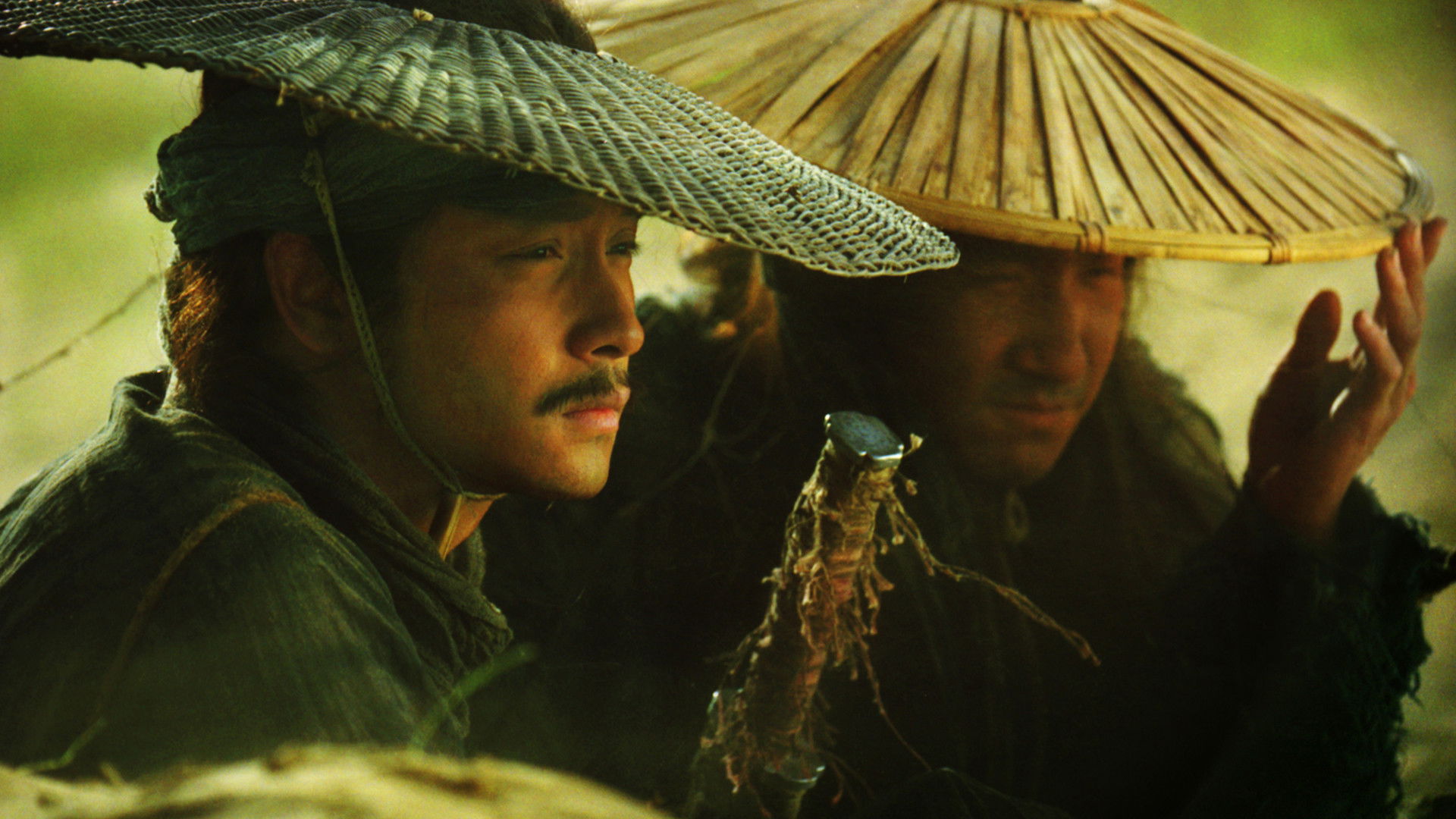
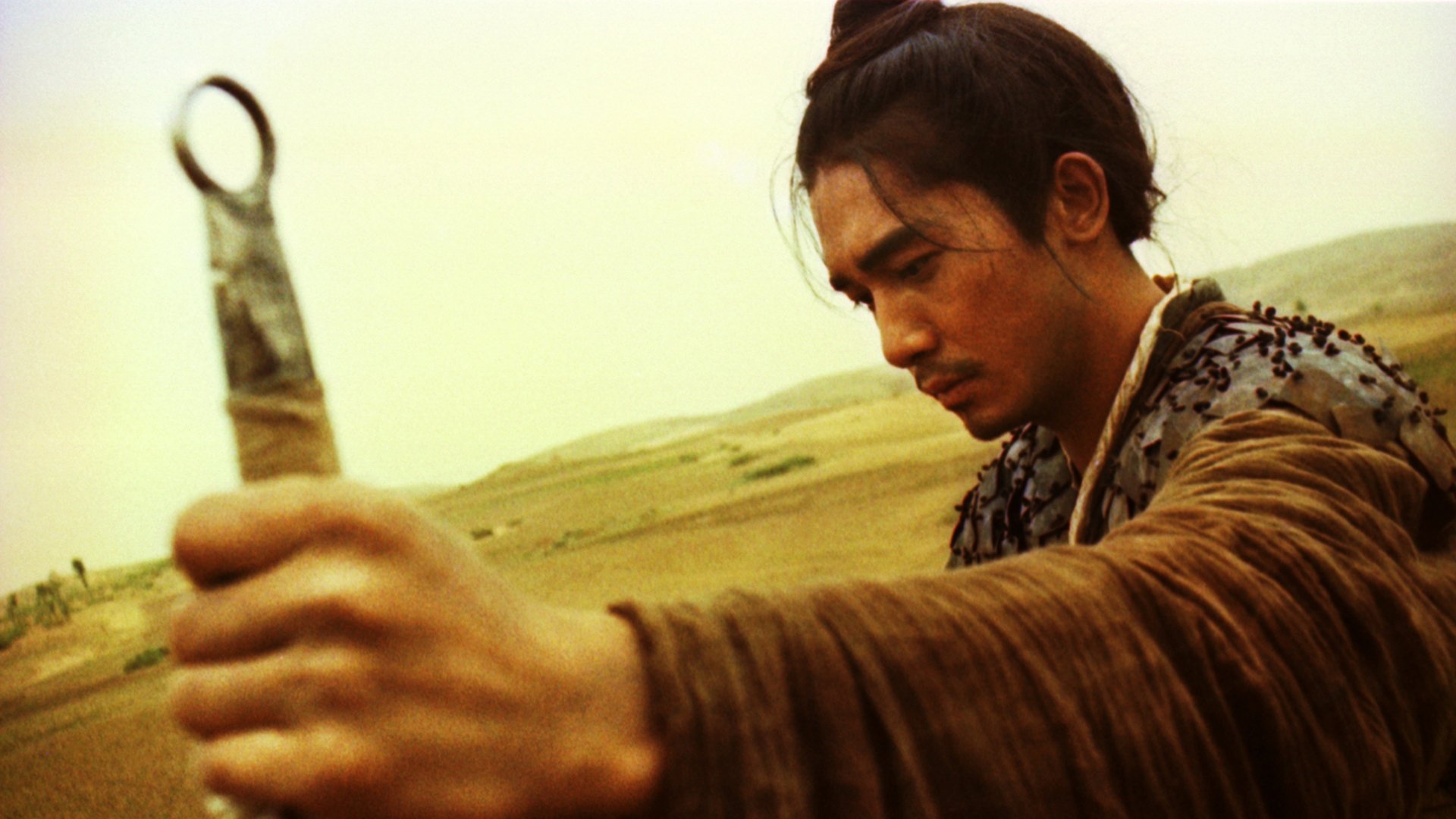
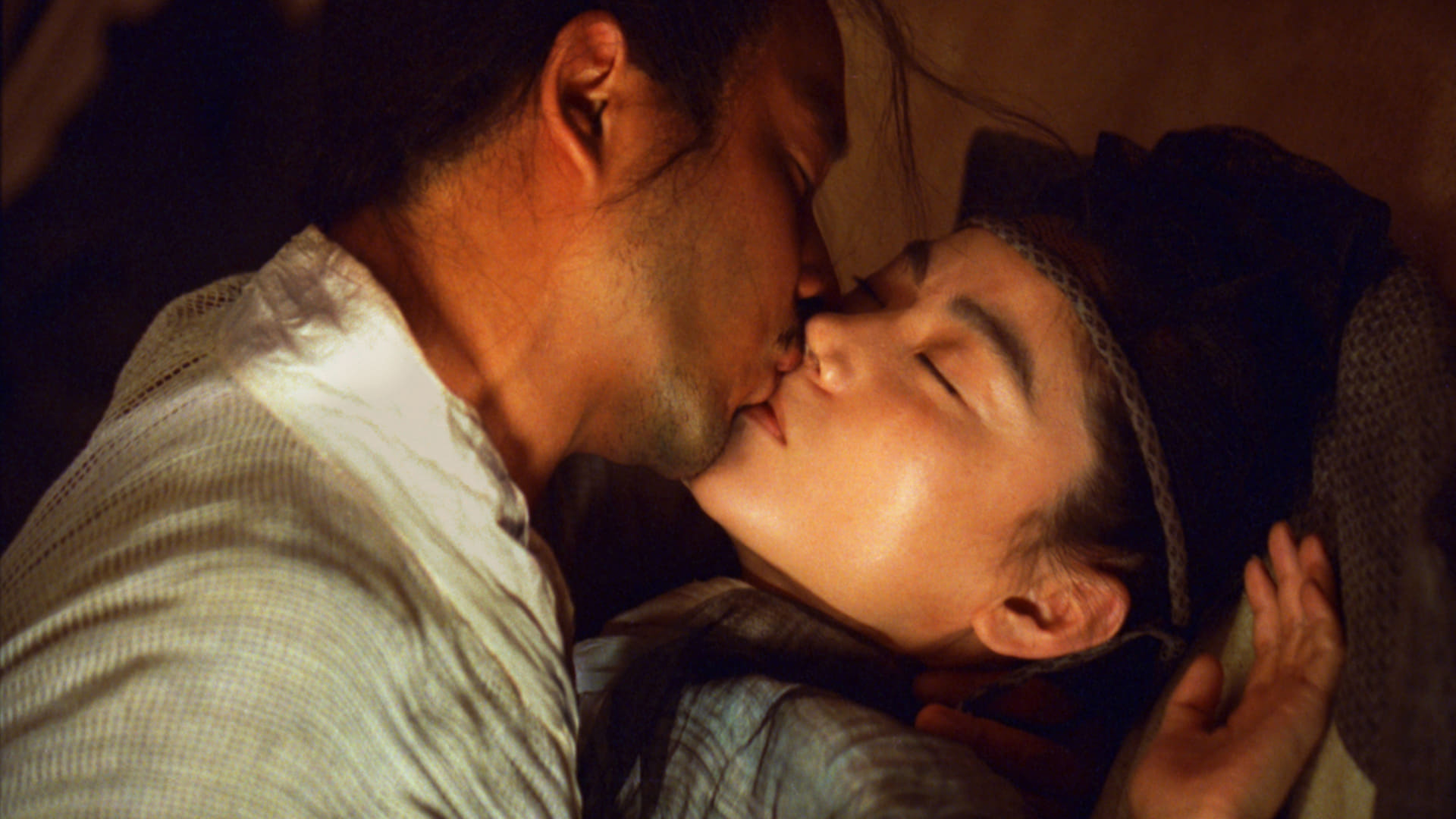
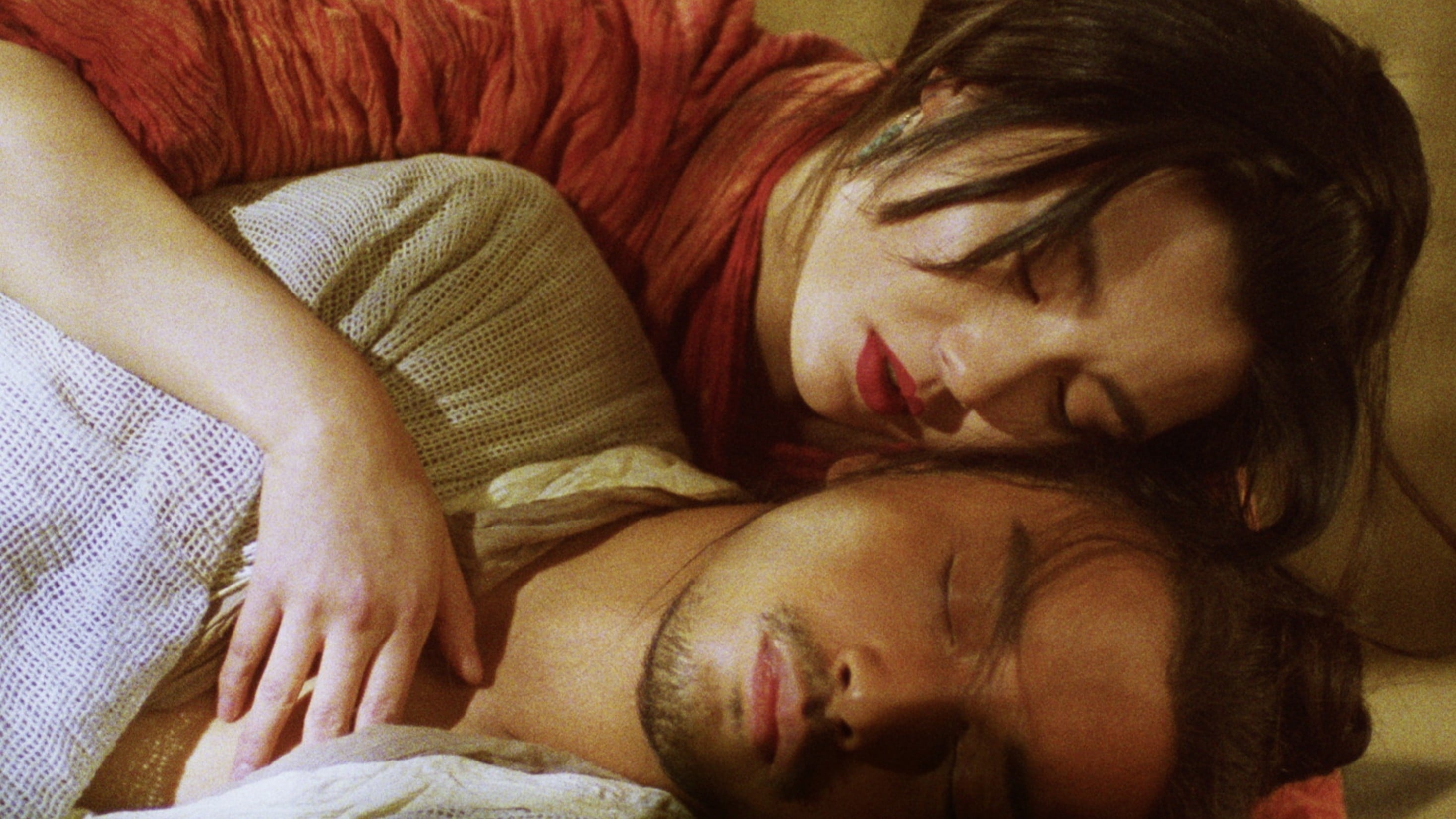
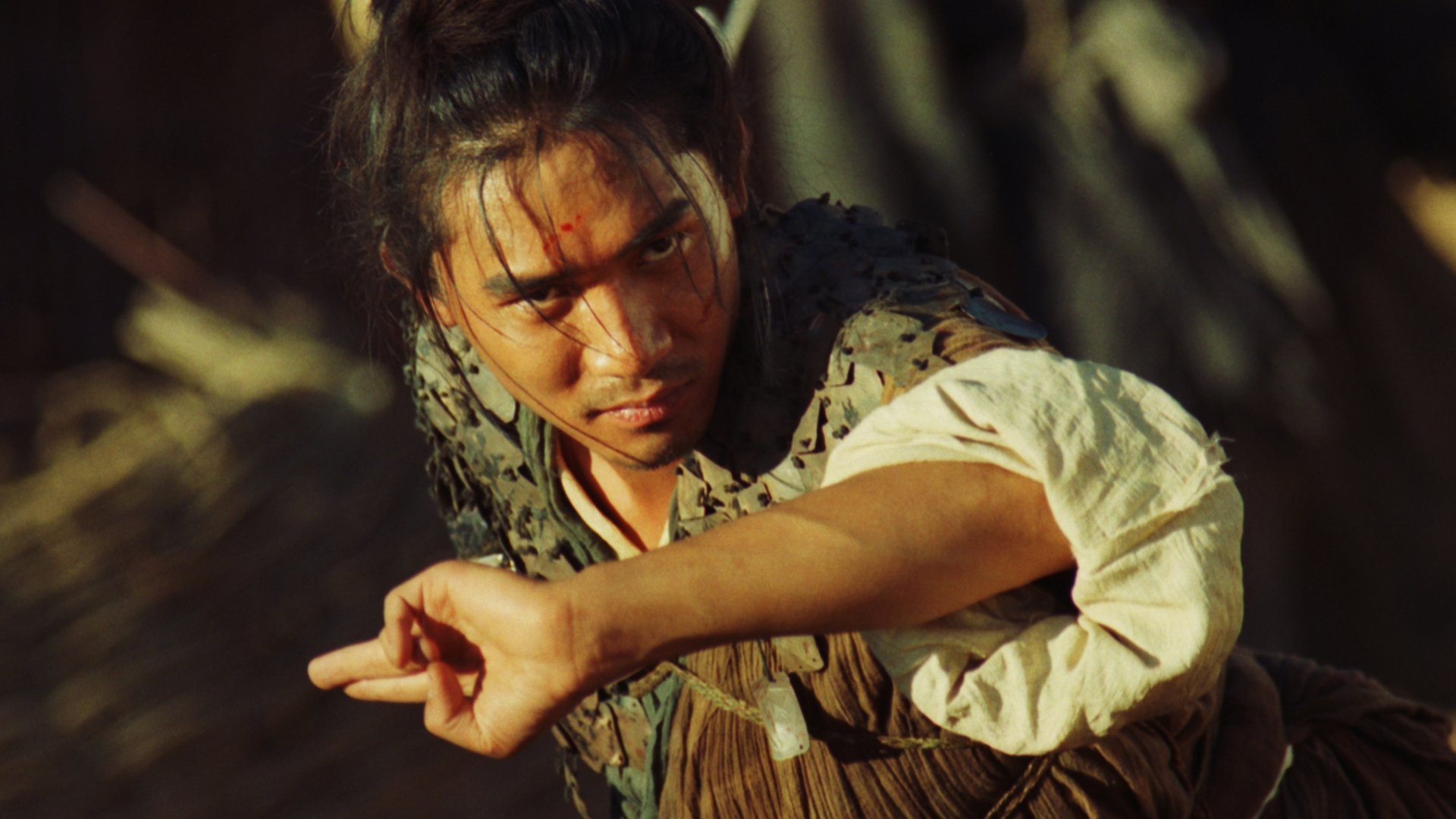
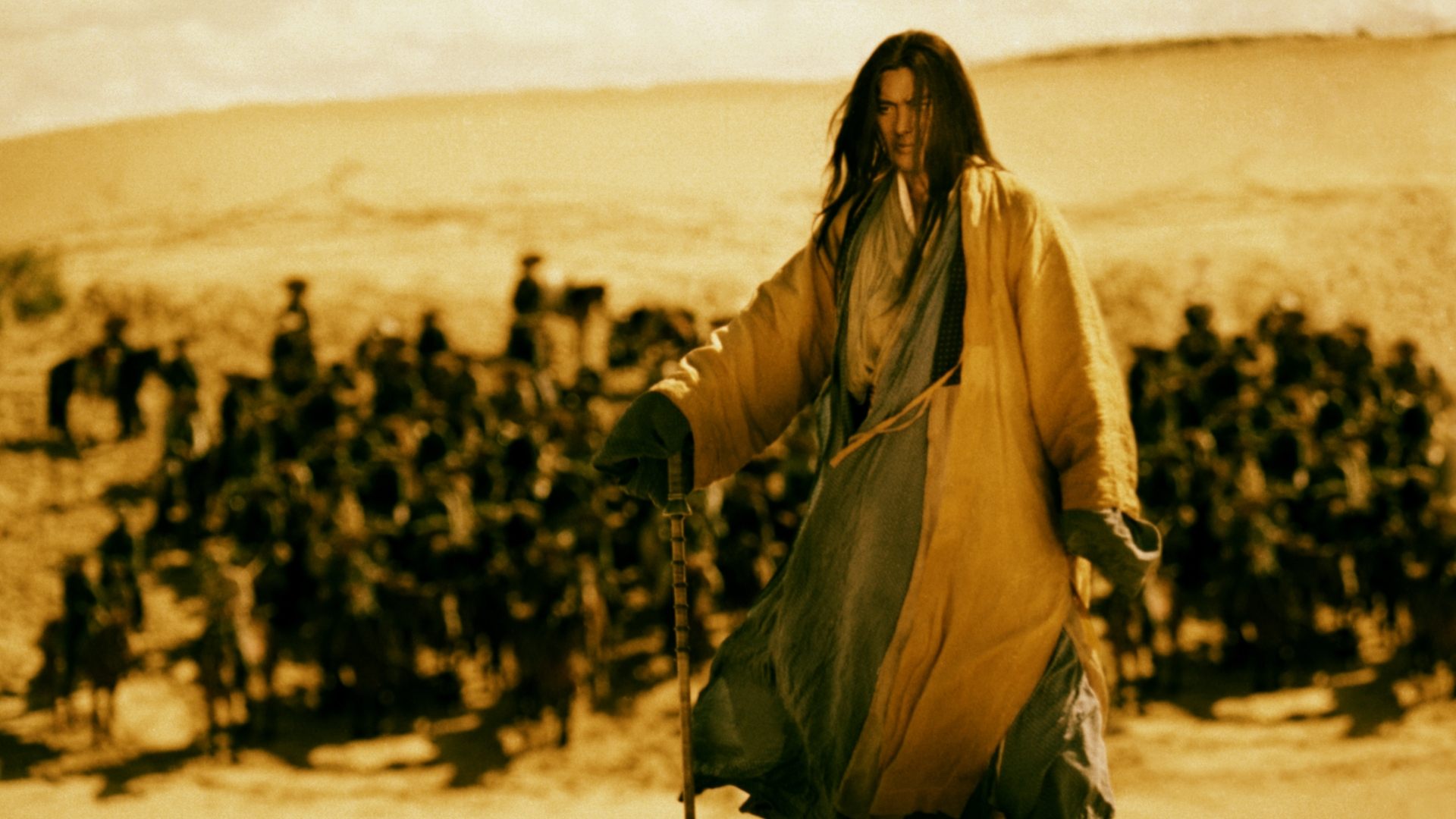
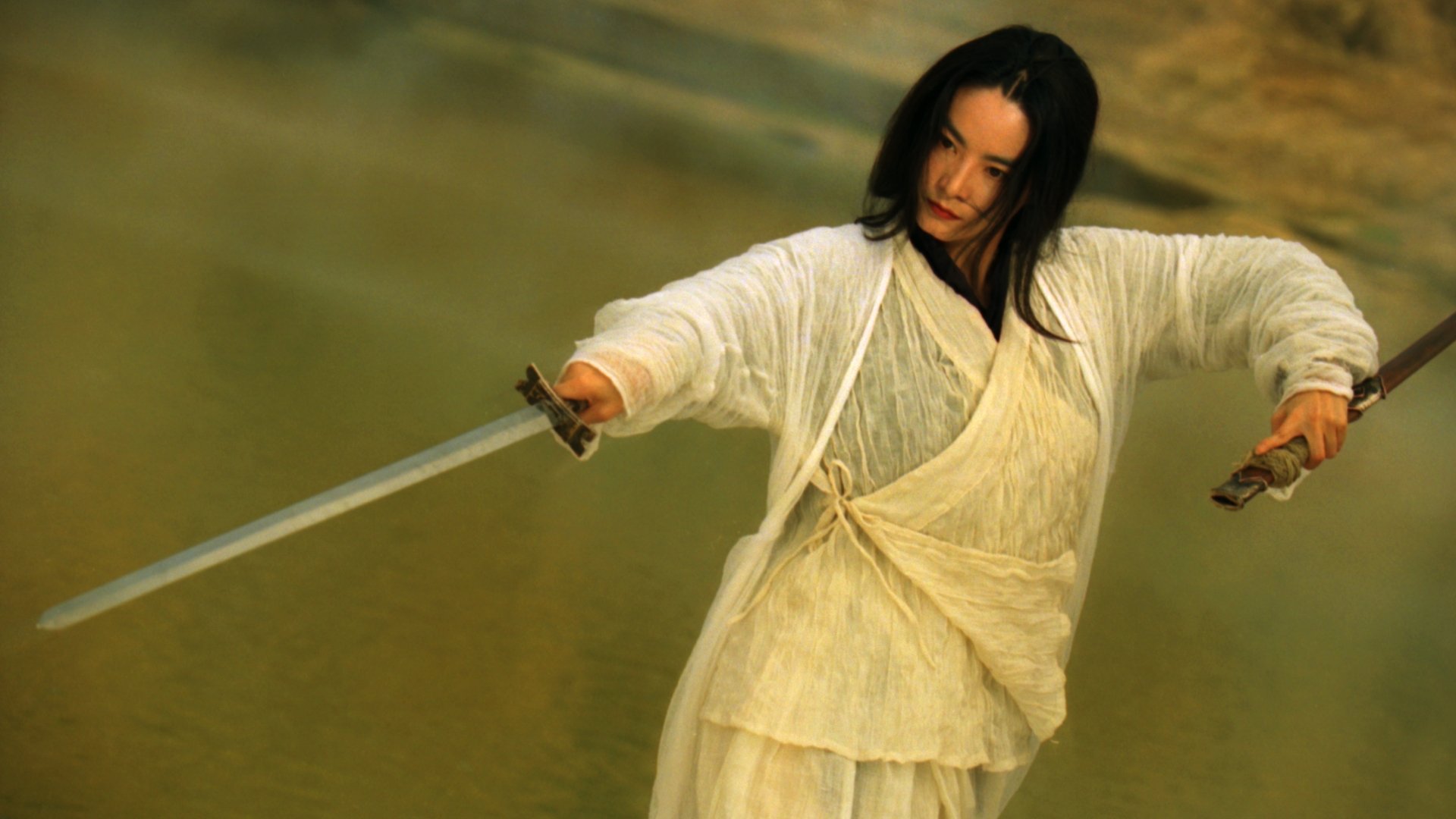
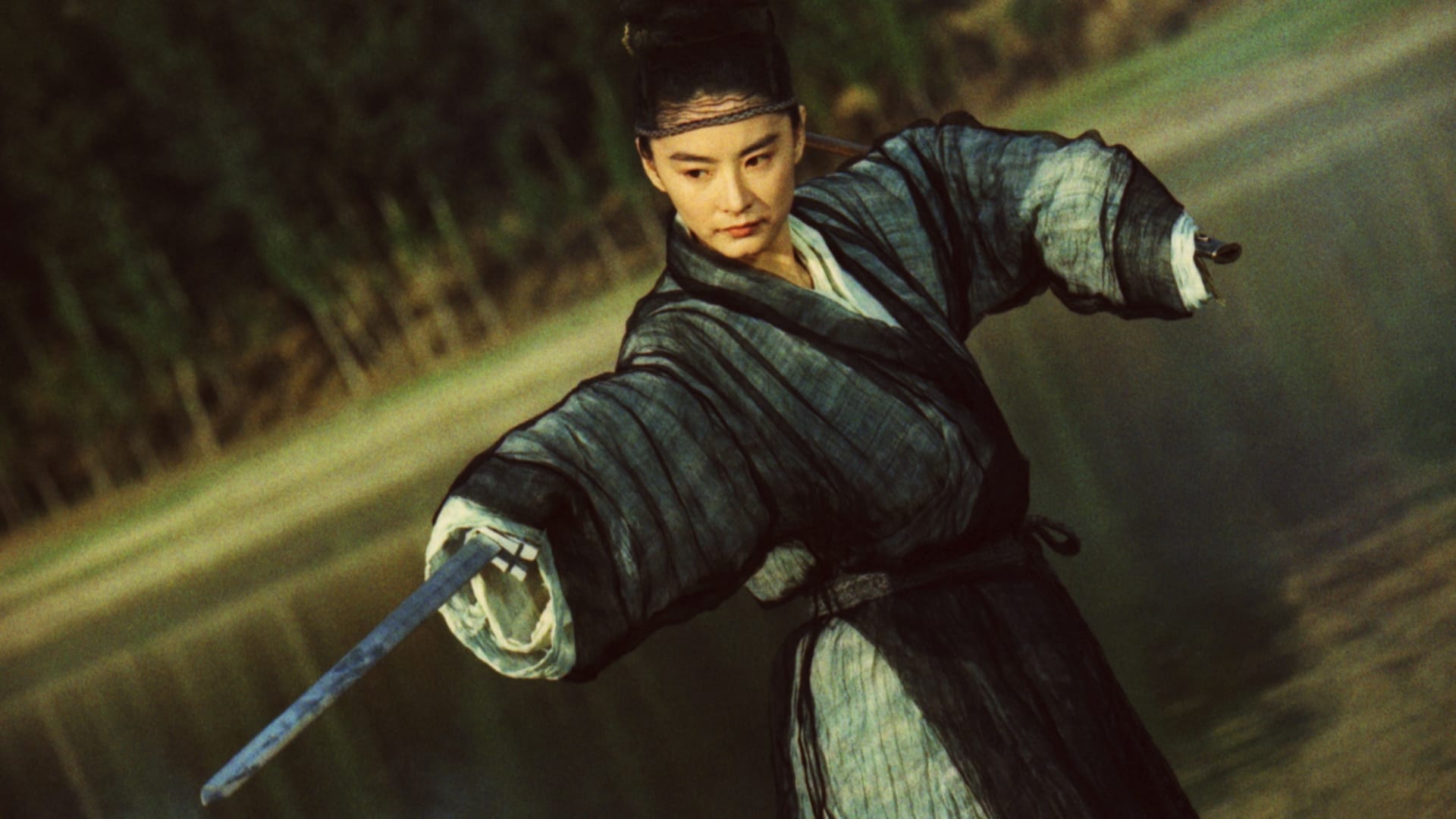
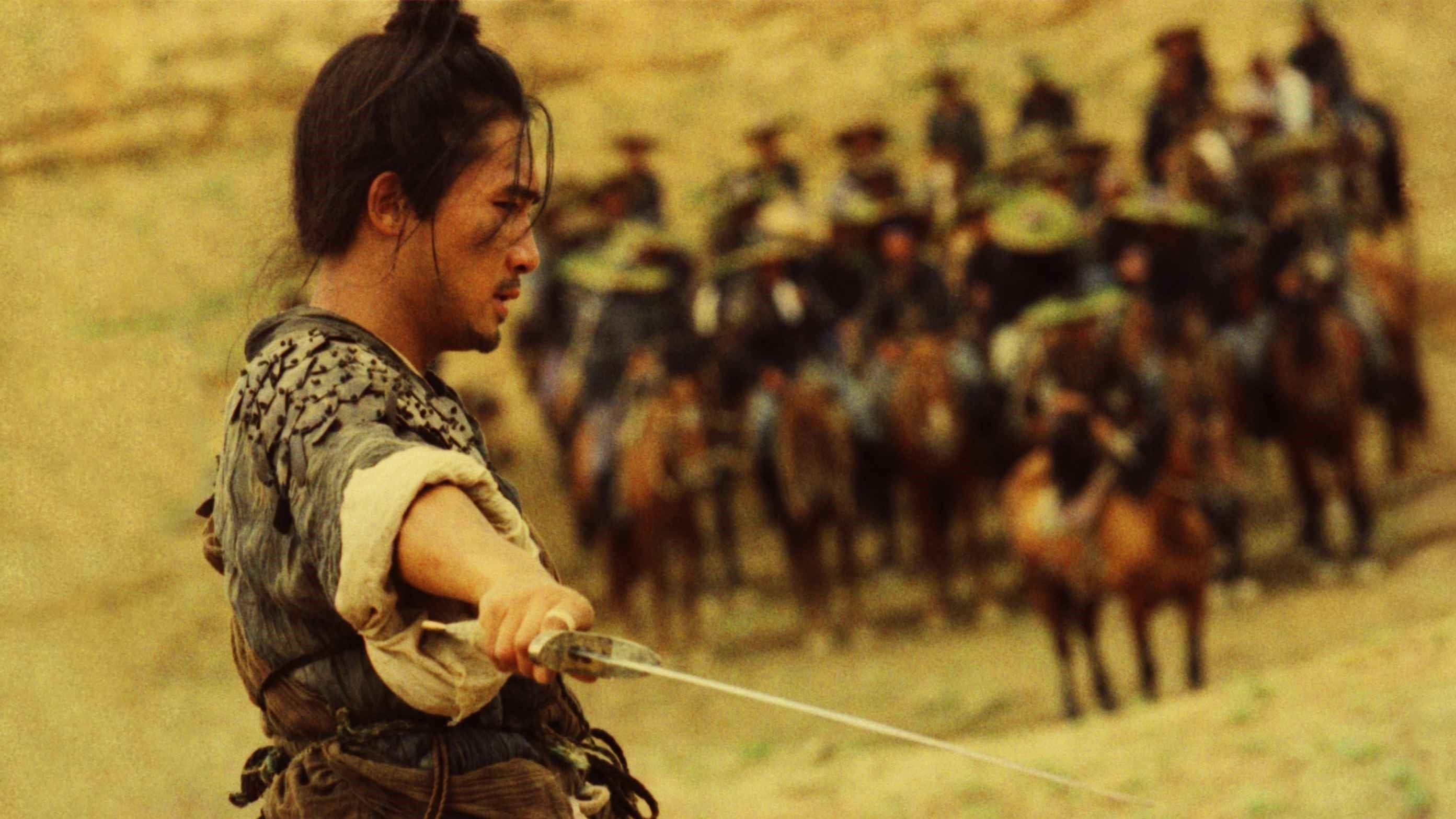
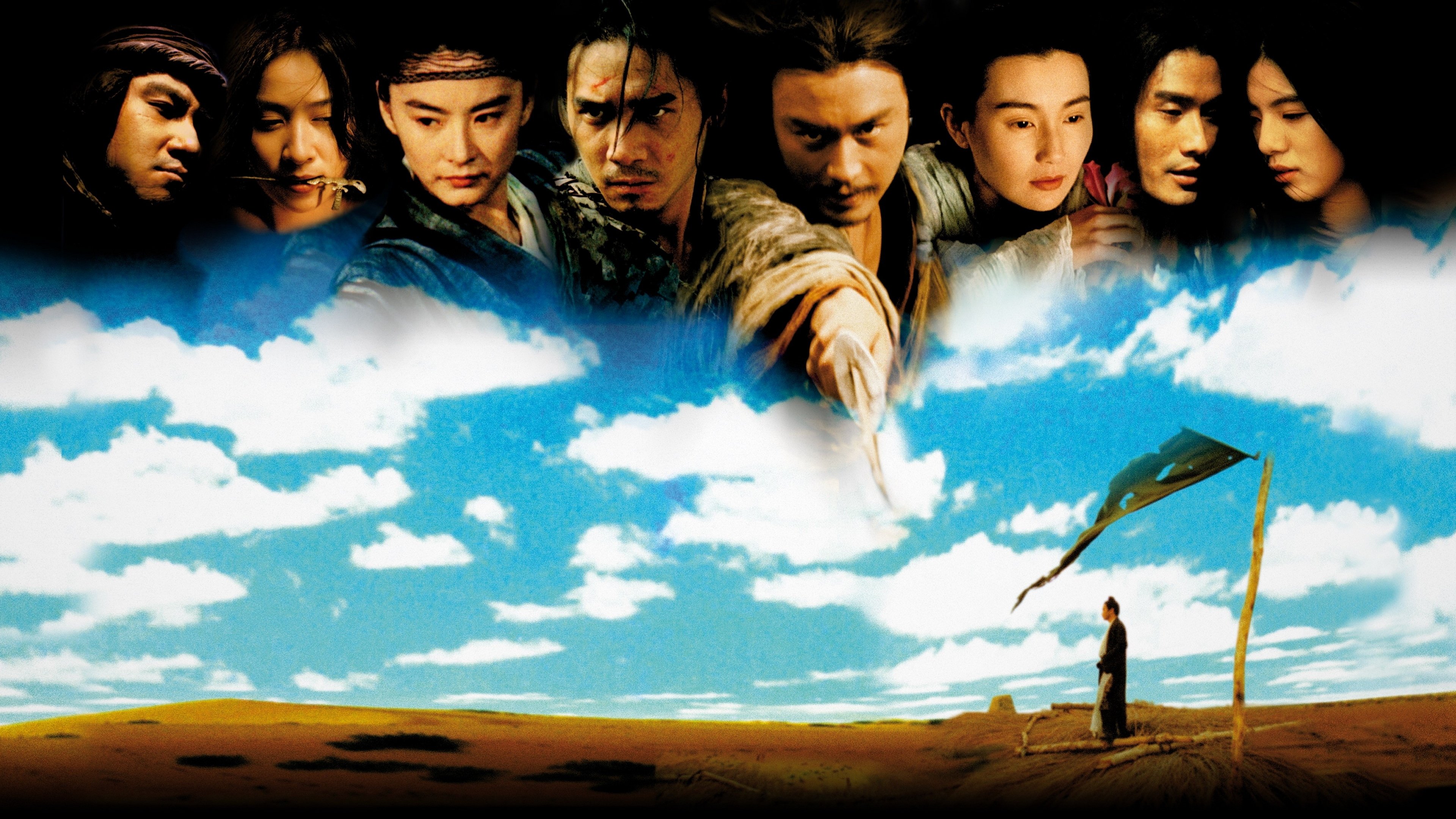
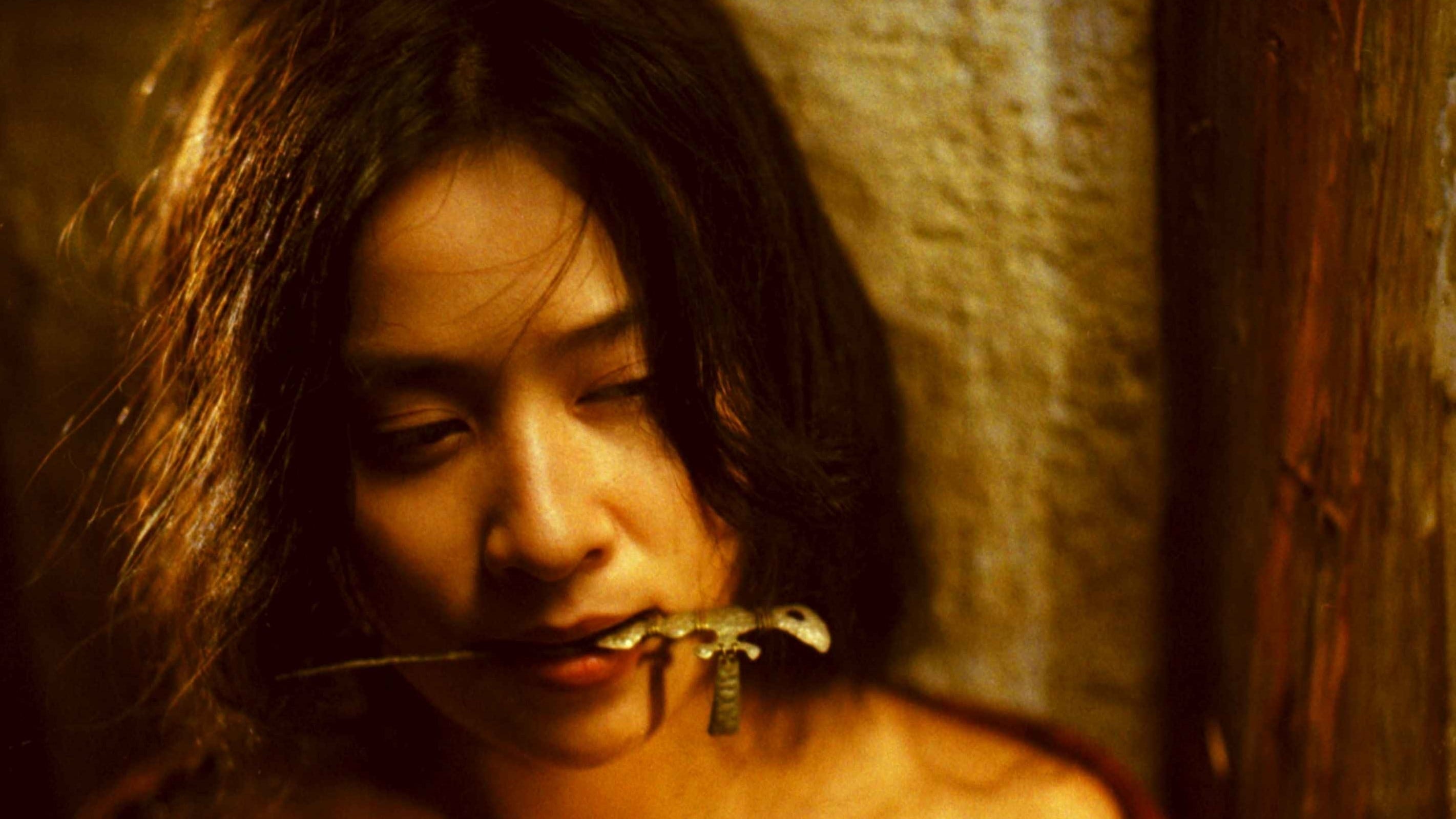
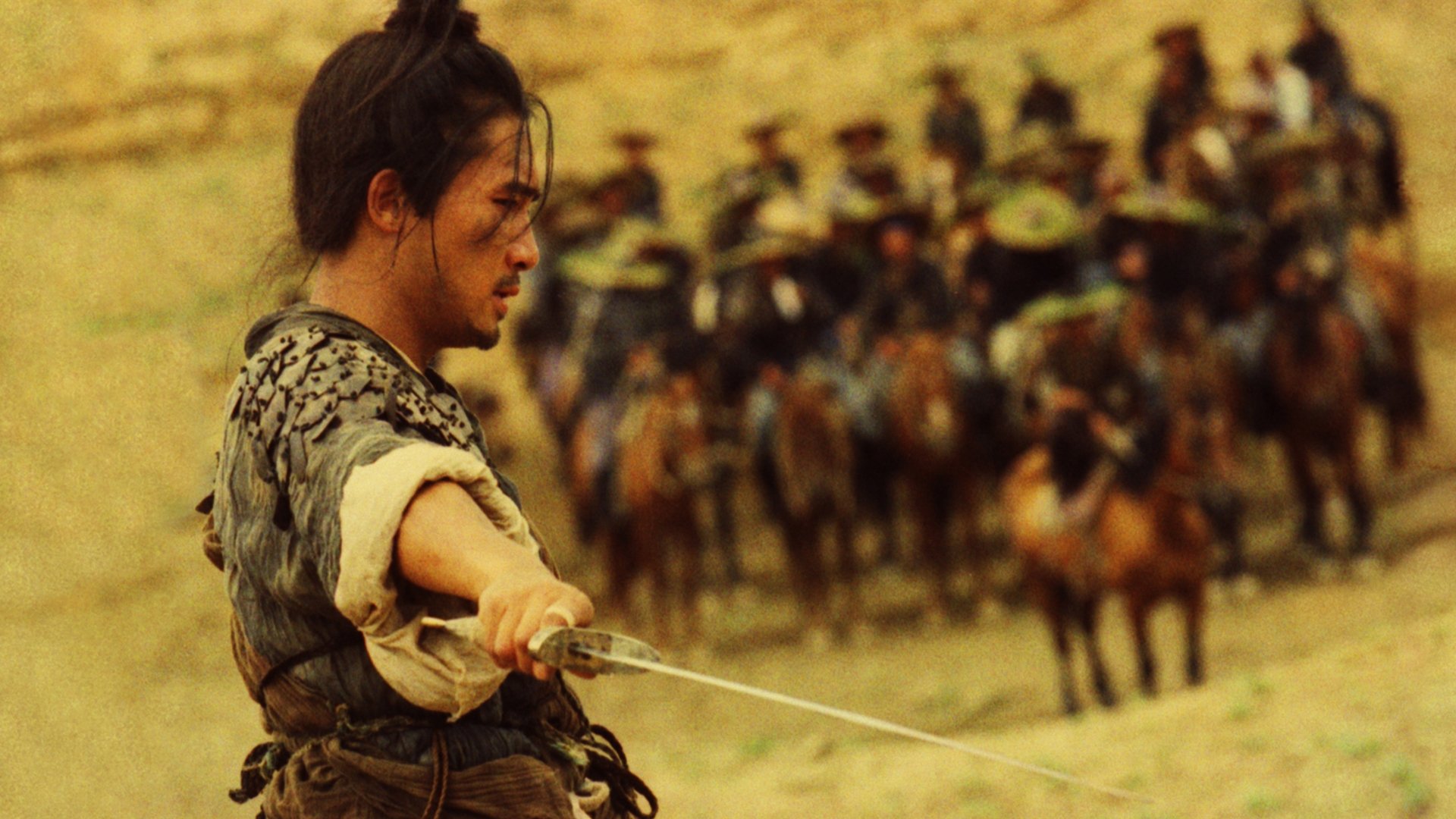
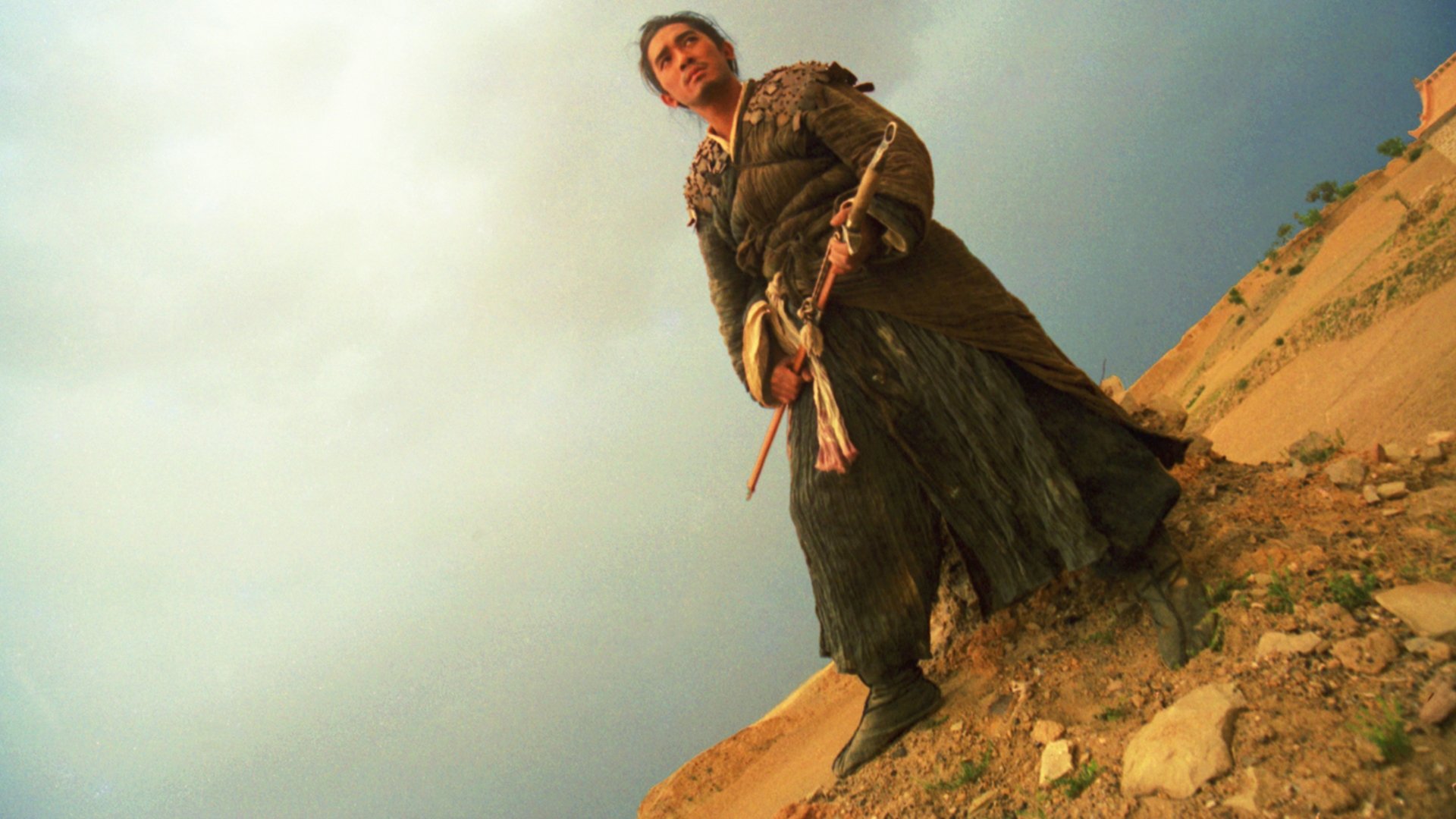
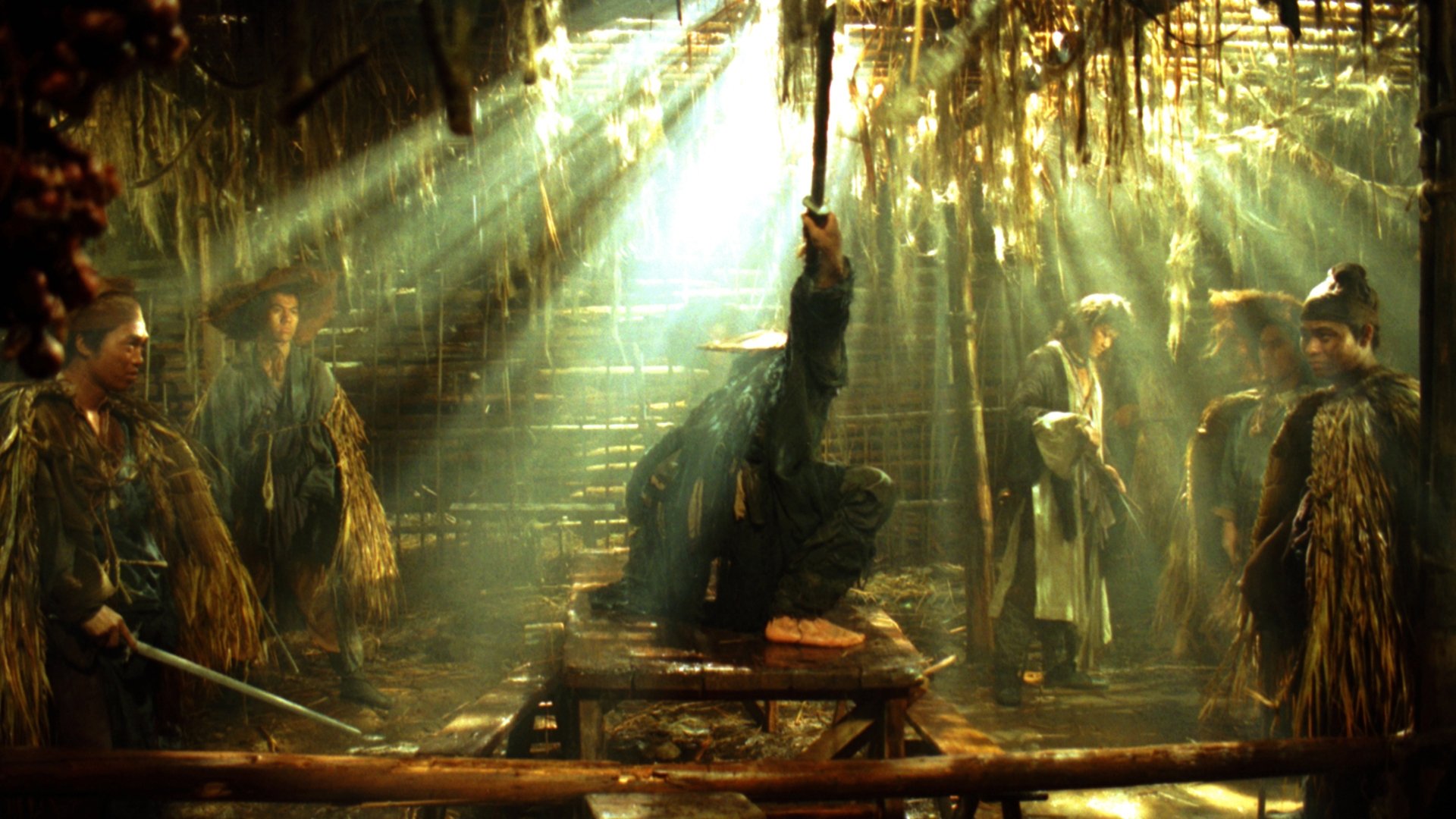
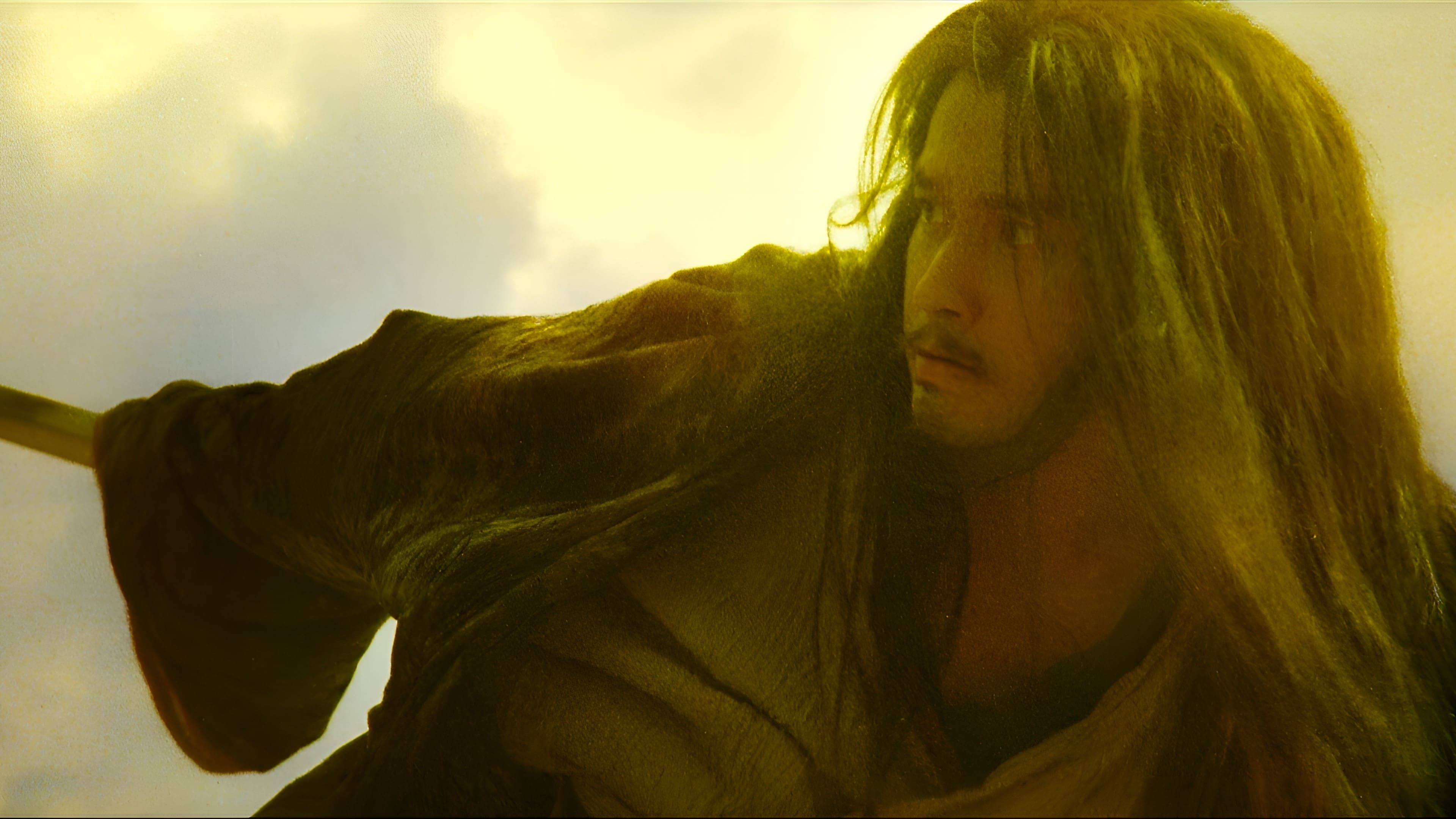
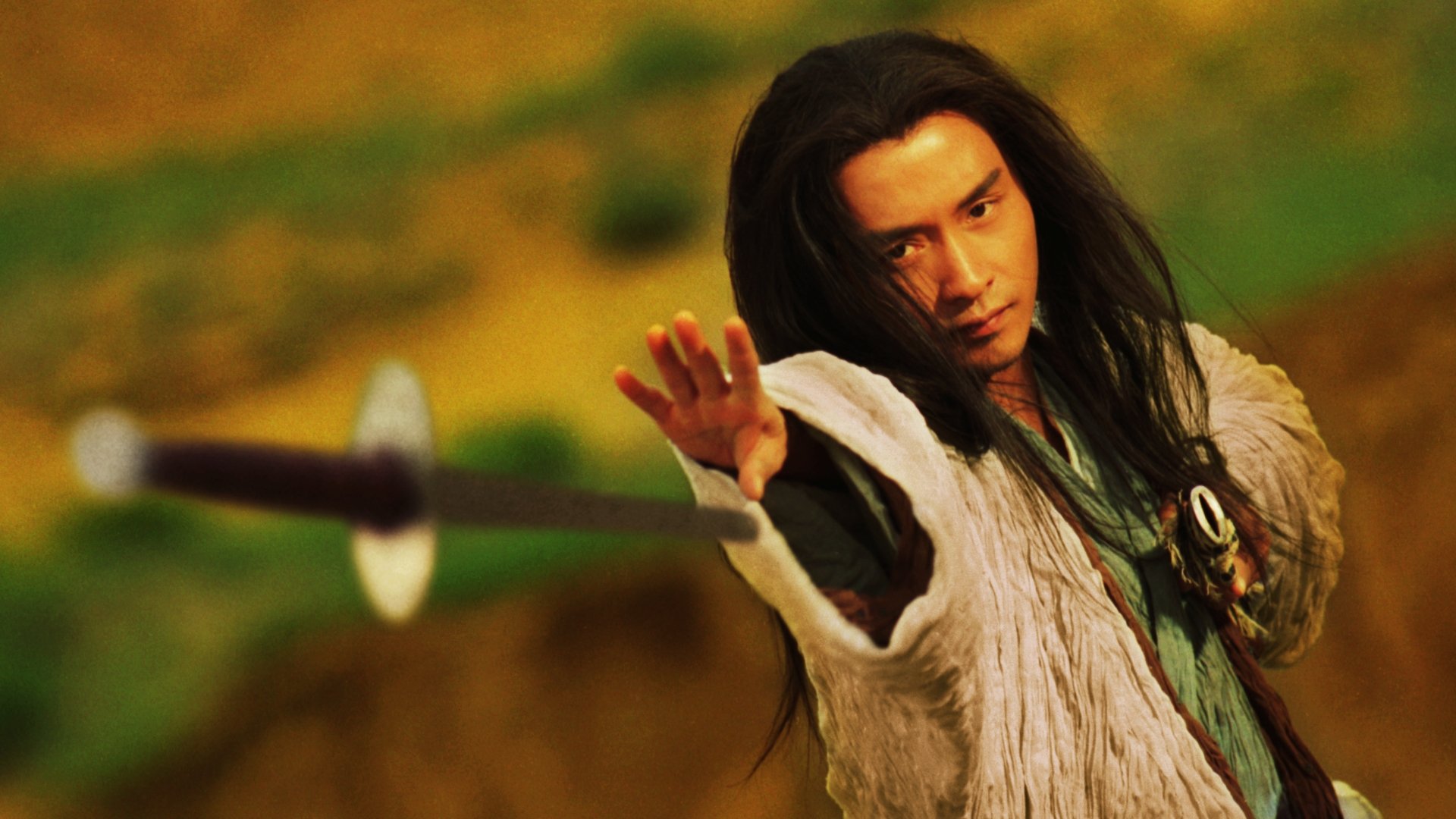
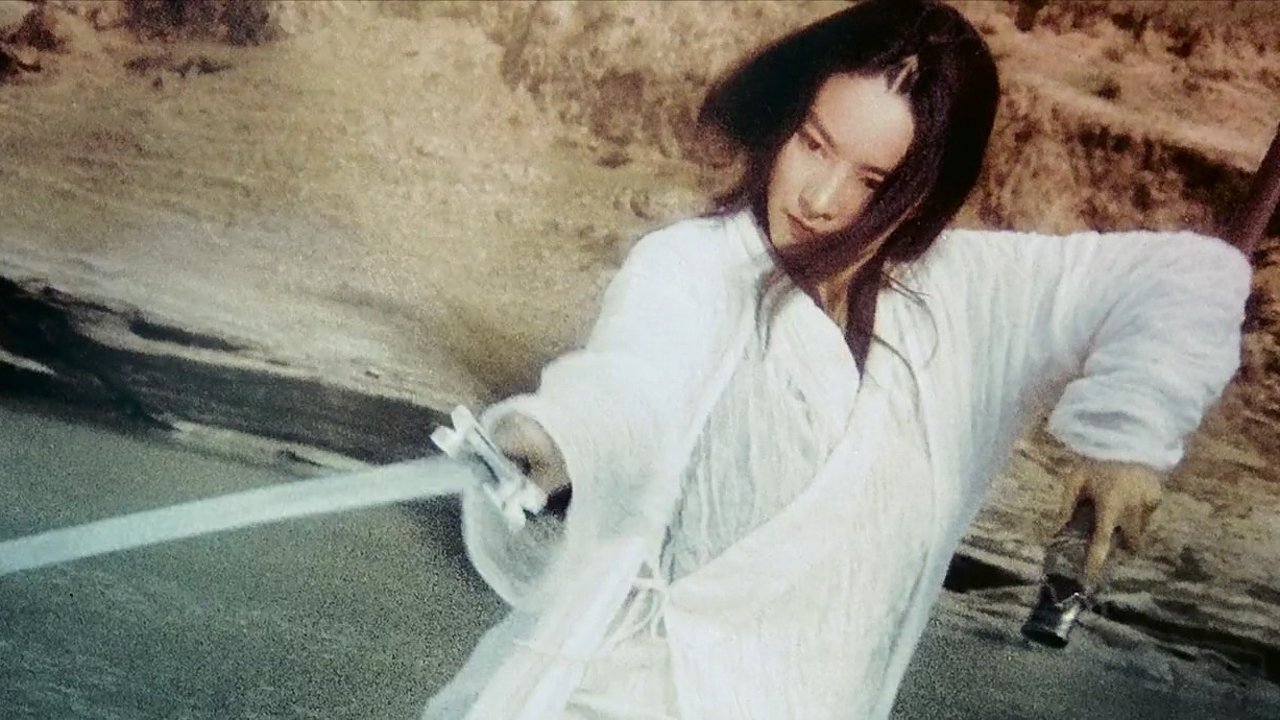
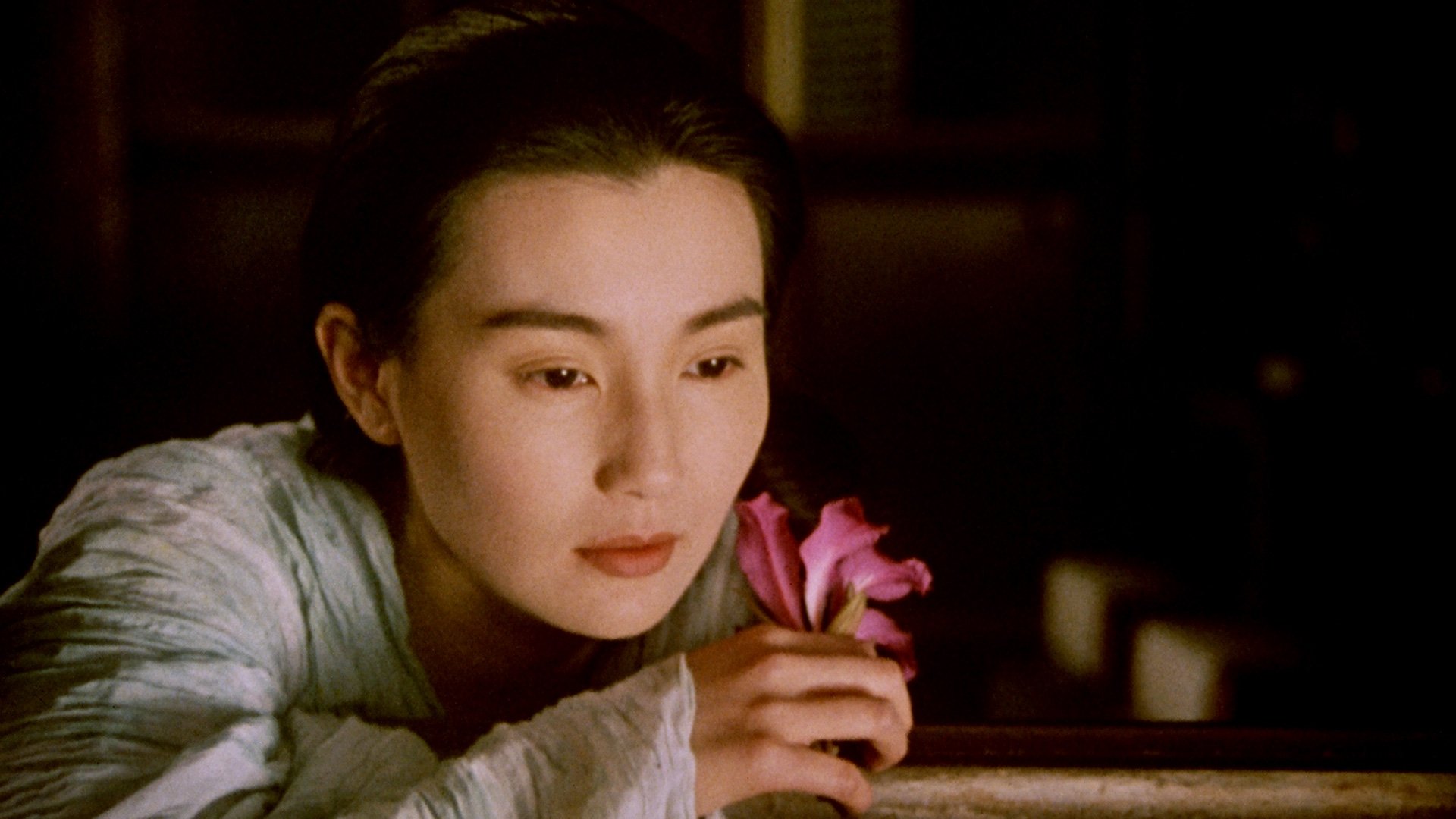
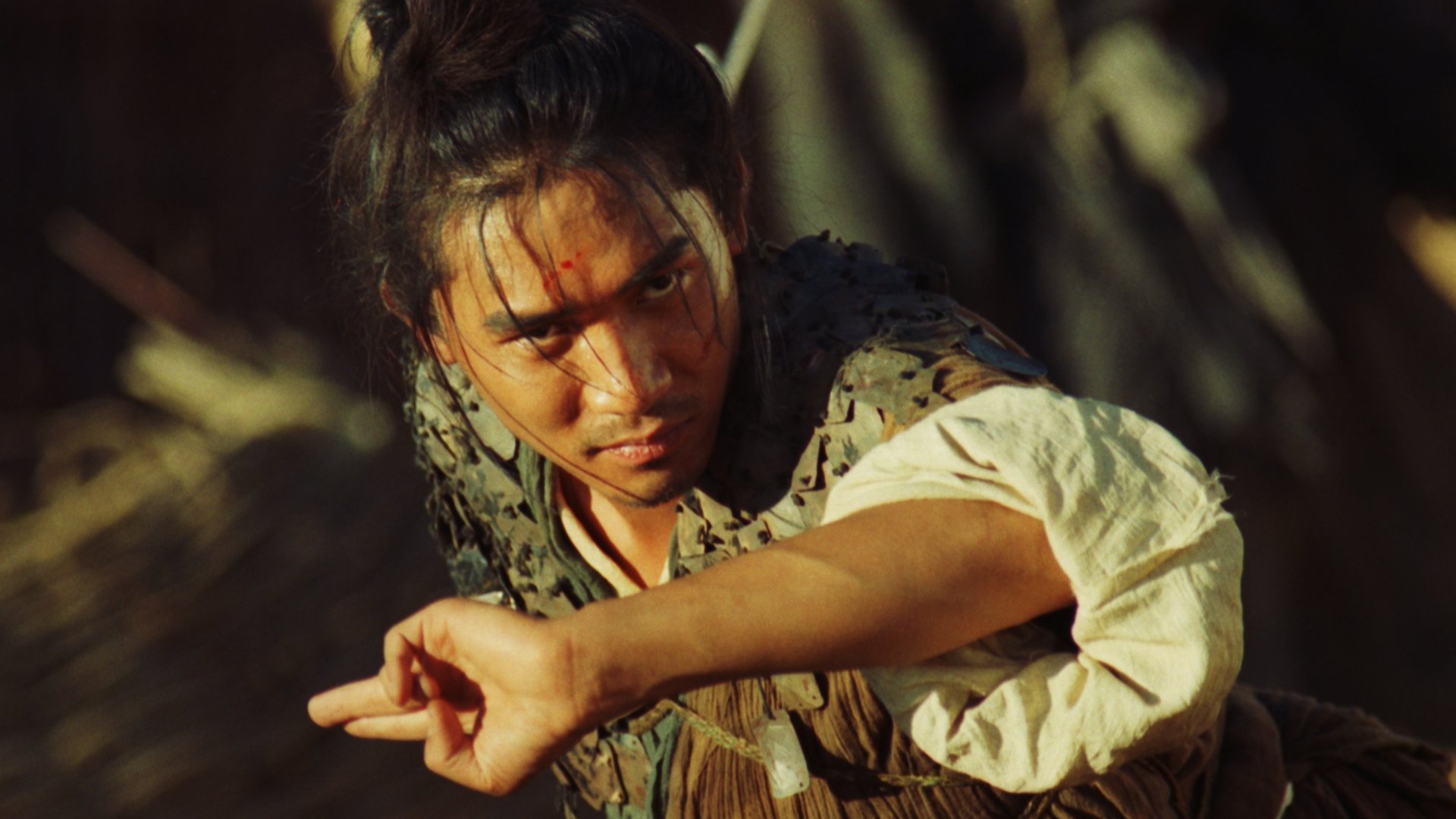
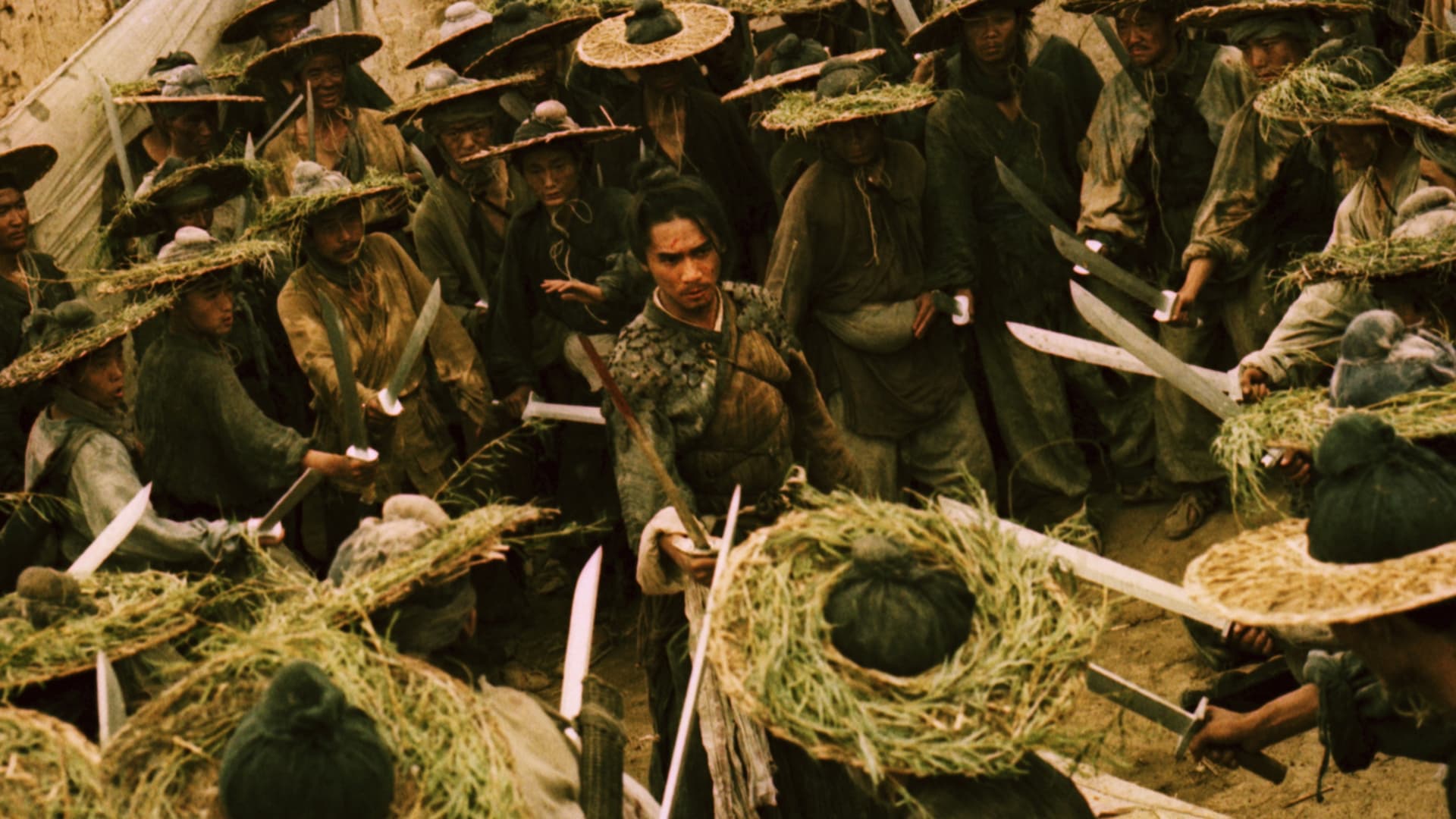
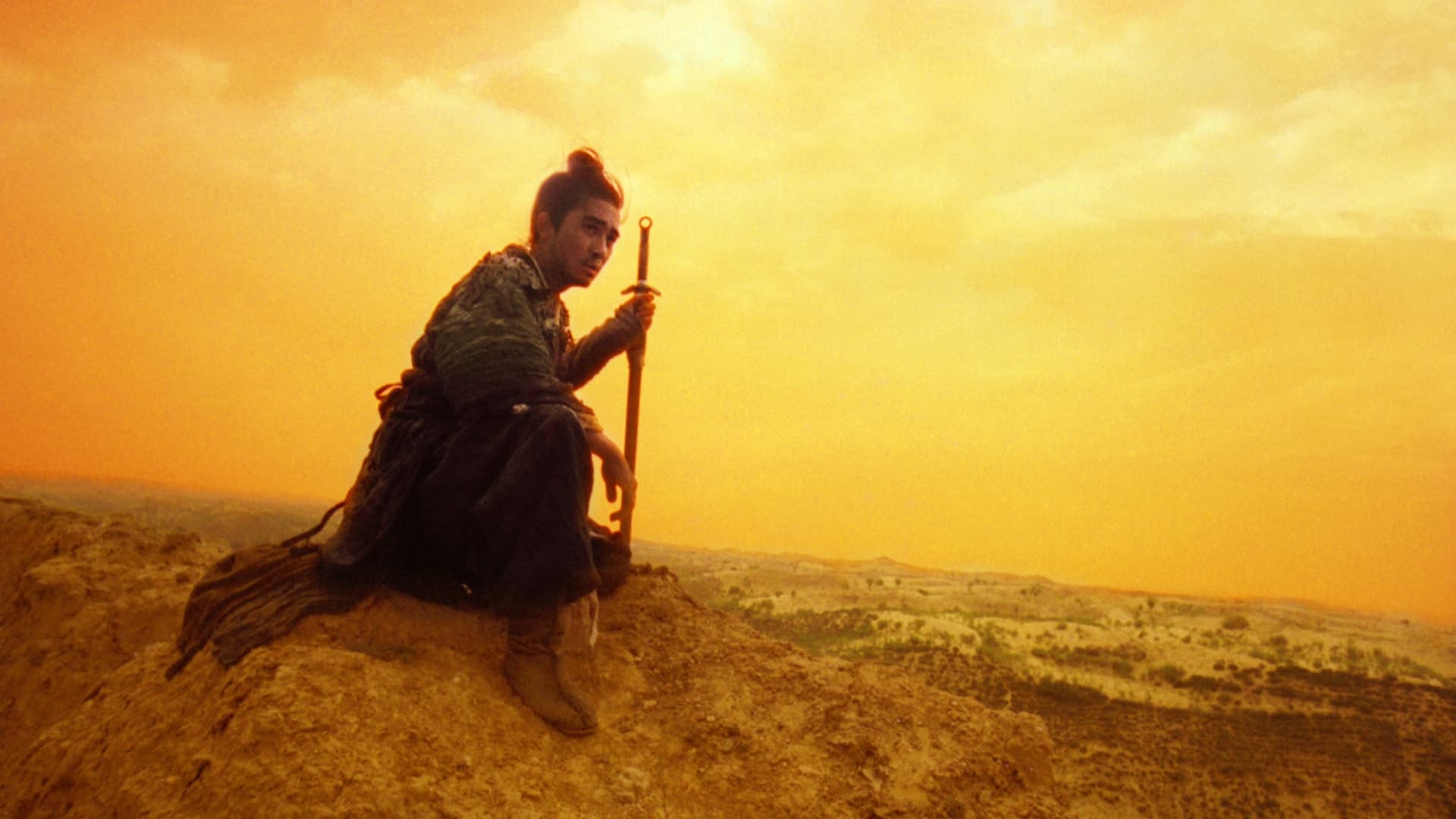
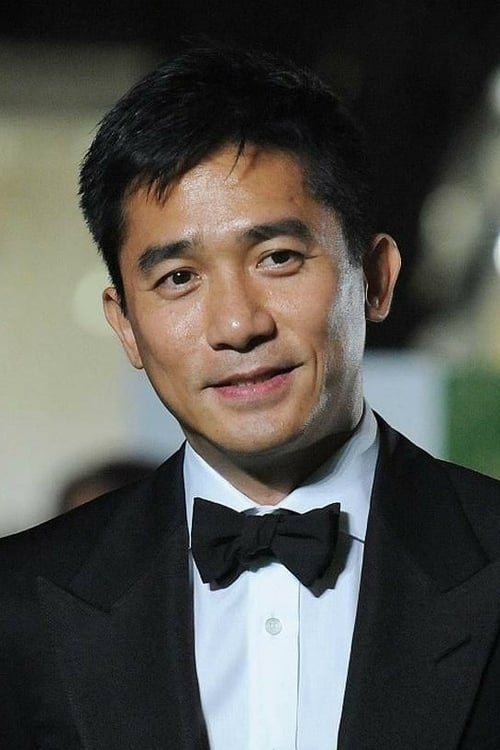
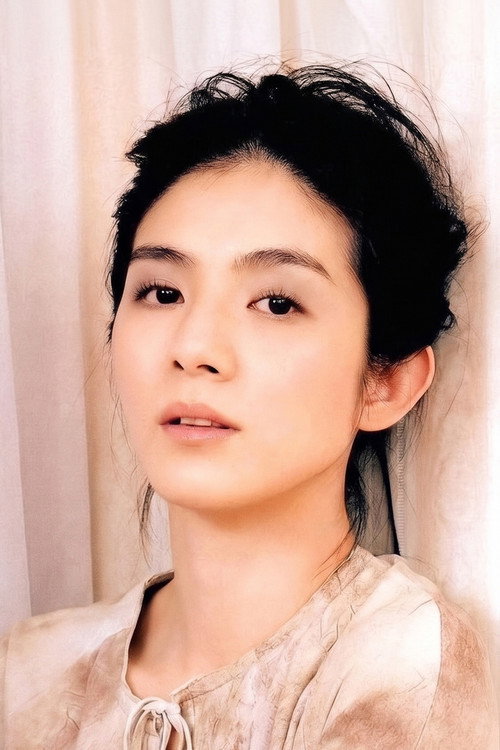
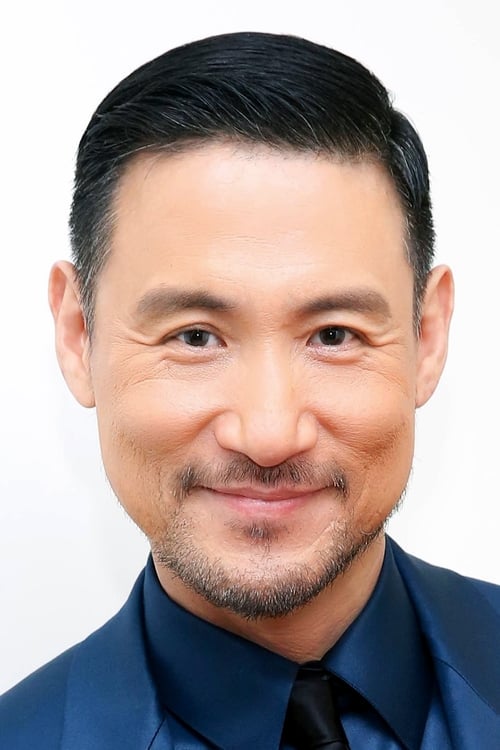
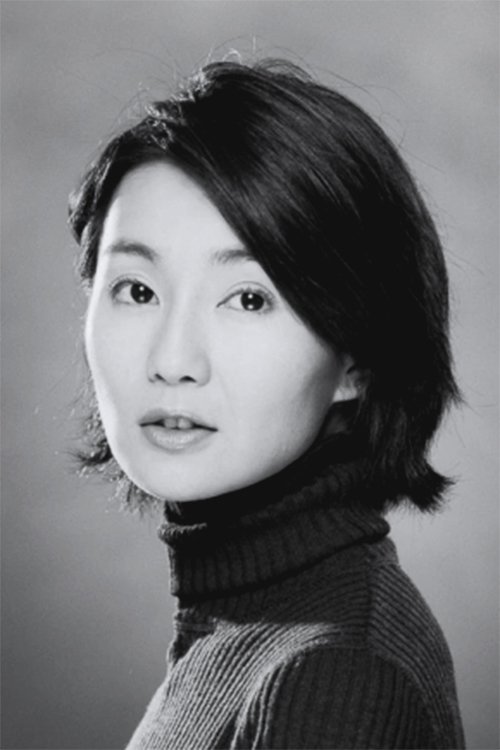
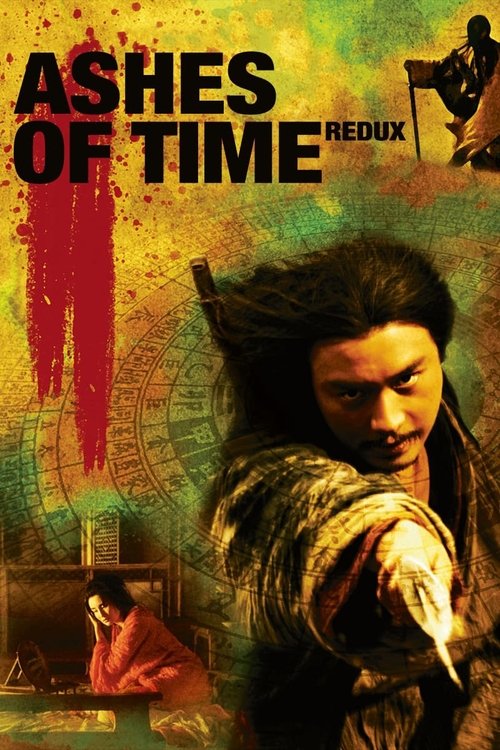
I love it when a plot comes together. The heart of Ashes of Time lies in its romantic ennui. The film resists wuxia heroics and instead explores how people are haunted by longing and loss. Honestly, the film became incomprehensible to me at times. I might ramble or use clumsy wording. Ouyang Feng drifts through the desert, meeting warriors and unrequited loves. If you borrow John Truby’s idea of the “ghost,” Wong Kar-Wai gives nearly every swordsman and lover one. A “ghost,” also called a “wound,” is a past event, regret, or failure that shapes the hero’s present. Here, those ghosts all take the form of longing: sometimes as memories, sometimes as fractured identities, and sometimes as pride. The real thread running through the film is not that longing destroys these people, but that pride does. Each character would rather turn sorrow into legend than let it go.
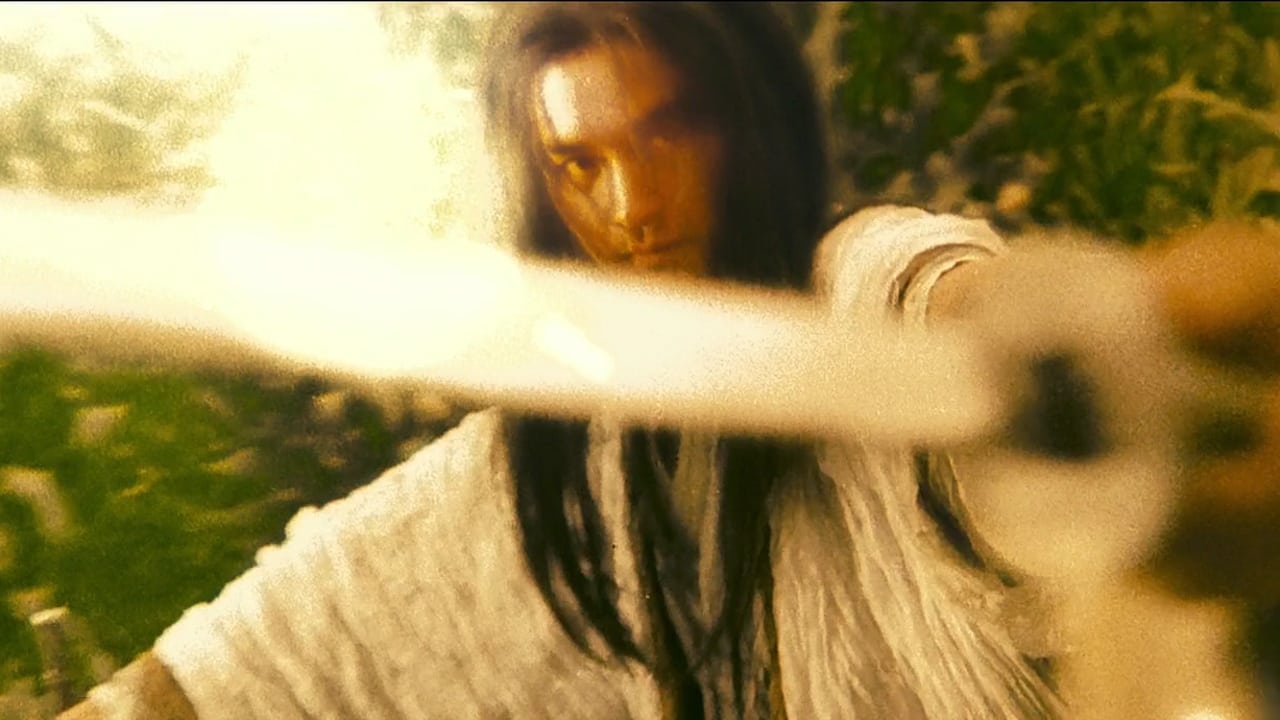
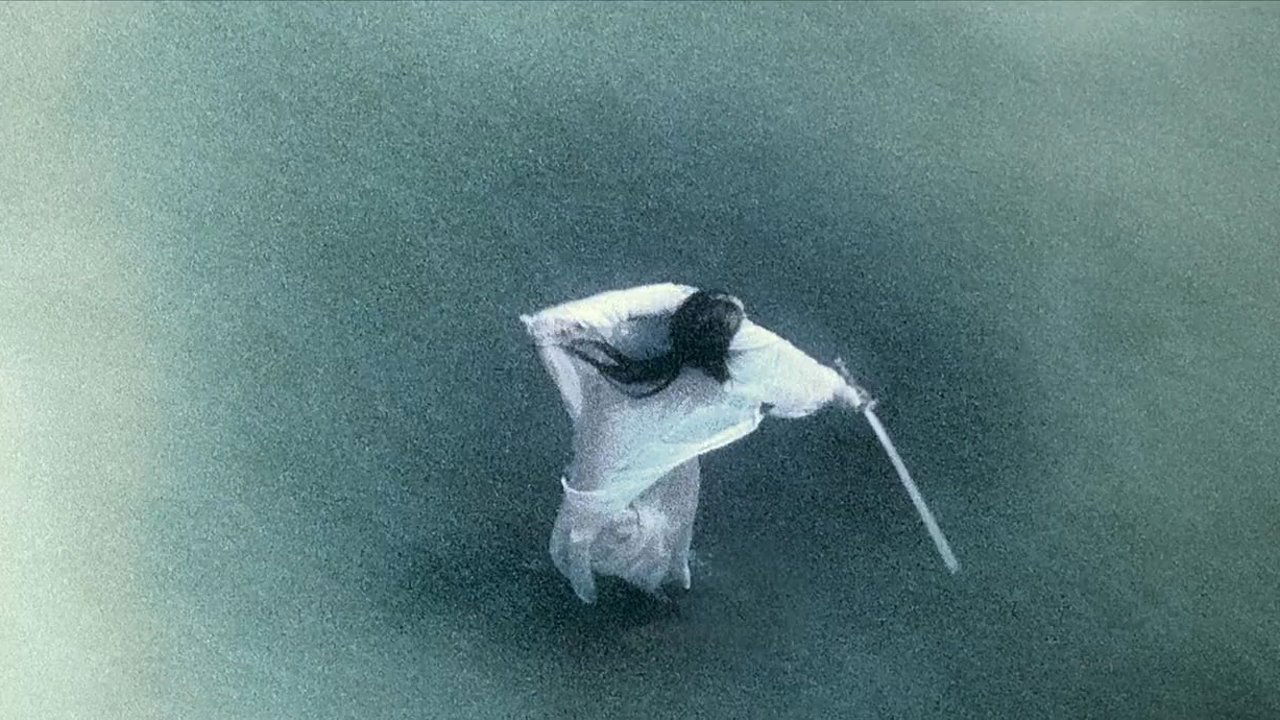
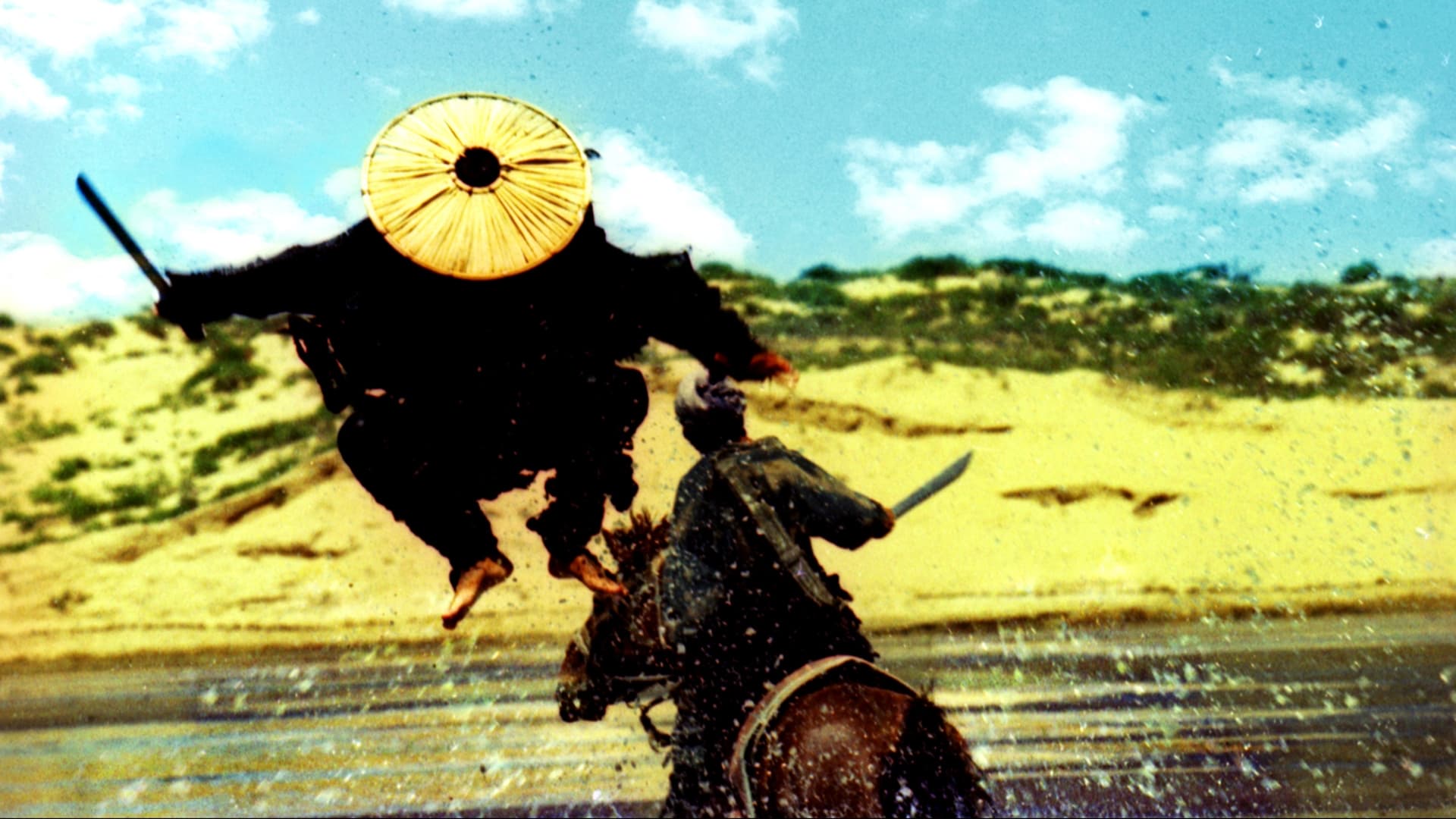
That structure becomes easier to read when I view each swordsman as a different answer to loss. Huang Yaoshi offers the fabled wine that erases memory. His character posits, “Is suffering tied to remembrance?” Wong Kar-Wai’s sly twist is that forgetting only deepens the ache. Murong Yin and Yang split into warring personalities, their inner turmoil a melodramatic spectacle. The Blind Swordsman’s fading sight becomes a metaphor for emotional blindness, which is why Wong shoots the combat in those smeared blurs. Once you stop expecting heroic clarity, the film reveals itself as one of his richest works. A nonlinear desert elegy, where even honor becomes just another way of coping with love. For some, it remains 'confusing but beautiful.' But once it seeps in, it feels like Shakespeare filtered through Wong Kar-Wai’s bittersweet lens.
I love it when a plot comes together. The heart of Ashes of Time lies in its romantic ennui. The film resists wuxia heroics and instead explores how people are haunted by longing and loss. Honestly, the film became incomprehensible to me at times. I might ramble or use clumsy wording. Ouyang Feng drifts through the desert, meeting warriors and unrequited loves. If you borrow John Truby’s idea of the “ghost,” Wong Kar-Wai gives nearly every swordsman and lover one. A “ghost,” also called a “wound,” is a past event, regret, or failure that shapes the hero’s present. Here, those ghosts all take the form of longing: sometimes as memories, sometimes as fractured identities, and sometimes as pride. The real thread running through the film is not that longing destroys these people, but that pride does. Each character would rather turn sorrow into legend than let it go.
That structure becomes easier to read when I view each swordsman as a different answer to loss. Huang Yaoshi offers the fabled wine that erases memory. His character posits, “Is suffering tied to remembrance?” Wong Kar-Wai’s sly twist is that forgetting only deepens the ache. Murong Yin and Yang split into warring personalities, their inner turmoil a melodramatic spectacle. The Blind Swordsman’s fading sight becomes a metaphor for emotional blindness, which is why Wong shoots the combat in those smeared blurs. Once you stop expecting heroic clarity, the film reveals itself as one of his richest works. A nonlinear desert elegy, where even honor becomes just another way of coping with love. For some, it remains 'confusing but beautiful.' But once it seeps in, it feels like Shakespeare filtered through Wong Kar-Wai’s bittersweet lens.