

2016·Drama·1h 46m
7.1
★
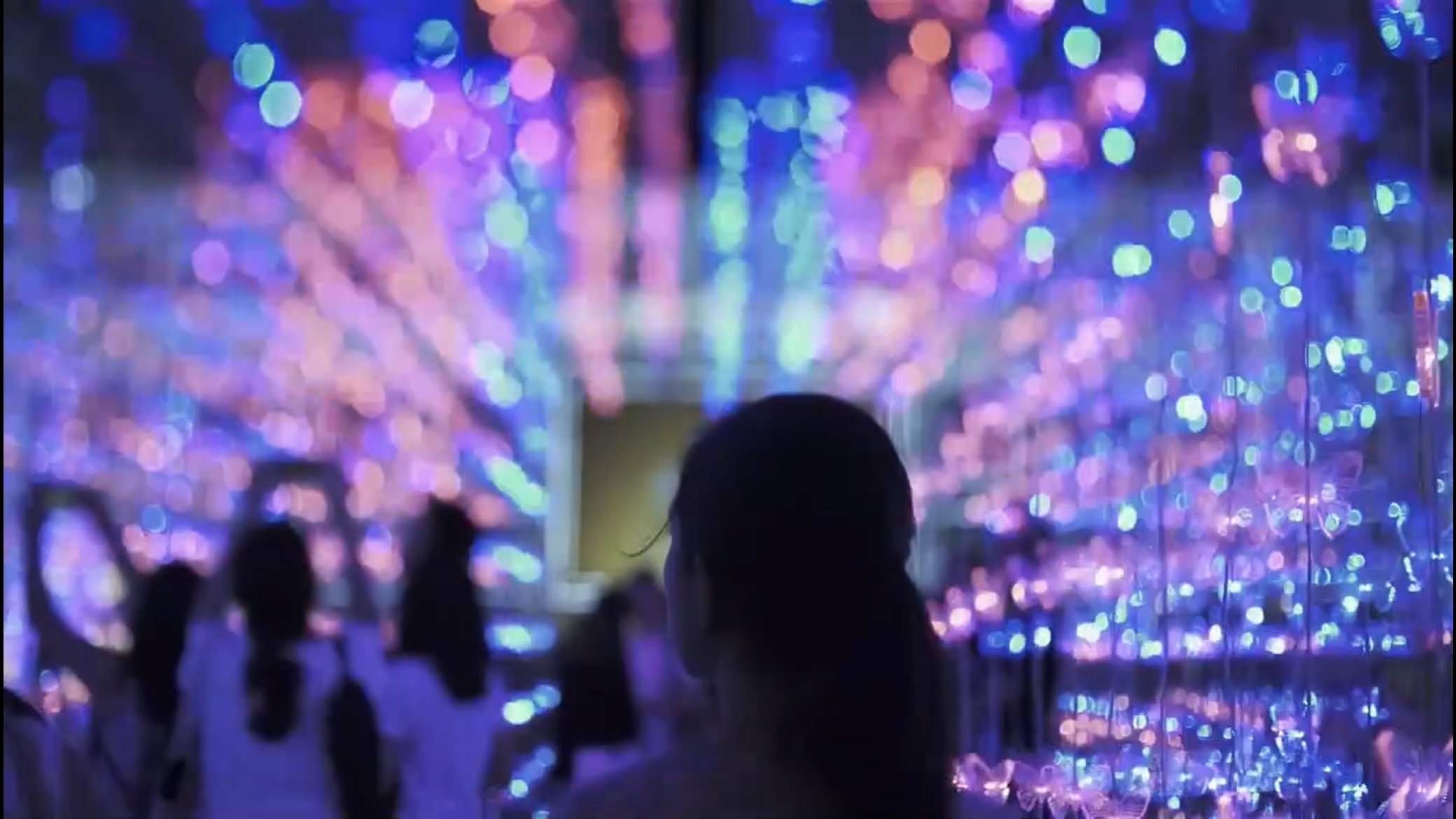
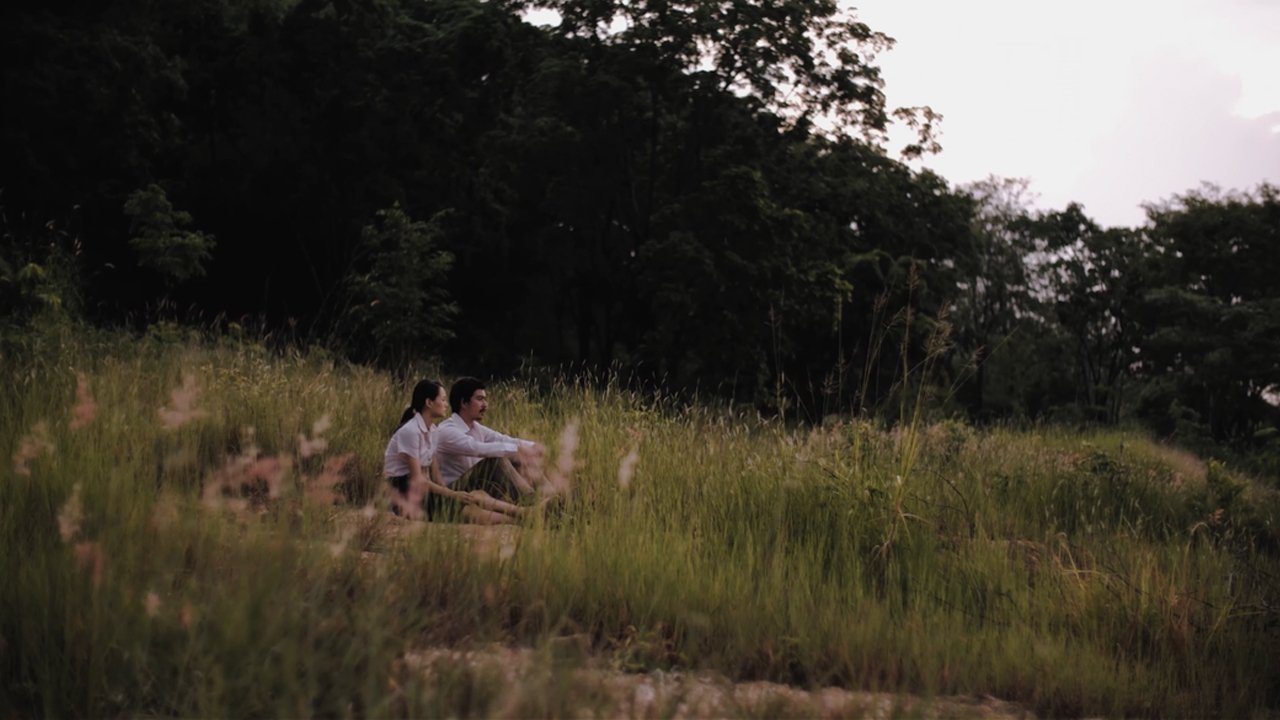
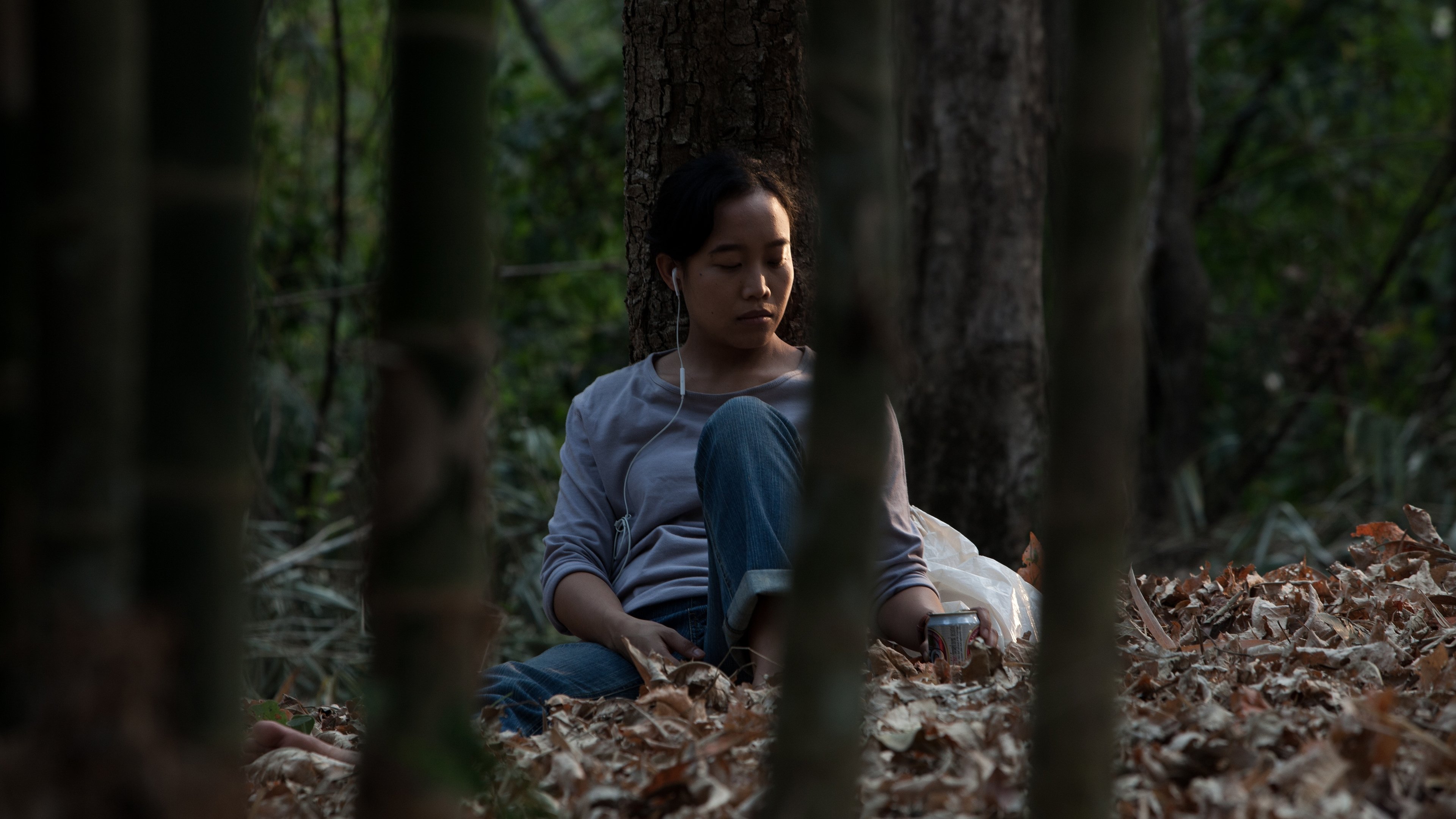
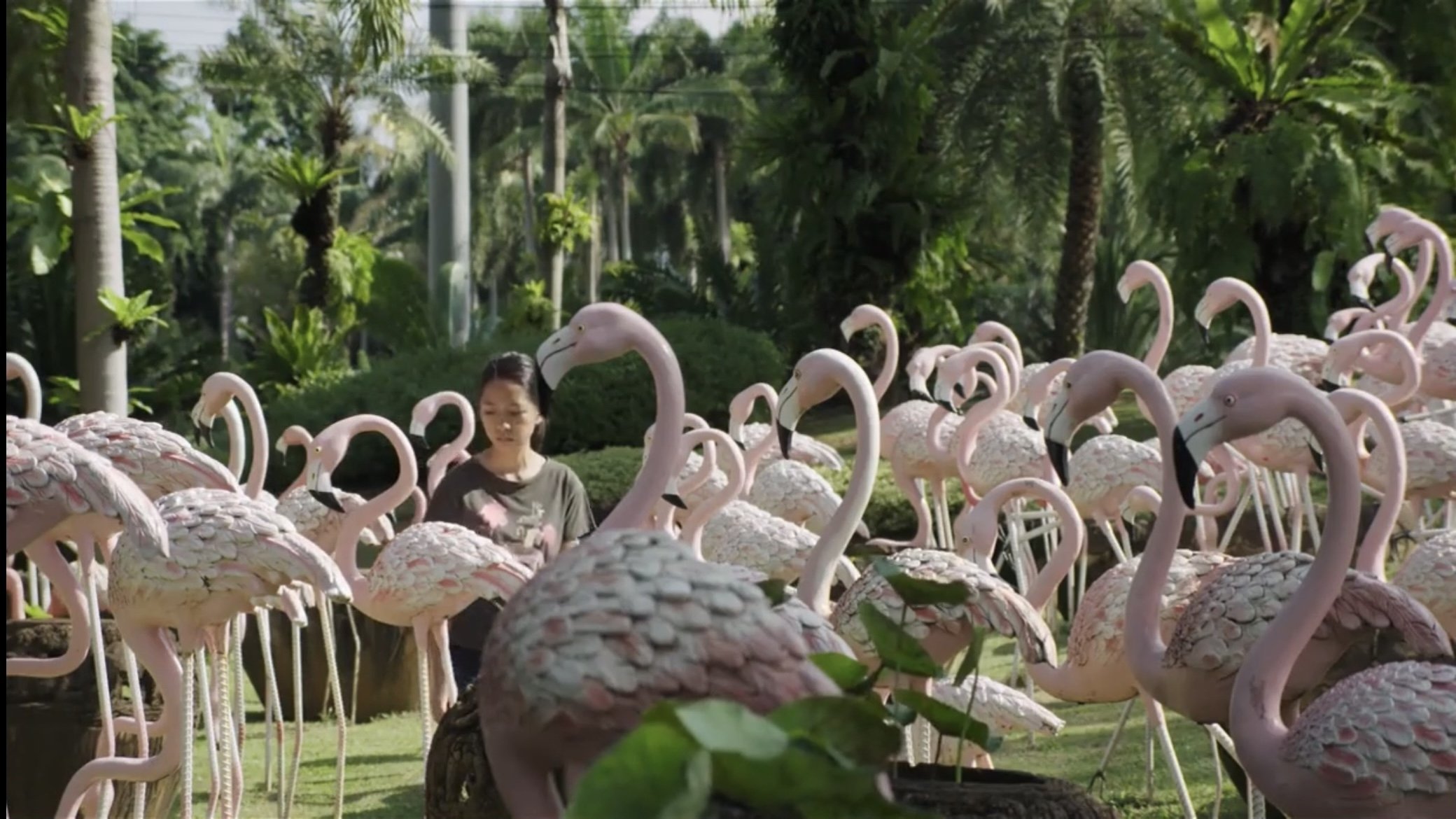
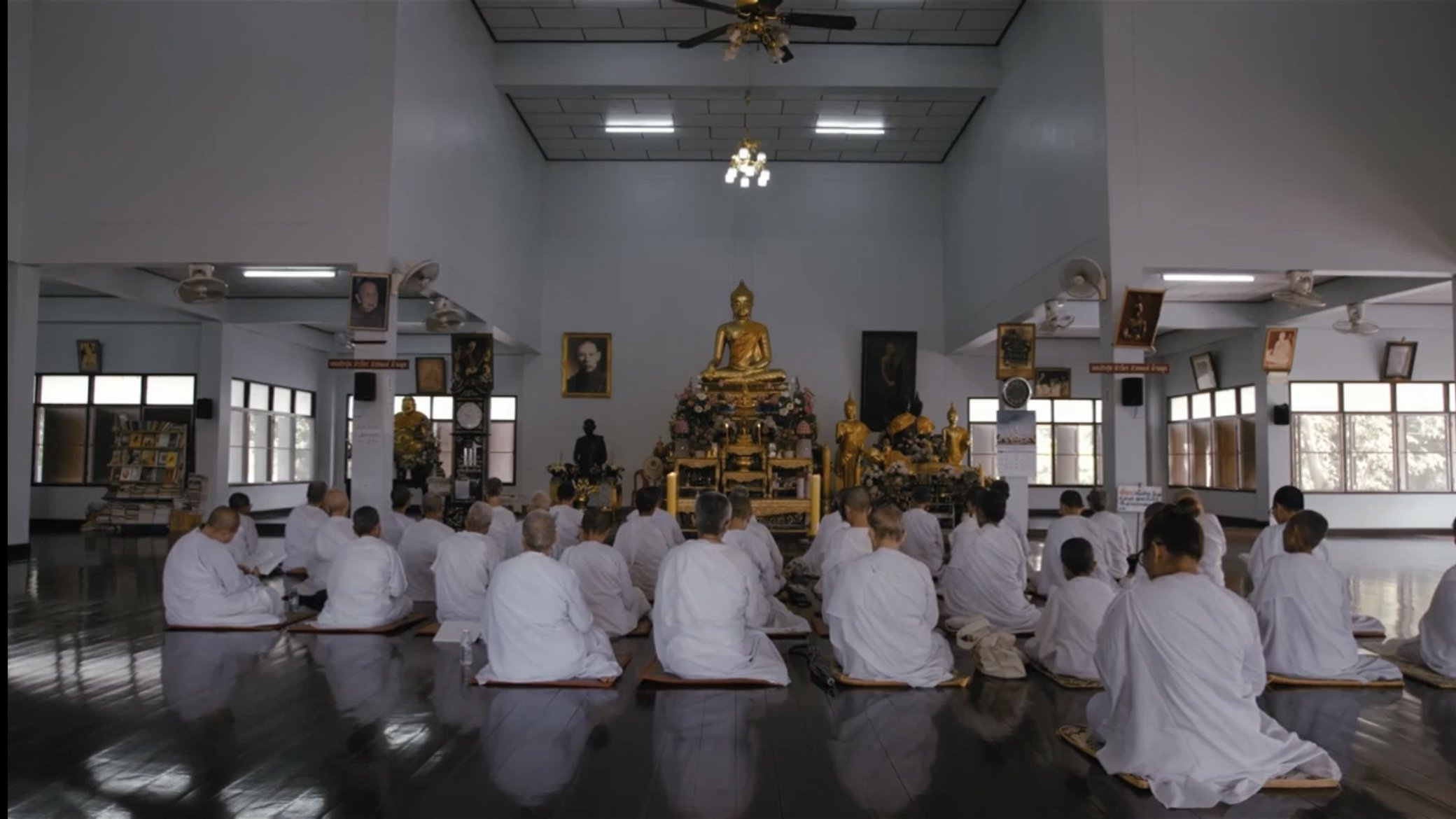
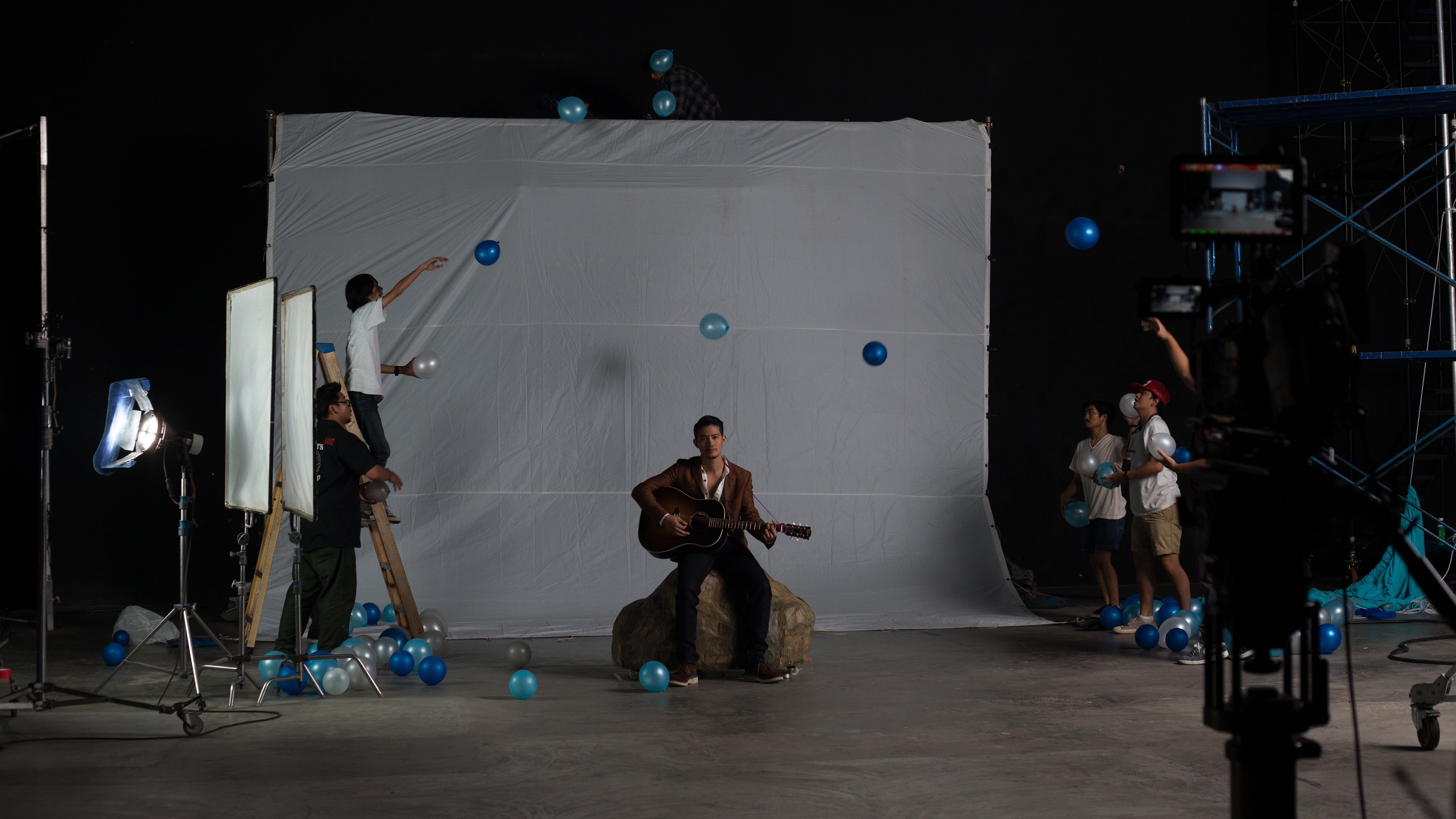
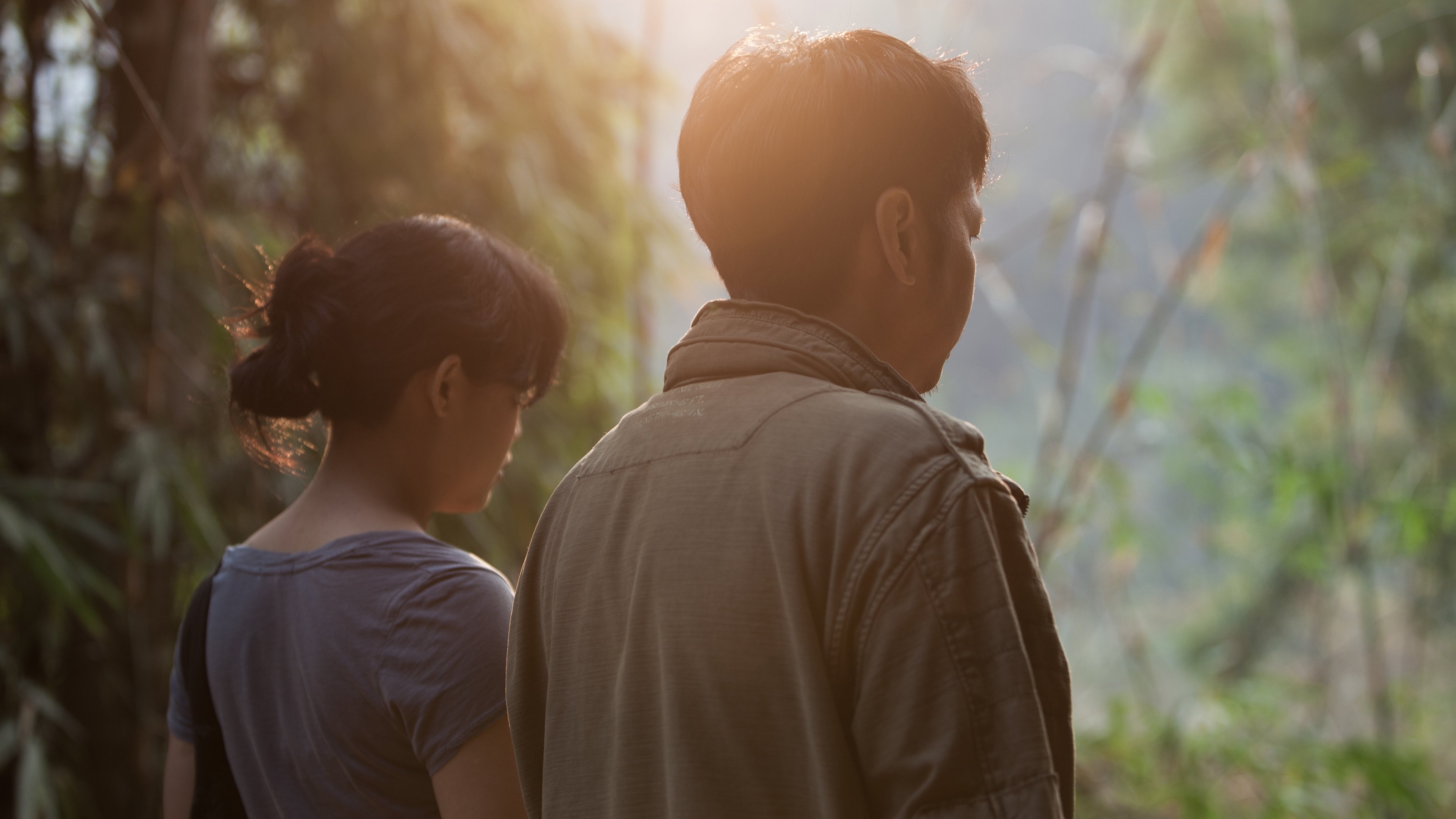
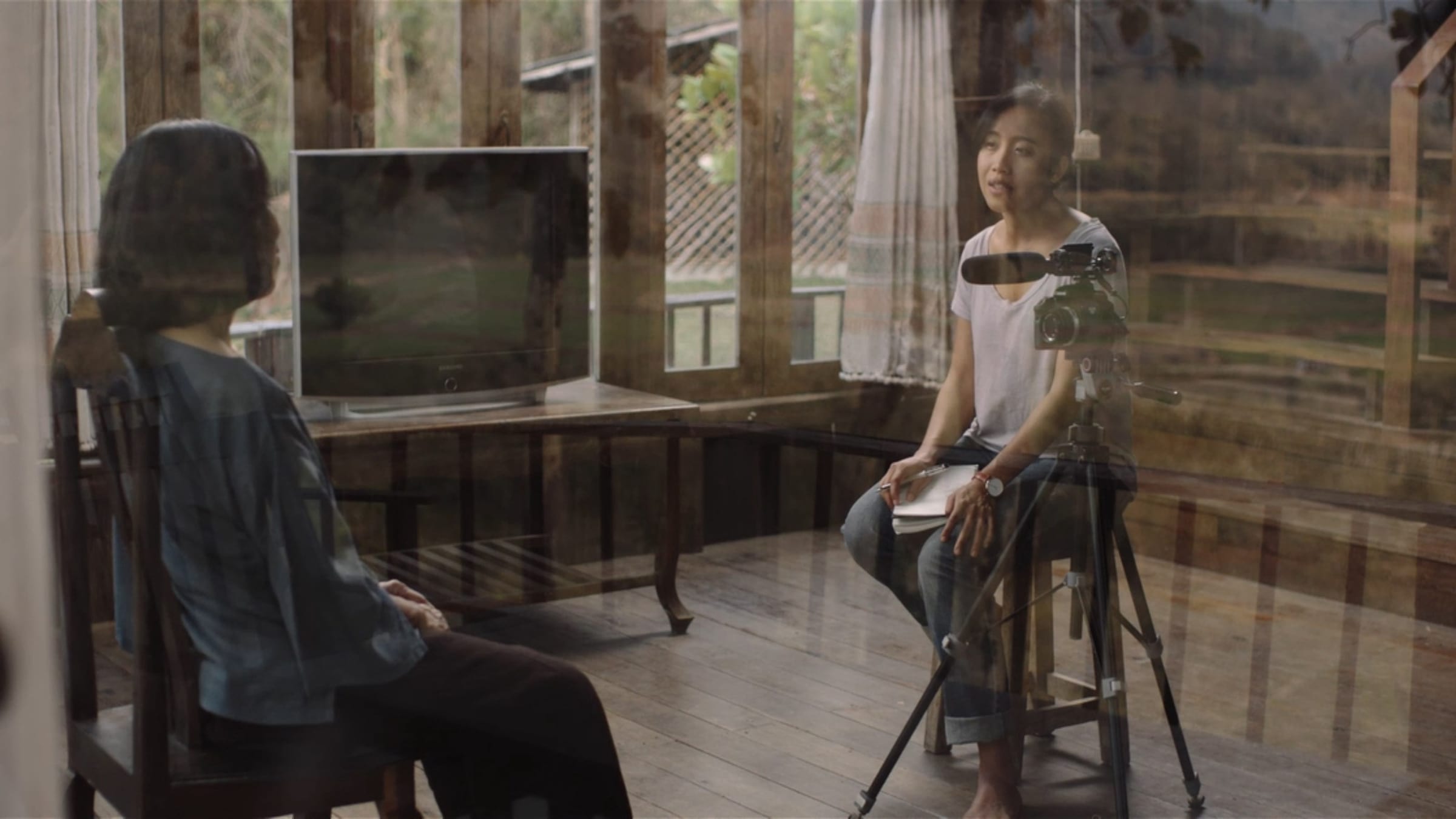
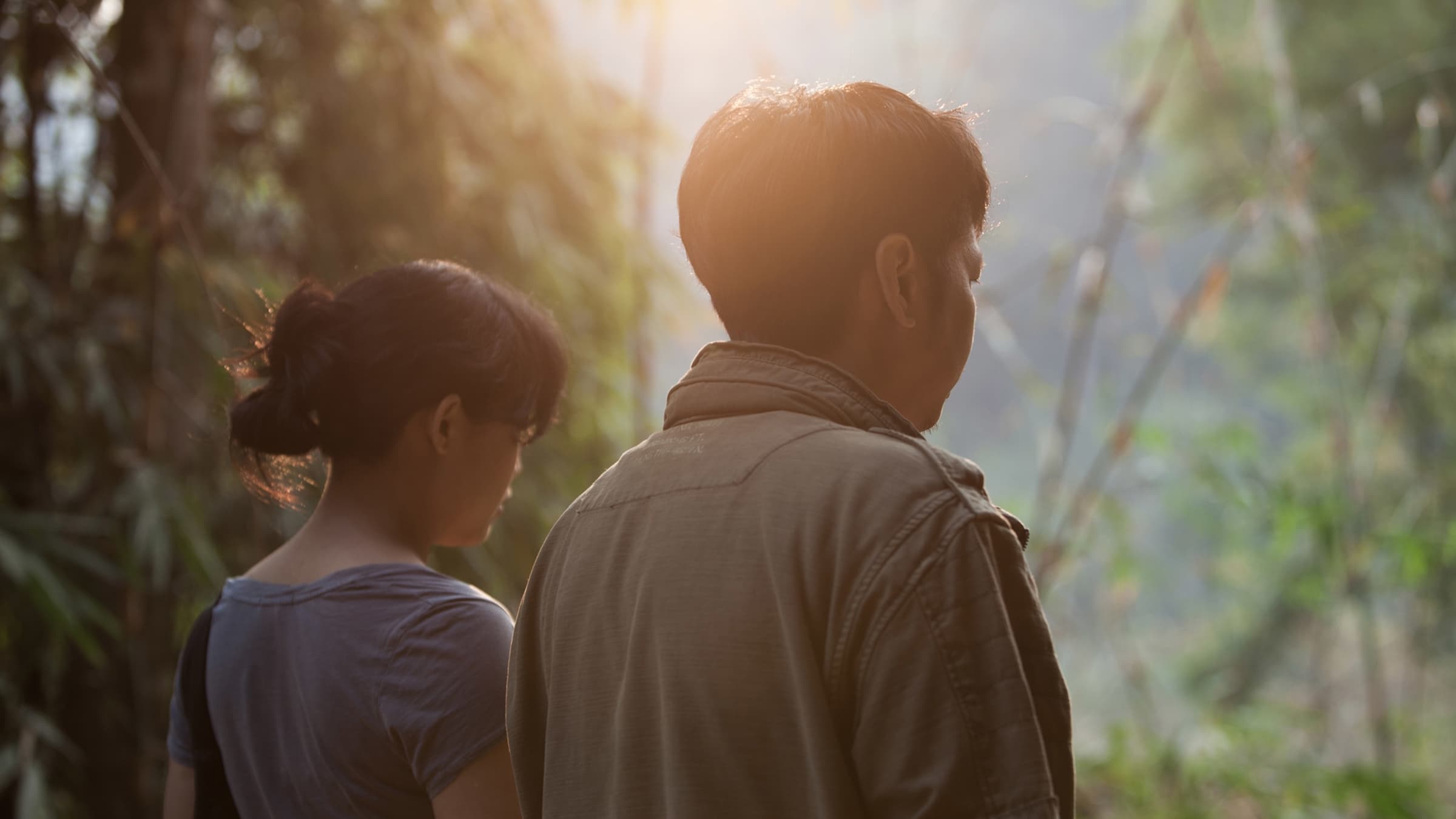
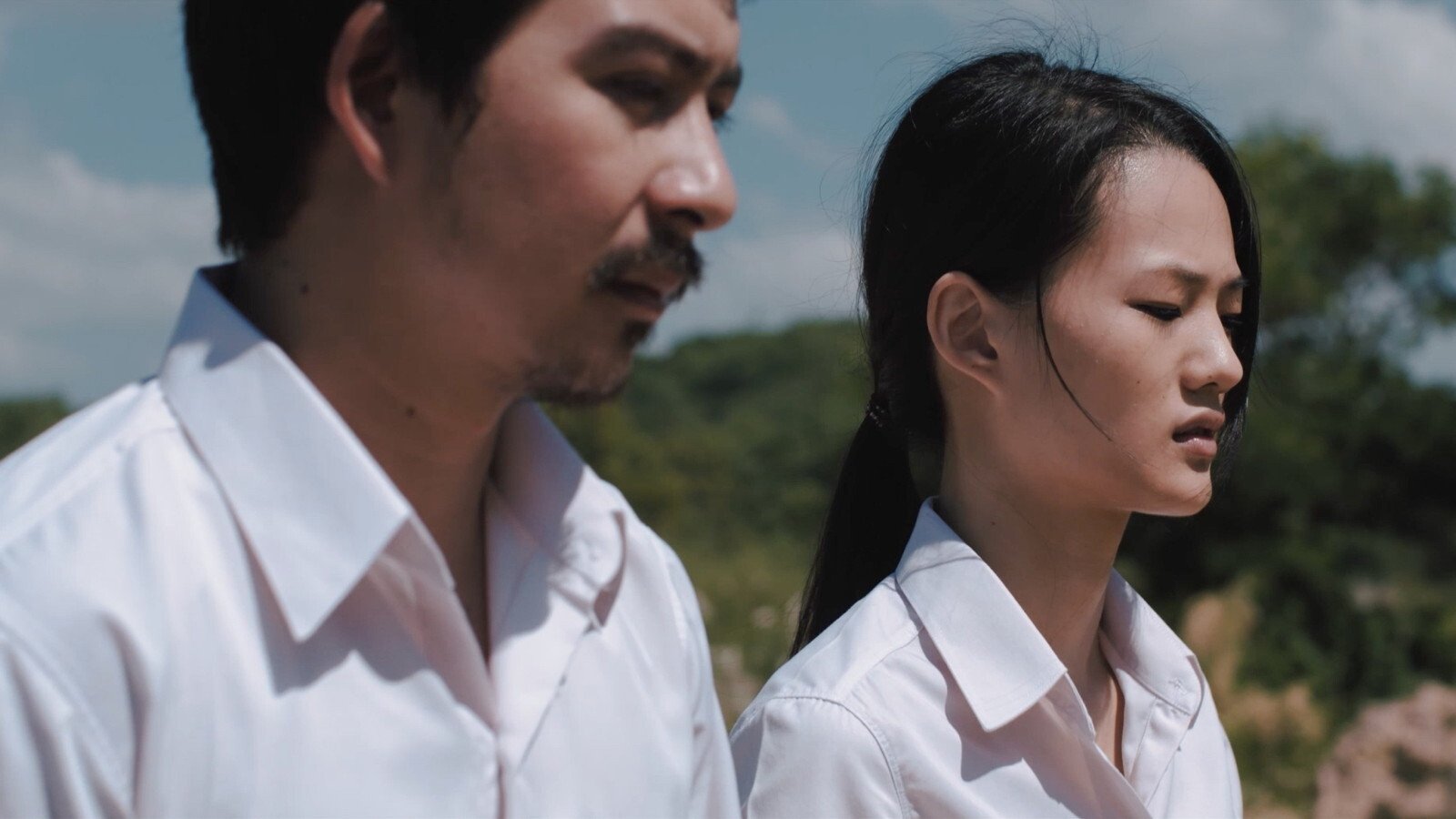
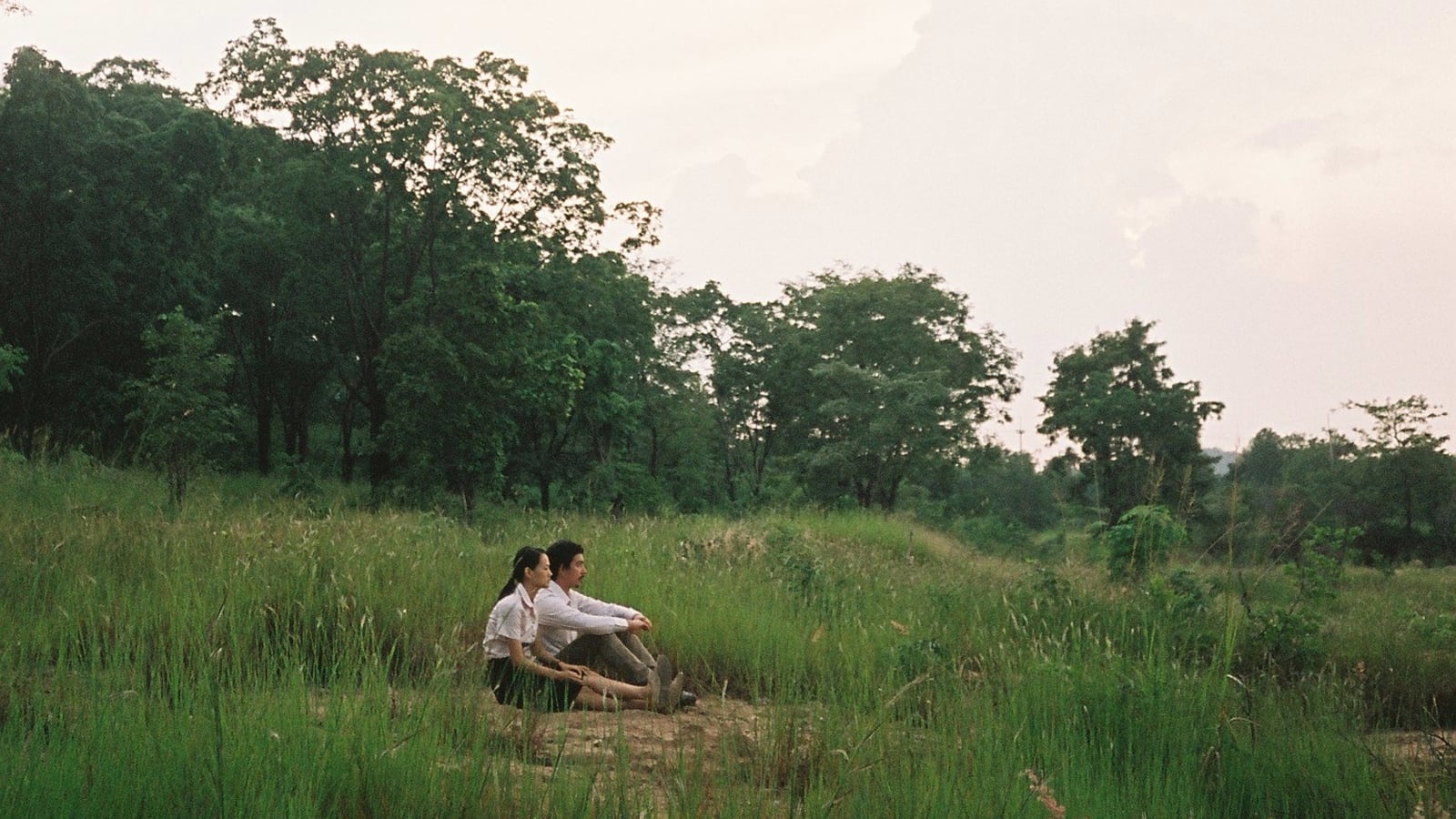
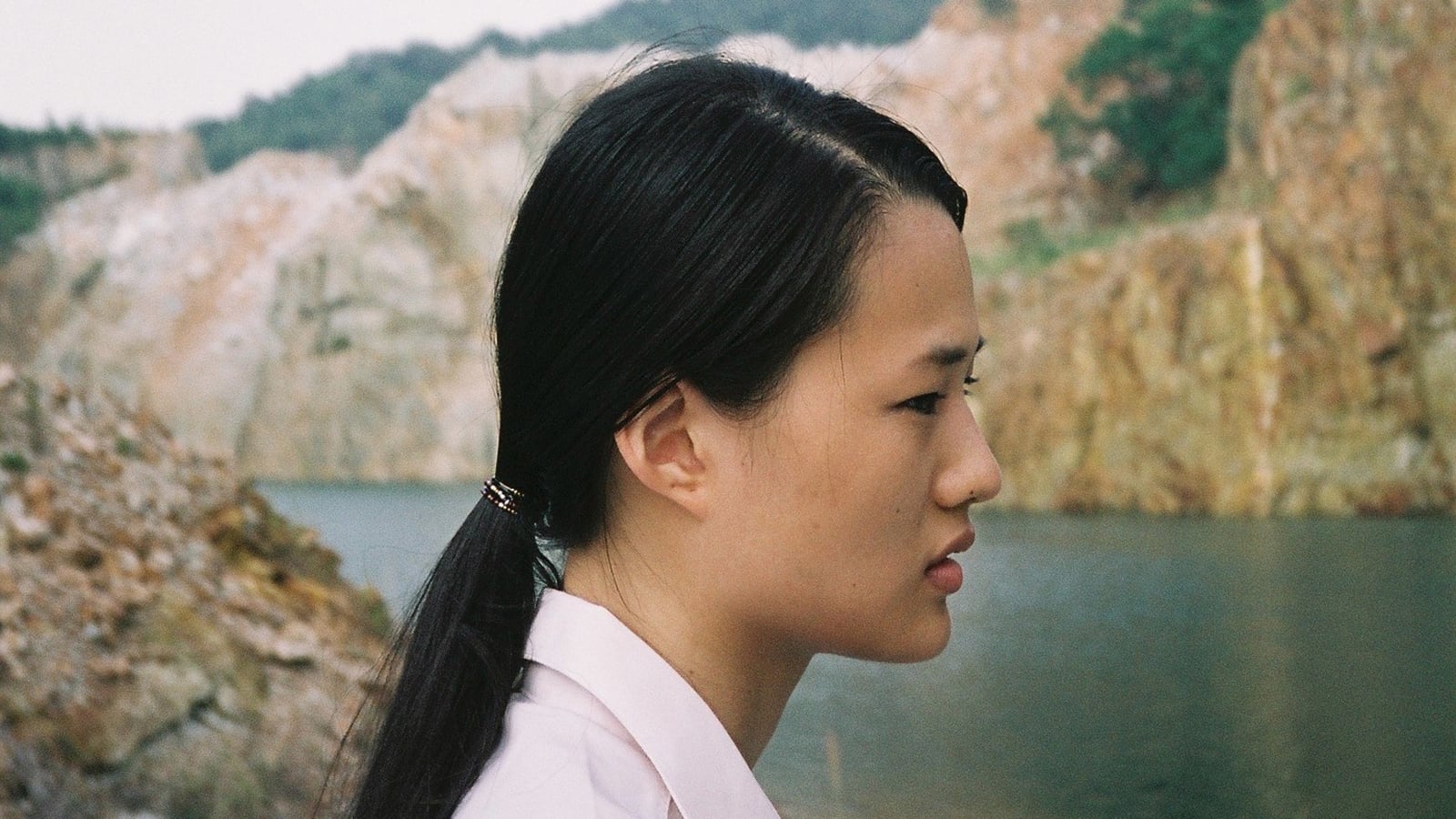
Film-maker Ann has an upcoming project about the 1976 massacre of Thai students. She interviews Taew, a survivor, at a mountain retreat only to have her perspective change as the project progresses.
Directed by Anocha Suwichakornpong
woman director

Trailer

IMDB
N/A
Where to Watch



Cast
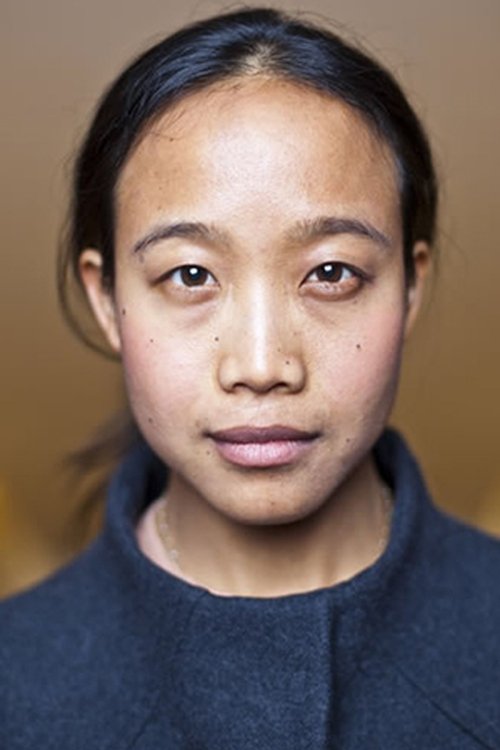
Visra Vichit-Vadakan
Ann
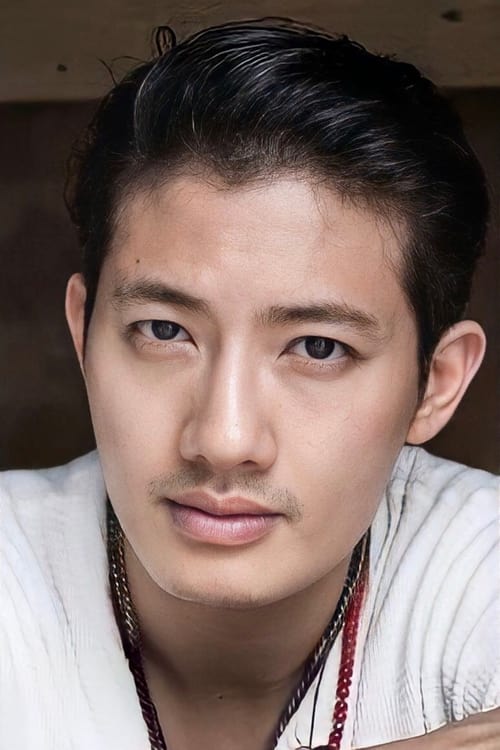
Arak Amornsupasiri
Peter
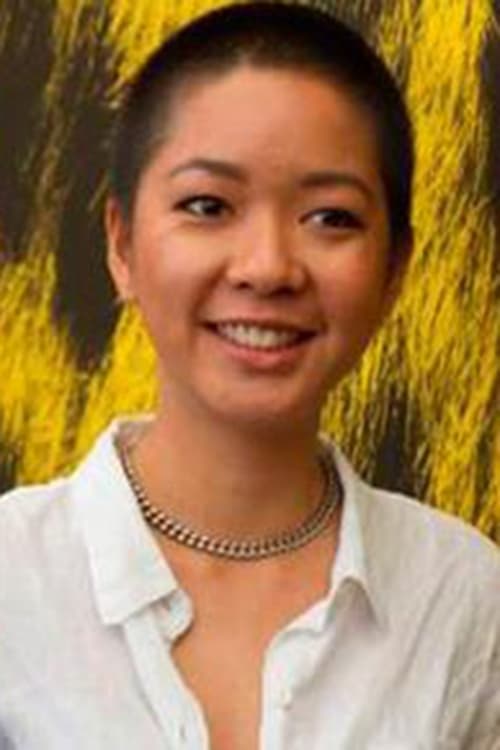
Atchara Suwan
Nong

Intira Jaroenpura
Ann
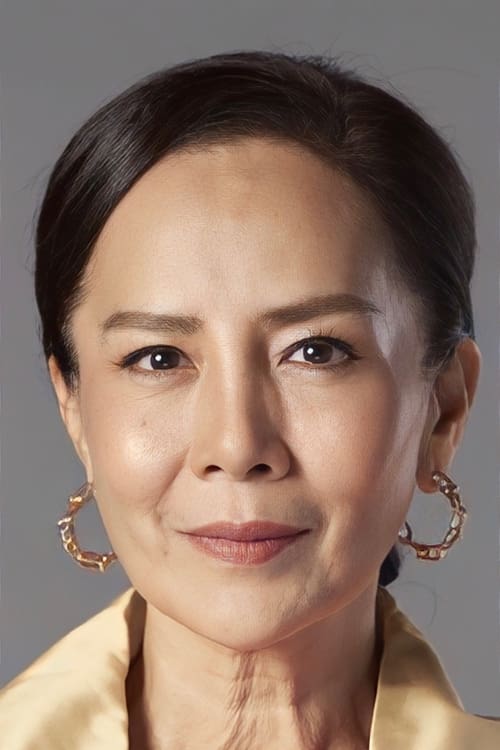
Penpak Sirikul
Taew

Apinya Sakuljaroensuk
Tak / Ou
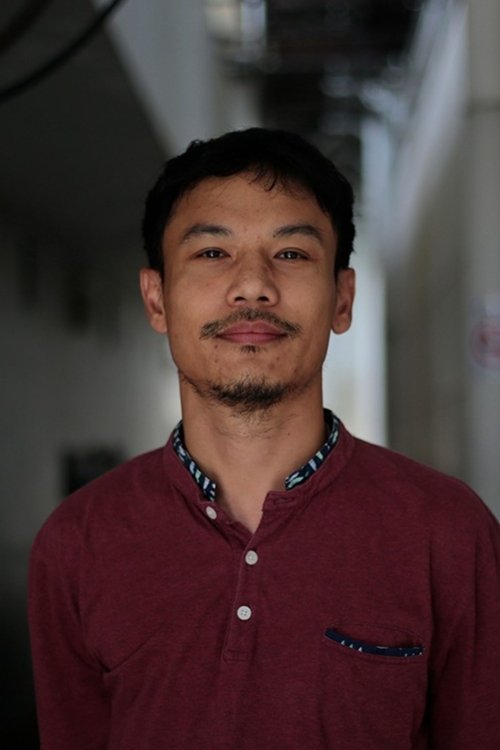
Phassarawin Kulsomboon
Crew at Gor Surangkanang's House
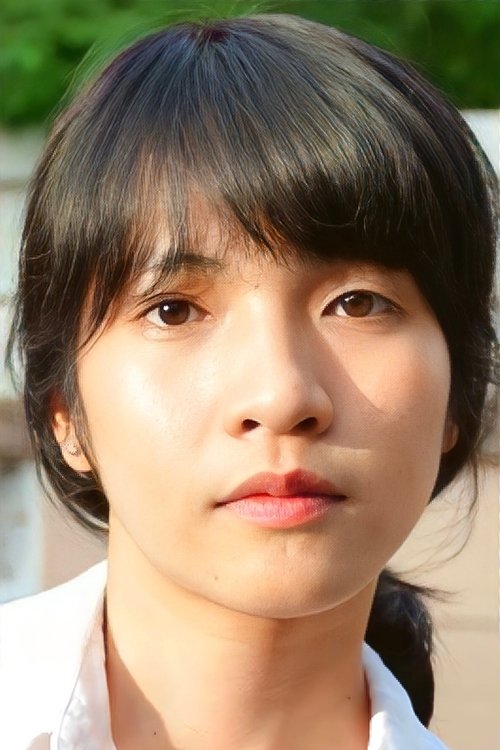
Chantana Tiprachart
Assistant Director on Set
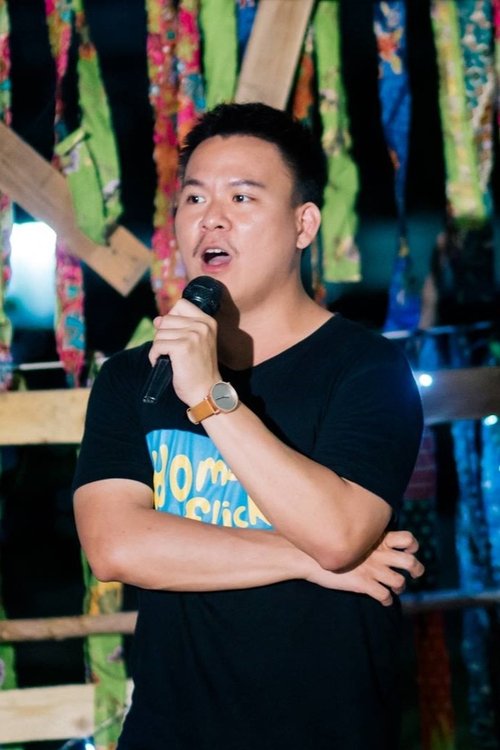
Chalat Siriwanij
Peter's Friends
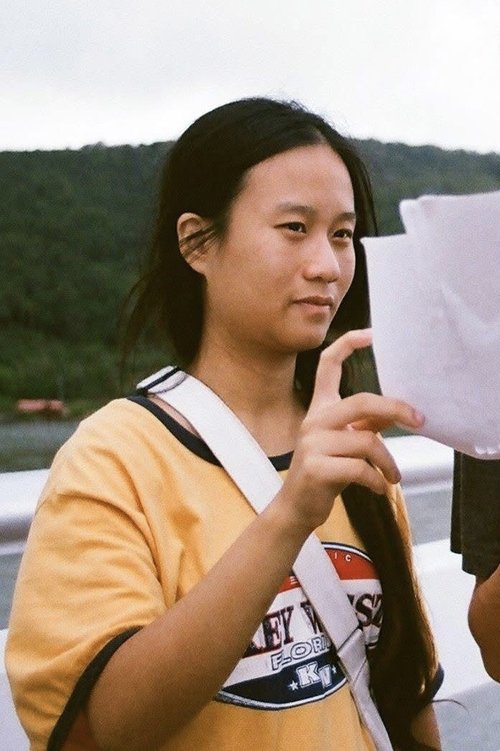
Asamaporn Samakphan
Student Activists
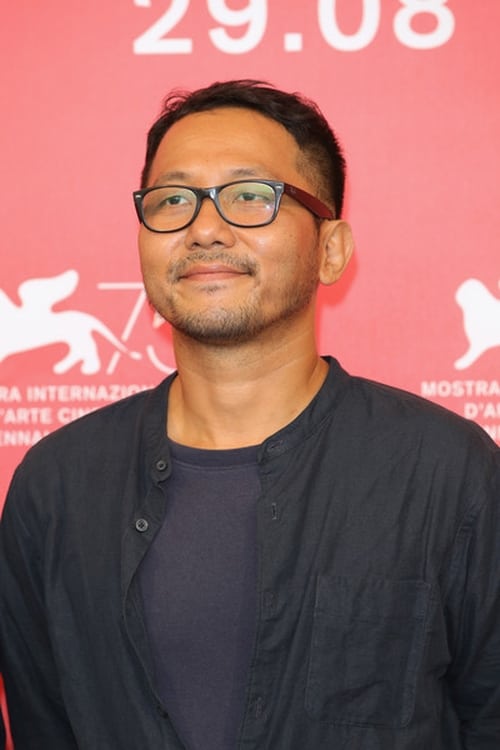
Phuttiphong Aroonpheng
Film Crew in Editing Suite
Crew
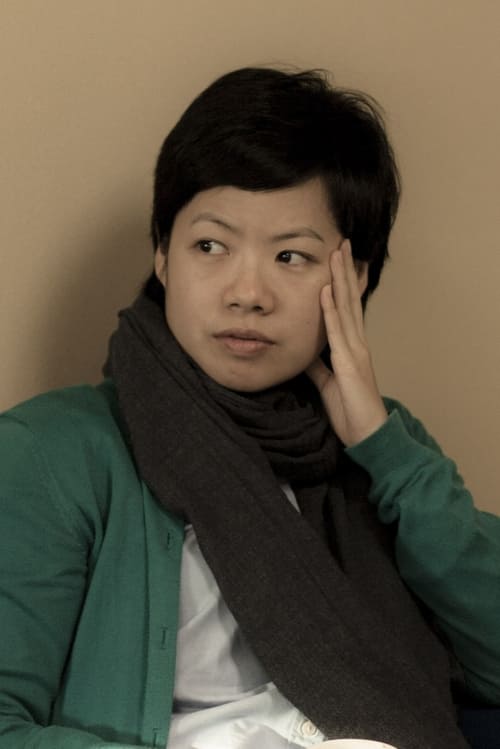
Anocha Suwichakornpong
Director
Anocha Suwichakornpong
Screenplay
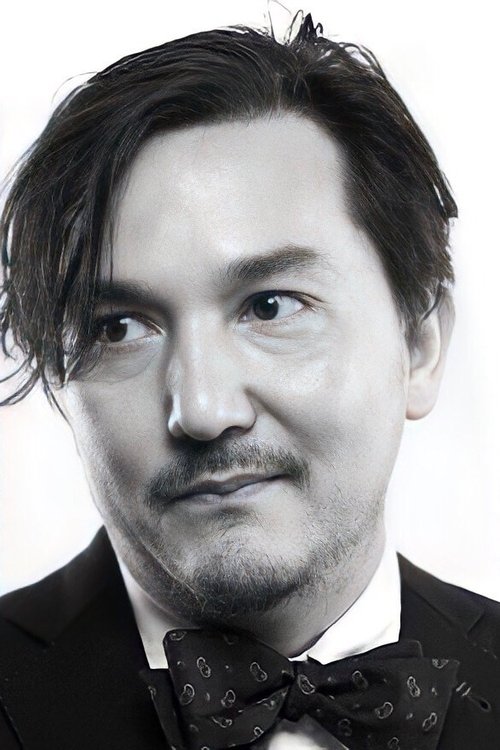
Lee Chatametikool
Editor
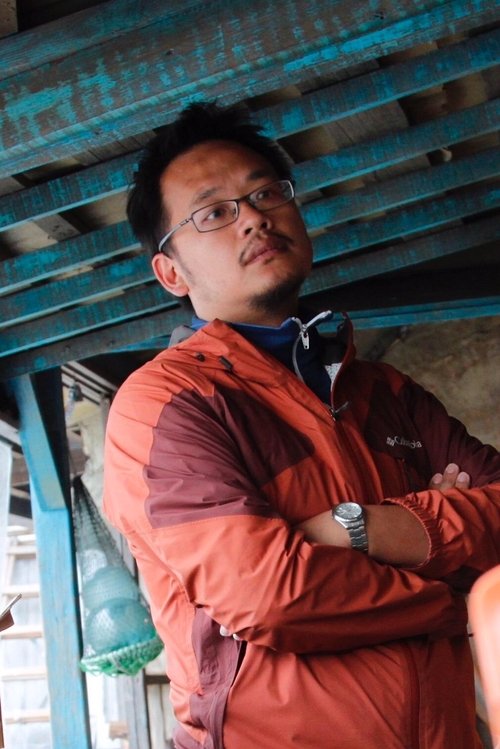
Leung Ming-kai
Cinematography
Anocha Suwichakornpong
Dialogue
Popular Reviews
12 reviews
Jibbe
5.0★ · 02/26/25

Deze film begon sterk voor mij maar daarna werden er allemaal dingen geïntroduceerd waarin ik vervolgens geen rode draad kon ontdekken. Vond het verder puur cinematisch gezien ook niet heel bijzonder. Het is jammer dat ik een beetje in een reeks van negatieve reviews ben beland, maar geloof me als ik zeg dat ik zelf degene ben die zich daar het meest aan ergert. Ik wil bijvoorbeeld heel graag deze film kunnen zien door de ogen van de mensen die hem geweldig vinden, maar mijn ogen zien er niks bijzonders in. Het mooie van kunst is natuurlijk dat de ervaring volledig subjectief is, maar soms kan die subjectiviteit ook pijnlijk zijn.
Deze film begon sterk voor mij maar daarna werden er allemaal dingen geïntroduceerd waarin ik vervolgens geen rode draad kon ontdekken. Vond het verder puur cinematisch gezien ook niet heel bijzonder. Het is jammer dat ik een beetje in een reeks van negatieve reviews ben beland, maar geloof me als ik zeg dat ik zelf degene ben die zich daar het meest aan ergert. Ik wil bijvoorbeeld heel graag deze film kunnen zien door de ogen van de mensen die hem geweldig vinden, maar mijn ogen zien er niks bijzonders in. Het mooie van kunst is natuurlijk dat de ervaring volledig subjectief is, maar soms kan die subjectiviteit ook pijnlijk zijn.


SofiaPRO
8.0★ · 04/12/24
there’s not a lot going on but the movie still manages to be endlessly captivating. i just couldn’t look away
there’s not a lot going on but the movie still manages to be endlessly captivating. i just couldn’t look away
Sepia GorePRO
10.0★ · 08/30/23
In my opinion Thailand feels like such a weirdly abstract country, in how our history and culture is interacted and morphs overtime to mean everything and nothing at the sametime and thats why I think its not surprising that the best most affecting and effective films I've seen from my country are ones that are abstract in nature, in tone, in imagery and in By the Time It Gets Dark director Anocha Suwichakornpong investigates Thailand's political past with this wonderful abstract structure that undramatises and strips everything back to the bare remaining feeling; Time has passed, nothing changes, melancholy remains meanwhile also asking how do we perceived and preserve the past specifically through cinema and our own connections and understandings of others communicated with sublime mystery and detached maturity.
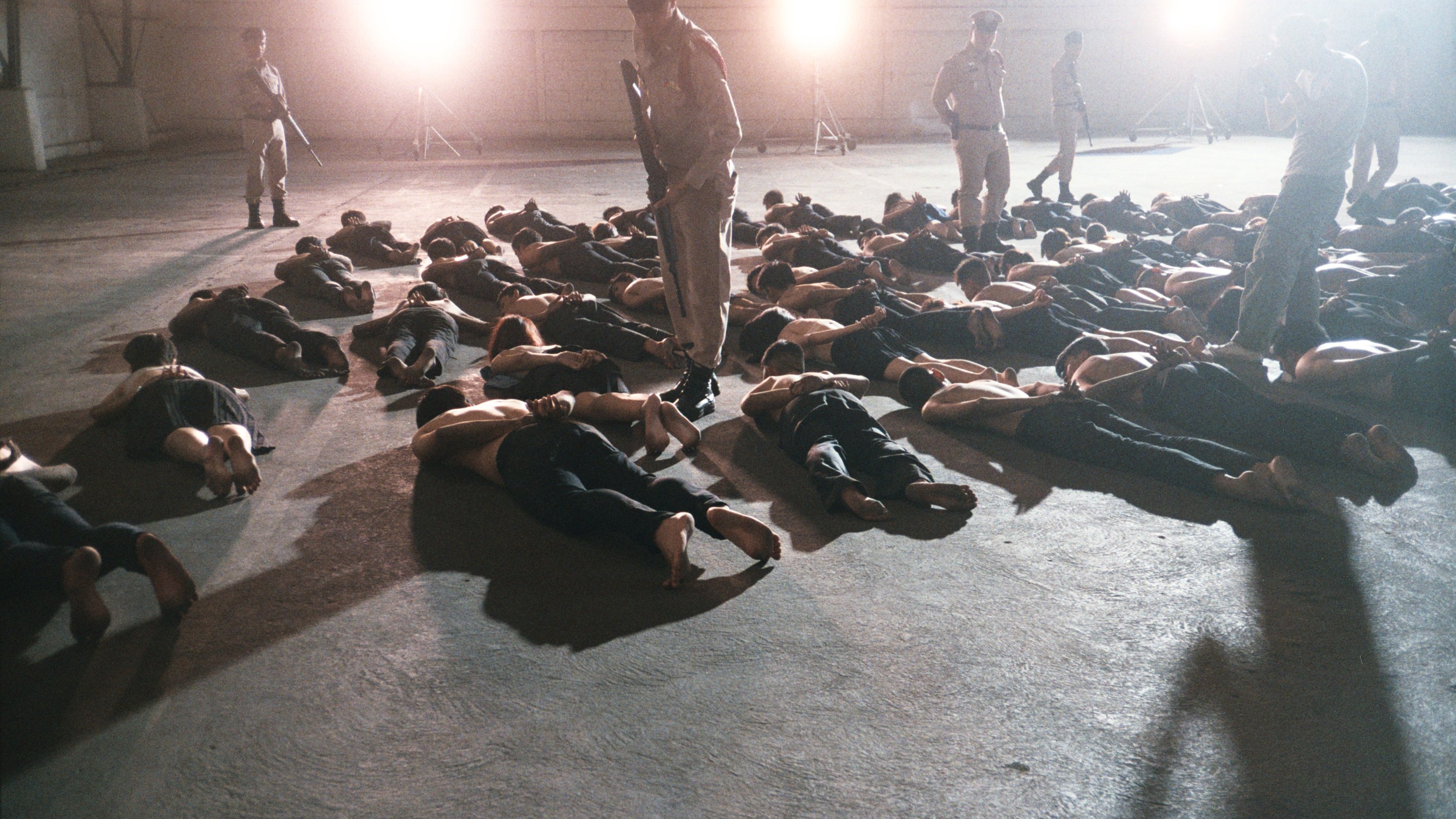
Theres this great moment before the title drop during the beginning portions of the film where we see groups of people tied up while police officers crowd and walk over them, telling them not to look up then a random lady yells at them not to look up and she steps in with her microphone directing the people on the ground to not be overdramatic. Its a film set redramatising real events and from there we get black and white images taken by a photographer on set which reminds of very real photos yet we know its a illusion, what then is the purpose of recreating, of redocumenting, of remembering? theres that perverse wrong feeling that the film is well aware of and from there we question the nature of everything we see. We can't take these moments as literal as we normally can, even the most simple scenes here feel abstract and artifical without breaking the fabric of their communication but theres always the tension that it will which proves uniquely nail bitting in its own way. I love how deceptively simple this seems but through the editing and ideas it actually is a pretty dangerous exercise but one that never harms only dares with quiet uncertainity. Its at once a elusive yet immersive work, one that for my money may be one of the most important films to come out of Thailand
But beside from that metaphysical layer theres also the textual layer, the story of a documentarian filmmaker interviewing her subject who was a part of the real life 1976 massacre of thai student activists. What we see played out here is fictional but you can argue its still pretty real, not just because it ties back to what really happen but because you know the plot here is reflective of the process Suwichakornpong herself had to have taken to write and create this film. The film again harbours on the tension, the contrast and contradiction these layers provides to one another but the beautiful thing is its always seemless thanks to the minimal filmmaking, its always subconcious yet something we are aware of at the sametime kind of like analog horror almost which is a weird comparison but this has that feeling to it where you know you are watching something that is painted around the fact that you are watching it and its kind of creepy, kind of voyeuristic and in the case of By The Time It Gets Dark it feels guilt ridden, burdensome, melancholic, confessional and powerless yet its tinged with a real humanity.
I love though that despite all of these elements this is never the loftest film, the simplicity here holds everything together along with just the honesty of how things are delivered, how symbolism are handled, it knows its handling important and sensitive subject matter but does so with this wise curiosity that never outreaches the intimate or undermine the history, this is history and this is intimate and it is film and film is a dream but its also a document, By The Time It Gets Dark then proposes that both aren't that different from each other especially in what it reflects and say about us and how we deal with our past as both individuals and as a group. You could disagree with the assessment but you could also say vulnerably that maybe this is how things will progress now with the Internet for example, how cultures, ideology, history, progress etc are meshing closer and closer together until they start to blur, how truth and artificiality starts to look like one another but feel so detached at the sametime and by the end we are to ponder not just where history will go on but by an extend how will we process it including through cinema and entertainment as explored in the second half of the film.
I think for any curious cinephiles out there or inspiring filmmakers especially from Thailand By the Time It Gets Dark is a essential even monumental work. Just the images here alone, the film is a case study of how much images and sound together can say and again don't even get me started again on the film's dissection of history, cinematic language, illusions and reality. While I really love Come Here I must admit this is Anocha Suwichakornpong's masterpiece, its not just a mere expression but a circulation and accumulation of what thai cinema can be at its finest; confronting, biting, mysterious, empathetic, post modern, abstract, inspired, very much alive and a work about but not defined by the past, in the end it looks poigantly forward. This might be a big thing for me to say but I think of all thai films I've seen so far in my life this is the best and most resonant.
Theres this great moment before the title drop during the beginning portions of the film where we see groups of people tied up while police officers crowd and walk over them, telling them not to look up then a random lady yells at them not to look up and she steps in with her microphone directing the people on the ground to not be overdramatic. Its a film set redramatising real events and from there we get black and white images taken by a photographer on set which reminds of very real photos yet we know its a illusion, what then is the purpose of recreating, of redocumenting, of remembering? theres that perverse wrong feeling that the film is well aware of and from there we question the nature of everything we see. We can't take these moments as literal as we normally can, even the most simple scenes here feel abstract and artifical without breaking the fabric of their communication but theres always the tension that it will which proves uniquely nail bitting in its own way. I love how deceptively simple this seems but through the editing and ideas it actually is a pretty dangerous exercise but one that never harms only dares with quiet uncertainity. Its at once a elusive yet immersive work, one that for my money may be one of the most important films to come out of Thailand
But beside from that metaphysical layer theres also the textual layer, the story of a documentarian filmmaker interviewing her subject who was a part of the real life 1976 massacre of thai student activists. What we see played out here is fictional but you can argue its still pretty real, not just because it ties back to what really happen but because you know the plot here is reflective of the process Suwichakornpong herself had to have taken to write and create this film. The film again harbours on the tension, the contrast and contradiction these layers provides to one another but the beautiful thing is its always seemless thanks to the minimal filmmaking, its always subconcious yet something we are aware of at the sametime kind of like analog horror almost which is a weird comparison but this has that feeling to it where you know you are watching something that is painted around the fact that you are watching it and its kind of creepy, kind of voyeuristic and in the case of By The Time It Gets Dark it feels guilt ridden, burdensome, melancholic, confessional and powerless yet its tinged with a real humanity.
I love though that despite all of these elements this is never the loftest film, the simplicity here holds everything together along with just the honesty of how things are delivered, how symbolism are handled, it knows its handling important and sensitive subject matter but does so with this wise curiosity that never outreaches the intimate or undermine the history, this is history and this is intimate and it is film and film is a dream but its also a document, By The Time It Gets Dark then proposes that both aren't that different from each other especially in what it reflects and say about us and how we deal with our past as both individuals and as a group. You could disagree with the assessment but you could also say vulnerably that maybe this is how things will progress now with the Internet for example, how cultures, ideology, history, progress etc are meshing closer and closer together until they start to blur, how truth and artificiality starts to look like one another but feel so detached at the sametime and by the end we are to ponder not just where history will go on but by an extend how will we process it including through cinema and entertainment as explored in the second half of the film.
I think for any curious cinephiles out there or inspiring filmmakers especially from Thailand By the Time It Gets Dark is a essential even monumental work. Just the images here alone, the film is a case study of how much images and sound together can say and again don't even get me started again on the film's dissection of history, cinematic language, illusions and reality. While I really love Come Here I must admit this is Anocha Suwichakornpong's masterpiece, its not just a mere expression but a circulation and accumulation of what thai cinema can be at its finest; confronting, biting, mysterious, empathetic, post modern, abstract, inspired, very much alive and a work about but not defined by the past, in the end it looks poigantly forward. This might be a big thing for me to say but I think of all thai films I've seen so far in my life this is the best and most resonant.
In my opinion Thailand feels like such a weirdly abstract country, in how our history and culture is interacted and morphs overtime to mean everything and nothing at the sametime and thats why I think its not surprising that the best most affecting and effective films I've seen from my country are ones that are abstract in nature, in tone, in imagery and in By the Time It Gets Dark director Anocha Suwichakornpong investigates Thailand's political past with this wonderful abstract structure that undramatises and strips everything back to the bare remaining feeling; Time has passed, nothing changes, melancholy remains meanwhile also asking how do we perceived and preserve the past specifically through cinema and our own connections and understandings of others communicated with sublime mystery and detached maturity.
Theres this great moment before the title drop during the beginning portions of the film where we see groups of people tied up while police officers crowd and walk over them, telling them not to look up then a random lady yells at them not to look up and she steps in with her microphone directing the people on the ground to not be overdramatic. Its a film set redramatising real events and from there we get black and white images taken by a photographer on set which reminds of very real photos yet we know its a illusion, what then is the purpose of recreating, of redocumenting, of remembering? theres that perverse wrong feeling that the film is well aware of and from there we question the nature of everything we see. We can't take these moments as literal as we normally can, even the most simple scenes here feel abstract and artifical without breaking the fabric of their communication but theres always the tension that it will which proves uniquely nail bitting in its own way. I love how deceptively simple this seems but through the editing and ideas it actually is a pretty dangerous exercise but one that never harms only dares with quiet uncertainity. Its at once a elusive yet immersive work, one that for my money may be one of the most important films to come out of Thailand
But beside from that metaphysical layer theres also the textual layer, the story of a documentarian filmmaker interviewing her subject who was a part of the real life 1976 massacre of thai student activists. What we see played out here is fictional but you can argue its still pretty real, not just because it ties back to what really happen but because you know the plot here is reflective of the process Suwichakornpong herself had to have taken to write and create this film. The film again harbours on the tension, the contrast and contradiction these layers provides to one another but the beautiful thing is its always seemless thanks to the minimal filmmaking, its always subconcious yet something we are aware of at the sametime kind of like analog horror almost which is a weird comparison but this has that feeling to it where you know you are watching something that is painted around the fact that you are watching it and its kind of creepy, kind of voyeuristic and in the case of By The Time It Gets Dark it feels guilt ridden, burdensome, melancholic, confessional and powerless yet its tinged with a real humanity.
I love though that despite all of these elements this is never the loftest film, the simplicity here holds everything together along with just the honesty of how things are delivered, how symbolism are handled, it knows its handling important and sensitive subject matter but does so with this wise curiosity that never outreaches the intimate or undermine the history, this is history and this is intimate and it is film and film is a dream but its also a document, By The Time It Gets Dark then proposes that both aren't that different from each other especially in what it reflects and say about us and how we deal with our past as both individuals and as a group. You could disagree with the assessment but you could also say vulnerably that maybe this is how things will progress now with the Internet for example, how cultures, ideology, history, progress etc are meshing closer and closer together until they start to blur, how truth and artificiality starts to look like one another but feel so detached at the sametime and by the end we are to ponder not just where history will go on but by an extend how will we process it including through cinema and entertainment as explored in the second half of the film.
I think for any curious cinephiles out there or inspiring filmmakers especially from Thailand By the Time It Gets Dark is a essential even monumental work. Just the images here alone, the film is a case study of how much images and sound together can say and again don't even get me started again on the film's dissection of history, cinematic language, illusions and reality. While I really love Come Here I must admit this is Anocha Suwichakornpong's masterpiece, its not just a mere expression but a circulation and accumulation of what thai cinema can be at its finest; confronting, biting, mysterious, empathetic, post modern, abstract, inspired, very much alive and a work about but not defined by the past, in the end it looks poigantly forward. This might be a big thing for me to say but I think of all thai films I've seen so far in my life this is the best and most resonant.
Theres this great moment before the title drop during the beginning portions of the film where we see groups of people tied up while police officers crowd and walk over them, telling them not to look up then a random lady yells at them not to look up and she steps in with her microphone directing the people on the ground to not be overdramatic. Its a film set redramatising real events and from there we get black and white images taken by a photographer on set which reminds of very real photos yet we know its a illusion, what then is the purpose of recreating, of redocumenting, of remembering? theres that perverse wrong feeling that the film is well aware of and from there we question the nature of everything we see. We can't take these moments as literal as we normally can, even the most simple scenes here feel abstract and artifical without breaking the fabric of their communication but theres always the tension that it will which proves uniquely nail bitting in its own way. I love how deceptively simple this seems but through the editing and ideas it actually is a pretty dangerous exercise but one that never harms only dares with quiet uncertainity. Its at once a elusive yet immersive work, one that for my money may be one of the most important films to come out of Thailand
But beside from that metaphysical layer theres also the textual layer, the story of a documentarian filmmaker interviewing her subject who was a part of the real life 1976 massacre of thai student activists. What we see played out here is fictional but you can argue its still pretty real, not just because it ties back to what really happen but because you know the plot here is reflective of the process Suwichakornpong herself had to have taken to write and create this film. The film again harbours on the tension, the contrast and contradiction these layers provides to one another but the beautiful thing is its always seemless thanks to the minimal filmmaking, its always subconcious yet something we are aware of at the sametime kind of like analog horror almost which is a weird comparison but this has that feeling to it where you know you are watching something that is painted around the fact that you are watching it and its kind of creepy, kind of voyeuristic and in the case of By The Time It Gets Dark it feels guilt ridden, burdensome, melancholic, confessional and powerless yet its tinged with a real humanity.
I love though that despite all of these elements this is never the loftest film, the simplicity here holds everything together along with just the honesty of how things are delivered, how symbolism are handled, it knows its handling important and sensitive subject matter but does so with this wise curiosity that never outreaches the intimate or undermine the history, this is history and this is intimate and it is film and film is a dream but its also a document, By The Time It Gets Dark then proposes that both aren't that different from each other especially in what it reflects and say about us and how we deal with our past as both individuals and as a group. You could disagree with the assessment but you could also say vulnerably that maybe this is how things will progress now with the Internet for example, how cultures, ideology, history, progress etc are meshing closer and closer together until they start to blur, how truth and artificiality starts to look like one another but feel so detached at the sametime and by the end we are to ponder not just where history will go on but by an extend how will we process it including through cinema and entertainment as explored in the second half of the film.
I think for any curious cinephiles out there or inspiring filmmakers especially from Thailand By the Time It Gets Dark is a essential even monumental work. Just the images here alone, the film is a case study of how much images and sound together can say and again don't even get me started again on the film's dissection of history, cinematic language, illusions and reality. While I really love Come Here I must admit this is Anocha Suwichakornpong's masterpiece, its not just a mere expression but a circulation and accumulation of what thai cinema can be at its finest; confronting, biting, mysterious, empathetic, post modern, abstract, inspired, very much alive and a work about but not defined by the past, in the end it looks poigantly forward. This might be a big thing for me to say but I think of all thai films I've seen so far in my life this is the best and most resonant.
Sepia GorePRO
10.0★ · 08/30/23
In my opinion Thailand feels like such a weirdly abstract country, in how our history and culture is interacted and morphs overtime to mean everything and nothing at the sametime and thats why I think its not surprising that the best most affecting and effective films I've seen from my country are ones that are abstract in nature, in tone, in imagery and in By the Time It Gets Dark director Anocha Suwichakornpong investigates Thailand's political past with this wonderful abstract structure that undramatises and strips everything back to the bare remaining feeling; Time has passed, nothing changes, melancholy remains meanwhile also asking how do we perceived and preserve the past specifically through cinema and our own connections and understandings of others communicated with sublime mystery and detached maturity.
Theres this great moment before the title drop during the beginning portions of the film where we see groups of people tied up while police officers crowd and walk over them, telling them not to look up then a random lady yells at them not to look up and she steps in with her microphone directing the people on the ground to not be overdramatic. Its a film set redramatising real events and from there we get black and white images taken by a photographer on set which reminds of very real photos yet we know its a illusion, what then is the purpose of recreating, of redocumenting, of remembering? theres that perverse wrong feeling that the film is well aware of and from there we question the nature of everything we see. We can't take these moments as literal as we normally can, even the most simple scenes here feel abstract and artifical without breaking the fabric of their communication but theres always the tension that it will which proves uniquely nail bitting in its own way. I love how deceptively simple this seems but through the editing and ideas it actually is a pretty dangerous exercise but one that never harms only dares with quiet uncertainity. Its at once a elusive yet immersive work, one that for my money may be one of the most important films to come out of Thailand
But beside from that metaphysical layer theres also the textual layer, the story of a documentarian filmmaker interviewing her subject who was a part of the real life 1976 massacre of thai student activists. What we see played out here is fictional but you can argue its still pretty real, not just because it ties back to what really happen but because you know the plot here is reflective of the process Suwichakornpong herself had to have taken to write and create this film. The film again harbours on the tension, the contrast and contradiction these layers provides to one another but the beautiful thing is its always seemless thanks to the minimal filmmaking, its always subconcious yet something we are aware of at the sametime kind of like analog horror almost which is a weird comparison but this has that feeling to it where you know you are watching something that is painted around the fact that you are watching it and its kind of creepy, kind of voyeuristic and in the case of By The Time It Gets Dark it feels guilt ridden, burdensome, melancholic, confessional and powerless yet its tinged with a real humanity.
I love though that despite all of these elements this is never the loftest film, the simplicity here holds everything together along with just the honesty of how things are delivered, how symbolism are handled, it knows its handling important and sensitive subject matter but does so with this wise curiosity that never outreaches the intimate or undermine the history, this is history and this is intimate and it is film and film is a dream but its also a document, By The Time It Gets Dark then proposes that both aren't that different from each other especially in what it reflects and say about us and how we deal with our past as both individuals and as a group. You could disagree with the assessment but you could also say vulnerably that maybe this is how things will progress now with the Internet for example, how cultures, ideology, history, progress etc are meshing closer and closer together until they start to blur, how truth and artificiality starts to look like one another but feel so detached at the sametime and by the end we are to ponder not just where history will go on but by an extend how will we process it including through cinema and entertainment as explored in the second half of the film.
I think for any curious cinephiles out there or inspiring filmmakers especially from Thailand By the Time It Gets Dark is a essential even monumental work. Just the images here alone, the film is a case study of how much images and sound together can say and again don't even get me started again on the film's dissection of history, cinematic language, illusions and reality. While I really love Come Here I must admit this is Anocha Suwichakornpong's masterpiece, its not just a mere expression but a circulation and accumulation of what thai cinema can be at its finest; confronting, biting, mysterious, empathetic, post modern, abstract, inspired, very much alive and a work about but not defined by the past, in the end it looks poigantly forward. This might be a big thing for me to say but I think of all thai films I've seen so far in my life this is the best and most resonant.
Theres this great moment before the title drop during the beginning portions of the film where we see groups of people tied up while police officers crowd and walk over them, telling them not to look up then a random lady yells at them not to look up and she steps in with her microphone directing the people on the ground to not be overdramatic. Its a film set redramatising real events and from there we get black and white images taken by a photographer on set which reminds of very real photos yet we know its a illusion, what then is the purpose of recreating, of redocumenting, of remembering? theres that perverse wrong feeling that the film is well aware of and from there we question the nature of everything we see. We can't take these moments as literal as we normally can, even the most simple scenes here feel abstract and artifical without breaking the fabric of their communication but theres always the tension that it will which proves uniquely nail bitting in its own way. I love how deceptively simple this seems but through the editing and ideas it actually is a pretty dangerous exercise but one that never harms only dares with quiet uncertainity. Its at once a elusive yet immersive work, one that for my money may be one of the most important films to come out of Thailand
But beside from that metaphysical layer theres also the textual layer, the story of a documentarian filmmaker interviewing her subject who was a part of the real life 1976 massacre of thai student activists. What we see played out here is fictional but you can argue its still pretty real, not just because it ties back to what really happen but because you know the plot here is reflective of the process Suwichakornpong herself had to have taken to write and create this film. The film again harbours on the tension, the contrast and contradiction these layers provides to one another but the beautiful thing is its always seemless thanks to the minimal filmmaking, its always subconcious yet something we are aware of at the sametime kind of like analog horror almost which is a weird comparison but this has that feeling to it where you know you are watching something that is painted around the fact that you are watching it and its kind of creepy, kind of voyeuristic and in the case of By The Time It Gets Dark it feels guilt ridden, burdensome, melancholic, confessional and powerless yet its tinged with a real humanity.
I love though that despite all of these elements this is never the loftest film, the simplicity here holds everything together along with just the honesty of how things are delivered, how symbolism are handled, it knows its handling important and sensitive subject matter but does so with this wise curiosity that never outreaches the intimate or undermine the history, this is history and this is intimate and it is film and film is a dream but its also a document, By The Time It Gets Dark then proposes that both aren't that different from each other especially in what it reflects and say about us and how we deal with our past as both individuals and as a group. You could disagree with the assessment but you could also say vulnerably that maybe this is how things will progress now with the Internet for example, how cultures, ideology, history, progress etc are meshing closer and closer together until they start to blur, how truth and artificiality starts to look like one another but feel so detached at the sametime and by the end we are to ponder not just where history will go on but by an extend how will we process it including through cinema and entertainment as explored in the second half of the film.
I think for any curious cinephiles out there or inspiring filmmakers especially from Thailand By the Time It Gets Dark is a essential even monumental work. Just the images here alone, the film is a case study of how much images and sound together can say and again don't even get me started again on the film's dissection of history, cinematic language, illusions and reality. While I really love Come Here I must admit this is Anocha Suwichakornpong's masterpiece, its not just a mere expression but a circulation and accumulation of what thai cinema can be at its finest; confronting, biting, mysterious, empathetic, post modern, abstract, inspired, very much alive and a work about but not defined by the past, in the end it looks poigantly forward. This might be a big thing for me to say but I think of all thai films I've seen so far in my life this is the best and most resonant.
In my opinion Thailand feels like such a weirdly abstract country, in how our history and culture is interacted and morphs overtime to mean everything and nothing at the sametime and thats why I think its not surprising that the best most affecting and effective films I've seen from my country are ones that are abstract in nature, in tone, in imagery and in By the Time It Gets Dark director Anocha Suwichakornpong investigates Thailand's political past with this wonderful abstract structure that undramatises and strips everything back to the bare remaining feeling; Time has passed, nothing changes, melancholy remains meanwhile also asking how do we perceived and preserve the past specifically through cinema and our own connections and understandings of others communicated with sublime mystery and detached maturity.
Theres this great moment before the title drop during the beginning portions of the film where we see groups of people tied up while police officers crowd and walk over them, telling them not to look up then a random lady yells at them not to look up and she steps in with her microphone directing the people on the ground to not be overdramatic. Its a film set redramatising real events and from there we get black and white images taken by a photographer on set which reminds of very real photos yet we know its a illusion, what then is the purpose of recreating, of redocumenting, of remembering? theres that perverse wrong feeling that the film is well aware of and from there we question the nature of everything we see. We can't take these moments as literal as we normally can, even the most simple scenes here feel abstract and artifical without breaking the fabric of their communication but theres always the tension that it will which proves uniquely nail bitting in its own way. I love how deceptively simple this seems but through the editing and ideas it actually is a pretty dangerous exercise but one that never harms only dares with quiet uncertainity. Its at once a elusive yet immersive work, one that for my money may be one of the most important films to come out of Thailand
But beside from that metaphysical layer theres also the textual layer, the story of a documentarian filmmaker interviewing her subject who was a part of the real life 1976 massacre of thai student activists. What we see played out here is fictional but you can argue its still pretty real, not just because it ties back to what really happen but because you know the plot here is reflective of the process Suwichakornpong herself had to have taken to write and create this film. The film again harbours on the tension, the contrast and contradiction these layers provides to one another but the beautiful thing is its always seemless thanks to the minimal filmmaking, its always subconcious yet something we are aware of at the sametime kind of like analog horror almost which is a weird comparison but this has that feeling to it where you know you are watching something that is painted around the fact that you are watching it and its kind of creepy, kind of voyeuristic and in the case of By The Time It Gets Dark it feels guilt ridden, burdensome, melancholic, confessional and powerless yet its tinged with a real humanity.
I love though that despite all of these elements this is never the loftest film, the simplicity here holds everything together along with just the honesty of how things are delivered, how symbolism are handled, it knows its handling important and sensitive subject matter but does so with this wise curiosity that never outreaches the intimate or undermine the history, this is history and this is intimate and it is film and film is a dream but its also a document, By The Time It Gets Dark then proposes that both aren't that different from each other especially in what it reflects and say about us and how we deal with our past as both individuals and as a group. You could disagree with the assessment but you could also say vulnerably that maybe this is how things will progress now with the Internet for example, how cultures, ideology, history, progress etc are meshing closer and closer together until they start to blur, how truth and artificiality starts to look like one another but feel so detached at the sametime and by the end we are to ponder not just where history will go on but by an extend how will we process it including through cinema and entertainment as explored in the second half of the film.
I think for any curious cinephiles out there or inspiring filmmakers especially from Thailand By the Time It Gets Dark is a essential even monumental work. Just the images here alone, the film is a case study of how much images and sound together can say and again don't even get me started again on the film's dissection of history, cinematic language, illusions and reality. While I really love Come Here I must admit this is Anocha Suwichakornpong's masterpiece, its not just a mere expression but a circulation and accumulation of what thai cinema can be at its finest; confronting, biting, mysterious, empathetic, post modern, abstract, inspired, very much alive and a work about but not defined by the past, in the end it looks poigantly forward. This might be a big thing for me to say but I think of all thai films I've seen so far in my life this is the best and most resonant.
Theres this great moment before the title drop during the beginning portions of the film where we see groups of people tied up while police officers crowd and walk over them, telling them not to look up then a random lady yells at them not to look up and she steps in with her microphone directing the people on the ground to not be overdramatic. Its a film set redramatising real events and from there we get black and white images taken by a photographer on set which reminds of very real photos yet we know its a illusion, what then is the purpose of recreating, of redocumenting, of remembering? theres that perverse wrong feeling that the film is well aware of and from there we question the nature of everything we see. We can't take these moments as literal as we normally can, even the most simple scenes here feel abstract and artifical without breaking the fabric of their communication but theres always the tension that it will which proves uniquely nail bitting in its own way. I love how deceptively simple this seems but through the editing and ideas it actually is a pretty dangerous exercise but one that never harms only dares with quiet uncertainity. Its at once a elusive yet immersive work, one that for my money may be one of the most important films to come out of Thailand
But beside from that metaphysical layer theres also the textual layer, the story of a documentarian filmmaker interviewing her subject who was a part of the real life 1976 massacre of thai student activists. What we see played out here is fictional but you can argue its still pretty real, not just because it ties back to what really happen but because you know the plot here is reflective of the process Suwichakornpong herself had to have taken to write and create this film. The film again harbours on the tension, the contrast and contradiction these layers provides to one another but the beautiful thing is its always seemless thanks to the minimal filmmaking, its always subconcious yet something we are aware of at the sametime kind of like analog horror almost which is a weird comparison but this has that feeling to it where you know you are watching something that is painted around the fact that you are watching it and its kind of creepy, kind of voyeuristic and in the case of By The Time It Gets Dark it feels guilt ridden, burdensome, melancholic, confessional and powerless yet its tinged with a real humanity.
I love though that despite all of these elements this is never the loftest film, the simplicity here holds everything together along with just the honesty of how things are delivered, how symbolism are handled, it knows its handling important and sensitive subject matter but does so with this wise curiosity that never outreaches the intimate or undermine the history, this is history and this is intimate and it is film and film is a dream but its also a document, By The Time It Gets Dark then proposes that both aren't that different from each other especially in what it reflects and say about us and how we deal with our past as both individuals and as a group. You could disagree with the assessment but you could also say vulnerably that maybe this is how things will progress now with the Internet for example, how cultures, ideology, history, progress etc are meshing closer and closer together until they start to blur, how truth and artificiality starts to look like one another but feel so detached at the sametime and by the end we are to ponder not just where history will go on but by an extend how will we process it including through cinema and entertainment as explored in the second half of the film.
I think for any curious cinephiles out there or inspiring filmmakers especially from Thailand By the Time It Gets Dark is a essential even monumental work. Just the images here alone, the film is a case study of how much images and sound together can say and again don't even get me started again on the film's dissection of history, cinematic language, illusions and reality. While I really love Come Here I must admit this is Anocha Suwichakornpong's masterpiece, its not just a mere expression but a circulation and accumulation of what thai cinema can be at its finest; confronting, biting, mysterious, empathetic, post modern, abstract, inspired, very much alive and a work about but not defined by the past, in the end it looks poigantly forward. This might be a big thing for me to say but I think of all thai films I've seen so far in my life this is the best and most resonant.
Mathias
6.0★ · 03/16/22
A film about memory, with some interesting tales scattered around a very zen like plot. Do enjoy a story where different people seemingly gets written into each other, and learning some Thai history along the way doesn’t hurt.. still very uneventful and boring at times and very slow-paced, but it looks good.
Fairly good watch, a bit tedious to get through, very mellow and dreamy.
Fairly good watch, a bit tedious to get through, very mellow and dreamy.
A film about memory, with some interesting tales scattered around a very zen like plot. Do enjoy a story where different people seemingly gets written into each other, and learning some Thai history along the way doesn’t hurt.. still very uneventful and boring at times and very slow-paced, but it looks good.
Fairly good watch, a bit tedious to get through, very mellow and dreamy.
Fairly good watch, a bit tedious to get through, very mellow and dreamy.