
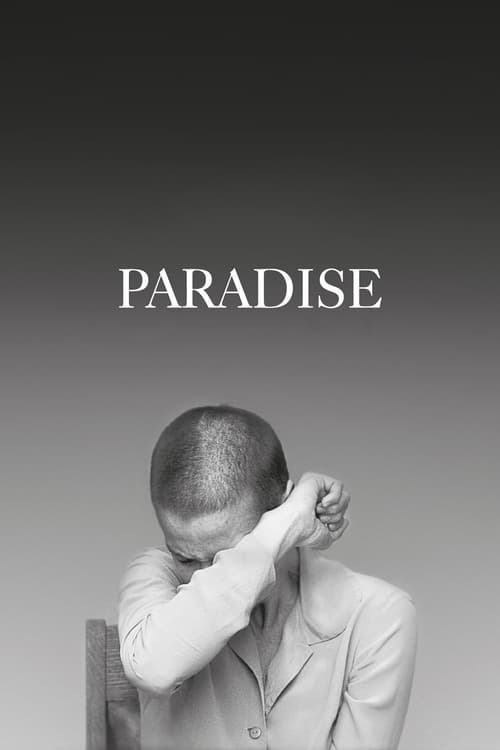
Paradise
2016·Drama·2h 10m
7.1
★
The historical drama set during the Second World War centres on three people whose paths cross: a Russian aristocratic emigrant and member of the French resistance, a French collaborator and a high-ranking German SS officer.
Directed by Andrei Konchalovsky
prison
world war ii
love
fate

Trailer

IMDB
N/A
Where to Watch

Cast
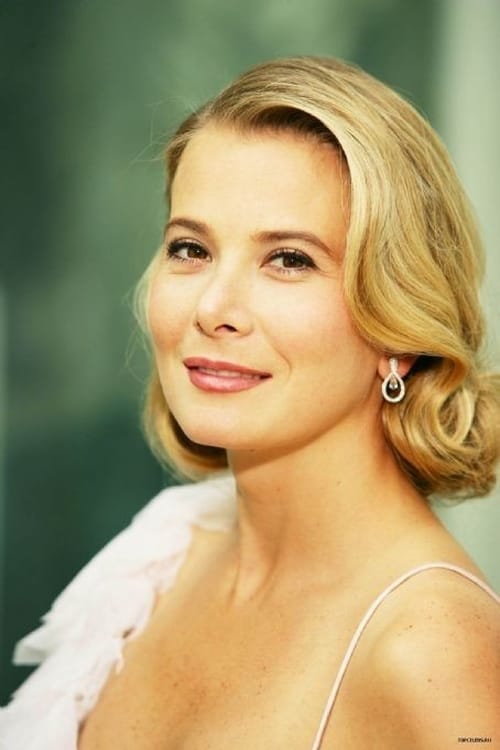
Yuliya Vysotskaya
Olga
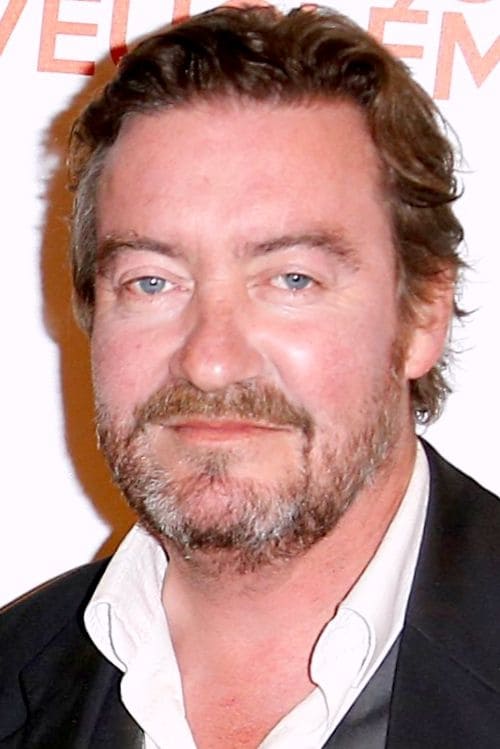
Philippe Duquesne
Zhyul
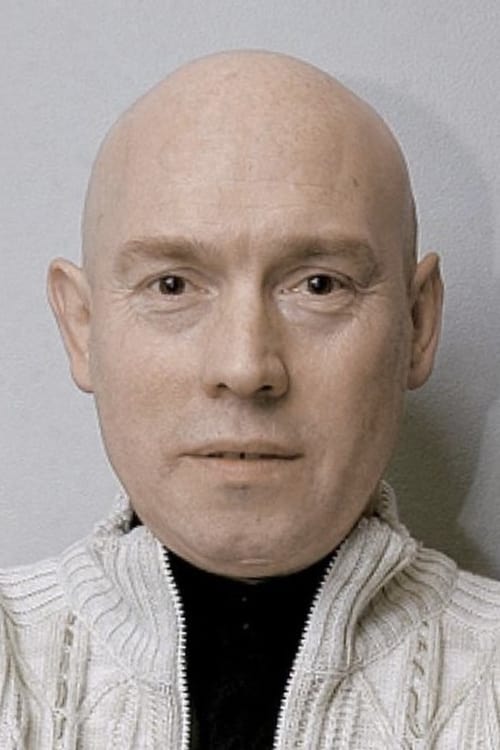
Viktor Sukhorukov
Genrikh Gimmler
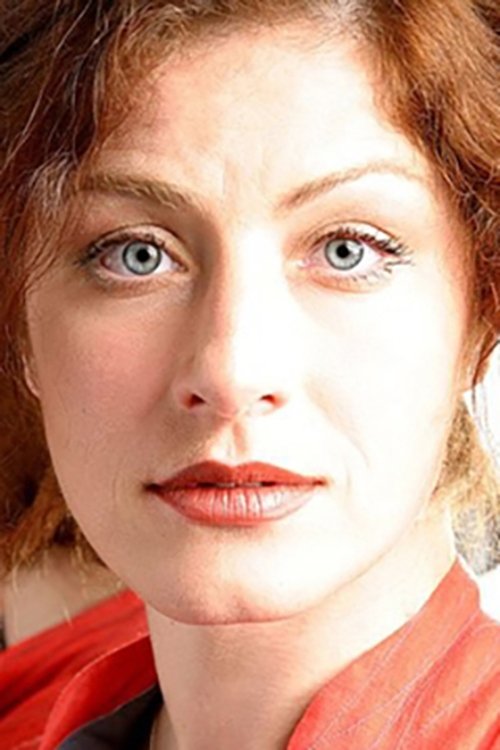
Vera Voronkova
Roza, block in barrack
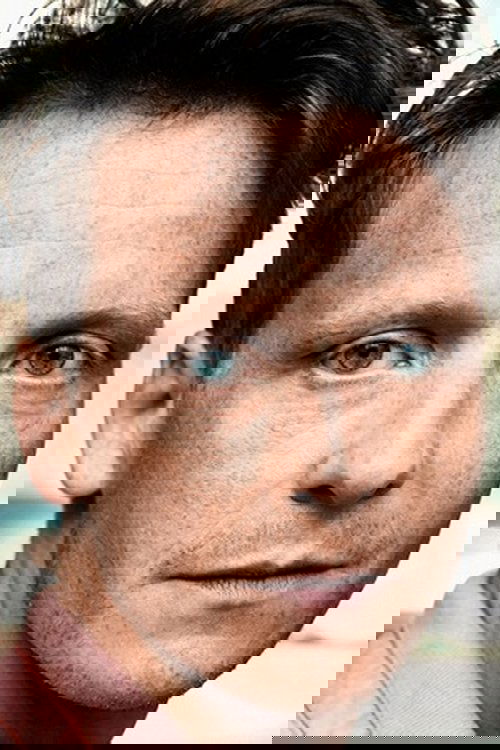
Jakob Diehl
Fogel
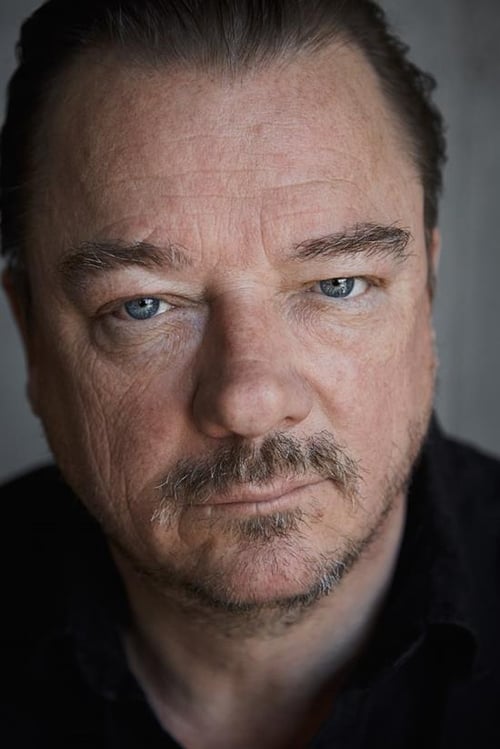
Peter Kurth
Krauze
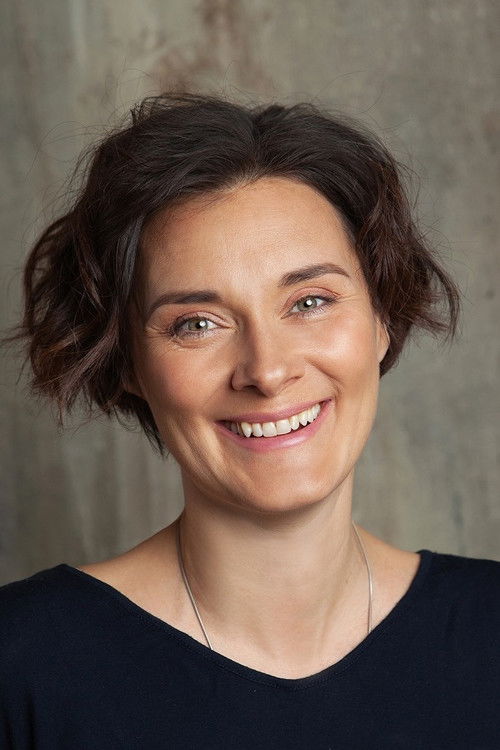
Natalya Kurdyubova
new block in the barracks

Irina Demidkina
French prisoner
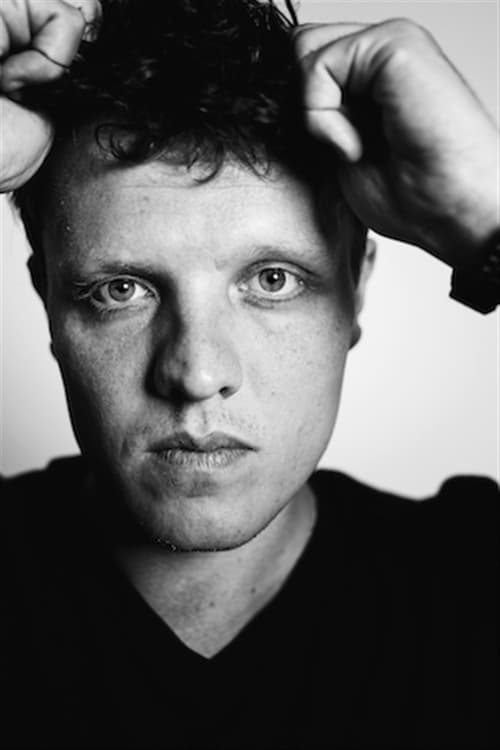
Pierre Nisse
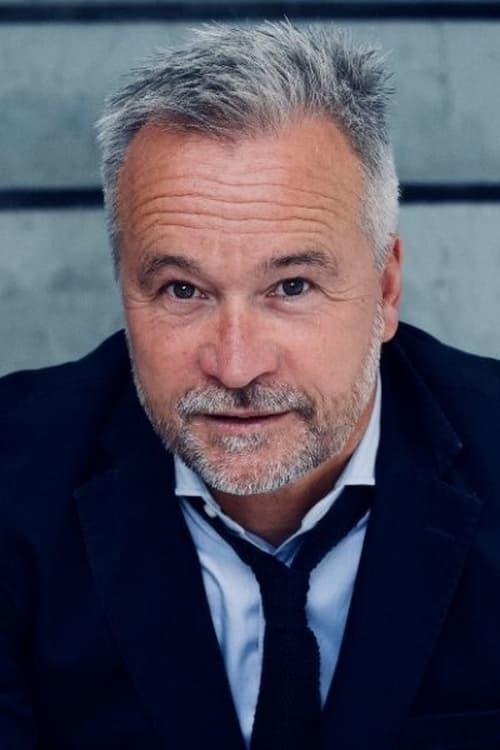
Thomas Darchinger
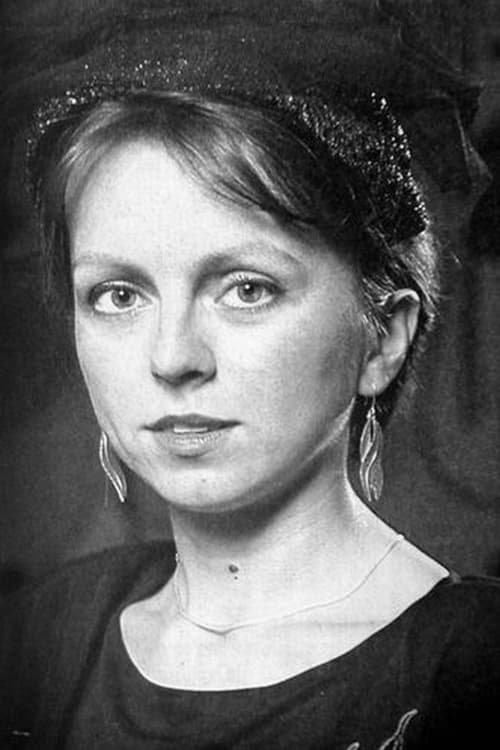
Larisa Kuznetsova
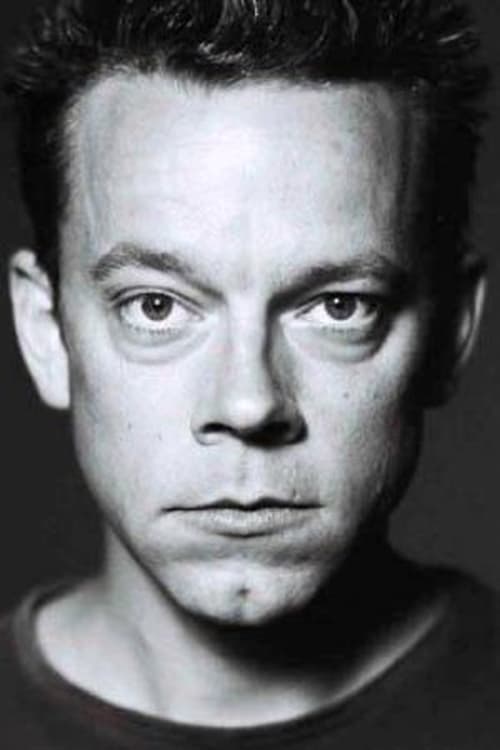
George Lenz
Crew
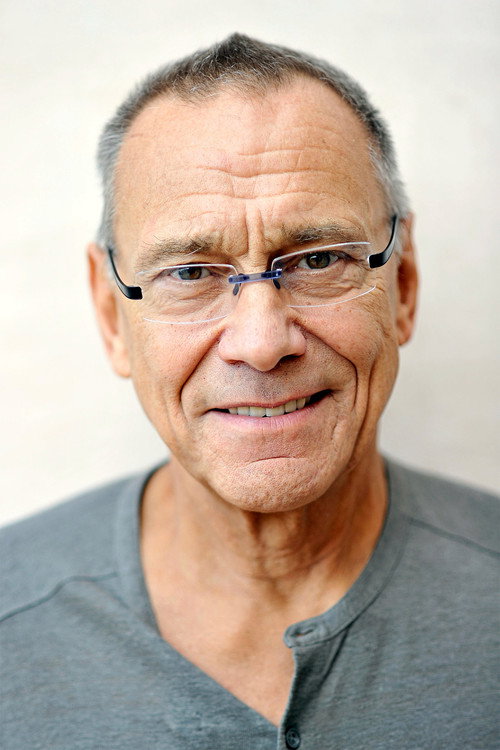
Andrei Konchalovsky
Director
Andrei Konchalovsky
Screenplay
Andrei Konchalovsky
Producer

Uwe Bünker
Casting Director

Constance Demontoy
Casting Director
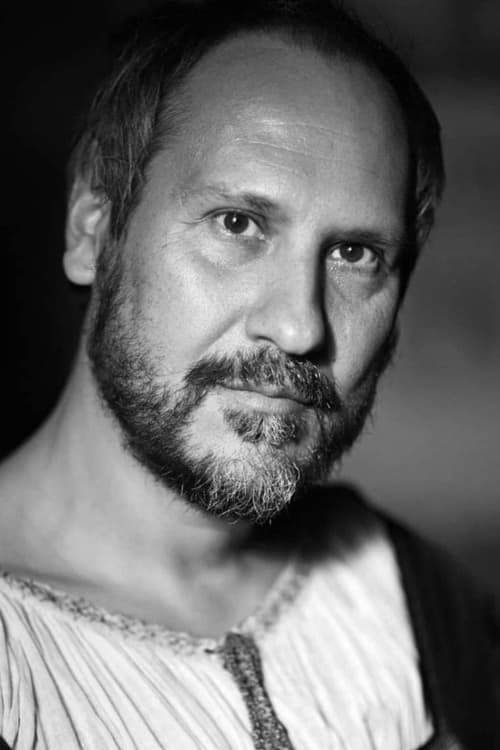
Dmitry Andreev
Costume Design
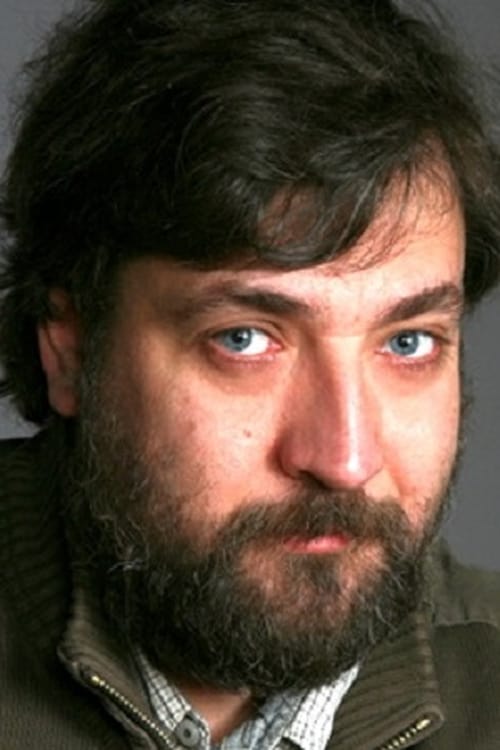
Vladimir Nikiforov
Costume Design
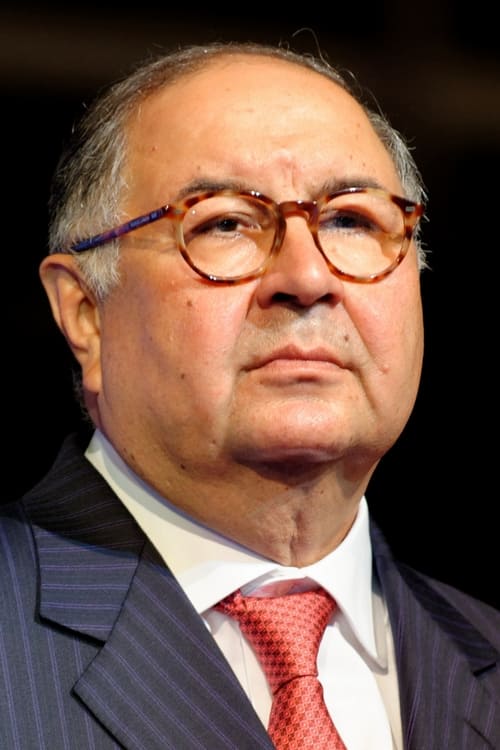
Alisher Usmanov
Associate Producer
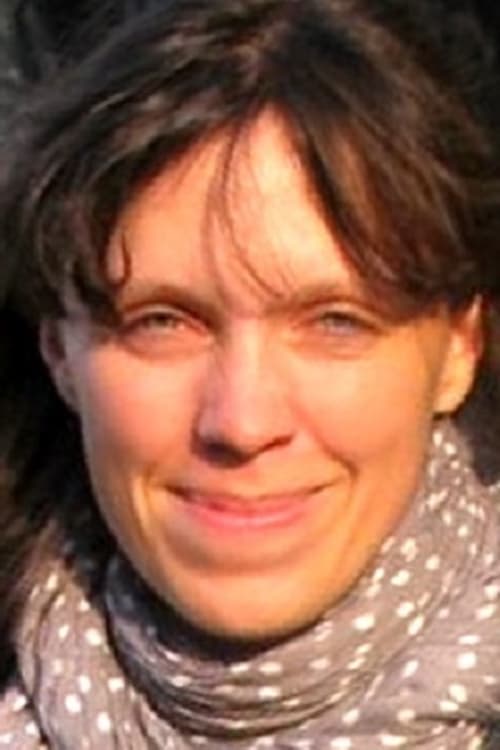
Irina Ochina
Production Design
Popular Reviews
9 reviews
Mykola Wash
6.0★ · 02/22/25
"It's amazing how quickly you can turn from an animal back into a human being."Once again, a film that doesn't shy away from showcasing the most despicable outlooks and nature of mankind. We are so easily corrupted by ideology, our surrounding world, and our duties...it becomes part of our identities and manifests itself into disillusionment. Our past knowingly haunts us; so why do we continue to execute these unworthy actions–is it only 'unforgivable' if everyone makes it out to be–once the opposing side/belief wins? What is the so-called 'Paradise' in question; observing the film–all that is evident is that there are no heroes, no concept of wholesomeness–so how can Paradise exist in such a setting? The answer remains unanswered, there is no universal paradise, Paradise is fictionalized and justified under the shadow of atrocity. Only death is capable of achieving Paradise; showcasing the vanity of life.
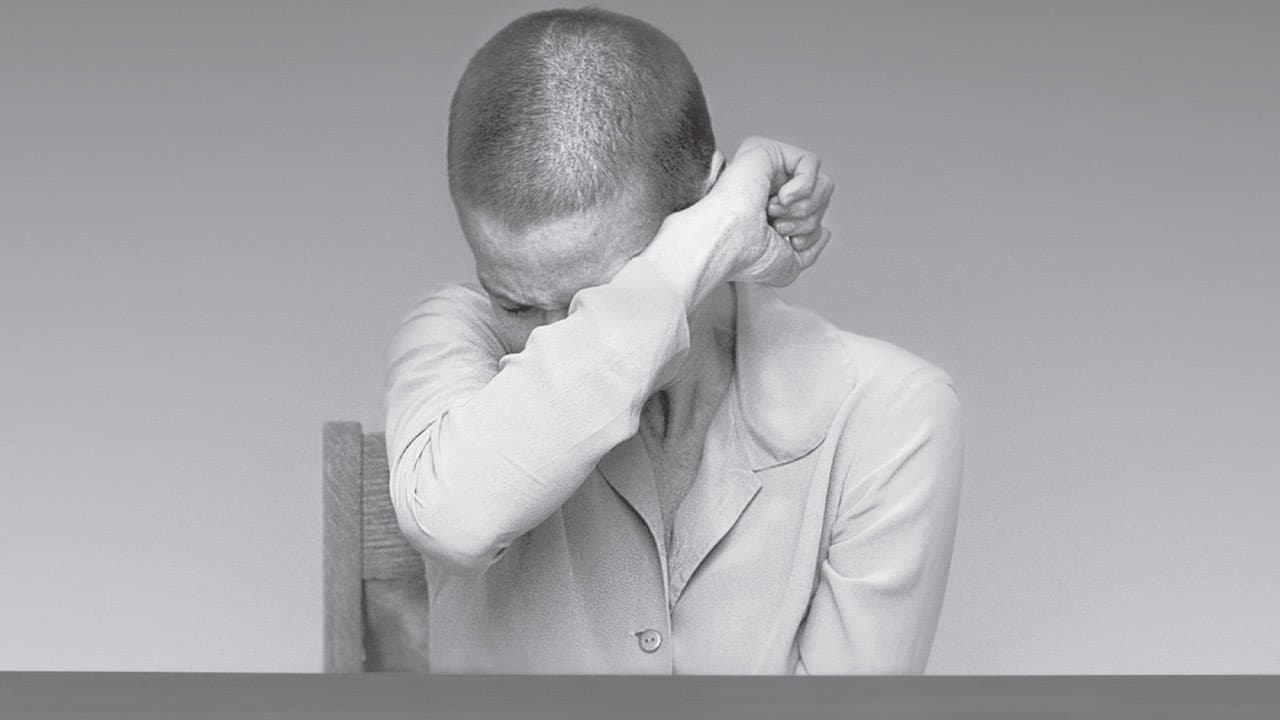
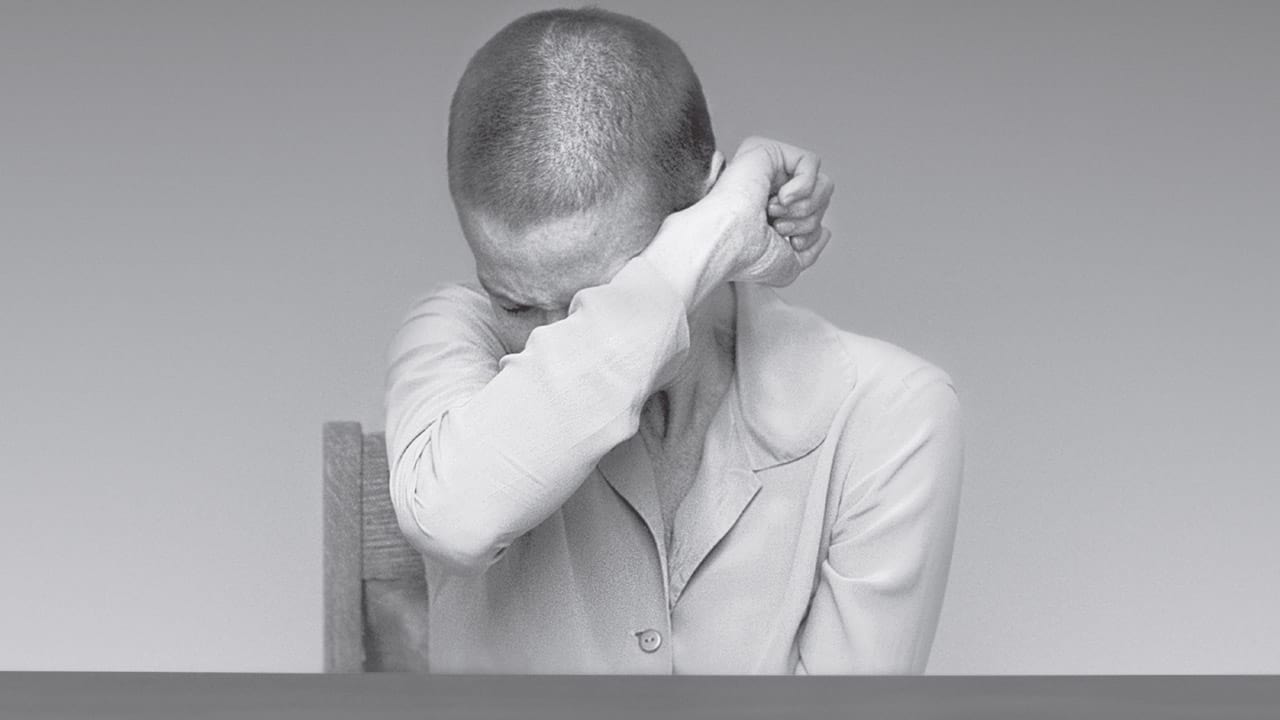
The cinematography in Andrei Konchalovsky's Paradise is something so bleak yet slick that you have to take note of its appearance. Konchalovsky uses black-white grading and shots to make the scenes seem almost confessional and reflective; with close-up shots of many characters as they are 'interviewed' by an unknown presence about their actions–displaying the moral convictions and struggle that the characters face throughout the film. A lot of the scenes manage to incorporate a feeling of secrecy, conveying an inherent struggle in maintaining humanity behind 'closed-doors' (Konchalovsky does this literally).
A super dark film that contrasts historical narrative with personal/individual ones; very hopeless and depressing to watch...but very moving! I still feel as many sequences and dynamics were questionable and seemed foreign: they didn't quite click and I questioned a lot of the realism involved. Overall, I felt that I kind of lost interest in this one, with repeated use of the 'interview' styled shots/dialogue I found it took away from a lot of powerful scenes that should've remained separate.
"It's amazing how quickly you can turn from an animal back into a human being."Once again, a film that doesn't shy away from showcasing the most despicable outlooks and nature of mankind. We are so easily corrupted by ideology, our surrounding world, and our duties...it becomes part of our identities and manifests itself into disillusionment. Our past knowingly haunts us; so why do we continue to execute these unworthy actions–is it only 'unforgivable' if everyone makes it out to be–once the opposing side/belief wins? What is the so-called 'Paradise' in question; observing the film–all that is evident is that there are no heroes, no concept of wholesomeness–so how can Paradise exist in such a setting? The answer remains unanswered, there is no universal paradise, Paradise is fictionalized and justified under the shadow of atrocity. Only death is capable of achieving Paradise; showcasing the vanity of life.
The cinematography in Andrei Konchalovsky's Paradise is something so bleak yet slick that you have to take note of its appearance. Konchalovsky uses black-white grading and shots to make the scenes seem almost confessional and reflective; with close-up shots of many characters as they are 'interviewed' by an unknown presence about their actions–displaying the moral convictions and struggle that the characters face throughout the film. A lot of the scenes manage to incorporate a feeling of secrecy, conveying an inherent struggle in maintaining humanity behind 'closed-doors' (Konchalovsky does this literally).
A super dark film that contrasts historical narrative with personal/individual ones; very hopeless and depressing to watch...but very moving! I still feel as many sequences and dynamics were questionable and seemed foreign: they didn't quite click and I questioned a lot of the realism involved. Overall, I felt that I kind of lost interest in this one, with repeated use of the 'interview' styled shots/dialogue I found it took away from a lot of powerful scenes that should've remained separate.


Vaios Papadopoulos
9.0★ · 02/15/23
...The good always needs one big push to cary the hope that beyond the evil there will be a miracle and that love does exist...
Outstanding movie!
...The good always needs one big push to cary the hope that beyond the evil there will be a miracle and that love does exist...
Outstanding movie!
helene
7.4★ · 08/03/25
Asimov
8.0★ · 11/11/24
Irina
8.0★ · 07/12/23