
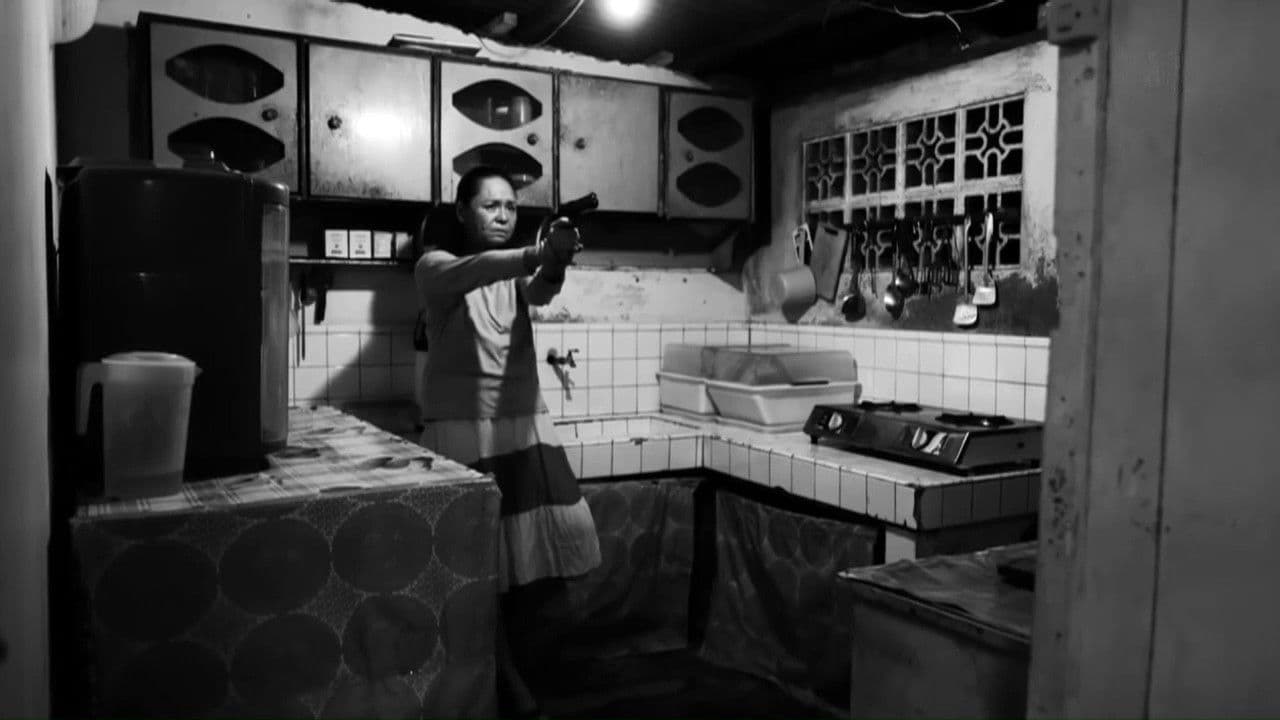
The Woman Who Left
2016·Drama·3h 49m
7.1
★
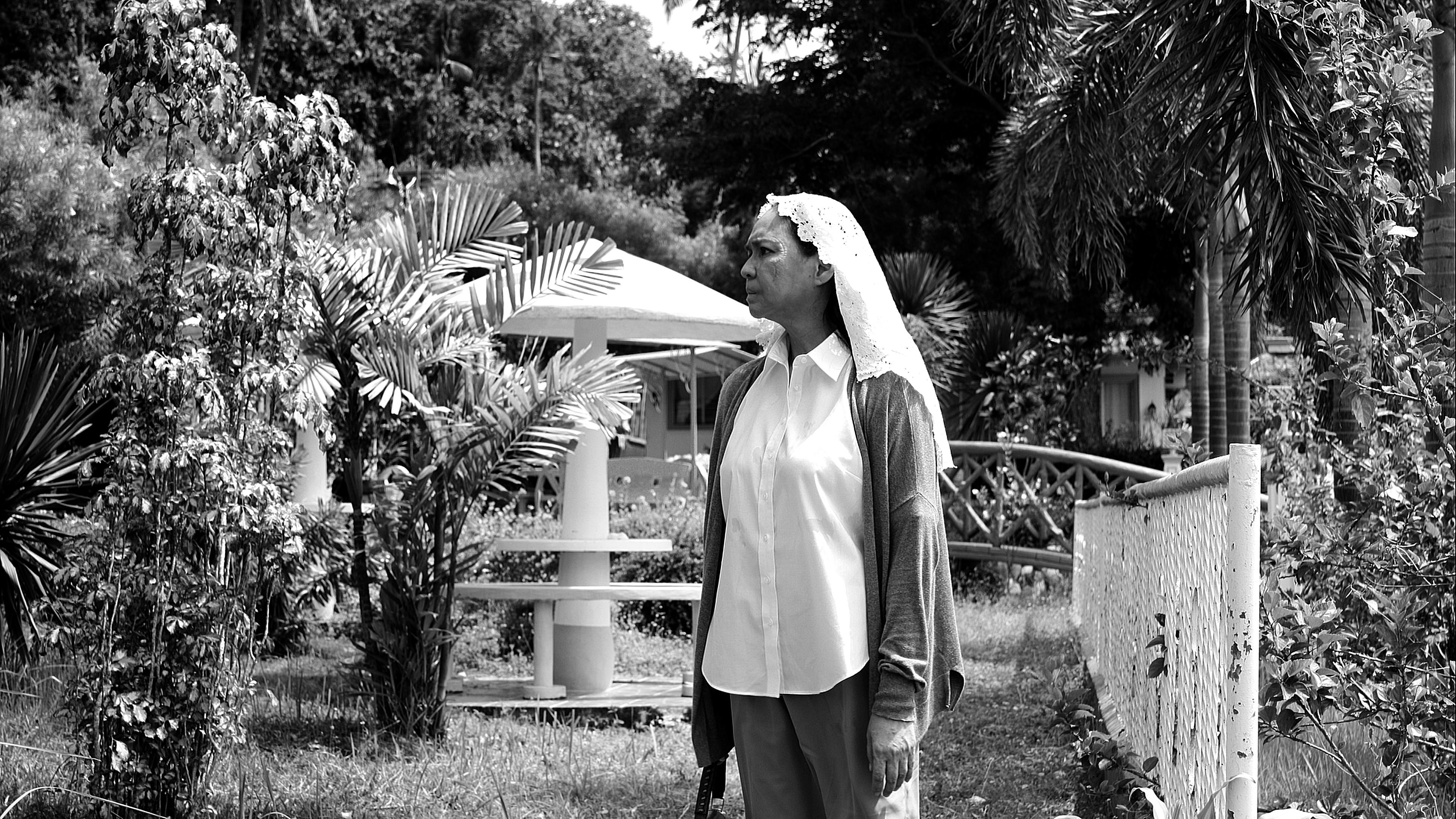

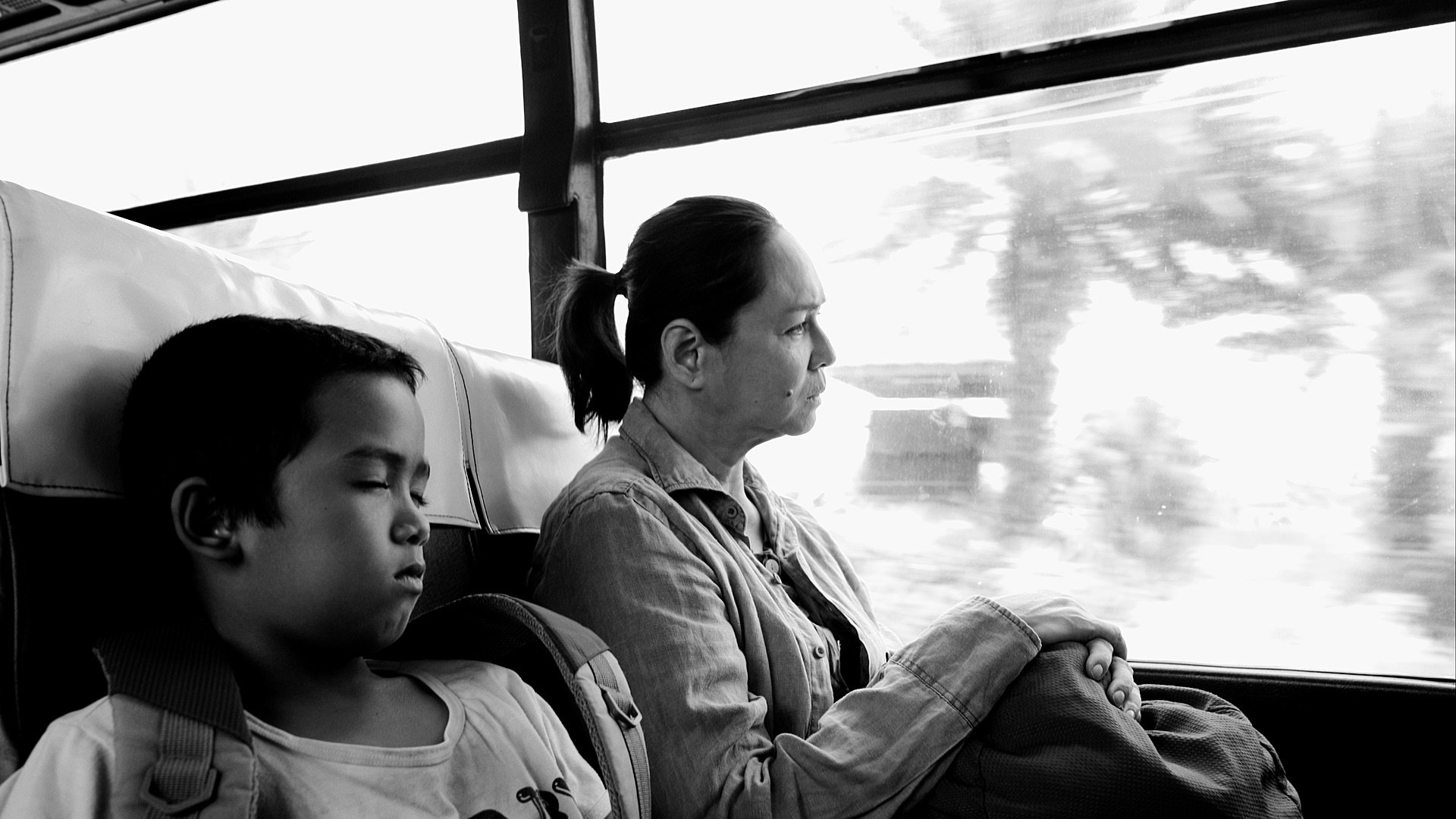
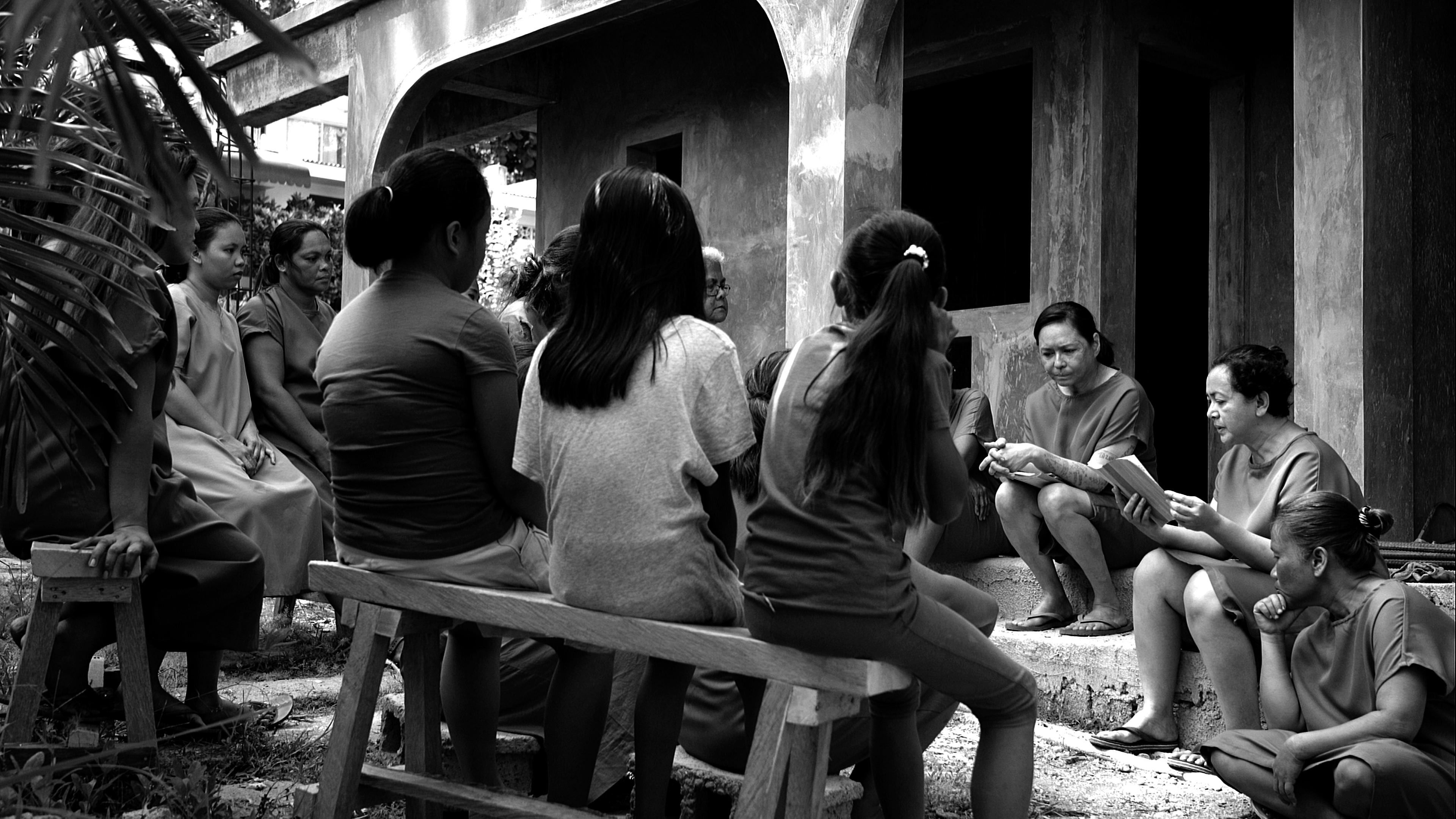
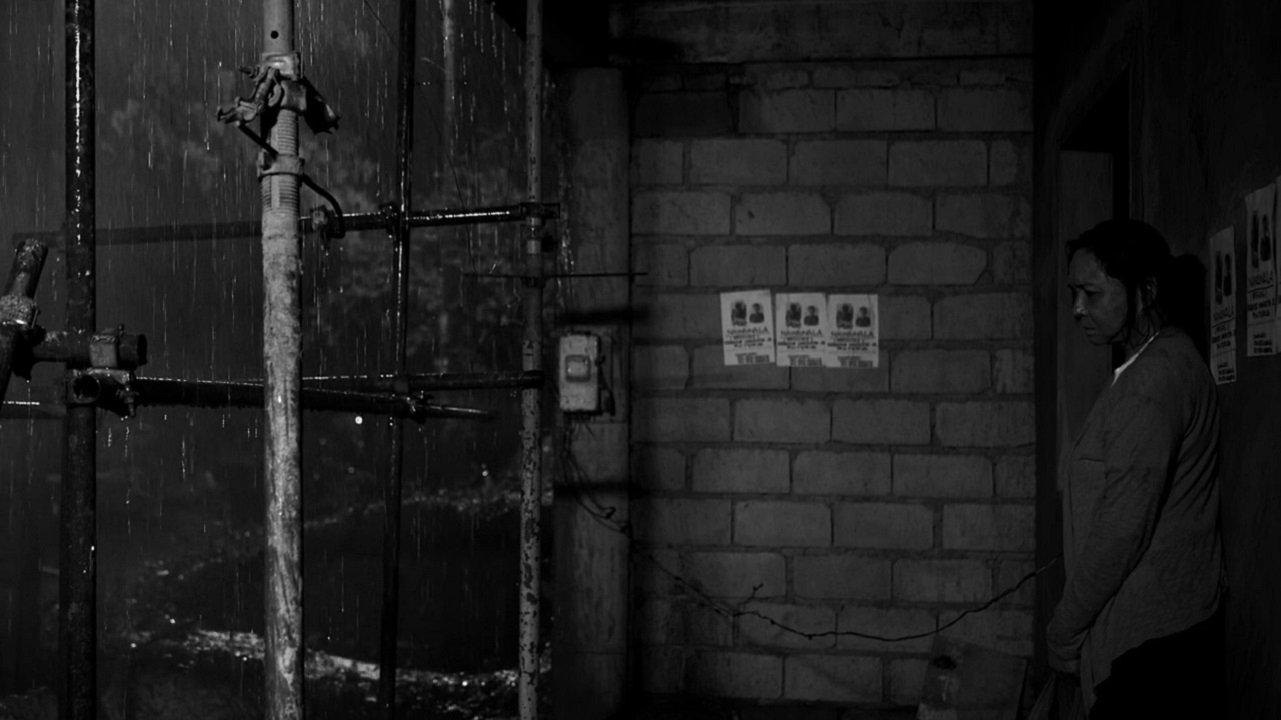
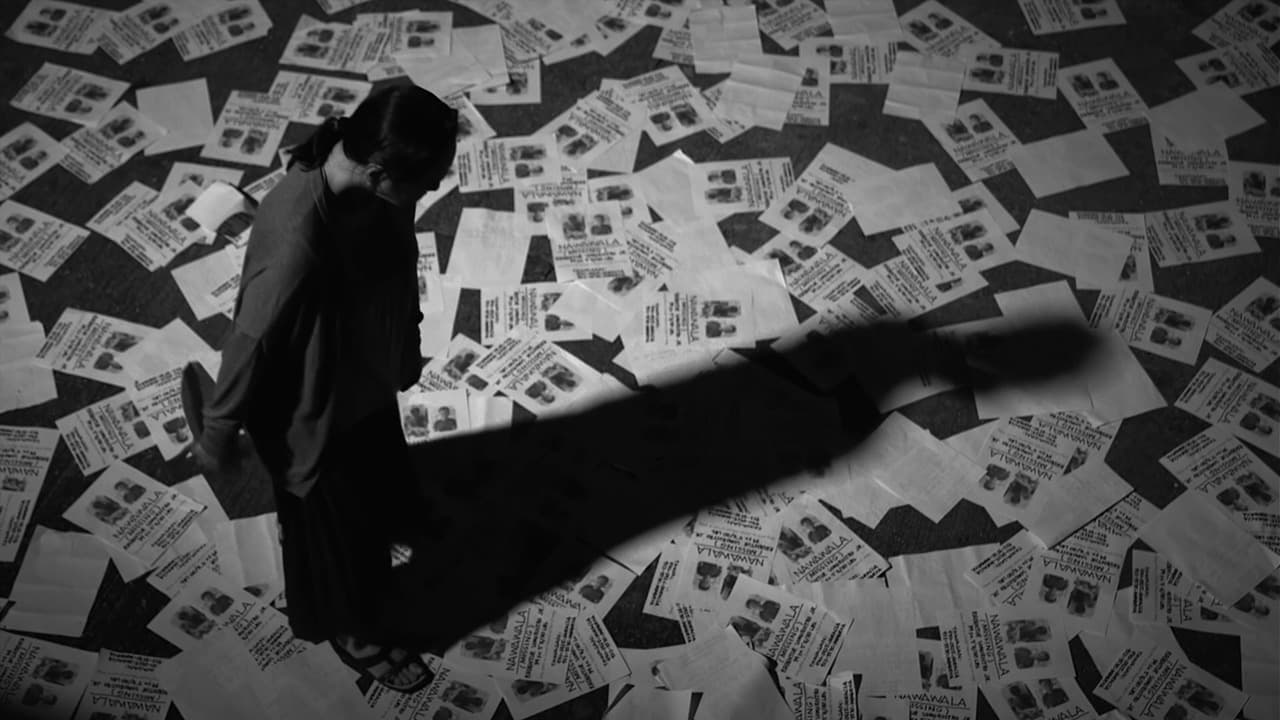
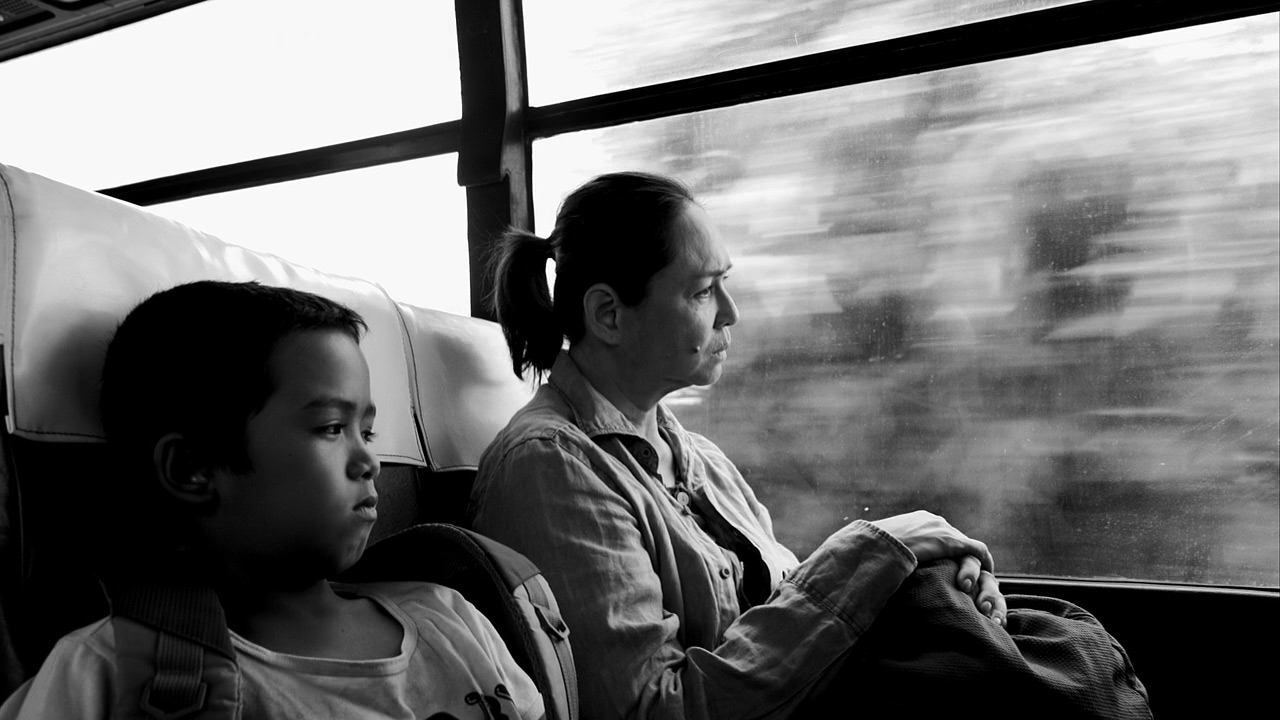

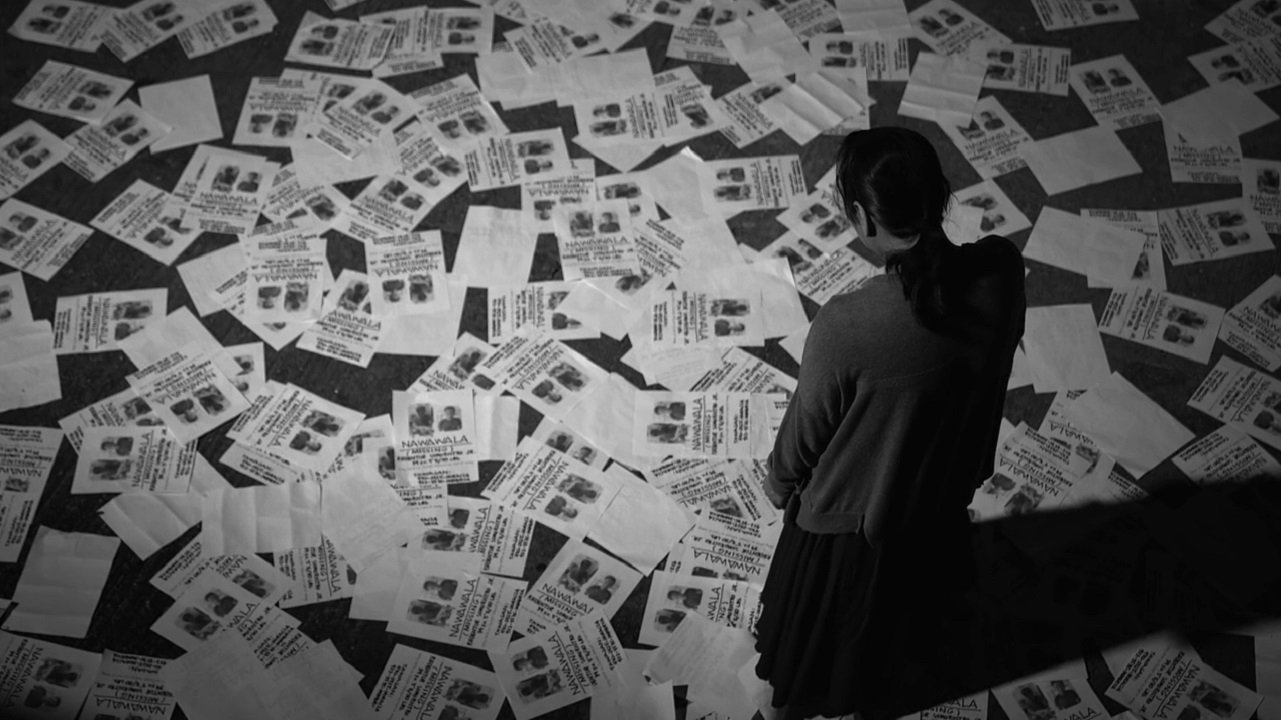
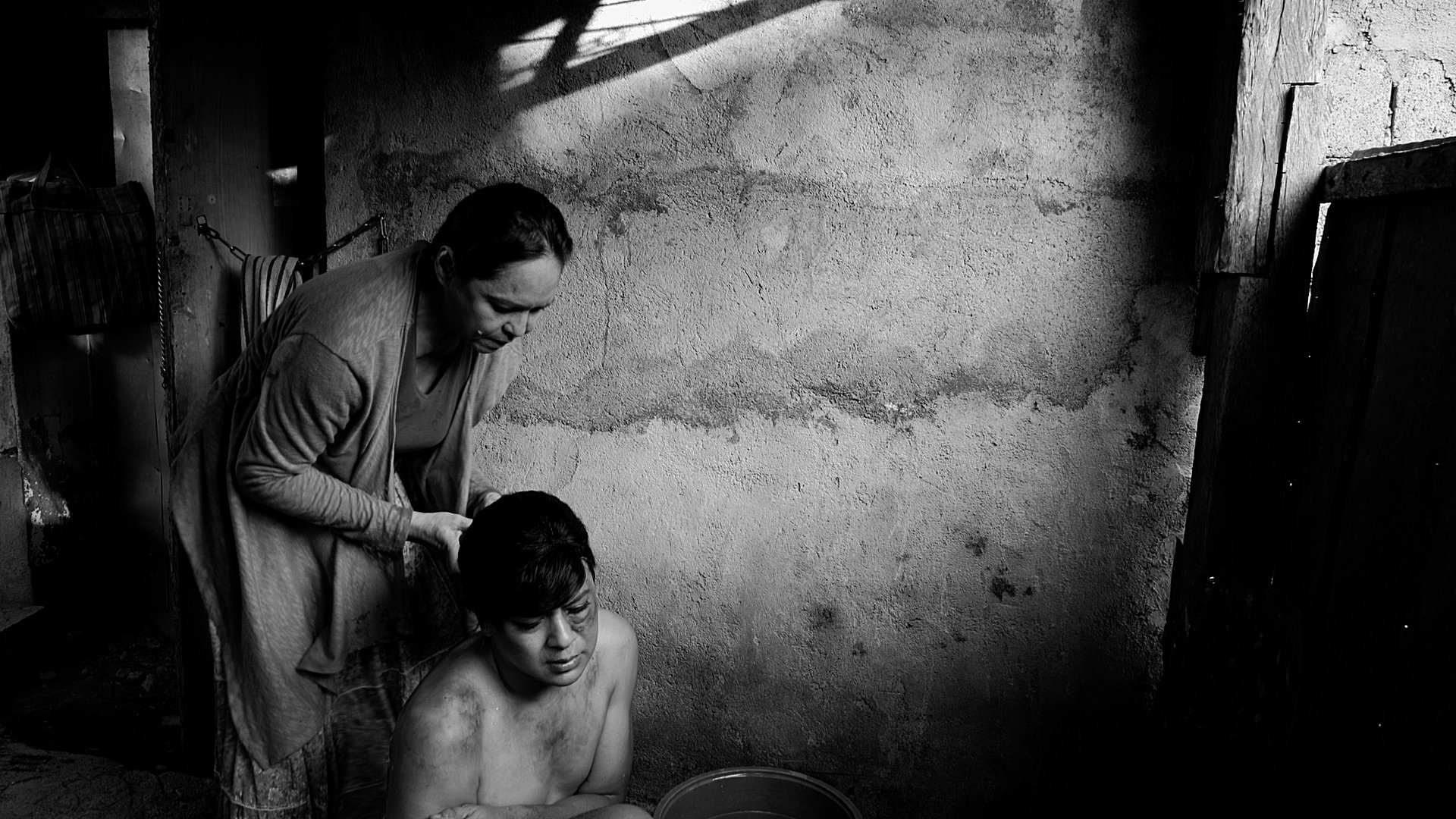
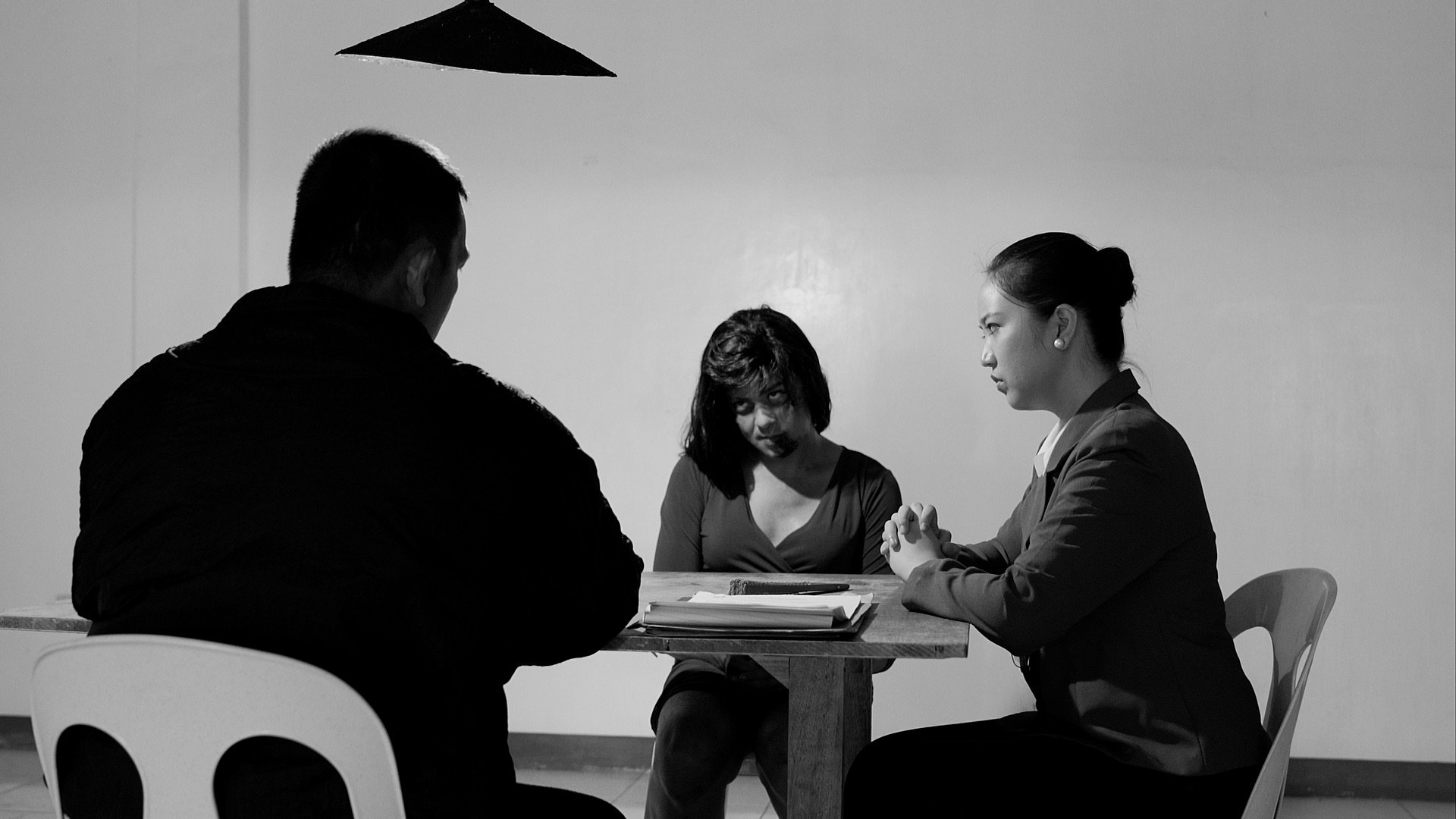
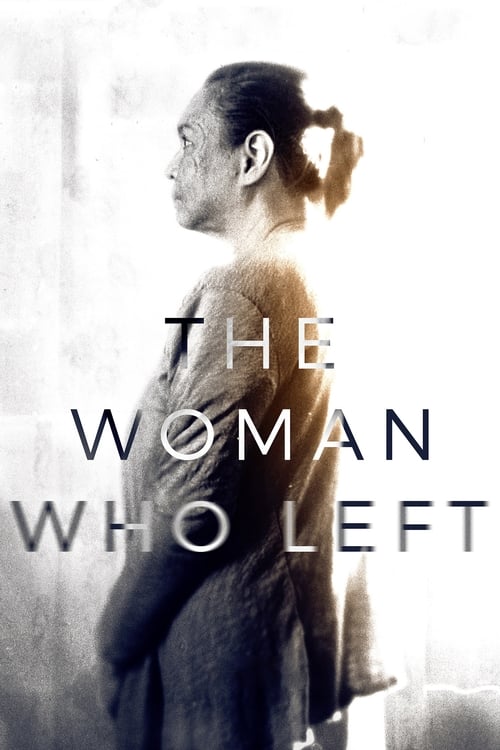
After three decades' wrongful incarceration for murder, a woman discovers that her friend and fellow inmate committed the murder of which she was accused. This leads to her release and subsequent discovery of the man who framed her — her ruling class ex-lover.
Directed by Lav Diaz
philippines
revenge
wrongful imprisonment
monochrome
slow cinema
revenge thriller
quiet

Trailer

IMDB
N/A
Where to Watch


Cast

Charo Santos
Horacia Somorostro / Renata
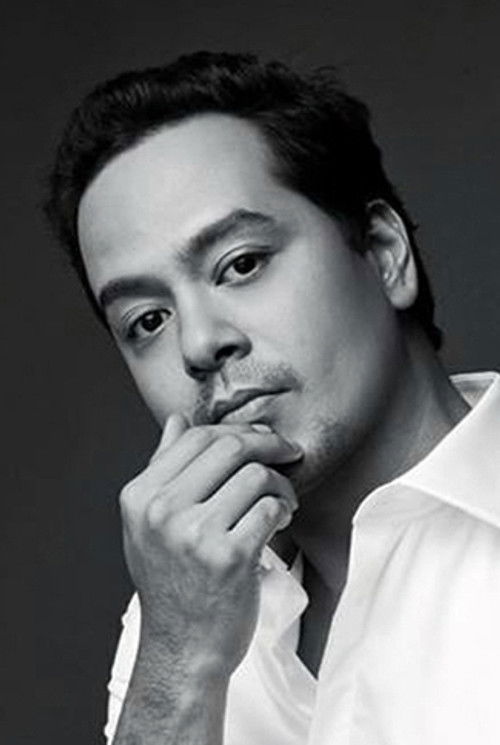
John Lloyd Cruz
Hollanda
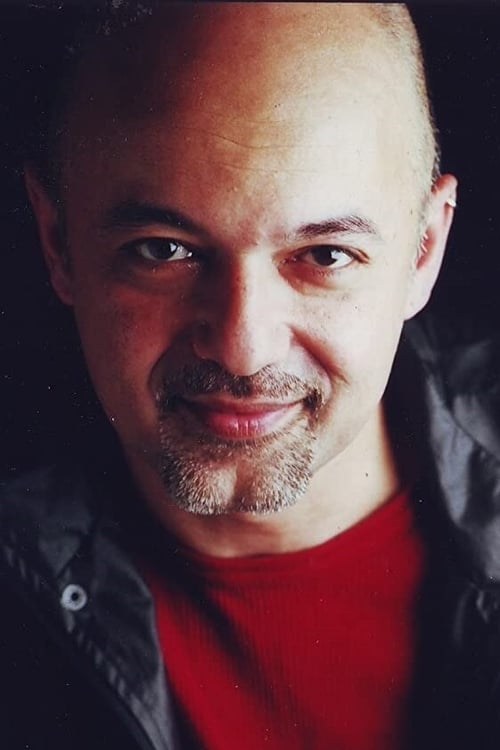
Michael De Mesa
Rodrigo Trinidad
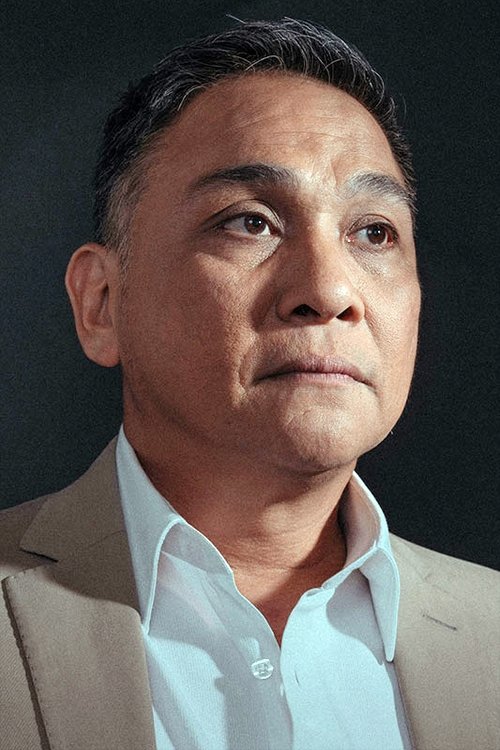
Nonie Buencamino
Balut Vendor

Marjorie Lorico
Minerva

Lao Rodriguez
Priest

Shamaine Buencamino
Petra

Mae Paner
Warden
Jean Judith Javier
Mameng

Kakai Bautista
Dading
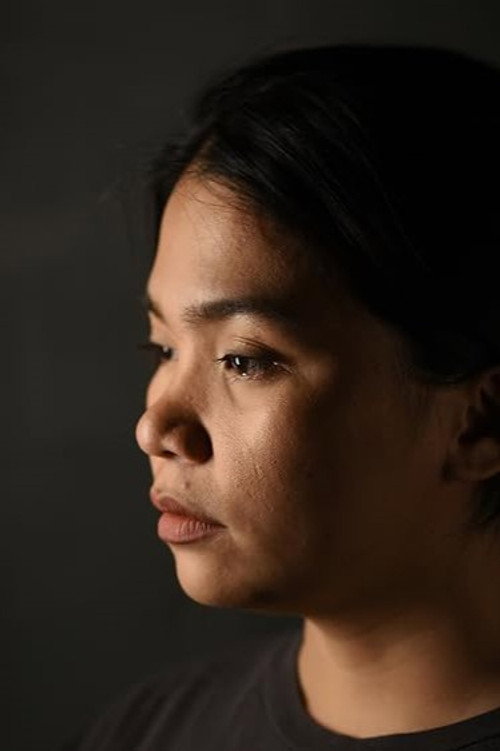
Mayen Estanero
Nena
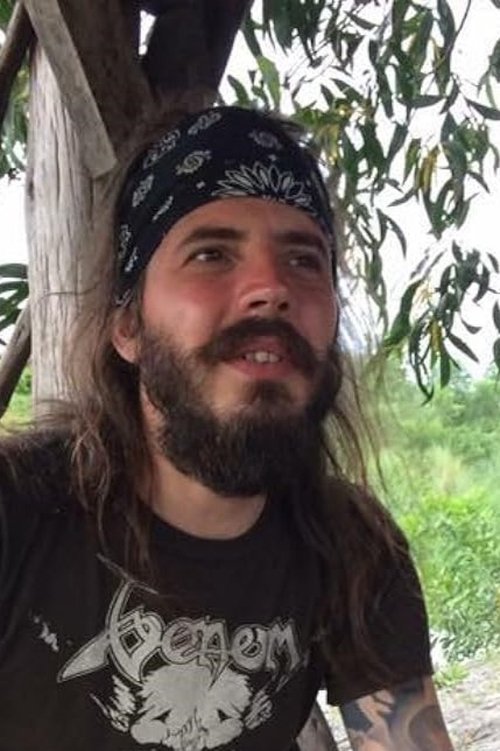
Daniel Palisa
Harry
Crew
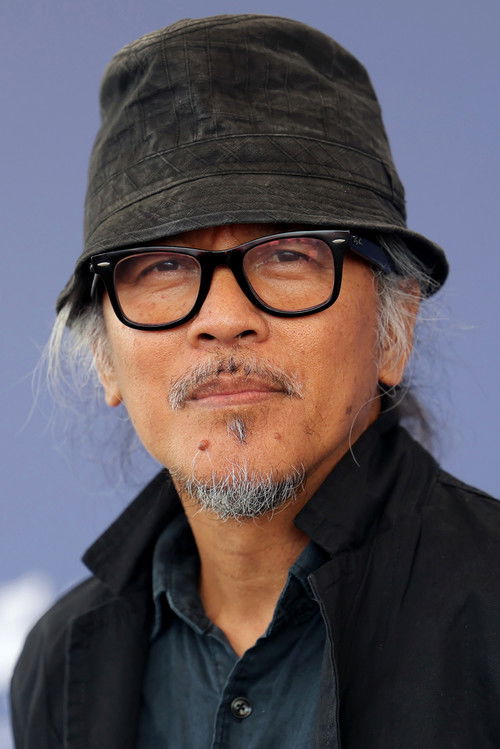
Lav Diaz
Director
Lav Diaz
Screenplay
Lav Diaz
Editor
Lav Diaz
Co-Producer

Ronald Arguelles
Executive Producer

Corinne de San Jose
Sound Designer
Lav Diaz
Cinematography
Kristine Kintana
Production Manager

Popo Diaz
Production Design
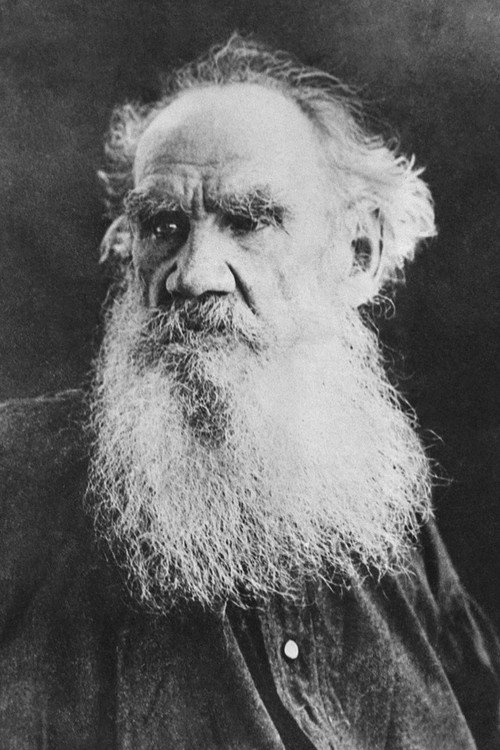
Leo Tolstoy
Original Story
Mark Locsin
Sound Recordist

Carlo Francisco Manatad
Post Production Coordinator
Popular Reviews
16 reviews
pagerleto
9.0★ · 02/19/26
This is the longest film I've ever watched, and it felt like it. This felt longer than its 3 hour 50 runtime, yet it felt kind of meditative. It's a look into the human continuum, and how it ranges from the dark vengeance to the light kindness of our spirit. The main character, Horacia, is trapped between the opposite sides of this continuum. She begins this film incarcerated, but is soon released, yet she feels more trapped on the outside than on the inside. In prison, she was a teacher, and a storyteller. And, upon her exoneration, she was thrown into a deeply disturbing era of the Philippines ("Kidnap for Ransom"). I think that Lav Diaz uses Horacia as a sort of microcosm for this period of history. She is kidnapped by time, through the 30 years she wrongfully lost, as well as a bifurcated identity: benevolent, and vengeful.
In my opinion, the heart of the film lies in the relationship between Horacia and Hollanda, who are both victims of a "metaphorical kidnapping". Horacia is kidnapped by time, and Hollanda is "kidnapped" by her own body. The bond that they form is a brillian showing of how human spirit can outweigh vengeance; in choosing to care for Hollanda instead of killing Rodrigo Trinidad, Horacia heals herself, and she ends up not falling to the dark end of the human continuum.
The imagery in this film is also incredible. My favourite is either the scene where Horacia washes Hollanda, or the final shot where Horacia walks across the sheets of paper that hold those who have been kidnapped.
In the end, Diaz suggests that the cyclical nature of humanity- Horacia tells both the prisoners at the start, and the street-dwellers at the end the same story- is what keeps us tethered to it- that human kindness will always win against vengefulness, or violence.
Good film.
In my opinion, the heart of the film lies in the relationship between Horacia and Hollanda, who are both victims of a "metaphorical kidnapping". Horacia is kidnapped by time, and Hollanda is "kidnapped" by her own body. The bond that they form is a brillian showing of how human spirit can outweigh vengeance; in choosing to care for Hollanda instead of killing Rodrigo Trinidad, Horacia heals herself, and she ends up not falling to the dark end of the human continuum.
The imagery in this film is also incredible. My favourite is either the scene where Horacia washes Hollanda, or the final shot where Horacia walks across the sheets of paper that hold those who have been kidnapped.
In the end, Diaz suggests that the cyclical nature of humanity- Horacia tells both the prisoners at the start, and the street-dwellers at the end the same story- is what keeps us tethered to it- that human kindness will always win against vengefulness, or violence.
Good film.
This is the longest film I've ever watched, and it felt like it. This felt longer than its 3 hour 50 runtime, yet it felt kind of meditative. It's a look into the human continuum, and how it ranges from the dark vengeance to the light kindness of our spirit. The main character, Horacia, is trapped between the opposite sides of this continuum. She begins this film incarcerated, but is soon released, yet she feels more trapped on the outside than on the inside. In prison, she was a teacher, and a storyteller. And, upon her exoneration, she was thrown into a deeply disturbing era of the Philippines ("Kidnap for Ransom"). I think that Lav Diaz uses Horacia as a sort of microcosm for this period of history. She is kidnapped by time, through the 30 years she wrongfully lost, as well as a bifurcated identity: benevolent, and vengeful.
In my opinion, the heart of the film lies in the relationship between Horacia and Hollanda, who are both victims of a "metaphorical kidnapping". Horacia is kidnapped by time, and Hollanda is "kidnapped" by her own body. The bond that they form is a brillian showing of how human spirit can outweigh vengeance; in choosing to care for Hollanda instead of killing Rodrigo Trinidad, Horacia heals herself, and she ends up not falling to the dark end of the human continuum.
The imagery in this film is also incredible. My favourite is either the scene where Horacia washes Hollanda, or the final shot where Horacia walks across the sheets of paper that hold those who have been kidnapped.
In the end, Diaz suggests that the cyclical nature of humanity- Horacia tells both the prisoners at the start, and the street-dwellers at the end the same story- is what keeps us tethered to it- that human kindness will always win against vengefulness, or violence.
Good film.
In my opinion, the heart of the film lies in the relationship between Horacia and Hollanda, who are both victims of a "metaphorical kidnapping". Horacia is kidnapped by time, and Hollanda is "kidnapped" by her own body. The bond that they form is a brillian showing of how human spirit can outweigh vengeance; in choosing to care for Hollanda instead of killing Rodrigo Trinidad, Horacia heals herself, and she ends up not falling to the dark end of the human continuum.
The imagery in this film is also incredible. My favourite is either the scene where Horacia washes Hollanda, or the final shot where Horacia walks across the sheets of paper that hold those who have been kidnapped.
In the end, Diaz suggests that the cyclical nature of humanity- Horacia tells both the prisoners at the start, and the street-dwellers at the end the same story- is what keeps us tethered to it- that human kindness will always win against vengefulness, or violence.
Good film.


endo
9.0★ · 02/14/26
Il était une fois…
Enfin, je regarde mon 1000ème film vous imaginez même pas la joie immense que je ressens actuellement, cette joie est multipliée grâce au film que j’ai regardé pour inaugurer mon entrée dans les milliers, un film de mon réalisateur préféré : Lav Diaz.
Sachez que je m’étonne moi même à ne pas mettre 5/5 à un Lav Diaz, mais je vais dire quelque chose que je ne dis jamais sur le cinéma et encore moins sur celui de Lav en temps normal, mais c’est long. Le début est long pas dans le sens on se fait chier mais plutôt dans le sens que on a l’impression de voir la même chose en boucle, on rencontre un personnage puis un autre puis un autre. Certes, c’est normal c’est l’introduction du film il prend son temps vu la durée dont il dispose mais je trouve que cette introduction est largement moins bien faite et moins captivante que dans ses autres œuvres. Moins captivante pas par rapport a la mise en scène évidemment qui reste excellente comme tous ses films, mais plutôt par la répétition d’un même schéma.
Cependant comme vous pouvez le voir à ma note, les dernières 2h30 sont justes exceptionnelles, les personnages sont tous + attachants les uns que les autres et + développés les uns que les autres également. Ils représentent tous de près ou de loin une minorité dans la société, on rencontre un bossu vendeur à la sauvette qui cherche à venger le meurtre de son père, une femme « folle » qui est obsédée par les démons, et enfin, une femme trans sujette à des crises d’épilepsie (Hollanda mon bébé pitié). Cette deuxième partie est donc comme d’habitude avec ses œuvres beaucoup plus basé sur l’aspect social et le rapport à la vengeance chez l’humain.
Je ne peux pas en dire plus sans spoiler, je vous invite vivement à regarder ce film, il y’a des scènes et des personnages qui vont forcément rester dans votre tête jusqu’à la fin de vos jours.
Merci Lav Diaz d’exister et de faire du cinéma, tu es ma plus grande inspiration cinématographique, merci pour ce que tu nous laisses.
ET OUI je regarde un Lav Diaz à la saint valentin parce que c’est une fête commerciale on va pas fêter ça avec ma copine on est autant amoureux bah le 14 ou le 13 ça change rien, elle est au cinéma en train de regarder lol et lol 2.0 je compte sur vous pour souligner le gap culturel (je rigole likez sa review et abonnez vous)
Enfin, je regarde mon 1000ème film vous imaginez même pas la joie immense que je ressens actuellement, cette joie est multipliée grâce au film que j’ai regardé pour inaugurer mon entrée dans les milliers, un film de mon réalisateur préféré : Lav Diaz.
Sachez que je m’étonne moi même à ne pas mettre 5/5 à un Lav Diaz, mais je vais dire quelque chose que je ne dis jamais sur le cinéma et encore moins sur celui de Lav en temps normal, mais c’est long. Le début est long pas dans le sens on se fait chier mais plutôt dans le sens que on a l’impression de voir la même chose en boucle, on rencontre un personnage puis un autre puis un autre. Certes, c’est normal c’est l’introduction du film il prend son temps vu la durée dont il dispose mais je trouve que cette introduction est largement moins bien faite et moins captivante que dans ses autres œuvres. Moins captivante pas par rapport a la mise en scène évidemment qui reste excellente comme tous ses films, mais plutôt par la répétition d’un même schéma.
Cependant comme vous pouvez le voir à ma note, les dernières 2h30 sont justes exceptionnelles, les personnages sont tous + attachants les uns que les autres et + développés les uns que les autres également. Ils représentent tous de près ou de loin une minorité dans la société, on rencontre un bossu vendeur à la sauvette qui cherche à venger le meurtre de son père, une femme « folle » qui est obsédée par les démons, et enfin, une femme trans sujette à des crises d’épilepsie (Hollanda mon bébé pitié). Cette deuxième partie est donc comme d’habitude avec ses œuvres beaucoup plus basé sur l’aspect social et le rapport à la vengeance chez l’humain.
Je ne peux pas en dire plus sans spoiler, je vous invite vivement à regarder ce film, il y’a des scènes et des personnages qui vont forcément rester dans votre tête jusqu’à la fin de vos jours.
Merci Lav Diaz d’exister et de faire du cinéma, tu es ma plus grande inspiration cinématographique, merci pour ce que tu nous laisses.
ET OUI je regarde un Lav Diaz à la saint valentin parce que c’est une fête commerciale on va pas fêter ça avec ma copine on est autant amoureux bah le 14 ou le 13 ça change rien, elle est au cinéma en train de regarder lol et lol 2.0 je compte sur vous pour souligner le gap culturel (je rigole likez sa review et abonnez vous)
Il était une fois…
Enfin, je regarde mon 1000ème film vous imaginez même pas la joie immense que je ressens actuellement, cette joie est multipliée grâce au film que j’ai regardé pour inaugurer mon entrée dans les milliers, un film de mon réalisateur préféré : Lav Diaz.
Sachez que je m’étonne moi même à ne pas mettre 5/5 à un Lav Diaz, mais je vais dire quelque chose que je ne dis jamais sur le cinéma et encore moins sur celui de Lav en temps normal, mais c’est long. Le début est long pas dans le sens on se fait chier mais plutôt dans le sens que on a l’impression de voir la même chose en boucle, on rencontre un personnage puis un autre puis un autre. Certes, c’est normal c’est l’introduction du film il prend son temps vu la durée dont il dispose mais je trouve que cette introduction est largement moins bien faite et moins captivante que dans ses autres œuvres. Moins captivante pas par rapport a la mise en scène évidemment qui reste excellente comme tous ses films, mais plutôt par la répétition d’un même schéma.
Cependant comme vous pouvez le voir à ma note, les dernières 2h30 sont justes exceptionnelles, les personnages sont tous + attachants les uns que les autres et + développés les uns que les autres également. Ils représentent tous de près ou de loin une minorité dans la société, on rencontre un bossu vendeur à la sauvette qui cherche à venger le meurtre de son père, une femme « folle » qui est obsédée par les démons, et enfin, une femme trans sujette à des crises d’épilepsie (Hollanda mon bébé pitié). Cette deuxième partie est donc comme d’habitude avec ses œuvres beaucoup plus basé sur l’aspect social et le rapport à la vengeance chez l’humain.
Je ne peux pas en dire plus sans spoiler, je vous invite vivement à regarder ce film, il y’a des scènes et des personnages qui vont forcément rester dans votre tête jusqu’à la fin de vos jours.
Merci Lav Diaz d’exister et de faire du cinéma, tu es ma plus grande inspiration cinématographique, merci pour ce que tu nous laisses.
ET OUI je regarde un Lav Diaz à la saint valentin parce que c’est une fête commerciale on va pas fêter ça avec ma copine on est autant amoureux bah le 14 ou le 13 ça change rien, elle est au cinéma en train de regarder lol et lol 2.0 je compte sur vous pour souligner le gap culturel (je rigole likez sa review et abonnez vous)
Enfin, je regarde mon 1000ème film vous imaginez même pas la joie immense que je ressens actuellement, cette joie est multipliée grâce au film que j’ai regardé pour inaugurer mon entrée dans les milliers, un film de mon réalisateur préféré : Lav Diaz.
Sachez que je m’étonne moi même à ne pas mettre 5/5 à un Lav Diaz, mais je vais dire quelque chose que je ne dis jamais sur le cinéma et encore moins sur celui de Lav en temps normal, mais c’est long. Le début est long pas dans le sens on se fait chier mais plutôt dans le sens que on a l’impression de voir la même chose en boucle, on rencontre un personnage puis un autre puis un autre. Certes, c’est normal c’est l’introduction du film il prend son temps vu la durée dont il dispose mais je trouve que cette introduction est largement moins bien faite et moins captivante que dans ses autres œuvres. Moins captivante pas par rapport a la mise en scène évidemment qui reste excellente comme tous ses films, mais plutôt par la répétition d’un même schéma.
Cependant comme vous pouvez le voir à ma note, les dernières 2h30 sont justes exceptionnelles, les personnages sont tous + attachants les uns que les autres et + développés les uns que les autres également. Ils représentent tous de près ou de loin une minorité dans la société, on rencontre un bossu vendeur à la sauvette qui cherche à venger le meurtre de son père, une femme « folle » qui est obsédée par les démons, et enfin, une femme trans sujette à des crises d’épilepsie (Hollanda mon bébé pitié). Cette deuxième partie est donc comme d’habitude avec ses œuvres beaucoup plus basé sur l’aspect social et le rapport à la vengeance chez l’humain.
Je ne peux pas en dire plus sans spoiler, je vous invite vivement à regarder ce film, il y’a des scènes et des personnages qui vont forcément rester dans votre tête jusqu’à la fin de vos jours.
Merci Lav Diaz d’exister et de faire du cinéma, tu es ma plus grande inspiration cinématographique, merci pour ce que tu nous laisses.
ET OUI je regarde un Lav Diaz à la saint valentin parce que c’est une fête commerciale on va pas fêter ça avec ma copine on est autant amoureux bah le 14 ou le 13 ça change rien, elle est au cinéma en train de regarder lol et lol 2.0 je compte sur vous pour souligner le gap culturel (je rigole likez sa review et abonnez vous)
Egor
7.0★ · 12/22/25
смотрел с удовольствием, но как-то меня не зацепила история
смотрел с удовольствием, но как-то меня не зацепила история
Xav Lajato
9.0★ · 01/07/25
This film boldly tackles themes of betrayal, forgiveness, and transformation. Charo Santos delivers an unforgettable performance. The film is exciting and thought provoking tho medyo mahaba nga lang since it's a slow cinema film. Horacia's journey raises essential questions about justice, morality and human nature. Also i didn't recognize si John Lloyd pala yun HAHA
This film boldly tackles themes of betrayal, forgiveness, and transformation. Charo Santos delivers an unforgettable performance. The film is exciting and thought provoking tho medyo mahaba nga lang since it's a slow cinema film. Horacia's journey raises essential questions about justice, morality and human nature. Also i didn't recognize si John Lloyd pala yun HAHA
Nick
9.0★ · 05/25/20
It seems I chose a ripe candidate for my first Diaz. I was expecting something far more austere, but lo and behold it's almost a completely straightforward revenge flick, with the big difference being the pacing and room the film gets to breathe. There's no question I adore slowly paced films, so this offers a welcome style. Shy of four hours, it seems this is one of the shorter Diaz entries. Today I learned what bulat is and I'll be trying to unpack the depth of that symbolism for days.
It seems I chose a ripe candidate for my first Diaz. I was expecting something far more austere, but lo and behold it's almost a completely straightforward revenge flick, with the big difference being the pacing and room the film gets to breathe. There's no question I adore slowly paced films, so this offers a welcome style. Shy of four hours, it seems this is one of the shorter Diaz entries. Today I learned what bulat is and I'll be trying to unpack the depth of that symbolism for days.