"I prefer hell. Heaven would be so boring."
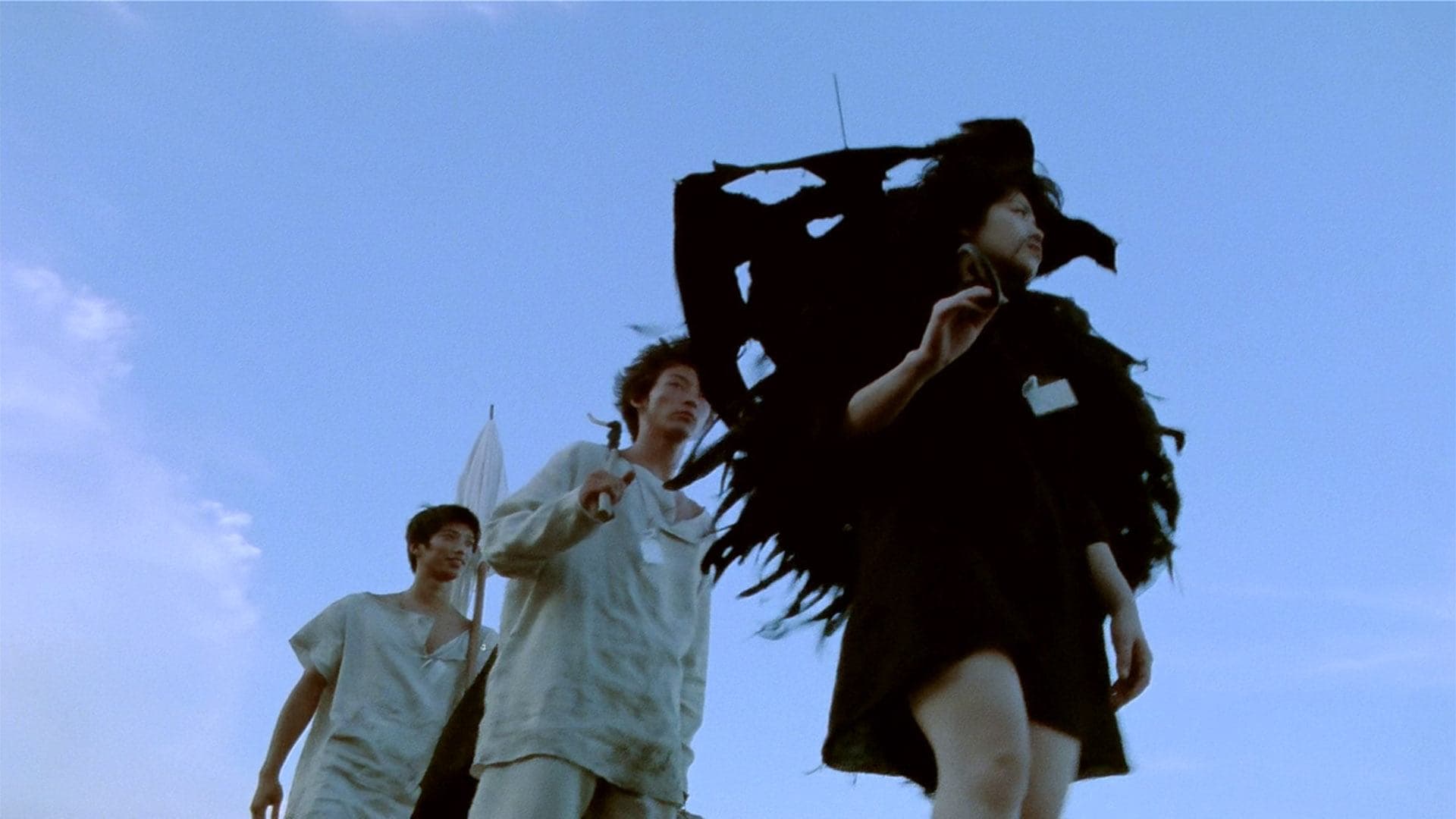
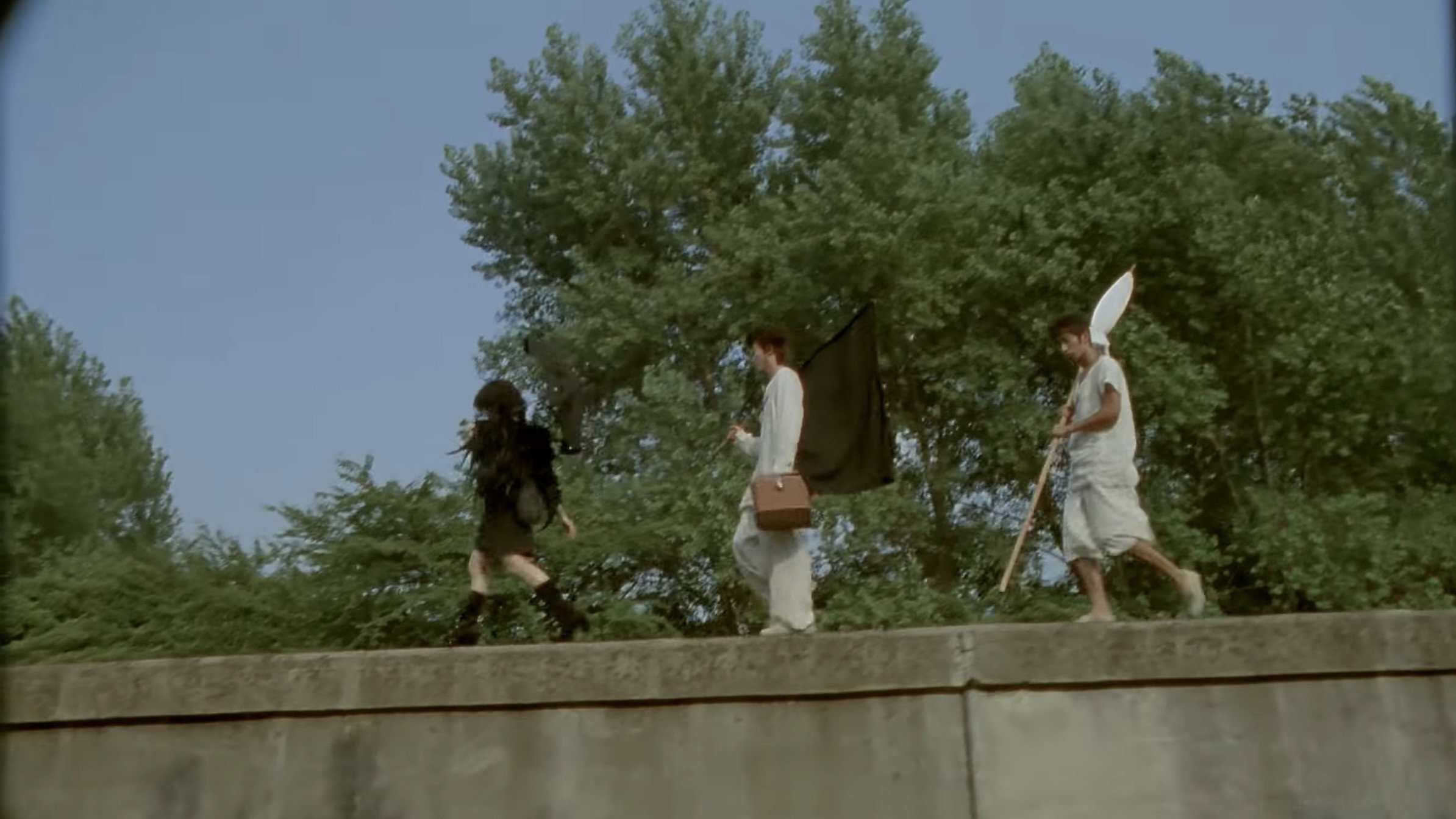
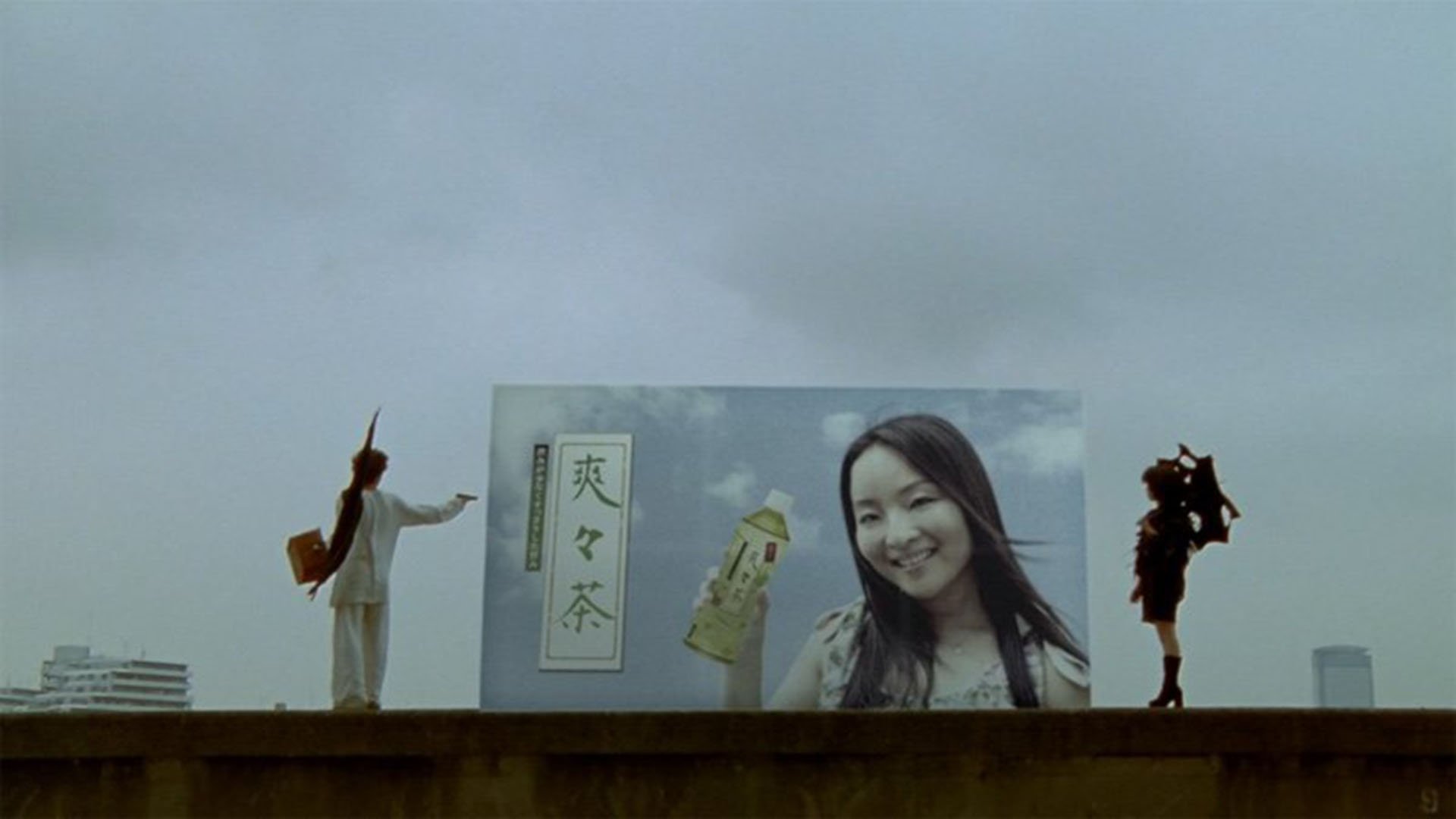
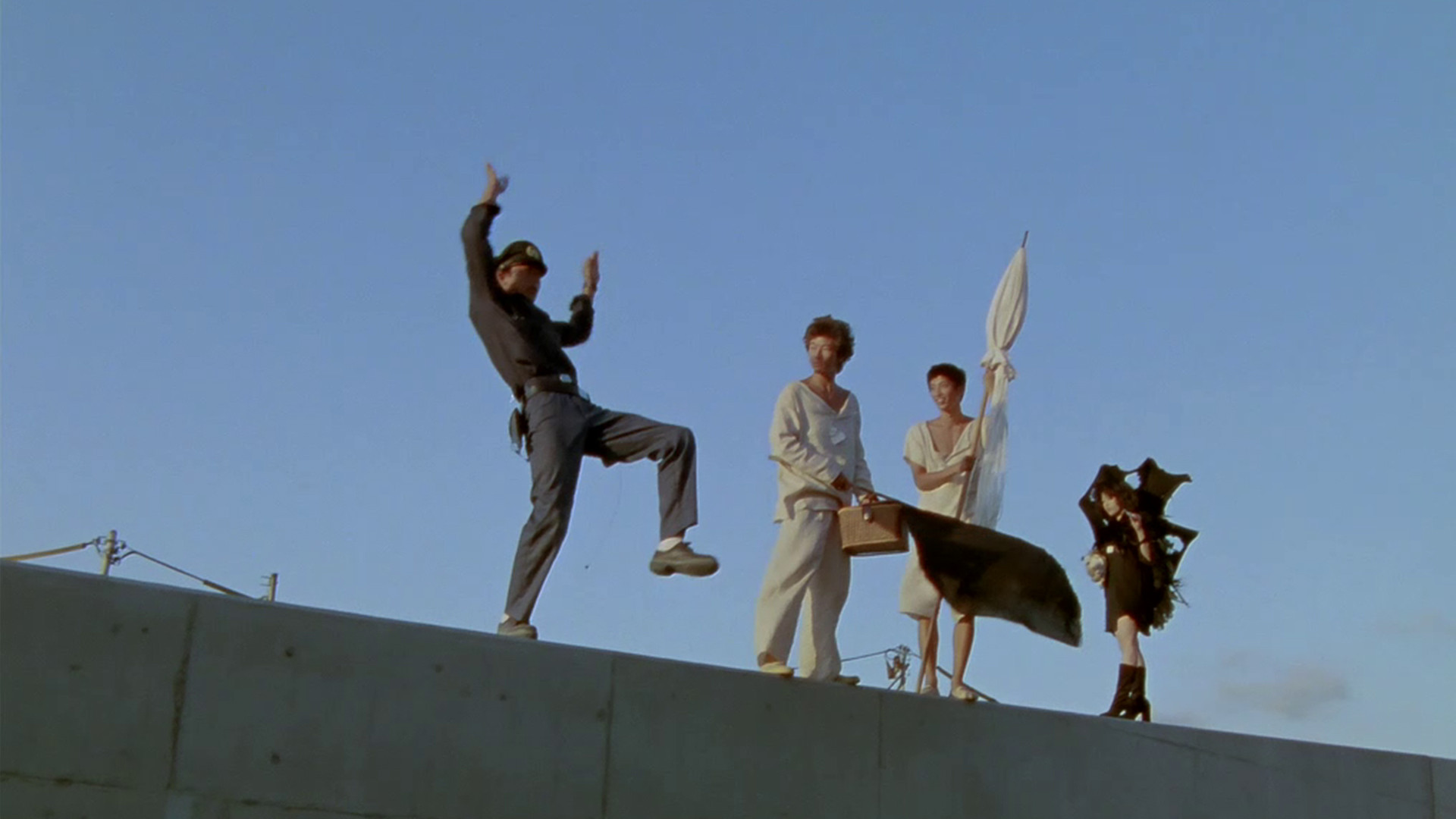
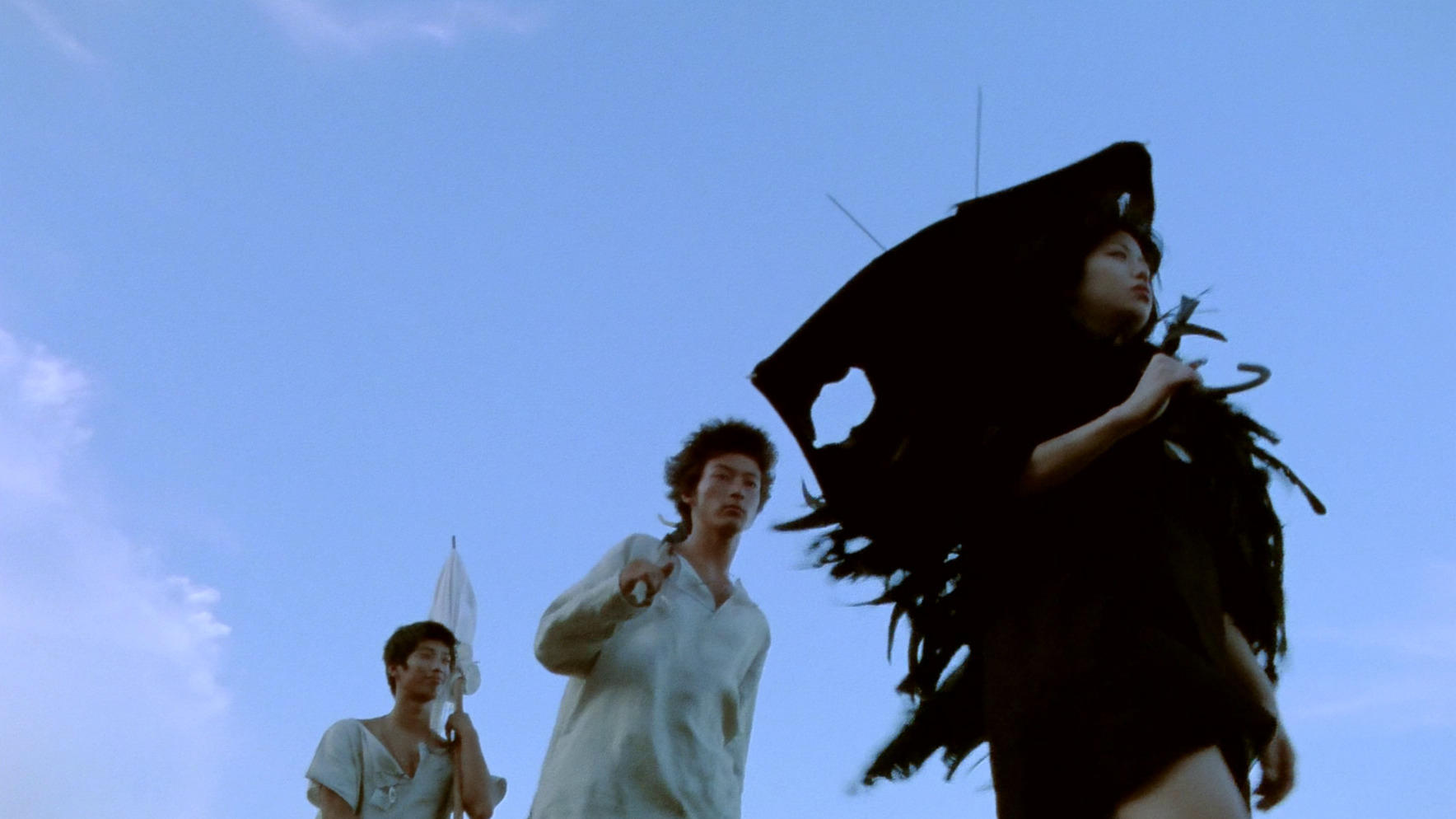
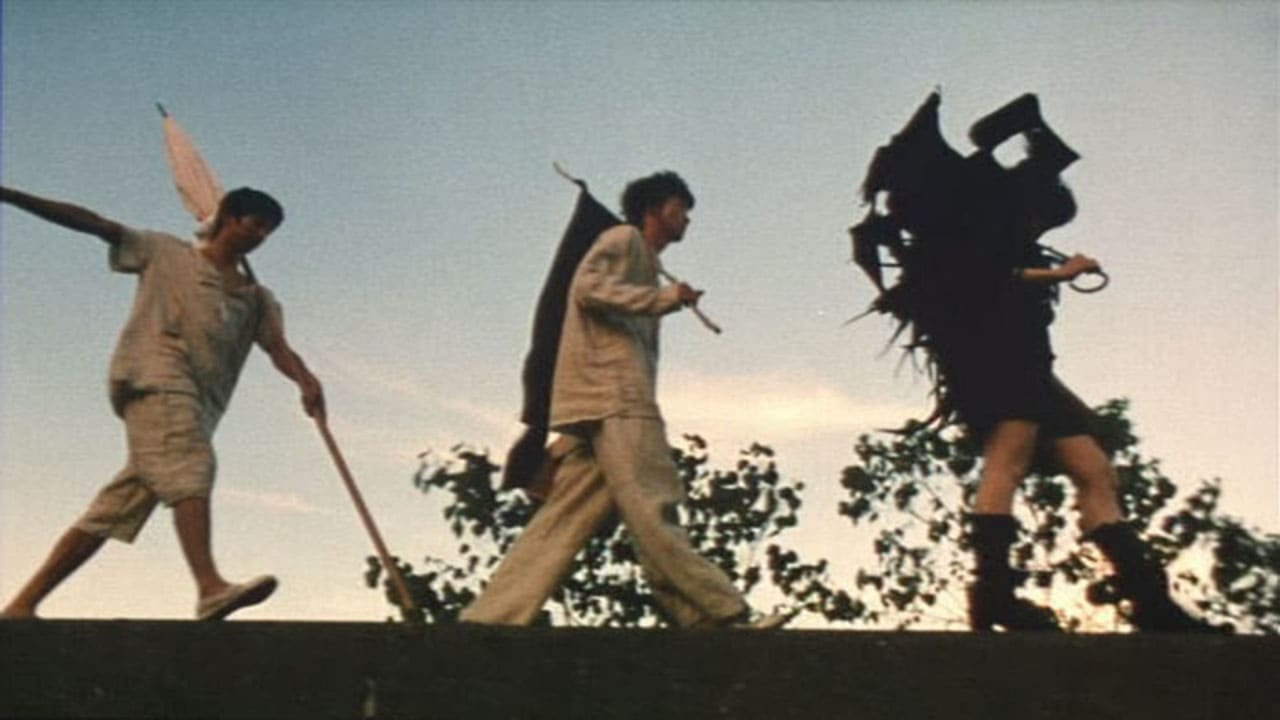
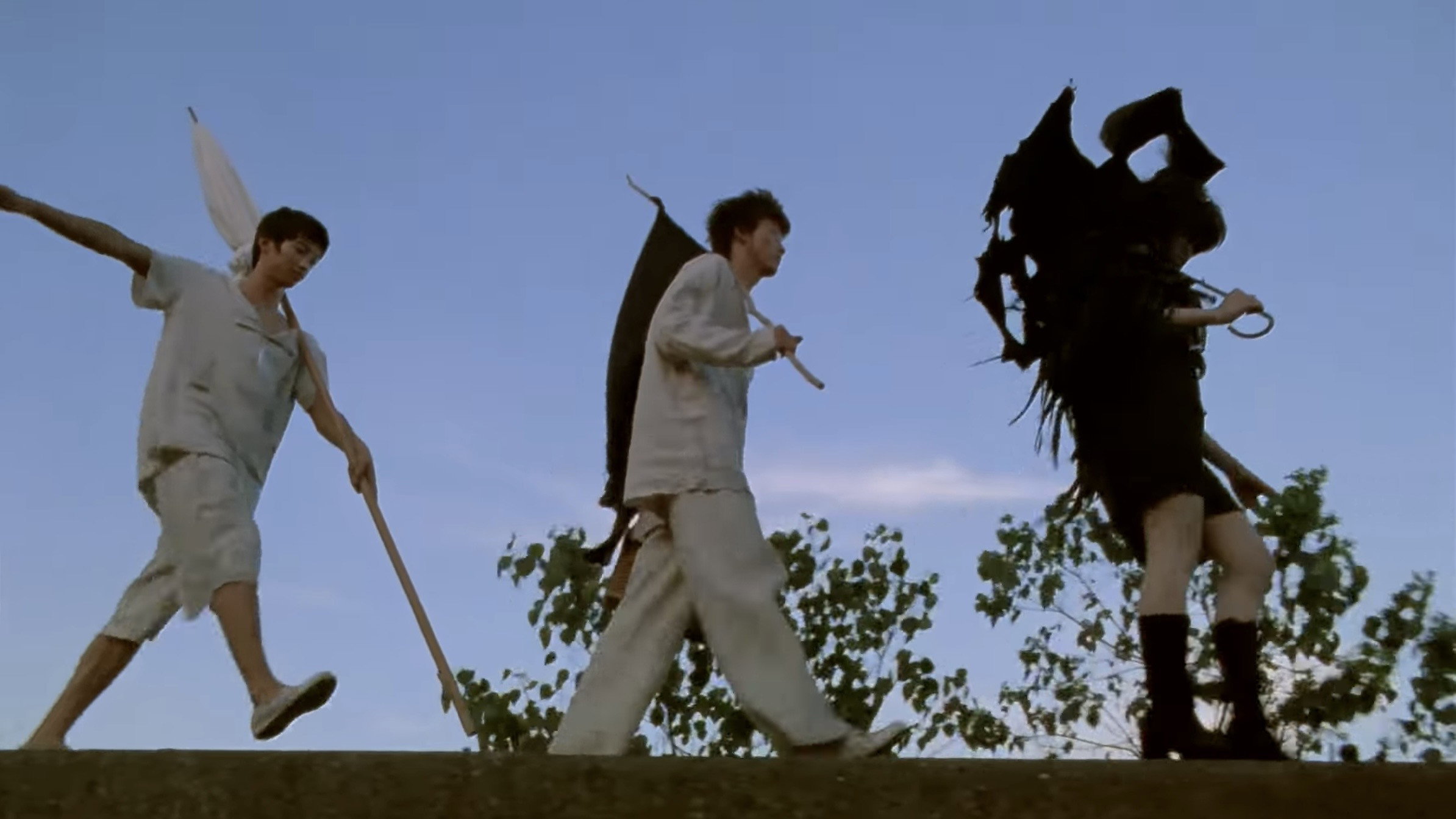
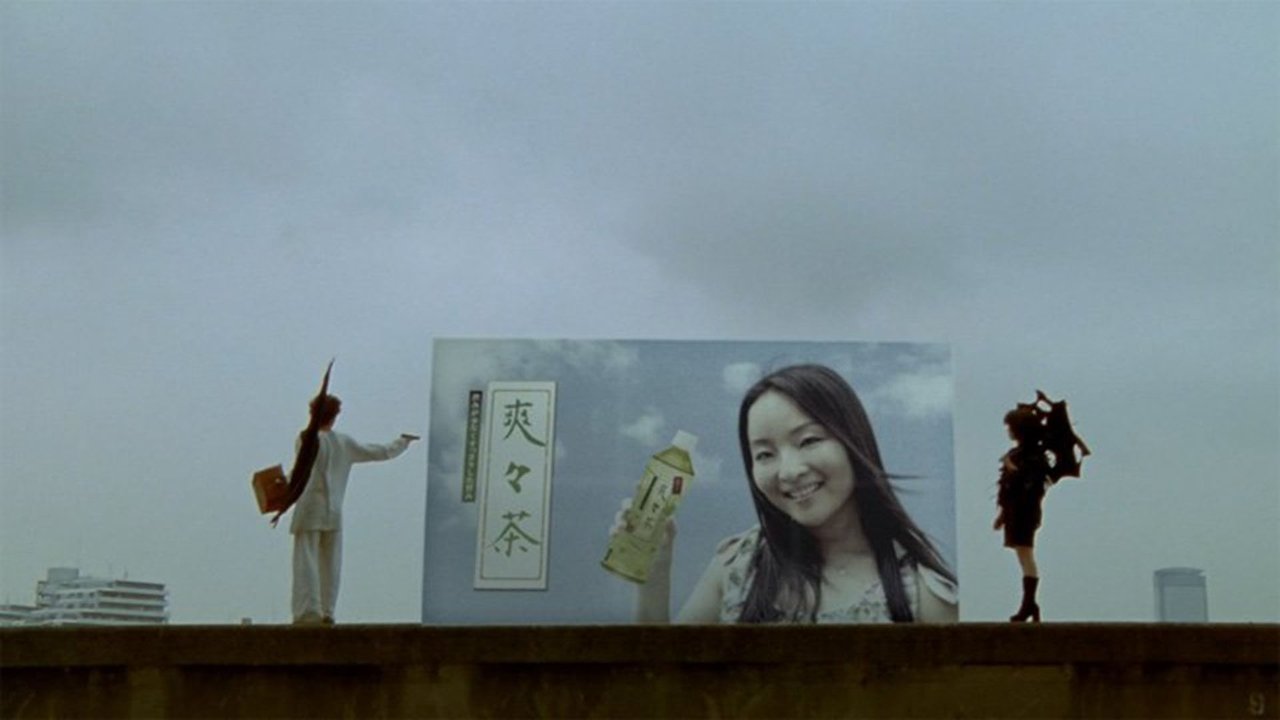
A 72-minute dream where three mental institution patients walk atop city walls to watch the end of the world. That, more or less, is the entire storyline, and it's more than enough.
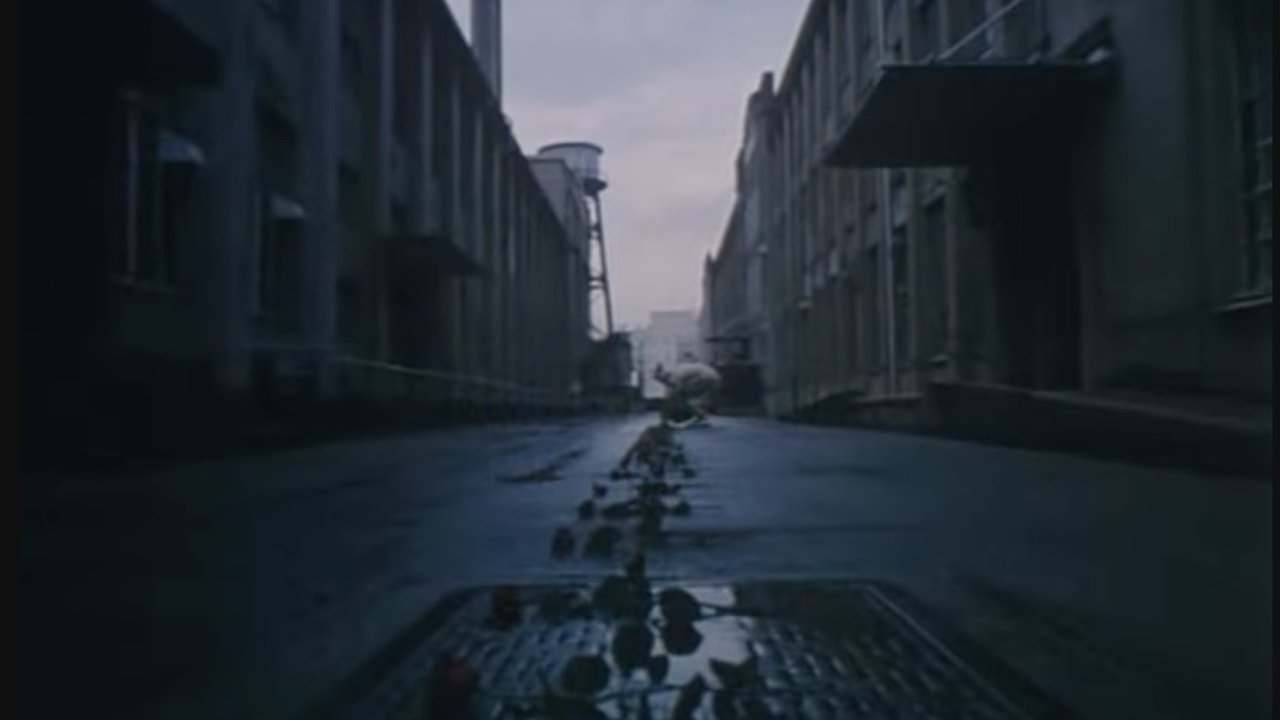
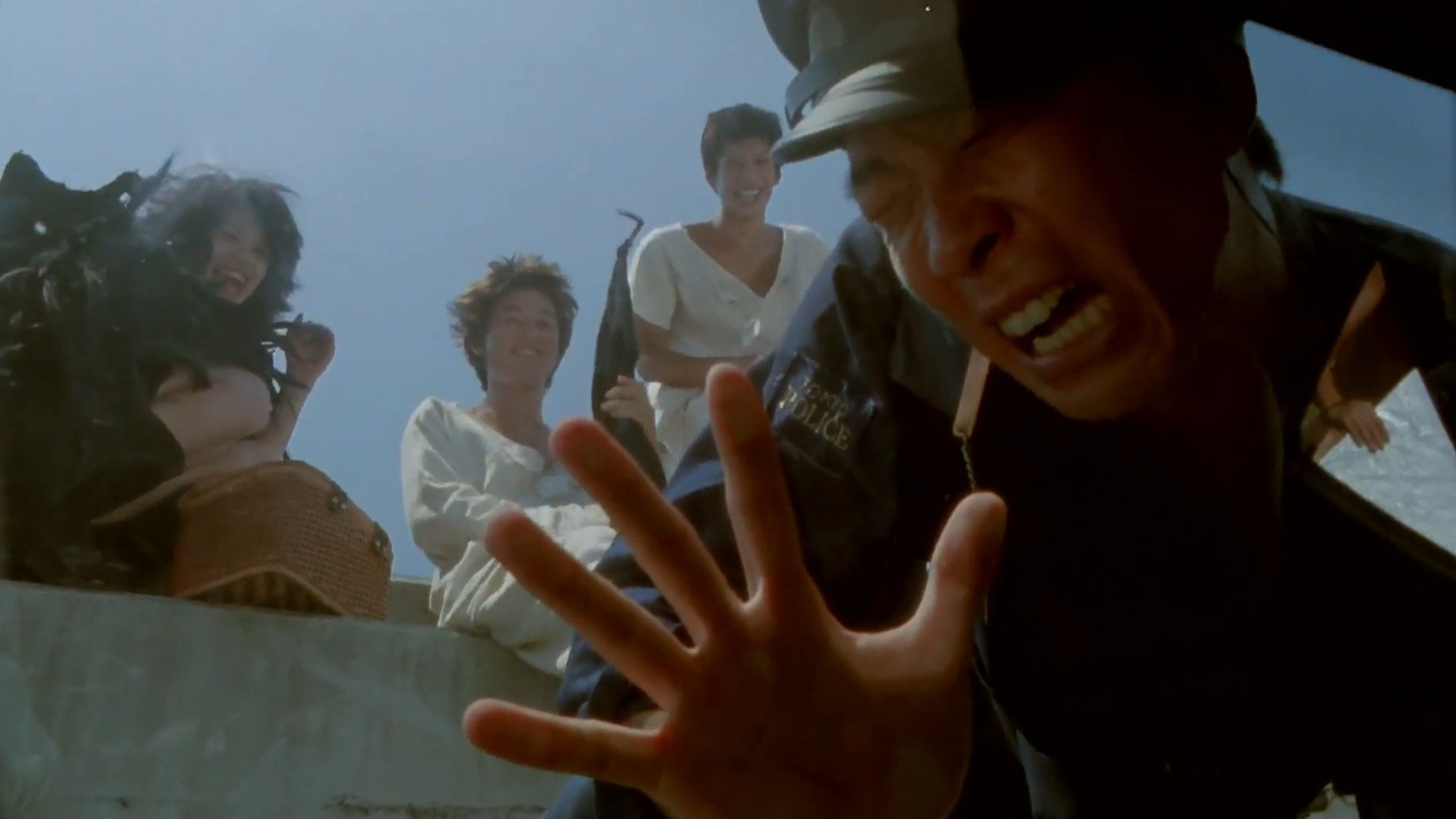
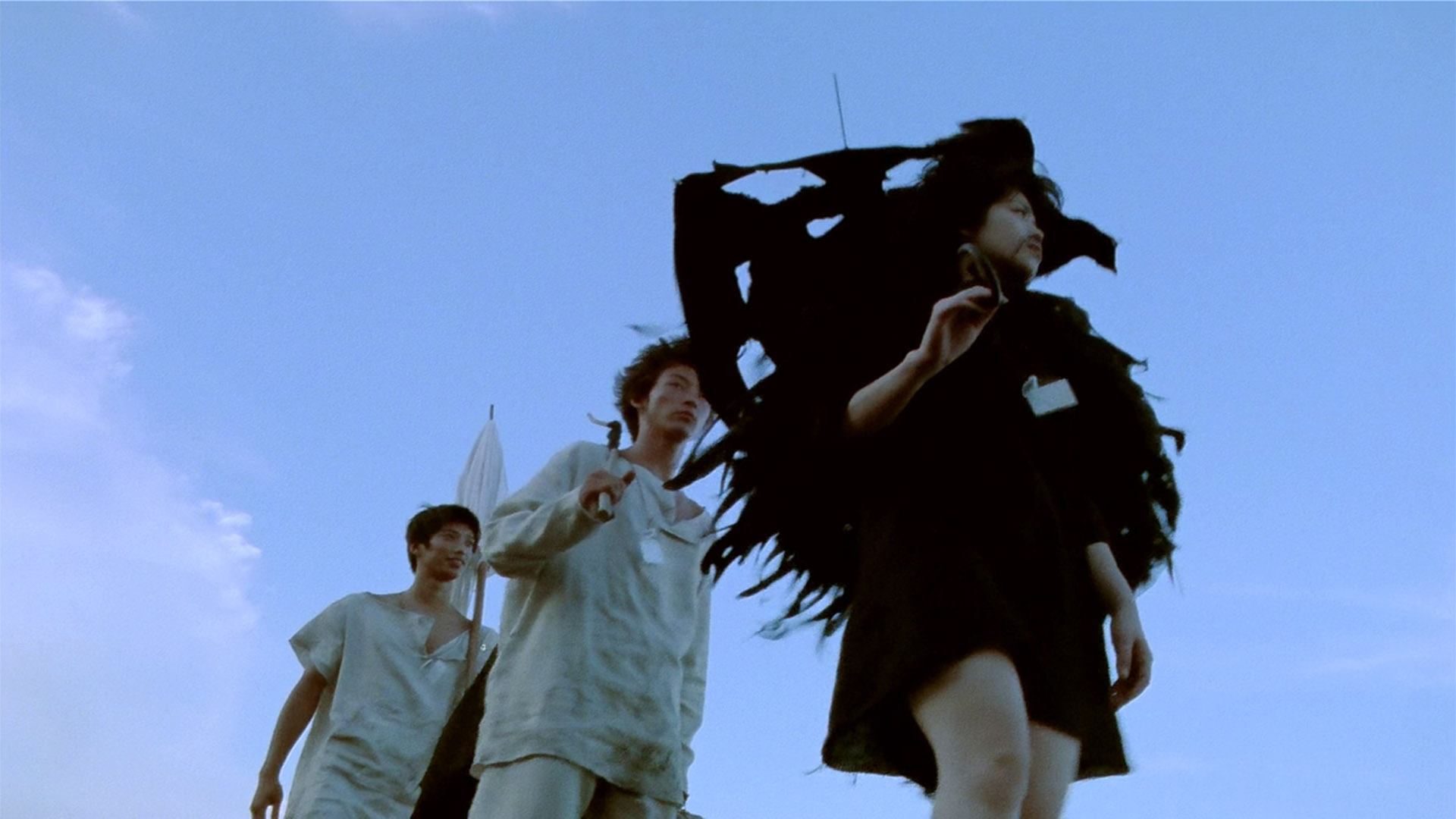
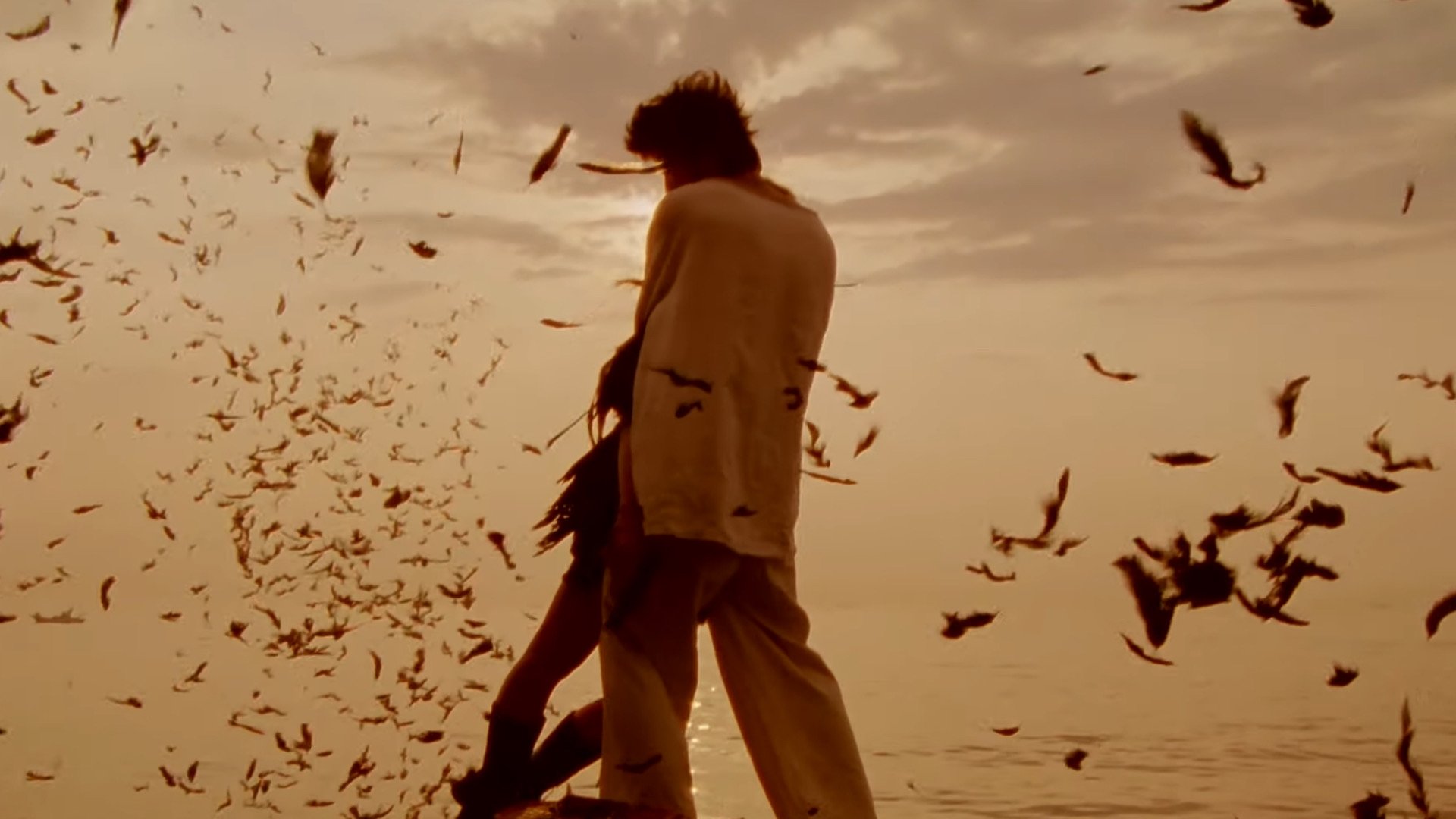
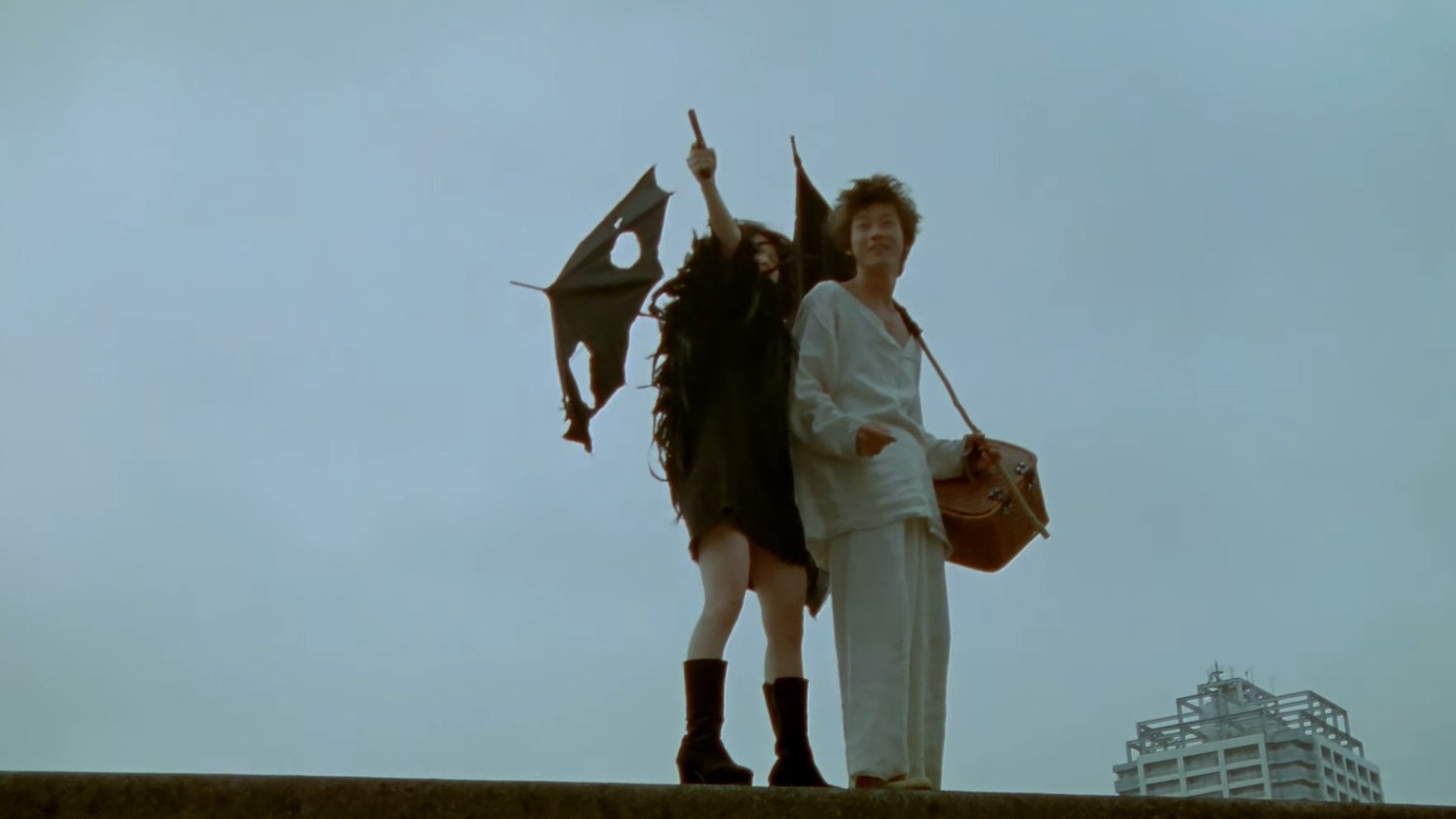
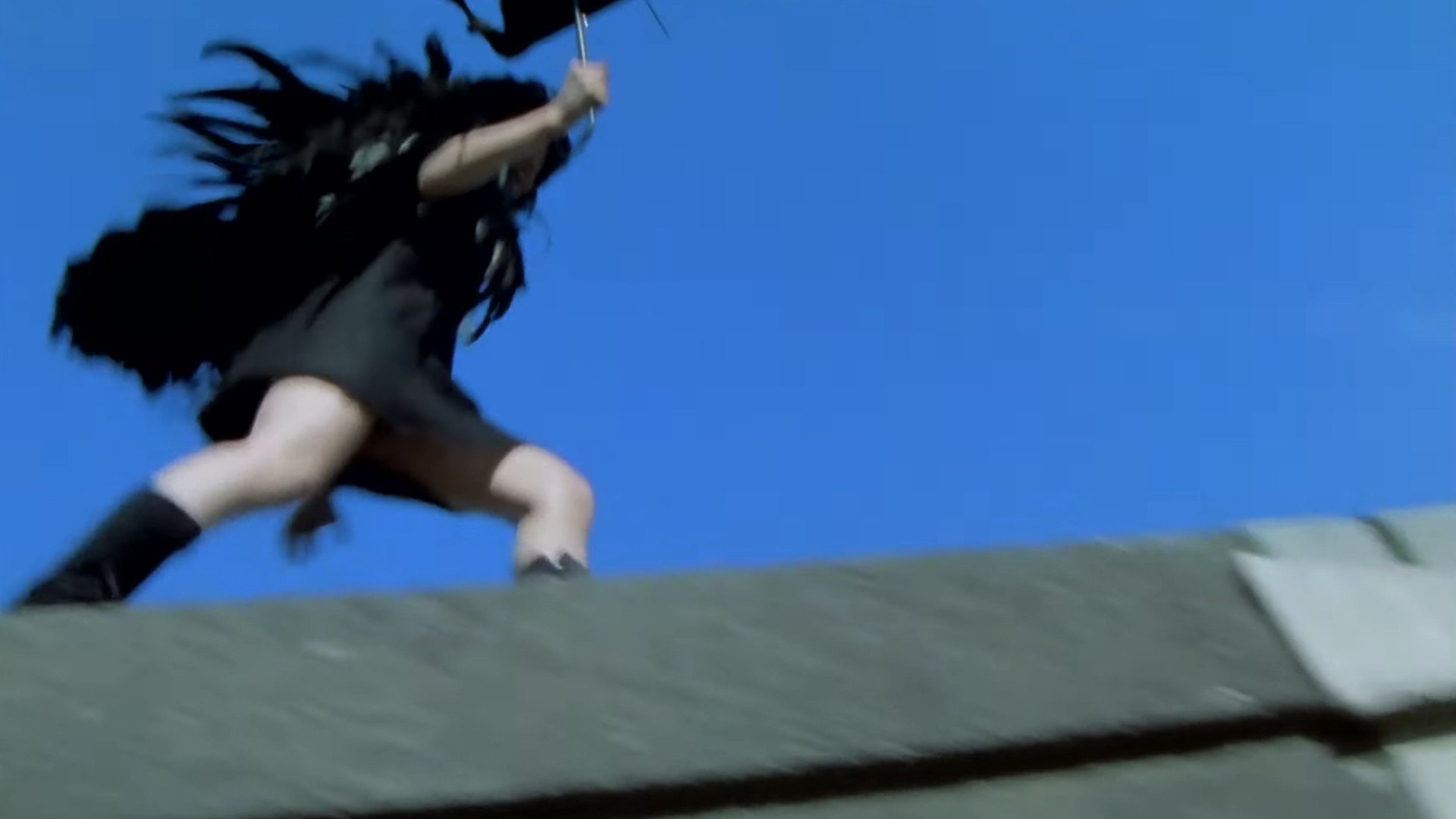
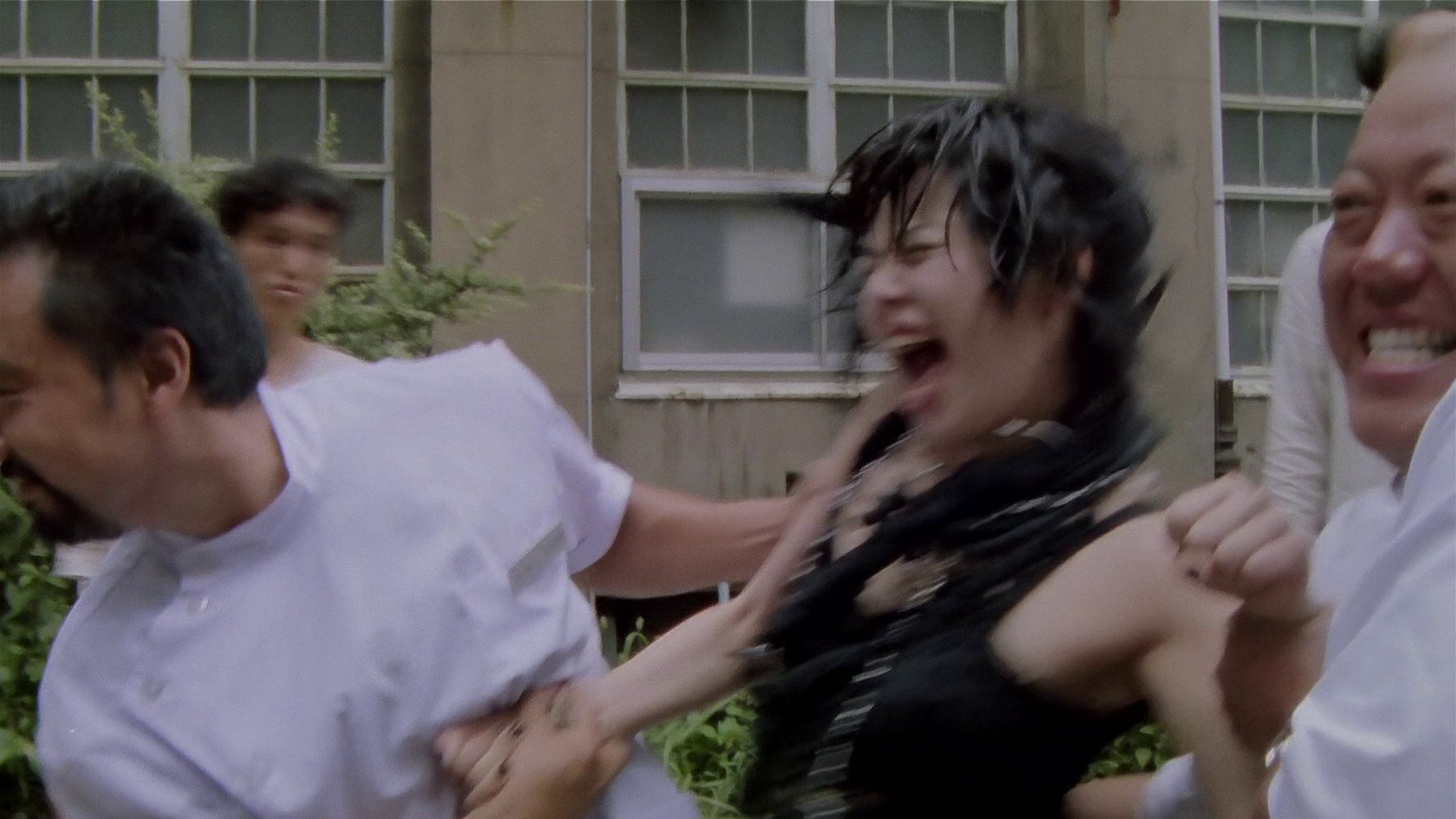
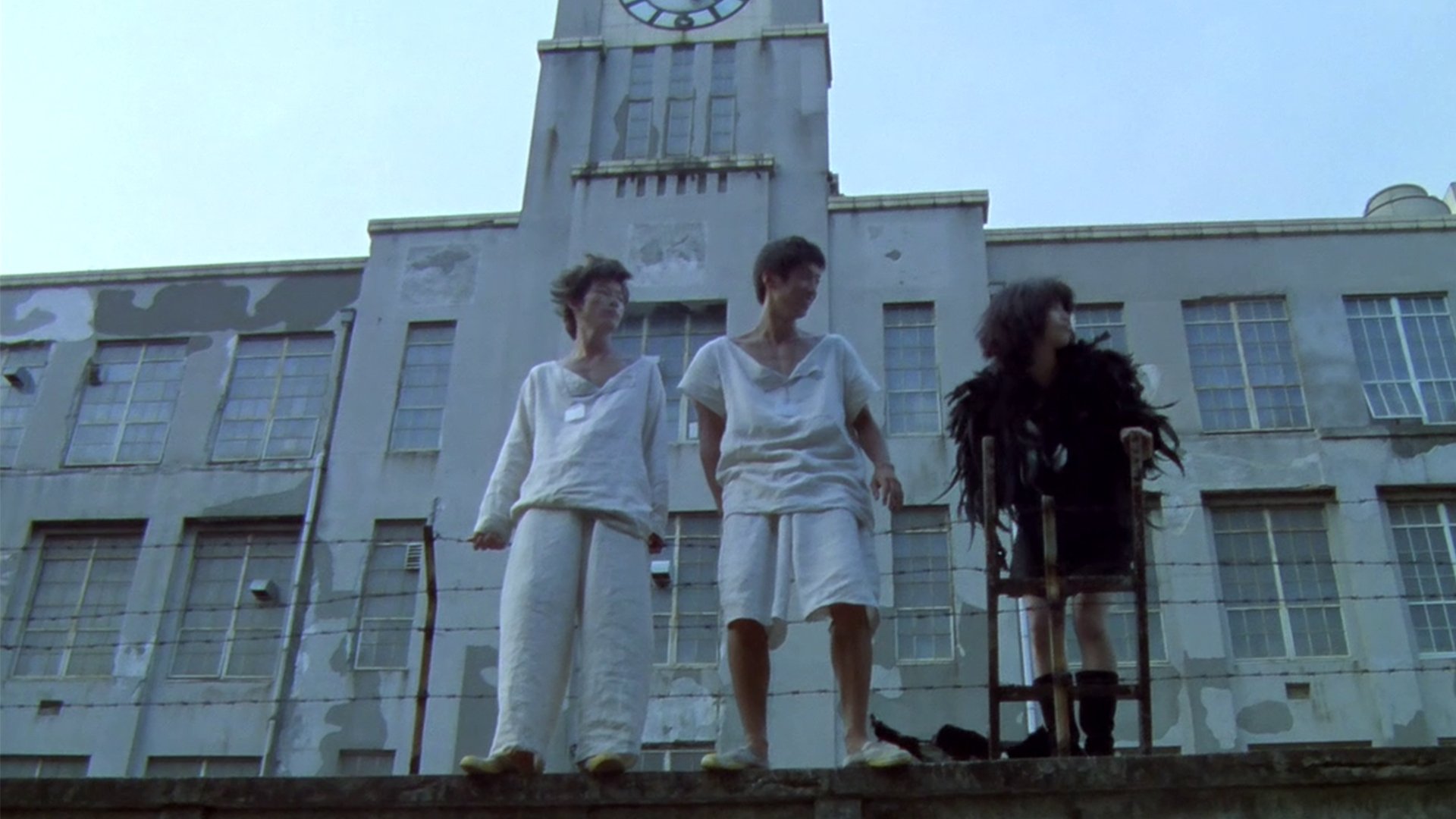
The film does not take a clinical, "let's-understand-the-disorder" approach to the subject of mental illness. Not a documentary is being produced by Iwai. While he is writing a poem. The asylum has a grayish-gray color. When they finally make it to the top of the walls, the world beyond is suddenly filled with blue skies and green leaves. Immediately and in a magnificent manner, the transition occurs.
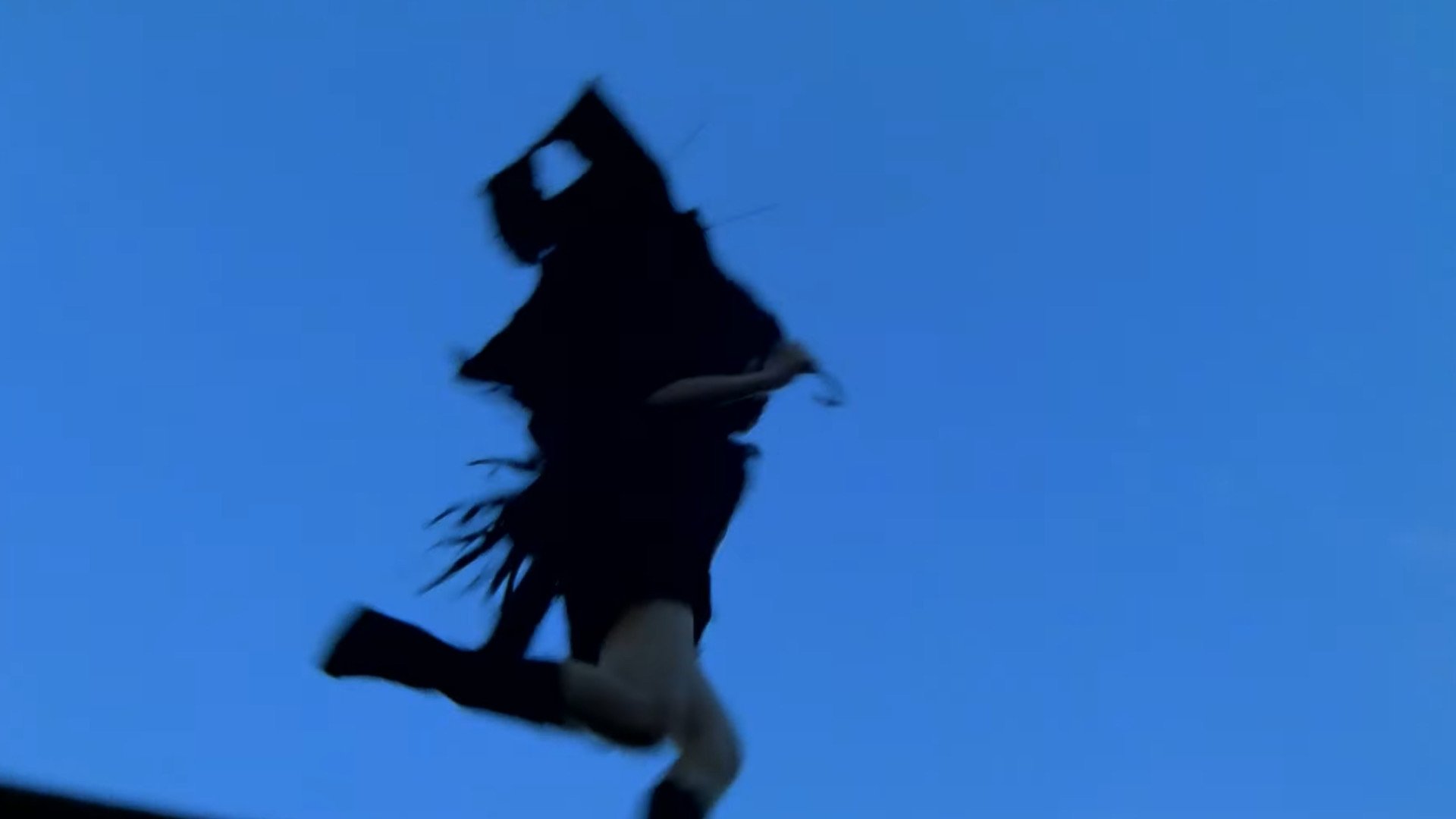
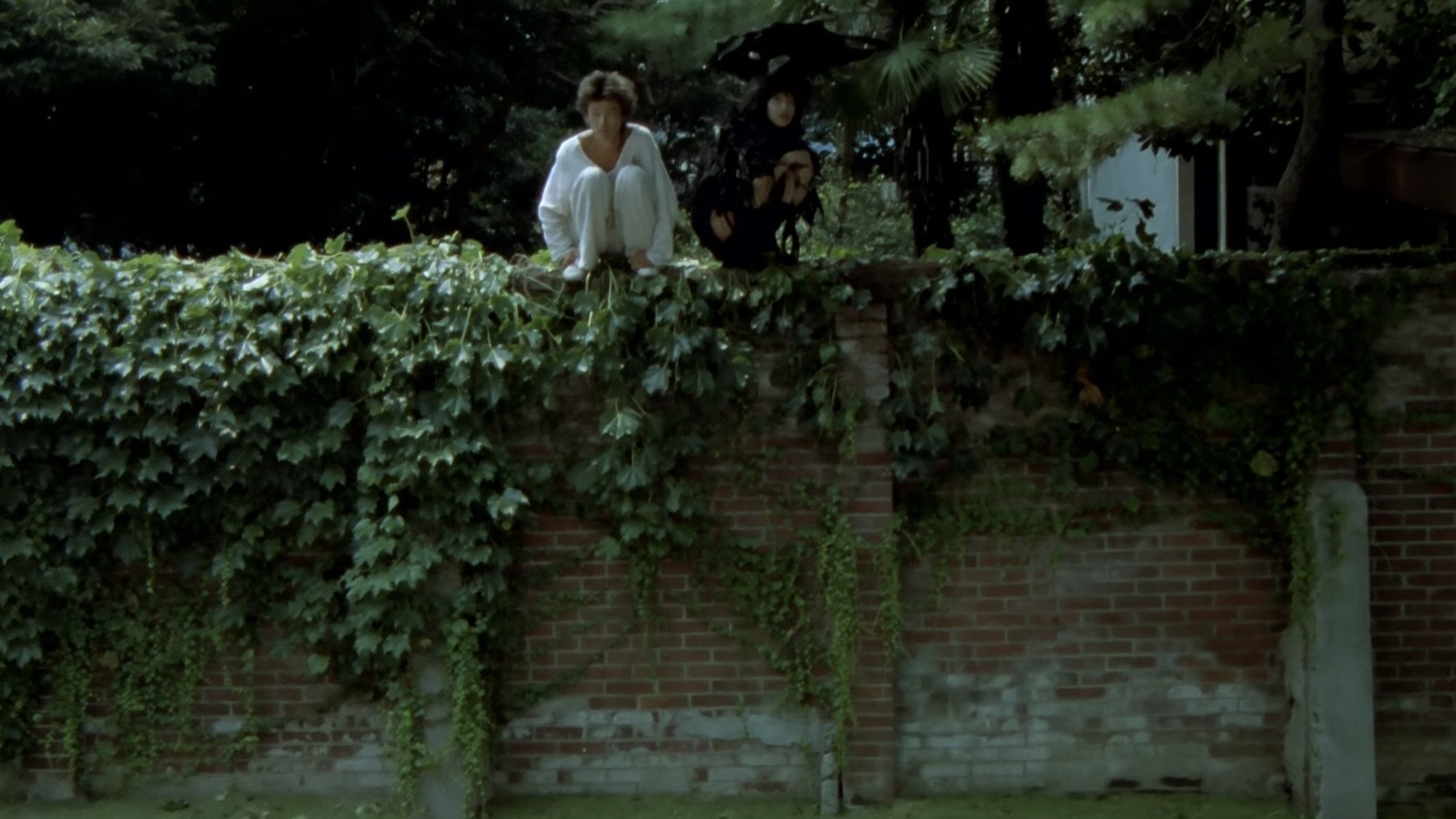
Everything is contained within the walls themselves. Walls are used to keep people inside in every other film. In this film, the walls become the characters' means of gaining their freedom. They conclude that they have technically escaped only if they step down onto the ground below them. They are in a space that is neither inside nor outside, neither captive nor free. This is the place where the movie resides: on the edge of everything. In the middle of sanity and insanity, there is a fine line. Between the ground and the clouds. What lies between remorse and forgiveness?
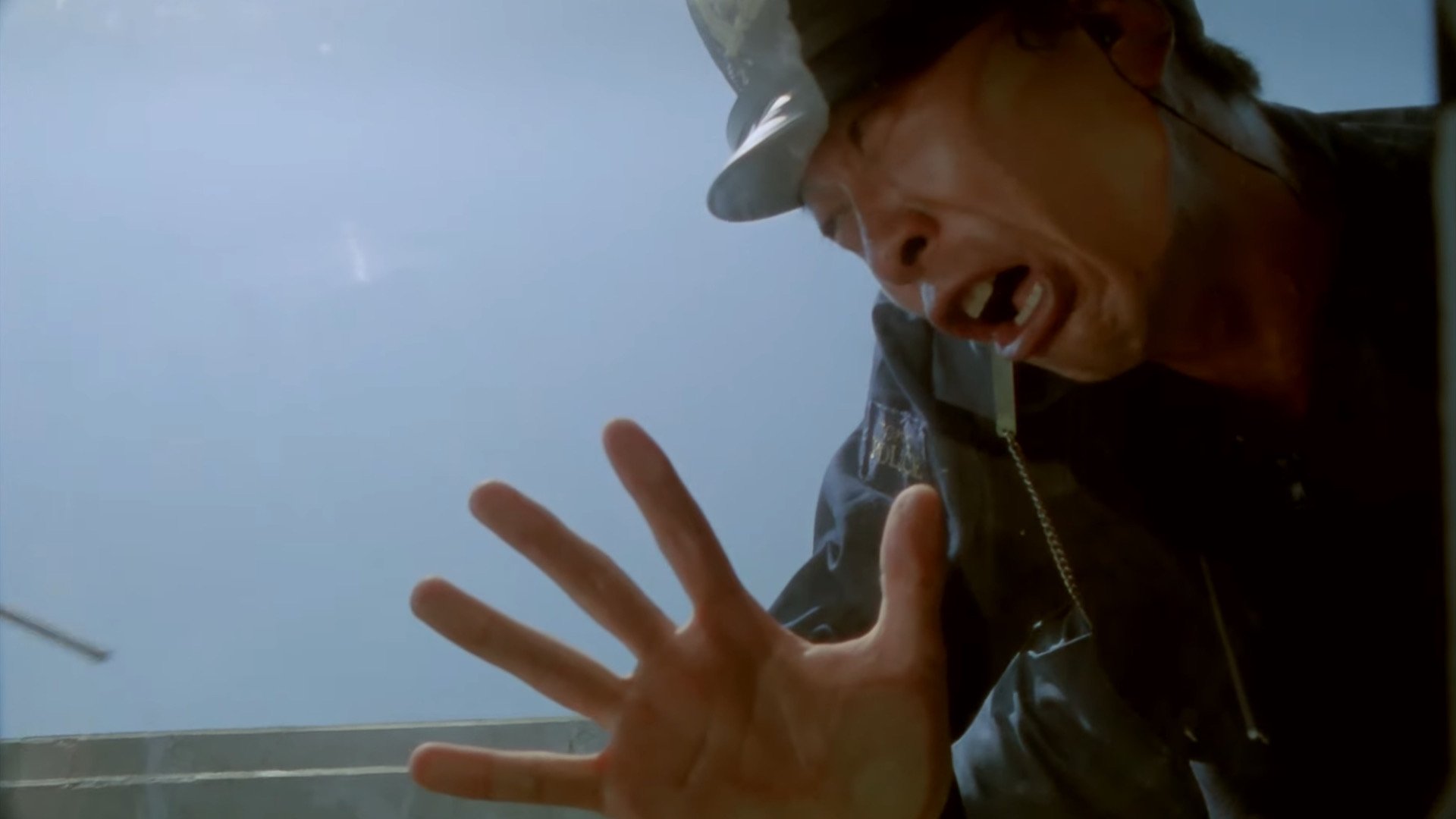
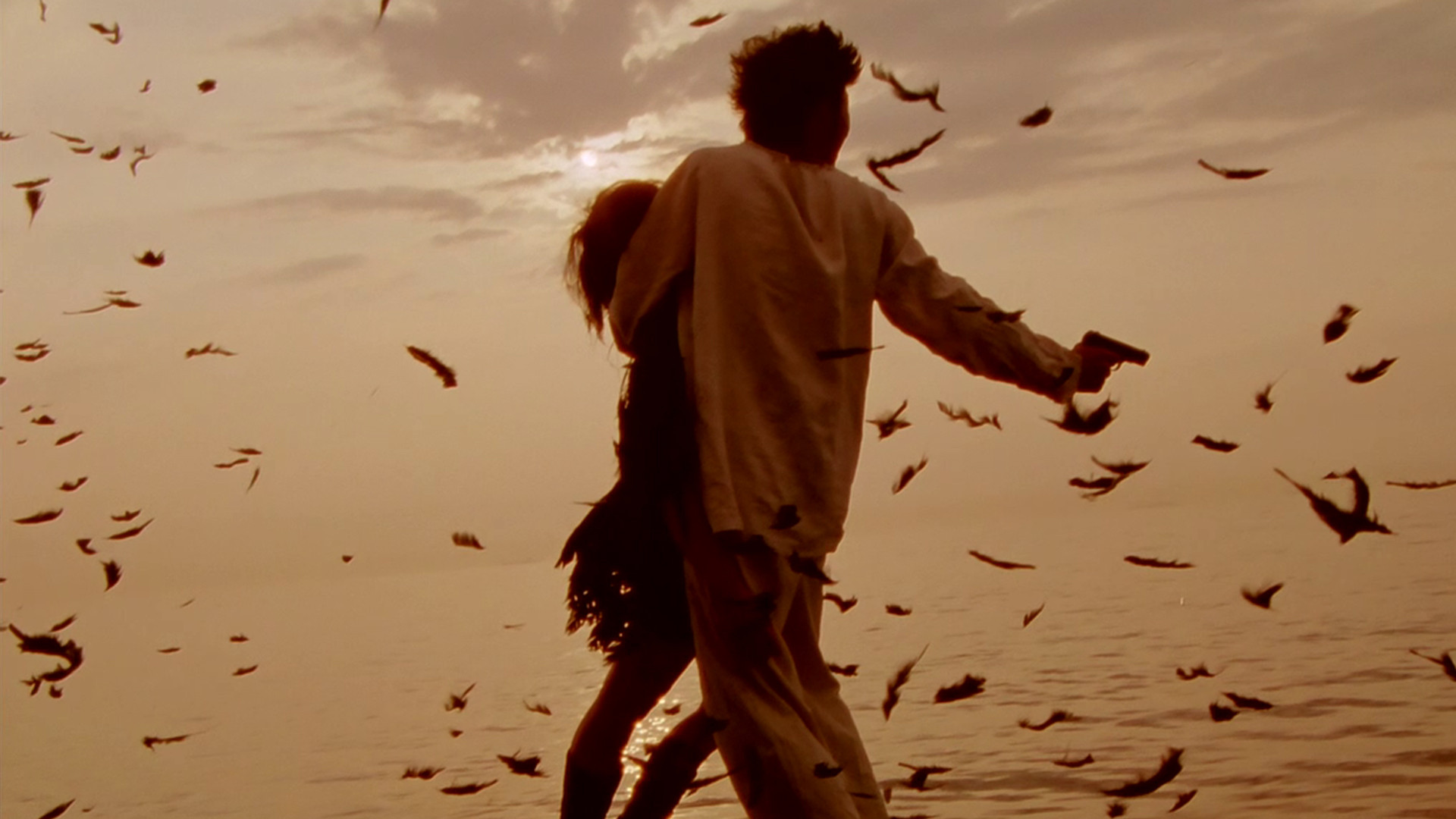
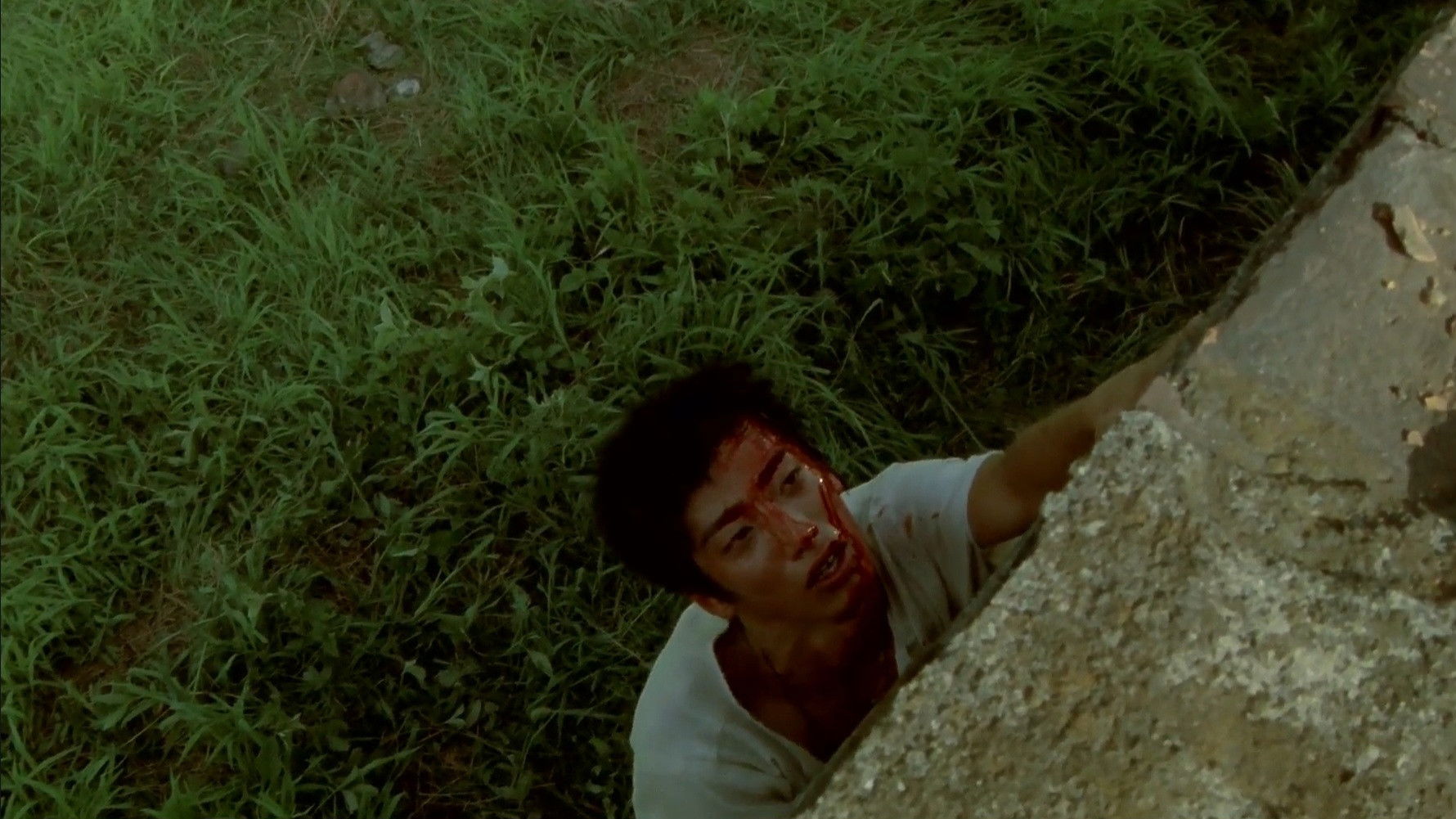
At the point where a character ultimately loses their composure or falls, they pass away. The ground is reality. And reality, for them, is unsurvivable.
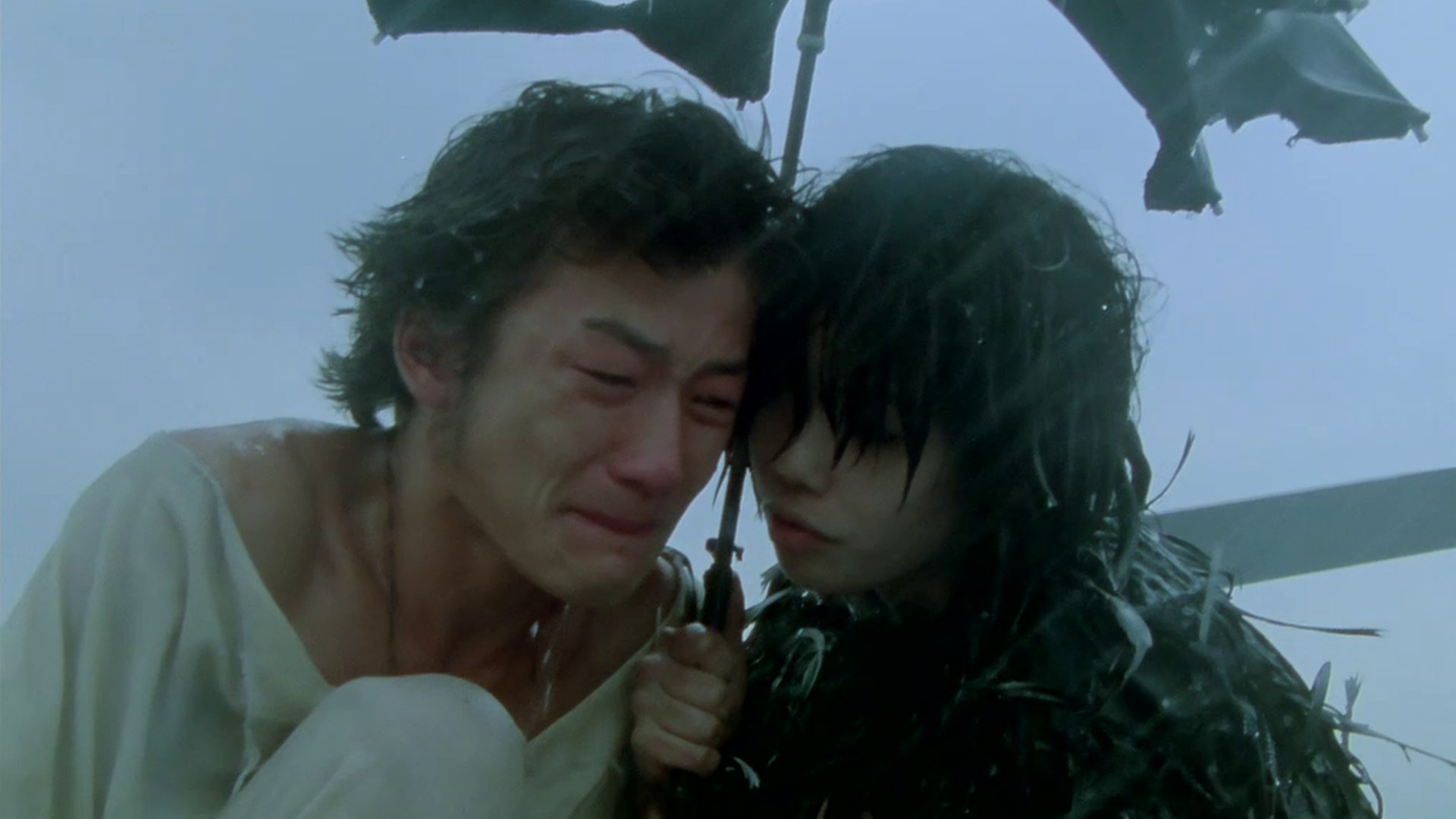
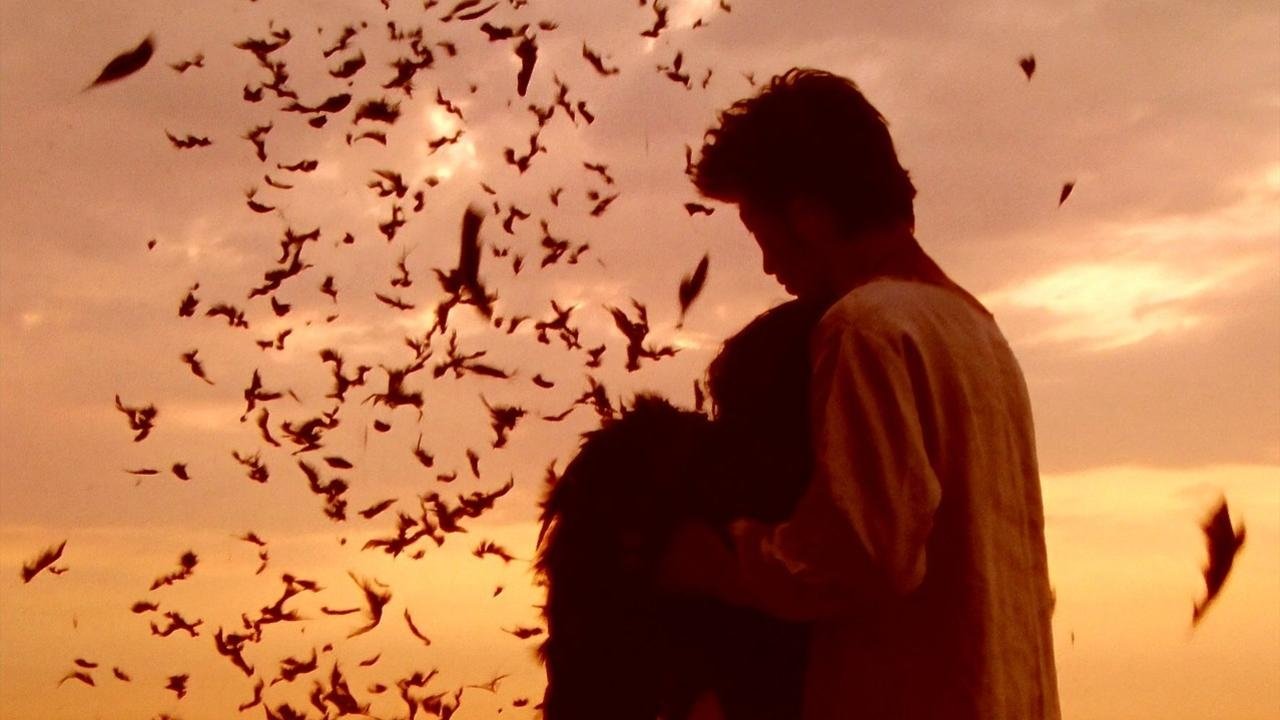
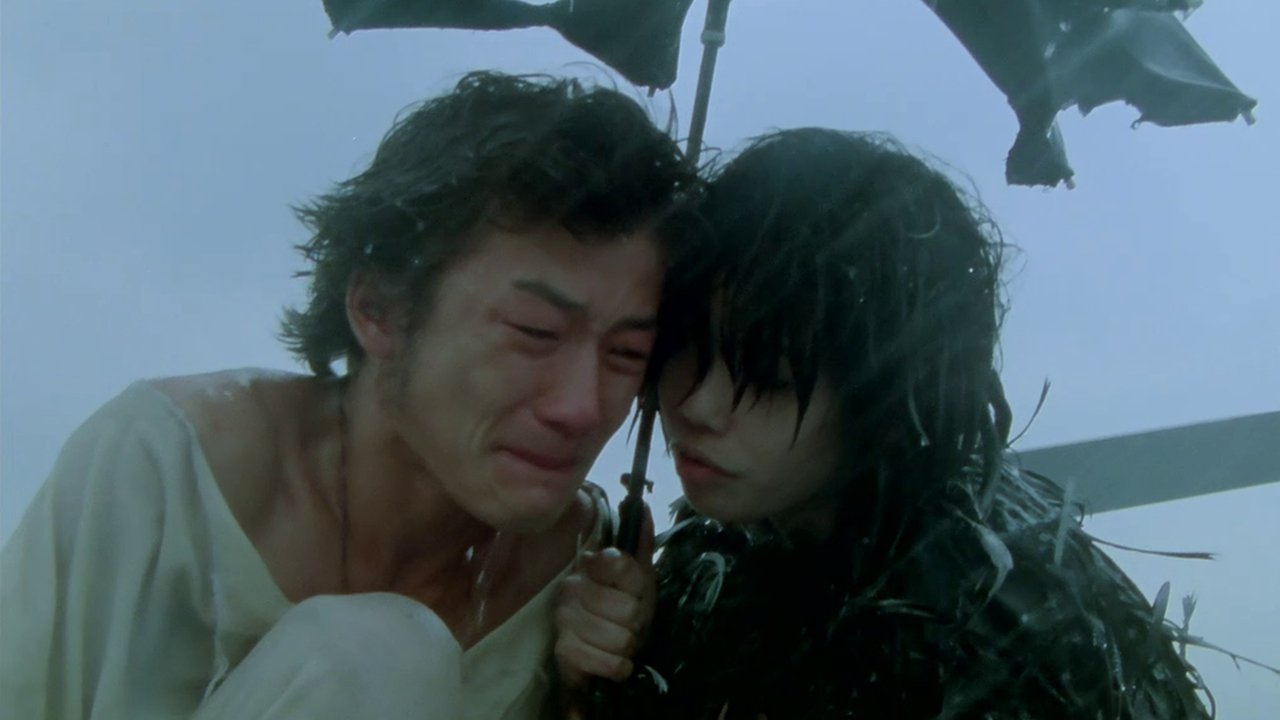
Not only that, but there is also an overwhelming river of sin and forgiveness that flows through everything. Coco and Tsumuji have both been responsible for the death of another person. They bear this burden. The film asks, "What does it look like for those who have done unforgivable things?" When you are unable to be "cured" of something, what does it mean to be independent?
However, behind everything is a longing for a really devastating childhood. On that wall are not adults; instead, they are children who were never given the opportunity to complete growing up. They engage in a game of pretend. It is they that create apocalypses. The asylum didn't steal their innocence; life did, long before they arrived. As a result, they climb since walls are where children play, where the earth appears to be a vast distance away, and where consequences have not yet learned to climb.
That piano score is a sad lullaby for the childhood they never had. Picnic shows that growing up can seem like madness or being lost.
Absolute perfection of a film in my opinion, despite its runtime
"I prefer hell. Heaven would be so boring."
A 72-minute dream where three mental institution patients walk atop city walls to watch the end of the world. That, more or less, is the entire storyline, and it's more than enough.
The film does not take a clinical, "let's-understand-the-disorder" approach to the subject of mental illness. Not a documentary is being produced by Iwai. While he is writing a poem. The asylum has a grayish-gray color. When they finally make it to the top of the walls, the world beyond is suddenly filled with blue skies and green leaves. Immediately and in a magnificent manner, the transition occurs.
Everything is contained within the walls themselves. Walls are used to keep people inside in every other film. In this film, the walls become the characters' means of gaining their freedom. They conclude that they have technically escaped only if they step down onto the ground below them. They are in a space that is neither inside nor outside, neither captive nor free. This is the place where the movie resides: on the edge of everything. In the middle of sanity and insanity, there is a fine line. Between the ground and the clouds. What lies between remorse and forgiveness?
At the point where a character ultimately loses their composure or falls, they pass away. The ground is reality. And reality, for them, is unsurvivable.
Not only that, but there is also an overwhelming river of sin and forgiveness that flows through everything. Coco and Tsumuji have both been responsible for the death of another person. They bear this burden. The film asks, "What does it look like for those who have done unforgivable things?" When you are unable to be "cured" of something, what does it mean to be independent?
However, behind everything is a longing for a really devastating childhood. On that wall are not adults; instead, they are children who were never given the opportunity to complete growing up. They engage in a game of pretend. It is they that create apocalypses. The asylum didn't steal their innocence; life did, long before they arrived. As a result, they climb since walls are where children play, where the earth appears to be a vast distance away, and where consequences have not yet learned to climb.
That piano score is a sad lullaby for the childhood they never had. Picnic shows that growing up can seem like madness or being lost.
Absolute perfection of a film in my opinion, despite its runtime