
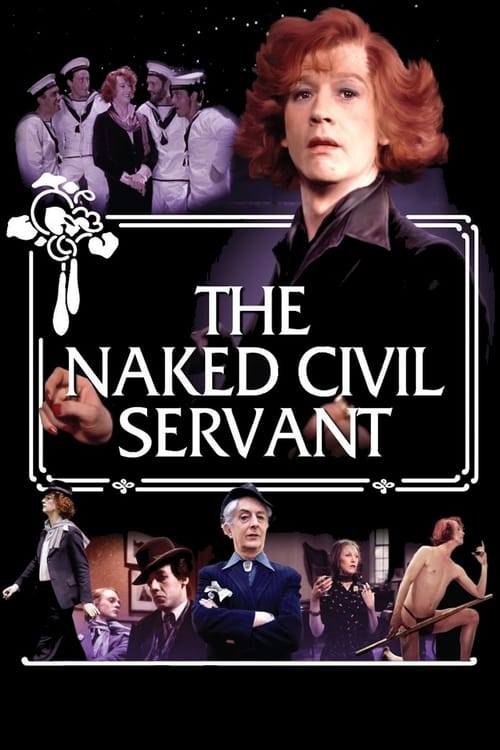
The Naked Civil Servant
1975·Drama·1h 17m
7.1
★
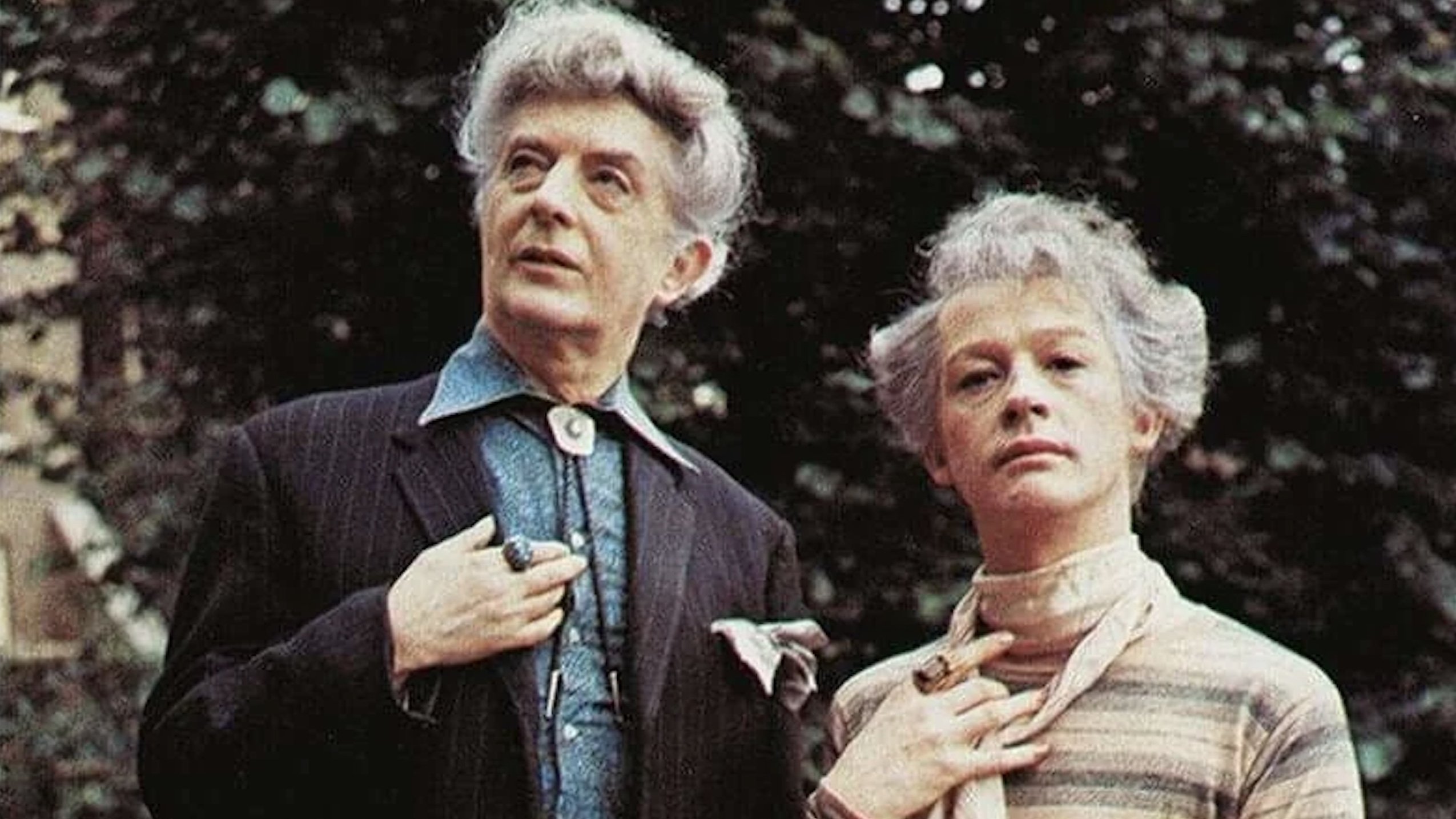
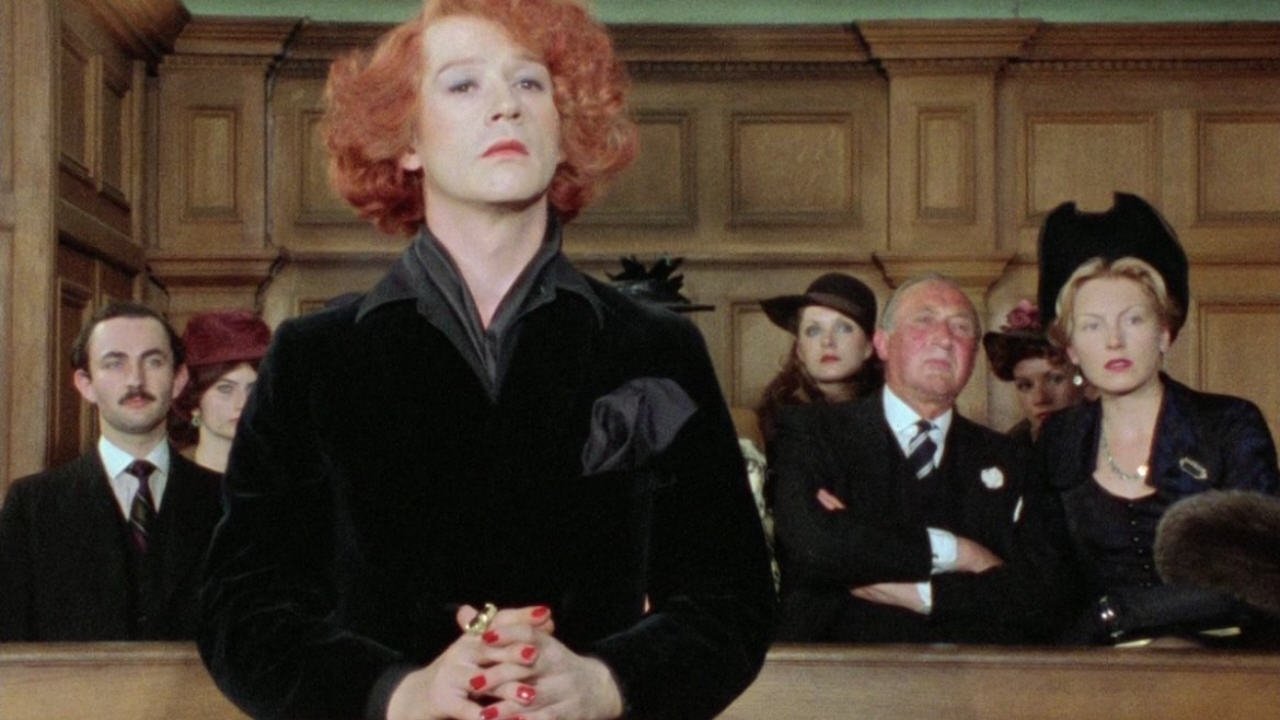
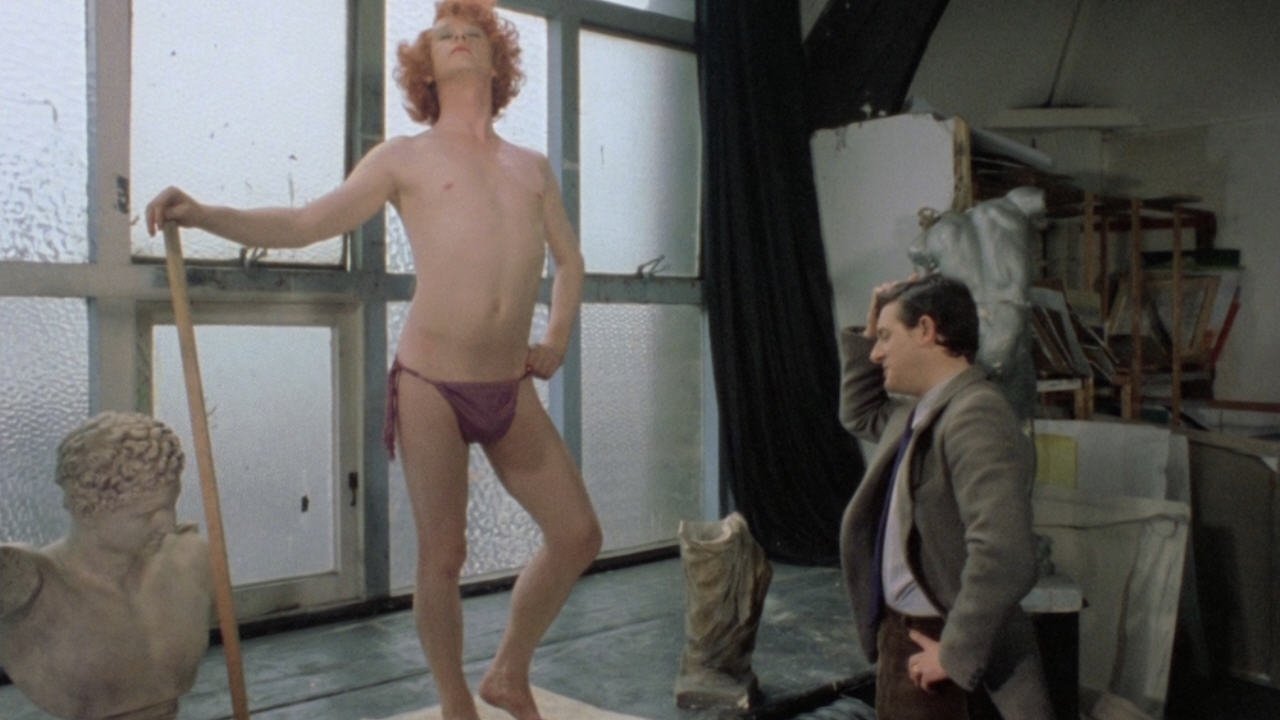
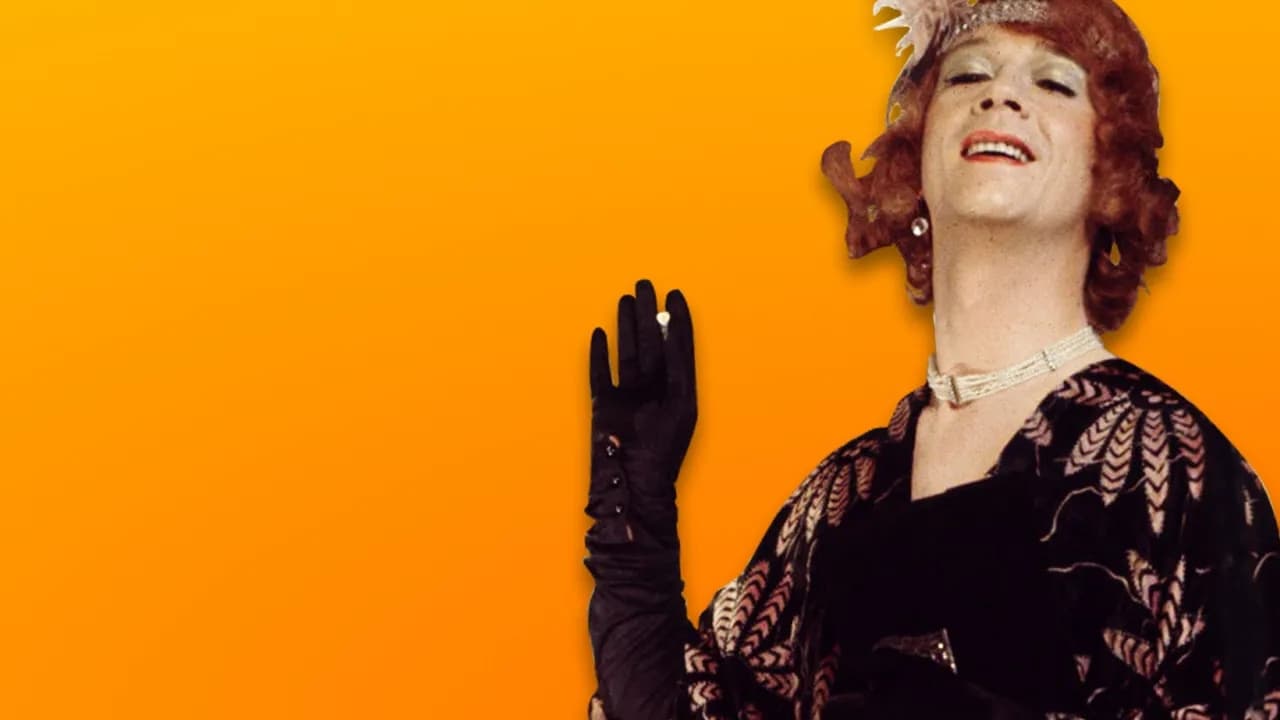
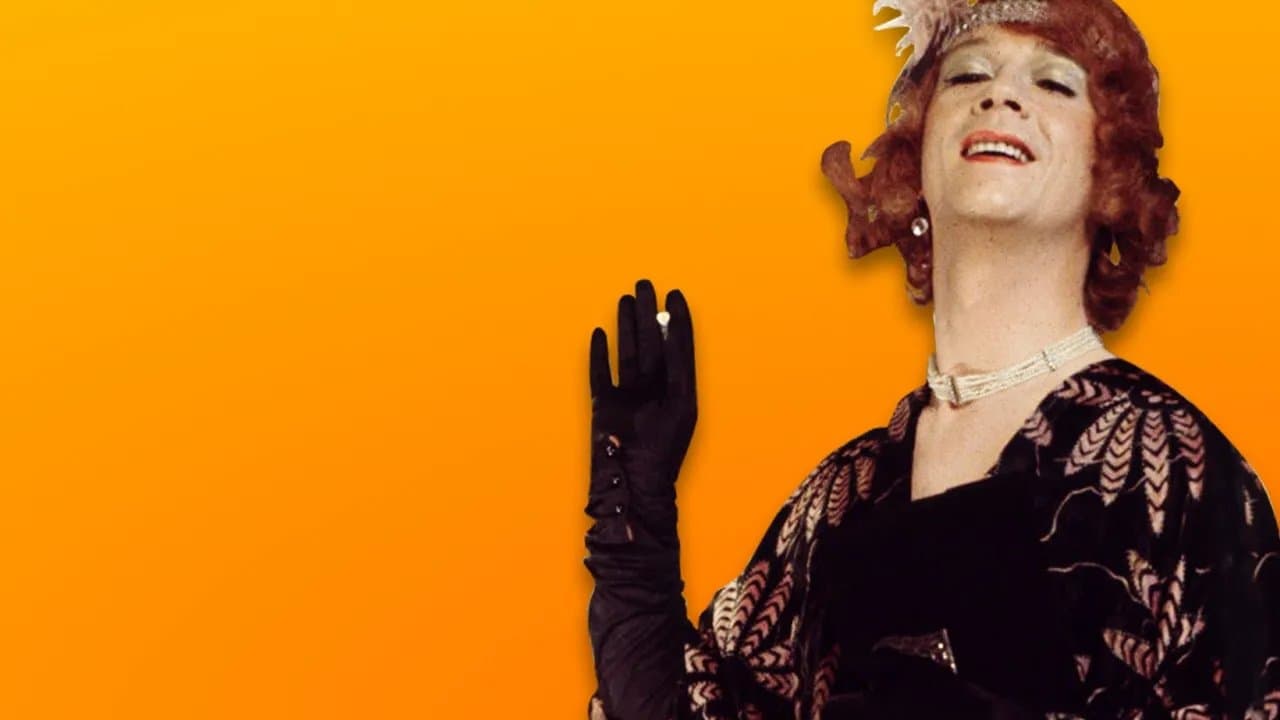
Story of the life of Quentin Crisp, an Englishman who was brave enough to live his life according to his own style even in the hostile days of WW2.
Directed by Jack Gold
london, england
homophobia
world war ii
biography
based on memoir or autobiography
lgbt
1940s
1930s
gay theme

IMDB
N/A
Cast

John Hurt
Quentin Crisp
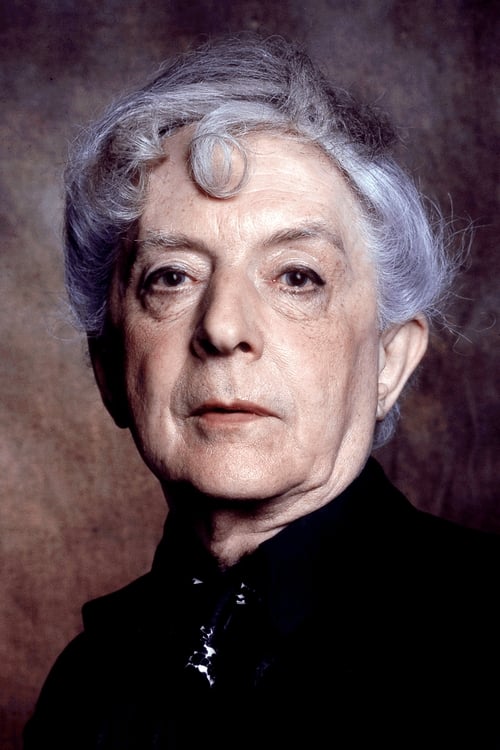
Quentin Crisp
Himself
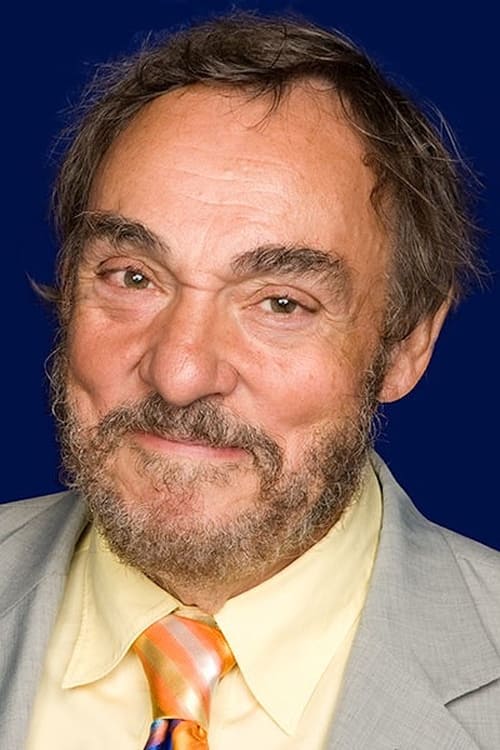
John Rhys-Davies
Barndoor

Colin Higgins
Thumbnails

Patricia Hodge
Ballet Teacher
Stanley Lebor
Mr. Pole
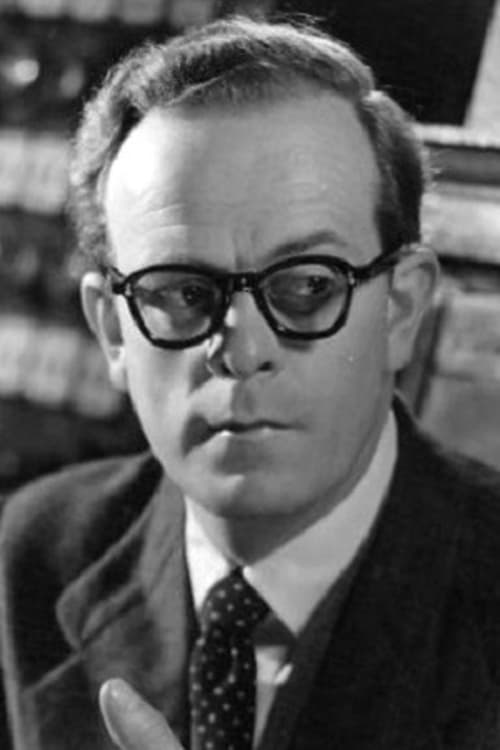
Lloyd Lamble
Mr. Crisp
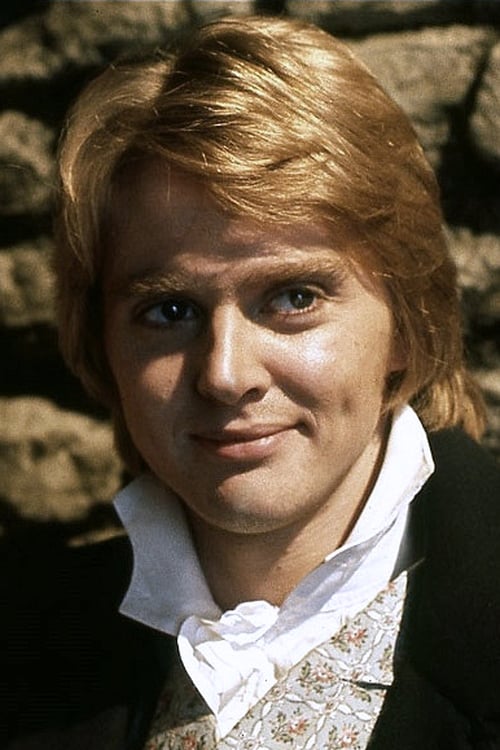
Shane Briant
Norma
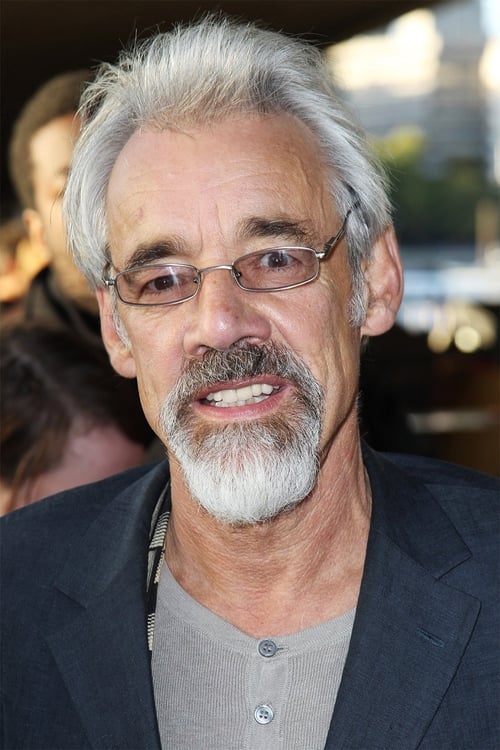
Roger Lloyd Pack
Liz

Phil Daniels
1st Boy
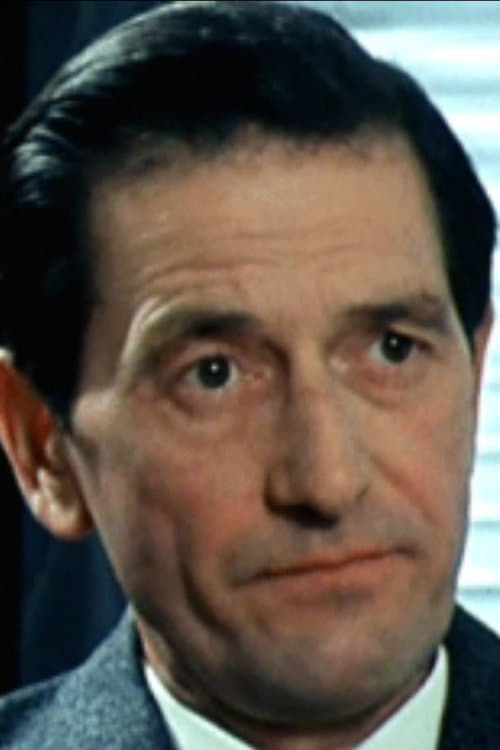
Richard Butler
Senior Doctor
Frank Forsyth
Family Doctor
Crew

Jack Gold
Director
Quentin Crisp
Writer
Carl Davis
Original Music Composer

Mike Fash
Director of Photography
Verity Lambert
Executive Producer

Barry Hanson
Producer
Popular Reviews
9 reviews
Jacob Dickens
9.5★ · 05/29/24
Genuinely shocking we aren't discussing The Naked Civil Servant more often. For a film like this to air on British primetime television in the mid-seventies and be this unapologetically queer and even directly address bigotry and gender expression is remarkable. John Hurt plays Quentin Crisp who introduces the film themself and insists that they needed an actor to play them in the film as "I have spent 66 years on this Earth painfully attempting to play the part of Quentin Crisp and I have not succeeded." That kind of charming wit is on full display with every moment Hurt is on screen in a performance that is absolutely radiant. There are a few characters early in the film whose flamboyance dips a bit into caricature but Hurt maintains a steady grasp on Crisp's personality and affords them a dignity so rarely given to those this openly queer at the time. The main appeal of this film other than Hurt's performance is how respectfully it treats their identity. At a trial scene late in the film, they are able to call a dozen character witnesses who confidently tell the court that they are aware of Quentin's homosexuality and are still able to stand by them. Crisp themself never seems ashamed or too fearful about this. They're upfront about their sexuality, able to crack a joke about it though in times of conflict they're not afraid to really stand their ground. For the most part, The Naked Civil Servant is a quality autobiography of Crisp's life accepting their sexuality, being harassed for it, and meeting people in their life who they try to love. All the while, the script peppers fourth wall breaking moments of advice to the audience Quentin has learned over their life about things ranging from how to walk down a street without drawing attention to pithy statements like "Sexual intercourse is a poor substitute for masturbation". Again, it's nuts to me that this aired on television almost fifty years ago and not only was it accepted enough to earn a few BAFTA awards and nominations but it also has managed to unfairly slip through the cracks over time. I highly encourage everyone to visit this short but powerful portrait of an eccentric yet immensely lovable gay icon.
Side note for those curious: at multiple times throughout the film, Quentin affirms themself as a man even as they wear makeup and styles their hair in a feminine manner, though almost 25 years later they admitted that their one great regret was that they weren't able to live as a woman. It's tricky parsing through such a thing about someone who has passed and as such I've chosen to use a gender neutral pronoun to refer to Quentin throughout the review.
Side note for those curious: at multiple times throughout the film, Quentin affirms themself as a man even as they wear makeup and styles their hair in a feminine manner, though almost 25 years later they admitted that their one great regret was that they weren't able to live as a woman. It's tricky parsing through such a thing about someone who has passed and as such I've chosen to use a gender neutral pronoun to refer to Quentin throughout the review.
Genuinely shocking we aren't discussing The Naked Civil Servant more often. For a film like this to air on British primetime television in the mid-seventies and be this unapologetically queer and even directly address bigotry and gender expression is remarkable. John Hurt plays Quentin Crisp who introduces the film themself and insists that they needed an actor to play them in the film as "I have spent 66 years on this Earth painfully attempting to play the part of Quentin Crisp and I have not succeeded." That kind of charming wit is on full display with every moment Hurt is on screen in a performance that is absolutely radiant. There are a few characters early in the film whose flamboyance dips a bit into caricature but Hurt maintains a steady grasp on Crisp's personality and affords them a dignity so rarely given to those this openly queer at the time. The main appeal of this film other than Hurt's performance is how respectfully it treats their identity. At a trial scene late in the film, they are able to call a dozen character witnesses who confidently tell the court that they are aware of Quentin's homosexuality and are still able to stand by them. Crisp themself never seems ashamed or too fearful about this. They're upfront about their sexuality, able to crack a joke about it though in times of conflict they're not afraid to really stand their ground. For the most part, The Naked Civil Servant is a quality autobiography of Crisp's life accepting their sexuality, being harassed for it, and meeting people in their life who they try to love. All the while, the script peppers fourth wall breaking moments of advice to the audience Quentin has learned over their life about things ranging from how to walk down a street without drawing attention to pithy statements like "Sexual intercourse is a poor substitute for masturbation". Again, it's nuts to me that this aired on television almost fifty years ago and not only was it accepted enough to earn a few BAFTA awards and nominations but it also has managed to unfairly slip through the cracks over time. I highly encourage everyone to visit this short but powerful portrait of an eccentric yet immensely lovable gay icon.
Side note for those curious: at multiple times throughout the film, Quentin affirms themself as a man even as they wear makeup and styles their hair in a feminine manner, though almost 25 years later they admitted that their one great regret was that they weren't able to live as a woman. It's tricky parsing through such a thing about someone who has passed and as such I've chosen to use a gender neutral pronoun to refer to Quentin throughout the review.
Side note for those curious: at multiple times throughout the film, Quentin affirms themself as a man even as they wear makeup and styles their hair in a feminine manner, though almost 25 years later they admitted that their one great regret was that they weren't able to live as a woman. It's tricky parsing through such a thing about someone who has passed and as such I've chosen to use a gender neutral pronoun to refer to Quentin throughout the review.


rinel
10.0★ · 03/15/25
Kwabena557PRO
10.0★ · 10/10/24
Jo
8.3★ · 09/16/24
isabel
9.0★ · 12/21/23