who even reads the sleepwalkers anymore?
said the dude who kissed a girl reading the sleepwalkers.
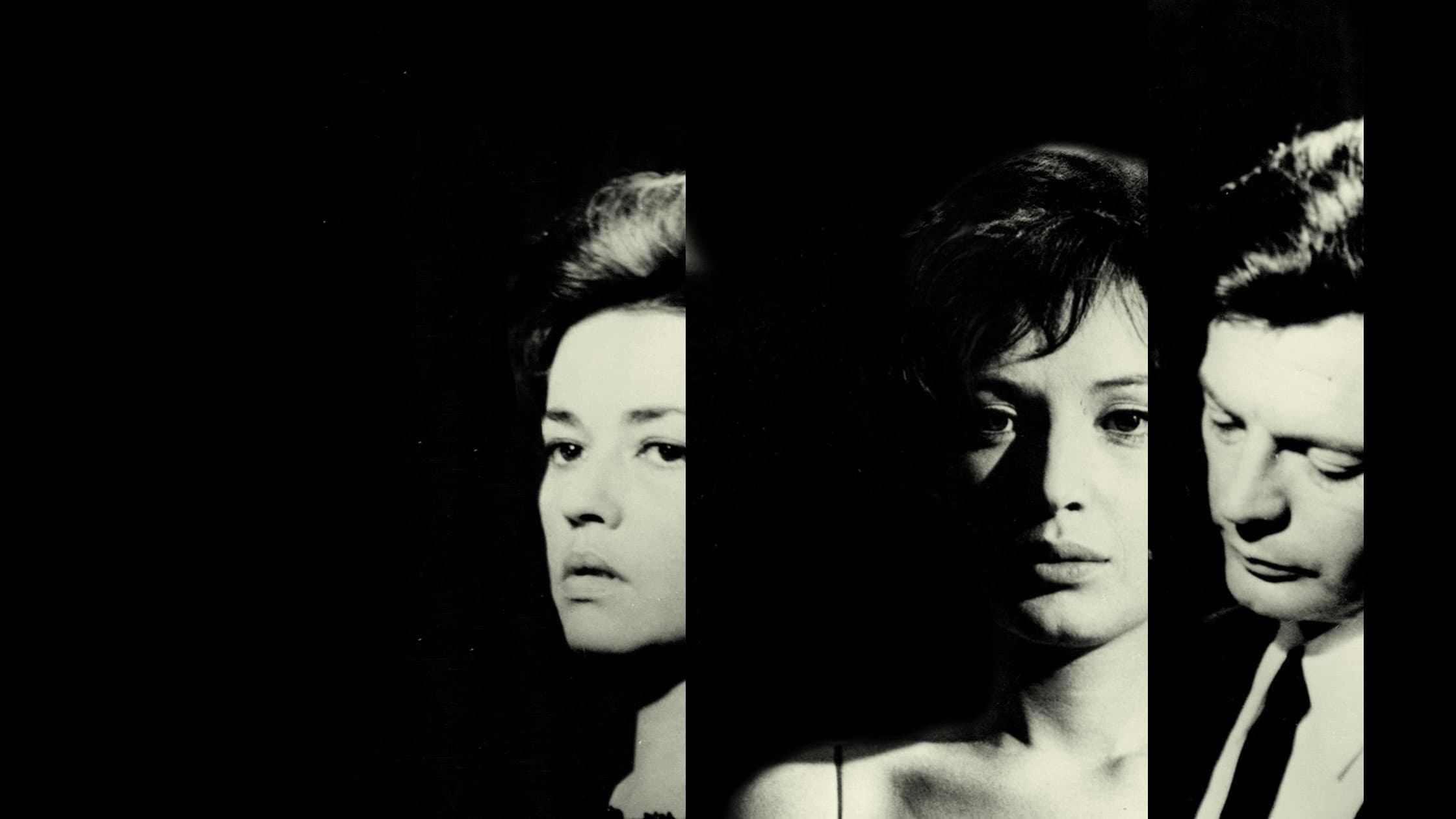
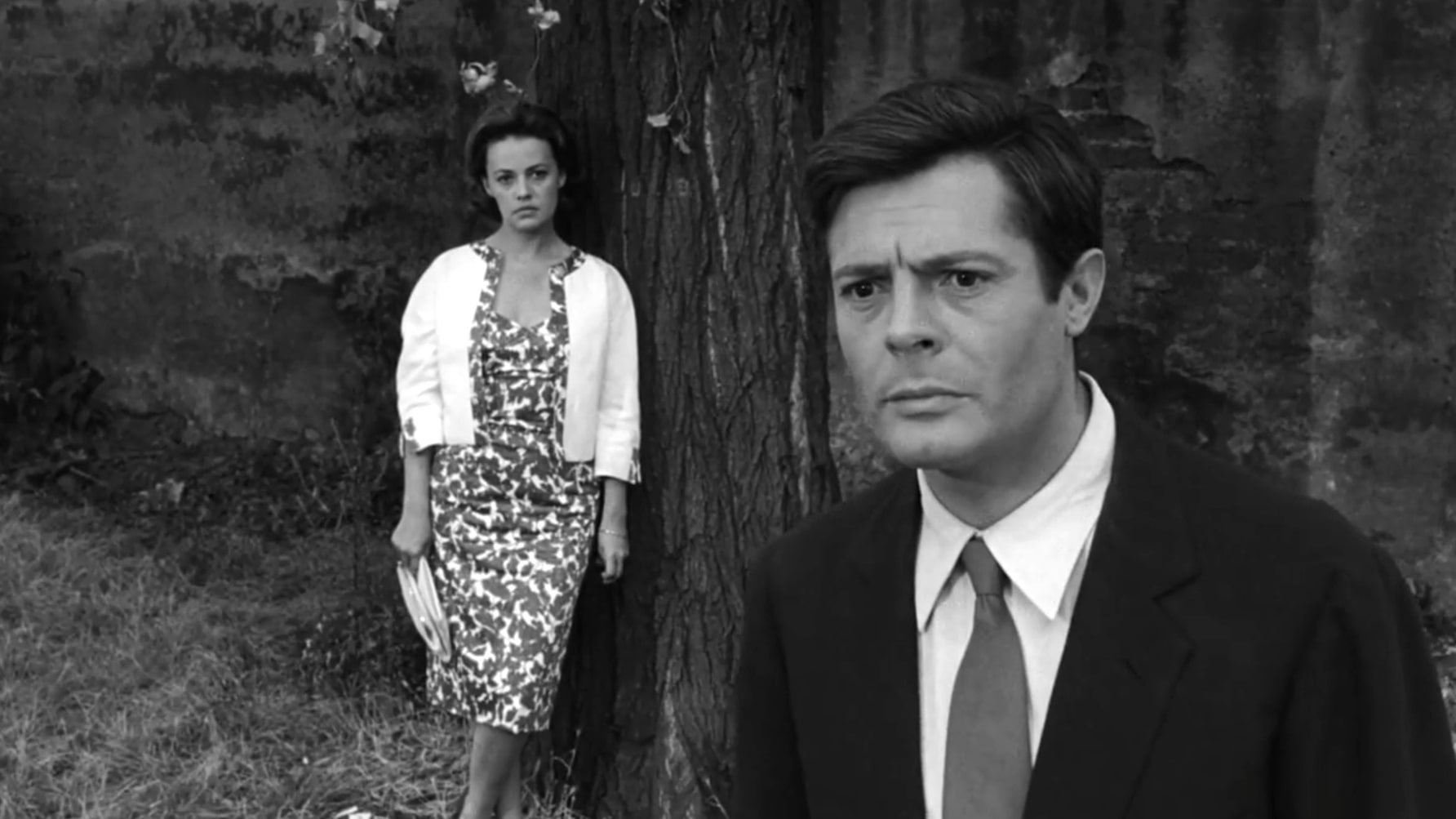
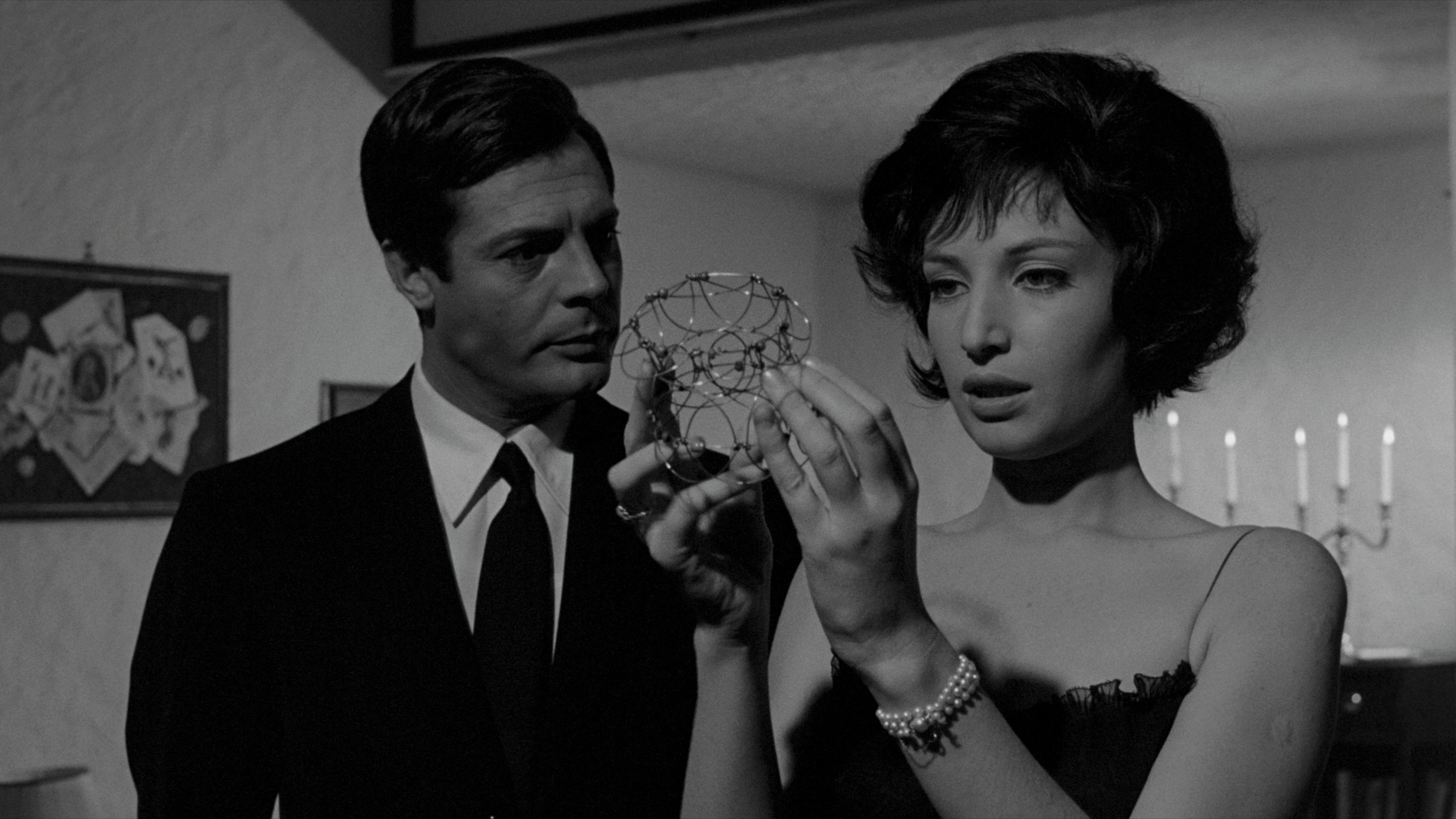
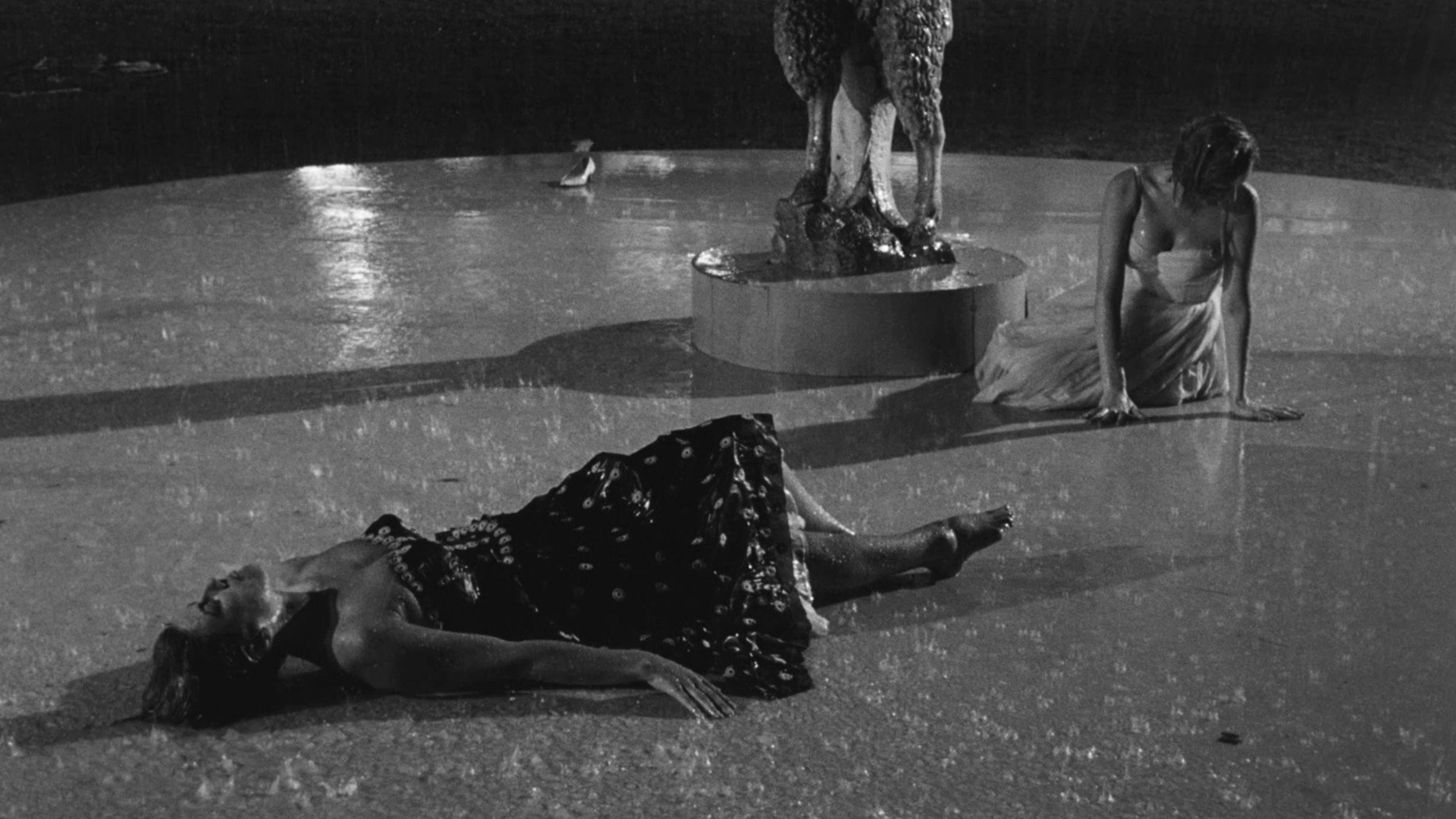
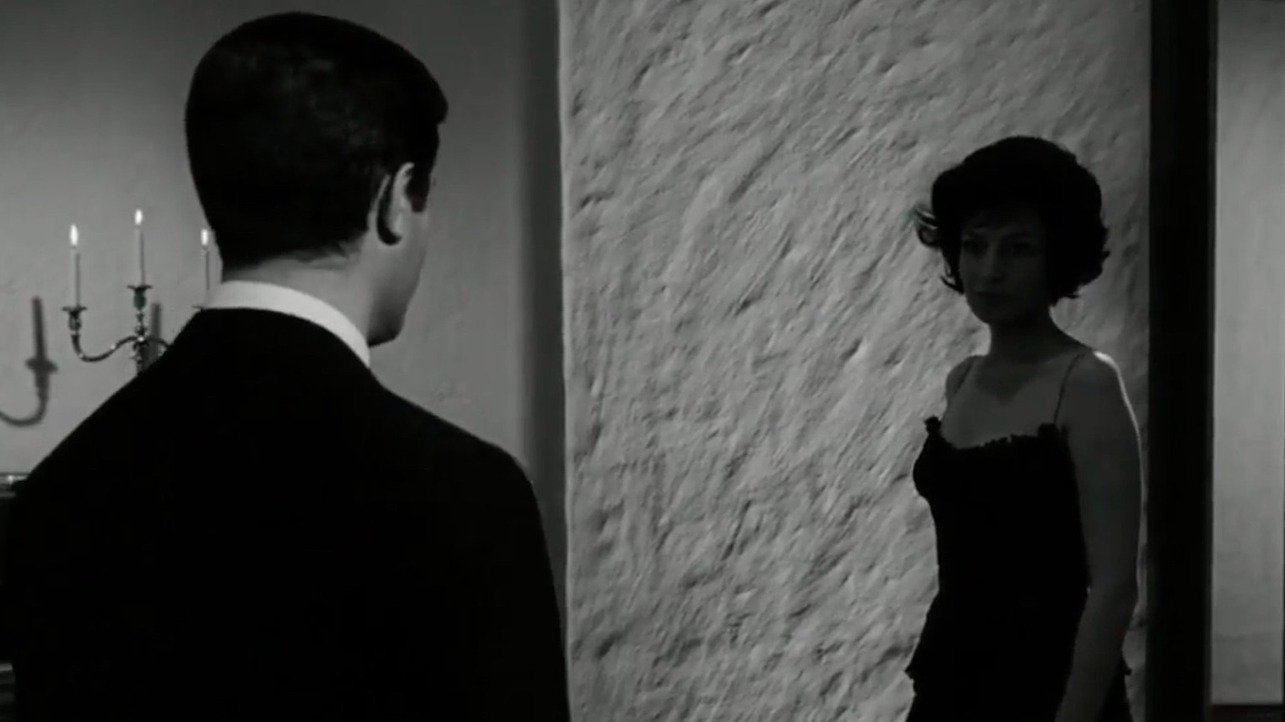
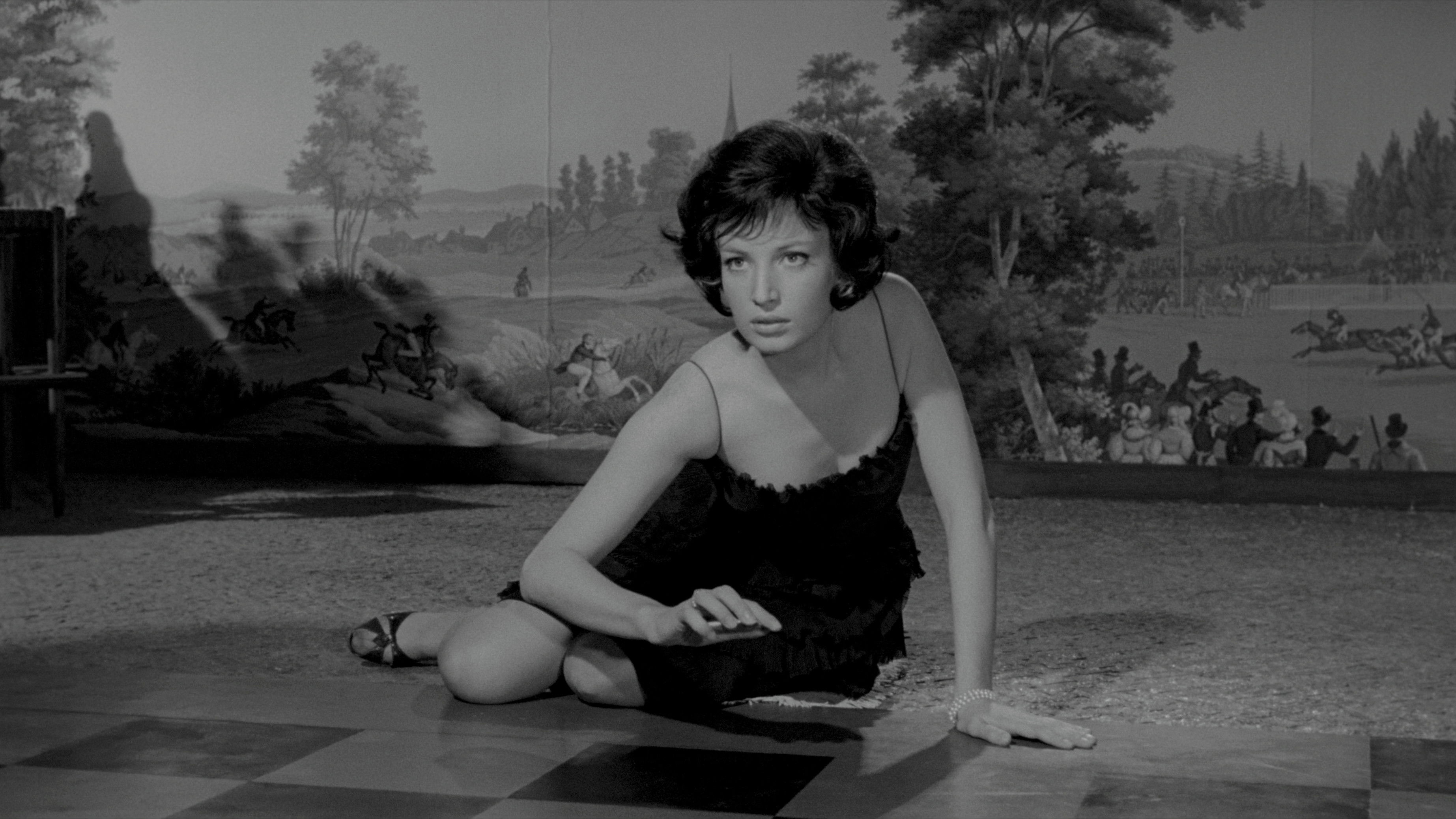
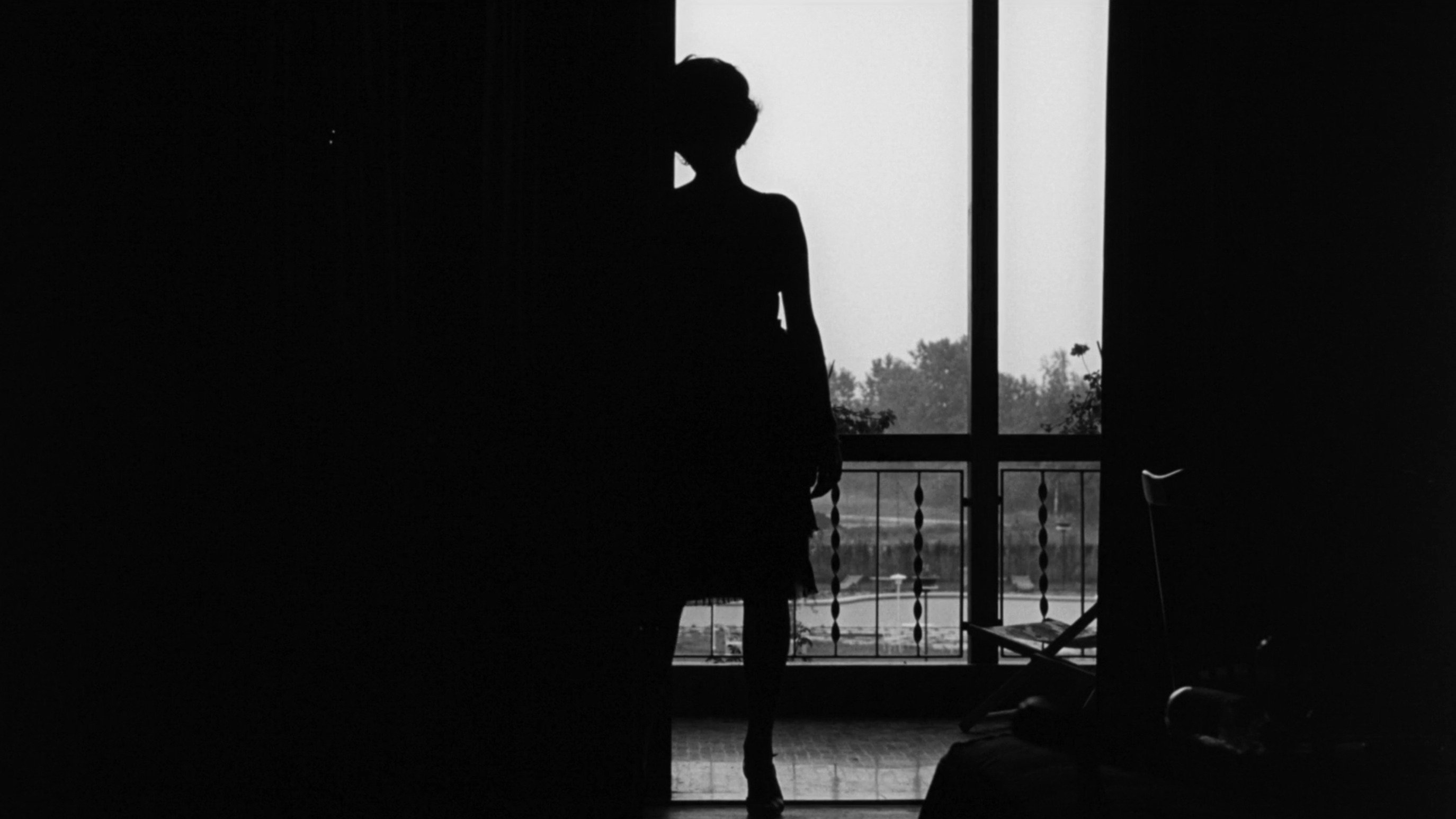
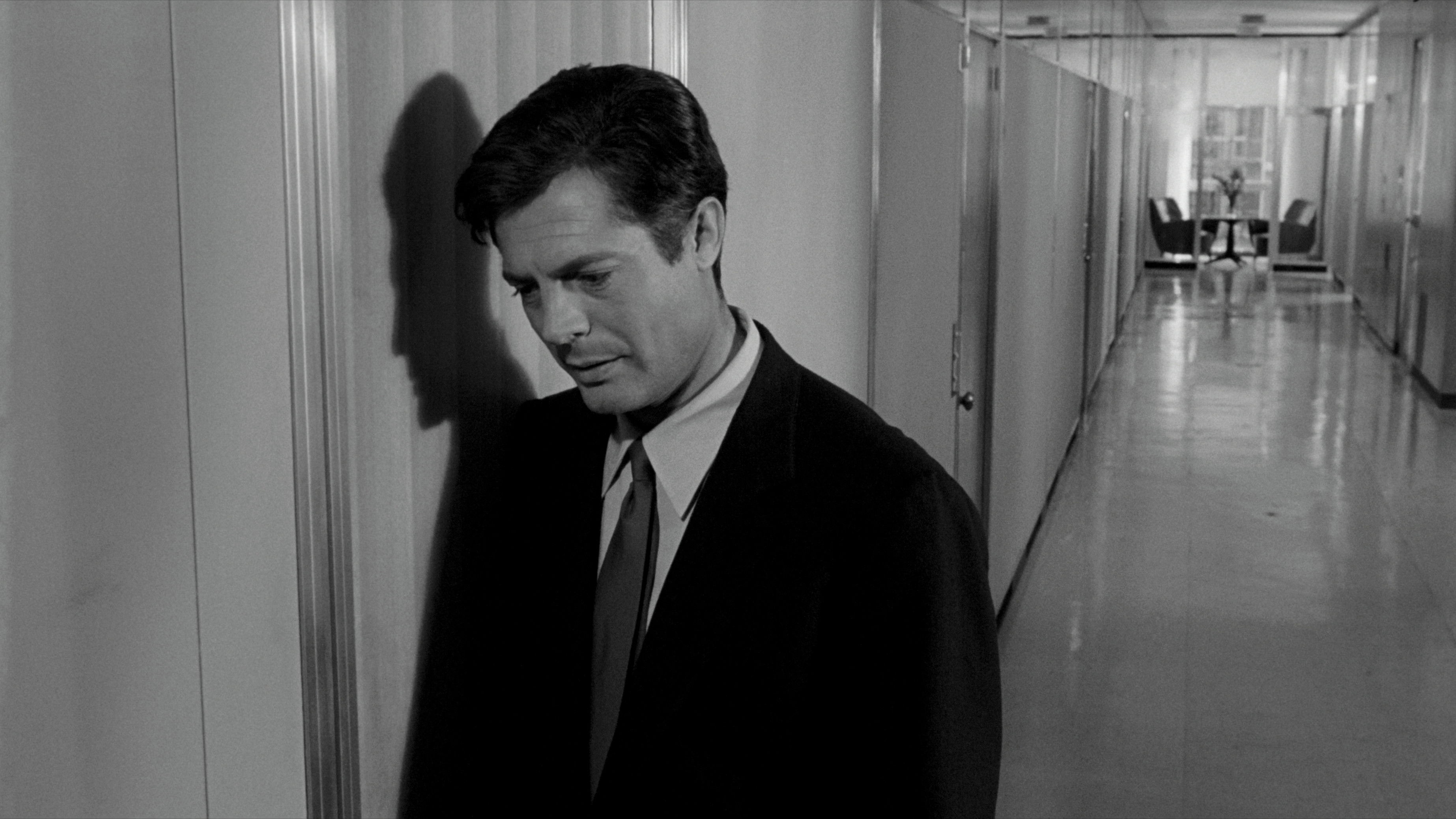
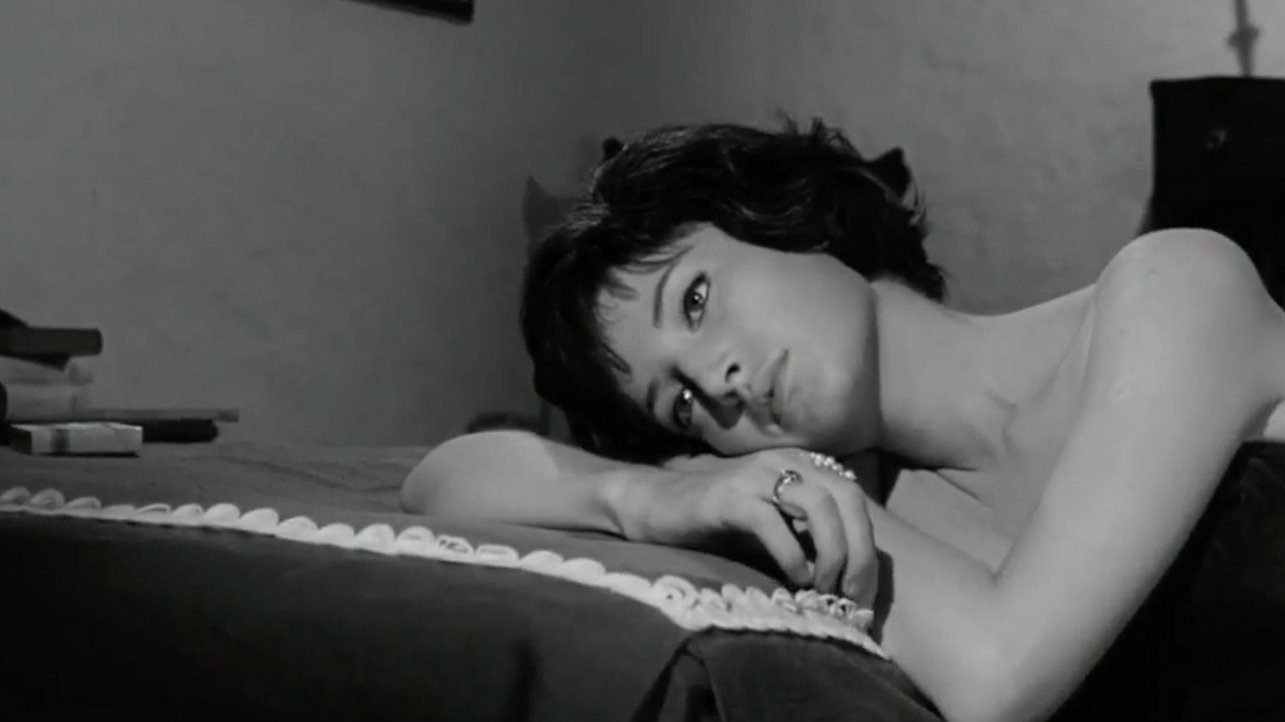
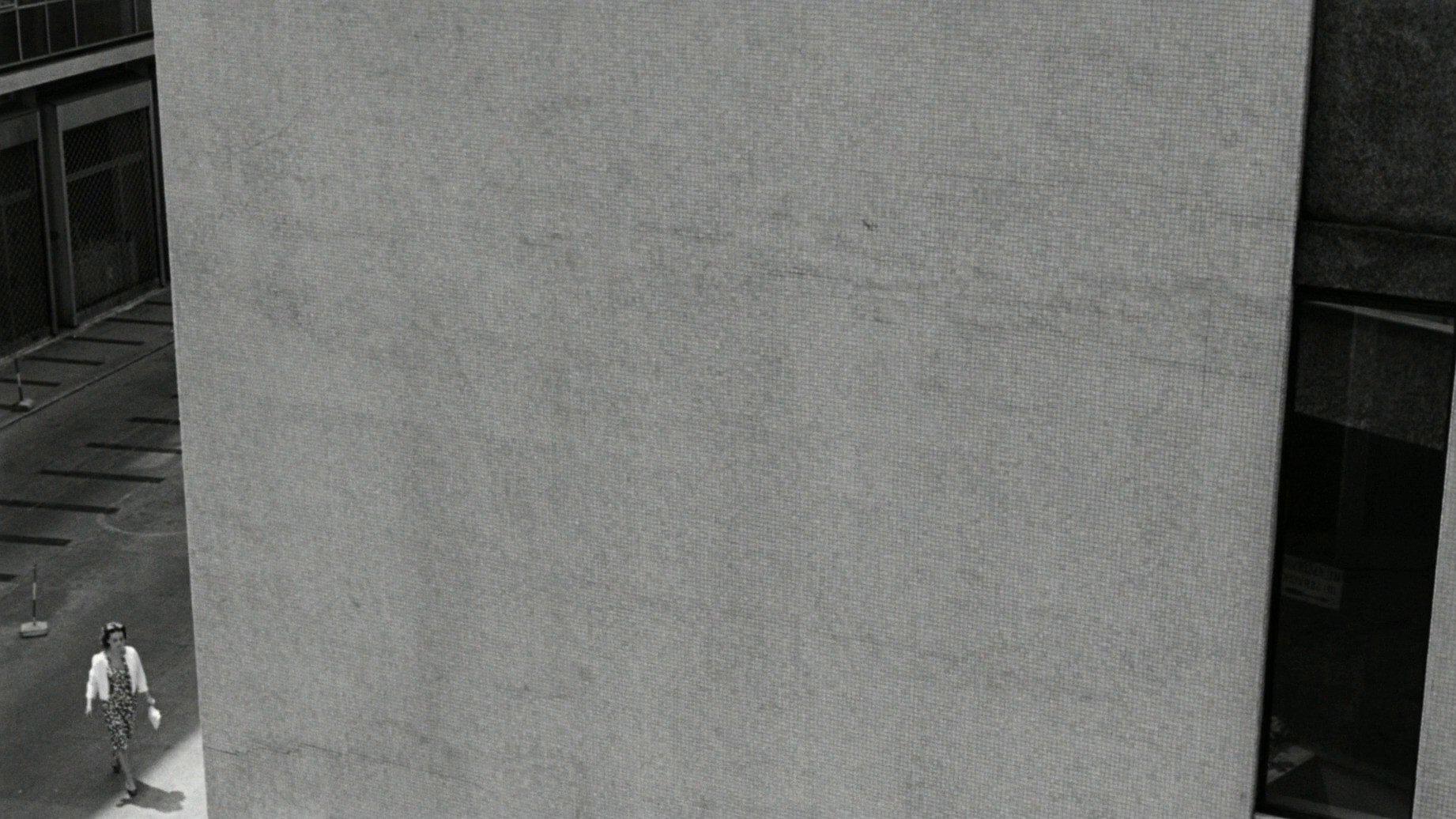
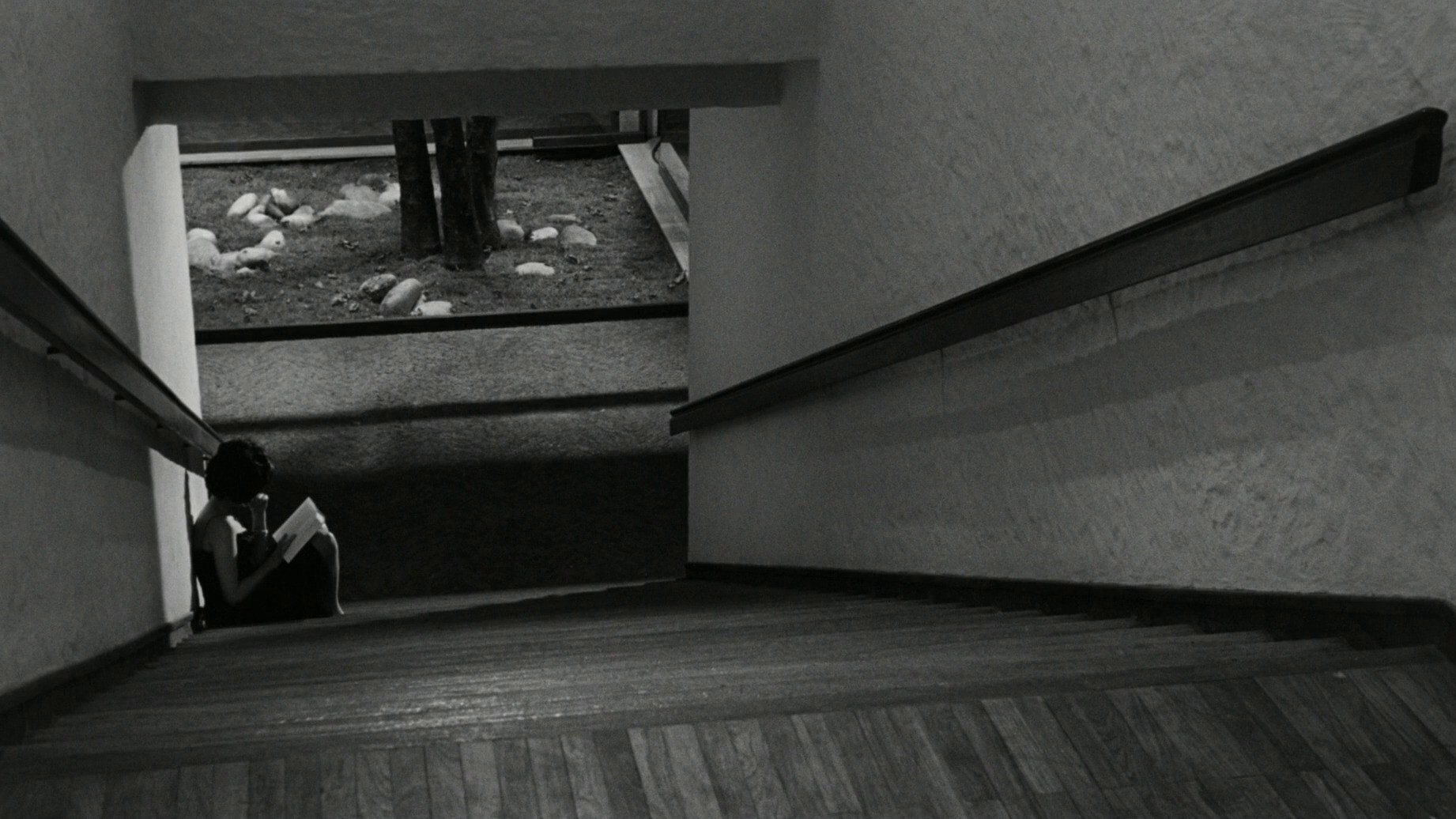
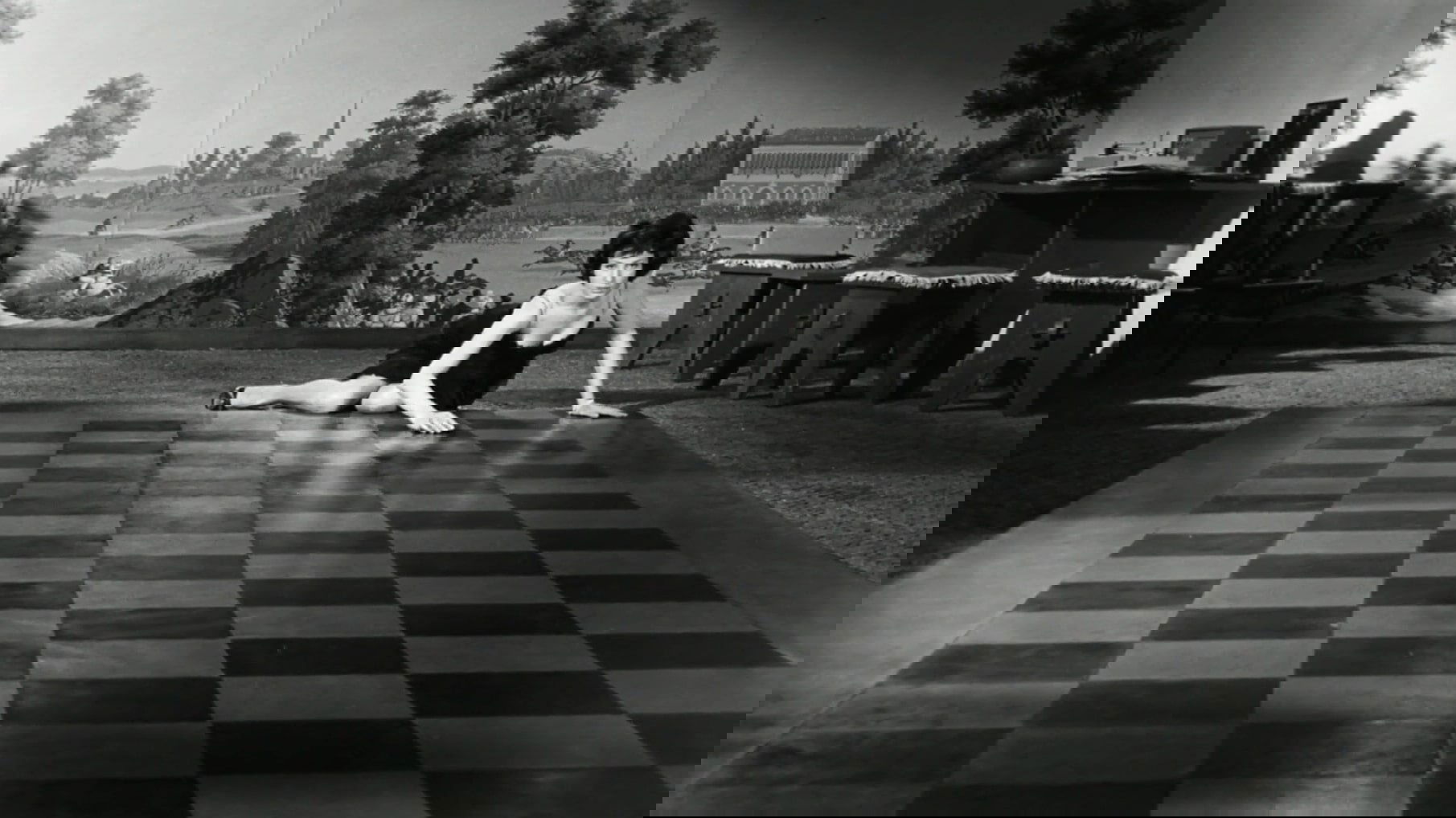
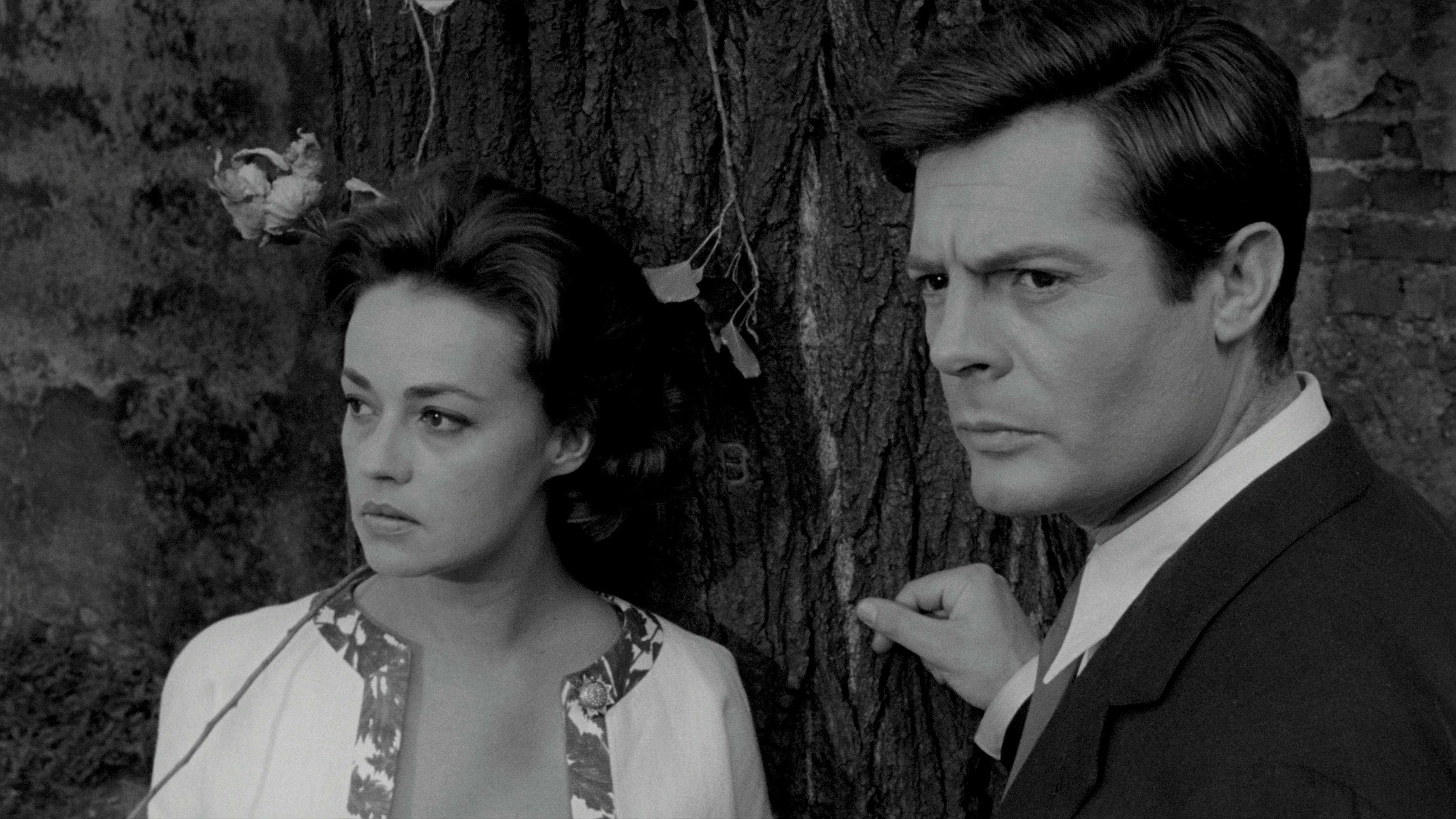
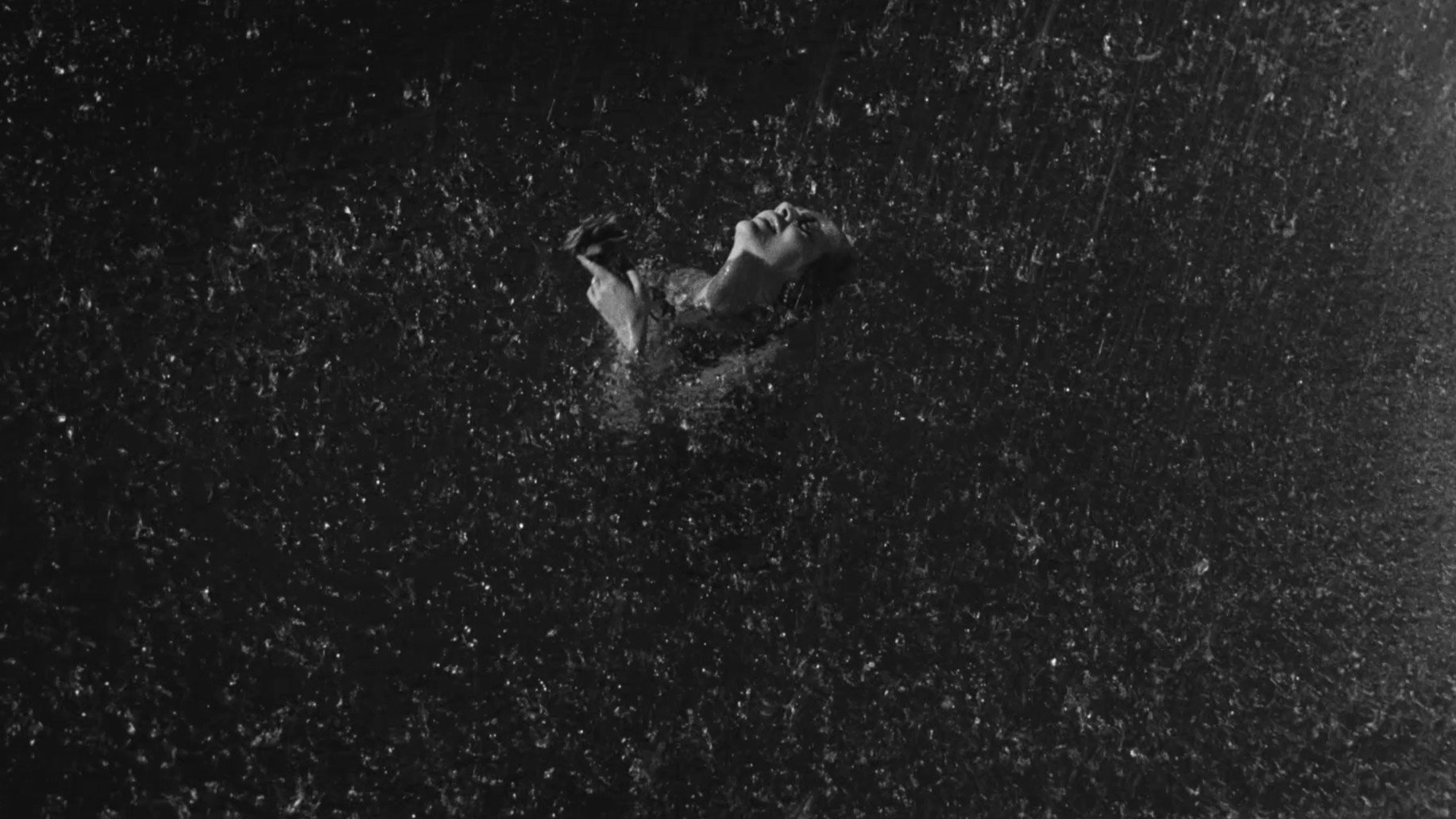
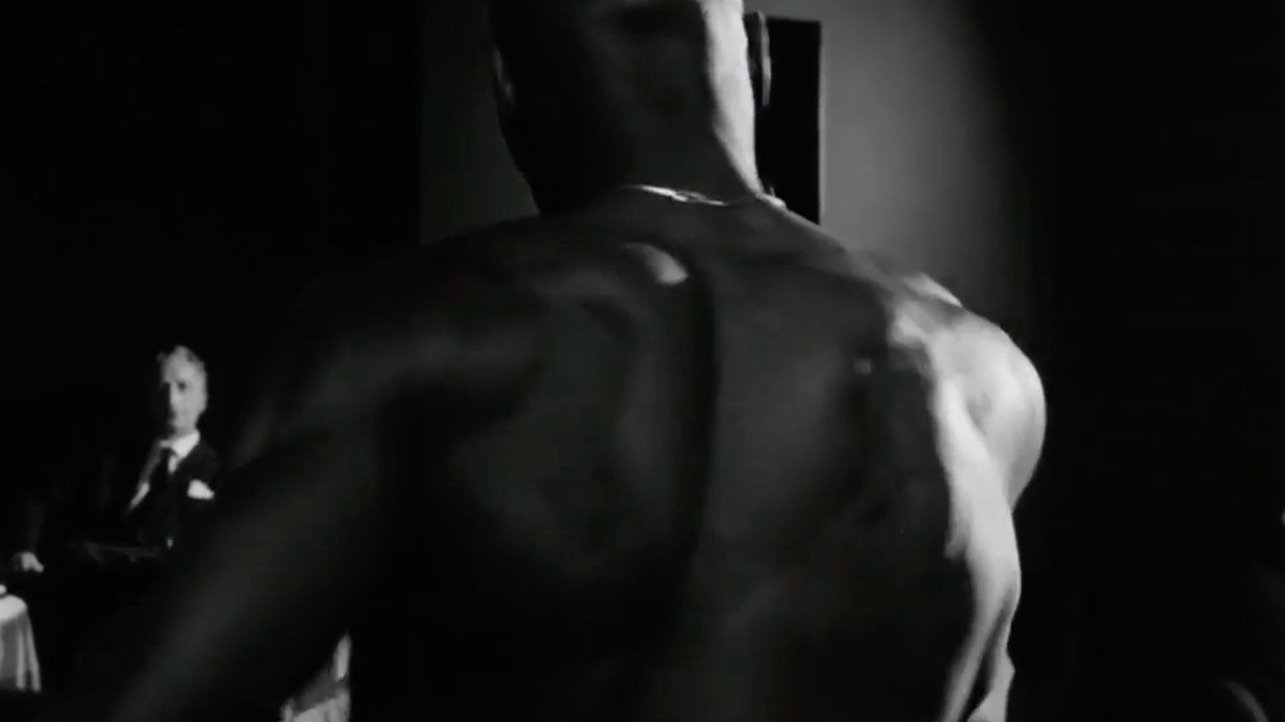
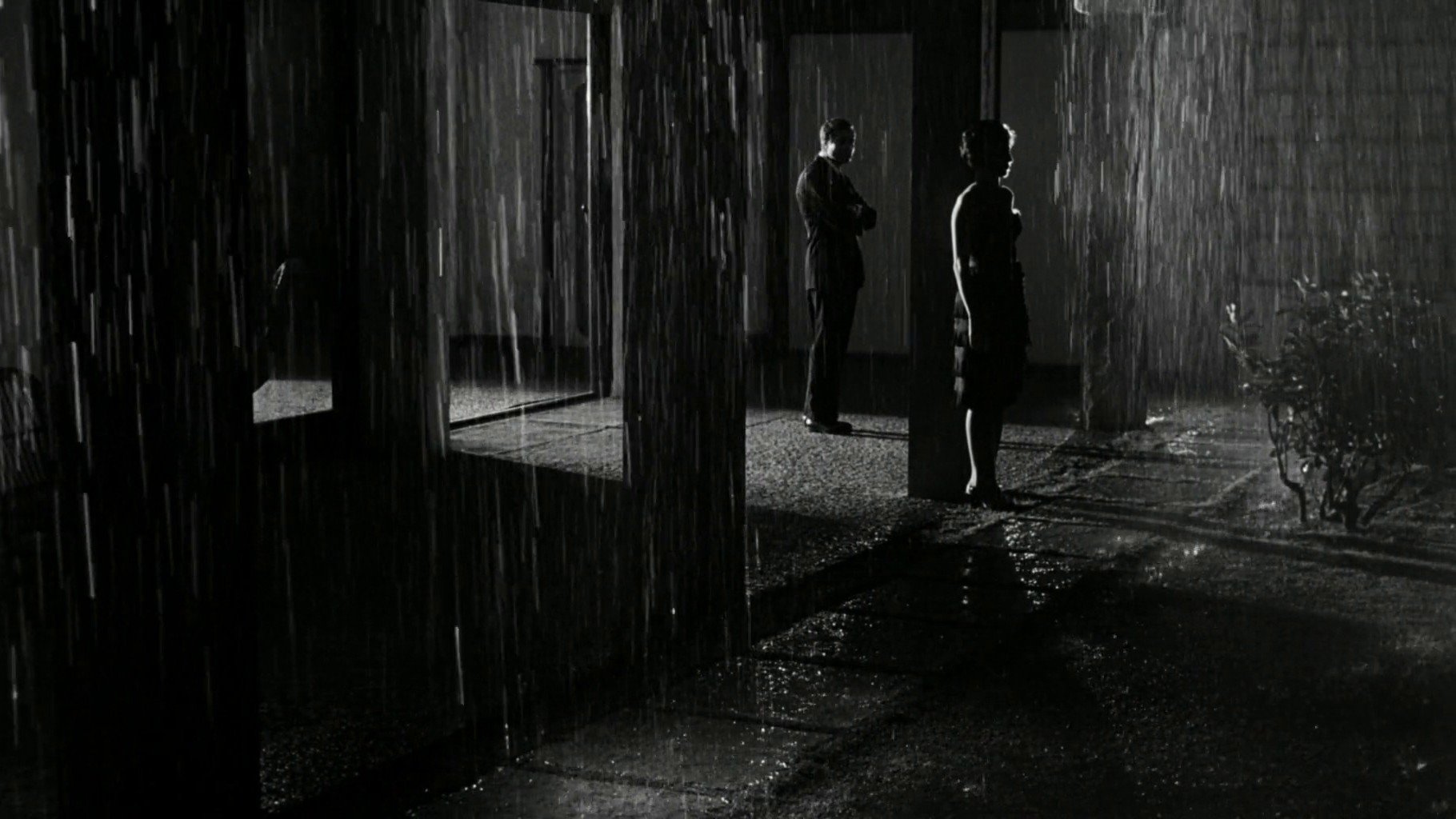
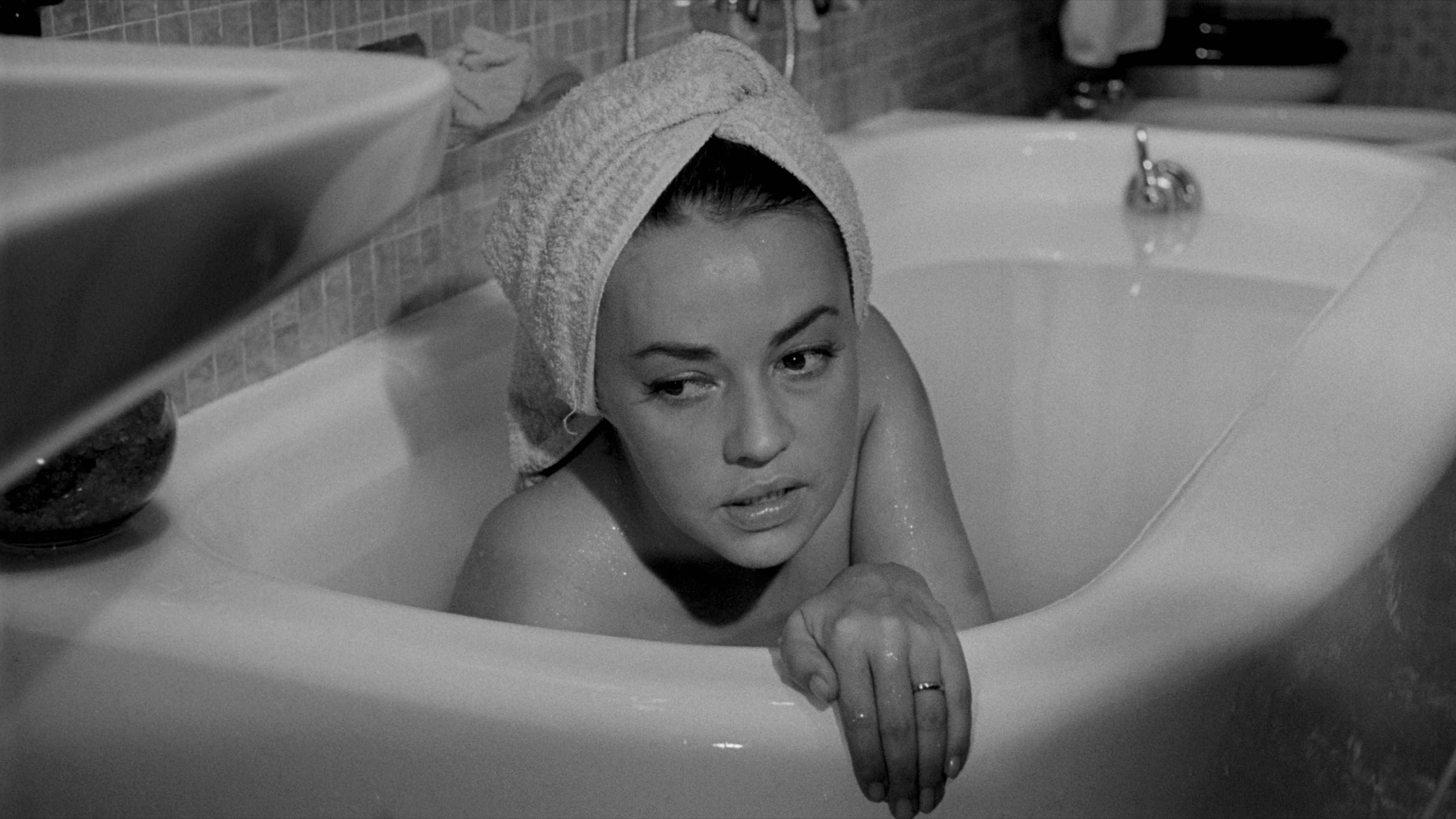
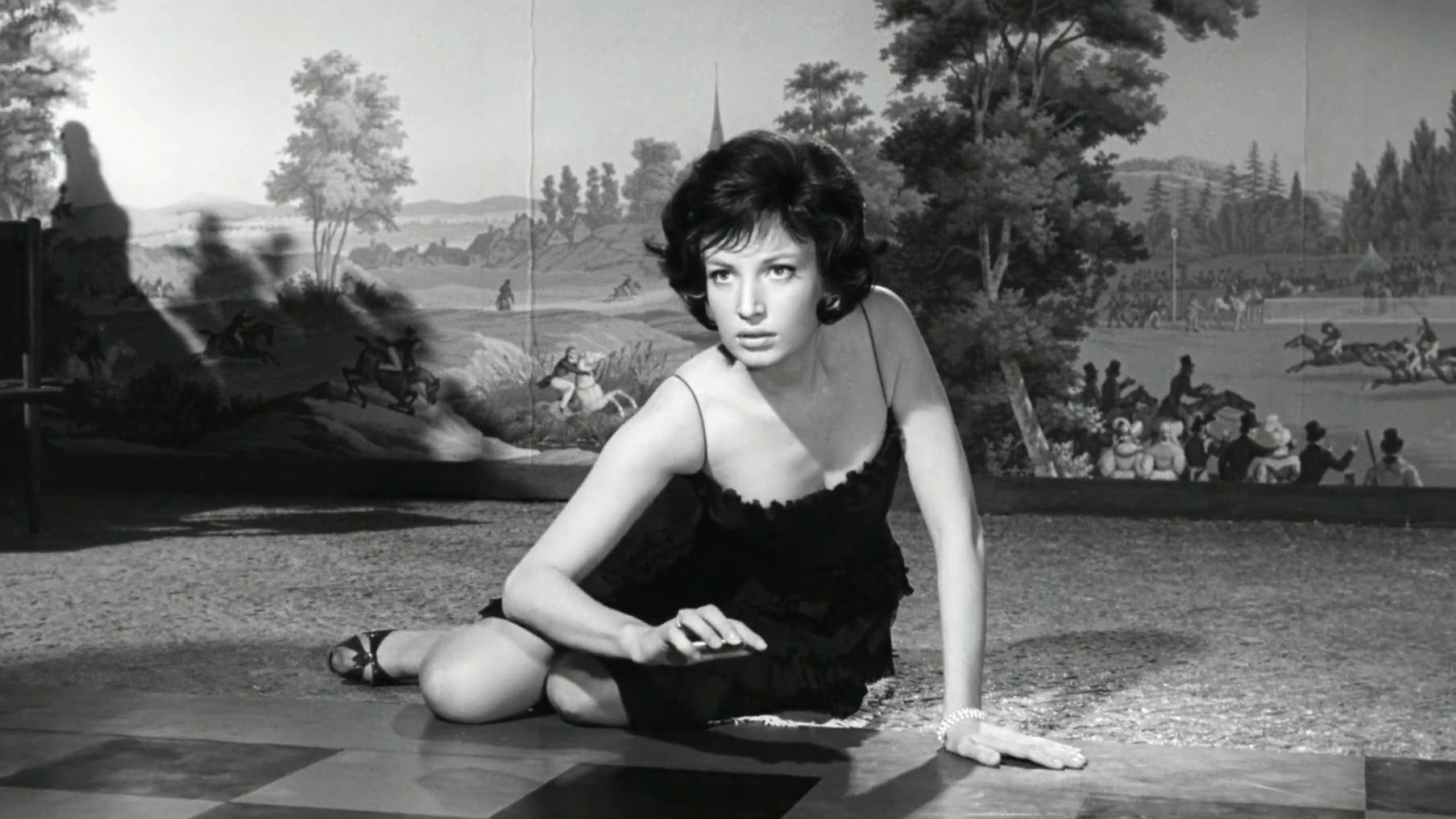
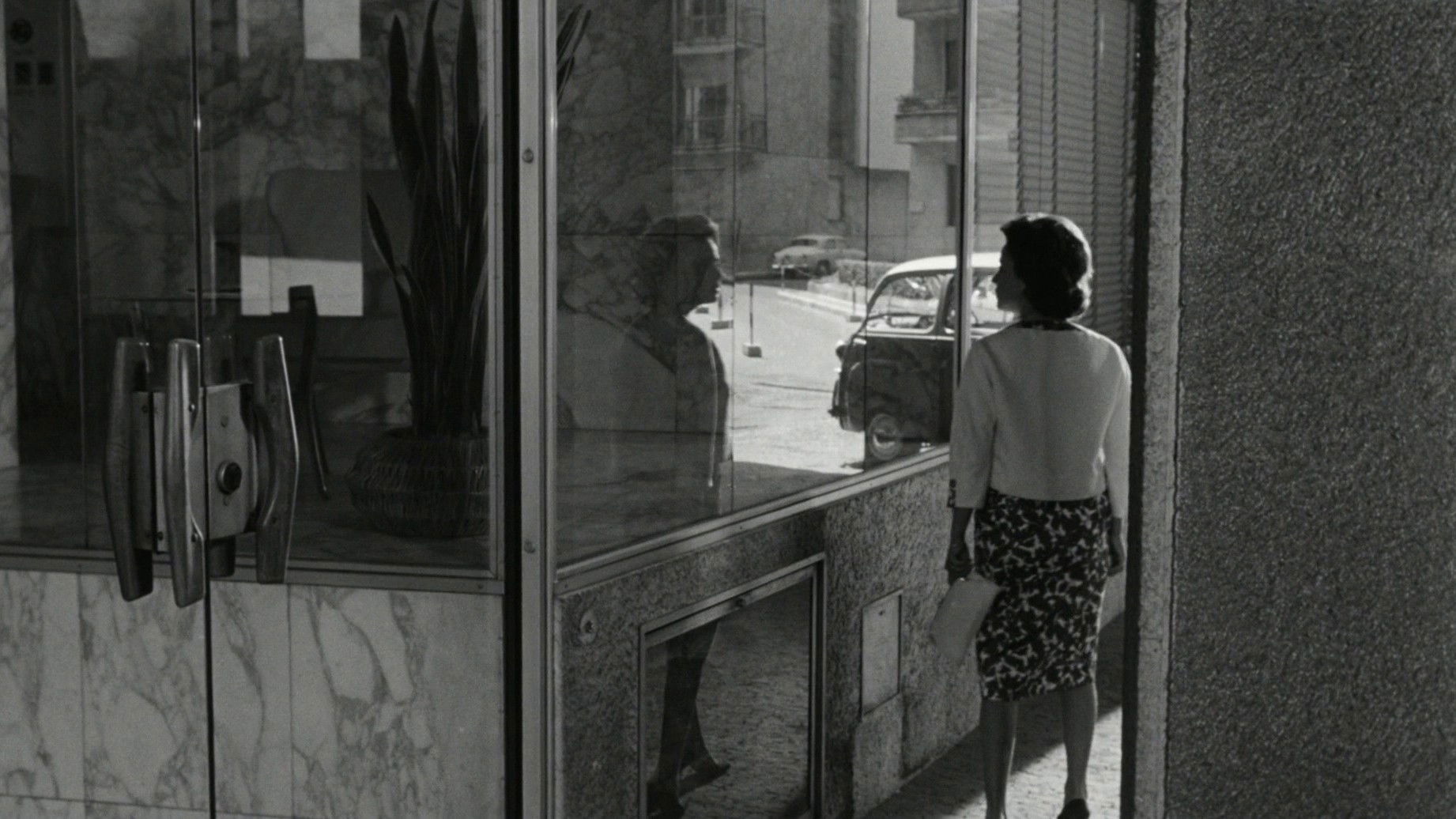
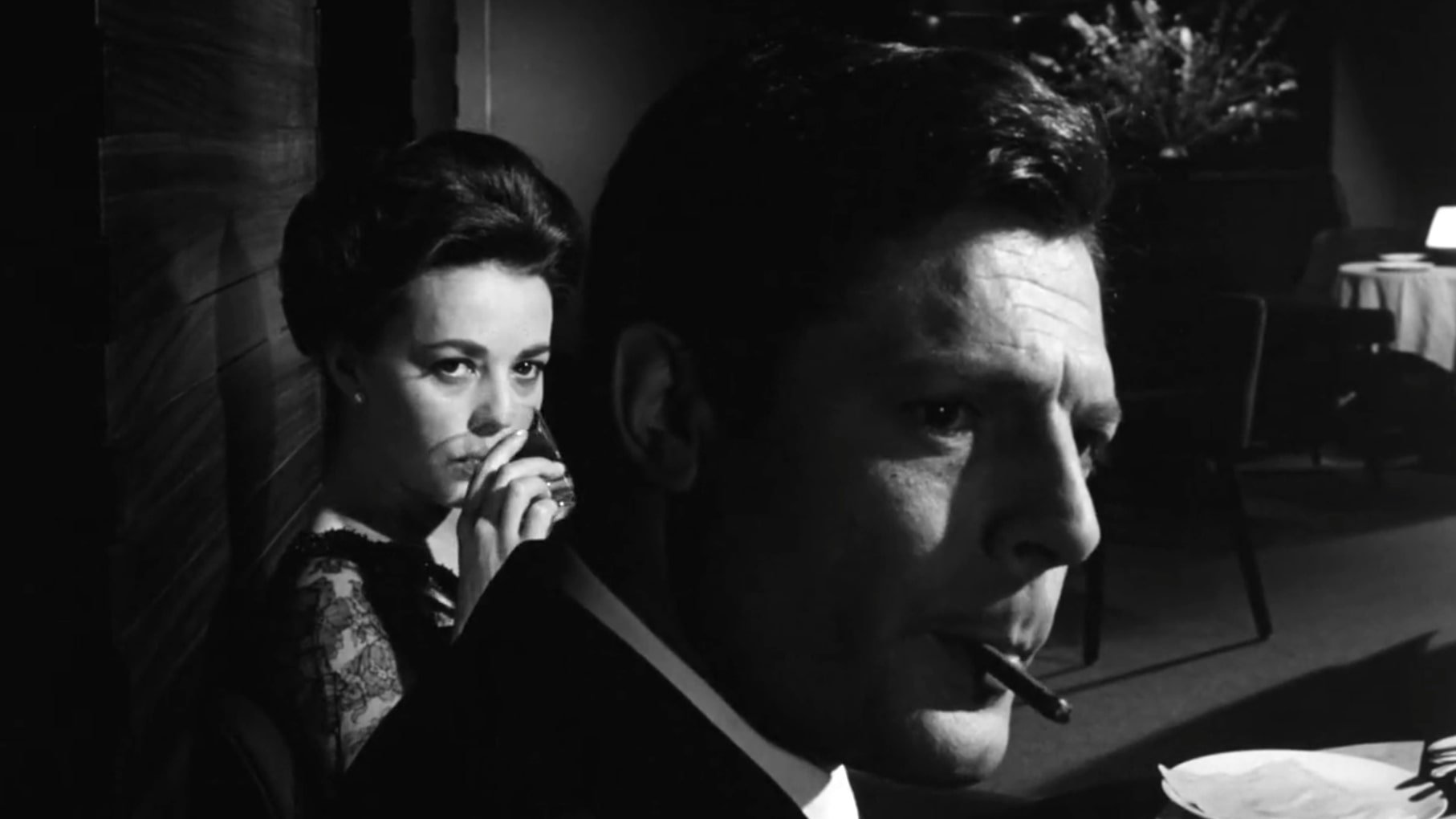
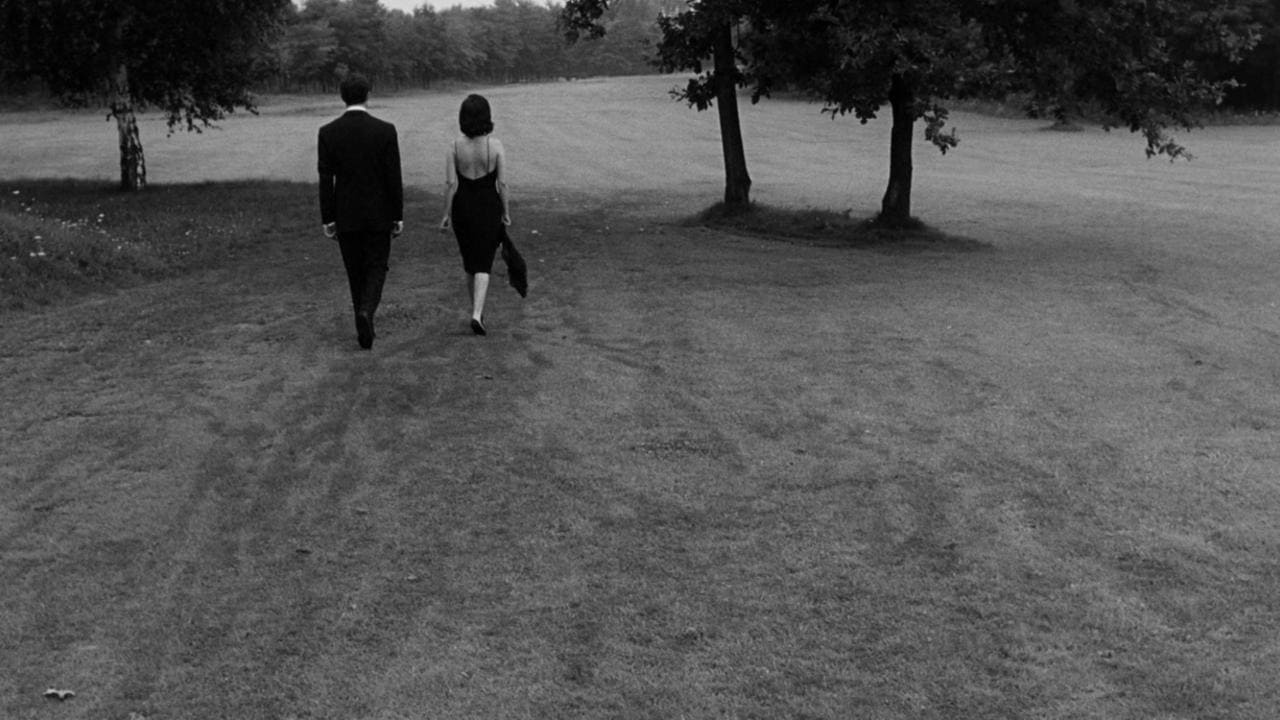
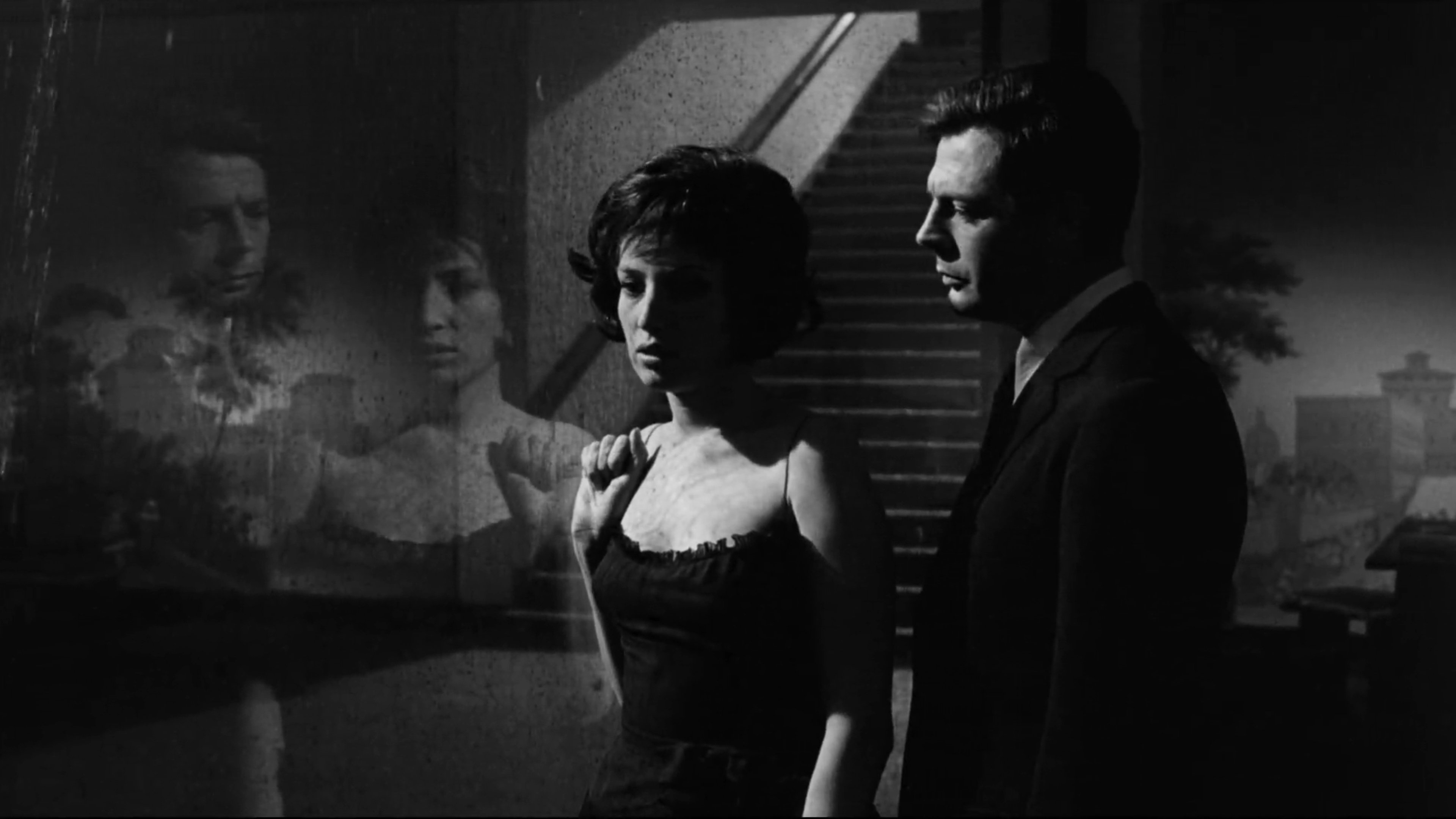
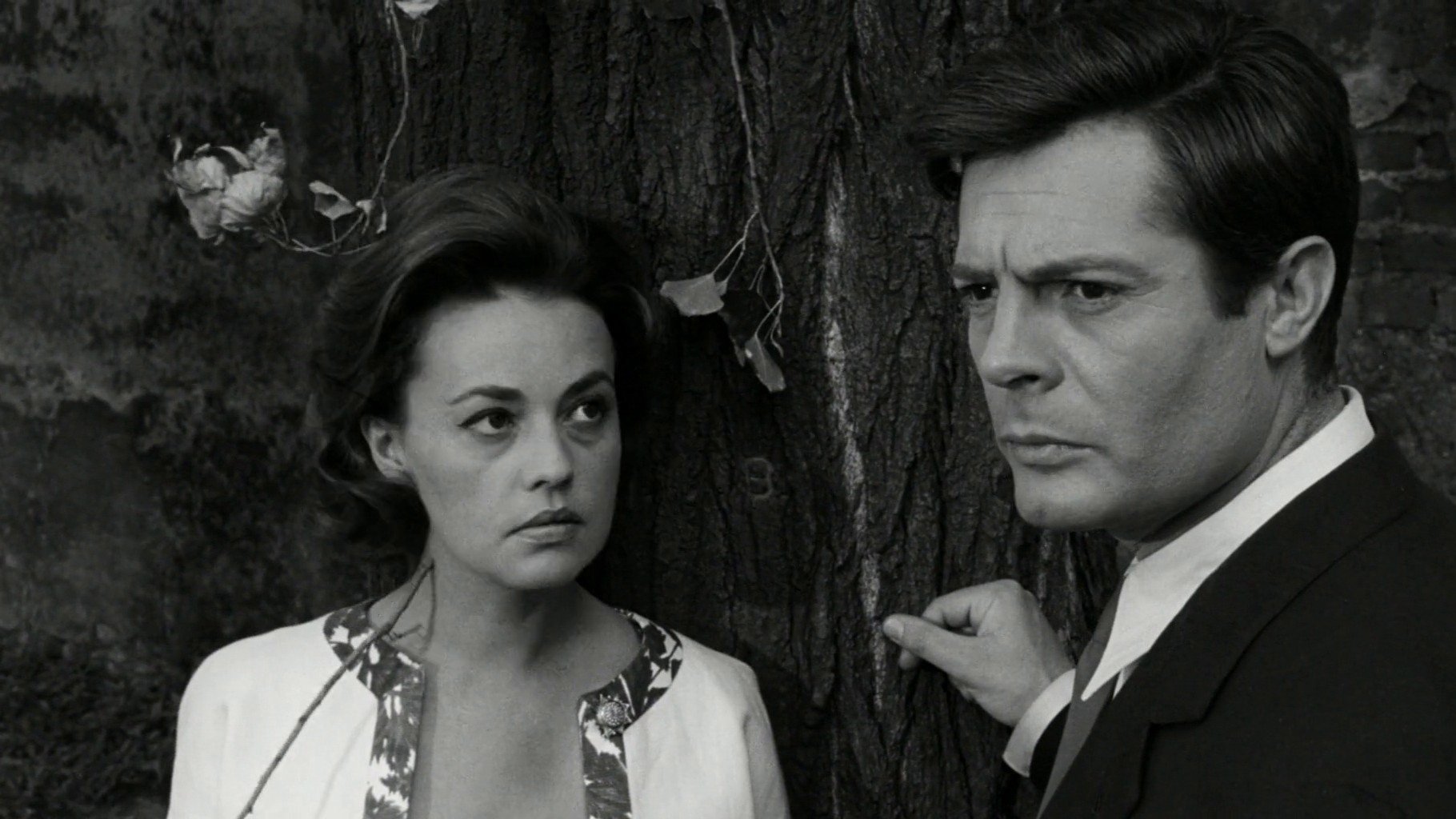
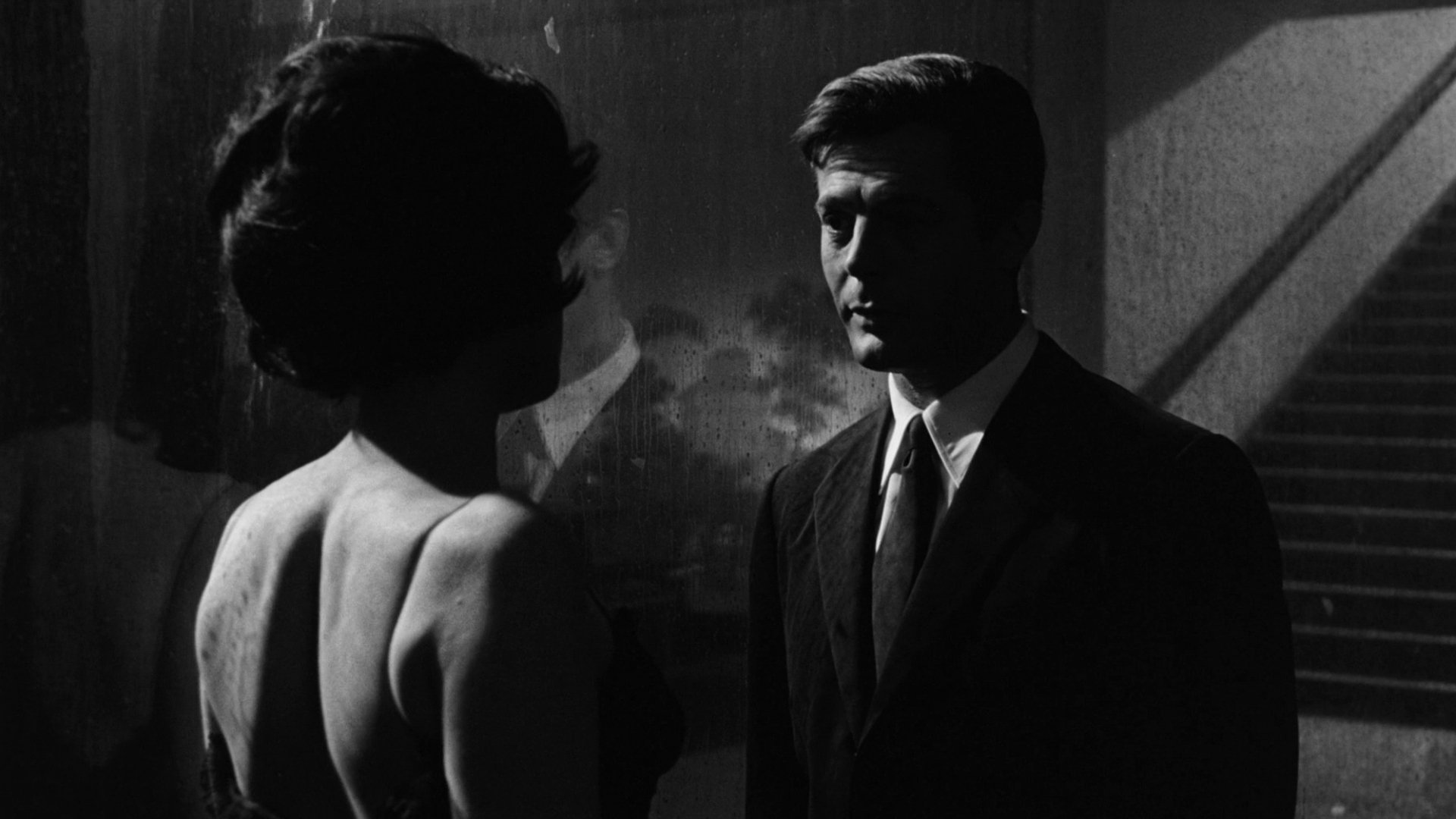
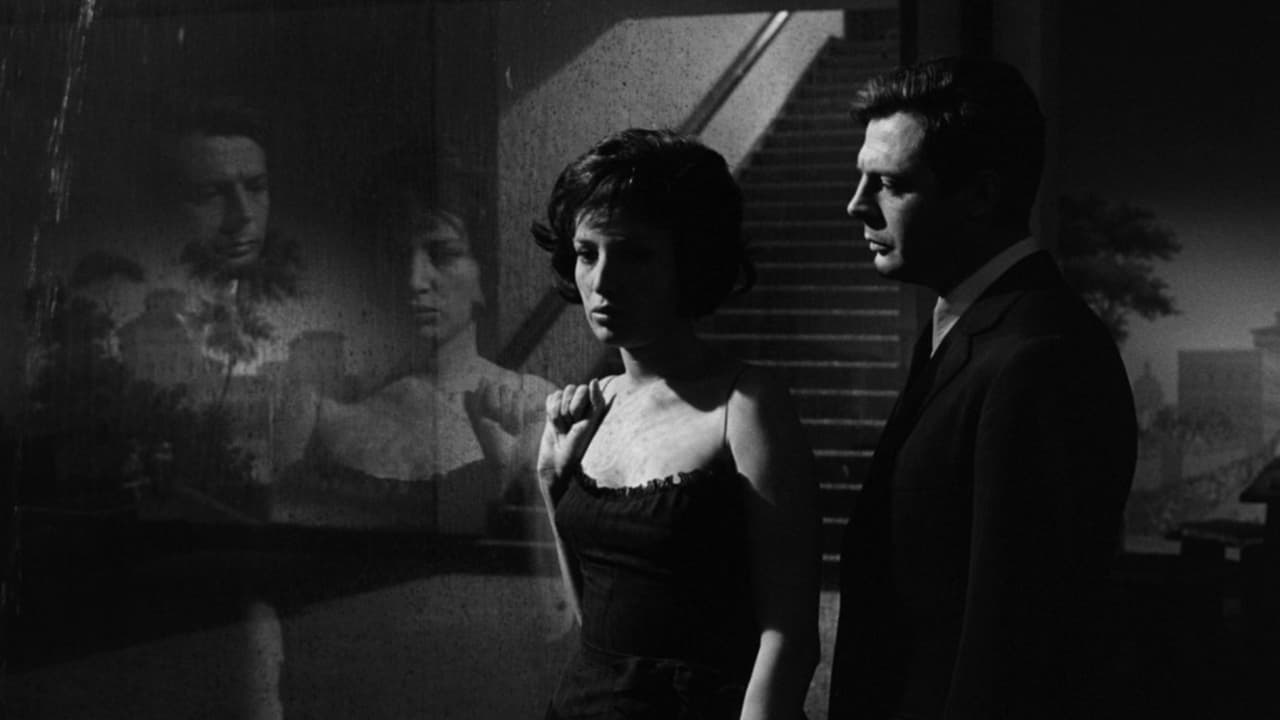
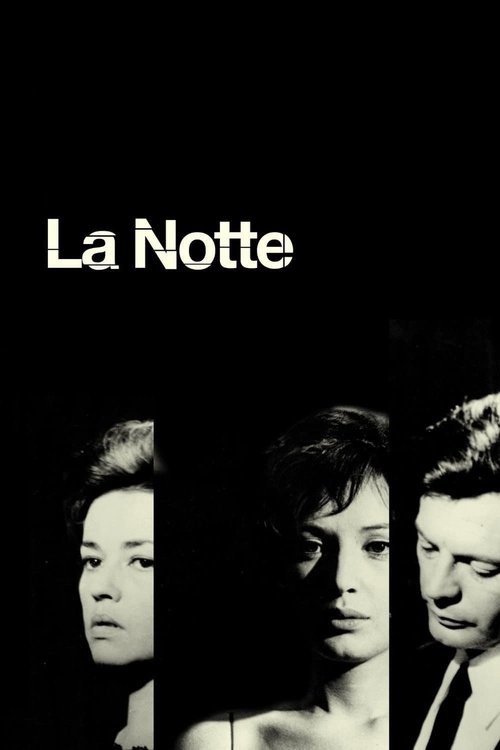
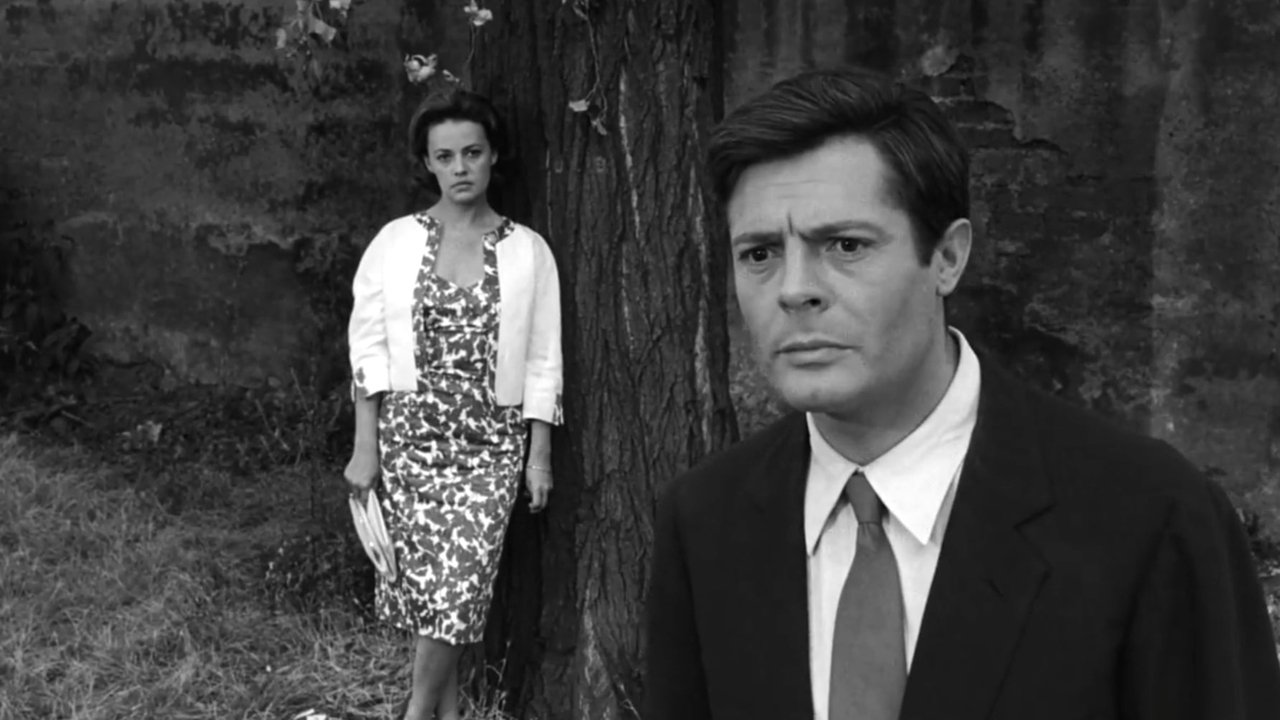
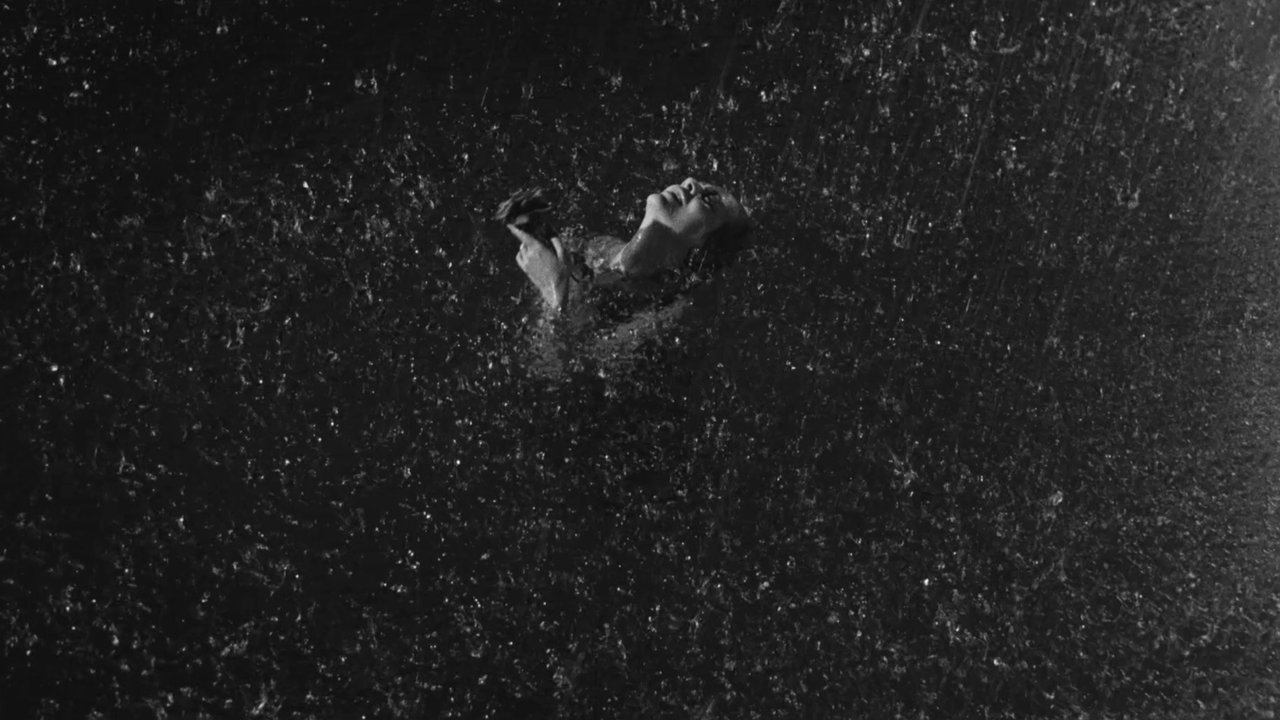
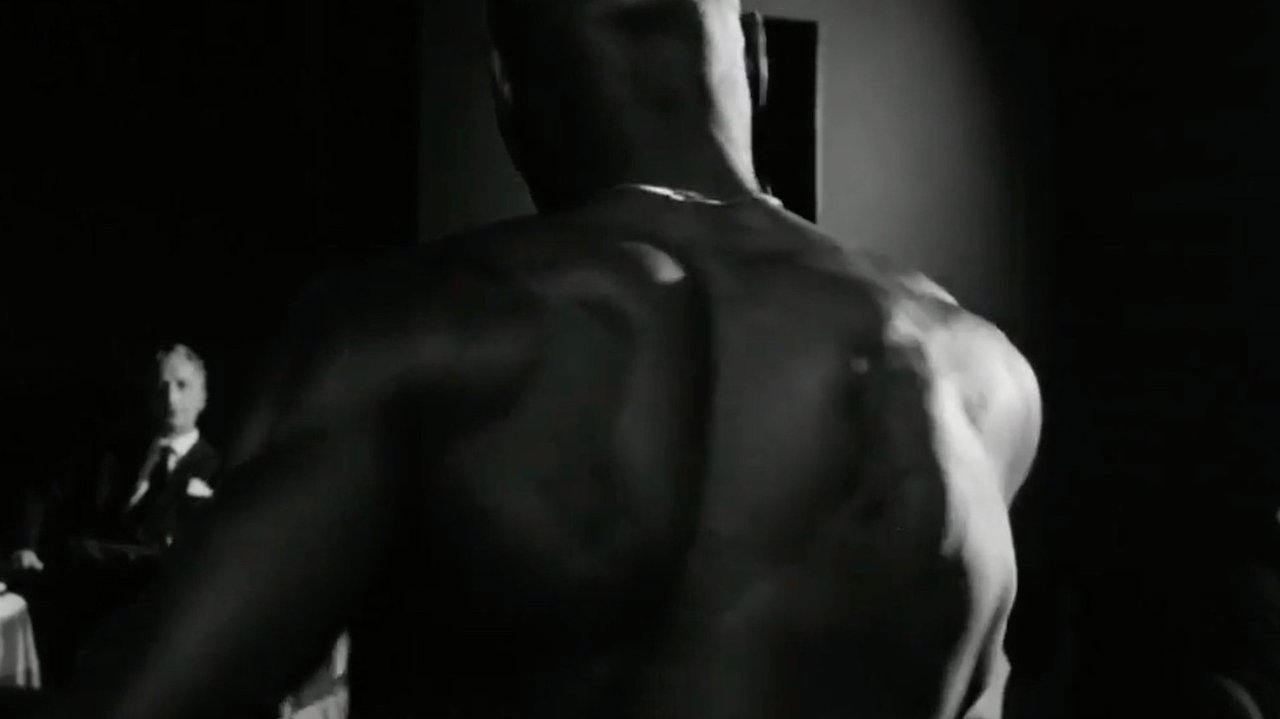
but in all seriousness, this movie is wonderfully executed, from the cinematography with hard-noir lighting, dialogue very intriguing, and last but not least, my favorite out of em’ all, SOUNDTRACK, it gives this feeling of a wax candle slowly giving out of it’s body to melt which is exactly what happened in la notte.
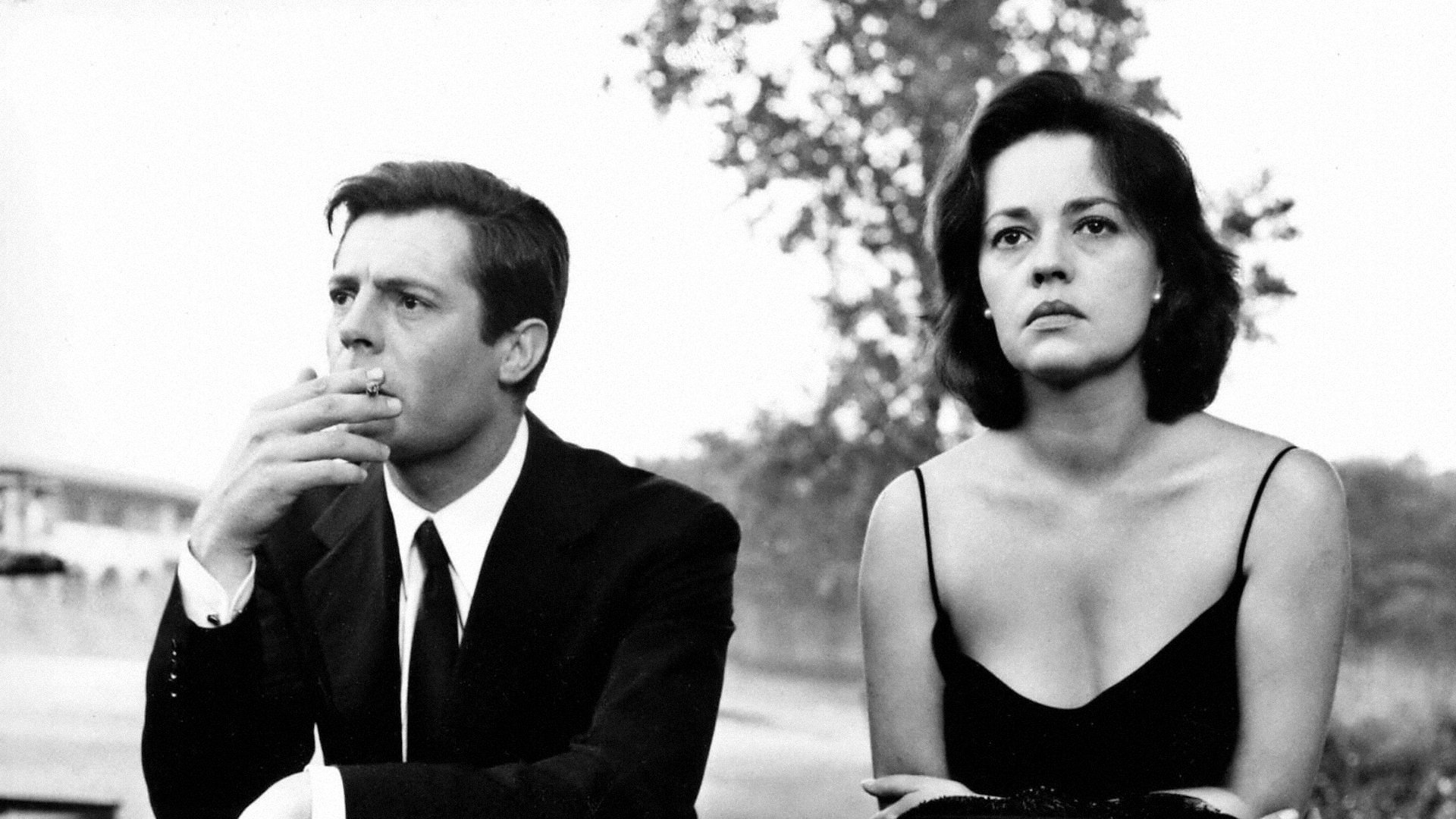
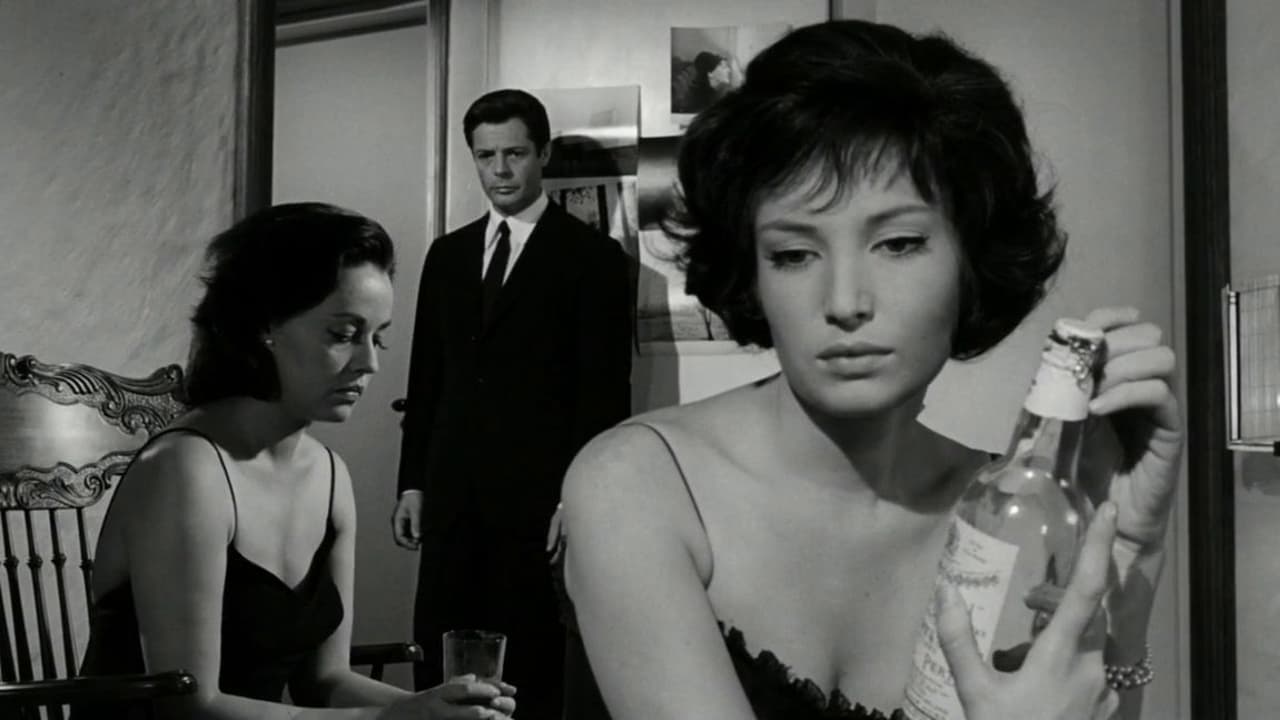
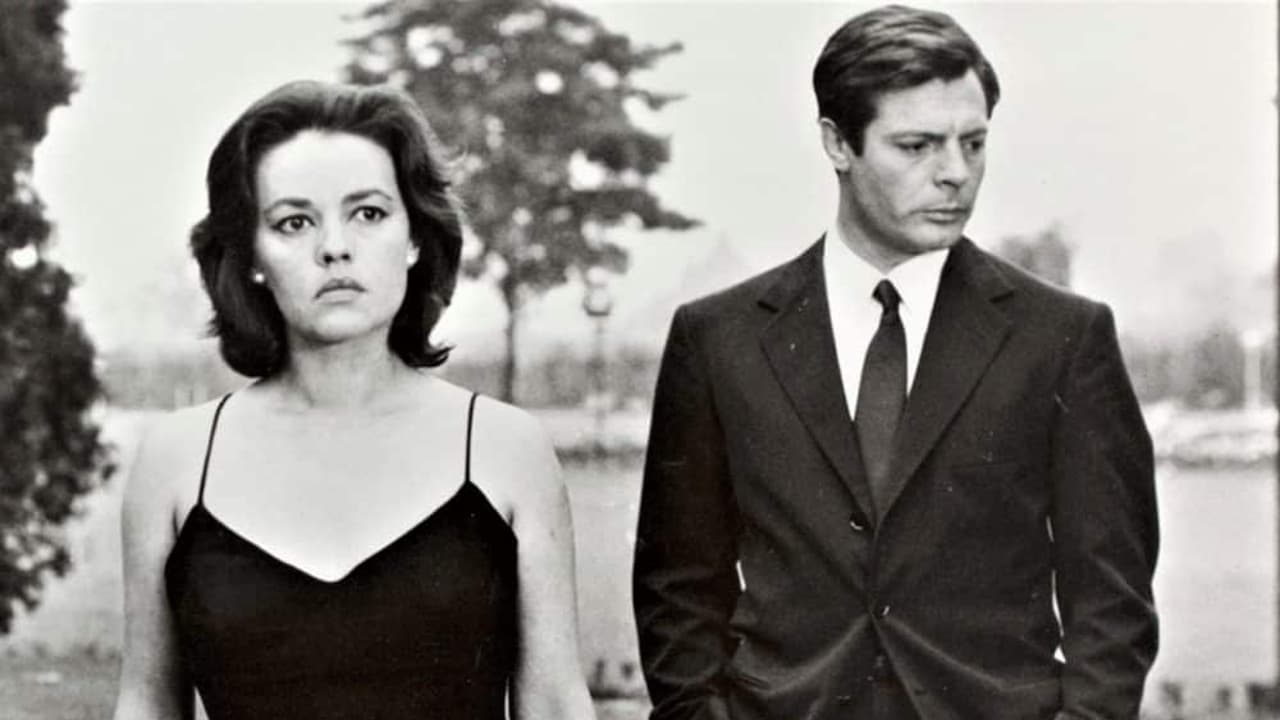
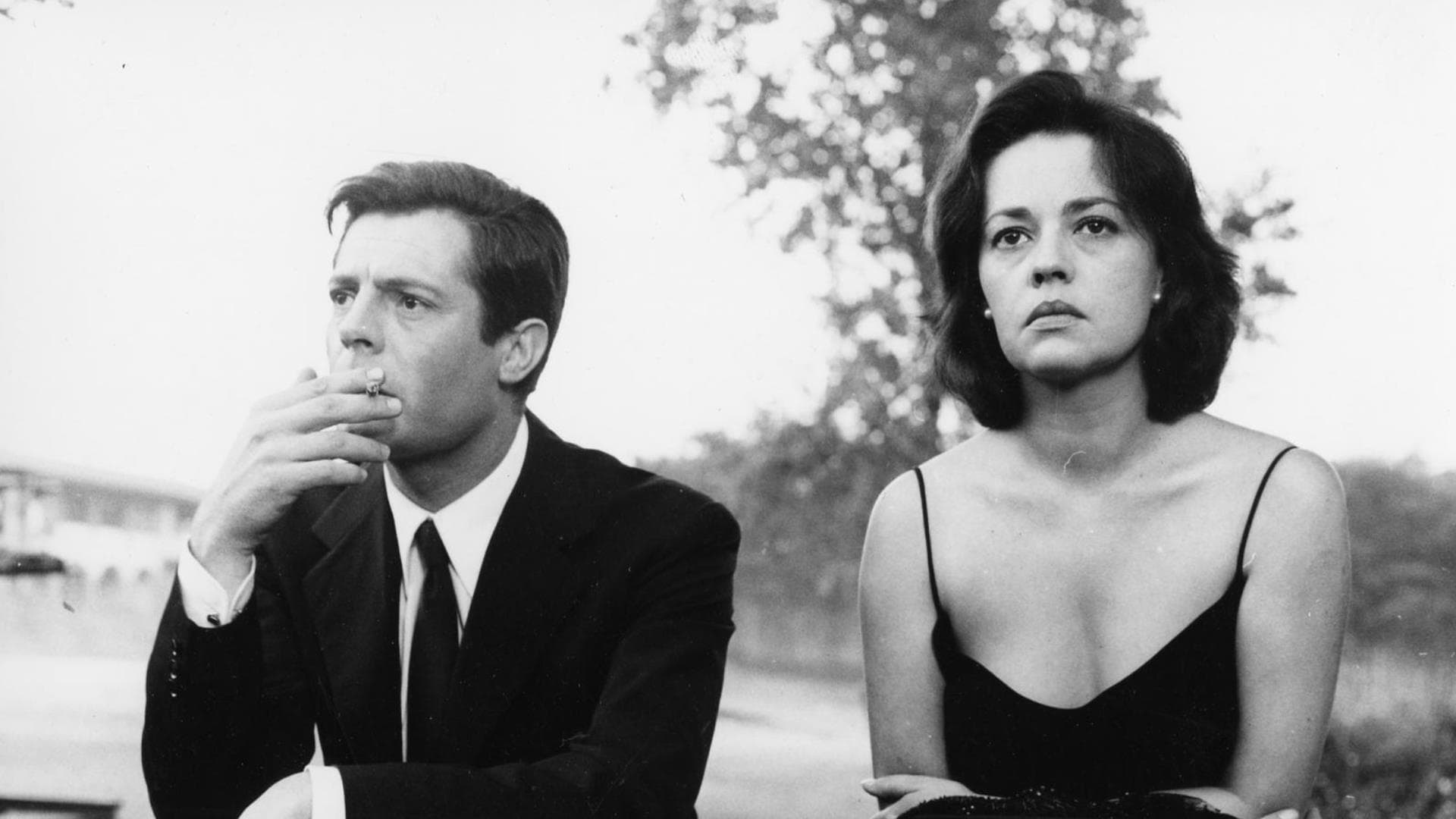
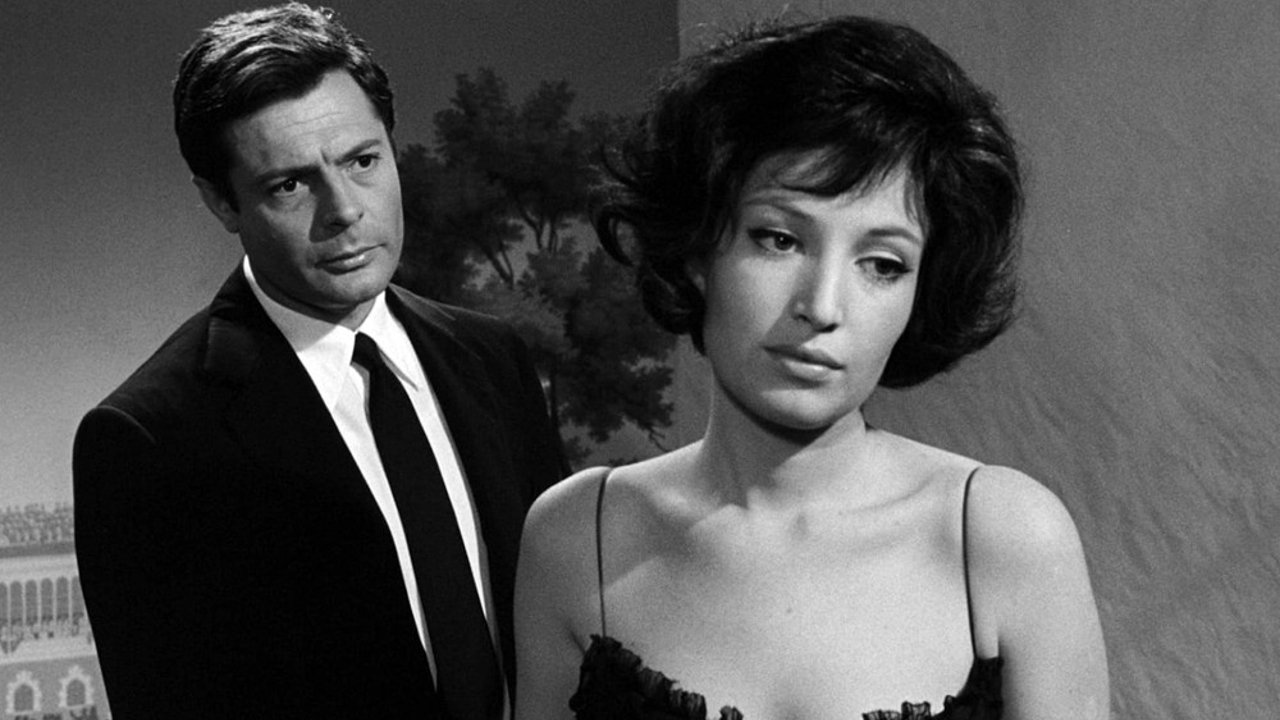
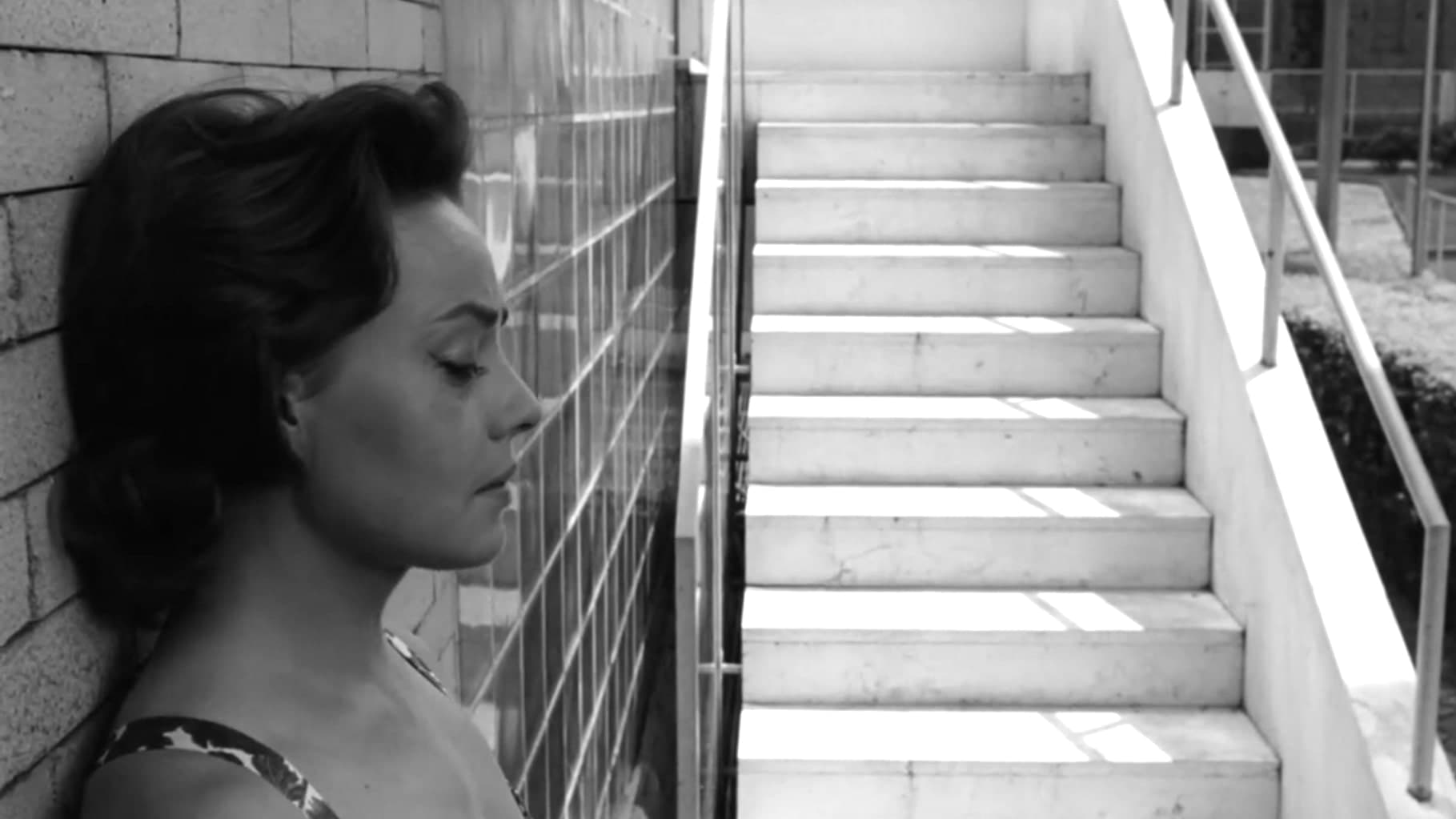
just imagine a women (lidia) who in her intellectual mind tells herself she loves her husband, only for her heart to slowly, along the movie, take over her mind and making her realize that she’s loving him for gags.
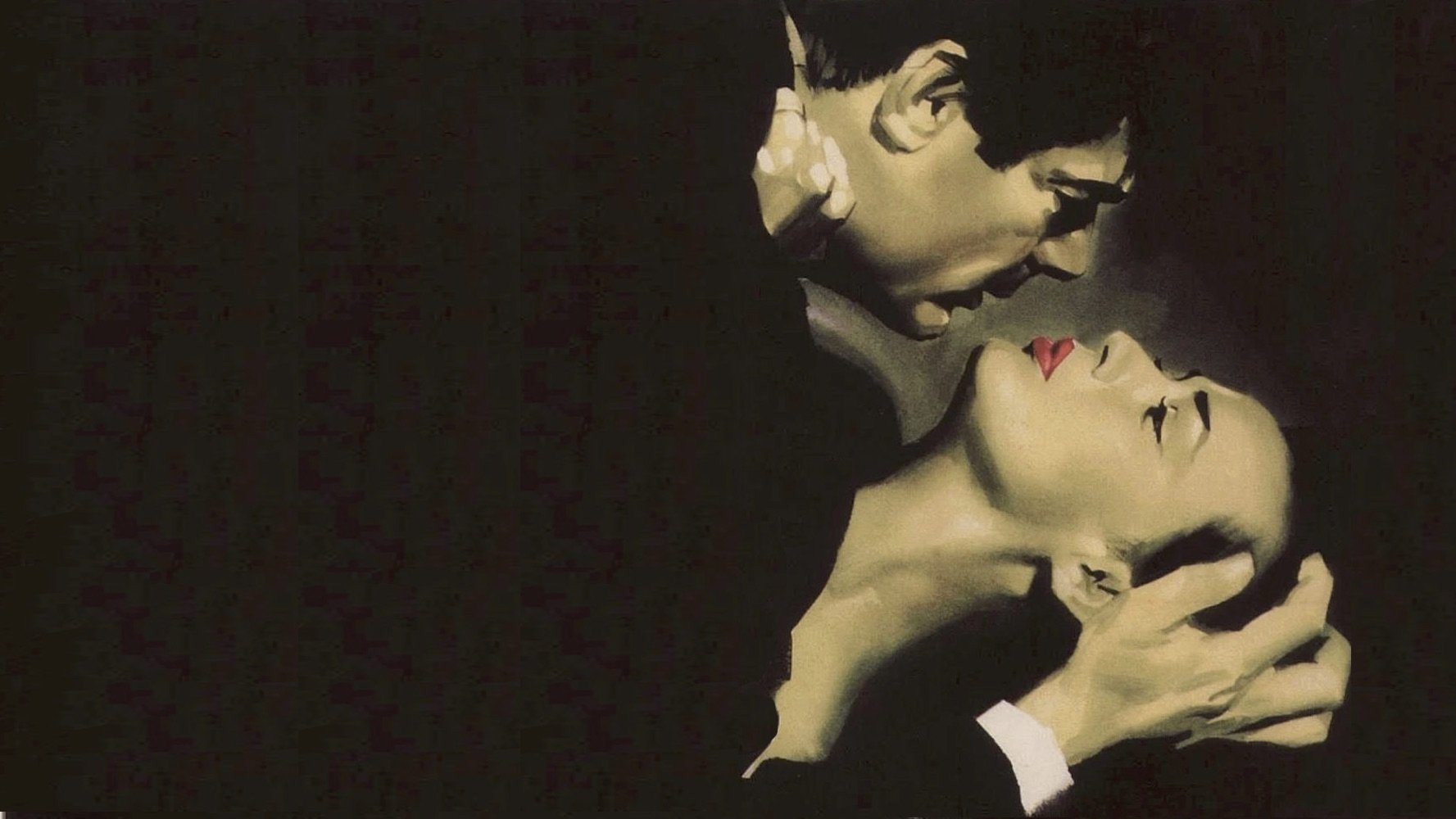
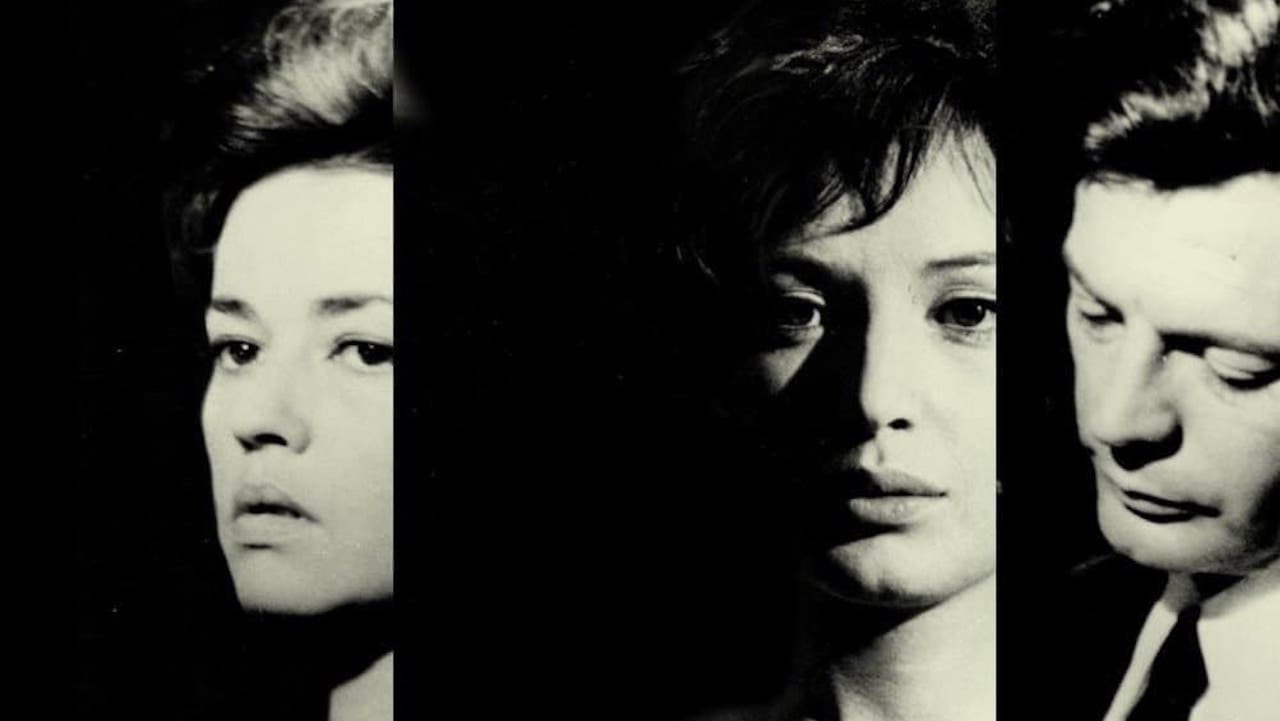
and giovanni, i see where his standing point is, but at the same time, the things he did cannot be justified for lidia, and that is what makes this film not just another break-apart marriage movies like mrs. doubt fire or crazy, stupid, love.
it shows us the reality that love is complex
4,5/5. +a shout out to crimzn for recommending me this movie, and i get why it’s in your top 4
who even reads the sleepwalkers anymore?
said the dude who kissed a girl reading the sleepwalkers.
but in all seriousness, this movie is wonderfully executed, from the cinematography with hard-noir lighting, dialogue very intriguing, and last but not least, my favorite out of em’ all, SOUNDTRACK, it gives this feeling of a wax candle slowly giving out of it’s body to melt which is exactly what happened in la notte.
just imagine a women (lidia) who in her intellectual mind tells herself she loves her husband, only for her heart to slowly, along the movie, take over her mind and making her realize that she’s loving him for gags.
and giovanni, i see where his standing point is, but at the same time, the things he did cannot be justified for lidia, and that is what makes this film not just another break-apart marriage movies like mrs. doubt fire or crazy, stupid, love.
it shows us the reality that love is complex
4,5/5. +a shout out to crimzn for recommending me this movie, and i get why it’s in your top 4