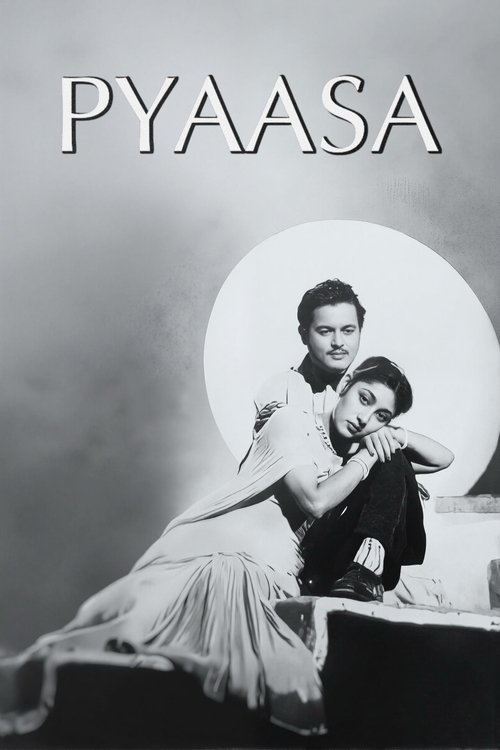
The best way I can describe how this movie feels is that it taps into my ethos of perfect movie-ass cinema a la Casablanca. This is more poetic and philosophical which only adds sugar to my own subjective palette.
Every meaningful character is realized. Motivations are clear and if they don’t make sense it’s because the humanity of our nonsense is understood.
Artistic formalism is abound in every frame, elevating the human condition and experience.
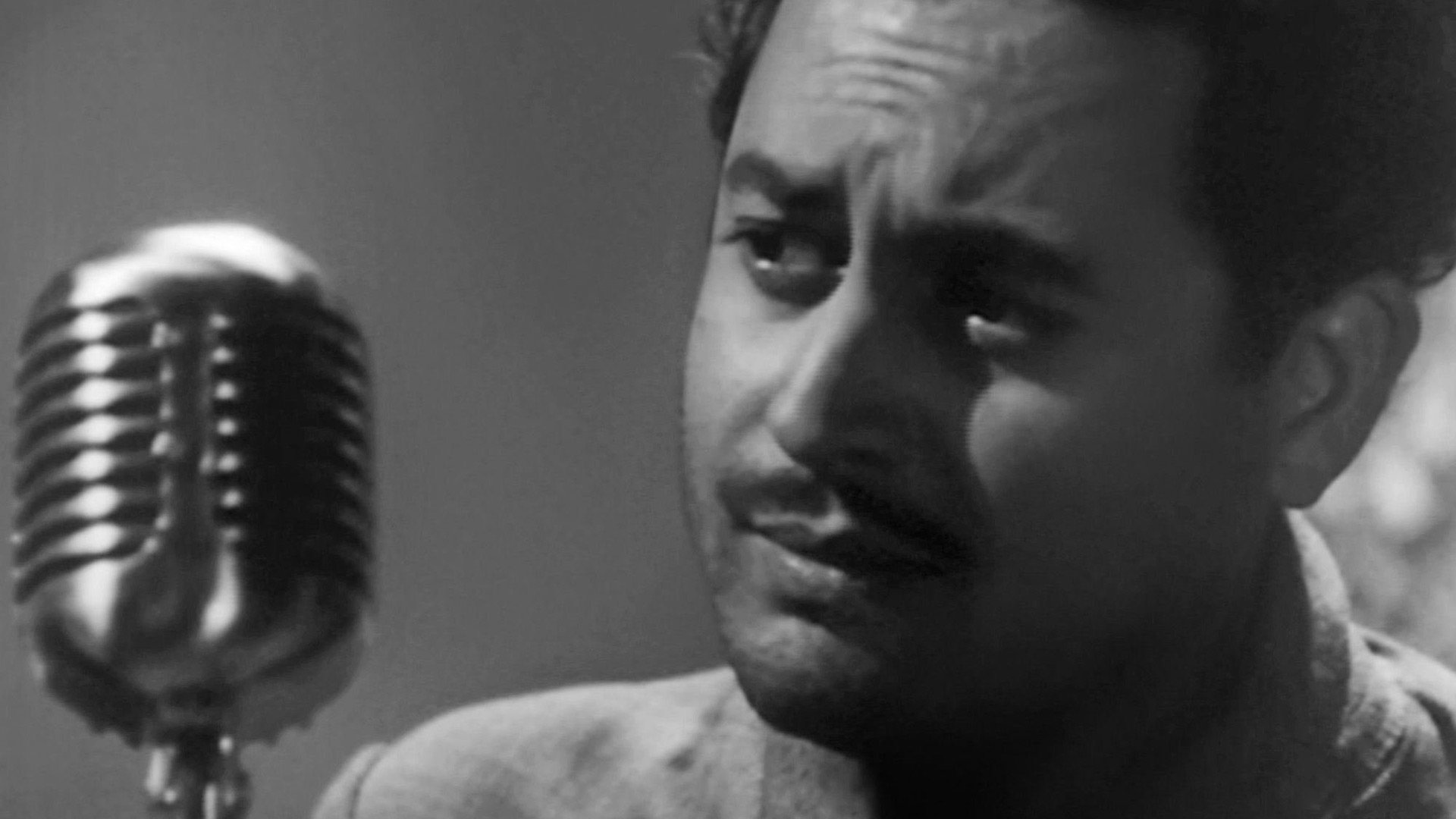
The film marries its formalistic musicality with its poetry. The musical interludes elevated by their own power.
The drama is written in ontological totality. Iterative levels of (dis)connection between characters and concepts, like poetry, work, and poverty function thematically and narratively.
Tonal balance is expert. The silliest character, the head masseuse, maintains all levels of human dignity. There are A LOT of characters in film like this I HATE. Here though, his essence, a lighter-hearted character, fits within the dour landscape naturally and amplitudinally.
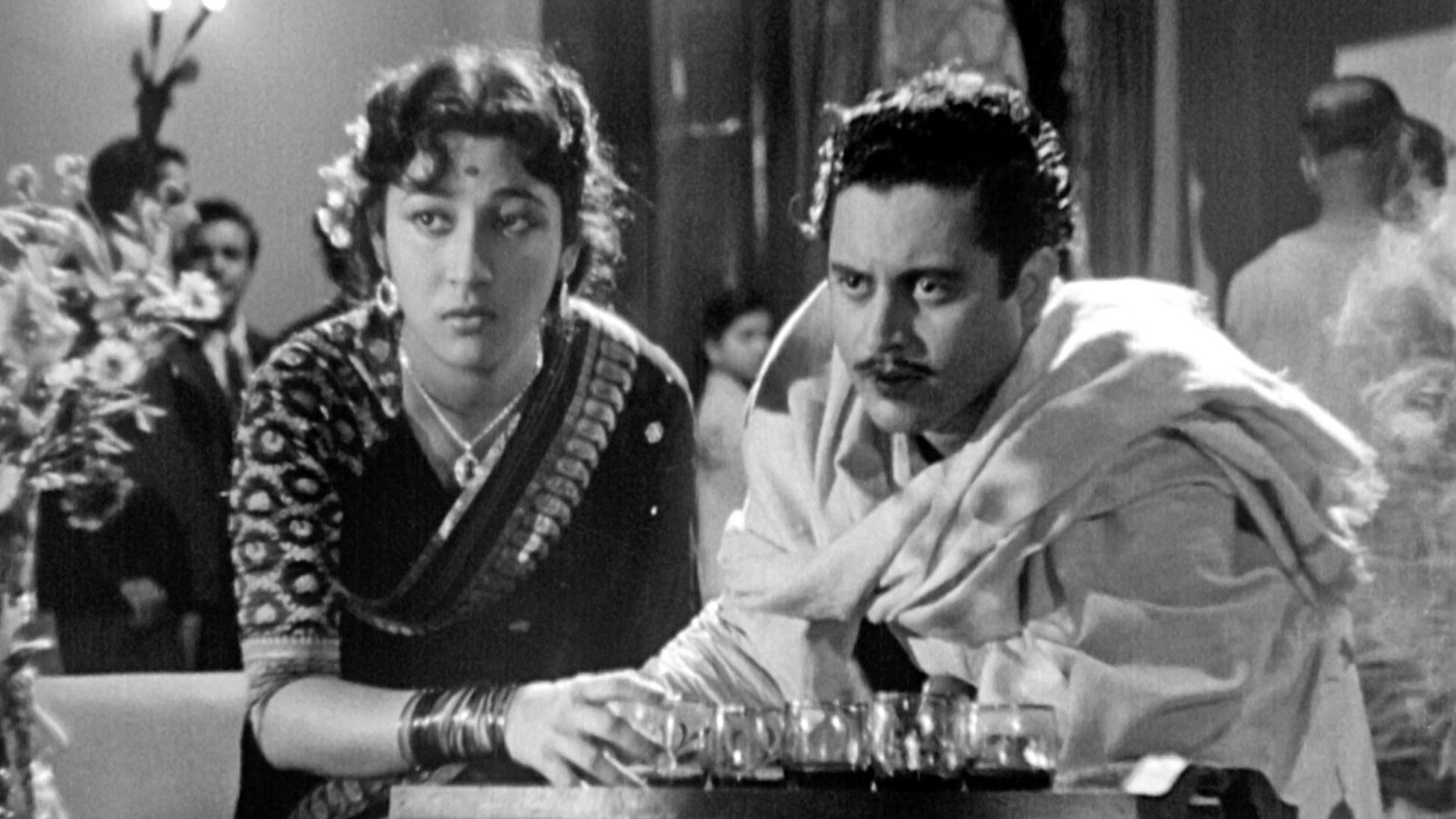
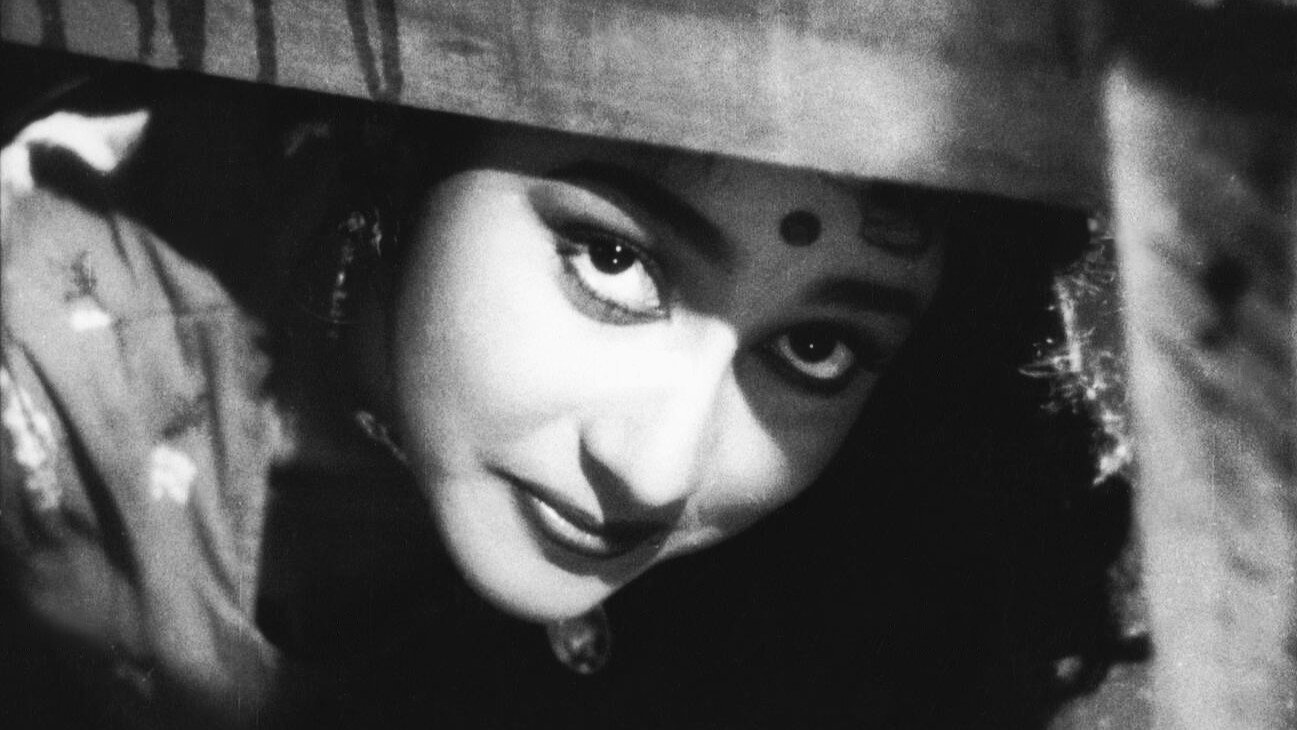
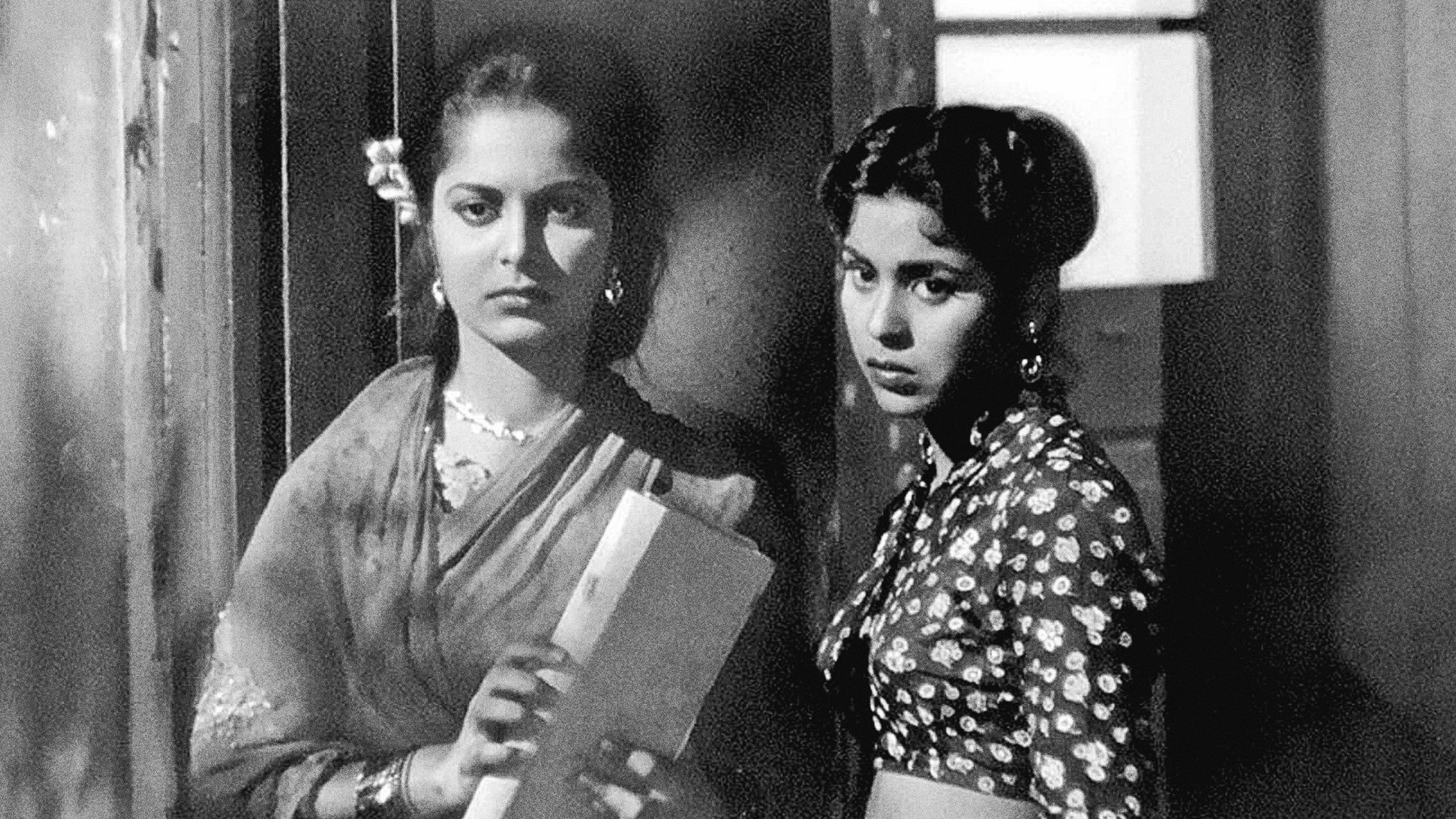
The romance is written with care and its convenience is narratively recognized. All humans are crystallized. They embody their respective archetypes, respectfully, and catalyze each other’s arcs with poetic beauty, as encapsulated by the last shot.
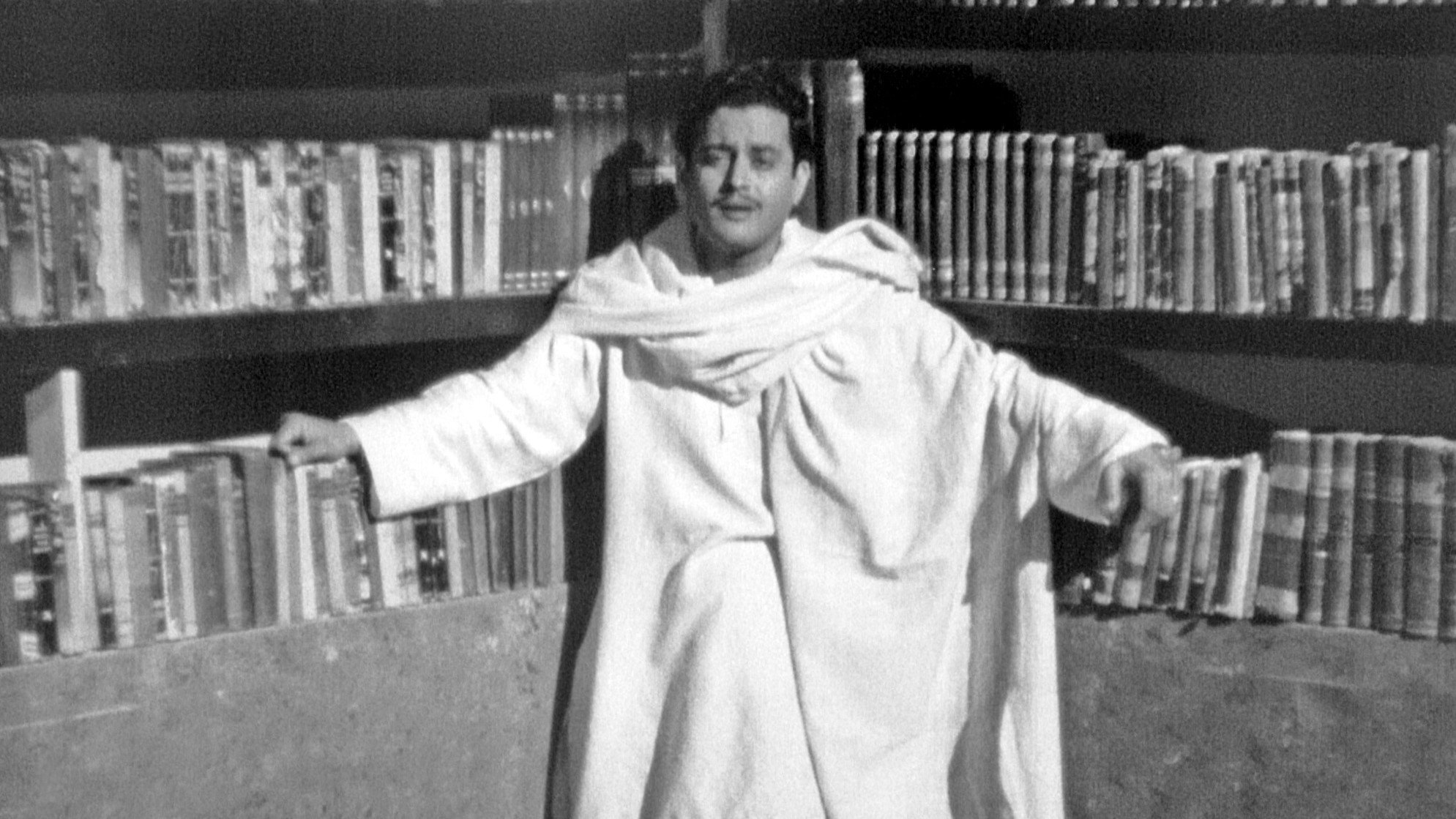
When I saw Béla Tarr speak, or if you’ve read interviews, you’ll know he thinks the last “new” stories were told in the Old Testament. I’m not smart enough to engage that claim directly, BUT I thought a lot about that here. This story feels like it’s from the Old Testament, including the messianic godhead of poetry encapsulated by Vijay. The thing is, if there was a doubt about our human ability to tell new stories with old material, this feels like an aged and wizened rebuke. The mines of universality can never be fully tapped as long as the universal human experience exists. The infinite begs infinitude.
The best way I can describe how this movie feels is that it taps into my ethos of perfect movie-ass cinema a la Casablanca. This is more poetic and philosophical which only adds sugar to my own subjective palette.
Every meaningful character is realized. Motivations are clear and if they don’t make sense it’s because the humanity of our nonsense is understood.
Artistic formalism is abound in every frame, elevating the human condition and experience.
The film marries its formalistic musicality with its poetry. The musical interludes elevated by their own power.
The drama is written in ontological totality. Iterative levels of (dis)connection between characters and concepts, like poetry, work, and poverty function thematically and narratively.
Tonal balance is expert. The silliest character, the head masseuse, maintains all levels of human dignity. There are A LOT of characters in film like this I HATE. Here though, his essence, a lighter-hearted character, fits within the dour landscape naturally and amplitudinally.
The romance is written with care and its convenience is narratively recognized. All humans are crystallized. They embody their respective archetypes, respectfully, and catalyze each other’s arcs with poetic beauty, as encapsulated by the last shot.
When I saw Béla Tarr speak, or if you’ve read interviews, you’ll know he thinks the last “new” stories were told in the Old Testament. I’m not smart enough to engage that claim directly, BUT I thought a lot about that here. This story feels like it’s from the Old Testament, including the messianic godhead of poetry encapsulated by Vijay. The thing is, if there was a doubt about our human ability to tell new stories with old material, this feels like an aged and wizened rebuke. The mines of universality can never be fully tapped as long as the universal human experience exists. The infinite begs infinitude.