

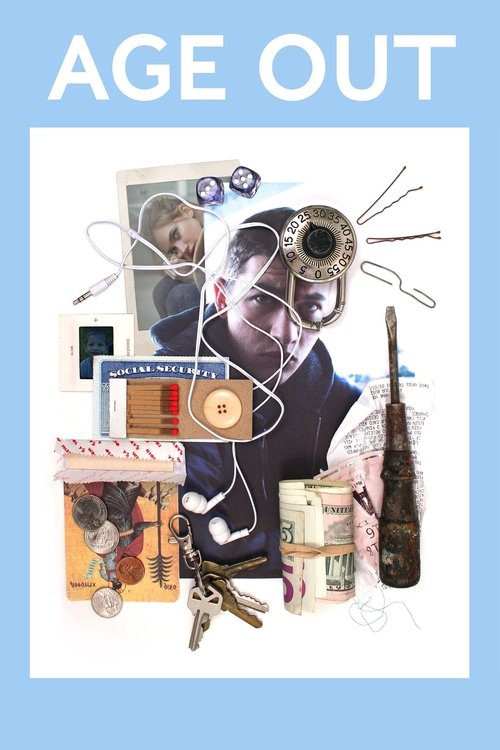
Age Out
2018·Drama·1h 35m
7.0
★
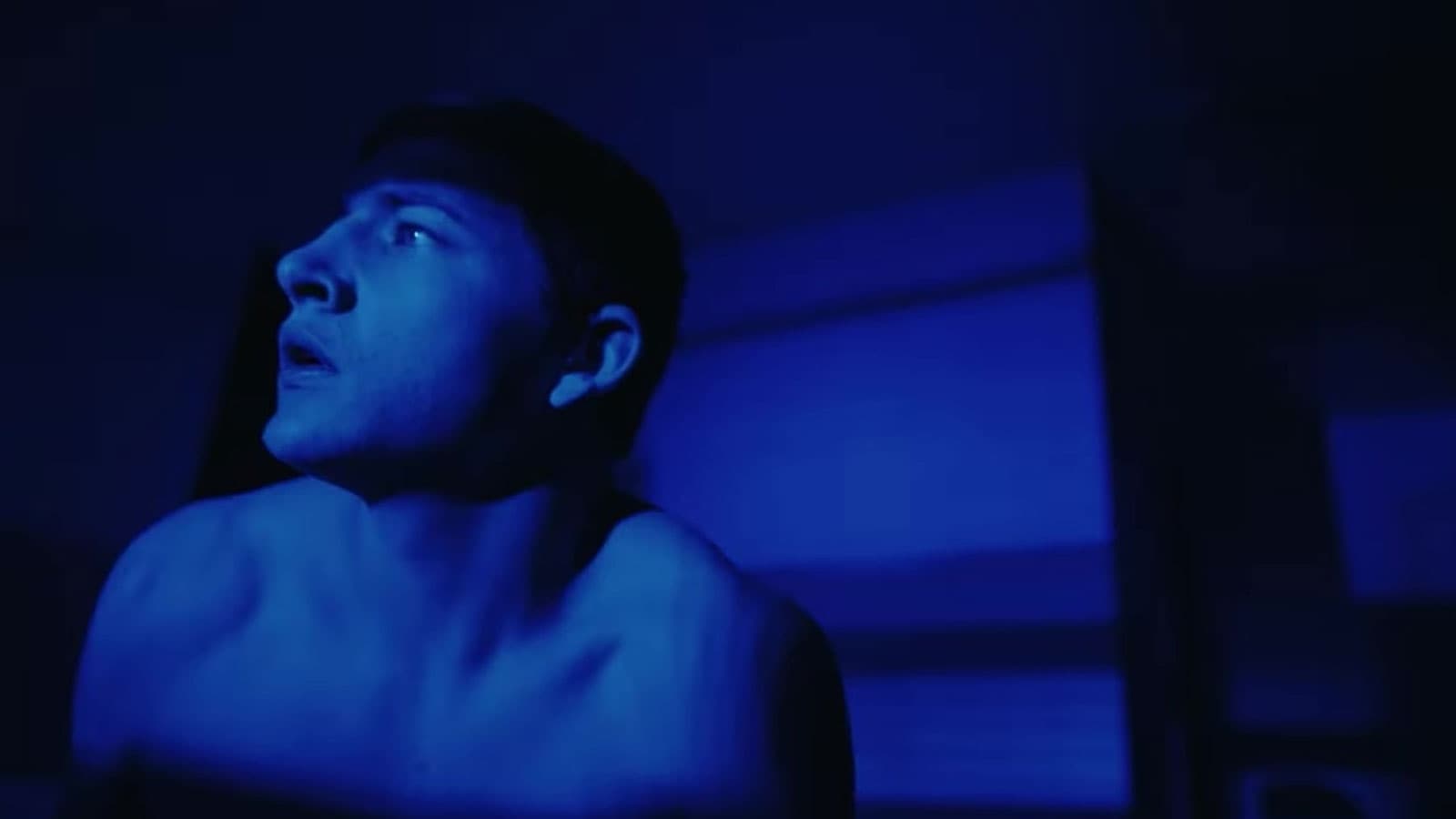
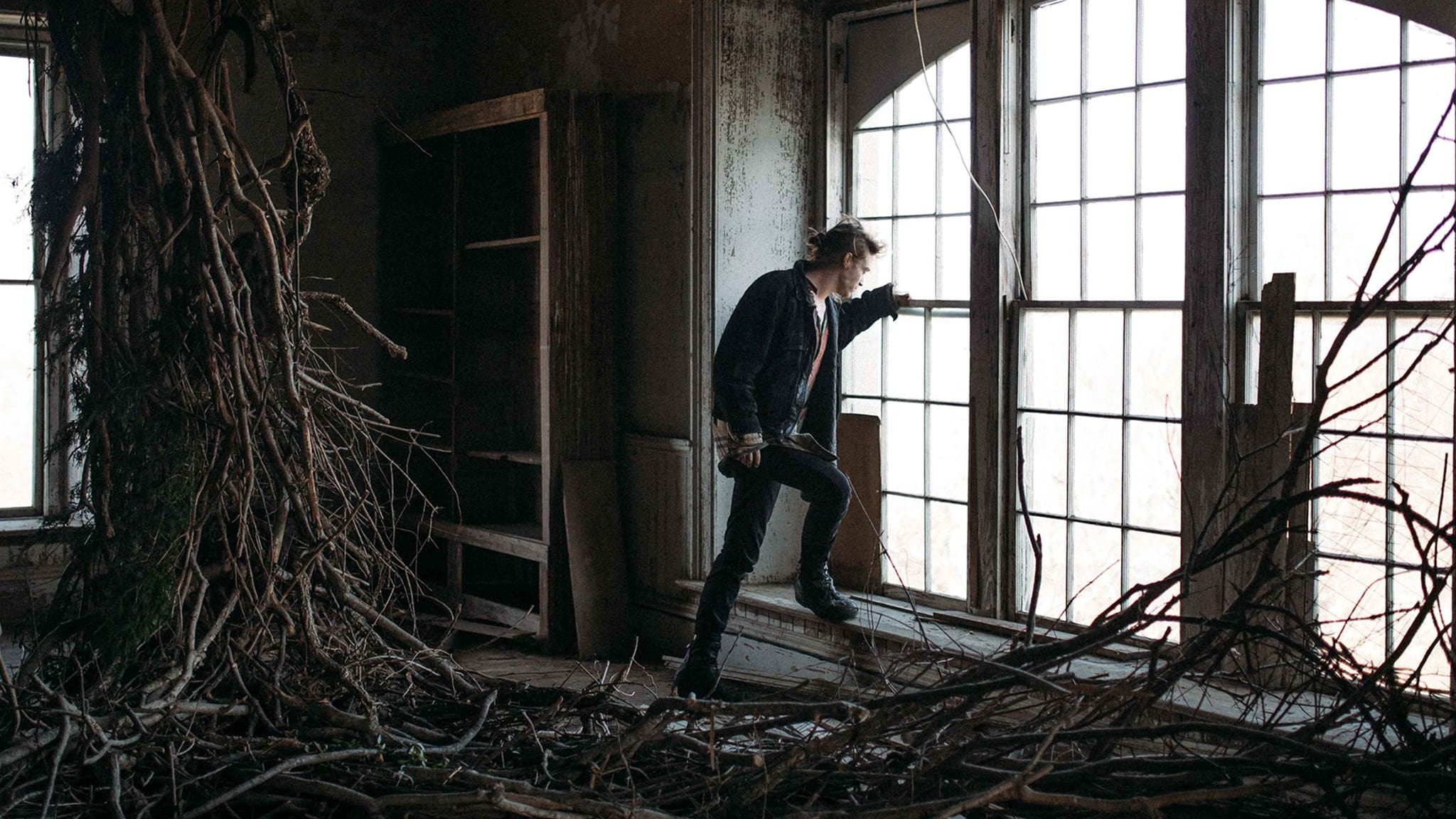
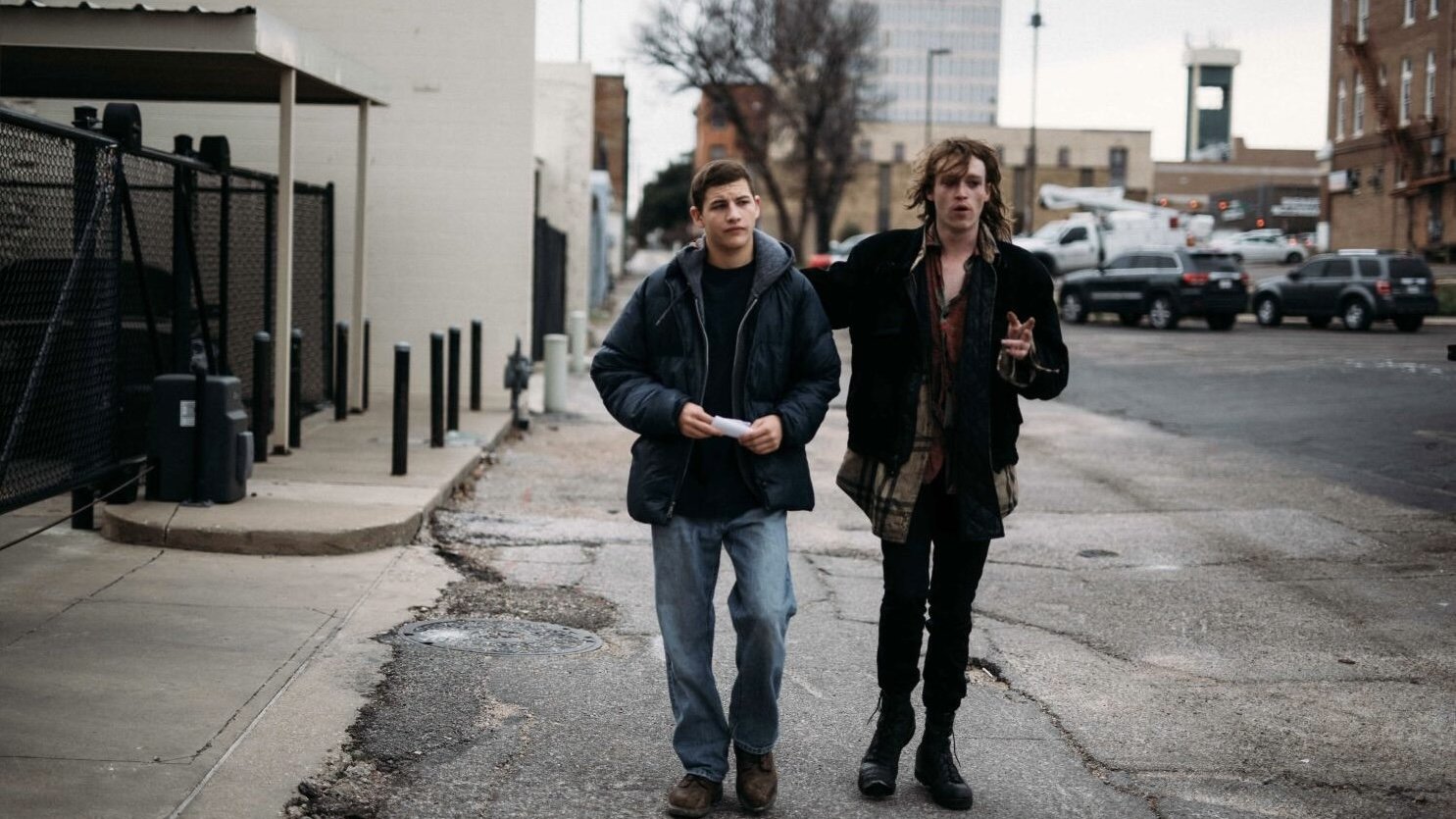


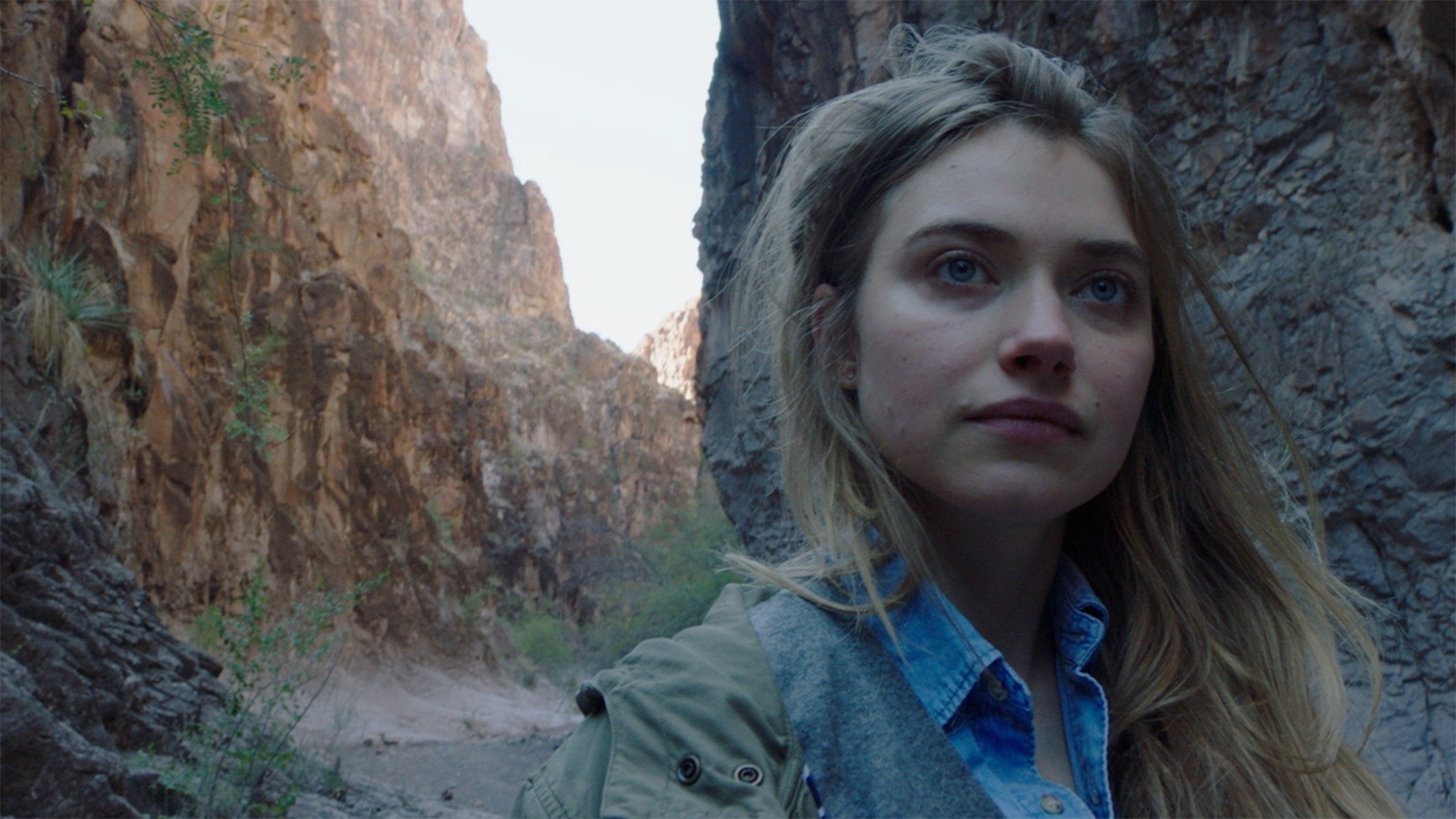

Fresh out of foster care at age 18, a young drifter turns to petty crime to survive, and discovers an impossible love in an unlikely friend.
Directed by A.J. Edwards
texas
murder
drifter
foster child
austin, texas
foster care

Trailer

IMDB
N/A
Where to Watch



Cast

Tye Sheridan
Richie

Imogen Poots
Joan
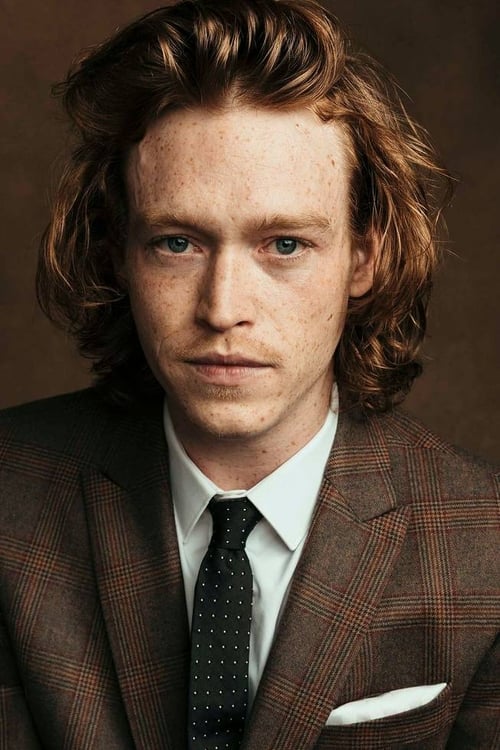
Caleb Landry Jones
Swim
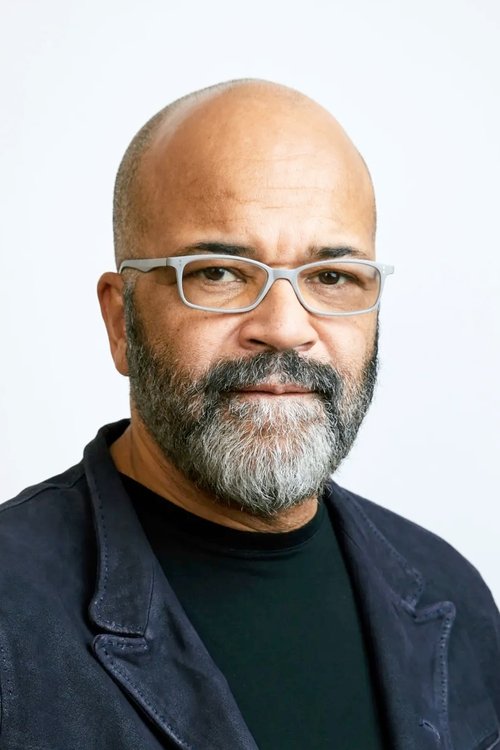
Jeffrey Wright
Detective Portnoy

Brett Butler
Ms. LaField
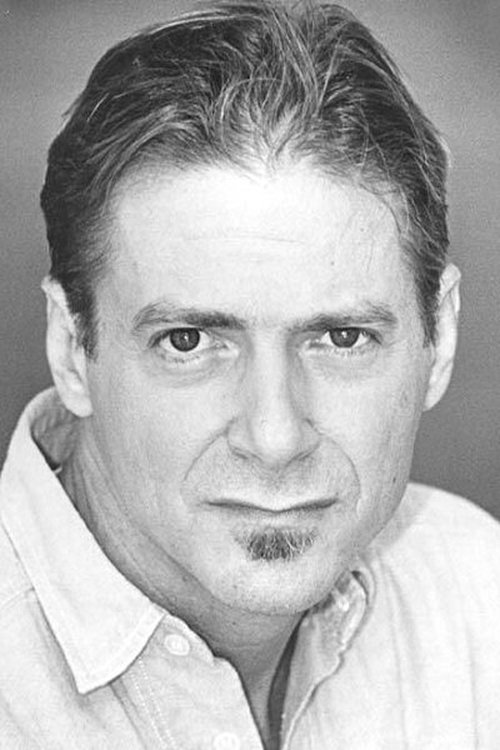
Joe Stevens
Walt
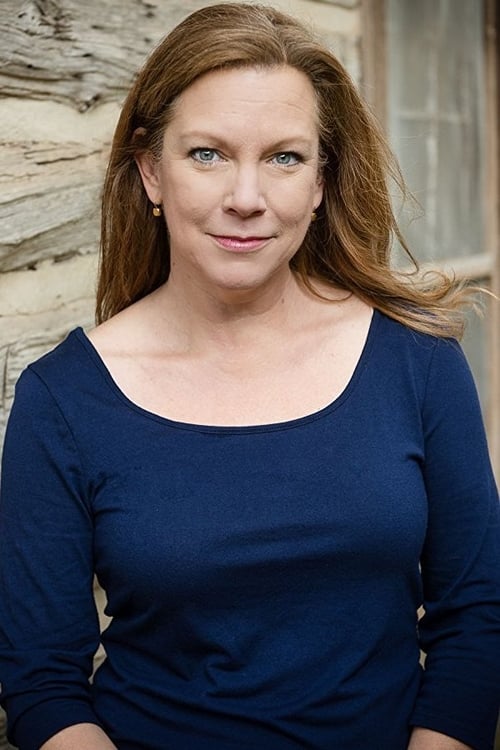
Peggy Schott
Dr. Jane Ross

Sharmita Bhattacharya
Latya
Crew

Colin Stetson
Original Music Composer
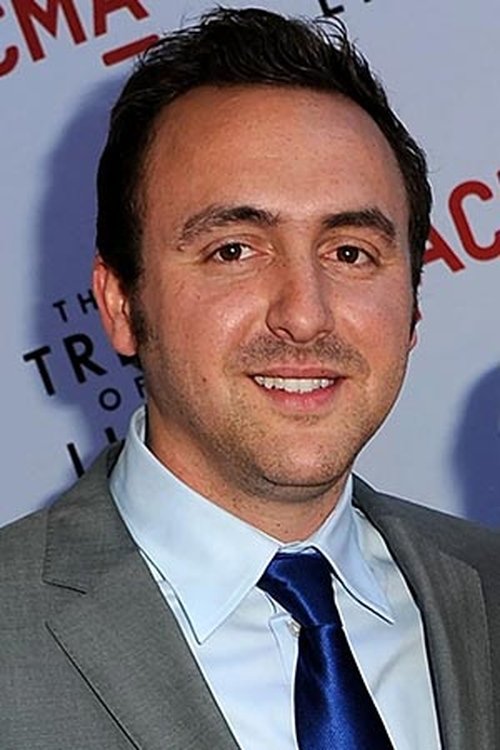
Nicolas Gonda
Producer

Jon Wroblewski
Co-Producer
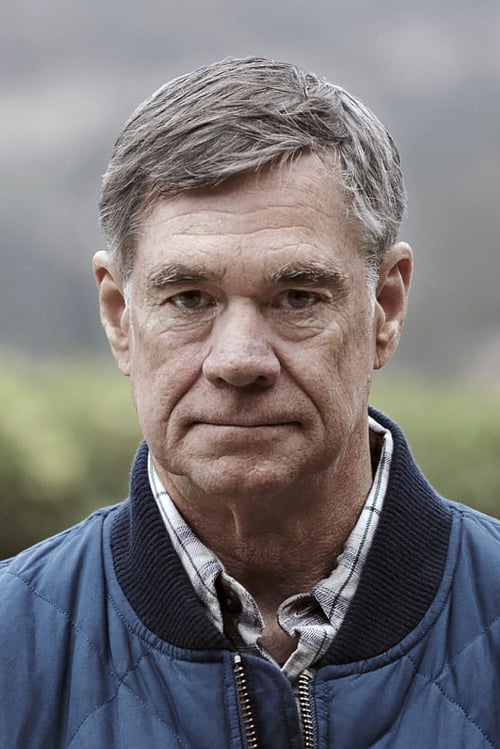
Gus Van Sant
Executive Producer
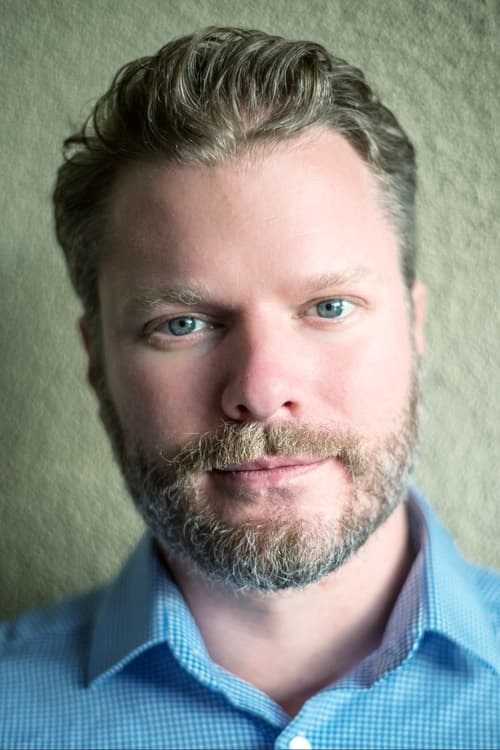
Jaytyler Ferretti
Second Assistant Director
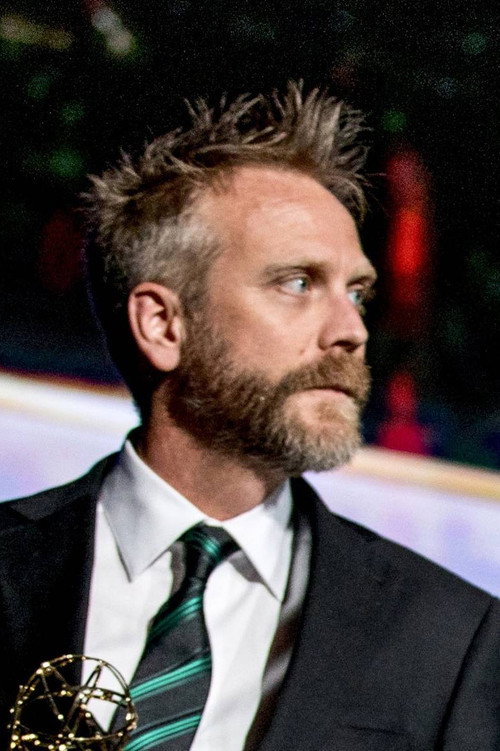
Brad Engleking
Sound Mixer

Matthew Albrecht
Production Manager
Popular Reviews
17 reviews
Sali
4.0★ · 04/07/26
Caleb just post ur pussy already
Caleb just post ur pussy already


Rainey
7.0★ · 12/03/25
no. 1 rule of dating: don’t kill the girl you likes mom 🙄
no. 1 rule of dating: don’t kill the girl you likes mom 🙄
keroppi
5.0★ · 11/07/25
mi sono piaciute un sacco le inquadrature e il modo di narrare la storia, ma alcune cose non sono molto chiare a primo impatto. il pov fatto come se si stesse registrando tutto sul momento l’ho trovato estremamente immersivo, però non si capisce che fine fa Swim dopo la rapina al motel o perché Joan inizia ad odiarlo senza dirne il motivo o perché appare una ragazza senza nome a un certo punto.
probabilmente per colmare quei buchi di trama serve fare un rewatch prestando più attenzione.
probabilmente per colmare quei buchi di trama serve fare un rewatch prestando più attenzione.
mi sono piaciute un sacco le inquadrature e il modo di narrare la storia, ma alcune cose non sono molto chiare a primo impatto. il pov fatto come se si stesse registrando tutto sul momento l’ho trovato estremamente immersivo, però non si capisce che fine fa Swim dopo la rapina al motel o perché Joan inizia ad odiarlo senza dirne il motivo o perché appare una ragazza senza nome a un certo punto.
probabilmente per colmare quei buchi di trama serve fare un rewatch prestando più attenzione.
probabilmente per colmare quei buchi di trama serve fare un rewatch prestando più attenzione.
Tearna Camber
7.0★ · 05/17/25
THE SWITCH OF ASPECT RATIOS YUHHHHPPPPPPP
THE SWITCH OF ASPECT RATIOS YUHHHHPPPPPPP
Shari
7.0★ · 06/20/24
Age Out feels like a college student film project but in the best way. It’s messy and kind of all over the place, but that’s what made it interesting.
The story jumps around a lot, but that gives it a real, raw vibe. The handheld camera work and natural lighting make it feel like you’re right there with Richie, living his struggles. It’s not polished, but it’s full of genuine emotion.
The change of the aspect ratio meant a lot to me. When the screen gets wider or narrower, that really makes certain scenes hit harder. When the screen narrows, it feels like Richie’s world is closing in on him. There’s a scene where Richie is feeling trapped and overwhelmed by his circumstances. During a moment where he's struggling to find a job and facing rejection, the screen narrows, heightening the sense of confinement and pressure he’s experiencing.
When it widens, it gives a sense of freedom or relief. It’s a small detail, but it adds a lot to how you experience the film. A particular scene where Richie is with Joan. As they spend time together, the screen widens. The change indicates the sense of intimacy and emotional openness between them. You sort of feel the warmth and possibility in their relationship, providing a contrast to Richie’s usual feelings of isolation.
Even though Richie makes some poor decisions, there's a moment of redemption that stands out [unlike in Paris, Texas]. After committing the crime and even trying to run away from it, Richie ultimately decides to confess and turn himself in to the police. This act of taking responsibility for his actions, despite knowing the consequences and having to face Joan, adds depth to his character. It shows a maturity and sense of accountability that’s admirable [UNLIKE PARIS, TEXAS], even in the face of his mistakes. This decision to come clean and accept the punishment makes me able empathize with Richie, highlighting his struggle to do the right thing in a life filled with wrong turns and unfortunately events.
The story jumps around a lot, but that gives it a real, raw vibe. The handheld camera work and natural lighting make it feel like you’re right there with Richie, living his struggles. It’s not polished, but it’s full of genuine emotion.
The change of the aspect ratio meant a lot to me. When the screen gets wider or narrower, that really makes certain scenes hit harder. When the screen narrows, it feels like Richie’s world is closing in on him. There’s a scene where Richie is feeling trapped and overwhelmed by his circumstances. During a moment where he's struggling to find a job and facing rejection, the screen narrows, heightening the sense of confinement and pressure he’s experiencing.
When it widens, it gives a sense of freedom or relief. It’s a small detail, but it adds a lot to how you experience the film. A particular scene where Richie is with Joan. As they spend time together, the screen widens. The change indicates the sense of intimacy and emotional openness between them. You sort of feel the warmth and possibility in their relationship, providing a contrast to Richie’s usual feelings of isolation.
Even though Richie makes some poor decisions, there's a moment of redemption that stands out [unlike in Paris, Texas]. After committing the crime and even trying to run away from it, Richie ultimately decides to confess and turn himself in to the police. This act of taking responsibility for his actions, despite knowing the consequences and having to face Joan, adds depth to his character. It shows a maturity and sense of accountability that’s admirable [UNLIKE PARIS, TEXAS], even in the face of his mistakes. This decision to come clean and accept the punishment makes me able empathize with Richie, highlighting his struggle to do the right thing in a life filled with wrong turns and unfortunately events.
Age Out feels like a college student film project but in the best way. It’s messy and kind of all over the place, but that’s what made it interesting.
The story jumps around a lot, but that gives it a real, raw vibe. The handheld camera work and natural lighting make it feel like you’re right there with Richie, living his struggles. It’s not polished, but it’s full of genuine emotion.
The change of the aspect ratio meant a lot to me. When the screen gets wider or narrower, that really makes certain scenes hit harder. When the screen narrows, it feels like Richie’s world is closing in on him. There’s a scene where Richie is feeling trapped and overwhelmed by his circumstances. During a moment where he's struggling to find a job and facing rejection, the screen narrows, heightening the sense of confinement and pressure he’s experiencing.
When it widens, it gives a sense of freedom or relief. It’s a small detail, but it adds a lot to how you experience the film. A particular scene where Richie is with Joan. As they spend time together, the screen widens. The change indicates the sense of intimacy and emotional openness between them. You sort of feel the warmth and possibility in their relationship, providing a contrast to Richie’s usual feelings of isolation.
Even though Richie makes some poor decisions, there's a moment of redemption that stands out [unlike in Paris, Texas]. After committing the crime and even trying to run away from it, Richie ultimately decides to confess and turn himself in to the police. This act of taking responsibility for his actions, despite knowing the consequences and having to face Joan, adds depth to his character. It shows a maturity and sense of accountability that’s admirable [UNLIKE PARIS, TEXAS], even in the face of his mistakes. This decision to come clean and accept the punishment makes me able empathize with Richie, highlighting his struggle to do the right thing in a life filled with wrong turns and unfortunately events.
The story jumps around a lot, but that gives it a real, raw vibe. The handheld camera work and natural lighting make it feel like you’re right there with Richie, living his struggles. It’s not polished, but it’s full of genuine emotion.
The change of the aspect ratio meant a lot to me. When the screen gets wider or narrower, that really makes certain scenes hit harder. When the screen narrows, it feels like Richie’s world is closing in on him. There’s a scene where Richie is feeling trapped and overwhelmed by his circumstances. During a moment where he's struggling to find a job and facing rejection, the screen narrows, heightening the sense of confinement and pressure he’s experiencing.
When it widens, it gives a sense of freedom or relief. It’s a small detail, but it adds a lot to how you experience the film. A particular scene where Richie is with Joan. As they spend time together, the screen widens. The change indicates the sense of intimacy and emotional openness between them. You sort of feel the warmth and possibility in their relationship, providing a contrast to Richie’s usual feelings of isolation.
Even though Richie makes some poor decisions, there's a moment of redemption that stands out [unlike in Paris, Texas]. After committing the crime and even trying to run away from it, Richie ultimately decides to confess and turn himself in to the police. This act of taking responsibility for his actions, despite knowing the consequences and having to face Joan, adds depth to his character. It shows a maturity and sense of accountability that’s admirable [UNLIKE PARIS, TEXAS], even in the face of his mistakes. This decision to come clean and accept the punishment makes me able empathize with Richie, highlighting his struggle to do the right thing in a life filled with wrong turns and unfortunately events.