
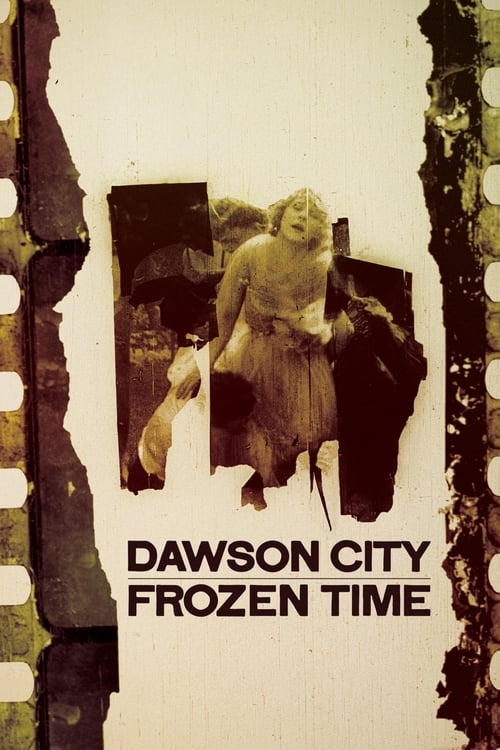
Dawson City: Frozen Time
2017·Documentary·2h
7.0
★

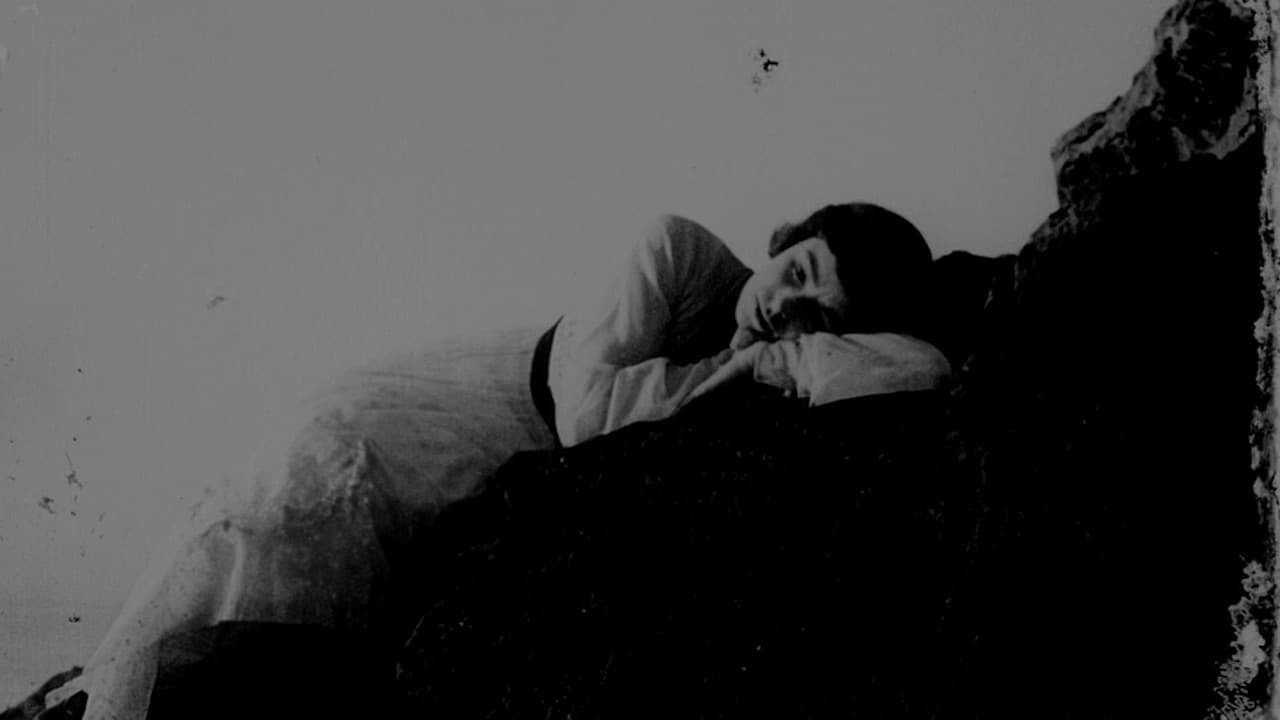
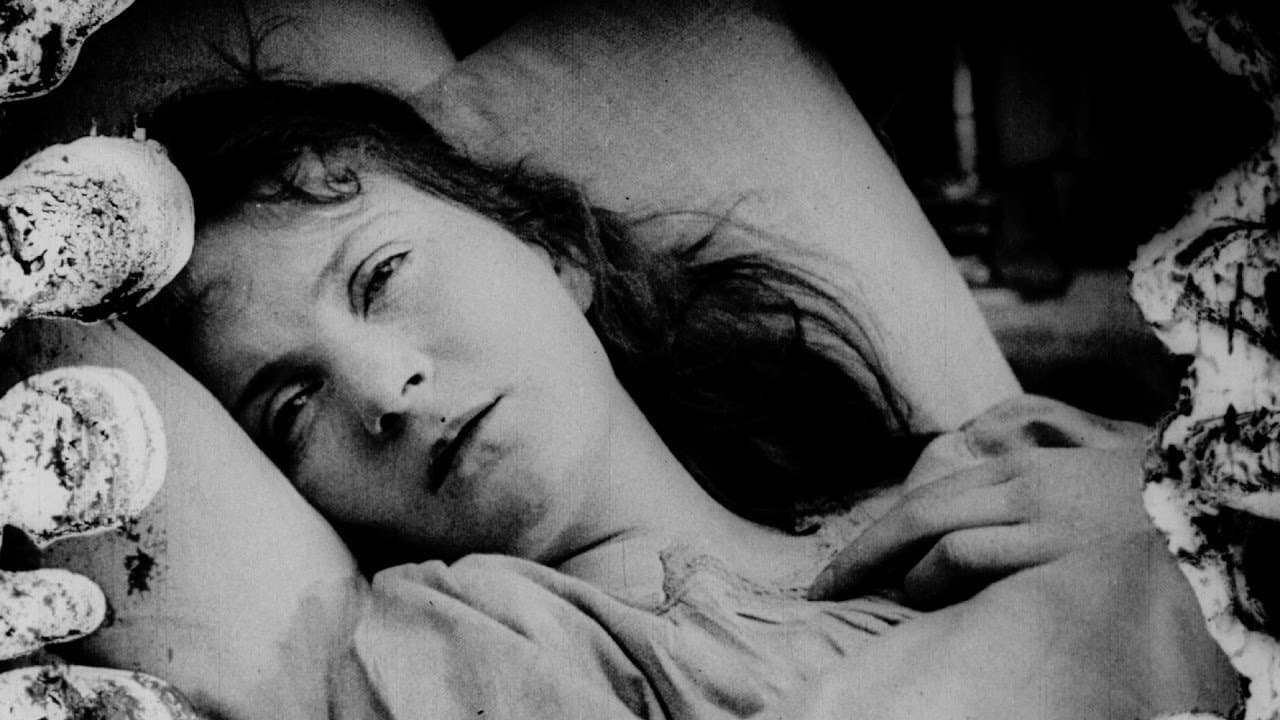
The true history of a collection of some 500 films dating from 1910s to 1920s, which were lost for over 50 years until being discovered buried in a sub-arctic swimming pool deep in the Yukon Territory, in Dawson City, located about 350 miles south of the Arctic Circle.
Directed by Bill Morrison
canada
found footage
yukon, canada

Trailer

IMDB
N/A
Where to Watch



Cast

Chris 'Mad Dog' Russo
Himself
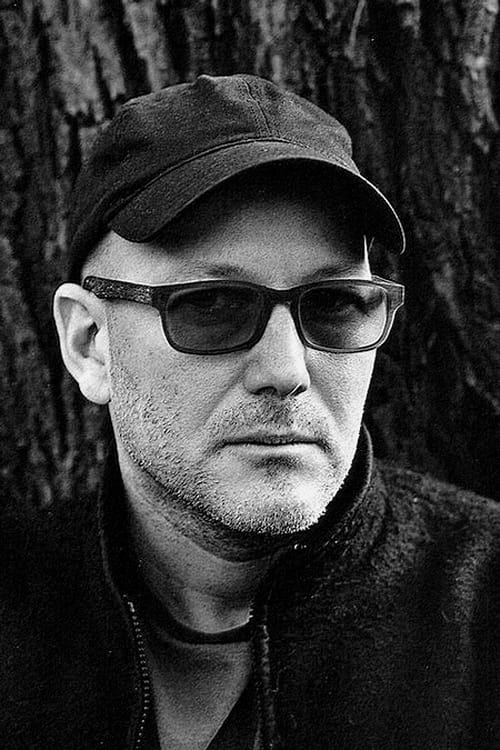
Bill Morrison
Himself
Crew
Bill Morrison
Director
Bill Morrison
Writer

Alex Somers
Original Music Composer
Bill Morrison
Editor

Madeleine Molyneaux
Producer
Bill Morrison
Producer
Alex Somers
Sound Re-Recording Mixer

Galen Johnson
Title Designer
Popular Reviews
19 reviews
rae
8.0★ · 08/21/25
wow i can’t believe hockey saved cinema
wow i can’t believe hockey saved cinema


Marco
8.0★ · 10/27/24
Todas las películas de THE MUBI TOP 1000:
“1000” películas
Me pareció una increíble manera de empezar esto porque es una película acerca de decenas de películas perdidas es hipnotizante con su música, cuenta enseña la historia de un pequeño pueblo desde que buscaban oro en ríos hasta que tuvieron cines, un poco aburrida pero te da una experiencia única de ver como se vivía la grabación de video y películas en esa época de primera mano.
27/10/2024
“1000” películas
Me pareció una increíble manera de empezar esto porque es una película acerca de decenas de películas perdidas es hipnotizante con su música, cuenta enseña la historia de un pequeño pueblo desde que buscaban oro en ríos hasta que tuvieron cines, un poco aburrida pero te da una experiencia única de ver como se vivía la grabación de video y películas en esa época de primera mano.
27/10/2024
Todas las películas de THE MUBI TOP 1000:
“1000” películas
Me pareció una increíble manera de empezar esto porque es una película acerca de decenas de películas perdidas es hipnotizante con su música, cuenta enseña la historia de un pequeño pueblo desde que buscaban oro en ríos hasta que tuvieron cines, un poco aburrida pero te da una experiencia única de ver como se vivía la grabación de video y películas en esa época de primera mano.
27/10/2024
“1000” películas
Me pareció una increíble manera de empezar esto porque es una película acerca de decenas de películas perdidas es hipnotizante con su música, cuenta enseña la historia de un pequeño pueblo desde que buscaban oro en ríos hasta que tuvieron cines, un poco aburrida pero te da una experiencia única de ver como se vivía la grabación de video y películas en esa época de primera mano.
27/10/2024
Jacob Dickens
6.6★ · 08/01/24
A touch frustrating in that there are threads here that are so deeply fascinating to me as someone invested in film history and preservation but they're buried amongst historical noise that I think could have been so easily streamlined. I'm most familiar with Morrison's more tone-based works like Decasia which present eroded film strips in an unvarnished manner to create an offputting look at our cultural memory vanishing before our eyes. Often paired with a droning score, these films really do viscerally stir me, but in Dawson City Morrison seems willing to try directing something more traditional in its exploration of one Canadian town's history from the Gold Rush to a sort of endpoint in early film distribution to its eventual uncovering of thousands of nitrate film strips decades later. There is no narration in this film and very little audio aside from an ambient soundtrack, sound effects, and the one talking head very briefly scattered in the beginning and end. As a result, much of the information in this film is presented in short sentences which I felt myself growing a bit tired of in such a long runtime. More than once throughout this film I felt like I wasn't watching a documentary and I was instead watching a video you would sit at in a museum playing in a dark room. This isn't to the film's detriment per se but it's also not to its benefit. Much of the first hour is spent elaborating on Dawson's economic beginnings, the various entrepreneurs who crossed through its borders, and its eventual settling by those not caught up in the Gold Rush enough to move away the moment word spreads of a more fertile area. The second half starts to feel more like I had expected/wanted from this as we are shown the very films pulled from the grounds of Dawson City in the late 1970s which vary from mostly legible to completely succumbed to all manner of decay. There's a few narrative themes Morrison returns to throughout this that I found intellectually very stimulating: an overview of nitrate film and its volatility, a mirroring of the decay of Dawson City with the films buried under its soil, and the fragility of both our cinematic memories and the spaces we hold so dear to our hearts. But watching Dawson City in the moment at times feels like an exercise, like watching a dozen scattered thoughts litter the screen paired with eye-catching images and a hypnotic score but never feeling like it knows what it's doing in the moment. I feel like much of this can be chalked up to my own attention span, but I just really feel like a story like this needs to be told with a bit more fire in its engine. Morrison charts this discovery with an icy distance which is helpful for objective understandings but we so rarely feel the voice of someone passionate for this medium behind the camera. It's very ethereal, it's at times haunting, and I think as a whole work the good parts stand out so much more but sitting down and watching all two hours of this felt a touch exhausting.
A touch frustrating in that there are threads here that are so deeply fascinating to me as someone invested in film history and preservation but they're buried amongst historical noise that I think could have been so easily streamlined. I'm most familiar with Morrison's more tone-based works like Decasia which present eroded film strips in an unvarnished manner to create an offputting look at our cultural memory vanishing before our eyes. Often paired with a droning score, these films really do viscerally stir me, but in Dawson City Morrison seems willing to try directing something more traditional in its exploration of one Canadian town's history from the Gold Rush to a sort of endpoint in early film distribution to its eventual uncovering of thousands of nitrate film strips decades later. There is no narration in this film and very little audio aside from an ambient soundtrack, sound effects, and the one talking head very briefly scattered in the beginning and end. As a result, much of the information in this film is presented in short sentences which I felt myself growing a bit tired of in such a long runtime. More than once throughout this film I felt like I wasn't watching a documentary and I was instead watching a video you would sit at in a museum playing in a dark room. This isn't to the film's detriment per se but it's also not to its benefit. Much of the first hour is spent elaborating on Dawson's economic beginnings, the various entrepreneurs who crossed through its borders, and its eventual settling by those not caught up in the Gold Rush enough to move away the moment word spreads of a more fertile area. The second half starts to feel more like I had expected/wanted from this as we are shown the very films pulled from the grounds of Dawson City in the late 1970s which vary from mostly legible to completely succumbed to all manner of decay. There's a few narrative themes Morrison returns to throughout this that I found intellectually very stimulating: an overview of nitrate film and its volatility, a mirroring of the decay of Dawson City with the films buried under its soil, and the fragility of both our cinematic memories and the spaces we hold so dear to our hearts. But watching Dawson City in the moment at times feels like an exercise, like watching a dozen scattered thoughts litter the screen paired with eye-catching images and a hypnotic score but never feeling like it knows what it's doing in the moment. I feel like much of this can be chalked up to my own attention span, but I just really feel like a story like this needs to be told with a bit more fire in its engine. Morrison charts this discovery with an icy distance which is helpful for objective understandings but we so rarely feel the voice of someone passionate for this medium behind the camera. It's very ethereal, it's at times haunting, and I think as a whole work the good parts stand out so much more but sitting down and watching all two hours of this felt a touch exhausting.
krisPRO
3.0★ · 04/04/23
ingest caffeine before watching
ingest caffeine before watching
Erik Olsson
8.0★ · 04/23/22
A very unusual documentary, but strangely captivating with its dreamy nature of the haunting score paired with the ghostly images from over a century ago flickering on screen.
A very unusual documentary, but strangely captivating with its dreamy nature of the haunting score paired with the ghostly images from over a century ago flickering on screen.