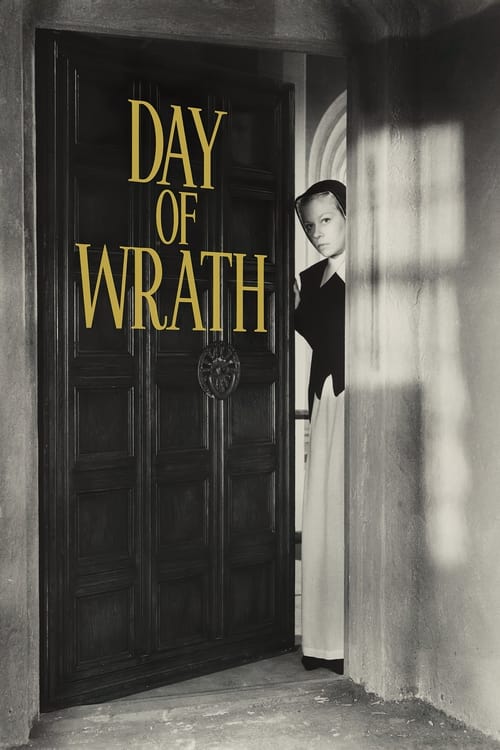
Produced during the Nazi occupation in Denmark, this film is one of those rare births of an austere and somber reflection on the mechanisms of institutionalized fear, religious guilt, and the destruction of the feminine by structures of power. Released in 1943, the same year the Nazis began their open persecution of Danish Jews, the narrative is set in the 17th century — during the witch trials — which brings a certain painful resonance. The analogy between the burning of witches and the horrors of the Holocaust is not only plausible in my view, but it also imposes itself with symbolic significance.
And yet, Dreyer denied that his film was a direct allegory about the Nazis, perhaps just recognizing the autonomous power of art. There are moments when the work speaks more than its author — and in this case, it spoke with great strength to the Danish resistance movement, which saw in it a faithful mirror of its own reality. Like every truly great work, this film transcends the intention of its creator and acquires, over time, a far greater meaning.
Upon its release in Copenhagen, it was in fact, not well received. Many saw in its slowness nothing but boredom. But Dreyer later responded that It’s not the action that is slow, it’s the movement of the characters, which must be slow to create tension. And that is exactly what is accomplished here with great sophistication, a tension that silently corrupts. It's a work of subterranean rhythms, of invisible power, of glances loaded with meaning.
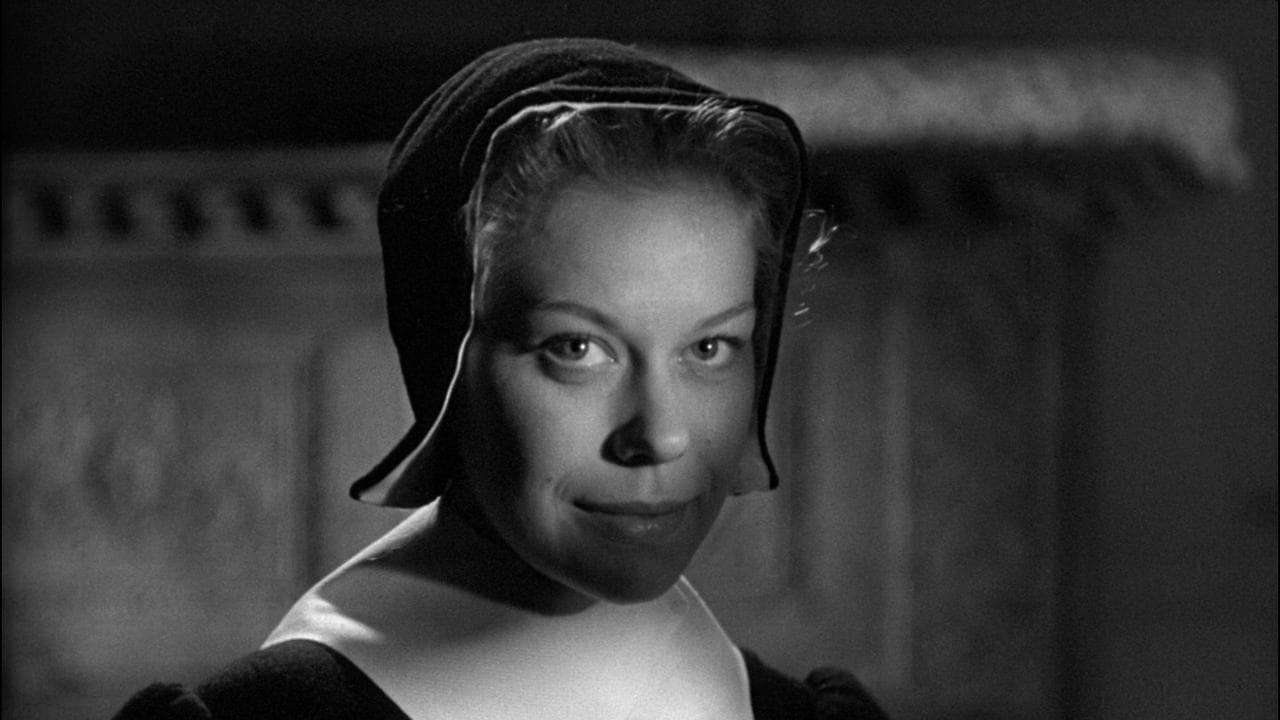
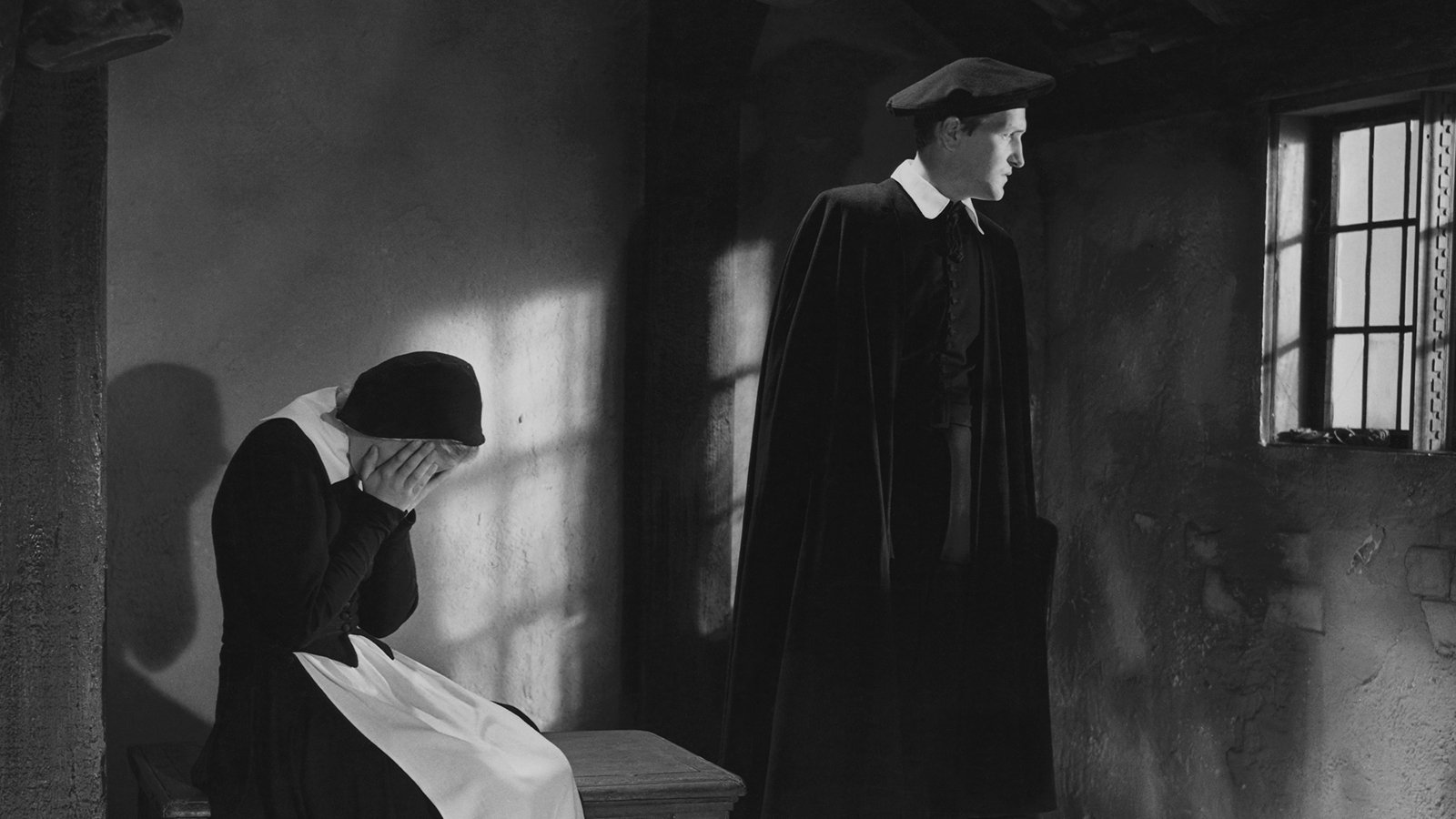
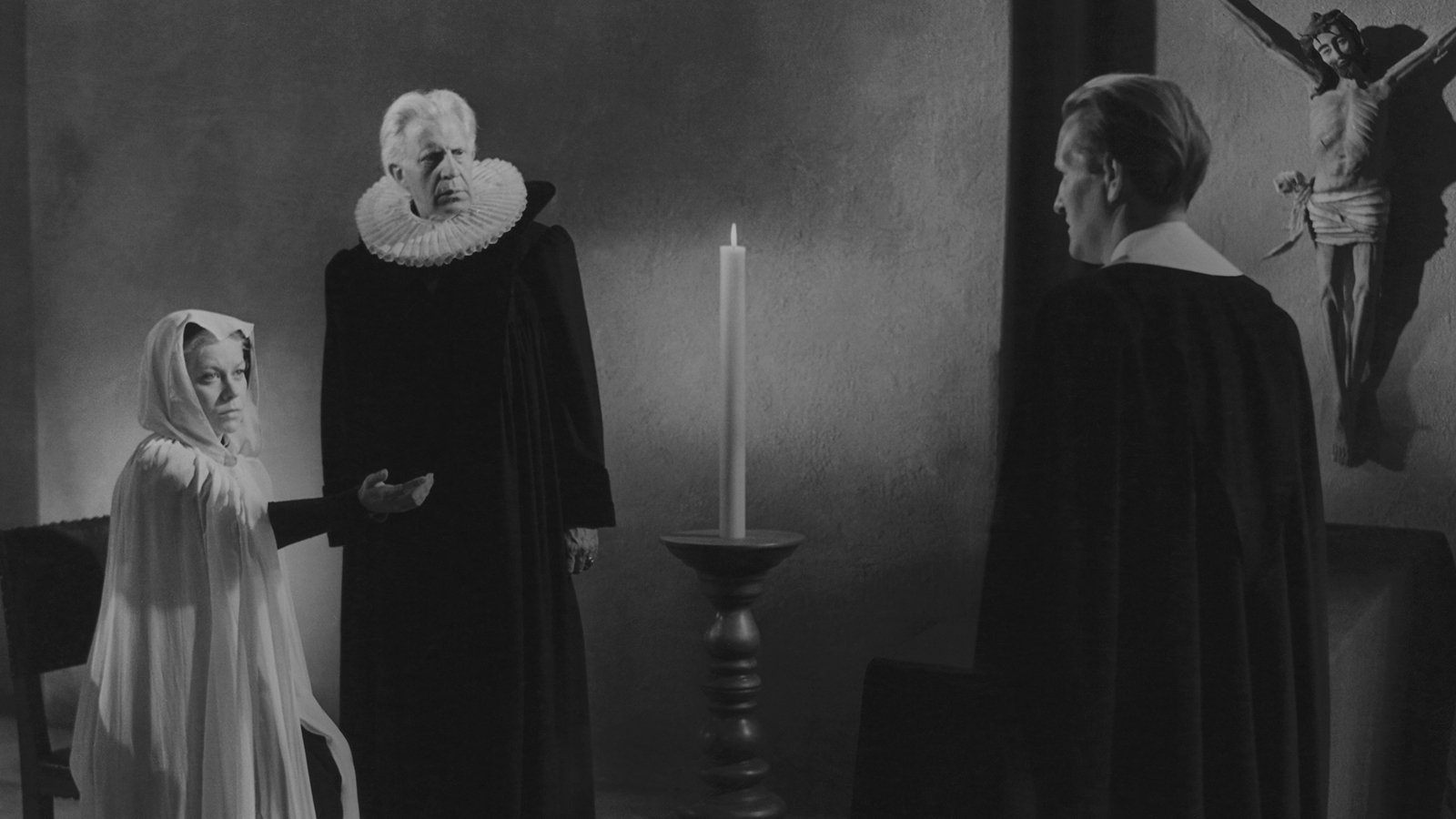
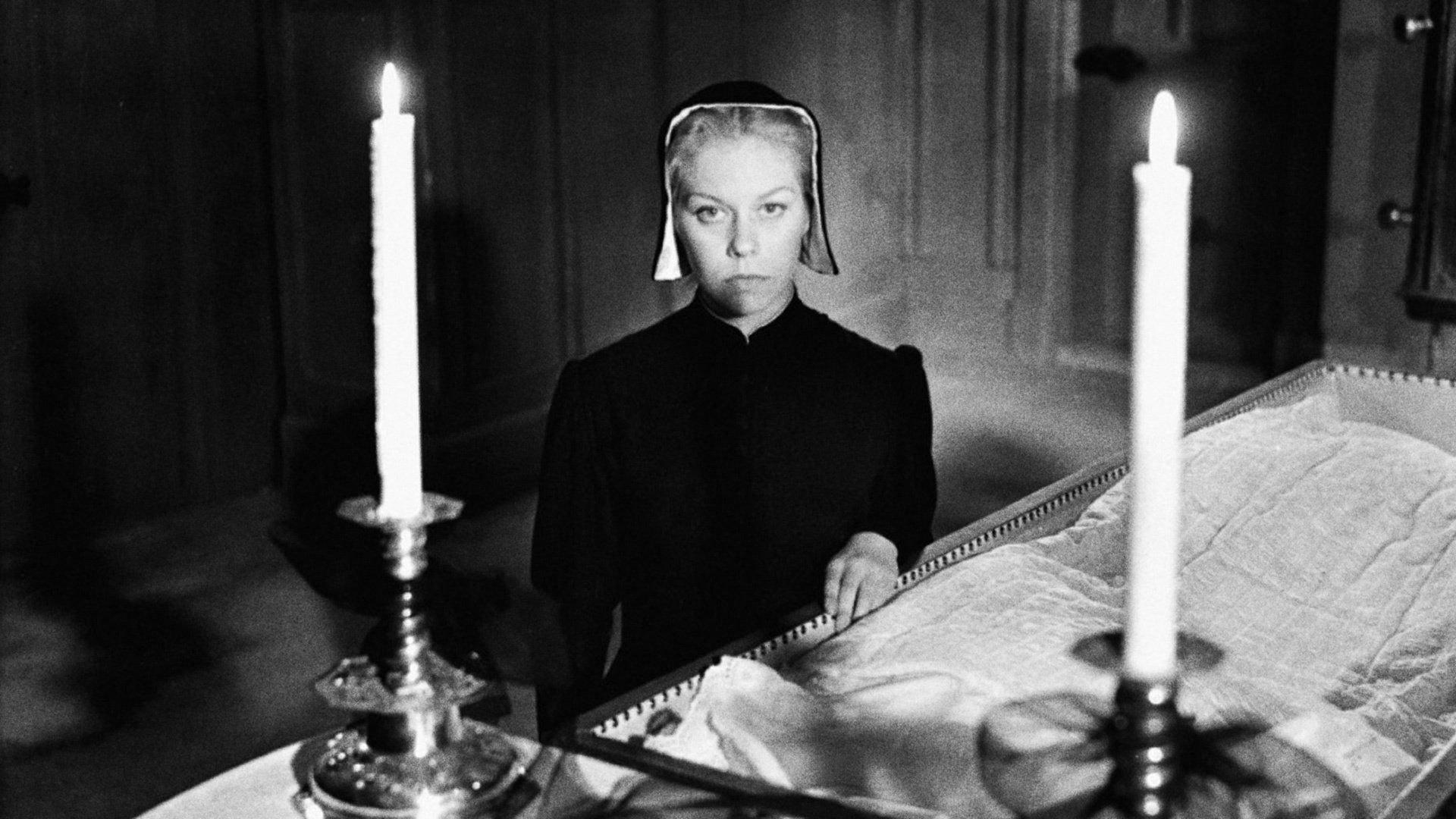
But enough of these facts — let me delve into the film itself. The story revolves around Anne, a young wife bound to an elderly Protestant minister. Her passion for Martin, the husband’s son, is born already condemned. Anne is a fusion of many things, pure and sinful, guilty and victim. She bears a cursed inheritance — the burden of a mother who supposedly also had the gift of witchcraft, and who, like her, dared to desire outside the limits set by religious morality. Anne is not just a transgressor, she is also an anachronistic existence, a modern figure exiled in a medieval world.
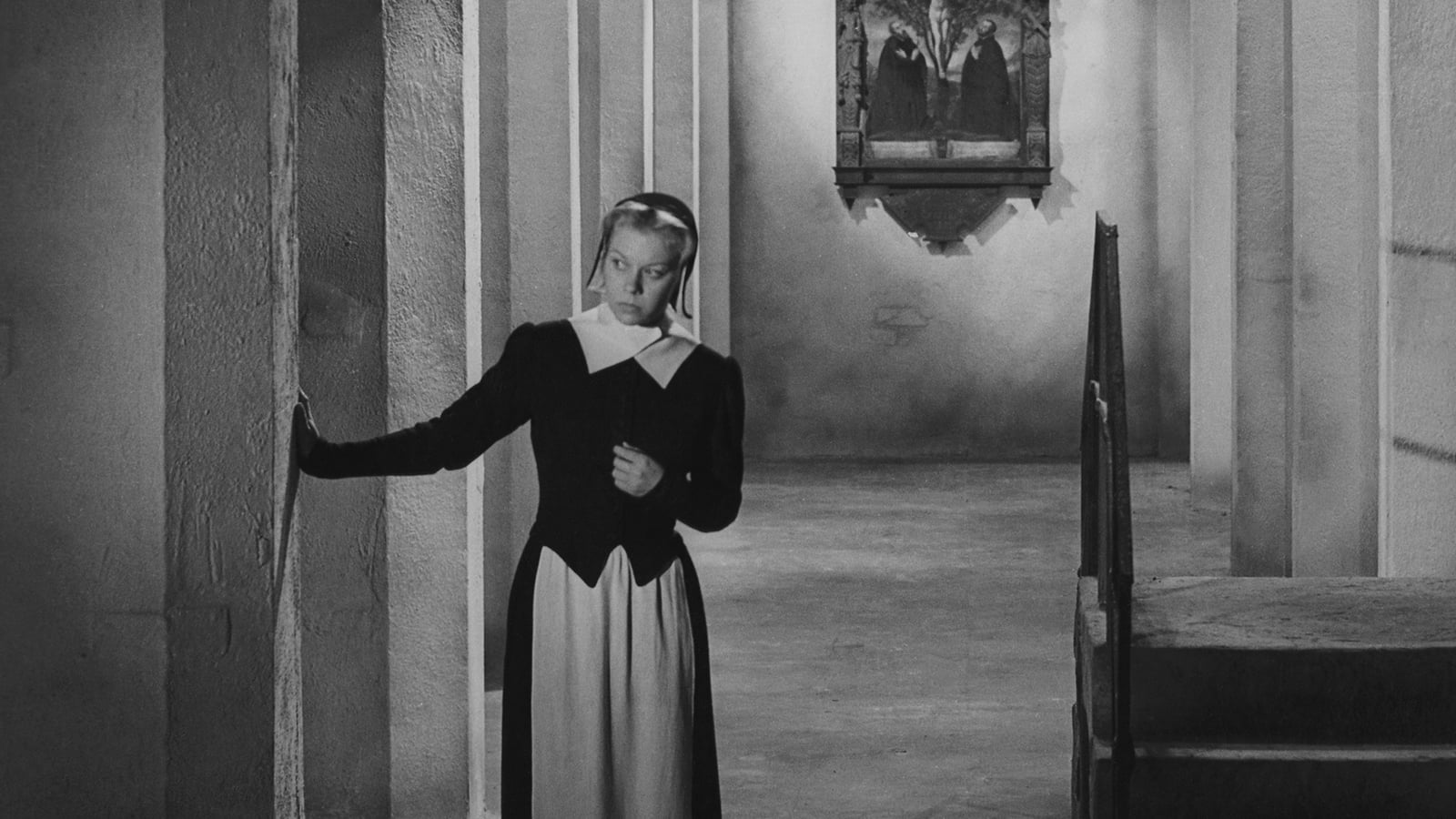
From the start, Anne is surrounded. The suffocating possessiveness of the husband’s mother is a foreshadowing of what is to come. There is no possible escape. The atmosphere is one of enclosure — thick walls, small windows, long silences. Even nature, which might otherwise offer refuge, appears shrouded, and light itself seems complicit in the suffering.
The trial of the “witch” Herlofs Marte is one of the most interesting sequences. The old woman, dragged like a human burden down the stairs, cries out with a voice of despair: “I am not afraid of heaven or hell. I am afraid of dying!” — and with that, she becomes undeniably human. Joan of Arc, another figure martyred by an inquisitorial church and also another of Dreyer’s inspirations, echoes strongly in this scene. The old woman screams, humiliates herself, tries to save herself — and this gesture of weakness does not diminish her, but brings her closer to us. Her end at the stake, seen through the window by Anne, is also a premonition, a mirror, a call from the future.
The children who sing hymns about God’s wrath are like little incarnations of dogma — innocent and, precisely because of that, terrifying. It's the world of purity that, contaminated by fanaticism, becomes monstrous. The love between Anne and Martin blossoms in this diseased world — and is therefore doomed to ruin. The sunlight that surrounds them in their brief encounters transforms into fog when Martin’s illusions shatter. Nature, complicit, withdraws its radiance.
Martin, who initially represents a possibility of life, ends as a decrepit figure, dominated by remorse, superstition, and cowardice. When Anne tells him, “No, everything is beginning,” it's a terrible affirmation. Because for her, the struggle begins now. Martin is already dead, like the minister who dies, like the mother who haunts the house with her frightening presence. The only true life is in the persecuted women: Anne and Herlofs Marte. They are the only ones who burn — in desire, in pain, in truth.
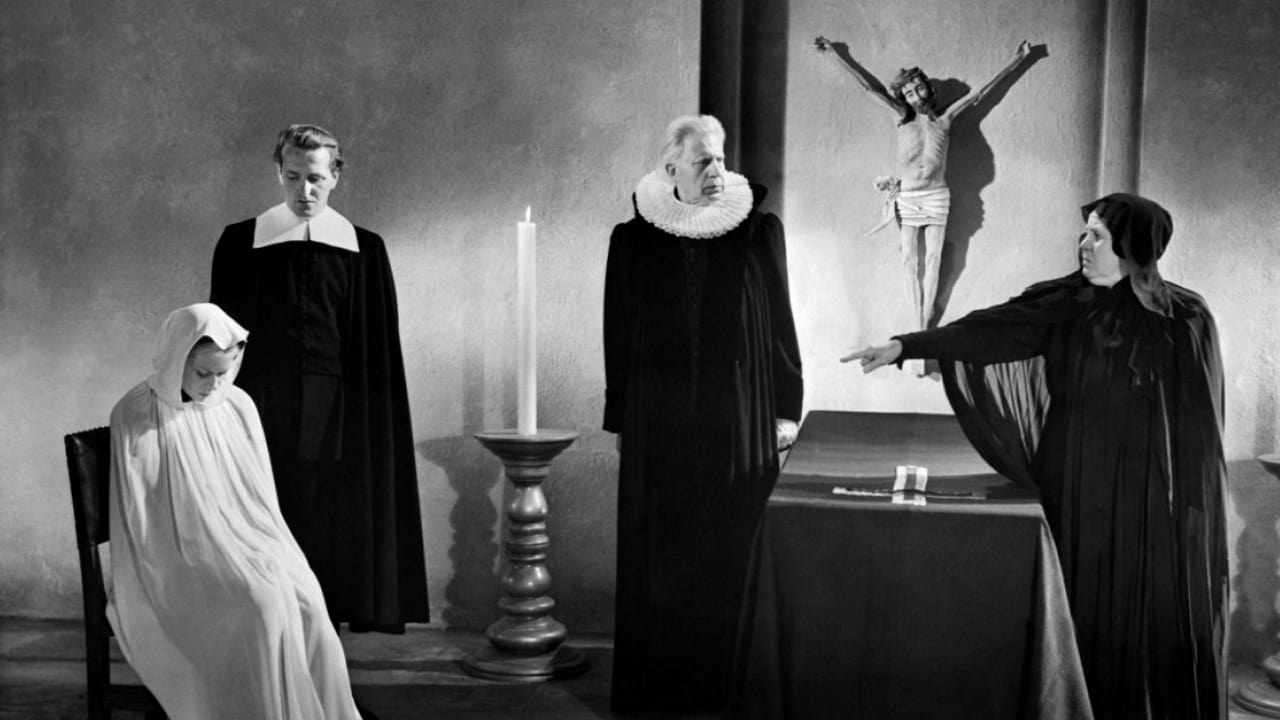
Anne’s final confession, made under pressure and in a desperate attempt to recover some power, is the climax of a process of destruction. Her speech is only the culmination of a trajectory marked by the denial of freedom and love. In this world, to tell the truth or to lie has the same effect: it leads to the stake.
Michel Foucault writes, “truth is of this world; it is produced by multiple forms of coercion.” And in this film, coercion is exercised in the name of religion, but serves fear, tradition, and the maintenance of power.
In the end, Anne was destroyed for being too human. And by filming her fall, Dreyer reveals that the true horror is not witchcraft — it's the world that must invent witchcraft to justify its own atrocities.
Dreyer captured his poetic vision before the war’s end, yet it already bore within it the premonition of unthinkable horror. This film is thus an elegy to those who are burned not for their guilt, but for daring to live outside the order imposed upon them.
Produced during the Nazi occupation in Denmark, this film is one of those rare births of an austere and somber reflection on the mechanisms of institutionalized fear, religious guilt, and the destruction of the feminine by structures of power. Released in 1943, the same year the Nazis began their open persecution of Danish Jews, the narrative is set in the 17th century — during the witch trials — which brings a certain painful resonance. The analogy between the burning of witches and the horrors of the Holocaust is not only plausible in my view, but it also imposes itself with symbolic significance.
And yet, Dreyer denied that his film was a direct allegory about the Nazis, perhaps just recognizing the autonomous power of art. There are moments when the work speaks more than its author — and in this case, it spoke with great strength to the Danish resistance movement, which saw in it a faithful mirror of its own reality. Like every truly great work, this film transcends the intention of its creator and acquires, over time, a far greater meaning.
Upon its release in Copenhagen, it was in fact, not well received. Many saw in its slowness nothing but boredom. But Dreyer later responded that It’s not the action that is slow, it’s the movement of the characters, which must be slow to create tension. And that is exactly what is accomplished here with great sophistication, a tension that silently corrupts. It's a work of subterranean rhythms, of invisible power, of glances loaded with meaning.
But enough of these facts — let me delve into the film itself. The story revolves around Anne, a young wife bound to an elderly Protestant minister. Her passion for Martin, the husband’s son, is born already condemned. Anne is a fusion of many things, pure and sinful, guilty and victim. She bears a cursed inheritance — the burden of a mother who supposedly also had the gift of witchcraft, and who, like her, dared to desire outside the limits set by religious morality. Anne is not just a transgressor, she is also an anachronistic existence, a modern figure exiled in a medieval world.
From the start, Anne is surrounded. The suffocating possessiveness of the husband’s mother is a foreshadowing of what is to come. There is no possible escape. The atmosphere is one of enclosure — thick walls, small windows, long silences. Even nature, which might otherwise offer refuge, appears shrouded, and light itself seems complicit in the suffering.
The trial of the “witch” Herlofs Marte is one of the most interesting sequences. The old woman, dragged like a human burden down the stairs, cries out with a voice of despair: “I am not afraid of heaven or hell. I am afraid of dying!” — and with that, she becomes undeniably human. Joan of Arc, another figure martyred by an inquisitorial church and also another of Dreyer’s inspirations, echoes strongly in this scene. The old woman screams, humiliates herself, tries to save herself — and this gesture of weakness does not diminish her, but brings her closer to us. Her end at the stake, seen through the window by Anne, is also a premonition, a mirror, a call from the future.
The children who sing hymns about God’s wrath are like little incarnations of dogma — innocent and, precisely because of that, terrifying. It's the world of purity that, contaminated by fanaticism, becomes monstrous. The love between Anne and Martin blossoms in this diseased world — and is therefore doomed to ruin. The sunlight that surrounds them in their brief encounters transforms into fog when Martin’s illusions shatter. Nature, complicit, withdraws its radiance.
Martin, who initially represents a possibility of life, ends as a decrepit figure, dominated by remorse, superstition, and cowardice. When Anne tells him, “No, everything is beginning,” it's a terrible affirmation. Because for her, the struggle begins now. Martin is already dead, like the minister who dies, like the mother who haunts the house with her frightening presence. The only true life is in the persecuted women: Anne and Herlofs Marte. They are the only ones who burn — in desire, in pain, in truth.
Anne’s final confession, made under pressure and in a desperate attempt to recover some power, is the climax of a process of destruction. Her speech is only the culmination of a trajectory marked by the denial of freedom and love. In this world, to tell the truth or to lie has the same effect: it leads to the stake.
Michel Foucault writes, “truth is of this world; it is produced by multiple forms of coercion.” And in this film, coercion is exercised in the name of religion, but serves fear, tradition, and the maintenance of power.
In the end, Anne was destroyed for being too human. And by filming her fall, Dreyer reveals that the true horror is not witchcraft — it's the world that must invent witchcraft to justify its own atrocities.
Dreyer captured his poetic vision before the war’s end, yet it already bore within it the premonition of unthinkable horror. This film is thus an elegy to those who are burned not for their guilt, but for daring to live outside the order imposed upon them.