What a fascinating documentary-slash-art piece-slash-masterclass in cinematic experimentation this is.
The mistakes H-G Clouzot made throughout the (incomplete) production of L'Enfer were massive and (mostly) avoidable, and yet this film makes a strong case that what he was trying to do, had he succeeded, would have profoundly affected how psychology in film would have been portrayed in everything moving forward. I don't think I'm overstating that.
The mid-60s were an era of huge experimentation in film. New technologies and the relaxation of the top-down studio system, both in Hollywood and in Europe, opened up avenues (and budgets) for filmmakers to try wild new ideas and concepts. For those who had it in them to take big swings -- Fellini, Tati, Visconti, and dozens of smaller filmmakers with equally huge artistic ambitions, if fewer resources -- it was time to really go for it, and I respect the hell out of Henri-Georges Clouzot to take the blank check he received to make this film, and stretch it as far as he could, until it broke him.
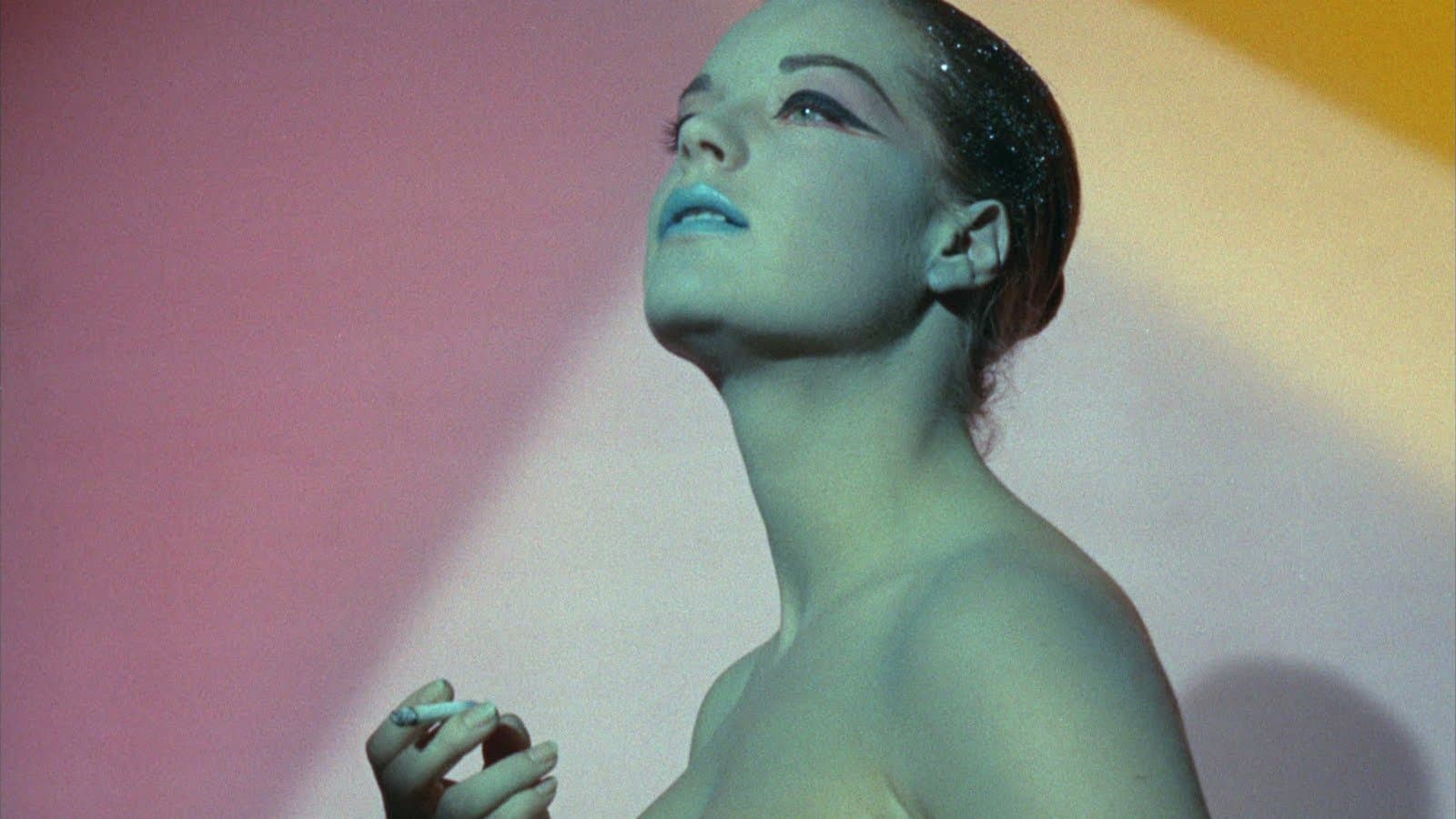
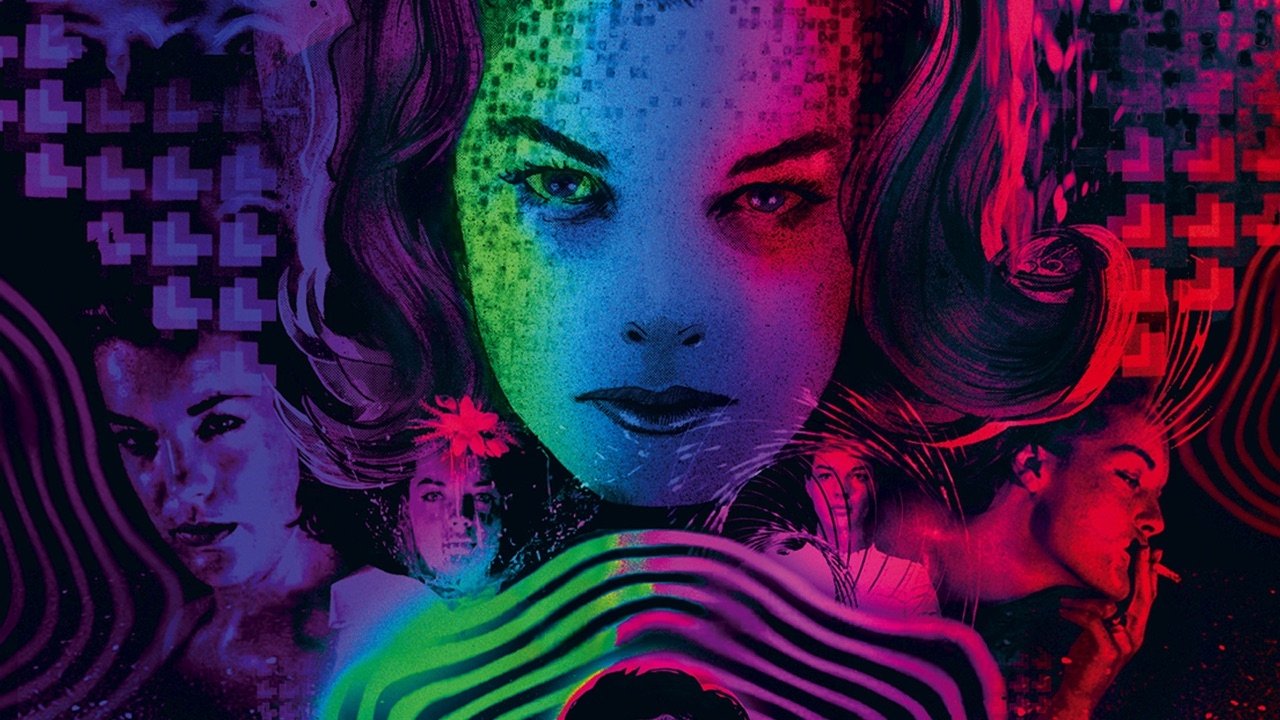
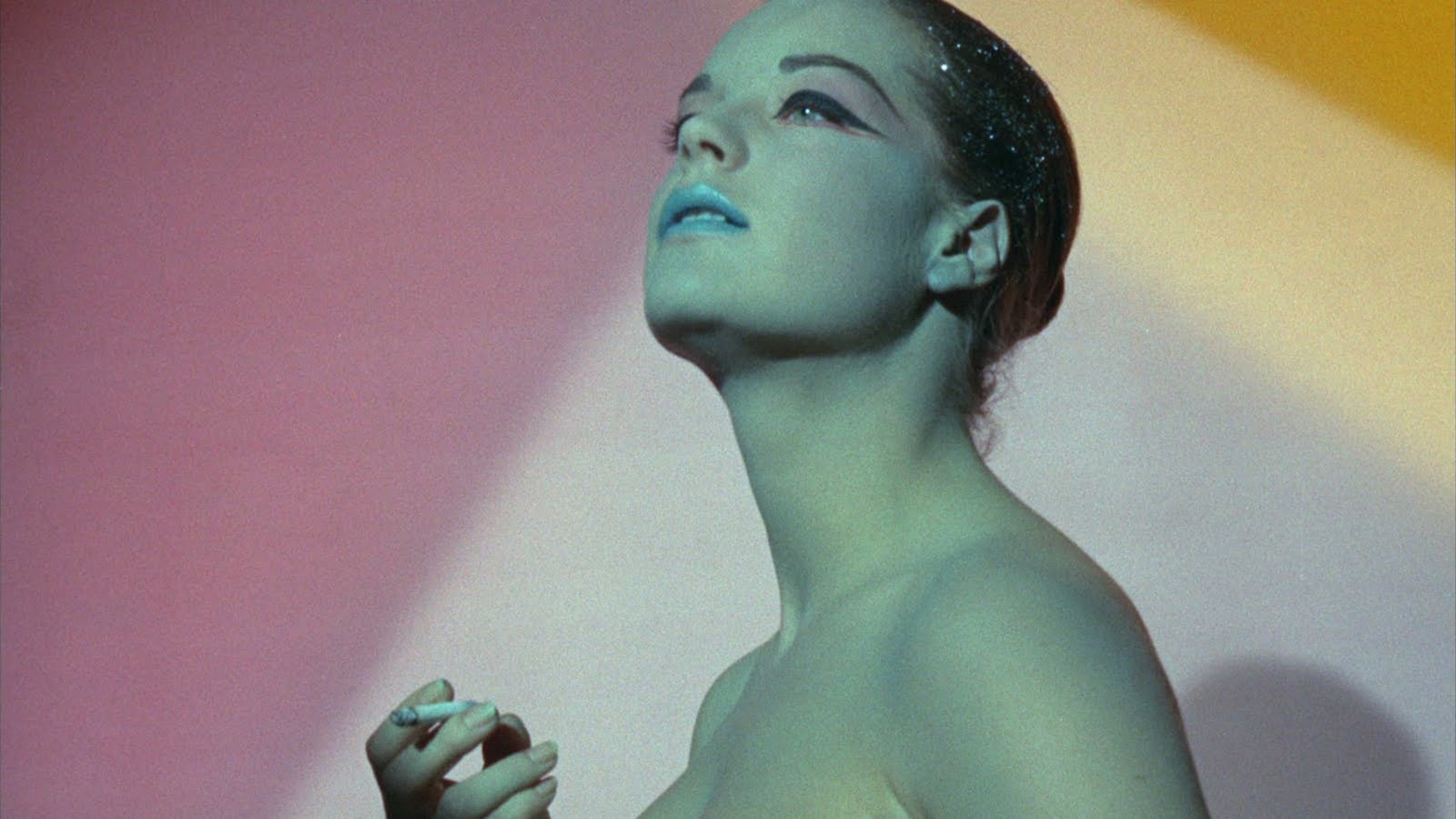
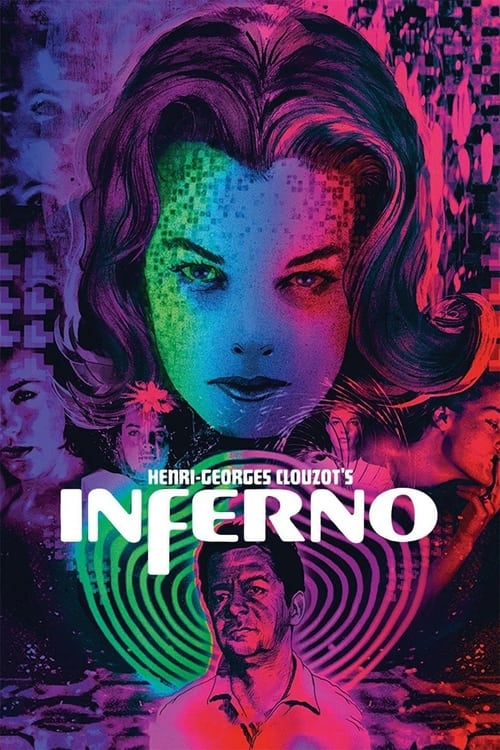
The footage that survives, even with most of it not having matching audio, is often startling. The tricks he tries with light, color switching, distorted views, double exposures, forced perspective, and every other trick in (or out of) the book would have turned this simple little story of a jealous husband & his free-spirit wife at a lakeside resort into a thriller for the ages, just on look alone.
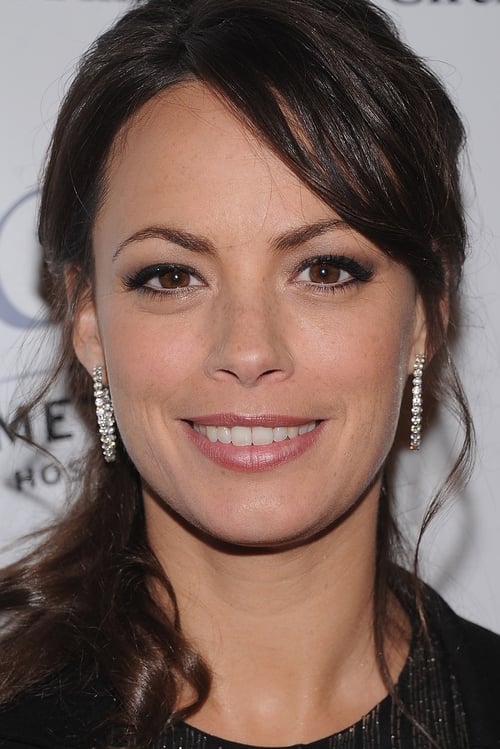
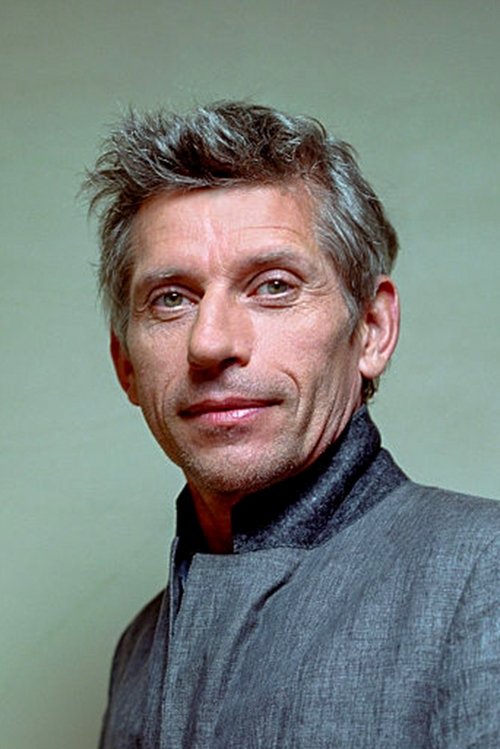
Here, they rebuild the script and footage from scratch as best they can, with Bérénice Bejo and Jacques Gamblin on a modern soundstage, reading the script to fill in blank spots, and the original crew stepping in to explain Clouzot's thought process as best they could.
It all adds up to an utterly fascinating story about ambition, hubris, and a director with a huge blank check in his back pocket, going as far as he possibly could with his ideas. If you're going to fail, fail big.
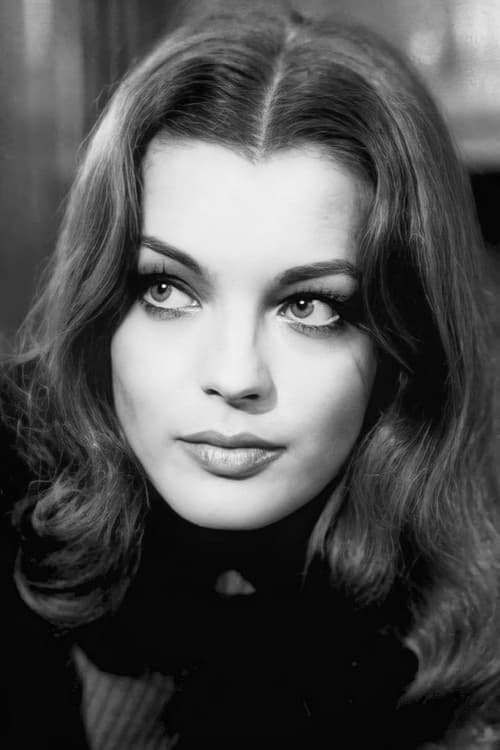
Also: Jee-eezus, is Romy Schneider ever beautiful.
What a fascinating documentary-slash-art piece-slash-masterclass in cinematic experimentation this is.
The mistakes H-G Clouzot made throughout the (incomplete) production of L'Enfer were massive and (mostly) avoidable, and yet this film makes a strong case that what he was trying to do, had he succeeded, would have profoundly affected how psychology in film would have been portrayed in everything moving forward. I don't think I'm overstating that.
The mid-60s were an era of huge experimentation in film. New technologies and the relaxation of the top-down studio system, both in Hollywood and in Europe, opened up avenues (and budgets) for filmmakers to try wild new ideas and concepts. For those who had it in them to take big swings -- Fellini, Tati, Visconti, and dozens of smaller filmmakers with equally huge artistic ambitions, if fewer resources -- it was time to really go for it, and I respect the hell out of Henri-Georges Clouzot to take the blank check he received to make this film, and stretch it as far as he could, until it broke him.
The footage that survives, even with most of it not having matching audio, is often startling. The tricks he tries with light, color switching, distorted views, double exposures, forced perspective, and every other trick in (or out of) the book would have turned this simple little story of a jealous husband & his free-spirit wife at a lakeside resort into a thriller for the ages, just on look alone.
Here, they rebuild the script and footage from scratch as best they can, with Bérénice Bejo and Jacques Gamblin on a modern soundstage, reading the script to fill in blank spots, and the original crew stepping in to explain Clouzot's thought process as best they could.
It all adds up to an utterly fascinating story about ambition, hubris, and a director with a huge blank check in his back pocket, going as far as he possibly could with his ideas. If you're going to fail, fail big.
Also: Jee-eezus, is Romy Schneider ever beautiful.