
Three Seasons
1999·Drama·1h 45m
7.1
★
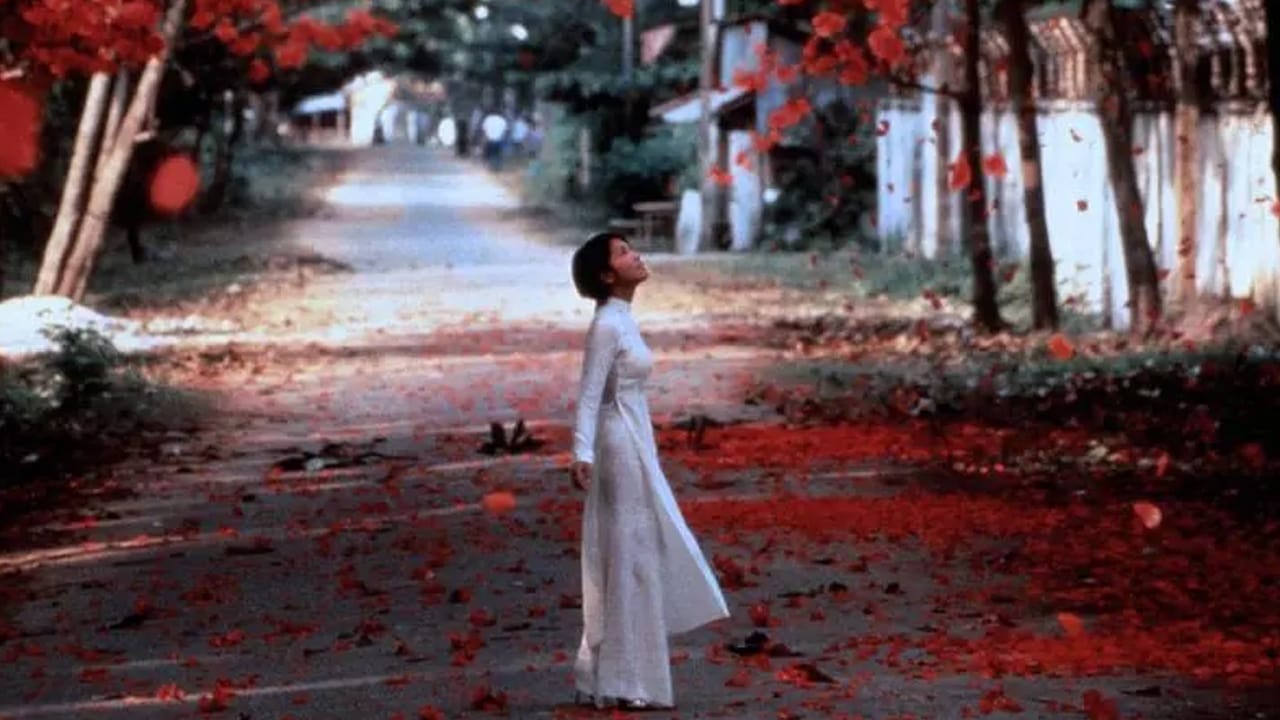
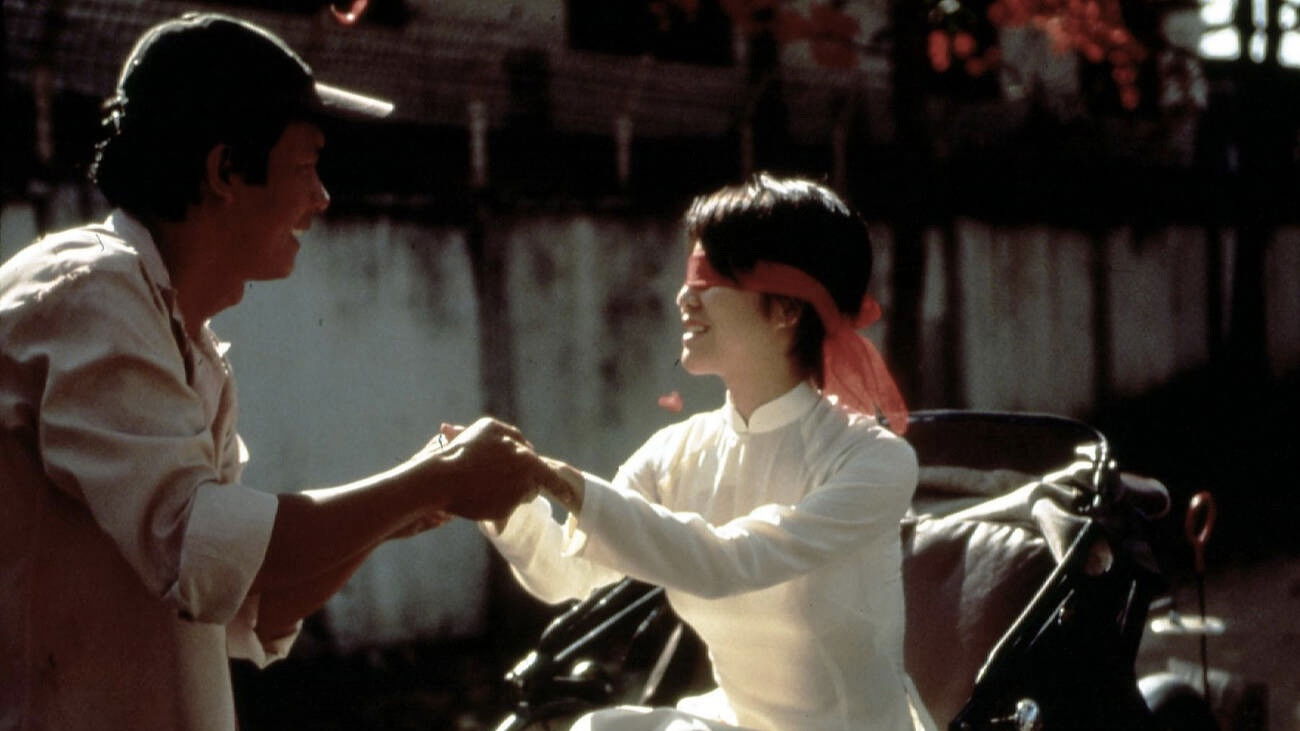
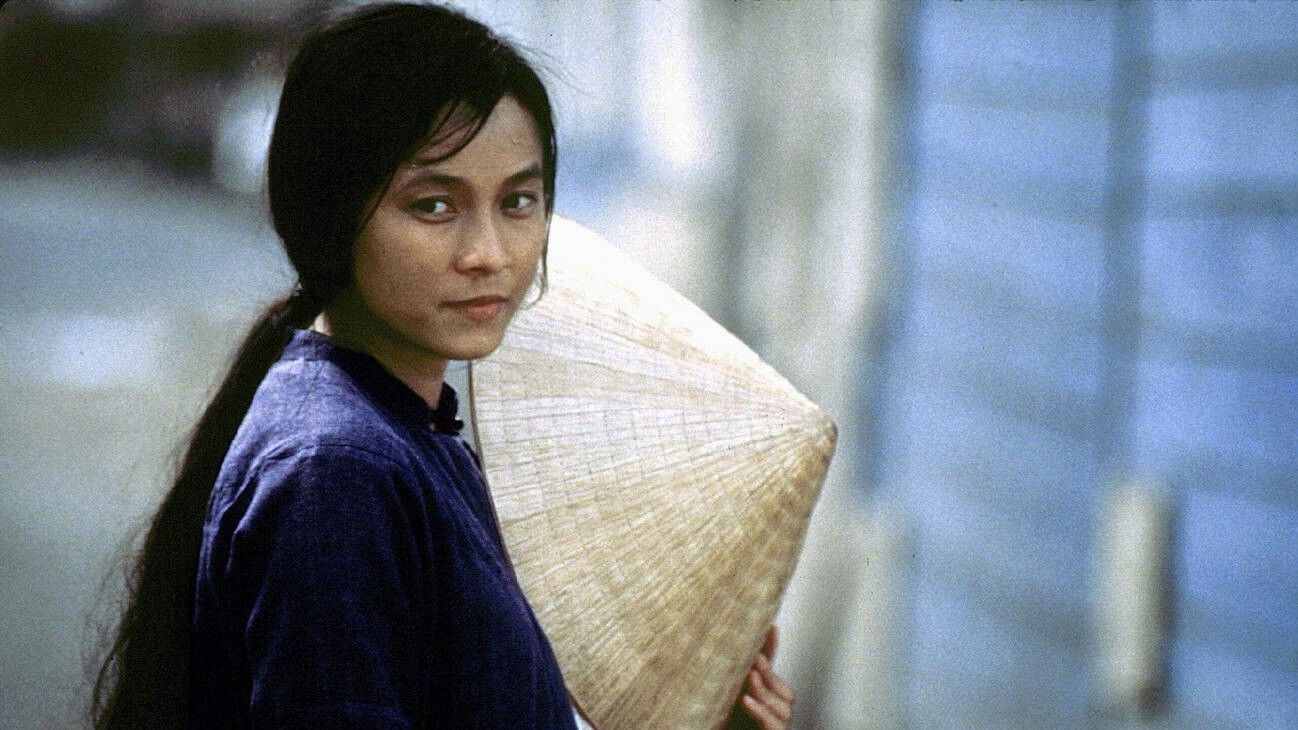
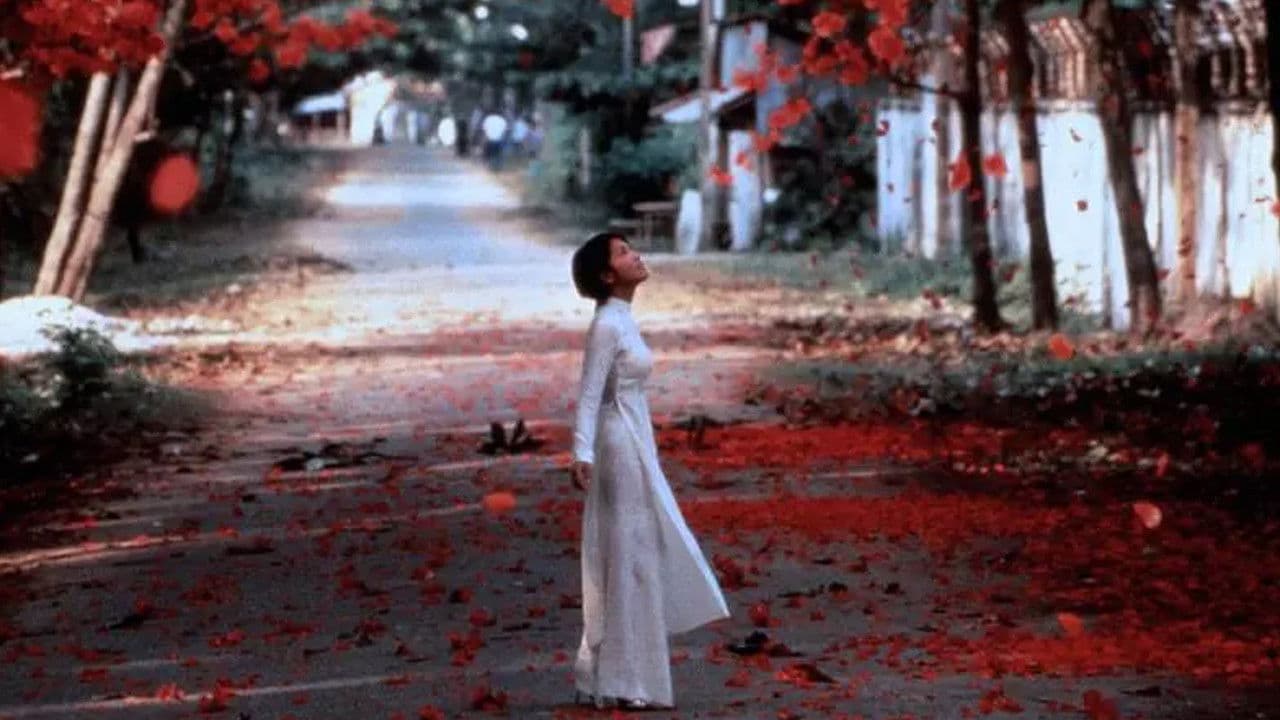
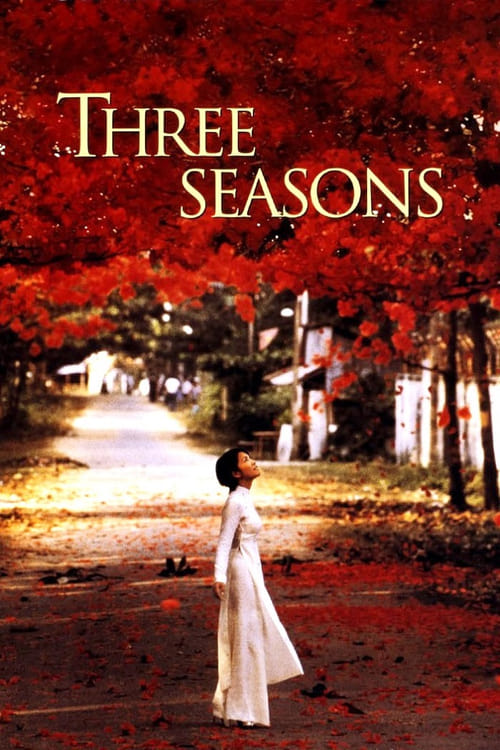
The residents of Ho Chi Minh City face modernization amid widespread poverty. A retired American Marine arrives on a search for his daughter, whom he abandoned at the end of the Vietnam War. Elsewhere, a cyclo driver falls for a troubled prostitute and schemes to raise money so he can spend time with her. Additionally, a young women begins harvesting lotuses for a writer suffering from leprosy, and a child trinket seller loses his traveling case.
Directed by Tony Bui
daughter
vietnam
prostitute
poetry
leprosy
flower girl
post war life

IMDB
N/A
Cast
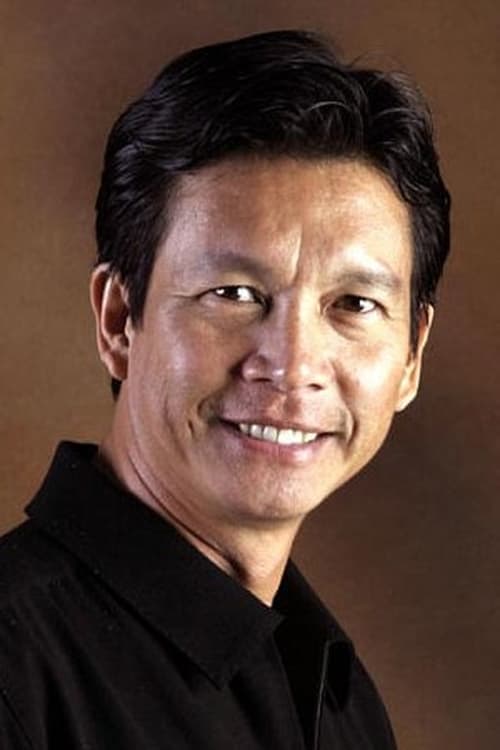
Đơn Dương
Hai

Nguyễn Thị Ngọc Hiệp
Kien An

Diep Bui
Lan

Harvey Keitel
James Hager

Mạnh Cường
Teacher Dao
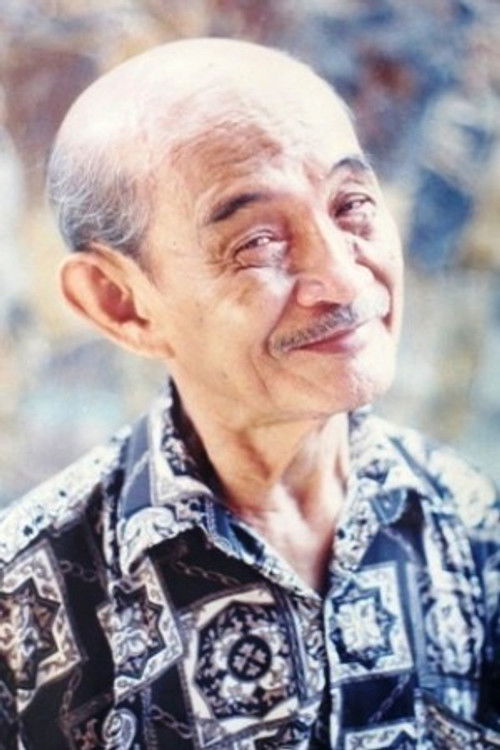
Hồ Kiểng
Restaurant Owner

Ngo Quang Hai
Man in Taxi with Lan
Crew

Tony Bui
Director
Tony Bui
Screenplay

Lisa Rinzler
Director of Photography
Tony Bui
Producer
Harvey Keitel
Executive Producer

Joana Vicente
Producer
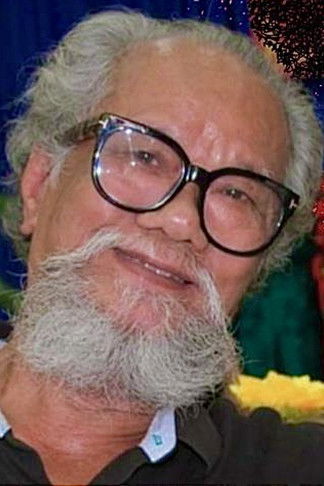
Phạm Hồng Phong
Art Direction
Popular Reviews
9 reviews
Roxsy Lee wood
8.0★ · 06/30/25
Beautiful and refreshing to see a Vietnam war story not from an American point of view.
Beautiful and refreshing to see a Vietnam war story not from an American point of view.


Chinhnam
9.3★ · 05/04/25
Cool to talk to Tony Bui and the former president of the academy
Holy fuck film students are so fucking annoying it takes them 3 minutes to ask a terrible question and they spend they first 2 minutes and 59 seconds glazing the fuck out of the director
Holy fuck film students are so fucking annoying it takes them 3 minutes to ask a terrible question and they spend they first 2 minutes and 59 seconds glazing the fuck out of the director
Cool to talk to Tony Bui and the former president of the academy
Holy fuck film students are so fucking annoying it takes them 3 minutes to ask a terrible question and they spend they first 2 minutes and 59 seconds glazing the fuck out of the director
Holy fuck film students are so fucking annoying it takes them 3 minutes to ask a terrible question and they spend they first 2 minutes and 59 seconds glazing the fuck out of the director
Jonathan Redmond
9.1★ · 04/30/25
A City Between Worlds:Three Seasons paints Ho Chi Minh City not simply as a backdrop but as a breathing, changing character--one suspended between the ghostly mist of tradition and the sharp, neon edge of modernity. Streets buzz with commerce and motorbikes, yet hidden in their folds are age-old gestures: the offering of a lotus, the chant of a monk, the scent of incense rising from unseen altars. It's a city dreaming in two directions-toward memory and toward progress.
Regret and Reconciliation:The film's narrative threads- Hai, the cyclo driver yearning for the love of a sex worker (Lan), or Woody, the street child trying to recover his stolen case of goods-are stained with longing, a kind of ache for what was lost or never possessed. Each character seeks a return: not just to a person or a possession, but to a self, a past, a wholeness that modernity has threatened to fragment. Hai's final act-renting Lan the hotel room not to possess her, but to let her sleep in comfort-is an act of deep, silent reconciliation. Regret is not confessed in words, but transformed through quiet offerings.
The Lotus Flower:The lotus, central to the film's opening story of Kien An and the aging leper Master Dao, is more than symbol; it is essence. It blossoms from the muck, the decay, just as beauty and dignity persist amidst poverty and isolation. The old poet's rotting body and the young girl's clear voice echo a Buddhist cycle-of suffering, impermanence, and the flowering of compassion. The lotus stands as a counterpoint to the city: pure, still, rooted in earth, while the city spins with commerce and haste.
The Beauty of Vietnam and Its People:Tony Bui films Vietnam with a painter's eye-its golden light, open markets, rain-slicked alleyways, and green rice fields are rendered not as exotic spectacle but as textured reality, inhabited by people with quiet grace. These are not characters built for plot but souls caught in transitional winds. Their dignity resides not in heroism but in endurance. Their beauty, like Vietnam's, is understated-resilient, wounded, and luminous.
In Three Seasons, time is not linear-it is seasonal, cyclical. Regret decays like fallen petals, and reconciliation blooms in unexpected acts. Vietnam itself is the poem, its people verses stitched with longing and renewal. The city, trembling between tradition and modernity, offers no clear resolution. Yet in the lotus's bloom, in the shared silences, in a child returning a case or a woman falling asleep unburdened--we glimpse a kind of redemption. Fragile, momentary, but enough.
Regret and Reconciliation:The film's narrative threads- Hai, the cyclo driver yearning for the love of a sex worker (Lan), or Woody, the street child trying to recover his stolen case of goods-are stained with longing, a kind of ache for what was lost or never possessed. Each character seeks a return: not just to a person or a possession, but to a self, a past, a wholeness that modernity has threatened to fragment. Hai's final act-renting Lan the hotel room not to possess her, but to let her sleep in comfort-is an act of deep, silent reconciliation. Regret is not confessed in words, but transformed through quiet offerings.
The Lotus Flower:The lotus, central to the film's opening story of Kien An and the aging leper Master Dao, is more than symbol; it is essence. It blossoms from the muck, the decay, just as beauty and dignity persist amidst poverty and isolation. The old poet's rotting body and the young girl's clear voice echo a Buddhist cycle-of suffering, impermanence, and the flowering of compassion. The lotus stands as a counterpoint to the city: pure, still, rooted in earth, while the city spins with commerce and haste.
The Beauty of Vietnam and Its People:Tony Bui films Vietnam with a painter's eye-its golden light, open markets, rain-slicked alleyways, and green rice fields are rendered not as exotic spectacle but as textured reality, inhabited by people with quiet grace. These are not characters built for plot but souls caught in transitional winds. Their dignity resides not in heroism but in endurance. Their beauty, like Vietnam's, is understated-resilient, wounded, and luminous.
In Three Seasons, time is not linear-it is seasonal, cyclical. Regret decays like fallen petals, and reconciliation blooms in unexpected acts. Vietnam itself is the poem, its people verses stitched with longing and renewal. The city, trembling between tradition and modernity, offers no clear resolution. Yet in the lotus's bloom, in the shared silences, in a child returning a case or a woman falling asleep unburdened--we glimpse a kind of redemption. Fragile, momentary, but enough.
A City Between Worlds:Three Seasons paints Ho Chi Minh City not simply as a backdrop but as a breathing, changing character--one suspended between the ghostly mist of tradition and the sharp, neon edge of modernity. Streets buzz with commerce and motorbikes, yet hidden in their folds are age-old gestures: the offering of a lotus, the chant of a monk, the scent of incense rising from unseen altars. It's a city dreaming in two directions-toward memory and toward progress.
Regret and Reconciliation:The film's narrative threads- Hai, the cyclo driver yearning for the love of a sex worker (Lan), or Woody, the street child trying to recover his stolen case of goods-are stained with longing, a kind of ache for what was lost or never possessed. Each character seeks a return: not just to a person or a possession, but to a self, a past, a wholeness that modernity has threatened to fragment. Hai's final act-renting Lan the hotel room not to possess her, but to let her sleep in comfort-is an act of deep, silent reconciliation. Regret is not confessed in words, but transformed through quiet offerings.
The Lotus Flower:The lotus, central to the film's opening story of Kien An and the aging leper Master Dao, is more than symbol; it is essence. It blossoms from the muck, the decay, just as beauty and dignity persist amidst poverty and isolation. The old poet's rotting body and the young girl's clear voice echo a Buddhist cycle-of suffering, impermanence, and the flowering of compassion. The lotus stands as a counterpoint to the city: pure, still, rooted in earth, while the city spins with commerce and haste.
The Beauty of Vietnam and Its People:Tony Bui films Vietnam with a painter's eye-its golden light, open markets, rain-slicked alleyways, and green rice fields are rendered not as exotic spectacle but as textured reality, inhabited by people with quiet grace. These are not characters built for plot but souls caught in transitional winds. Their dignity resides not in heroism but in endurance. Their beauty, like Vietnam's, is understated-resilient, wounded, and luminous.
In Three Seasons, time is not linear-it is seasonal, cyclical. Regret decays like fallen petals, and reconciliation blooms in unexpected acts. Vietnam itself is the poem, its people verses stitched with longing and renewal. The city, trembling between tradition and modernity, offers no clear resolution. Yet in the lotus's bloom, in the shared silences, in a child returning a case or a woman falling asleep unburdened--we glimpse a kind of redemption. Fragile, momentary, but enough.
Regret and Reconciliation:The film's narrative threads- Hai, the cyclo driver yearning for the love of a sex worker (Lan), or Woody, the street child trying to recover his stolen case of goods-are stained with longing, a kind of ache for what was lost or never possessed. Each character seeks a return: not just to a person or a possession, but to a self, a past, a wholeness that modernity has threatened to fragment. Hai's final act-renting Lan the hotel room not to possess her, but to let her sleep in comfort-is an act of deep, silent reconciliation. Regret is not confessed in words, but transformed through quiet offerings.
The Lotus Flower:The lotus, central to the film's opening story of Kien An and the aging leper Master Dao, is more than symbol; it is essence. It blossoms from the muck, the decay, just as beauty and dignity persist amidst poverty and isolation. The old poet's rotting body and the young girl's clear voice echo a Buddhist cycle-of suffering, impermanence, and the flowering of compassion. The lotus stands as a counterpoint to the city: pure, still, rooted in earth, while the city spins with commerce and haste.
The Beauty of Vietnam and Its People:Tony Bui films Vietnam with a painter's eye-its golden light, open markets, rain-slicked alleyways, and green rice fields are rendered not as exotic spectacle but as textured reality, inhabited by people with quiet grace. These are not characters built for plot but souls caught in transitional winds. Their dignity resides not in heroism but in endurance. Their beauty, like Vietnam's, is understated-resilient, wounded, and luminous.
In Three Seasons, time is not linear-it is seasonal, cyclical. Regret decays like fallen petals, and reconciliation blooms in unexpected acts. Vietnam itself is the poem, its people verses stitched with longing and renewal. The city, trembling between tradition and modernity, offers no clear resolution. Yet in the lotus's bloom, in the shared silences, in a child returning a case or a woman falling asleep unburdened--we glimpse a kind of redemption. Fragile, momentary, but enough.
mclovin
4.0★ · 04/24/26
Sarah Nguyen
7.5★ · 04/27/25