
The Beloved Child, or I Play at Being a Married Woman
1971·Documentary·35m
7.1
★
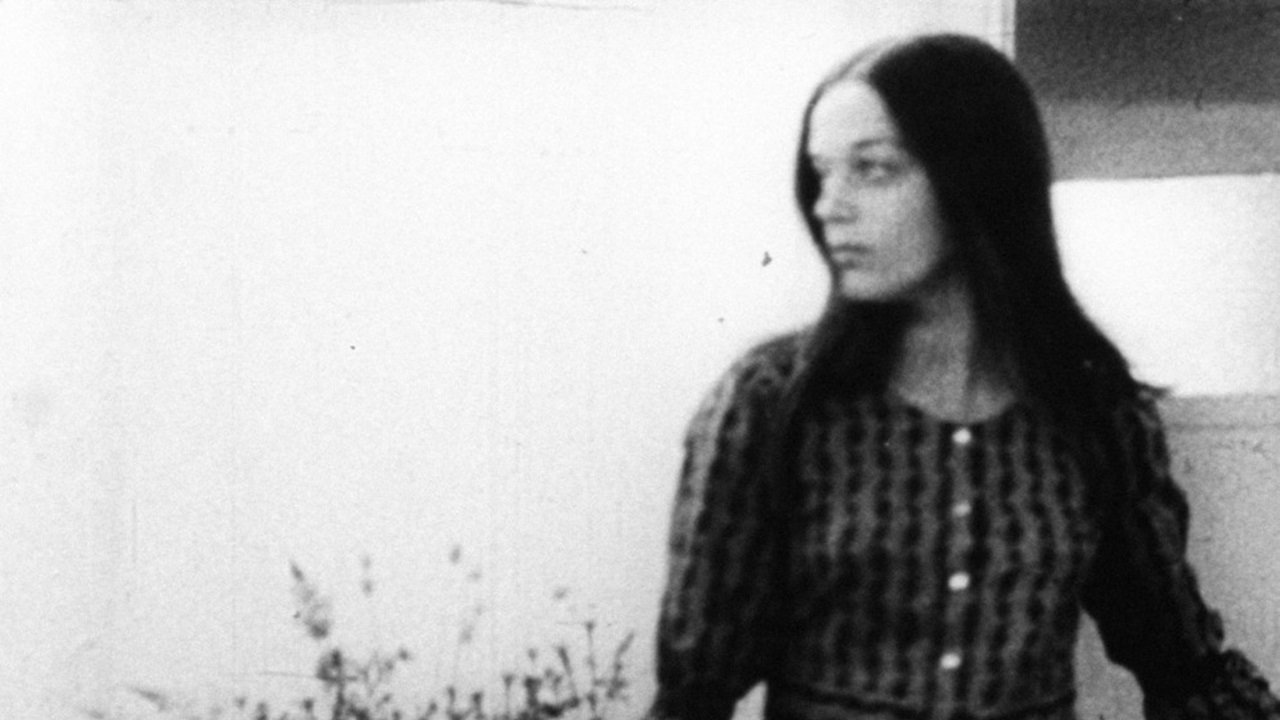

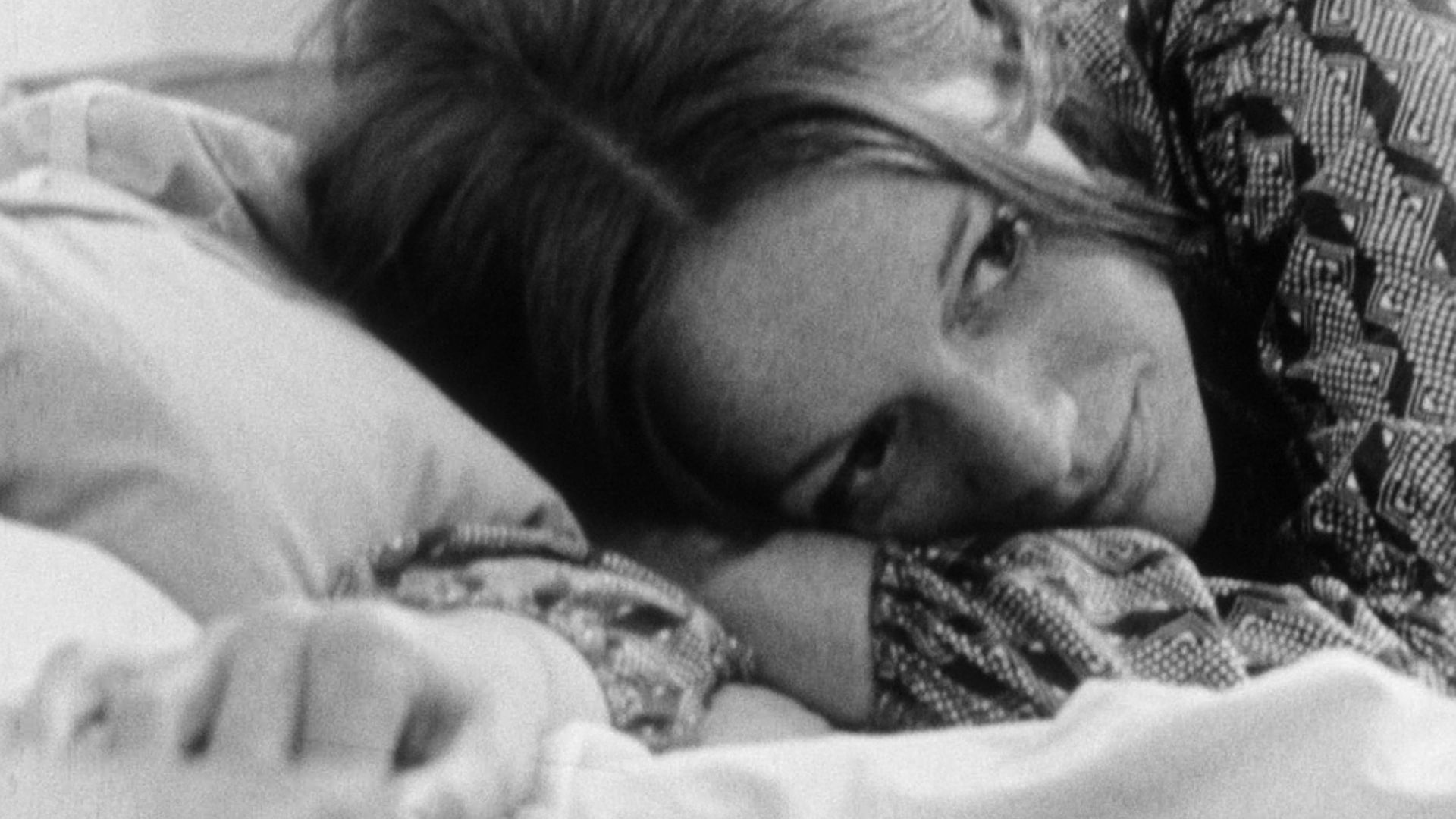

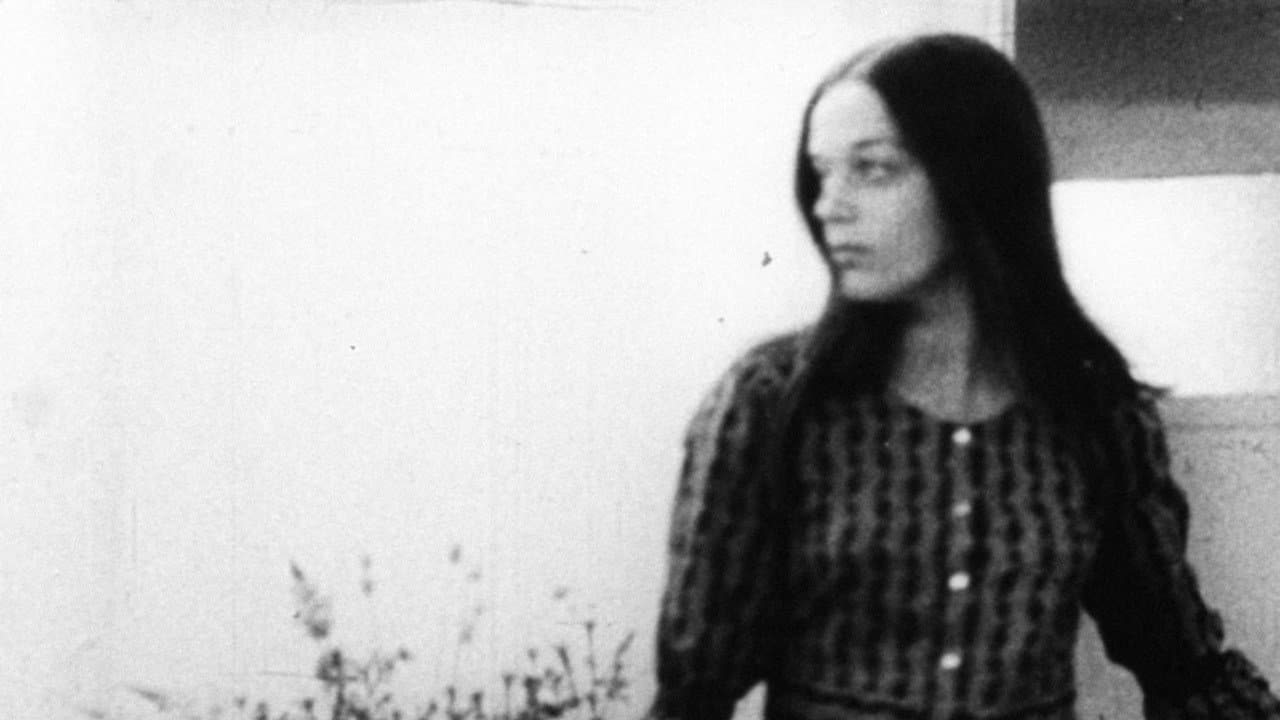
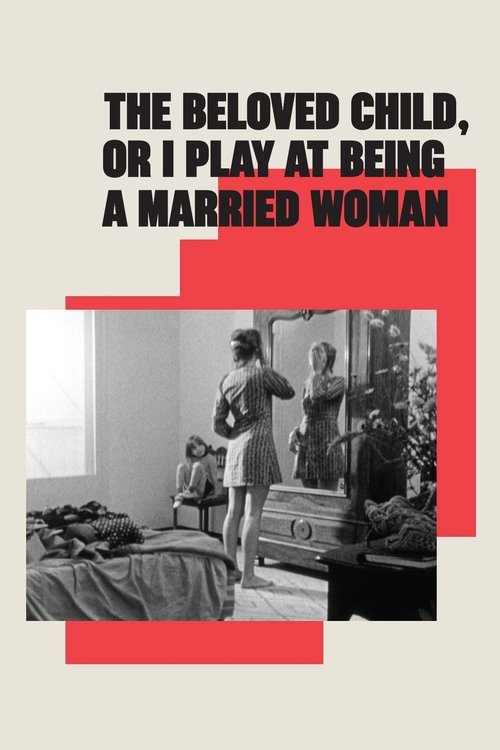
A young mother, alone with her daughter, confides in a friend who happens to be the director herself. Chantal Akerman, although she sympathizes with the mother, does not say a word.
Directed by Chantal Akerman
women's sexual identity
women's liberation
documentary short
women's voices
women's tales

IMDB
N/A
Cast

Claire Wauthion
The young mother (uncredited)
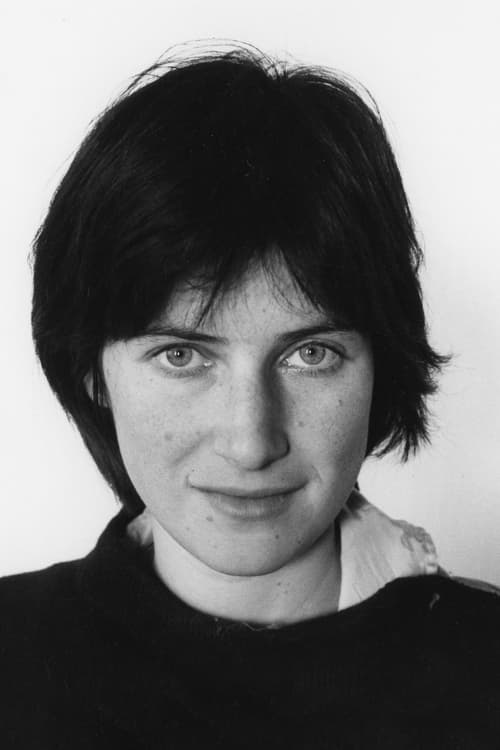
Chantal Akerman
Herself (uncredited)
Crew
Chantal Akerman
Director
Chantal Akerman
Writer
Chantal Akerman
Producer
Popular Reviews
10 reviews
John Flame
Unfortunately left unfinished, but some absolutely brilliant dialogue scenes. Akerman casts herself in a minor role with almost no lines, and it makes me wonder how she used her reactions to guide the direction of the main performer. Awesome.
Unfortunately left unfinished, but some absolutely brilliant dialogue scenes. Akerman casts herself in a minor role with almost no lines, and it makes me wonder how she used her reactions to guide the direction of the main performer. Awesome.


Gabriel Silva
7.0★ · 12/28/24
Watching as Many of the Films I Blind Bought this Year Before the Year is Over 23L’enfant Aimé ou Je Joue à Étre une Femme Mariée (or The Beloved Child, or I Play at Being a Married Woman), directed by Chantal Ackerman, 1971
The second film on Criterion Collection’s Chantal Ackerman’s Masterpieces 1968-1978 is one that Ackerman herself has dismissed. However, I find that it is an important part of her formative years. While I can understand her desire to disavow her efforts there, with its clumsy intercutting and plodding pace that makes its short half-hour runtime feel much longer, the film is still engaging for the way it explores womanhood in relation to sex, family, and society at large. The idea of “playing” being a “married woman” while also being “the beloved child” shows us how these gender roles are thrust upon women and practiced upon until they are a second nature of sorts. Those that question them - as Ackerman has done over her career - are still expected to adhere to them in one way or another lest they forfeit womanhood, a title not inherent to them but rather a conditional title that can be stripped away and then re-forced onto them when convenient
The second film on Criterion Collection’s Chantal Ackerman’s Masterpieces 1968-1978 is one that Ackerman herself has dismissed. However, I find that it is an important part of her formative years. While I can understand her desire to disavow her efforts there, with its clumsy intercutting and plodding pace that makes its short half-hour runtime feel much longer, the film is still engaging for the way it explores womanhood in relation to sex, family, and society at large. The idea of “playing” being a “married woman” while also being “the beloved child” shows us how these gender roles are thrust upon women and practiced upon until they are a second nature of sorts. Those that question them - as Ackerman has done over her career - are still expected to adhere to them in one way or another lest they forfeit womanhood, a title not inherent to them but rather a conditional title that can be stripped away and then re-forced onto them when convenient
Watching as Many of the Films I Blind Bought this Year Before the Year is Over 23L’enfant Aimé ou Je Joue à Étre une Femme Mariée (or The Beloved Child, or I Play at Being a Married Woman), directed by Chantal Ackerman, 1971
The second film on Criterion Collection’s Chantal Ackerman’s Masterpieces 1968-1978 is one that Ackerman herself has dismissed. However, I find that it is an important part of her formative years. While I can understand her desire to disavow her efforts there, with its clumsy intercutting and plodding pace that makes its short half-hour runtime feel much longer, the film is still engaging for the way it explores womanhood in relation to sex, family, and society at large. The idea of “playing” being a “married woman” while also being “the beloved child” shows us how these gender roles are thrust upon women and practiced upon until they are a second nature of sorts. Those that question them - as Ackerman has done over her career - are still expected to adhere to them in one way or another lest they forfeit womanhood, a title not inherent to them but rather a conditional title that can be stripped away and then re-forced onto them when convenient
The second film on Criterion Collection’s Chantal Ackerman’s Masterpieces 1968-1978 is one that Ackerman herself has dismissed. However, I find that it is an important part of her formative years. While I can understand her desire to disavow her efforts there, with its clumsy intercutting and plodding pace that makes its short half-hour runtime feel much longer, the film is still engaging for the way it explores womanhood in relation to sex, family, and society at large. The idea of “playing” being a “married woman” while also being “the beloved child” shows us how these gender roles are thrust upon women and practiced upon until they are a second nature of sorts. Those that question them - as Ackerman has done over her career - are still expected to adhere to them in one way or another lest they forfeit womanhood, a title not inherent to them but rather a conditional title that can be stripped away and then re-forced onto them when convenient
Tony Hightower
Yes, this 35-minute portrait of a young mother is long on self-reflection and short on plot, and you can see why Chantal Akerman might have abandoned it, but I'm choosing to believe this was a first draft of the concept that became Jeanne Dielman. You can see the pieces of her masterpiece already in place here.
There's less suppressed anger here (not none, but... less) than in Jeanne Dielman, for sure. A young mother, in conversation with a silent friend (Akerman), tending to her housework and her daughter, and reflecting aloud on the type of person she's become. It's occasionally rushed and frantic, and the editing is clearly rough at best, but the seeds of her future character studies, of women whose still waters run deep, is already very much in place.
There's less suppressed anger here (not none, but... less) than in Jeanne Dielman, for sure. A young mother, in conversation with a silent friend (Akerman), tending to her housework and her daughter, and reflecting aloud on the type of person she's become. It's occasionally rushed and frantic, and the editing is clearly rough at best, but the seeds of her future character studies, of women whose still waters run deep, is already very much in place.
Yes, this 35-minute portrait of a young mother is long on self-reflection and short on plot, and you can see why Chantal Akerman might have abandoned it, but I'm choosing to believe this was a first draft of the concept that became Jeanne Dielman. You can see the pieces of her masterpiece already in place here.
There's less suppressed anger here (not none, but... less) than in Jeanne Dielman, for sure. A young mother, in conversation with a silent friend (Akerman), tending to her housework and her daughter, and reflecting aloud on the type of person she's become. It's occasionally rushed and frantic, and the editing is clearly rough at best, but the seeds of her future character studies, of women whose still waters run deep, is already very much in place.
There's less suppressed anger here (not none, but... less) than in Jeanne Dielman, for sure. A young mother, in conversation with a silent friend (Akerman), tending to her housework and her daughter, and reflecting aloud on the type of person she's become. It's occasionally rushed and frantic, and the editing is clearly rough at best, but the seeds of her future character studies, of women whose still waters run deep, is already very much in place.
Noah
6.1★ · 10/11/24
I’m getting back into my Chantal filmography watch and I just wasn’t crazy about this, it was pretty meh.
I’m getting back into my Chantal filmography watch and I just wasn’t crazy about this, it was pretty meh.
thomo
8.0★ · 07/08/24
I'm struggling to find much in the way of Akerman discussing this one in interviews. Maybe if I spoke French I could track down another instance of her explaining or reflecting on it, but as it stands the only comment I've come across is a terse annotation in her listed filmography in this 2011 interview with Nicole Brenez: http://www.lolajournal.com/2/pajama.html
Akerman describes the film as 'A failure. Lost' which seems to have been translated elsewhere as 'unfinished' though I don't know if that's accurate. L'enfant Aimée... doesn't feel unfinished to me. To project my own reaction to the movie onto her statement, I think Akerman is disappointed with the tone of the film which is more tender, almost romantic, than her other pieces centered on lone women navigating the ennui and existential angst of domesticity and motherhood.
There is more beauty in the way she films her lead here than in her other takes on these subjects; the brief gentle interactions between the mother and the child, the quiet solidarity between the woman and her sister (played by Akerman) as they eat a box of sweets together, the gauzy sunlit low angle panning shot of the three characters entering the house to prepare for dinner, and the breezy communal feel of the two woman playing with and caring for the daughter.
For all the discussion of dissatisfaction and isolation there's a beautiful representation of female bonding and parental love running through this film. Even the central scene of the mother standing observing herself in the mirror, critiquing every aspect of her body, is filmed in such a tender way that it pushes the audience to feel more admiration of how clearly beautiful she is and how sadly silly our cosmetic preoccupations are than to feel the very real pain of being caught up in those silly preoccupations.
The presentation of the main character's life here may not be what Akerman was trying to achieve, presumably this was something of an early attempt at the more dispassionate approach of Jeanne Dielman, but I think what she inadvertently landed on here is equally valuable. Less an indictment of the social structures that restrain the character and more a celebration of the resilience it takes to form and cherish bonds (between friends, across generations, and above all amongst women) while existing within those structures.
Bittersweet. Melancholic, but too bursting with love to be mournful. Gorgeous film.
Akerman describes the film as 'A failure. Lost' which seems to have been translated elsewhere as 'unfinished' though I don't know if that's accurate. L'enfant Aimée... doesn't feel unfinished to me. To project my own reaction to the movie onto her statement, I think Akerman is disappointed with the tone of the film which is more tender, almost romantic, than her other pieces centered on lone women navigating the ennui and existential angst of domesticity and motherhood.
There is more beauty in the way she films her lead here than in her other takes on these subjects; the brief gentle interactions between the mother and the child, the quiet solidarity between the woman and her sister (played by Akerman) as they eat a box of sweets together, the gauzy sunlit low angle panning shot of the three characters entering the house to prepare for dinner, and the breezy communal feel of the two woman playing with and caring for the daughter.
For all the discussion of dissatisfaction and isolation there's a beautiful representation of female bonding and parental love running through this film. Even the central scene of the mother standing observing herself in the mirror, critiquing every aspect of her body, is filmed in such a tender way that it pushes the audience to feel more admiration of how clearly beautiful she is and how sadly silly our cosmetic preoccupations are than to feel the very real pain of being caught up in those silly preoccupations.
The presentation of the main character's life here may not be what Akerman was trying to achieve, presumably this was something of an early attempt at the more dispassionate approach of Jeanne Dielman, but I think what she inadvertently landed on here is equally valuable. Less an indictment of the social structures that restrain the character and more a celebration of the resilience it takes to form and cherish bonds (between friends, across generations, and above all amongst women) while existing within those structures.
Bittersweet. Melancholic, but too bursting with love to be mournful. Gorgeous film.
I'm struggling to find much in the way of Akerman discussing this one in interviews. Maybe if I spoke French I could track down another instance of her explaining or reflecting on it, but as it stands the only comment I've come across is a terse annotation in her listed filmography in this 2011 interview with Nicole Brenez: http://www.lolajournal.com/2/pajama.html
Akerman describes the film as 'A failure. Lost' which seems to have been translated elsewhere as 'unfinished' though I don't know if that's accurate. L'enfant Aimée... doesn't feel unfinished to me. To project my own reaction to the movie onto her statement, I think Akerman is disappointed with the tone of the film which is more tender, almost romantic, than her other pieces centered on lone women navigating the ennui and existential angst of domesticity and motherhood.
There is more beauty in the way she films her lead here than in her other takes on these subjects; the brief gentle interactions between the mother and the child, the quiet solidarity between the woman and her sister (played by Akerman) as they eat a box of sweets together, the gauzy sunlit low angle panning shot of the three characters entering the house to prepare for dinner, and the breezy communal feel of the two woman playing with and caring for the daughter.
For all the discussion of dissatisfaction and isolation there's a beautiful representation of female bonding and parental love running through this film. Even the central scene of the mother standing observing herself in the mirror, critiquing every aspect of her body, is filmed in such a tender way that it pushes the audience to feel more admiration of how clearly beautiful she is and how sadly silly our cosmetic preoccupations are than to feel the very real pain of being caught up in those silly preoccupations.
The presentation of the main character's life here may not be what Akerman was trying to achieve, presumably this was something of an early attempt at the more dispassionate approach of Jeanne Dielman, but I think what she inadvertently landed on here is equally valuable. Less an indictment of the social structures that restrain the character and more a celebration of the resilience it takes to form and cherish bonds (between friends, across generations, and above all amongst women) while existing within those structures.
Bittersweet. Melancholic, but too bursting with love to be mournful. Gorgeous film.
Akerman describes the film as 'A failure. Lost' which seems to have been translated elsewhere as 'unfinished' though I don't know if that's accurate. L'enfant Aimée... doesn't feel unfinished to me. To project my own reaction to the movie onto her statement, I think Akerman is disappointed with the tone of the film which is more tender, almost romantic, than her other pieces centered on lone women navigating the ennui and existential angst of domesticity and motherhood.
There is more beauty in the way she films her lead here than in her other takes on these subjects; the brief gentle interactions between the mother and the child, the quiet solidarity between the woman and her sister (played by Akerman) as they eat a box of sweets together, the gauzy sunlit low angle panning shot of the three characters entering the house to prepare for dinner, and the breezy communal feel of the two woman playing with and caring for the daughter.
For all the discussion of dissatisfaction and isolation there's a beautiful representation of female bonding and parental love running through this film. Even the central scene of the mother standing observing herself in the mirror, critiquing every aspect of her body, is filmed in such a tender way that it pushes the audience to feel more admiration of how clearly beautiful she is and how sadly silly our cosmetic preoccupations are than to feel the very real pain of being caught up in those silly preoccupations.
The presentation of the main character's life here may not be what Akerman was trying to achieve, presumably this was something of an early attempt at the more dispassionate approach of Jeanne Dielman, but I think what she inadvertently landed on here is equally valuable. Less an indictment of the social structures that restrain the character and more a celebration of the resilience it takes to form and cherish bonds (between friends, across generations, and above all amongst women) while existing within those structures.
Bittersweet. Melancholic, but too bursting with love to be mournful. Gorgeous film.