My experience of this film was severely colored by personal trauma, to the point that it is probably very difficult for me to judge it fairly. Be therefore aware that this is not a well-constructed critique whatsoever, or a nuanced review. This is word vomiting.
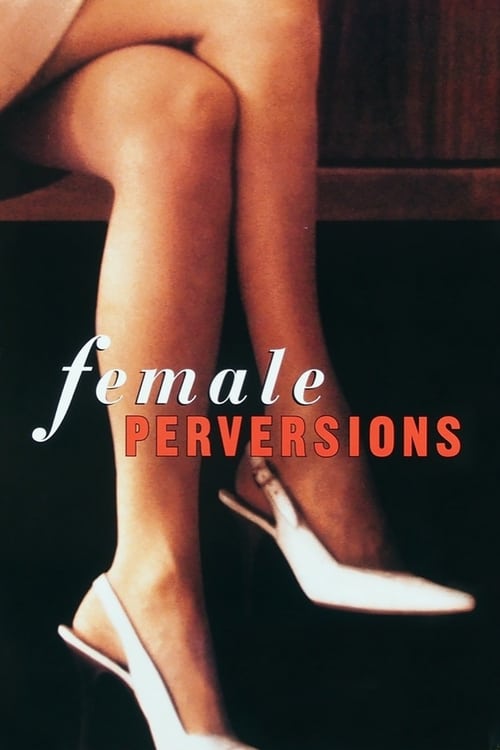
Female Perversions is a film about:
1) How childhood trauma poisons you, fundamentally perverts your worldview, and will inevitably cause you to poison others.
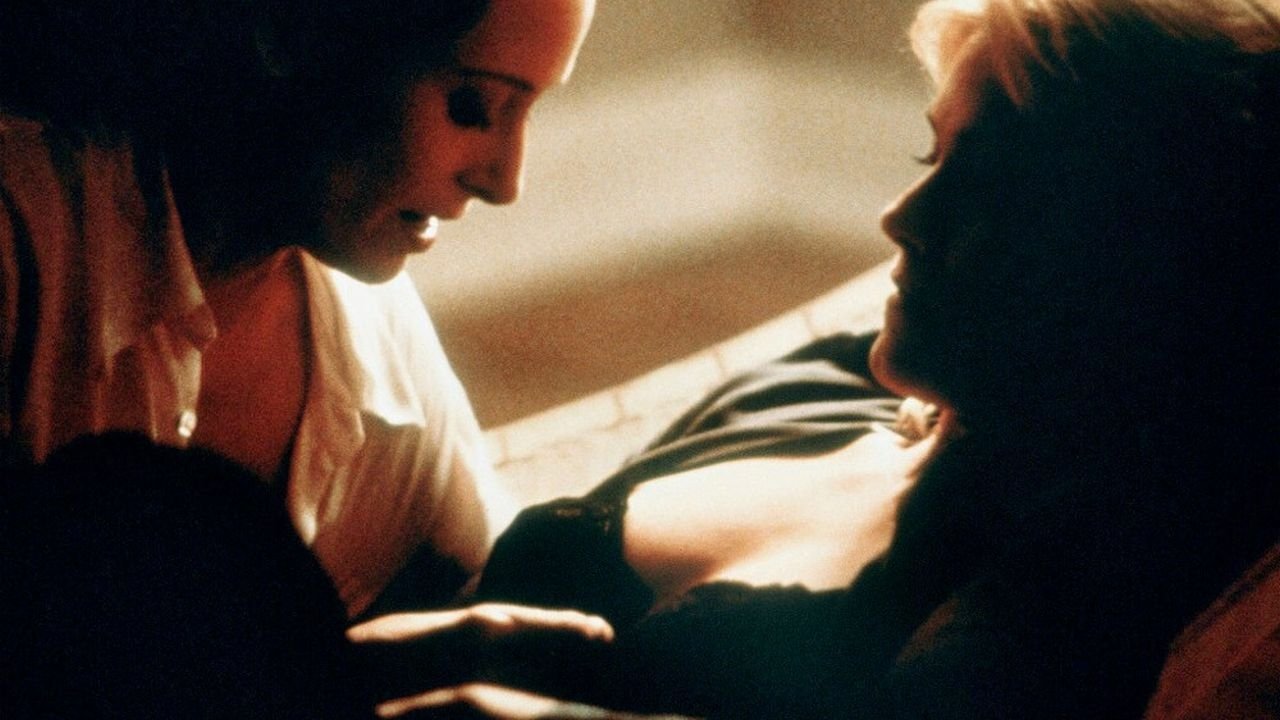
2) The strict gender roles forced upon women, the inescapable sexualization of everything that they do and are, and how this ultimately harms women. This despite their participating in and upholding such roles, feeding such expectations, and men's sexual validation often feeling good and temporarily satisfying.
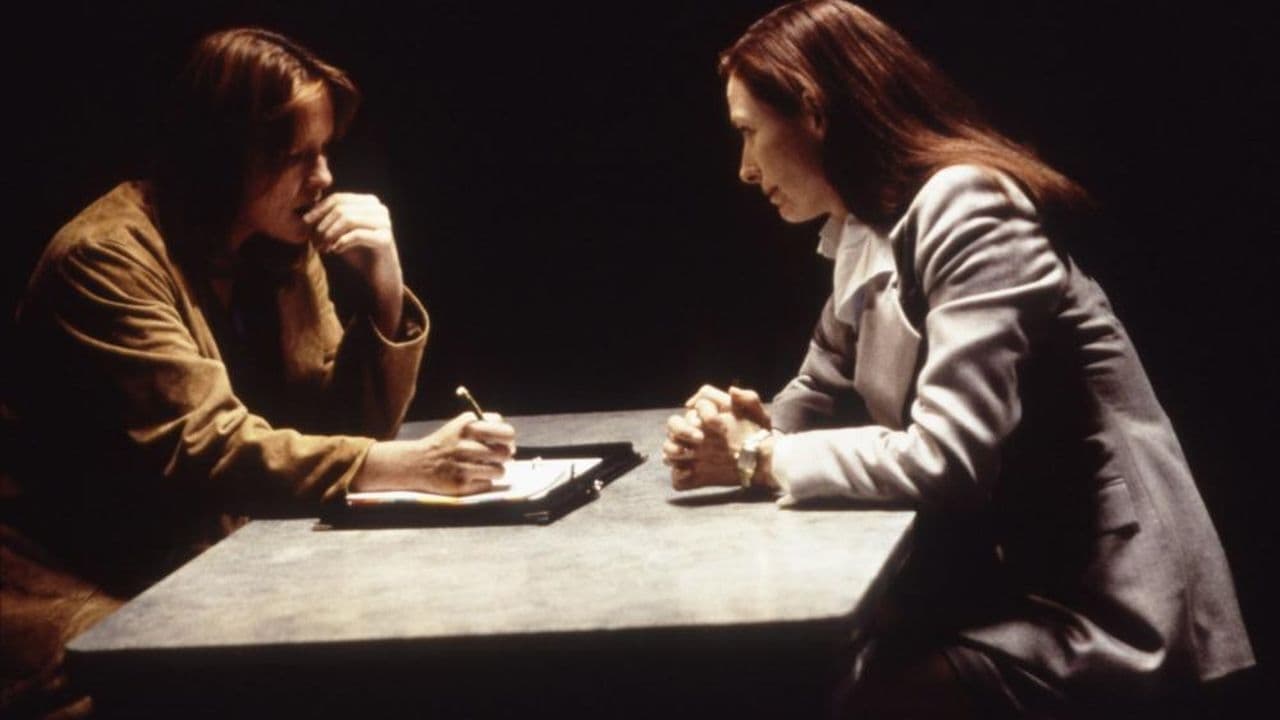
3) The attempt, as a woman, to regain a sense of control through dominating women and men, both in one's professional life and personal life also, but foremost in one's sexual life. Particularly in one's sexual life, this is more unsuccessful than not, since you're still giving men what they want, and partly doing the same to women what you despise men for doing to you.
All of these are interesting, complex themes, but I have a few issues:
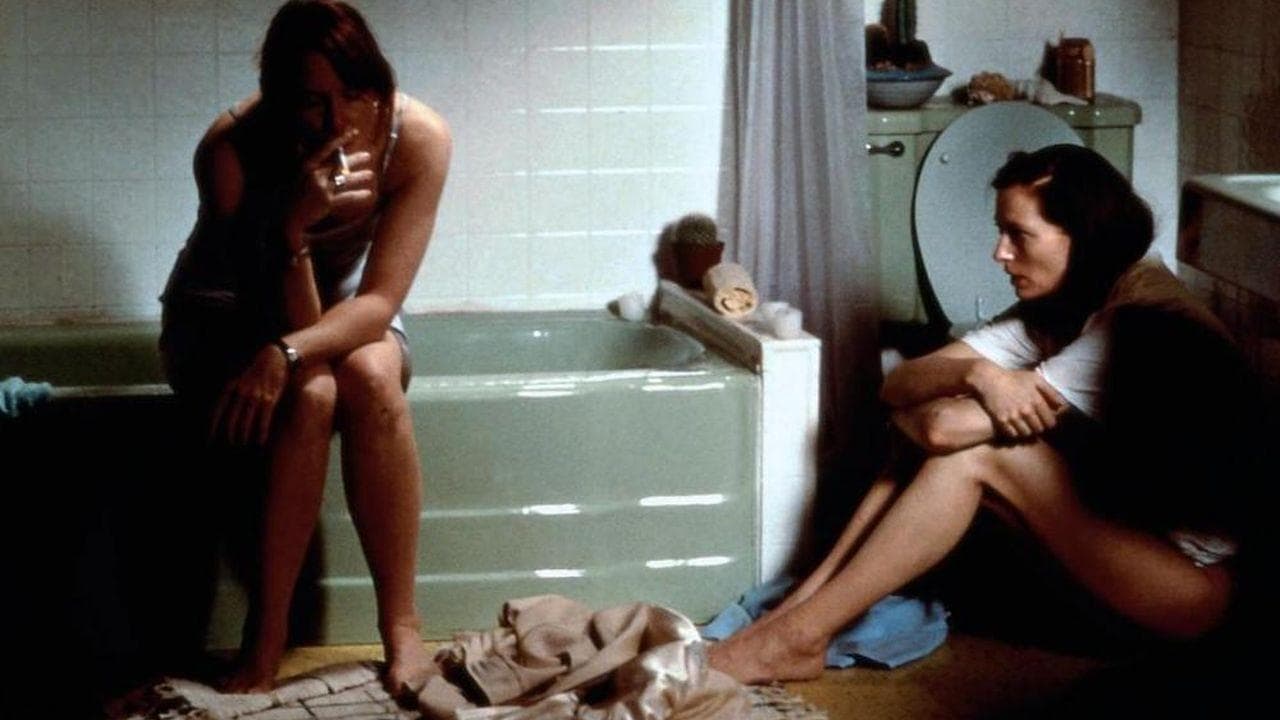
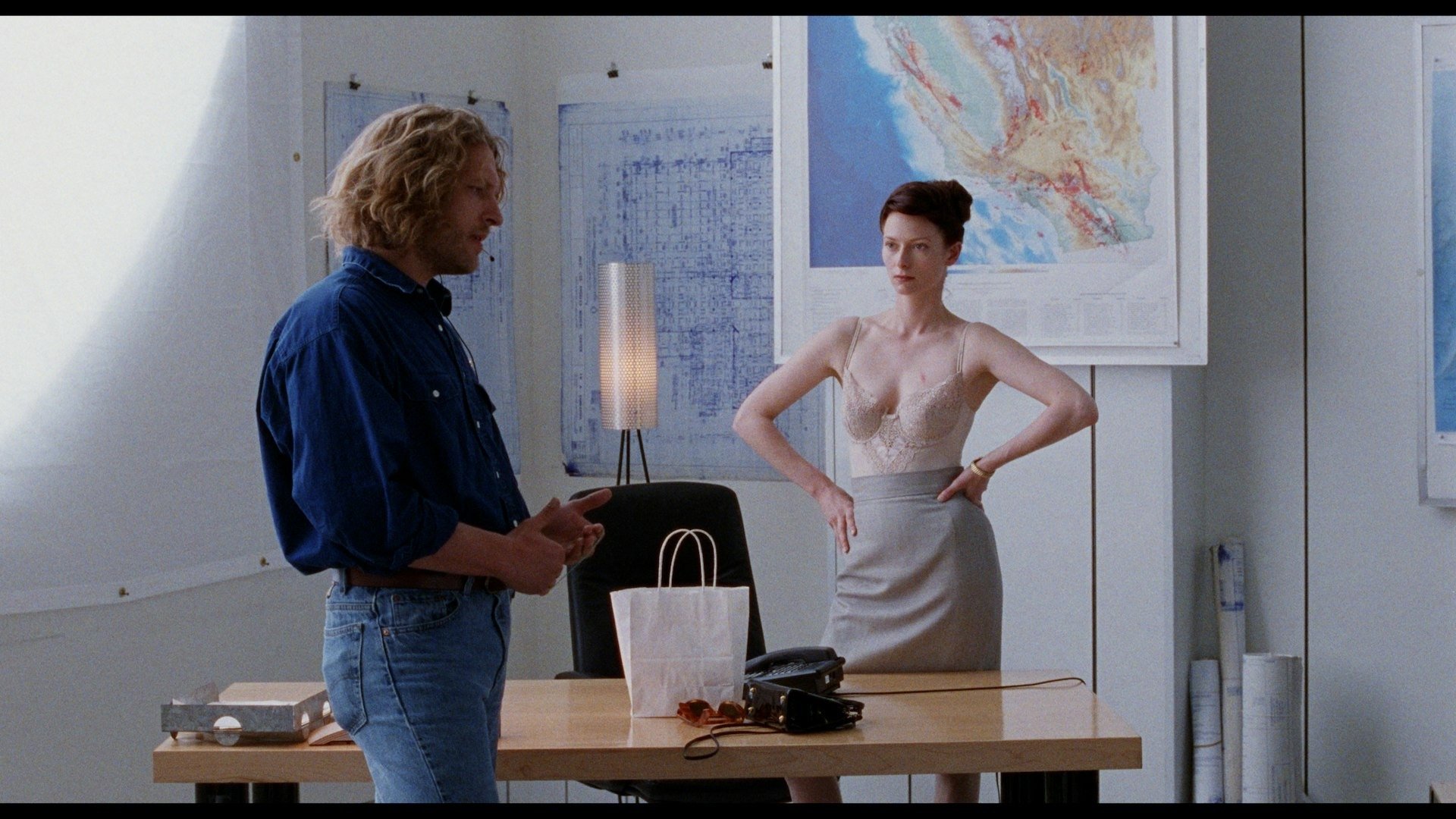
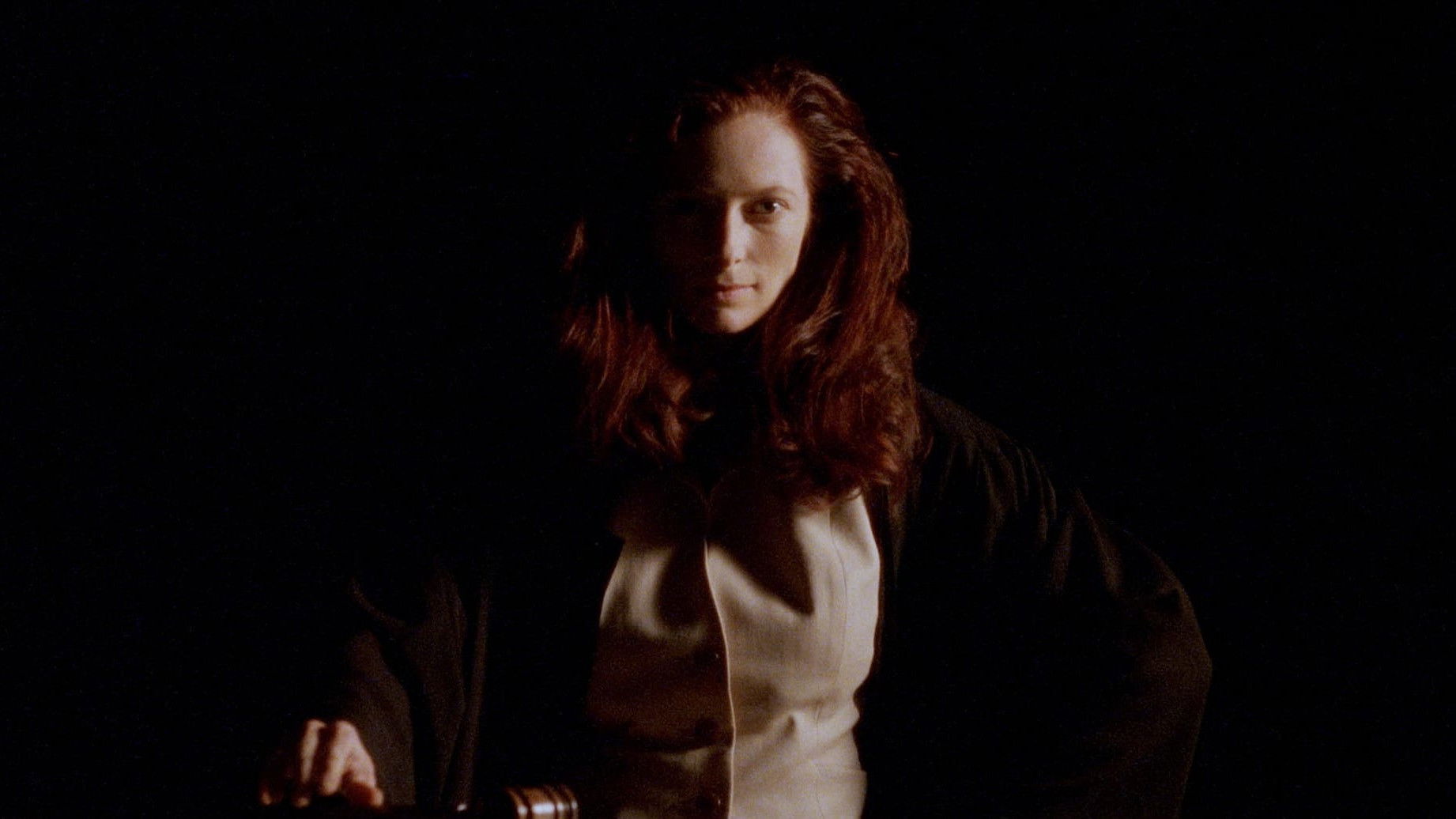
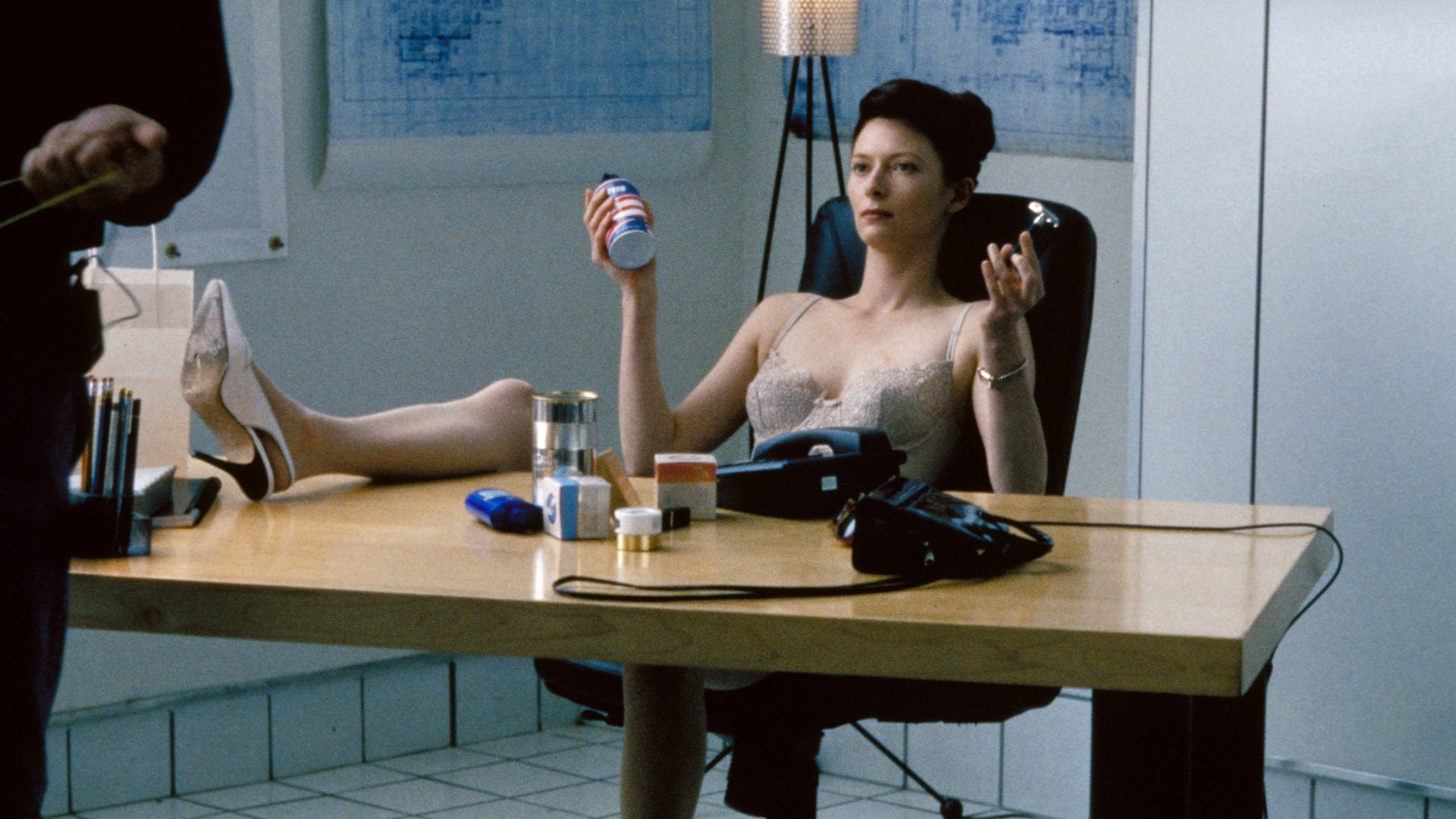
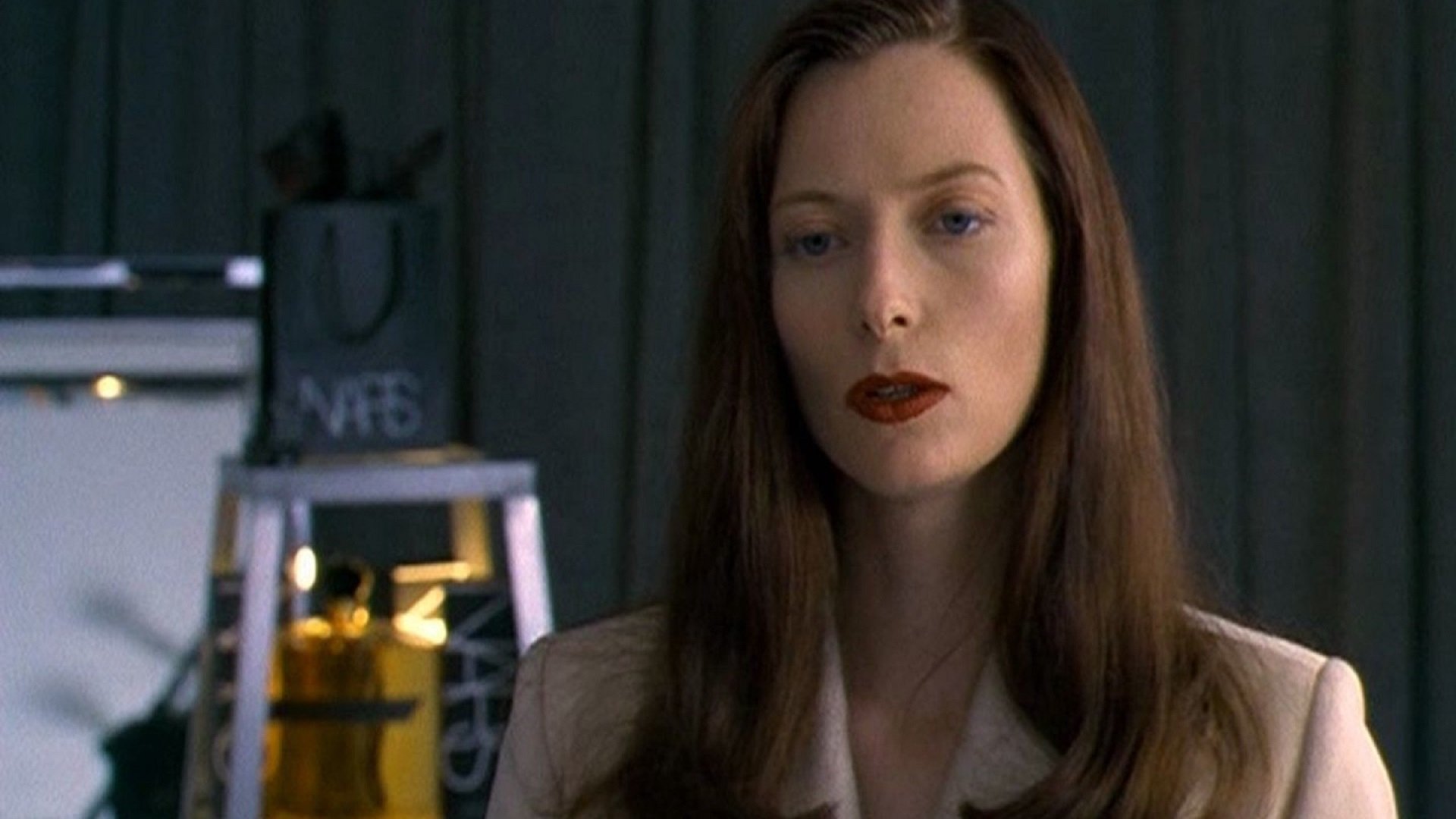
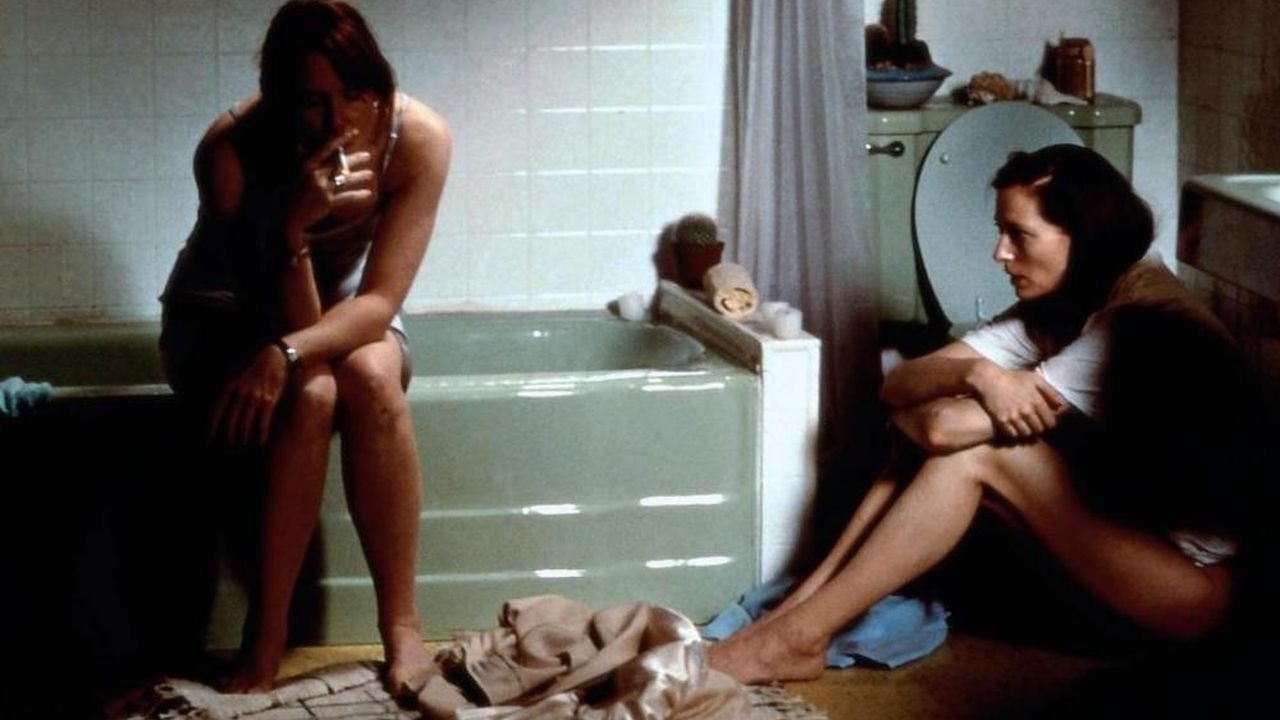
The portrayal of childhood trauma here feels sensationalistic and insincere. The portrayal of men strikes me as cartoonish, incredibly unempathetic to the point of feeling misandrist, and completely unwilling to explore what makes them act or think the disgusting way you do (though that's perhaps partly the point, since we see the film from a traumatized female perspective). There is heart lacking here, making everything feel just dreary and cynical and dull. There are no exciting or surprising turns in the story, whether on a thematic or plot-driven level. Eve, the protagonist, doesn't feel like a relatable person or fleshed out character, but instead a hollow vessel for the story to use to communicate its ideas.
The film is WAY too simplistic and not nearly subtle enough. There is no question to what a character's motives are in any one scene, no moral or thematic ambiguity. All of Eve's mental issues can be traced very succinctly and neatly to one or two childhood memories. All men act very similarly and VERY predictably. No potential solutions are offered here until the very end, where bonding with other women over their trauma seems to resolve a lot of emotional issues quickly and abruptly.
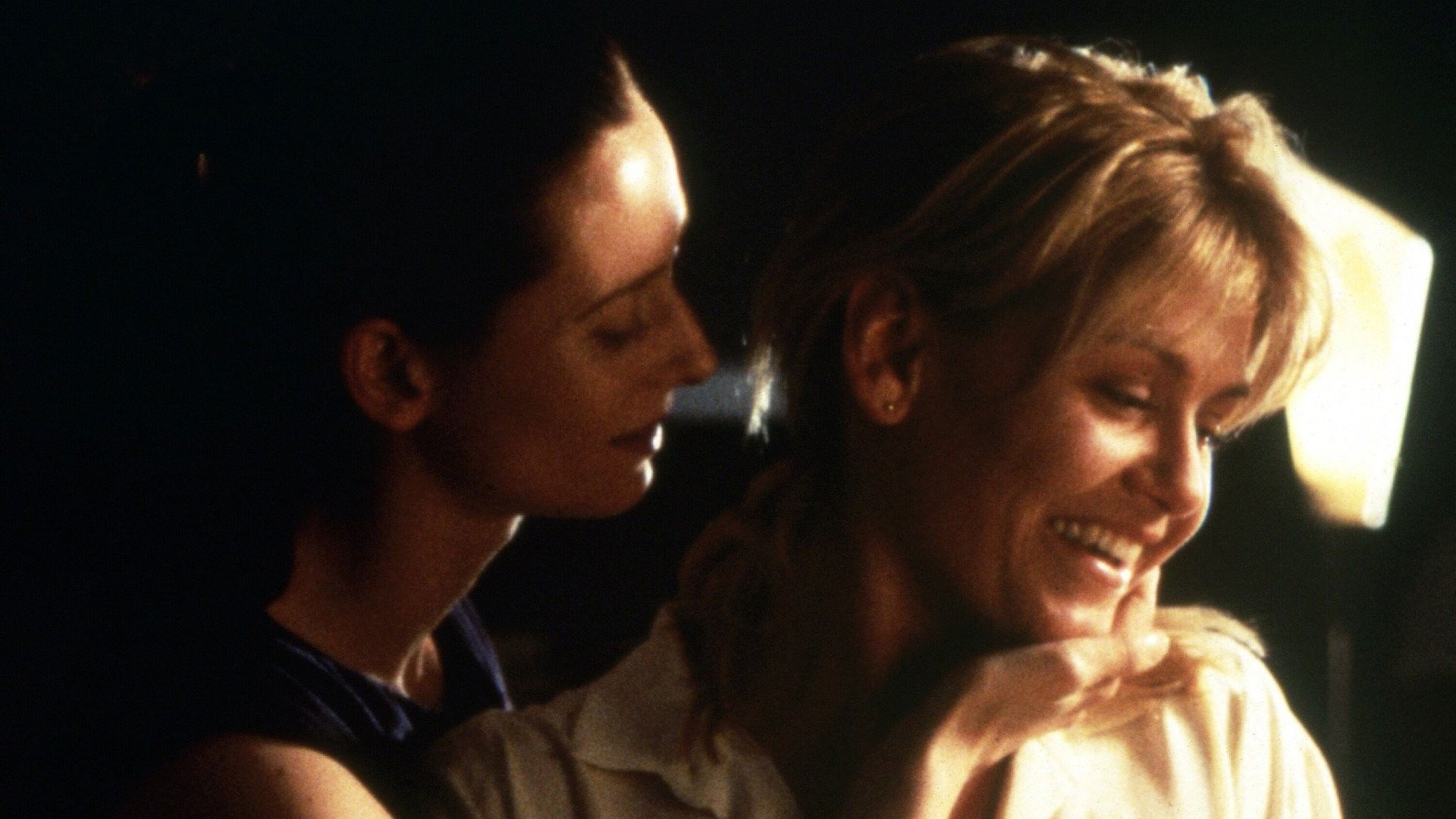
A trauma suddenly befalling you as a child, and the constant anxiety haunting you thereafter, feeling sexualized despite whatever you do, and fearing it whilst also craving it. Hating men, but obsessing over their approval. Feeding a beast that harms you but tells you that it loves you for letting it harm you.
This is the stuff of nightmares, and great stories are born of such. I respect director Susan Streitfeld for having the balls to try her hand at this. Yet this film fails for me, because it both sensationalizes and simplifies (unlike, say, The Piano Teacher), whilst not being entertaining or crazy enough (like, say, The Substance) either.
I hated this, though it probably does not deserve it.
My experience of this film was severely colored by personal trauma, to the point that it is probably very difficult for me to judge it fairly. Be therefore aware that this is not a well-constructed critique whatsoever, or a nuanced review. This is word vomiting.
Female Perversions is a film about:
1) How childhood trauma poisons you, fundamentally perverts your worldview, and will inevitably cause you to poison others.
2) The strict gender roles forced upon women, the inescapable sexualization of everything that they do and are, and how this ultimately harms women. This despite their participating in and upholding such roles, feeding such expectations, and men's sexual validation often feeling good and temporarily satisfying.
3) The attempt, as a woman, to regain a sense of control through dominating women and men, both in one's professional life and personal life also, but foremost in one's sexual life. Particularly in one's sexual life, this is more unsuccessful than not, since you're still giving men what they want, and partly doing the same to women what you despise men for doing to you.
All of these are interesting, complex themes, but I have a few issues:
The portrayal of childhood trauma here feels sensationalistic and insincere. The portrayal of men strikes me as cartoonish, incredibly unempathetic to the point of feeling misandrist, and completely unwilling to explore what makes them act or think the disgusting way you do (though that's perhaps partly the point, since we see the film from a traumatized female perspective). There is heart lacking here, making everything feel just dreary and cynical and dull. There are no exciting or surprising turns in the story, whether on a thematic or plot-driven level. Eve, the protagonist, doesn't feel like a relatable person or fleshed out character, but instead a hollow vessel for the story to use to communicate its ideas.
The film is WAY too simplistic and not nearly subtle enough. There is no question to what a character's motives are in any one scene, no moral or thematic ambiguity. All of Eve's mental issues can be traced very succinctly and neatly to one or two childhood memories. All men act very similarly and VERY predictably. No potential solutions are offered here until the very end, where bonding with other women over their trauma seems to resolve a lot of emotional issues quickly and abruptly.
A trauma suddenly befalling you as a child, and the constant anxiety haunting you thereafter, feeling sexualized despite whatever you do, and fearing it whilst also craving it. Hating men, but obsessing over their approval. Feeding a beast that harms you but tells you that it loves you for letting it harm you.
This is the stuff of nightmares, and great stories are born of such. I respect director Susan Streitfeld for having the balls to try her hand at this. Yet this film fails for me, because it both sensationalizes and simplifies (unlike, say, The Piano Teacher), whilst not being entertaining or crazy enough (like, say, The Substance) either.
I hated this, though it probably does not deserve it.