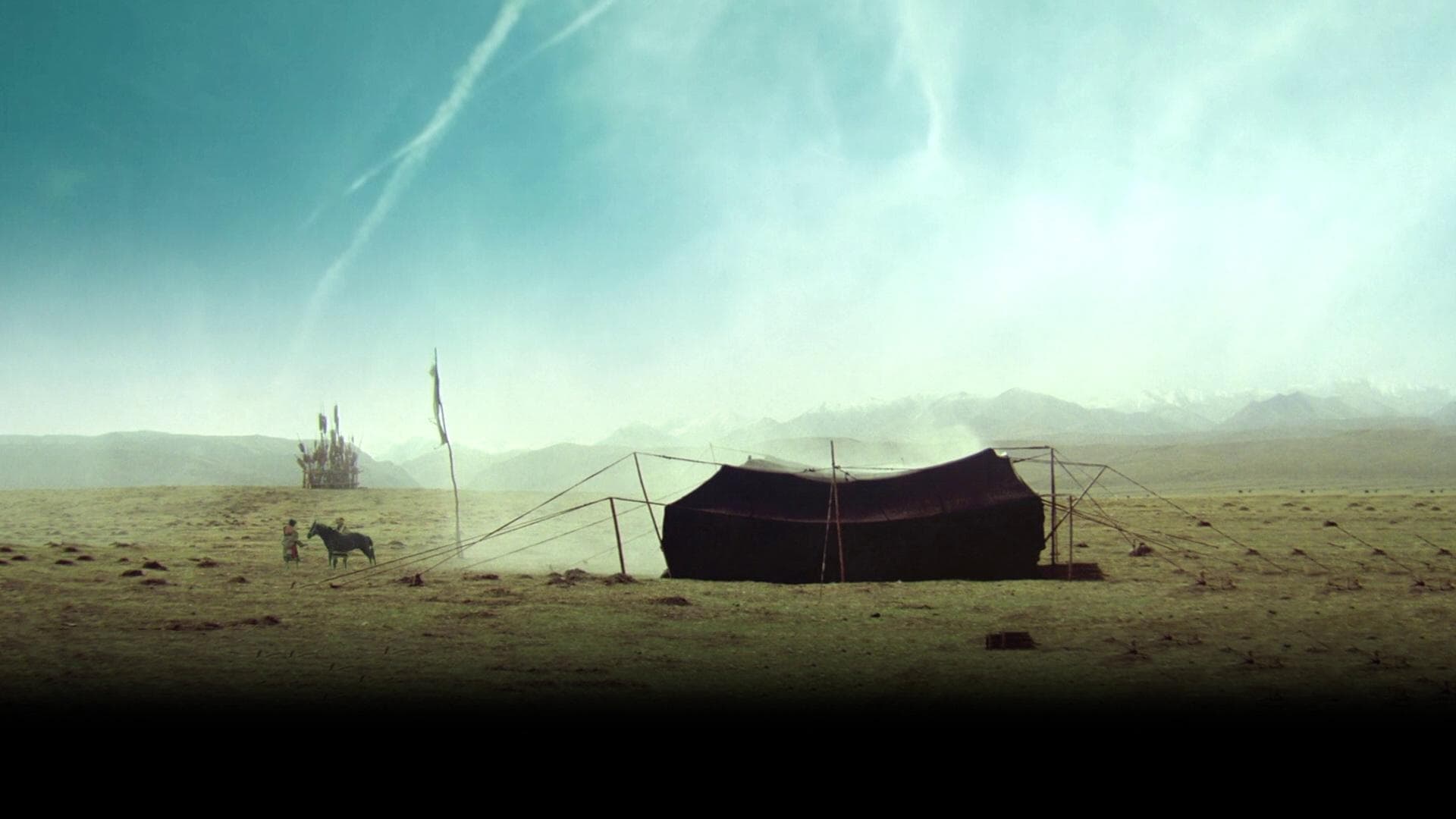
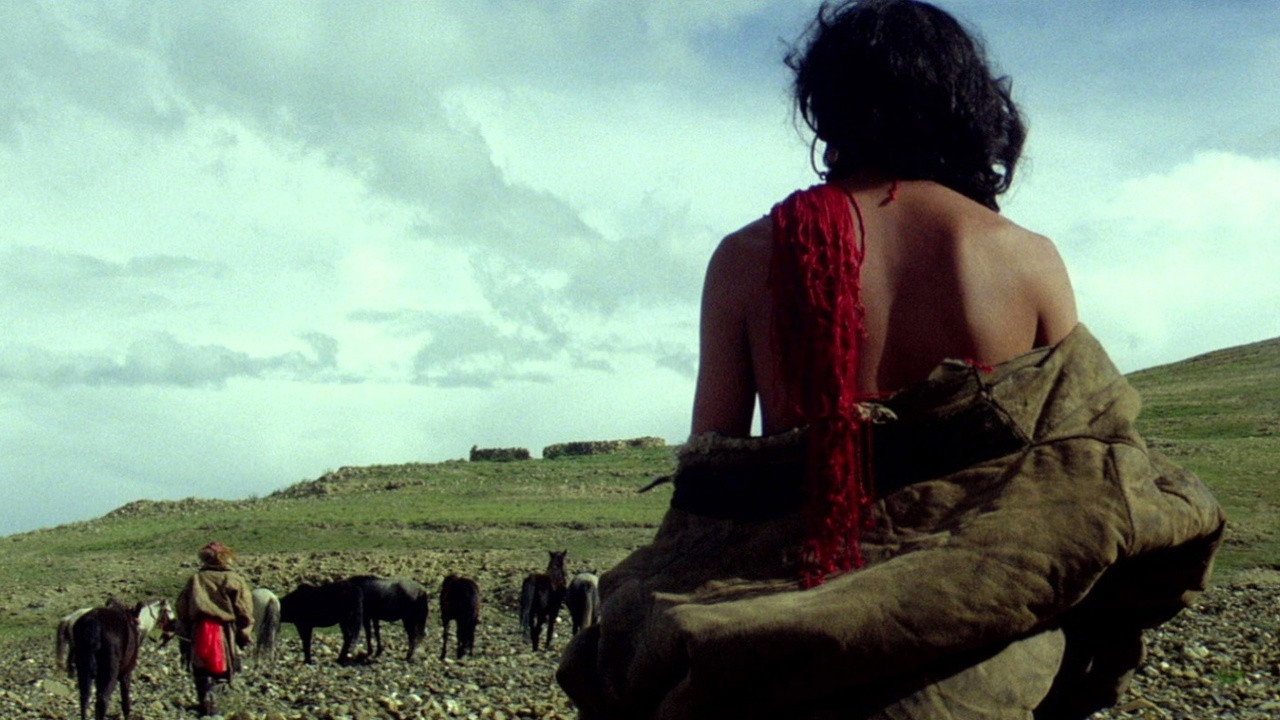
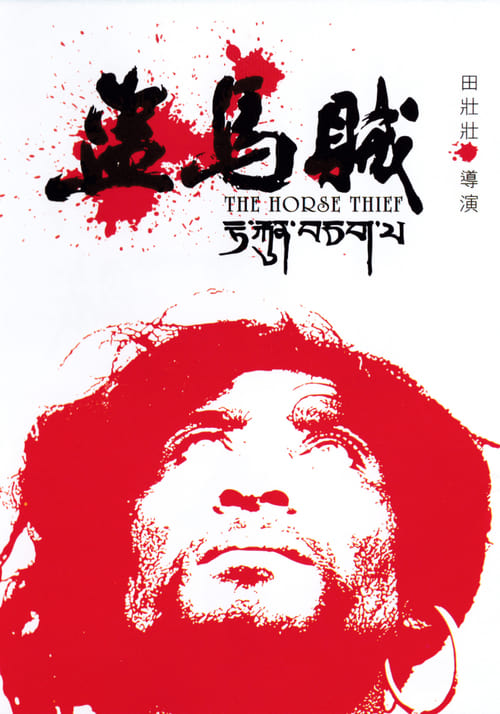
An awesome meditative reflection on nature and man’s place within and without the tribe. I sensed a strong fusion of Eisensteinian montage and Tarkovskyan philosophy. Enveloping religious ritualism is visualized through magical editing in scenes like the husband and wife’s prostrating pilgrimage across the land. Like all great works, a universality is borne out of its microspecificity. We see the social dilemma between a man, his sins, and his tribe. I actually thought a lot about Abulasze’s The Plea in terms of isolated rural tribe setting and intra-tribal conflict. Here, though it’s less about a village’s betrayal and more about the ostracized hero. The thematic questions surrounding our hero’s crime, his living condition, as well as his selfless dedication to his religion provide insight into the greater social condition we, as humans, will always be bound to. Moreso, dialogue is sparse, so the implicit experience of the film is less reliant on directly understood narrative. One thing that failed to register initially was the mention of the plague, which ties into some of the animal deaths and rituals we see. So while the three main beats are emphasized: the expulsion from the tribe, the child’s death, and the return to the village, there remains a majority of the film in montage and natural landscape. This cinematic construction further lends itself to the dialectic conflict between man and nature. The final shots are stunning and the end is striking.
An awesome meditative reflection on nature and man’s place within and without the tribe. I sensed a strong fusion of Eisensteinian montage and Tarkovskyan philosophy. Enveloping religious ritualism is visualized through magical editing in scenes like the husband and wife’s prostrating pilgrimage across the land. Like all great works, a universality is borne out of its microspecificity. We see the social dilemma between a man, his sins, and his tribe. I actually thought a lot about Abulasze’s The Plea in terms of isolated rural tribe setting and intra-tribal conflict. Here, though it’s less about a village’s betrayal and more about the ostracized hero. The thematic questions surrounding our hero’s crime, his living condition, as well as his selfless dedication to his religion provide insight into the greater social condition we, as humans, will always be bound to. Moreso, dialogue is sparse, so the implicit experience of the film is less reliant on directly understood narrative. One thing that failed to register initially was the mention of the plague, which ties into some of the animal deaths and rituals we see. So while the three main beats are emphasized: the expulsion from the tribe, the child’s death, and the return to the village, there remains a majority of the film in montage and natural landscape. This cinematic construction further lends itself to the dialectic conflict between man and nature. The final shots are stunning and the end is striking.