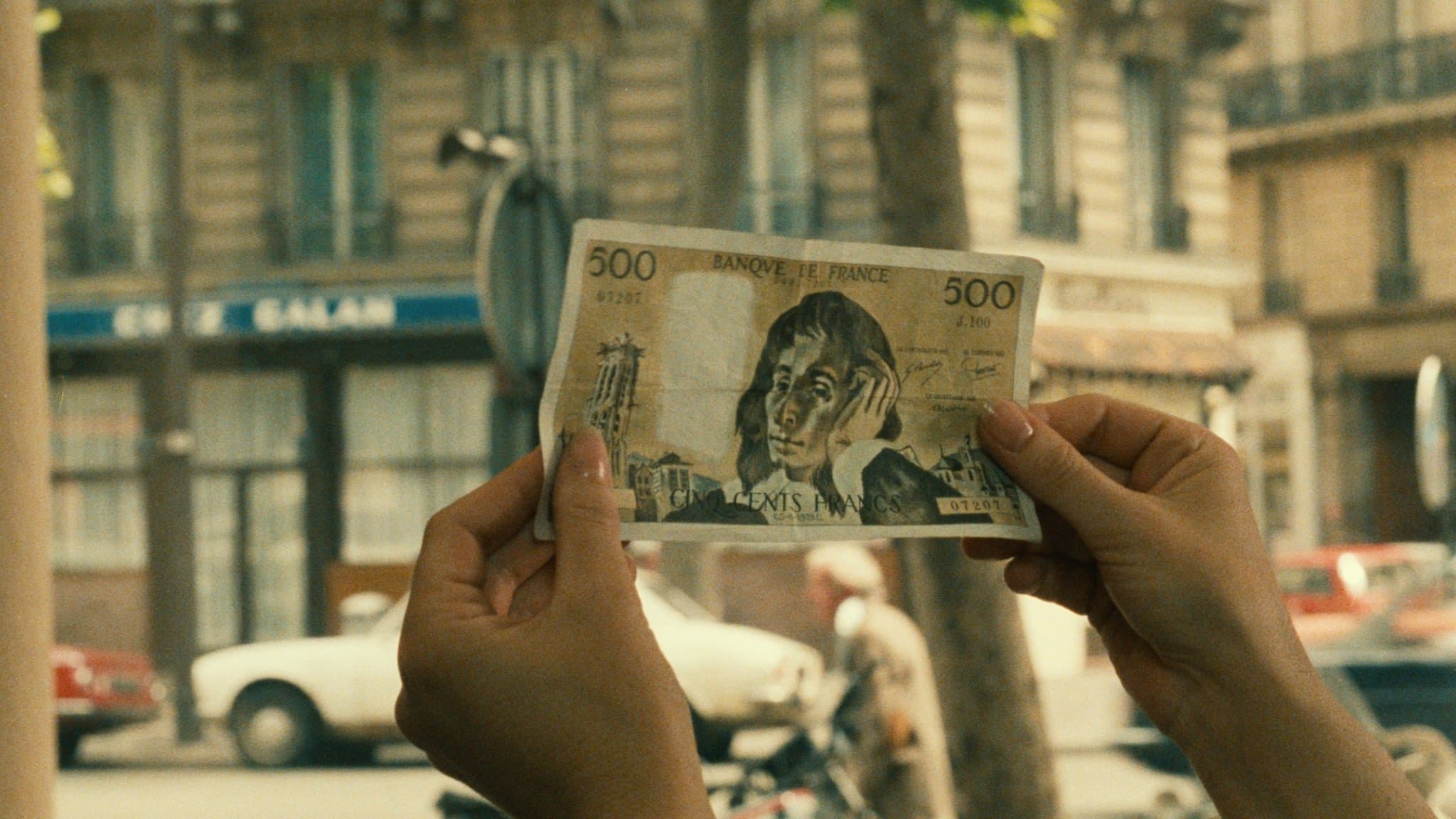
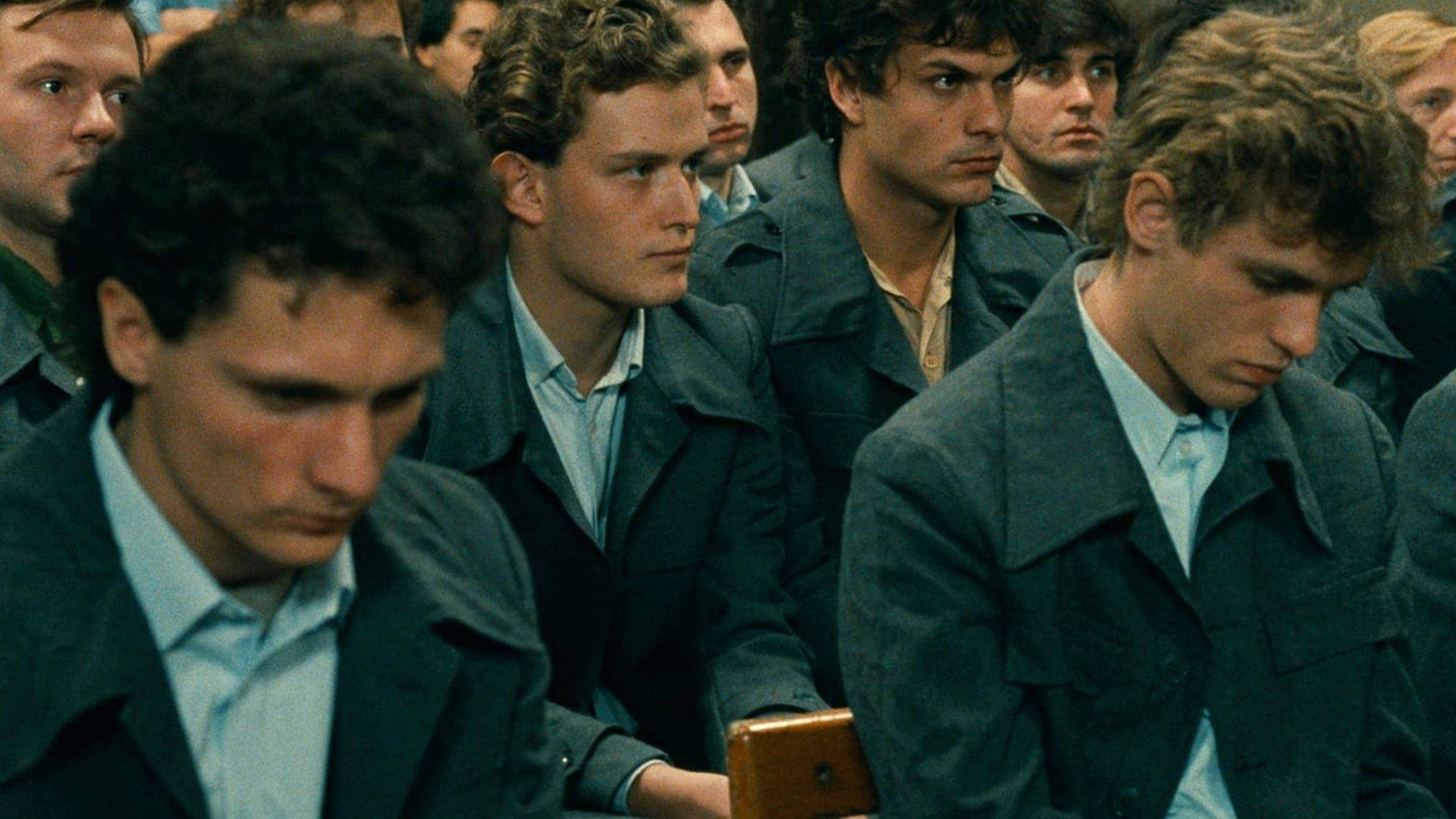
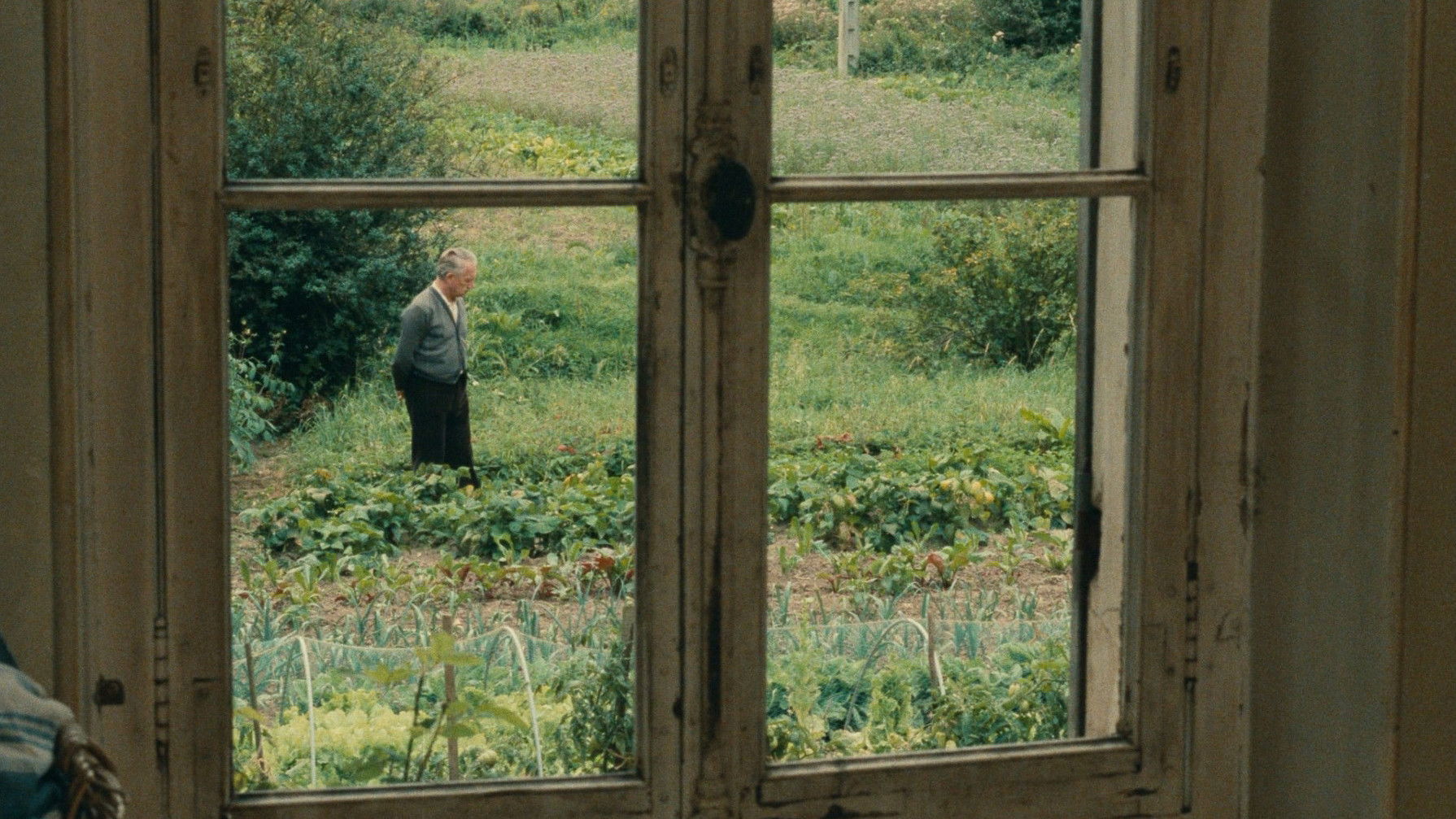
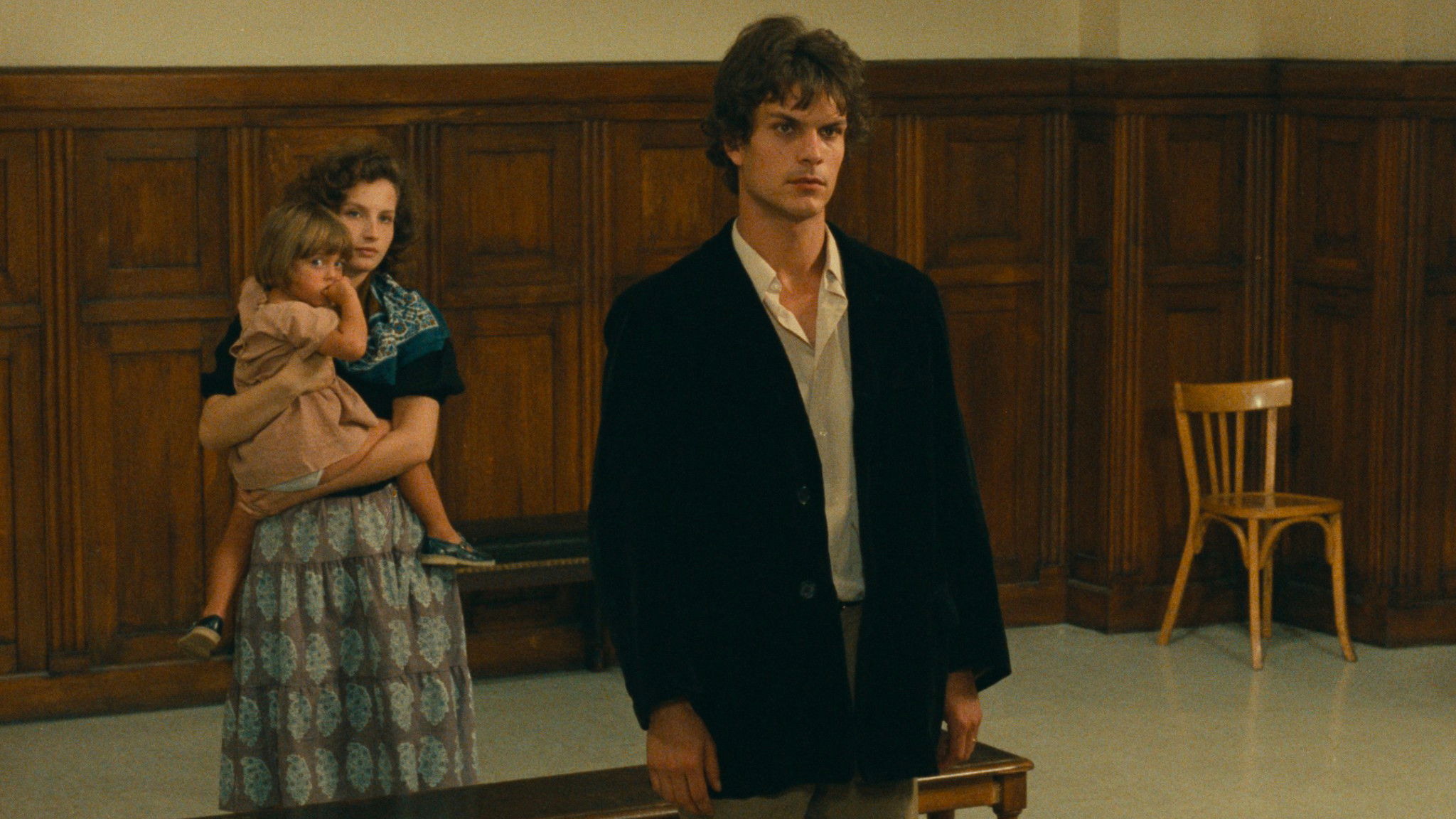
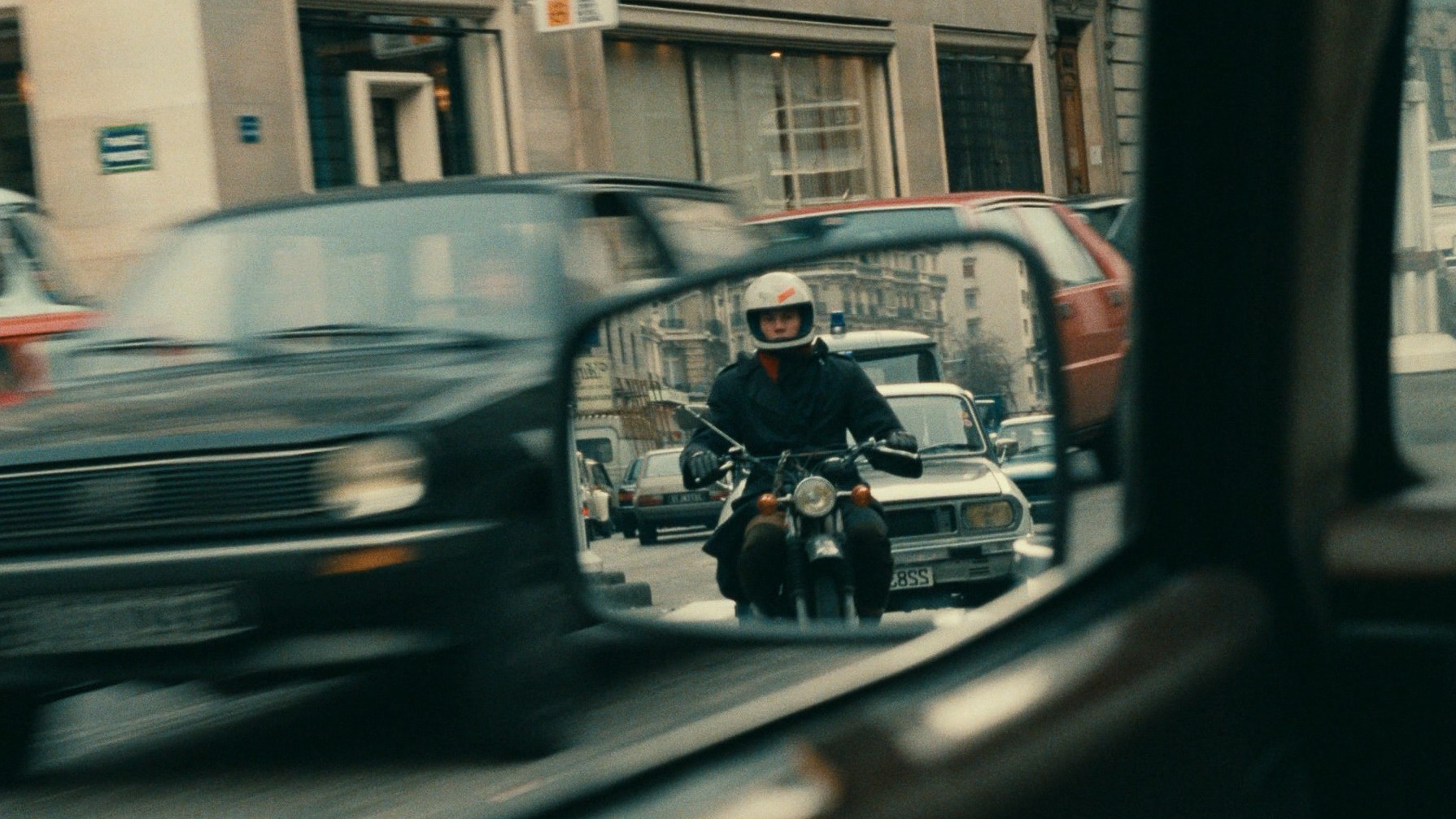
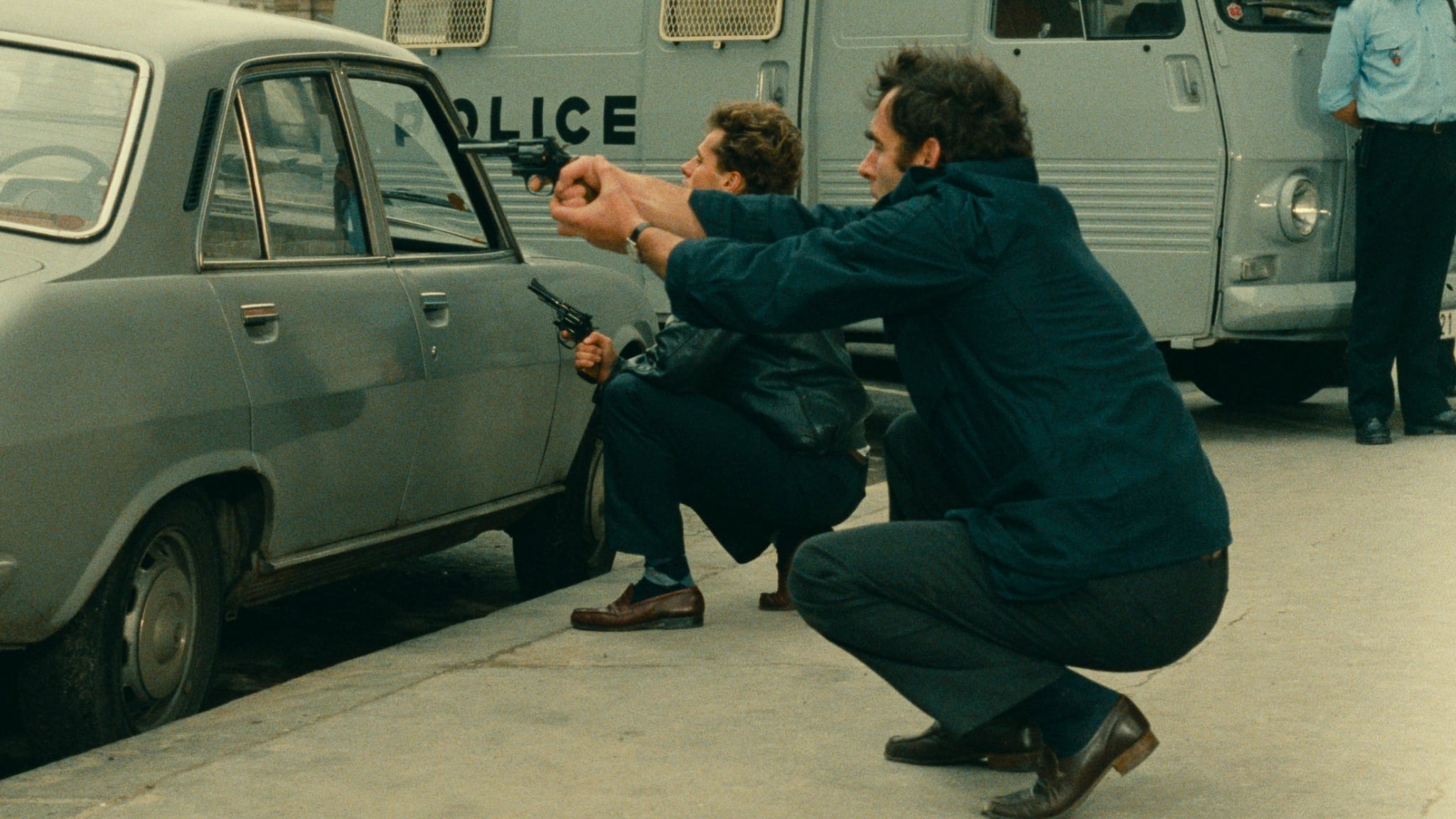
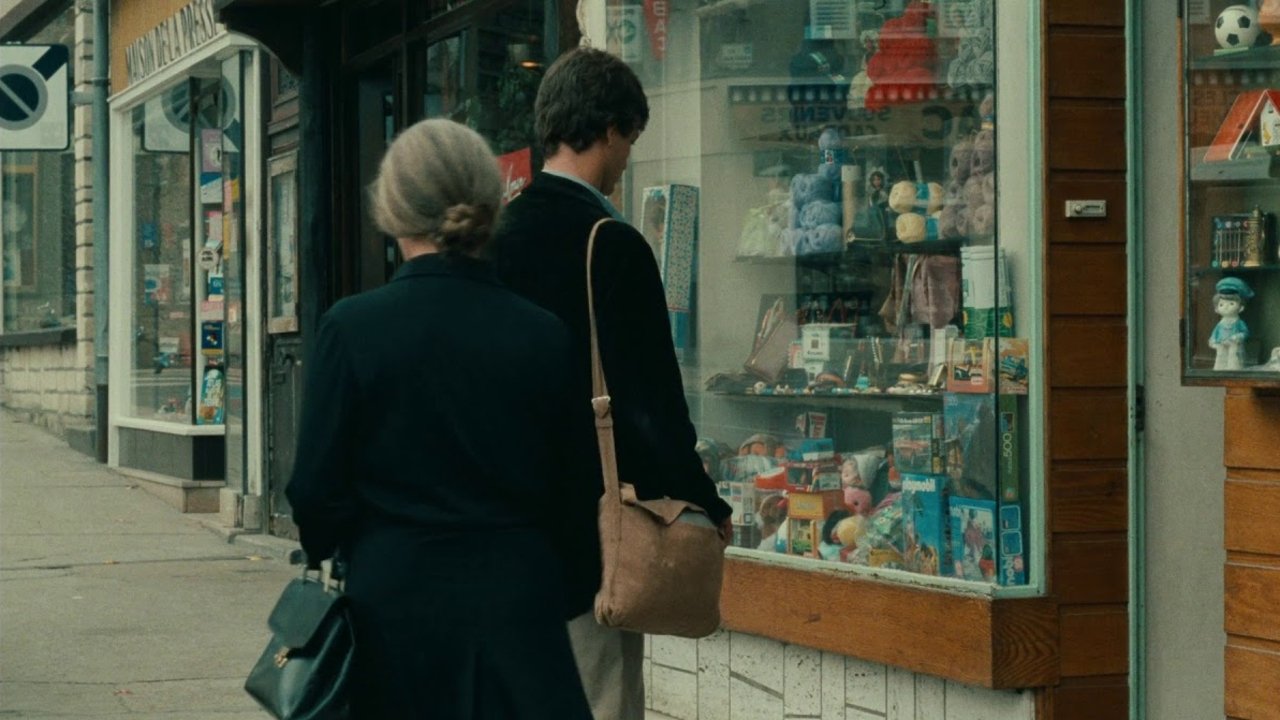
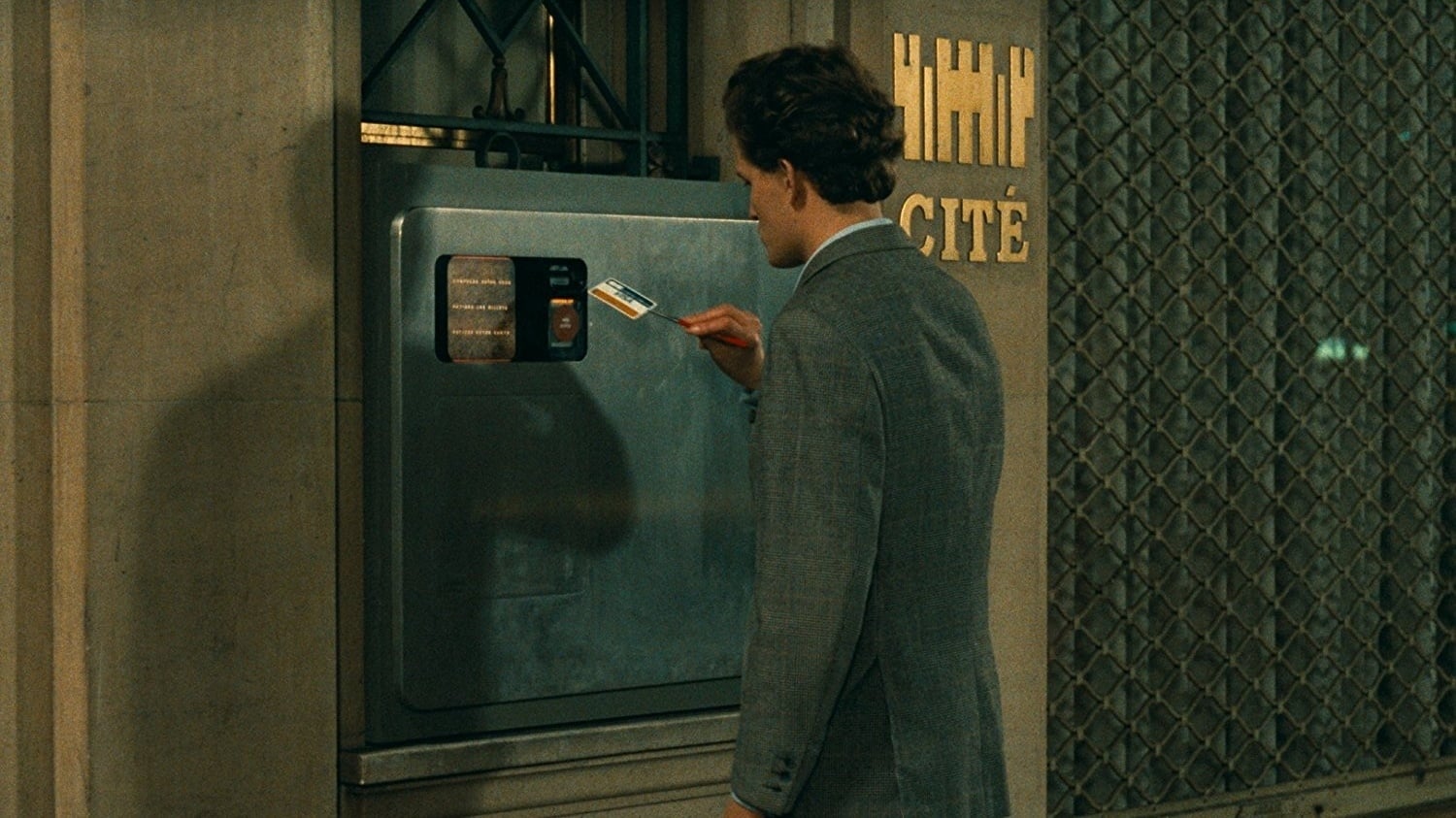
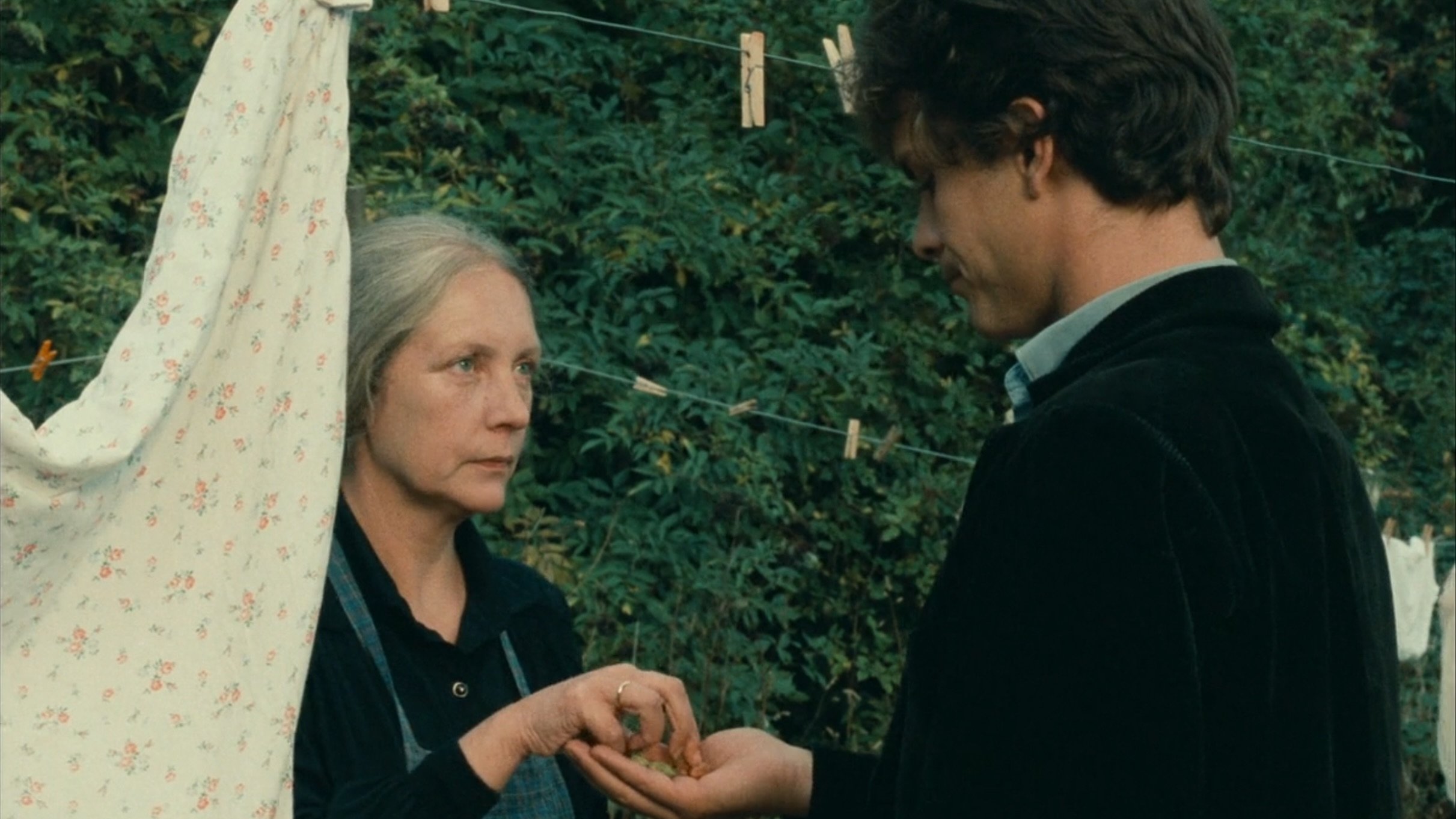
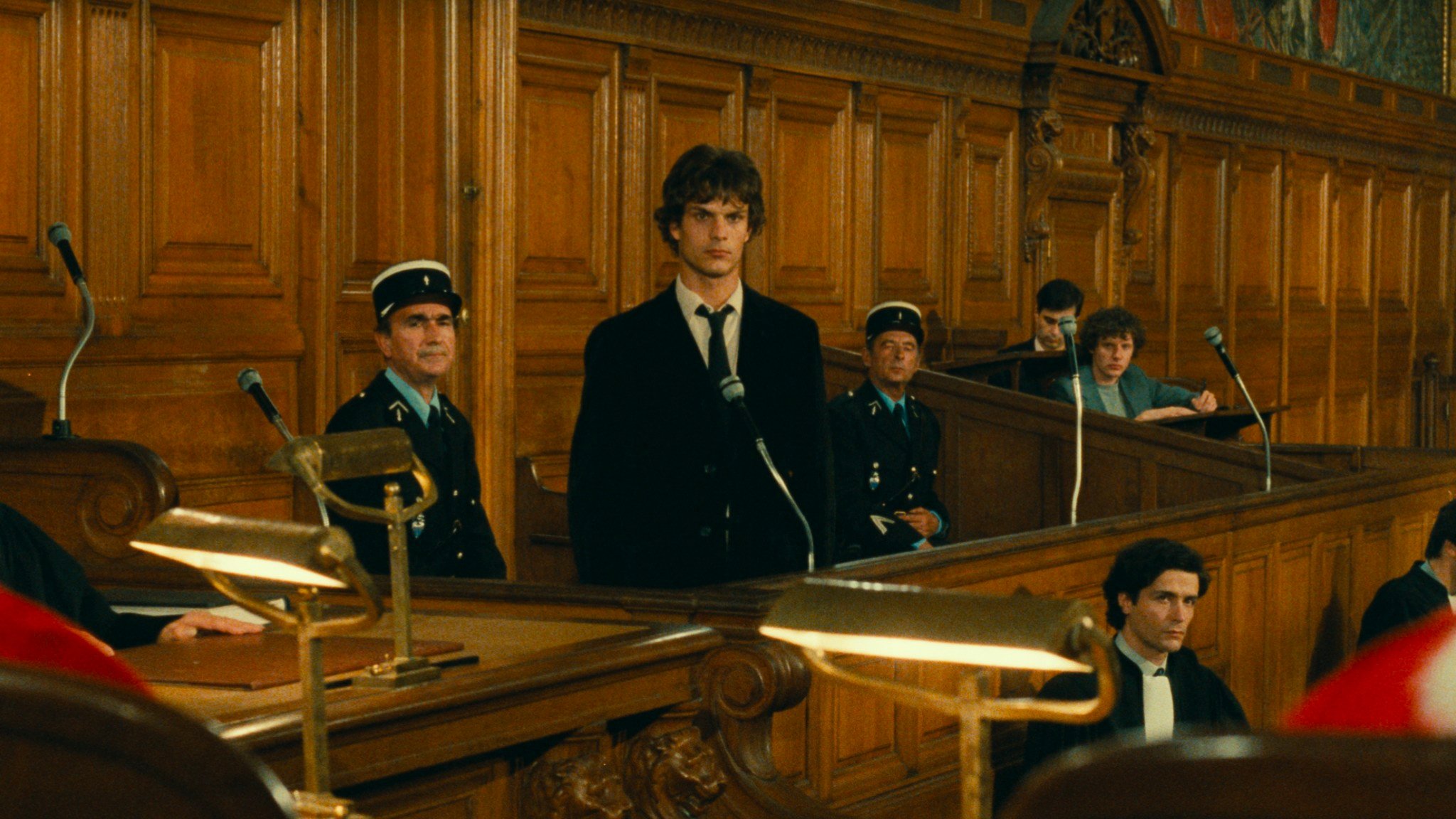
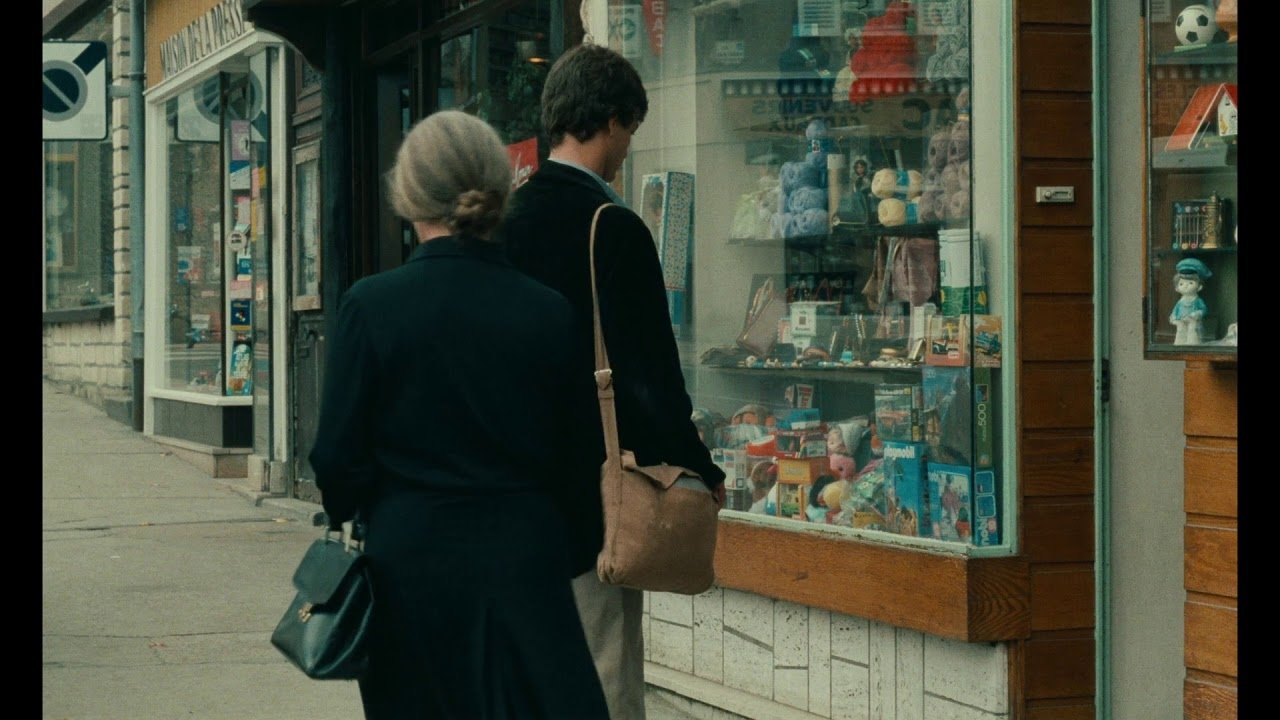
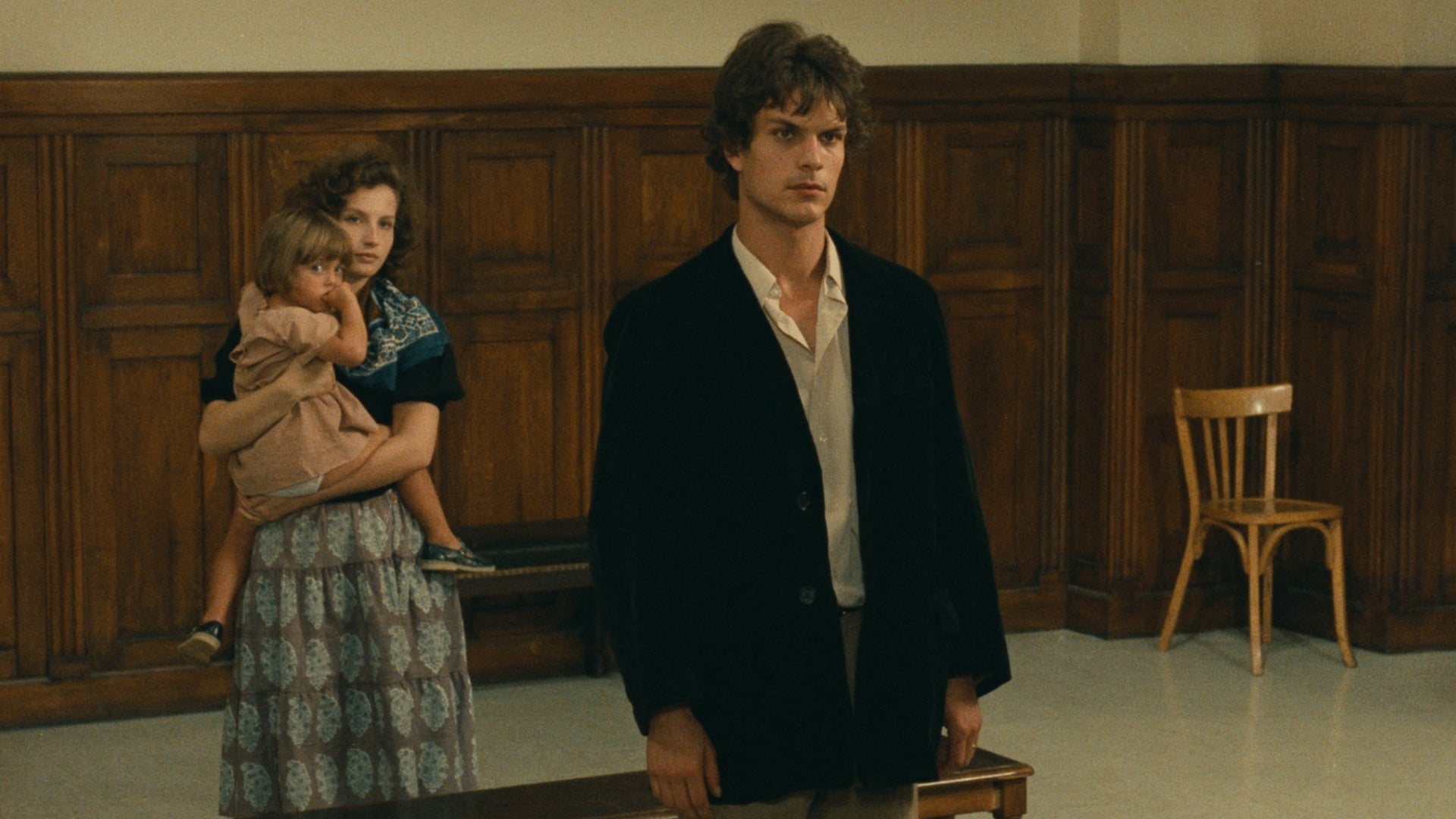
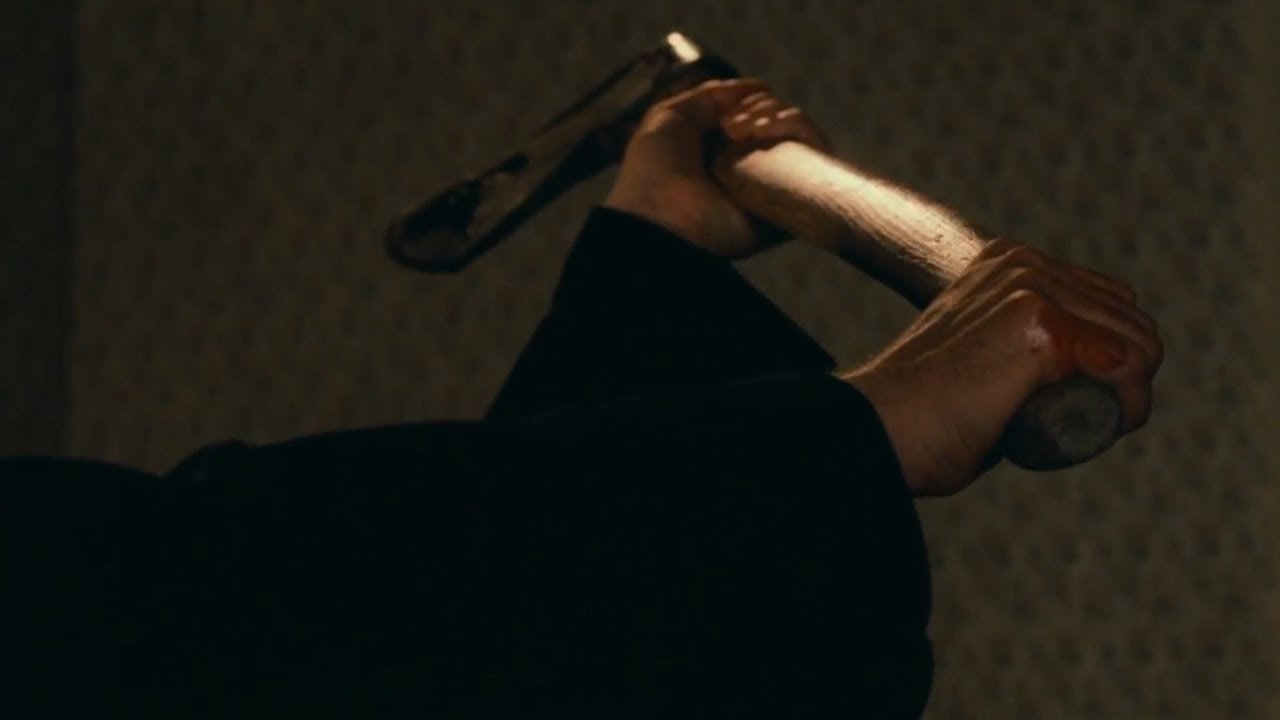
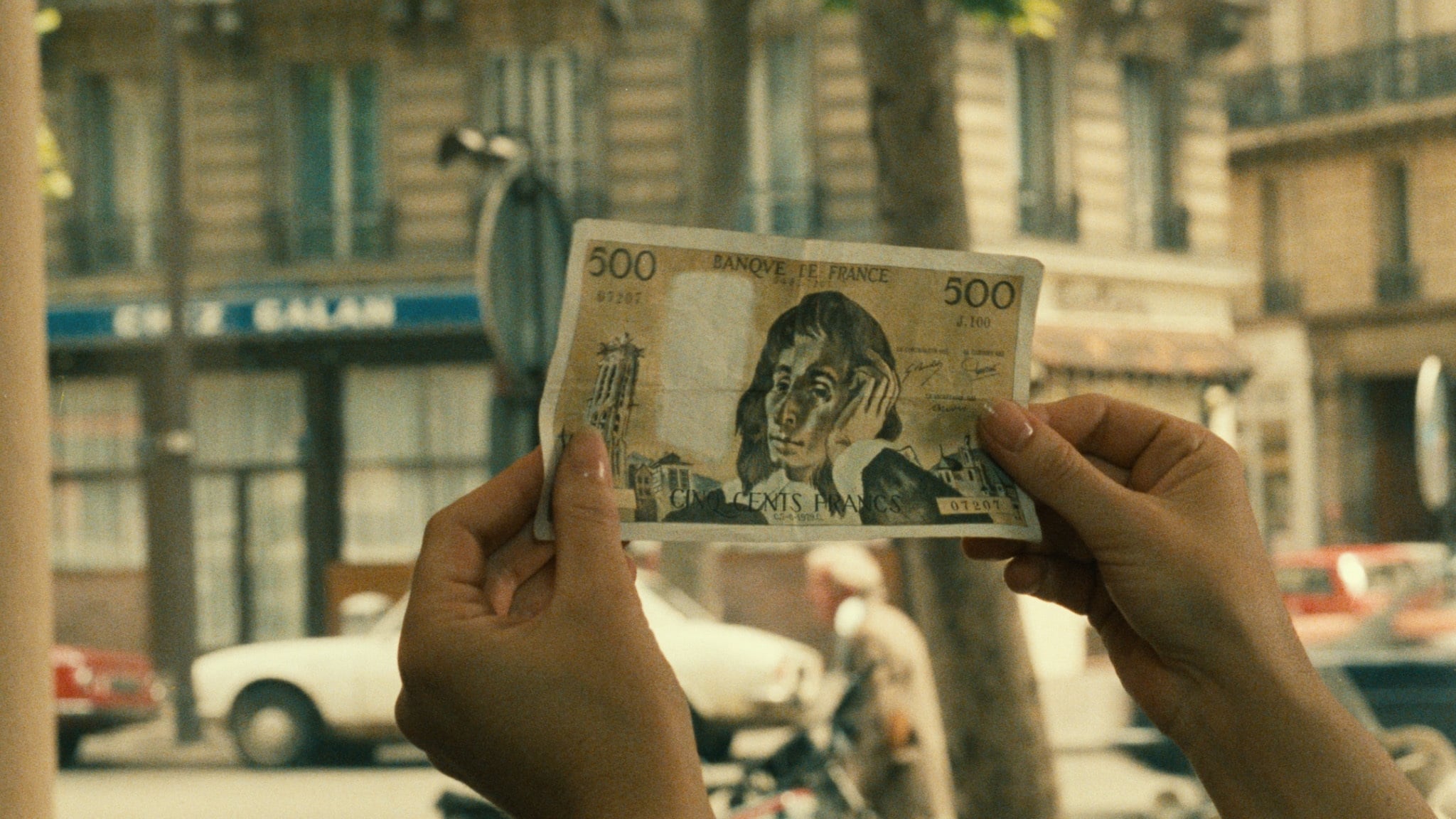
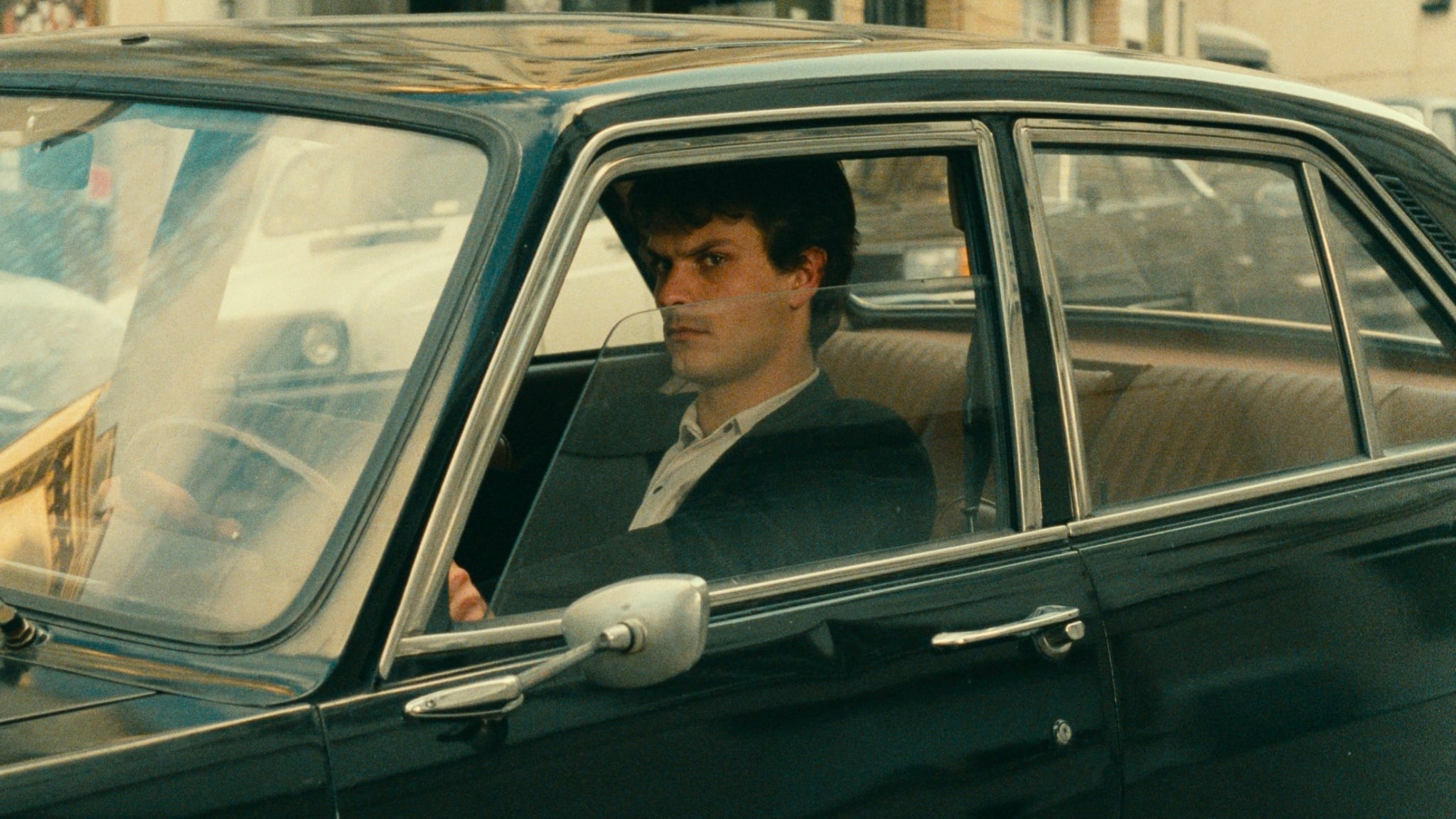
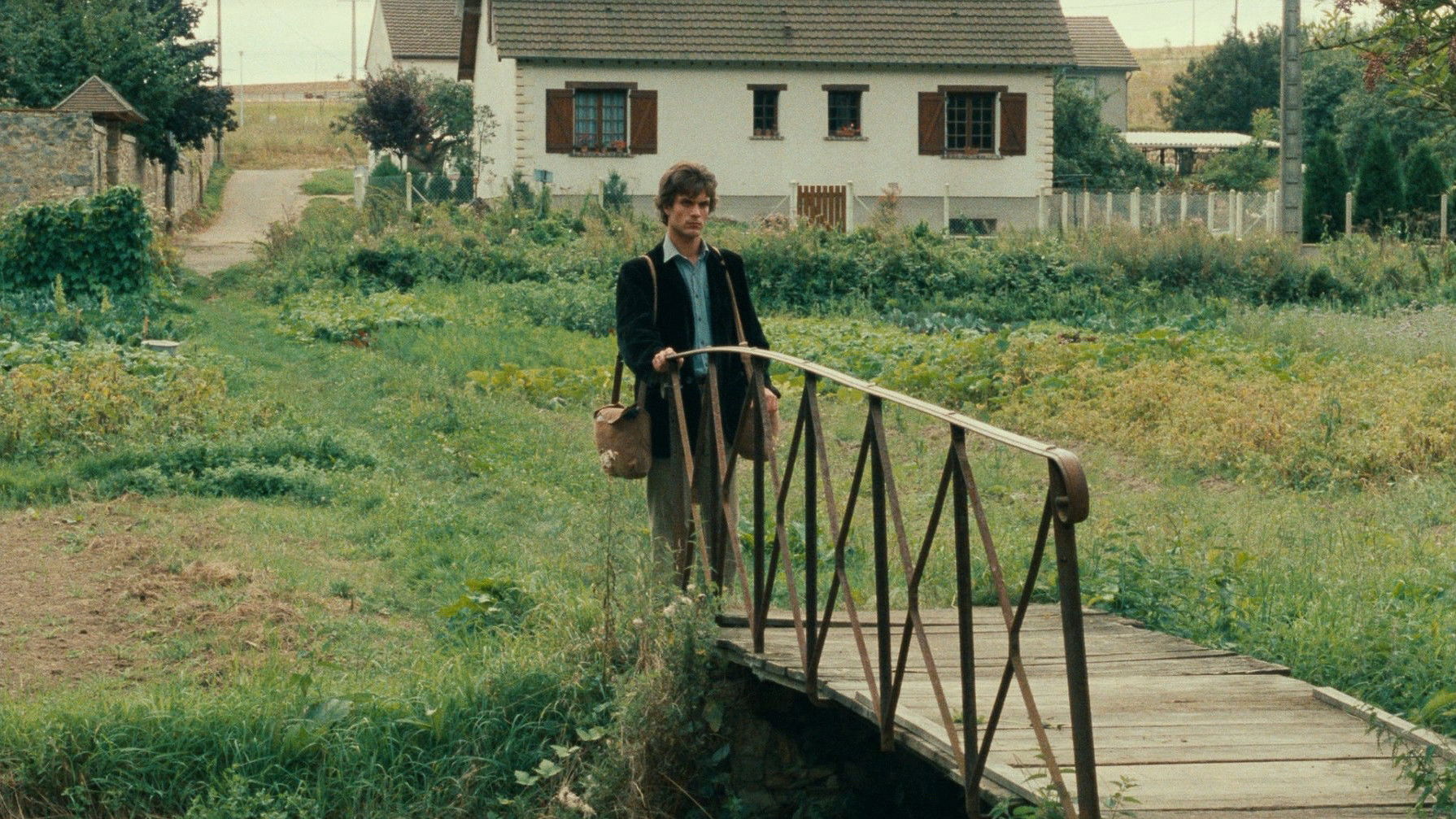
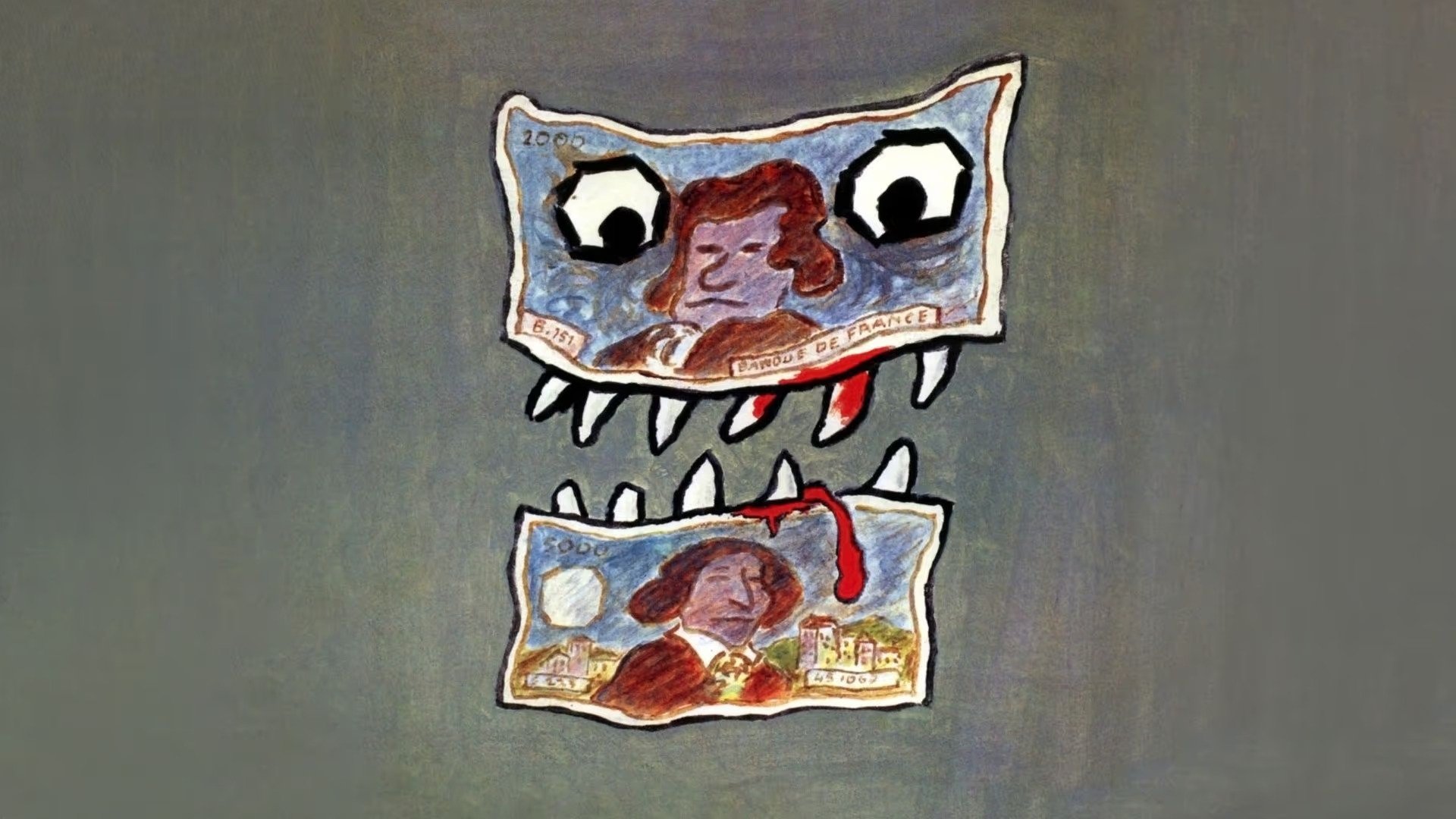
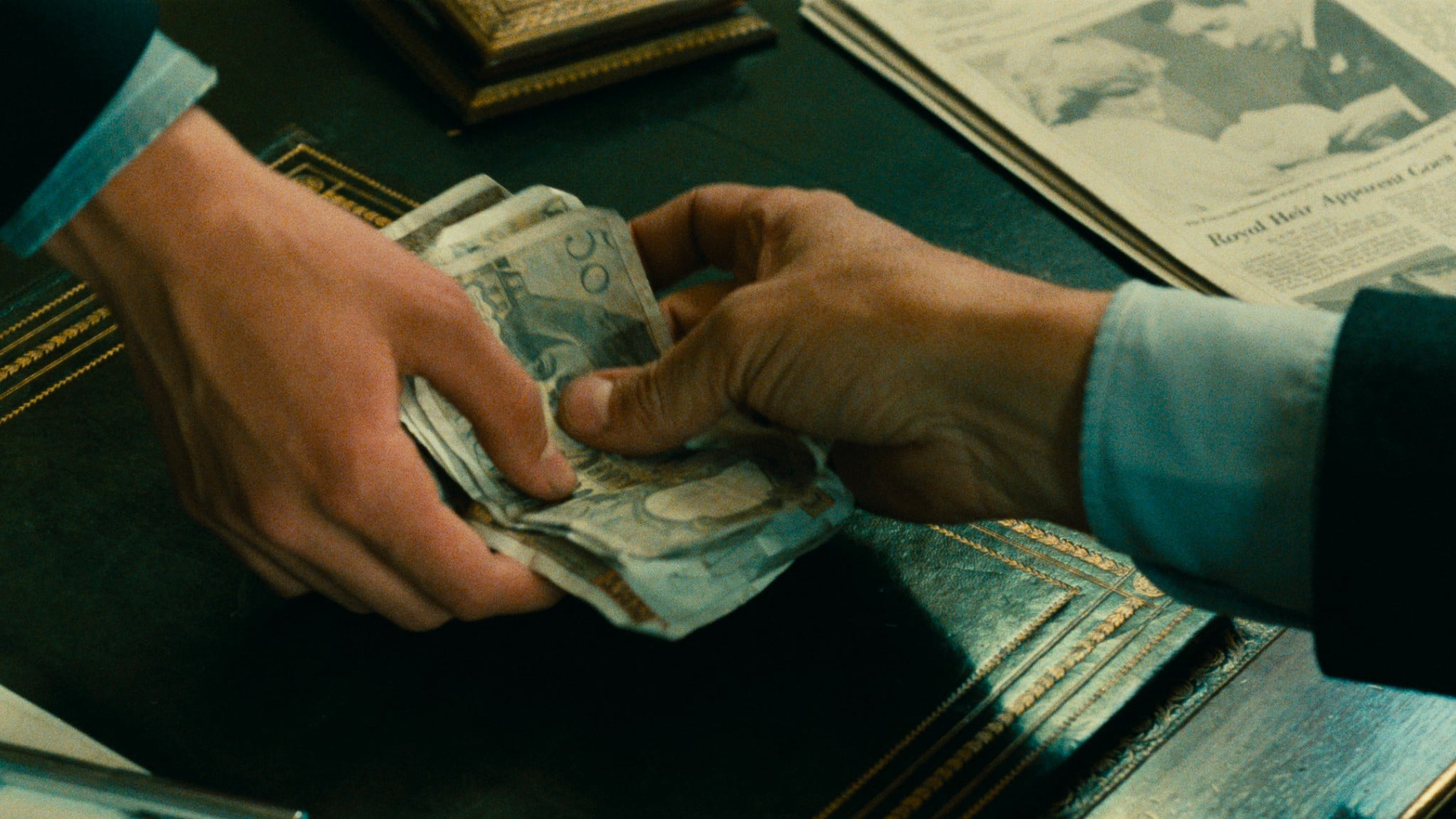
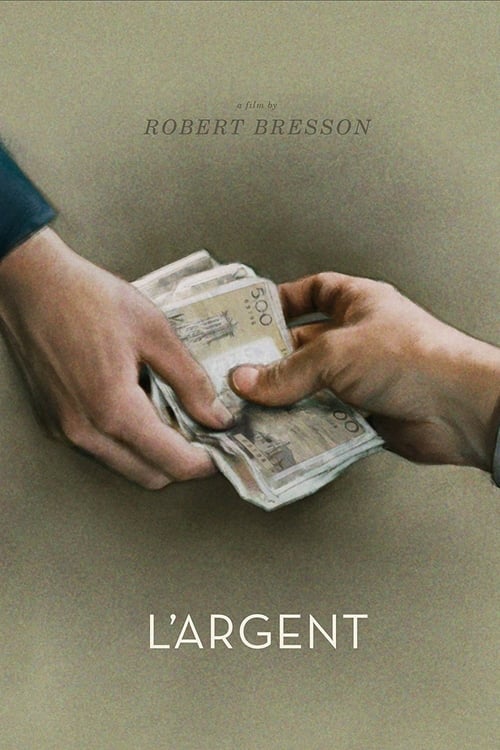
Bresson ends his filmography with a scream that never leaves the walls. L’Argent feels less like a story about money than a disease slowly contaminating every hand it passes through, until humanity itself becomes mechanical, cold, unreachable. Every gesture is stripped bare. Every silence feels judged. And yet beneath all that austerity there’s unbearable pity for mankind, as if Bresson looked at us one last time and whispered that evil is ordinary, invisible, almost casual.
Finishing Bresson’s filmography with L’Argent feels strangely spiritual to me. Not comforting spiritualism, but the kind that forces you to confront yourself in silence. His films taught me that cinema can transcend performance, plot, even dialogue; it can become prayer, confession, punishment. I feel like I didn’t just watch Bresson, I lived beside him for a while. And now that it’s over, there’s an emptiness in me that only his films could create.
Bresson ends his filmography with a scream that never leaves the walls. L’Argent feels less like a story about money than a disease slowly contaminating every hand it passes through, until humanity itself becomes mechanical, cold, unreachable. Every gesture is stripped bare. Every silence feels judged. And yet beneath all that austerity there’s unbearable pity for mankind, as if Bresson looked at us one last time and whispered that evil is ordinary, invisible, almost casual.
Finishing Bresson’s filmography with L’Argent feels strangely spiritual to me. Not comforting spiritualism, but the kind that forces you to confront yourself in silence. His films taught me that cinema can transcend performance, plot, even dialogue; it can become prayer, confession, punishment. I feel like I didn’t just watch Bresson, I lived beside him for a while. And now that it’s over, there’s an emptiness in me that only his films could create.