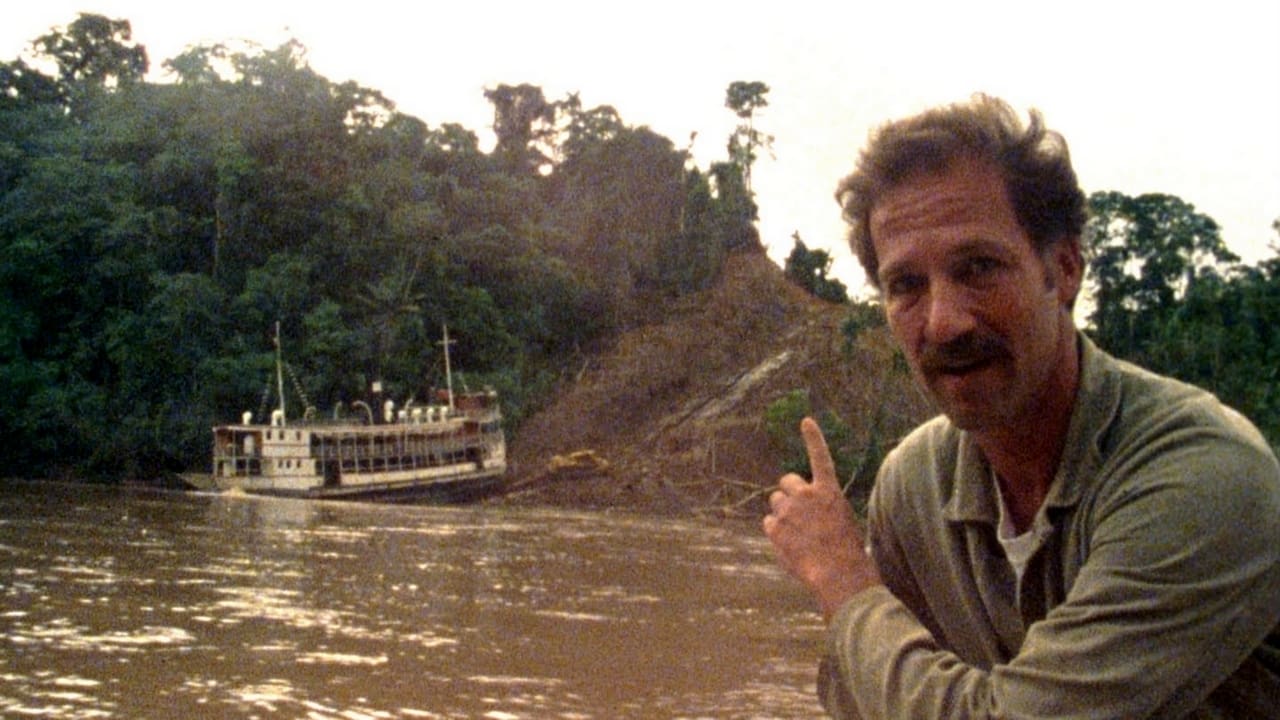
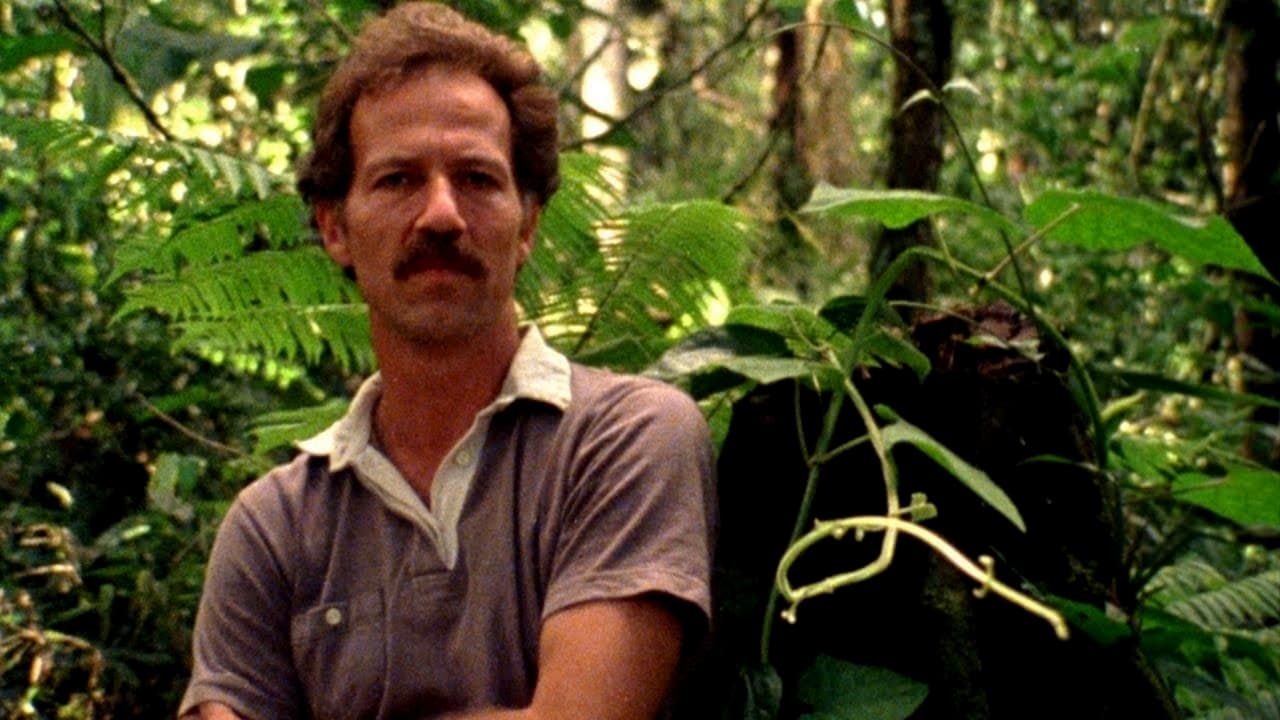
“The trees here are in misery, and the birds are in misery. I don't think they - they sing. They just screech in pain. (...) It's like a curse weighing on an entire landscape. And whoever... goes too deep into this has his share of this curse. So we are cursed with what we are doing here. It's a land that God, if he exists has - has created in anger. It's the only land where - where creation is unfinished yet. Taking a close look at - at what's around us there - there is some sort of a harmony. It is the harmony of... overwhelming and collective murder. And we in comparison to the articulate vileness and baseness and obscenity of all this jungle.(...) We have to become humble in front of this overwhelming misery and overwhelming fornication... overwhelming growth and overwhelming lack of order. Even the - the stars up here in the - in the sky look like a mess. There is no harmony in the universe. We have to get acquainted to this idea that there is no real harmony as we have conceived it. But when I say this, I say this all full of admiration for the jungle. It is not that I hate it, I love it. I love it very much. But I love it against my better judgment.”
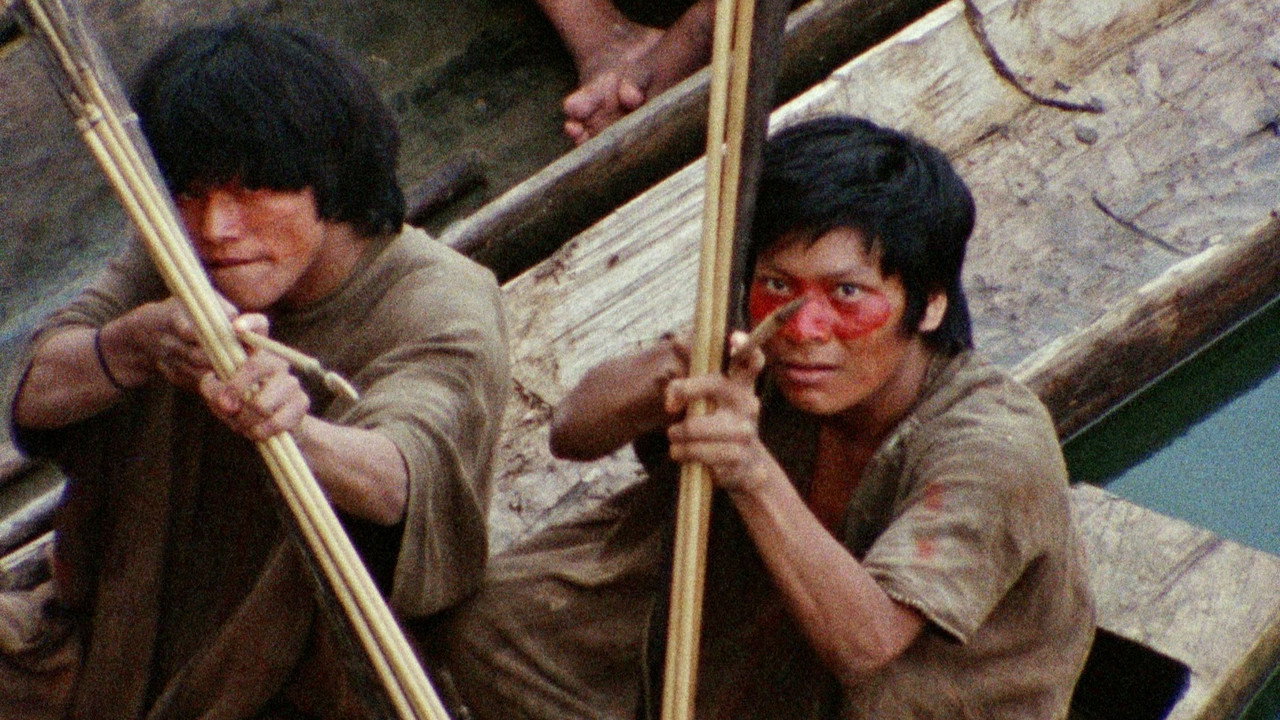
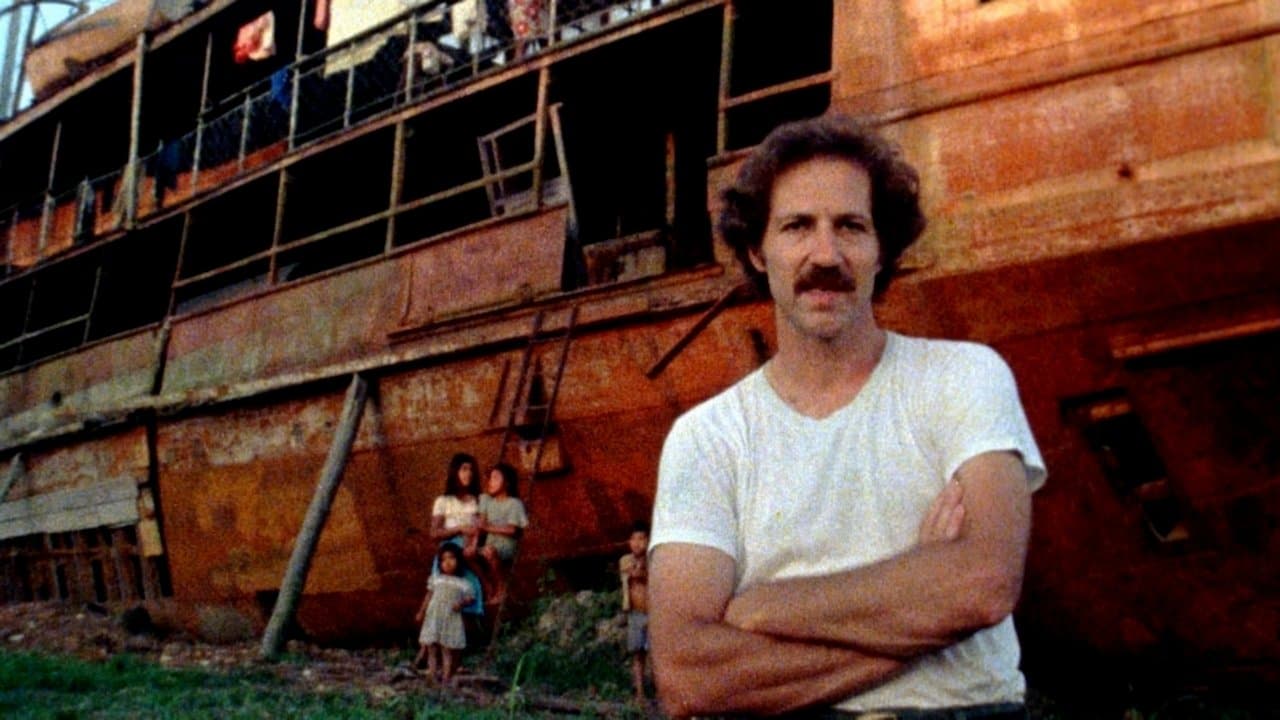
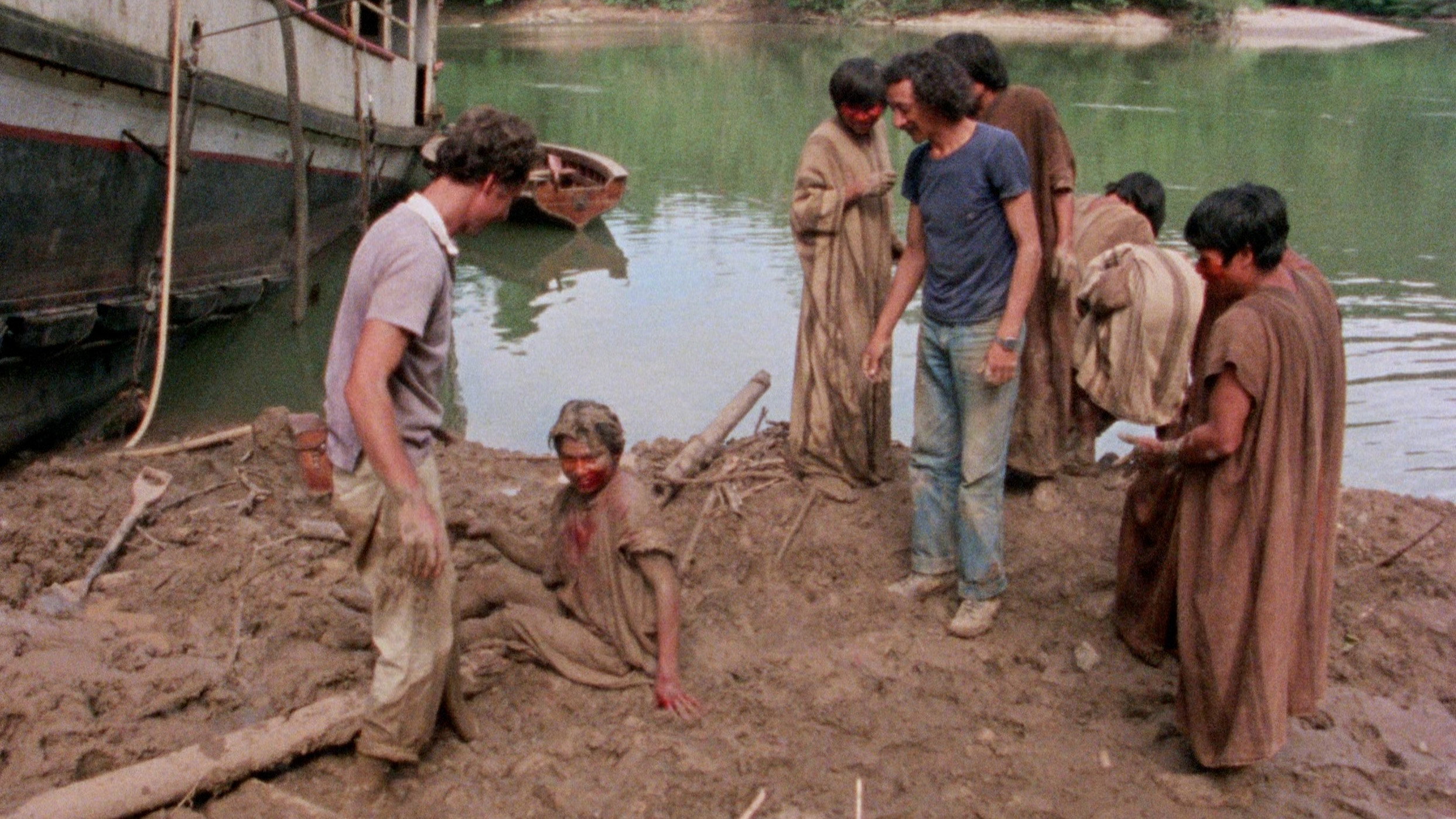
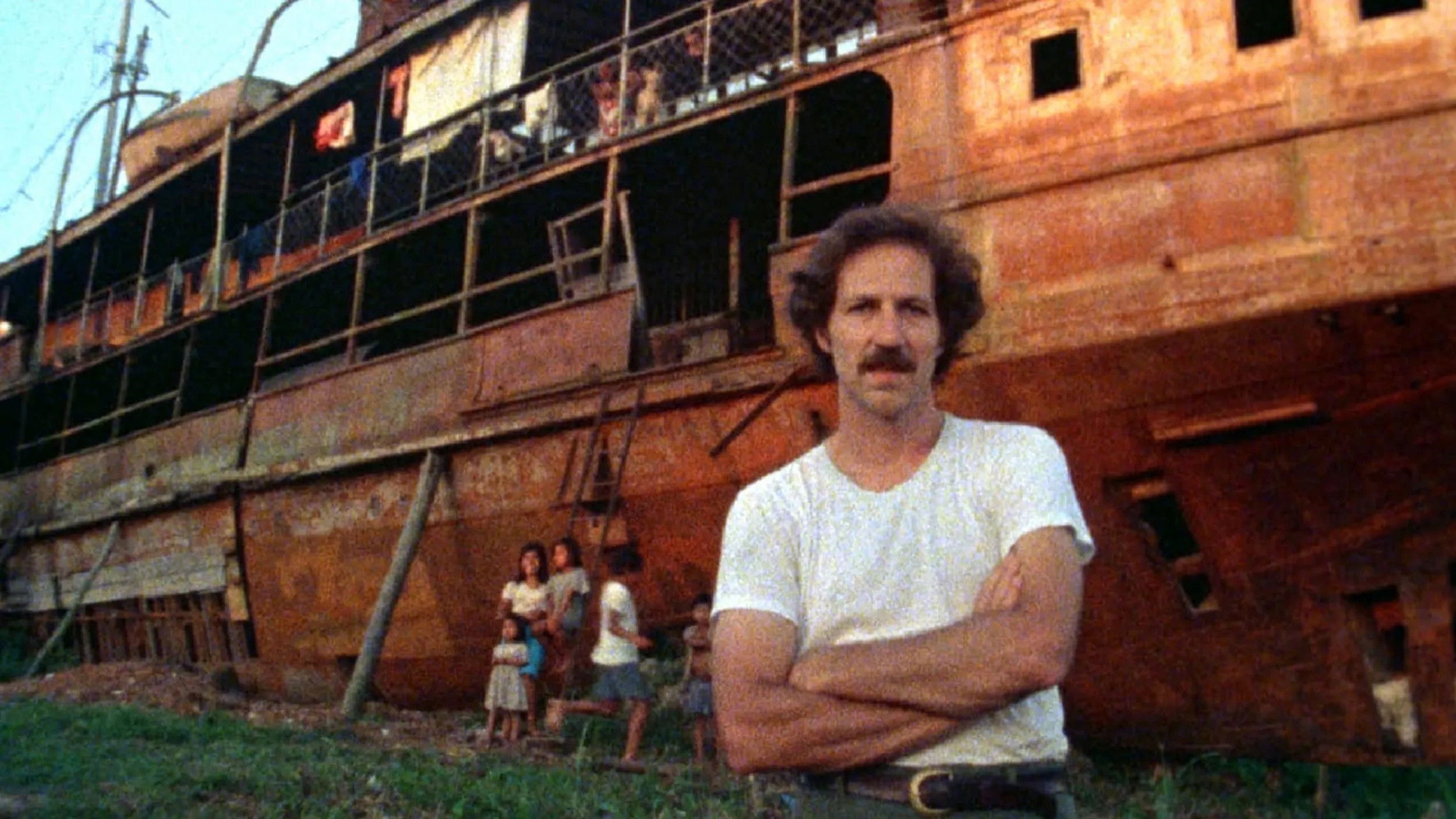
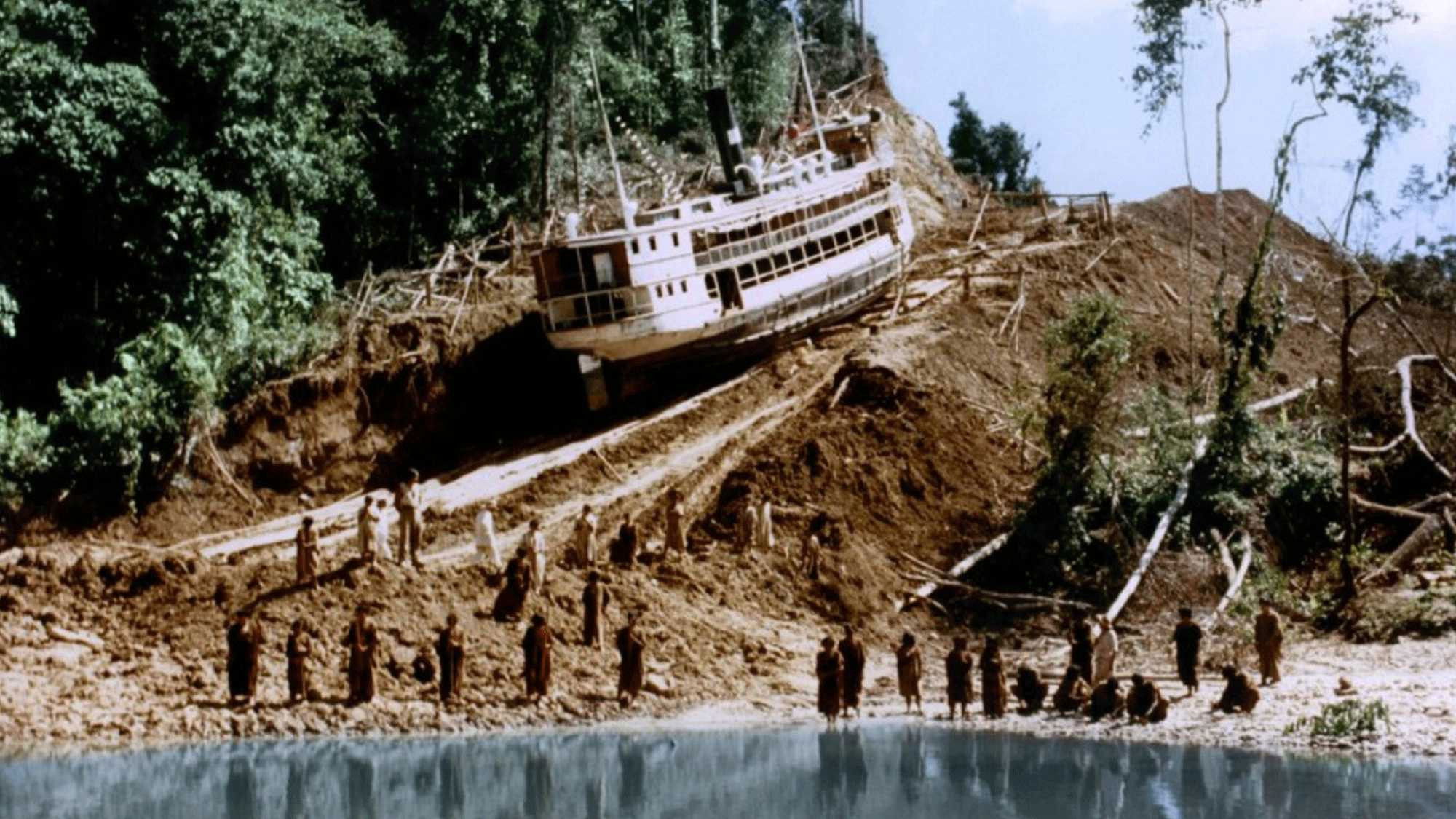
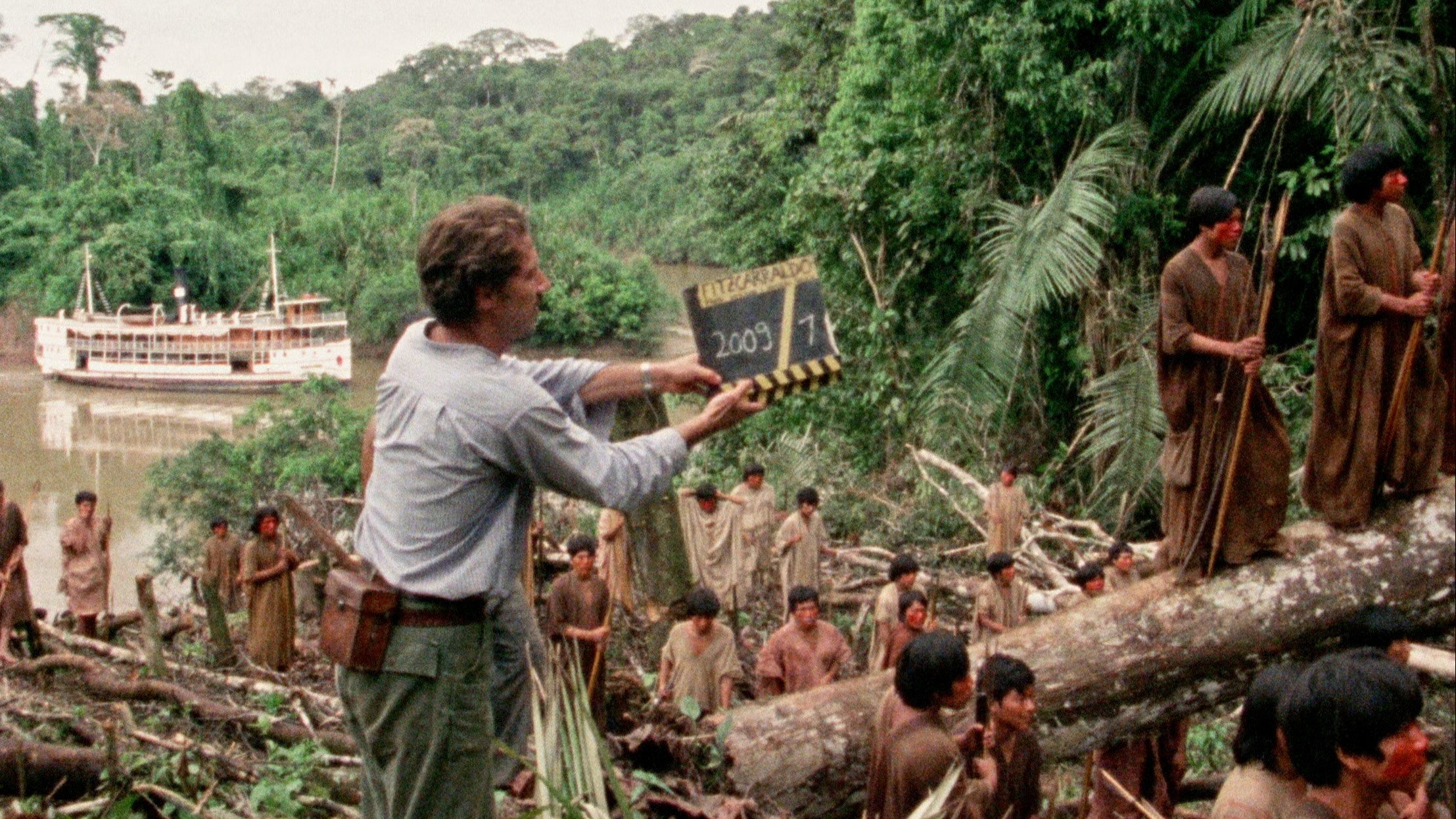
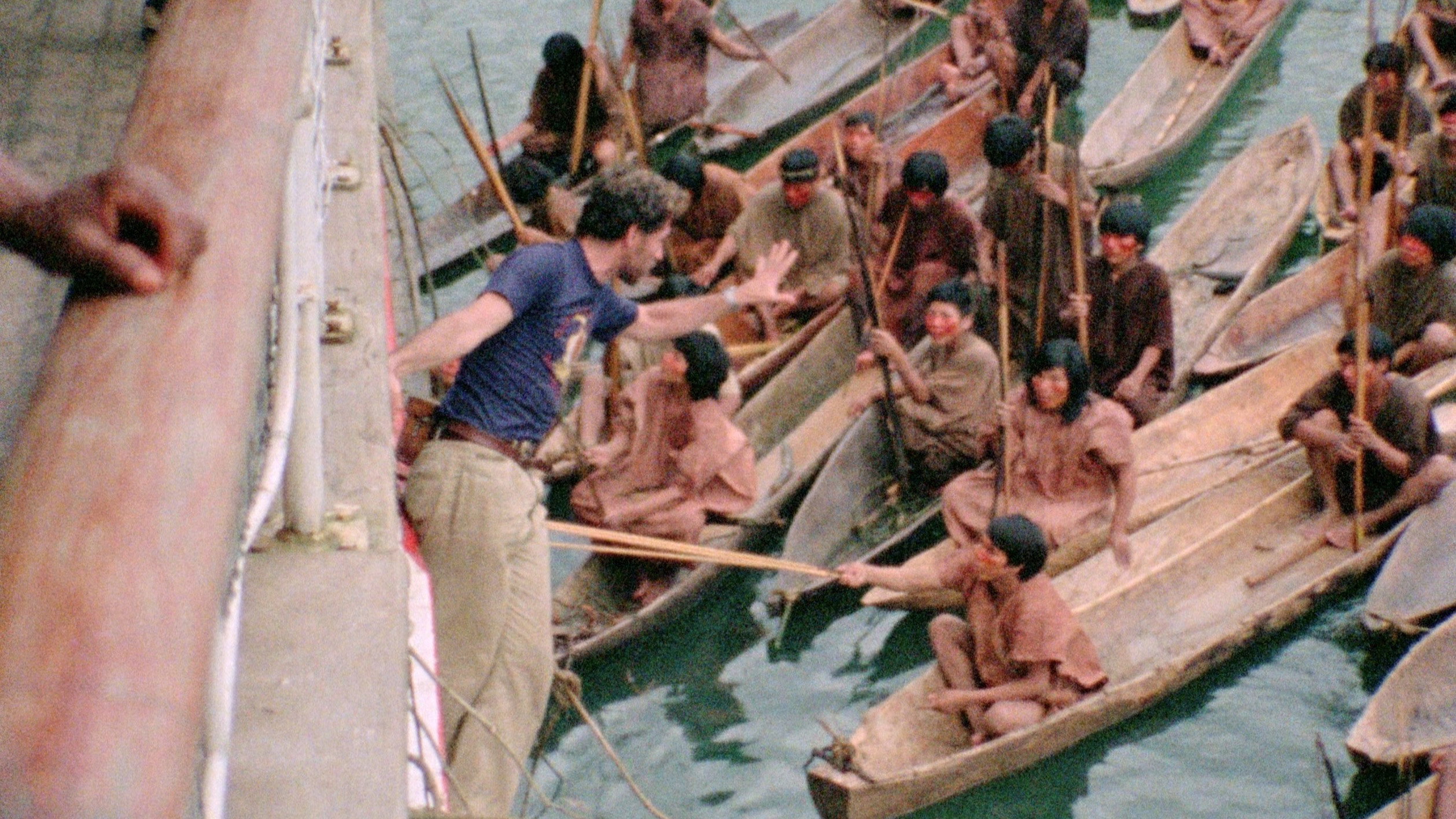
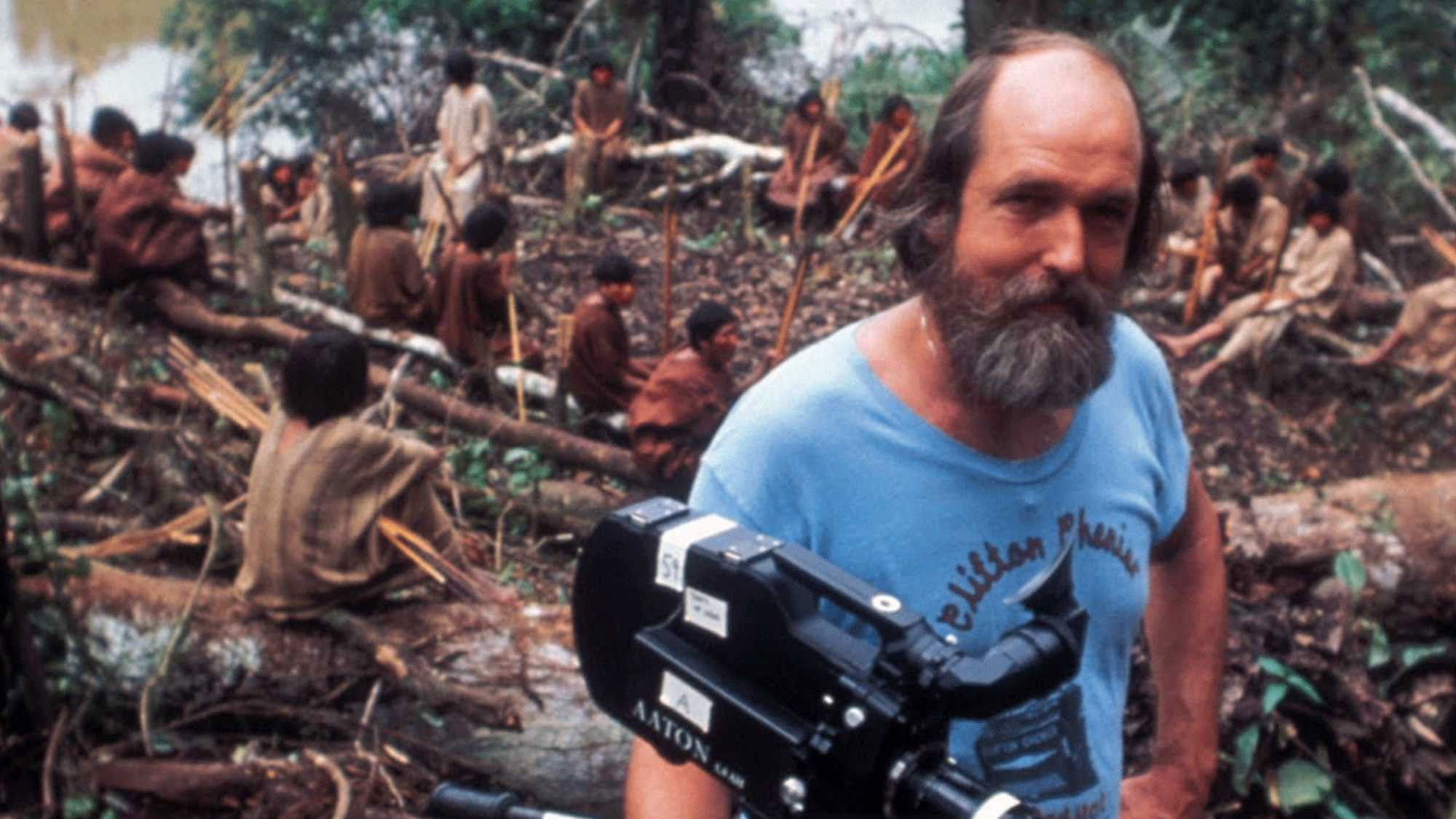
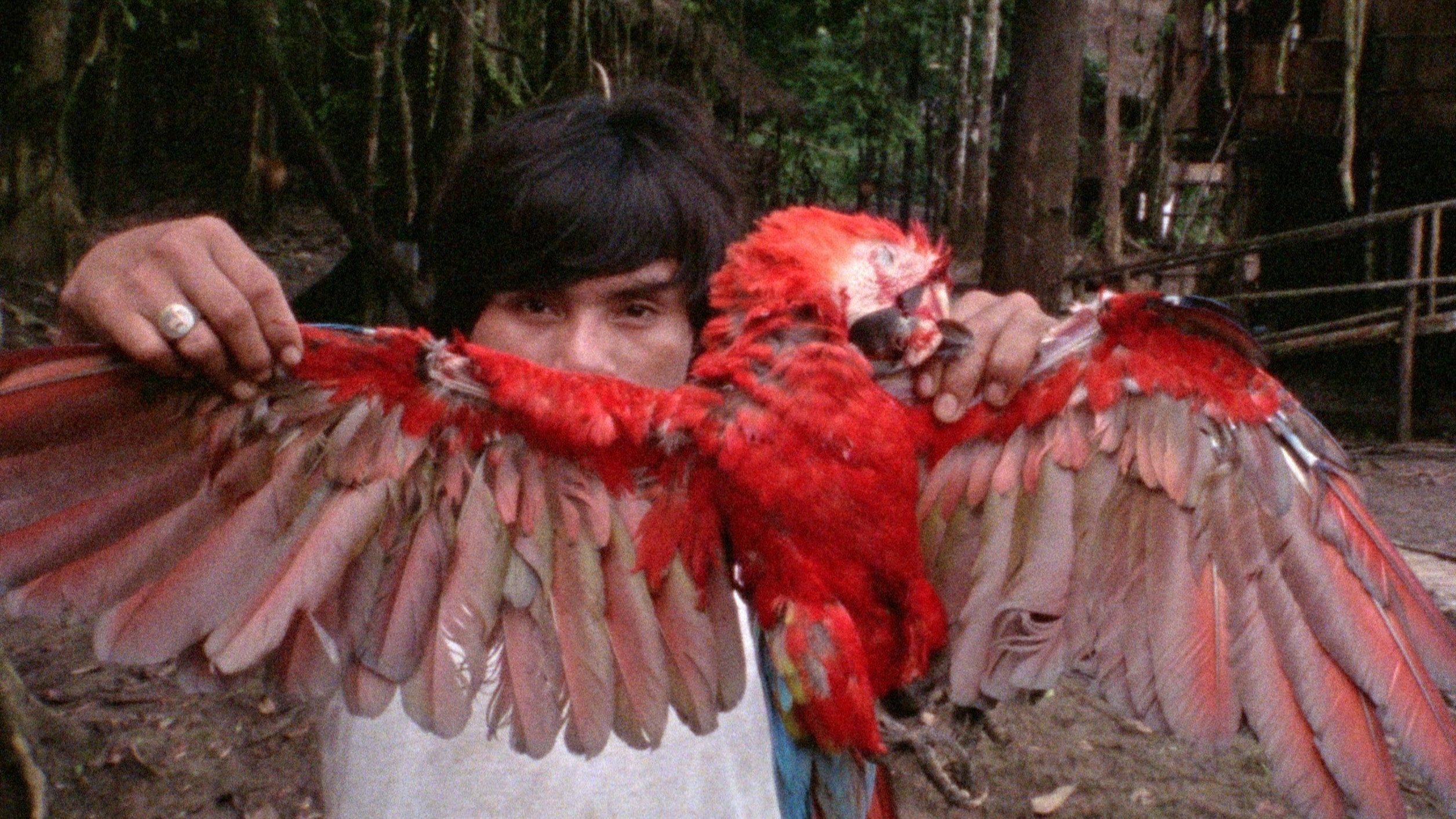
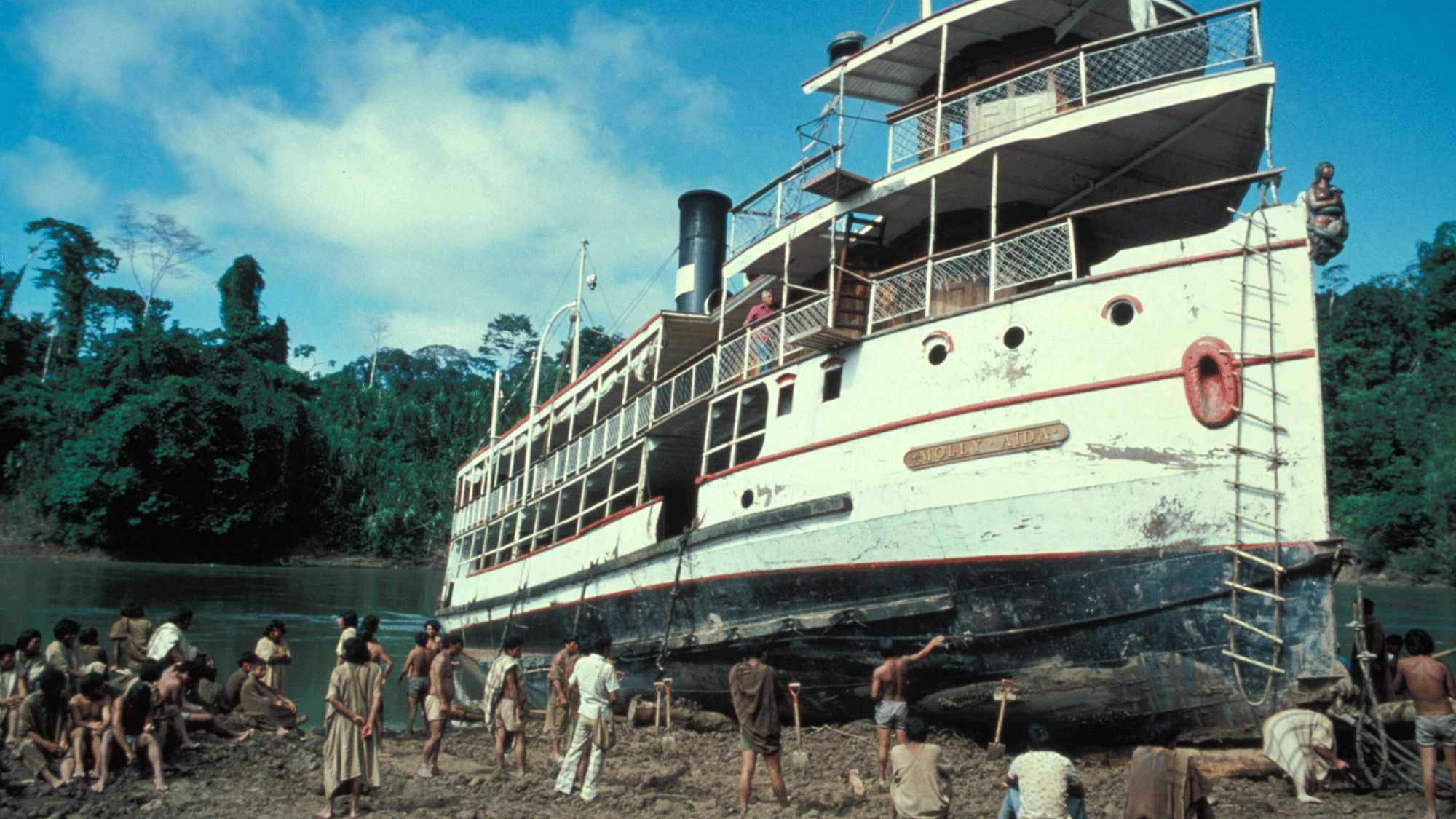
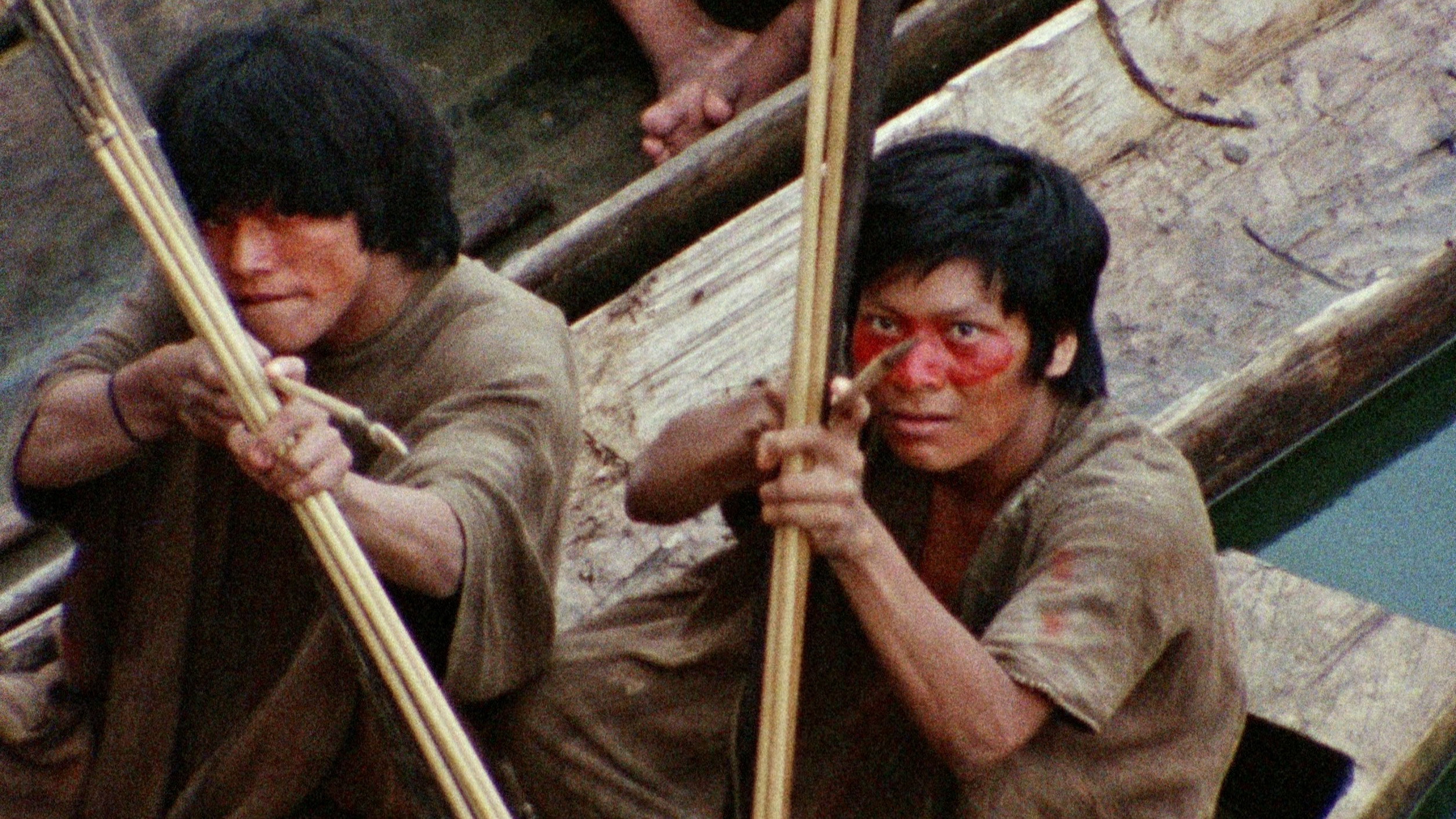
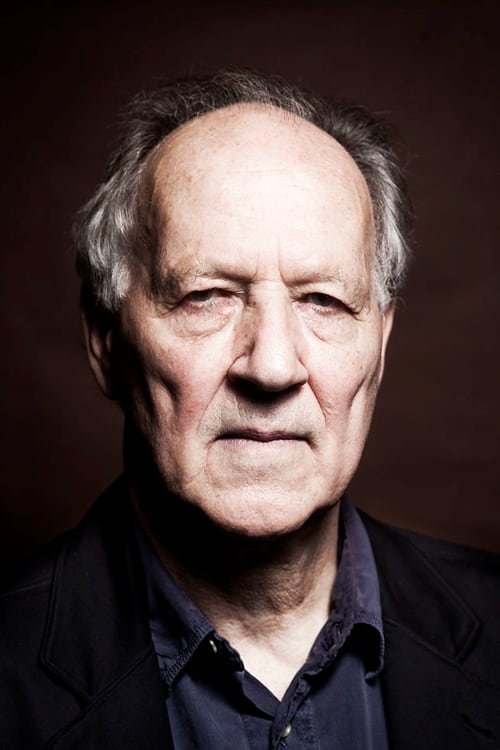
It’s difficult to fully grasp the significance of Fitzcarraldo and what it achieved without watching Burden of Dreams. Pulling this movie off was practically impossible, yet they succeeded. The dedication and passion Herzog poured into the project pushed him over is own sanity. The way he persevered against all adversity to realize his vision is comparable only to the feat Fitzcarraldo himself pursues in the film. While remarkable, it pushes the limits of how much risk is justified in the name of art. Many people were injured or died during production, a price that is always too high to pay for a film. However, one could argue that if Herzog had stopped and left it unfinished, those tragedies would have happened in vain.
“The trees here are in misery, and the birds are in misery. I don't think they - they sing. They just screech in pain. (...) It's like a curse weighing on an entire landscape. And whoever... goes too deep into this has his share of this curse. So we are cursed with what we are doing here. It's a land that God, if he exists has - has created in anger. It's the only land where - where creation is unfinished yet. Taking a close look at - at what's around us there - there is some sort of a harmony. It is the harmony of... overwhelming and collective murder. And we in comparison to the articulate vileness and baseness and obscenity of all this jungle.(...) We have to become humble in front of this overwhelming misery and overwhelming fornication... overwhelming growth and overwhelming lack of order. Even the - the stars up here in the - in the sky look like a mess. There is no harmony in the universe. We have to get acquainted to this idea that there is no real harmony as we have conceived it. But when I say this, I say this all full of admiration for the jungle. It is not that I hate it, I love it. I love it very much. But I love it against my better judgment.”
It’s difficult to fully grasp the significance of Fitzcarraldo and what it achieved without watching Burden of Dreams. Pulling this movie off was practically impossible, yet they succeeded. The dedication and passion Herzog poured into the project pushed him over is own sanity. The way he persevered against all adversity to realize his vision is comparable only to the feat Fitzcarraldo himself pursues in the film. While remarkable, it pushes the limits of how much risk is justified in the name of art. Many people were injured or died during production, a price that is always too high to pay for a film. However, one could argue that if Herzog had stopped and left it unfinished, those tragedies would have happened in vain.