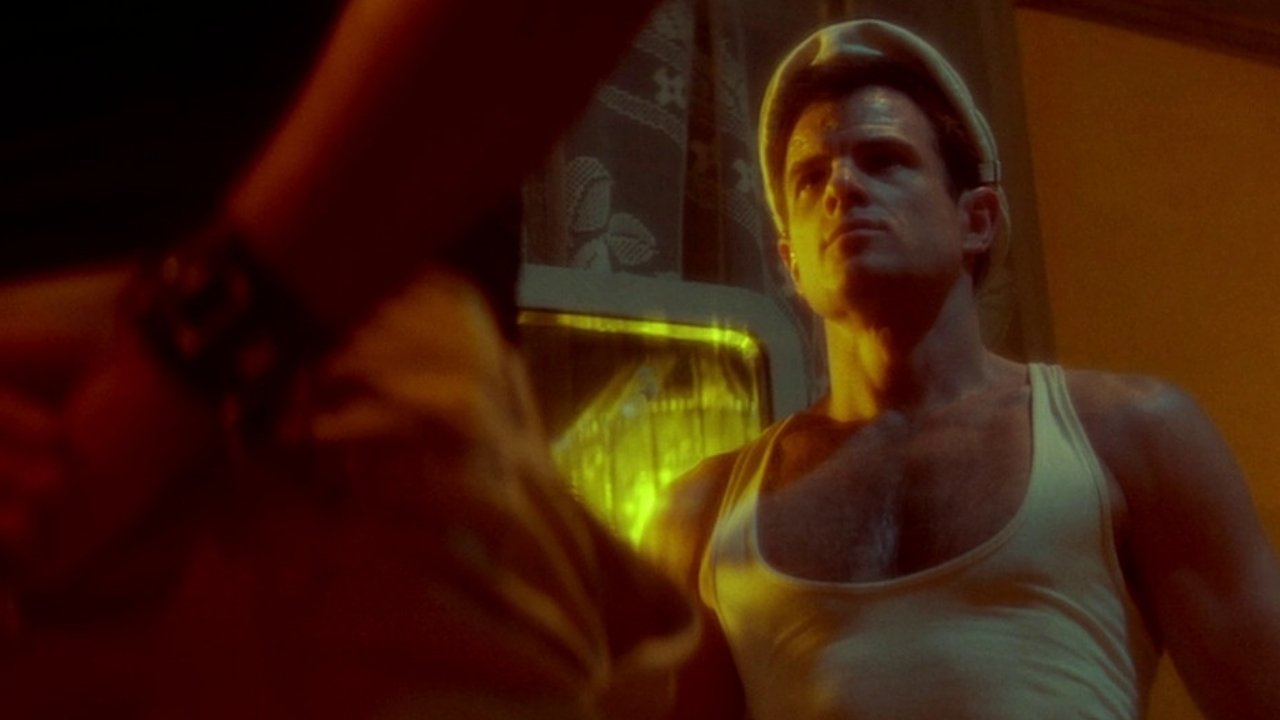
Criterion Challenge 2026Challenge #12: Judge a film by its cover - Watch a film whose cover art caught your eye
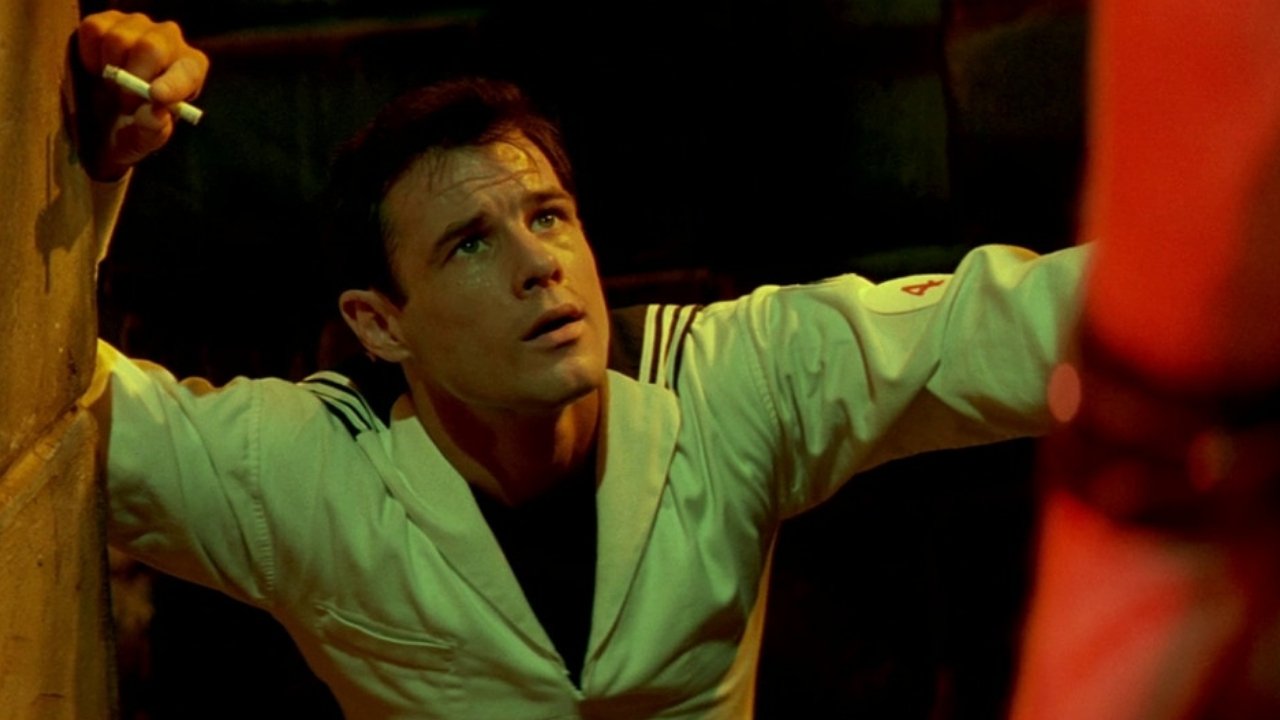
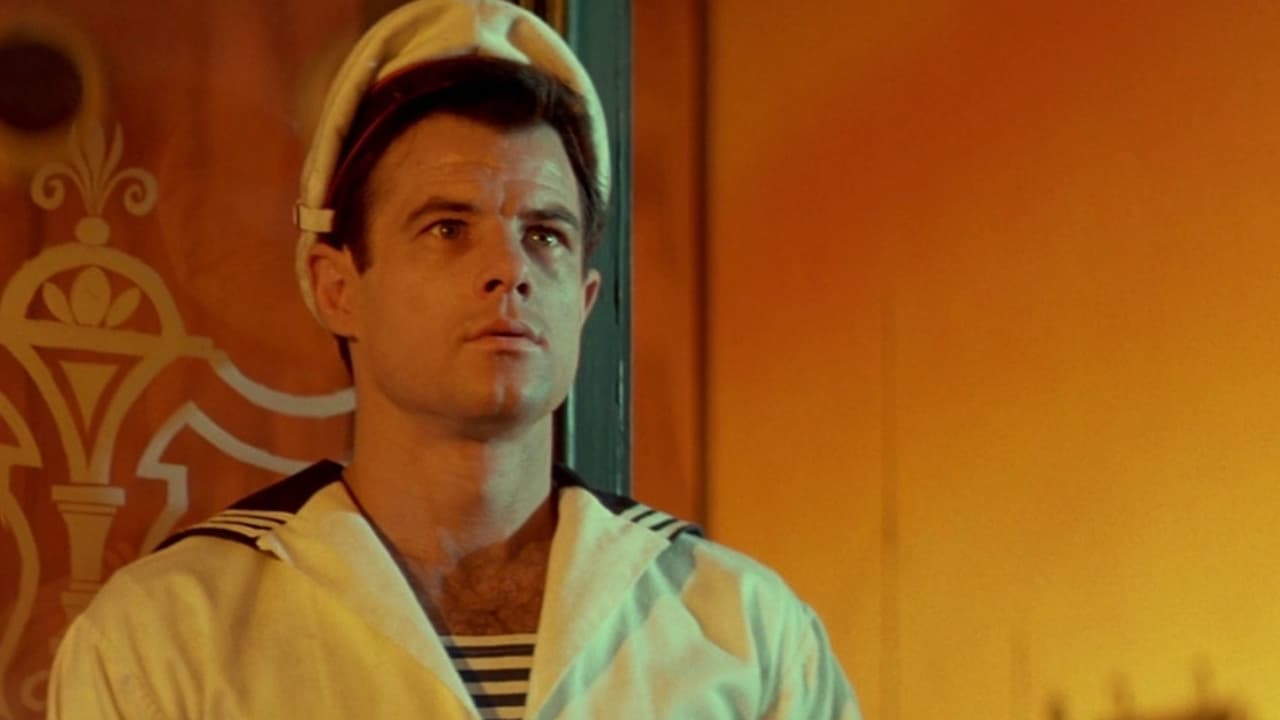
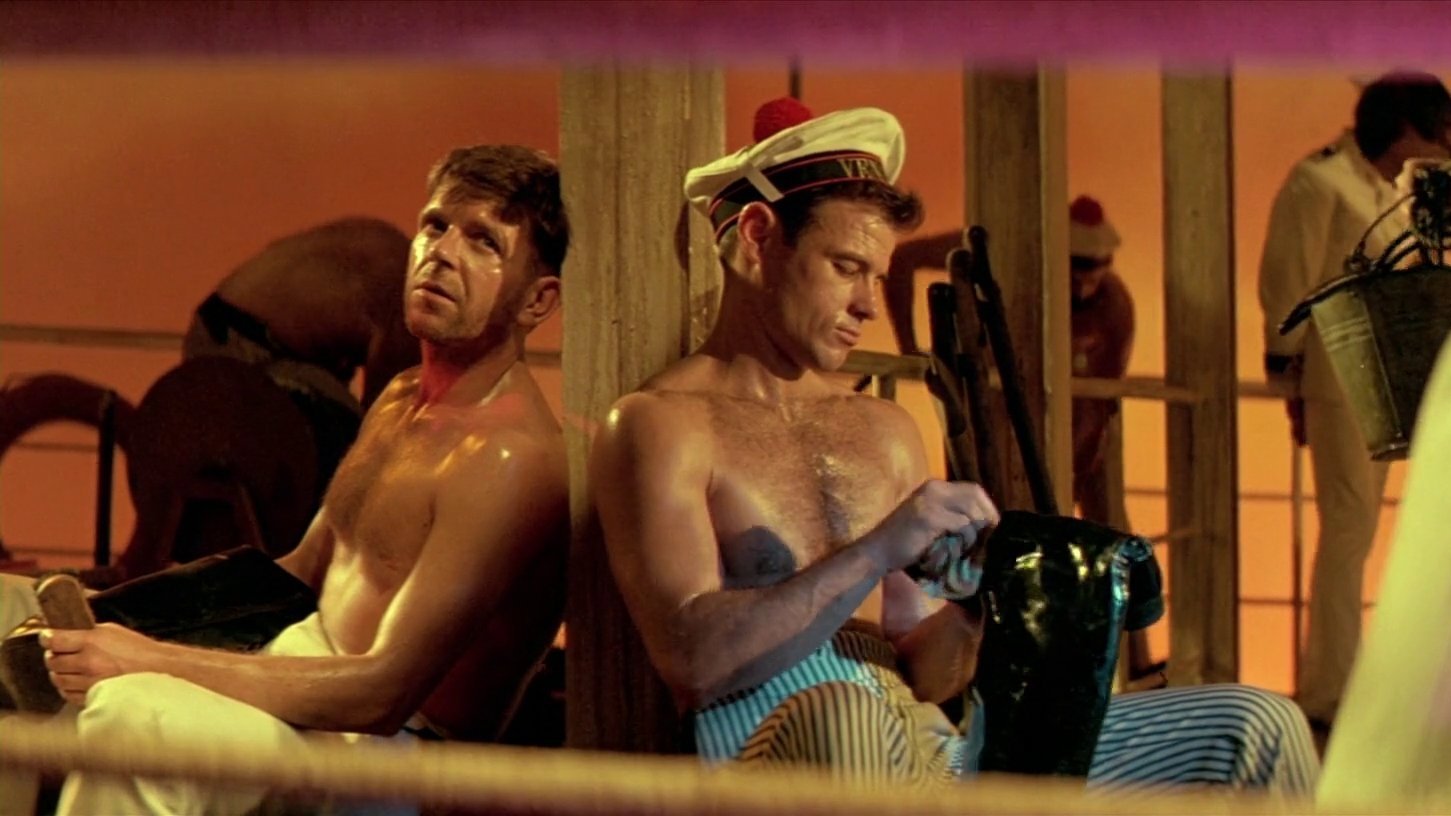
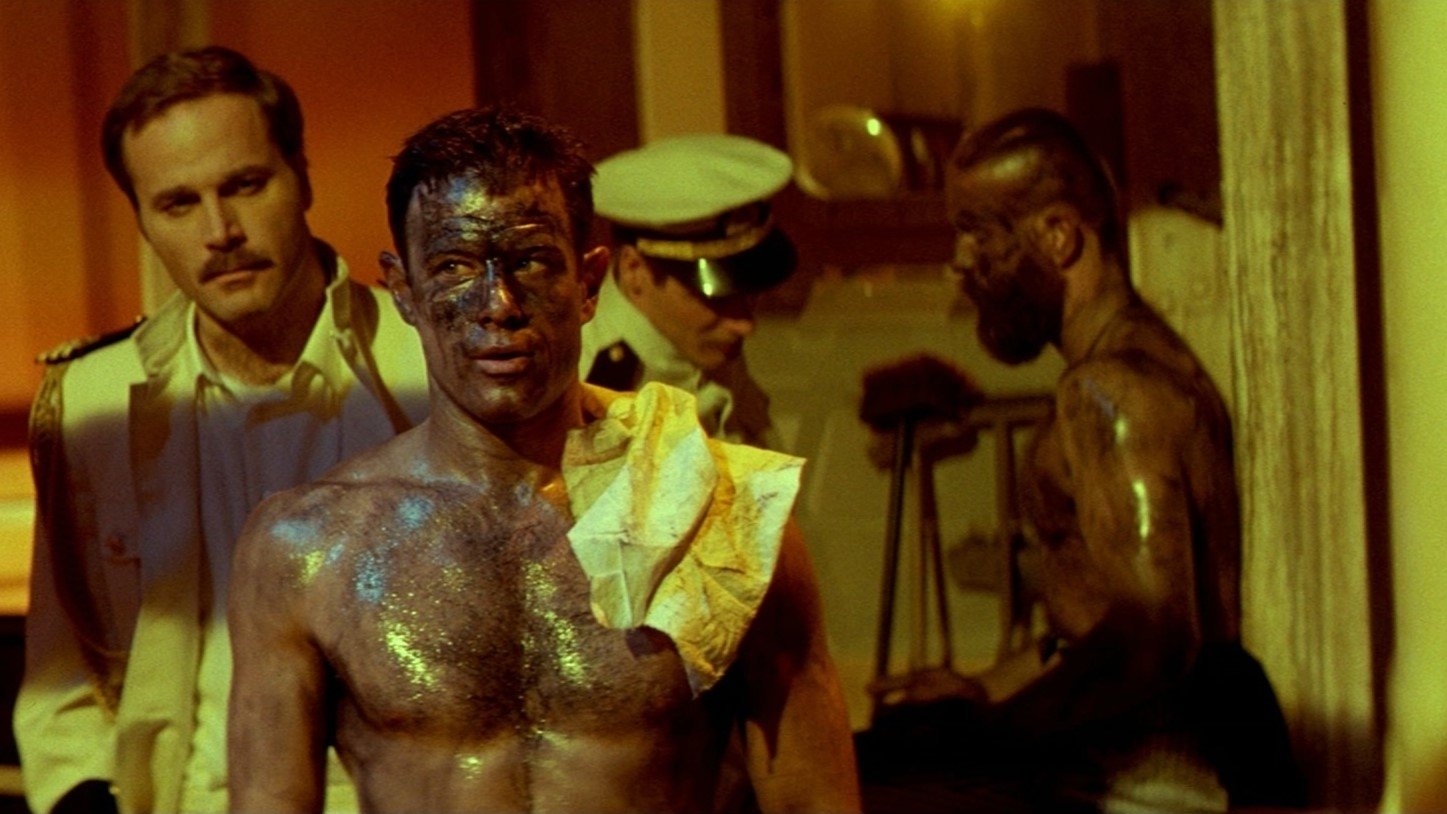
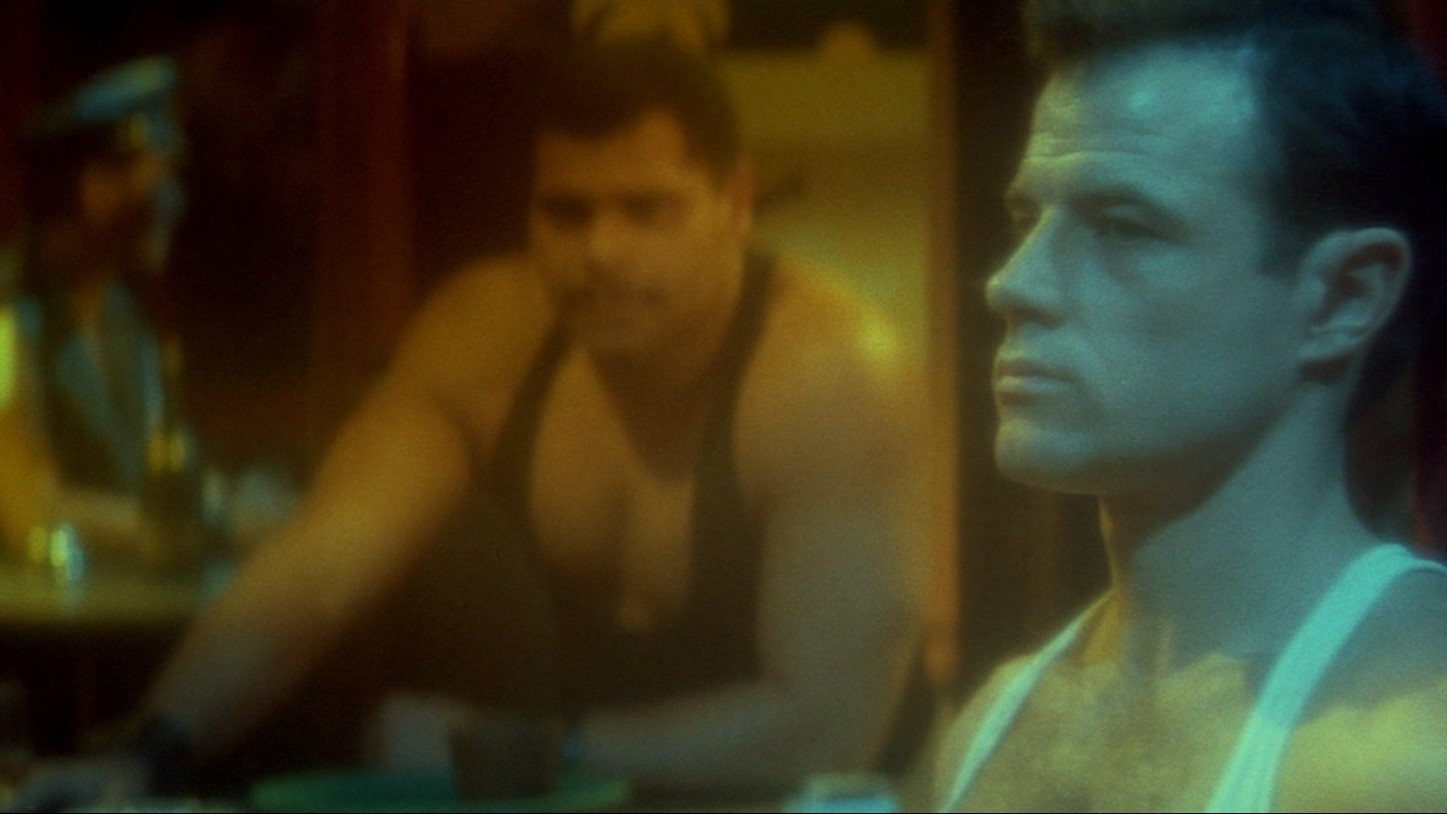
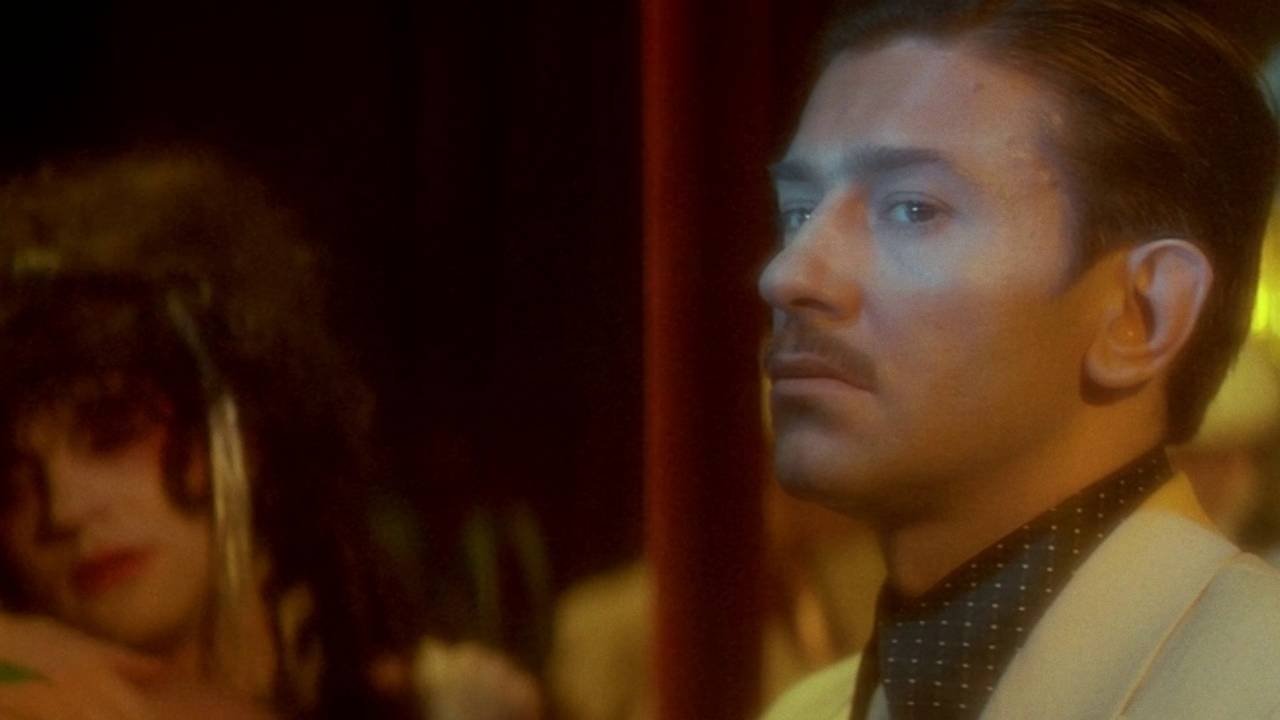
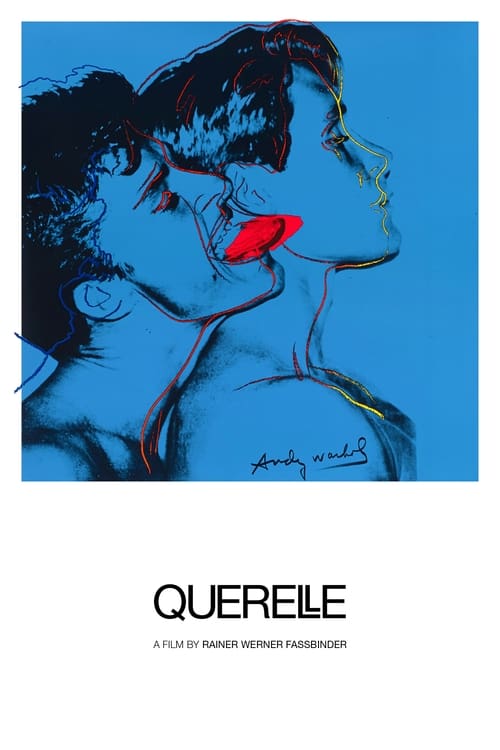
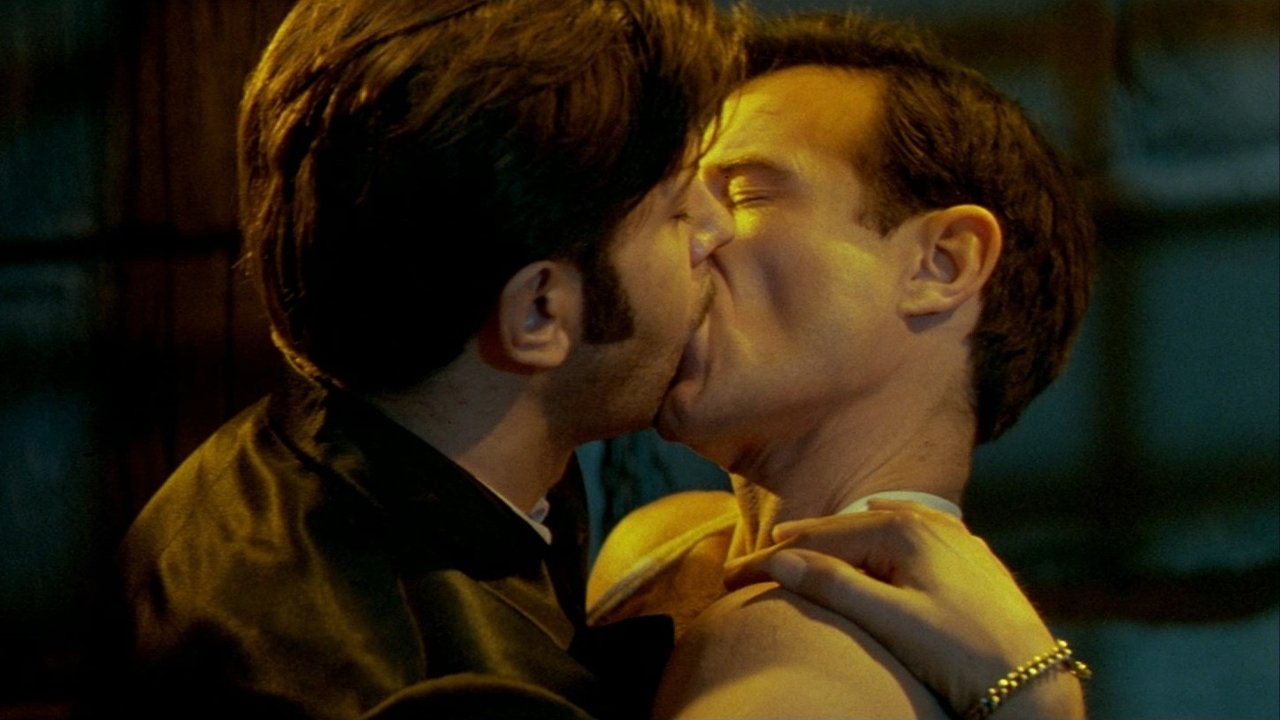
I’m going to keep this somewhat brief because this one didn’t totally do it for me. And I suppose that should have been expected given I wasn’t super thrilled by The Merchant of Four Seasons. For some reason, I find myself randomly watching the final films of certain filmmakers before diving into their earlier work. First I watched Robert Bresson’s L’Argent earlier this year. Now, I’ve watched Querelle, the final film from Rainer Werner Fassbinder. Everything about this film caught my eye, the cover art, the trailer, the style, the cinematography. But having now sat with it, I can’t say it did much else than come across as some neat eye candy.
More bluntly: this bored the crap out of me.
I’ll try to stick to the things that I did enjoy. There is so much visual inventiveness and playful camera movement in here that really is special and I imagine HAD to be influential to many filmmakers since. Fassbinder was notably influenced in tone by the likes of Bertolt Brecht, Jean-Luc Godard, and Douglas Sirk (people I’m ever of two minds about), but I haven’t heard much about who influenced him - or this film - stylistically. And therefore one has to assume that it was a man forging his own path, crafting a fever dream all his own.
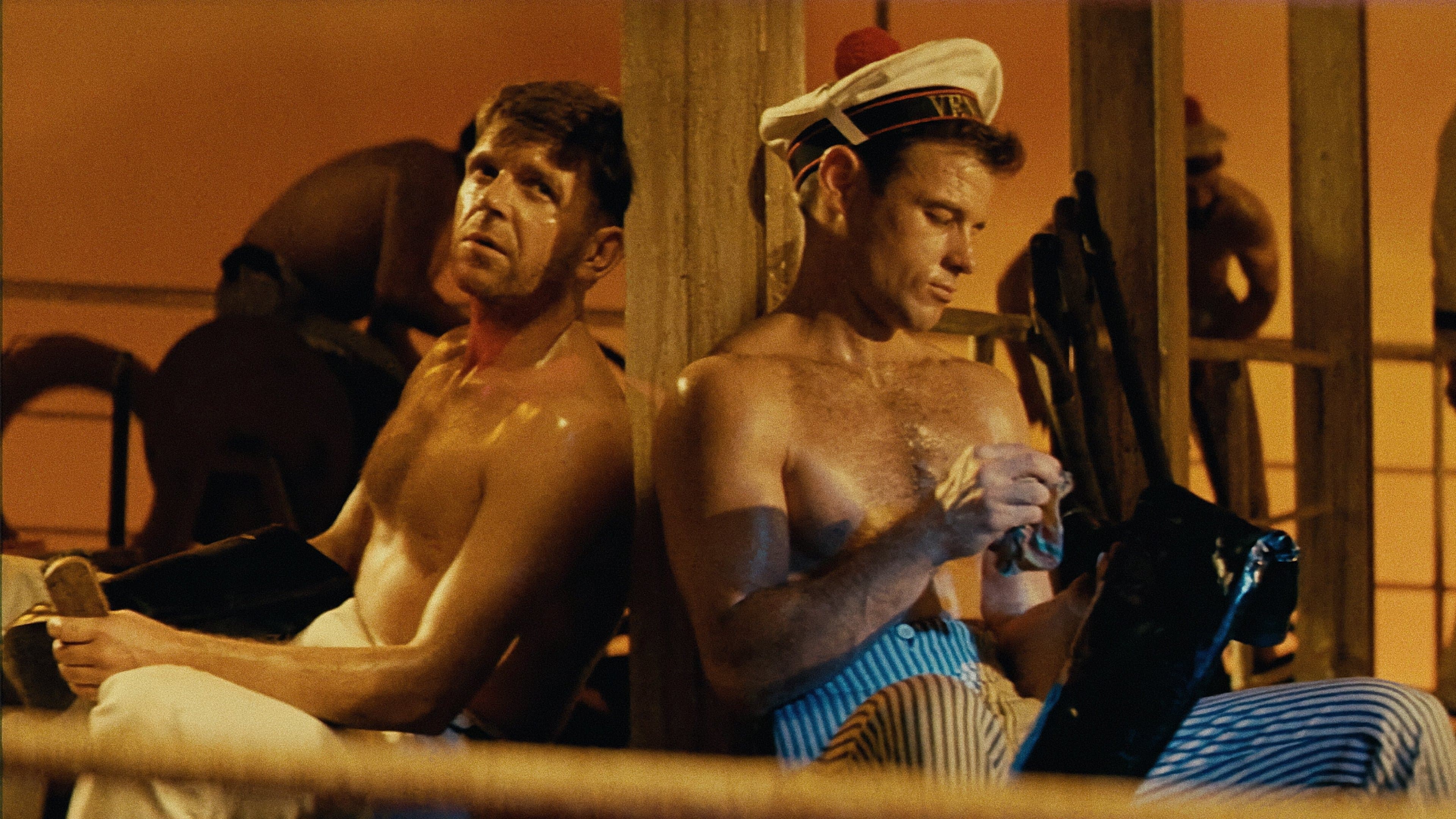
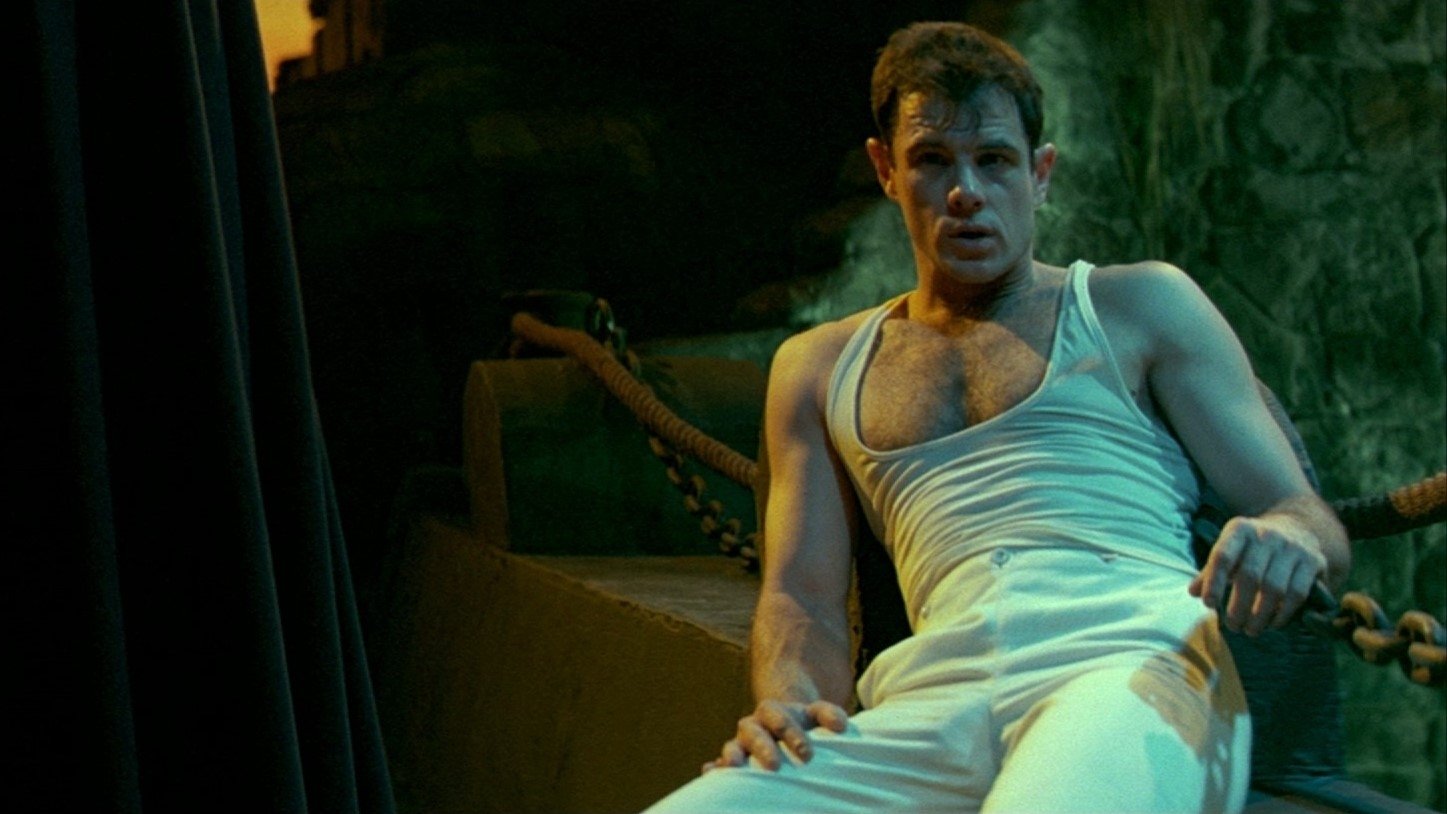
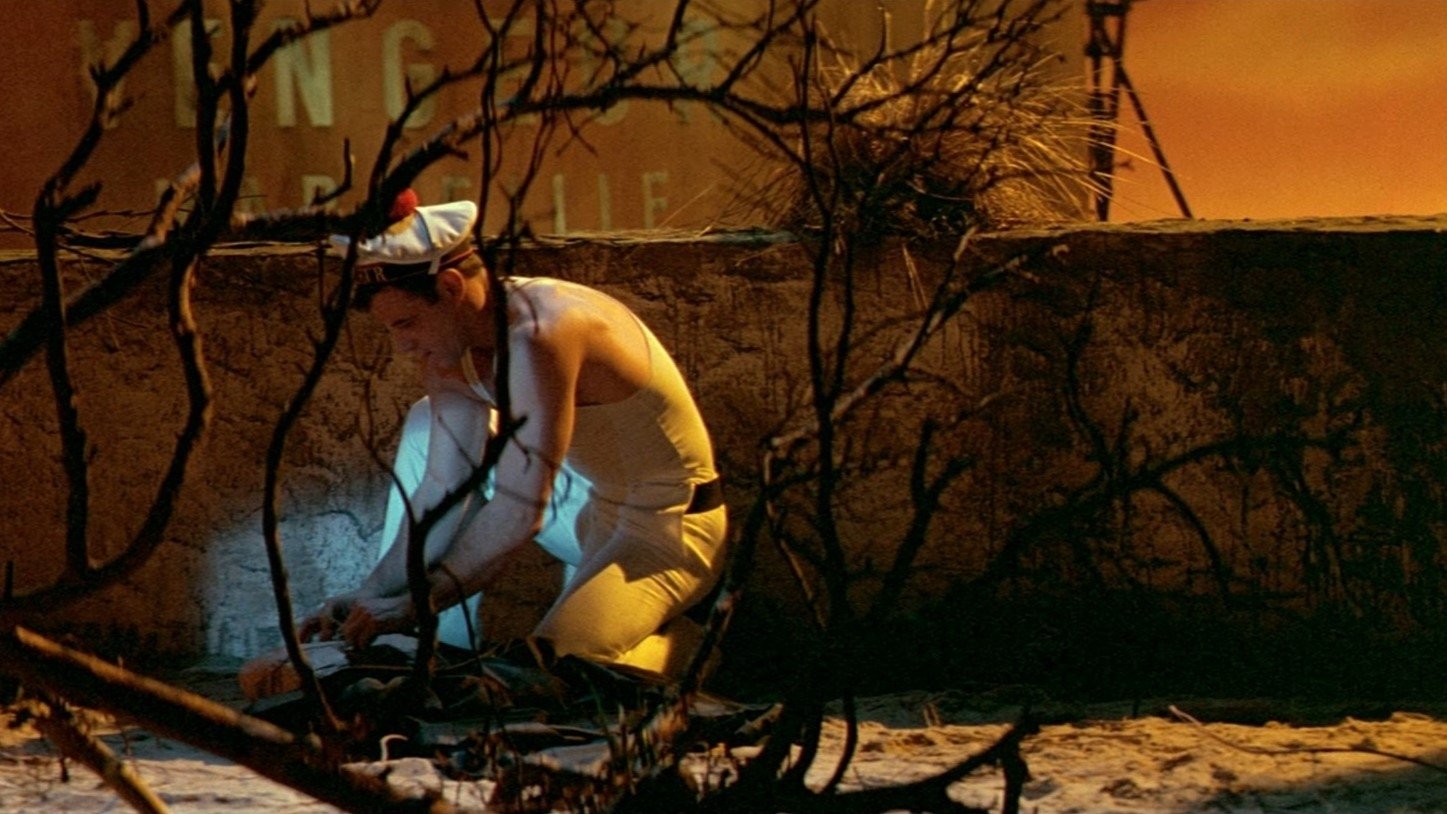
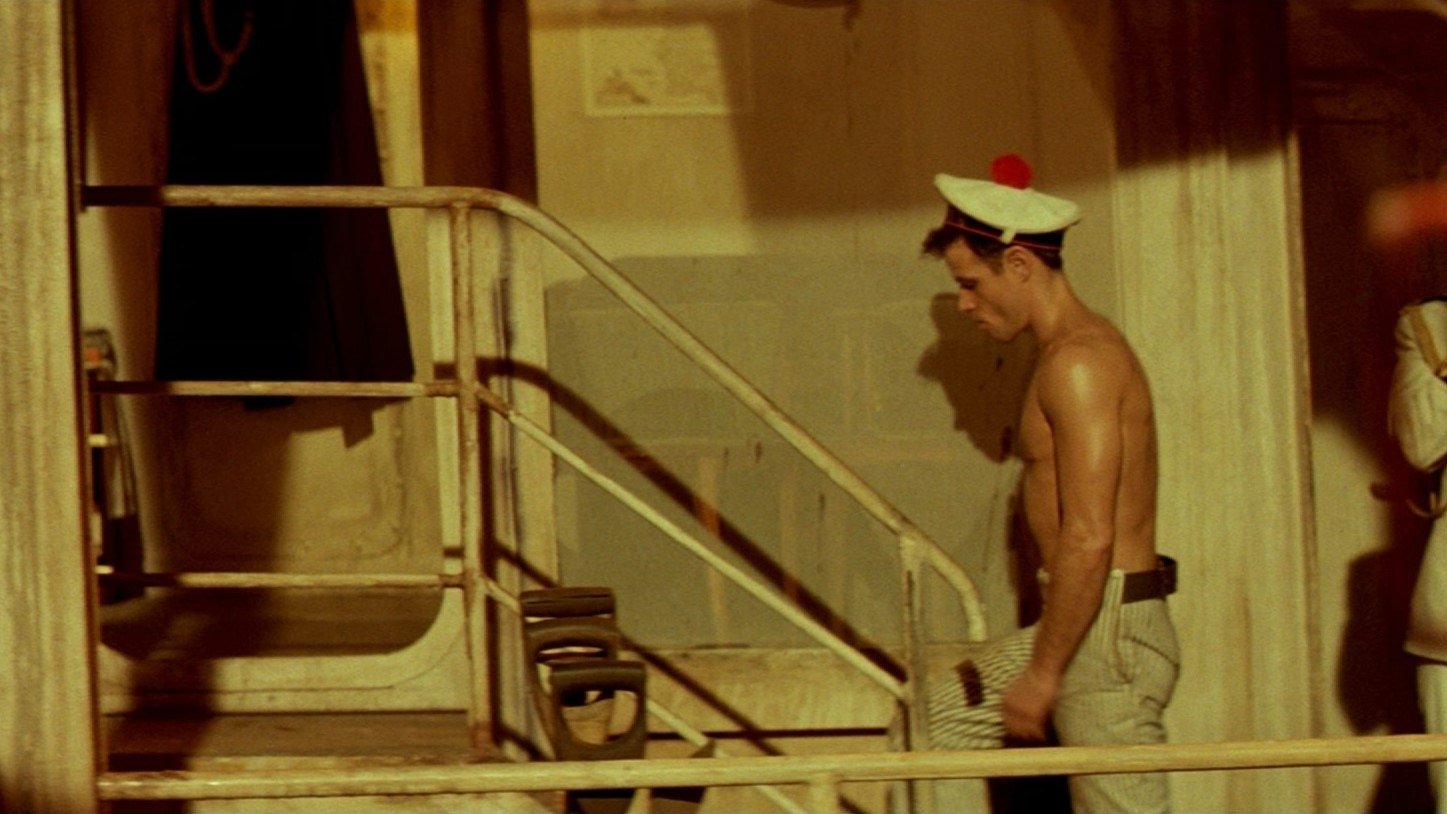
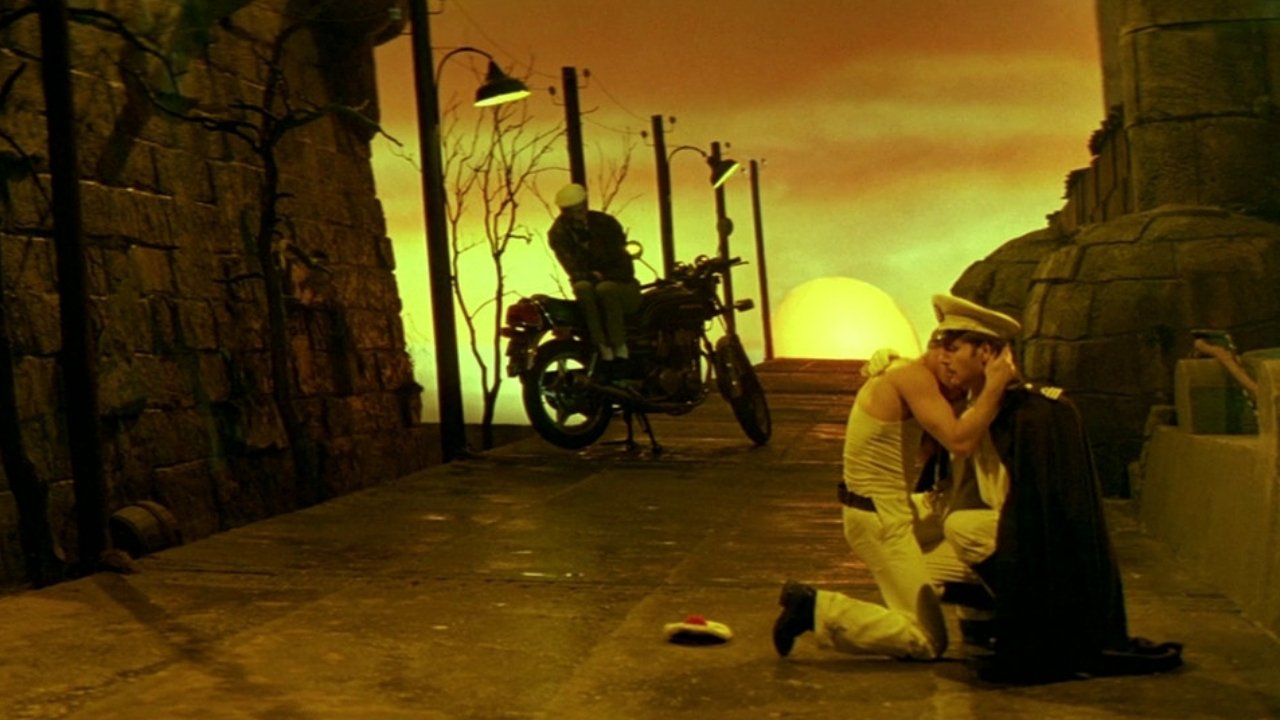
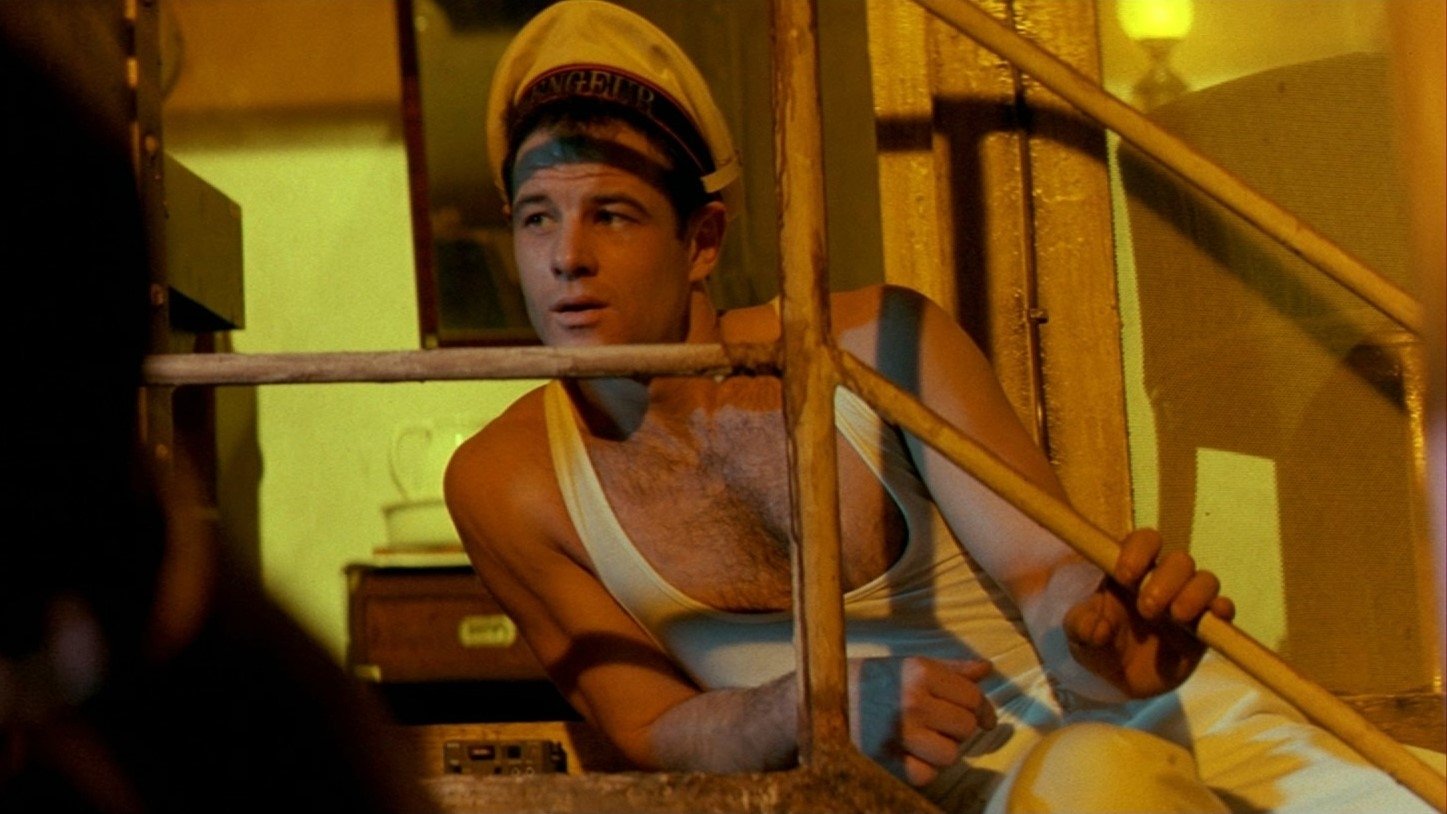
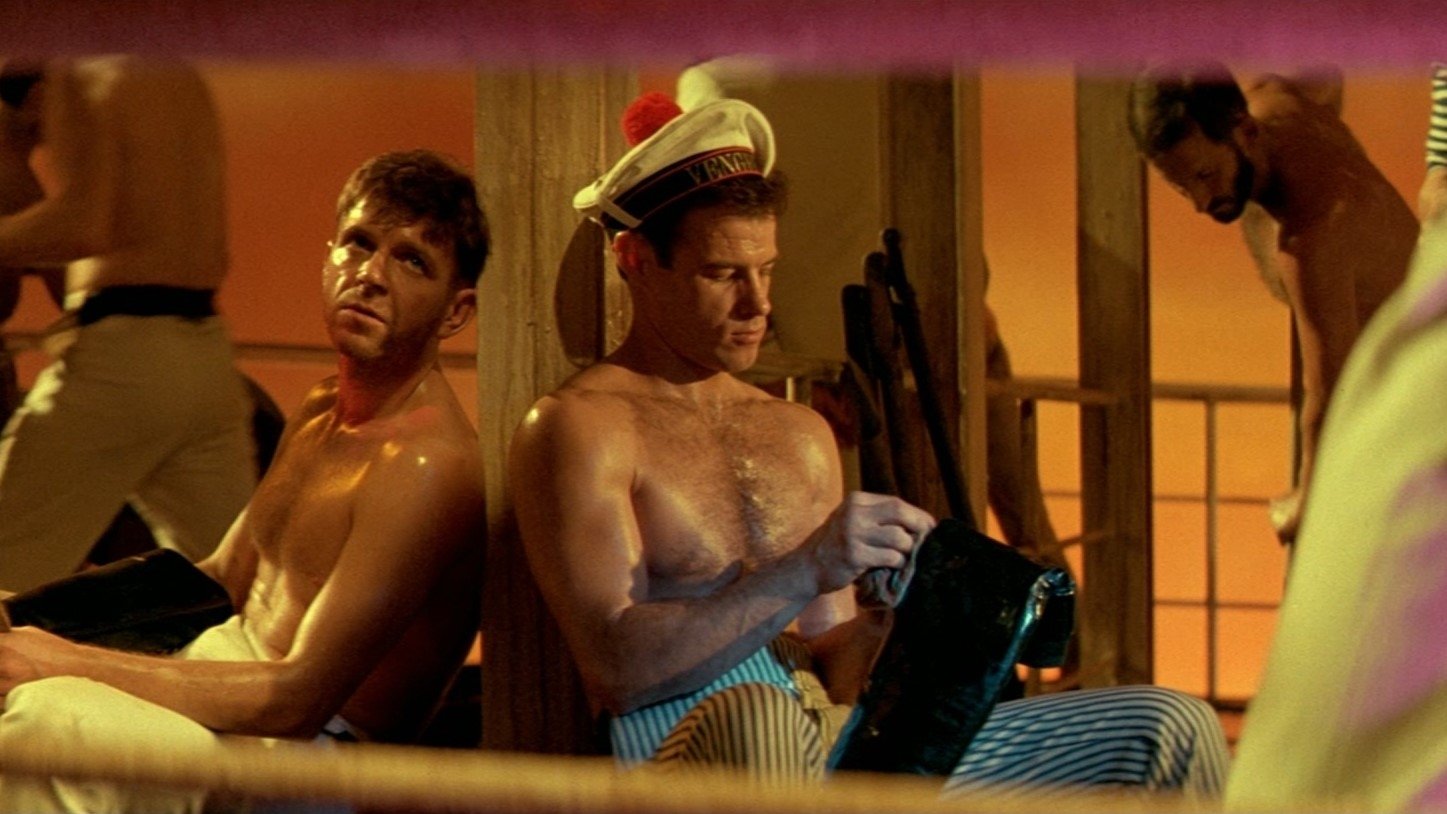
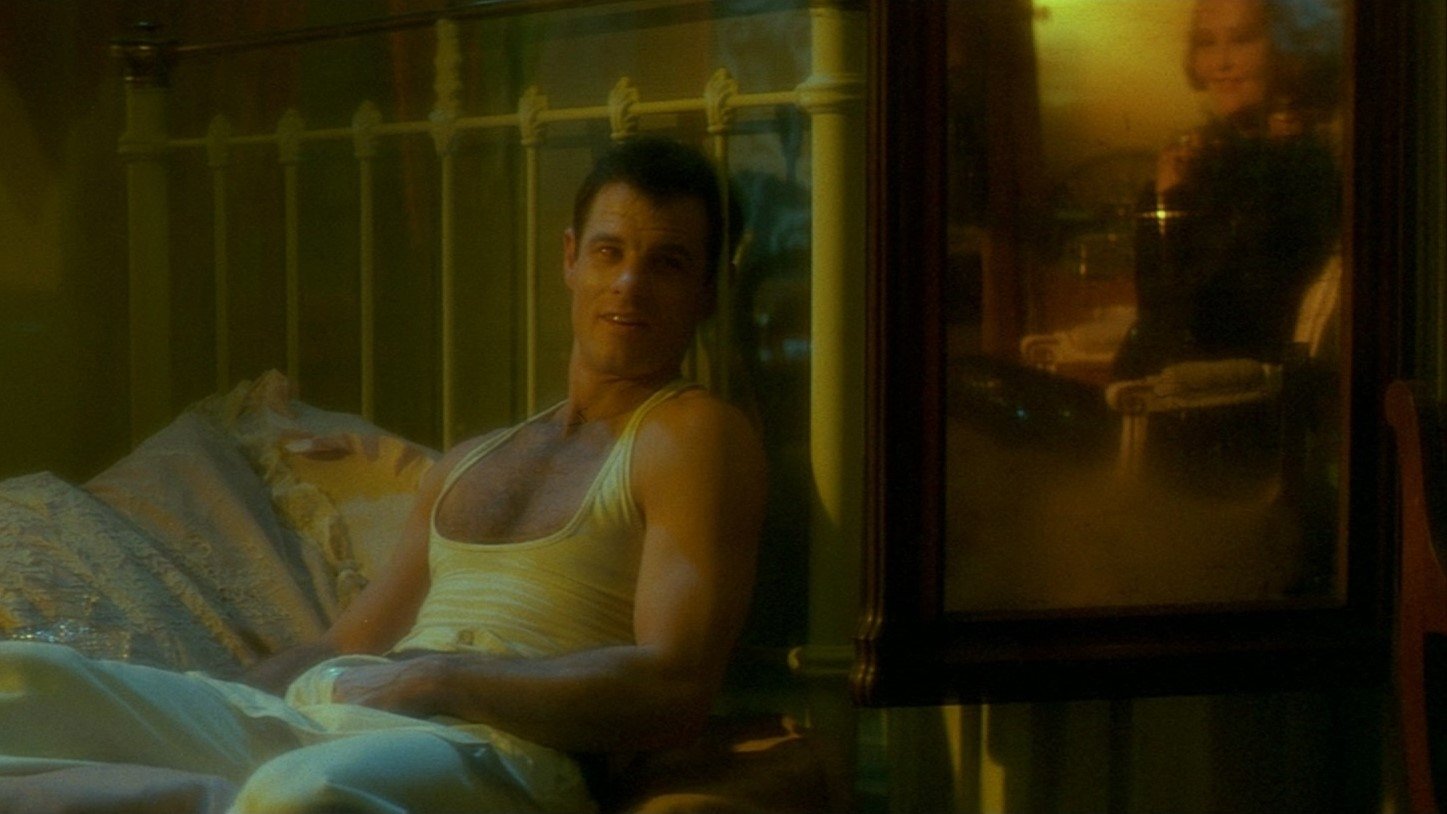
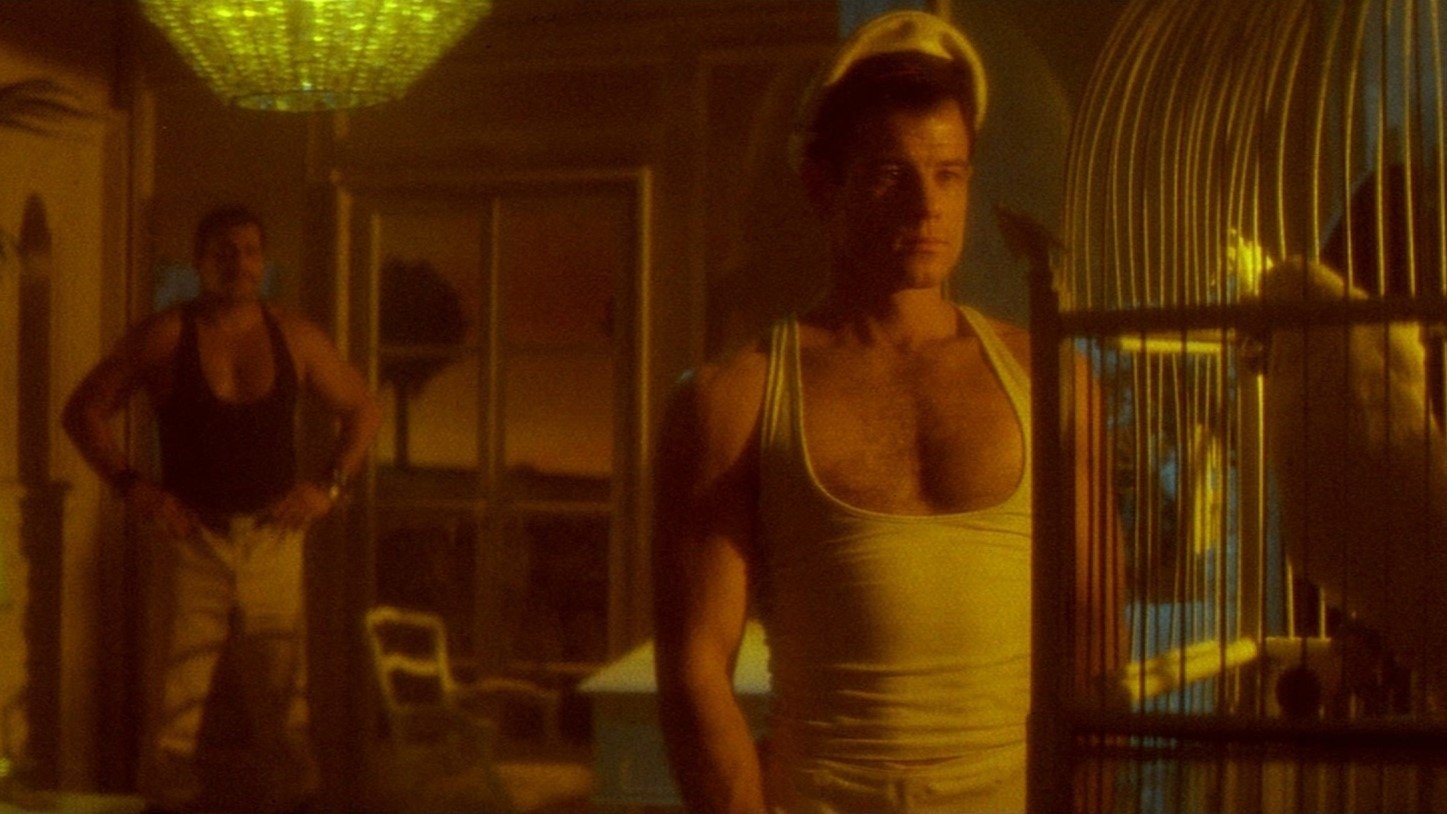
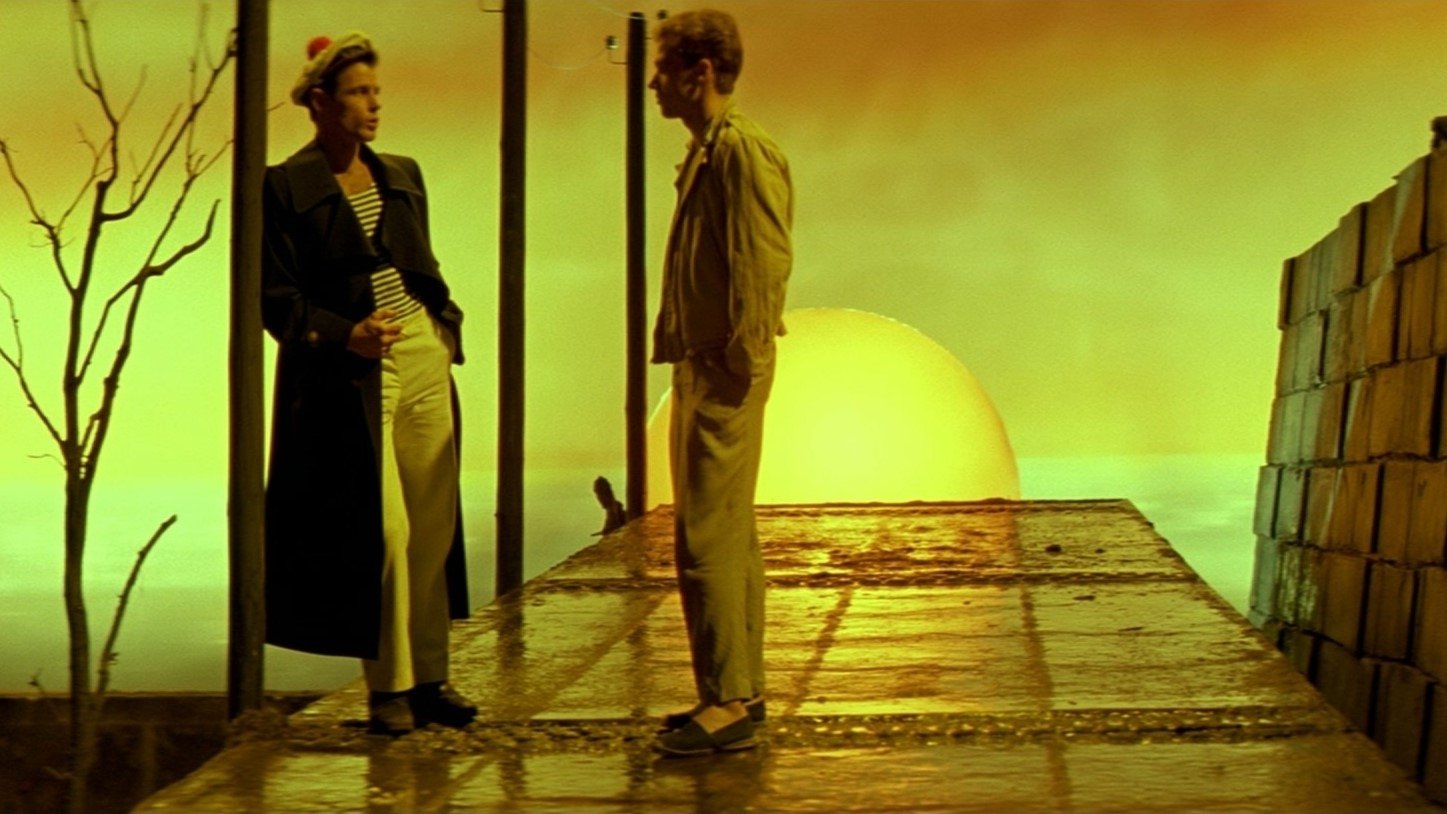
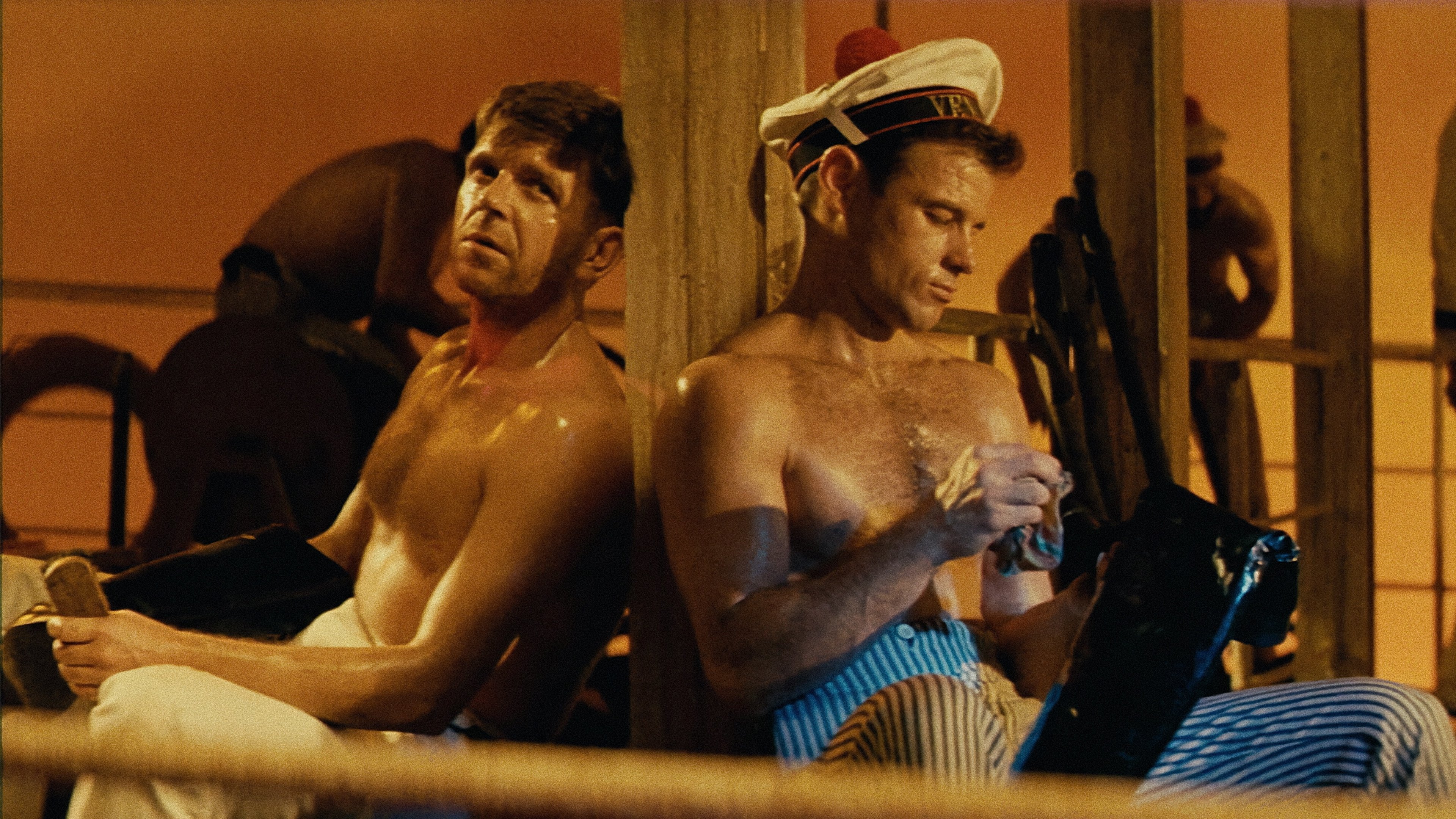
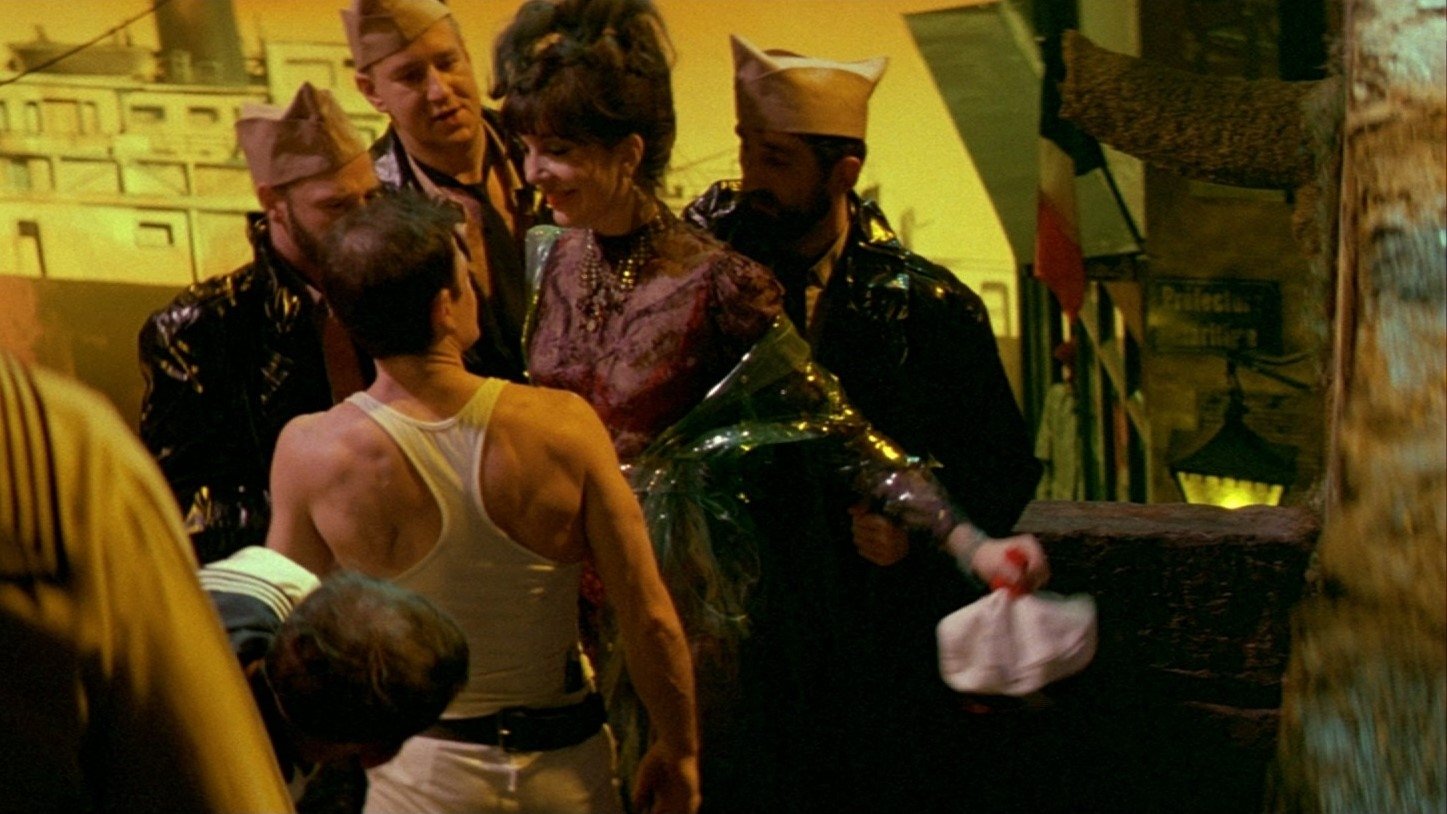
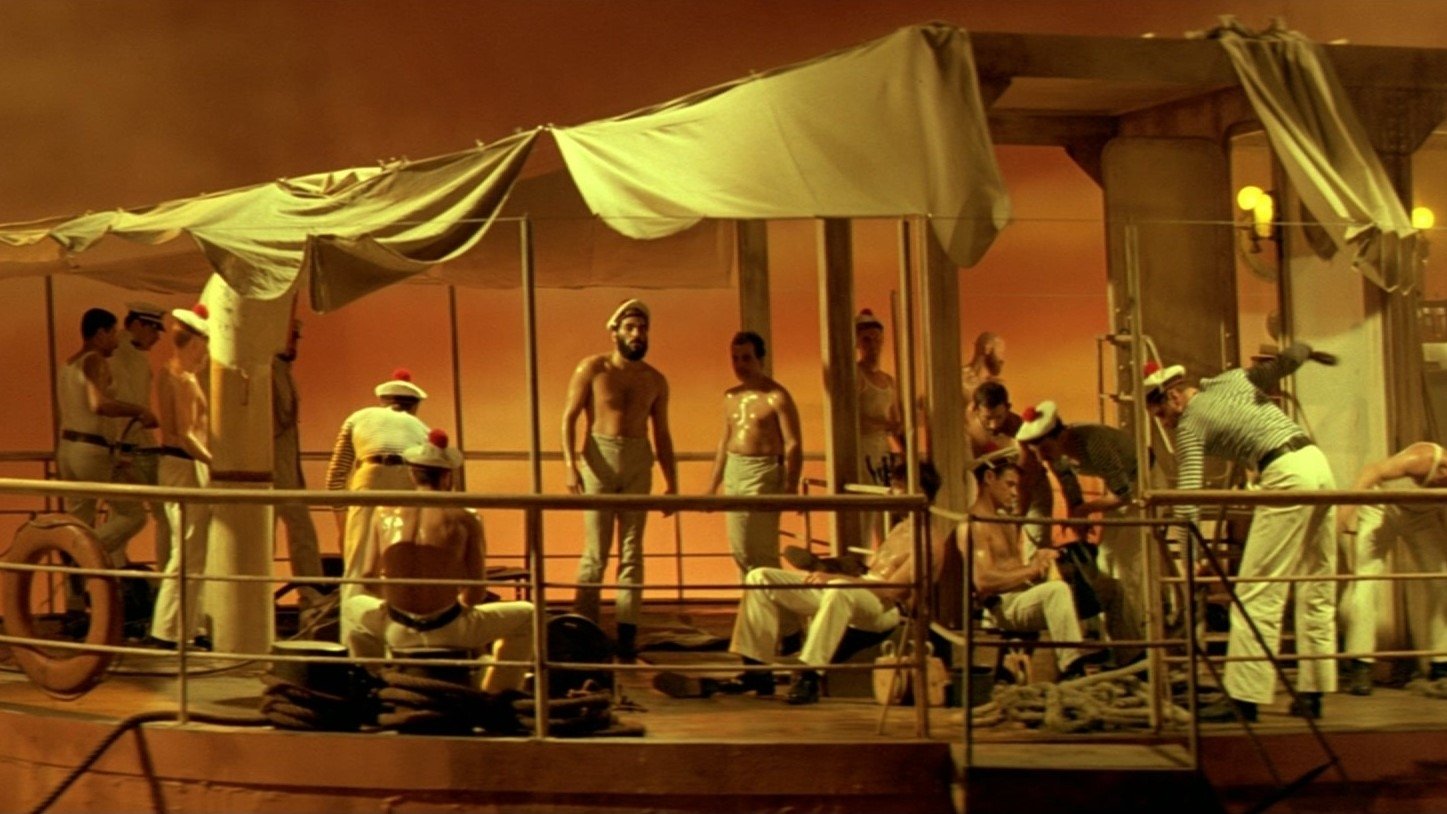
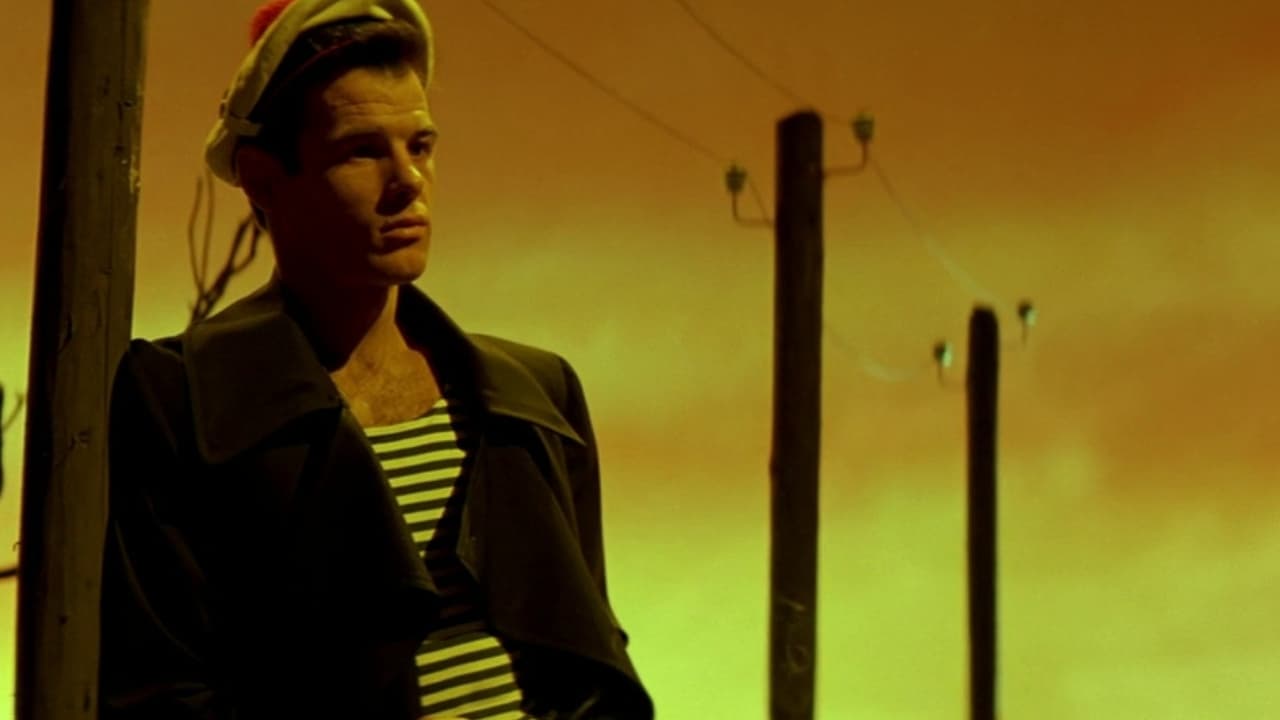
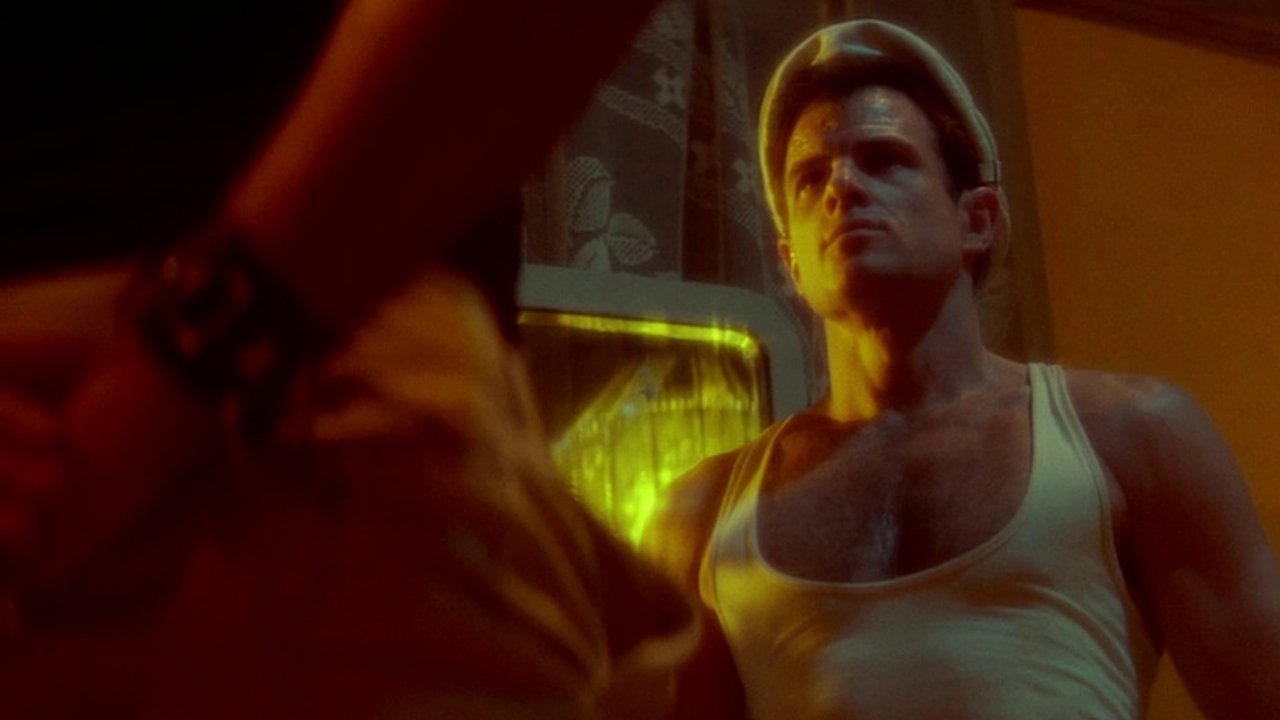
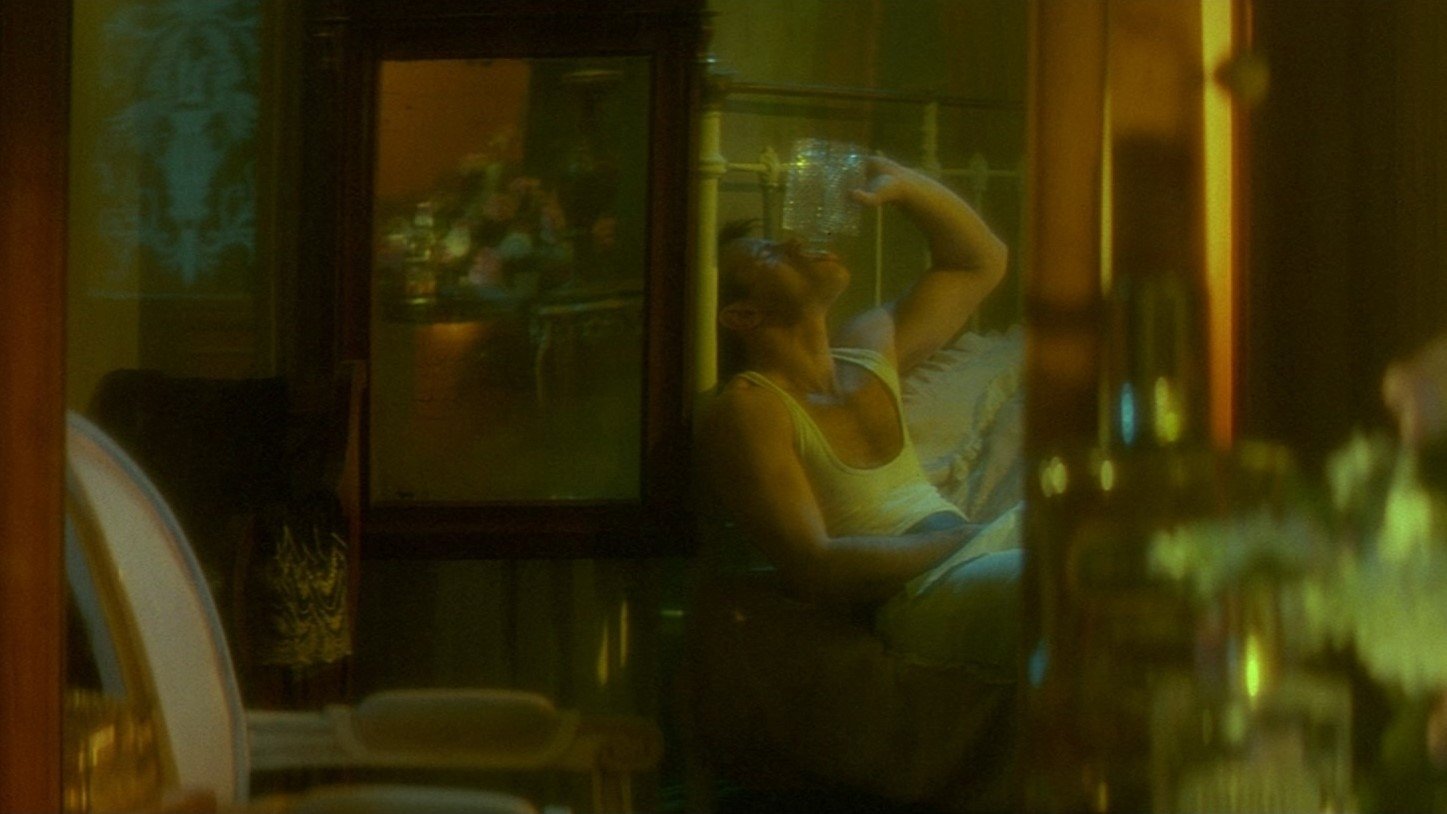
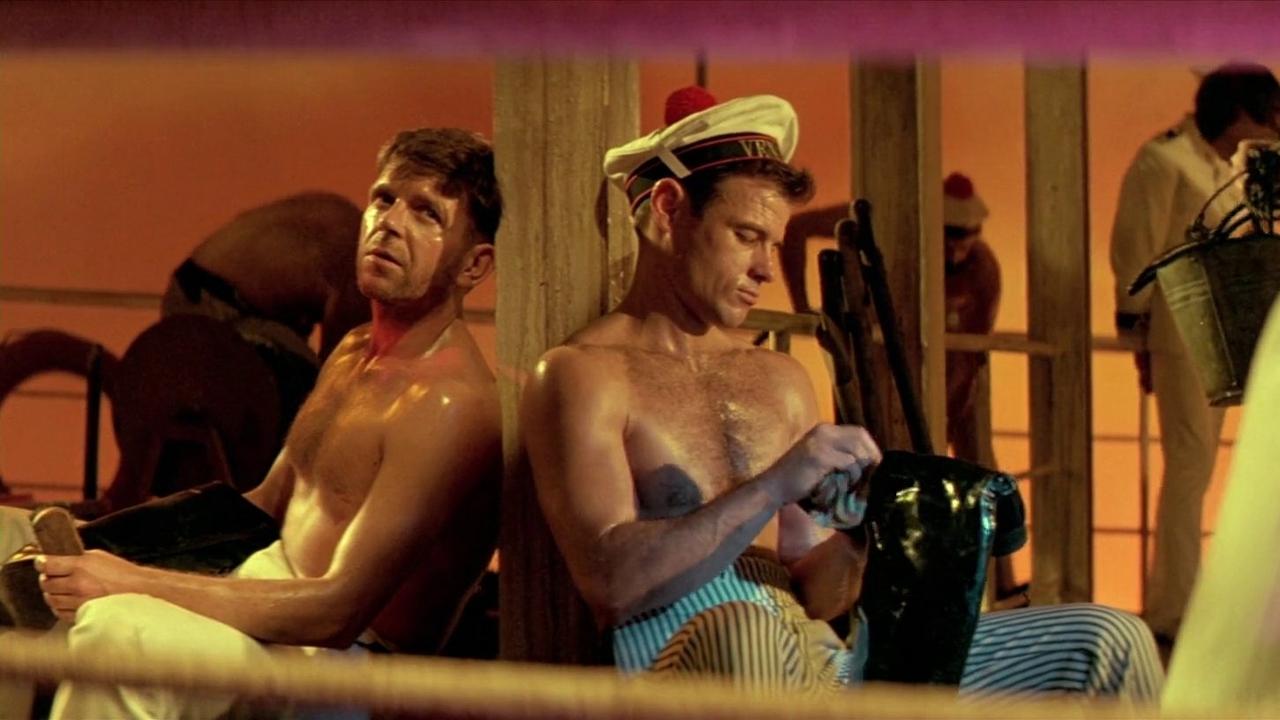
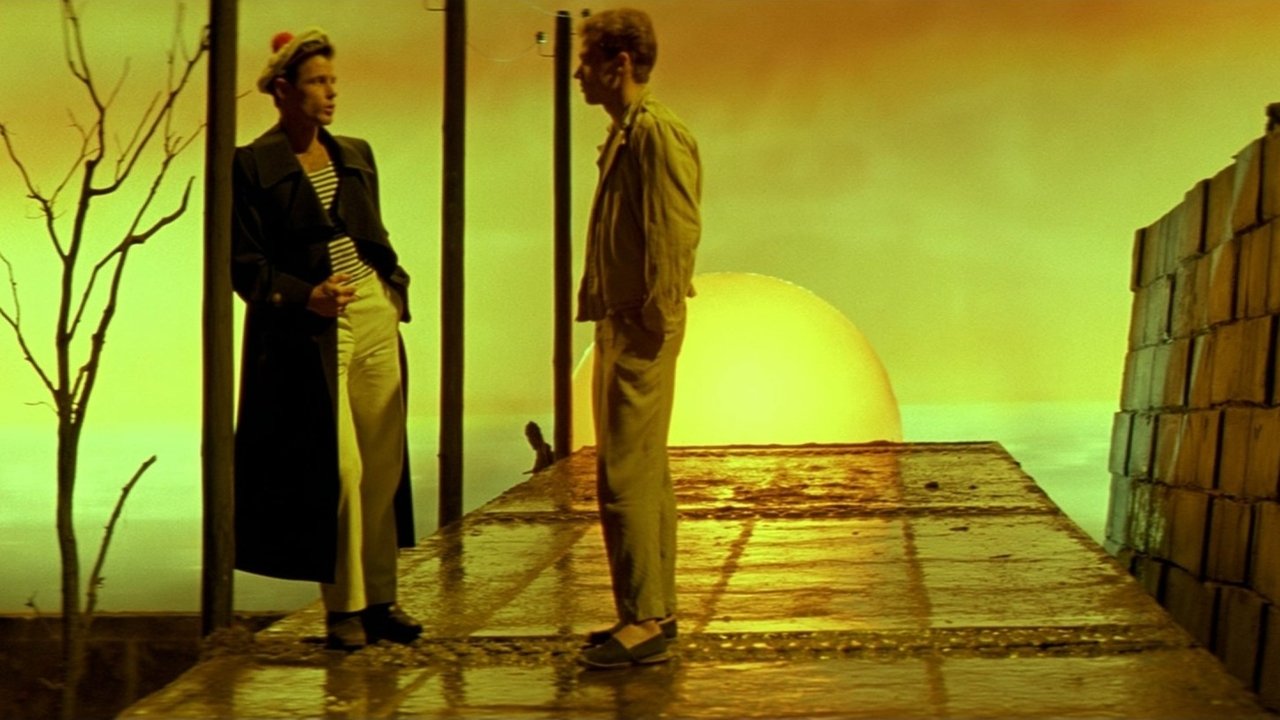
I was so enamoured with the artificiality of the set. Brest is depicted as something out of an old Hollywood musical, constructed onto a soundstage with blinding yellow sun, baking everything in a honey-gold shower of passionate libidinal vibrance. Point being: I could have LOOKED AT this film all day.
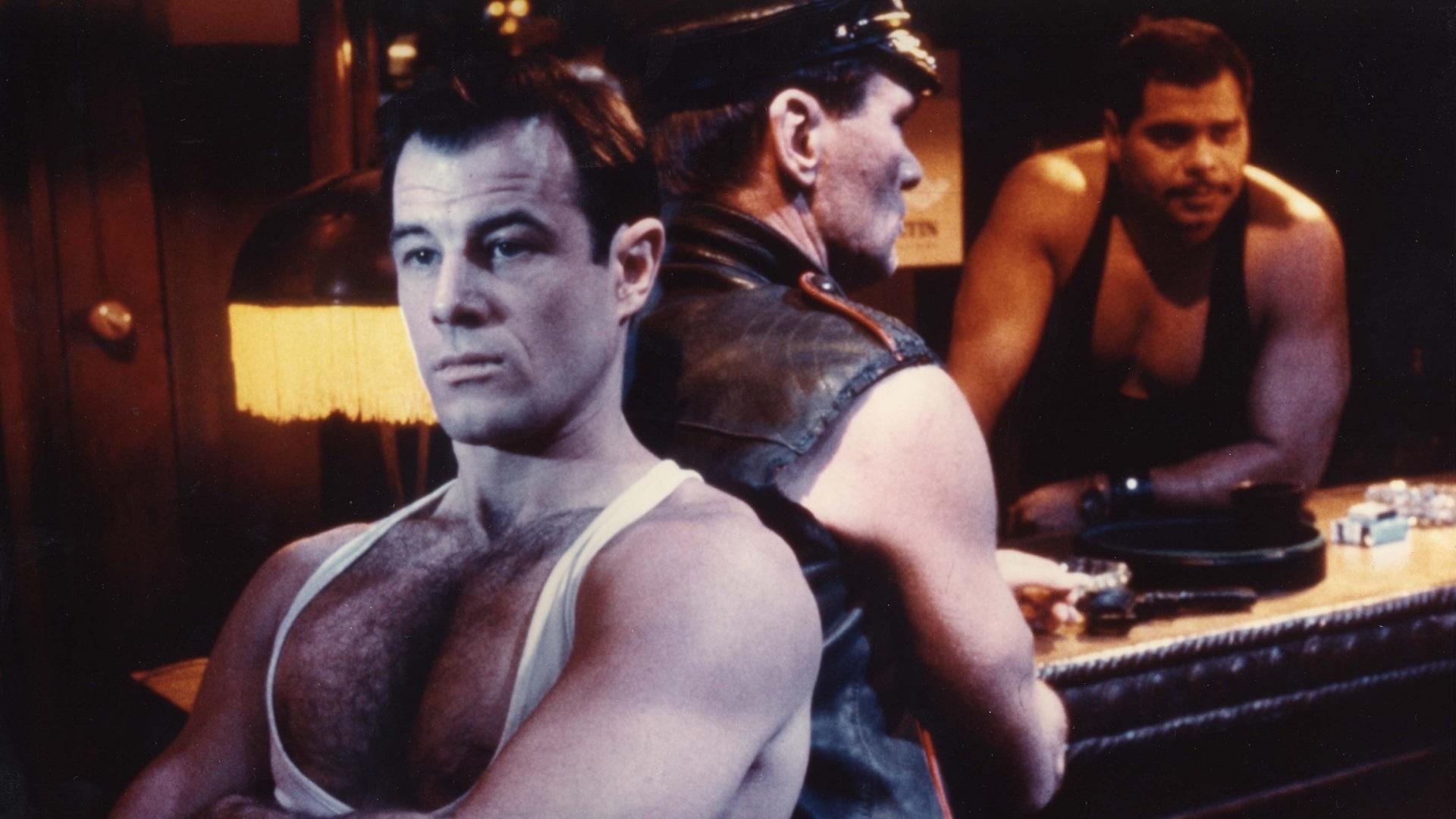
Now, I want to insert a quote from the Criterion essay on this film, Querelle: Erogenous Zones by Nathan Lee, as it will help me keep steady in this already unsteady review. Lee writes, “Radically nonnormative in both form and content, it is a postmodern melodrama grounded by a sweaty, seething, meaty eroticism.”
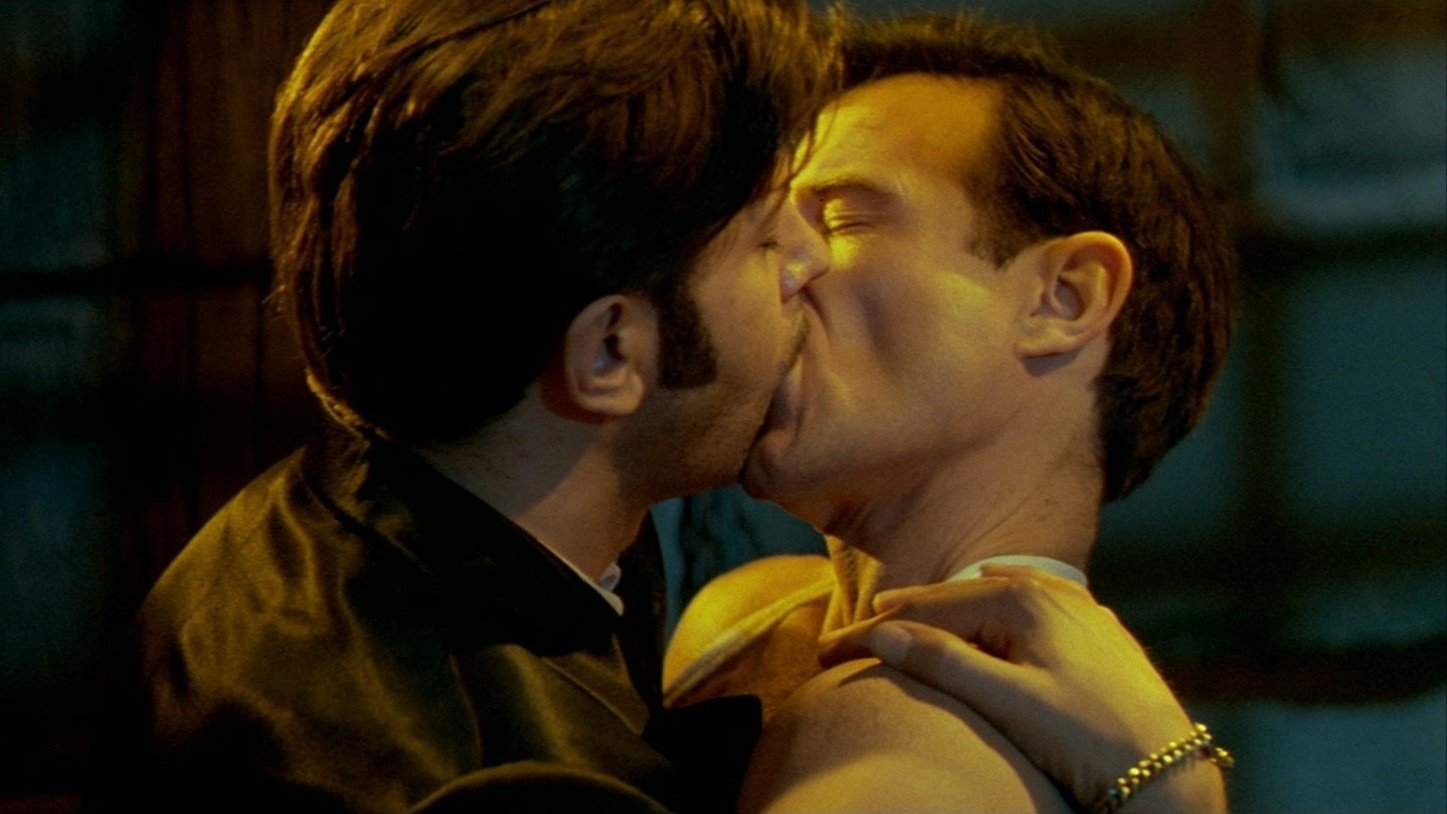
One look at the cover art and that sentence and, yeah, that’s essentially a pretty solid summation of what’s inside this film. I can’t gloss over the eroticism in this, because in many ways, that’s THE marquee aspect of Querelle the movie and the character. This film has characters fuckin’, suckin’, and, and daydreaming about fuckin’ and suckin’ while talking into a tape recorder.
As far as plot…
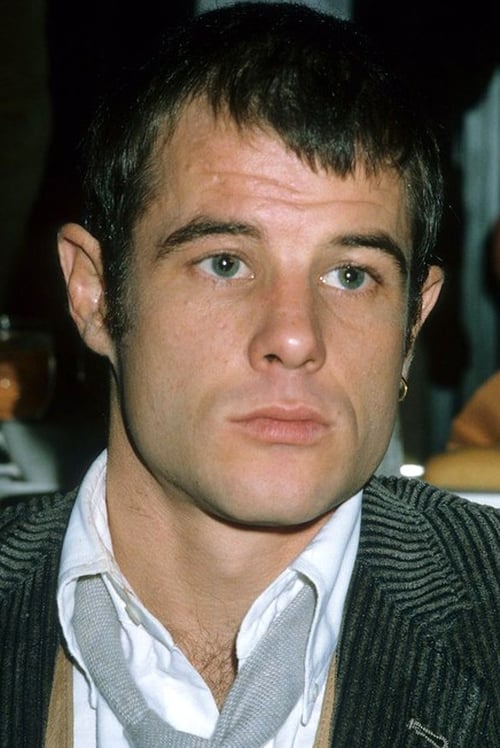
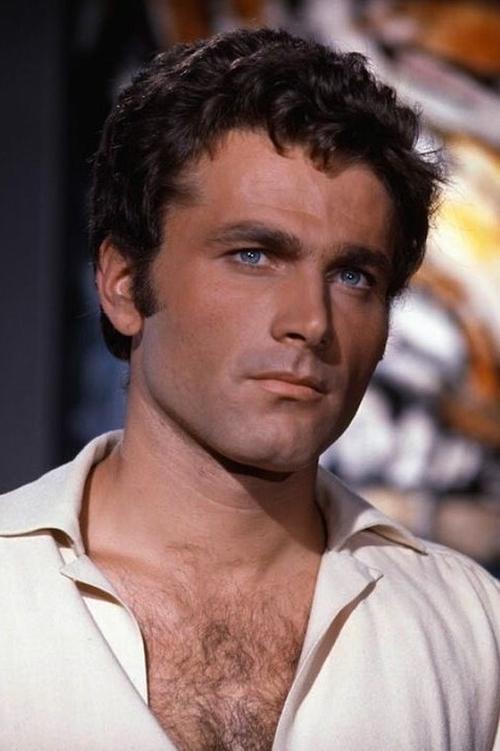
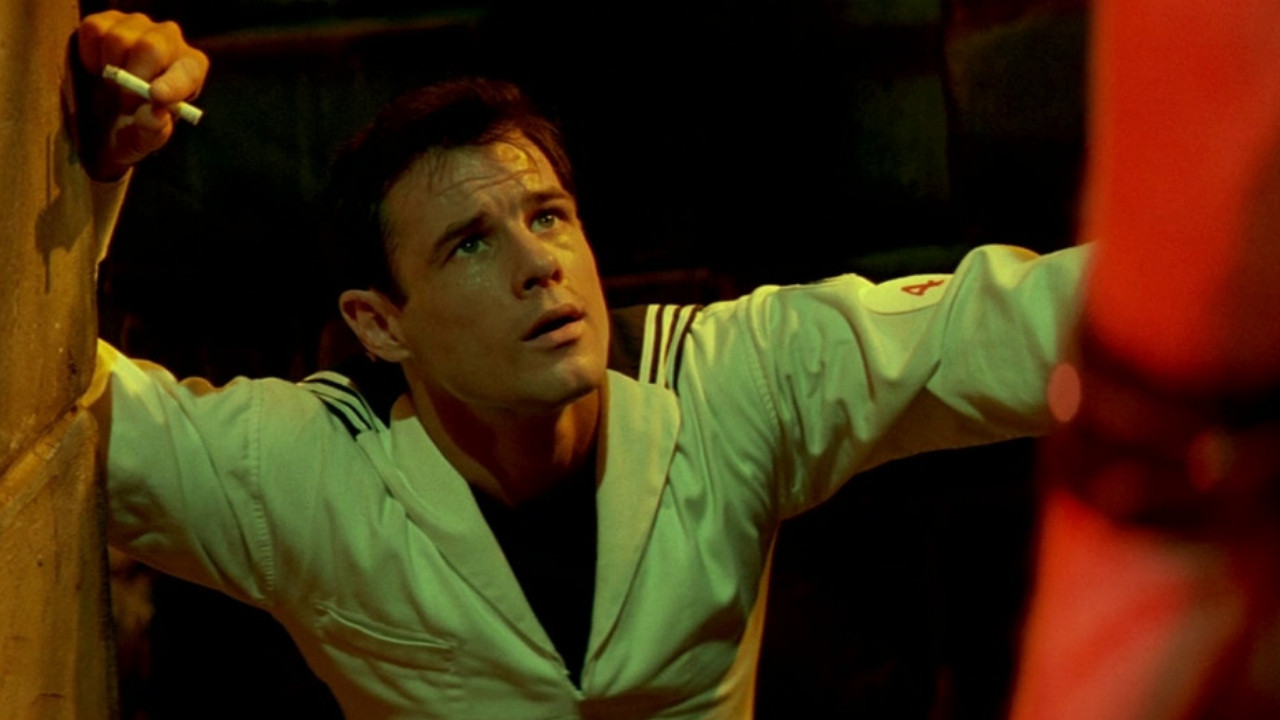
That’s where I get a little lost and where I really was searching for something - anything - to grasp onto. The film, which is based on a novel, Querelle of Brest by Jean Genet, is lyrical and floating and not really super concerned with character motivations or telling much of an A to B narrative. We follow George Querelle, played, I thought, wonderfully by Brad Davis, a handsome, muscular sailor whose brother, Robert, is having an affair with Lysiane, the owner of a brothel called La Feria. He then arranges an opium deal with her husband, Nono. Querelle goes through with the deal and then kills one of his fellow sailors (for some reason), is then sodomized by Nono, gives a hand job to a cop, and enters into an alliance with a day laborer who has murdered his coworker.
[scratches head]
Yeah, I mean, I guess that’s what happens.
To backtrack a bit, I invoked the names Brecht and Bresson and really, knowing what I know about Fassbinder and his influences, I should have seen this coming, but the artificiality of the performances had me feeling like I was walking into a brick wall. The artificiality of the sets and the extravagant over-the-top nature of the world, I could buy that. But the way characters talk, the frankness with which they communicate, the languid melodrama of it all, really got under my skin and made the experience quite a slog.
Not that I’m one to really tell a so-called master like Fassbinder what he should be doing with his time and art, but I felt that by matching the anaturalism of the environment with the alienating nature of the performance style was a bit like watching Gotye’s music video for Somebody That I Used To Know, where he’s painted to blend in with the wall, y’know. Like I know there’s a person there, but he blends in. There’s hardly any contrast. (okay, that was a dumb example, but you know what I mean.)
This is the same complaint I had about L’argent, only that film isn’t half as pretty to look at as Querelle, so Querelle takes the lead in that regard.
I think for me the whole thing risks being too alienating in a story which seems to want to invite both queer and non-queer folk alike into the headspace of queer desire. I felt myself wanting to be a guest in the minds of these characters, and being denied entry at every turn because they make decisions that seem so strange and speak in ways that only expand the distance between me and them. Why Querelle kills his sailor buddy, I have no idea. Why Querelle dresses Gil up as his brother, I have no idea.
I found this film offering far more questions than it ever has any intention of answering. And, frankly, that’s not my vibe.
I do recommend people go read the Nathan Lee Criterion essay because his ability to put words to what much of this film feels like is far superior to what I can do. As he says, “While the plot may be thin, the narrative could be diagrammed as an elaborate roundelay of characters spying, lurking, stalking, and sizing one another up—an arabesque of cruising, the gay art of furtive pursuit and seduction.”
To end on another positive note, there is no denying what this film did for queer cinema, even if it took some time for it to catch on. The New Queer Cinema of the nineties certainly owes something to Querelle in being a bold, confrontational, throbbing declaration of art.
6.4/10