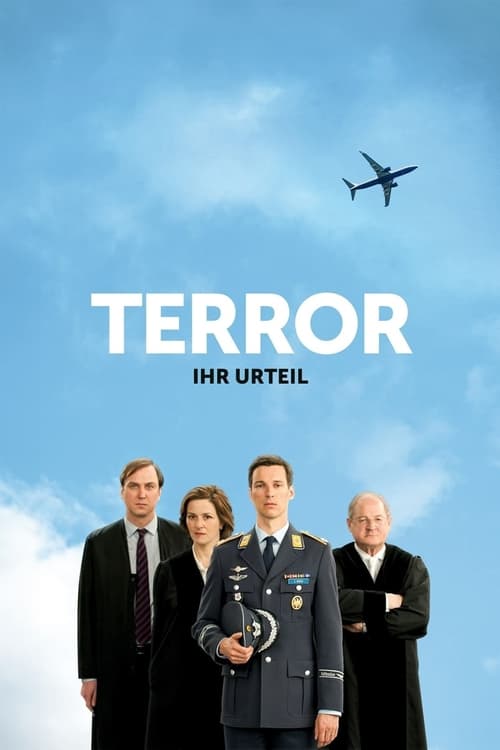
I love this film.
Not because it’s visually striking.
Not because it’s thrilling or action-packed. Quite the opposite.
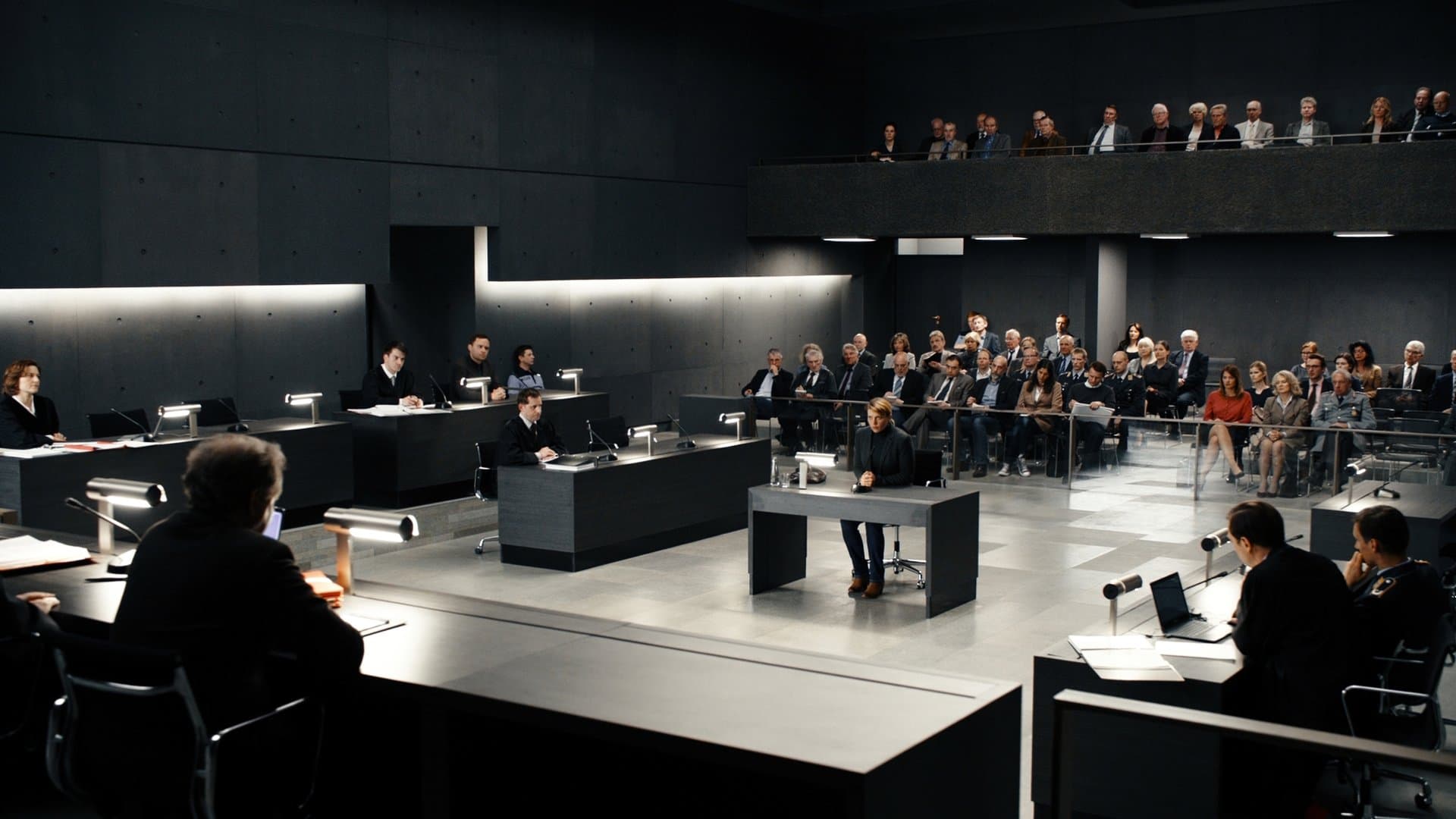
The Verdict is almost aggressively simple. One room. A handful of characters. Endless discussion, weighing, arguing, circling around the same moral question again and again. And that’s exactly why it works.
This film feels terrifyingly realistic.
No aliens, no magic, no futuristic distance to hide behind.
What it presents is not absurd or exaggerated — it’s something that could happen anywhere. Today. Tomorrow. In any country.
And when that moment comes, we will be forced to ask the same question:
Can one person sacrifice the life of one individual (or a small group) to save many others? And if they do — is it justice, or is it a crime?
What I admire most is the film’s restraint.
It doesn’t try to manipulate you with music or spectacle.
Everything happens within the structure of a courtroom. The accused. The defense attorney. The prosecutor. The judges. A witness. That’s it.
The simplicity of the setup contrasts sharply with the complexity of the arguments being made.
The closing statements — especially those of the defense and the prosecution — are incredibly strong, each convincing in its own way. You’re constantly torn.
You keep switching sides. And that discomfort is the point.
And then there’s the ending.
I love that the film refuses to give a definitive answer.
Instead, it places the responsibility back onto us.
You have to decide. Prison or acquittal.
And beyond that: what does your decision mean for the future? For similar cases? For the boundaries of law, morality, and constitutional principles?
This isn’t a film for people looking for spectacle.
It’s a film for people who enjoy thinking.
For those who are interested in the tension between moral intuition and legal principles, between emotion and rationality.
For anyone who wants to question how much freedom a constitution allows — and how dangerous that freedom can be.
If you’re looking for Hollywood, this isn’t it.
If you’re looking for a film that stays with you long after the credits roll — this absolutely is.
I loved it.
I love this film.
Not because it’s visually striking.
Not because it’s thrilling or action-packed. Quite the opposite.
The Verdict is almost aggressively simple. One room. A handful of characters. Endless discussion, weighing, arguing, circling around the same moral question again and again. And that’s exactly why it works.
This film feels terrifyingly realistic.
No aliens, no magic, no futuristic distance to hide behind.
What it presents is not absurd or exaggerated — it’s something that could happen anywhere. Today. Tomorrow. In any country.
And when that moment comes, we will be forced to ask the same question:
Can one person sacrifice the life of one individual (or a small group) to save many others? And if they do — is it justice, or is it a crime?
What I admire most is the film’s restraint.
It doesn’t try to manipulate you with music or spectacle.
Everything happens within the structure of a courtroom. The accused. The defense attorney. The prosecutor. The judges. A witness. That’s it.
The simplicity of the setup contrasts sharply with the complexity of the arguments being made.
The closing statements — especially those of the defense and the prosecution — are incredibly strong, each convincing in its own way. You’re constantly torn.
You keep switching sides. And that discomfort is the point.
And then there’s the ending.
I love that the film refuses to give a definitive answer.
Instead, it places the responsibility back onto us.
You have to decide. Prison or acquittal.
And beyond that: what does your decision mean for the future? For similar cases? For the boundaries of law, morality, and constitutional principles?
This isn’t a film for people looking for spectacle.
It’s a film for people who enjoy thinking.
For those who are interested in the tension between moral intuition and legal principles, between emotion and rationality.
For anyone who wants to question how much freedom a constitution allows — and how dangerous that freedom can be.
If you’re looking for Hollywood, this isn’t it.
If you’re looking for a film that stays with you long after the credits roll — this absolutely is.
I loved it.