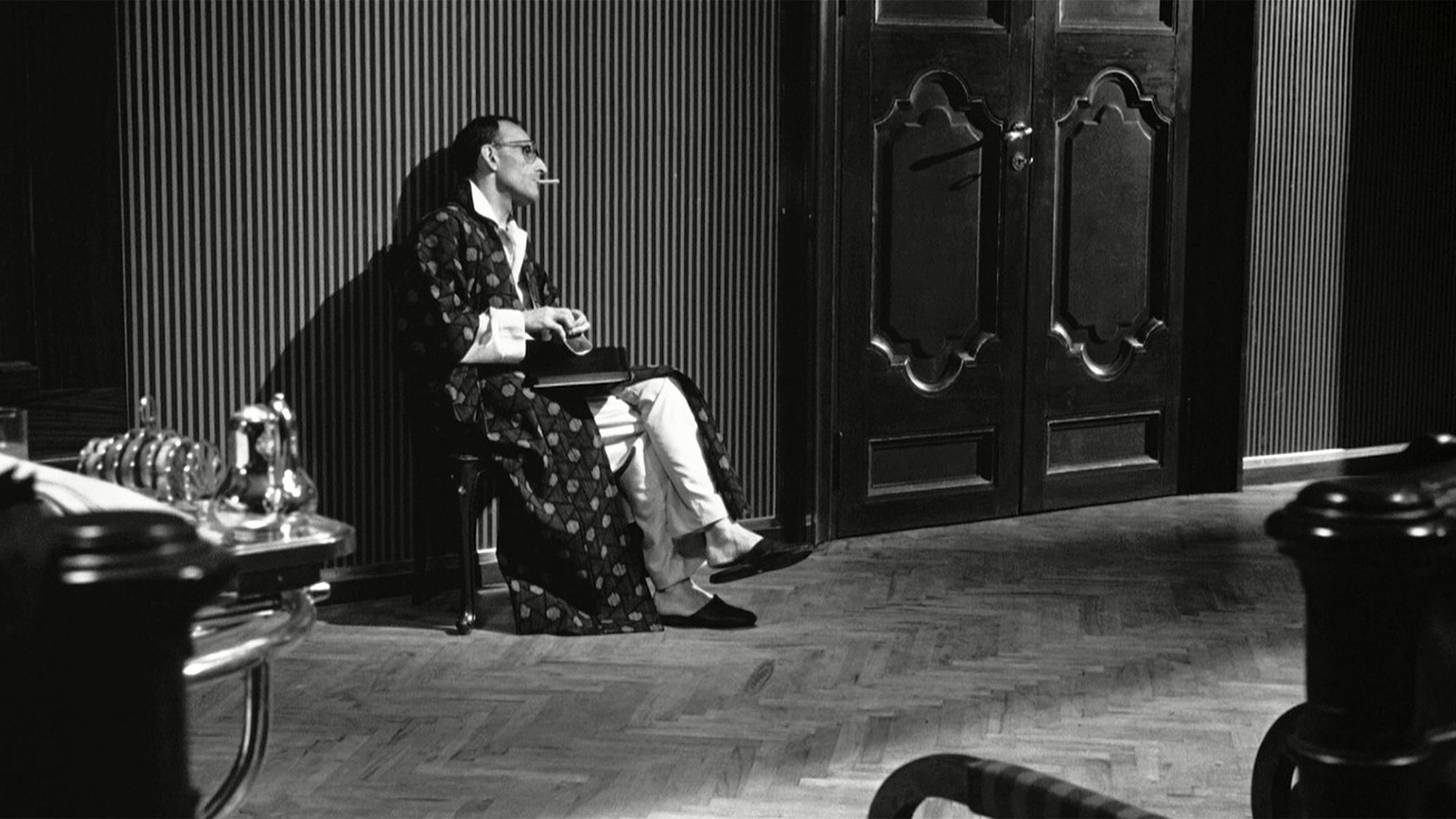
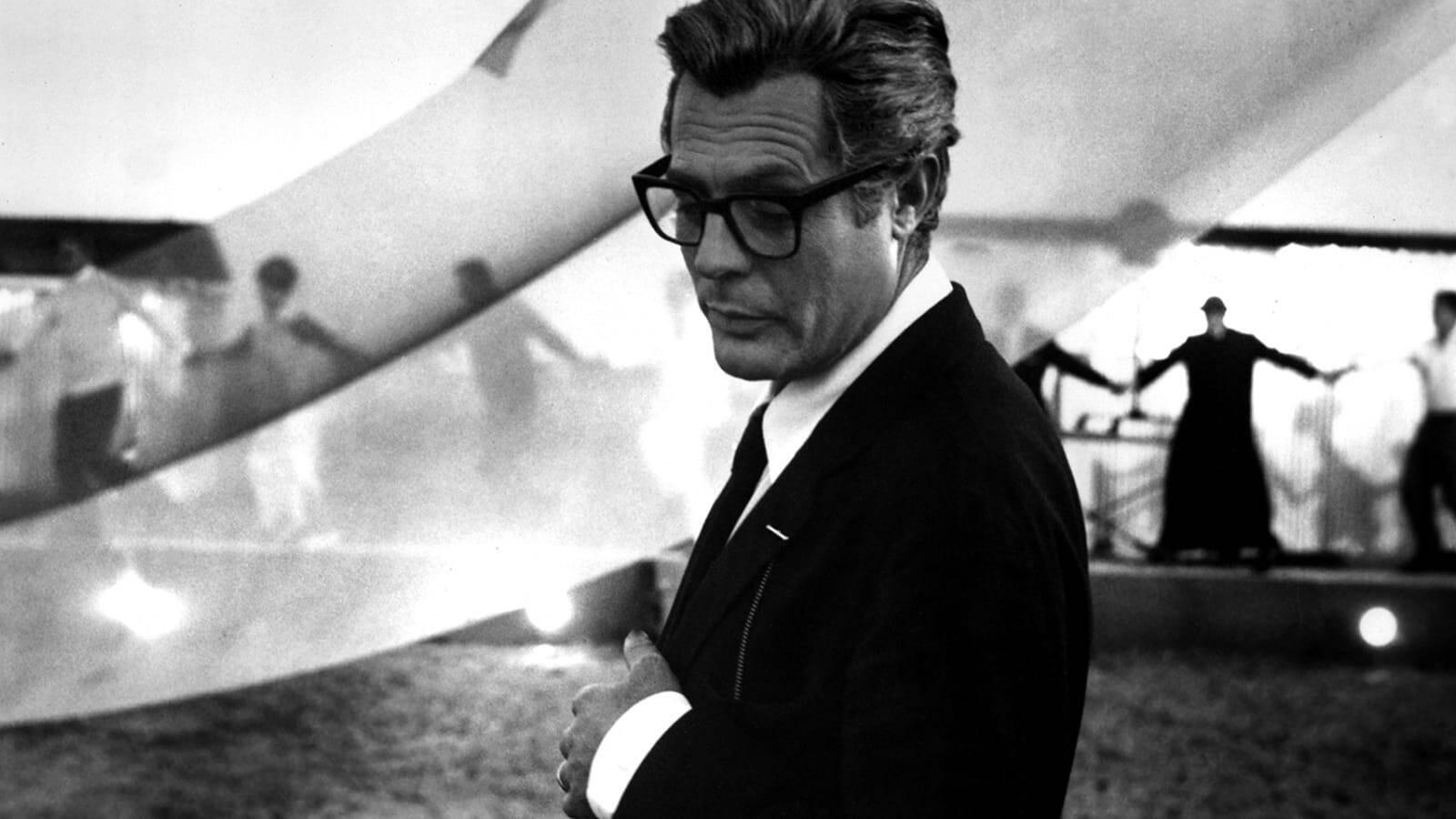
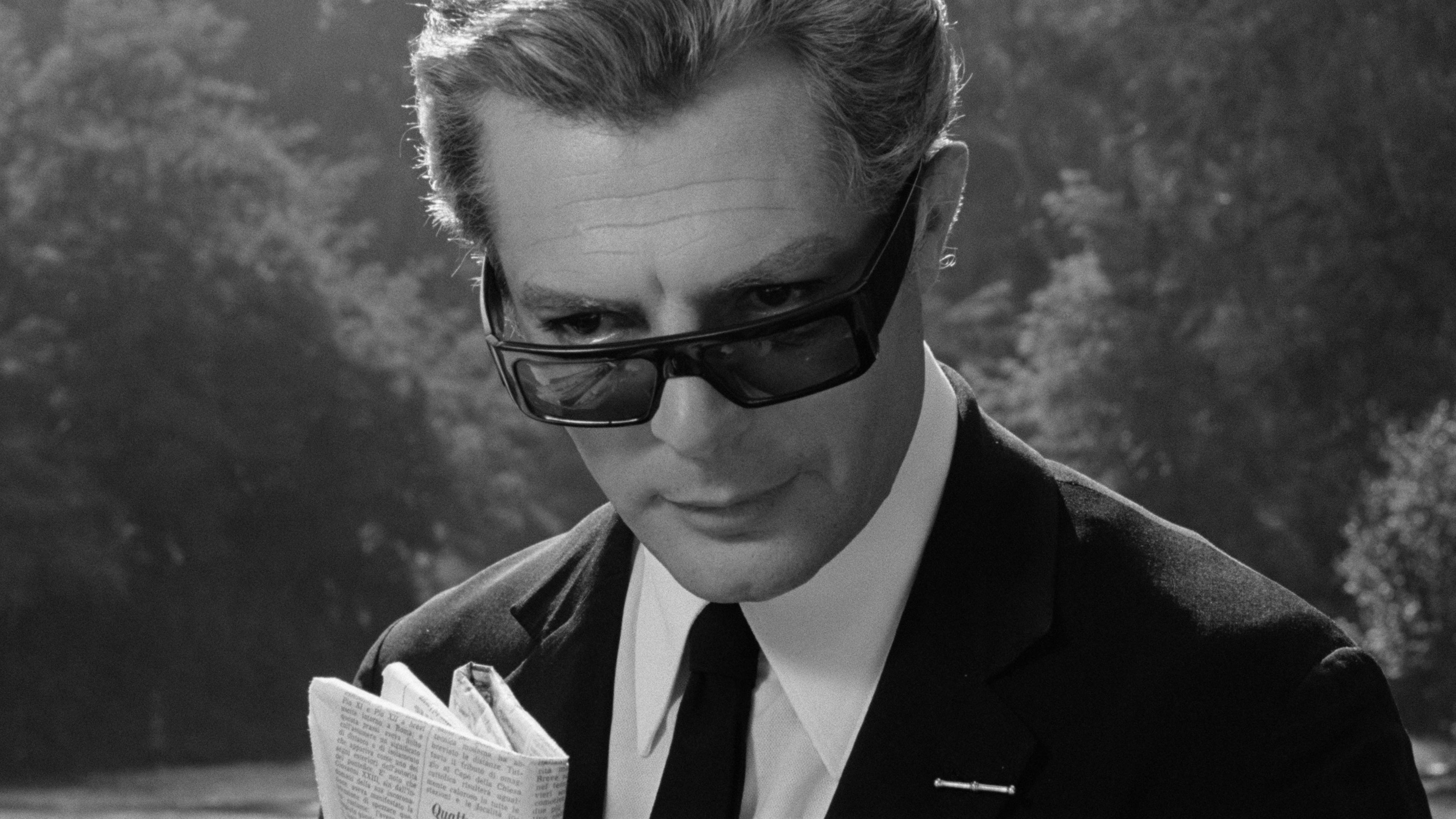
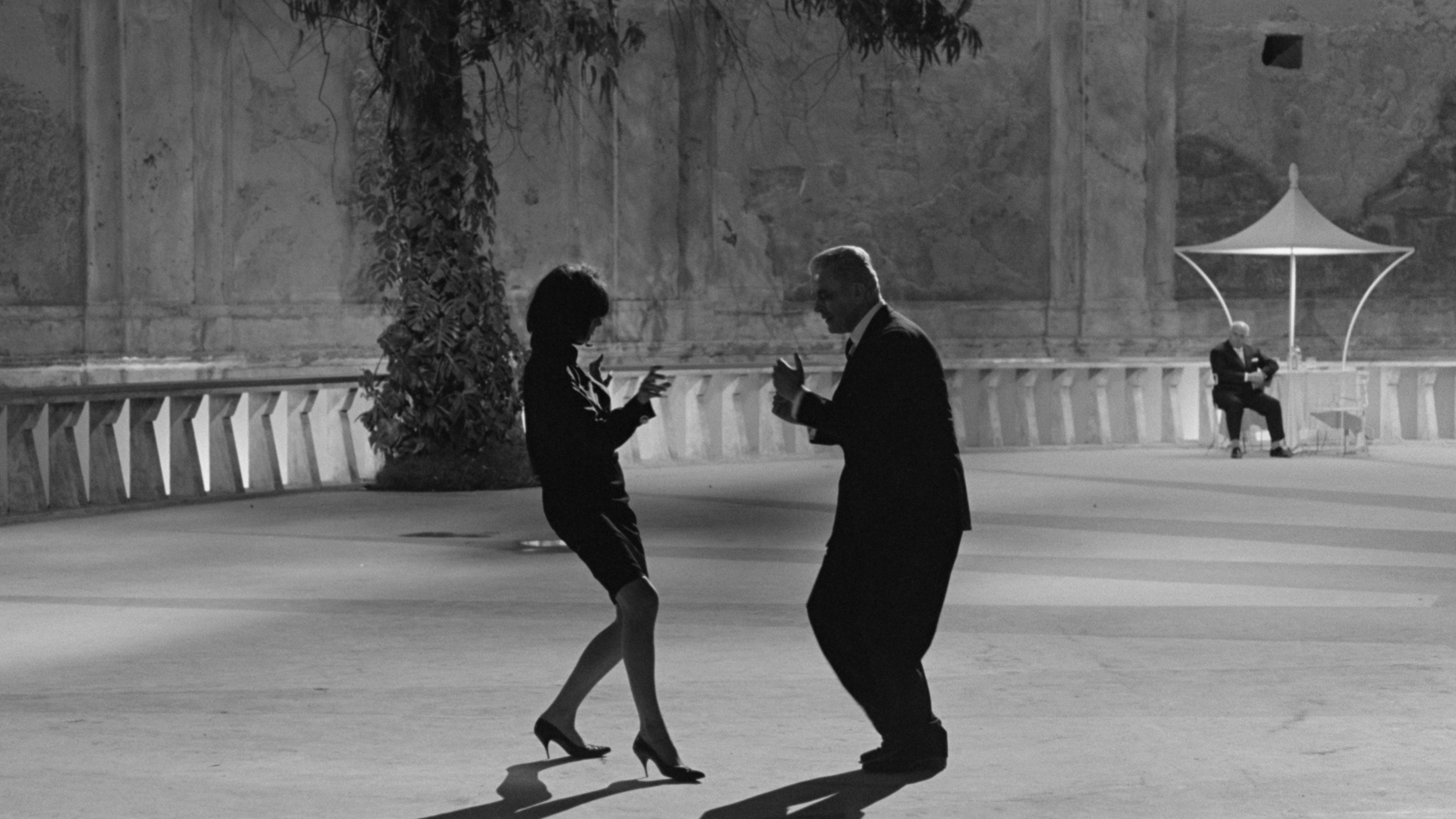
Snuck into a matinee showing at my local arthouse theater. Delightedly, they were showing this on a newly restored 35mm print that is touring the country. What a treat.
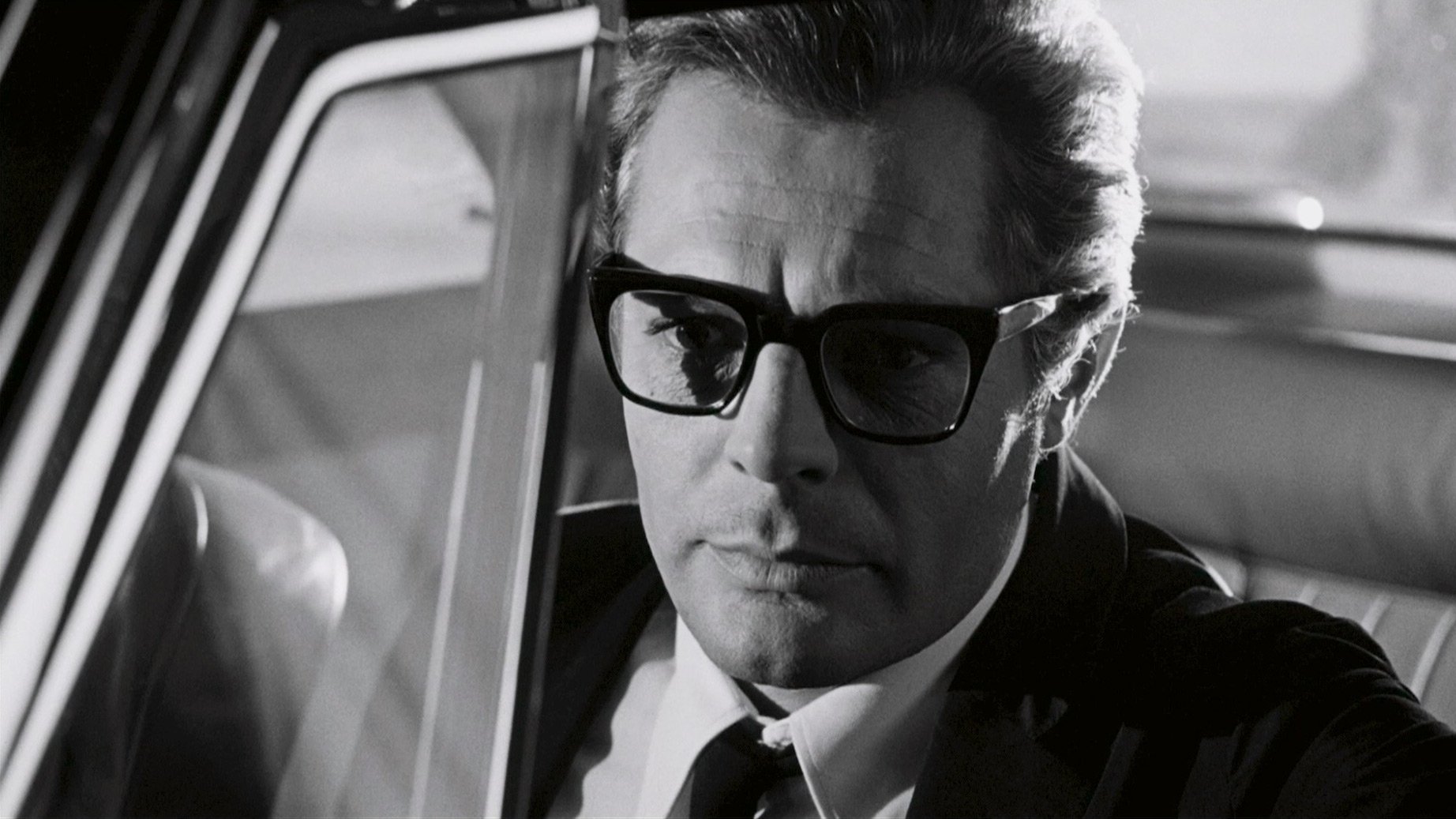
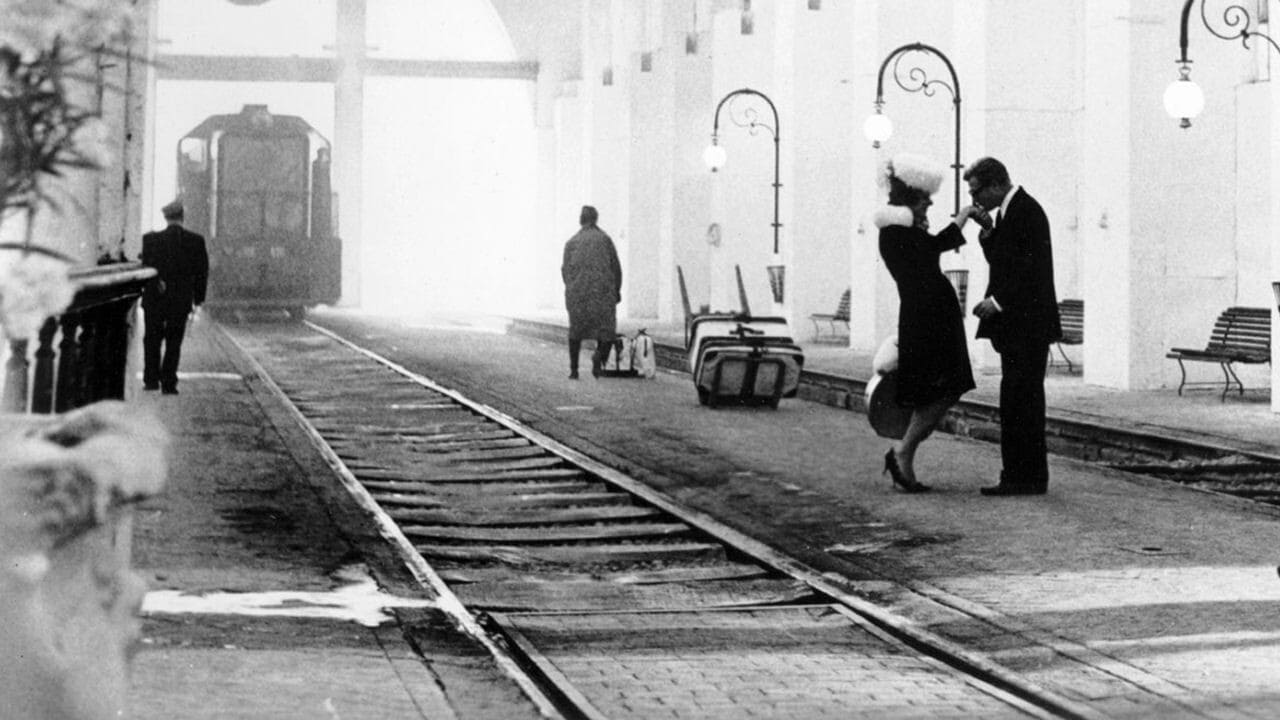
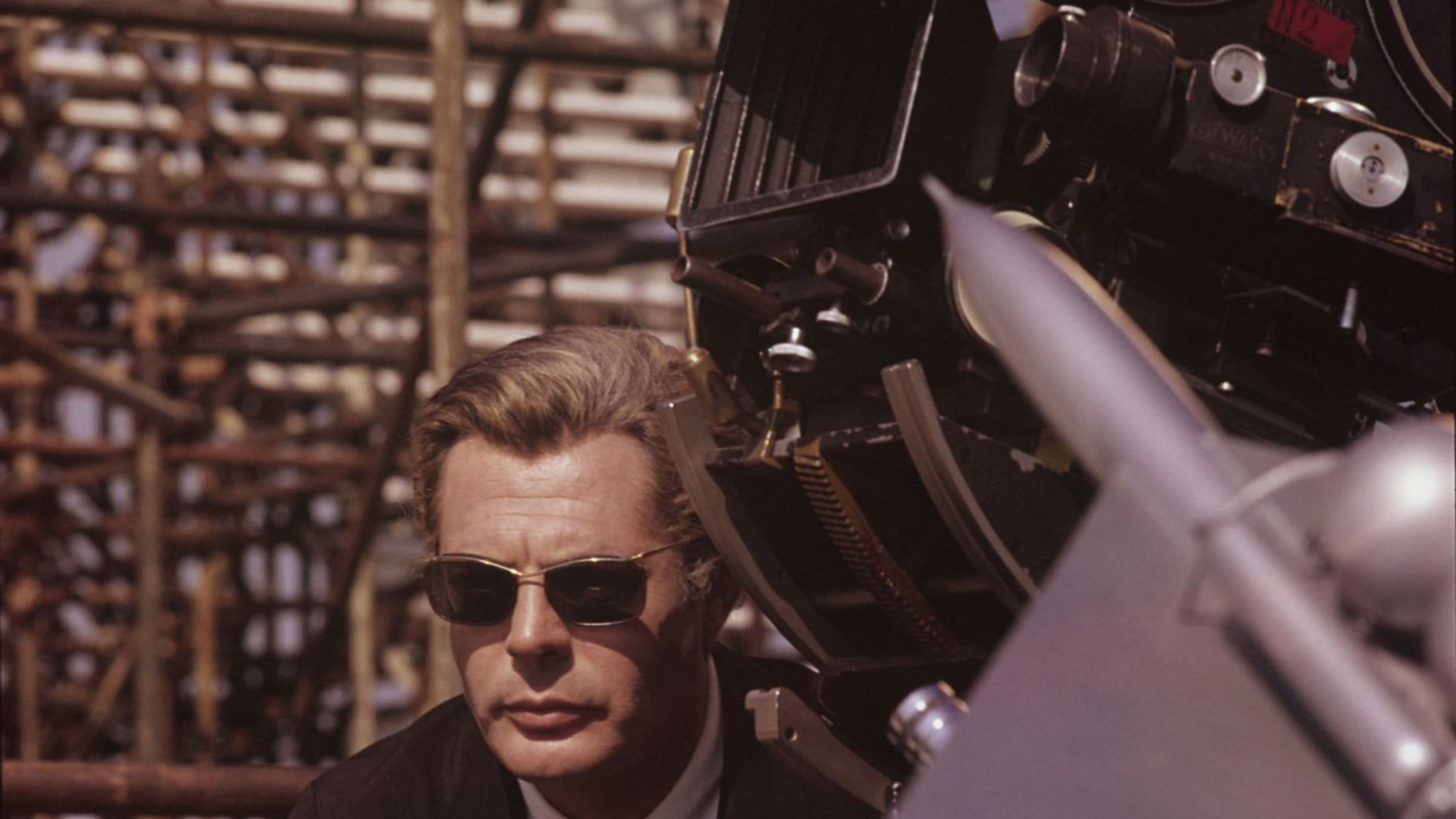
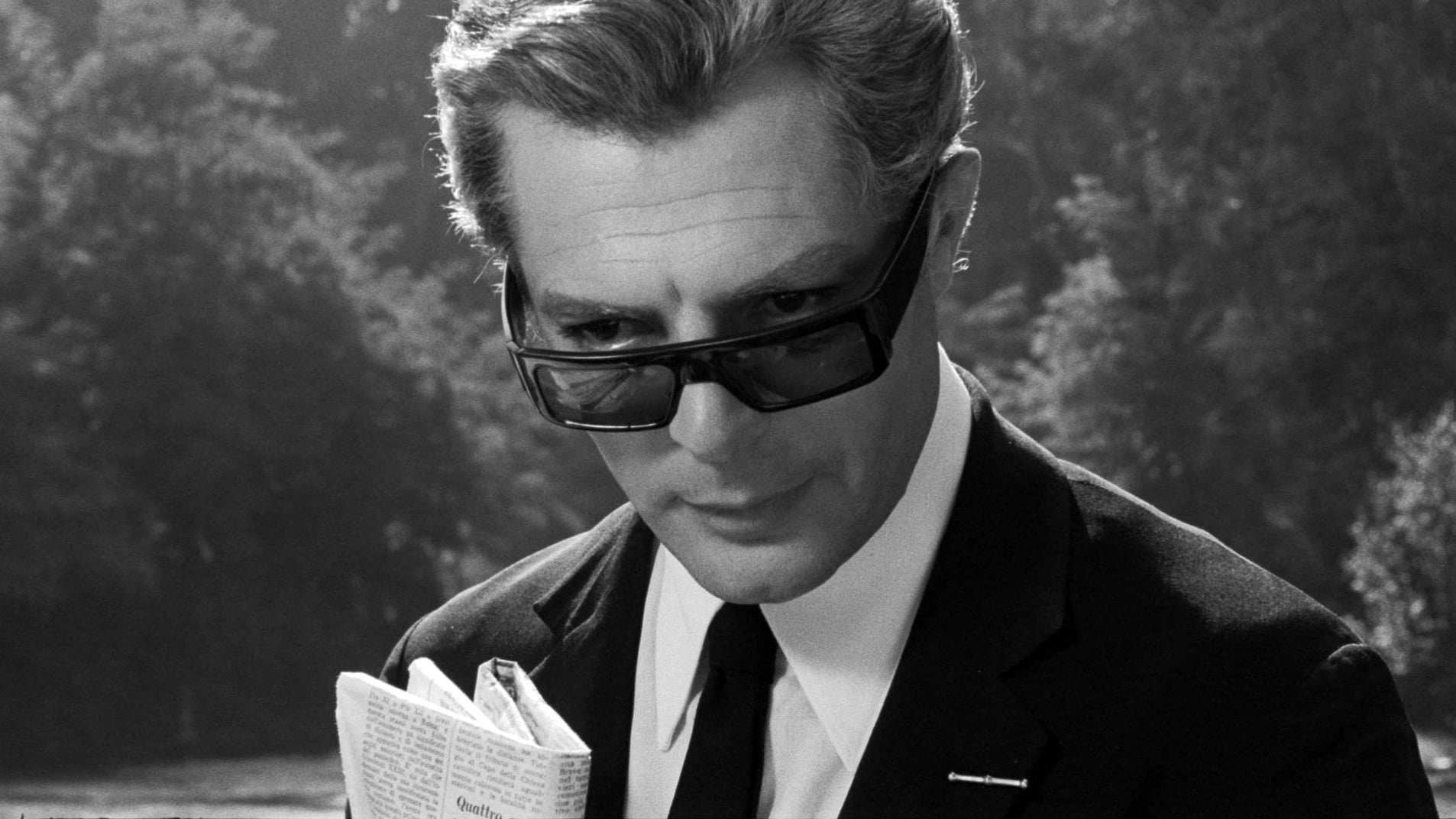
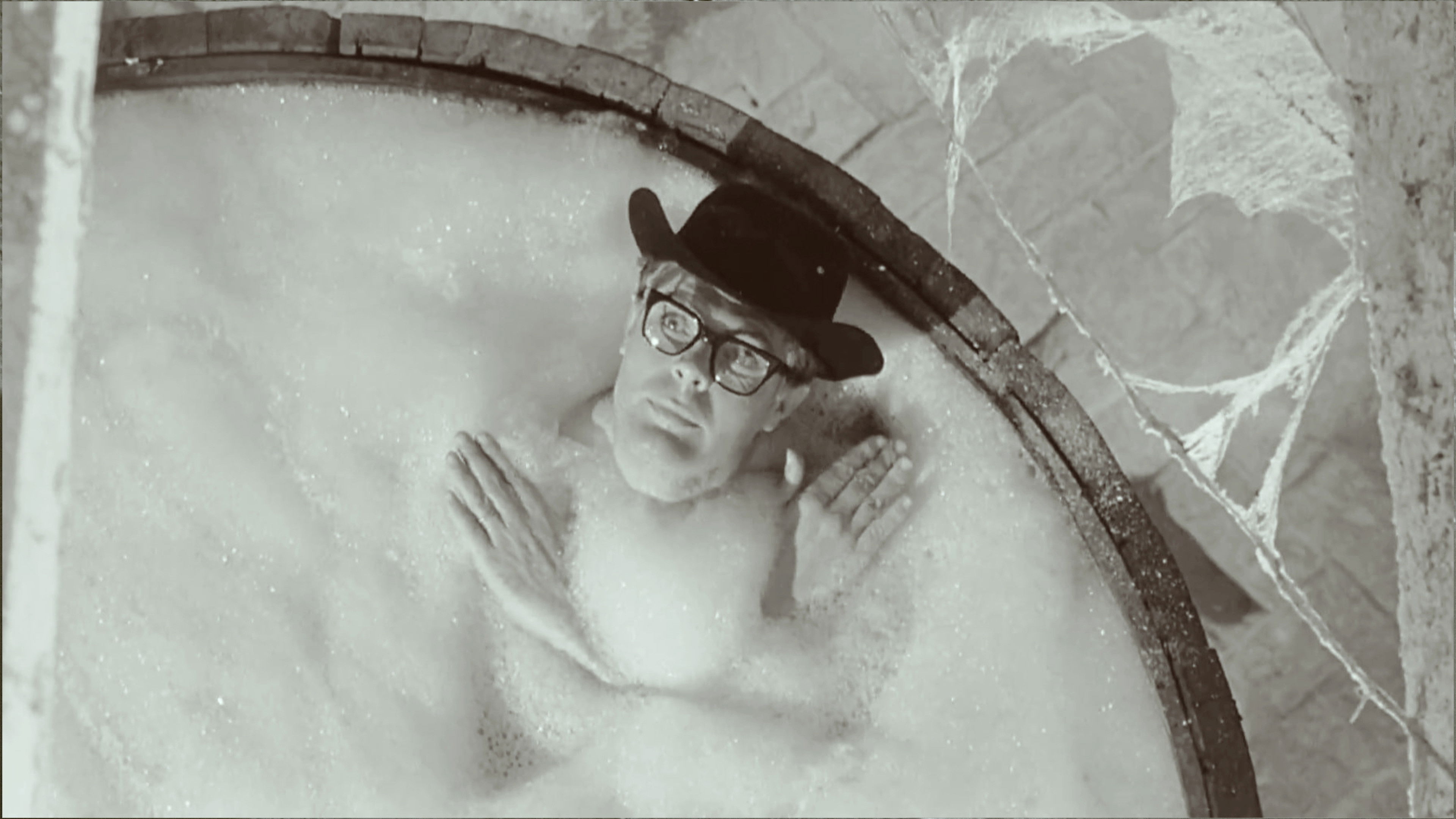
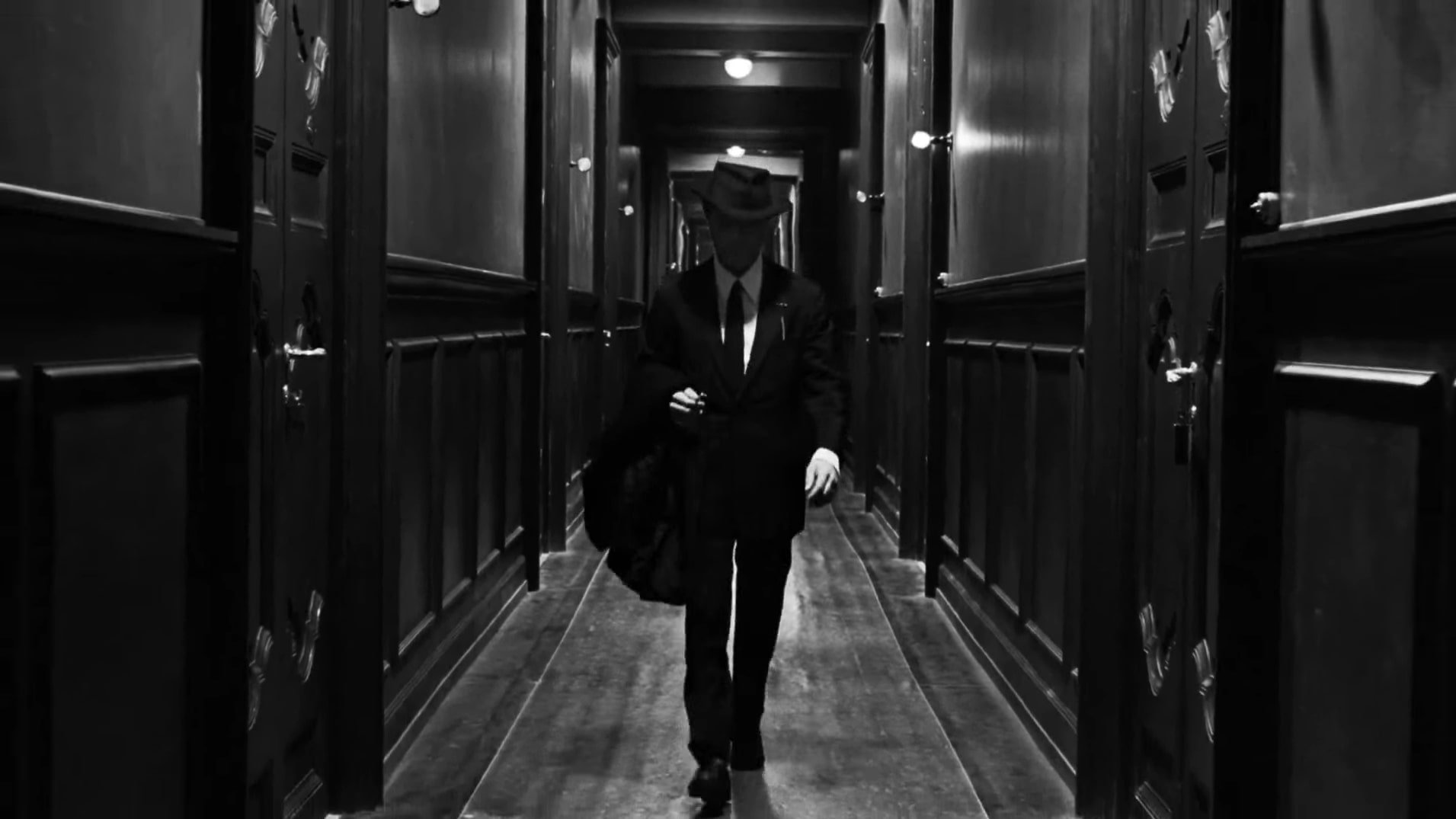
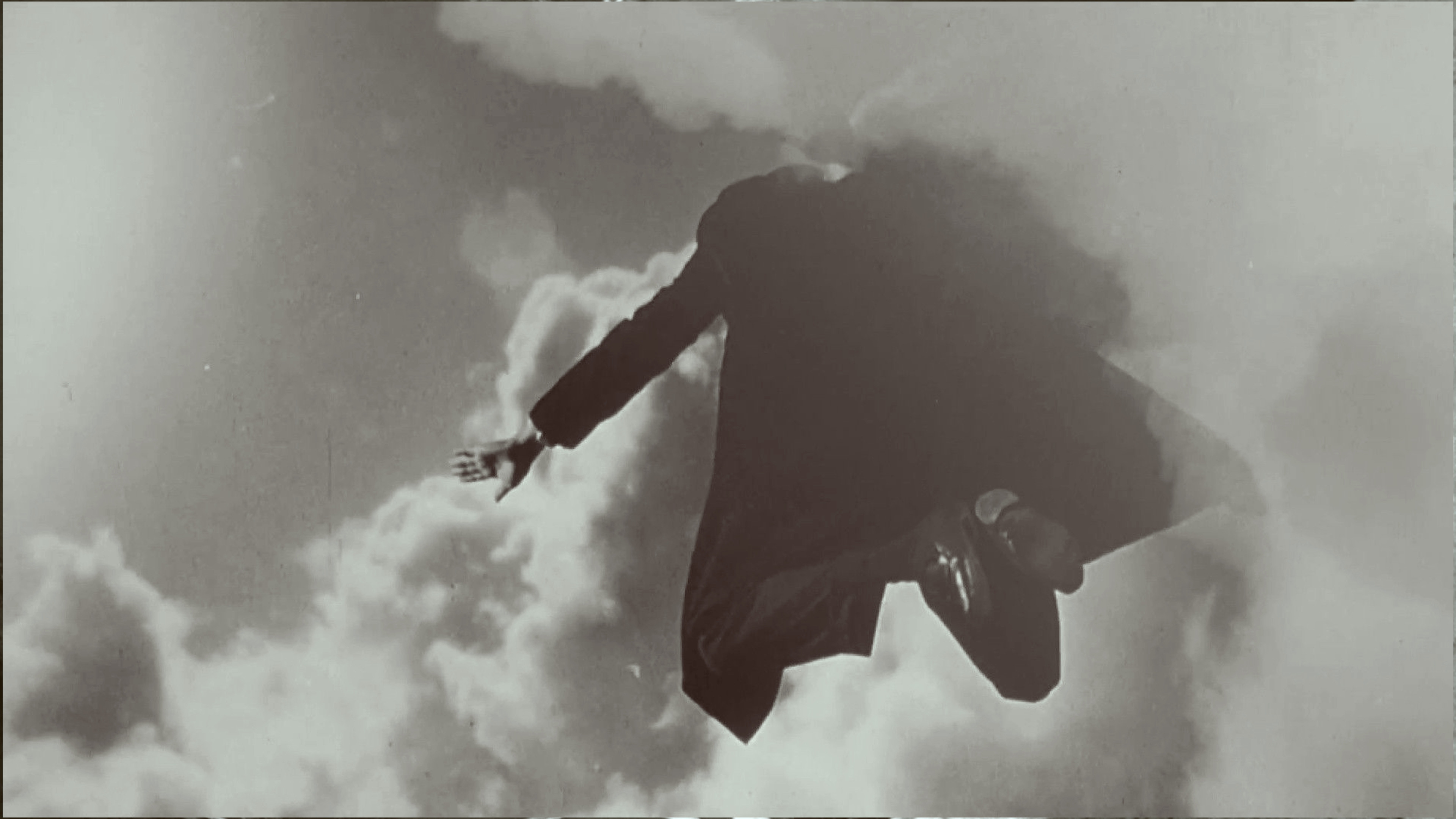
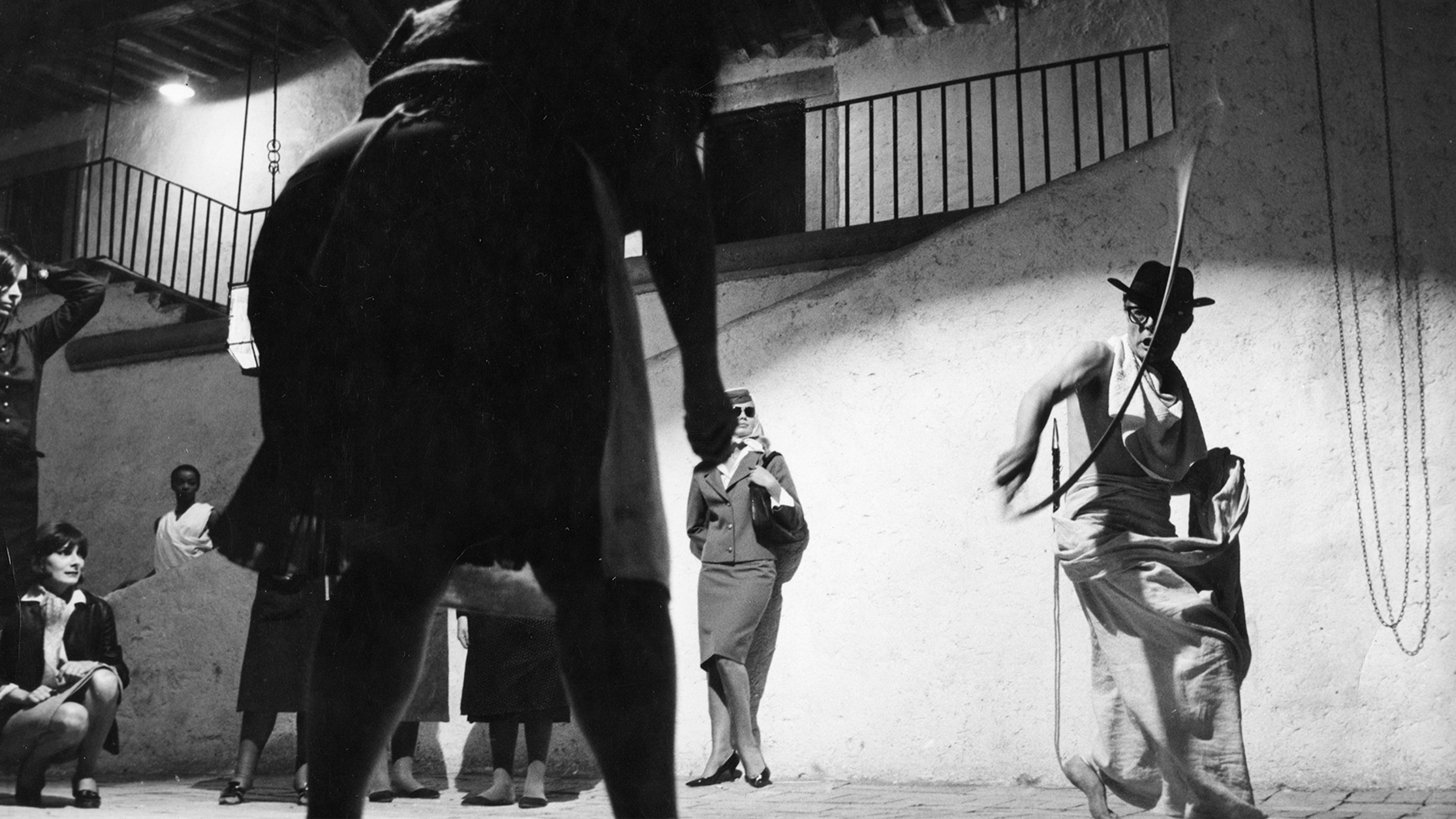
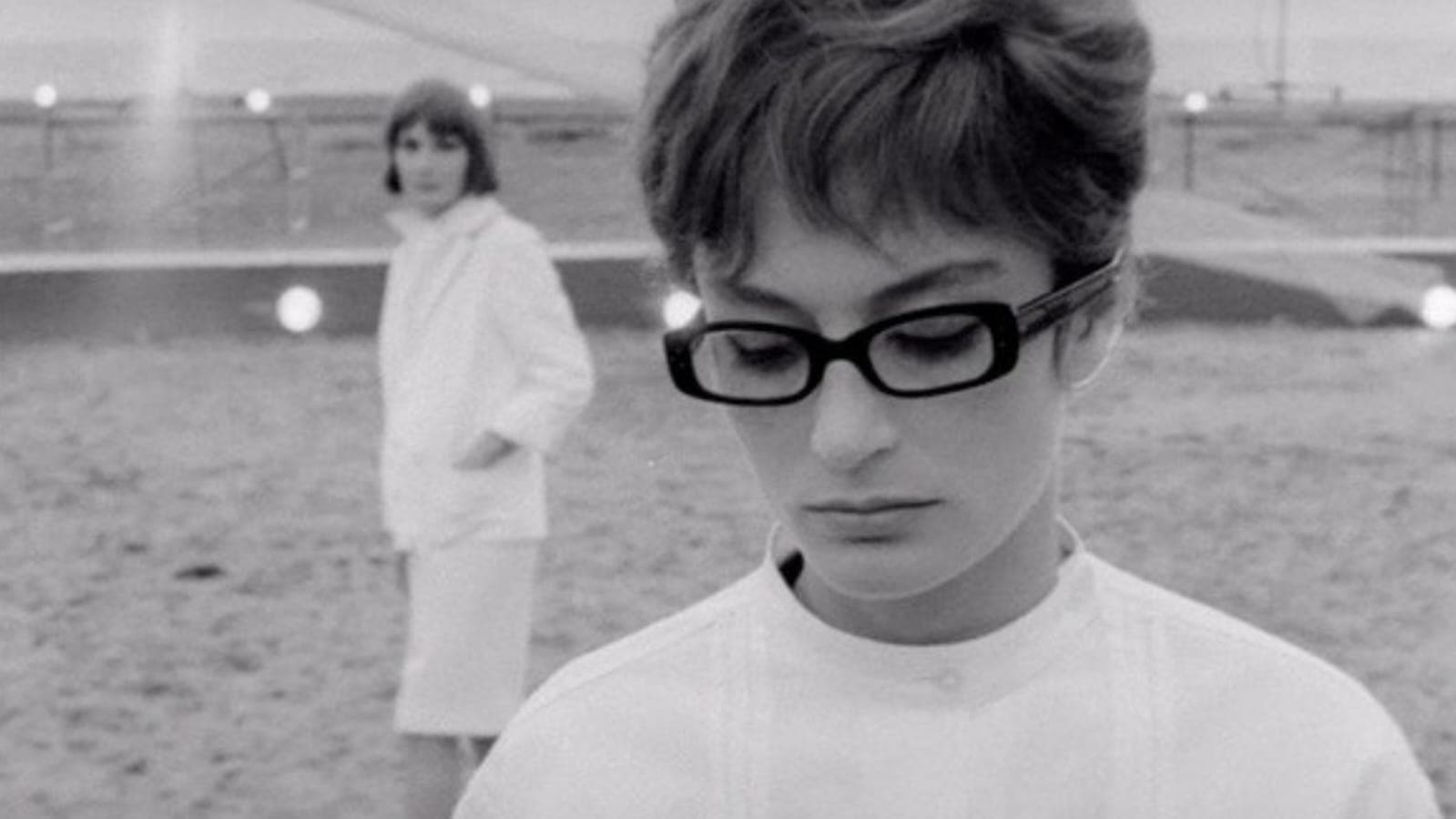
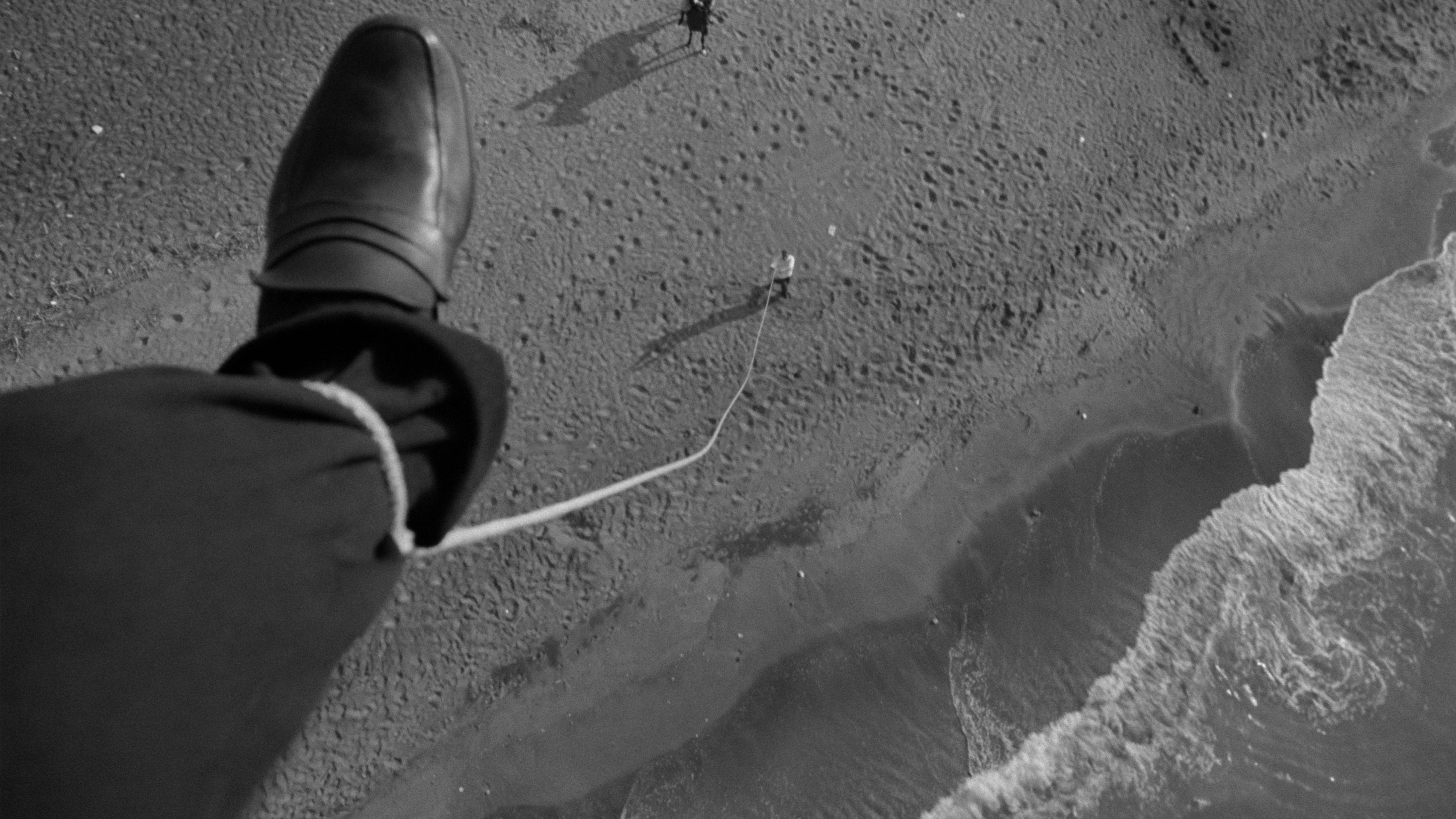
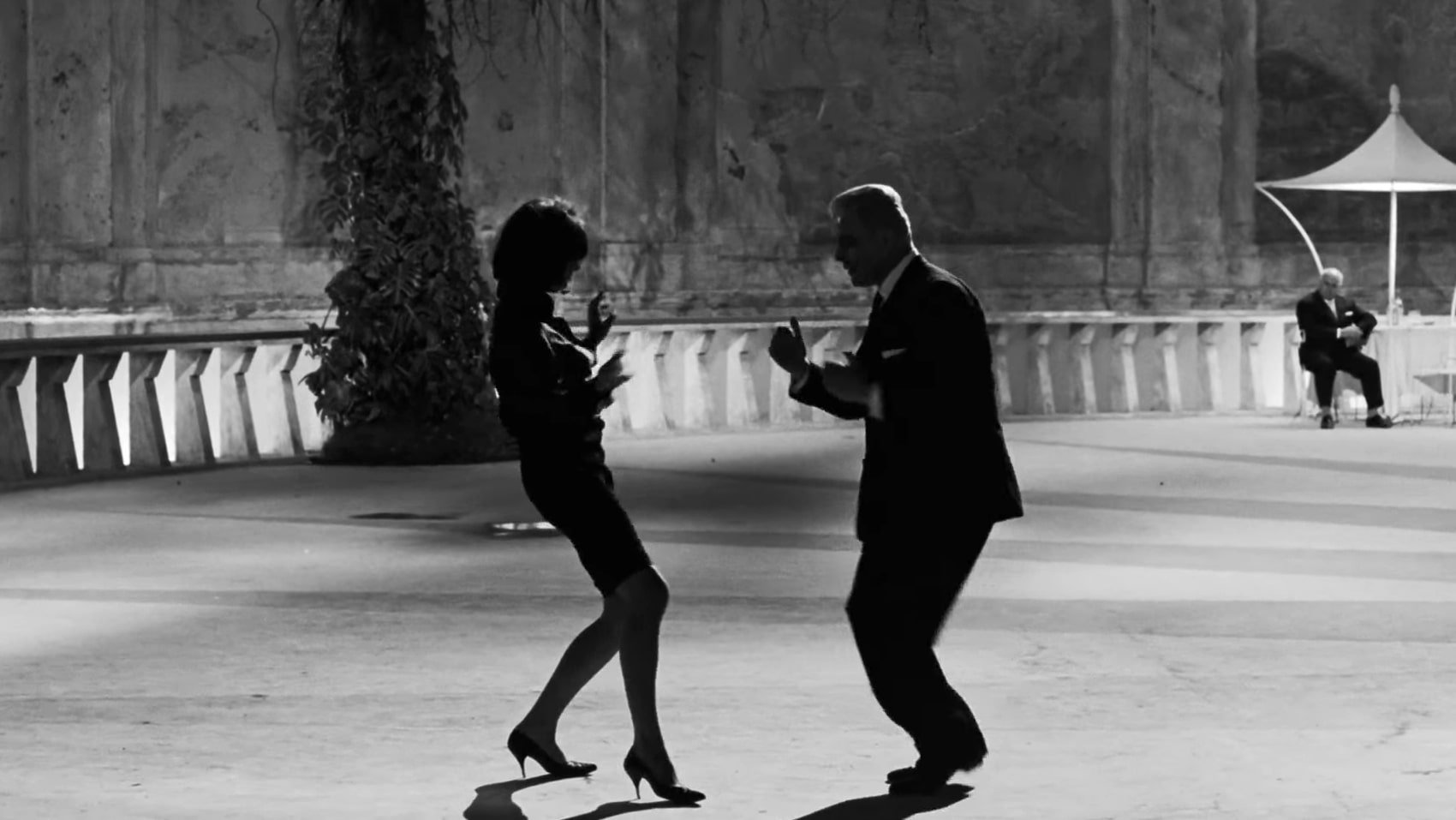
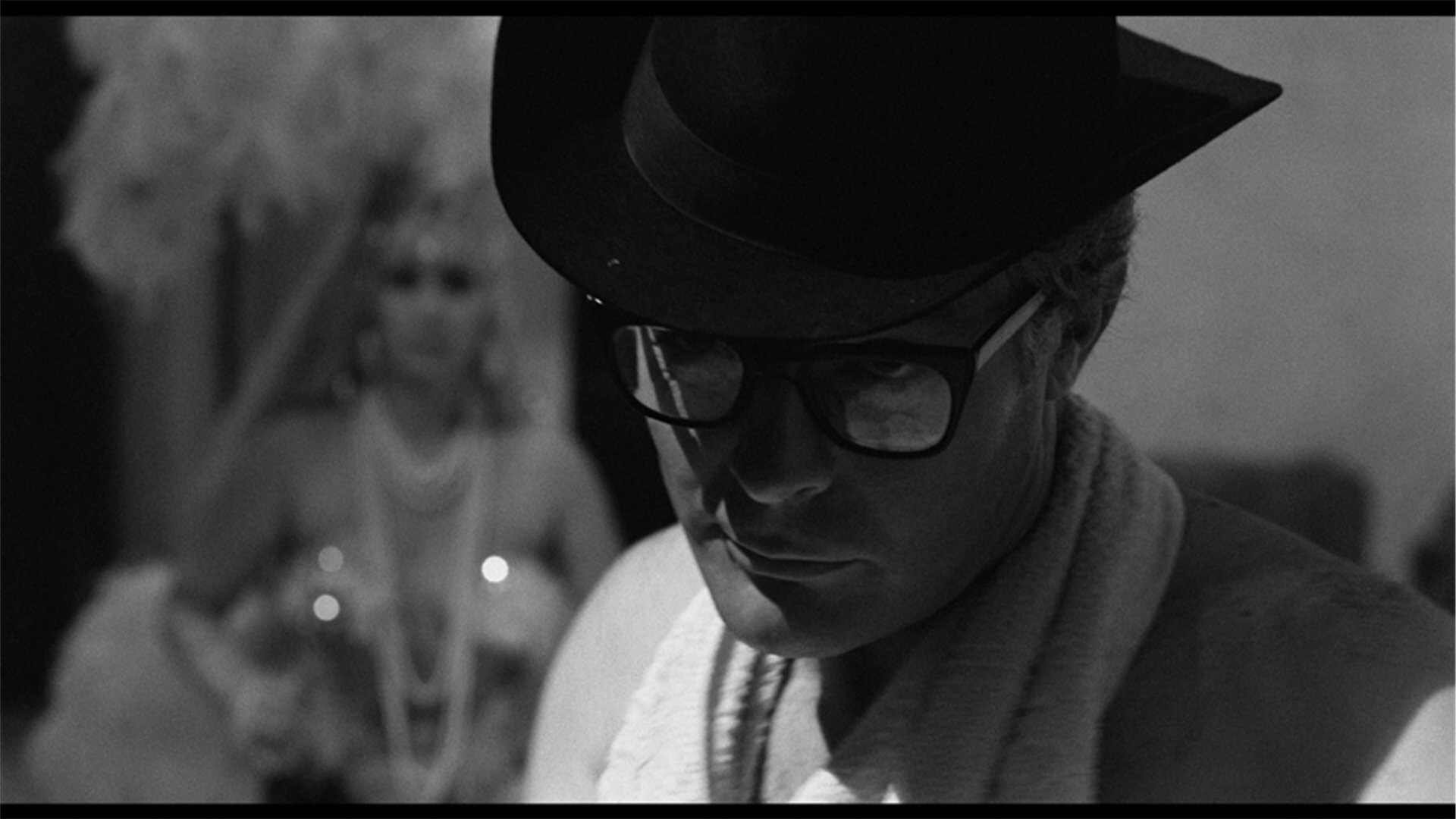
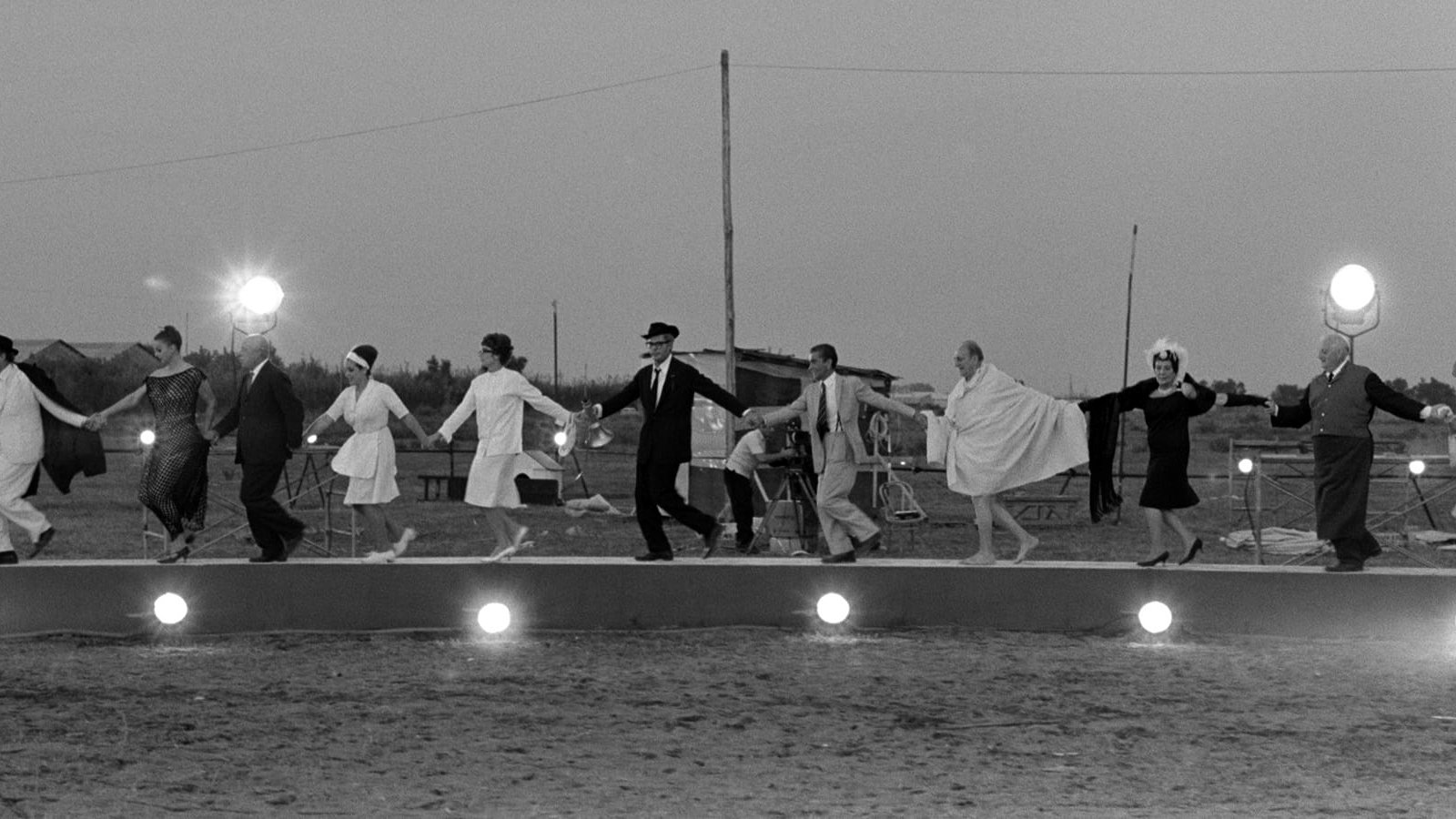
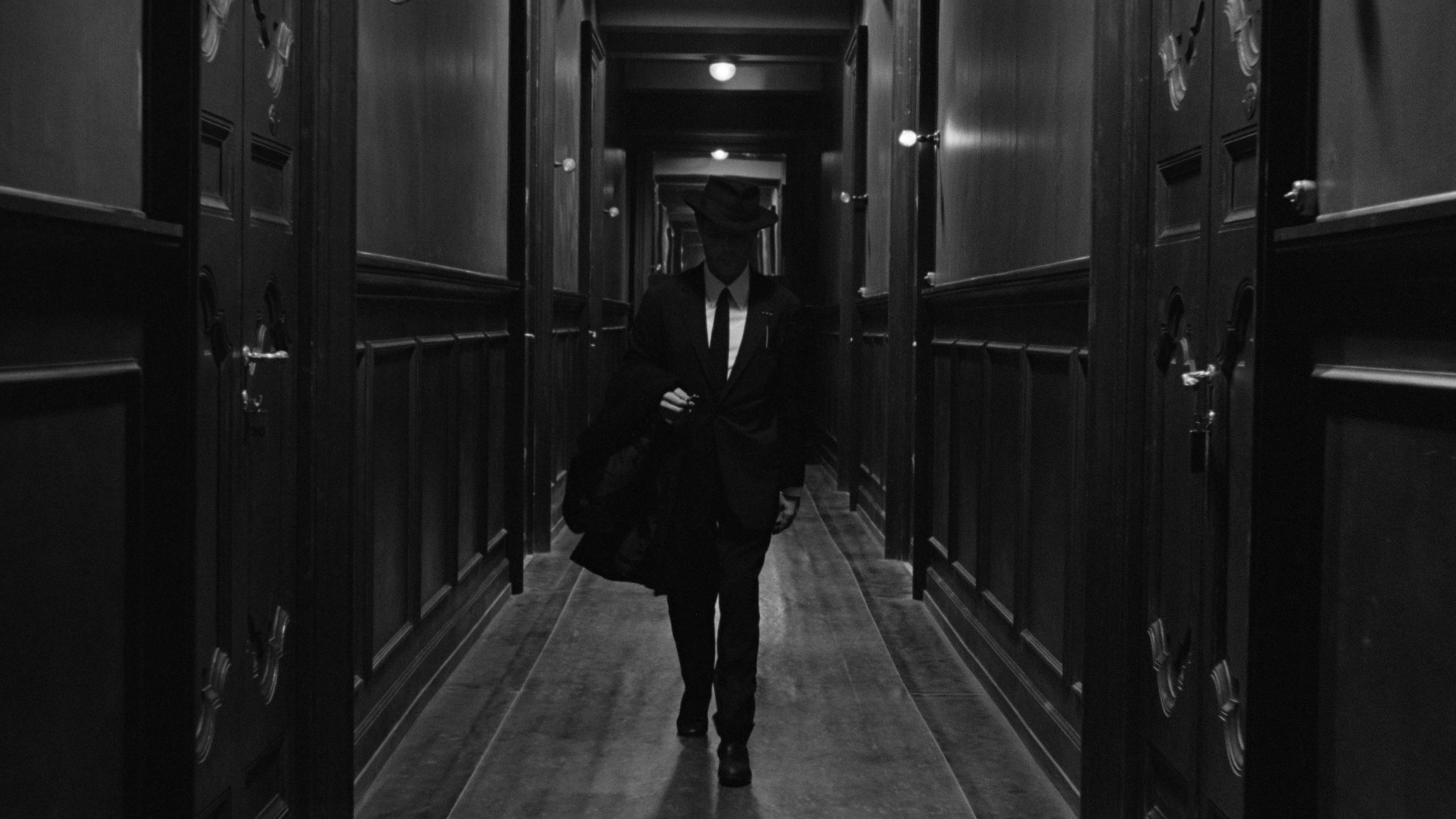
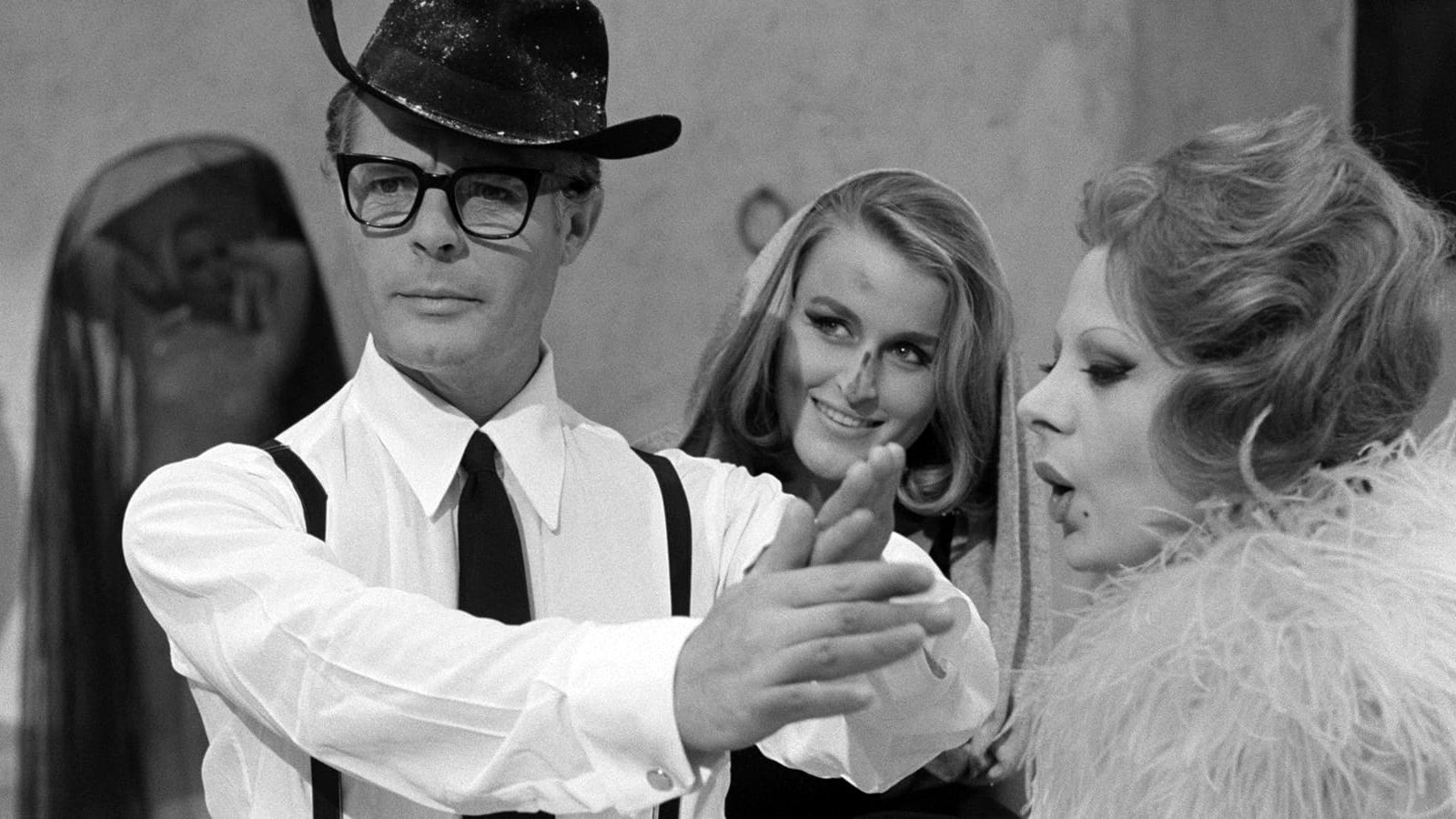
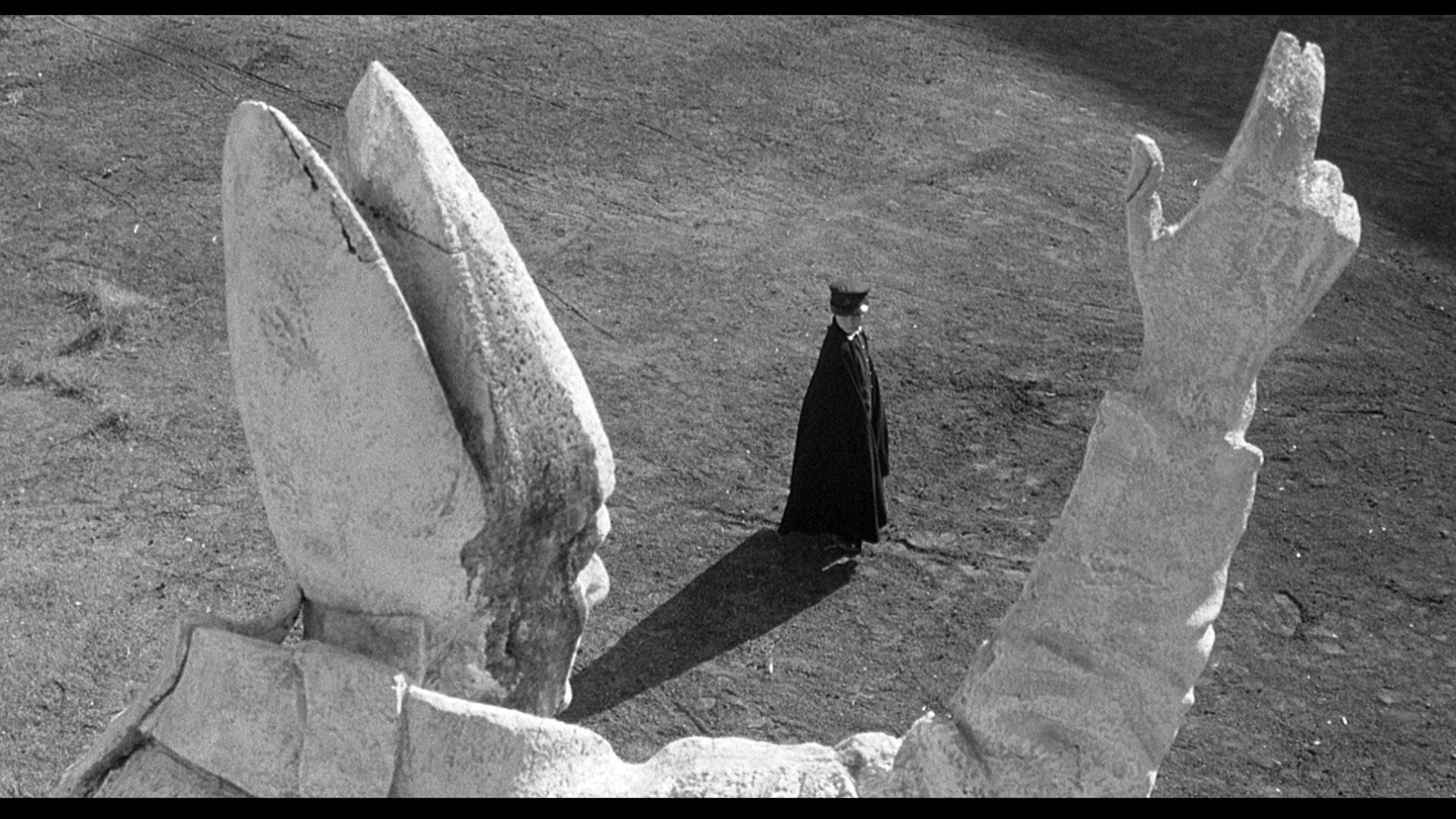
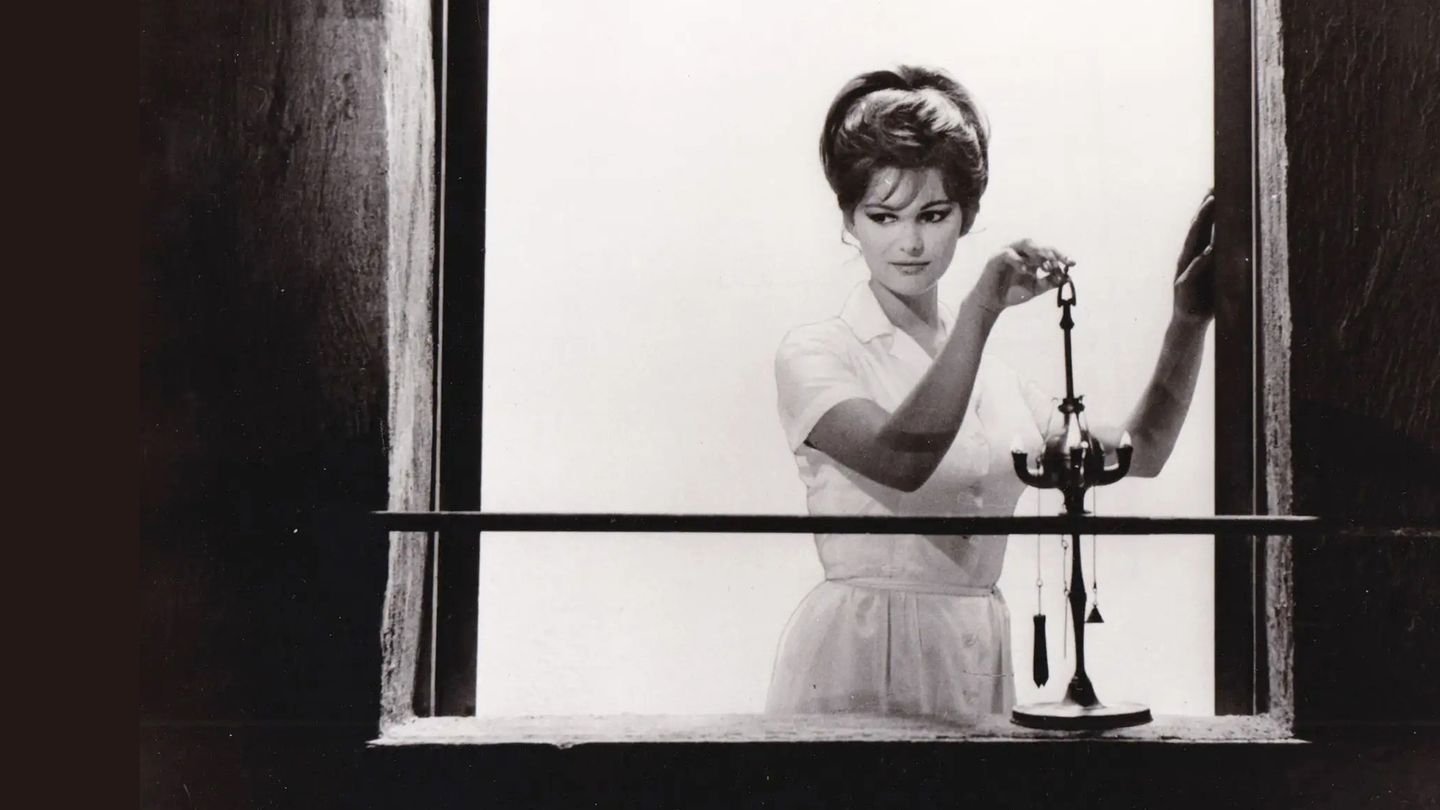
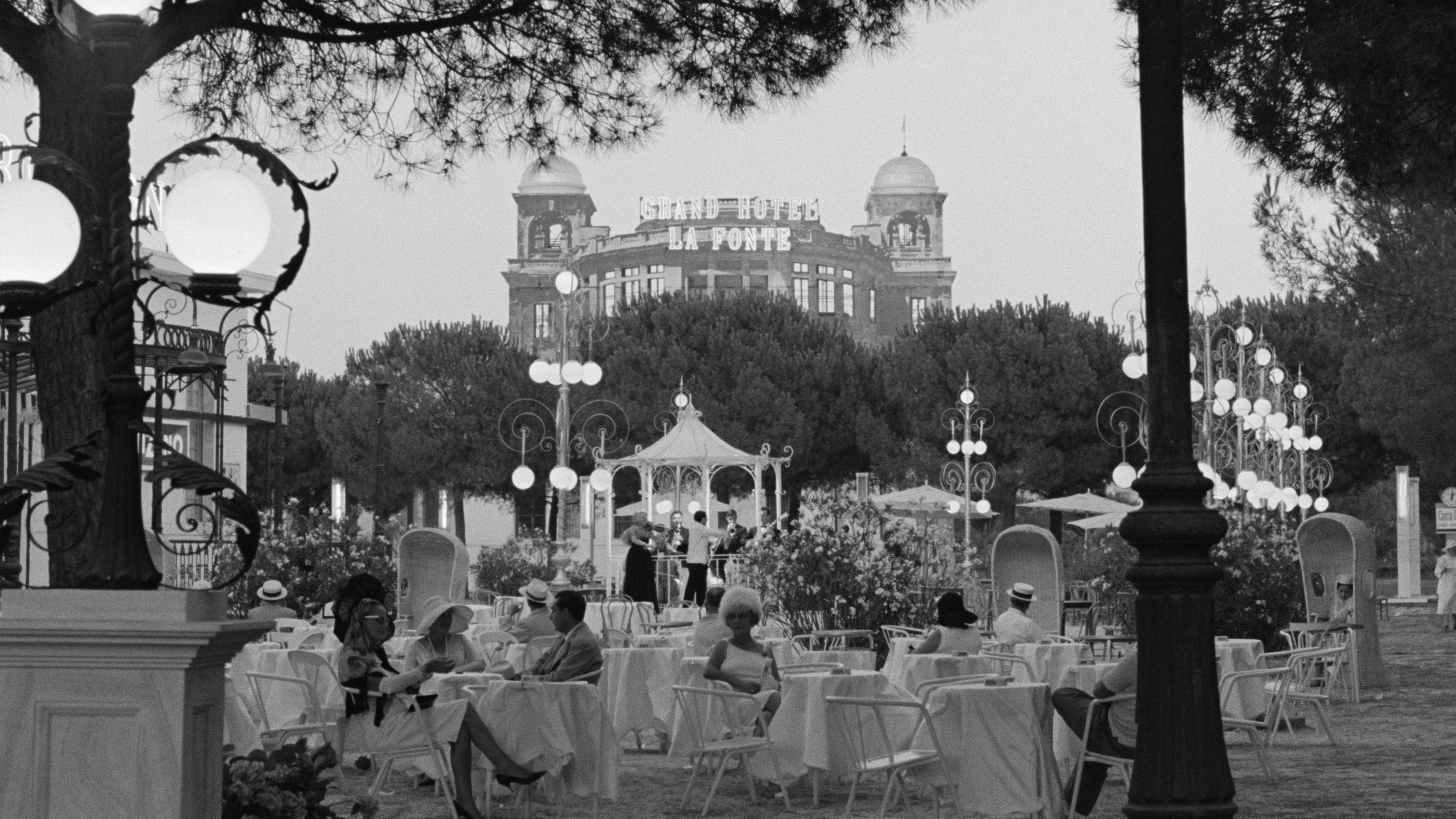
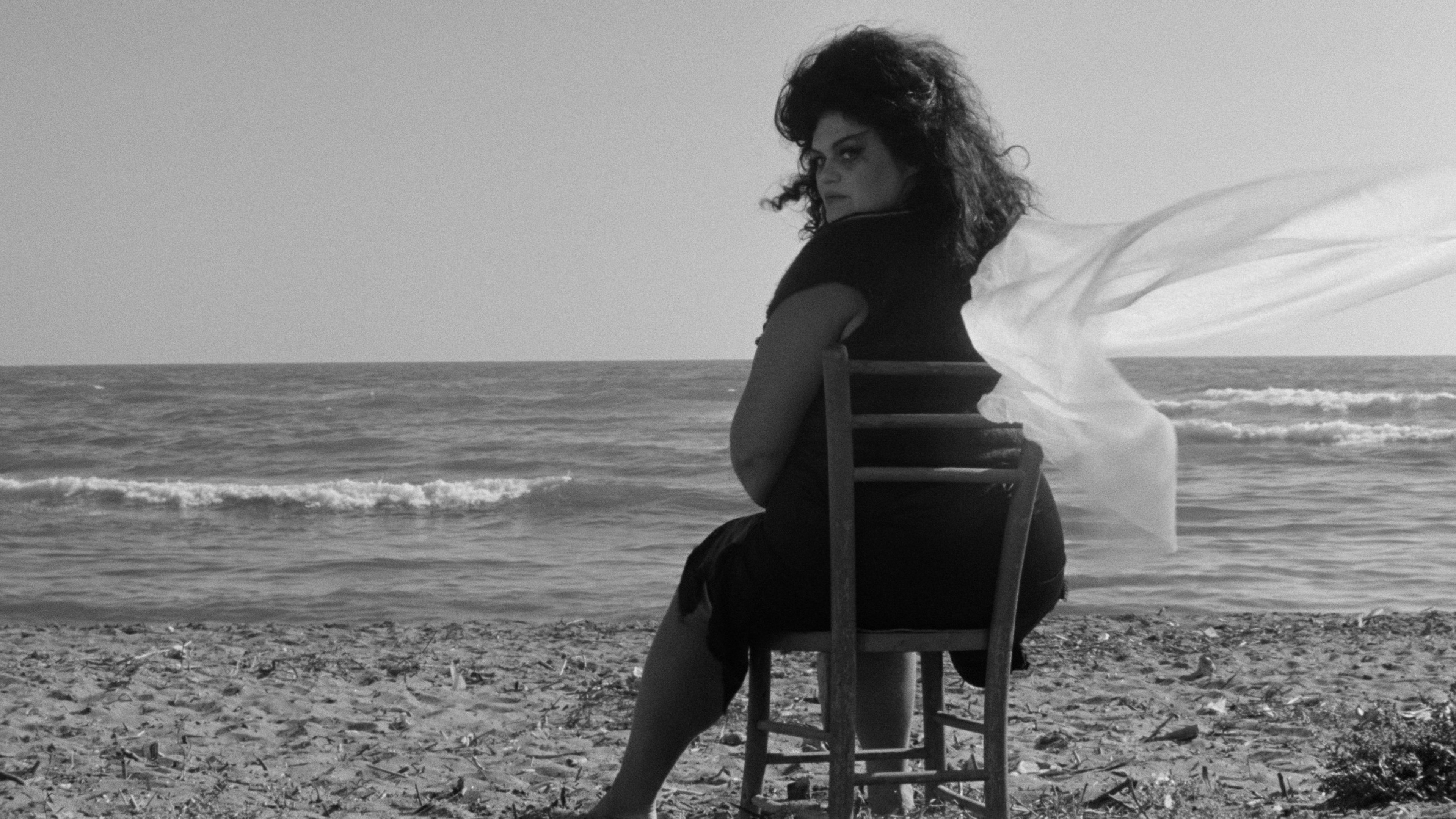
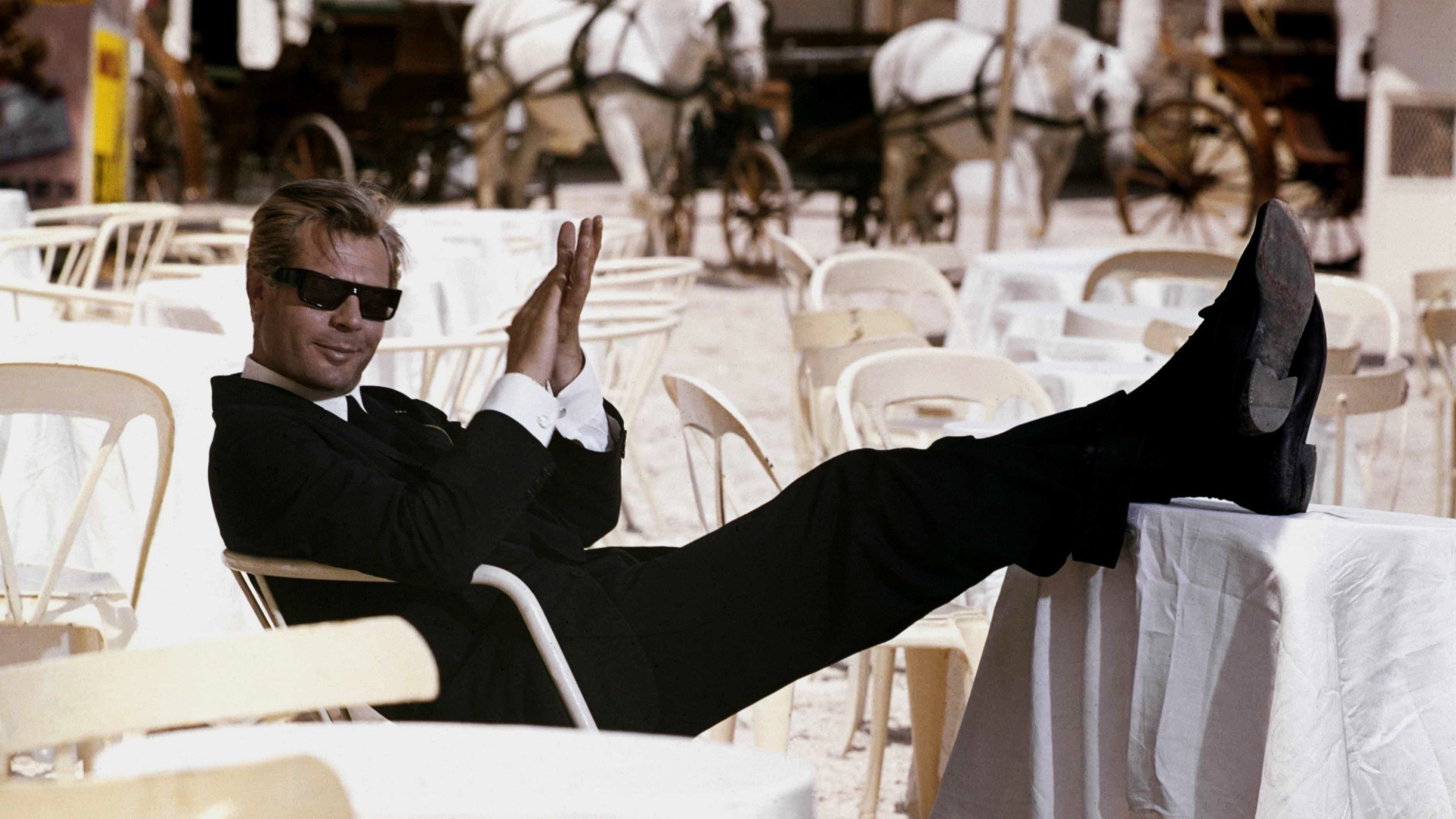
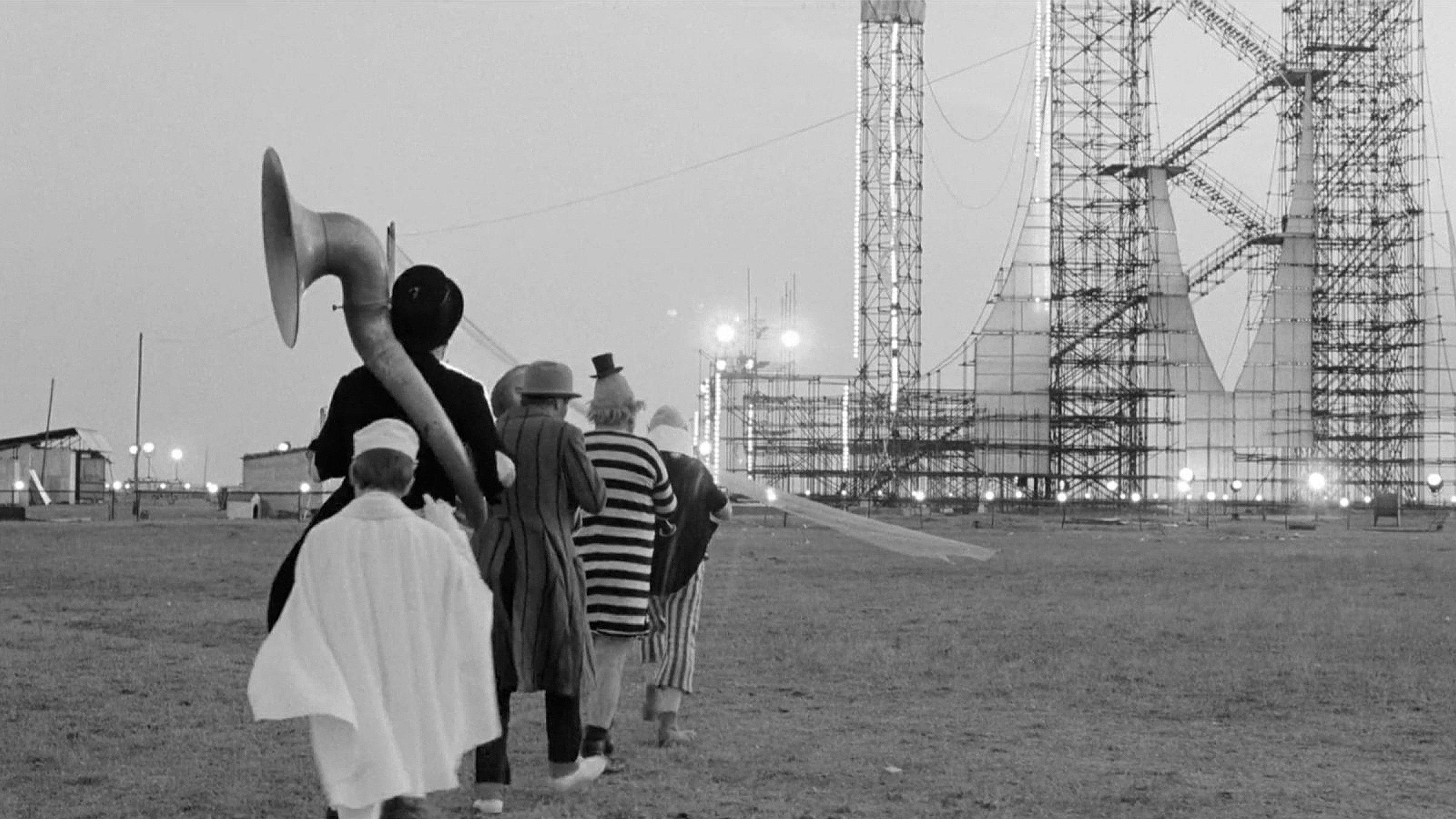
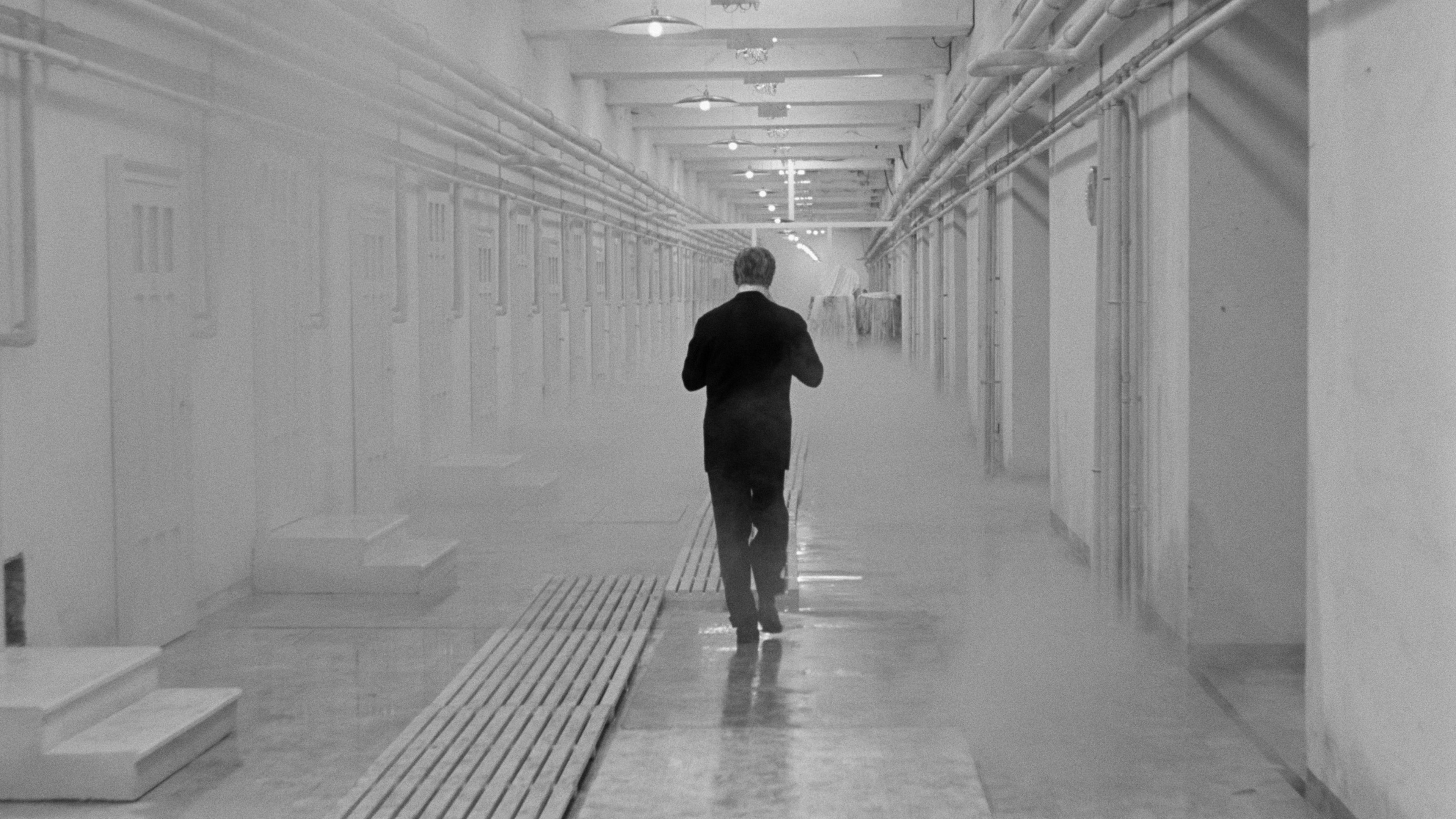
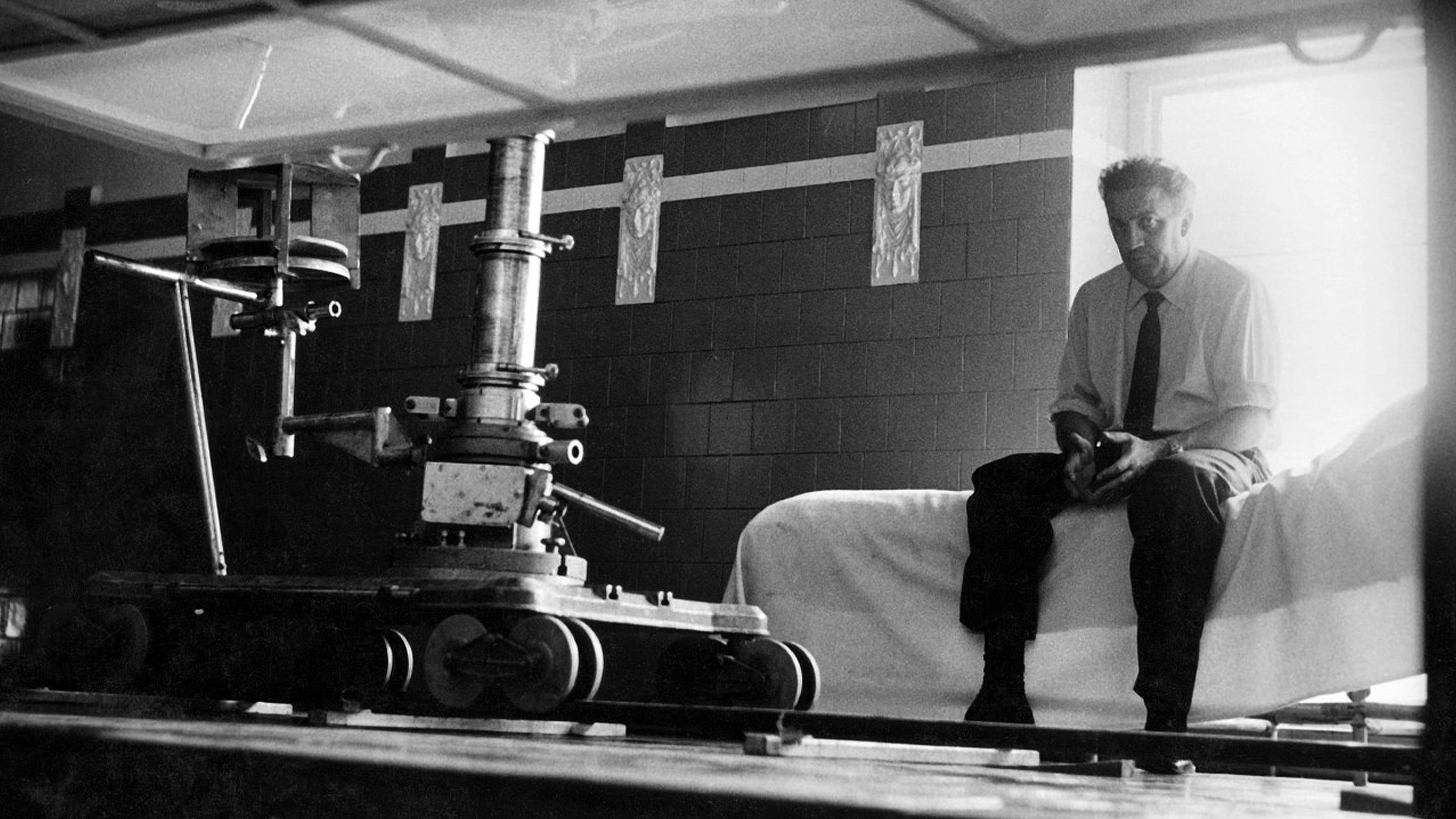
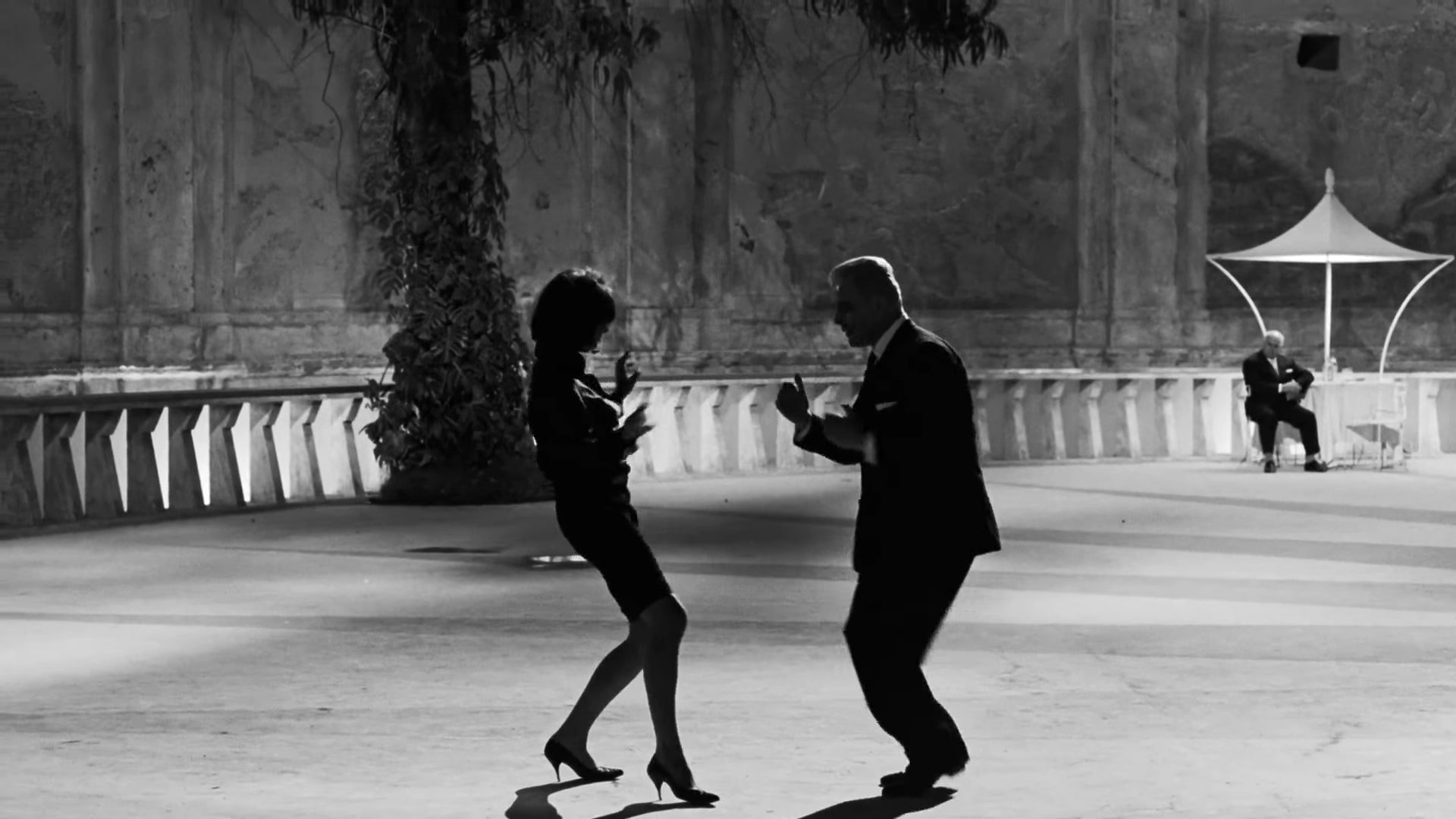
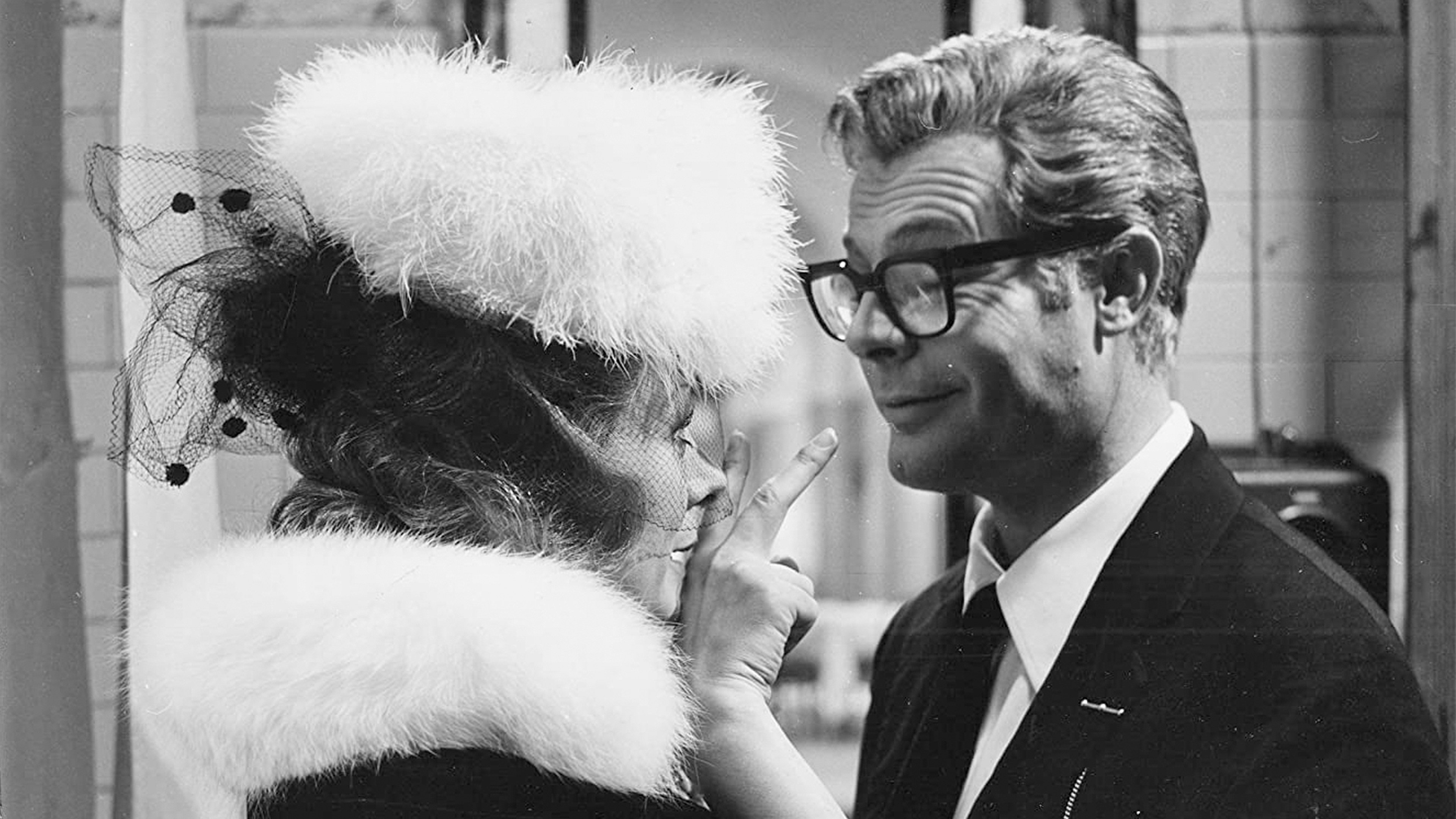
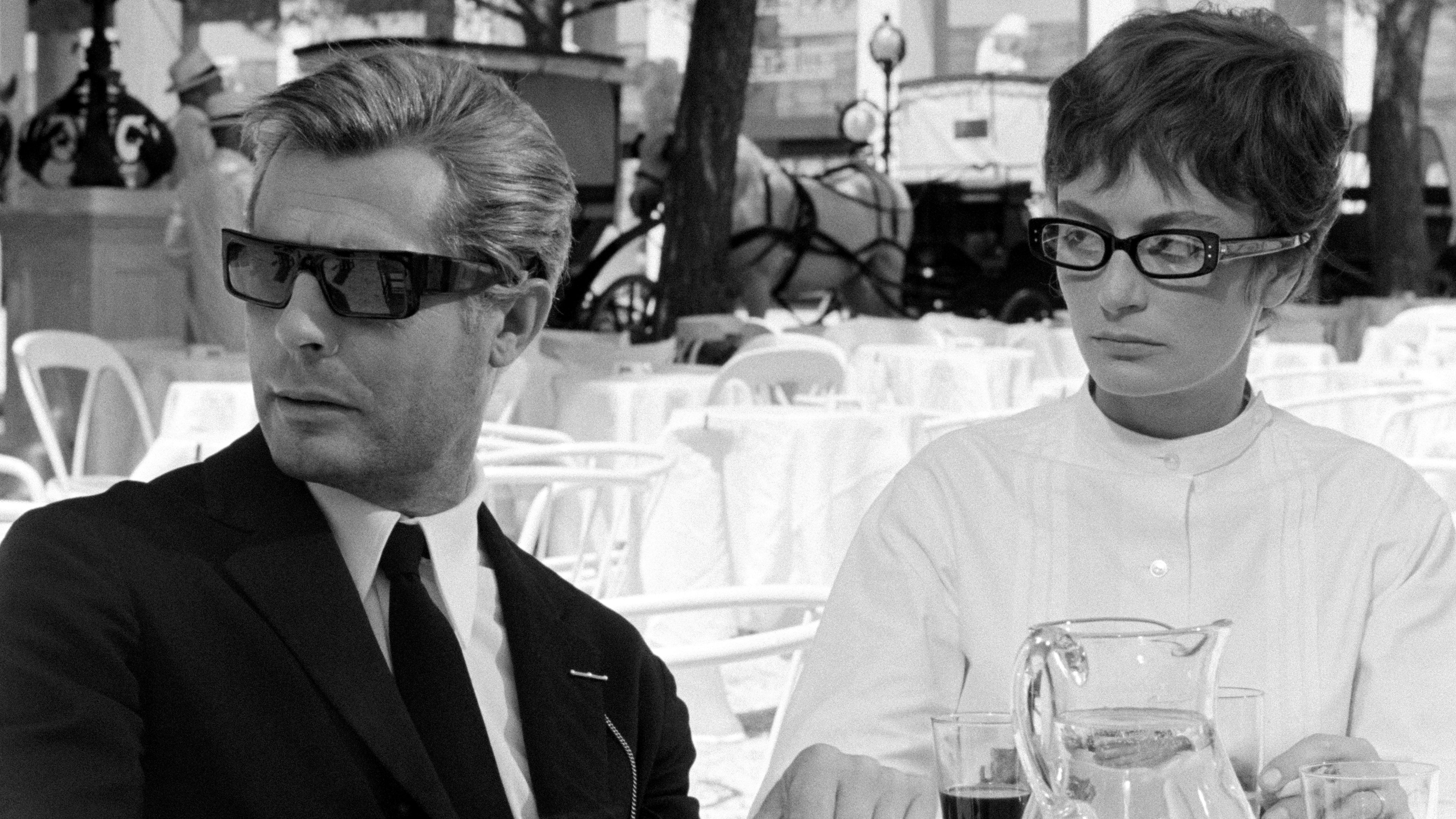
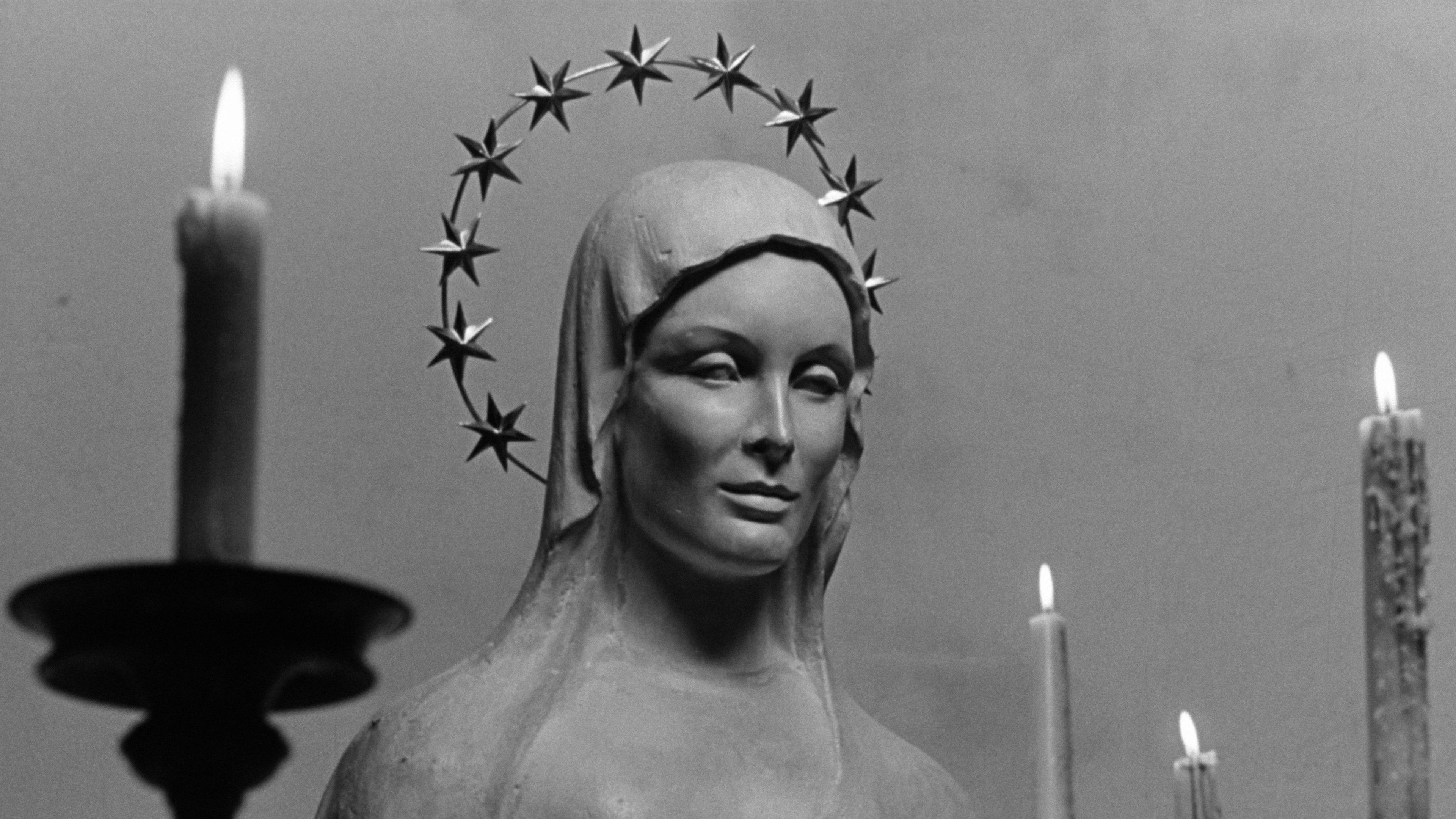
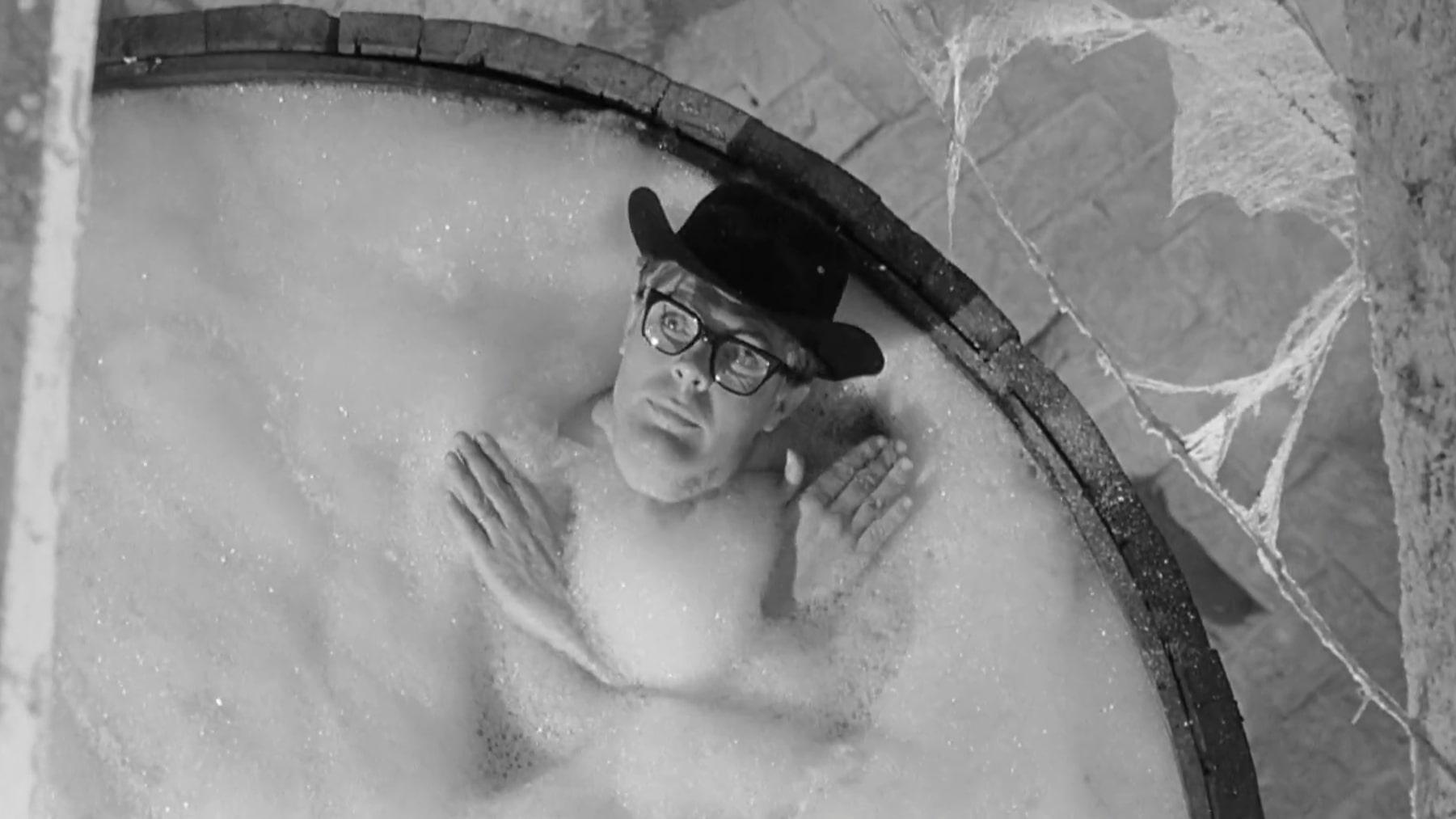
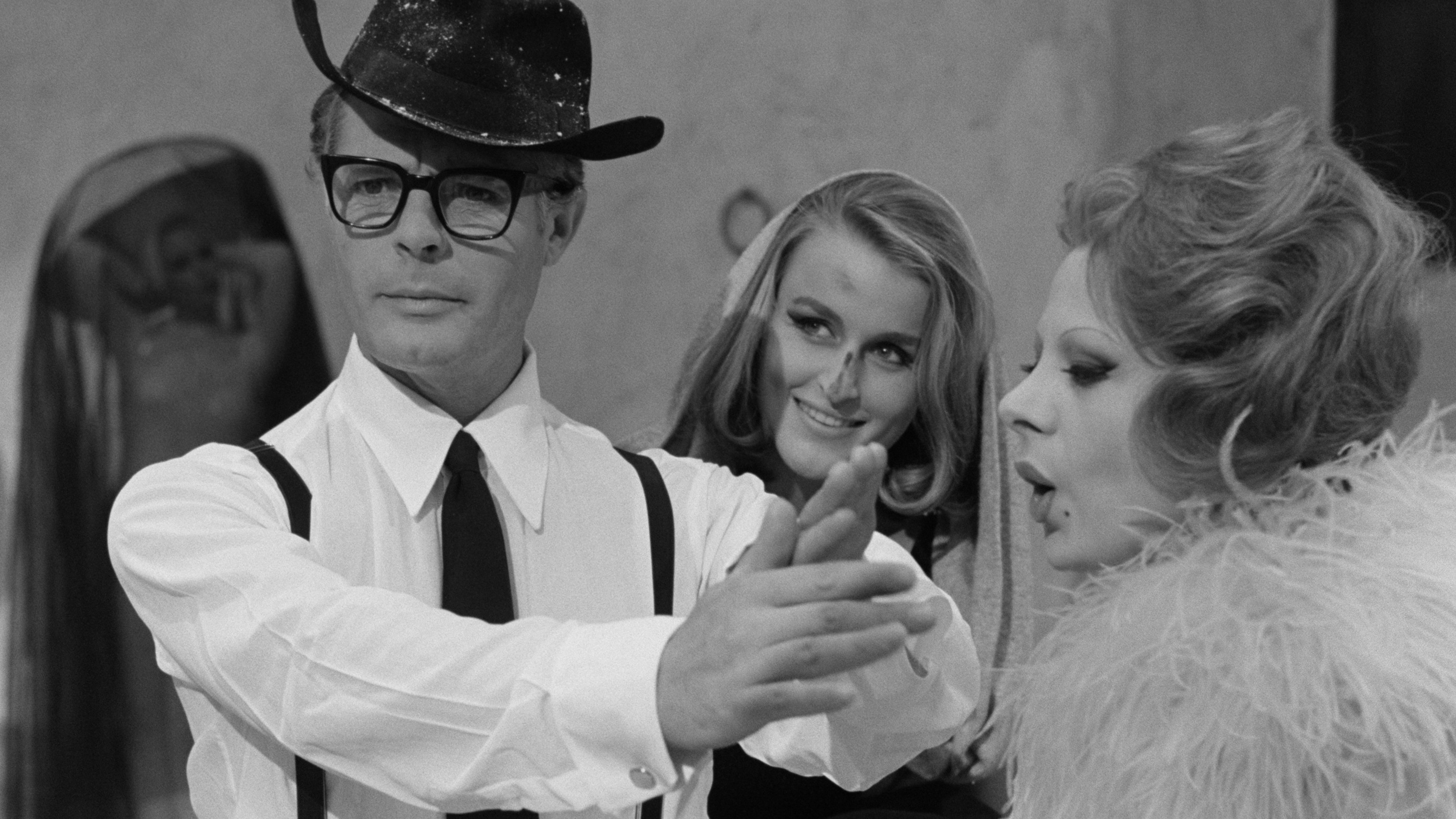
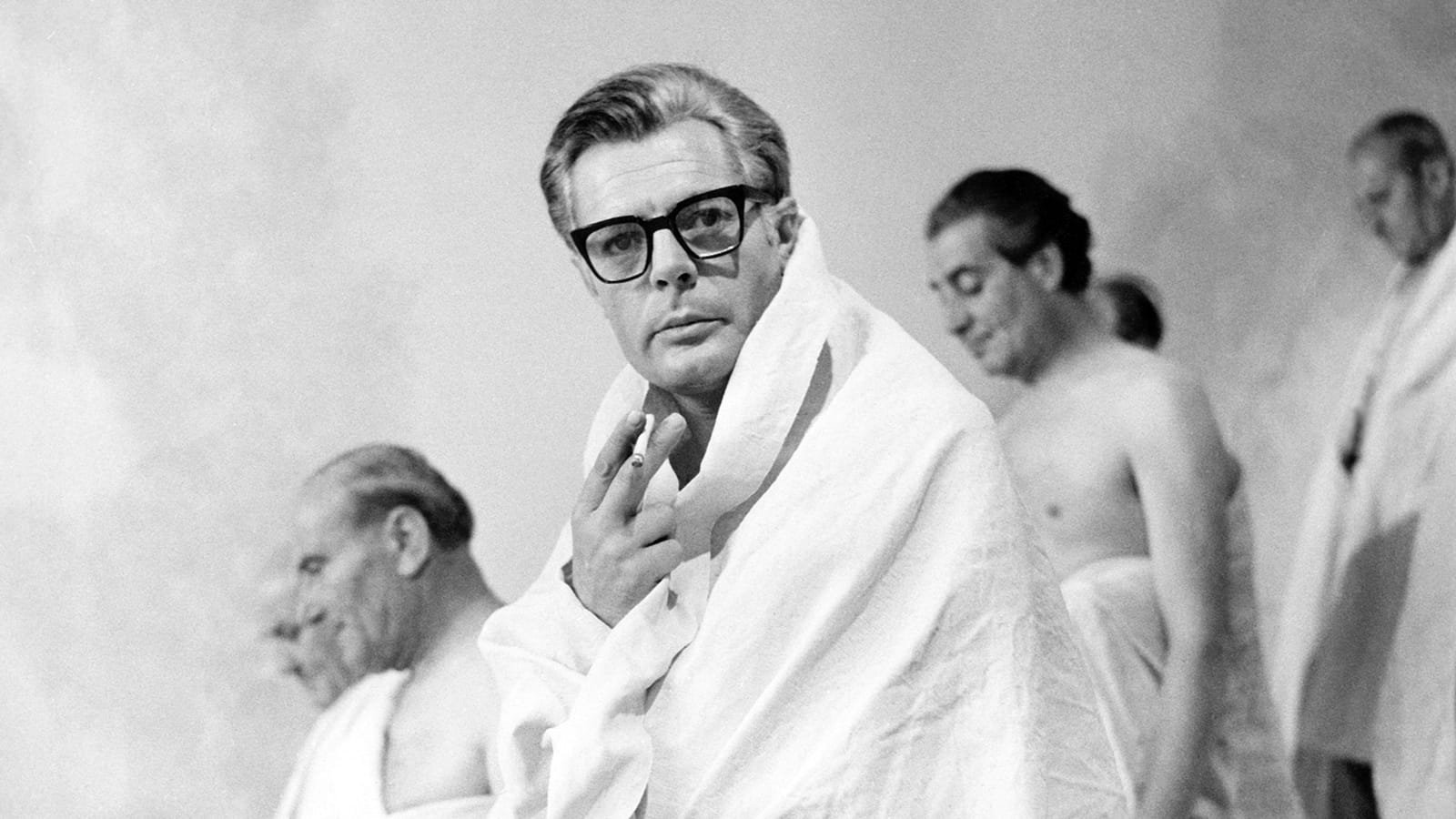
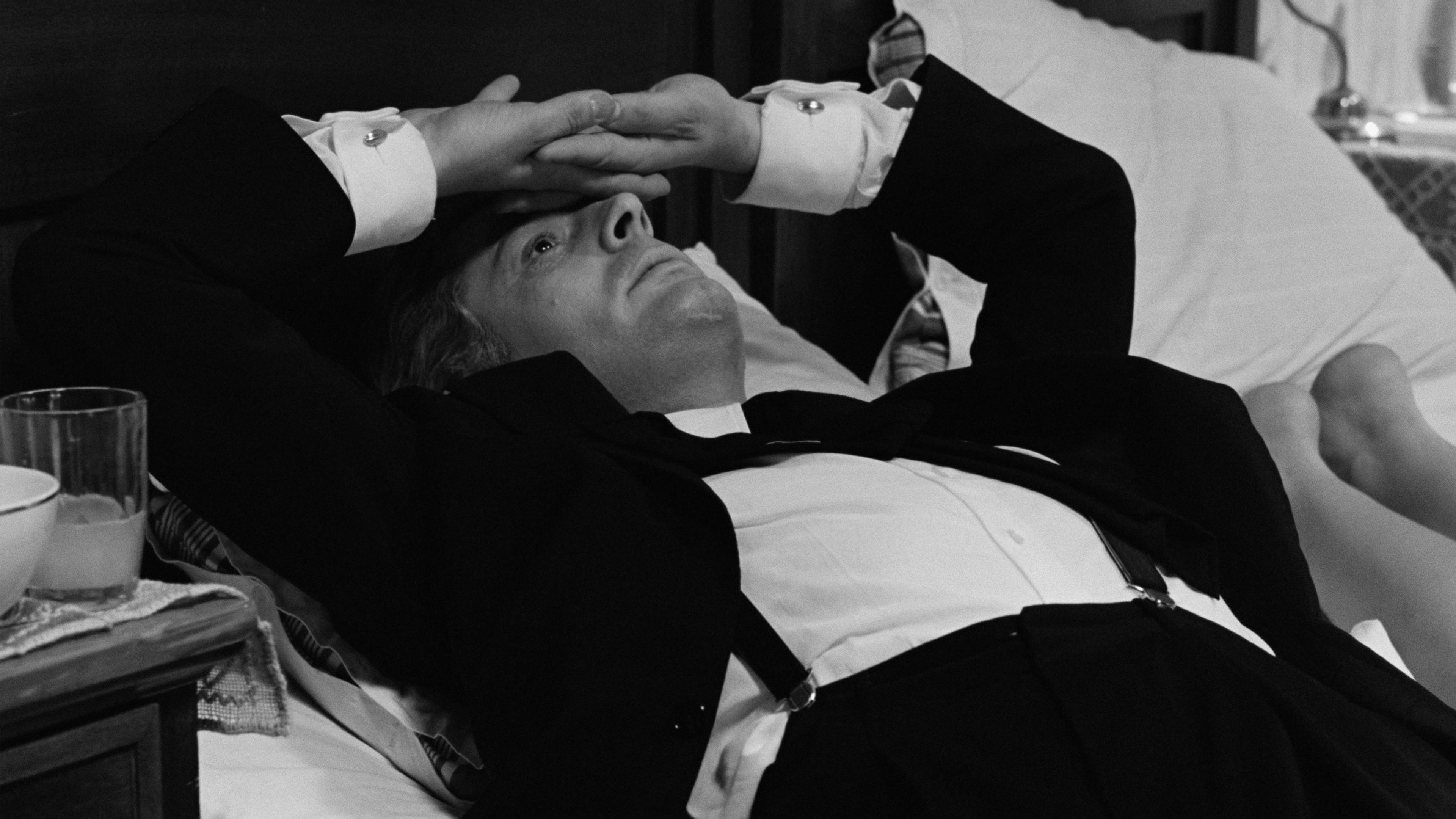
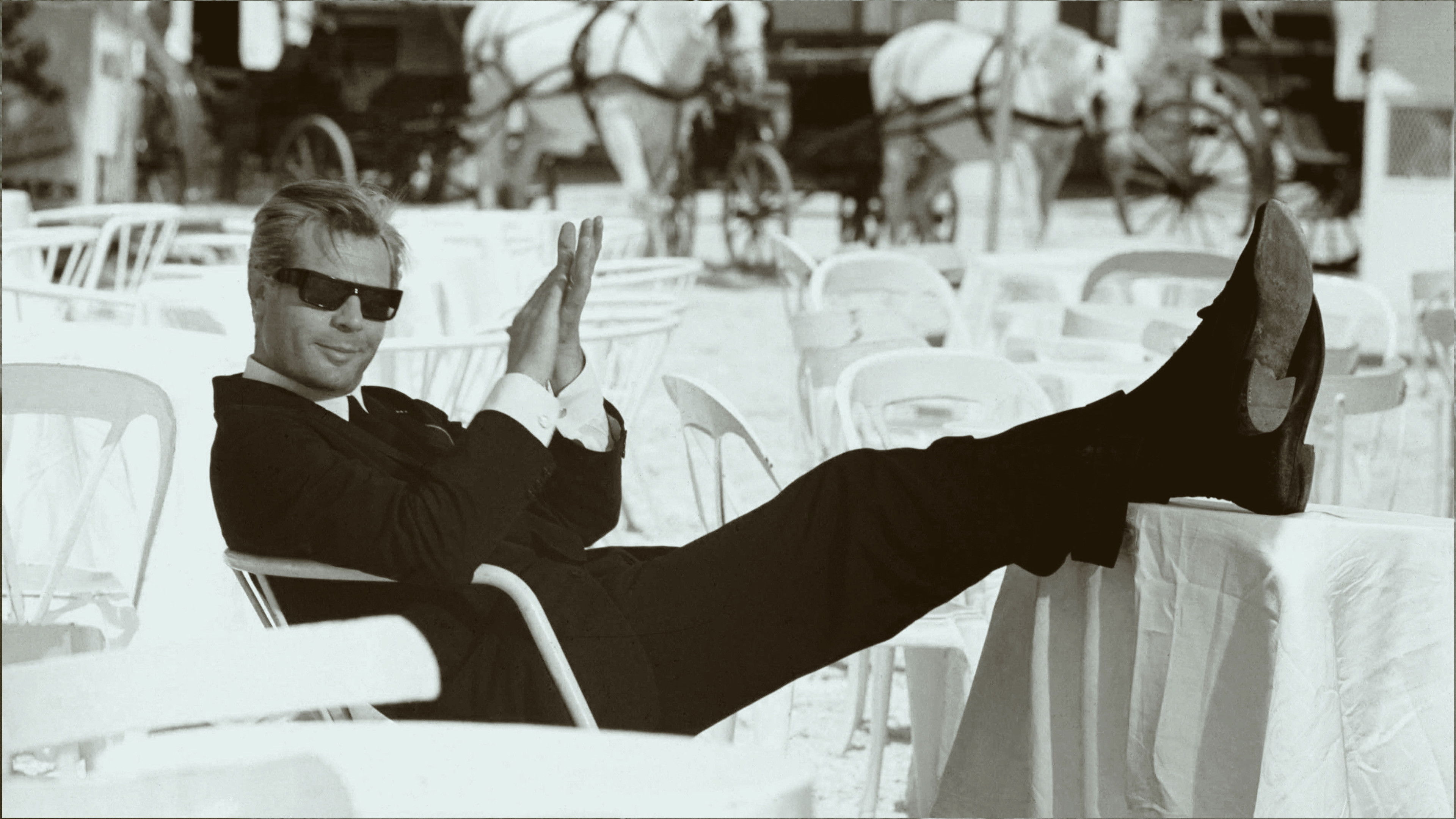
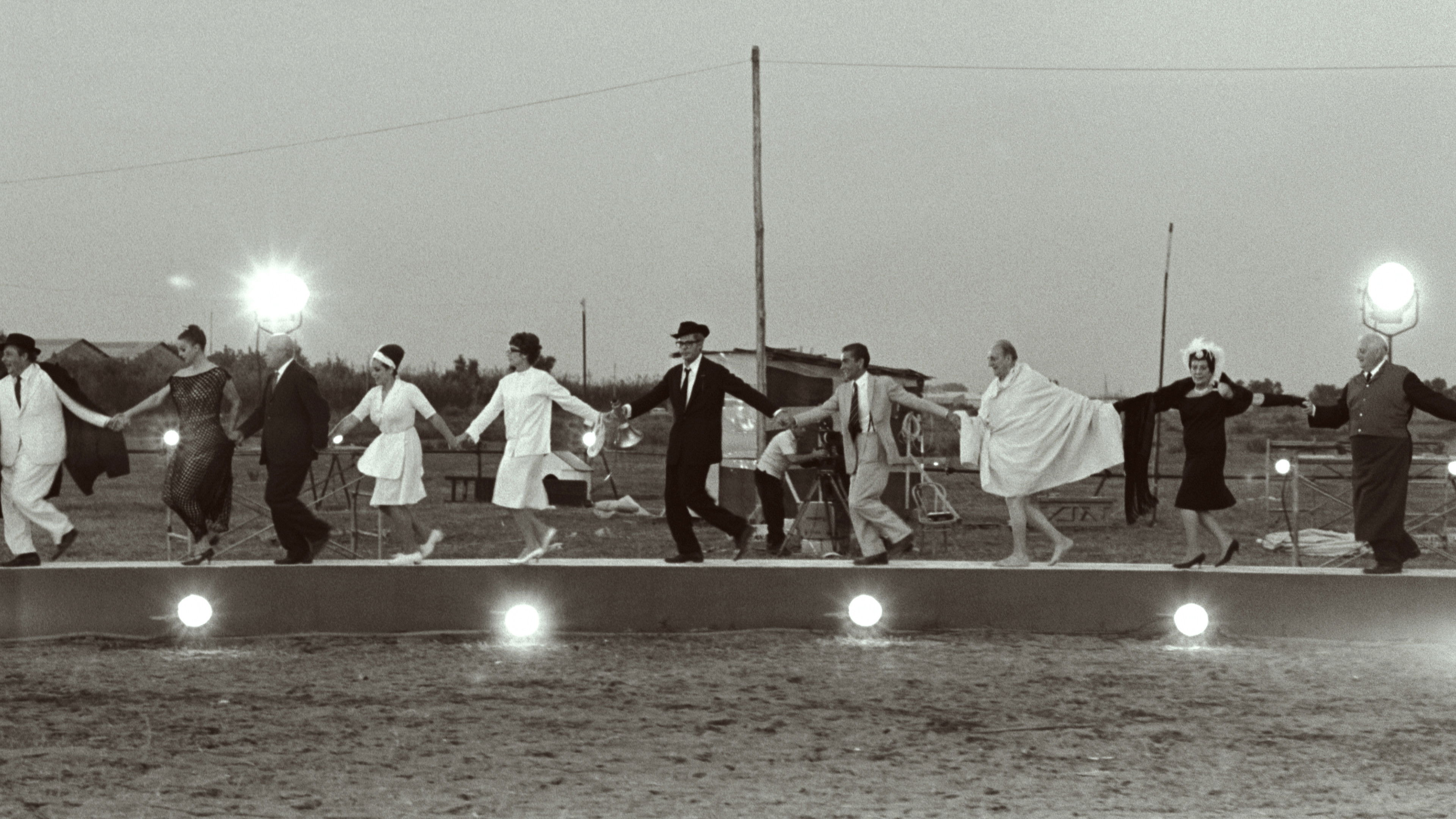
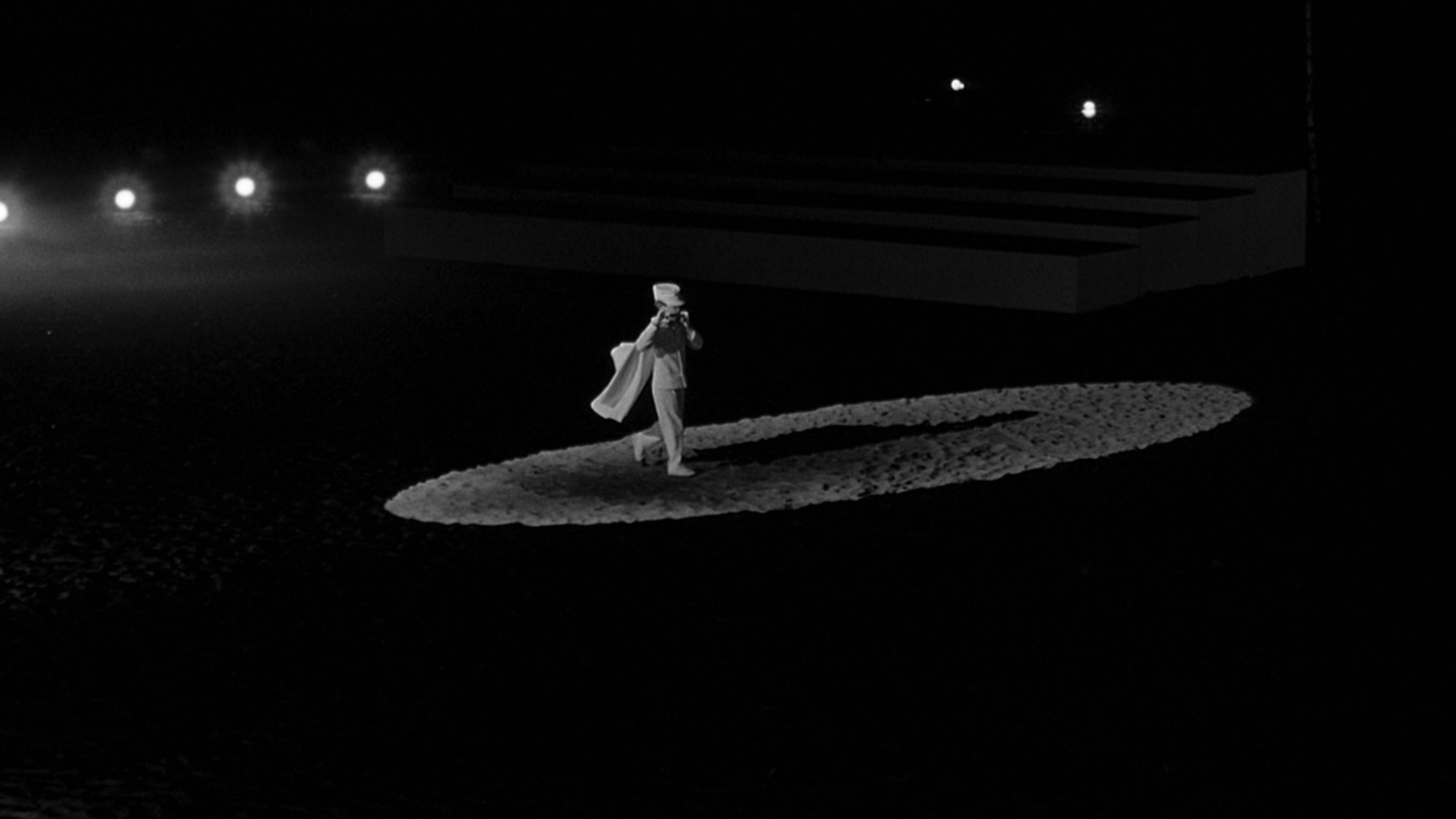
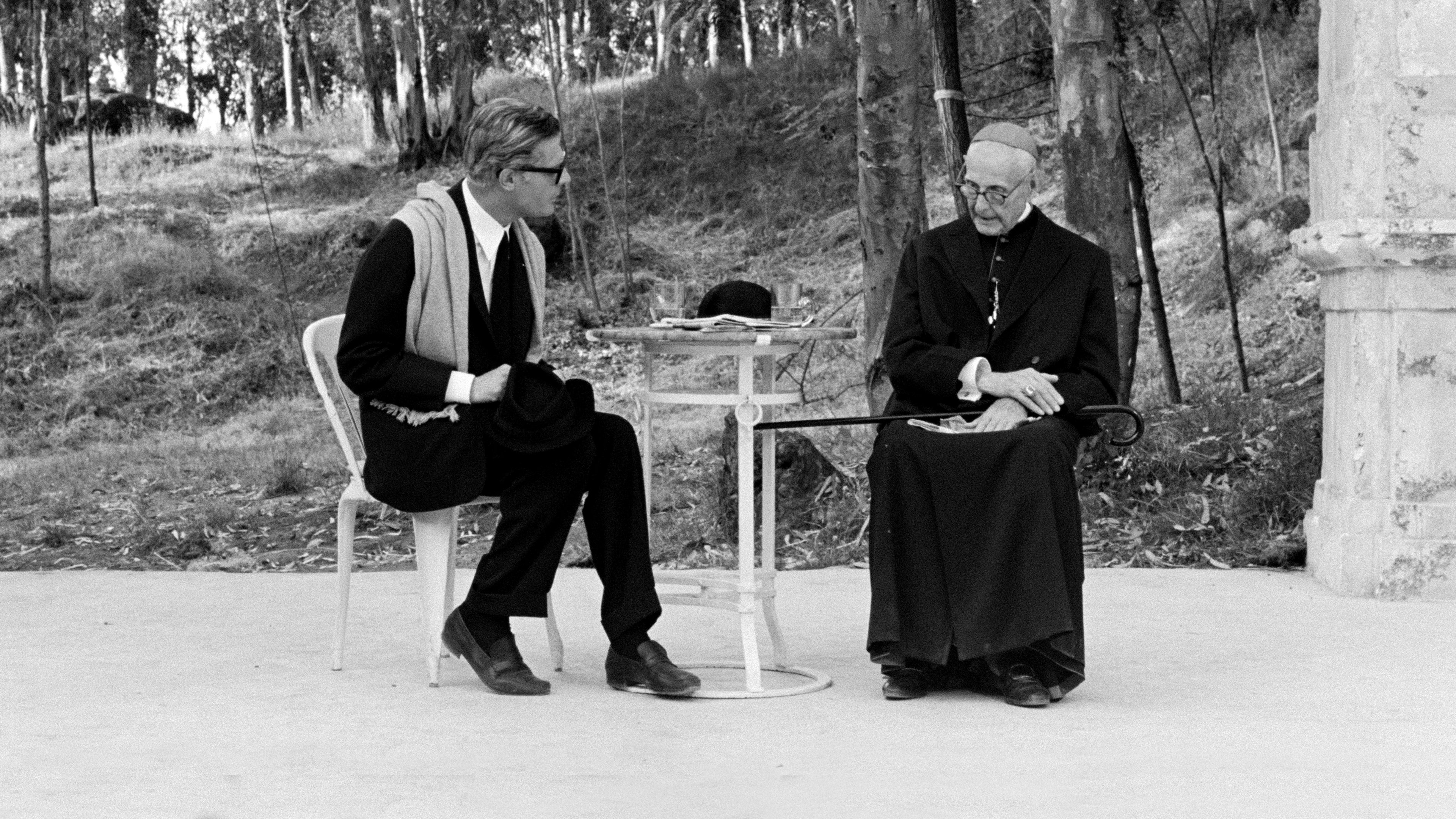
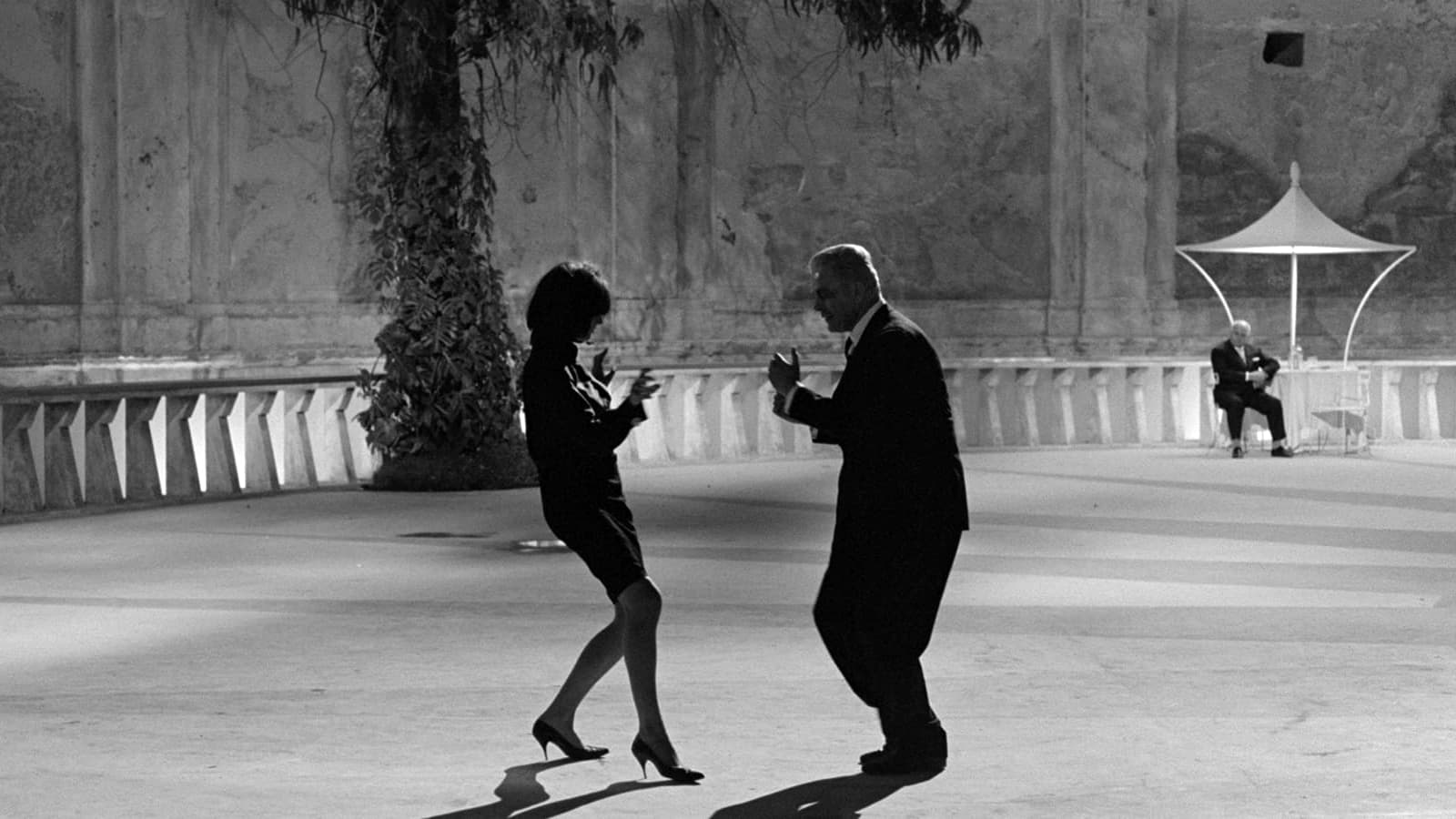
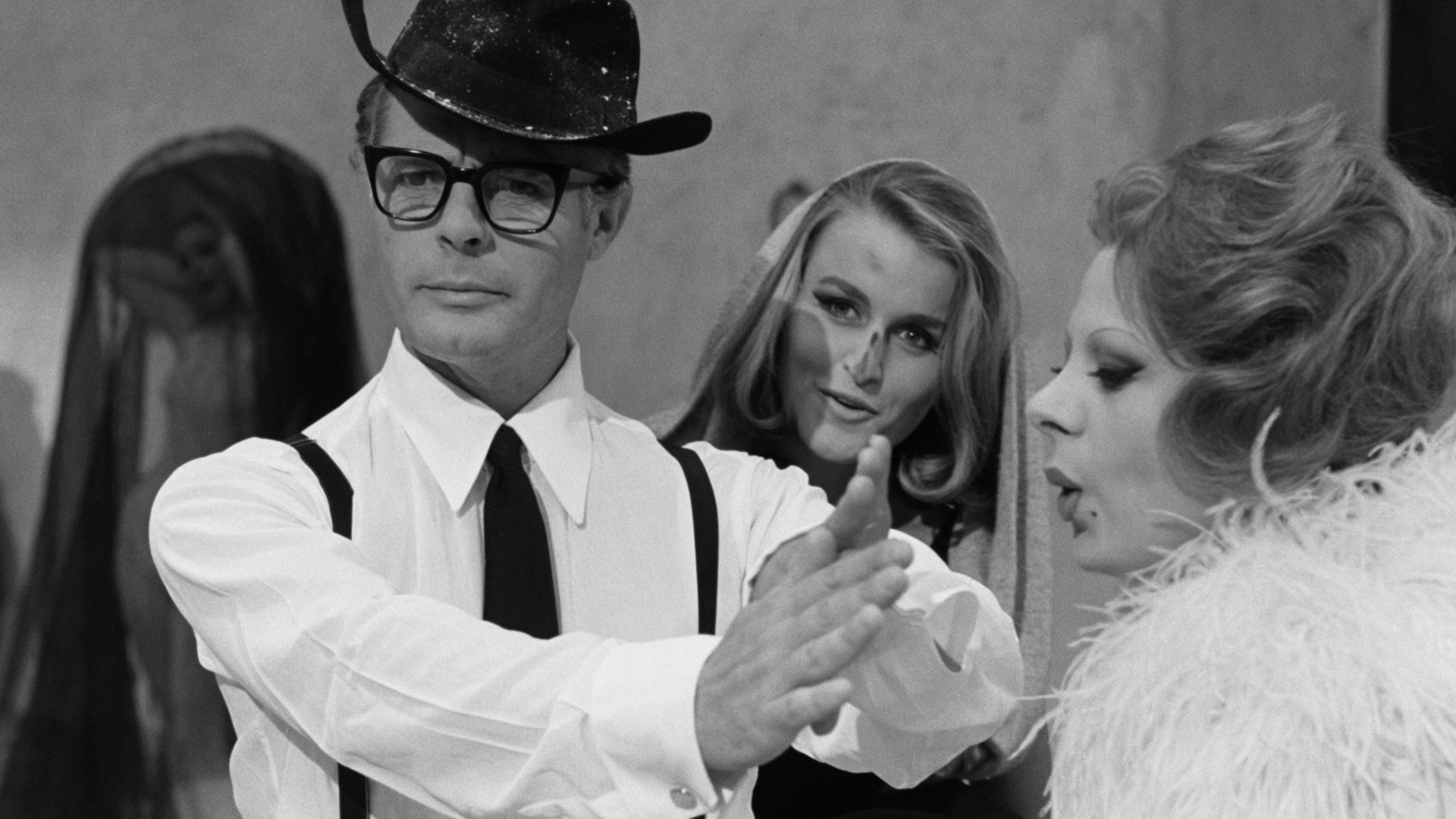
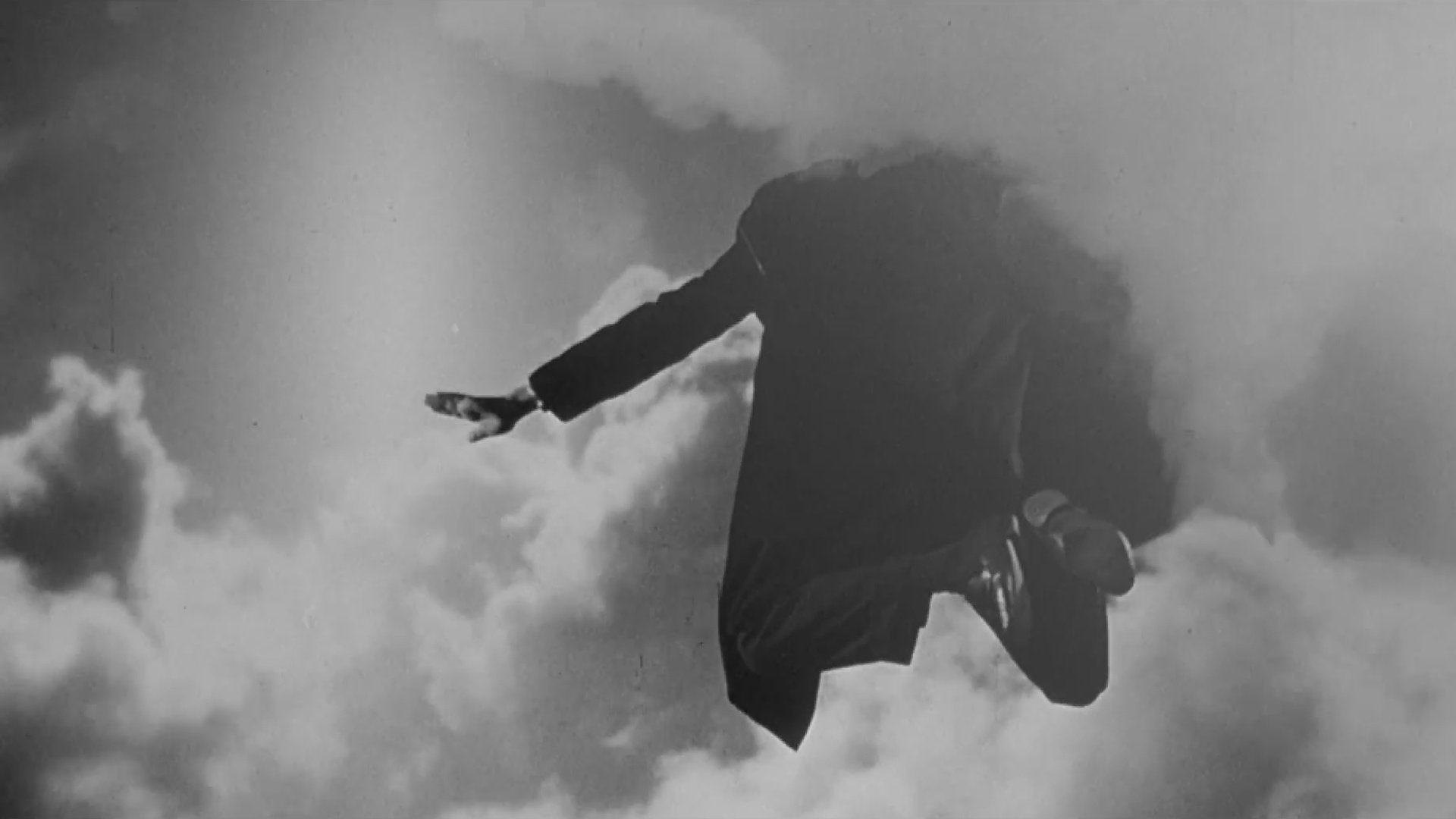
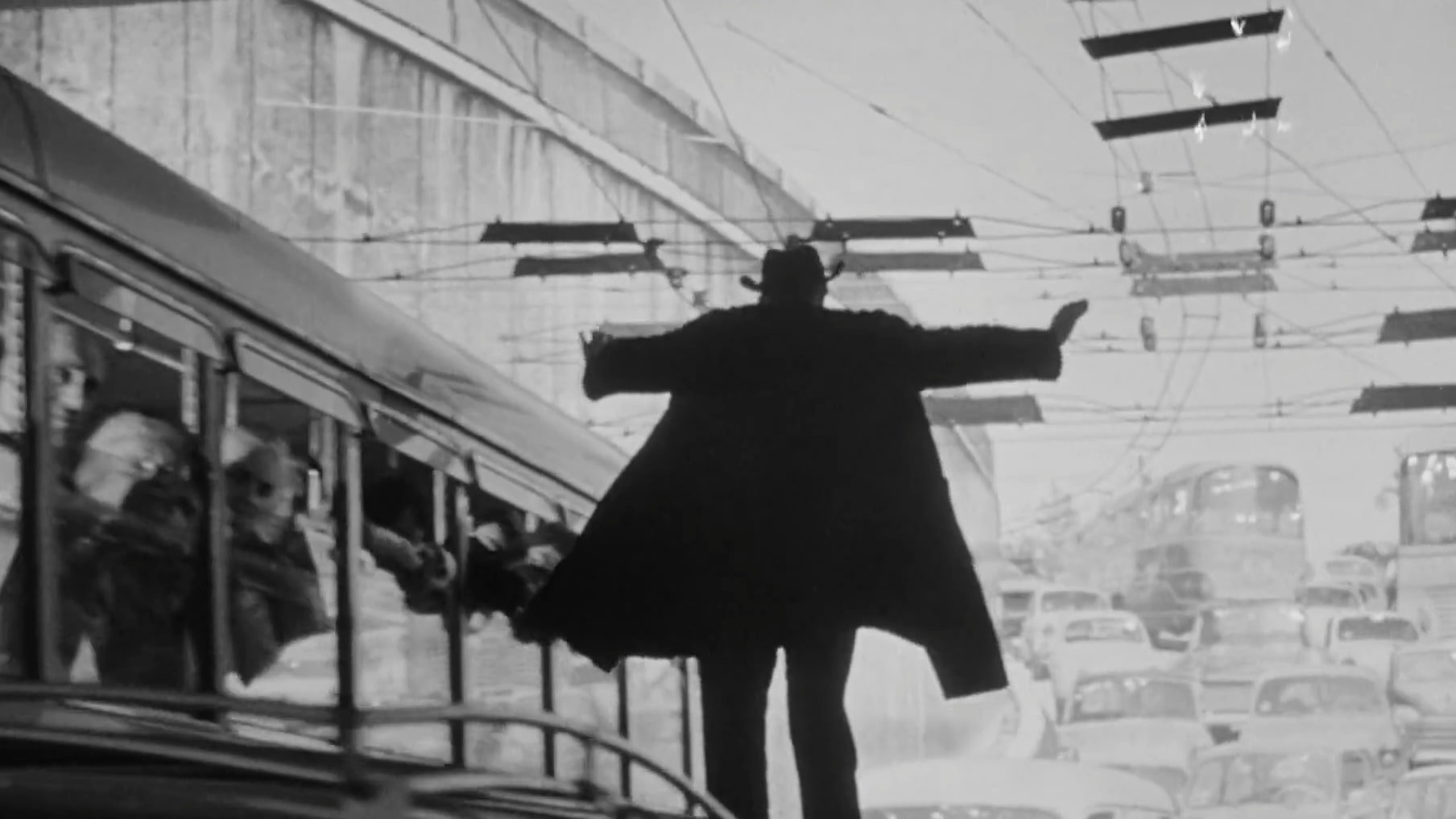
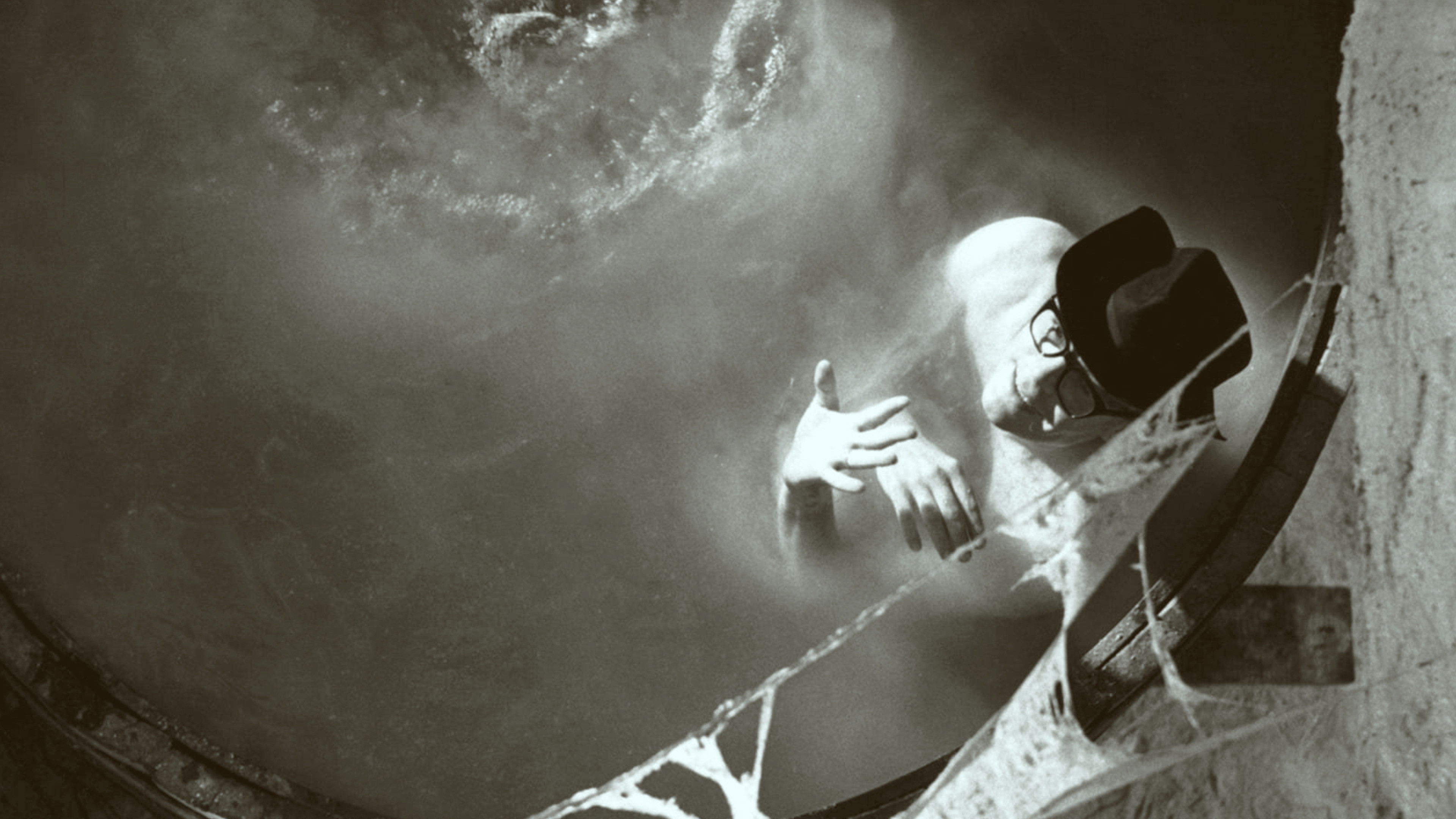
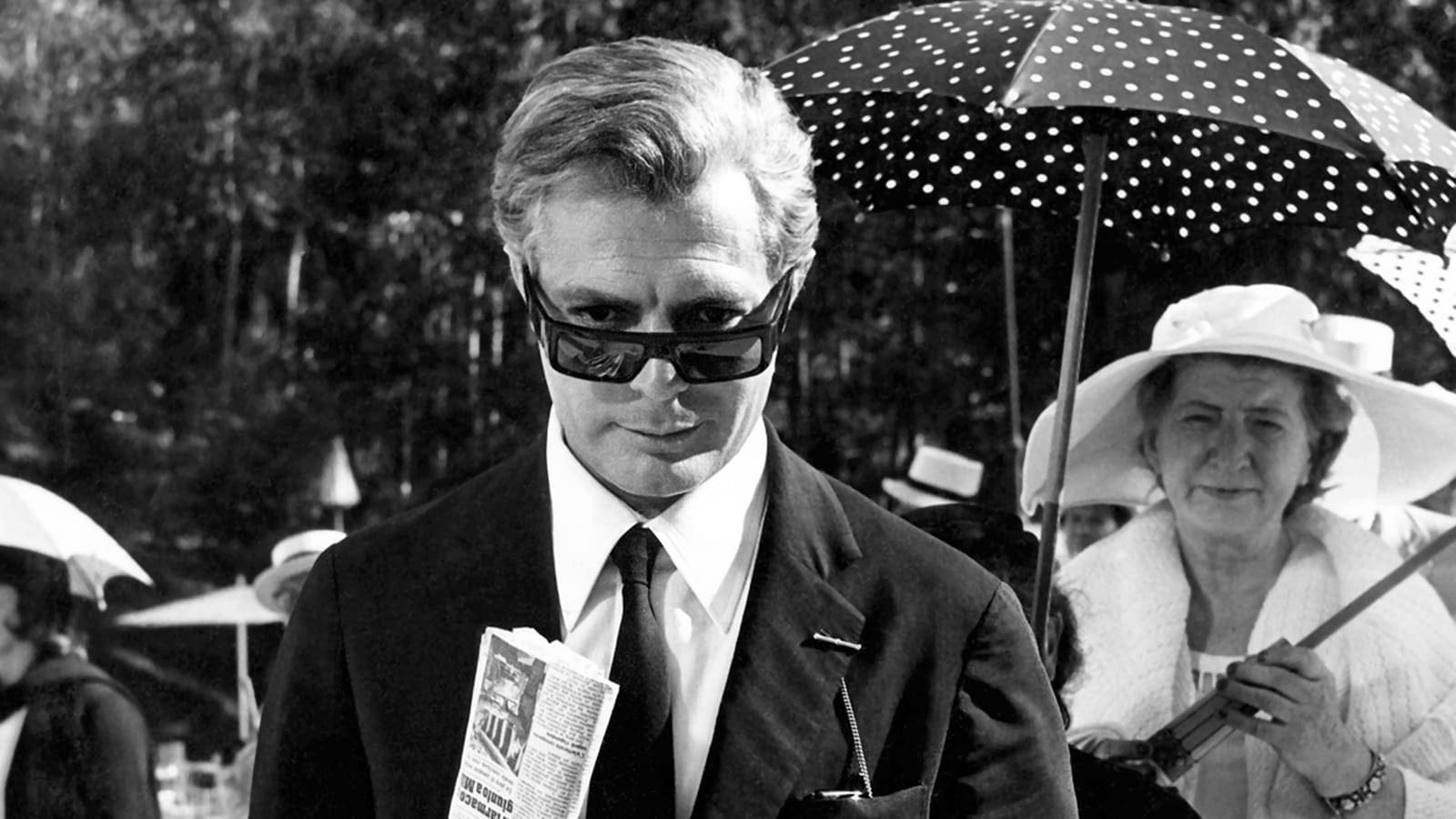
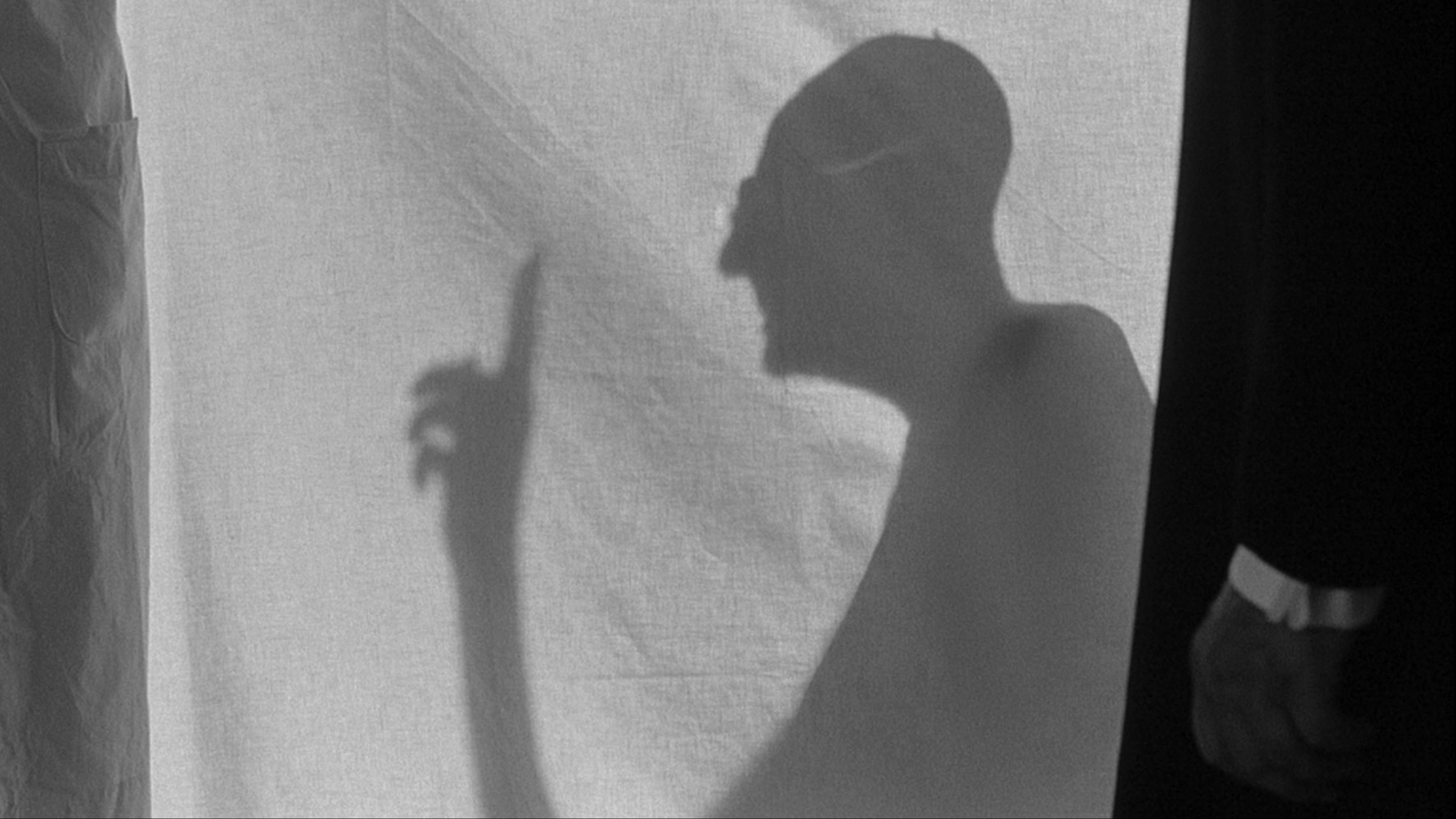
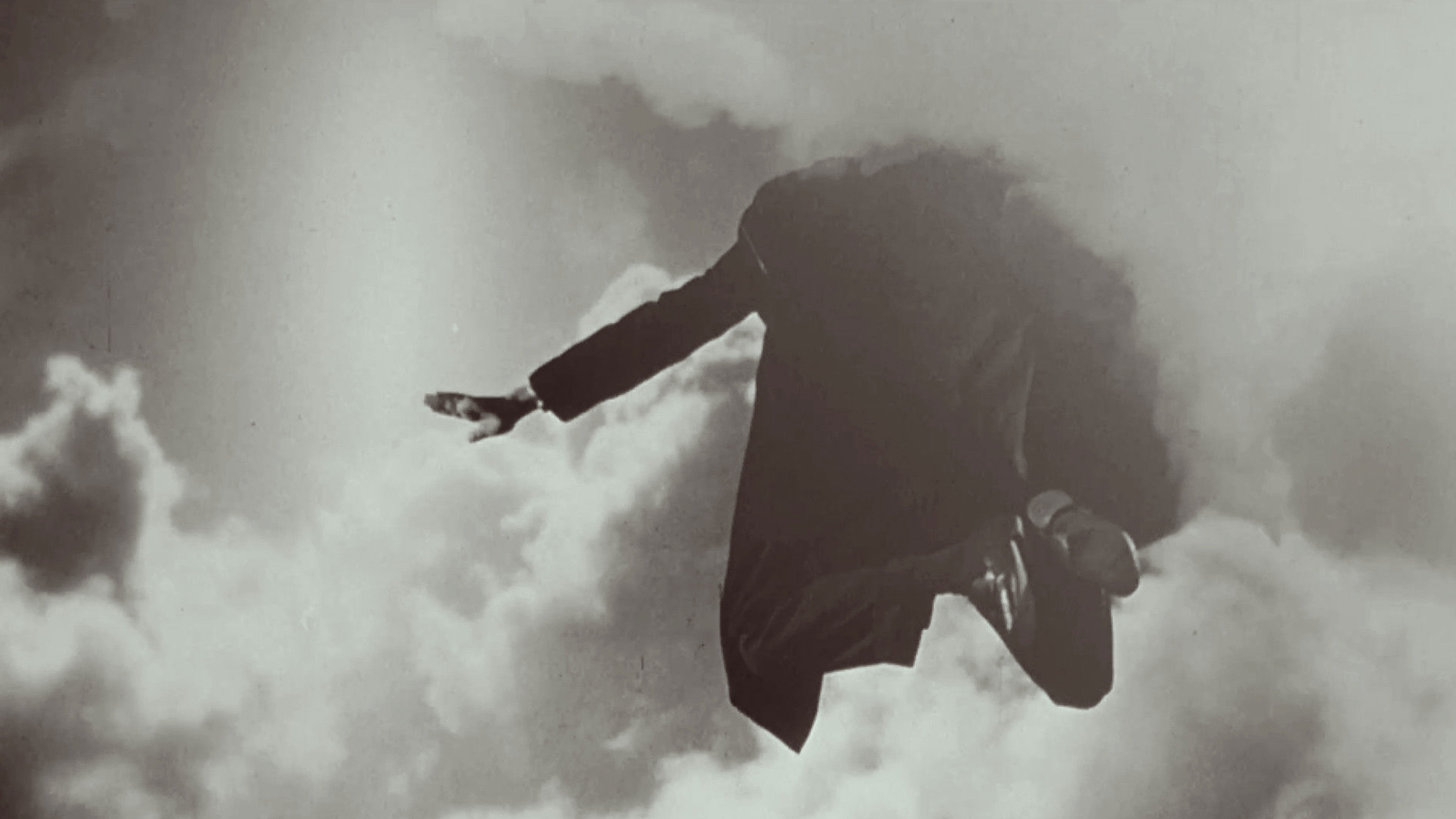
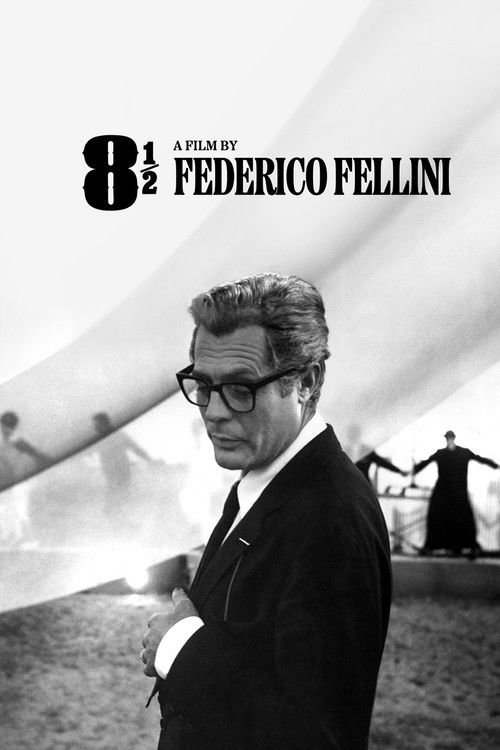
An absolute tour de force, every scene just brimming with life, passion, and Fellini’s careful eye. Scenes breathe and grow like well choreographed numbers as they’re pushed forward by one of the best ensemble casts I’ve ever seen. Purely ephemeral and entirely vulnerable in a way I’ve never experienced in film before. I knew this was foundational but I didn’t expect it quite like this. Autobiographical, funny, tender, clever, full of machinations; one of the most complete films I’ve ever seen.
Snuck into a matinee showing at my local arthouse theater. Delightedly, they were showing this on a newly restored 35mm print that is touring the country. What a treat.
An absolute tour de force, every scene just brimming with life, passion, and Fellini’s careful eye. Scenes breathe and grow like well choreographed numbers as they’re pushed forward by one of the best ensemble casts I’ve ever seen. Purely ephemeral and entirely vulnerable in a way I’ve never experienced in film before. I knew this was foundational but I didn’t expect it quite like this. Autobiographical, funny, tender, clever, full of machinations; one of the most complete films I’ve ever seen.