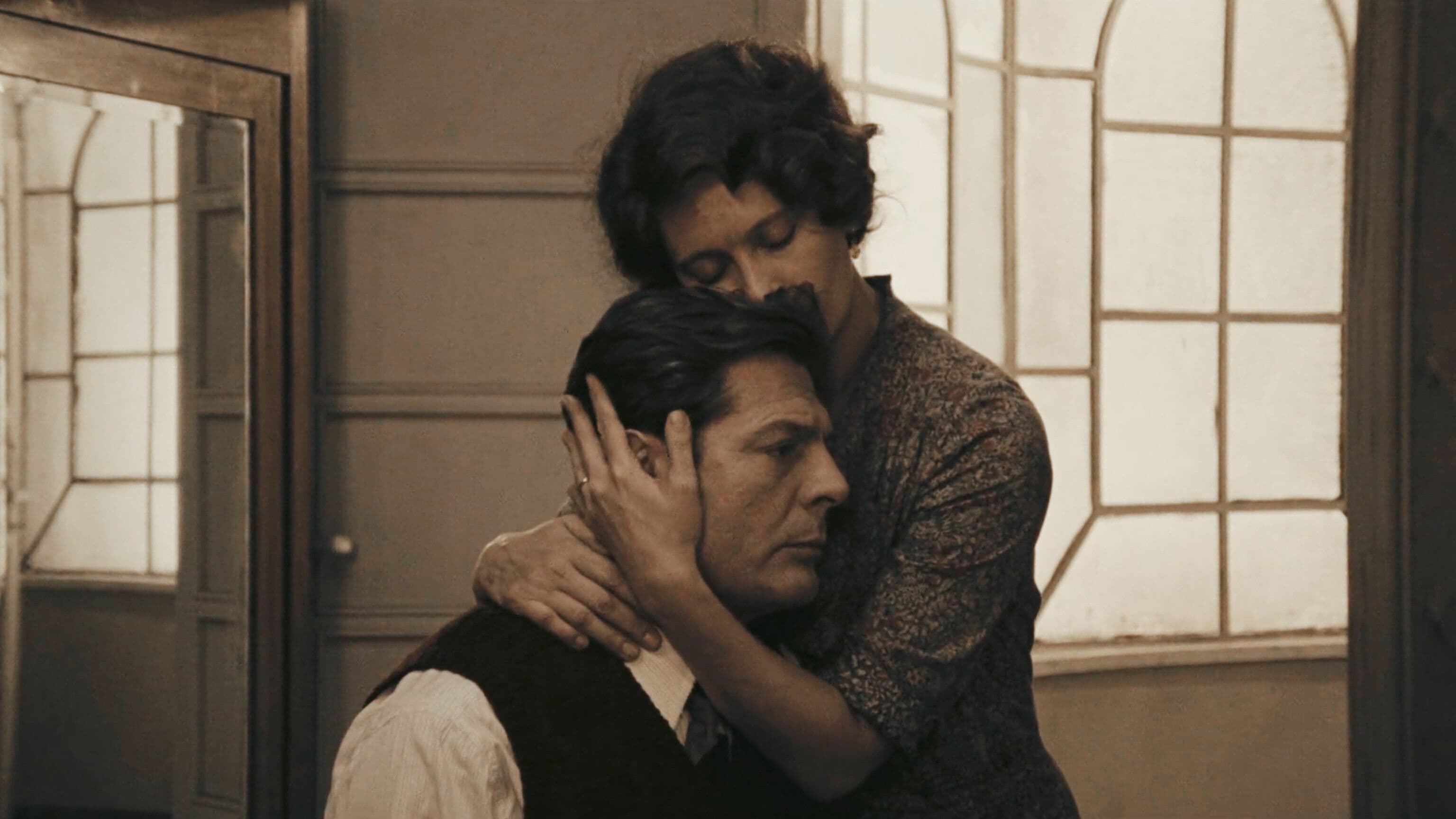
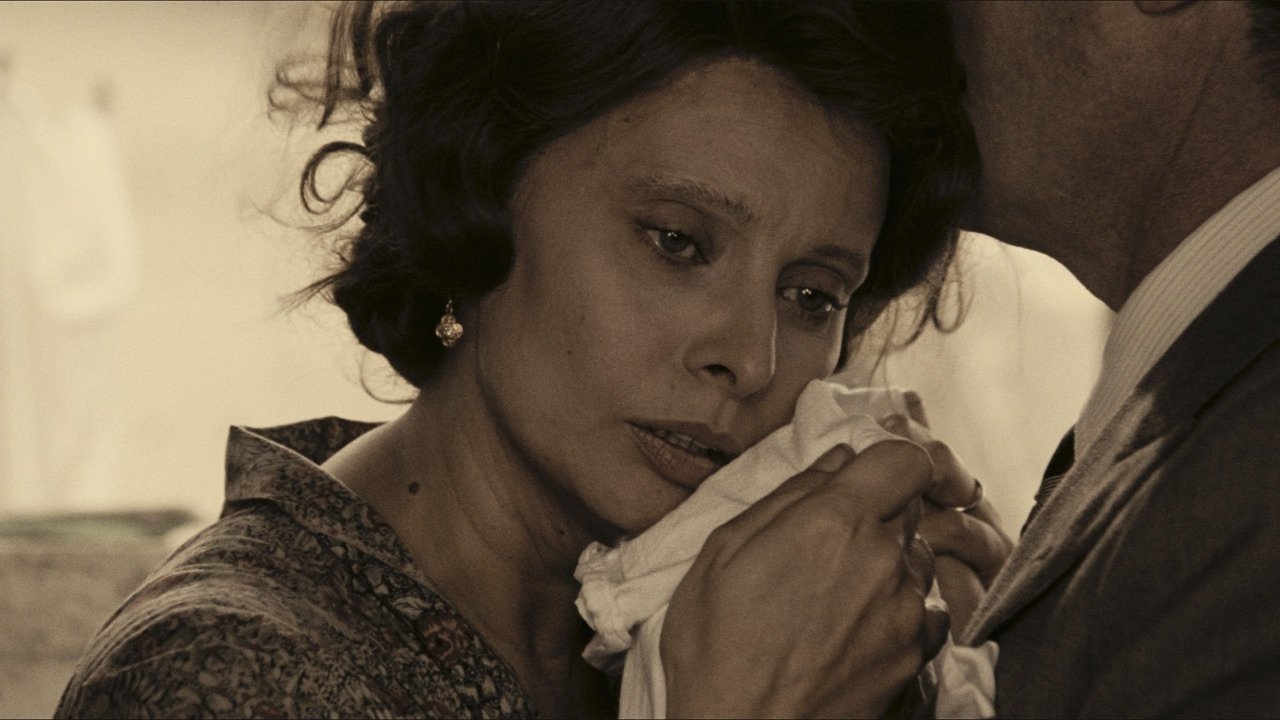
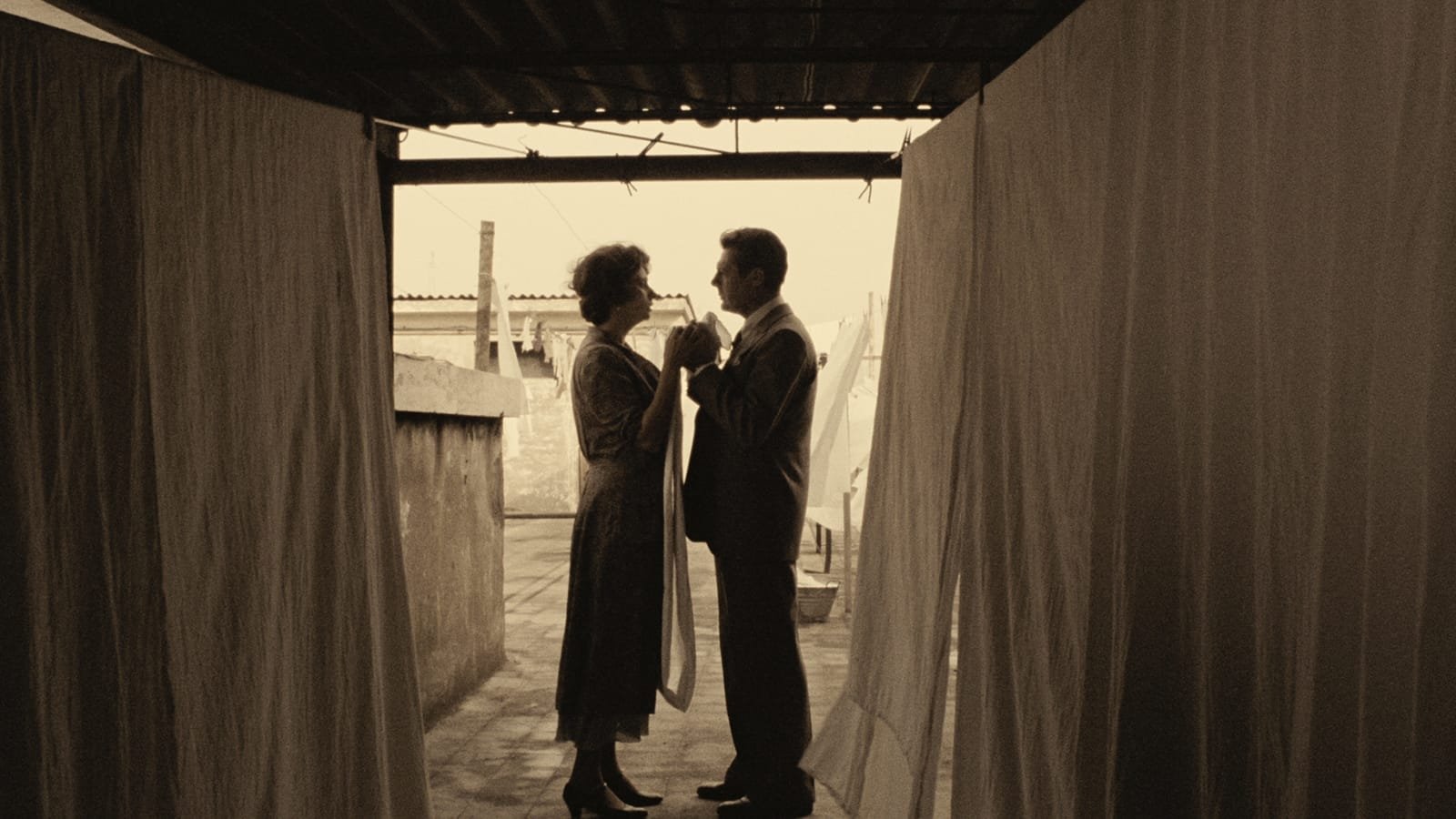
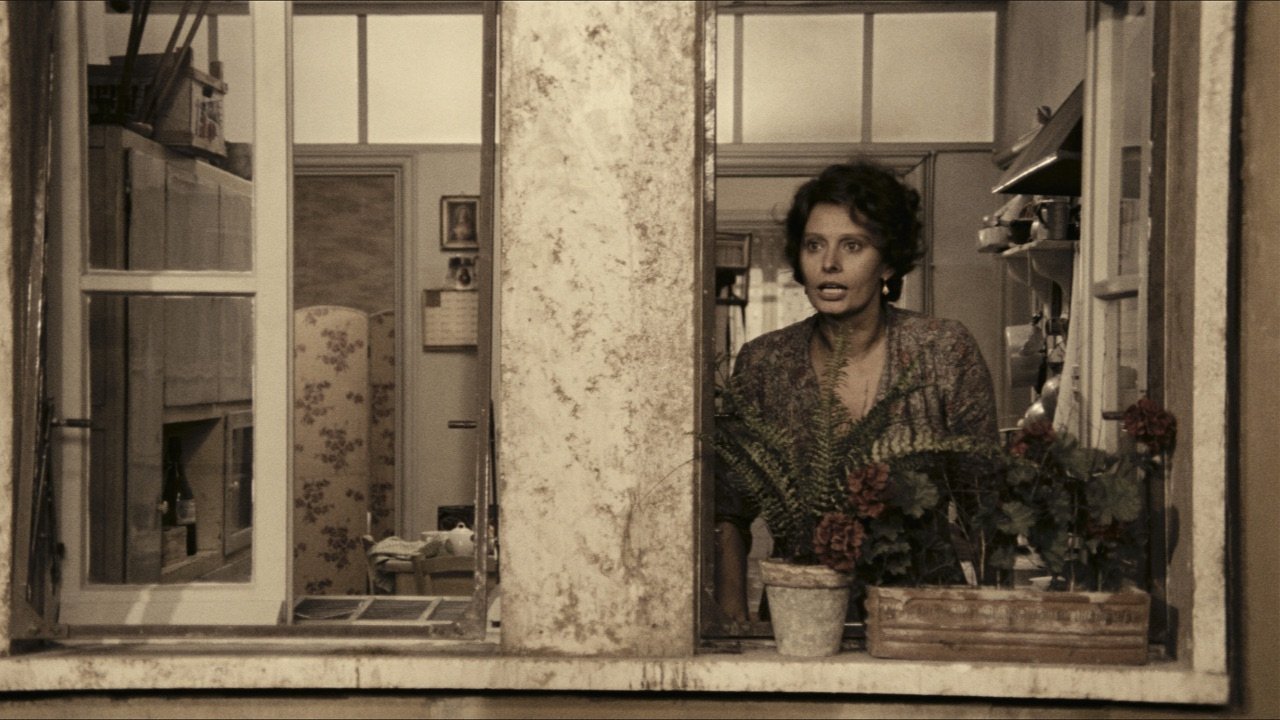
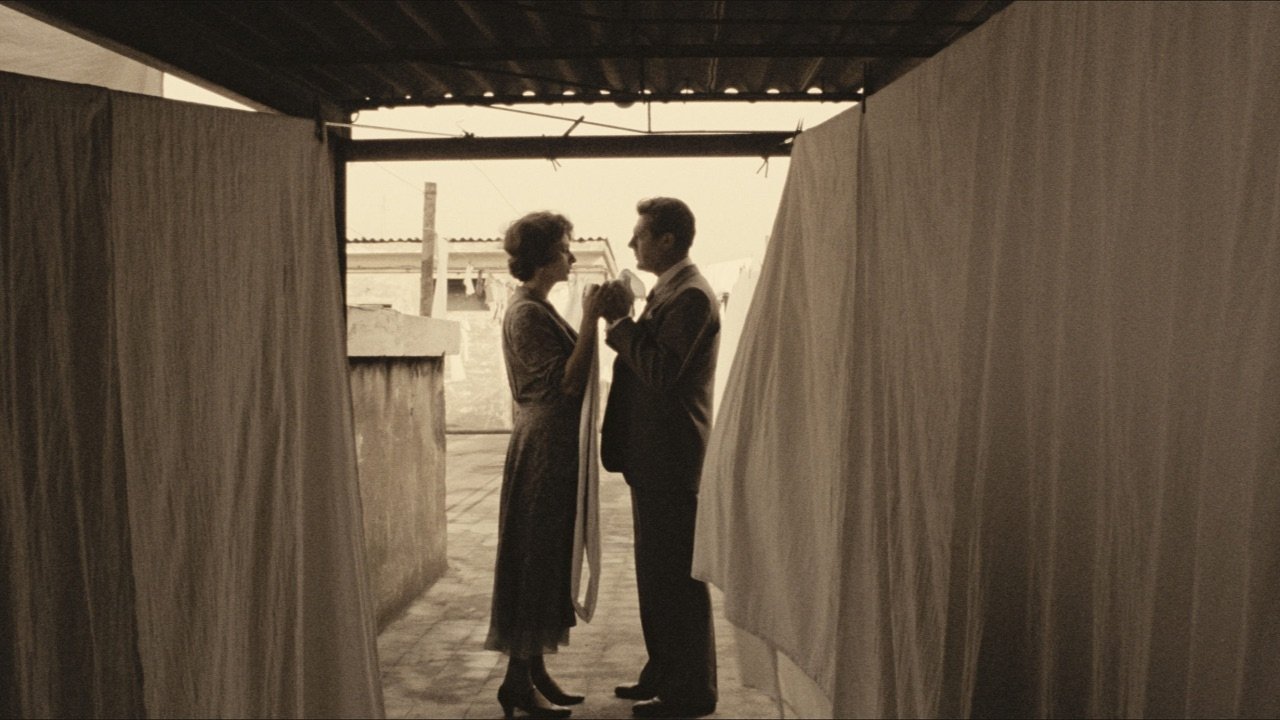
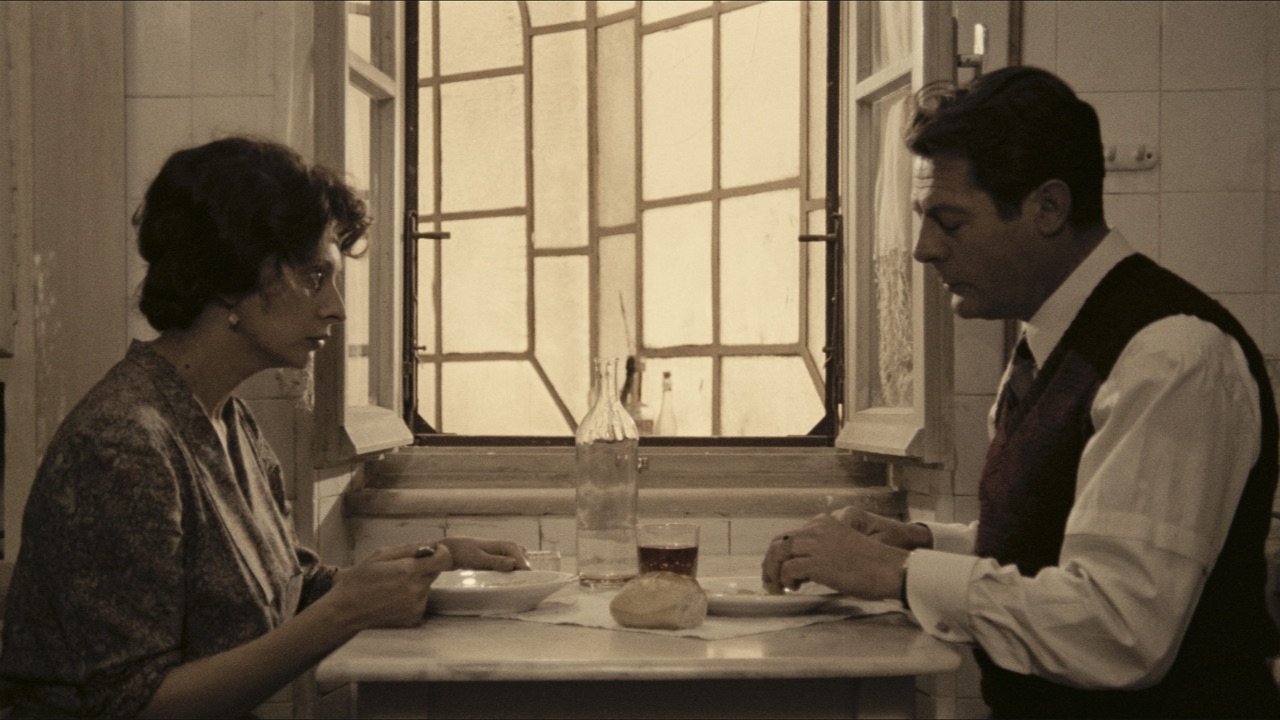
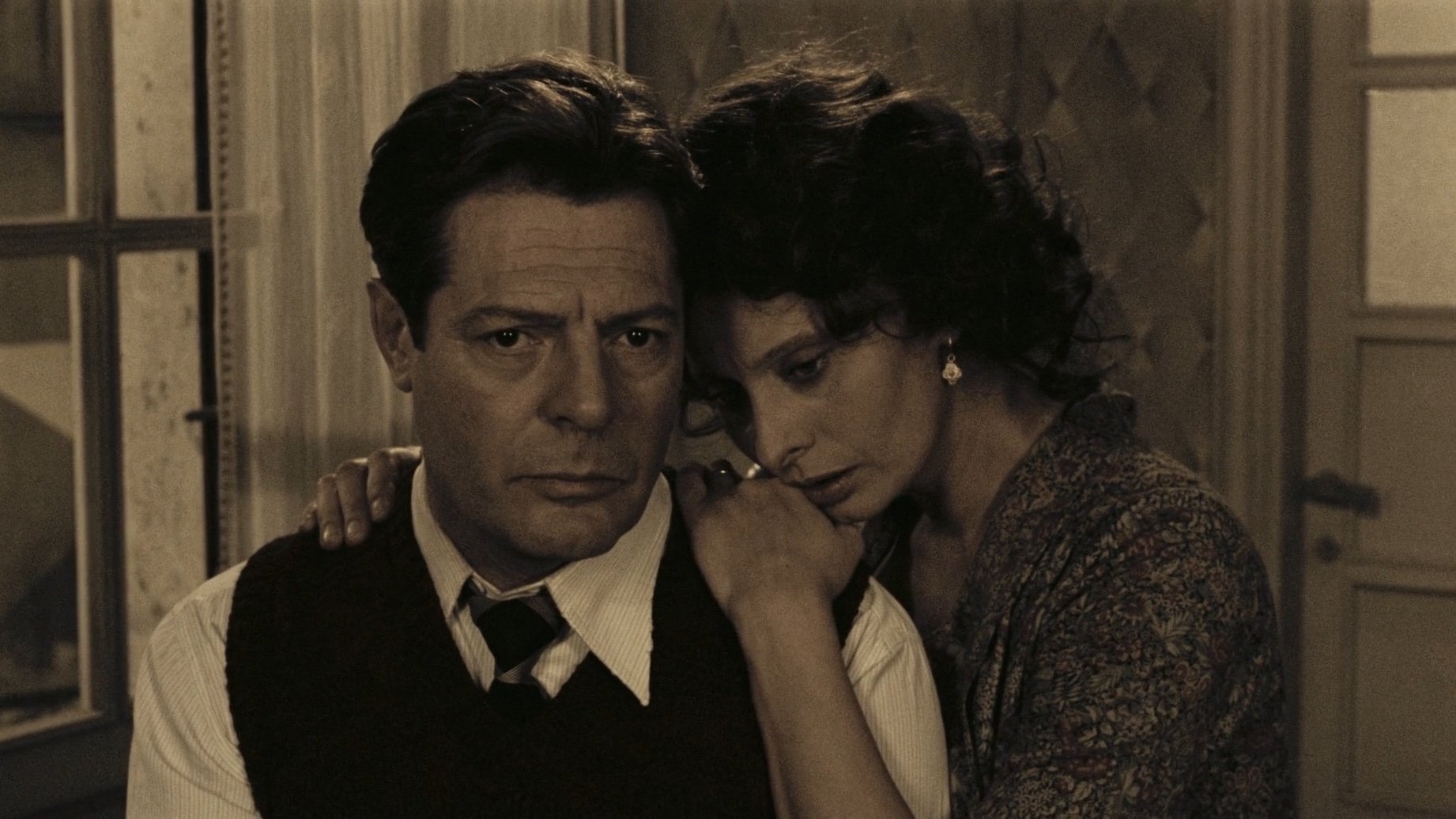
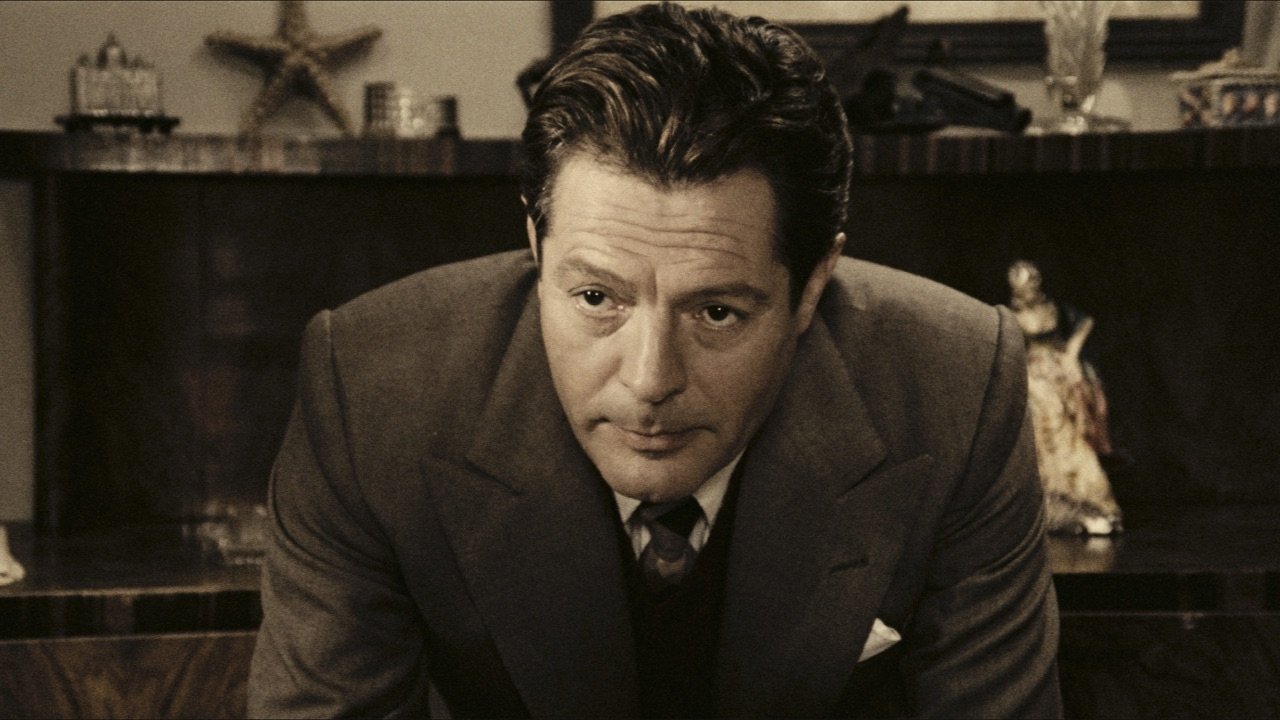
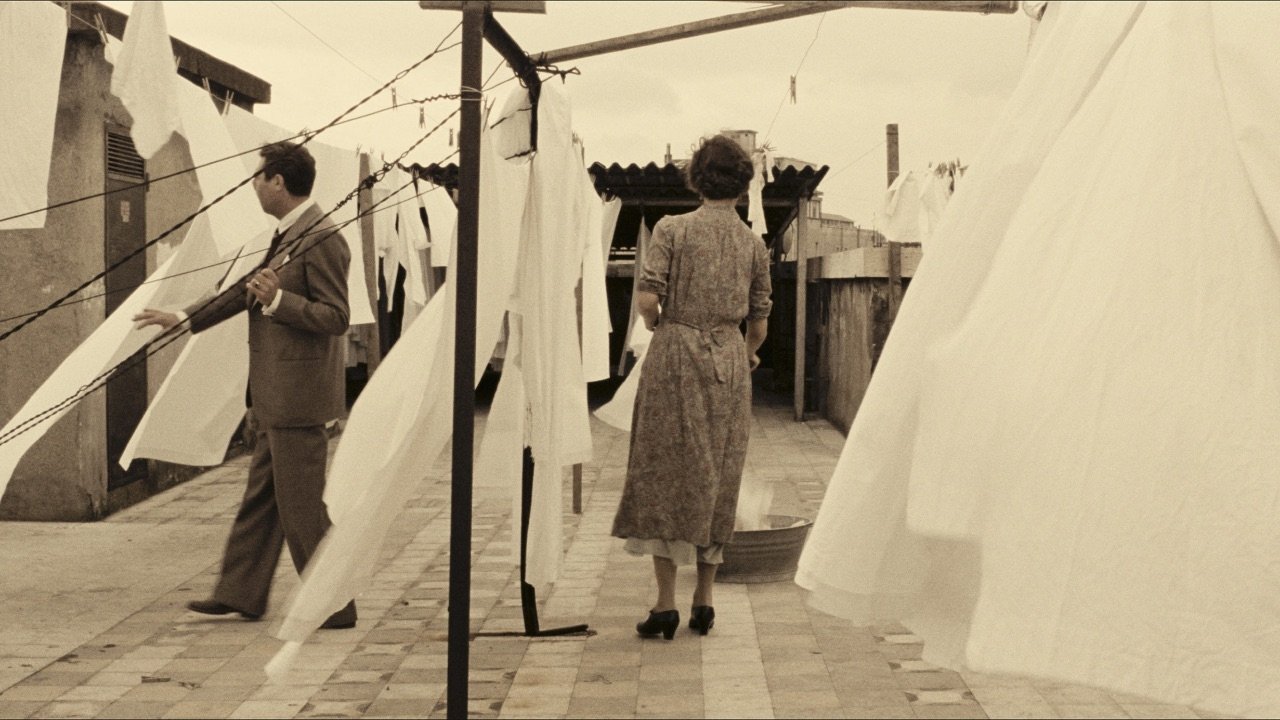
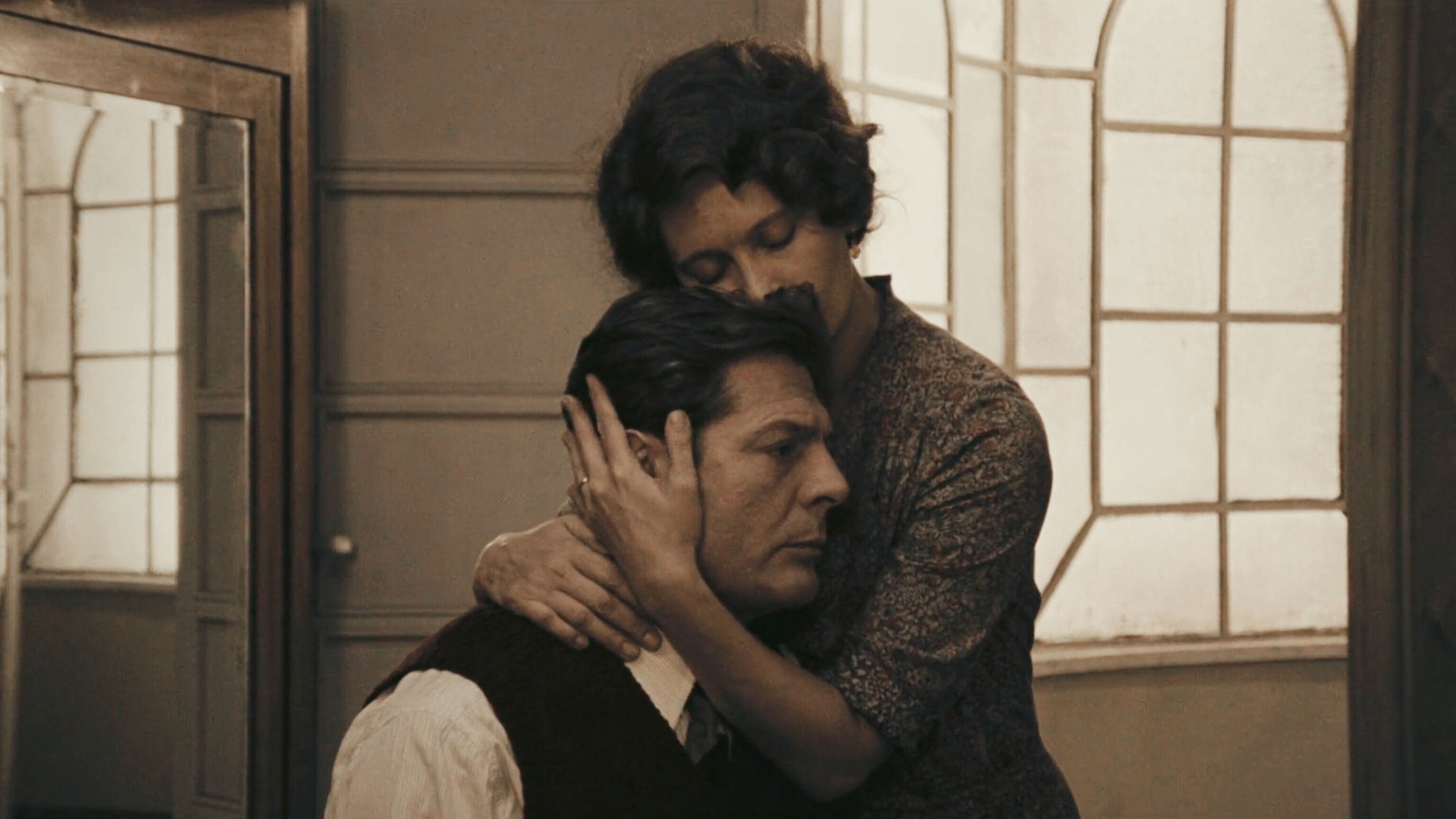
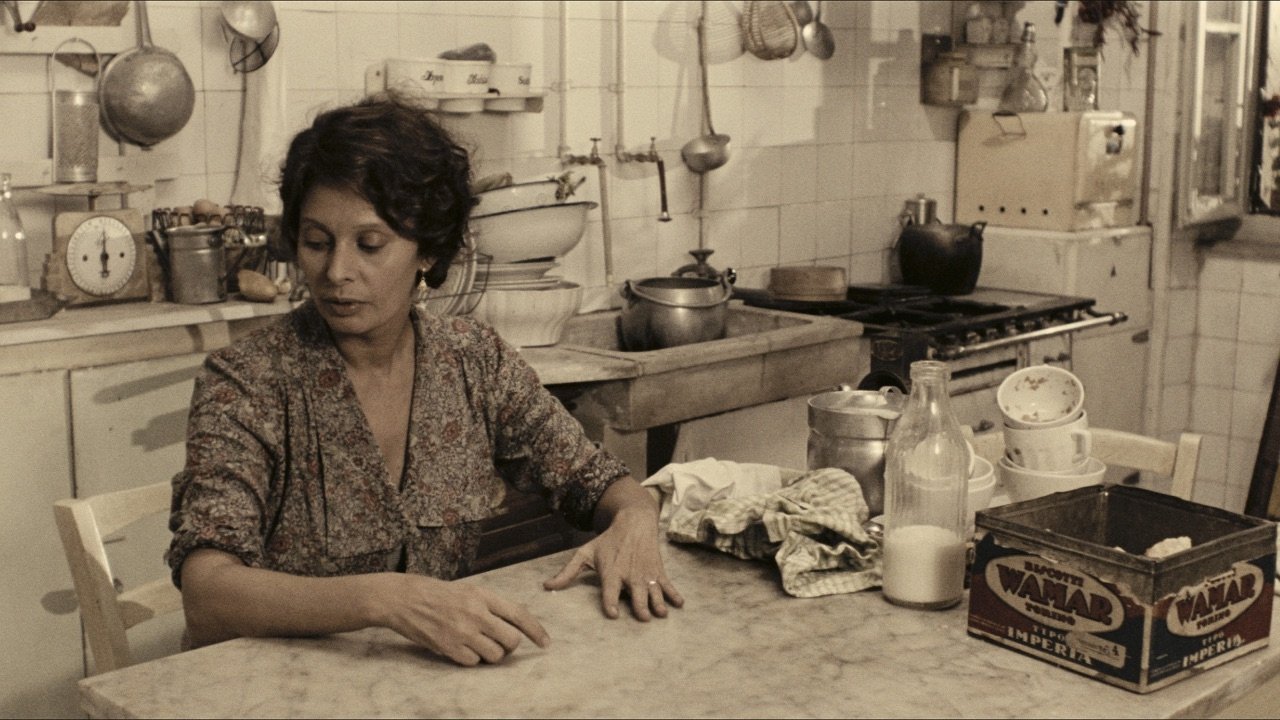
There’s something about Italian cinema that doesn’t just tell stories, it lingers inside you, like a memory you’re not sure you lived or dreamed.
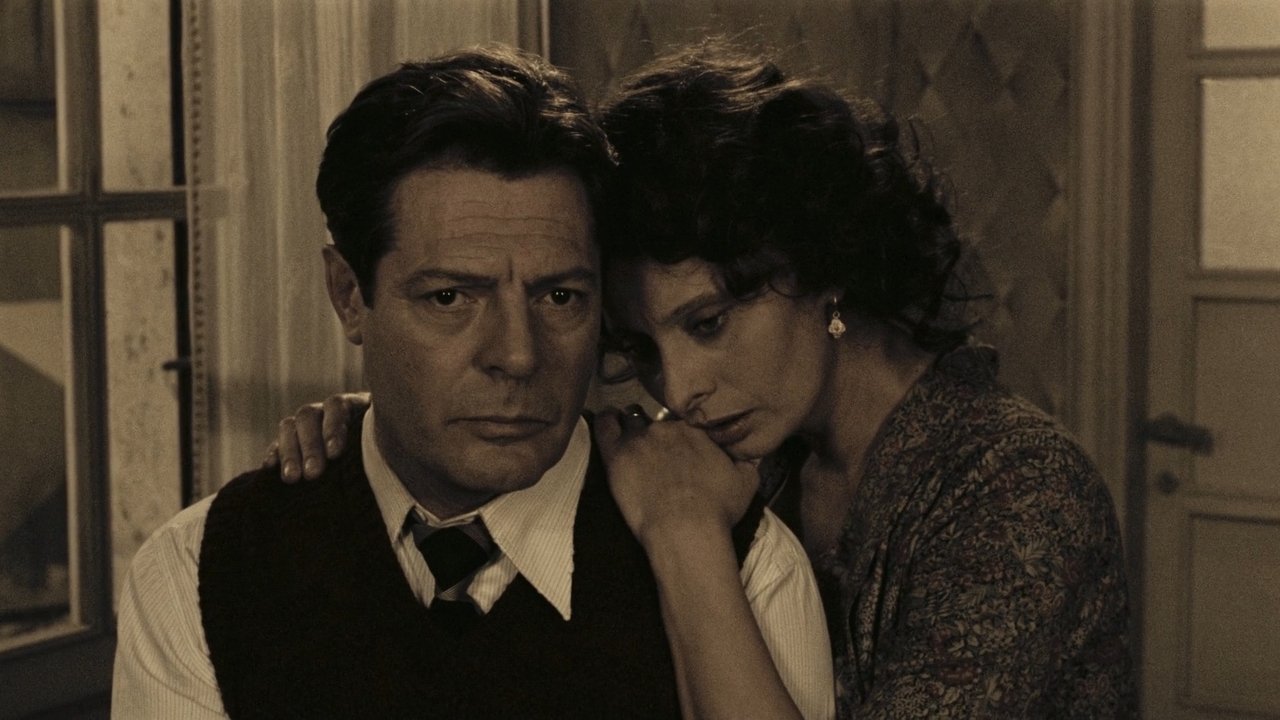
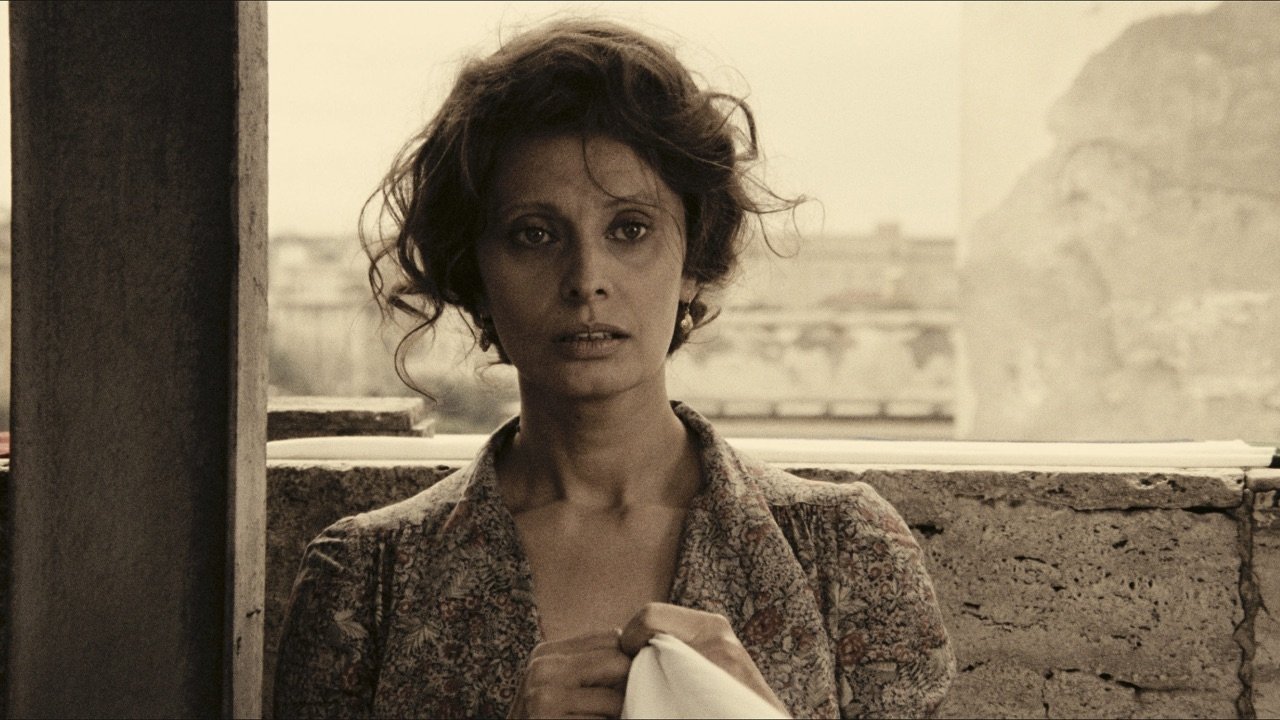
Watching L’Eclisse feels like standing at the edge of existence, where love dissolves into silence and modernity hums with quiet despair. Then 8½ arrives like a beautiful confession: chaotic, self-indulgent, and achingly honest about the impossibility of understanding oneself. With Nights of Cabiria, hope refuses to die, even when the world insists on breaking it; Cabiria walks, cries, and smiles through the ruins of her own heart. And in Rocco e i suoi fratelli, love becomes sacrifice, violence, and tragedy. Family as both salvation and curse.
I don’t just watch these films, I ache with them. Michelangelo Antonioni teaches me the poetry of emptiness, Federico Fellini turns confusion into spectacle, and Luchino Visconti carves human fragility into something almost sacred.
Italian cinema doesn’t comfort me. It confronts me, seduces me, and leaves me wandering in its aftermath, lost, but somehow more alive.
And maybe that’s why I know this love isn’t fleeting.
It’s undying.
There’s something about Italian cinema that doesn’t just tell stories, it lingers inside you, like a memory you’re not sure you lived or dreamed.
Watching L’Eclisse feels like standing at the edge of existence, where love dissolves into silence and modernity hums with quiet despair. Then 8½ arrives like a beautiful confession: chaotic, self-indulgent, and achingly honest about the impossibility of understanding oneself. With Nights of Cabiria, hope refuses to die, even when the world insists on breaking it; Cabiria walks, cries, and smiles through the ruins of her own heart. And in Rocco e i suoi fratelli, love becomes sacrifice, violence, and tragedy. Family as both salvation and curse.
I don’t just watch these films, I ache with them. Michelangelo Antonioni teaches me the poetry of emptiness, Federico Fellini turns confusion into spectacle, and Luchino Visconti carves human fragility into something almost sacred.
Italian cinema doesn’t comfort me. It confronts me, seduces me, and leaves me wandering in its aftermath, lost, but somehow more alive.
And maybe that’s why I know this love isn’t fleeting.
It’s undying.