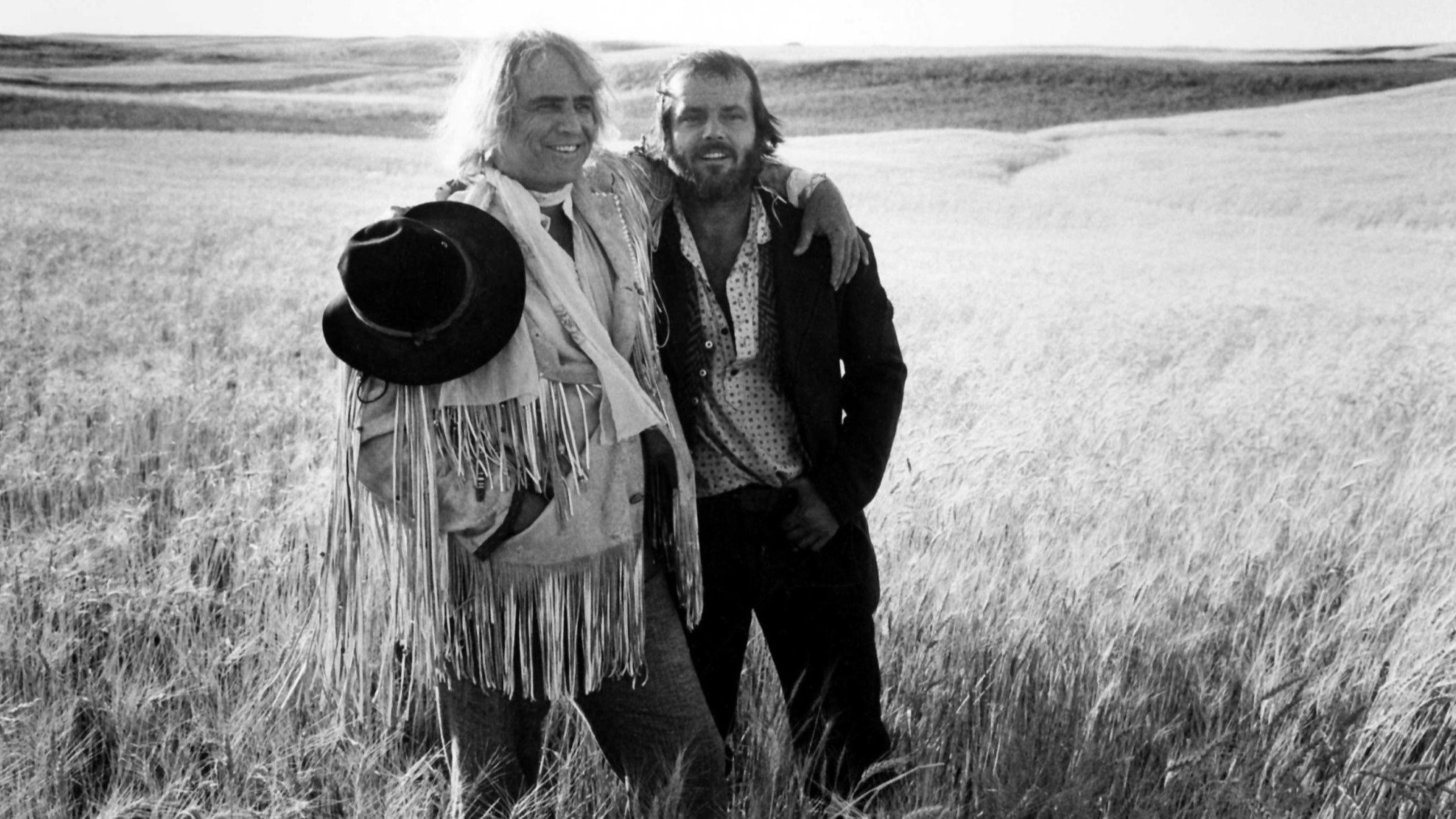
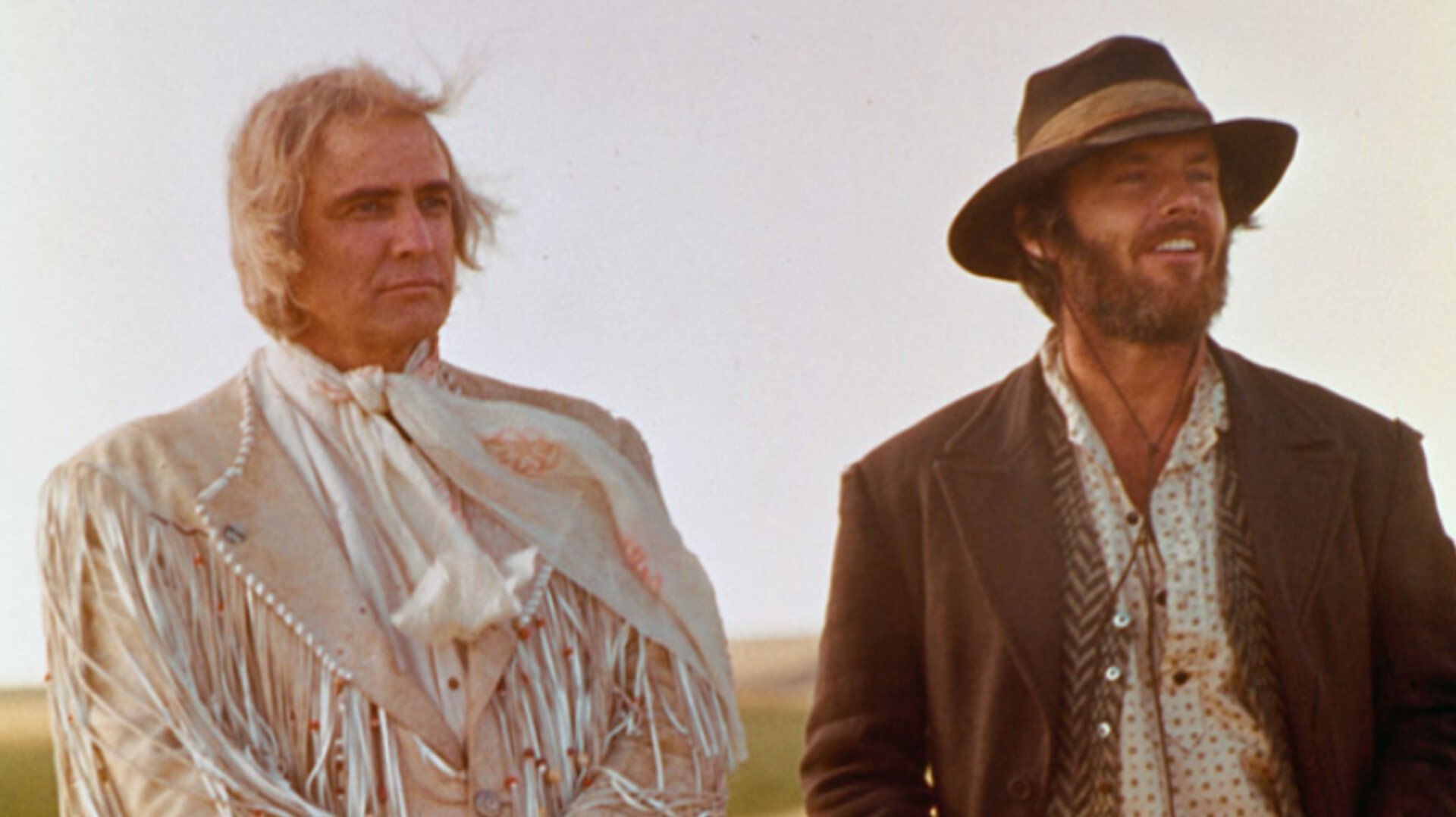
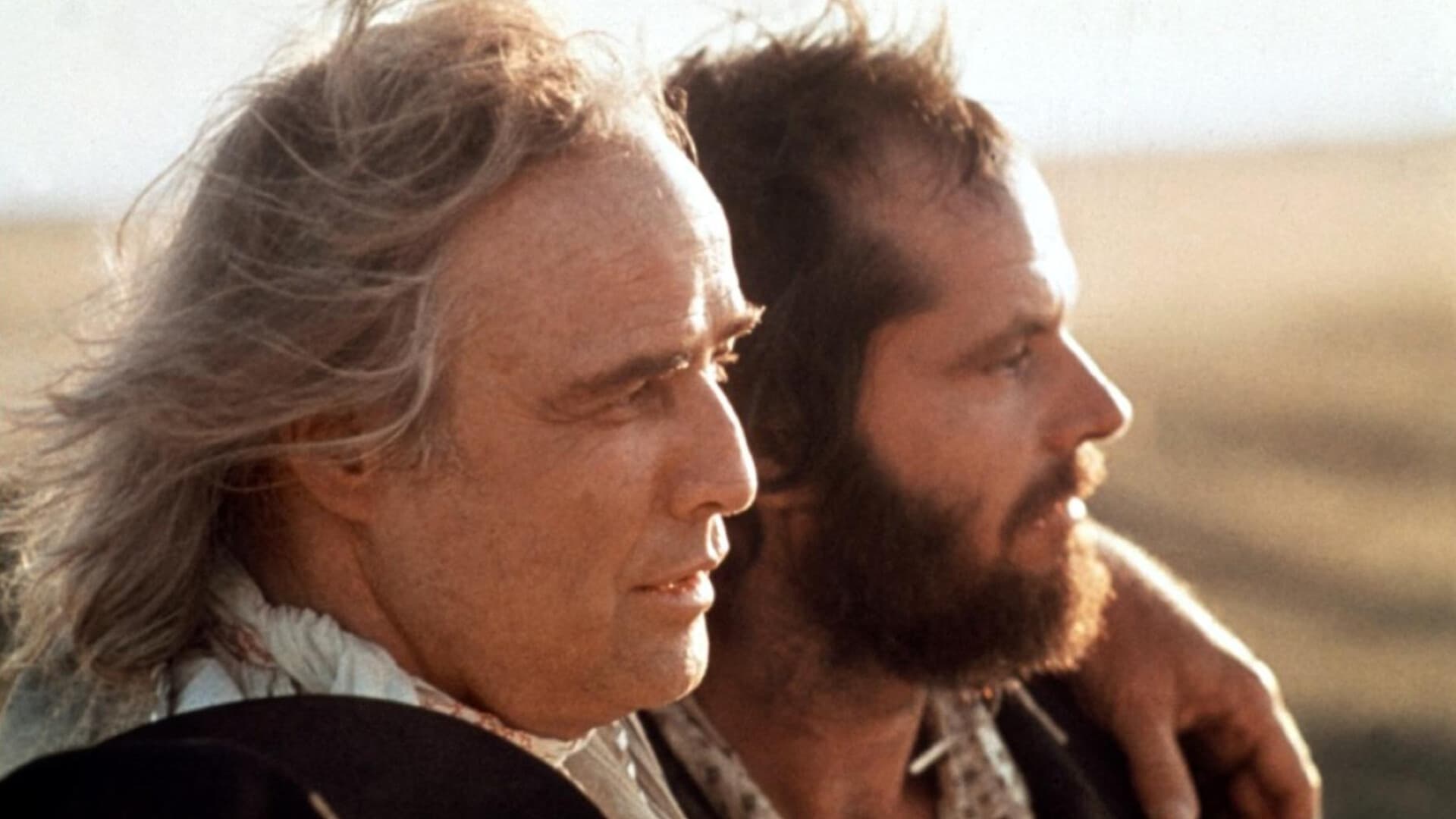
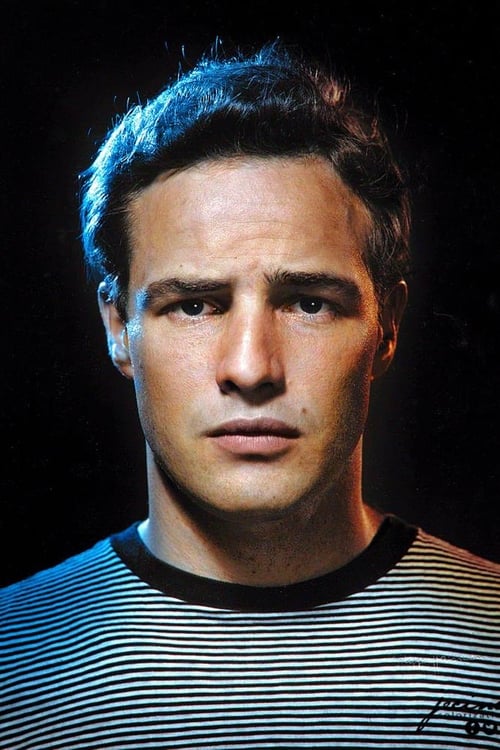
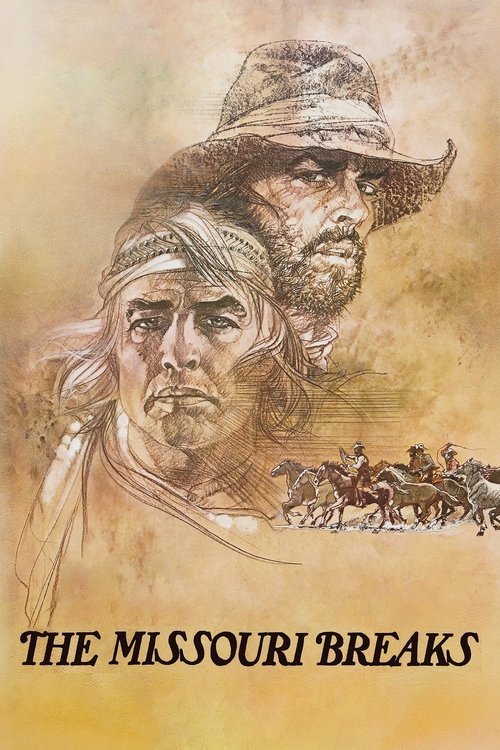
The Missouri Breaks premiered in the Netherlands in early 1976, like a sermon read aloud in a language no one understood but everyone pretended to. By May, it had spread across the globe. The anticipation was not merely palpable—it was ecclesiastical. Jack Nicholson had just won an Oscar for One Flew Over the Cuckoo’s Nest. Marlon Brando had won his for The Godfather a few years prior. You do not cast those two unless you are trying to summon something—something holy or apocalyptic. It would be like releasing a film today starring Adrien Brody (newly canonized for The Brutalist) and Will Smith (the prodigal son of King Richard and... other events). Yes, he slapped Chris Rock. Yes, Bad Boys: Ride or Die grossed over $400 million. We live in a culture that metabolizes scandal faster than it digests art. The analogy holds. Do not question it. I have seen the spreadsheets.
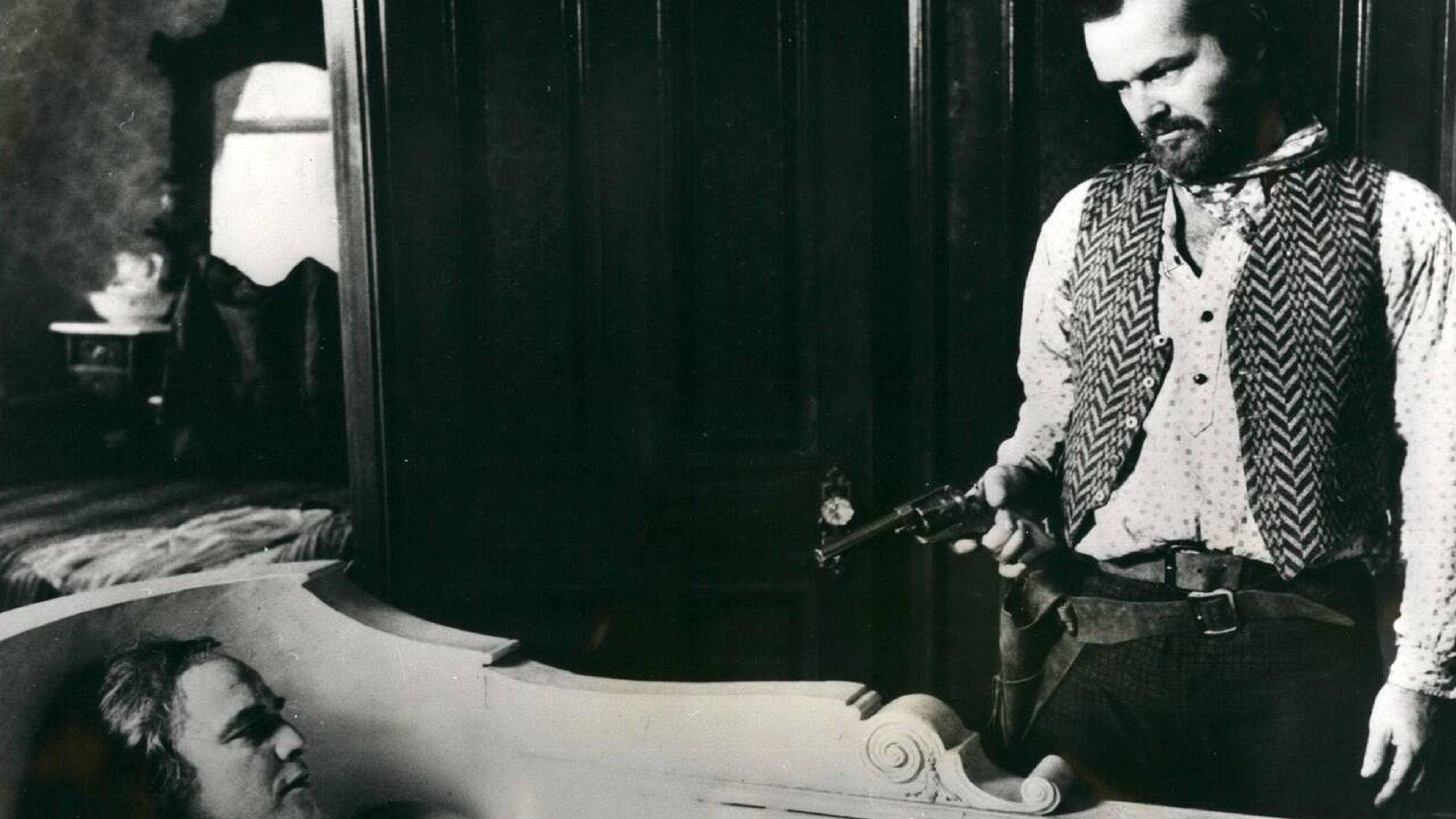
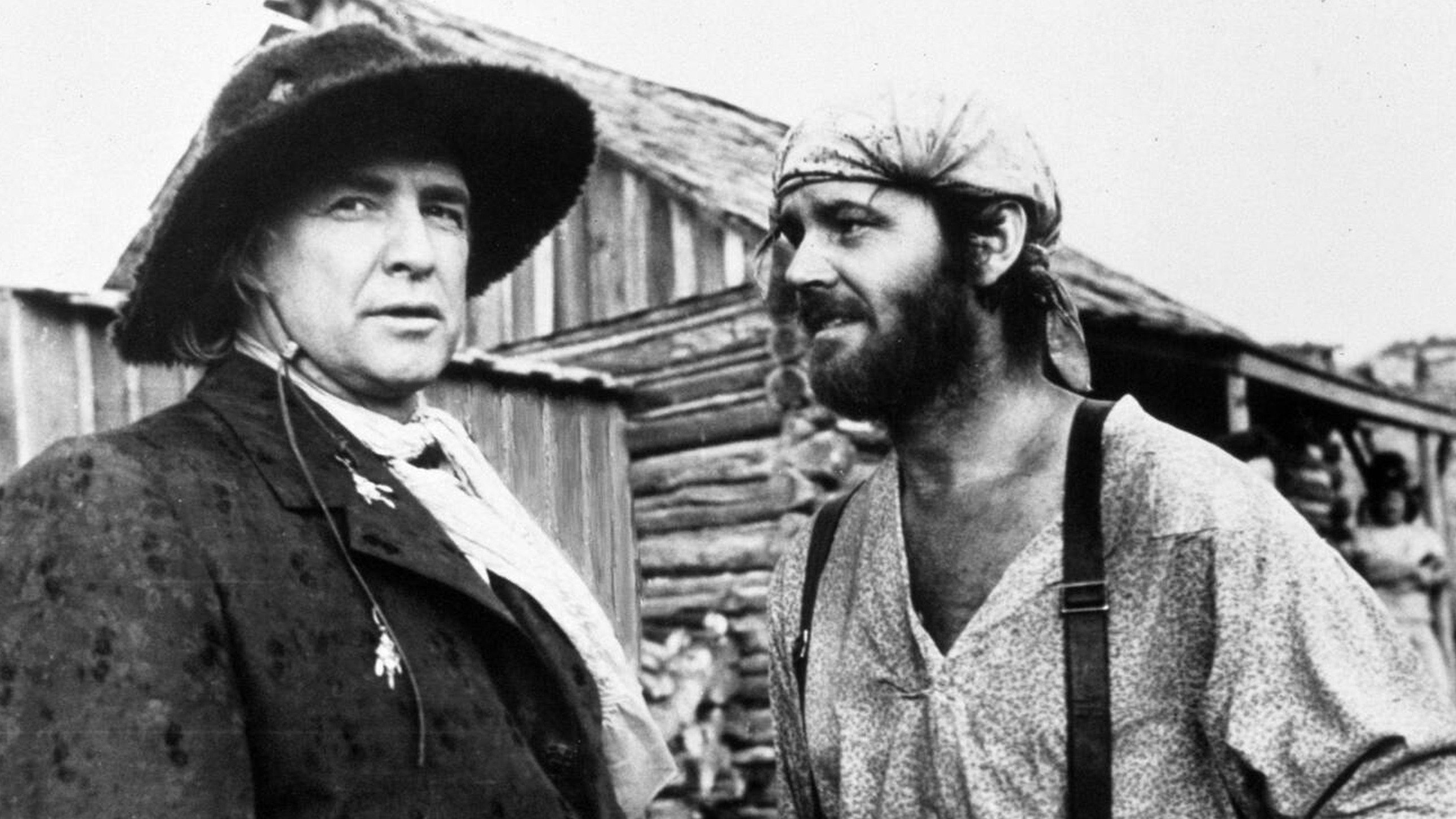
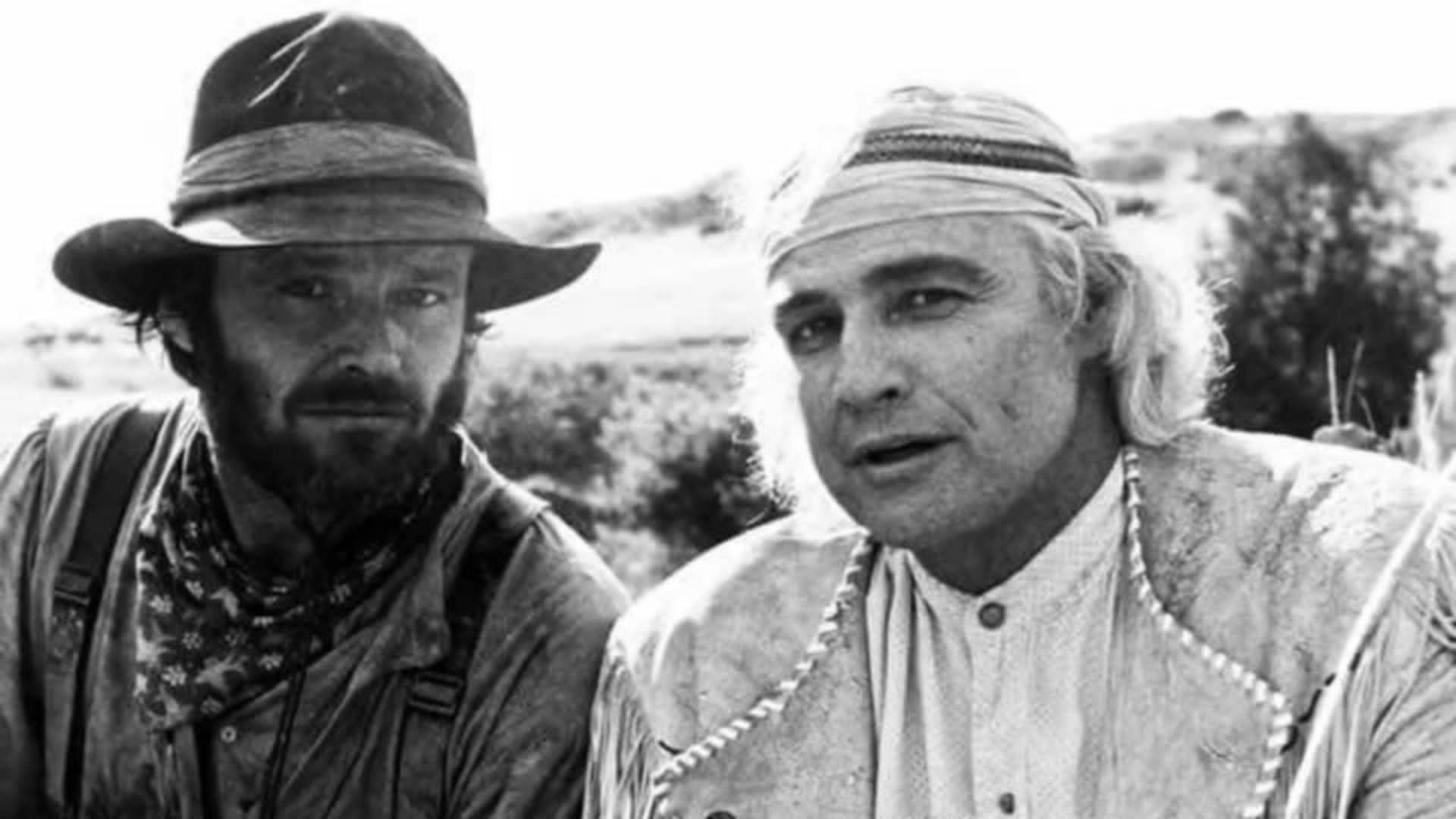
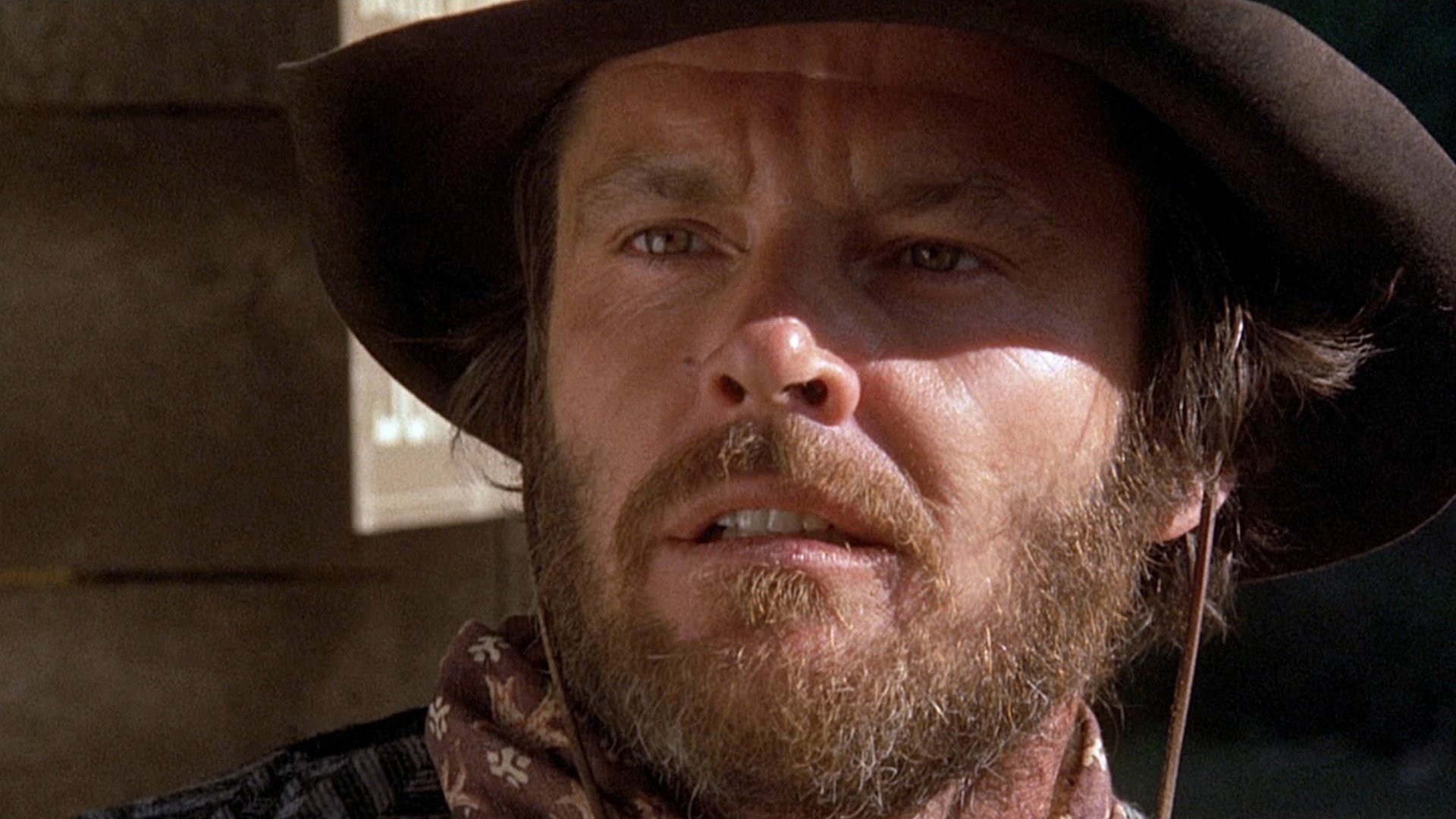
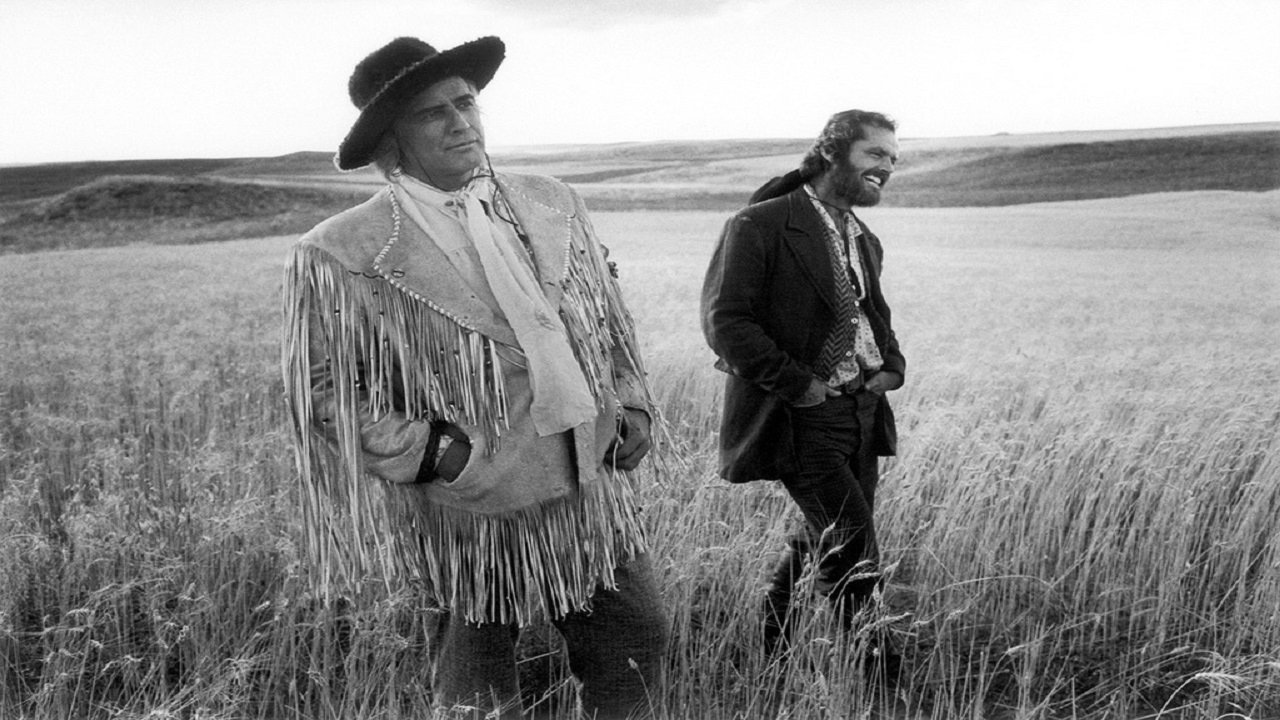
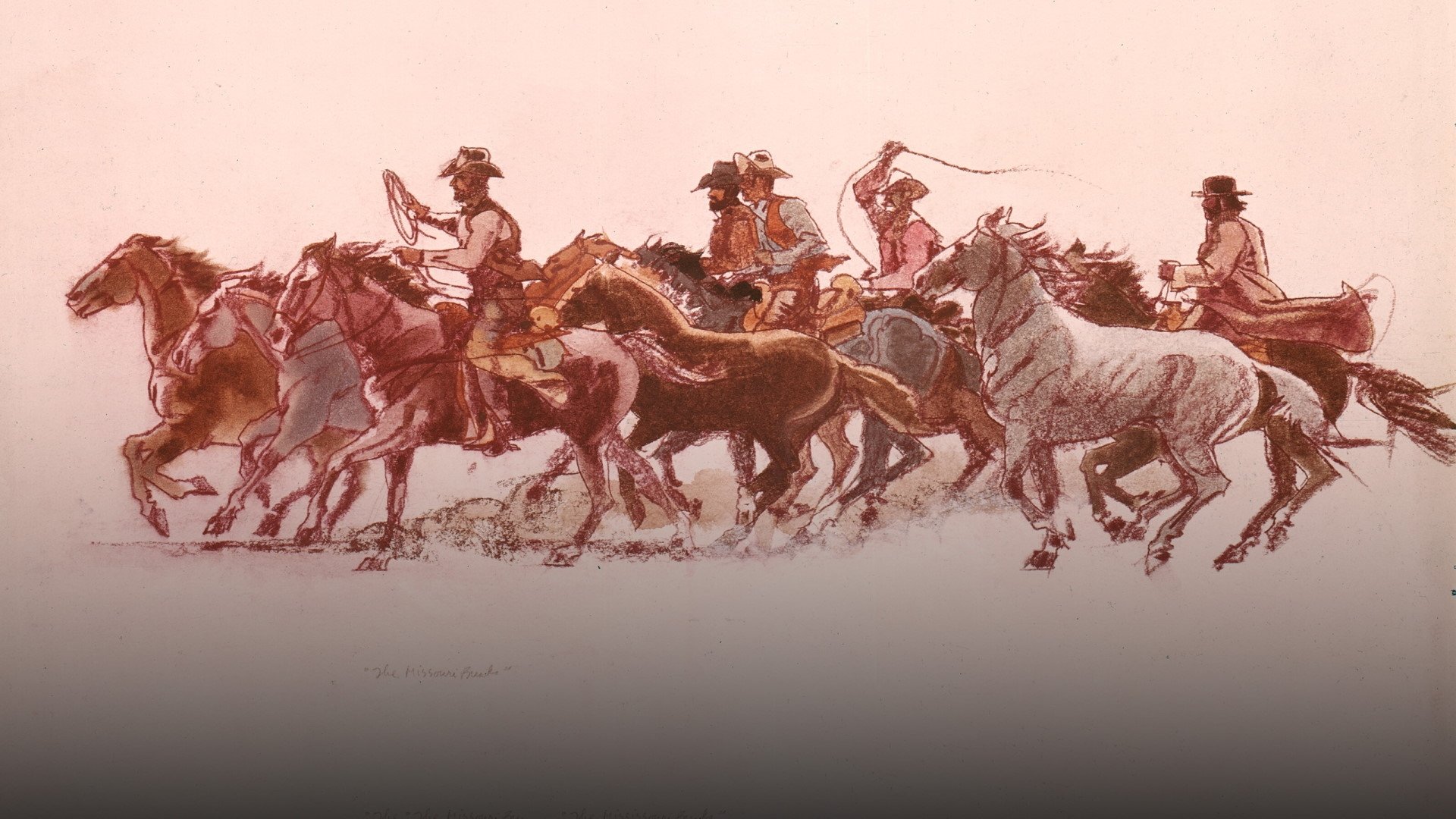
But the issue with The Missouri Breaks—and I must be clear—is not that it is bad. It is not bad. It is too strange, too melancholic, too terminally sunburned to be bad. What it is, is insufficient. The film is not The Godfather. It is not Cuckoo’s Nest. It is a parched, cracked Western with a half-mad Brando and a fully alert Nicholson wandering through a narrative that seems to be mumbling to itself. Audiences, hungry for divine revelation, were handed a parable about irrigation rights.
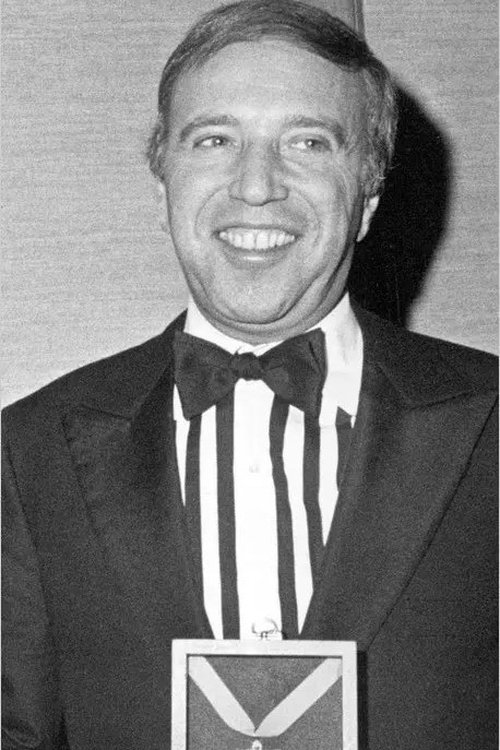
And Arthur Penn—Arthur fucking Penn—this was the man who gave us The Left Handed Gun, The Chase, and Bonnie and Clyde, a film that redefined the kinetic possibilities of American cinema. But The Missouri Breaks broke him. After this, he directed Penn & Teller Get Killed. A comedy. About Vegas magicians. Named Penn and Teller. Not himself. Not his own soul. Though perhaps it would’ve been more honest if he had. Perhaps it would’ve been a tragedy.
You can’t direct Brando and Nicholson and walk away unchanged. Something always dies. In this case, it was the auteur.
Of all the films quietly complicit in the ritual murder of New Hollywood, The Missouri Breaks is—somewhat tragically—among the more competent. It is leagues ahead of The Hindenburg, and certainly more coherent than the marble-mouthed disaster that was At Long Last Love, a film that plays like someone poured seltzer on a Sondheim script and hoped it’d dance. But expectations are not neutral. They calcify. They loom. And when placed atop this film, they crushed it. The Missouri Breaks grossed $14 million against a $10 million budget—but that figure is a lie. Marketing costs, distribution, print runs: all part of the great Hollywood siphon. This film did not break even. It broke.
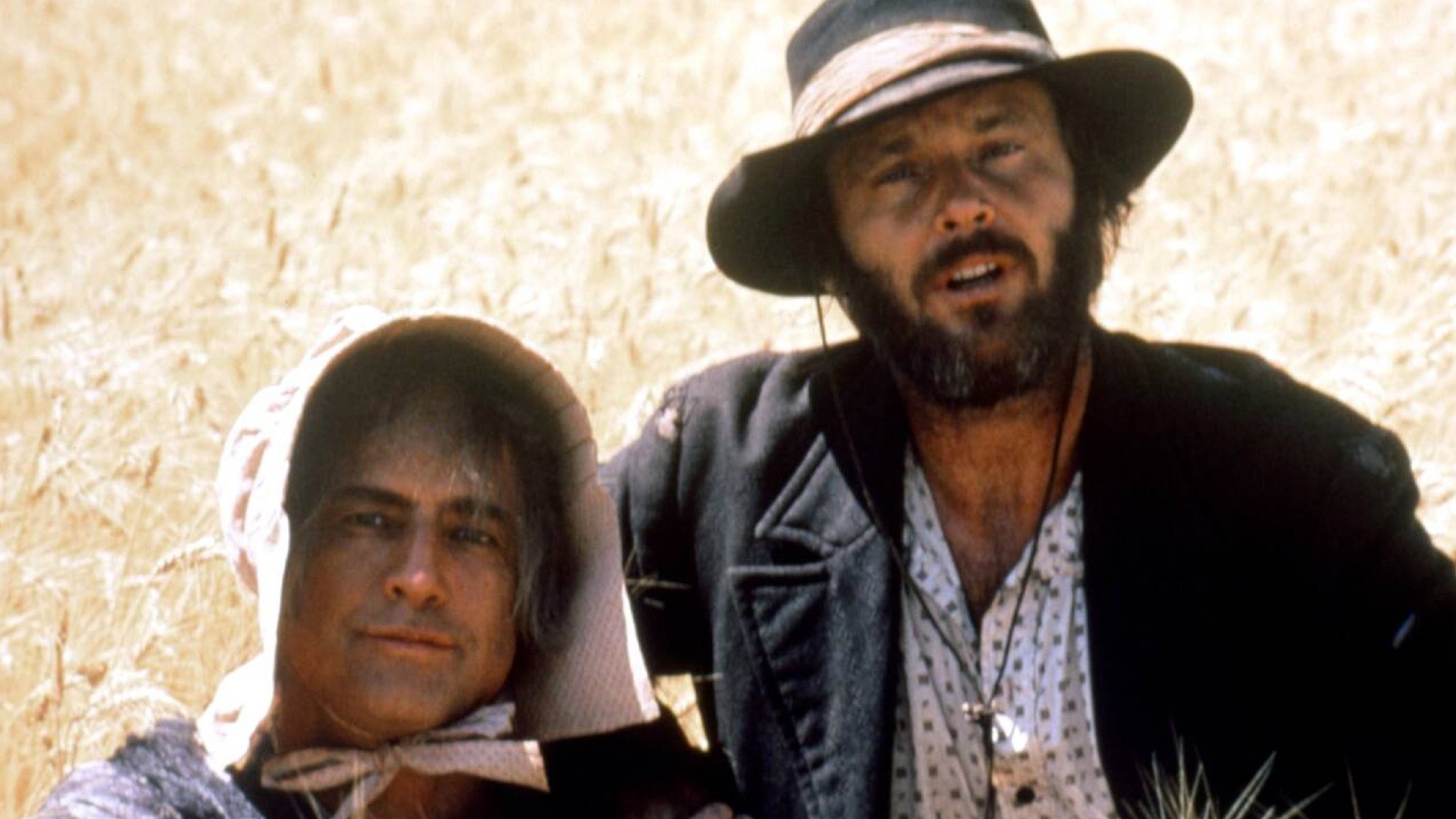
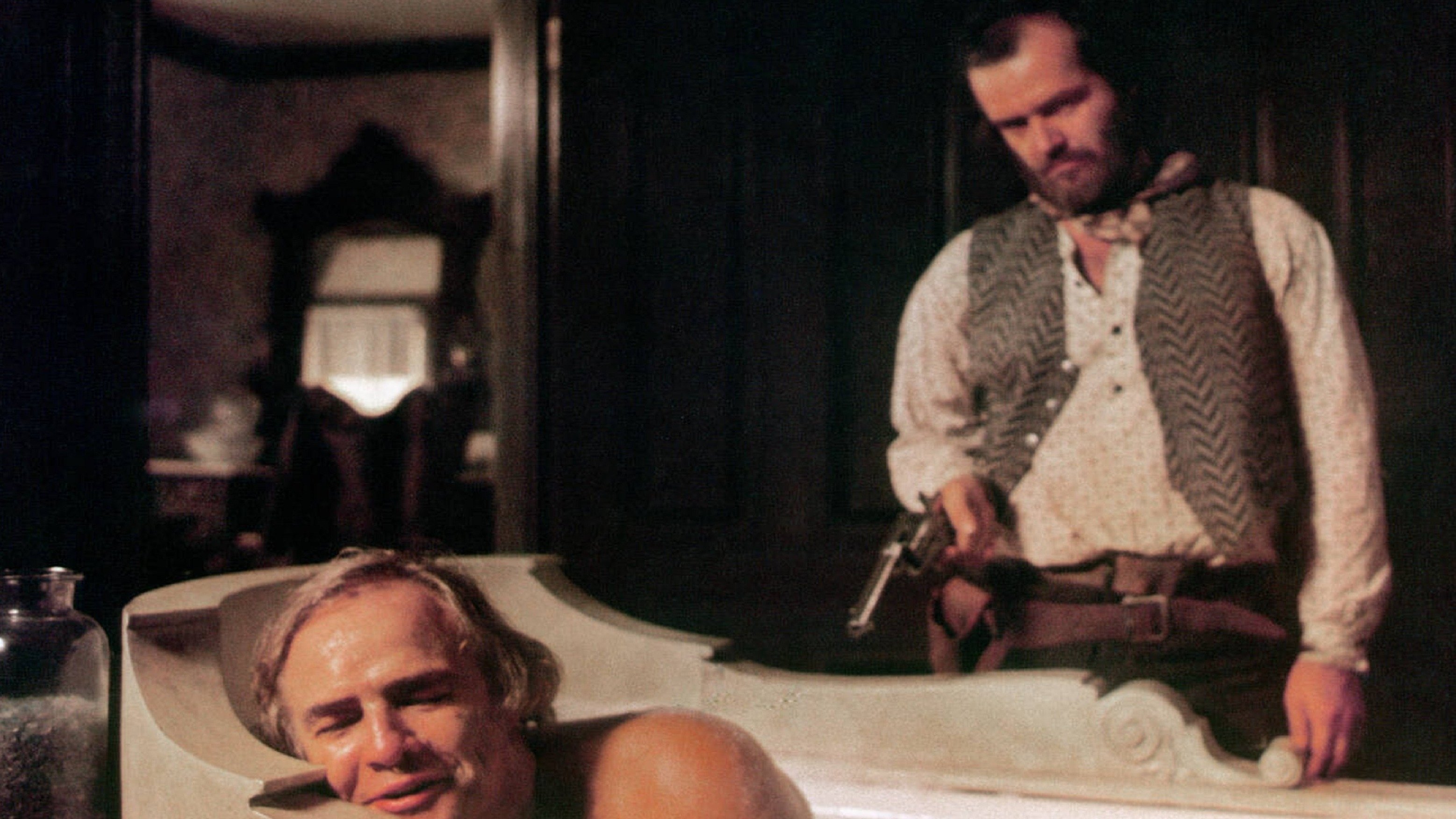
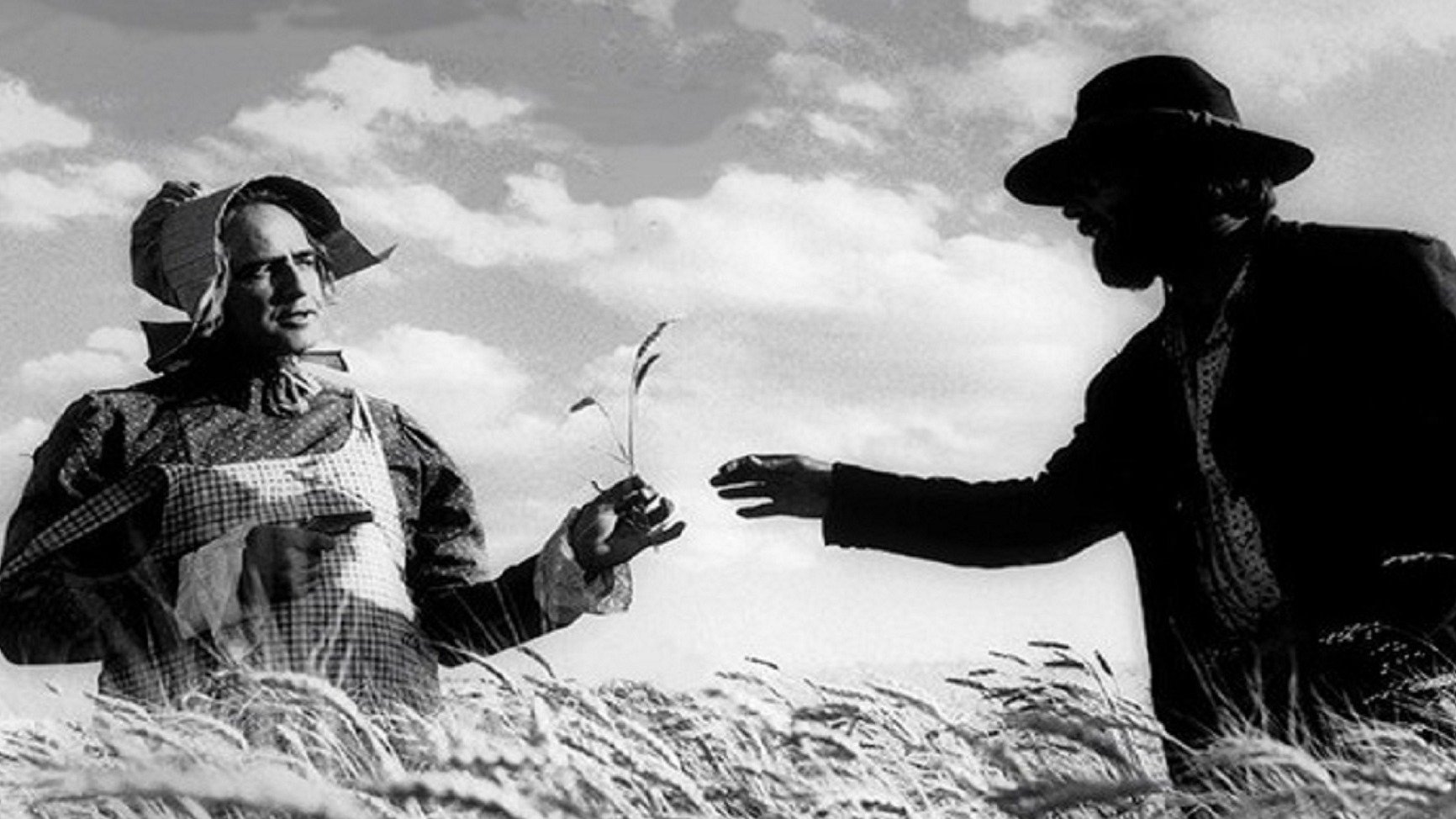
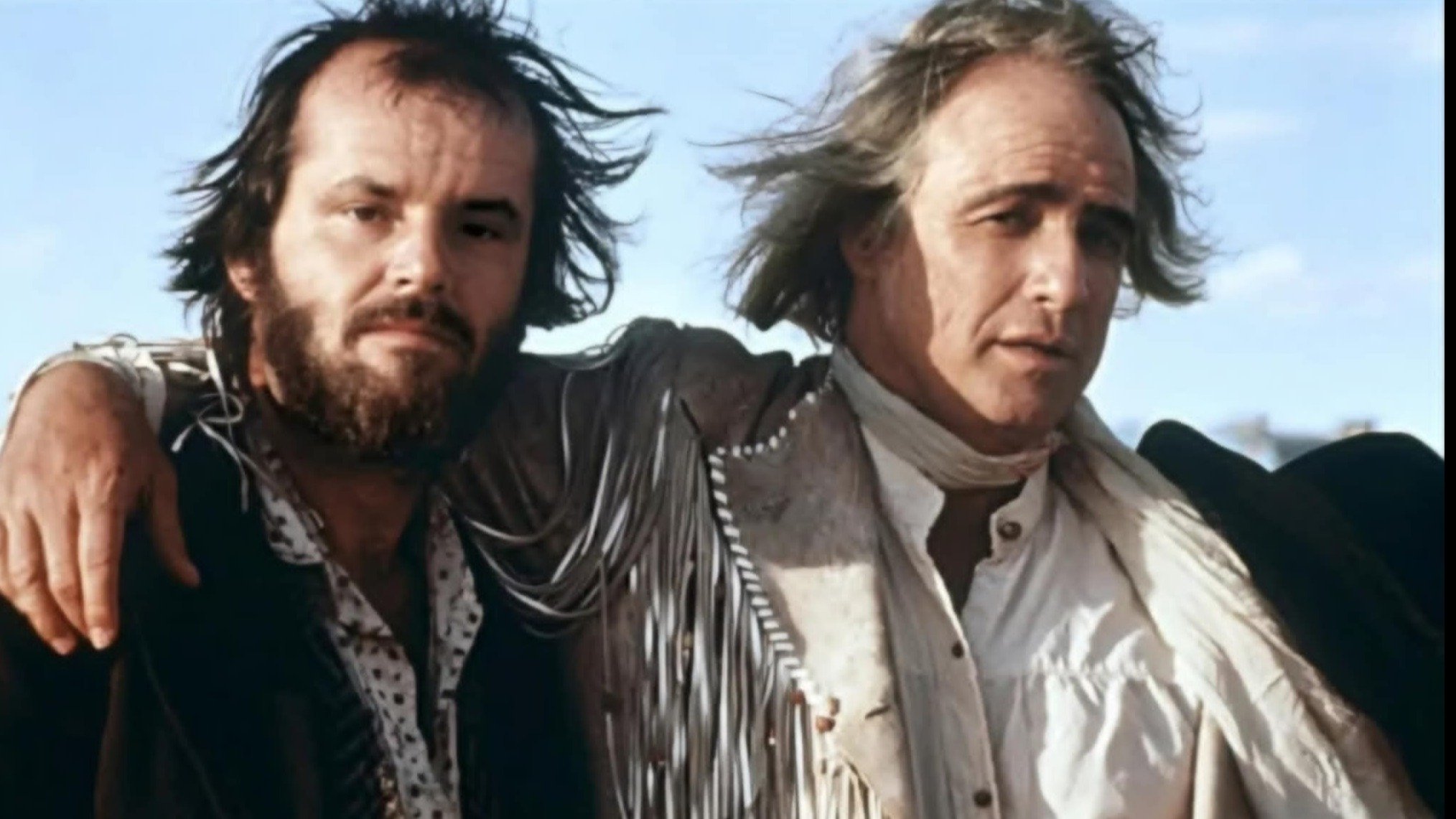
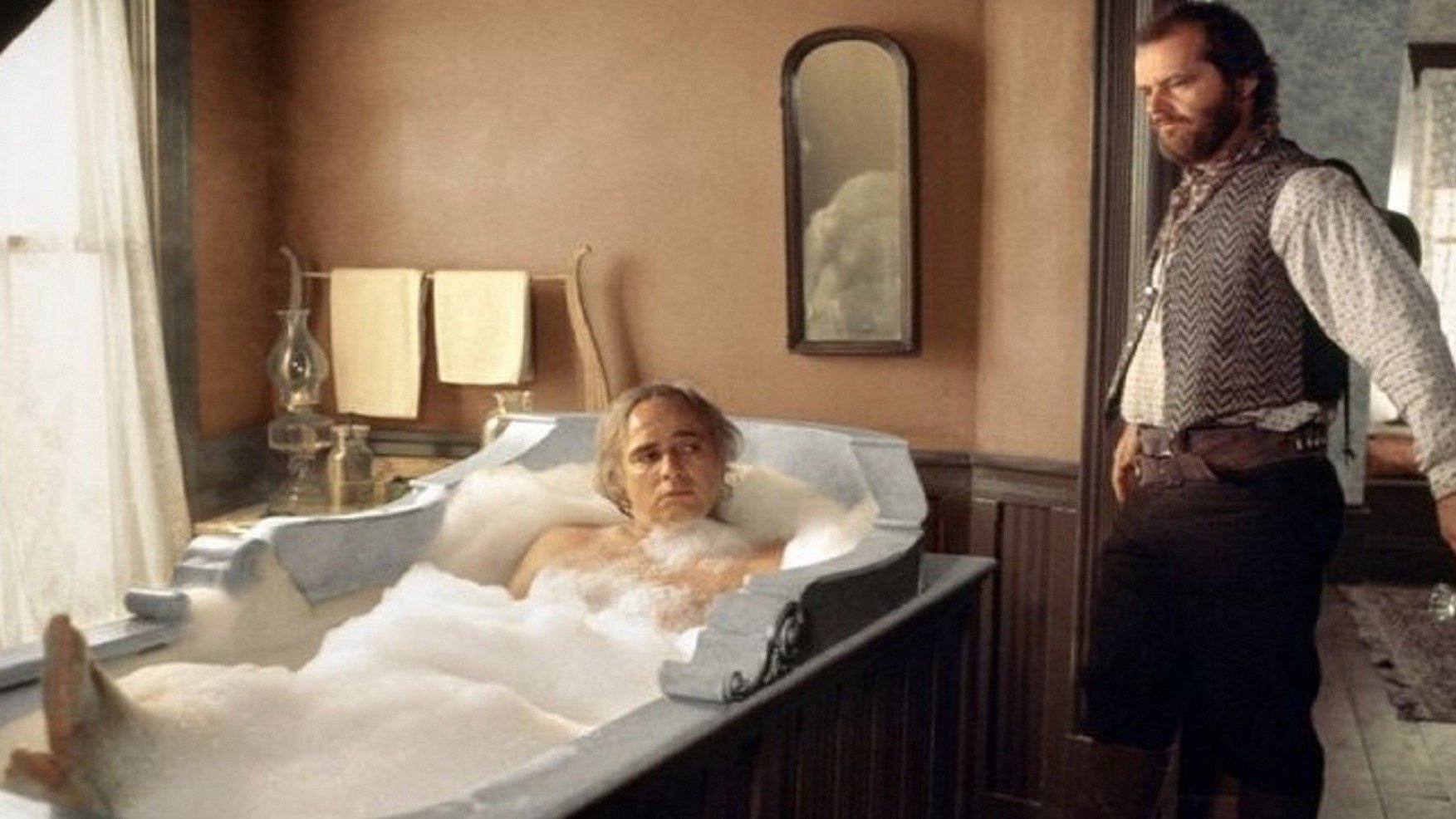
Roger Ebert never reviewed it. I do not know why. I scoured Wikipedia, I turned every stone on RogerEbert.com like a man digging for water in a salt flat, and nothing surfaced. No stars, no capsule reviews, no buried ledes. Just absence. Meanwhile, Vincent Canby, patron saint of detached bemusement, dismissed it for Brando’s lack of restraint. I cannot say he’s wrong. The film begins in a hazy fugue of realism, a kind of saddle-sore hangout western, all dust and mumbling and boots on railings. Then Brando arrives—like a chaotic spell cast by someone who’s only seen humans through a telescope—and begins performing with the homicidal whimsy of Timmy Turner possessed by Nietzsche. He’s brilliant, but also absolutely fucking insane.
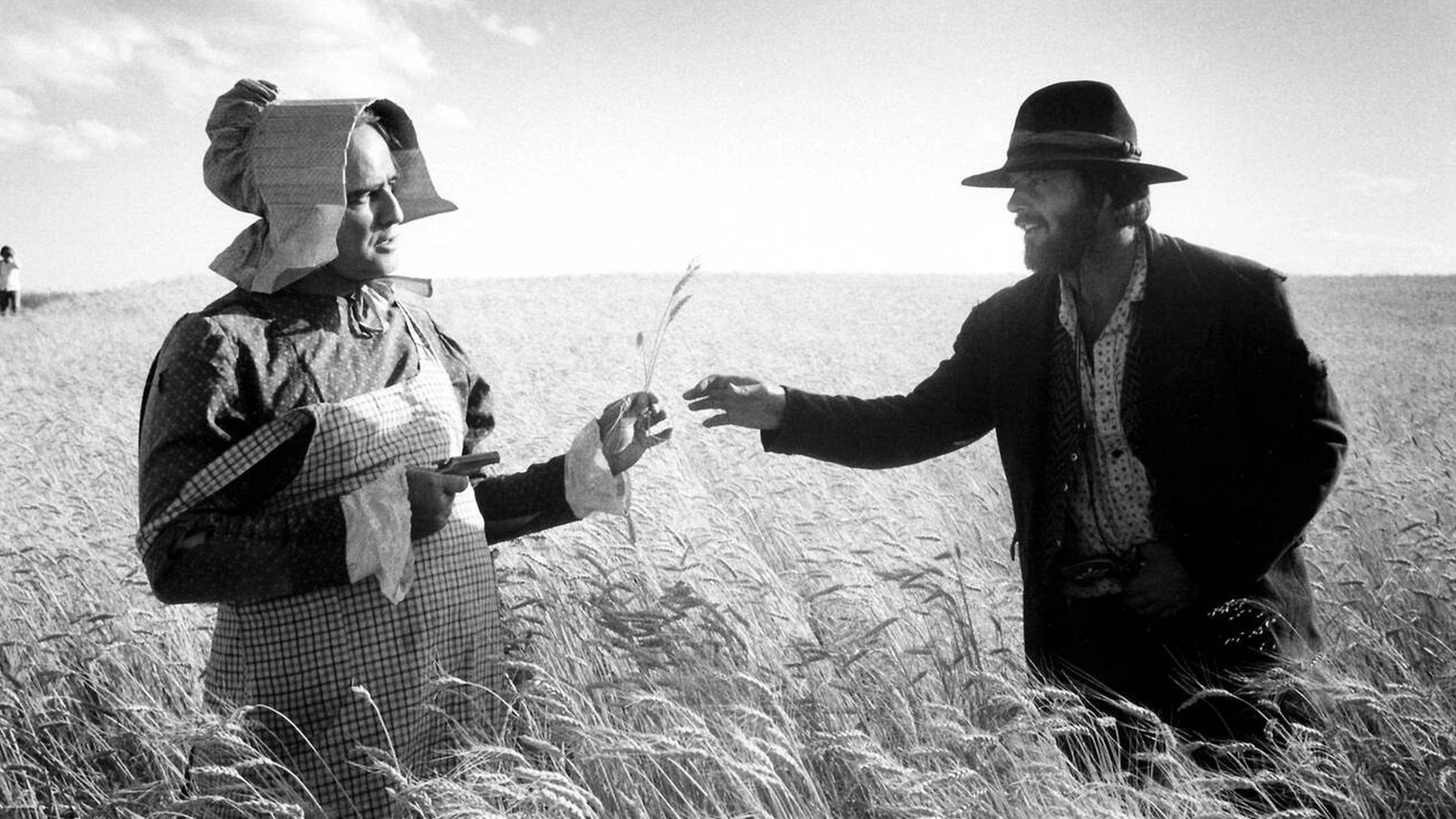
It’s as if halfway through McCabe & Mrs. Miller, someone opened a portal to Pee-wee’s Playhouse and Brando just walked out, blinking in the sun, ready to monologue about turnips and murder.
When juxtaposed with Rocky, the other major cinematic event of 1976, The Missouri Breaks emerges as a tonal outlier and, more crucially, a harbinger of a paradigm in decline. The shift is unmistakable. The Missouri Breaks represents the twilight of New Hollywood’s cynical, genre-deconstructing ethos, while Rocky embodies the emergent commercial appetite for uplift, redemption, and mass appeal. The cowboy dies muttering into the dust; the boxer rises, bloodied but beloved. It’s not just a change in taste—it’s a shift in national temperament.
Consider the films of the early 1970s. Many were soaked in misanthropy and philosophical rot. In 1970, John G. Avildsen directed Joe, a film that luxuriates in the moral depravity of its characters, as though America were a wound best scratched raw. Kubrick’s A Clockwork Orange (1971) didn’t just present ultraviolence; it asked the viewer to psychologically align with it. And then there’s Ilsa, She Wolf of the SS, a film so devoid of scruple it might be more accurately classified as a war crime than as cinema. Softcore torture porn featuring a dominatrix in Nazi regalia. Now look—I have no particular objection to a dominatrix torturing men on screen. That kind of thing usually invites jealousy, not replusion. But if she’s goose-stepping while doing it, we’ve crossed into territory that even the Geneva Conventions side-eye.
This was the ecosystem Rocky disrupted. It’s not just that Rocky is hopeful; it’s that it reasserts the notion of the individual as a moral agent—capable of redemption without destruction, capable of winning without annihilating something sacred in the process. It believes in resilience, in community, and in the kind of blue-collar success that doesn’t require a body count. The Missouri Breaks, by contrast, is inward, meandering, and ethically opaque—qualities that would have been hailed as daring just five years prior. But by 1976, American audiences had spent a decade confronting existential ruin on screen, and they were, frankly, exhausted. The era of cinematic nihilism was winding down. America was done gazing into the abyss. They wanted a win. Preferably one with a training montage and a soundtrack that could bench-press a Buick.
The numbers are not subtle. The Missouri Breaks pulled in a modest $14 million—roughly $75 million in today’s money, when adjusted for inflation. Six months later, Rocky made $225 million worldwide, or around $1.2 billion in 2025 dollars. One was a funeral for New Hollywood’s brooding antiheroes. The other was a coronation for Reaganite individualism wearing sweatpants.
And so, quietly, the lights dimmed on New Hollywood—not with a spectacular implosion, but with a shrug, a yawn, and the opening bell of a boxing match in South Philly.
The Missouri Breaks premiered in the Netherlands in early 1976, like a sermon read aloud in a language no one understood but everyone pretended to. By May, it had spread across the globe. The anticipation was not merely palpable—it was ecclesiastical. Jack Nicholson had just won an Oscar for One Flew Over the Cuckoo’s Nest. Marlon Brando had won his for The Godfather a few years prior. You do not cast those two unless you are trying to summon something—something holy or apocalyptic. It would be like releasing a film today starring Adrien Brody (newly canonized for The Brutalist) and Will Smith (the prodigal son of King Richard and... other events). Yes, he slapped Chris Rock. Yes, Bad Boys: Ride or Die grossed over $400 million. We live in a culture that metabolizes scandal faster than it digests art. The analogy holds. Do not question it. I have seen the spreadsheets.
But the issue with The Missouri Breaks—and I must be clear—is not that it is bad. It is not bad. It is too strange, too melancholic, too terminally sunburned to be bad. What it is, is insufficient. The film is not The Godfather. It is not Cuckoo’s Nest. It is a parched, cracked Western with a half-mad Brando and a fully alert Nicholson wandering through a narrative that seems to be mumbling to itself. Audiences, hungry for divine revelation, were handed a parable about irrigation rights.
And Arthur Penn—Arthur fucking Penn—this was the man who gave us The Left Handed Gun, The Chase, and Bonnie and Clyde, a film that redefined the kinetic possibilities of American cinema. But The Missouri Breaks broke him. After this, he directed Penn & Teller Get Killed. A comedy. About Vegas magicians. Named Penn and Teller. Not himself. Not his own soul. Though perhaps it would’ve been more honest if he had. Perhaps it would’ve been a tragedy.
You can’t direct Brando and Nicholson and walk away unchanged. Something always dies. In this case, it was the auteur.
Of all the films quietly complicit in the ritual murder of New Hollywood, The Missouri Breaks is—somewhat tragically—among the more competent. It is leagues ahead of The Hindenburg, and certainly more coherent than the marble-mouthed disaster that was At Long Last Love, a film that plays like someone poured seltzer on a Sondheim script and hoped it’d dance. But expectations are not neutral. They calcify. They loom. And when placed atop this film, they crushed it. The Missouri Breaks grossed $14 million against a $10 million budget—but that figure is a lie. Marketing costs, distribution, print runs: all part of the great Hollywood siphon. This film did not break even. It broke.
Roger Ebert never reviewed it. I do not know why. I scoured Wikipedia, I turned every stone on RogerEbert.com like a man digging for water in a salt flat, and nothing surfaced. No stars, no capsule reviews, no buried ledes. Just absence. Meanwhile, Vincent Canby, patron saint of detached bemusement, dismissed it for Brando’s lack of restraint. I cannot say he’s wrong. The film begins in a hazy fugue of realism, a kind of saddle-sore hangout western, all dust and mumbling and boots on railings. Then Brando arrives—like a chaotic spell cast by someone who’s only seen humans through a telescope—and begins performing with the homicidal whimsy of Timmy Turner possessed by Nietzsche. He’s brilliant, but also absolutely fucking insane.
It’s as if halfway through McCabe & Mrs. Miller, someone opened a portal to Pee-wee’s Playhouse and Brando just walked out, blinking in the sun, ready to monologue about turnips and murder.
When juxtaposed with Rocky, the other major cinematic event of 1976, The Missouri Breaks emerges as a tonal outlier and, more crucially, a harbinger of a paradigm in decline. The shift is unmistakable. The Missouri Breaks represents the twilight of New Hollywood’s cynical, genre-deconstructing ethos, while Rocky embodies the emergent commercial appetite for uplift, redemption, and mass appeal. The cowboy dies muttering into the dust; the boxer rises, bloodied but beloved. It’s not just a change in taste—it’s a shift in national temperament.
Consider the films of the early 1970s. Many were soaked in misanthropy and philosophical rot. In 1970, John G. Avildsen directed Joe, a film that luxuriates in the moral depravity of its characters, as though America were a wound best scratched raw. Kubrick’s A Clockwork Orange (1971) didn’t just present ultraviolence; it asked the viewer to psychologically align with it. And then there’s Ilsa, She Wolf of the SS, a film so devoid of scruple it might be more accurately classified as a war crime than as cinema. Softcore torture porn featuring a dominatrix in Nazi regalia. Now look—I have no particular objection to a dominatrix torturing men on screen. That kind of thing usually invites jealousy, not replusion. But if she’s goose-stepping while doing it, we’ve crossed into territory that even the Geneva Conventions side-eye.
This was the ecosystem Rocky disrupted. It’s not just that Rocky is hopeful; it’s that it reasserts the notion of the individual as a moral agent—capable of redemption without destruction, capable of winning without annihilating something sacred in the process. It believes in resilience, in community, and in the kind of blue-collar success that doesn’t require a body count. The Missouri Breaks, by contrast, is inward, meandering, and ethically opaque—qualities that would have been hailed as daring just five years prior. But by 1976, American audiences had spent a decade confronting existential ruin on screen, and they were, frankly, exhausted. The era of cinematic nihilism was winding down. America was done gazing into the abyss. They wanted a win. Preferably one with a training montage and a soundtrack that could bench-press a Buick.
The numbers are not subtle. The Missouri Breaks pulled in a modest $14 million—roughly $75 million in today’s money, when adjusted for inflation. Six months later, Rocky made $225 million worldwide, or around $1.2 billion in 2025 dollars. One was a funeral for New Hollywood’s brooding antiheroes. The other was a coronation for Reaganite individualism wearing sweatpants.
And so, quietly, the lights dimmed on New Hollywood—not with a spectacular implosion, but with a shrug, a yawn, and the opening bell of a boxing match in South Philly.