Set at the turn of the 20th century, Hester Street examines the Jewish immigrant experience in New York’s Lower East Side, spotlighting how newcomers adapt—or fail to adapt—to the daunting cultural shift from Eastern Europe to America. Its focal point is a young couple—Yankel (who quickly adopts the Americanized name of Jake) and his wife, Gitl—whose marriage is tested by the pressures of assimilation and personal independence. While Jake eagerly strives to blend into American life, even taking up with a dancer named Mamie, Gitl arrives from Russia steeped in tradition, speaking little English and struggling to reconcile her old-world values with the demands of her new home. The friction between them intensifies when Gitl discovers both Jake’s affair and his deep-seated contempt for her “old-country” ways.
Set in a period when scores of immigrants were pouring into New York City, Hester Street resonates with themes of heritage and the price of acceptance. At a time when Hollywood frequently overlooked nuanced “niche, specialist” stories, the film champions the idea that immigrant narratives could have broad appeal. In addition, the film grossed five million (around thirty million today) from a $400,000 budget (around 2.5 million today). It proved that modest, culturally specific films could resonate widely, thereby opening doors for other independent productions that centered on heritage and underrepresented voices. In that sense, Hester Street stands as an early milestone in American independent cinema’s move toward personal storytelling and away from purely studio-backed ventures.
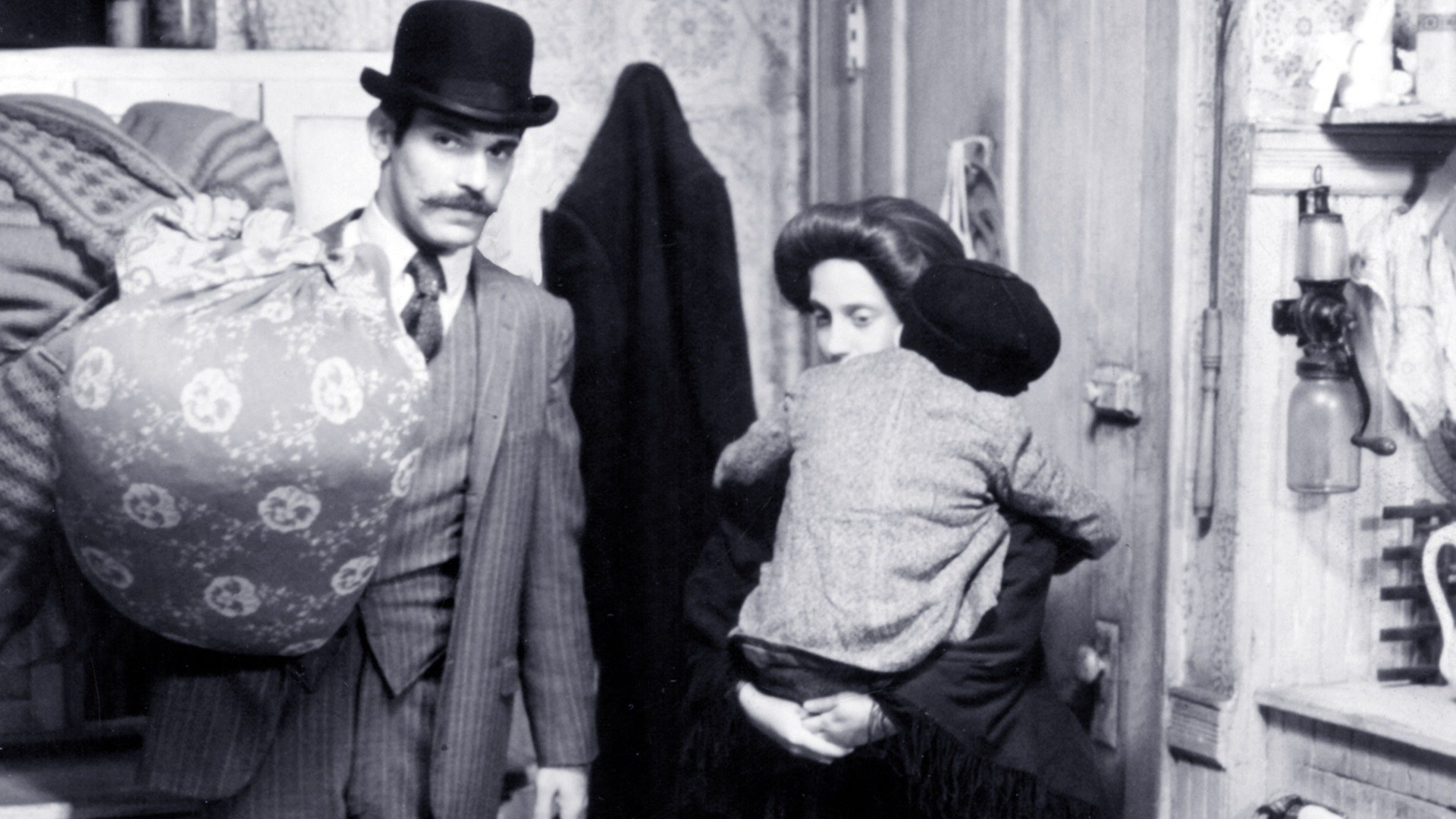
Basically, its Lower East Side setting is not merely a backdrop but a living, breathing character—one that underscores the daily friction between tradition and modernity. Gitl’s modest attire, accented Yiddish, and deference to old customs contrast sharply with Jake’s brash adoption of American language and style. In this tension, viewers glimpse a fundamental cultural question: how does one strike a balance between personal authenticity and the allure of new possibilities?
Assimilation is not simply the learning of a new language or the discarding of old religious rites. It also entails an emotional realignment—deciding to what degree one allows societal pressures to reshape personal values and relationships. Jake’s zeal for the American Dream is evident in his brash behavior, quick adoption of a new name, and ongoing affair with Mamie, whose modern spirit contrasts sharply with Gitl’s more traditional demeanor. This tension highlights that assimilation can be as much about appearances—clothing, hair, language—as it is about compromising cultural identity. Hester Street underscores the internal struggles many immigrants face: Jake’s hurried pursuit of “making it” in America collides with Gitl’s unwillingness—or inability—to relinquish her heritage overnight.
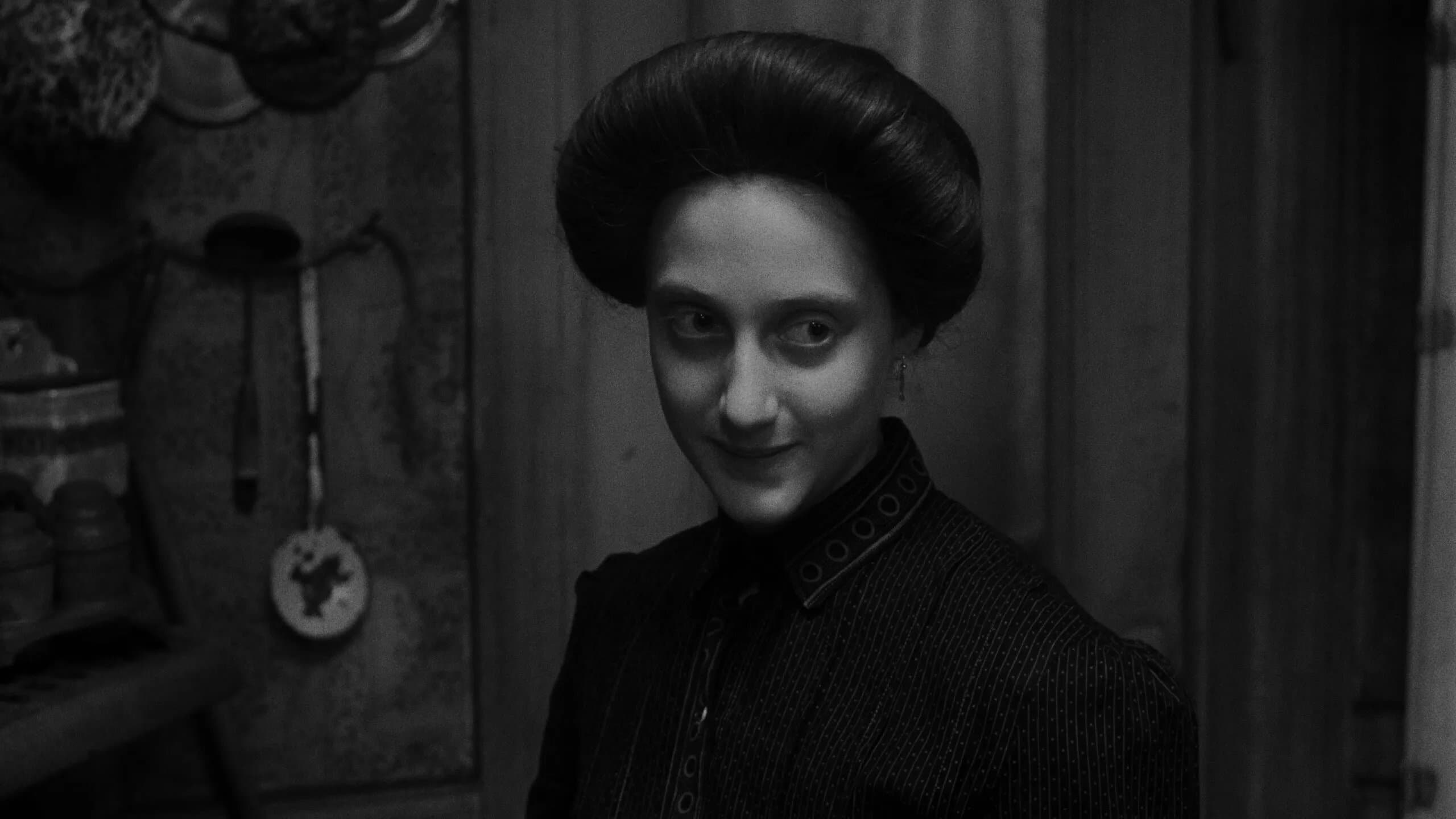
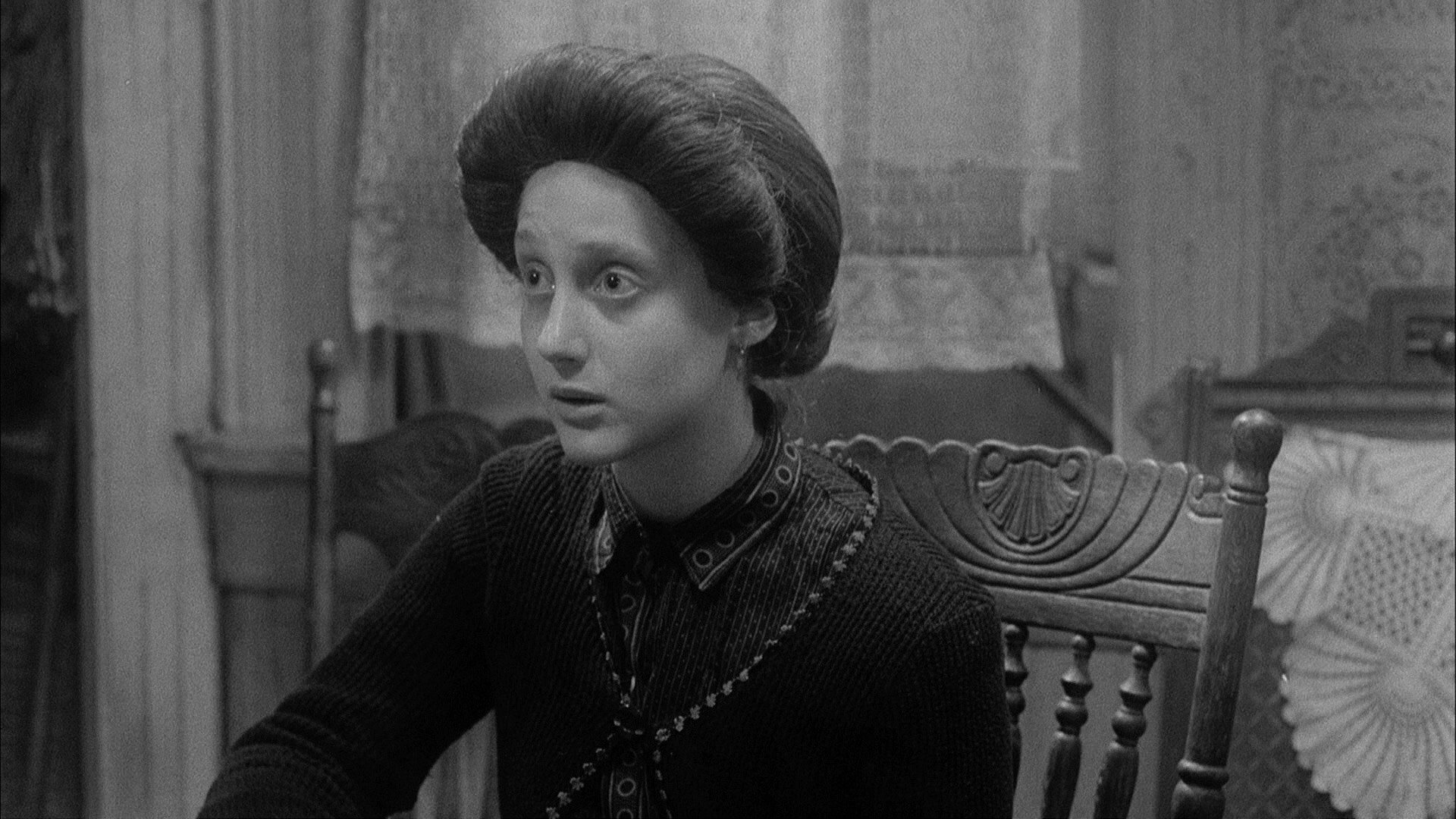
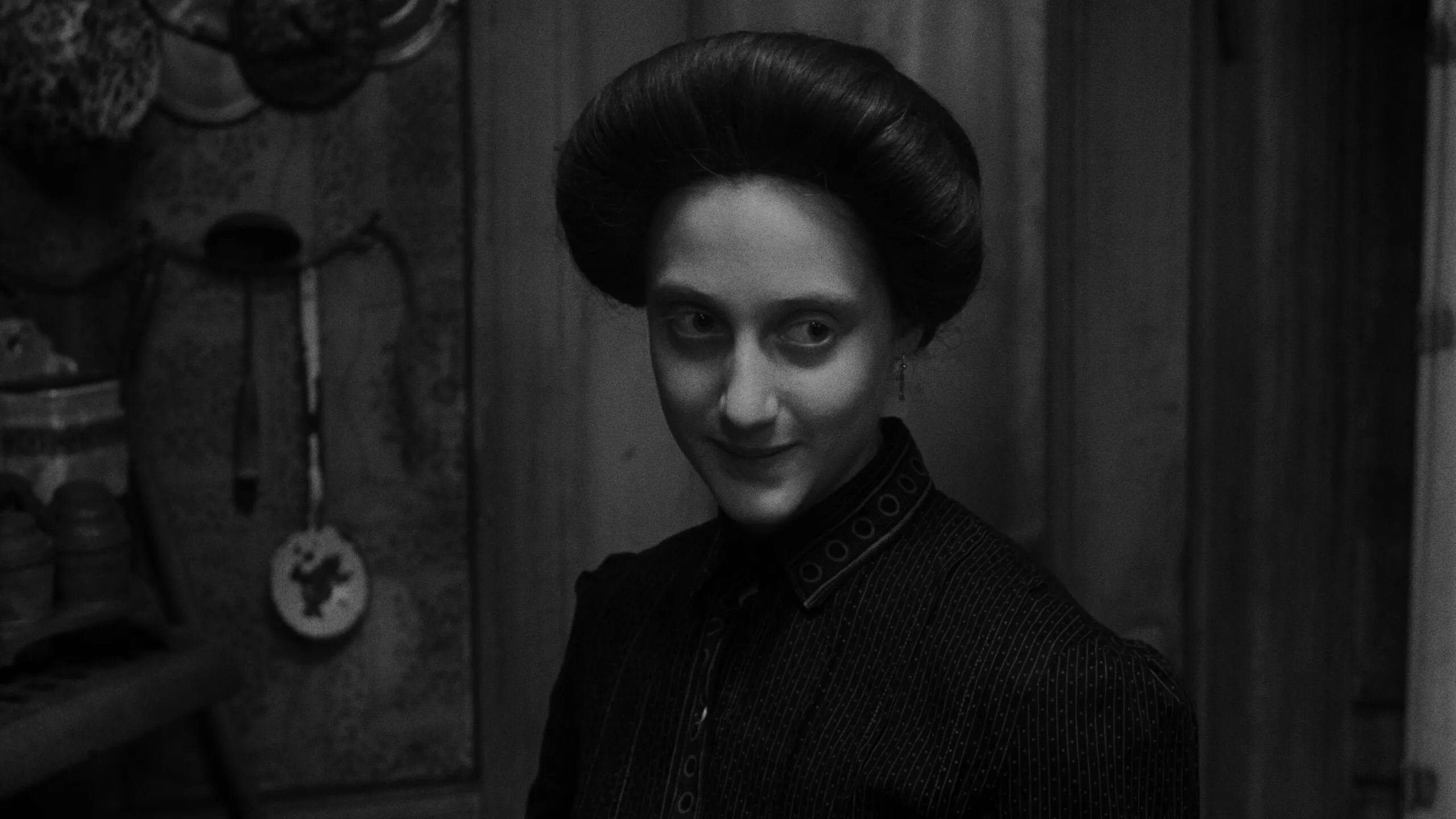
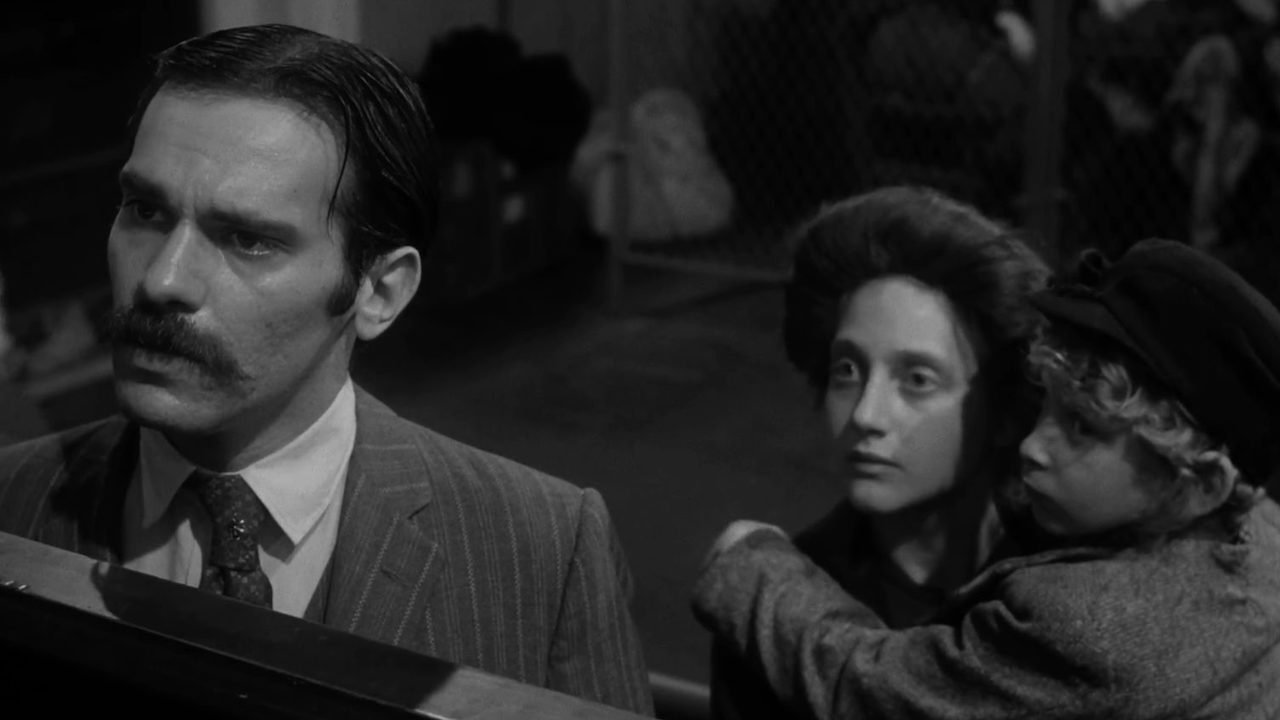
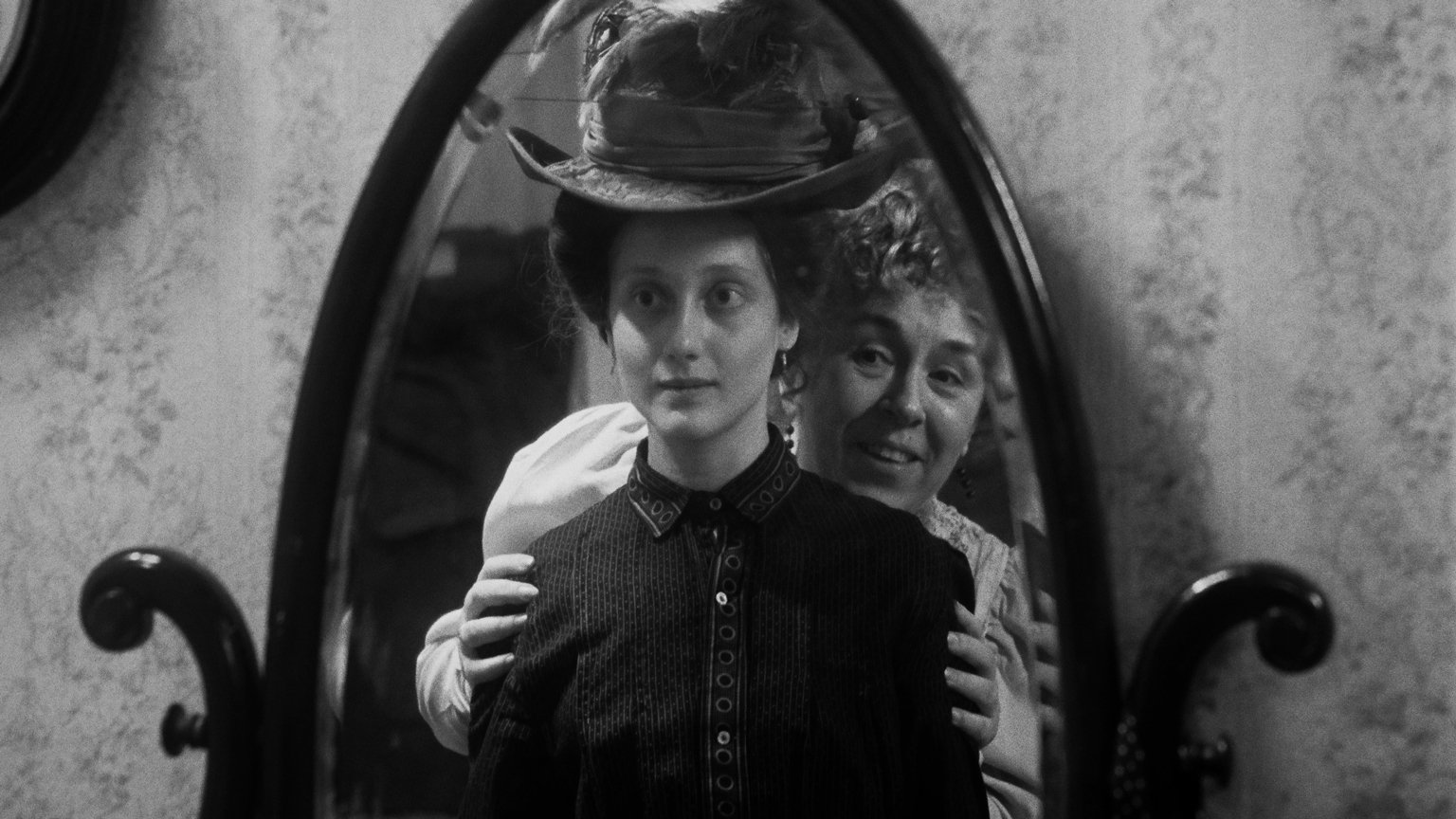
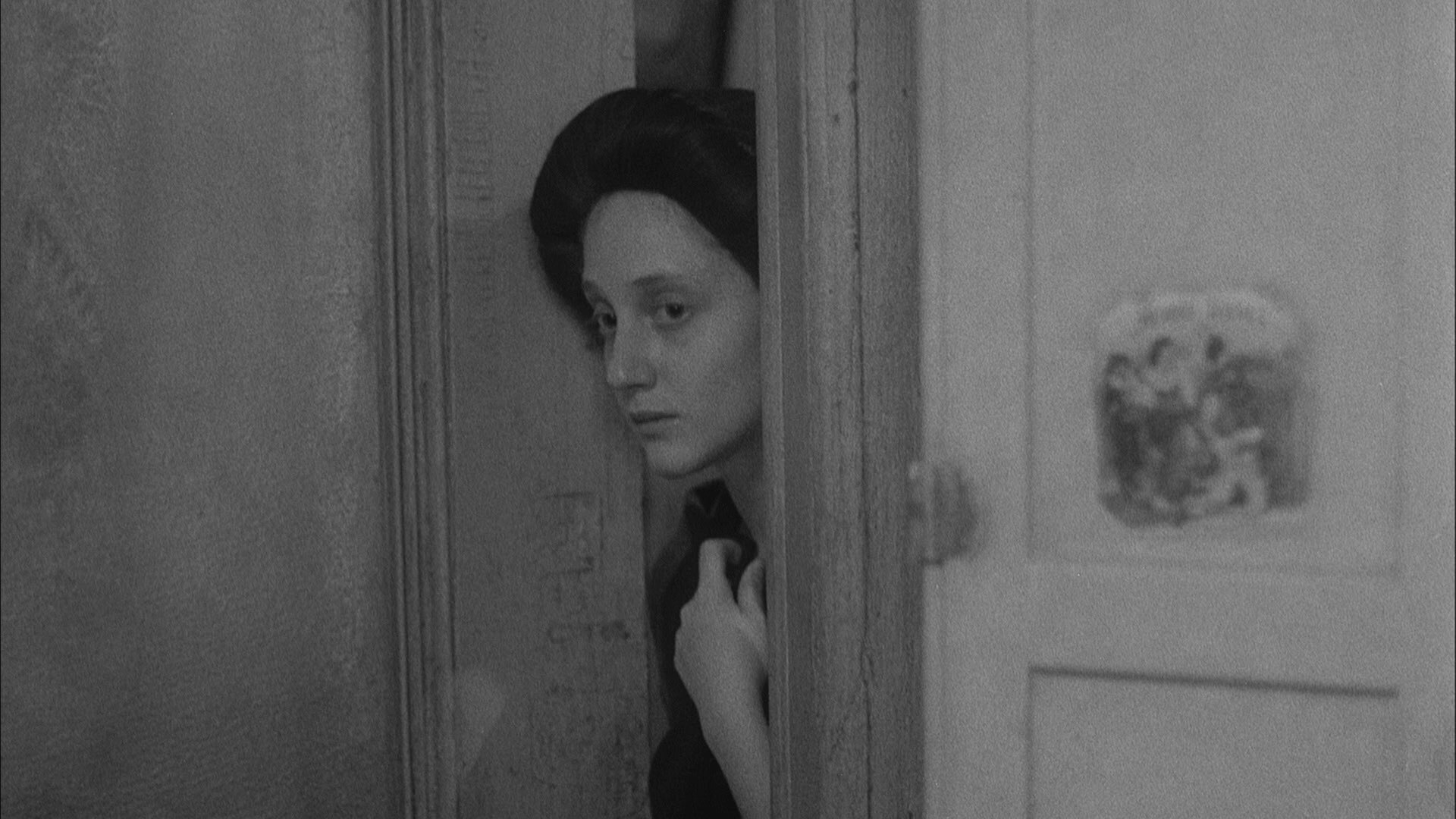
While Hester Street may appear understated on the surface—eschewing Hollywood spectacle in favor of careful attention to period detail—it delivers a distinct visual and emotional experience. Shot in black-and-white, the film immerses viewers in cramped tenement apartments and bustling street markets. This choice accentuates the authenticity of turn-of-the-century Manhattan and highlights the characters’ cramped emotional states. Carol Kane’s exquisitely nuanced performance further enriches the atmosphere: every shift in her posture and every quiet glance convey Gitl’s internal struggle as she grapples with a language barrier, a husband's affair, and an alien social order. The result is a film that, though gentle in tone, remains quietly riveting—inviting the audience to linger on the small gestures and personal transformations that define these characters’ lives.
At its heart, Hester Street is the story of Gitl’s emancipation. Initially timid and overwhelmed, she matures into a self-aware figure who refuses to remain in a marriage defined by secrecy and humiliation. Upon divorcing Jake, Gitl cleverly secures the funds Mamie had offered him, effectively ensuring a fresh start on her terms. Her ultimate decision to marry Bernstein—a man who respects her heritage even as they both adapt to a new environment—further illustrates her hard-won agency. By the film’s final moments, Gitl has adopted a more “modern” look and begun speaking English in public. Yet her assimilation is now an act of self-determination, rather than a capitulation to her husband’s demands.
For many viewers, Hester Street remains a poignant, empathetic depiction of the immigrant experience, highlighting the sacrifices, heartbreak, and triumphs that come with forging a new life. Its success in capturing an entire era’s complexity earns it a lasting place in American film history. The film’s gentle pacing and richly drawn characters lend it a timeless charm, and Carol Kane’s Oscar-nominated turn as Gitl exudes a luminous, understated power. However, some may find the narrative’s slow-burn style and subdued conflicts less engaging if they expect more overt drama or faster pacing. Additionally, because the film focuses so closely on the tumult within one family, broader historical or social contexts of the time—particularly the wider plight of Jewish immigrants—receive only glancing treatment. While this tight focus resonates on an intimate level, viewers seeking an epic, multi-layered exploration of early 20th-century immigration might feel that Hester Street’s canvas is somewhat limited.
In Hester Street, Joan Micklin Silver transforms a seemingly modest domestic melodrama into a poignant examination of marital bonds and the personal cost of Americanization. By centering on Gitl—a woman grappling with both the harsh realities of assimilation and her own husband’s betrayal—the film offers an incisive look at how traditions can either anchor or stifle individuals striving to forge a new path. When Hester Street earned some widespread acclaim in 1975, it underscored the broad resonance of deeply personal, culturally specific storytelling—a point that studios had long underestimated. Today, the film remains not only a warm portrayal of immigrant life but also a testament to the often unspoken emotional tug-of-war between heritage and the draw of modern freedoms.
Set at the turn of the 20th century, Hester Street examines the Jewish immigrant experience in New York’s Lower East Side, spotlighting how newcomers adapt—or fail to adapt—to the daunting cultural shift from Eastern Europe to America. Its focal point is a young couple—Yankel (who quickly adopts the Americanized name of Jake) and his wife, Gitl—whose marriage is tested by the pressures of assimilation and personal independence. While Jake eagerly strives to blend into American life, even taking up with a dancer named Mamie, Gitl arrives from Russia steeped in tradition, speaking little English and struggling to reconcile her old-world values with the demands of her new home. The friction between them intensifies when Gitl discovers both Jake’s affair and his deep-seated contempt for her “old-country” ways.
Set in a period when scores of immigrants were pouring into New York City, Hester Street resonates with themes of heritage and the price of acceptance. At a time when Hollywood frequently overlooked nuanced “niche, specialist” stories, the film champions the idea that immigrant narratives could have broad appeal. In addition, the film grossed five million (around thirty million today) from a $400,000 budget (around 2.5 million today). It proved that modest, culturally specific films could resonate widely, thereby opening doors for other independent productions that centered on heritage and underrepresented voices. In that sense, Hester Street stands as an early milestone in American independent cinema’s move toward personal storytelling and away from purely studio-backed ventures.
Basically, its Lower East Side setting is not merely a backdrop but a living, breathing character—one that underscores the daily friction between tradition and modernity. Gitl’s modest attire, accented Yiddish, and deference to old customs contrast sharply with Jake’s brash adoption of American language and style. In this tension, viewers glimpse a fundamental cultural question: how does one strike a balance between personal authenticity and the allure of new possibilities?
Assimilation is not simply the learning of a new language or the discarding of old religious rites. It also entails an emotional realignment—deciding to what degree one allows societal pressures to reshape personal values and relationships. Jake’s zeal for the American Dream is evident in his brash behavior, quick adoption of a new name, and ongoing affair with Mamie, whose modern spirit contrasts sharply with Gitl’s more traditional demeanor. This tension highlights that assimilation can be as much about appearances—clothing, hair, language—as it is about compromising cultural identity. Hester Street underscores the internal struggles many immigrants face: Jake’s hurried pursuit of “making it” in America collides with Gitl’s unwillingness—or inability—to relinquish her heritage overnight.
While Hester Street may appear understated on the surface—eschewing Hollywood spectacle in favor of careful attention to period detail—it delivers a distinct visual and emotional experience. Shot in black-and-white, the film immerses viewers in cramped tenement apartments and bustling street markets. This choice accentuates the authenticity of turn-of-the-century Manhattan and highlights the characters’ cramped emotional states. Carol Kane’s exquisitely nuanced performance further enriches the atmosphere: every shift in her posture and every quiet glance convey Gitl’s internal struggle as she grapples with a language barrier, a husband's affair, and an alien social order. The result is a film that, though gentle in tone, remains quietly riveting—inviting the audience to linger on the small gestures and personal transformations that define these characters’ lives.
At its heart, Hester Street is the story of Gitl’s emancipation. Initially timid and overwhelmed, she matures into a self-aware figure who refuses to remain in a marriage defined by secrecy and humiliation. Upon divorcing Jake, Gitl cleverly secures the funds Mamie had offered him, effectively ensuring a fresh start on her terms. Her ultimate decision to marry Bernstein—a man who respects her heritage even as they both adapt to a new environment—further illustrates her hard-won agency. By the film’s final moments, Gitl has adopted a more “modern” look and begun speaking English in public. Yet her assimilation is now an act of self-determination, rather than a capitulation to her husband’s demands.
For many viewers, Hester Street remains a poignant, empathetic depiction of the immigrant experience, highlighting the sacrifices, heartbreak, and triumphs that come with forging a new life. Its success in capturing an entire era’s complexity earns it a lasting place in American film history. The film’s gentle pacing and richly drawn characters lend it a timeless charm, and Carol Kane’s Oscar-nominated turn as Gitl exudes a luminous, understated power. However, some may find the narrative’s slow-burn style and subdued conflicts less engaging if they expect more overt drama or faster pacing. Additionally, because the film focuses so closely on the tumult within one family, broader historical or social contexts of the time—particularly the wider plight of Jewish immigrants—receive only glancing treatment. While this tight focus resonates on an intimate level, viewers seeking an epic, multi-layered exploration of early 20th-century immigration might feel that Hester Street’s canvas is somewhat limited.
In Hester Street, Joan Micklin Silver transforms a seemingly modest domestic melodrama into a poignant examination of marital bonds and the personal cost of Americanization. By centering on Gitl—a woman grappling with both the harsh realities of assimilation and her own husband’s betrayal—the film offers an incisive look at how traditions can either anchor or stifle individuals striving to forge a new path. When Hester Street earned some widespread acclaim in 1975, it underscored the broad resonance of deeply personal, culturally specific storytelling—a point that studios had long underestimated. Today, the film remains not only a warm portrayal of immigrant life but also a testament to the often unspoken emotional tug-of-war between heritage and the draw of modern freedoms.