

1975·Drama·1h 48m
7.1
★
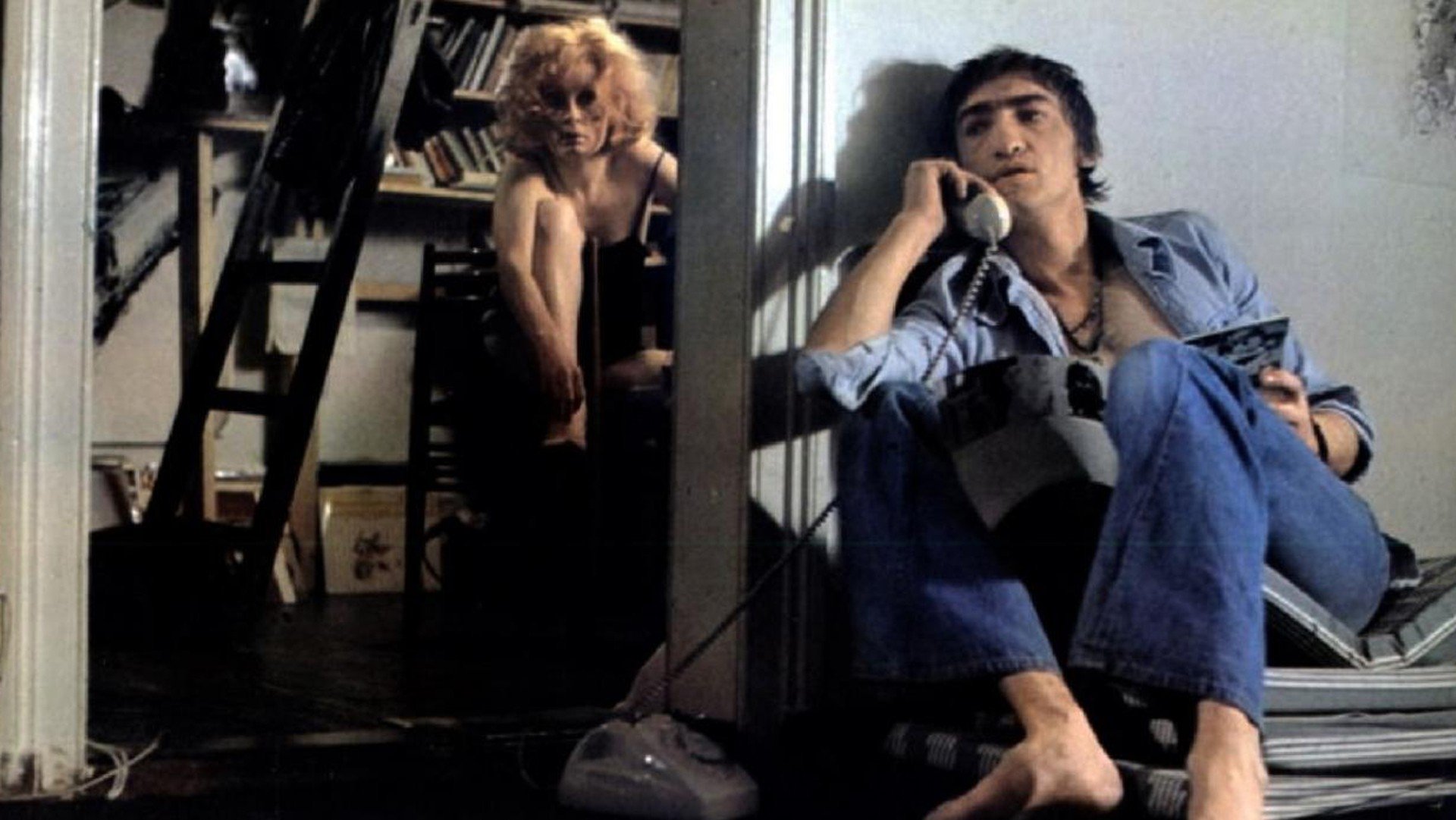
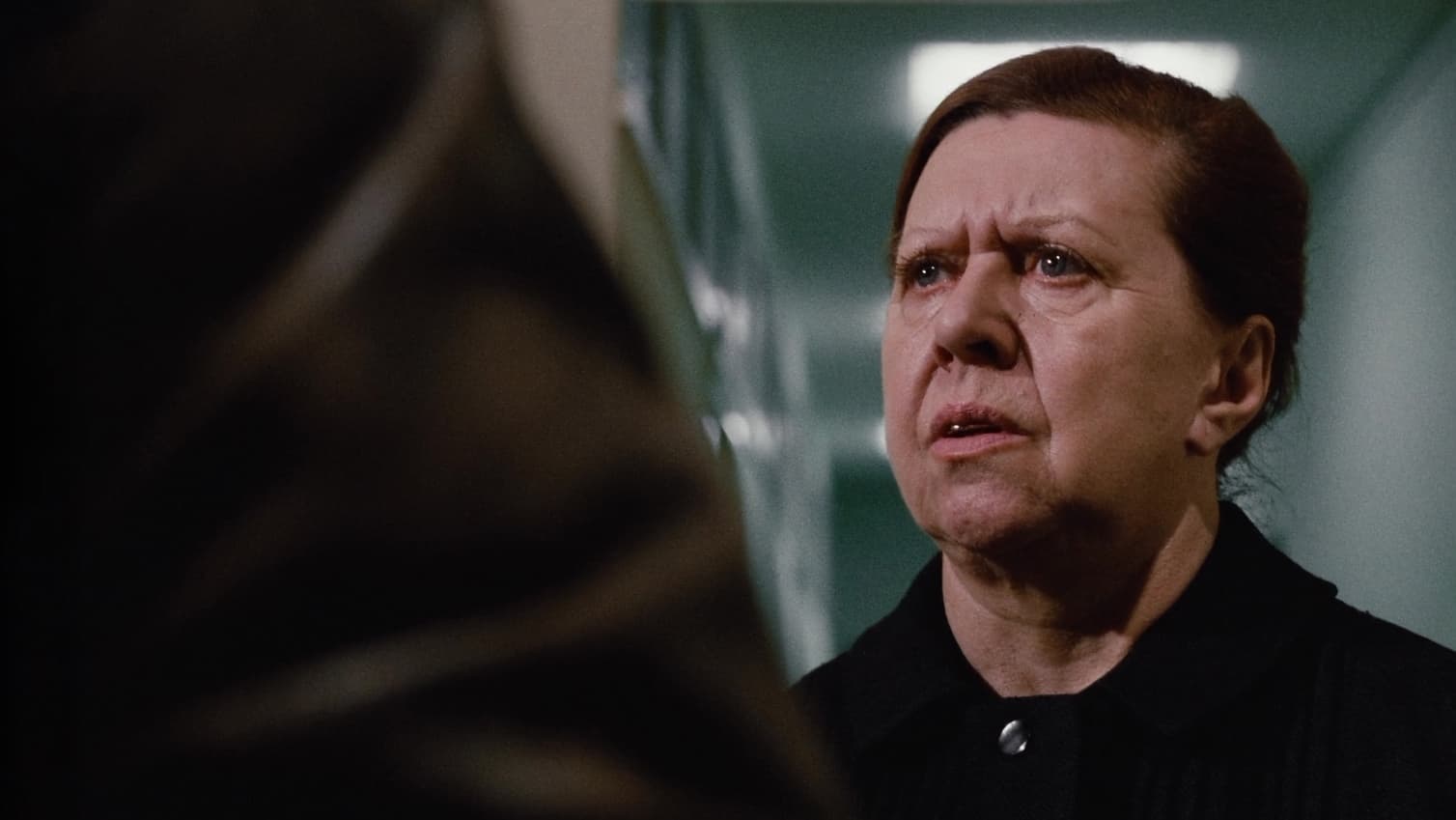
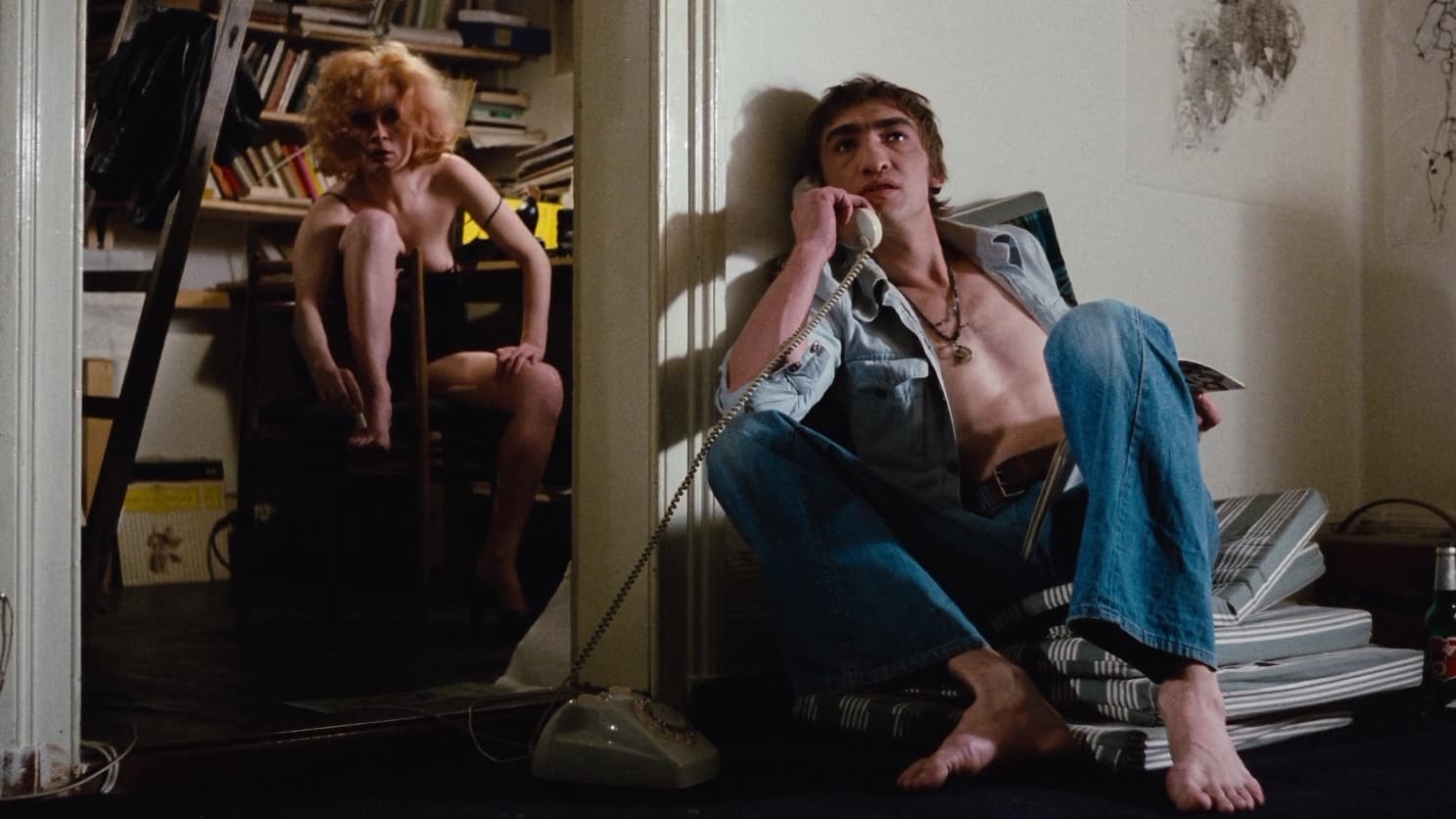
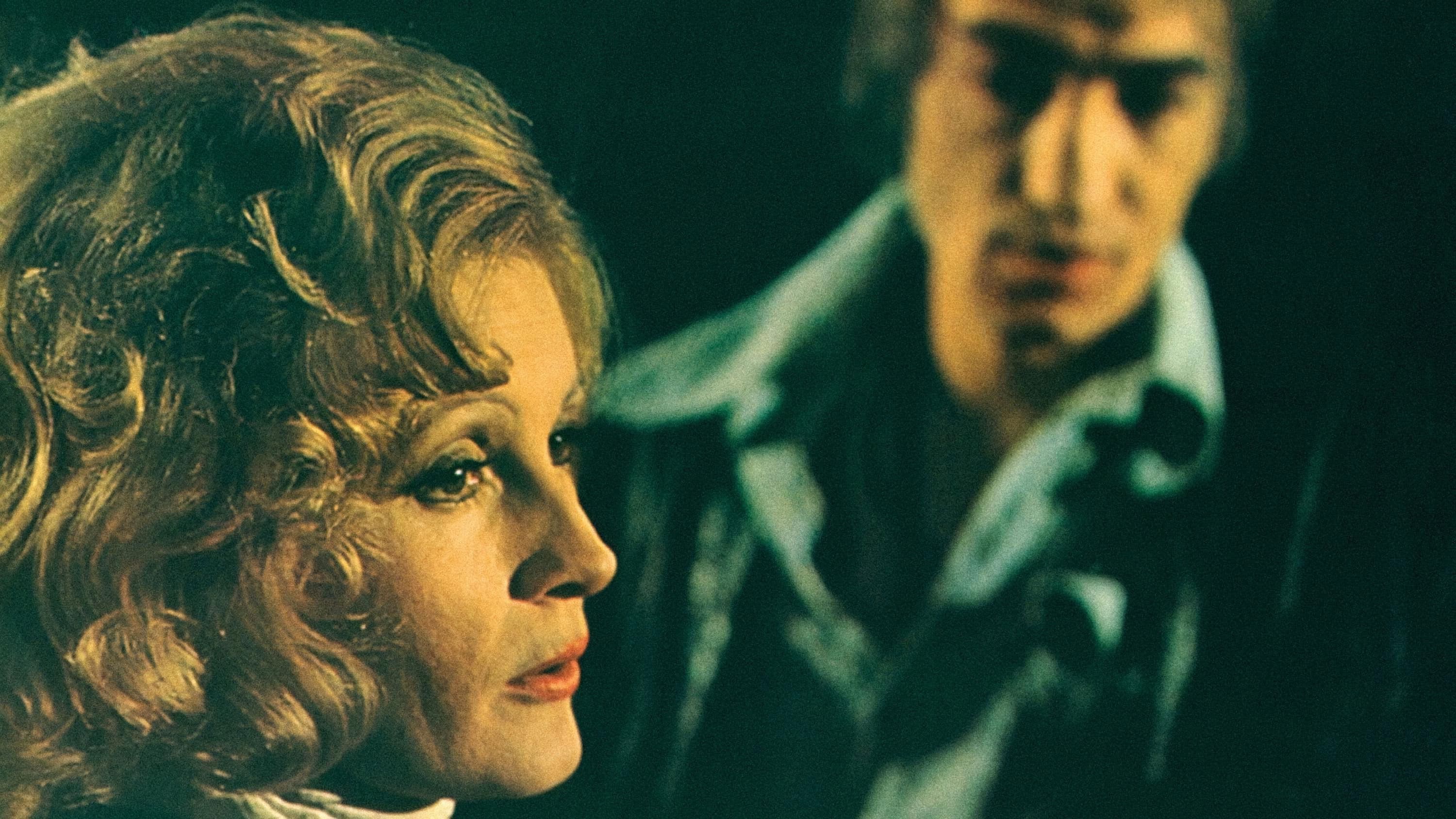
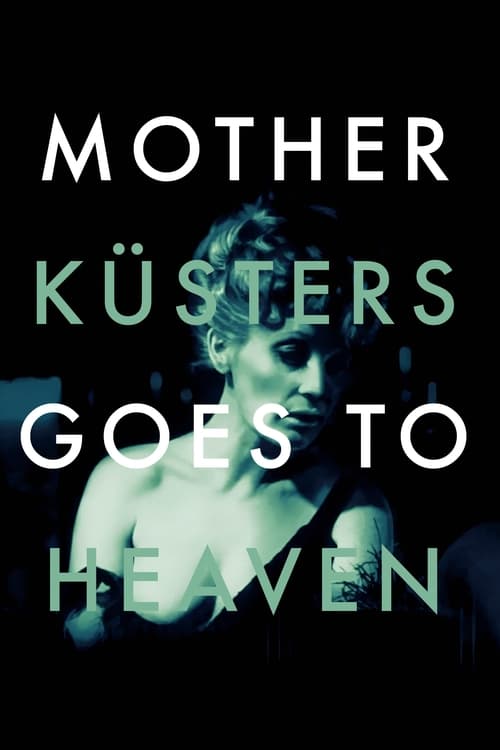
Frau Emma Küsters prepares dinner late one seemingly-ordinary afternoon in her seemingly-ordinary Frankfurt kitchen. She wants to add canned sausages to the stew; her irritating daughter-in-law thinks otherwise. But the point is moot: Ernst Küsters has not only murdered the personnel director at the soap factory where he's employed but succeeded that by committing suicide.
Directed by Rainer Werner Fassbinder
suicide
parent child relationship
widow
exploitation
anarchist
frankfurt am main, germany
death of father
hostage-taking
singer
working class
class differences
free will
hostage situation
labor
distortion
media manipulation
mass media
communism
sensationalism
layoffs
west germany
communication
daughter–in–law
leftist radicalism
media & politics
left politics
german family
tabloid journalism
narrative
magazine reporter
photojournalist
lack of communication
murder-suicide
far-left
piece work

IMDB
N/A
Cast

Brigitte Mira
Emma Küsters

Ingrid Caven
Corinna

Margit Carstensen
Frau Thälmann

Karlheinz Böhm
Karl Tillmann
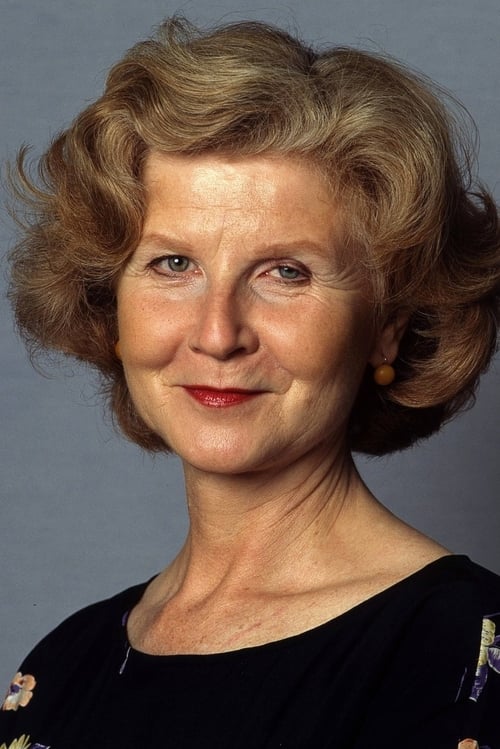
Irm Hermann
Helene
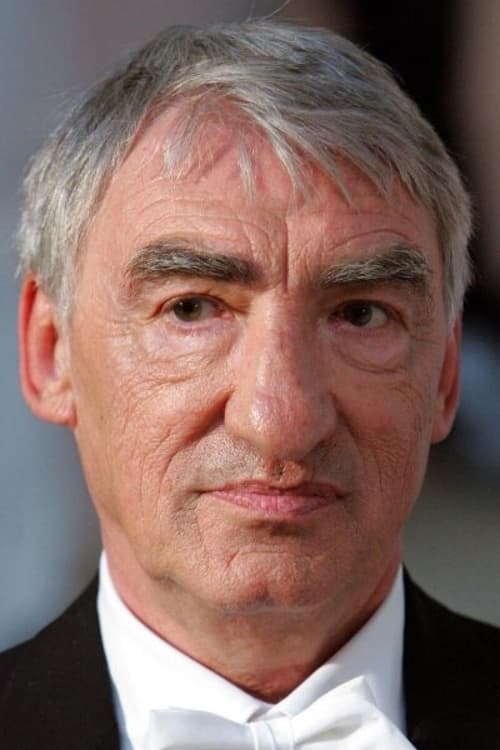
Gottfried John
Jörg Niemeyer
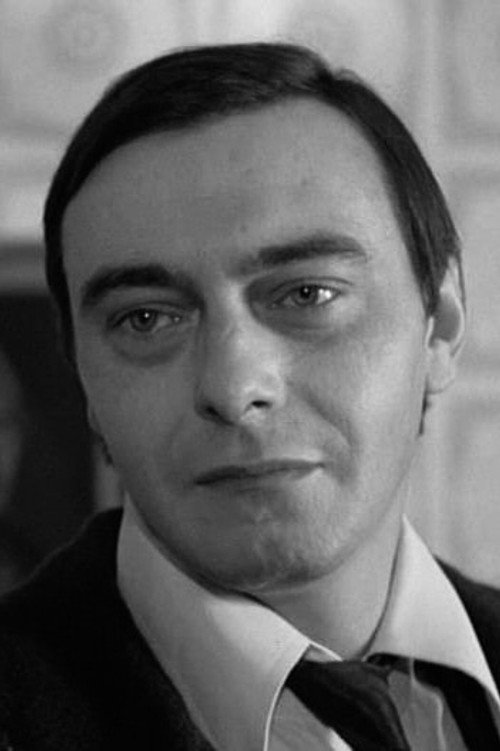
Kurt Raab
Barkeeper Gustav

Peter Kern
Nachtklubbesitzer
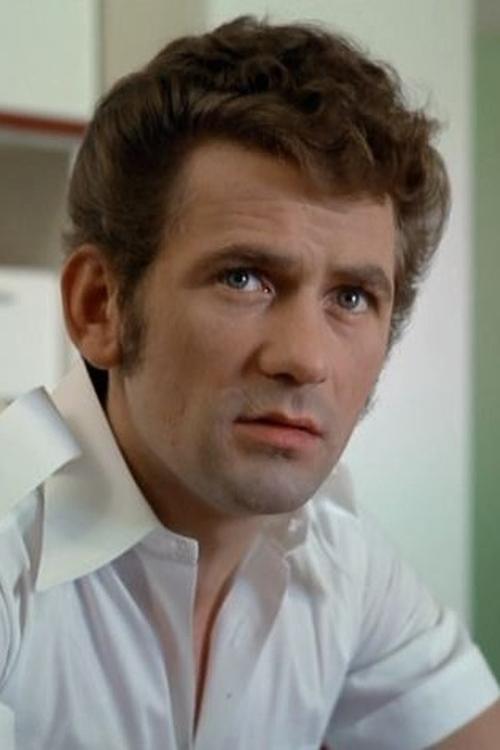
Armin Meier
Ernst

Matthias Fuchs
Horst Knab
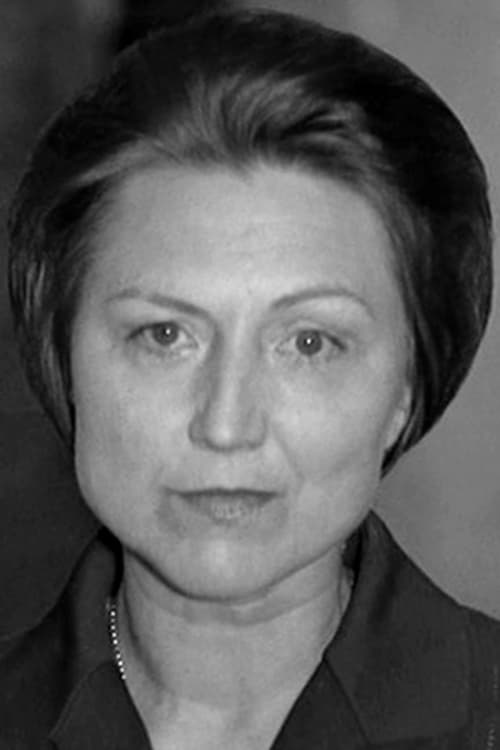
Lilo Pempeit
Sekretärin

Peter Chatel
Photograph
Crew

Rainer Werner Fassbinder
Director
Rainer Werner Fassbinder
Writer
Kurt Raab
Writer
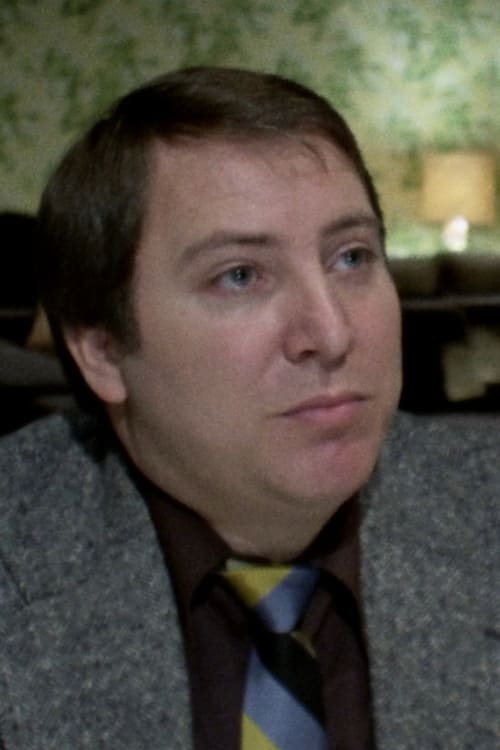
Peer Raben
Original Music Composer
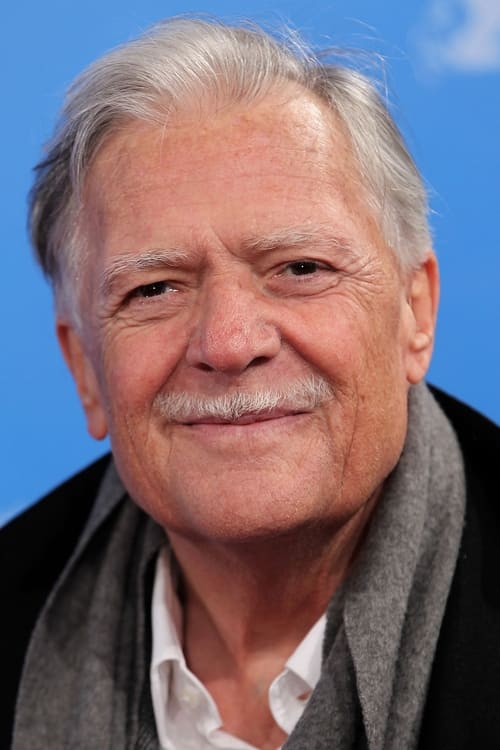
Michael Ballhaus
Director of Photography
Kurt Raab
Production Design
Popular Reviews
7 reviews
Sepia GorePRO
Tragic because it’s a story we’ve unfortunately seen repeated all the time now especially with social media, rendering Fassbinder’s examination of societal, medial, personal and political exploitation all the more relevant today. After loving everything I’ve seen from Fassbinder even if they have been really hard to swallow and style wise like the most knowing filmmakers, he has a cinematic language of his own but Mother Küsters Goes To Heaven is where I finally fully clicked with his voice, the naturalistic yet melodramatic tone here especially highlighting how the tabloids and their need to sensationalize starts to artificalise and dramatize the grief our poor title character has to endure.
But it’s the second act’s introduction of the communist couple and how they start to exploit Küsters’ increasing alienation from her family and disillusionment with society and the memory of her husband to spread their ideology that for me as a trans woman the film becomes even more alarming. It’s a common sight for me at this point to see on my phone vulnerable every day people get used or tricked to spread misinformed, misguided to harmful rhetoric about me or queer people just because they happen to have a bad experience in some ways with one person, and it’s often even more sad because you can see they don’t actually fully believe or sometimes even know what they are talking about intellectually, most often it’s more personal and emotionally driven then anything else. Here Fassbinder demonstrates how despite her exploitation, the unfulfilled promises these people offers and ultimately the deadly path they drag her into, undeniably she is given a platform to speak, to stand for herself for seemingly the first time in her life, people now actually listens to her but to what end? To what harm?
And thus the film outlines, “listen”, listen to the working class, listen to the marginalized, listen to the suffering, don’t speak for them or over them or imprint your own ideology or beliefs onto them because so often we do just that, maybe not to such a monstrous extent but as the humbling way the film starts shows, it starts small then to not listen, that is to abandon Mother Küsters the same way her family, her husband, her society and finally the film itself leaves her, on the big stage yet so utterly out of control, the film itself imprinting text next to her face, outlining a ending that was probably too expensive to filmed but nonetheless the implications here is more powerful and a stab in the gut then any theatrics could have been, just the sheer knowledge that we are being thrown these texts, this ending to the story that may or may not be true but whether or not we accept it is another matter (there’s actually a second, more sentimental US ending but it takes everything away from the film in my opinion, especially the progression) what ultimately matters is now Mother Küsters narrative and perspective is no longer in her hands but even while the images still moves, even from her birth, can we even say it was in her grip to began with?
But it’s the second act’s introduction of the communist couple and how they start to exploit Küsters’ increasing alienation from her family and disillusionment with society and the memory of her husband to spread their ideology that for me as a trans woman the film becomes even more alarming. It’s a common sight for me at this point to see on my phone vulnerable every day people get used or tricked to spread misinformed, misguided to harmful rhetoric about me or queer people just because they happen to have a bad experience in some ways with one person, and it’s often even more sad because you can see they don’t actually fully believe or sometimes even know what they are talking about intellectually, most often it’s more personal and emotionally driven then anything else. Here Fassbinder demonstrates how despite her exploitation, the unfulfilled promises these people offers and ultimately the deadly path they drag her into, undeniably she is given a platform to speak, to stand for herself for seemingly the first time in her life, people now actually listens to her but to what end? To what harm?
And thus the film outlines, “listen”, listen to the working class, listen to the marginalized, listen to the suffering, don’t speak for them or over them or imprint your own ideology or beliefs onto them because so often we do just that, maybe not to such a monstrous extent but as the humbling way the film starts shows, it starts small then to not listen, that is to abandon Mother Küsters the same way her family, her husband, her society and finally the film itself leaves her, on the big stage yet so utterly out of control, the film itself imprinting text next to her face, outlining a ending that was probably too expensive to filmed but nonetheless the implications here is more powerful and a stab in the gut then any theatrics could have been, just the sheer knowledge that we are being thrown these texts, this ending to the story that may or may not be true but whether or not we accept it is another matter (there’s actually a second, more sentimental US ending but it takes everything away from the film in my opinion, especially the progression) what ultimately matters is now Mother Küsters narrative and perspective is no longer in her hands but even while the images still moves, even from her birth, can we even say it was in her grip to began with?
Tragic because it’s a story we’ve unfortunately seen repeated all the time now especially with social media, rendering Fassbinder’s examination of societal, medial, personal and political exploitation all the more relevant today. After loving everything I’ve seen from Fassbinder even if they have been really hard to swallow and style wise like the most knowing filmmakers, he has a cinematic language of his own but Mother Küsters Goes To Heaven is where I finally fully clicked with his voice, the naturalistic yet melodramatic tone here especially highlighting how the tabloids and their need to sensationalize starts to artificalise and dramatize the grief our poor title character has to endure.
But it’s the second act’s introduction of the communist couple and how they start to exploit Küsters’ increasing alienation from her family and disillusionment with society and the memory of her husband to spread their ideology that for me as a trans woman the film becomes even more alarming. It’s a common sight for me at this point to see on my phone vulnerable every day people get used or tricked to spread misinformed, misguided to harmful rhetoric about me or queer people just because they happen to have a bad experience in some ways with one person, and it’s often even more sad because you can see they don’t actually fully believe or sometimes even know what they are talking about intellectually, most often it’s more personal and emotionally driven then anything else. Here Fassbinder demonstrates how despite her exploitation, the unfulfilled promises these people offers and ultimately the deadly path they drag her into, undeniably she is given a platform to speak, to stand for herself for seemingly the first time in her life, people now actually listens to her but to what end? To what harm?
And thus the film outlines, “listen”, listen to the working class, listen to the marginalized, listen to the suffering, don’t speak for them or over them or imprint your own ideology or beliefs onto them because so often we do just that, maybe not to such a monstrous extent but as the humbling way the film starts shows, it starts small then to not listen, that is to abandon Mother Küsters the same way her family, her husband, her society and finally the film itself leaves her, on the big stage yet so utterly out of control, the film itself imprinting text next to her face, outlining a ending that was probably too expensive to filmed but nonetheless the implications here is more powerful and a stab in the gut then any theatrics could have been, just the sheer knowledge that we are being thrown these texts, this ending to the story that may or may not be true but whether or not we accept it is another matter (there’s actually a second, more sentimental US ending but it takes everything away from the film in my opinion, especially the progression) what ultimately matters is now Mother Küsters narrative and perspective is no longer in her hands but even while the images still moves, even from her birth, can we even say it was in her grip to began with?
But it’s the second act’s introduction of the communist couple and how they start to exploit Küsters’ increasing alienation from her family and disillusionment with society and the memory of her husband to spread their ideology that for me as a trans woman the film becomes even more alarming. It’s a common sight for me at this point to see on my phone vulnerable every day people get used or tricked to spread misinformed, misguided to harmful rhetoric about me or queer people just because they happen to have a bad experience in some ways with one person, and it’s often even more sad because you can see they don’t actually fully believe or sometimes even know what they are talking about intellectually, most often it’s more personal and emotionally driven then anything else. Here Fassbinder demonstrates how despite her exploitation, the unfulfilled promises these people offers and ultimately the deadly path they drag her into, undeniably she is given a platform to speak, to stand for herself for seemingly the first time in her life, people now actually listens to her but to what end? To what harm?
And thus the film outlines, “listen”, listen to the working class, listen to the marginalized, listen to the suffering, don’t speak for them or over them or imprint your own ideology or beliefs onto them because so often we do just that, maybe not to such a monstrous extent but as the humbling way the film starts shows, it starts small then to not listen, that is to abandon Mother Küsters the same way her family, her husband, her society and finally the film itself leaves her, on the big stage yet so utterly out of control, the film itself imprinting text next to her face, outlining a ending that was probably too expensive to filmed but nonetheless the implications here is more powerful and a stab in the gut then any theatrics could have been, just the sheer knowledge that we are being thrown these texts, this ending to the story that may or may not be true but whether or not we accept it is another matter (there’s actually a second, more sentimental US ending but it takes everything away from the film in my opinion, especially the progression) what ultimately matters is now Mother Küsters narrative and perspective is no longer in her hands but even while the images still moves, even from her birth, can we even say it was in her grip to began with?


Sepia GorePRO
Tragic because it’s a story we’ve unfortunately seen repeated all the time now especially with social media, rendering Fassbinder’s examination of societal, medial, personal and political exploitation all the more relevant today. After loving everything I’ve seen from Fassbinder even if they have been really hard to swallow and style wise like the most knowing filmmakers, he has a cinematic language of his own but Mother Küsters Goes To Heaven is where I finally fully clicked with his voice, the naturalistic yet melodramatic tone here especially highlighting how the tabloids and their need to sensationalize starts to artificalise and dramatize the grief our poor title character has to endure.
But it’s the second act’s introduction of the communist couple and how they start to exploit Küsters’ increasing alienation from her family and disillusionment with society and the memory of her husband to spread their ideology that for me as a trans woman the film becomes even more alarming. It’s a common sight for me at this point to see on my phone vulnerable every day people get used or tricked to spread misinformed, misguided to harmful rhetoric about me or queer people just because they happen to have a bad experience in some ways with one person, and it’s often even more sad because you can see they don’t actually fully believe or sometimes even know what they are talking about intellectually, most often it’s more personal and emotionally driven then anything else. Here Fassbinder demonstrates how despite her exploitation, the unfulfilled promises these people offers and ultimately the deadly path they drag her into, undeniably she is given a platform to speak, to stand for herself for seemingly the first time in her life, people now actually listens to her but to what end? To what harm?
And thus the film outlines, “listen”, listen to the working class, listen to the marginalized, listen to the suffering, don’t speak for them or over them or imprint your own ideology or beliefs onto them because so often we do just that, maybe not to such a monstrous extent but as the humbling way the film starts shows, it starts small then to not listen, that is to abandon Mother Küsters the same way her family, her husband, her society and finally the film itself leaves her, on the big stage yet so utterly out of control, the film itself imprinting text next to her face, outlining a ending that was probably too expensive to filmed but nonetheless the implications here is more powerful and a stab in the gut then any theatrics could have been, just the sheer knowledge that we are being thrown these texts, this ending to the story that may or may not be true but whether or not we accept it is another matter (there’s actually a second, more sentimental US ending but it takes everything away from the film in my opinion, especially the progression) what ultimately matters is now Mother Küsters narrative and perspective is no longer in her hands but even while the images still moves, even from her birth, can we even say it was in her grip to began with?
But it’s the second act’s introduction of the communist couple and how they start to exploit Küsters’ increasing alienation from her family and disillusionment with society and the memory of her husband to spread their ideology that for me as a trans woman the film becomes even more alarming. It’s a common sight for me at this point to see on my phone vulnerable every day people get used or tricked to spread misinformed, misguided to harmful rhetoric about me or queer people just because they happen to have a bad experience in some ways with one person, and it’s often even more sad because you can see they don’t actually fully believe or sometimes even know what they are talking about intellectually, most often it’s more personal and emotionally driven then anything else. Here Fassbinder demonstrates how despite her exploitation, the unfulfilled promises these people offers and ultimately the deadly path they drag her into, undeniably she is given a platform to speak, to stand for herself for seemingly the first time in her life, people now actually listens to her but to what end? To what harm?
And thus the film outlines, “listen”, listen to the working class, listen to the marginalized, listen to the suffering, don’t speak for them or over them or imprint your own ideology or beliefs onto them because so often we do just that, maybe not to such a monstrous extent but as the humbling way the film starts shows, it starts small then to not listen, that is to abandon Mother Küsters the same way her family, her husband, her society and finally the film itself leaves her, on the big stage yet so utterly out of control, the film itself imprinting text next to her face, outlining a ending that was probably too expensive to filmed but nonetheless the implications here is more powerful and a stab in the gut then any theatrics could have been, just the sheer knowledge that we are being thrown these texts, this ending to the story that may or may not be true but whether or not we accept it is another matter (there’s actually a second, more sentimental US ending but it takes everything away from the film in my opinion, especially the progression) what ultimately matters is now Mother Küsters narrative and perspective is no longer in her hands but even while the images still moves, even from her birth, can we even say it was in her grip to began with?
Tragic because it’s a story we’ve unfortunately seen repeated all the time now especially with social media, rendering Fassbinder’s examination of societal, medial, personal and political exploitation all the more relevant today. After loving everything I’ve seen from Fassbinder even if they have been really hard to swallow and style wise like the most knowing filmmakers, he has a cinematic language of his own but Mother Küsters Goes To Heaven is where I finally fully clicked with his voice, the naturalistic yet melodramatic tone here especially highlighting how the tabloids and their need to sensationalize starts to artificalise and dramatize the grief our poor title character has to endure.
But it’s the second act’s introduction of the communist couple and how they start to exploit Küsters’ increasing alienation from her family and disillusionment with society and the memory of her husband to spread their ideology that for me as a trans woman the film becomes even more alarming. It’s a common sight for me at this point to see on my phone vulnerable every day people get used or tricked to spread misinformed, misguided to harmful rhetoric about me or queer people just because they happen to have a bad experience in some ways with one person, and it’s often even more sad because you can see they don’t actually fully believe or sometimes even know what they are talking about intellectually, most often it’s more personal and emotionally driven then anything else. Here Fassbinder demonstrates how despite her exploitation, the unfulfilled promises these people offers and ultimately the deadly path they drag her into, undeniably she is given a platform to speak, to stand for herself for seemingly the first time in her life, people now actually listens to her but to what end? To what harm?
And thus the film outlines, “listen”, listen to the working class, listen to the marginalized, listen to the suffering, don’t speak for them or over them or imprint your own ideology or beliefs onto them because so often we do just that, maybe not to such a monstrous extent but as the humbling way the film starts shows, it starts small then to not listen, that is to abandon Mother Küsters the same way her family, her husband, her society and finally the film itself leaves her, on the big stage yet so utterly out of control, the film itself imprinting text next to her face, outlining a ending that was probably too expensive to filmed but nonetheless the implications here is more powerful and a stab in the gut then any theatrics could have been, just the sheer knowledge that we are being thrown these texts, this ending to the story that may or may not be true but whether or not we accept it is another matter (there’s actually a second, more sentimental US ending but it takes everything away from the film in my opinion, especially the progression) what ultimately matters is now Mother Küsters narrative and perspective is no longer in her hands but even while the images still moves, even from her birth, can we even say it was in her grip to began with?
But it’s the second act’s introduction of the communist couple and how they start to exploit Küsters’ increasing alienation from her family and disillusionment with society and the memory of her husband to spread their ideology that for me as a trans woman the film becomes even more alarming. It’s a common sight for me at this point to see on my phone vulnerable every day people get used or tricked to spread misinformed, misguided to harmful rhetoric about me or queer people just because they happen to have a bad experience in some ways with one person, and it’s often even more sad because you can see they don’t actually fully believe or sometimes even know what they are talking about intellectually, most often it’s more personal and emotionally driven then anything else. Here Fassbinder demonstrates how despite her exploitation, the unfulfilled promises these people offers and ultimately the deadly path they drag her into, undeniably she is given a platform to speak, to stand for herself for seemingly the first time in her life, people now actually listens to her but to what end? To what harm?
And thus the film outlines, “listen”, listen to the working class, listen to the marginalized, listen to the suffering, don’t speak for them or over them or imprint your own ideology or beliefs onto them because so often we do just that, maybe not to such a monstrous extent but as the humbling way the film starts shows, it starts small then to not listen, that is to abandon Mother Küsters the same way her family, her husband, her society and finally the film itself leaves her, on the big stage yet so utterly out of control, the film itself imprinting text next to her face, outlining a ending that was probably too expensive to filmed but nonetheless the implications here is more powerful and a stab in the gut then any theatrics could have been, just the sheer knowledge that we are being thrown these texts, this ending to the story that may or may not be true but whether or not we accept it is another matter (there’s actually a second, more sentimental US ending but it takes everything away from the film in my opinion, especially the progression) what ultimately matters is now Mother Küsters narrative and perspective is no longer in her hands but even while the images still moves, even from her birth, can we even say it was in her grip to began with?
Sleaze BeresPRO
9.0★ · 08/11/23
kind of surprised that this is considered mid level Fassbinder, but being that he’s so prolific plenty is bound to get lost in the mix. Aside from the always spectacular cinematography and framing I think it tells a compelling story of an extremely isolated/alienated person seeking connection in a similar way as his other Sirk sendups.
I don’t think I’m as interested in interpreting the depiction of everyone in her life being opportunistic as “correct” in terms of a concrete statement against either leftist political party she becomes involved with. I think just because they are opportunistic doesn’t make them craven, or “wrong” even, but it accurately reflects Fassbinder’s of-the-era-impatience with a communist party failing to make actions that felt substantial towards something needing some fucking urgency lol
I wish it were possible to see the original ending - did not know it would end so abruptly with those title cards - it sounds incredible. But I still can appreciate the US reshoot “happy” ending on some level
I don’t think I’m as interested in interpreting the depiction of everyone in her life being opportunistic as “correct” in terms of a concrete statement against either leftist political party she becomes involved with. I think just because they are opportunistic doesn’t make them craven, or “wrong” even, but it accurately reflects Fassbinder’s of-the-era-impatience with a communist party failing to make actions that felt substantial towards something needing some fucking urgency lol
I wish it were possible to see the original ending - did not know it would end so abruptly with those title cards - it sounds incredible. But I still can appreciate the US reshoot “happy” ending on some level
kind of surprised that this is considered mid level Fassbinder, but being that he’s so prolific plenty is bound to get lost in the mix. Aside from the always spectacular cinematography and framing I think it tells a compelling story of an extremely isolated/alienated person seeking connection in a similar way as his other Sirk sendups.
I don’t think I’m as interested in interpreting the depiction of everyone in her life being opportunistic as “correct” in terms of a concrete statement against either leftist political party she becomes involved with. I think just because they are opportunistic doesn’t make them craven, or “wrong” even, but it accurately reflects Fassbinder’s of-the-era-impatience with a communist party failing to make actions that felt substantial towards something needing some fucking urgency lol
I wish it were possible to see the original ending - did not know it would end so abruptly with those title cards - it sounds incredible. But I still can appreciate the US reshoot “happy” ending on some level
I don’t think I’m as interested in interpreting the depiction of everyone in her life being opportunistic as “correct” in terms of a concrete statement against either leftist political party she becomes involved with. I think just because they are opportunistic doesn’t make them craven, or “wrong” even, but it accurately reflects Fassbinder’s of-the-era-impatience with a communist party failing to make actions that felt substantial towards something needing some fucking urgency lol
I wish it were possible to see the original ending - did not know it would end so abruptly with those title cards - it sounds incredible. But I still can appreciate the US reshoot “happy” ending on some level
Alice
9.0★ · 04/05/26
Giulianna
9.0★ · 01/07/26