

2019·Drama·13h 23m
7.1
★
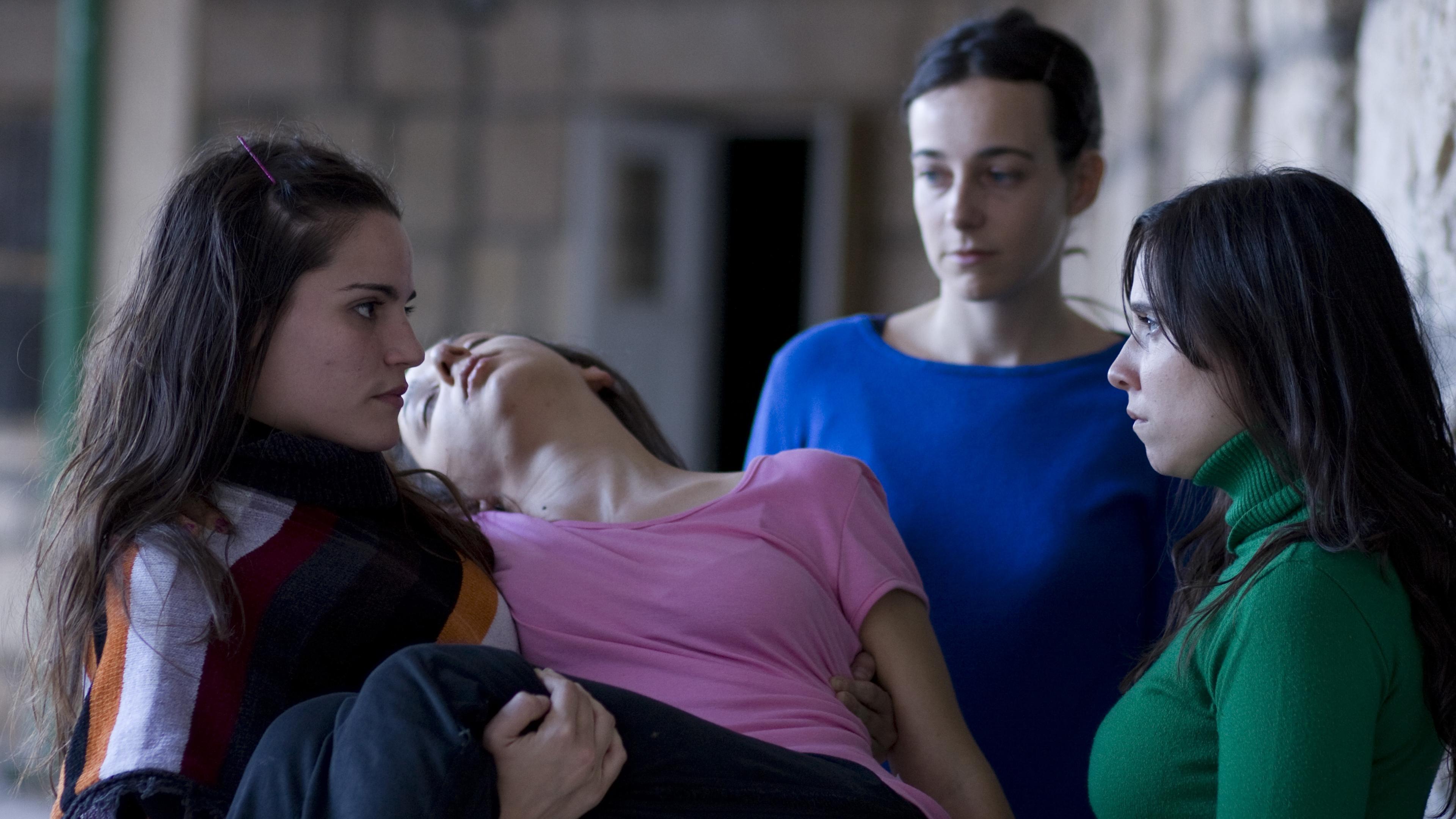

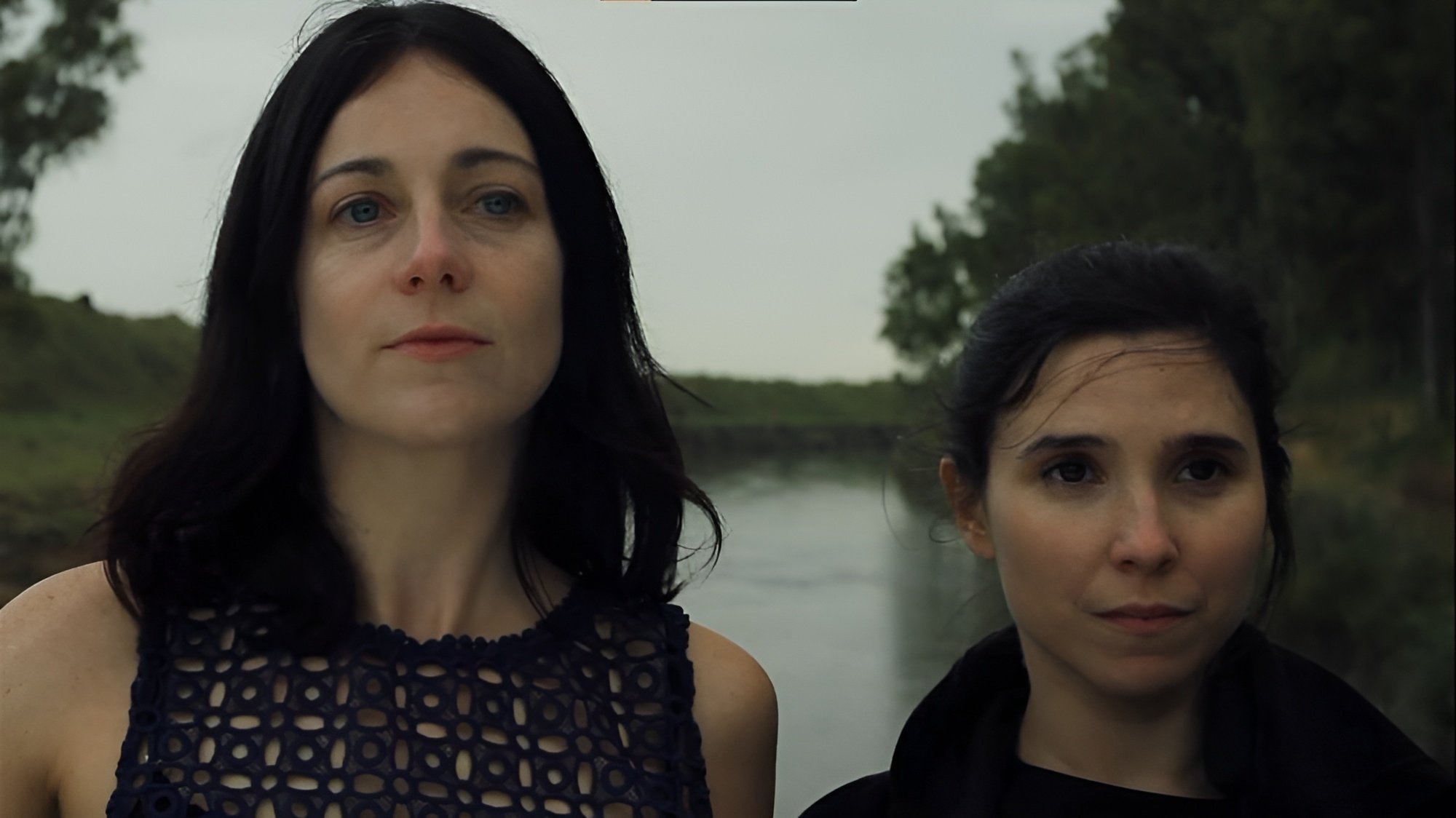
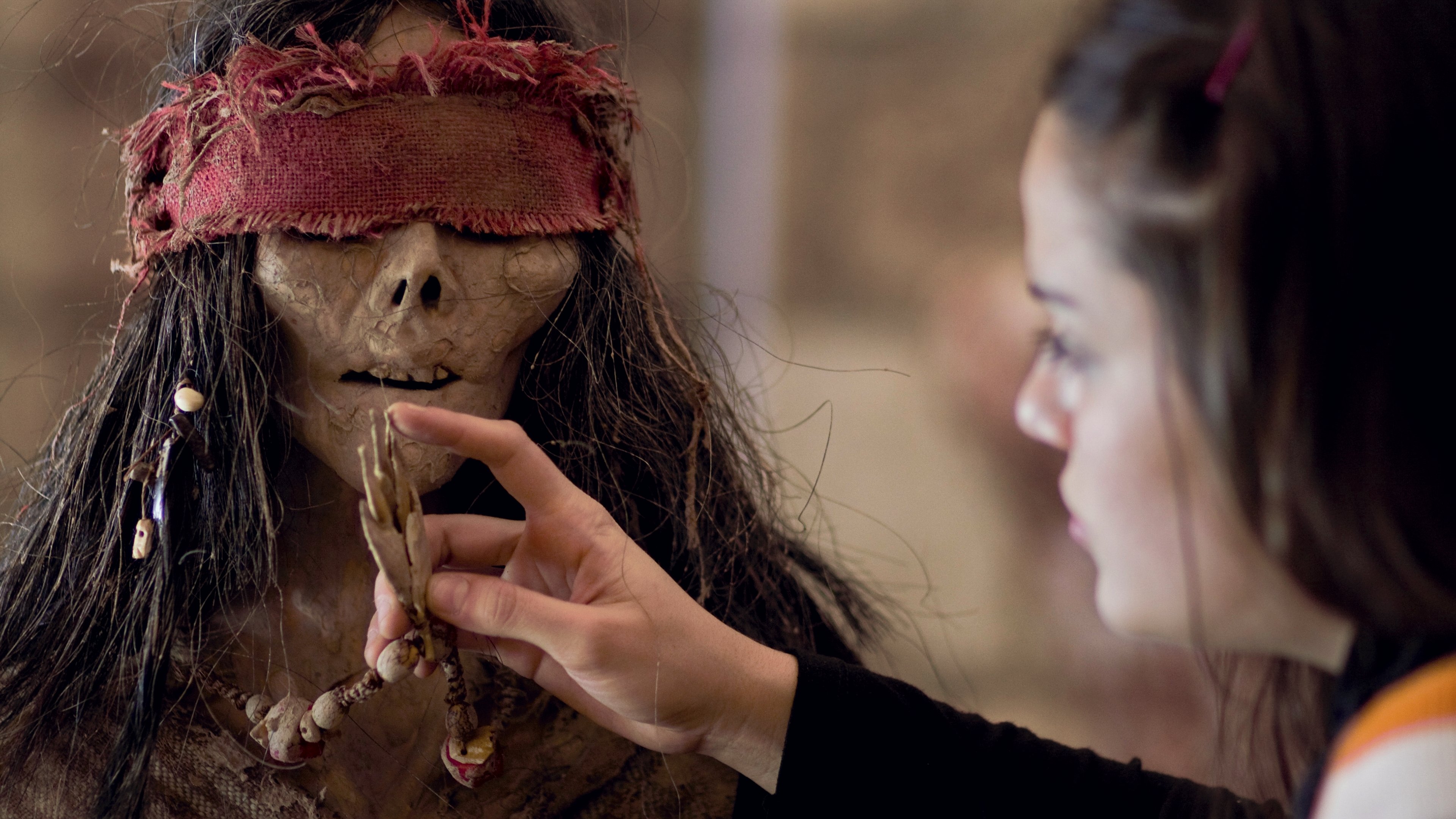
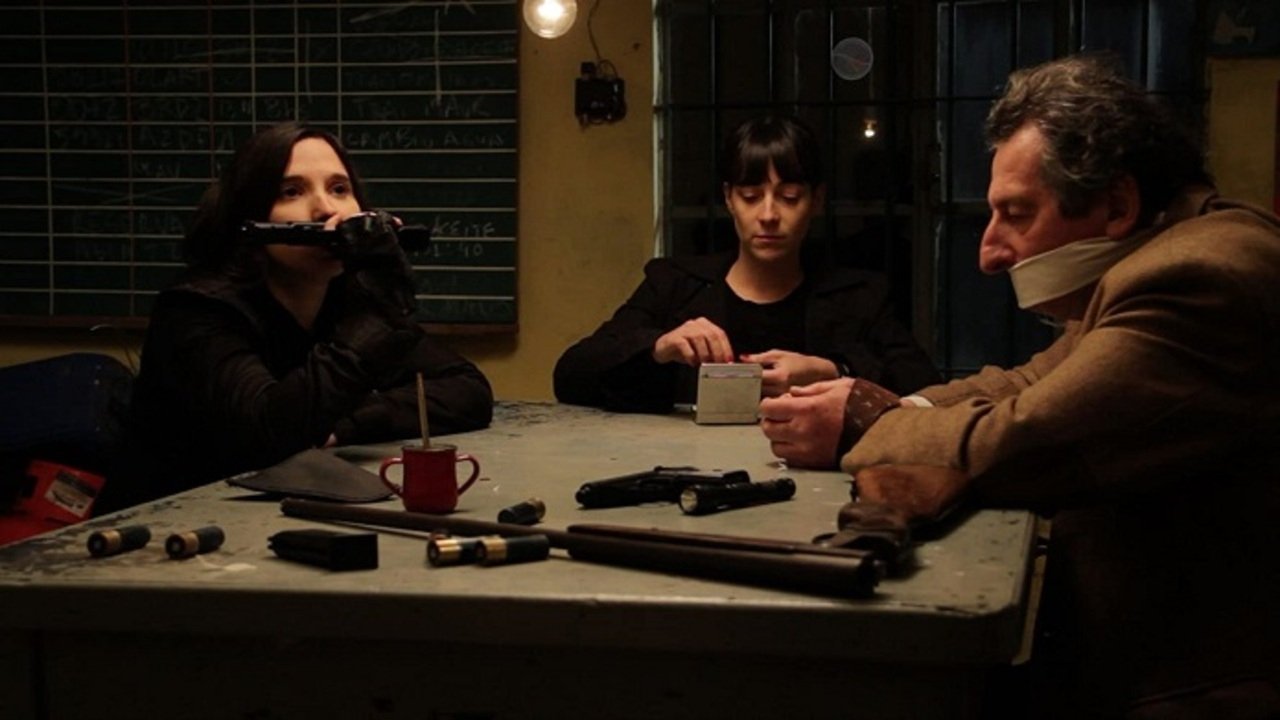
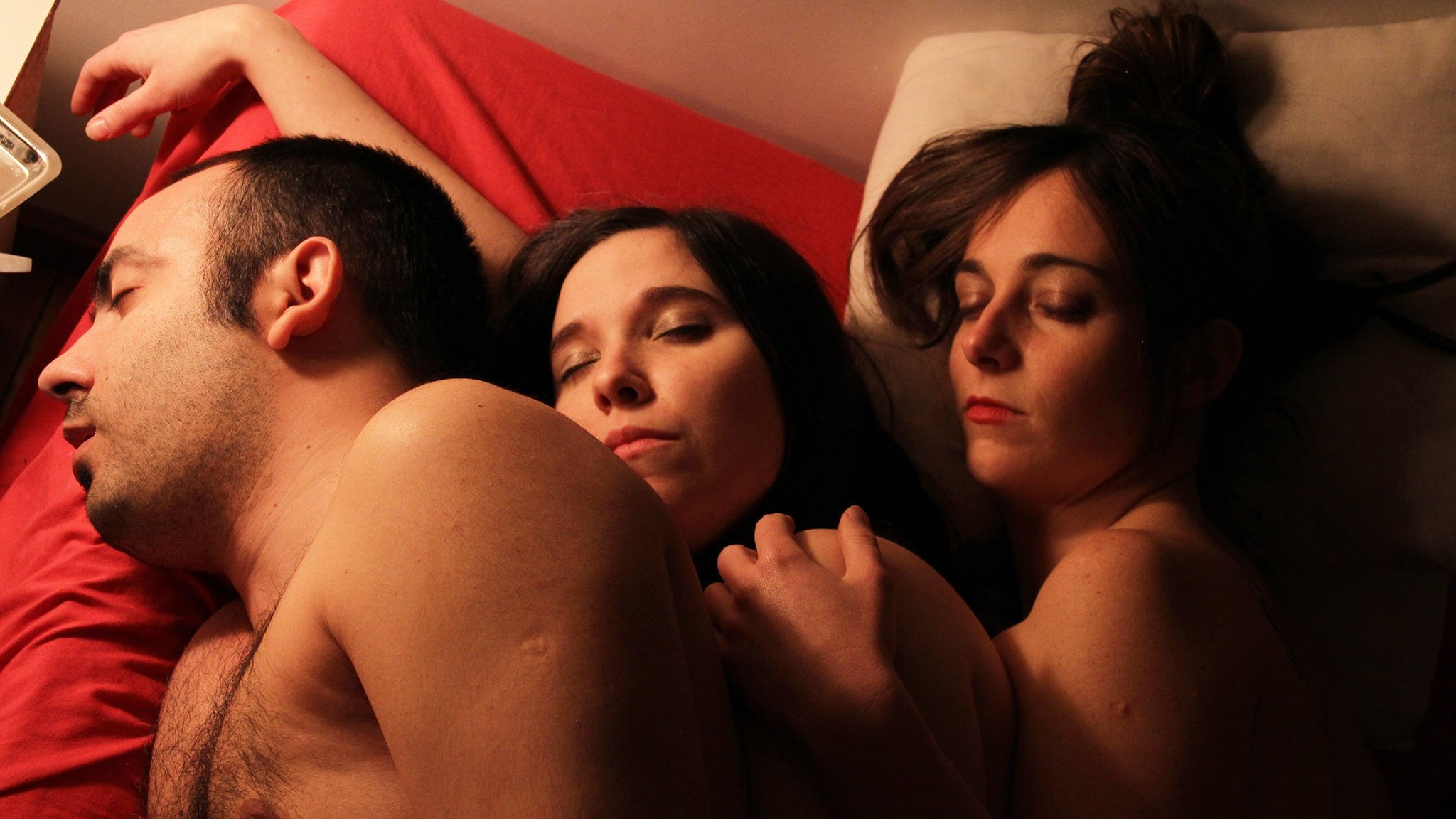
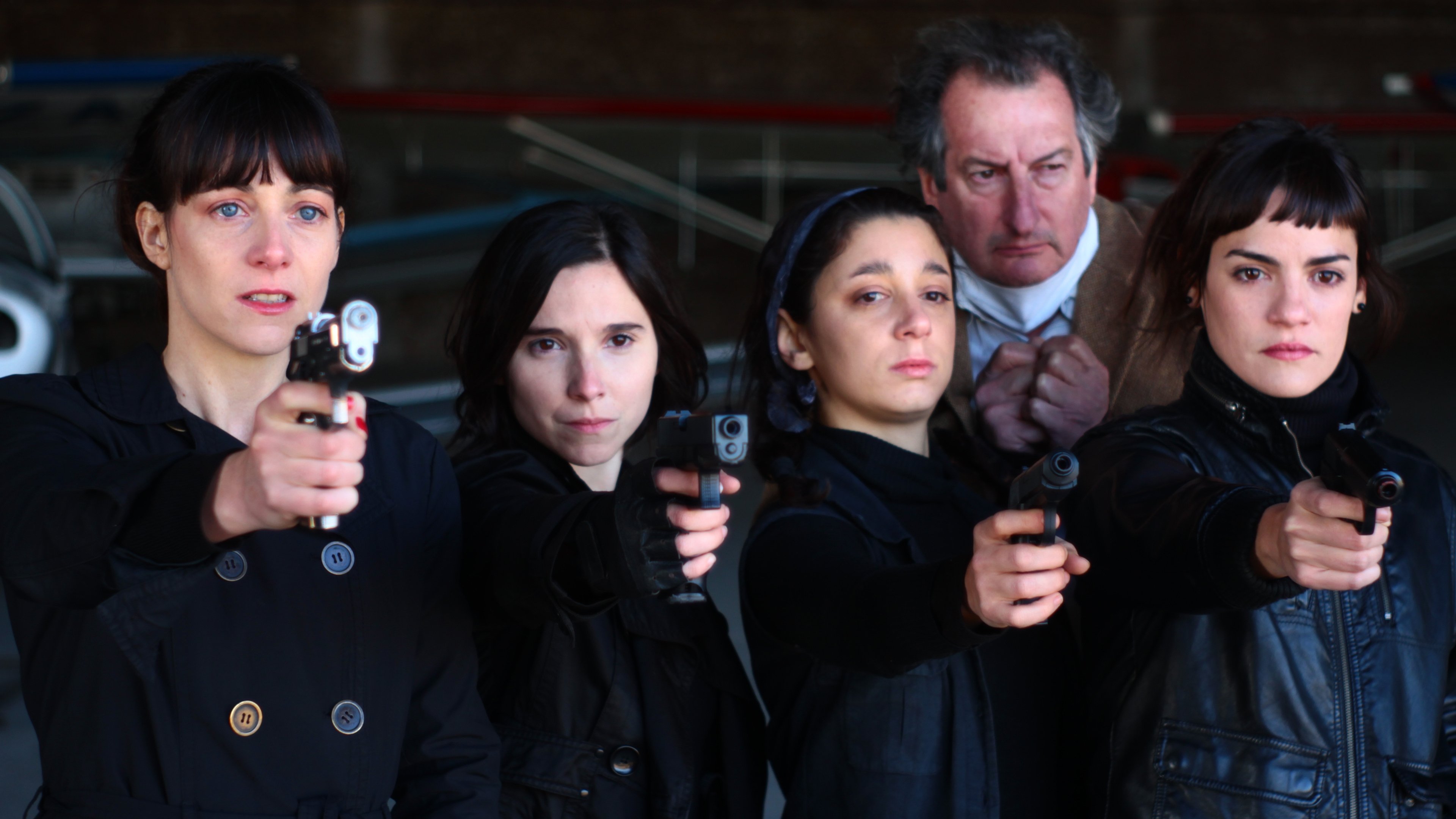
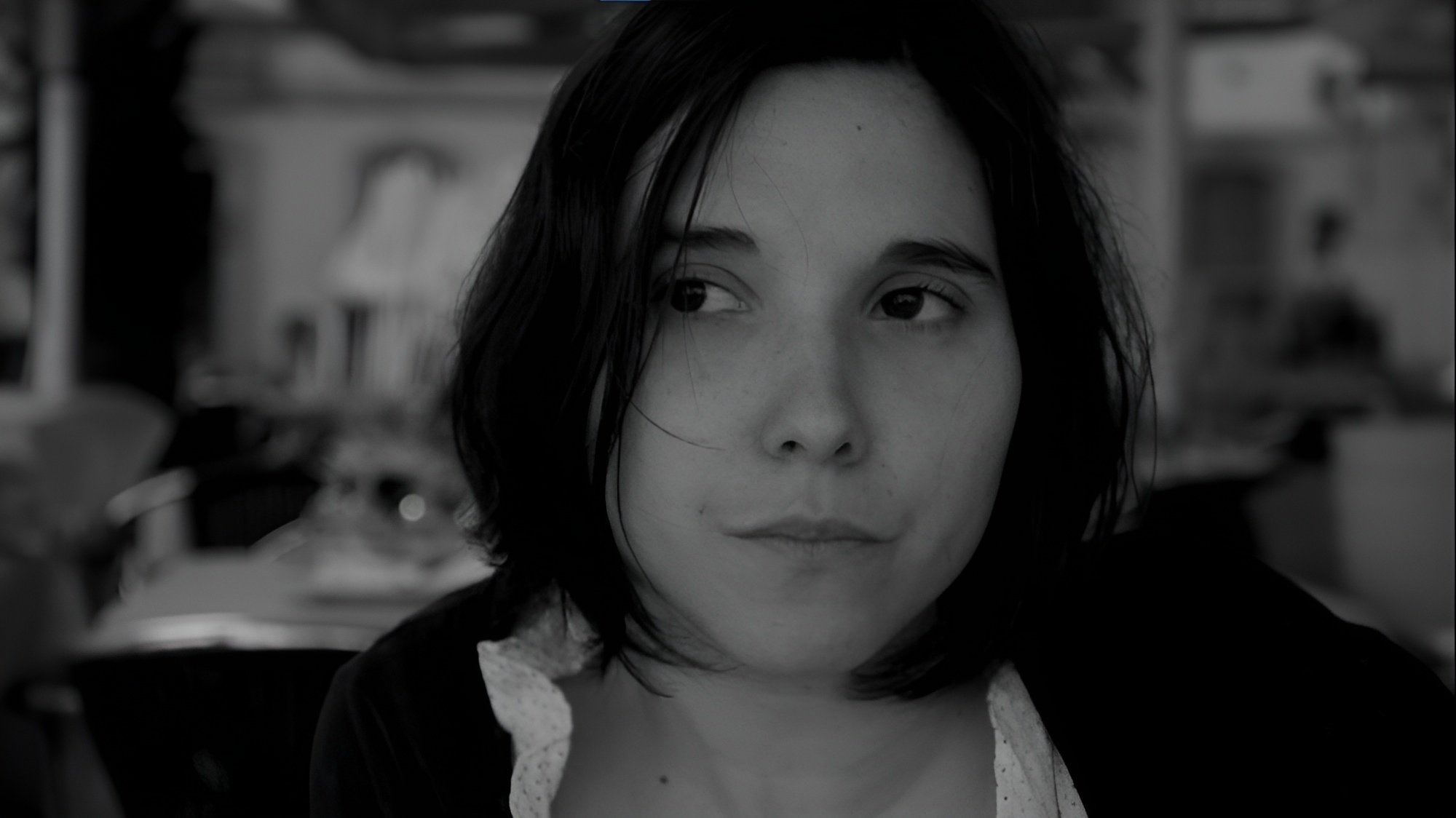
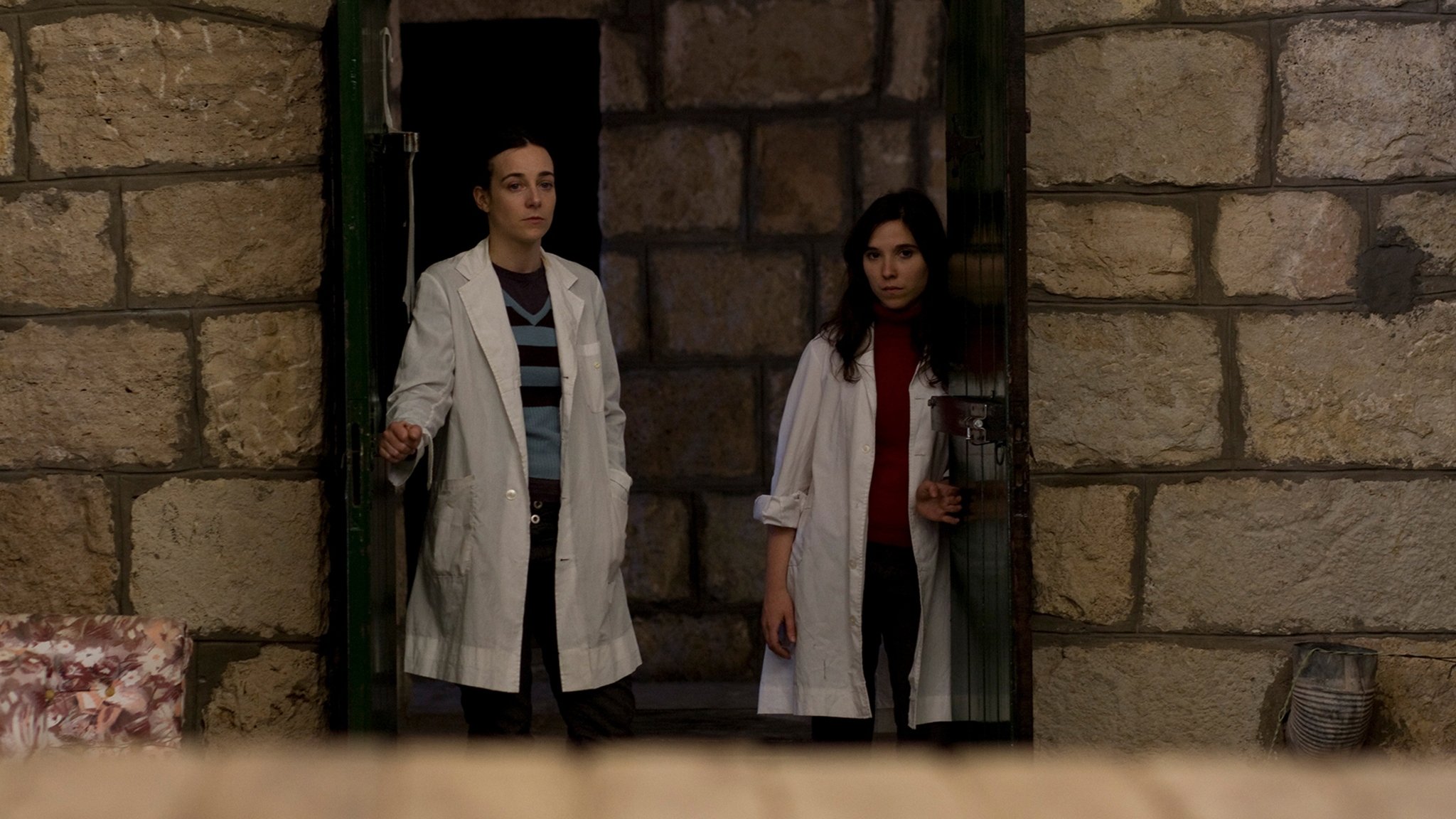
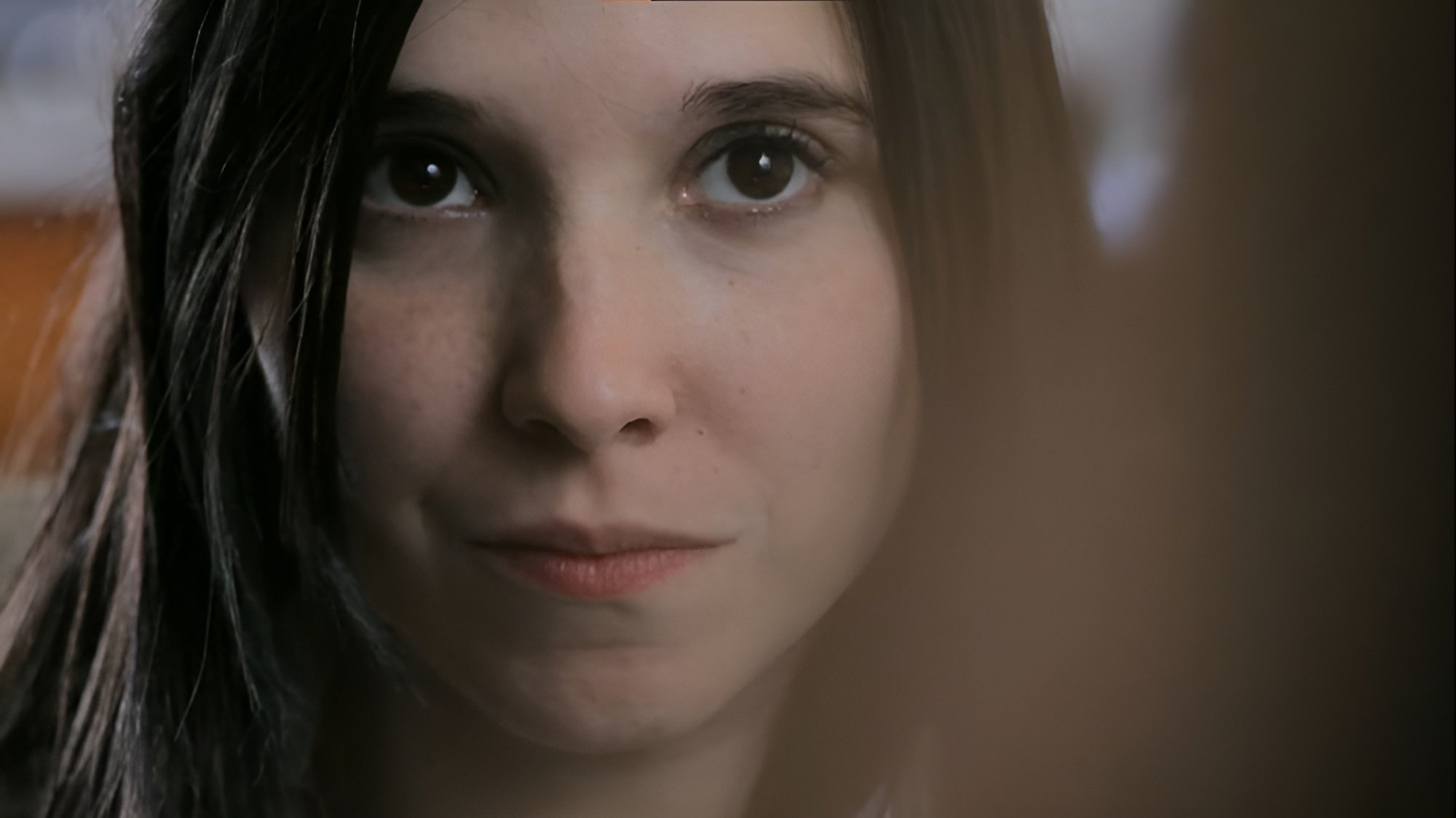
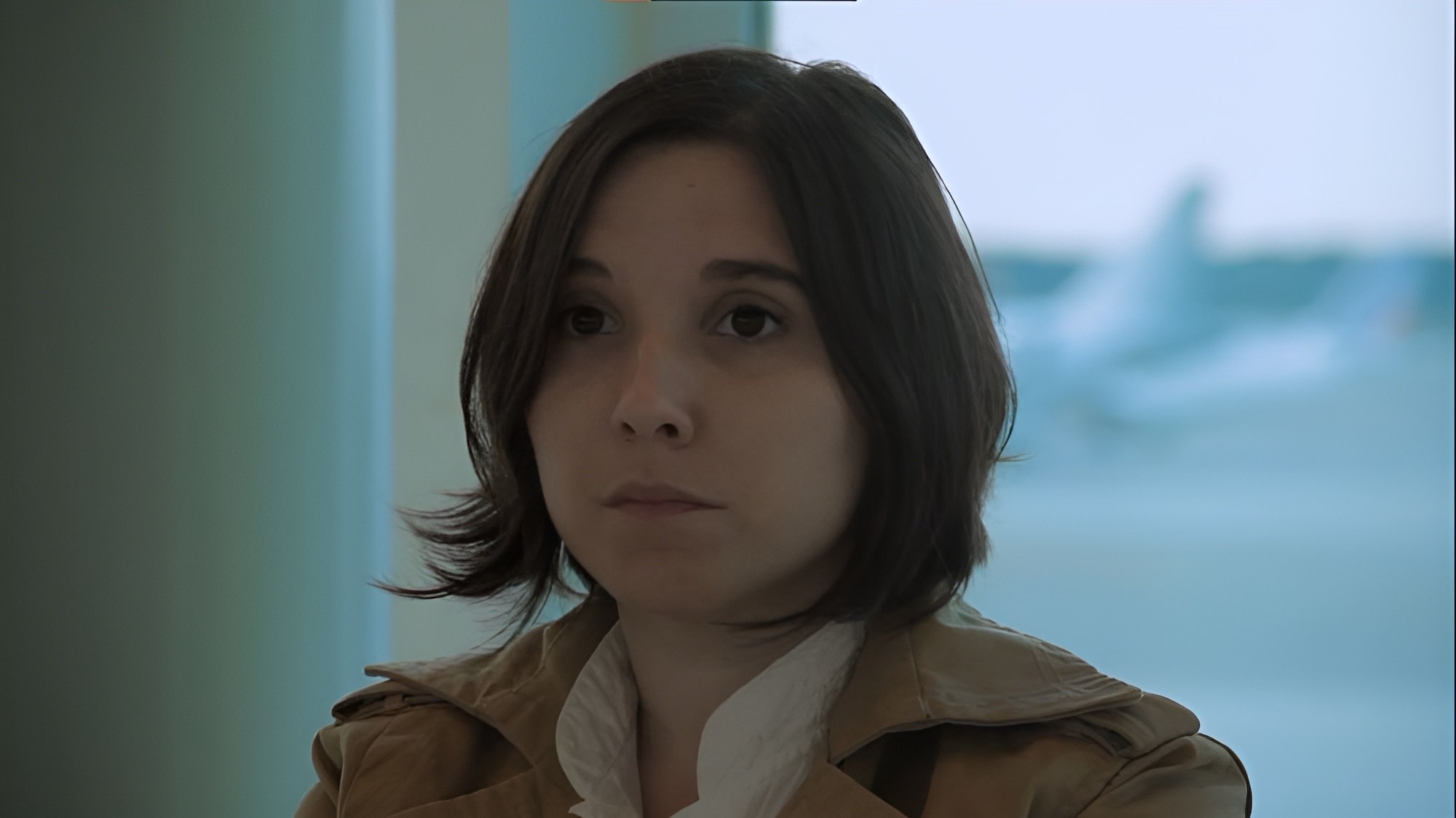
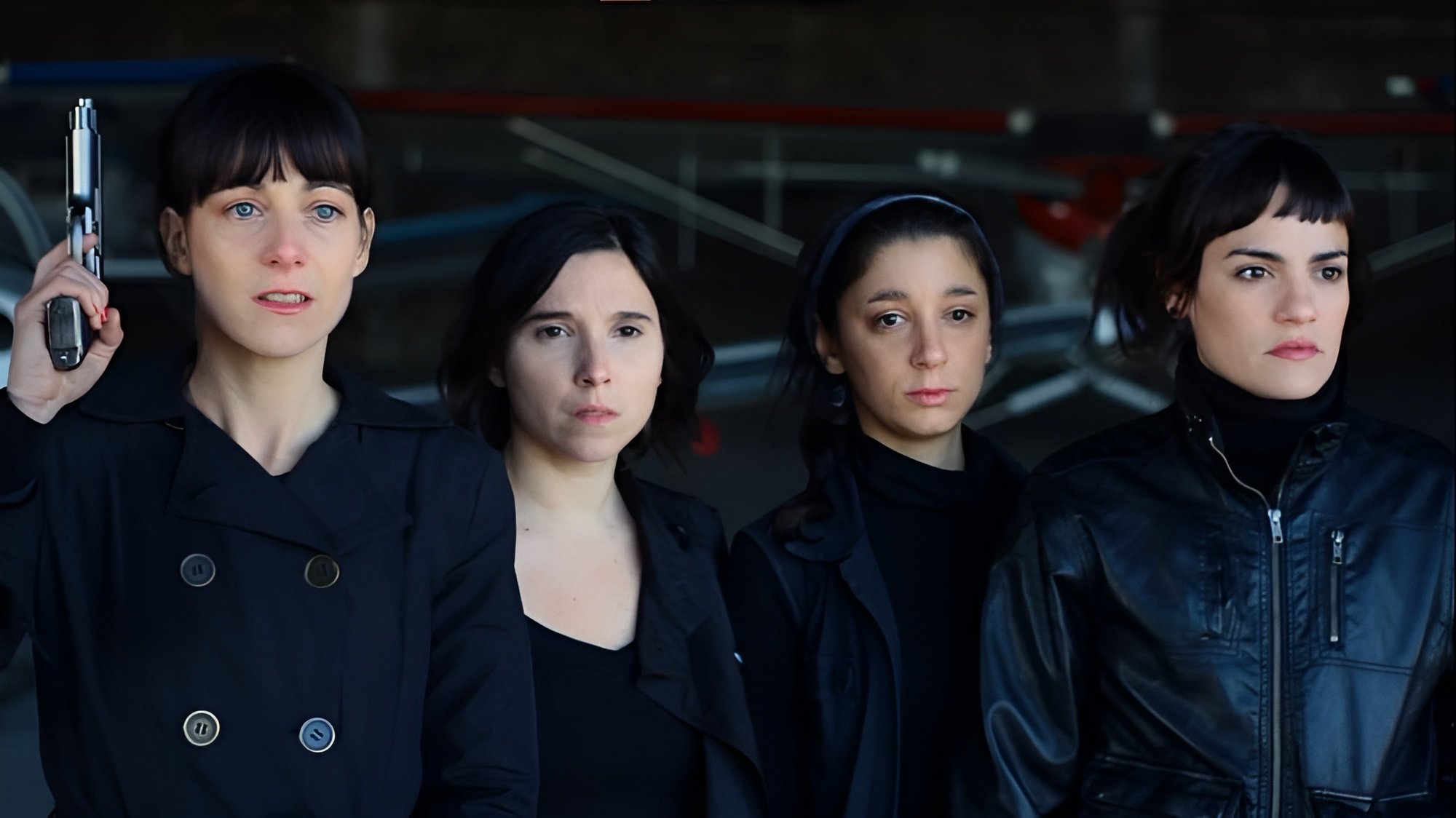
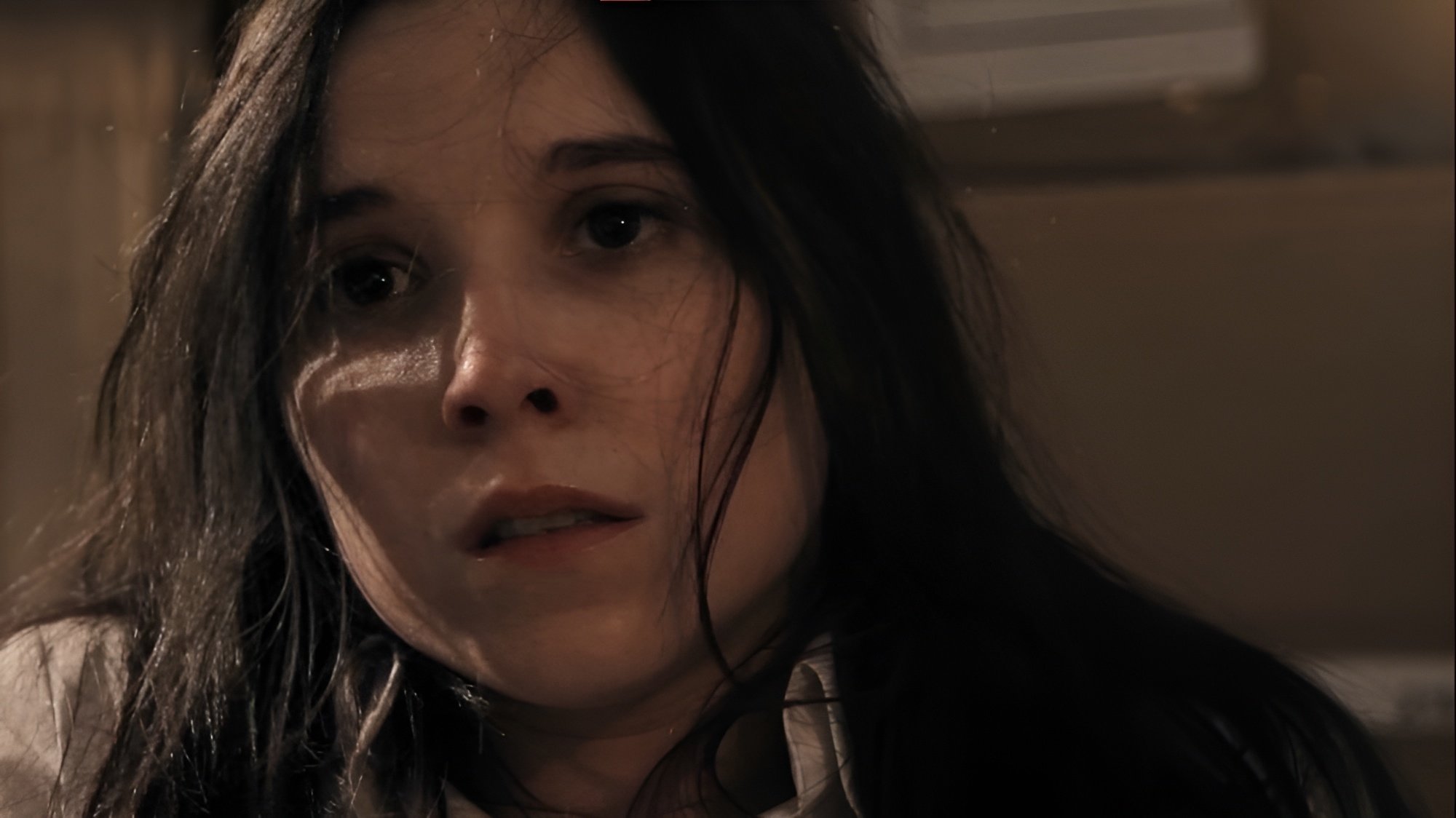
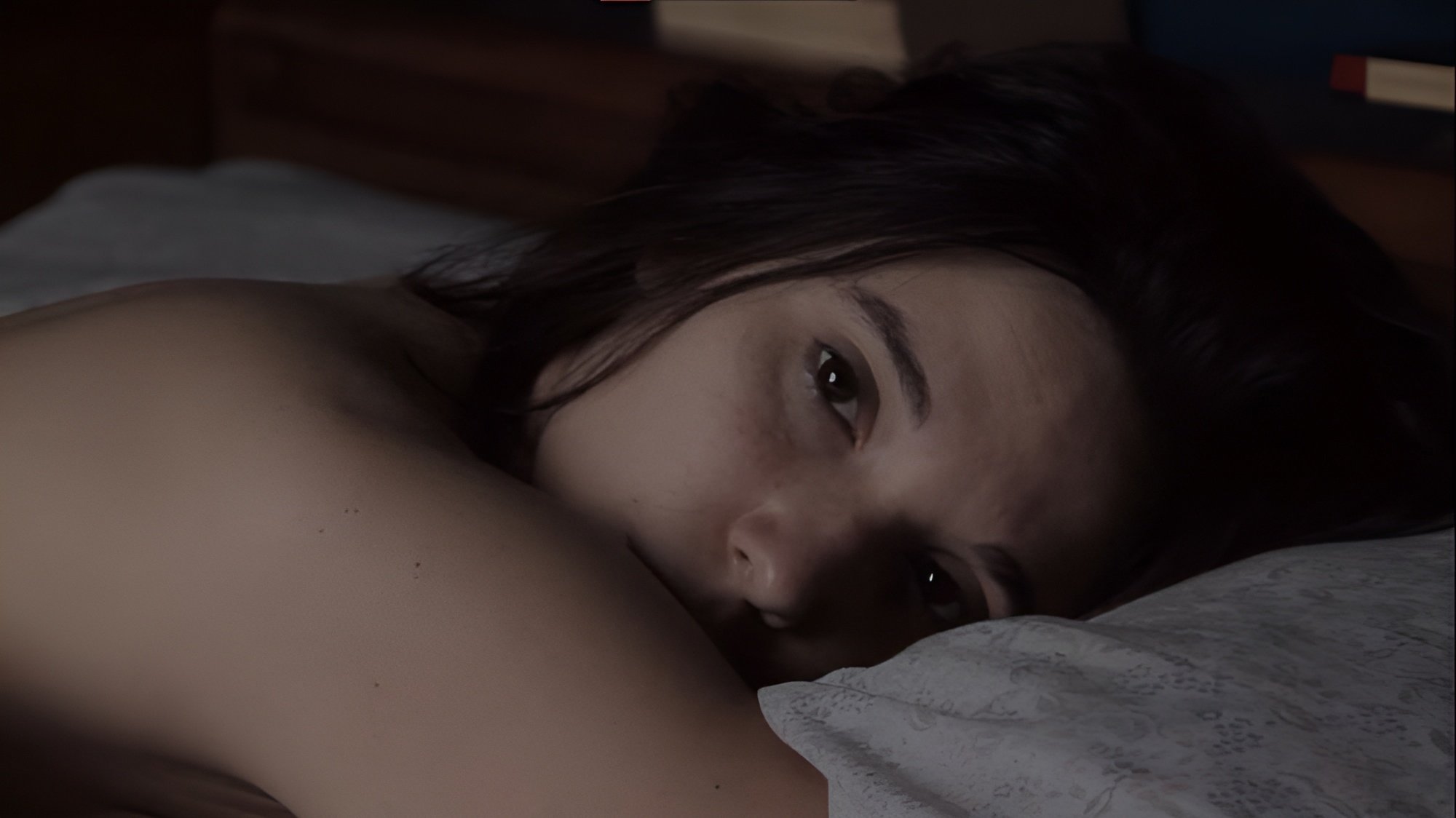
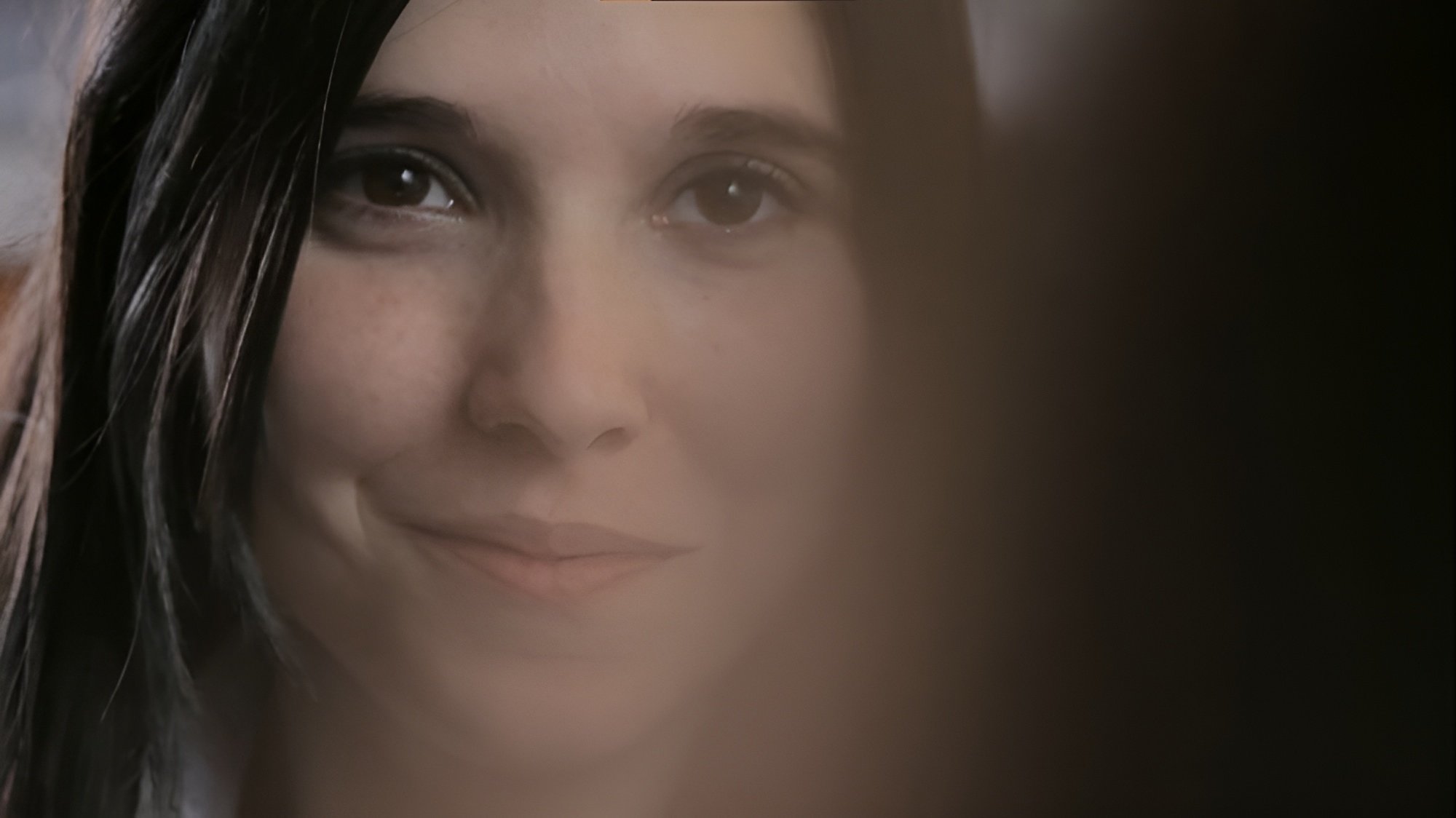
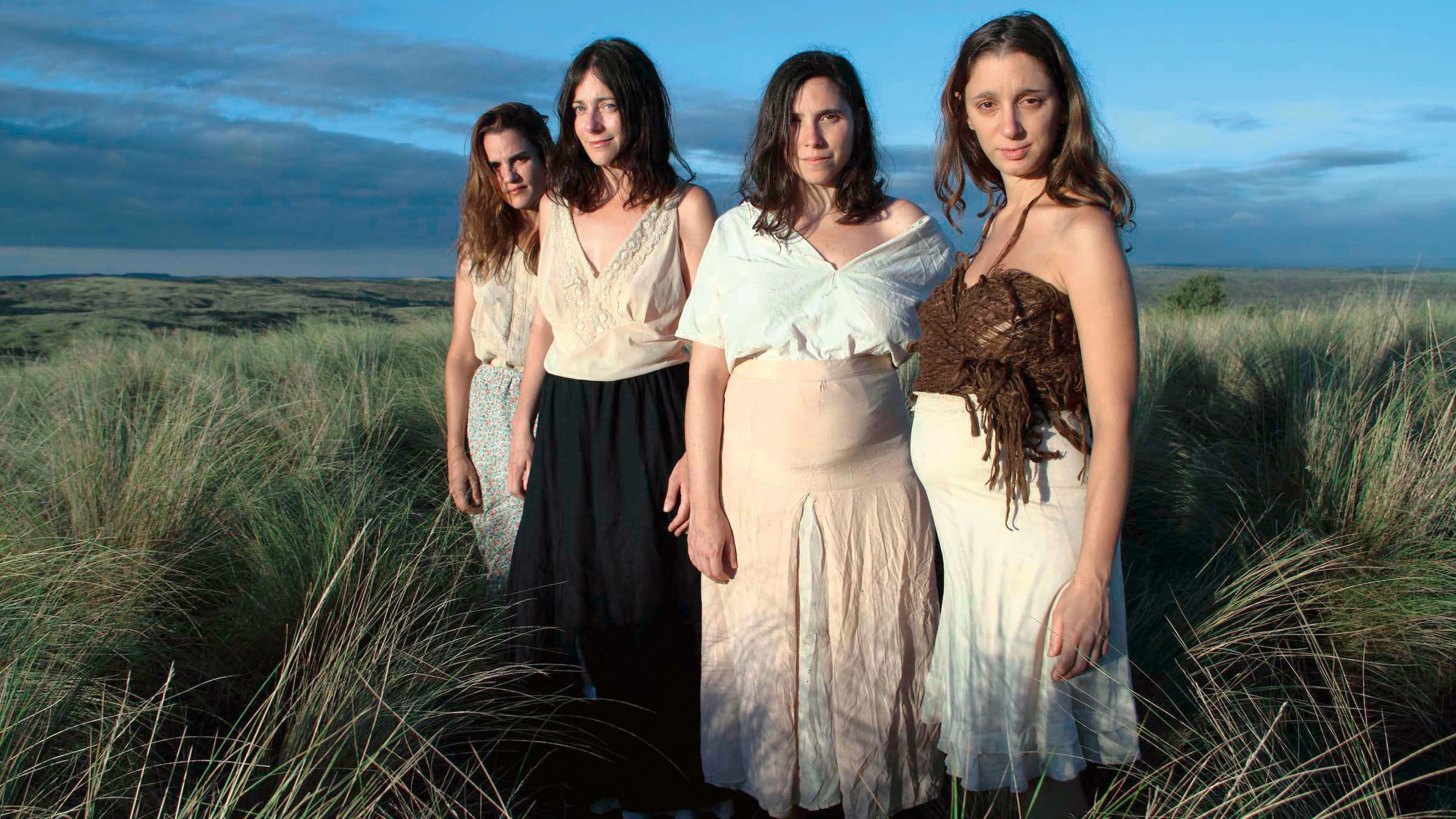
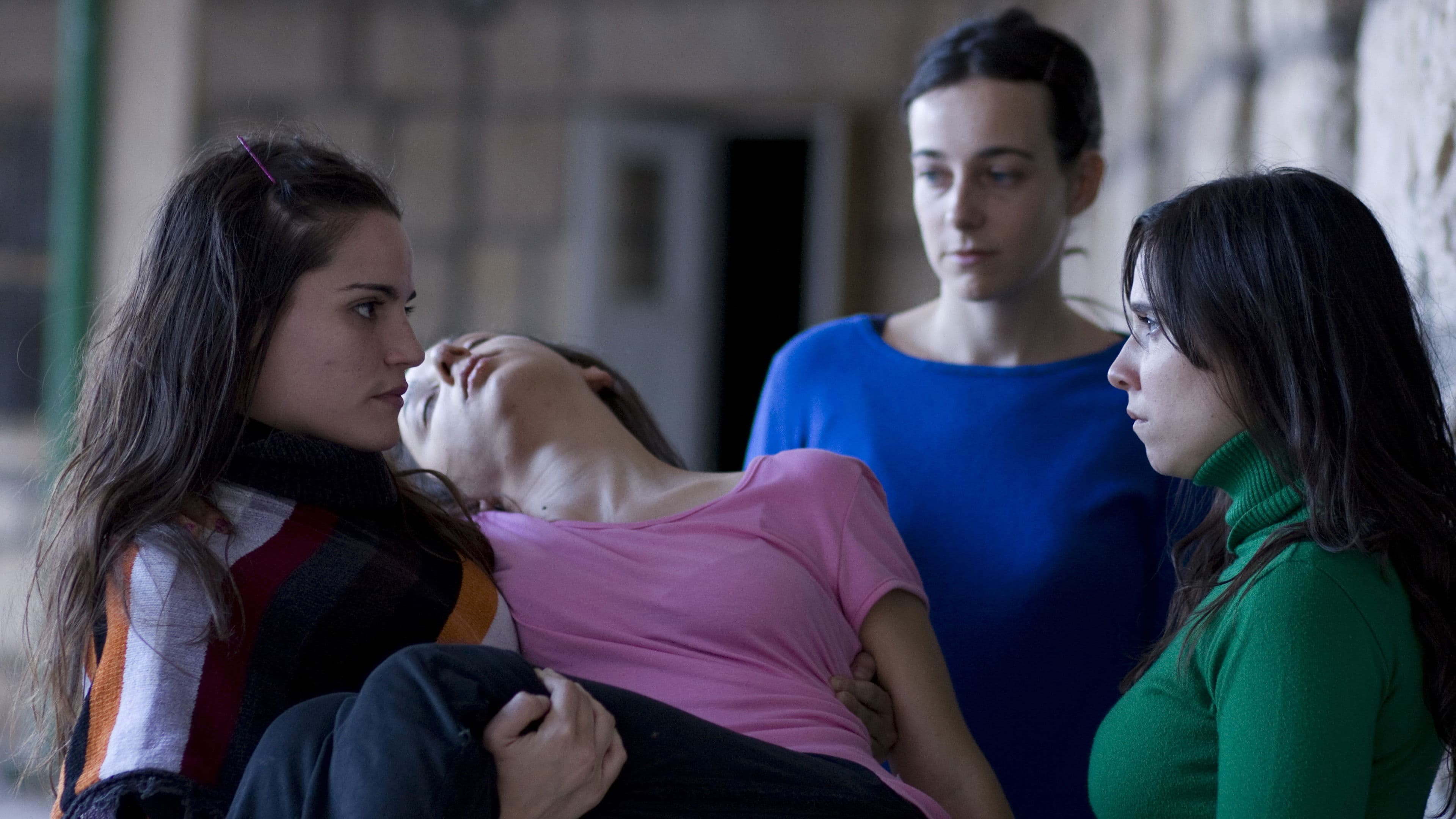
An enormous effort of narrative complexity made up of six independent, successive stories, connected by the same four actresses living very different experiences in very different universes…
Directed by Mariano Llinás

Trailer

IMDB
N/A
Where to Watch


Cast

Elisa Carricajo
Marcela / Isabel / Agente 50 / Actriz

Valeria Correa
Yanina / Andrea Nigro / La niña / Actriz

Pilar Gamboa
Valeria / Daniela 'La Niña Cruz' / Actriz

Laura Paredes
Lucia Conti / Flavia / La 301 / Actriz

Esteban Lamothe
Turistic Gaucho 1
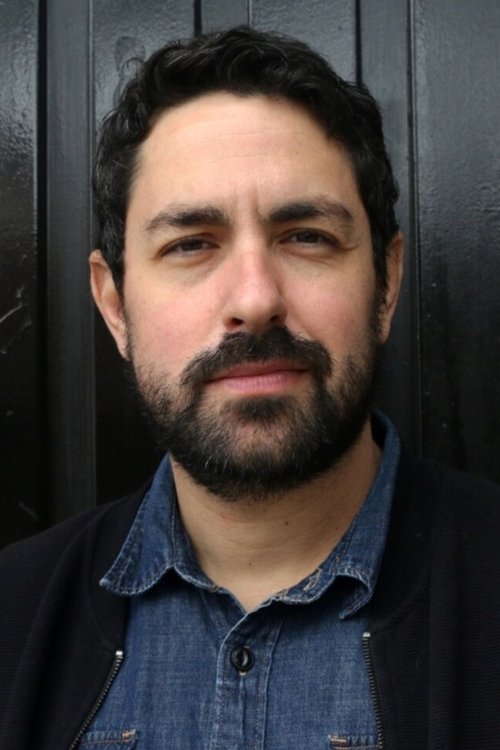
Santiago Gobernori
Gaucho Turístico 2

Mariano Llinás
Él mismo / Narrador

Romina Paula
Chica de Zurich
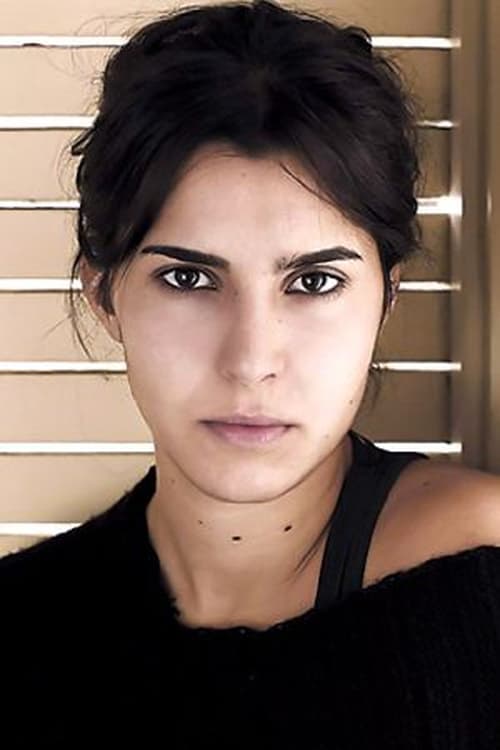
Agustina Muñoz
Fox

María Villar
Maritza
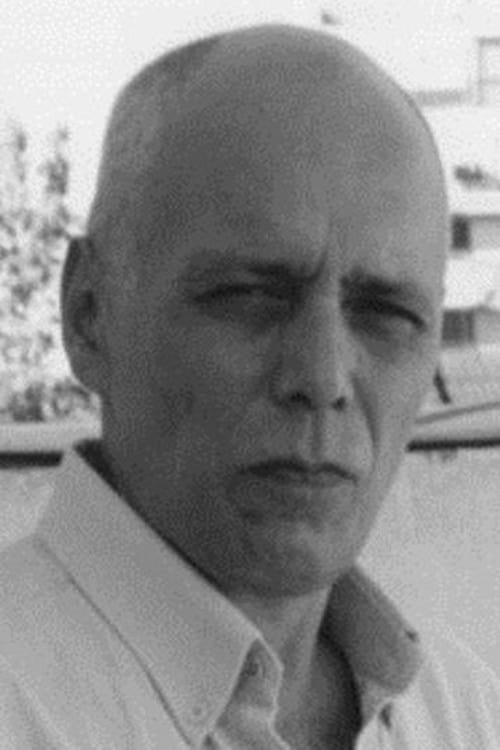
Alberto Suárez
Frank

Luciana Acuña
La Madre
Crew
Mariano Llinás
Director
Mariano Llinás
Screenplay

Gabriel Chwojnik
Original Music Composer
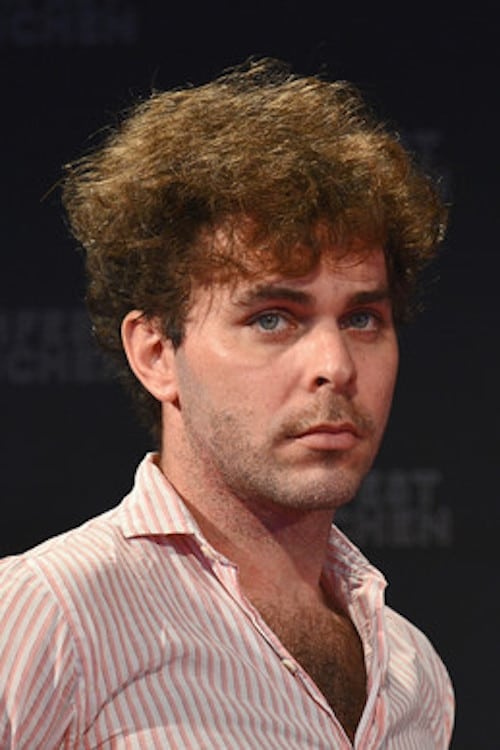
Alejo Moguillansky
Editor
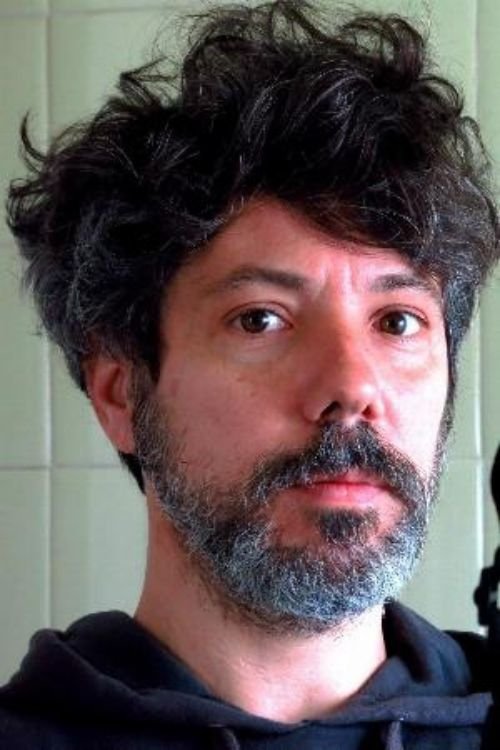
Agustín Mendilaharzu
Director of Photography
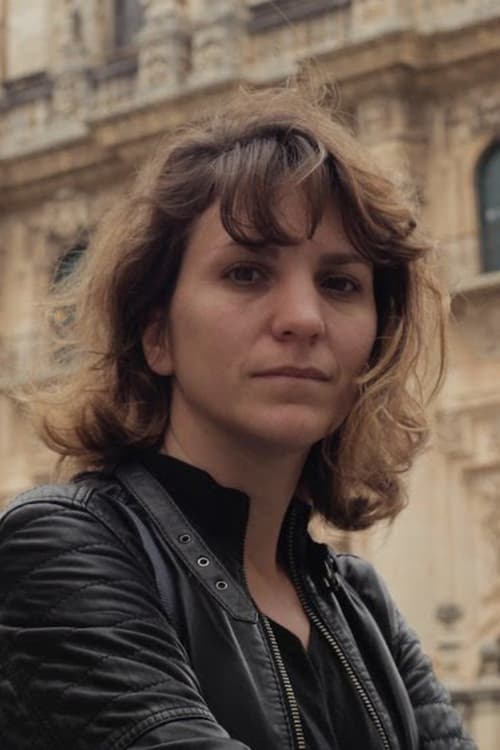
Laura Citarella
Producer
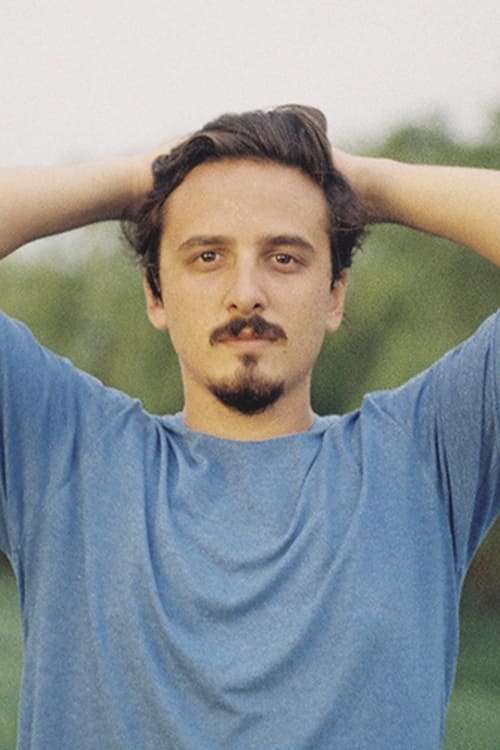
Agustín Gagliardi
Assistant Director
Popular Reviews
11 reviews
jota florez
There are excellent films that have technical flaws. And there are films that are technically very well made, but they have an inner emptiness and dryness that's sad. For me, inspiration, the desire to say something, to do something, is much more important. Everything else is less important. - François Truffaut
**✮ Lights, Camera, Action! ✮**
Twinkle, twinkle little spy
SPA
Muchos no soportan las películas que superan las 2 horas, pero esta no sólo supera esa cantidad, si no que llega a las 14. Hablando con mi madre acerca del cine de Tarr, me pregunta "¿Es necesario que sean tan largas? ¿Qué tanto tenes para contar?". A este tipo de filmes siempre se los catalogan como aburridos, pero la puta madre, ¡te ves mini series de Netflix en un día que duran lo mismo y sin quejarte!
Así que, ¿de que trata La Flor, la famosa película argentina del 2018 que dura 14 horas? Según el mismísimo Mariano Llinás: Hay 4 historias que empiezan y no terminan; hay una empieza y termina, como un cuento; y la última no tiene inicio pero tiene final. Todos los capítulos son historias inconexas, géneros distintos y contienen una gran variedad de técnicas cinematográficas. ¿Qué tienen en común? Son protagonizadas por las mismas 4 mujeres, y la película es como un regalo para ellas por parte de Llinás. Hay ciencia ficción con algo de terror, musical, una de espías, comedia y más ciencia ficción y dos tramos finales en los que se recuperan formas arcaicas de hacer cine. Los episodios se podrían ver por separado, como si fueran películas individuales, pero gran parte de la experiencia tiene que ver con la acumulación, con que todo eso junto sea una única y gigante película.
La Flor me recuerda por que amo el cine
El cine es, quizá, uno de los territorios más vastos de la creación humana, un lenguaje que no se limita a una sola forma de decir, sino que se abre como un abanico de posibilidades infinitas. Puede ser espejo o máscara, relato lineal o caos fragmentado, confesión íntima o espectáculo colectivo. Cada encuadre es un acto de elección: lo que entra en la imagen y lo que se excluye, lo que se ilumina y lo que se deja en sombras. Ahí habita su poder, en esa capacidad de dirigir la mirada y de sugerir lo que queda fuera del marco.
La narrativa cinematográfica no está atada a un único sendero. Una historia puede contarse en susurros, a través de gestos mínimos, o desplegarse en un grito coral que arrastre multitudes. Puede ser una línea recta, clara y precisa, o un laberinto de espejos donde el espectador se pierde y se encuentra a sí mismo. El tiempo, en el cine, deja de ser una cadena que aprieta y se vuelve arcilla: se estira, se pliega, se detiene o se acelera. El cineasta juega con esa materia, doblando los minutos como quien dobla un papel para inventar nuevas figuras.
La libertad creativa que otorga el cine es un territorio sagrado. Es el lugar donde la imaginación puede vestir cualquier piel: realismo puro, surrealismo desbordado, documental íntimo, ciencia ficción delirante. No existe una frontera definitiva, porque toda regla puede ser transgredida, y en esa transgresión el cine encuentra nuevas formas de respirar. Amar el cine es, entonces, amar el riesgo, el atrevimiento de ensayar caminos sin certezas, de transformar la pantalla en un espacio donde lo imposible adquiere cuerpo.
La Flor es una oda a las chicas detras del grupo de teatro conocido como Piel de Lava, y acá la actuación se vuelve un alma encarnada. Las actrices prestan su cuerpo y su voz para que los fantasmas de la ficción caminen entre nosotros. Un gesto, una pausa en la respiración, una mirada apenas sostenida puede contener más verdad que mil palabras. La actuación es puente entre lo imaginado y lo vivido, un recordatorio de que toda ficción, por más fantástica que sea, late con una verdad humana.
Amar el cine es entregarse a la multiplicidad que es capaz de dar, es aceptar que una misma pantalla puede ser hogar del amor más puro y de la violencia más atroz, de la risa despreocupada y del silencio que hiere. Es reconocer que en su superficie luminosa caben todos los tonos del alma humana. Y quizá ahí es donde recae su grandeza, en la posibilidad de convertir la oscuridad de una sala en un templo donde cada espectador, aunque rodeado de desconocidos, se descubre a solas consigo mismo.
La Flor es cine, y el cine es como una flor que se abre en la penumbra, nace de una semilla invisible, apenas un destello de idea, y poco a poco despliega sus pétalos de luz sobre la pantalla. Cada historia es como un brote distinto, algunas son intensas y salvajes como una rosa de espinas, otras delicadas como una orquídea. Los colores de sus pétalos son las imágenes, los aromas son las emociones que deja en quien las contempla, y su tallo es la memoria que las sostiene con el paso del tiempo.
Como toda flor, el cine puede marchitarse en un instante o permanecer eterno en el recuerdo, suspendido en ese jardín interior que todos llevamos dentro.
ENG
Many people can't stand films that run over two hours, but this one not only exceeds that number, but reaches 14. Talking to my mother about Tarr's films, she asks, "Do they really need to be so long? How much do you have to tell?" These types of films are always labeled as boring, but damn, you can watch Netflix mini-series in a day that last the same amount of time without complaining!
So, what is La Flor, the famous 2018 Argentine film that lasts 14 hours, about? Mariano Llinás explained something like: There are four stories that begin and don't end; there is another ome one begins and ends, like a tale; and the last has no beginning but has an end. All the chapters are unrelated stories, different genres, and contain a wide variety of cinematic techniques. What do they have in common? They star the same four women, and the film is like a gift to them from Llinás. There's science fiction with a touch of horror, a musical, a spy thriller, a comedy, and more science fiction, and two final segments that revive archaic forms of filmmaking. The episodes could be watched separately, as if they were individual films, but much of the experience is about accumulation, about making it all a single, gigantic film.
La Flor reminds me why I love cinema
Cinema is perhaps one of the vastest territories of human creation, a language that isn't limited to a single way of speaking, but rather opens up like a range of infinite possibilities. It can be a mirror or a mask, a linear narrative or fragmented chaos, an intimate confession or a collective spectacle. Each frame is an act of choice: what enters the image and what is excluded, what is illuminated and what is left in shadow. Therein lies its power, in that ability to direct the gaze and suggest what remains outside the frame.
Cinematic narrative is not tied to a single path. A story can be told in whispers, through minimal gestures, or unfold in a choral cry that draws crowds in. It can be a straight line, clear and precise, or a labyrinth of mirrors where the viewer loses and finds themselves. Time, in cinema, ceases to be a chain that tightens and becomes clay: it stretches, folds, stops, or accelerates. The filmmaker plays with this material, bending the minutes like someone folding paper to invent new shapes.
The creative freedom that cinema grants is a sacred territory. It is the place where the imagination can wear any skin: pure realism, unbridled surrealism, intimate documentary, delirious science fiction. There is no definitive boundary, because every rule can be transgressed, and in that transgression, cinema finds new ways to breathe. To love cinema is, then, to love risk, the daring to try paths without certainties, to transform the screen into a space where the impossible takes shape.
La Flor is an ode to the girls behind the theater group known as Piel de Lava, and here, acting becomes an incarnate soul. The actresses lend their bodies and voices so the ghosts of fiction can walk among us. A gesture, a pause in breathing, a barely held gaze can hold more truth than a thousand words. Acting is a bridge between the imagined and the lived, a reminder that all fiction, no matter how fantastical, pulses with a human truth.
To love cinema is to surrender to the multiplicity it can offer; it is to accept that a single screen can be home to the purest love and the most atrocious violence, to carefree laughter and the wounding silence. It is to recognize that within its luminous surface all the shades of the human soul fit. And perhaps that is where its greatness lies: in the ability to transform the darkness of a theater into a temple where each viewer, even surrounded by strangers, discovers themselves alone.
La Flor is cinema, and cinema is like a flower that opens in the darkness, born from an invisible seed, barely a flicker of an idea, and little by little unfolds its petals of light on the screen. Each story is like a different bud; some are intense and wild like a rose with thorns, others delicate like an orchid. The colors of its petals are the images, the aromas are the emotions it leaves in the beholder, and its stem is the memory that sustains it over time.
Like any flower, cinema can wither in an instant or remain eternally remembered, suspended in that inner garden we all carry within.
There are excellent films that have technical flaws. And there are films that are technically very well made, but they have an inner emptiness and dryness that's sad. For me, inspiration, the desire to say something, to do something, is much more important. Everything else is less important. - François Truffaut
**✮ Lights, Camera, Action! ✮**
Twinkle, twinkle little spy
SPA
Muchos no soportan las películas que superan las 2 horas, pero esta no sólo supera esa cantidad, si no que llega a las 14. Hablando con mi madre acerca del cine de Tarr, me pregunta "¿Es necesario que sean tan largas? ¿Qué tanto tenes para contar?". A este tipo de filmes siempre se los catalogan como aburridos, pero la puta madre, ¡te ves mini series de Netflix en un día que duran lo mismo y sin quejarte!
Así que, ¿de que trata La Flor, la famosa película argentina del 2018 que dura 14 horas? Según el mismísimo Mariano Llinás: Hay 4 historias que empiezan y no terminan; hay una empieza y termina, como un cuento; y la última no tiene inicio pero tiene final. Todos los capítulos son historias inconexas, géneros distintos y contienen una gran variedad de técnicas cinematográficas. ¿Qué tienen en común? Son protagonizadas por las mismas 4 mujeres, y la película es como un regalo para ellas por parte de Llinás. Hay ciencia ficción con algo de terror, musical, una de espías, comedia y más ciencia ficción y dos tramos finales en los que se recuperan formas arcaicas de hacer cine. Los episodios se podrían ver por separado, como si fueran películas individuales, pero gran parte de la experiencia tiene que ver con la acumulación, con que todo eso junto sea una única y gigante película.
La Flor me recuerda por que amo el cine
El cine es, quizá, uno de los territorios más vastos de la creación humana, un lenguaje que no se limita a una sola forma de decir, sino que se abre como un abanico de posibilidades infinitas. Puede ser espejo o máscara, relato lineal o caos fragmentado, confesión íntima o espectáculo colectivo. Cada encuadre es un acto de elección: lo que entra en la imagen y lo que se excluye, lo que se ilumina y lo que se deja en sombras. Ahí habita su poder, en esa capacidad de dirigir la mirada y de sugerir lo que queda fuera del marco.
La narrativa cinematográfica no está atada a un único sendero. Una historia puede contarse en susurros, a través de gestos mínimos, o desplegarse en un grito coral que arrastre multitudes. Puede ser una línea recta, clara y precisa, o un laberinto de espejos donde el espectador se pierde y se encuentra a sí mismo. El tiempo, en el cine, deja de ser una cadena que aprieta y se vuelve arcilla: se estira, se pliega, se detiene o se acelera. El cineasta juega con esa materia, doblando los minutos como quien dobla un papel para inventar nuevas figuras.
La libertad creativa que otorga el cine es un territorio sagrado. Es el lugar donde la imaginación puede vestir cualquier piel: realismo puro, surrealismo desbordado, documental íntimo, ciencia ficción delirante. No existe una frontera definitiva, porque toda regla puede ser transgredida, y en esa transgresión el cine encuentra nuevas formas de respirar. Amar el cine es, entonces, amar el riesgo, el atrevimiento de ensayar caminos sin certezas, de transformar la pantalla en un espacio donde lo imposible adquiere cuerpo.
La Flor es una oda a las chicas detras del grupo de teatro conocido como Piel de Lava, y acá la actuación se vuelve un alma encarnada. Las actrices prestan su cuerpo y su voz para que los fantasmas de la ficción caminen entre nosotros. Un gesto, una pausa en la respiración, una mirada apenas sostenida puede contener más verdad que mil palabras. La actuación es puente entre lo imaginado y lo vivido, un recordatorio de que toda ficción, por más fantástica que sea, late con una verdad humana.
Amar el cine es entregarse a la multiplicidad que es capaz de dar, es aceptar que una misma pantalla puede ser hogar del amor más puro y de la violencia más atroz, de la risa despreocupada y del silencio que hiere. Es reconocer que en su superficie luminosa caben todos los tonos del alma humana. Y quizá ahí es donde recae su grandeza, en la posibilidad de convertir la oscuridad de una sala en un templo donde cada espectador, aunque rodeado de desconocidos, se descubre a solas consigo mismo.
La Flor es cine, y el cine es como una flor que se abre en la penumbra, nace de una semilla invisible, apenas un destello de idea, y poco a poco despliega sus pétalos de luz sobre la pantalla. Cada historia es como un brote distinto, algunas son intensas y salvajes como una rosa de espinas, otras delicadas como una orquídea. Los colores de sus pétalos son las imágenes, los aromas son las emociones que deja en quien las contempla, y su tallo es la memoria que las sostiene con el paso del tiempo.
Como toda flor, el cine puede marchitarse en un instante o permanecer eterno en el recuerdo, suspendido en ese jardín interior que todos llevamos dentro.
ENG
Many people can't stand films that run over two hours, but this one not only exceeds that number, but reaches 14. Talking to my mother about Tarr's films, she asks, "Do they really need to be so long? How much do you have to tell?" These types of films are always labeled as boring, but damn, you can watch Netflix mini-series in a day that last the same amount of time without complaining!
So, what is La Flor, the famous 2018 Argentine film that lasts 14 hours, about? Mariano Llinás explained something like: There are four stories that begin and don't end; there is another ome one begins and ends, like a tale; and the last has no beginning but has an end. All the chapters are unrelated stories, different genres, and contain a wide variety of cinematic techniques. What do they have in common? They star the same four women, and the film is like a gift to them from Llinás. There's science fiction with a touch of horror, a musical, a spy thriller, a comedy, and more science fiction, and two final segments that revive archaic forms of filmmaking. The episodes could be watched separately, as if they were individual films, but much of the experience is about accumulation, about making it all a single, gigantic film.
La Flor reminds me why I love cinema
Cinema is perhaps one of the vastest territories of human creation, a language that isn't limited to a single way of speaking, but rather opens up like a range of infinite possibilities. It can be a mirror or a mask, a linear narrative or fragmented chaos, an intimate confession or a collective spectacle. Each frame is an act of choice: what enters the image and what is excluded, what is illuminated and what is left in shadow. Therein lies its power, in that ability to direct the gaze and suggest what remains outside the frame.
Cinematic narrative is not tied to a single path. A story can be told in whispers, through minimal gestures, or unfold in a choral cry that draws crowds in. It can be a straight line, clear and precise, or a labyrinth of mirrors where the viewer loses and finds themselves. Time, in cinema, ceases to be a chain that tightens and becomes clay: it stretches, folds, stops, or accelerates. The filmmaker plays with this material, bending the minutes like someone folding paper to invent new shapes.
The creative freedom that cinema grants is a sacred territory. It is the place where the imagination can wear any skin: pure realism, unbridled surrealism, intimate documentary, delirious science fiction. There is no definitive boundary, because every rule can be transgressed, and in that transgression, cinema finds new ways to breathe. To love cinema is, then, to love risk, the daring to try paths without certainties, to transform the screen into a space where the impossible takes shape.
La Flor is an ode to the girls behind the theater group known as Piel de Lava, and here, acting becomes an incarnate soul. The actresses lend their bodies and voices so the ghosts of fiction can walk among us. A gesture, a pause in breathing, a barely held gaze can hold more truth than a thousand words. Acting is a bridge between the imagined and the lived, a reminder that all fiction, no matter how fantastical, pulses with a human truth.
To love cinema is to surrender to the multiplicity it can offer; it is to accept that a single screen can be home to the purest love and the most atrocious violence, to carefree laughter and the wounding silence. It is to recognize that within its luminous surface all the shades of the human soul fit. And perhaps that is where its greatness lies: in the ability to transform the darkness of a theater into a temple where each viewer, even surrounded by strangers, discovers themselves alone.
La Flor is cinema, and cinema is like a flower that opens in the darkness, born from an invisible seed, barely a flicker of an idea, and little by little unfolds its petals of light on the screen. Each story is like a different bud; some are intense and wild like a rose with thorns, others delicate like an orchid. The colors of its petals are the images, the aromas are the emotions it leaves in the beholder, and its stem is the memory that sustains it over time.
Like any flower, cinema can wither in an instant or remain eternally remembered, suspended in that inner garden we all carry within.


Isabella Enia Shaurl
9.5★ · 06/23/25
Bellísima. No sabía en lo que me estaba metiendo cuando la empecé a ver. Es cine puro <3Mención especial al episodio IV que fue mi fav.
Bellísima. No sabía en lo que me estaba metiendo cuando la empecé a ver. Es cine puro <3Mención especial al episodio IV que fue mi fav.
maria
9.0★ · 08/13/24
sinceramente eu nem sei como eu vi isso tudo e ainda por cima gostei
sinceramente eu nem sei como eu vi isso tudo e ainda por cima gostei
Santi Bárcena
8.0★ · 04/04/21
Monolítica.
En extensión y densidad pero, sobre todo, en su ambición. Cualquier puntaje numérico es arbitrario y no deja de escapar a la experiencia real que supone La Flor, por lo que en este caso indica mi propia vivencia y no lo que pienso sobre el film como un todo.
Hay que verla porque supone un hito del cine argentino independiente, en particular, y del cine mundial, en general. Cosmopolita, holística, global. Y, sin embargo, profundamente argentina.
En extensión y densidad pero, sobre todo, en su ambición. Cualquier puntaje numérico es arbitrario y no deja de escapar a la experiencia real que supone La Flor, por lo que en este caso indica mi propia vivencia y no lo que pienso sobre el film como un todo.
Hay que verla porque supone un hito del cine argentino independiente, en particular, y del cine mundial, en general. Cosmopolita, holística, global. Y, sin embargo, profundamente argentina.
Monolítica.
En extensión y densidad pero, sobre todo, en su ambición. Cualquier puntaje numérico es arbitrario y no deja de escapar a la experiencia real que supone La Flor, por lo que en este caso indica mi propia vivencia y no lo que pienso sobre el film como un todo.
Hay que verla porque supone un hito del cine argentino independiente, en particular, y del cine mundial, en general. Cosmopolita, holística, global. Y, sin embargo, profundamente argentina.
En extensión y densidad pero, sobre todo, en su ambición. Cualquier puntaje numérico es arbitrario y no deja de escapar a la experiencia real que supone La Flor, por lo que en este caso indica mi propia vivencia y no lo que pienso sobre el film como un todo.
Hay que verla porque supone un hito del cine argentino independiente, en particular, y del cine mundial, en general. Cosmopolita, holística, global. Y, sin embargo, profundamente argentina.
sodachamp
7.0★ · 08/28/20
interesting enough, but not worth the time investment...i feel like it was overrated on best of year lists just bc people endured the 14 hour runtime and never saw an argentinian film before haha
interesting enough, but not worth the time investment...i feel like it was overrated on best of year lists just bc people endured the 14 hour runtime and never saw an argentinian film before haha