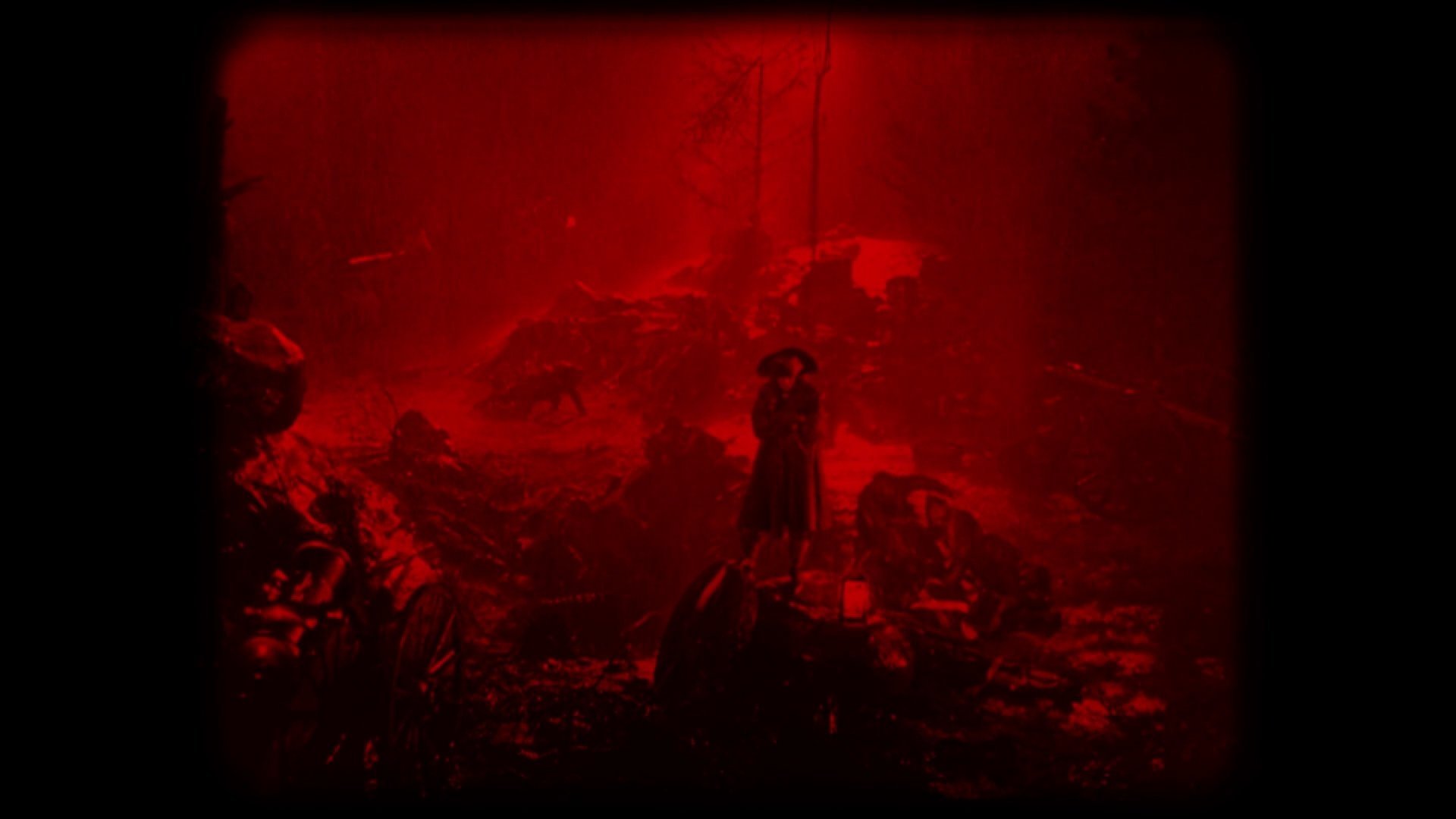
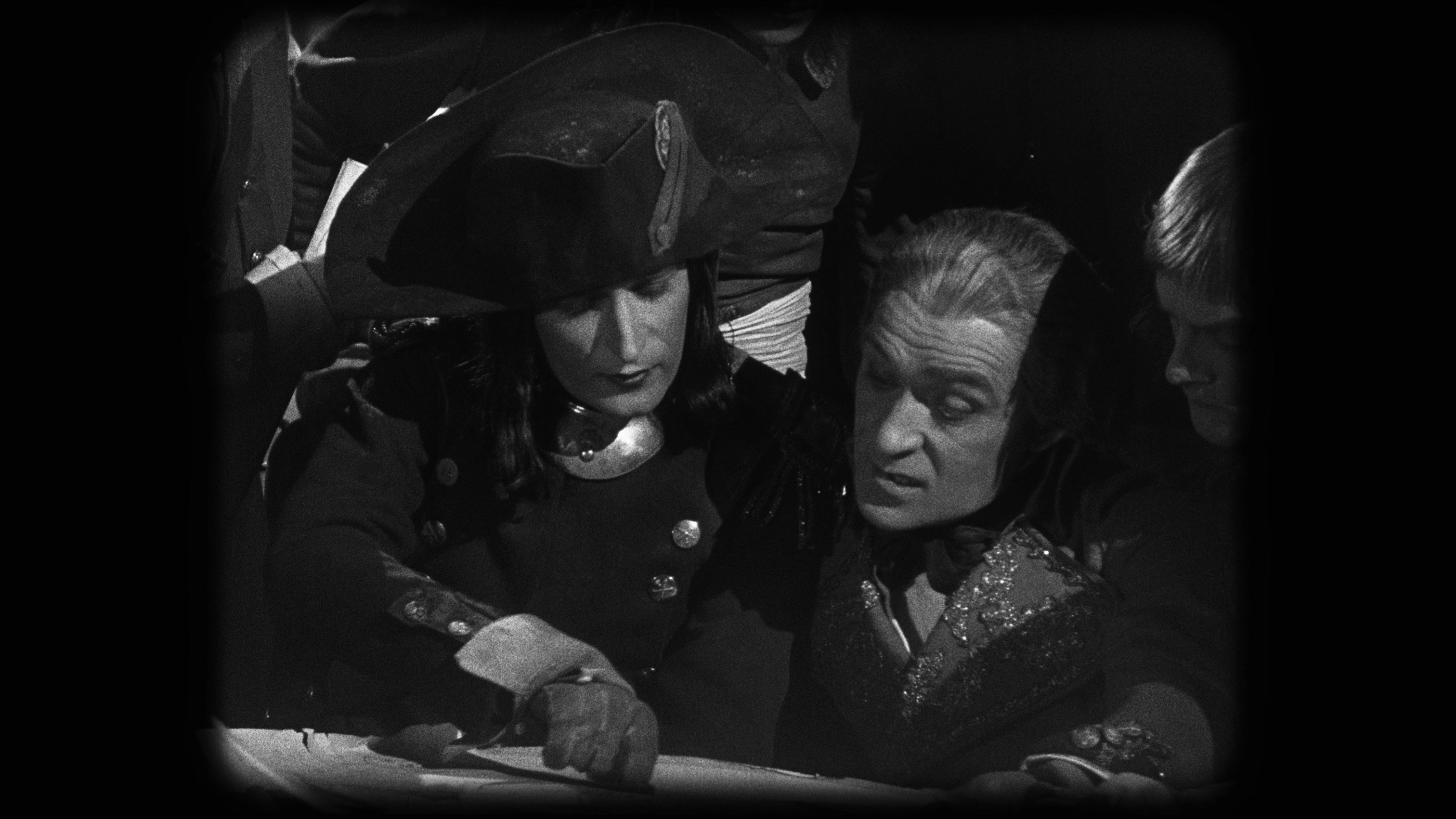
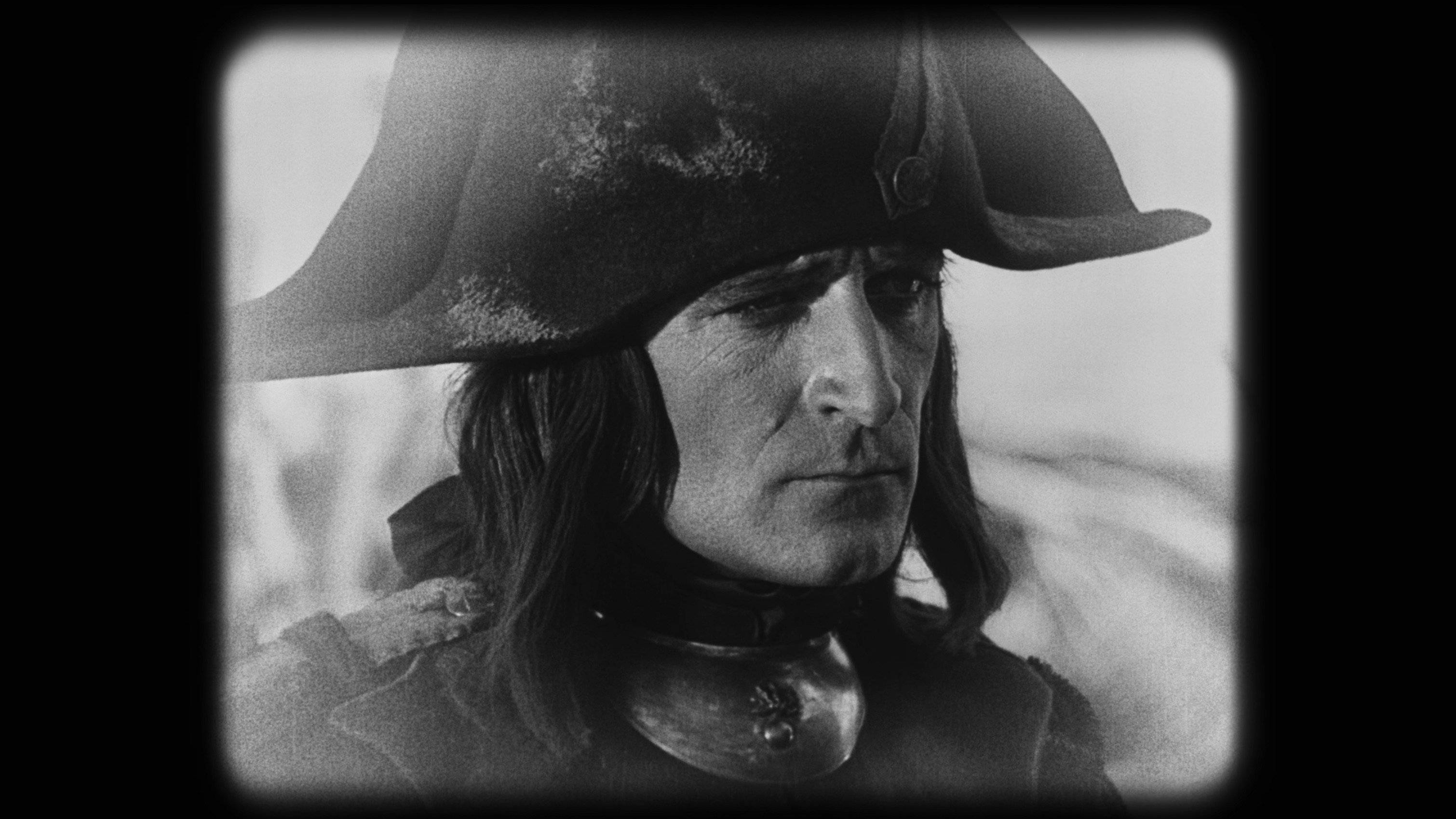
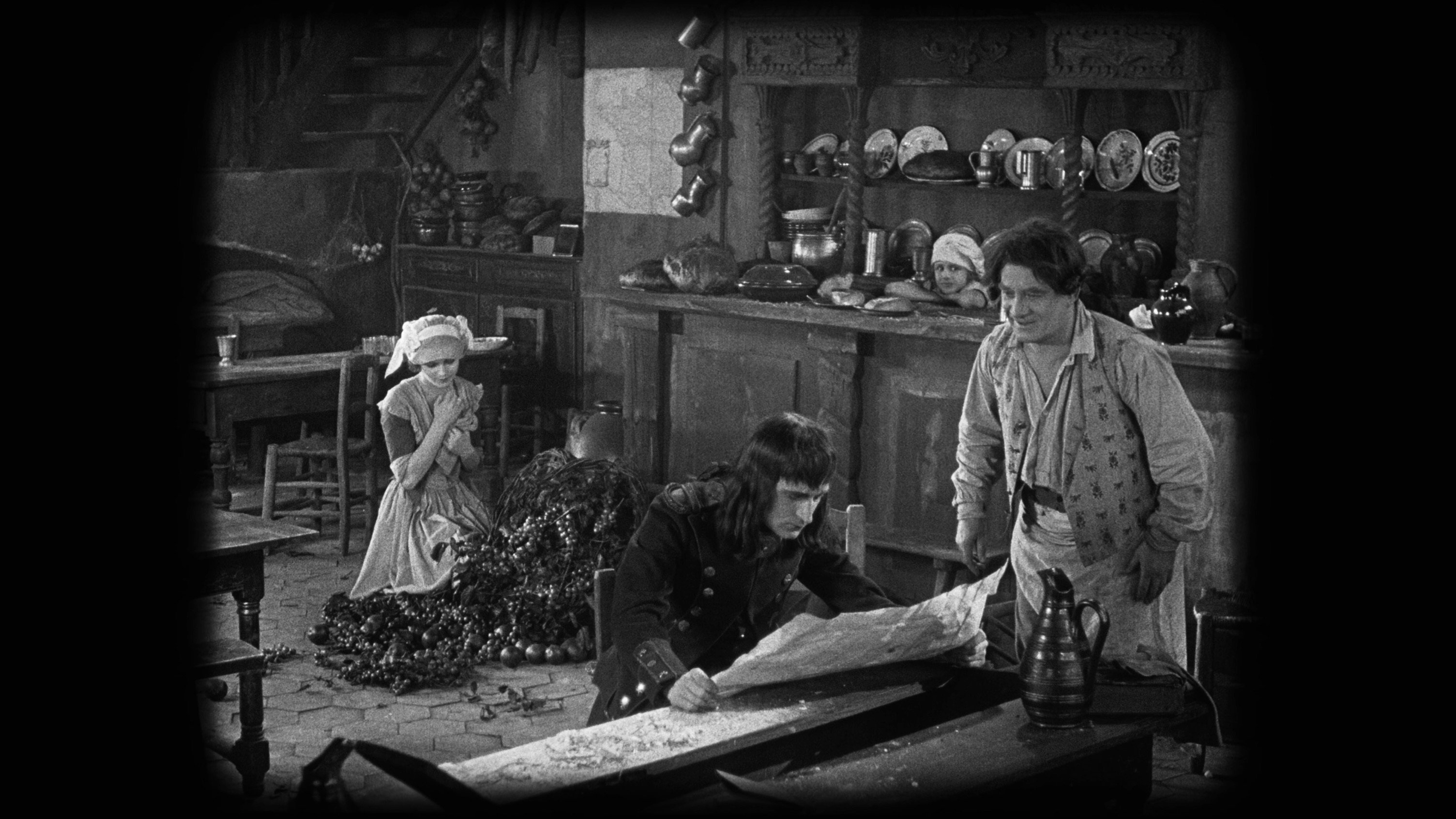
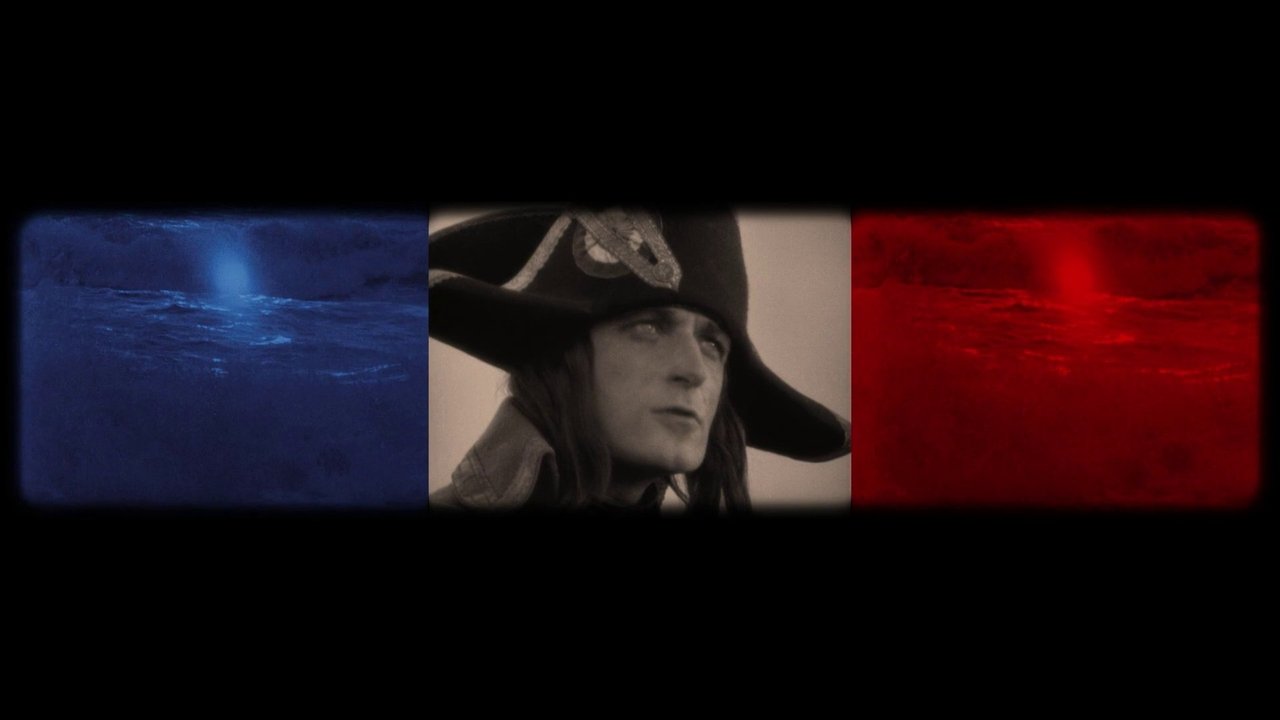
One of the best 75 films I’ve ever seen.**
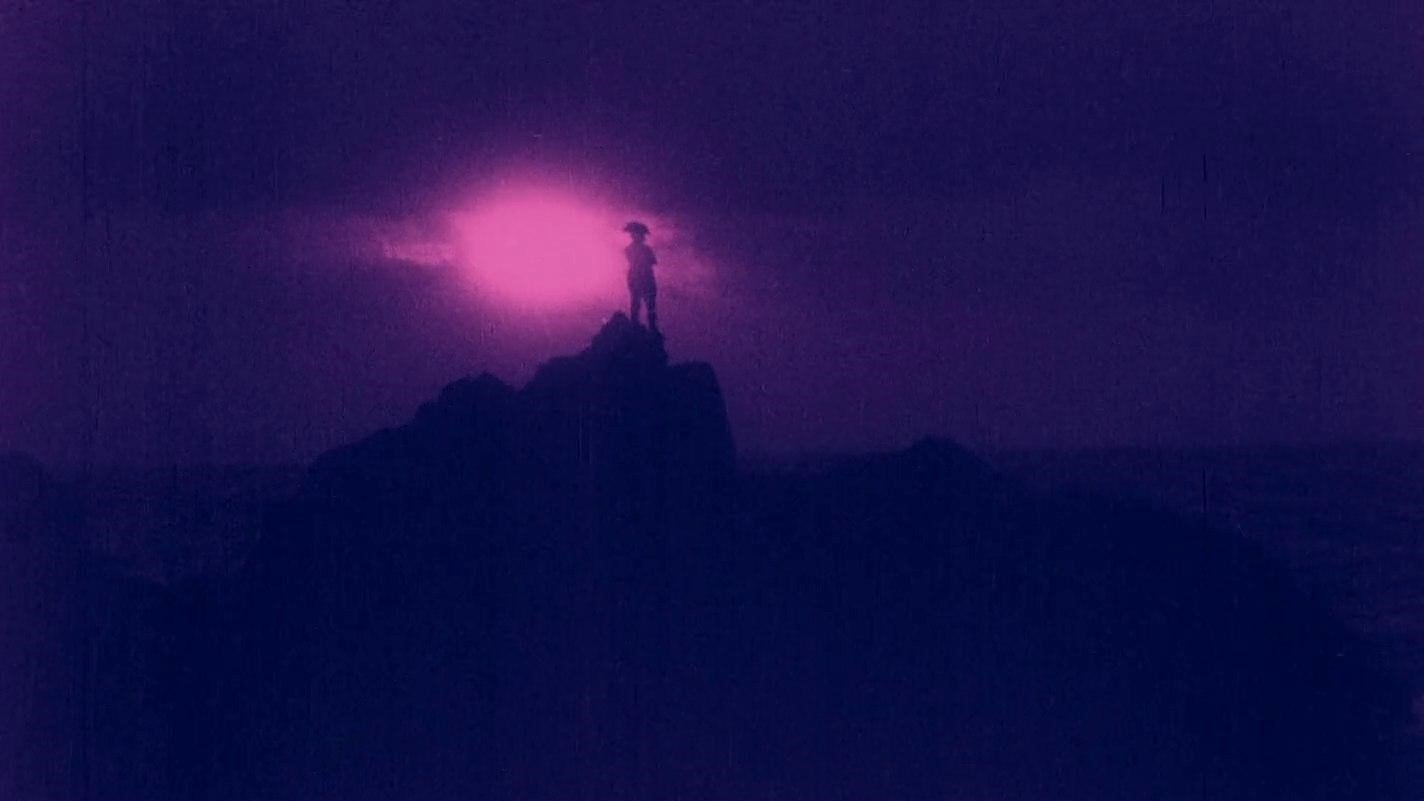
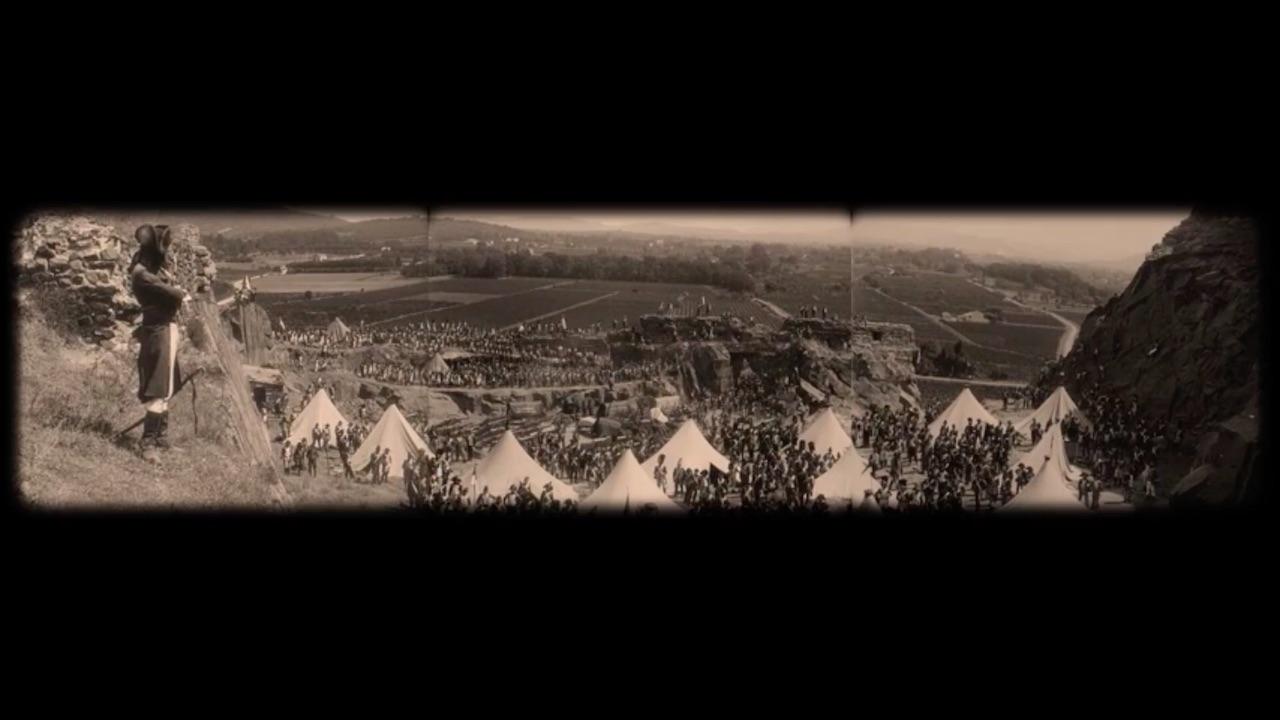
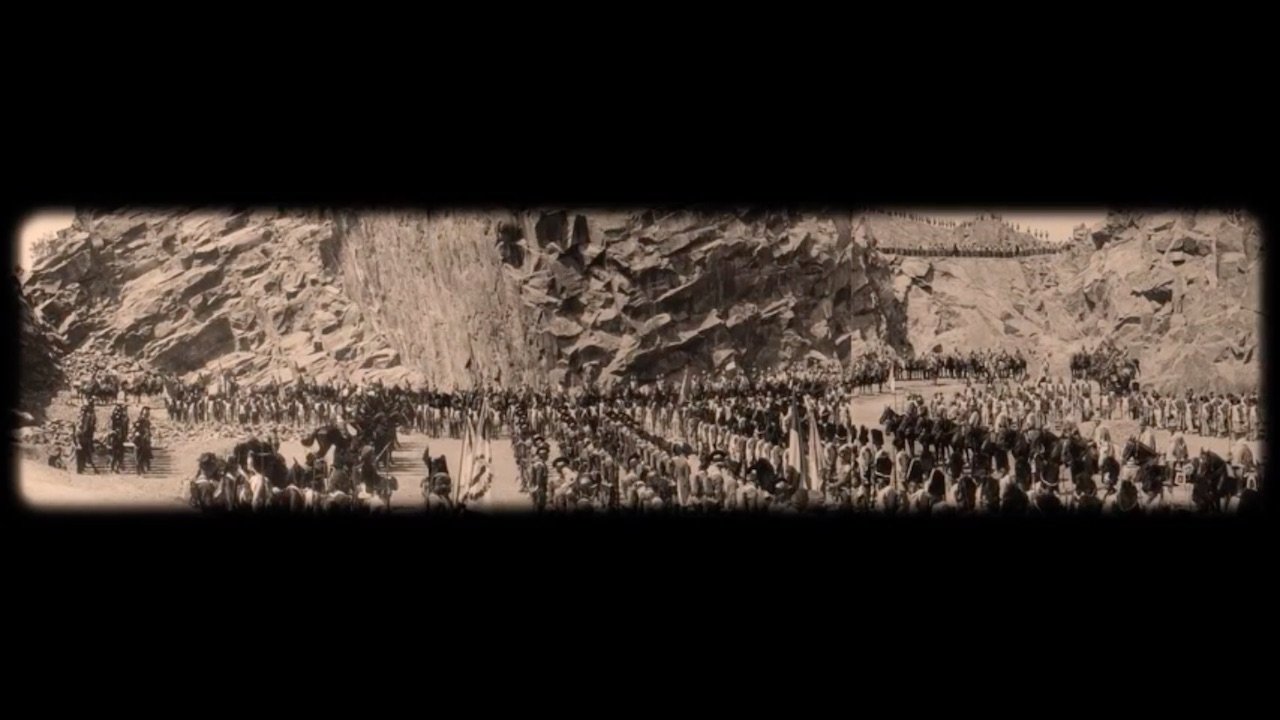
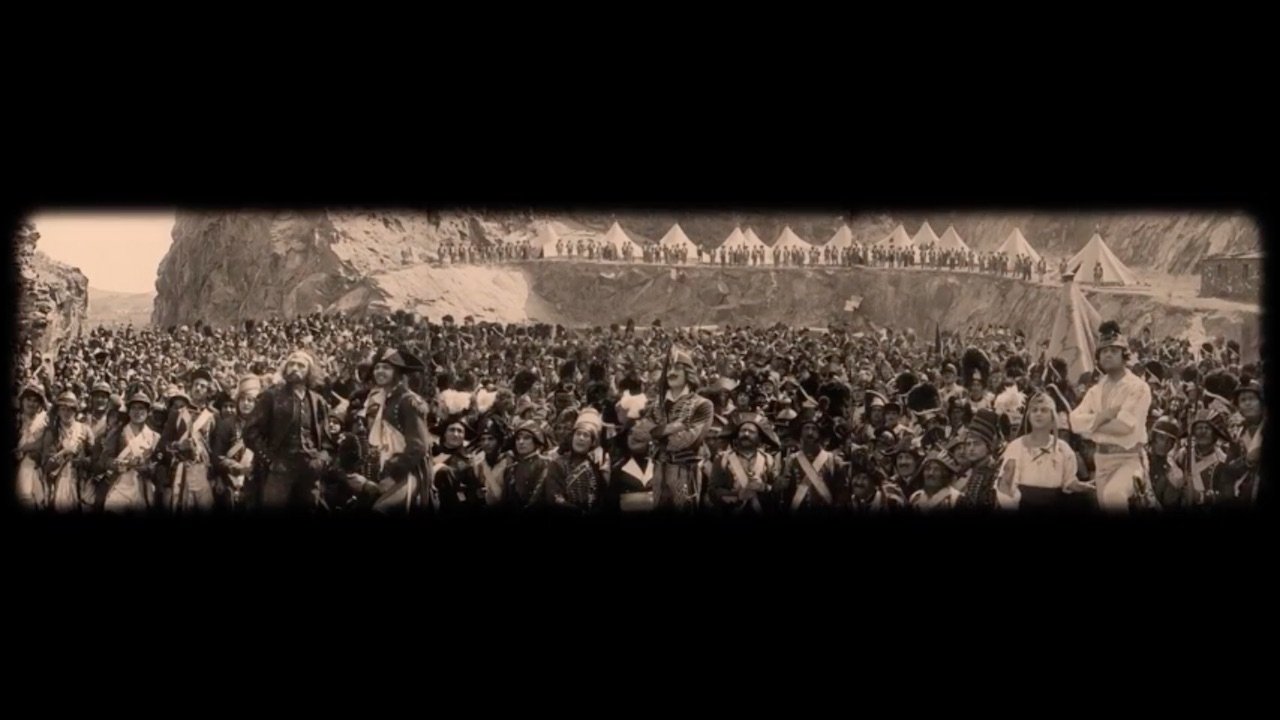
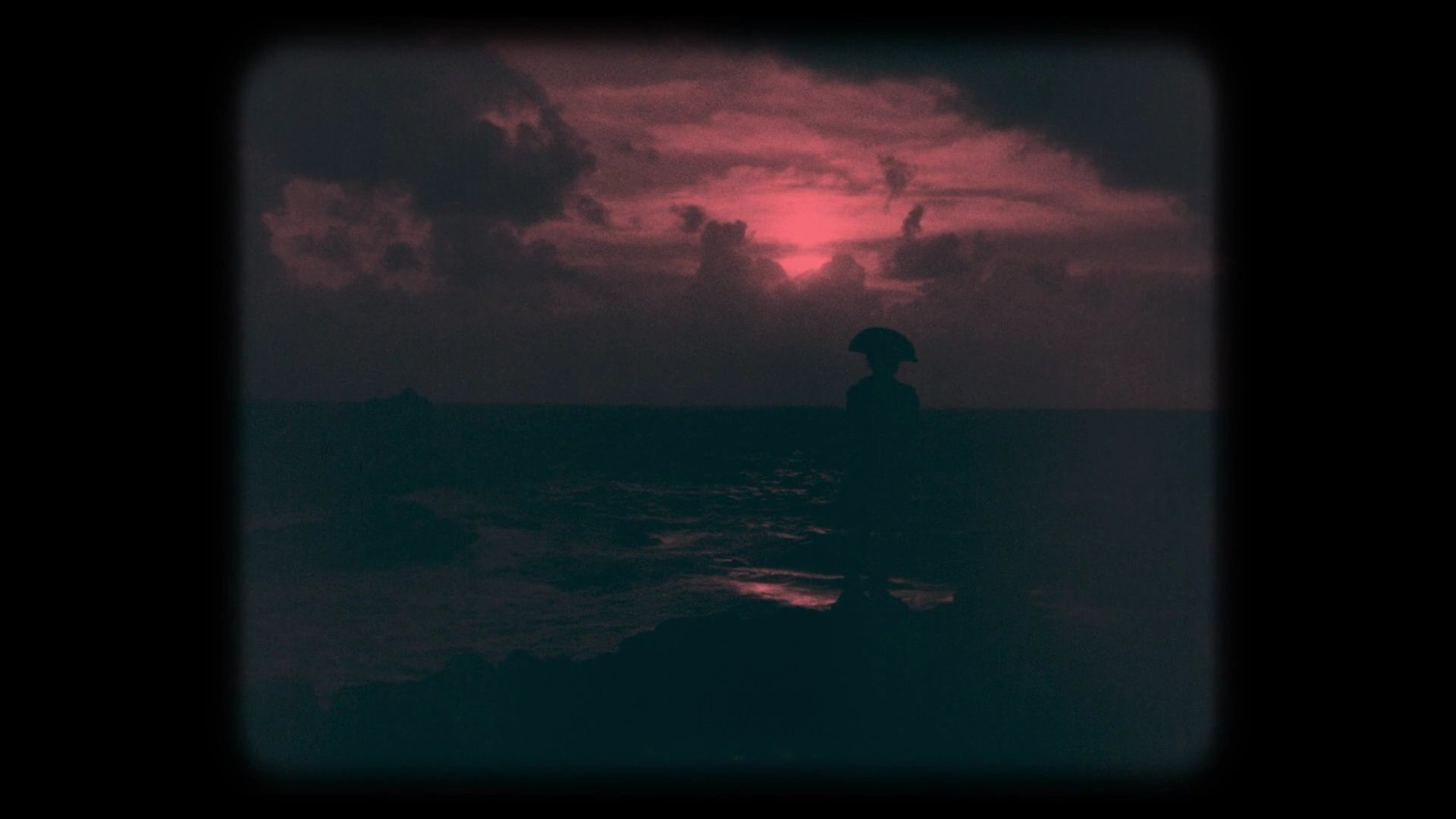
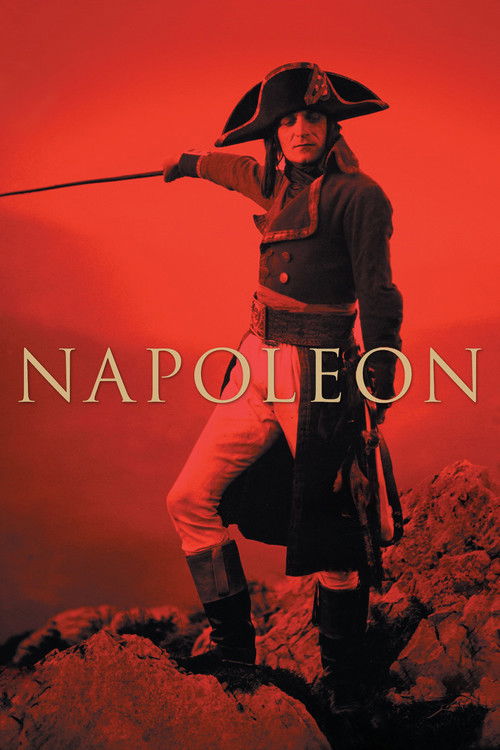
Napoleon by Abel Gance is grand, monumental, and historical. It is magnificent, imposing, spectacular, outstanding, extraordinary, incredible, formidable, splendid, majestic, magnanimous, colossal, vibrant, dazzling, sublime, immense, unstoppable, radiant, impressive, phenomenal, overwhelming, overflowing, emotional, unique, legendary, transcendental, impactful, revolutionary, captivating, excessive, exceptional, unforgettable, breathtaking, immense, unequaled, advanced, moving, inspiring, fascinating, bold, gigantic, overwhelming, irreplaceable, timeless, alluring, powerful, majestic, deafening, brilliant, great, prodigious, immortal, sublime, wonderful.
Each of these terms reflects the magnitude and transcendence of this cinematic masterpiece.
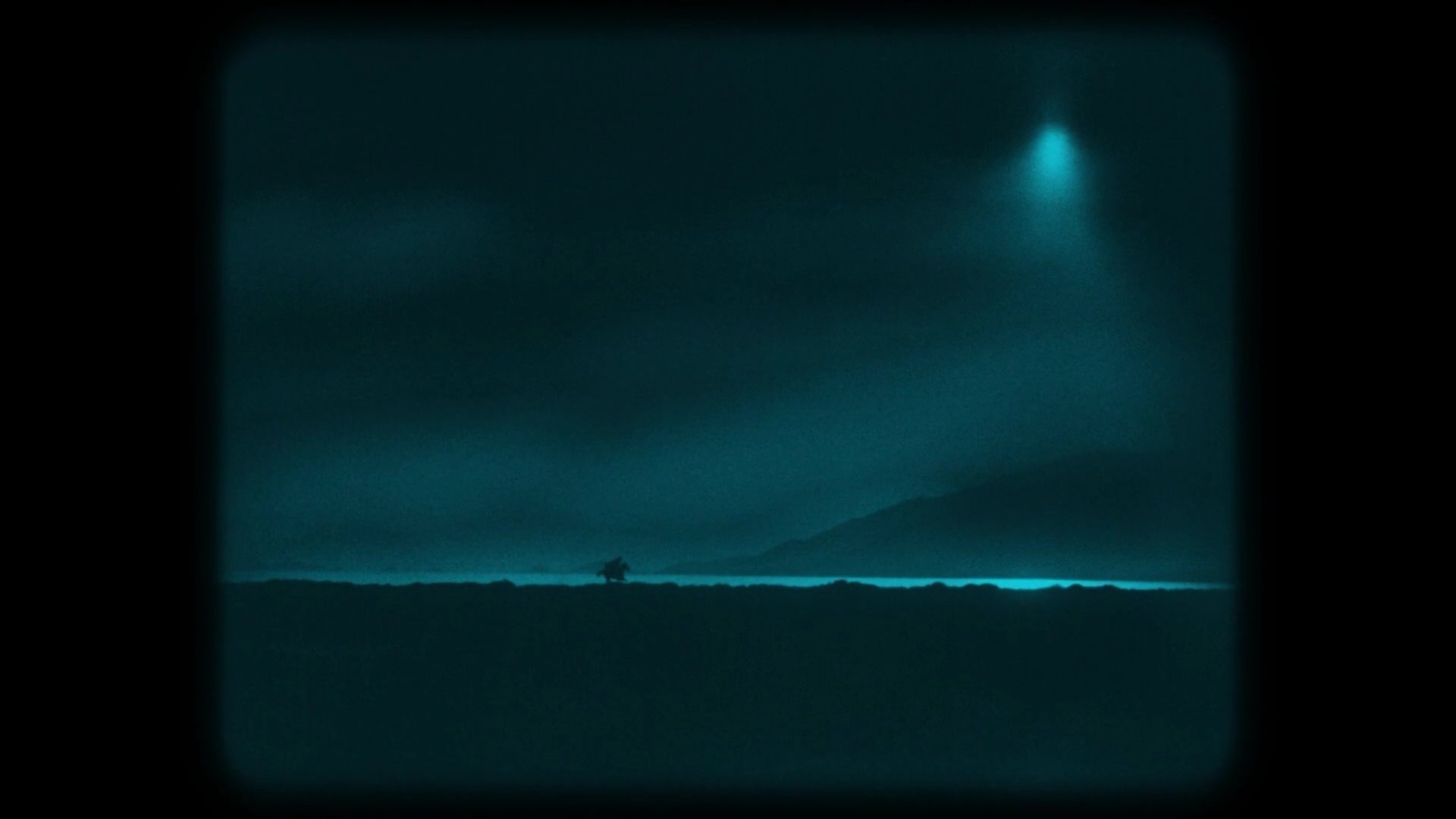
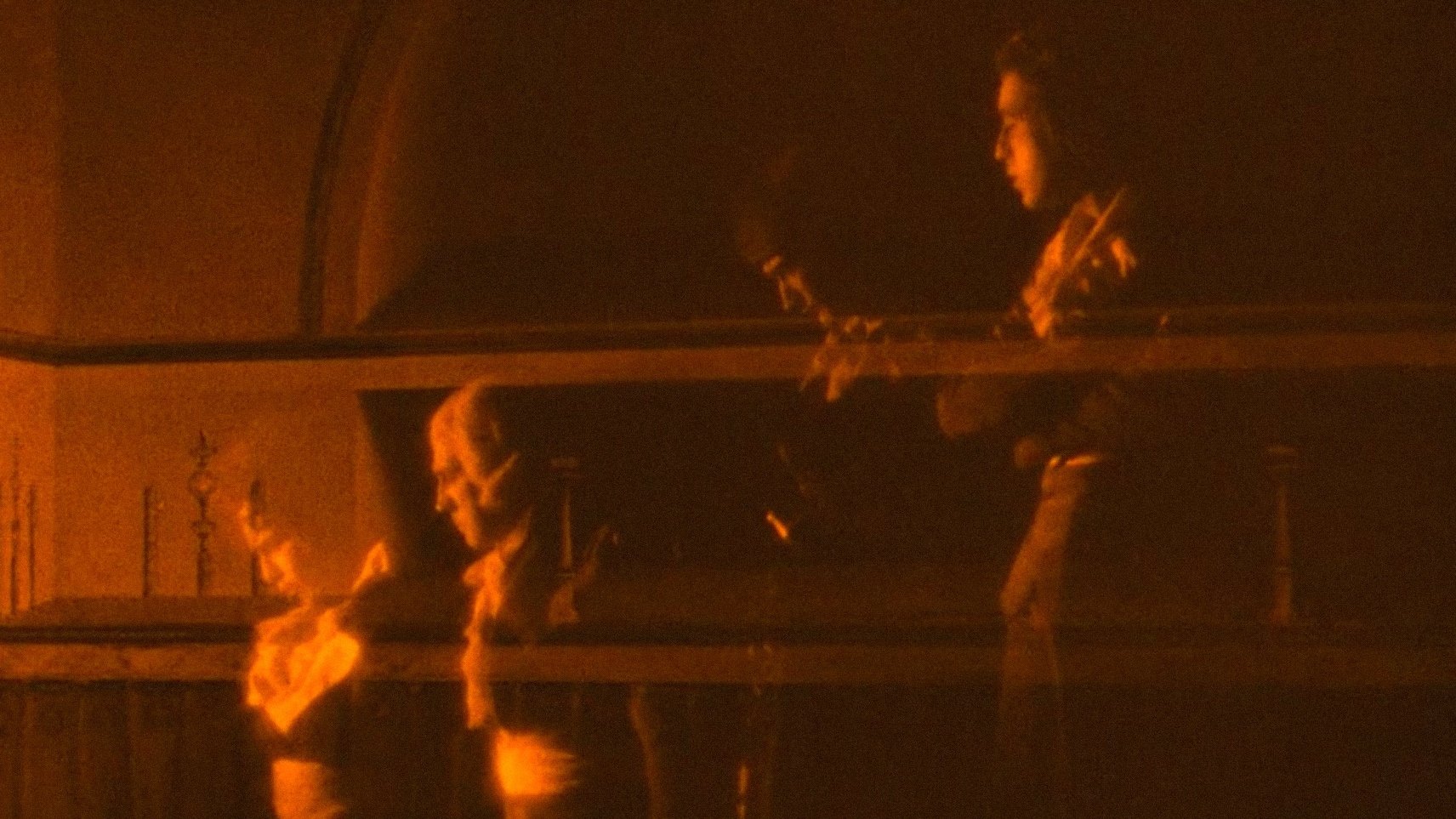
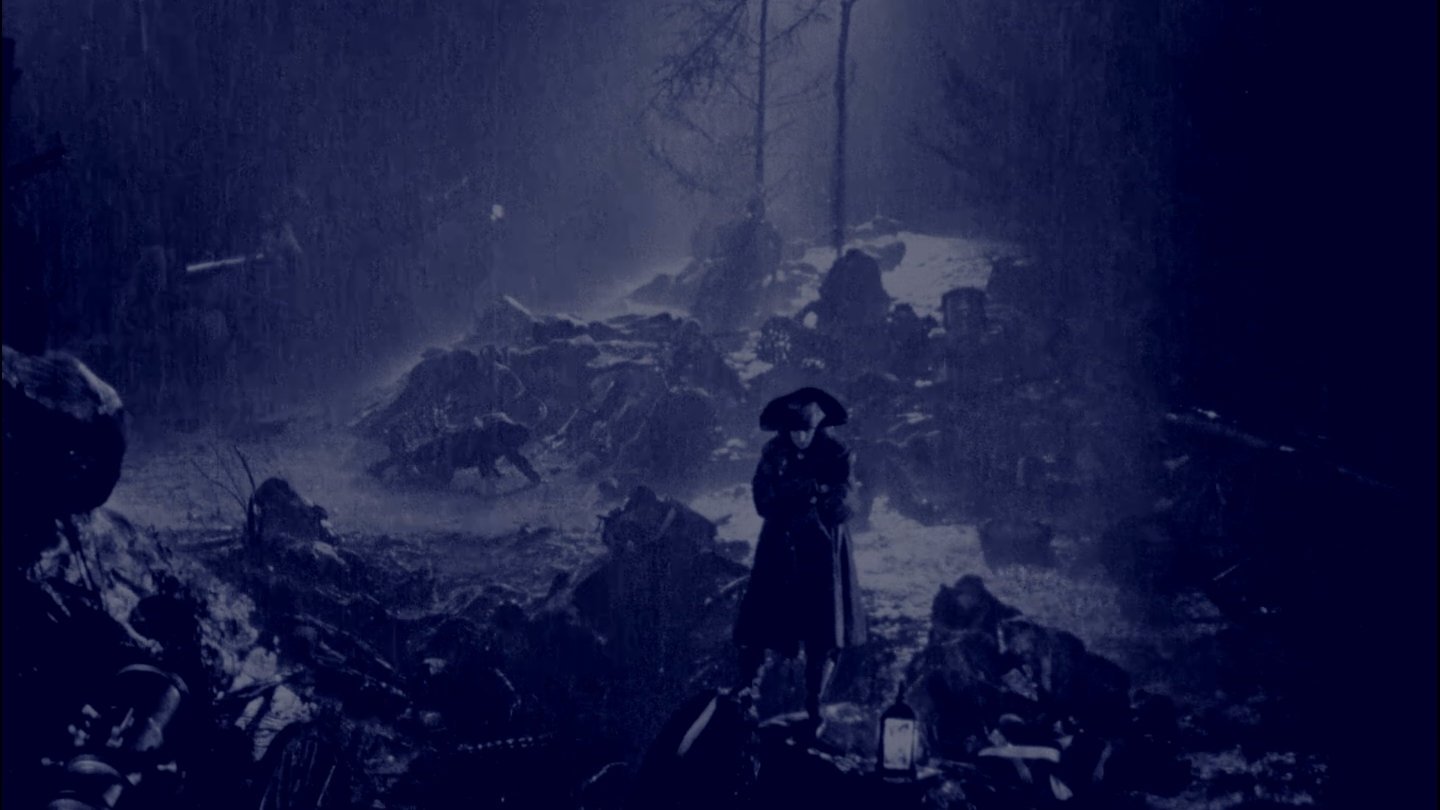
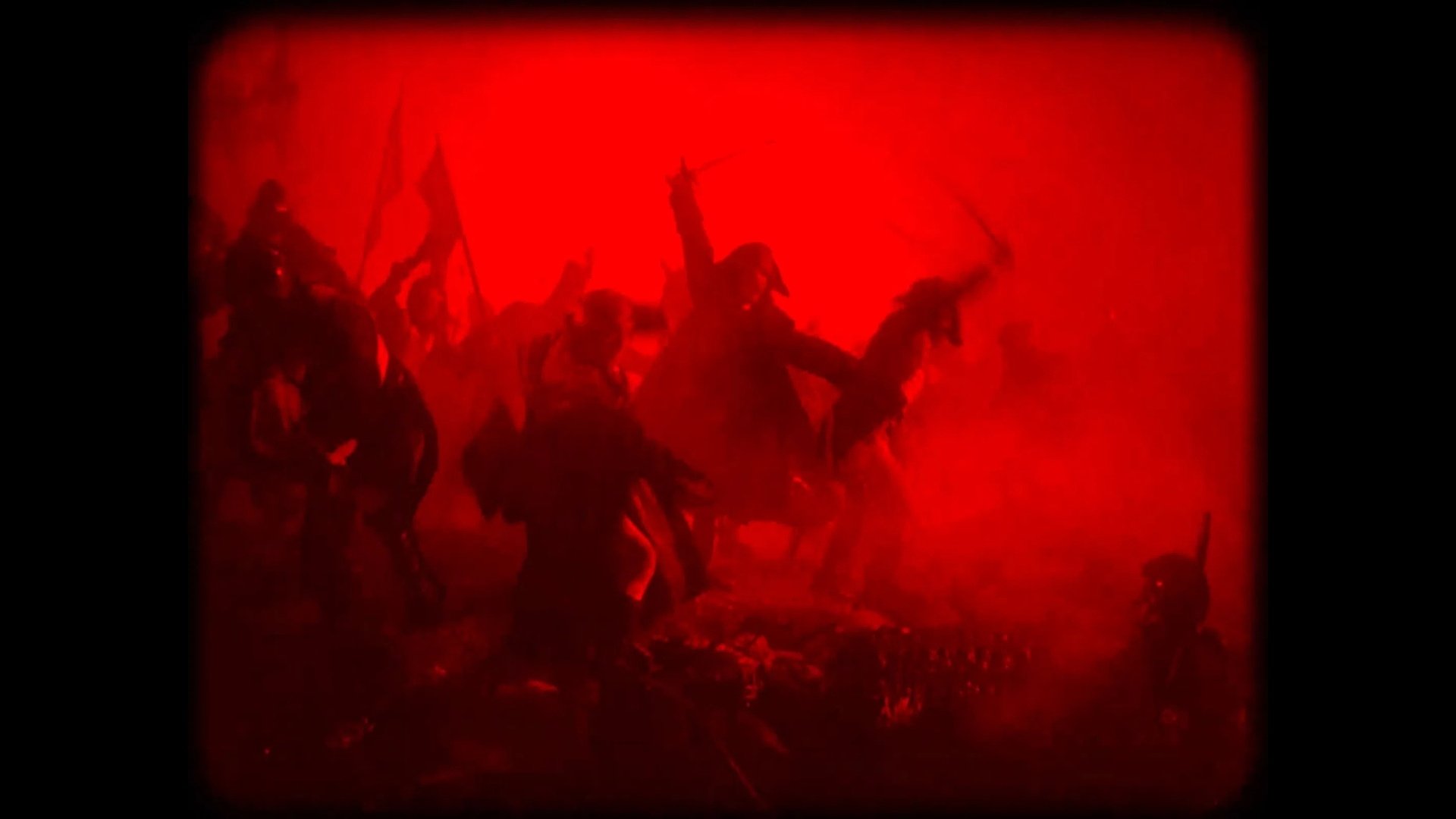
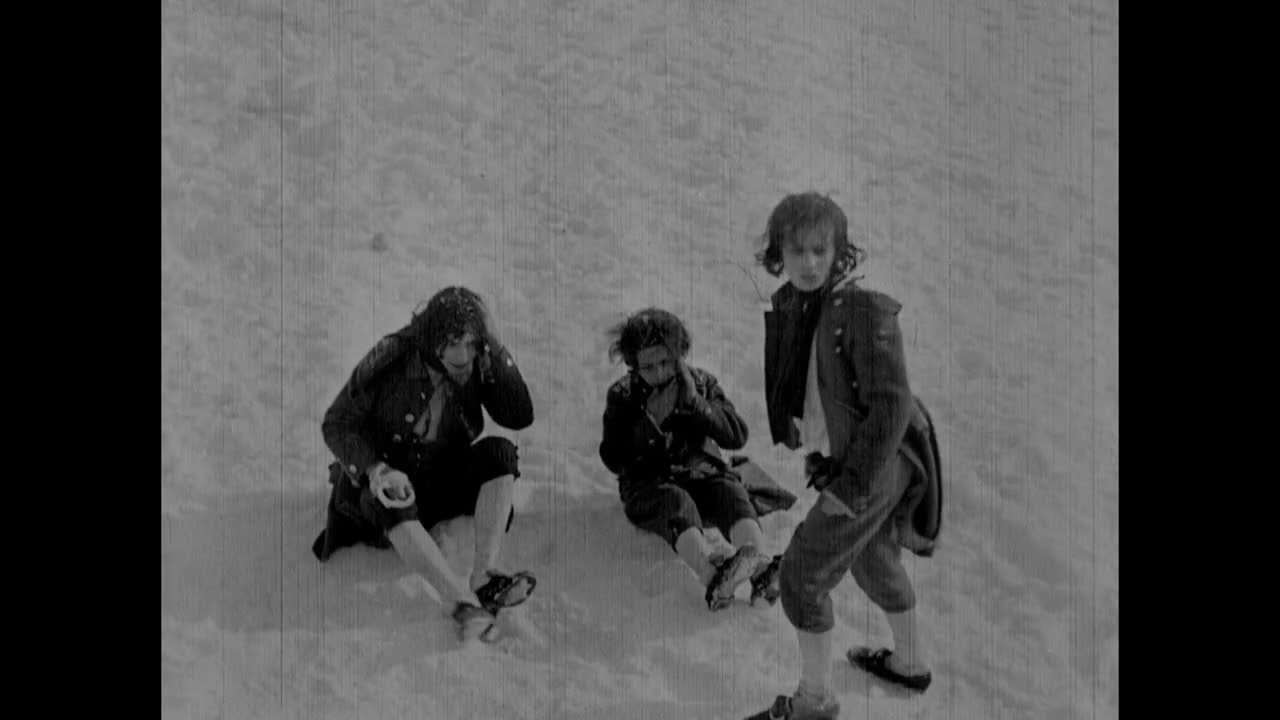
The film's editing easily ranks among the top 3 best edits in film history. From the snow battle in the war games to the end, which I can't reveal much about. I'll only say that it is on the same level (or even more) than the ending of
2001: A Space Odyssey. If Eisenstein created the montage, this film refines it to a point that transcends the celluloid. Abel Gance had planned six parts for Napoleon’s life, but tragically, he couldn’t make them, so we will always be left wondering what could have been the most epic saga in human history.
I am a film and history nerd, so this film is basically a mix of what I am most passionate about in the world. This review, therefore, is my nerdiest self to date.
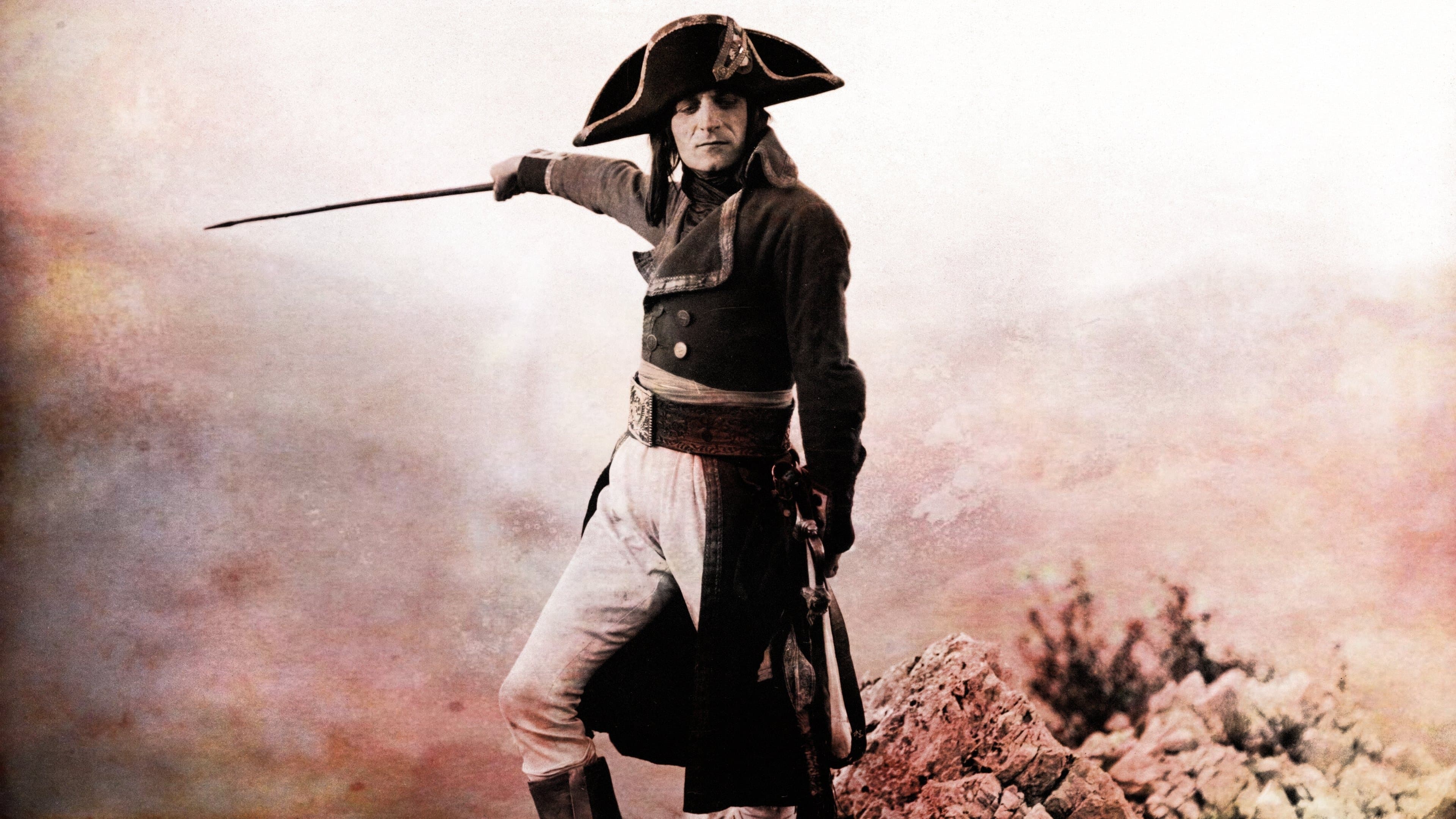
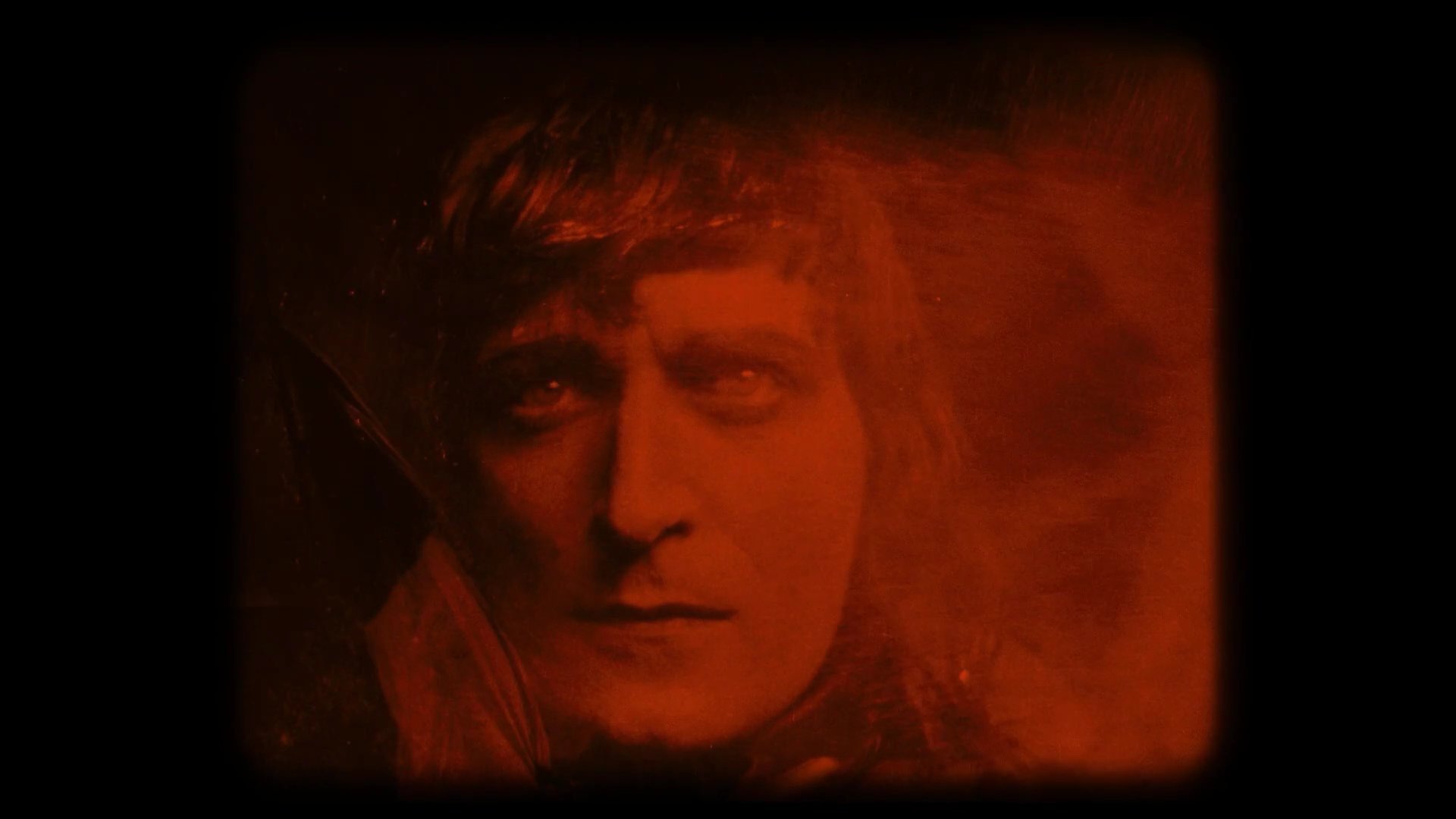
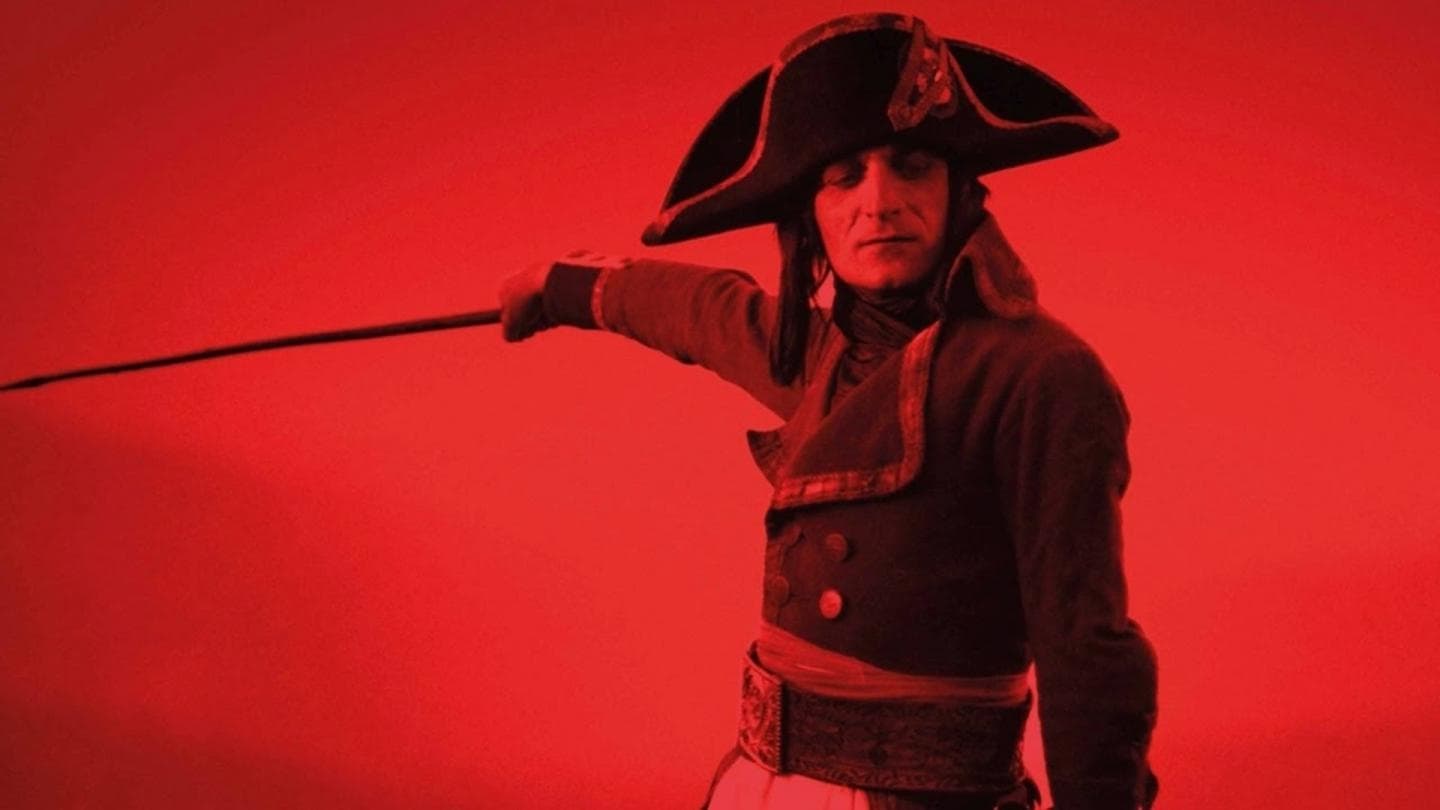
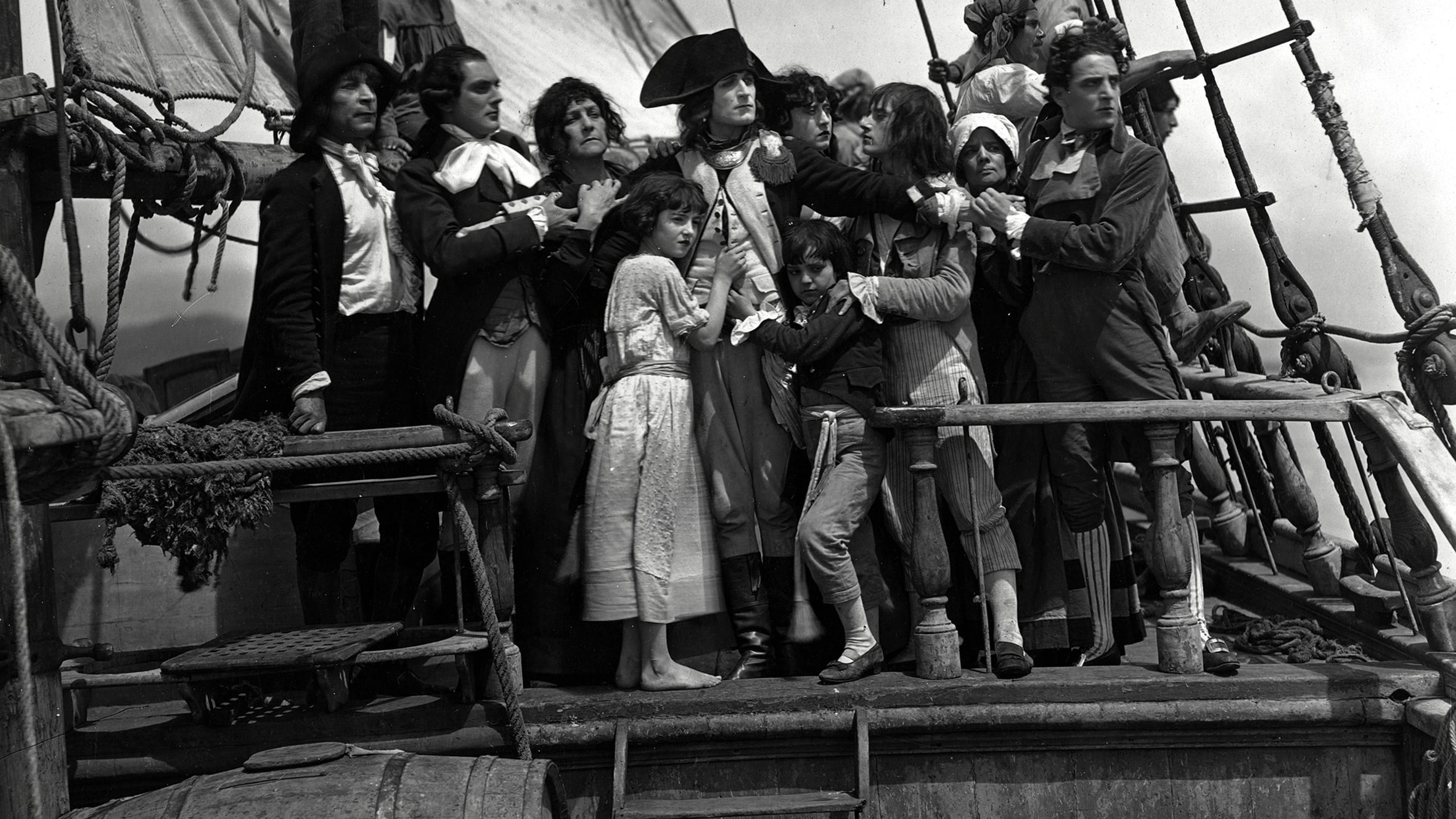
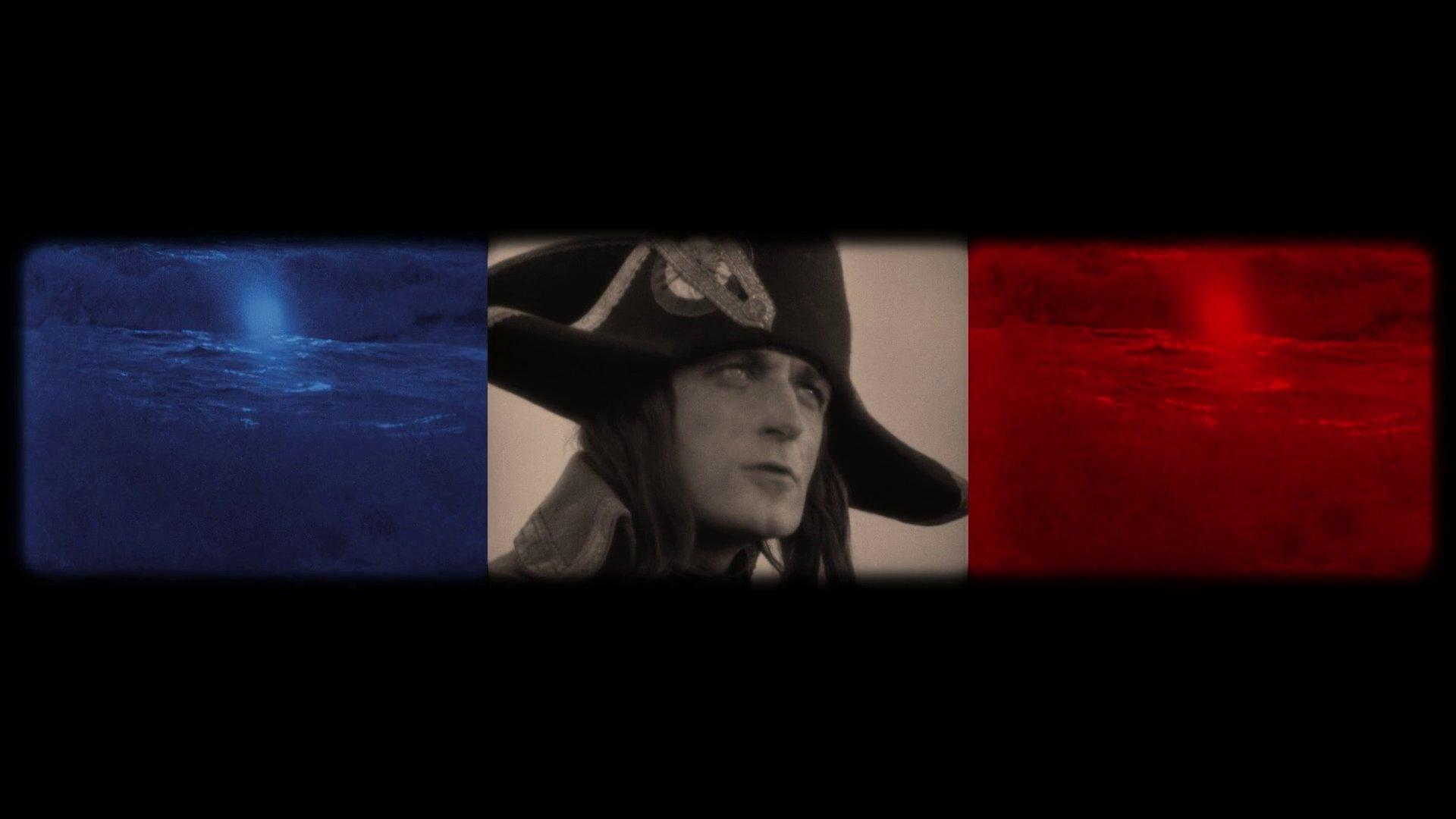
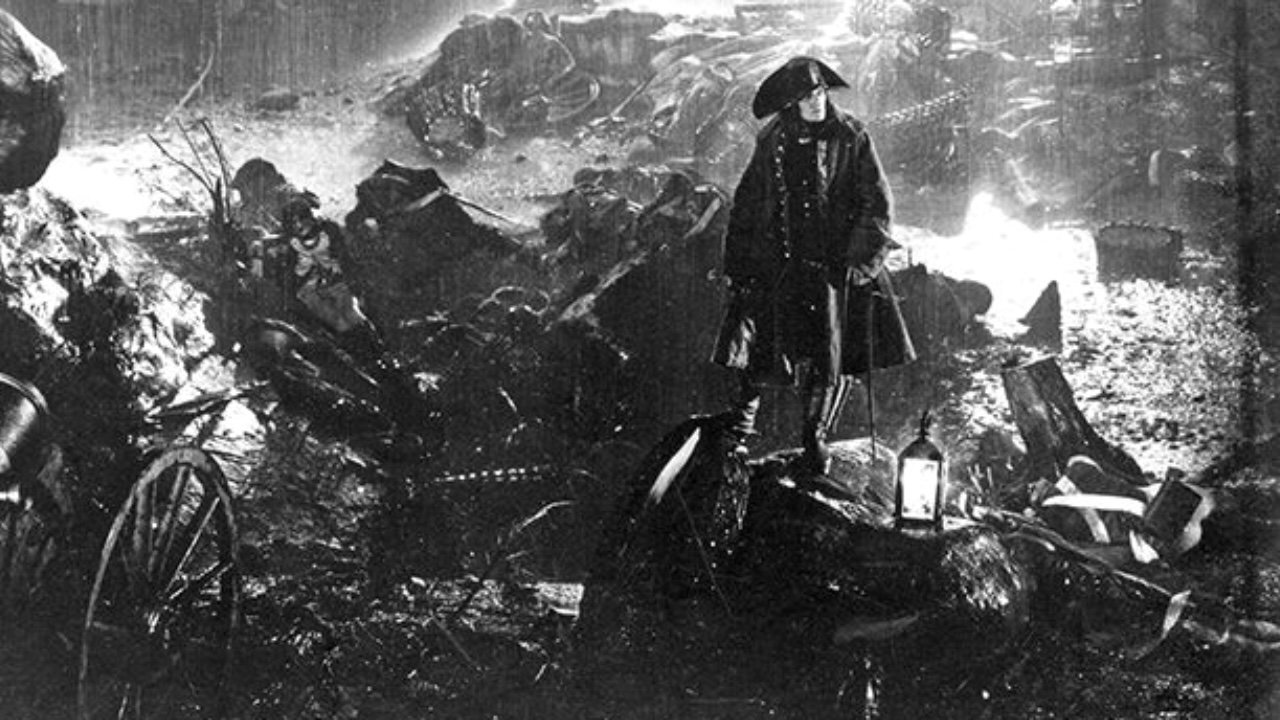
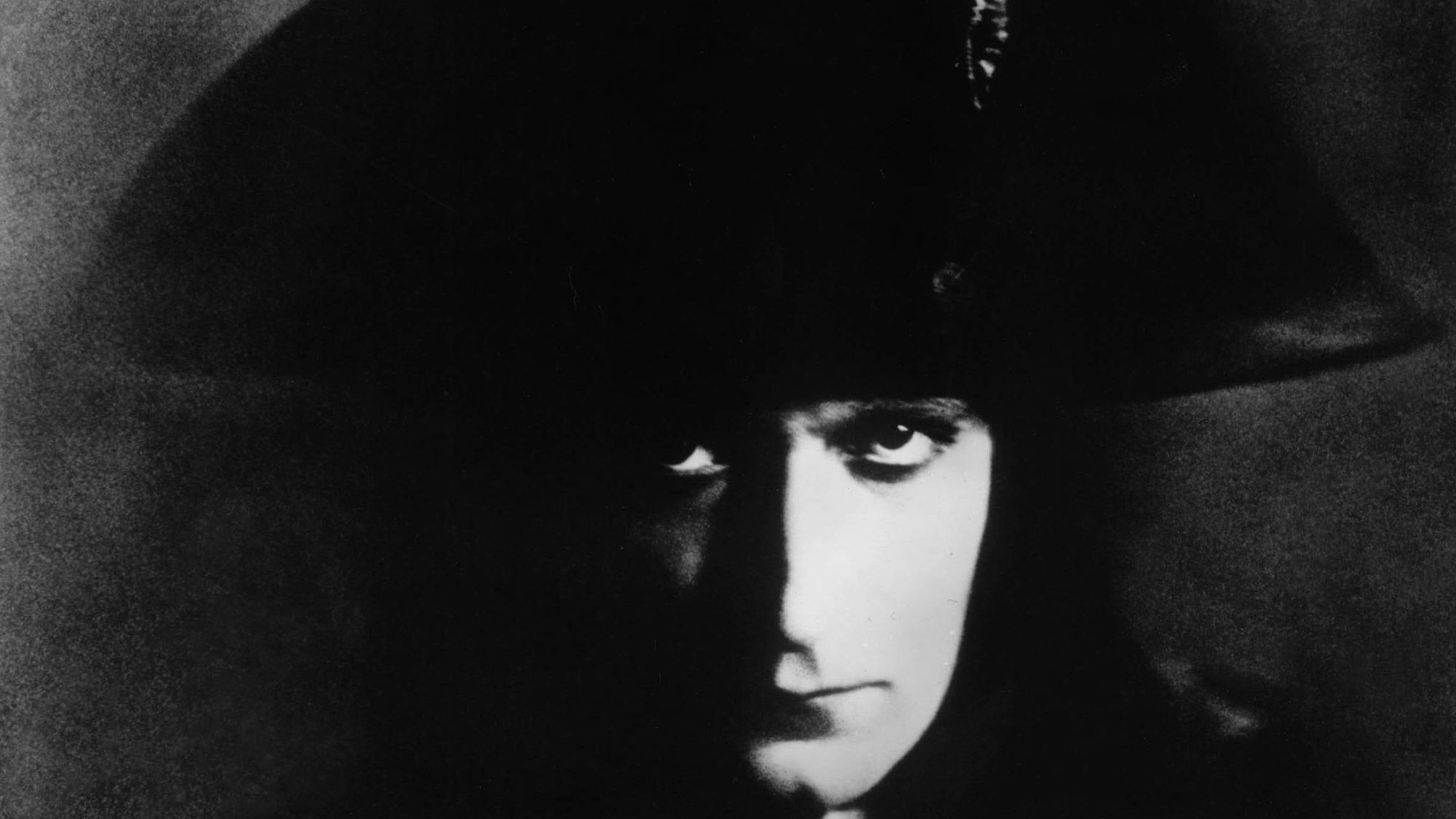
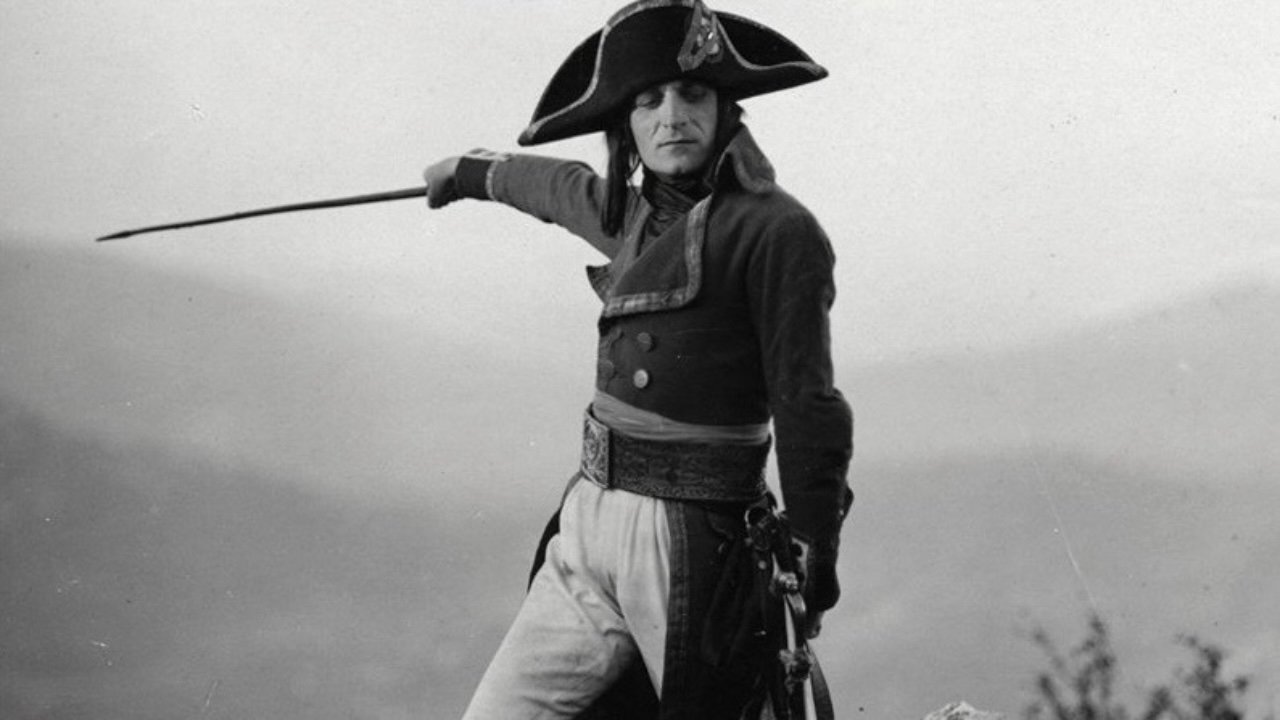
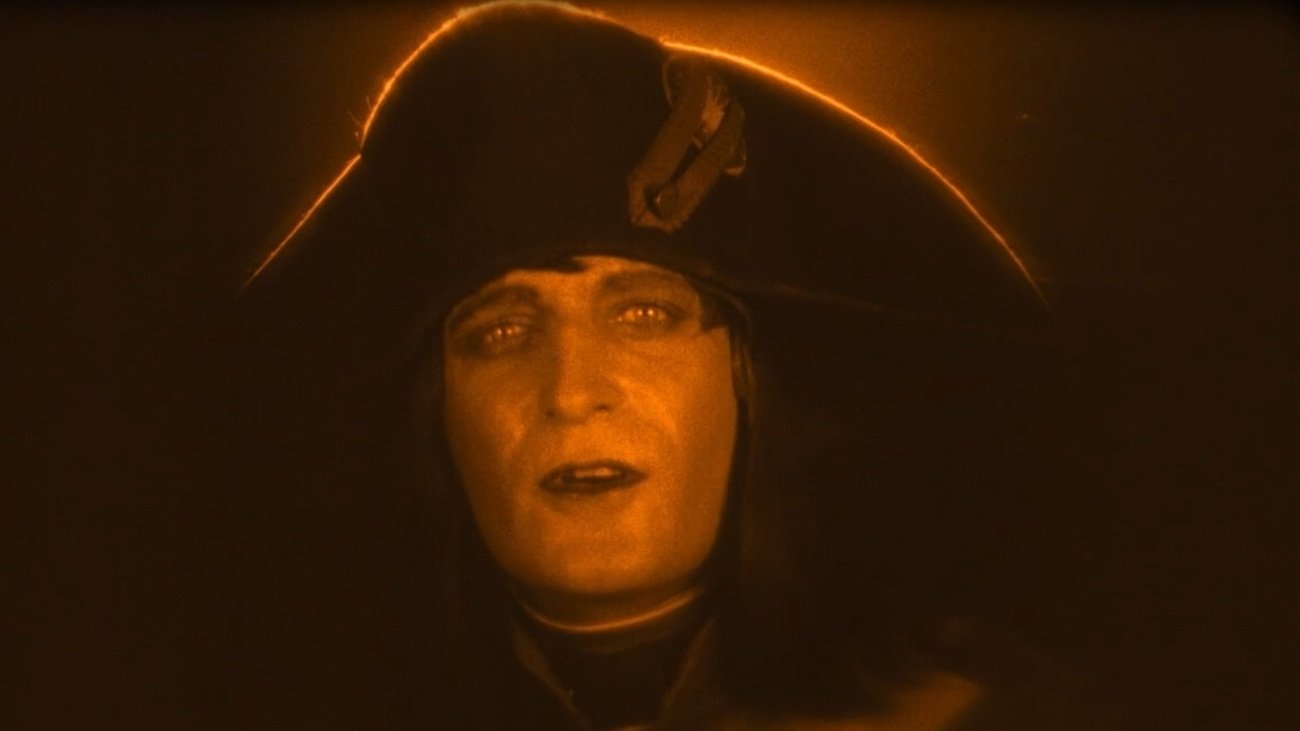
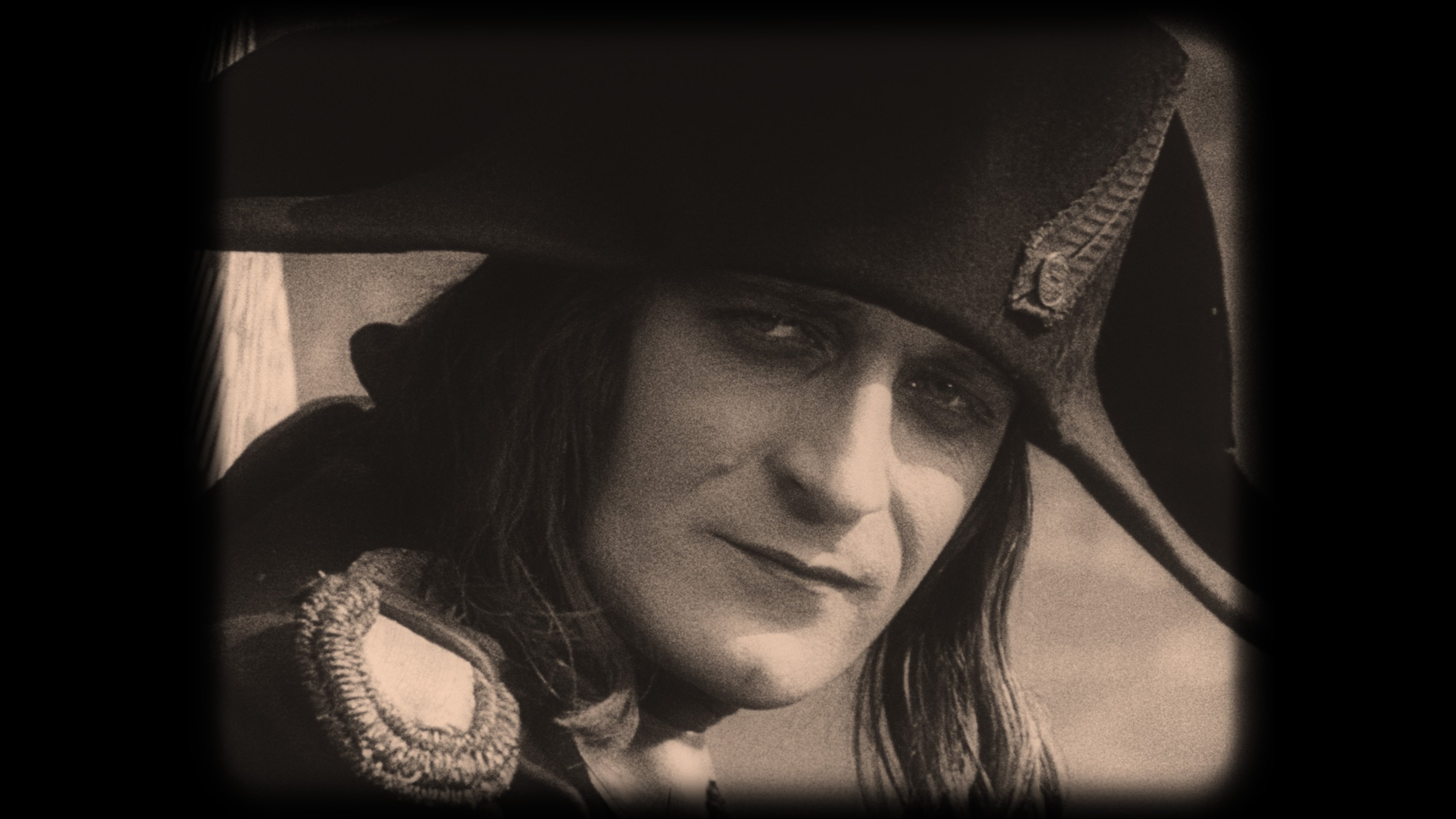
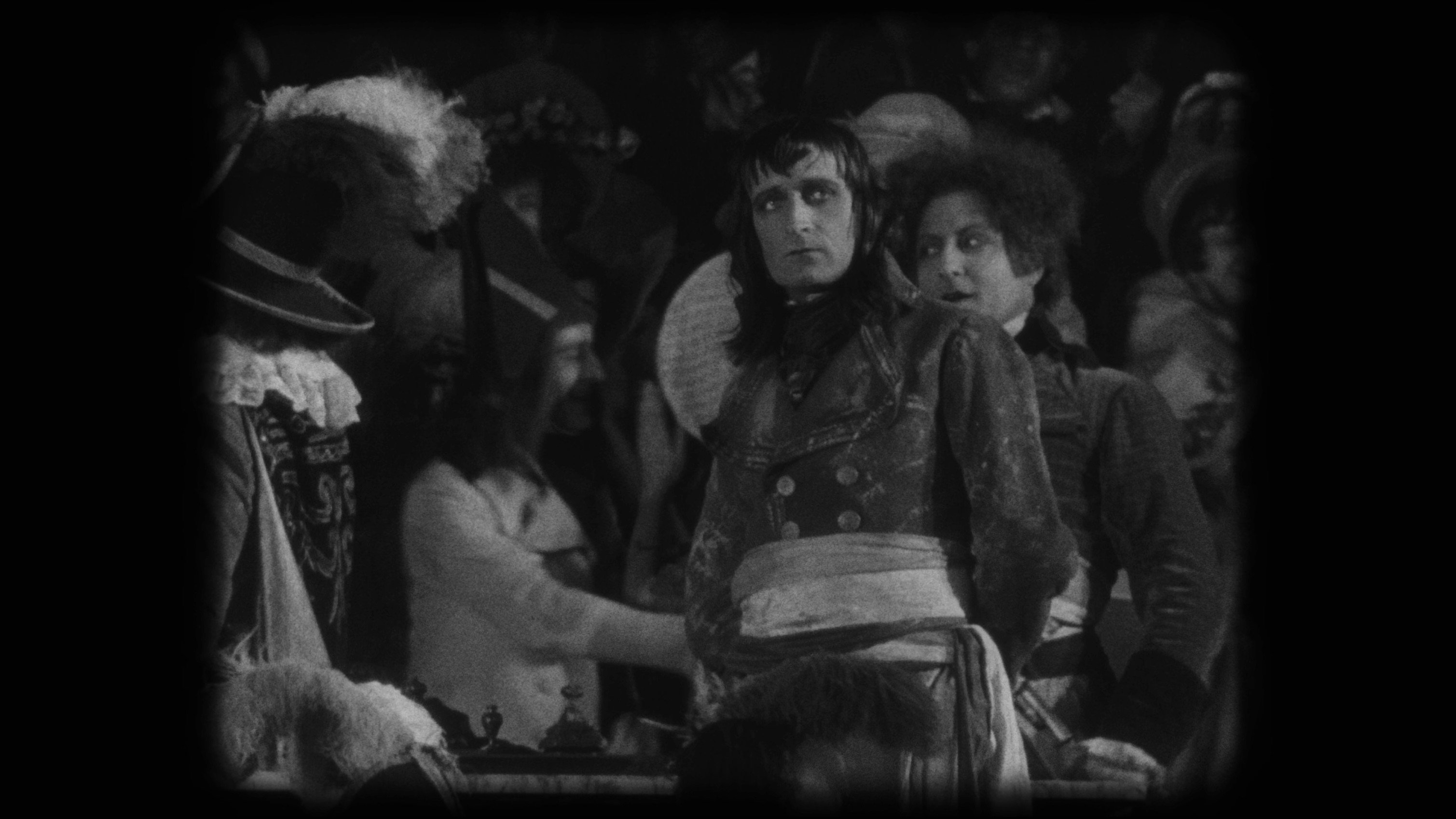
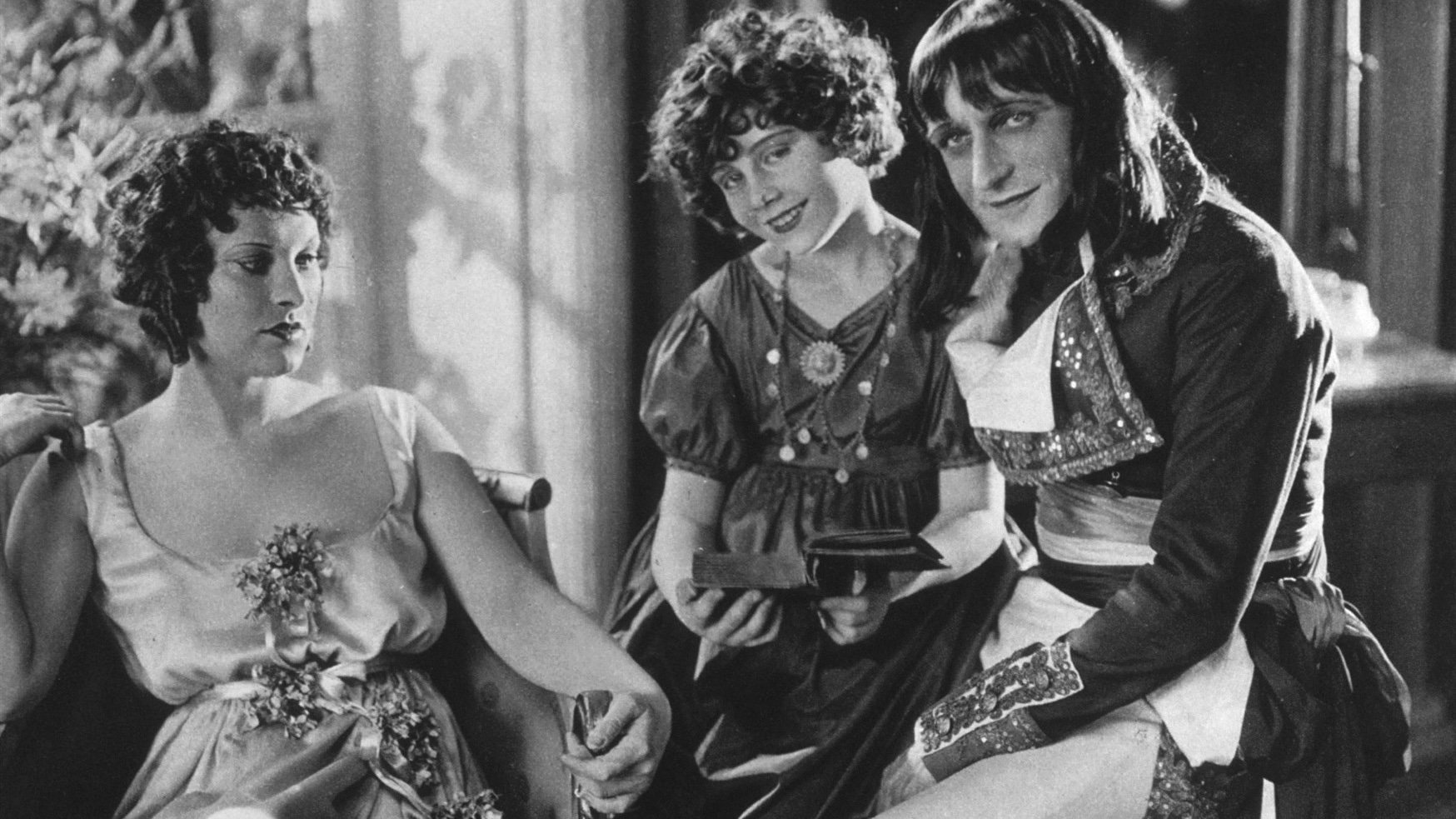
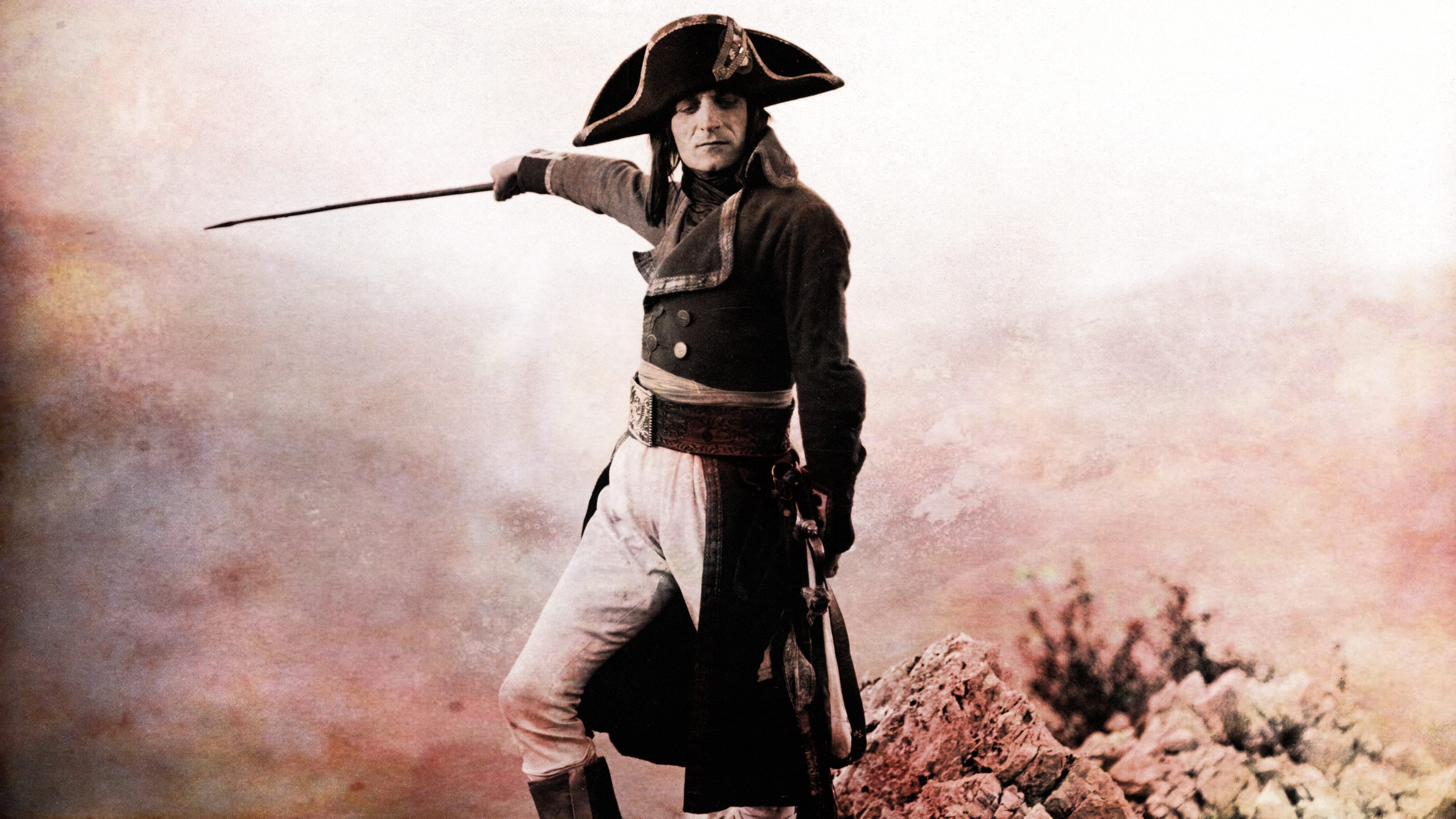
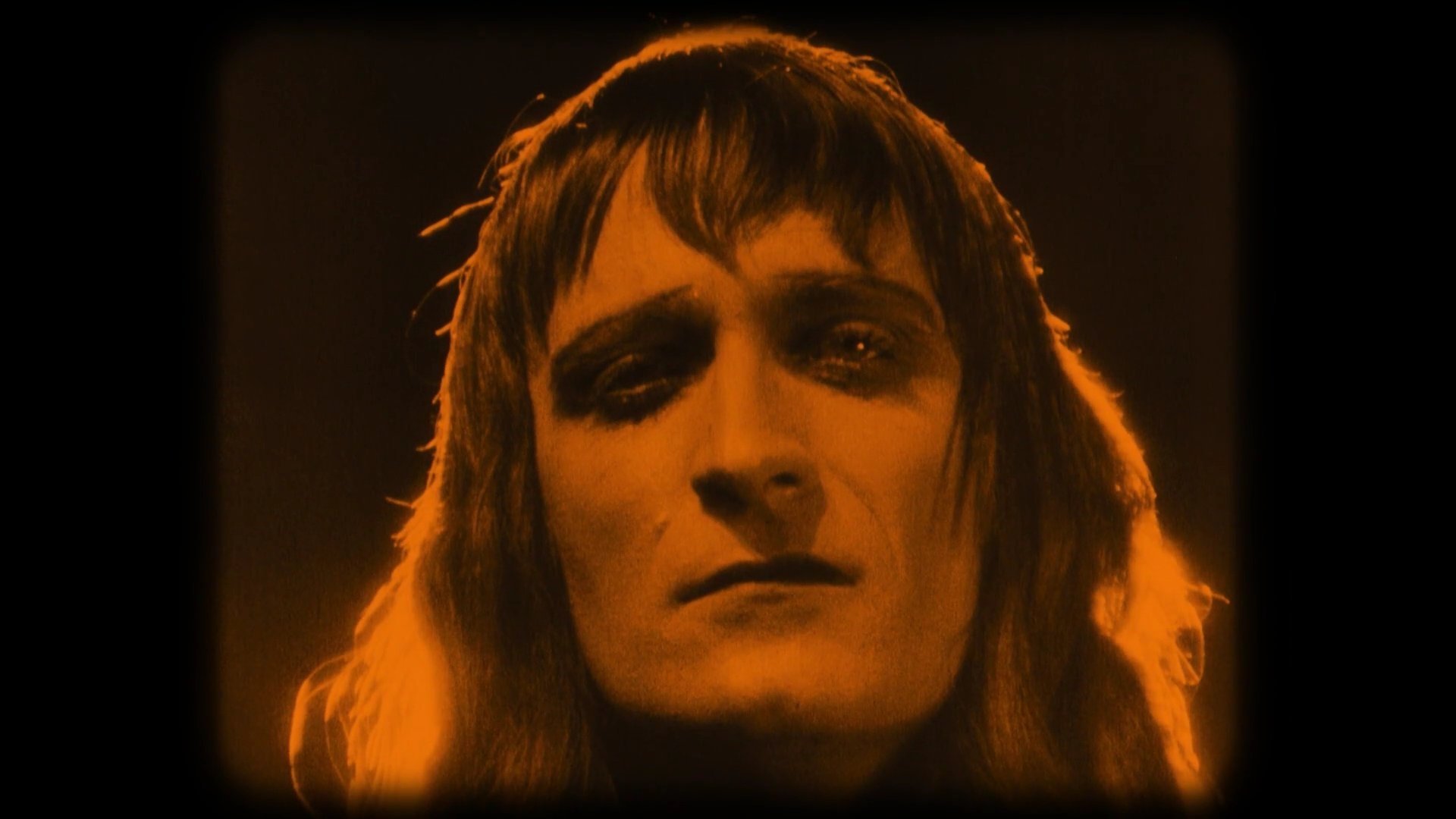
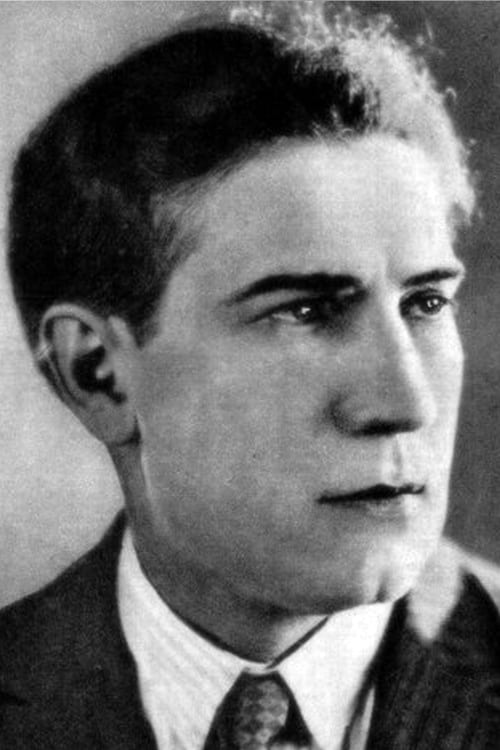
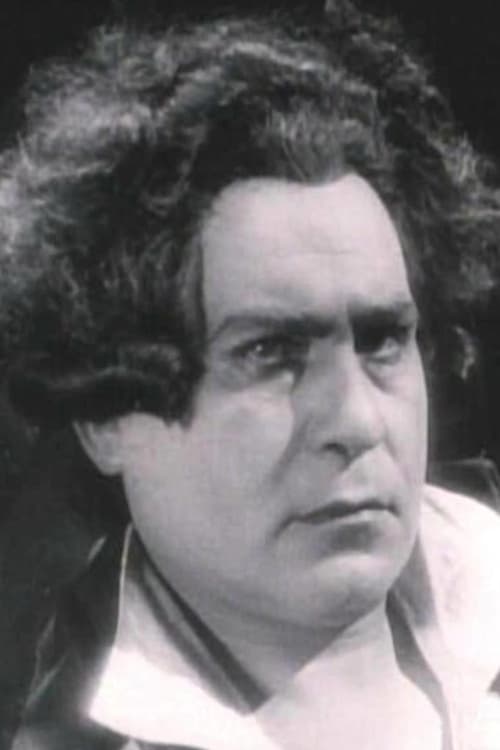
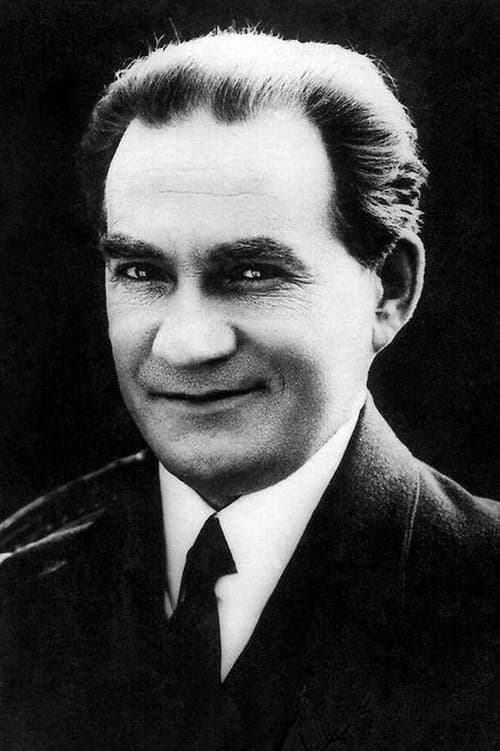
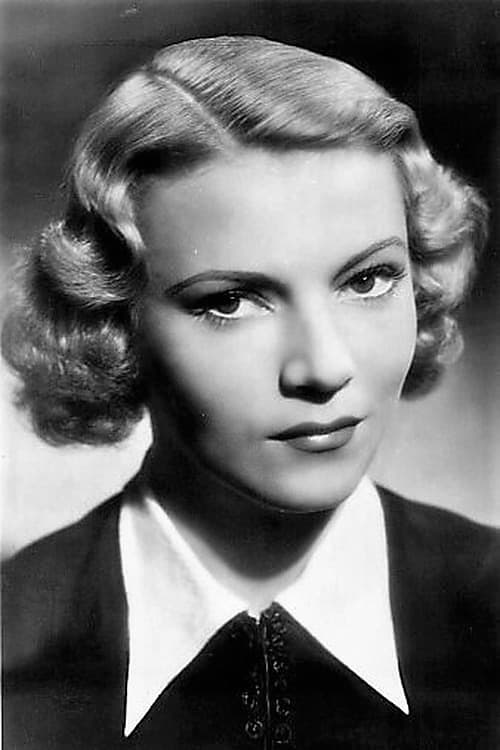
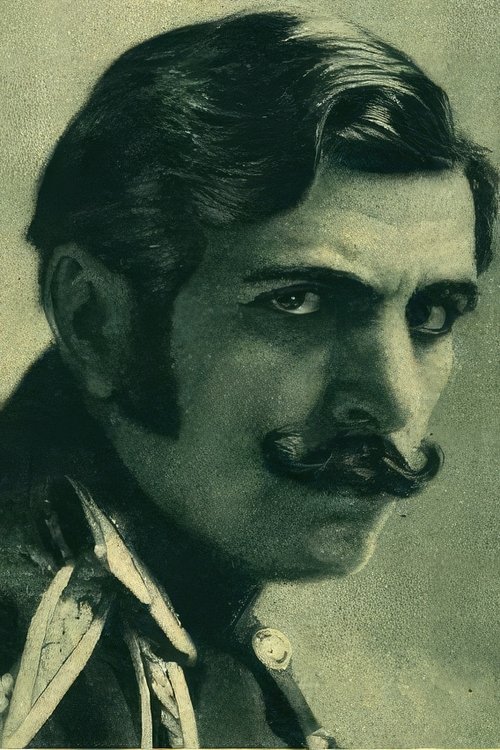
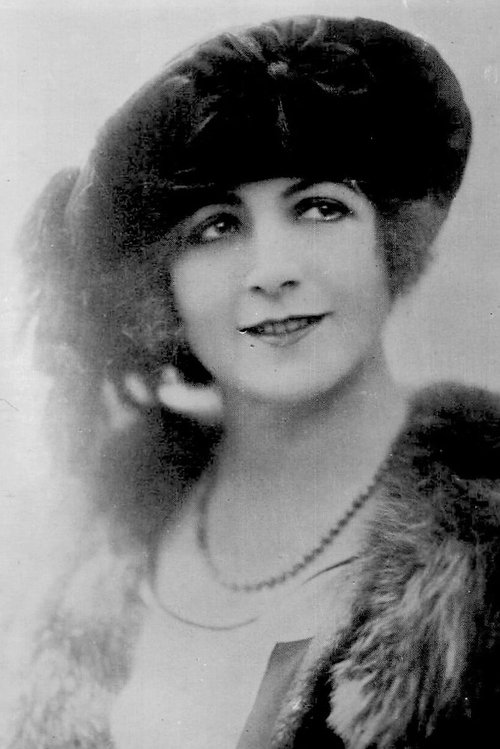
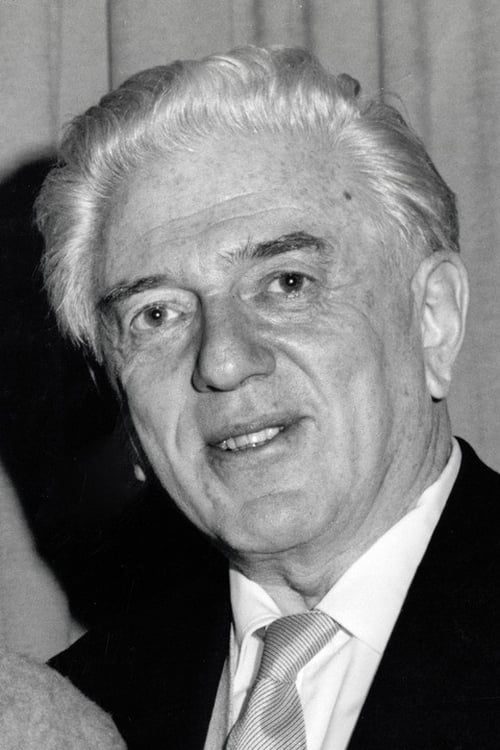
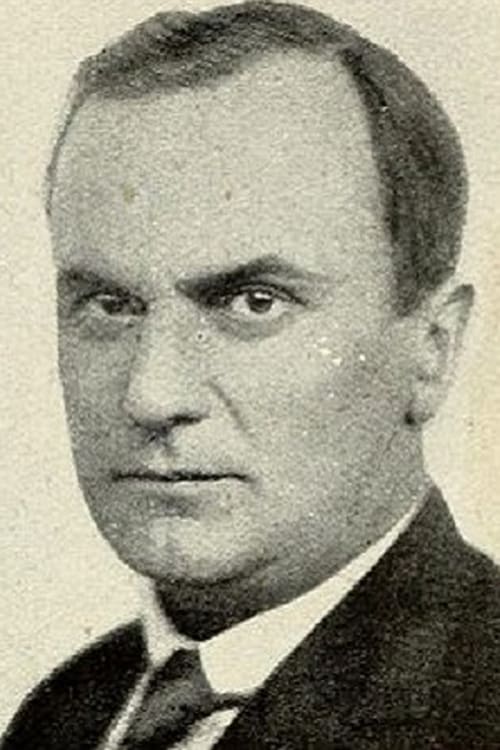
Every scene is about 98% accurate. There were times when I felt like I was witnessing some kind of documentary because everything felt so genuine. It was as if Abel Gance had traveled back in time to document the most important events in Napoleon's life. Albert Dieudonné delivers one of the most extraordinary portrayals in film history. He was Napoleon. His performance made me believe that he himself was Napoleon, and the rest of the cast doesn't fall short either. I want to mention each of them because they truly deserve it. I don't want them to be forgotten over time, as sadly, most of them are no longer with us.
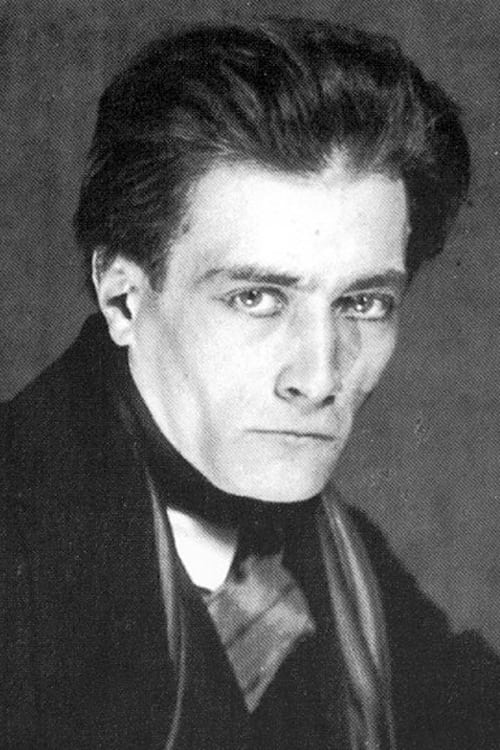
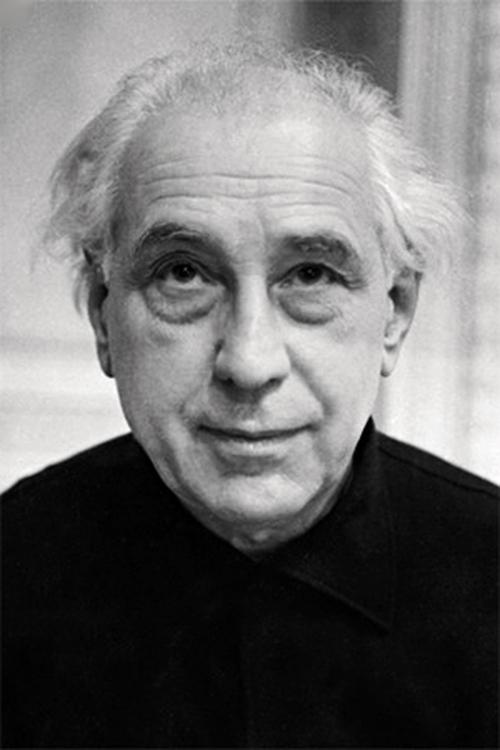
Thanks to the performances of:
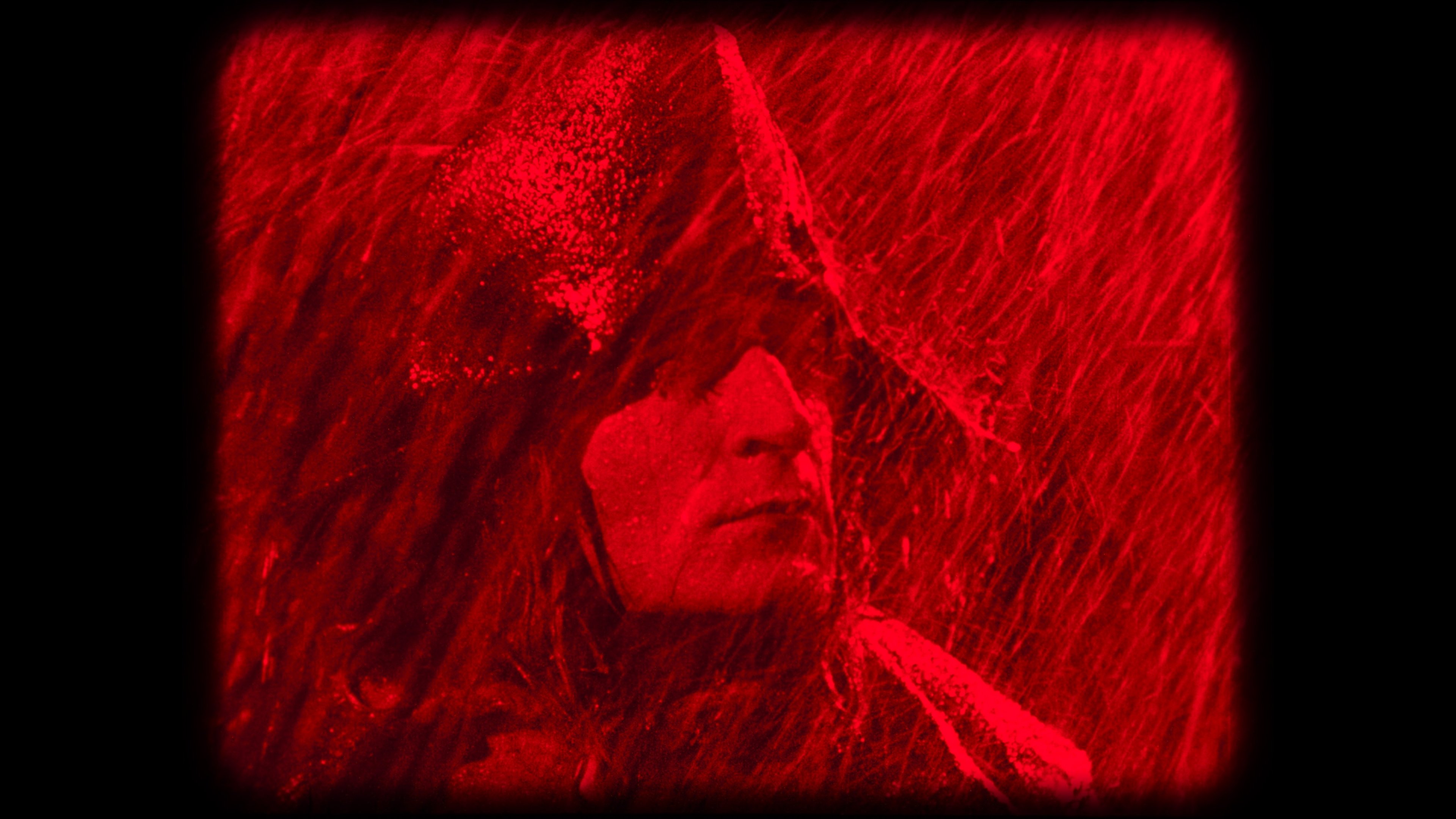
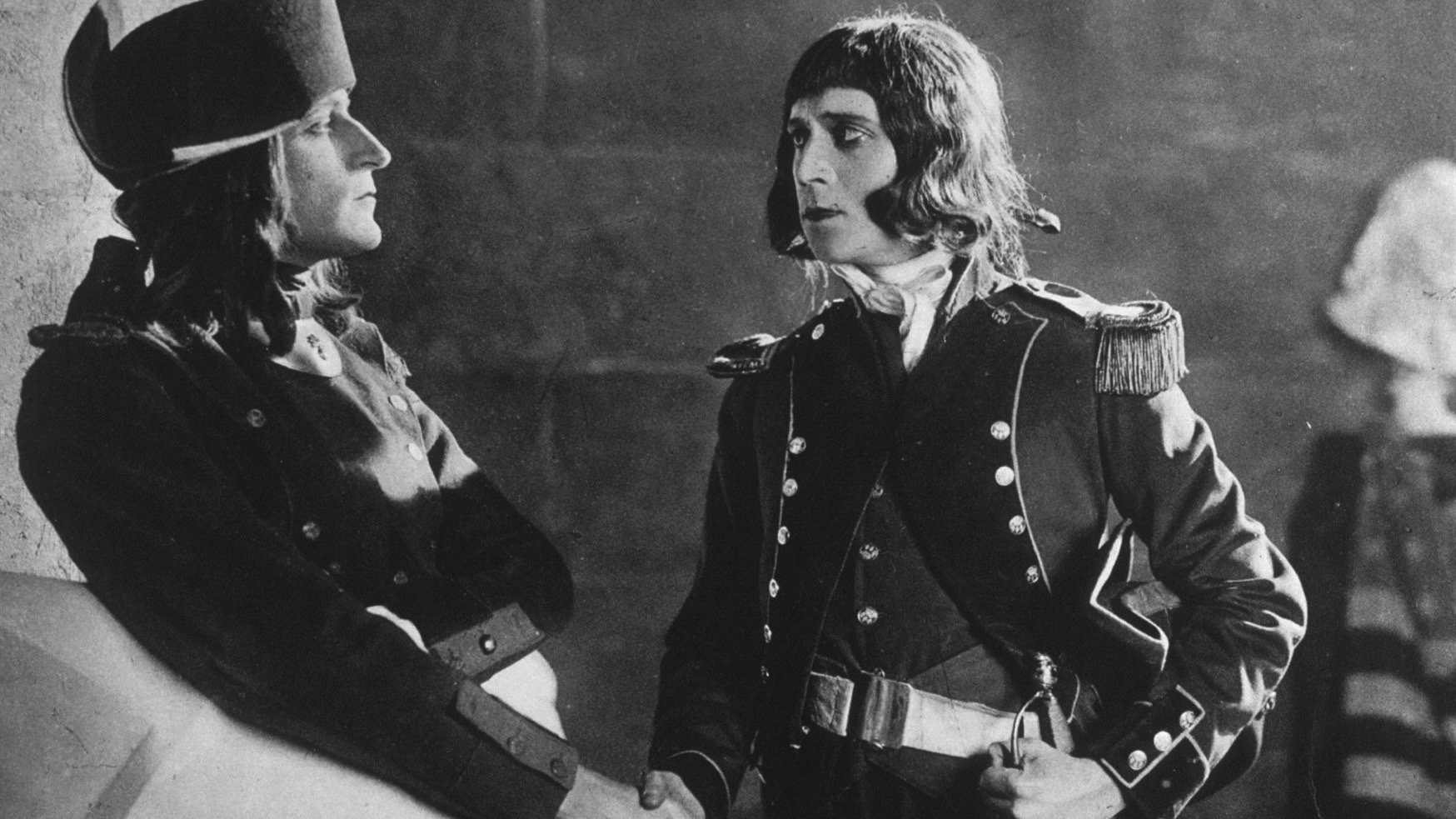
Albert Dieudonné – Napoleon Bonaparte
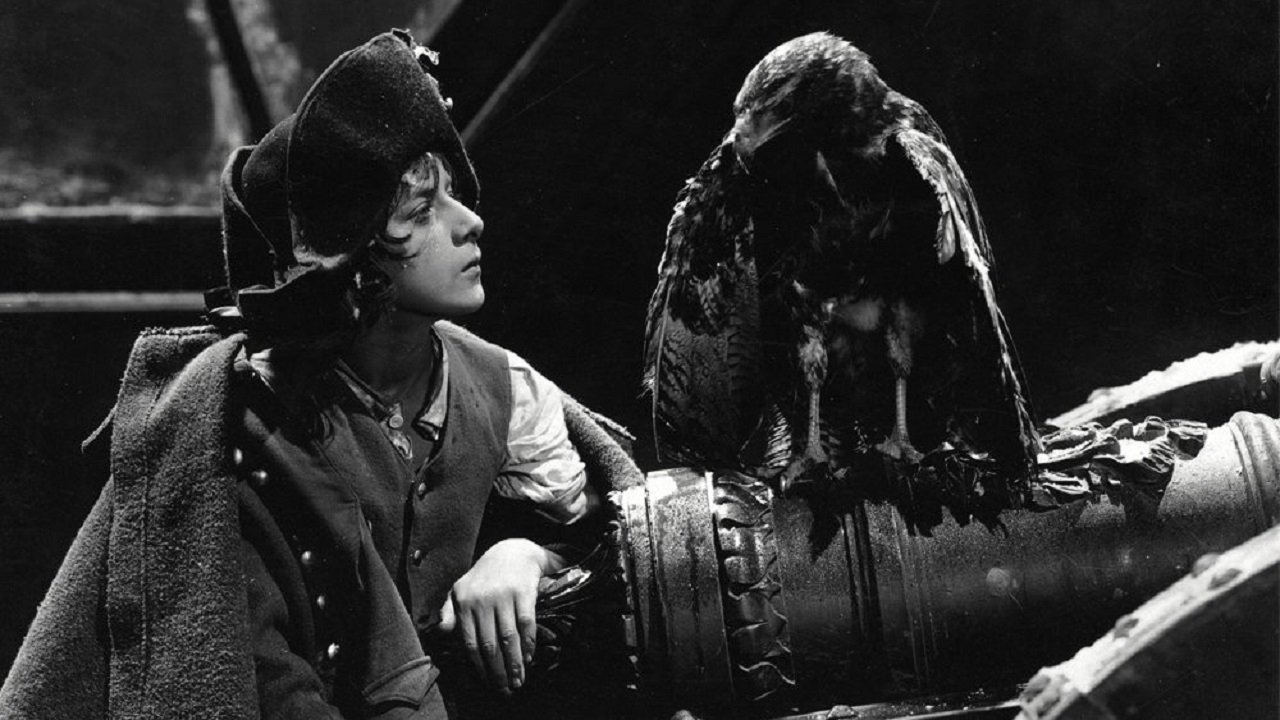
Vladimir Roudenko – Young Napoleon
Gina Manès – Joséphine de Beauharnais
Jean-Bernard Roussel – François de La Rochefoucauld
Alexandre Kancewicz – Paul Barras
Édouard Delmont – Emmanuel de Grouchy
Jacques de Féraudy – Georges Danton
Gabriel Signoret – Murat
Louis Le Bargy – Fouché
Roland Toutain – Jérôme Bonaparte
Maurice Schutz – Napoleon Bonaparte (elderly)
Jean Toulout – Maréchal Ney
Jean Lemoine – Robespierre
Henri Debain – Cazotte
Roger Treville – Barras
Léon Barthélémy – General Hoche
Gérard Descourt – Charles de Bonaparte
Raymond Cordy – Lucien Bonaparte
Jean Dax – Napoleon at court
Robert Pizani – Jean Lannes
Léon Gaumont – Consul
Emile Drain – Grenadier
Max Linder – Extra (cameo)
Georges Lannes – Extra (soldier)
Gabrielle Dorziat – Extra (woman of the court)
René Navarre – Extra (revolutionary)
Charles Vanel – Extra (soldier)
Raymond Blanchard – Extra (soldier)
Henri Lavorel – Extra (officer)
Fernand Fabre – Extra (soldier)
Pierre Magnier – Extra (soldier)
Lucien Guy – Extra (soldier)
Georges Paulais – Extra (soldier)
Henri Rollan – Extra (revolutionary)
This film made me cry; few have achieved that, and for different reasons. This was due to how grand it is, how ambitious (thousands of extras at the hands of a single director—that’s my dream), and how beautiful the musical score is (one of my favorite soundtracks of all time). Another reason it caused this emotional reaction in me is because my grandfather is deeply connected to the two areas I mentioned earlier. The film gave me a profound sense of gratitude for my grandfather. I love him with all my heart, and I owe him everything I have. This review is dedicated to him, because without him, I wouldn’t be the same, and I probably wouldn’t be writing this right now.
Knowing that we as humans are capable of coming close to perfection makes me feel better and gives me hope that someday I will be close to it. Napoleon is one of the most magnificent things in human history; we used what God gave us to create this magnificent film. One of the best of all time and one of my favorites.
Thank you for reading, and may God bless you.
100/100